The pan-European STOXX 600 index declined 1% to 608.2 points, as of 0903 GMT, to a more than two-week low
International News via Reuters:
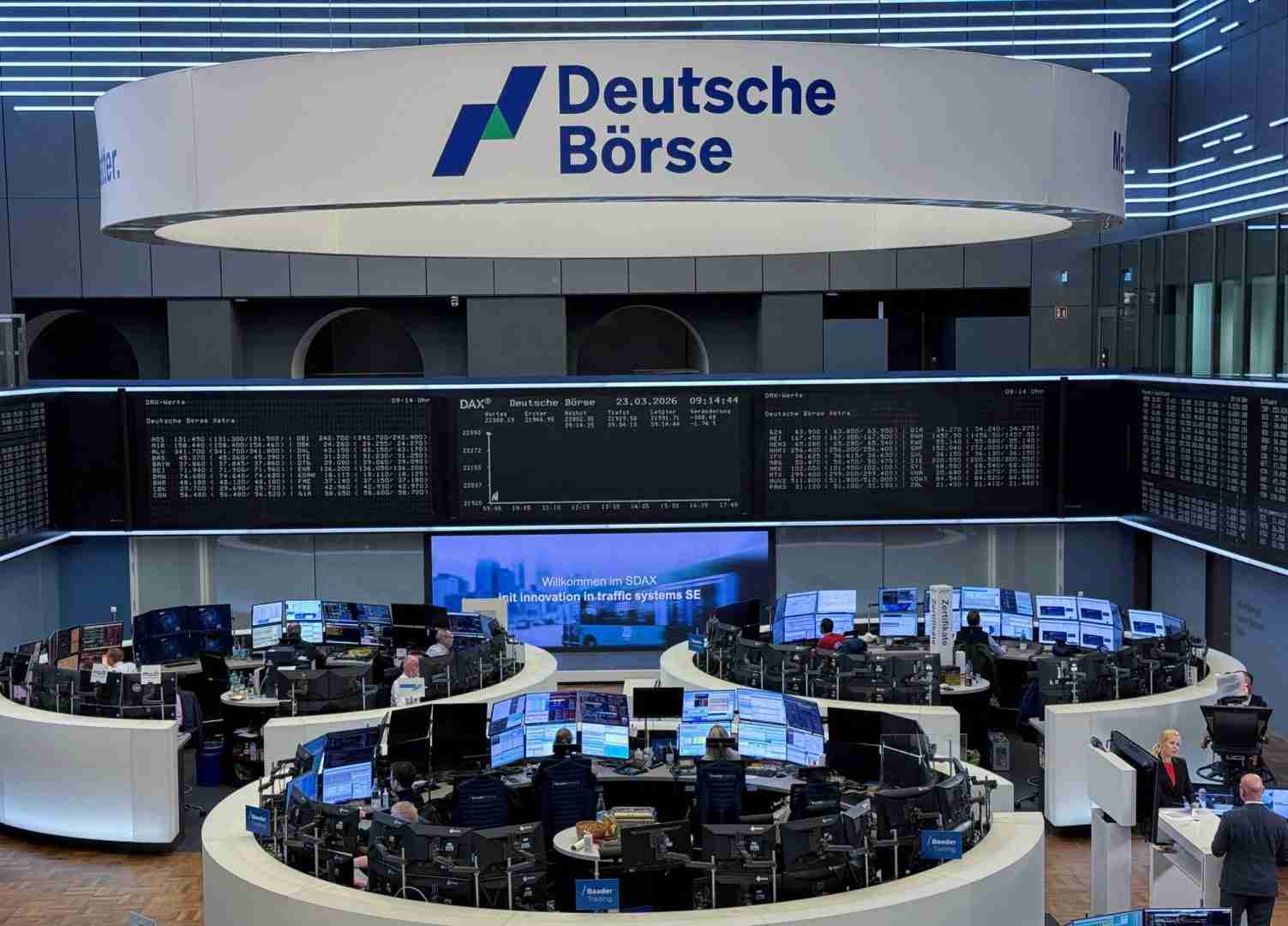
European shares fell on Friday and were set to end the week lower, as investors worried about risks to growth and a fresh inflation shock, with energy supplies still severely disrupted by tensions in the Middle East.
The pan-European STOXX 600 index declined 1% to 608.2 points, as of 0903 GMT, to a more than two-week low. It was on track to log a weekly decline of about 3% after rising for four consecutive weeks.
Major regional markets mirrored the decline.
Iran showcased its control over the vital Strait of Hormuz on Thursday, releasing footage of commandos storming a large cargo vessel from speedboats. In response, U.S. President Donald Trump ordered the Navy to “shoot and kill” Iranian boats laying mines in the strait and to enhance demining operations.
Trump’s comments came just days after he said he would indefinitely extend what had been a two-week ceasefire with Iran to allow for further peace talks.
“The conflict has not improved in any meaningful way,” said Luca Bindelli, head of investment strategy at Lombard Odier. “Negotiations are stuck, risks around oil transit remain high, and the situation is still a source of uncertainty for markets and the economy.”
The benchmark Brent crude remained above $100 per barrel, intensifying concerns about energy supply disruptions and their inflationary impact. [O/R]
Most sectors traded in the red, with aerospace and defence leading declines, down 2.8%.
Technology stocks gained 0.4%, helped by a 5.6% jump in SAP shares after the German software maker beat first-quarter profit estimates on strong growth in its cloud business.
In other movers, Tomra tumbled 21% to the bottom of the STOXX 600 after the Norwegian recycling technology provider missed first-quarter revenue and profit expectations.
Sweden technology and industrial group Indutrade was also among the laggards, falling 12% after it reported first-quarter net sales that missed analyst expectations.
German business sentiment deteriorated more than anticipated in April, amid the Iran conflict, making companies increasingly pessimistic.
Focus now turns to next week’s European Central Bank meeting, with markets pricing in a 76% chance that policymakers will leave rates unchanged, according to data compiled by LSEG.
However, with energy flows through the Strait of Hormuz showing no signs of resuming, traders still anticipate rate hikes later this year.
“With the ECB’s focus on inflation expectations and fears that war-related effects could push companies to pass on costs, we’re likely to see the ECB eventually still wanting to raise rates, which we think they’ll then have to roll back in 2027,” Bindelli said.
Reporting by Ragini Mathur; Editing by Eileen Soreng and Rashmi Aich