OBA says the Government’s next step must be a costed, dated, owned delivery plan naming who is responsible for what, and by when
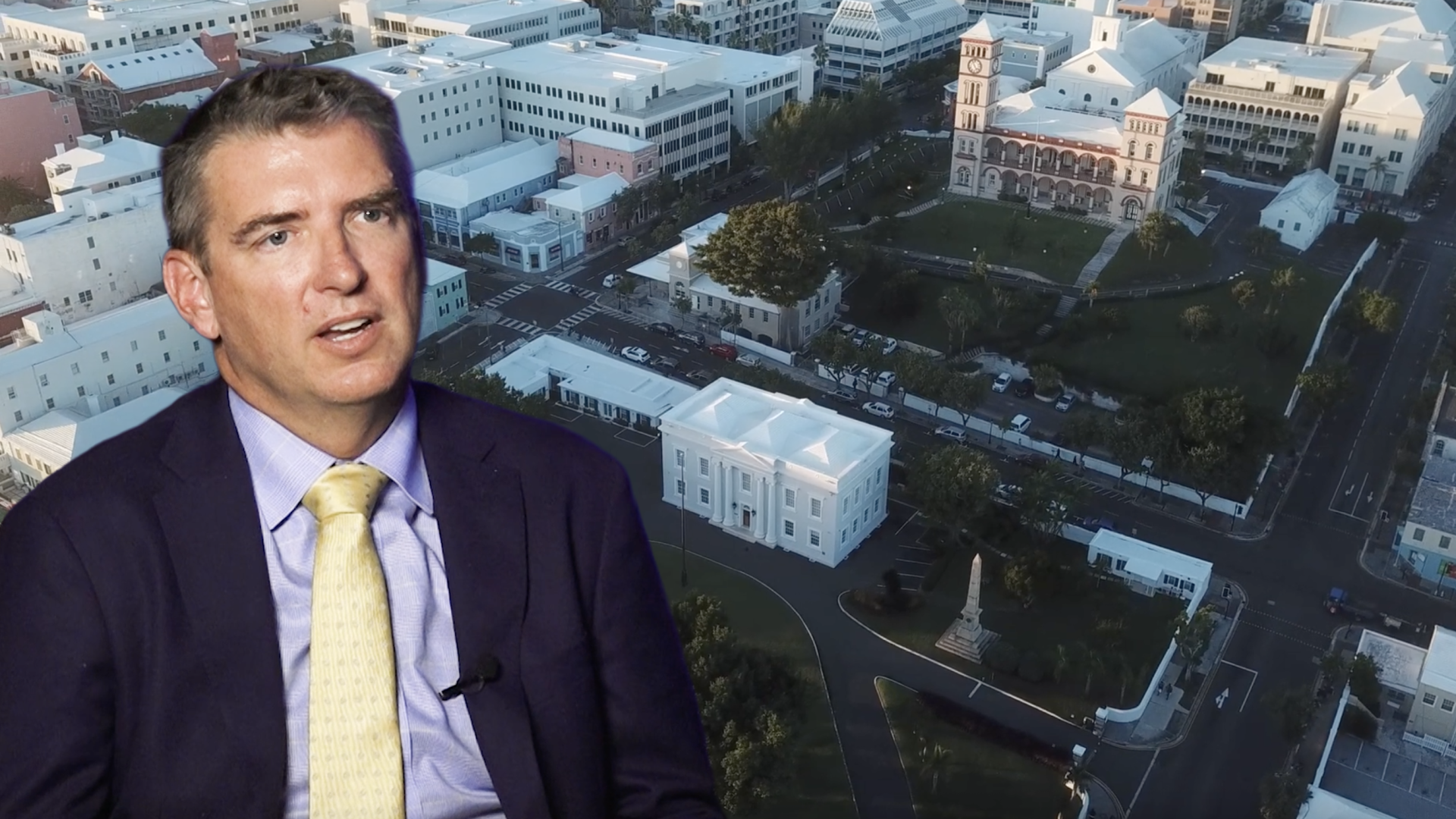
Statement by Michael Fahy, Shadow Minister of Economy, Labour & Housing:
More than 50 people are sleeping outside in Bermuda tonight. Hundreds more are one crisis away from joining them. Against that backdrop, the Government’s “Plan to End Homelessness” debated in Friday’s House of Assembly, deserved the serious attention it received, not as a press release to be applauded or dismissed, but as a document whose strengths and gaps will determine whether real people get housed or whether we are left, a decade from now, debating the ever worsening statistics.
To its credit, the Plan is not a rushed political gesture. In a very serious collaboration with the amazing Chairty HOME, it was built over roughly two years, drawing on direct conversations with more than 400 people who have experienced homelessness or were at risk of it, alongside hundreds of hours of consultation with government officials, charities and researchers, and a review of practices from more than 40 countries. The Plan does not treat homelessness as a personal failing, rather it correctly frames it as the product of poverty, a shortage of affordable housing, family breakdown, trauma, addiction, mental illness and gaps in our justice, immigration and care systems, often several at once. Those framings matter, because how a society defines a problem shapes whether it responds with compassion or with judgment.
The Plan’s central strategy is also sound. It adopts “housing first” and “rapid rehousing” as its default response, with both models having a genuinely strong international evidence base, credited with success rates of 80 percent or better in the countries that have committed to them properly.
The logic is simple and, frankly, overdue.
Get people into stable housing first, without demanding they solve every other problem in their lives as a precondition, then wrap support around them once they are safe. It is a sharp break from the emergency-shelter, crisis-management approach Bermuda has relied on for years.
The Plan also makes an economic argument that should resonate even with those unmoved by the moral case. It notes that a single night in King Edward VII Memorial Hospital costs roughly $1,000, that housing someone in the Department of Corrections runs about $80,000 a year, and that financial assistance payments can reach $33,000 a year per person without ever addressing the underlying housing problem.
Altogether, the 2023-24 budget allocated nearly $26 million across five government departments responding to the downstream effects of homelessness. The conclusion is hard to argue with and that is Bermuda is already paying for this crisis, and in the most expensive, least effective way possible.
So where does the Plan fall short? Simply put, in the gap between vision and delivery. For all its research and good intentions, the document contains no numeric targets. There are no stated goals such as “zero rough sleeping by a given year” or “X new units of supportive housing.” It sets out no firm timelines, only vague buckets like “immediate” and “short-to-medium term.”
Most strikingly, given how carefully it calculates the cost of inaction, it offers no costed budget or financing plan for the action it recommends, and nowhere does it name which government department, agency or minister is accountable for delivering each of its recommendations, or by when. That is not the job of HOME. That is the job of the Government to take the recommendations and prioritise and cost them out.
This is not a small omission. Plans without dates, budgets and named owners tend to become shelved reports rather than delivered outcomes. My fellow MP, Robin Tucker pointed out in the parliamentary debate, that there have been plans under Nelson Bascome and Dale Butler which came to very little. Bermuda’s homelessness numbers have only worsened in recent years, more than doubling since 2021 according to figures from the charity HOME. The Plan’s own “what happens next” section promises little more than a further round of public consultation, a microsite, and a commitment to “prioritise”.
These are process steps, not delivery commitments. This critique is not confined to advocates outside government. The OBA has already made much the same point about housing initiatives more broadly, arguing that budgets have repeatedly preceded the plans meant to justify them, work is undertaken without proper RFPs and seems to be a mish mash of projects across different quangos and committees. Bermuda does not appear to lack strategies. It lacks the discipline to turn them into dated, funded, accountable action.
None of this means the Plan should be dismissed. Its diagnosis is honest, its model is evidence-based, and its economic case is compelling. Bermuda’s homelessness problem, while serious, is also small enough in absolute terms.
The Government’s next step cannot be another consultation. It must be a costed, dated, owned delivery plan naming who is responsible for what, and by when. Until that exists, more than 50 people will keep sleeping outside, waiting for good intentions to become a home and the more than 1300 that are homeless or facing homelessness will continue to rise. The OBA will continue to support where it can but not at the expense of proper scrutiny.