
Rebounding from earlier losses, Brent crude futures were up $2.04, or 2%, to $106.76 a barrel at 11:07 a.m.
International News via Reuters:
Oil prices were up 2% at near two-week highs on Monday as attacks on Saudi Arabia overshadowed the prospect of increased supplies after US President Donald Trump hailed fresh Russian diesel exports and a Russia-Ukraine ceasefire on energy targets.
Rebounding from earlier losses, Brent crude futures were up $2.04, or 2%, to $106.76 a barrel at 11:07 a.m. EDT (1507 GMT), their highest since September 29. US West Texas Intermediate crude was at $93.69 a barrel, up $1.84, or 2%.
The Iran-aligned Houthis claimed responsibility for a Saturday strike on Riyadh’s international airport that killed 13 people and wounded more than 300. Further attacks happened on Sunday.
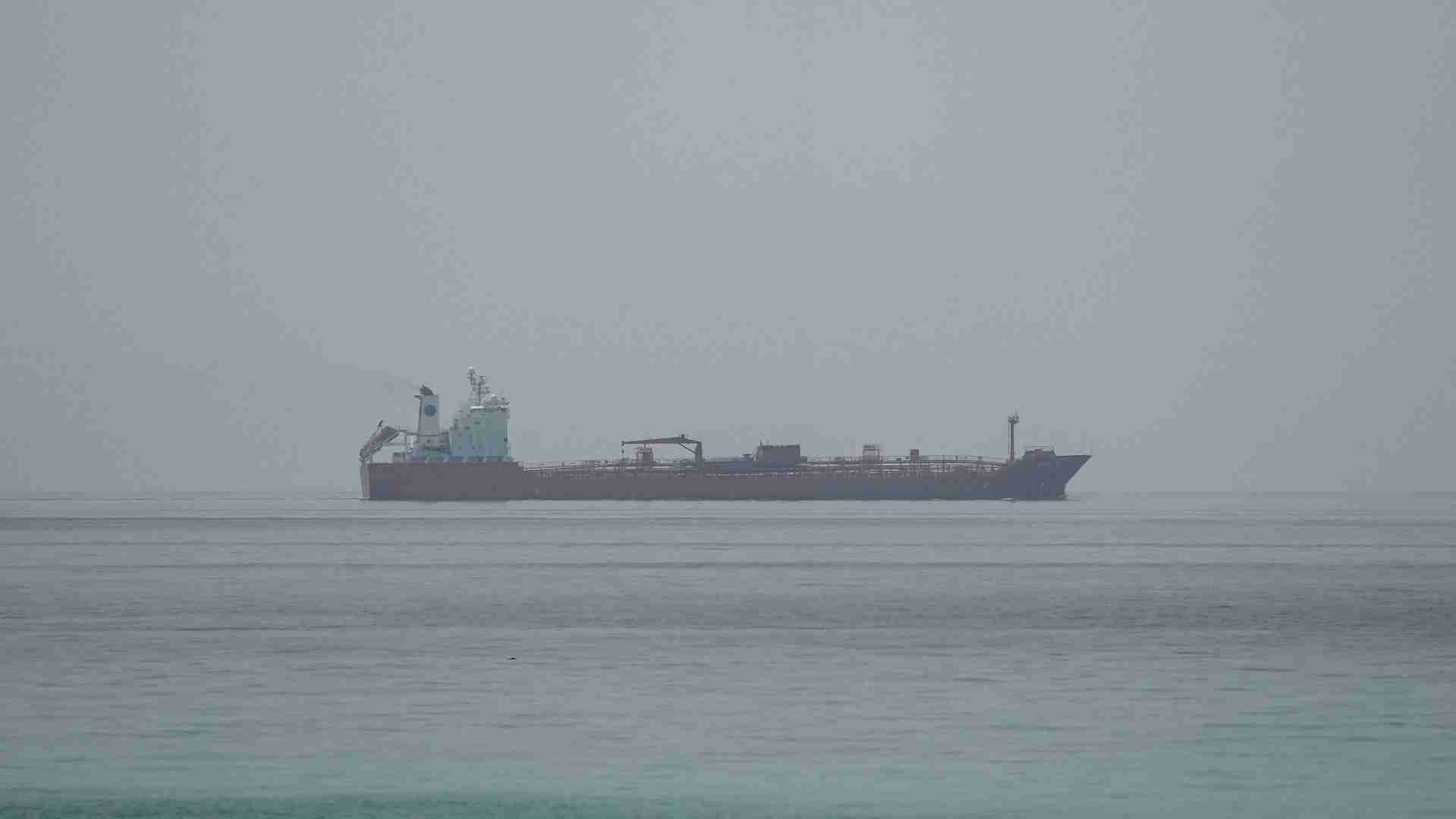
In addition, more attacks on tankers sailing through the Strait of Hormuz have been reported this month, threatening to dampen a recovery in Middle East crude exports seen in September.
A tanker was struck by a drone in the vicinity of Oman’s Sohar, while another was damaged transiting Hormuz, the United Kingdom Maritime Trade Operations reported.
“The sense of some kind of normality of exports from the Strait of Hormuz was shattered last week. Fresh attacks by the Houthis on Saudi Arabia added to this and helped to lift prices,” said SEB commodities analyst Bjarne Schieldrop.
“Hard choices over what to defend will increasingly have to be made: oil infrastructure, military installations, royal palaces, civilian airports or other.”
Goldman Sachs, in a note, raised its Brent price forecast for December to $90 a barrel from $85, estimating a risk premium of just over $20 a barrel.
“We forecast WTI prices, which are unusually low vs Brent because of high US-Europe shipping costs, to average $81 in December 2026 and $73 in 2027,” they added.
In the Gulf of Mexico, energy majors Shell, Chevron and BP were seeking to redeploy personnel and restore production at their platforms after Hurricane Isaias made landfall early on Saturday.
MORE RUSSIAN DIESEL
ICE gasoil futures fell 2.3% to $1,449 per metric ton after Trump said on Friday that Russia will immediately supply more than 300,000 metric tons (2.25 million barrels) of diesel to US and global markets, with more to come later.
“The release will be developing gradually through the rest of this year and the expected amounts during the coming month don’t appear capable of forcing much additional downside price pressure,” said analyst Jim Ritterbusch of Ritterbusch and Associates in Florida, who noted that he did not expect much of a price reduction by the time the US midterm elections take place three weeks from now.
“The immediate impact of the deal is questionable, as Russia’s refining capacity has been severely reduced,” PVM analyst Tamas Varga said. “However, Moscow has partially lifted its ban on diesel exports, allowing 500,000 tons (around 3.7 million barrels) to be released onto the international market — equivalent to roughly one day of US consumption and around 13% of global demand.”
Trump also unexpectedly announced on Sunday that Ukraine and Russia had agreed to a ceasefire covering energy infrastructure. Ukrainian leader Volodymyr Zelenskiy accused Russia of violating the energy ceasefire on Monday, while Russia did not comment.
The International Energy Agency’s Fatih Birol said all members should assess whether additional diesel releases are necessary and that countries which have not yet fully delivered pledged volumes should accelerate releases, prioritising diesel.
Additional reporting by Ahmad Ghaddar in London, Mohi Narayan in New Delhi and Florence Tan in Singapore. Editing by Susan Fenton and Mark Potter