
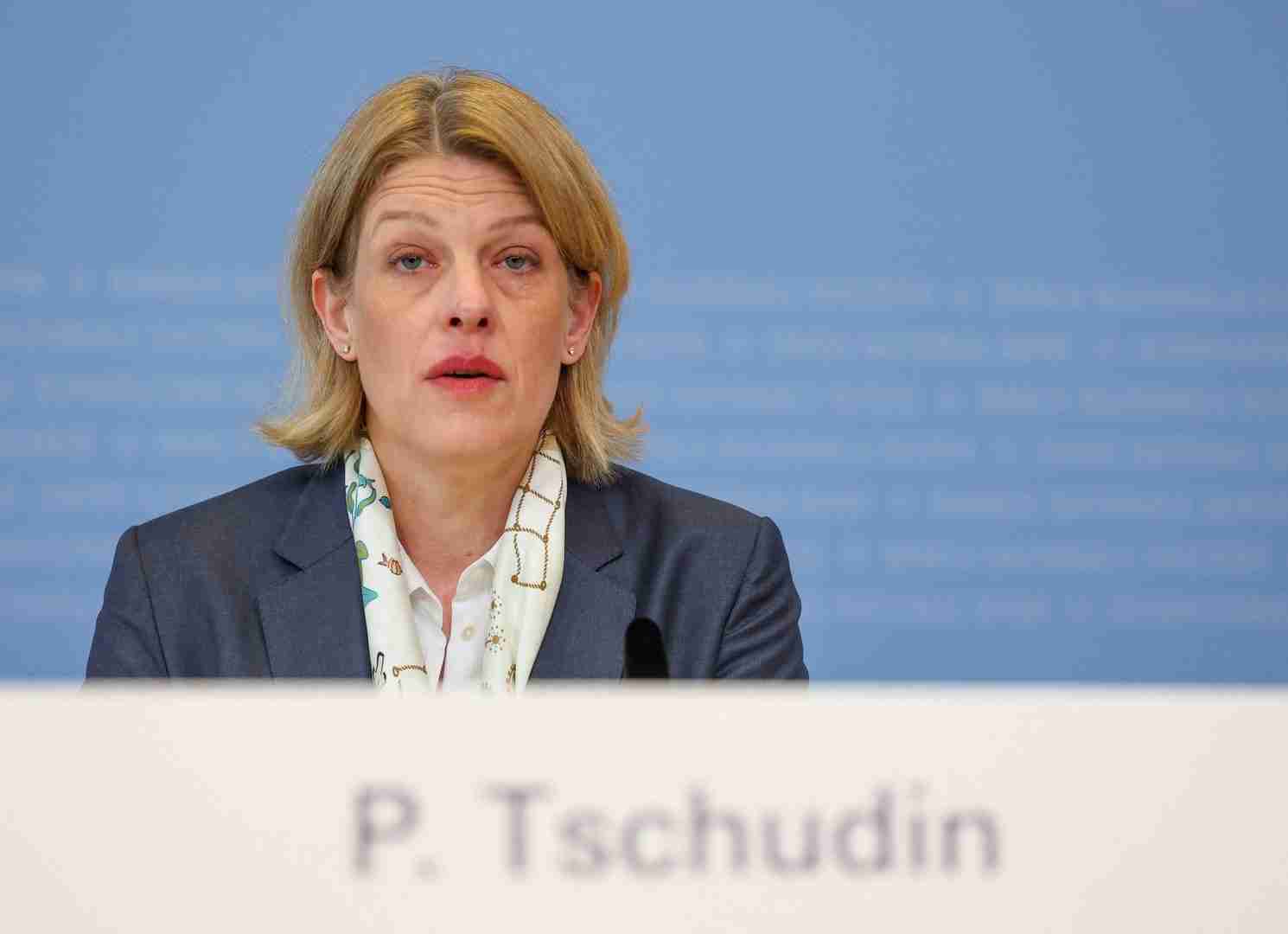
The central bank was looking closely at the impact of AI on prices, saying it could have an effect in both directions, Tschudin told newspaper Finanz und Wirtschaft
International News via Reuters:
Artificial intelligence can push inflation higher in the short term although the overall effect of the technology remains unclear, Swiss National Bank governing board member Petra Tschudin said in an interview published on Friday.
The central bank was looking closely at the impact of AI on prices, saying it could have an effect in both directions, Tschudin told newspaper Finanz und Wirtschaft.
“Investment flows are being partly redirected, which can mean adjustments and difficulties for the rest of the economy,” Tschudin said.
“Shortages can occur, for example with chips, causing prices to rise. In the short or medium term, therefore, upward inflationary pressure can also arise.”
In the longer term artificial intelligence could also lower prices by increasing productivity and making goods cheaper, she said.
But because inflation was calculated on an annual basis, to have a deflationary effect, this price decline would have to repeat itself regularly, she said.
“Is that realistic? Productivity gains as such are not a new phenomenon. They do not, by themselves, lead an economy into structural deflation,” Tschudin said.
On Thursday, the International Monetary Fund’s new chief economist Silvana Tenreyro also warned in research published by Bank of England staff that even if artificial intelligence boosts productivity, it may not lower inflation.
In its latest forecast the SNB does not see inflation above or below its target range for annual price rises of 0% to 2% in the period up to the first quarter of 2029.
Still, Tschudin said this should not be seen as a forecast the central bank will not change its policy interest rate, which currently stands at 0%.
Instead the forecast was based on how the central bank saw inflation if interest rates remained unchanged.
“If there is new relevant information about inflation, we adjust monetary policy,” Tschudin said.
“The conditional inflation forecast should not be understood to mean that interest rates will remain at their current level for three years. We do not publish interest rate forecasts.”
Reporting by John Revill; Editing by Kirsten Donovan