
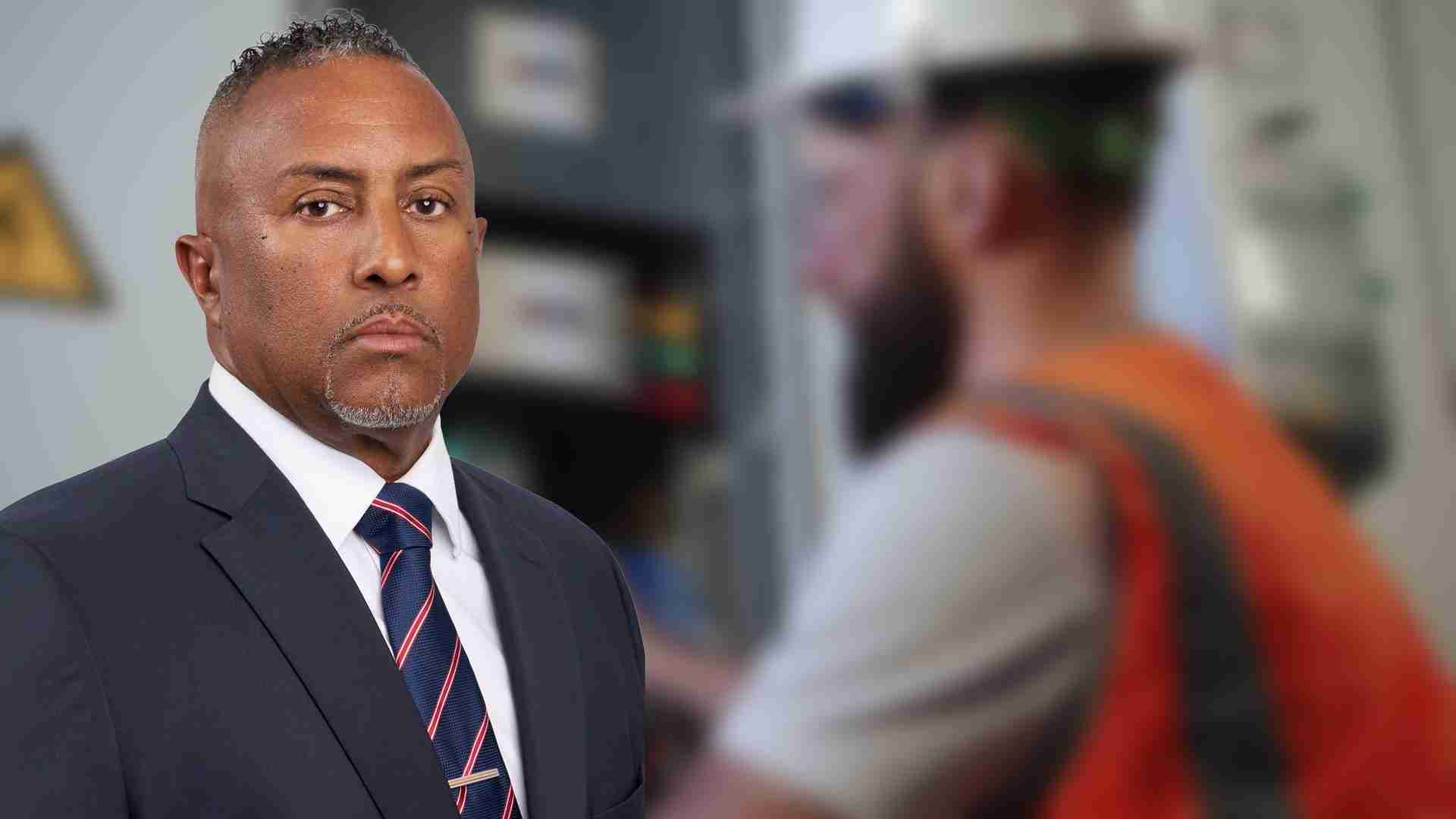
Statement by Ben Smith, Leader of the Opposition:
Not a day goes without a young Bermudian being asked to share what are their future career plans. Try asking that to a 16-year-old.
At that age, while most are thinking about the next few years, they are also studying for GCSEs, exploring university options and of course listening to the adults in their lives telling them what they think they should be.
It’s overwhelming, to say the very least.
It can be a difficult question to navigate at 16.
But there is another question that they deserve answered: What opportunities will young Bermudians actually have by the time they reach 20?
Will we need electricians? Plumbers? Nurses? Teachers? Mechanics? Chefs? Technology specialists?
And if we know we are going to need them, are we preparing Bermudians now? Based on the recently revealed results of the 2020-2023 Gates-MacGinitie Reading Test, which were shockingly poor, I would venture to say a number of students in the Bermuda Public School System are lagging far behind. Fixing this issue should be a priority. We owe it to our students.
But the silver lining is there is nowhere to go but upwards.
Now let’s look at occupations needed in Bermuda. Let’s use electricians, for example.
We should know roughly how many are employed in Bermuda today, how many are Bermudian, how many are here on work permits and how many are approaching retirement.
We should also know how many young Bermudians are training to become electricians.
Then what should come next? We should look ahead.
Are there any large or long-term construction projects on the horizon? How will new technology change the skills required?
Put those pieces together and we should have a reasonable idea of whether Bermuda will have enough electricians five years from now.
If the answer is no, there will be an occupation shortage on the horizon, which translates into an educational opportunity today.
A student should be able to hear: Bermuda is going to need people with this skill. This is what the training looks like. This is how long it takes. These are the qualifications you need. And this is where the career can take you.
Parents, high schools, the Bermuda College and employers should have access to this data as well.
This should be applicable to all occupations/trades in Bermuda where we are currently experiencing a shortage and/or underemployment of Bermudians.
By doing this education, workforce development and economic planning begin to connect.
Education should always be about more than preparing someone for a job. We want young Bermudians who can think critically, communicate, solve problems and participate fully in their community.
But we also owe them an honest view of the economy they are going to enter.
We should not be preparing young Bermudians for yesterday’s jobs and then discovering that we have to import people for the opportunities we failed to prepare them for.
This information should also make developing immigration policy easier.
Bermuda will always need workers from overseas. We are a small country with a sophisticated economy, and people from around the world have helped build the Bermuda we know today.
But immigration decisions should be based on what is actually happening in our workforce.
Suppose a job category is closed because we want to create more opportunities for Bermudians.
That may be the right decision.
But how do we know?
Before making the change, policy makers should decide what success should look like. Then come back a year later and assess what happened.
Did more Bermudians enter the occupation? Did more undertake training? Were employers still able to fill vacancies? Did the policy create a shortage we didn’t expect?
If it worked, we have evidence to continue.
If it didn’t, change it.
The point isn’t whether a particular category should be open or closed. The point is that we should know whether the decision achieved what it was supposed to.
Too often our politics works the other way around.
We decide what we believe the problem is and then find the numbers that support the story.
The Government can do it. The Opposition can too.
We need the discipline to ask what the information tells us before deciding what we want it to say.
That matters when we hear big announcements as well.
Hundreds of new jobs sounds like good news, and it may well be. But if we are serious about planning, the headline number is only the beginning.
What jobs are they? What skills will be needed? How many can be filled by Bermudians? How much training will be required? If additional workers are needed, how many?
Those answers allow us to prepare for the future.
Without them, we celebrate the announcement today and deal with the consequences tomorrow.
Bermuda is small enough that we should be able to do this better.
Imagine that 16-year-old I mentioned at the beginning being able to sit down with their parents and see where Bermuda is likely to need people over the next five or ten years.
Not a guarantee of a job. No government can promise that.
But a clear picture of where opportunities are developing, what qualifications they require and what someone needs to do to compete for them.
That gives a young person something valuable—a chance to make an informed choice.
It also gives Bermuda something valuable: time.
Time to train people before a shortage develops. Time for employers to build apprenticeships. Time for Bermuda College to adjust programmes. Time for the government to make immigration decisions based on genuine need rather than reacting after the problem arrives.
The purpose of collecting data isn’t to produce another report.
It is to see what’s coming.
And if we can see that Bermuda is going to need an electrician, plumber, nurse or technician five years from now, the first person who should know shouldn’t be an overseas recruitment agency.
It should be that 16-year-old Bermudian contemplating their future.

