Statement by Jarion Richardson, Shadow Minister of National Security:

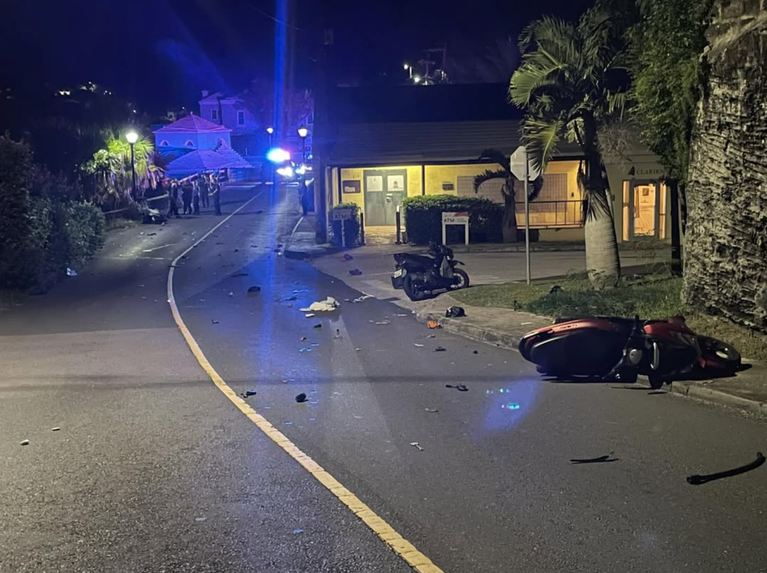
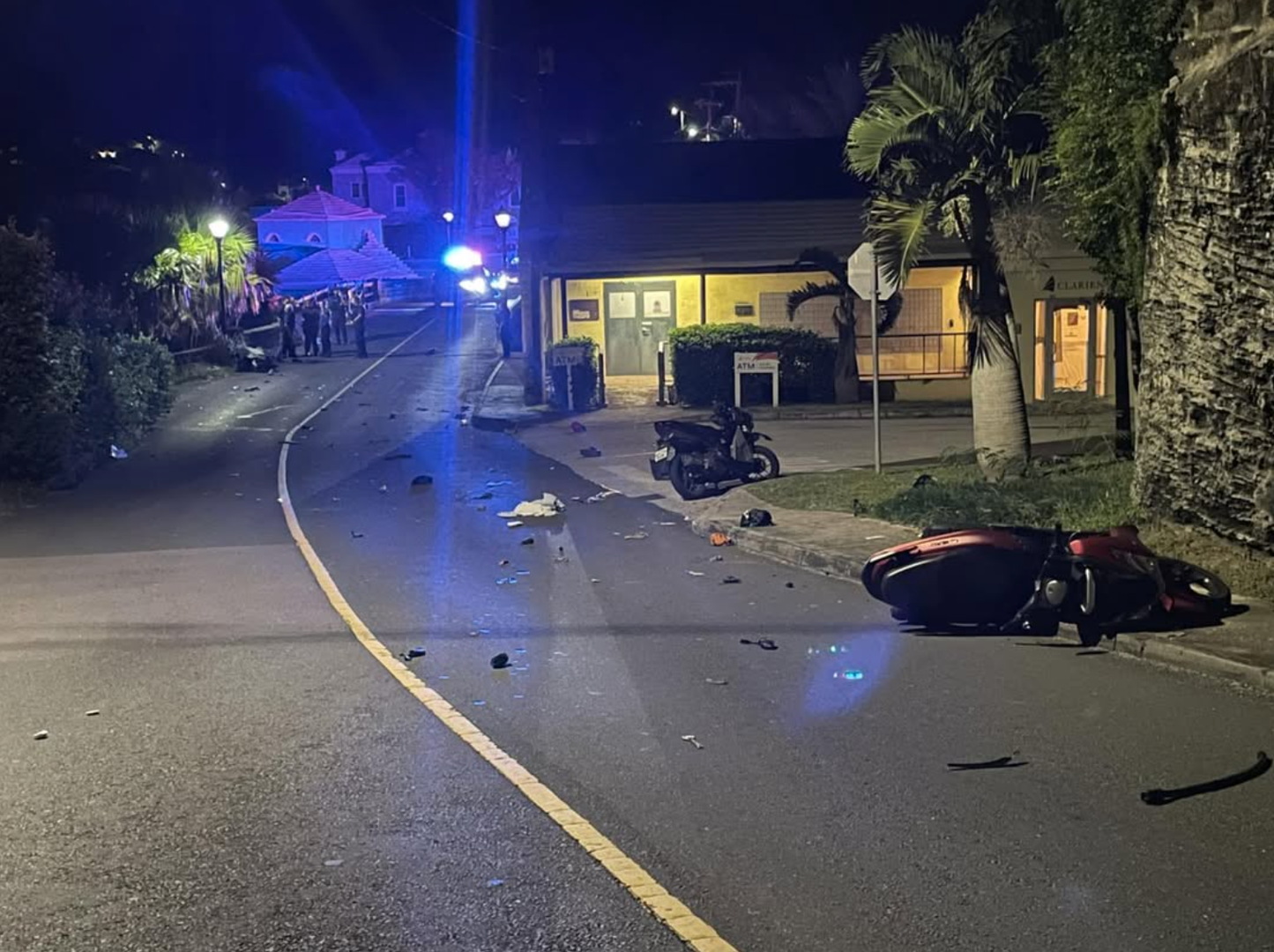
Bermuda has now recorded its fifteenth road death of 2026. A 30-year-old man died following the collision near Somerset Bridge and another person was seriously injured. The Opposition of Bermuda extends our sincere condolences to the family and friends of the man who lost his life, and our thoughts are also with those injured and everyone affected by the collision. We do not know what caused that incident, and it would be wrong to use the grief of those involved to make claims the facts do not support.
What we do know is that the wider problem is well established. The Judiciary has called for a coordinated road-traffic strategy covering legislation, enforcement, infrastructure, education, data and measurable safety targets. More recently, Magistrate Auralee Cassidy dealt with a 21-year-old who admitted travelling at 99km/h. He received a $500 fine and seven demerit points, and she reportedly said she would have imprisoned him for travelling at that speed if the law had allowed it. That does not settle what every sentence should be, but it does show that questions about the adequacy of the present law are real.
That was part of the reason I brought the Road Traffic and Motor Car (Road Safety and Penalties) Amendment Bill to Parliament. It was never meant to be the whole answer. It dealt with the legislative part of the problem: allowing properly controlled sobriety checkpoints without advance public notice, strengthening penalties and disqualification periods, etc.
There was more agreement around those principles than the later political debate sometimes suggested. In July, the Royal Gazette editorial welcomed the different road-safety measures then being proposed and specifically supported unannounced sobriety checks and stronger penalties, while also making the point that enforcement, roads and administration all have to work together.
When the Bill could not proceed following the Speaker’s ruling, I accepted that ruling. Rather than use Motion to Adjourn to argue the ruling, I used that contribution to ask the question that mattered once the Bill was gone: what happens next? The proposed solution is disposed of, but not the state of the roads.
There was a useful indication from Government that night – the Premier said there should be a legislative route on which the House could collaborate. The Government offered to jointly author a motion for debate in Parliament. The Opposition made clear that we do not think more talking is needed. There is already drafted legislation. Government can take it up, amend it, use what it agrees with, reject what it does not, or bring something better.
Collegial engagement is one thing; urgent action is another. And now that Parliament can’t act, it’s for the Government to bring forth the legislation as well as other actions.
On the Motion to Adjourn, I asked Government to publish its road-safety plan, identify the baseline for its 2030 target, set milestones before 2030, say which ministries and agencies are responsible, and publish dates, costs and performance measures. I also asked for a 90-day action plan. Bermuda should not have to wait until 2030 to discover whether what is being done today is working.
Since then, we have learnt that Government engaged an outside consultant for six weeks to map existing road-safety activity and recommend how the different pieces should fit together. That may prove useful. There is nothing wrong with consultation or outside advice. But eventually consultation has to produce decisions, and coordination has to produce accountability.
So, the question remains: where is the plan?
If it exists, publish it. If it is still being assembled, say when it will be finished. If Government intends to bring legislation, tell Parliament what it will address and when it will arrive.
There is enough agreement now to move past another general discussion about whether road safety matters. We know it does. We know enforcement matters. We know the courts need laws they can use. We know roads, data and education matter too.
The Bill is no longer before the House. That outcome has been accepted. What we should not accept is that the work therefore stops.
We remain willing to work with Government where there is useful work to be done. We will also continue asking what is being done, who is responsible, when it will be done and how Bermuda will know whether it worked.
With fifteen people already lost on our roads this year, and an unknown number of life-changing serious injuries, those are reasonable questions.