Sunday, October 25, 2026
Home Blog Page 106

Woman charged over vandalism of Washington’s World War Two memorial

Pirro said on social media that Melissa Farris faces charges each carrying penalties of up to 10 years in prison

International News via Reuters:

A Kentucky woman has been taken into custody and charged with two felony counts in connection with the vandalism at the World War Two memorial in Washington, U.S. Attorney for the District of Columbia, Jeanine Pirro, said on Friday.

Pirro said on social media that Melissa Farris faces charges each carrying penalties of up to 10 years in prison.

The World War Two memorial was vandalized with bubbly soap and graffiti on Thursday. The fountain bubbled over with suds and the words “Clean hands Dirty $” were painted on one surface, splattering the area with red and green paint.

In videos posted to her Facebook account, Farris records herself spray painting the memorial and asking why she has not been arrested. She describes herself on the social media platform as a “pirate captain” who is “panhandling for America.”

The criminal complaint filed Friday quotes Farris as saying,

“Someone has to make choices that are different and I am accountable for my actions,” she said. “I am going to make these choices today and I will step foot into the courtroom and I will wait to be arrested  …. Our government needs to be accountable for their choices too.”

In later videos posted after the incident, she appears disheveled and crying, saying she knows she upset people by her actions but was trying to get help for herself.

According to the complaint, a witness took a photo of Farris spray painting the memorial, an image that was circulated among U.S. Park Police.

An officer recognized Farris as someone they had arrested three days earlier for unlawfully camping on federal property a few blocks from the memorial.

Law enforcement found a white sign with painted letters in a nearby trash can with paint that appeared to match the paint that was used on the memorial. 

Along with her statement on X, Pirro posted photos of a woman who appears to be Farris holding a can close to the red paint on the memorial.

Two of Farris’ family members contacted by Reuters declined to comment.

TRUMP CONDEMNS INCIDENT

Pirro has recently drawn President Donald Trump’s anger for dropping charges against four people accused of vandalizing the Reflecting Pool after Trump oversaw renovations of the pool.

The pool’s condition soon deteriorated, with a peeling liner and algae blooms. Pirro blamed that deterioration on faulty installation in dropping the vandalism charges. 

Trump said in response that Pirro had “folded like an umbrella.” 

Trump appeared to link the Reflecting Pool damage to the World War Two memorial in a post on social media on Friday, calling it an insult to Americans who had died in the conflict.

“First the Reflecting Pool, now this,” he wrote. “We are on their trail! Where do these animals come from???”

Reporting by Ismail Shakil and Dan Rosenzweig-Ziff; editing by Michelle Nichols and Sanjeev Miglani
Britain considers easing 2030 zero-emission vehicle targets

The mandate, introduced in 2024, requires carmakers to ensure a rising proportion of their annual sales are zero-emission vehicles, with EVs accounting for 33% of new car sales in 2026, 80% in 2030 and 100% by 2035

International News via Reuters:

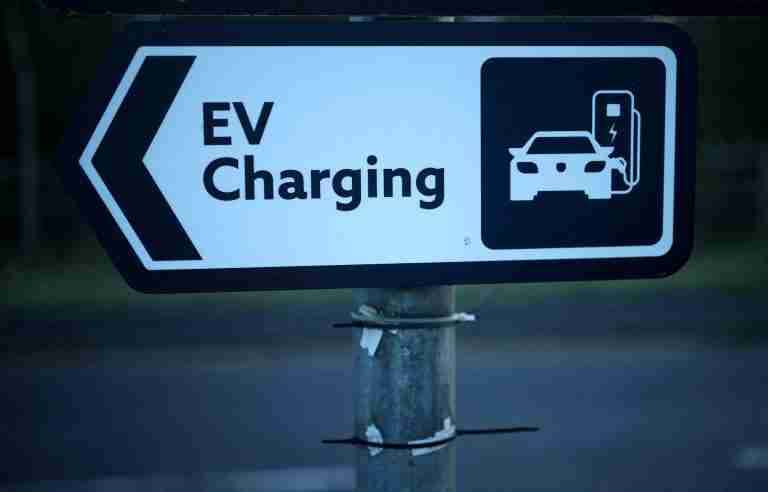
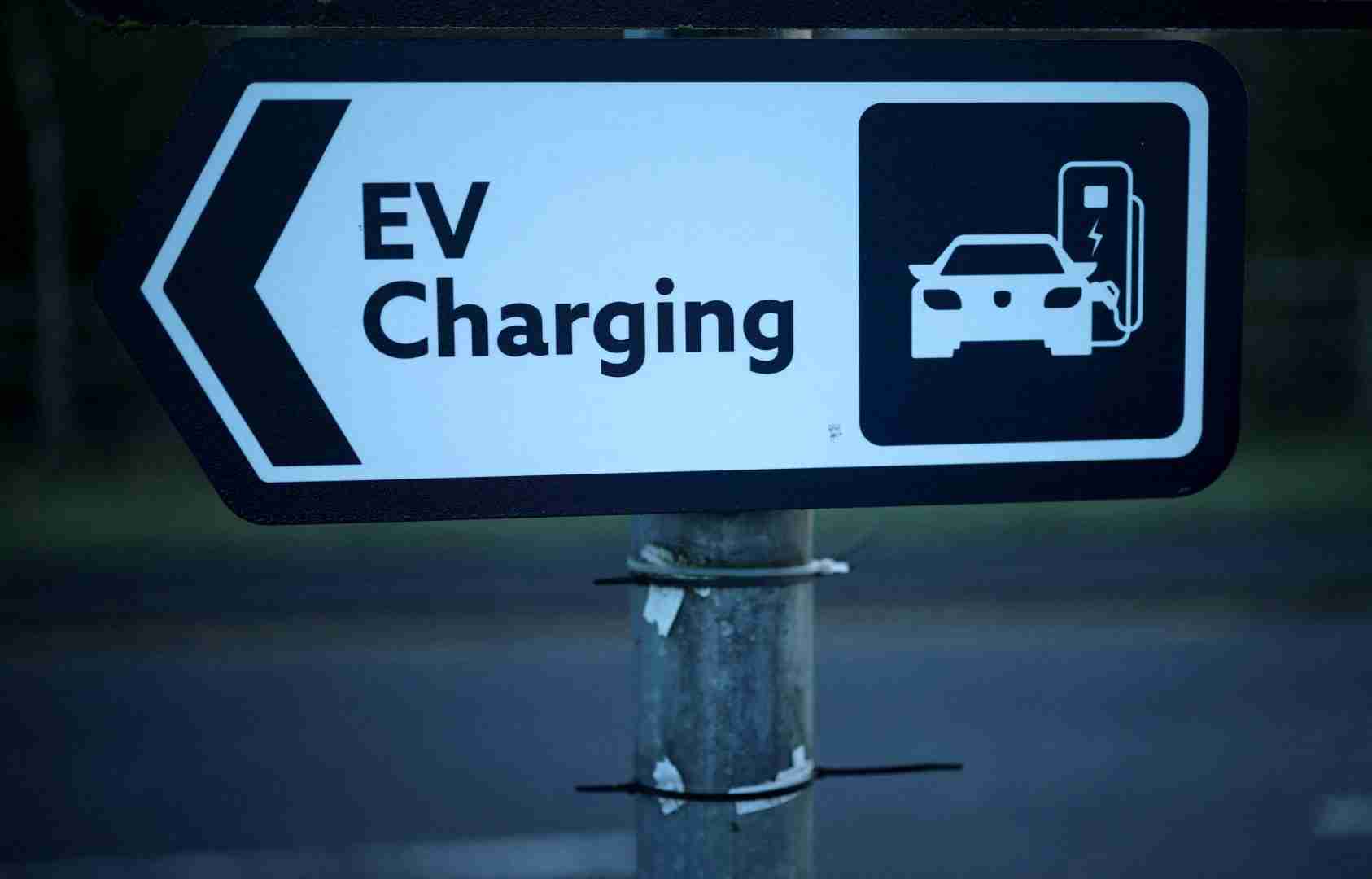
Britain on Friday set out a range of options that could ease the pressure on car manufacturers to switch new sales to zero-emission vehicles, launching a review of the existing targets which gradually phase out new petrol and diesel cars.

The mandate, introduced in 2024, requires carmakers to ensure a rising proportion of their annual sales are zero-emission vehicles, with EVs accounting for 33% of new car sales in 2026, 80% in 2030 and 100% by 2035.

The policy is designed to accelerate the industry’s transition to electric vehicles by imposing fines on manufacturers that miss the targets. Carmakers have argued, however, that supply-chain disruptions and insufficient consumer demand are making the requirements difficult to meet.

A government consultation opened on Friday seeking views from the industry on four alternative pathways for the targets. Three would retain the 2035 endpoint but cut the 2030 target to as low as 50%. A fourth would keep the existing path but introduce new flexibility to help manufacturers comply.

“In the context of challenging and complex global economic conditions, including supply chain disruption and tariff and trade uncertainty, the UK is reviewing targets to ensure they remain pro-business and grounded in the real world,” a Department for Transport statement said.

The Society of Motor Manufacturers and Traders has previously argued for an urgent review of the whole mandate, saying higher energy prices, incomplete charging infrastructure and weak consumer confidence were holding back demand despite manufacturers offering substantial discounts on EVs.

The Labour government, which inherited the ZEV policy from the Conservative Party when it came to power in 2024, last year introduced a number of technical changes that made it easier for manufacturers to meet the targets.

Battery EVs accounted for 27.4% of new car registrations in July, data published earlier this month by industry body New AutoMotive showed. The body said this showed sales were ahead of the level required for compliance once existing flexibilities within the mandate were taken into account.

Reporting by William James, Editing by William Maclean

France’s top court blocks social media ban for under-15s

The bill would have barred children younger ​than 15 from opening a social media account from ​September 1

International News via Reuters:

France’s top court on Friday blocked a bill banning social media access for under-15s, saying it infringed upon freedom of expression and delivering a setback for President Emmanuel Macron, who asked his government to rewrite the legislation.

The bill would have barred children younger ​than 15 from opening a social media account from ​September 1. Accounts already open would be closed within four months by social media platforms, which would also need to use age verification approved by the French privacy regulator.

But France’s Constitutional Council found that the bill, while requiring everyone to give proof of age, failed “to specify the conditions and limits” under which it should be provided, as well as infringing on freedoms and privacy.

“The Council holds that the contested provisions, on the one hand, disproportionately infringe upon the freedom of expression and communication and, on the other, fail to provide the legal safeguards necessary to ensure the right to respect for private life,” it said.

French lawmakers had approved the bill in July, becoming the first in Europe to follow Australia, whose world-first ban barred access to platforms including Facebook, Snapchat, TikTok and YouTube for under-16s in December. Lawmakers there are considering stricter penalties after data showed mixed success.

Countries around the globe, including China, the United Arab Emirates and Turkey, have either instituted measures intended to curtail or bar access to social media for young people, or have said they were planning them.

The European Union has said it was planning to seek stronger protections for children from harmful social media features.

Social media companies generally oppose blanket bans, saying they have measures already in place to protect younger users, including age restrictions, though they have also said they would comply with ​government bans. Google, Meta, Snap and TikTok did not immediately respond to requests for comment.

Macron, who in April urged teenagers to turn off their devices and read in order to become better citizens, has ordered Prime Minister Sebastien Lecornu to rework the draft legislation to take the Constitutional Council’s concerns into account, the Elysee said in a statement.

The Elysee said Macron was determined for the reform to take effect before spring 2027, when France holds a presidential election. Macron cannot run for a third term.

Reporting by Elizabeth Pineau and Sudip Kar-Gupta; Writing by Makini Brice; editing by Richard Lough, Aidan Lewis

UK regulator bans, fines former Blue Horizon executives for false statements

The two former executives are Paul Taylor, who was CEO between 2022 and 2025, and Esmeralda Toni, who was a managing director

International News via Reuters:

The British financial regulator on Friday fined and banned two former executives of UK-based Blue Horizon Asset Management from working in financial services for falsifying information while pursuing takeovers of a bank and a football club.

Here are some details from the Financial Conduct Authority’s (FCA) decision: 

• The two former executives are Paul Taylor, who was CEO between 2022 and 2025, and Esmeralda Toni, who was a managing director.

• Taylor was fined £489,000 ($660,883), while Toni was fined £121,200.

• Taylor was found to have made misleading statements and falsified documents while attempting to acquire an undisclosed UK bank as well as the Reading Football Club. Toni knowingly helped Taylor falsify documents to the UK bank, the financial regulator said in a statement.

• Taylor falsified documents claiming to be the owner of a bond portfolio worth approximately €200 million on both occasions, the regulator said.

• During the FCA investigation, Toni denied providing misleading statements and the creation of false documents.

• Blue Horizon was one of the prospective bidders for Reading Football Club, which was ultimately bought by U.S.-based sports investment firm Redwood Holdings.

• Blue Horizon Asset Management did not immediately respond to a Reuters email requesting comment; Taylor and Toni could not be reached for comment.

($1 = 0.7399 pounds)

Reporting by Simone Lobo in Bengaluru; Editing by Harikrishnan Nair

Policy proposed to ‘promote fair competition’

The proposed Competition Act 2026 is online at forum.gov.bm, accompanied by a public consultation period from now until September 15th

New laws to govern competition among grocery stores, healthcare providers and more are being proposed – and the Regulatory Authority will administer it.

Government wants your feedback on the policy, which it sets in the context of recent corporate mergers in the grocery and retail sectors.

WATCH the report above. Press release and policy document below.


Government of Bermuda Press Release:

The Ministry of Home Affairs is advancing the Government’s commitment made in the 2024 and 2025 Throne Speeches, to introduce modern competition legislation in Bermuda. As part of this work, the Ministry is consulting the public and stakeholders on the Government’s policy on Market Fairness in Bermuda.

The policy provides the foundation for a proposed Competition Act 2026. The proposed law would establish rules to promote fair competition, address harmful business conduct, and provide for the review of certain mergers and acquisitions in essential sectors. Four principles govern the design: proportionality to Bermuda’s economic scale, a focus on harmful conduct rather than market position itself, priority attention to seven essential sectors, and transparency through the publication of key regulatory decisions and findings.

The Government’s core objective is markets that work fairly for the consumers and businesses that depend on them. The framework would address anti-competitive harm that adds avoidable pressure to the cost of living, while recognising the realities of operating in a small island economy.

The consultation is on the policy. The views received will shape the drafting of the Competition Act 2026 before the Government brings legislation to the Legislature. The Ministry has engaged private sector project managers to support stakeholder engagement and the collection and analysis of feedback, and to keep the process transparent, consistent, and methodologically sound which will advance in the coming weeks. 

Minister of Home Affairs, the Hon. Alexa N. H. Lightbourne, JP, MP, said,“Competition law is about markets that work fairly for the people and businesses that depend on them. In an economy of our size some concentration is inevitable. The question is whether the rules make that concentration serve consumers. This consultation asks Bermudians to help settle those rules. The views you share will shape the legislation the Government brings to the Legislature.”

Through the consultation, the Ministry will hear from those the framework would affect, including consumers and members of the public, small, medium-sized, and large businesses, industry and professional associations, legal and regulatory bodies, and other identified groups.

The consultative policy document is available online at https://forum.gov.bm/en/projects/promoting-competition-and-market-fairness-in-bermuda.

The consultation remains open until 15 September 2026. All interested persons are encouraged to review the policy document and share their views on any aspect of the proposals.

Legendary reggae singer Sanchez set to take the stage in Bermuda

Reggae fans are in for a special night this Saturday, August 15th, as legendary Jamaican singer Sanchez takes the stage at the National Sports Centre.

With a catalogue spanning more than three decades, Sanchez has earned fans around the world with his unmistakable voice and timeless reggae hits — and this weekend, Bermuda audiences will get the chance to experience those classics performed live with a full band.

Bermuda Broadcasting’s Radio and Programme Director Marcus George sat down with Kendelle Webb, CEO of Envy Productions, to talk about what audiences can expect, why this is a show reggae lovers won’t want to miss, and why now is the time to secure your tickets.

Germany evacuates about 2,000 people as wildfire reaches western village

Residents were asked to leave their residences in the village of Gey at around 4:00 a.m

International News via Reuters:

More than 2,000 people were evacuated from their homes in western Germany on Friday, after a wildfire near the Belgian border spread towards a village, local authorities said.

Residents were asked to leave their residences in the village of Gey at around 4:00 a.m. (0200 GMT) and go to an assistance centre set up at a primary school in a nearby village, the authorities said in a statement. 

“At about four o’clock we got a message via the app saying we had to leave the place straight away,” resident Leo Braun told Reuters. “So we gathered our things – which we’d already packed beforehand – and then fled.”

They were urged to carry only essential belongings, identification papers and necessary medicines.

Chancellor Friedrich Merz said he was being “kept constantly informed of developments,” adding that the federal police and the Bundeswehr were providing assistance where possible.

WWII ORDNANCE COMPLICATES CONTAINMENT

Stephan Cranen, mayor of Huertgenwald municipality which contains Gey, said the situation remained critical and the flames were now around 300 metres (1,000 ft) from the village, regional public broadcaster WDR reported.

Cranen was quoted as saying one of the wildfires that remain out of control had spread overnight towards a former munitions depot in the nearby town of Dueren.

There is unexploded World War Two munitions in parts of the surrounding forest because the hilly terrain prevented complete clearance of the area, and occasional detonations were heard during the wildfire, firefighters were quoted as saying.

About 300 hectares (740 acres) were burning as two German army tanks helped firefighters by clearing access routes through the forest area that were difficult to reach.

“If you look down from above, you can see that there are still a lot of fires – including smaller ones – that are still burning openly,” a local official told Reuters. “There are a lot of hot embers, so we’re far from done.”

Reporting by Friederike Heine in Berlin and Andi Kranz in Huertgenwald; editing by Clarence Fernandez, Sharon Singleton and Toby Chopra

Several homes affected by central England wildfire, fire service says

Aerial pictures from a Sky News helicopter showed at least three properties ablaze close to the fire about 127 miles (204.4km) from London

International News via Reuters:

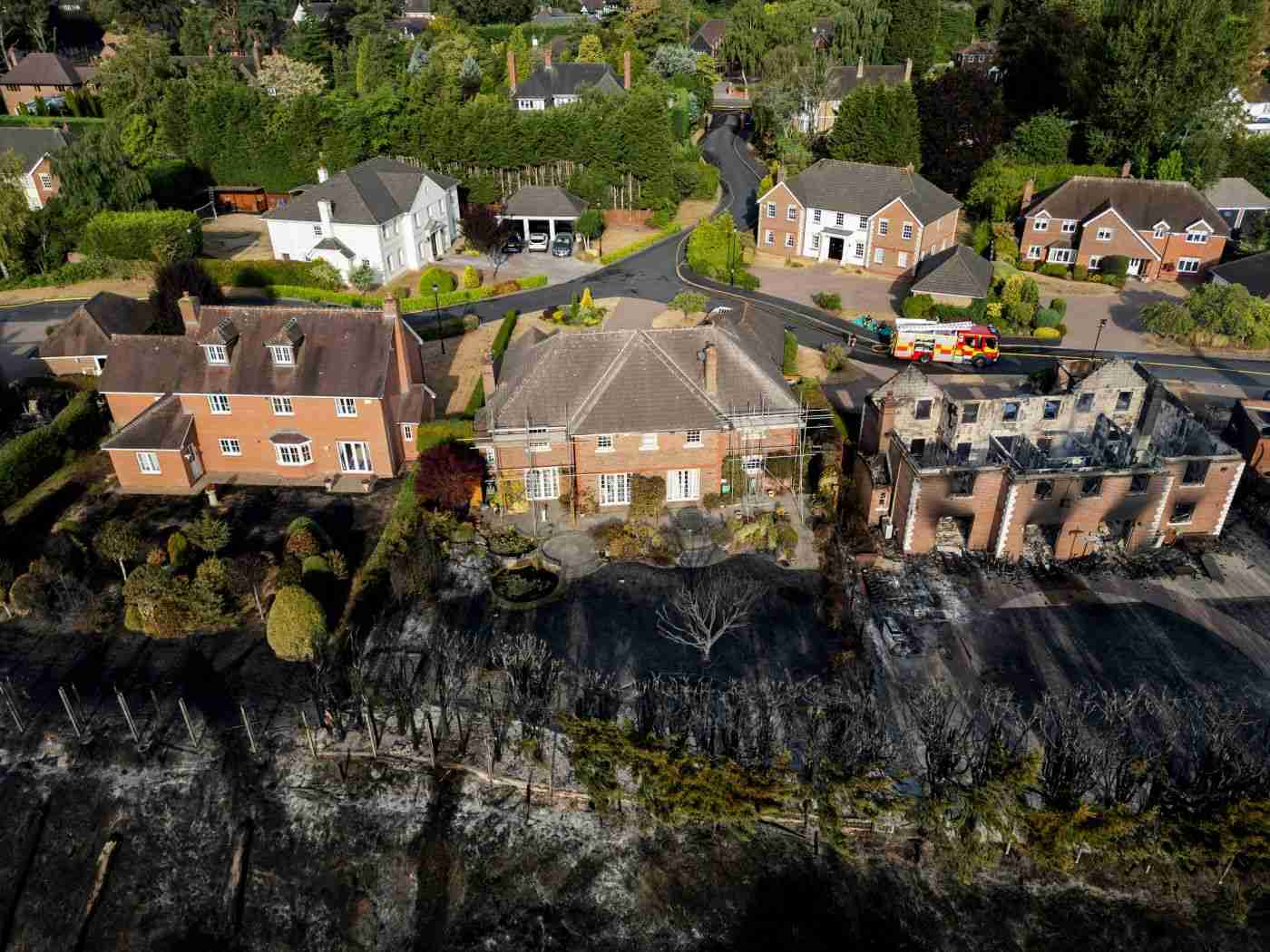
A major grass fire in Stourbridge, central England, has affected six properties and left two people suffering from the effects of heat and smoke, emergency services said on Thursday.

Aerial pictures from a Sky News helicopter showed at least three properties ablaze close to the fire about 127 miles (204.4km) from London.

West Midlands Fire Service said the fire was affecting a number of locations around Ounty John Lane, Racecourse Lane and Stourbridge Road and that it had increased resources at the scene.

Some local rail services were halted for safety reasons and a number of nearby properties were experiencing power issues, the fire service said. 

About 60 firefighters were tackling the blaze. There was no further information on injuries or the extent of the damage.

Reporting by Sam TabahritiEditing by James Davey and David Goodman

Attacks on healthcare in conflict zones averaging more than four a day in 2026, World Health Organization says

There have been more than 900 attacks between January and August this year, resulting in at least 900 deaths and more than 1,400 injuries

International News via Reuters:

Attacks on healthcare facilities, workers and patients in conflict zones including Ukraine and Gaza have continued to rise in 2026, reaching an average of more than four per day, the World Health Organization said on Friday. 

There have been more than 900 attacks between January and August this year, resulting in at least 900 deaths and more than 1,400 injuries, according to WHO data presented in Geneva by Altaf Musani, the agency’s director of humanitarian and disaster management.

Ukraine, Lebanon and the occupied Palestinian territory account for the largest share of reported incidents, although attacks have also been recorded in countries including Iran, Sudan, Myanmar, Syria, Nigeria and the Democratic Republic of Congo, Musani said.

“What we are witnessing are multiple forms of violence,” Musani said, citing the use of heavy weapons, destruction of health facilities and the detention or abduction of healthcare workers and patients. During this period 94 healthcare workers have been detained.  

In Gaza, all 36 hospitals have been damaged and only about half remain partially functional, while in Sudan 37% of health facilities are reported non-functional this year, he said. In Ukraine, the WHO has verified more than 3,100 attacks since Russia’s full-scale invasion, including a recent strike affecting a WHO warehouse.

“An attack on healthcare does not end when an attack gets verified,” Musani said. “It is the patient who cannot receive healthcare tomorrow. It is the ambulance that cannot make the next referral.”

A WHO study of 69 attacks in northwest Syria found outpatient consultations fell by 51% immediately after an attack and remained depressed for more than a month. 

Attacks can also undermine responses to disease outbreaks, Musani said. In the Democratic Republic of Congo, 12 verified attacks on healthcare since an Ebola outbreak was declared in May have disrupted surveillance, contact tracing, treatment and community outreach efforts. Such incidents make it harder to detect and contain outbreaks, he said.

The 156 verified attacks in Ukraine so far this year, out of a total of 3,100 since Russia’s full-scale invasion began, have affected hospitals, ambulances, warehouses and medical supply chains, Musani stated.

Since the WHO’s surveillance system began tracking such incidents in 2018, more than 10,400 attacks have been verified across 29 countries and territories, resulting in about 5,700 deaths and over 8,500 injuries, Musani said. 

Musani said not a single one of the more than 10,000 verified attacks had yet entered an accountability process.

Health facilities are protected under international humanitarian law and the Geneva Conventions, he noted.   

Reporting by Olivia Le Poidevin; Editing by Saad Sayeed

France evacuates 525 as new wildfire hits pine woods in the southwest

The fire, which has razed 1,100 hectares (2,700 acres) after it began on Thursday, has spread to within 2 km (1.2 miles) of the centre of Luglon

International News via Reuters:

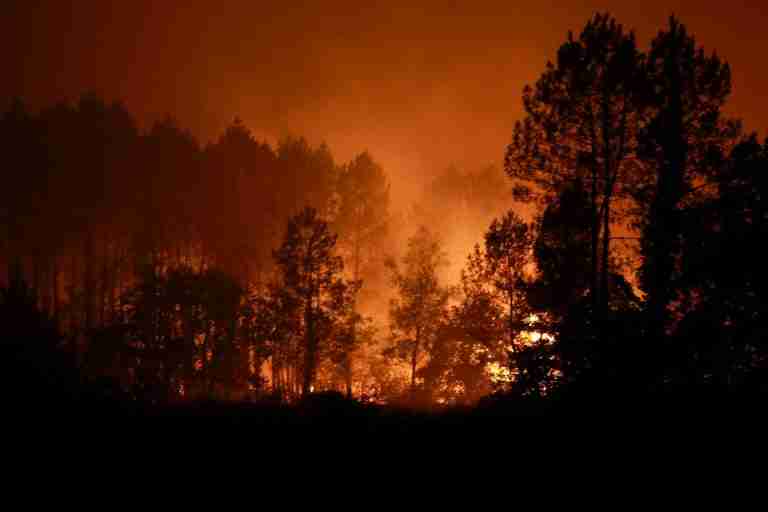
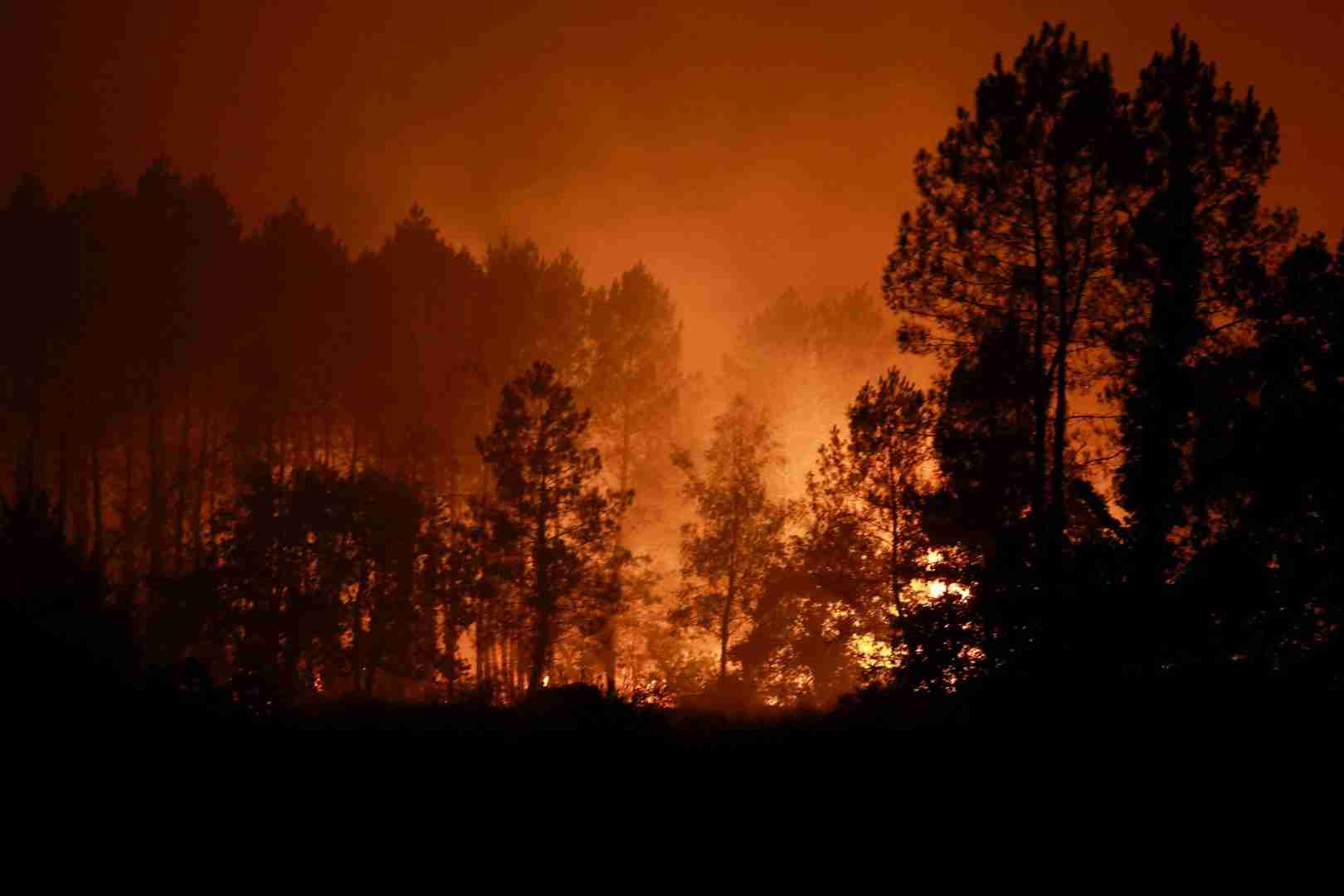
French authorities have evacuated 525 people from the village of Luglon after a wildfire broke out in the southwestern Landes region, not far from an area already devastated by major blazes this summer.

The fire, which has razed 1,100 hectares (2,700 acres) after it began on Thursday, has spread to within 2 km (1.2 miles) of the centre of Luglon, regional official Gilles Clavreul told reporters on Friday.

The Landes area is swathed in pine forests that become highly flammable when dry.

“The situation is unfavorable and the fire remains raging,” Clavreul said, adding that 500 firefighters were tackling the flames and six aircraft have been sent in to assist.

Roads to the north and south of the village have been closed.

Clavreul did not comment on the possible origin of the fire.

Luglon is about 100 km (62 miles) southeast of the tourist area of Arcachon Bay, where two major wildfires destroyed more than 50,000 hectares (124,000 acres), spurring the evacuation of as many as 220,000 people in late July.

French media reported on Friday that a 15-year-old has been arrested in connection with a July fire near Bordeaux airport, in the same region, that killed two firefighters.

The youth, who has been placed under judicial investigation, allegedly threw away a cigarette butt that sparked the fire, local newspaper Sud Ouest reported. The Bordeaux prosecutor’s office did not immediately respond to a request for comment.

The French interior ministry said 474 people have been arrested on suspicion of starting a fire, whether that be intentional or not. Of that total, 183 are younger than 18. About 70% of the people detained are suspected of arson, the ministry has previously said.

Southwestern France has broiled in heatwaves this summer and temperatures are expected to soar to 36 degrees Celsius (97 degrees Fahrenheit) on Friday afternoon.

The area burned so far this year exceeds that of the previous record year of 2022.

Reporting by Stephanie Lecocq; Additional reporting by Gus Trompiz; Writing by Inti Landauro and Jean-Stephane Brosse; Editing by Clarence Fernandez and Edwina Gibbs

Hundreds still missing in Colombia as desperation grips earthquake rescue effort

In Cali, the country’s third-largest city, crews shifted from a search-and-rescue effort to debris removal at most sites, a sign the disaster response was entering a grimmer phase after the crucial first 72 hours

International News via Reuters:

Hopes of finding more survivors of the powerful earthquake that rocked Colombia early this week were fading on Thursday as rescue workers narrowed their searches, while families in the worst-hit areas waited for news of missing relatives.

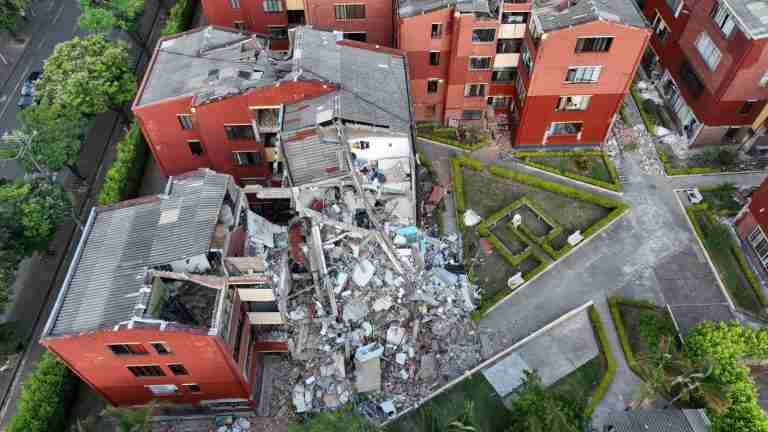
In Cali, the country’s third-largest city, crews shifted from a search-and-rescue effort to debris removal at most sites, a sign the disaster response was entering a grimmer phase after the crucial first 72 hours.

“Unfortunately, we are reaching a point where the likelihood of finding survivors is dwindling, but our mission is to keep searching and find all those people who are reported missing,” David Tamayo, head of Colombia’s National Unit for Disaster Risk Management, said on Thursday evening.

The 7.4-magnitude quake struck shortly after 7:30 a.m. on Monday, toppling apartment blocks, damaging homes, schools and hospitals, sending residents into the streets across western Colombia, home to the country’s coffee farms.

At least 281 people were killed — many in Cali and Pereira, a city in the coffee region — and more than 3,900 injured, according to government data on Thursday evening. The data indicated 379 people were still reported to be missing.

In Pereira, Enrique Marin said he drove more than 10 hours from Bogota after getting a call from a friend who told him Marin’s mother was trapped underneath the rubble of her home.

“My mother was rescued six hours after the earthquake. They pulled her out with vital signs, but she died on the way to the hospital,” Marin said as he stood in front of the debris clutching a bicycle from his childhood, the only item he said he was able to recover from the house.

He said his mother was found in her pajamas with the house keys still in her hand.

At the Torres del Limonar residential complex in southern Cali, work became frenzied for volunteers in bucket brigades, as a coordinator with a megaphone reminded them of the limited time and scolded two volunteers who approached without helmets.

Elsewhere in the rubble, crews carefully handed down gas tanks removed from the debris as workers called for silence for the more delicate rescue operations.

Monica Mina, a 38-year-old restaurant owner, said she and other chefs in the city were working almost around the clock to distribute about 1,000 meals a day — including scrambled eggs and pork — for rescuers, medics and volunteers.

Some 133 km (83 miles) north in Roldanillo Cemetery, Colombia’s disappeared persons unit said it was investigating camouflage-clad human remains exposed by the earthquake.

FIRST MAJOR TEST FOR NEW COLOMBIAN GOVERNMENT

Outside major cities, rescue groups said smaller towns and communities were still struggling with little or no response from the Colombian government.

Nazly Lozano, the International Rescue Committee’s program assistant at the port city of Buenaventura northwest of Cali, said rescue workers had not reached some stricken areas until Wednesday night, leaving locals to dig through the rubble with their bare hands in a desperate search for survivors.

IRC workers said some neighborhoods in Buenaventura remained inaccessible due to armed groups, some of which seized food donations, vowing to distribute these items themselves.

Residents still lack basic services such as water, gas and electricity, the IRC workers said.

More than 150 aftershocks have been recorded since Monday, adding to the risks for rescue workers combing through the debris as well as people made homeless by the initial quake, which was one of the strongest felt in Colombia in several decades.

The government has estimated the quake destroyed more than 10,500 homes.

President Abelardo De La Espriella, who took office just days before the disaster, said on Wednesday he would declare an economic emergency and create a reconstruction fund to channel domestic and international aid toward rebuilding hospitals, schools, homes and infrastructure.

The disaster is shaping up as the first major test for the conservative president, who campaigned on cutting public spending and now faces the task of financing relief and reconstruction while showing his government can manage a national crisis.

Colombian officials have also pushed back against criticism over the handling of foreign assistance, saying the government has not rejected any country’s offer but will only accept international search-and-rescue teams that meet recognized certification standards.

Reporting by Nelson Bocanegra in Pereira, Julia Symmes Cobb in Cali and Luis Jaime Acosta in Bogota; Additional reporting by Sarah Morland; Writing by Kylie Madry and Sarah Morland; Editing by Paul Simao and Rod Nickel

Oil rises after US threatens indefinite blockade of Iran; set for weekly gains

Brent futures were up $1.43, or 1.64%, to $88.50 a barrel at 0810 GMT, while U.S. West Texas Intermediate crude futures were up $1.56, or 1.92%, to $82.81 a barrel

International News via Reuters:

Oil prices rose on Friday and were on track for weekly gains after the United States threatened an indefinite naval blockade of Iran, raising concerns about disruptions to crude supplies from the Middle East.

Brent futures were up $1.43, or 1.64%, to $88.50 a barrel at 0810 GMT, while U.S. West Texas Intermediate crude futures were up $1.56, or 1.92%, to $82.81 a barrel.

Higher oil prices are a natural result of the latest approach by the U.S., which implies a substantial extension of the trouble in the Middle East with little hope of a near-term resolution, said Bjarne Schieldrop at SEB Research.

On Thursday, the U.S. warned it could maintain a naval blockade of Iran indefinitely and ramp up economic pressure on Tehran as ceasefire talks have stalled.

“Watch this space for more announcements coming next week because we are going to apply measures like have never been seen in the history of economic isolation of a country,” Treasury Secretary Scott Bessent told Newsmax’s “Rob Schmitt Tonight” programme in an interview.

“A return to normal flows out of the Strait of Hormuz is now suddenly without any near-term hopes,” Schieldrop said.

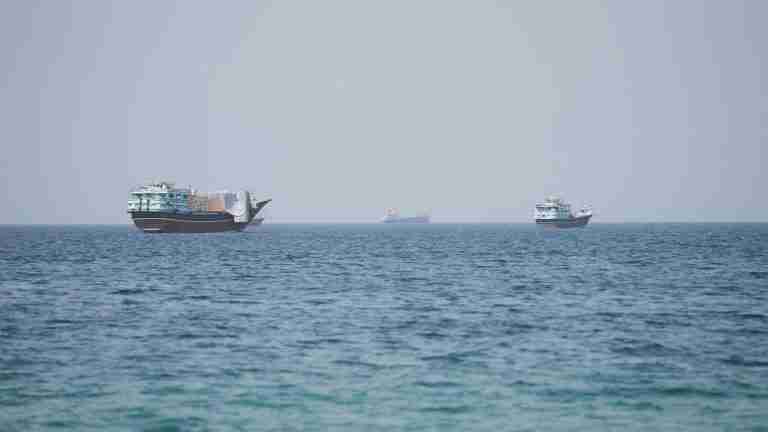
The latest U.S. threats come as Iran curbs flows through the Strait of Hormuz, which handled about one-fifth of global daily oil and liquefied natural gas supplies before the conflict began in late February.

Shipping traffic in the strait fell below the month’s average towards the end of the week, with both countries making competing claims over control of the waterway.

Two vessels from the state-owned Abu Dhabi National Oil Company were attacked transiting the strait on Thursday, UAE state news agency WAM said, an incident the UAE government condemned as an Iranian attack.

Meanwhile, forecasts from OPEC and the International Energy Agency pointed to weaker demand growth, while U.S. crude inventories posted their largest weekly increase in more than 3-1/2 years.

“This week’s reports by the IEA and EIA were quite revealing. Storage is holding up much better than feared, which should pull oil prices lower,” said Norbert Rucker, head of economics and next generation research at Julius Baer.

Reporting by Mohi Narayan in New Delhi and Helen Clark in Perth. Editing by Clarence Fernandez and Mark Potter