Tuesday, October 27, 2026
Home Blog Page 173

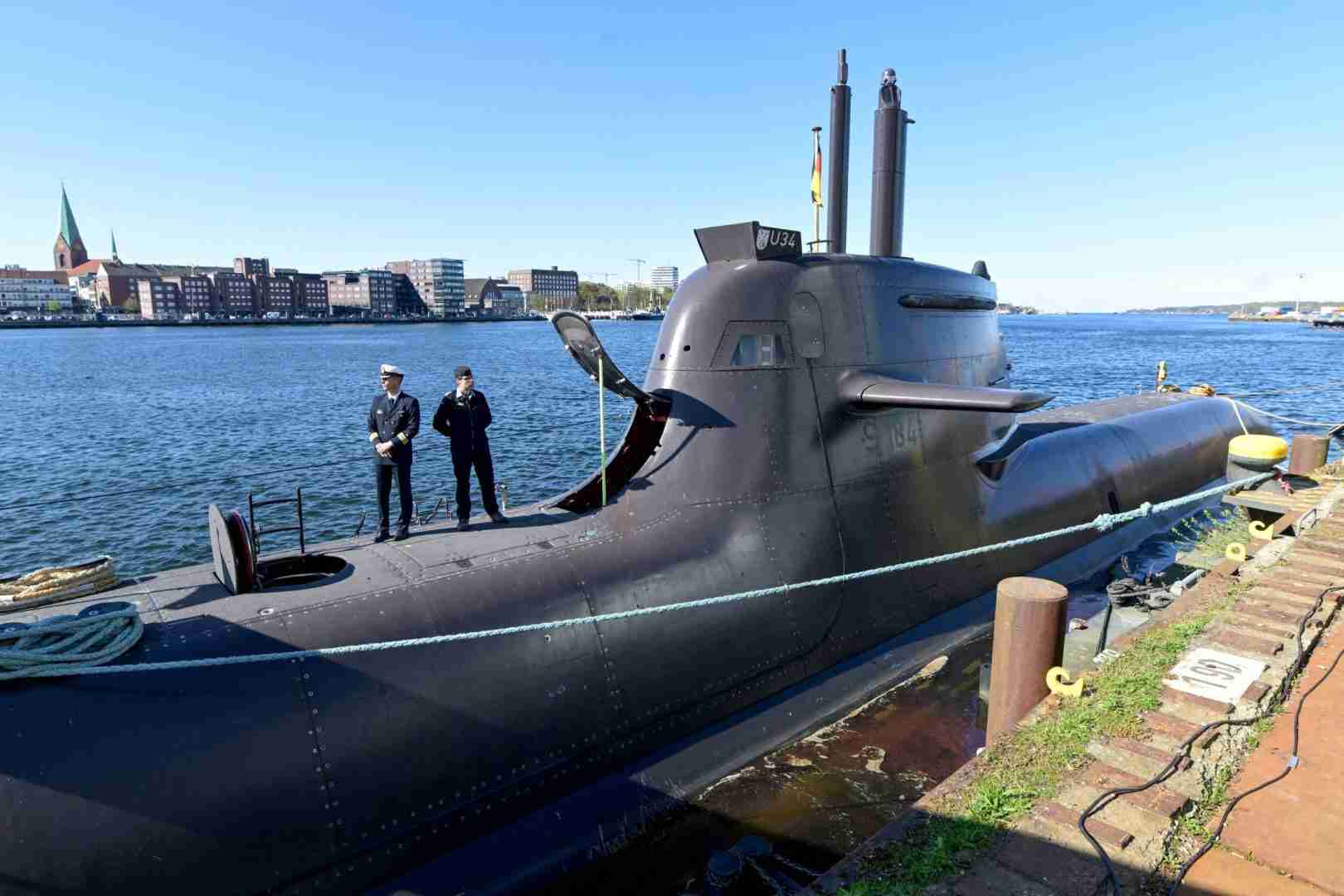
Canada taps Germany’s TKMS for submarines ahead of NATO summit

Carney, speaking just before flying to a NATO summit in Turkey, said Ottawa would now enter talks with TKMS
International News via Reuters:

Canada said on Monday it has selected Germany’s TKMS to build up to 12 submarines for its navy, deepening defense ties with Europe ahead of a NATO leaders’ summit centered on higher military spending.

TKMS, majority-owned by German conglomerate Thyssenkrupp, beat out a competing offer from South Korea’s Hanwha Ocean 042660.KS.

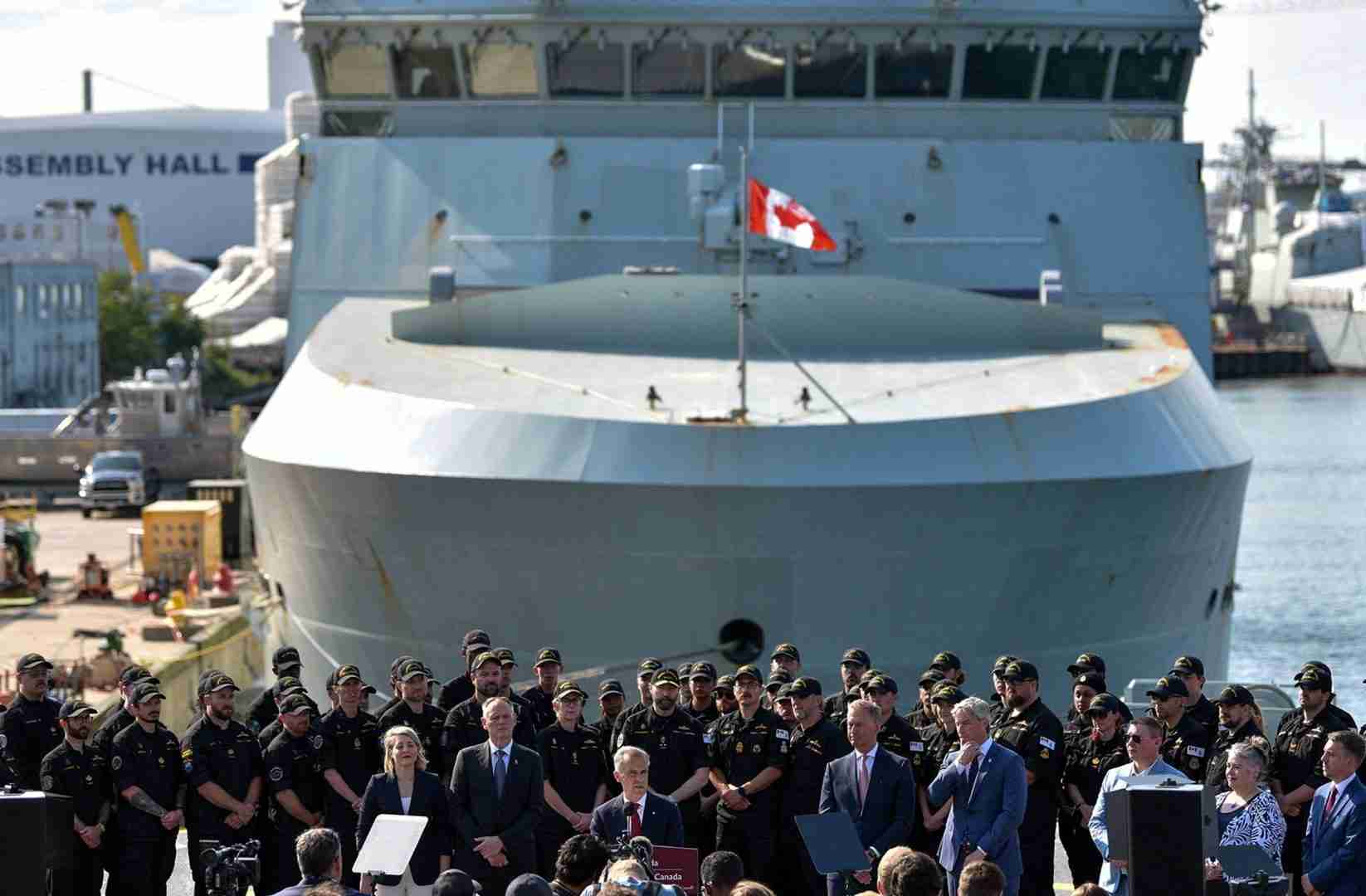
“This procurement will be the largest in Canadian history,” Prime Minister Mark Carney told a news conference in the Atlantic port of Halifax. He did not give the cost of the purchase.

“In a more dangerous and divided world, Canada must do more to defend ourselves, secure our sovereignty, and support our allies,” he said.

Carney, speaking just before flying to a NATO summit in Turkey, said Ottawa would now enter talks with TKMS.

Canada is under pressure from the United States to increase defense spending and has said it hit NATO’s ​military spending target of 2% of GDP earlier than originally planned. NATO leaders have agreed to spend ​5% of GDP on defense and security-related investments by 2035. Canada has the world’s largest coastline and currently has only one functioning submarine.

“This was a difficult, close decision between two highly qualified suppliers,” Carney said.

TKMS was ​offering its 212CD class submarine model, which it is also supplying to Norway’s navy ​under a joint development program.

Shares in TKMS earlier rose as much as 12.9%, hitting their highest level in nearly four months.

Carney had previously said that ⁠submarines proposed by Germany and by Hanwha Ocean would both meet the needs of the Canadian navy and that the winner of the bid would likely depend on the economic benefits offered.

TKMS has offered to reallocate boats from the German and Norwegian orders, allowing for early delivery of the first four submarines by 2034, compared with the previously promised 2036, Carney said. He added that Canada would receive tens of billions of dollars in investment from TKMS.

“The TKMS platform is optimized for Arctic waters and fully NATO interoperable, allowing it to communicate seamlessly, share intelligence, and carry out joint missions,” he said.

Hanwha Ocean said in a statement it did its utmost to win but was “unable to overcome the barrier posed by NATO alliances.” Carney said the decision to go with Germany did not mean Asia was less of a priority for his government, which has sought to increase trade and ​business ties with Asia. 

TKMS said it hopes the 212CD, with its diamond shape, 74 meters (243 ​feet) in length and non-magnetic ⁠steel, will become the new NATO standard.

“This is a major strategic initiative that will bring Canada, Germany and Norway together for decades to come,” German Chancellor Friedrich Merz said. 

TKMS CEO Oliver Burkhard told journalists the bid had received strong support from the German and Norwegian governments. He added that the order, the single biggest in the company’s history, would increase its order backlog by more than 50% once a firm contract was concluded.

He said the conclusion was targeted for the end of 2026, while Carney said it would come no later than the end of 2027.

Reporting by Caroline Stauffer, Katharine Jackson, Rachel More, Friederike Heine, Christoph Steitz and David Ljunggren; Editing by Howard Goller, Nick Zieminski and Edmund Klamann


Bank of England sets out plan to ease bank leverage rules

The BoE’s Financial Policy Committee said it would soften the impact of the leverage ratio, which requires lenders to hold a minimum ratio of capital against total assets, and announced work to enhance the usability of capital buffers

International News via Reuters:

The Bank of England on Tuesday set out plans to relax rules on how much capital banks have to hold against shocks, aiming to align requirements for British banks more closely with international standards as regulators globally come under pressure to revisit requirements aimed at shoring up resilience.

The BoE’s Financial Policy Committee said it would soften the impact of the leverage ratio, which requires lenders to hold a minimum ratio of capital against total assets, and announced work to enhance the usability of capital buffers so that they can be more easily released without automatically restricting payouts to shareholders.

However, some members of the FPC said they were concerned that the proposed changes “might lead to an unwanted increase in market-based leverage with implications for the resilience of core UK markets”.

The FPC in December cut its estimate for the amount of capital lenders need to hold by one percentage point to 13%, the first such move since the financial crisis of the late 2000s. 

It also initiated the review into the leverage ratio and buffers, which follows a relaxation of U.S. leverage requirements in November. 

When the leverage ratio was introduced it was intended as a backstop to risk-weighted capital requirements, although the BoE said it has become binding for three out of seven major British banks and caused them to have higher obligations than international peers.

The central bank said it would remove the Countercyclical Leverage Buffer from the leverage ratio and make a greater share of other buffers releasable among proposed changes, estimating a 0.2 percentage point reduction in leverage requirements for large British banks, which currently stand at a bit over 3%.

The changes would make the framework “more proportionate and more effective by being better targeted,” the FPC said. 

The Association for Financial Markets in Europe, representing large banks, said it welcomed the changes. 

“The (leverage ratio) framework incorporates significant gold-plating and has become increasingly binding. Addressing these issues requires more than incremental adjustment so we are pleased to see that the FPC and PRA will consult on a package of measures,” Jeanie Watson, AFME’s director for capital and risk management, said.

In its latest Financial Stability Report, also published Tuesday, the BoE highlighted growing risks to the financial system from increased borrowing to finance share purchases, cybersecurity threats from artificial intelligence, and the extent to which investors and lenders were betting on the success of AI and tech companies.

BUFFER USABILITY

The BoE said its work on buffer usability, which aims to reduce banks’ incentives to restrict lending in a period of financial market stress, would only impact large, domestically focused banks like Lloyds, NatWest and Santander UK, as rules for international banks are set by Basel.

As part of that package, which will be subject to public consultation later in the year, banks will be given multiple years to rebuild buffers.

Looking ahead, the FPC said to reduce complexity and further enhance buffer usability, it sees a clear case for a single buffer that is releasable in stress, which could only be achieved with international support. 

“The FPC will work with the (Prudential Regulation Authority) and international authorities to pursue broad reform of the capital buffer framework and move towards this vision,” it said.

Reporting by Phoebe Seers and David Milliken, Editing by Catherine Evans

Europe may face ‘more deadly weeks’ as new heatwave builds, WHO warns

Temperatures in Portugal and southern Spain are expected to climb to 43 degrees Celsius (109 degrees Fahrenheit) in the coming days

International News via Reuters:

The World Health Organization warned on Tuesday that Europe could face “more deadly weeks” ahead, with another intense heatwave forming over the Atlantic. 

Here are more details: 

• Temperatures in Portugal and southern Spain are expected to climb to 43 degrees Celsius (109 degrees Fahrenheit) in the coming days.

• WHO Regional Director for Europe Hans Kluge held an emergency call on Monday with representatives from 41 countries in the region, the European Commission and civil society groups to discuss lessons from the recent heatwave and preparations for the next one.

• Kluge said in a statement that countries with heat-health action plans in place responded more quickly and better protected their populations during the June heatwave.

• However, he said that less than half of WHO’s European member states had such a plan in place.

• Experts have said the June 20-28 heatwave was the most severe recorded in Europe, causing disruption to power generation, damaging infrastructure and overwhelming healthcare systems.

• The extreme heat was almost certainly driven by climate change, scientists said.

• France, the Netherlands and Belgium recorded 3,700 excess deaths, with authorities warning that the numbers are preliminary and could rise.

• Temperatures hit 40 degrees Celsius in parts of Europe during the heatwave.

• Kluge said care home residents, homeless people and socially isolated older adults were still not being reached consistently across Europe.

• “The work now is on two fronts: fixing what failed in recent weeks before the next heatwave hits and building the kind of health systems that don’t just respond to extreme heat but are ready for it,” Kluge said.

Reporting by Shubham Kalia in Bengaluru; Editing by Ros Russell

Tankers hit in Hormuz as millions mourn Iran’s Khamenei

There was no claim of responsibility for the attacks

International News via Reuters:

Two tankers were hit in the Strait of Hormuz and Iran said there would be no more peace talks unless Donald Trump halted his repeated threats to restart the war, as millions of Iranians vowed vengeance at the week-long funeral of their slain leader.

The Qatari liquefied natural gas tanker Al Rekayyat reported that it had been struck overnight and its engine room set on fire. Maritime security sources said a Saudi crude oil tanker had also been damaged.

“Mayday mayday mayday. This is vessel Al Rekayyat, LNG vessel Al Rekayyat. We are being hit by drone on port side, top of engine room,” the Rekayyat’s captain said in a recorded radio call reviewed by Reuters. “Status: engine room fire and full of smoke. Unable to assess further damage.”

He said the crew were safe but the ship had been disabled without engines or steering, and called for help from any vessels in the area.

There was no claim of responsibility for the attacks. News website Axios reported that Iran had fired on two ships. Neither Washington nor Tehran commented directly on the reports.

The incidents, the first reported attacks in the strait since mourning for Iran’s supreme leader began last week, were a reminder that Gulf shipping remains unresolved more than four months after the U.S. and Israel launched a war they said would stop Iran from being able to threaten its neighbours.

HUNDREDS OF THOUSANDS TAKE TO STREETS IN QOM

Iran’s clerical rulers have exerted newfound control over the world’s most important energy shipping route, where they aim to install a permanent system to collect fees in what would amount to a huge shift of the balance of power in a region where Washington has acted as guarantor of security for generations.

Iran’s leadership has demonstrated its firm grip on the country during a week of mourning for Ayatollah Ali Khamenei, who was killed along with his daughter, granddaughter, son-in-law and daughter-in-law on the first day of the war.

The caskets of the slain leader and family were driven through the streets of the seminary city of Qom on Tuesday, where many hundreds of thousands of people carried flags and banners comparing Khamenei to martyrs whose deaths are foundational to the Shi’ite sect.

In chants they vowed to avenge Khamenei. Some bore placards and banners reading “KILL TRUMP”.

A similar huge funeral procession was held in the streets of Tehran on Monday, following more solemn prayer events that began last Friday, attracting top figures in Iran’s leadership and dignitaries from abroad. Authorities say the leader’s body will be taken to Shi’ite holy cities in neighbouring Iraq, then brought back to Iran and laid to rest in a mediaeval shrine.

TRUMP: ‘MAKE A DEAL OR WE’RE GOING TO FINISH THE JOB’

The war has been paused under an interim peace deal reached last month, intended to provide a 60-day period for negotiations on a permanent deal. A round of indirect talks in Qatar concluded last week with no sign of headway towards a lasting peace.

Trump has repeatedly threatened to resume bombing, most recently on Monday when he told reporters in the Oval Office: “We’re either going to make a deal or we’re going to finish the job…. We can knock down their bridges in one hour, we can knock out their energy supply.”

Iran’s Foreign Minister Abbas Araqchi said that under the terms of the interim ceasefire memorandum, negotiations on the final deal would “not commence if threats continue”.

“Honor your signature,” he wrote on X.

Oil prices, which have returned to around the pre-war level since last month’s interim deal let ships resume sailing through the strait, ticked up around 1% on Tuesday following the incidents in the waterway.

In launching the war four months ago, Trump said his aims were to destroy Iran’s nuclear and missile programmes, end its ability to threaten its neighbours and create conditions for Iranians to topple their leaders.

None of those objectives has been met, although Washington says a permanent deal will halt what it says is an Iranian programme that could make a nuclear weapon, which Iran says it never sought.

Despite five days of mourning, there has still been no sign in public of Khamenei’s son and successor Mojtaba, believed to have been disfigured by wounds in the same attack and yet to be shown in any image since the war began. Three other sons of the slain leader prayed at the casket on Sunday.

Iran’s leaders have portrayed the mass funeral gatherings as proof of national unity following the U.S.-Israeli attacks, although it is difficult to assess how deep that loyalty runs in a country where media and communications are tightly controlled.

Just weeks before the war started, Iran’s authorities killed thousands of demonstrators to put down some of the biggest anti-government protests in the country’s history, but there has been no sign of organised opposition in Iran since the war began.

Reporting by a Reuters team in Tehran and Reuters bureauxWriting by Peter Graff; Editing by Aidan Lewis and Ros Russell

Stocks slip; Samsung’s record profit revives jitters on AI outlook

Samsung Electronics forecast a 19-fold jump in April-June operating profit to 89.4 trillion won ($58.4 billion), a third straight quarter of record operating profit for the world’s largest memory-chipmaker

International News via Reuters:

Global stocks fell on Tuesday as technology shares slid despite blockbuster results from Samsung Electronics, with investors remaining concerned about the sustainability of the AI-driven rally, while oil prices rose on renewed Middle East tensions.

Samsung Electronics forecast a 19-fold jump in April-June operating profit to 89.4 trillion won ($58.4 billion), a third straight quarter of record operating profit for the world’s largest memory-chipmaker.

Rather than reassuring investors, the results triggered heavy selling in Samsung and rival SK Hynix shares, weighing on South Korea’s Kospi and other technology-heavy Asian markets. Investors have increasingly questioned whether profit growth linked to artificial intelligence can be sustained if supply bottlenecks in key components such as memory chips ease.

“This is a record for Samsung, but rather than placate the markets, these strong results have led to fears that the AI chip sales boom cannot be sustained,” Kathleen Brooks, research director at XTB, said.

Morgan Stanley said in a note dated Monday that recent weakness in U.S. semiconductor stocks signalled a broadening of market gains, with investors likely to turn towards AI hyperscalers as well as consumer discretionary, transport and biotechnology shares.  

SK Hynix is due to join the Nasdaq this week in a $28 billion listing, one of the world’s largest new share sales, as the chipmaker seeks to capitalise on the AI boom. 

Its shares, which were up as much as 350% this year at their peak two weeks ago, have since fallen about 30% amid a broader sell-off in global chip stocks.

In Europe, where exposure to volatile AI-linked stocks is more limited, the STOXX 600 slipped 0.1%, as losses in semiconductor and tech stocks offset gains in in oil and gas shares. Energy stocks got a lift from crude prices edging higher on the back of signs that U.S.-Iran peace talks were losing momentum.

Adding to market concerns, Iran’s Revolutionary Guards fired at least two missiles at commercial ships transiting the Strait of Hormuz on Monday, Axios reported, citing two U.S. officials. The ships suffered significant damage, but there were no casualties, the report said. 

Brent crude futures rose about 1% to $72.72 a barrel.

Futures on the S&P 500 were down 0.2%, while those on the Nasdaq 100 slid 1.1%.

NATO MEETING SET TO START IN TURKEY

U.S. President Donald Trump, who has pressed Europe to boost defence spending and clashed with European leaders over the Iran war and Greenland, is due to attend a NATO meeting in Turkey beginning on Tuesday.

Trump said on Monday the U.S. would either reach a deal with Iran or “finish the job,” renewing his threat of military action as Tehran projects defiance following the funeral of supreme leader Ayatollah Ali Khamenei.

In currency markets, the dollar index, which tracks the U.S. currency against six others, was little changed at 100.9. The euro was flat around $1.143, as was the pound at $1.339. 

The yen clawed above 40-year lows to trade a touch stronger on the day at 161.9 to the dollar. Traders were alert for intervention given signs of a possible shift in strategy by Japanese authorities.

The yield on benchmark U.S. 10-year notes was up 1 basis point at 4.49%, ahead of the release on Wednesday of the minutes of the Federal Open Market Committee’s latest meeting. These may give investors more of a steer on how new Federal Reserve chair Kevin Warsh is approaching monetary policy.

Additional reporting by Satoshi Sugiyama in Tokyo; Editing by Mark Potter and Kevin Liffey

Sterling hits three-week high versus dollar

Sterling rose to $1.3401, the highest since June 17, before slipping slightly to trade at $1.338

International News via Reuters:

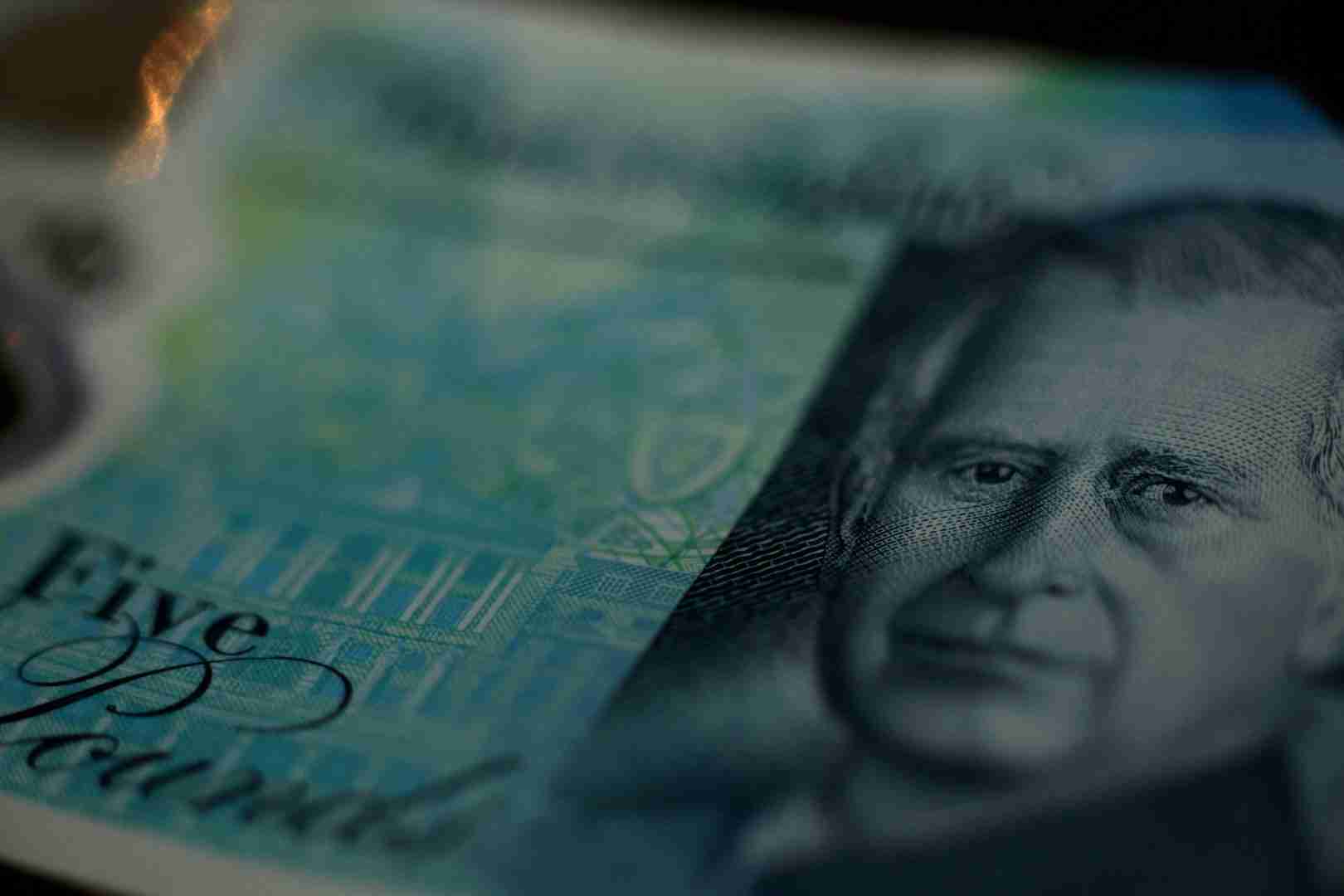
The pound rose to a three-week high against the dollar on Tuesday as the U.S. currency continued to slip in the wake of Thursday’s weaker-than-expected U.S. jobs report, and hit a new one-year high versus the euro.

Sterling rose to $1.3401, the highest since June 17, before slipping slightly to trade at $1.338.

The dollar hit a 13-month high in late June against its major peers as traders increased their bets on a Federal Reserve rate hike this year.

But the U.S.-Iran framework agreement has pulled down oil prices sharply and Thursday’s nonfarm payrolls report showed the economy added fewer jobs than expected in June, causing markets to reduce their wagers on rate rises and pushing the dollar lower again.

The pound continued to trade at a 13-month high versus the euro, with the euro zone’s currency slightly lower on Tuesday at 85.41 pence.

Euro zone inflation came in lower than expected in June, data showed last week, causing markets to trim their bets on European Central Bank rate hikes.

Analysts say the pound has benefited from the fall in oil prices, which surged earlier this year due to the Iran war and threatened to hit the UK economy, which is a major importer of energy with low levels of gas storage.

Likely next Prime Minister Andy Burnham has also committed to the government’s fiscal rules, allaying some fears among investors that the left-leaning former mayor of Greater Manchester would ramp up spending once in power.

“Sterling’s surprising resilience amidst recent political turmoil reflects a simple reality – much of the bad news has already been priced in,” April LaRusse, head of investment specialists at Insight Investments, said.

“Investors have spent years positioning for UK underperformance, so as outcomes prove less negative than feared, and fundamentals begin to stabilise at the margin, the currency is finding support.”

Reporting by Harry Robertson; Editing by Andrew Heavens

Stocks gain, oil dips as Iran and chips swing markets

In the early afternoon, all three major U.S. indices were higher, after European stocks flirted with record highs earlier in the day before retreating ahead of a crucial earnings season for the AI sector

International News via Reuters:

Wall Street was higher in midday trading Monday on the back of continued optimism around chip stocks, while oil lost ground amid an anticipated surge in supply.

In the early afternoon, all three major U.S. indices were higher, after European stocks flirted with record highs earlier in the day before retreating ahead of a crucial earnings season for the AI sector.

The Dow Jones Industrial Average rose 0.07%, to 52,938.04, the S&P 500 was last up 0.73%, to 7,537.75 and the Nasdaq Composite jumped 1.25%, to 26,155.56. MSCI’s gauge of stocks across the globe climbed 0.45%, to 1,128.87.

The global AI boom continued to dominate markets. South Korean chipmaker SK Hynix 000660.KS on Monday launched a U.S. share sale to raise 43 trillion won ($28.07 billion) and drew indications of interest for up to $7 billion from major investors. And Broadcom announced it had expanded its partnership with Apple to develop and supply custom chips through 2031.

Elsewhere, Microsoft joined the trend of tech layoffs, announcing it would eliminate around 4,800 jobs, roughly 2.1% of its global workforce. Investors will be watching closely for how artificial intelligence-related companies are faring amid some fears about a bubble in the upcoming earnings season. 

Delta Air Lines and PepsiCo are the big U.S. names reporting this week. Samsung Electronics is set to make a splash on Tuesday as analysts expect an 18-fold increase in profits.

OIL SLIPS

Oil prices were down but trading around pre-Iran war levels Monday. U.S. crude fell 0.55% to $68.31 a barrel and Brent fell to $71.75 per barrel, down 0.51% on the day.

While there were no new developments in the fractious U.S.-Iran peace talks, ships are passing through the Strait of Hormuz, with 160 vessels reported transiting from Monday to Saturday last week.

OPEC+ also agreed to a further increase in output targets by 188,000 barrels per day from August.

The dip in oil prices looks to be extending some relief to the private sector, as the decline helped to slow the pace of increase in services inflation, according to new data from the Institute for Supply Management. The ISM reported that U.S. services sector activity dipped in June, but employment rebounded after contracting for three straight months. 

U.S. President Donald Trump will attend a NATO meeting in Turkey this week, and Fed watchers will get another glimpse into how new Chairman Kevin Warsh steers the central bank when it releases Federal Open Market Committee minutes on Wednesday, the first of his tenure.

“We expect Warsh to make the FOMC minutes less informative with respect to the views expressed at the FOMC meetings. … Warsh explicitly avoided policy guidance in the statement and press conference, so it seems unlikely that he would permit such guidance via the minutes,” Steve Englander, global head of G10 FX research and North American macro strategy at Standard Chartered Bank, wrote in a note.

The yield on benchmark U.S. 10-year notes rose 0.22 basis points to 4.481%, from 4.479% late on Thursday.

In currency markets, the dollar index rose 0.07% to 100.94 after dipping in the wake of Thursday’s weaker-than-expected June U.S. payrolls report. The dollar firmed 0.53% to 162.23 yen , not far from 40-year peaks of 162.84, as speculators test Japanese authorities’ resolve on intervention.

In commodity markets, gold was 0.56% lower at $4,152.11 an ounce, after bouncing 2% last week. [GOL/]

Reporting by Pete Schroeder in Washington; Editing by Jacqueline Wong, Stephen Coates, Will Dunham and Thomas Derpinghaus

Premier moves to clarify decision on Cabinet reshuffle

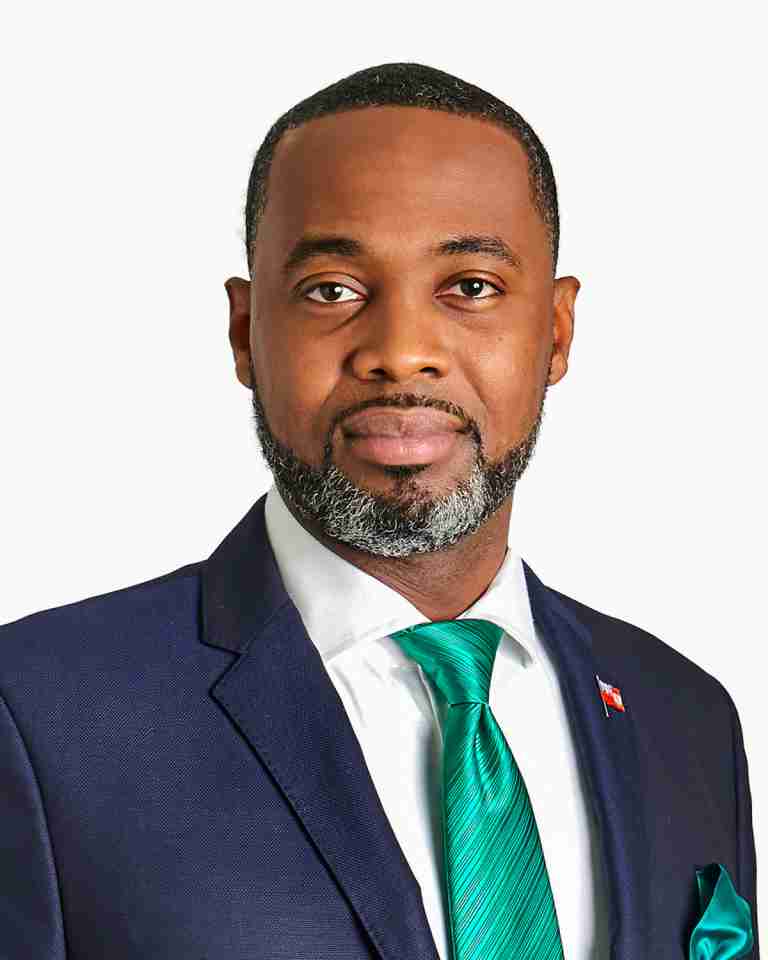
The recent shake up of Cabinet Ministers was prompted by the resignation of Crystal Caesar, as the Premier shared the reasons behind his new appointments

Further insight now on Premier David Burt’s Cabinet reshuffle.


Interviewed by Jasmine Patterson, the Premier moved to explain his decision to appoint new Education and National Security ministers.


Jasmine spoke to Premier Burt during the swearing-in ceremony at Government House on Friday.

Canada taps Germany’s TKMS for submarines ahead of NATO summit

TKMS, majority-owned by German conglomerate Thyssenkrupp, beat out a competing offer from South Korea’s Hanwha Ocean 042660.KS

International News via Reuters:

Canada said on Monday it wanted Germany’s TKMS to build up to 12 submarines for its navy, deepening defense ties with Europe ahead of a NATO leaders’ summit centered on higher military spending.

TKMS, majority-owned by German conglomerate Thyssenkrupp, beat out a competing offer from South Korea’s Hanwha Ocean 042660.KS.

“This procurement will be the largest in Canadian history,” Prime Minister Mark Carney told a news conference in the Atlantic port of Halifax, but did not give an amount.

Carney, speaking just hours before flying to a NATO summit in Turkey, said Ottawa would now enter talks with TKMS.

“This was a difficult, close decision between two highly qualified suppliers,” he said.

Reporting by Caroline Stauffer, Katharine Jackson, Christoph Steitz and David Ljunggren; Editing by Howard Goller and Nick Zieminski

Death toll from Venezuela quakes rises to 3,535 as thousands remain displaced

Top lawmaker Jorge Rodriguez said the latest official tally showed 16,740 people injured and 17,854 left without housing after the June 24 quakes

International News via Reuters:

The death toll from Venezuela’s twin earthquakes has risen to 3,535, authorities said on Monday, while nearly 18,000 people remain homeless more than a week after the disaster struck the capital and nearby coastal areas.

Top lawmaker Jorge Rodriguez said the latest official tally showed 16,740 people injured and 17,854 left without housing after the June 24 quakes, which measured magnitudes 7.2 and 7.5 and struck within seconds of each other.

The new figures underscore the scale of the disaster in and around Caracas and La Guaira, the coastal area hit hardest, as criticism mounts over the government’s response.

Venezuela’s social vice presidency said at least 12,800 people were staying in 80 shelters across Caracas and La Guaira.

Acting President Delcy Rodriguez has defended the government’s handling of the disaster amid growing frustration from Venezuelans who have described the response as late and inadequate.

She said security forces were deployed immediately after the quakes and announced the creation of a new military unit to help tackle future emergencies and disasters.

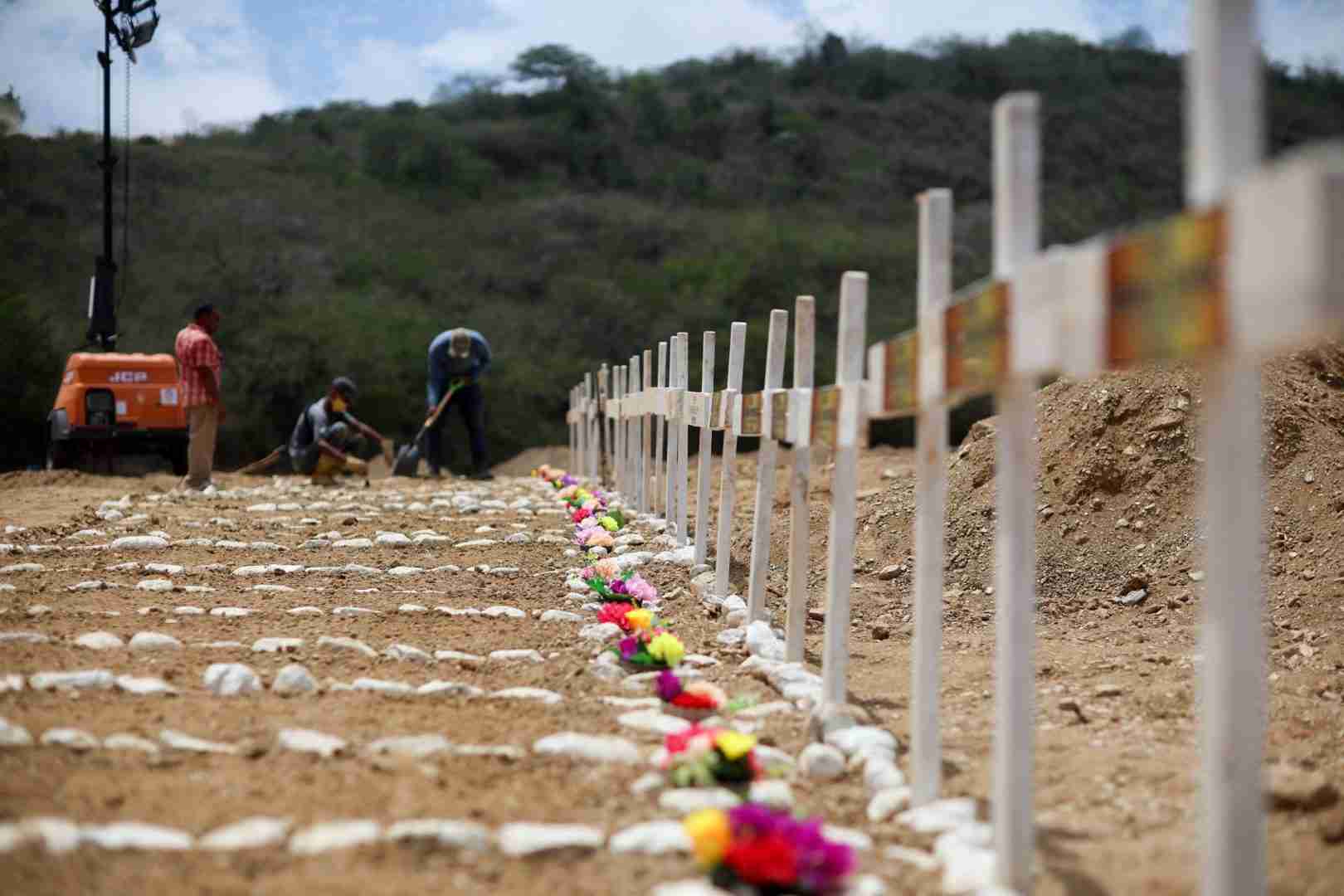
In La Guaira on Monday, Reuters witnesses saw trucks and forensic workers transporting coffins, while machinery dug trenches in an open area marked by white crosses, where authorities were burying unidentified bodies.

The United Nations said it was continuing to ramp up aid operations in coordination with the government in Caracas.

“Some search and rescue teams remain deployed in the affected areas, while other specialized engineering teams and medical support continue to arrive,” U.N. spokesperson Stephane Dujarric told reporters on Monday.

Dujarric said a comprehensive needs assessment that will form the basis of an updated response plan was nearly complete, though he did not say when it would be released. U.N. agencies are already providing services in three camps and assessing other sites for expanded support.

Reporting by Deisy Buitrago and Vivian Sequera; Additional reporting by Andrea Shalal in Washington; Writing by Kylie Madry; Editing by Daina Beth Solomon

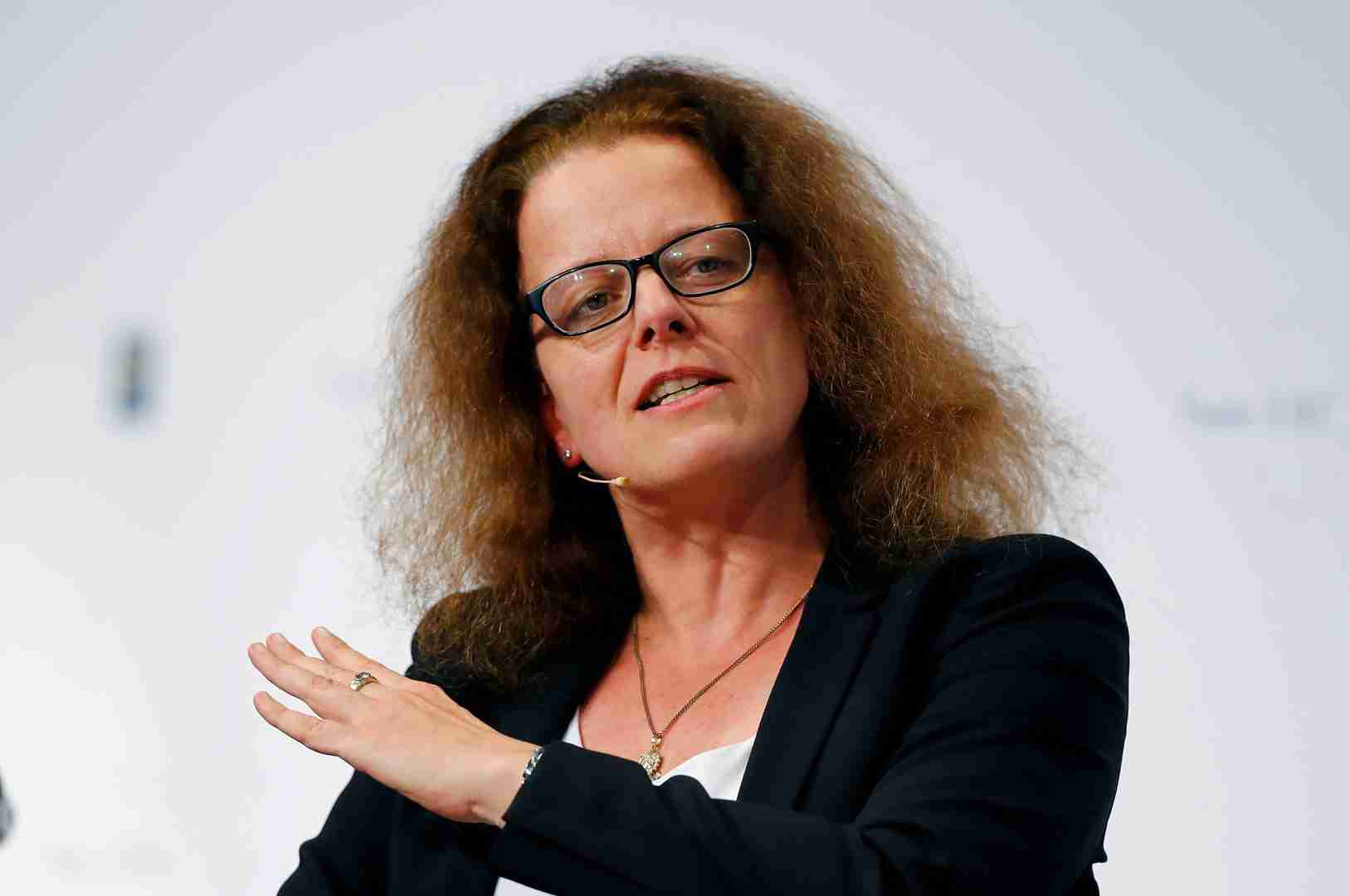
ECB’s Schnabel says Iran shock is not over

Schnabel’s comments kept the need for more policy tightening on the table even as a second interest rate hike at the ECB’s next meeting on July 22-23 looked increasingly unlikely

International News via Reuters:

The euro zone’s economy is not back to its state before the Iran war despite a drop in oil prices, as core inflation remains strong and price pressures continue, European Central Bank board member Isabel Schnabel said on Monday.

Schnabel’s comments kept the need for more policy tightening on the table even as a second interest rate hike at the ECB’s next meeting on July 22-23 looked increasingly unlikely.

“Does the decline in oil prices mean that we are back to the pre-war situation? I don’t think so,” she told an event in Rome.

“The peace deal is still fragile, markets continue to point to higher oil prices over longer horizons and gas prices are still around 40% higher than before the war.”

Among other factors, she noted crack spreads, a measure of profitability for refiners, were “twice their pre-war levels”, pipeline and supply chain pressures remained elevated and core inflation remained strong.

“Meanwhile, we are experiencing new shocks: the heat wave in Europe and the Super El Niño may put upward pressure on food prices, while rainwater levels are approaching critical levels,” Schnabel added.

Speaking later on the same panel, Belgian central bank governor Pierre Wunsch said he was “relatively relaxed”, noting the war-related shock to energy prices seemed to have “disappeared” from market prices.

Repeating comments made to Reuters last month, he argued the ECB should “not wait too long” if it wants to raise rates one last time.

“We will have a projection in September, but I’m a bit afraid that we would hike too late when the movement starts in the other direction,” Wunsch added.

Reporting by Francesco CanepaEditing by Tomasz Janowski, William Maclean