Wednesday, October 28, 2026
Home Blog Page 181

UK’s FCA says parts of motor finance redress scheme suspended

The regulator introduced the scheme in March to compensate motorists who were treated unfairly under motor finance arrangements between 2007 and 2024
International News via Reuters:

Britain’s Financial Conduct Authority said on Thursday parts of its motor finance consumer redress scheme had been suspended pending legal challenges brought by four parties.

The regulator introduced the scheme in March to compensate motorists who were treated unfairly under motor finance arrangements between 2007 and 2024. It previously estimated firms would pay around 7.5 billion pounds in compensation.

“The partial suspension enables firms to keep preparing for the scheme and progress complaints as far as possible, while avoiding work that may need to be repeated if the challenges succeed,” the FCA said in a statement.

The decision means compensation payments to consumers who may be owed money under the programme will be delayed until the legal process concludes.

The challenge is due to be heard either in December or in February next year, with a judgment expected in the following months, the FCA said.

If the scheme is upheld, and barring any appeal, the FCA said it expects payments under the scheme to begin in 2027. But if the scheme is overturned in whole or part, the regulator said it would need to decide its next steps.

A revised scheme, assuming further legal challenges, would mean compensation could be delayed until 2028 or beyond.

Reporting by Muvija M, writing by Sam Tabahriti; editing by William James

Google loses fight against record €4.1 billion EU antitrust fine

The European Commission had originally handed out a €4.34 billion fine to Google in 2018 for its agreements which forced phone manufacturers to pre-install Google Search, the Chrome browser and the Google Play app store on their Android devices

International News via Reuters:

Alphabet’s Google on Thursday lost its fight against a record fine imposed by EU antitrust regulators eight years ago for using its Android mobile operating system to block rivals, a court ruling likely to boost Europe’s crackdown on Big Tech.

The European Commission had originally handed out a €4.34 billion fine to Google in 2018 for its agreements which forced phone manufacturers to pre-install Google Search, the Chrome browser and the Google Play app store on their Android devices and prevented them from using rival Android systems.

A lower tribunal subsequently trimmed the fine to €4.1 billion in 2022 after the world’s most popular search engine challenged the EU penalty. Google then appealed to the Luxembourg-based Court of Justice of the European Union, Europe’s highest.

The court sided with the EU antitrust enforcer.

“The appeal brought by Google and its parent company Alphabet against the judgment of the General Court is dismissed, thereby confirming the penalty imposed for Google Search’s abuse of a dominant position in the context of the Android operating system,” judges said.

A Google spokesperson said that the judgment failed to take into account its investment to ensure Android remains open, interoperable and free.

“In any event, we adapted our agreements to comply with the initial decision back in 2018 and we remain focused on continued innovation and openness for our users, partners and developers”, Google said.

Google has racked up close to €11 billion in EU fines in the last decades for various antitrust infringements.

It will likely see more fines in the near future for allegedly favouring its own services and products in search results and for practices related to its app store, both of which fall under the Digital Markets Act aimed at reining in the power of Big Tech.

The case is C-738/22 P Google and Alphabet v Commission.

Reporting by Foo Yun Chee and Sudip Kar-Gupta; Editing by Louise Heavens

Hungary to launch $128 million school-start benefit scheme

Magyar, who ousted right-wing leader Viktor Orban in an April election landslide, warned on Monday that the budget deficit would come in much higher than earlier estimates driven by Orban’s pre-election spending

International News via Reuters:

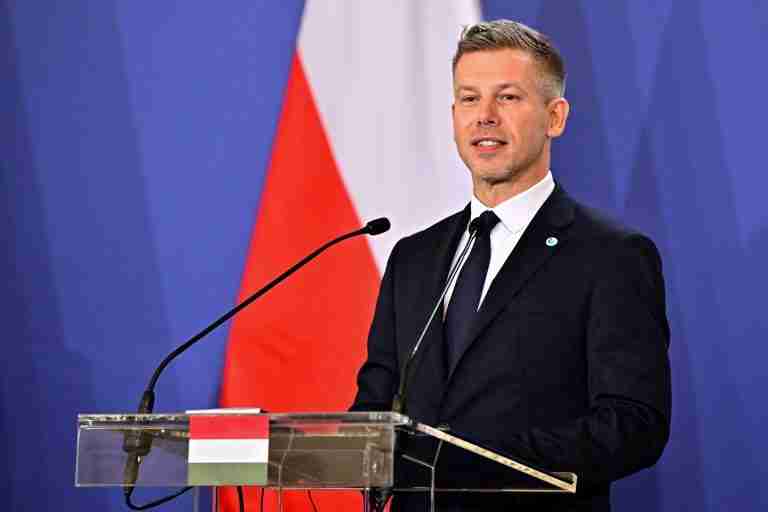
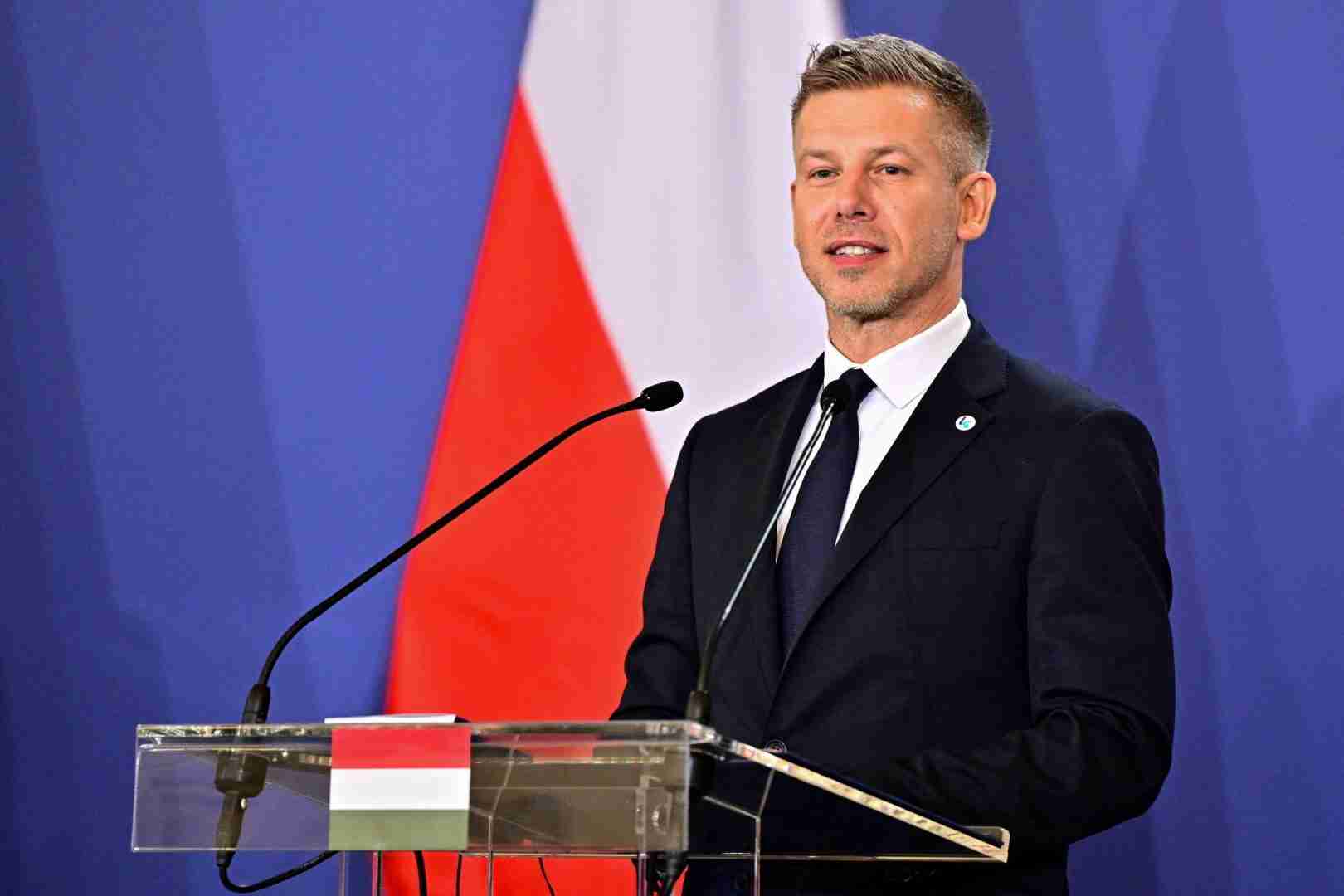
Hungary will launch a means-tested school-start benefit program at a cost of 40 billion forints ($128.41 million) per year, Prime Minister Peter Magyar said on Thursday, adding new spending after a surge in the budget deficit in early 2026.

Magyar, who ousted right-wing leader Viktor Orban in an April election landslide, warned on Monday that the budget deficit would come in much higher than earlier estimates driven by Orban’s pre-election spending.

His government estimates the 2026 shortfall at more than 7% of economic output, which could be the European Union’s largest, even with the favourable impact of a political agreement on the release of billions of euros’ worth of suspended EU funding.

“No child in Hungary should suffer a disadvantage merely because their families live in difficult circumstances,” Magyar said in a Facebook video, adding that the 100,000 forint grant paid in two halves would benefit 400,000 children.

He said the grant would be linked to existing social support measures and offered to children receiving a higher-rate family allowance due to a chronic illness or severe disability, special needs children or single-parent households, among others.

Official statistics released on Wednesday showed Hungary’s budget deficit surging to 9% of gross domestic product.

Magyar’s Tisza party has said a sweeping anti-corruption drive, more transparent public procurement, lower spending on what they described as government “propaganda” under Orban and falling debt financing costs would help shore up the budget.

“The Tisza party must now contend with competing promises, including additional fiscal support measures it pledged during the election campaign and its aim to lower the fiscal deficit to 3.0% of GDP by 2030,” rating agency Morningstar DBRS said in a note.

“We are of the view that reducing budgetary pressures in a lasting manner will require structural fiscal consolidation efforts both on the spending and the revenues sides which go beyond what has been announced so far.”

($1 = 311.5 forints)

Reporting by Anita Komuves and Gergely Szakacs, Editing by William Maclean

UK’s Currys warns memory chip shortage will push up prices

Chief Executive Alex Baldock said AI and data centres were eating up the world’s supply of silicon

International News via Reuters:

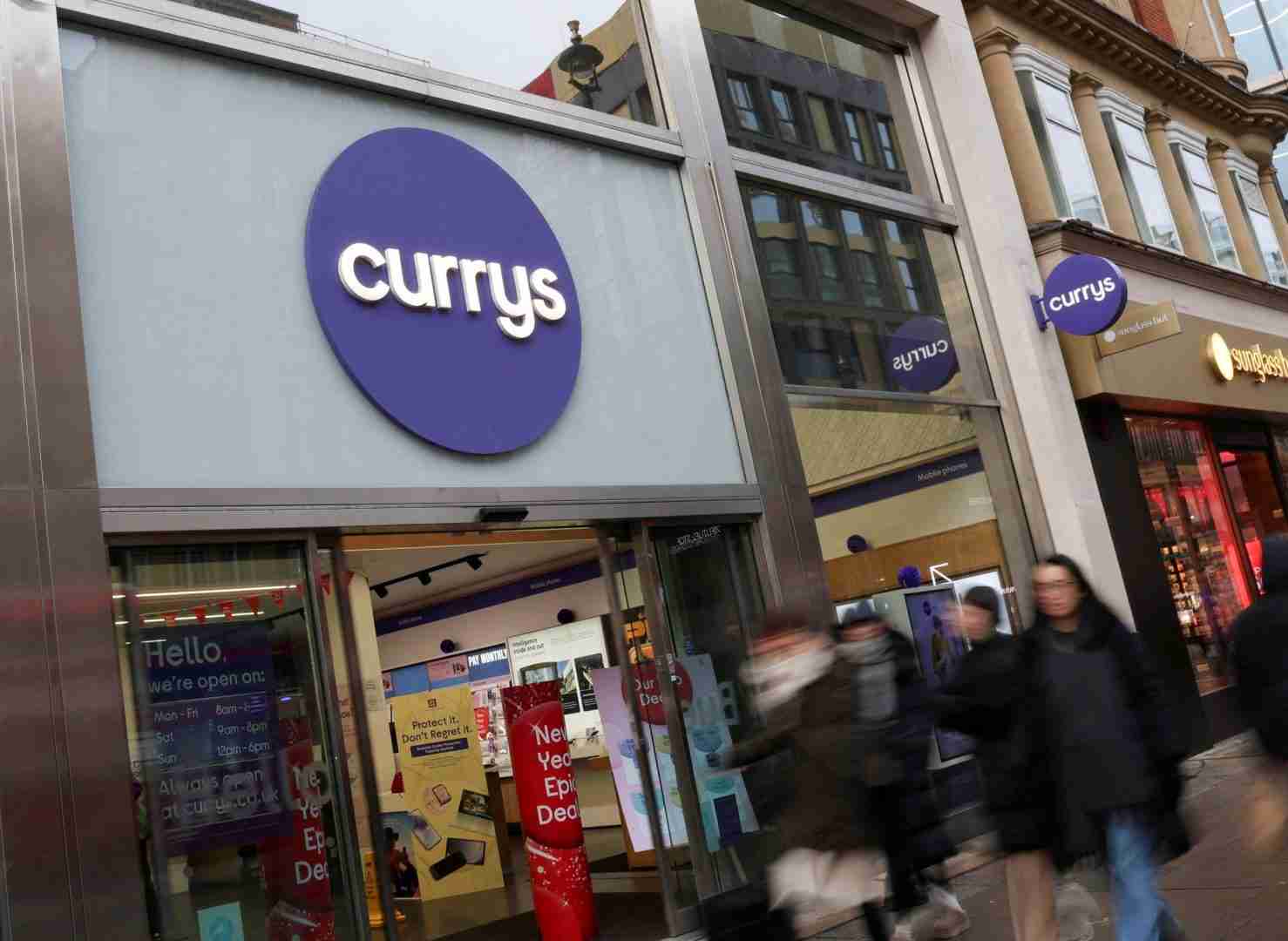
Higher prices for smartphones, laptops and other electronics are inevitable later this year due to a global memory chip shortage, the boss of Currys, Britain’s biggest consumer electricals retailer, warned on Thursday.

Chief Executive Alex Baldock said AI and data centres were eating up the world’s supply of silicon.

“Less (is) left over for the likes of mobile phones and laptops and that inevitably will cause availability challenges and some cost price inflation coming through later this year,” he told reporters after Currys published annual results.

His comments came as an EU-funded report warned that Chinese export controls, reliance on U.S. technology and structural weaknesses could leave Europe’s chip industry facing a bleak future unless it rapidly strengthens domestic supplies.

Baldock said it was too early to estimate the scale of the price rises. However, he said Currys would use its buying power as market leader to limit increases and secure supplies.

“We’ve seen this coming for some time, we’ve made sure that we’ve bought forward, so we’ve got good security of supply in computing and mobile phones until at least September.”

Currys shares were down 3.3%, trimming 2026 gains to 25.6%.

‘VERY SOLID’ TRADING

Currys said trading at the start of its new financial year, which began on May 3, had been “very solid” as it reported an 18% rise in profit for 2025/26, helped by sales growth in both its UK & Ireland and Nordics businesses.

Baldock said the soccer World Cup had spurred demand for televisions, with sales of 90-inch and over TVs trebling, home beer pumps and hot tubs. The recent heatwave caused a spike in demand for fans and air conditioning products.

Currys reported an adjusted profit before tax of £191 million ($254 million) for the year ended May 2, on revenue up 6% to £9.25 billion.

Like-for-like revenue in the UK & Ireland division rose 3%, outperforming a generally subdued retail sector. Nordics revenue increased 6% on the same basis.

Last month, Currys named Fredrik Tønnesen, the head of its Nordics business, as group CEO, succeeding Baldock.

Baldock, CEO for eight years and the architect of Currys’ turnaround, will leave on August 31 and become CEO of health and beauty retailer Boots in the autumn.

Currys said that despite continuing economic uncertainty, it was comfortable with analysts’ average forecast for adjusted pretax profit of £198 million in 2026/27.

($1 = 0.7520 pounds)

Reporting by James Davey. Editing by Kate Holton and Mark Potter

Firefighters battle blazes in southern France after European heatwave

Interior Minister Laurent Nunez said three blazes, two of which broke out on the western edge of the Mediterranean port city of Marseille, had scorched a combined area of 1,210 hectares (12,100,000 square meters)

International News via Reuters:

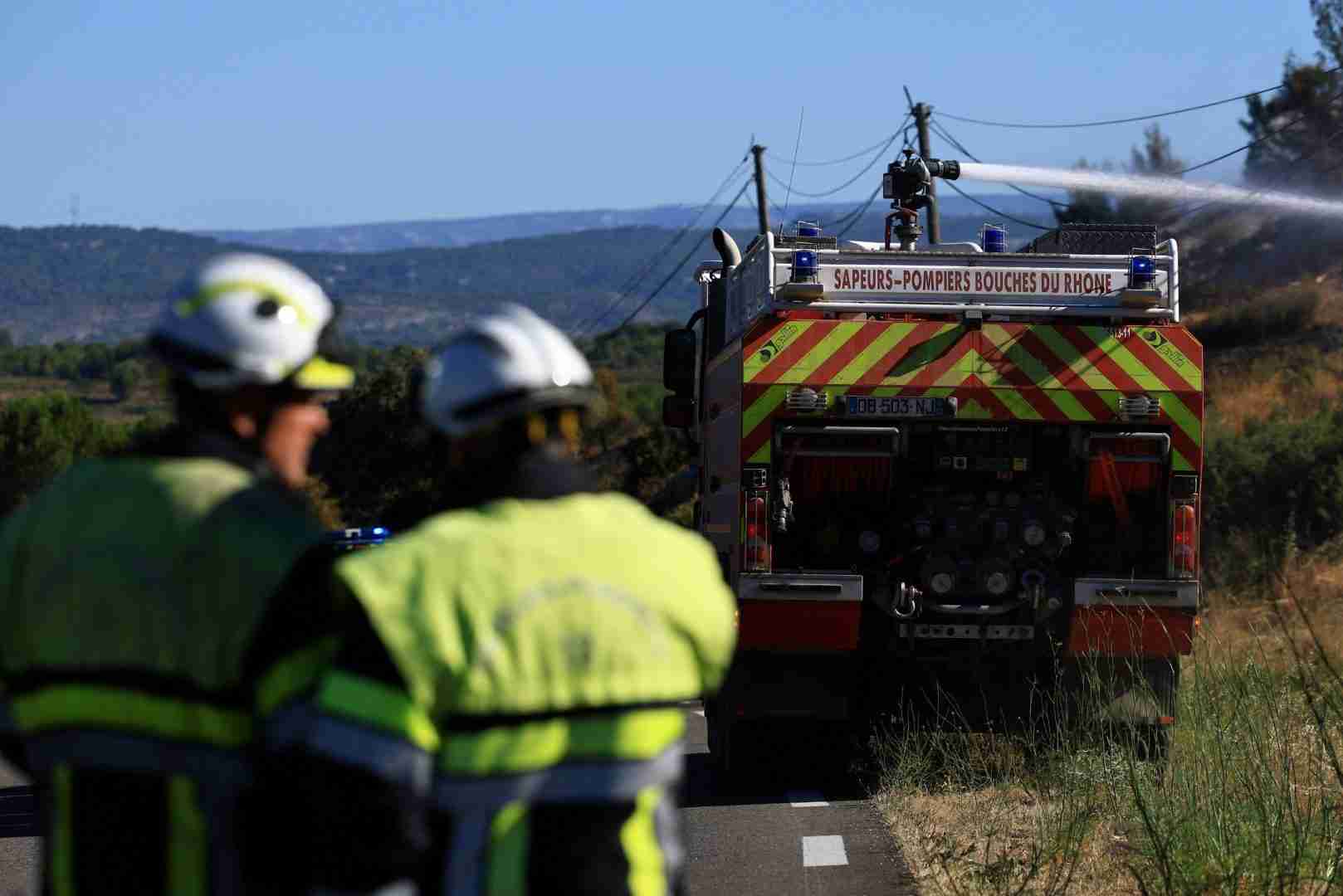
Firefighters were battling several wildfires fanned by strong winds in southern France on Thursday, as the country grappled with parched conditions following Europe’s recent heatwave.

Interior Minister Laurent Nunez said three blazes, two of which broke out on the western edge of the Mediterranean port city of Marseille, had scorched a combined area of 1,210 hectares (12,100,000 square meters).

The World Meteorological Organization last week warned that the record temperatures that baked Western Europe for over a week in late June would worsen the risk of wildfires, given the outlook for sustained high temperatures, very low humidity and dry vegetation.

The biggest wildfire was burning in the Aude administrative department area near the border with Spain, with some 900 hectares burnt. Local authorities said high winds were making it more difficult for the 800 firefighters to battle the fire.

Meanwhile, firefighters were tamping down a small blaze in Rognac near Marseille’s airport and had brought under control another nearby fire covering 260 hectares in Lancon-Provence. There were no casualties, local officials said.

An acrid smell of smoke hung over the area and pilots on at least one flight landing at the city reassured passengers the smell was not coming from their aircraft, a Reuters witness said.

Further east, in Frejus, a resort town in the Var department some 35 kilometers (22 miles) from Cannes, more than 2,000 people were evacuated from six campsites on Wednesday because of a nearby forest fire.

France’s weather office has warned that another spell of extreme heat could hit next week. Health authorities estimate the previous heatwave may have caused around 1,000 excess deaths in the country during record-breaking temperatures.

Reporting by Manon Cruz, Alessandro Parodi, Writing by Sudip Kar-Gupta, Charlotte Van Campenhout; Editing by Timothy Heritage, Joe Bavier, Richard Lough and Thomas Derpinghaus

NATO plans Saab GlobalEye jets to replace AWACS, sources say

NATO, whose members are due to meet in the Turkish capital on July 7 and 8, did not immediately respond to a request for comment

International News via Reuters:

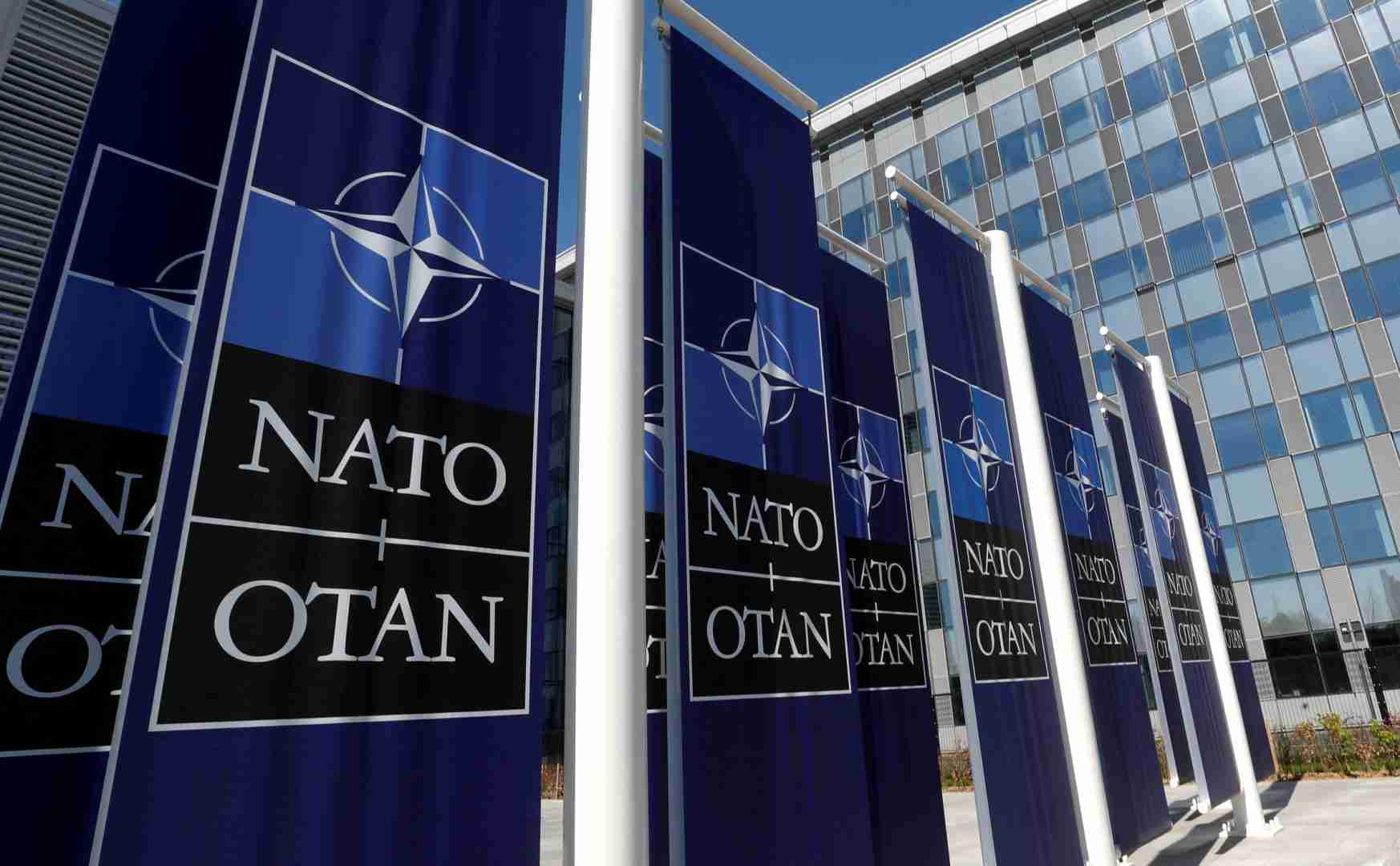
NATO will announce plans at next week’s Ankara summit to replace its ageing fleet of AWACS aircraft with GlobalEye surveillance planes from Sweden’s Saab, four sources familiar with the matter said.

NATO, whose members are due to meet in the Turkish capital on July 7 and 8, did not immediately respond to a request for comment. Saab declined to comment.

Reporting by Sabine Siebold and Tim Hepher, Additional reporting by Simon Johnson; editing by Barbara Lewis

UK’s Starmer apologises to mothers and children traumatised by decades of forced adoptions

An estimated 185,000 children were separated from their mothers in Britain

International News via Reuters:

British Prime Minister Keir Starmer on Thursday apologised to women forced to give up their babies and to those separated from their mothers at birth by a system of forced adoptions that targeted unmarried women in the decades after World War Two.

An estimated 185,000 children were separated from their mothers in Britain. Starmer apologised on behalf of the state for the lifelong trauma it had caused.

“On behalf of the whole country, I say it to every single person impacted: we are deeply and profoundly sorry,” Starmer told parliament.

Between 1949 and 1976, the British state and Christian churches created a system in which young women with children outside of marriage were shamed and coerced into giving up their babies to comply with the social norms of the time.

The Church of England apologised for its role last month, acknowledging its involvement in running so-called “mother and baby homes” where unmarried women were sent, often ⁠against their will, during pregnancy or after giving birth and separated from their babies.

The state’s apology — which follows similar apologies by Ireland and Australia — comes four years after Britain’s human rights committee concluded that the government was “ultimately responsible” for the lack of protection for unmarried mothers and their babies.

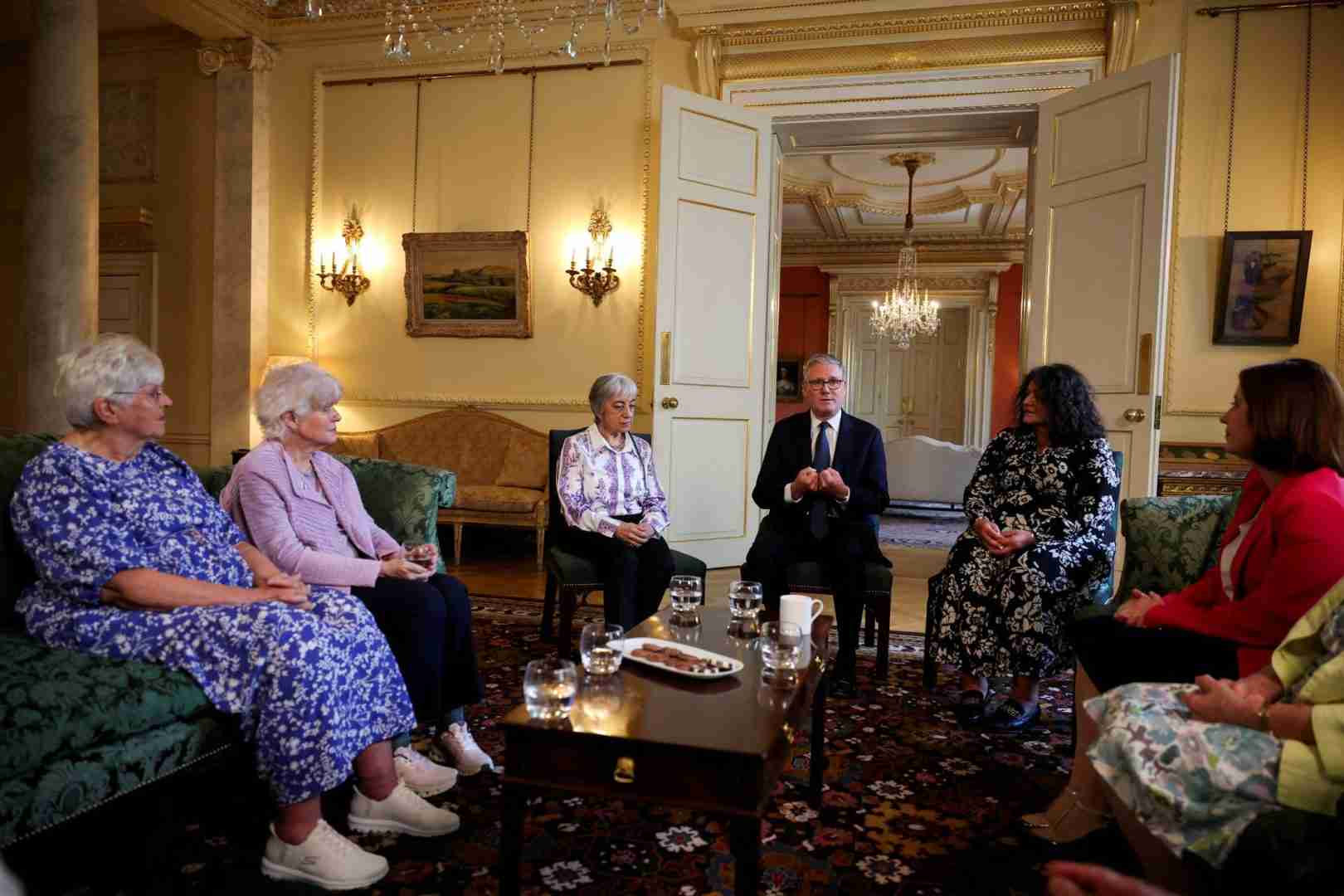
Before making his apology to parliament, Starmer met a group of affected mothers and children at his Downing Street residence, telling them:

“There never was any shame for you. The shame actually is ours. The shame is on the state and all those that were responsible for this.”

Reporting by Muvija M; editing by William James

Sterling hits one-year high versus euro; rallies as dollar takes yen hit

The euro slipped to 85.47 pence, its lowest since June last year, and was last down 0.2% against the pound

International News via Reuters:

The pound rose to a one-year high against the euro on Thursday and jumped against the dollar as swings in the Japanese yen caused currency markets to gyrate.

The euro slipped to 85.47 pence, its lowest since June last year, and was last down 0.2% against the pound.

Meanwhile, sterling rallied against the dollar and was last up 0.57% to $1.335, trading at its highest in two weeks.

Chris Turner, head of global markets at ING, said weaker-than-expected euro zone inflation data on Wednesday and an unwinding of bets against the pound were two possible factors in the euro’s fall against sterling.

“There is probably also the view that UK politics may not come back to weigh on sterling until the end of this month or in August,” he said. 

“Andy Burnham will probably take over as Labour’s leader and UK PM on 20 July. The focus will then be on whether he appoints Ed Miliband as chancellor,” he said, adding that such an appointment could weigh on the pound slightly.

Former Manchester mayor Burnham is widely expected to take over from the embattled current Prime Minister Keir Starmer late next month. 

Investors are waiting for more clarity about Burnham’s policies, but the biggest driver of UK assets has been the U.S.-Iran deal and fall in oil prices, which has boosted market confidence and helped bond yields to fall.

Currency markets moved sharply on Thursday after the yen suddenly rallied, with traders on alert for signs of possible intervention from Japanese authorities to boost their currency, which is languishing at a 40-year low.

The market jitters hit the dollar, helping both the pound and the euro rally against the U.S. currency, which has been trading at around its highest in a year on bets that the Federal Reserve may have to raise rates to cool inflation amid a strong economy.

Key U.S. jobs data on Thursday could trigger a further swing in currencies should it sharply over- or under-shoot expectations.

Federal Reserve Chair Kevin Warsh said on Wednesday that inflation expectations and price risks had eased in recent weeks. 

Oil prices have fallen back to pre-war levels in the wake of the U.S. and Iran’s framework deal.

Reporting by Harry Robertson; Editing by Alexander Smith

UK house prices flat in June but outlook brightens, Nationwide says

House prices rose by an annual 2.2% in June, below a 2.4% rise forecast in a Reuters poll of economists

International News via Reuters:

British annual house prices rose by less than expected in June, but softening expectations for interest rate hikes by the Bank of England are likely to improve affordability, mortgage lender Nationwide said on Wednesday.

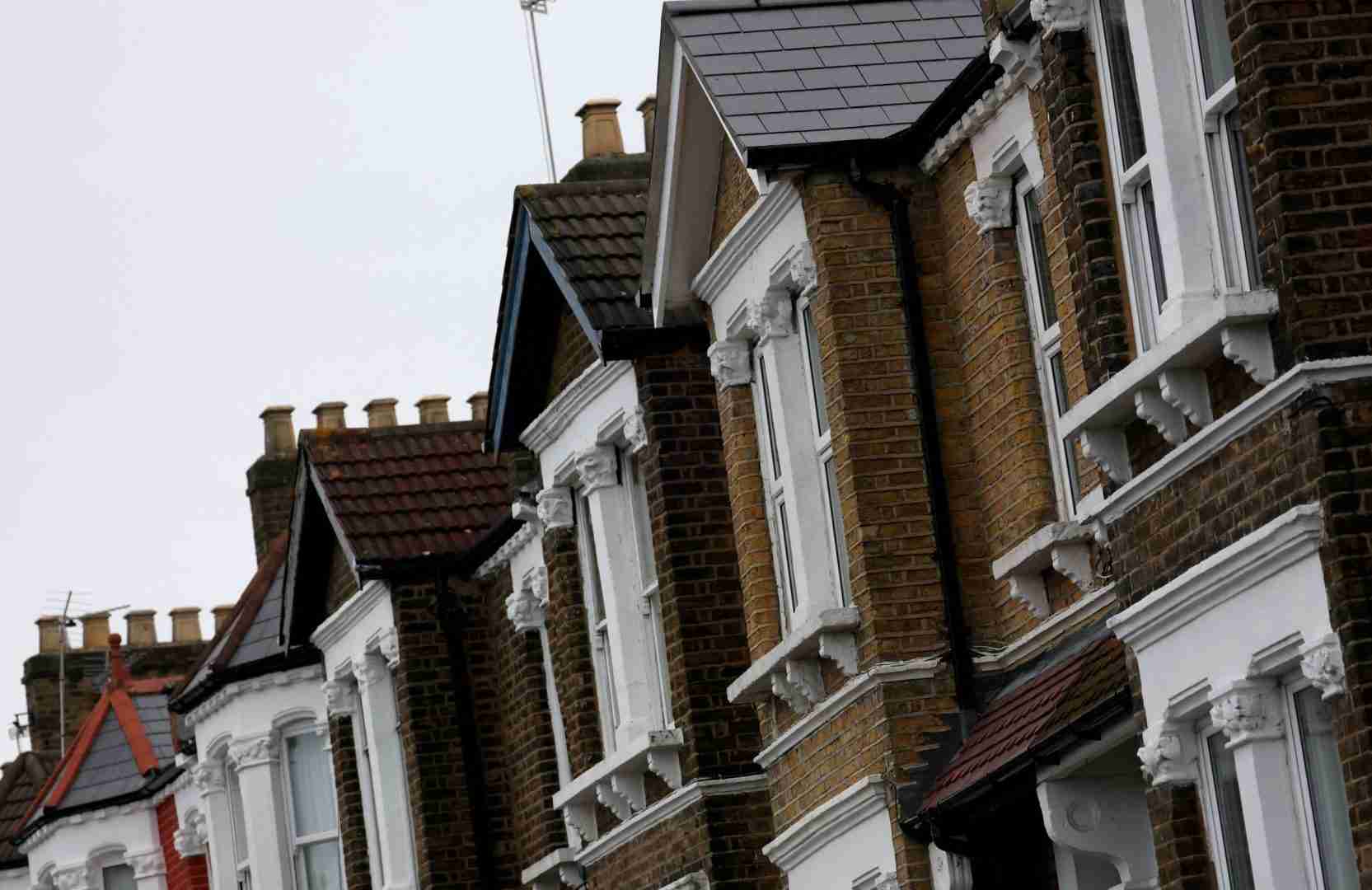
House prices rose by an annual 2.2% in June, below a 2.4% rise forecast in a Reuters poll of economists. Prices were flat month-on-month, as expected, after a surprise 0.6% fall in May.

Mortgage costs have risen since the start of the Iran war at the end of February, tempering a strong start to 2026 for house price growth, and pushing up expectations the BoE would need to hike interest rates to curb inflation.

“It is not surprising that the market has softened a little in recent months, given the uncertainty caused by developments in the Middle East and the subsequent rise in energy prices and market interest rates,” Robert Gardner, Nationwide’s chief economist, said.

“If the energy shock continues to subside, the Bank of England may not need to raise interest rates, or at least by less than had previously been anticipated.”

The Bank of England said on Monday the number of mortgages approved by British lenders for house purchase fell by the most since December 2023 in May.

The central bank kept interest rates at 3.75% in June and investors are pricing in the first quarter-point increase in the main Bank Rate in early 2027.

“If maintained, these trends will help to restore household confidence and ease affordability constraints, paving the way for a recovery in housing market activity in the coming quarters, providing that domestic political uncertainty does not adversely impact sentiment,” Gardner added.

Prime Minister Keir Starmer, who said last week he would resign, has sought to speed up the construction of new homes, but a shortage of properties for sale is likely to keep upward pressure on prices.

Andy Burnham, Britain’s likely next prime minister to replace Starmer, on Monday pledged to oversee the biggest local authority-led social house-building programme since the years following World War Two.

Reporting by Suban Abdulla; editing by Sarah Young and Andrew Heavens

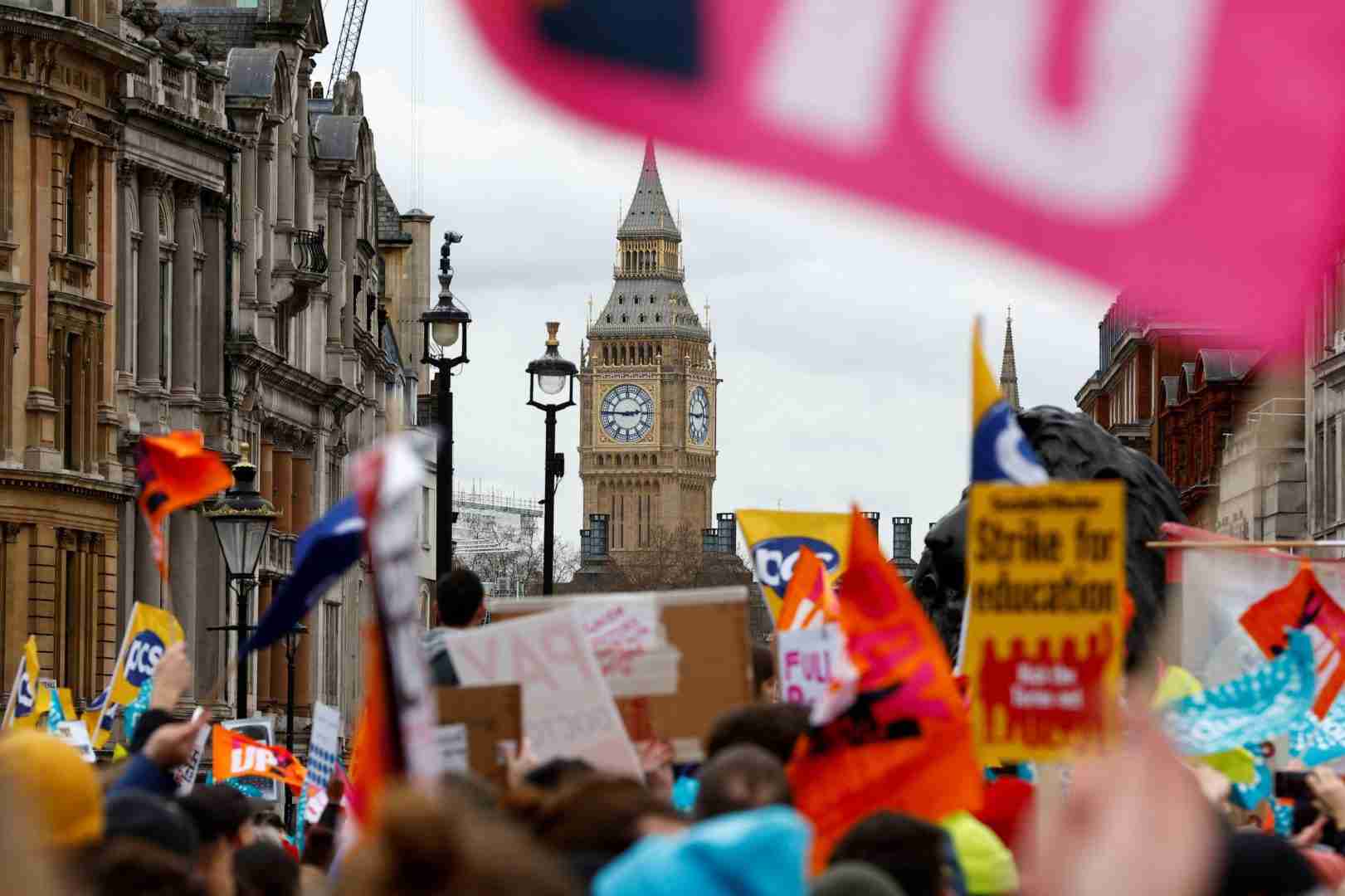
UK sets out teacher pay hikes that should outpace inflation

Teachers’ pay will increase by 3.5% from September, and by 3% from September 2027, representing a cumulative 17% rise since the country’s Labour government took power in 2024

International News via Reuters:

British teachers will receive pay increases that should outpace inflation over the coming two years, with the first rise coming in September, the government said on Wednesday.

Teachers’ pay will increase by 3.5% from September, and by 3% from September 2027, representing a cumulative 17% rise since the country’s Labour government took power in 2024.

• The increases are above the most recent rate of inflation which stood at 2.8% in May. Last month the Bank of England said inflation could be under the 3% mark in September

• Britain will provide £1.8 billion ($2.4 billion) to schools over two years to support pay rises, with schools expected to provide the first 1% of each pay award

• Additional £485 million to be given to colleges and other further education providers over next two years to use towards recruiting and retaining staff, and courses

• Curbs will be placed on academy trust executive pay

($1 = 0.7553 pounds)

Reporting by Suban Abdulla; editing by Andy Bruce

EU to provide 200 million euros to boost South Caucasus connectivity, von der Leyen says

Armenia and Azerbaijan were at war for nearly four decades over the mountainous region of Nagorno-Karabakh, and reached a U.S.-brokered peace agreement last August after meeting President Donald Trump at the White House

International News via Reuters:

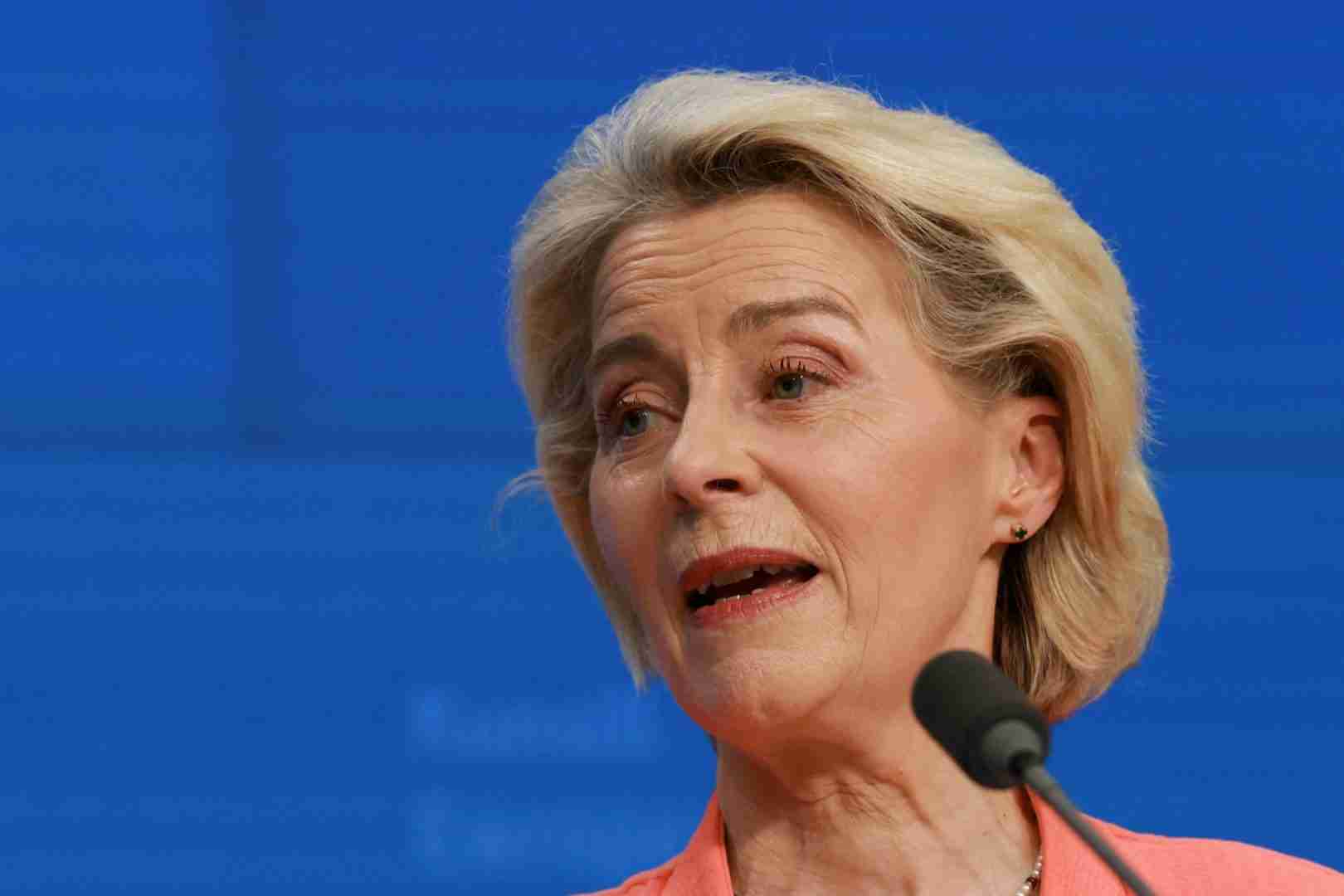
The European Union will provide up to €200 million ($228 million) in grant funding to boost transport, energy and digital links across the South Caucasus, European Commission President Ursula von der Leyen said during a visit to Baku on Wednesday.

Von der Leyen, who met Azerbaijani President Ilham Aliyev alongside EU Enlargement Commissioner Marta Kos, said the initiative was designed to support peace between Azerbaijan and Armenia by strengthening regional connectivity and delivering targeted assistance to local communities.

Armenia and Azerbaijan were at war for nearly four decades over the mountainous region of Nagorno-Karabakh, and reached a U.S.-brokered peace agreement last August after meeting President Donald Trump at the White House.

“Our ‘Peace through Connectivity Package’ will help build a peaceful and prosperous future for the South Caucasus,” von der Leyen said. “Together, we can turn peace on paper into peace in practice.”

The Commission said a further €20 million would be allocated to a programme supporting local communities in Armenia and Azerbaijan, including through investment in healthcare, demining, skills development and local businesses.

($1 = 0.8787 euros)

Reporting by Nailia BagirovaWriting by Maxim Rodionov; Editing by Chizu Nomiyama