A political coalition supporting President Bassirou Diomaye Faye has called for an immediate withdrawal of the bill
International News via Reuters:
Senegalese police fired tear gas on Monday to disperse scores of protesters outside parliament, as lawmakers debated a constitutional amendment that critics say could upset the balance of power in government.
Proposed changes include a provision prohibiting a sitting president from serving as leader of a political party.
A political coalition supporting President Bassirou Diomaye Faye has called for an immediate withdrawal of the bill.
Lawmakers voted in favour of the change on Monday but any amendment must first be put to a referendum, the minister of justice, Moussa Sarr, told the hearing.
The push for constitutional reform has been driven by the ruling Pastef party, led by parliament speaker and former Prime Minister Ousmane Sonko.
Faye is also a member of Pastef, but no longer holds any official role in the party. The amendment would make it more difficult for him to launch his own party ahead of the next election.
Critics of the proposed reforms, including some Senegalese civil society groups and political parties, say the reform is an attempted power grab by Sonko, who was dismissed as prime minister by Faye in May.
The dispute over constitutional reform is deepening political divisions in Senegal, where Faye and Sonko split over the approach to reforms and the response to a mounting debt crisis.
Faye was elected two years ago, backed by Sonko, a populist figure with a strong youth following, who was barred from running himself due to a defamation conviction.
Reporting by Diadie Ba and Anait Miridzhanian;Editing by Bate Felix, Aidan Lewis, Jessica Donati and Susan Fenton
In what is most likely his last major policy announcement, Starmer said the plan had been sharpened and went further than a previous document that prompted his ally, John Healey, to resign as defence minister earlier this month
International News via Reuters:
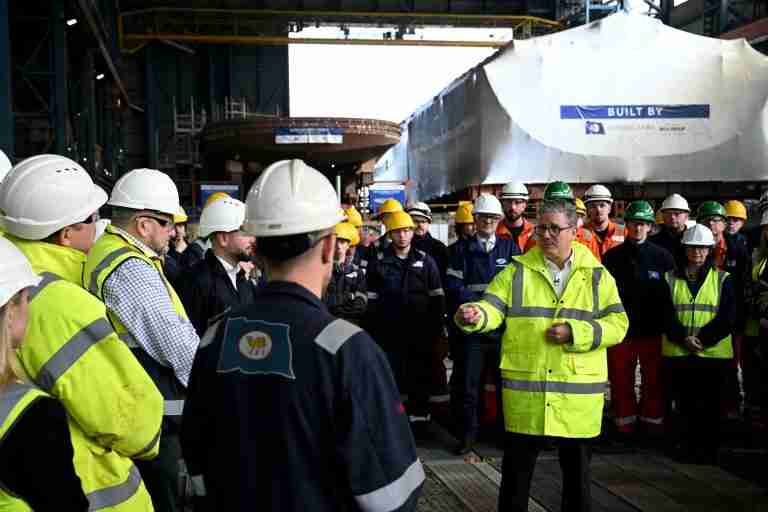
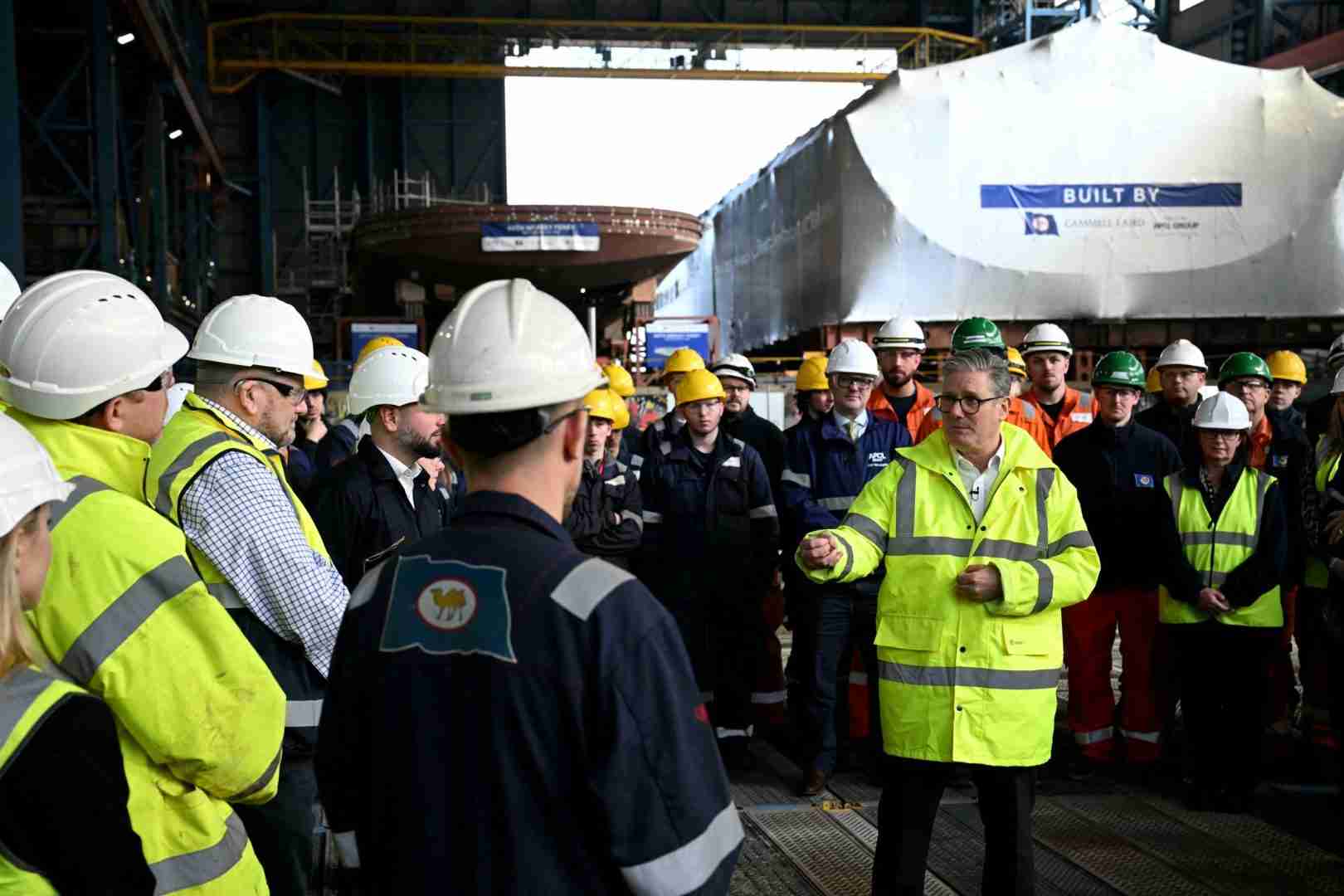
Prime Minister Keir Starmer unveiled his long-delayed Defence Investment Plan on Tuesday, promising an increase of £15 billion in funding to better equip Britain to fight the wars of the future in a blueprint he described as his legacy.
In what is most likely his last major policy announcement, Starmer said the plan had been sharpened and went further than a previous document that prompted his ally, John Healey, to resign as defence minister earlier this month, accusing him of failing to secure enough money to keep the country safe.
Starmer will take his plan — which foresees spending of nearly £80 billion a year by 2029 — to Ankara for a NATO meeting on July 7 to 8, where he will want to signal that Britain was on the path to meet its commitment to reach defence spending of 3.5% of GDP by 2035.
But with his expected successor, Andy Burnham, due to take power as soon as July 20, he acknowledged that new governments could “build” on his blueprint.
Some critics said the plan, delayed for more than nine months, was too little, too late.
PLAN ‘WILL STRENGTHEN BRITAIN’S DEFENCE’
“When the world is arming and aggression is rising, the best way to avoid war is to prepare for it, the best way to defend is to deter — to have the strength to make your adversaries to think again before they act,” Starmer told an audience at a defence company in southern England.
“That is what we are delivering.”
After last-minute discussions between the finance ministry and Britain’s new defence minister, Dan Jarvis, Starmer said his blueprint would offer funding of £5 billion for investment in drones and autonomous weapons, create a hybrid Navy and make the army more lethal.
It would also strengthen Britain’s nuclear deterrent and bolster a programme to build a next-generation stealth fighter jet for the Royal Air Force, Starmer said, adding that would create jobs and boost growth.
Matt Roberts, national officer of the GMB trade union, welcomed the plan, saying it offered “some stability for a sector besieged by insecurity”.
“The challenge now is delivery — workers will judge this plan on real jobs, real investment, and real outcomes.”
But hours before the plan was published in full, critics already said it was not large enough to make Britain war-ready, especially when military officials have warned that Russia could attack a NATO country as soon as 2030.
General Richard Barrons, formerly commander of the Joint Forces Command, said, while the plan represented progress, Britain would still be left exposed.
“It is still not going to crack the issue of, in order to defend the UK sufficiently well, sufficiently quickly, more has to be done sooner, and that requires more money than is currently on the table,” he told BBC Radio.
Defence chiefs have said there is a £28 billion funding gap over the next four years and, with the £15 billion uplift falling short of the total, Barrons said some equipment would not be bought or would be delayed, and corners would be cut on training, infrastructure maintenance and logistics.
But the prime minister defended the plan’s costings, saying the settlement was the right choice for the country. He said much of the additional spending would come from reallocating spending from different departments.
“Some capital projects, for example, on roads and energy, which are important but not immediately vital, will no longer go ahead as planned, but this is about taking the necessary choices, the right choices to protect our nation,” he said.
“This plan represents our best judgment for what the country needs to meet this moment, and it is a platform on which I know my successor will build.”
Reporting by Sarah Young and Elizabeth Piper, Editing by William Maclean, Alex Richardson and Kate Holton
Food and transport systems are likely to take longer than energy markets to recover
International News via Reuters:
The U.N. trade and development agency warned on Tuesday that while the reopening of the Strait of Hormuz will bring immediate relief to energy markets, vulnerable economies remain at risk from prolonged increases in food and fuel costs.
Food and transport systems are likely to take longer than energy markets to recover, as disrupted supply chains need more time to reset following more than 100 days of severe disruption to shipping through the strategic waterway, a U.N. Conference on Trade and Development said in a new report.
The strait, which normally carries about one-fifth of global oil and gas supplies, was effectively paralysed during the conflict triggered by joint U.S.-Israeli strikes on Iran in late February.
Although Brent crude has fallen sharply back to around $73 a barrel, close to pre-conflict levels, following the interim U.S.-Iran agreement, UNCTAD said higher fuel, gas and fertiliser costs could continue to feed through into agricultural production, transport costs and household budgets.
Vulnerable economies remain particularly exposed to oil and fertiliser price shocks, while persistently high food prices could place further pressure on poorer households. UNCTAD said a 5% increase in food prices can significantly raise the risk of childhood wasting.
The agency identified 61 vulnerable economies exposed to oil and cereal import shocks linked to the Strait of Hormuz disruption. Among them is Cape Verde, which relies heavily on imported fuel and has experienced rising electricity, transport and food costs that could continue even after energy markets stabilise.
Staple food-importing countries such as Yemen also remain highly vulnerable because their fragile economies are ill-equipped to absorb higher grain prices and transport costs. UNCTAD called for international support to help the most exposed countries recover from the recent shocks.
The latest National Energy System Operator estimate represents a rise of around 53% from a plan announced in 2024
International News via Reuters:
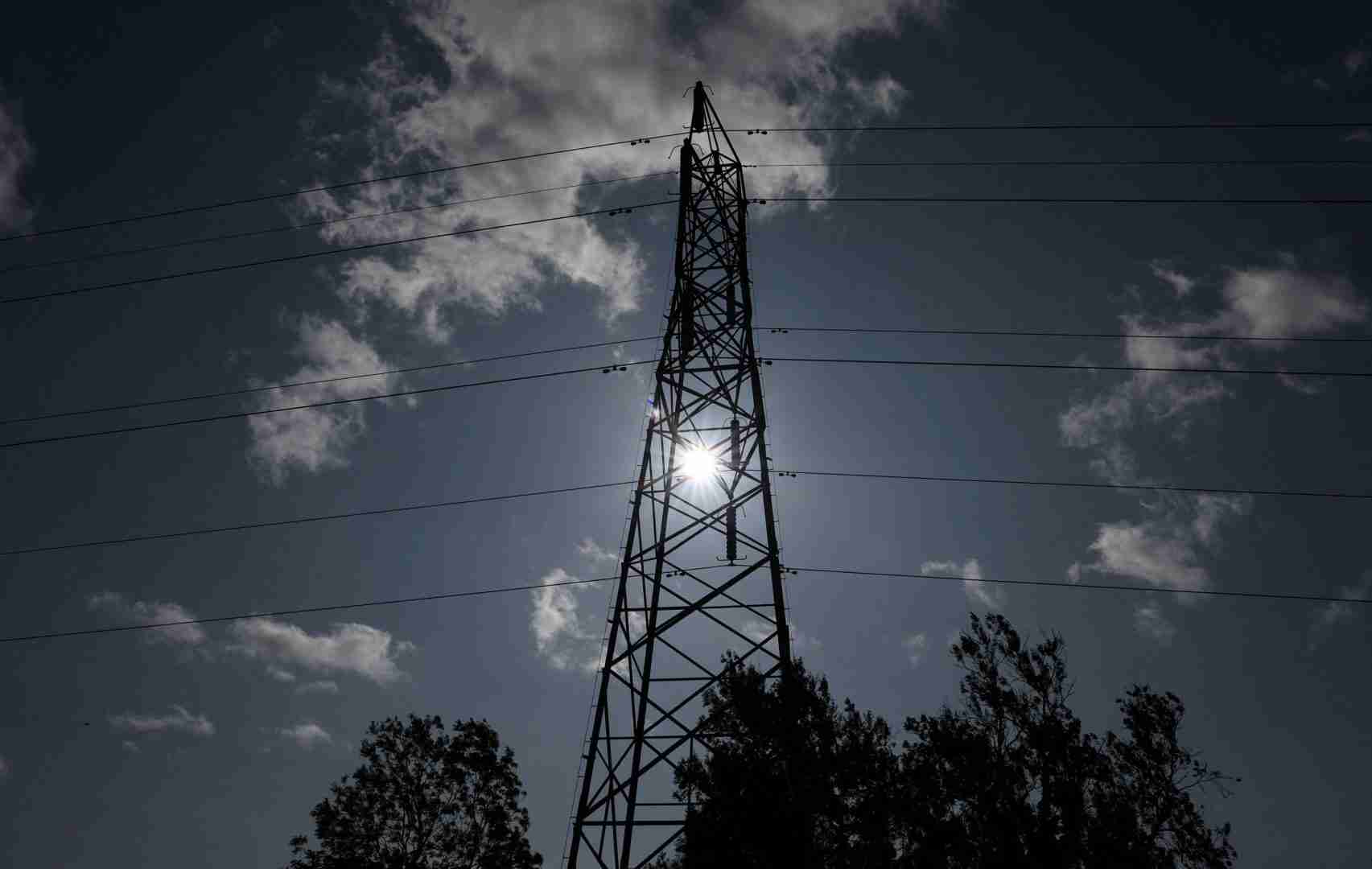
Britain must invest around £89 billion ($118 billion) through the 2030s to overhaul its power grid, which could face growing inefficiencies and higher costs for consumers without upgrades, the country’s grid operator said on Tuesday.
The latest National Energy System Operator estimate represents a rise of around 53% from a plan announced in 2024 and comes as the Labour government faces pressure from opposition parties over its clean power targets and as it seeks to lower energy costs to help with a cost of living squeeze.
Network fees currently make up around 25% of a typical domestic energy bill in Britain.
The rise is due to recommendations for new offshore connections, such as a £15 billion project to connect wind projects in the Celtic Sea to the grid, and inflation, NESO’s Beyond 2030 report said.
Typically network upgrade costs are decided and approved by the energy regulator Ofgem and then added to electricity bills.
The upgrades are needed to help meet demand which is expected to grow more than 30% by the mid-2030s, driven by electric vehicles, new housing, industry and AI-enabled data centres, NESO’s report said.
($1 = 0.7558 pounds)
Reporting by Susanna Twidale; Editing by Alexander Smith
Firefighters and police were deployed to the area to help with the rescue operation which is ongoing, the service said in a statement
International News via Reuters:
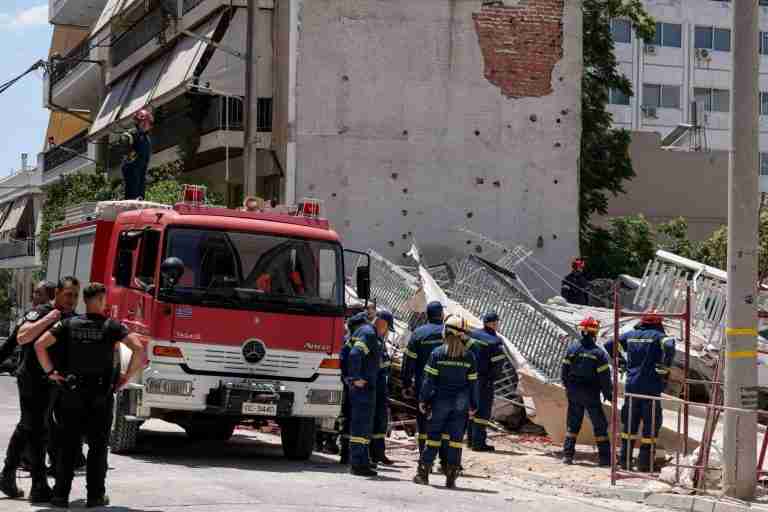
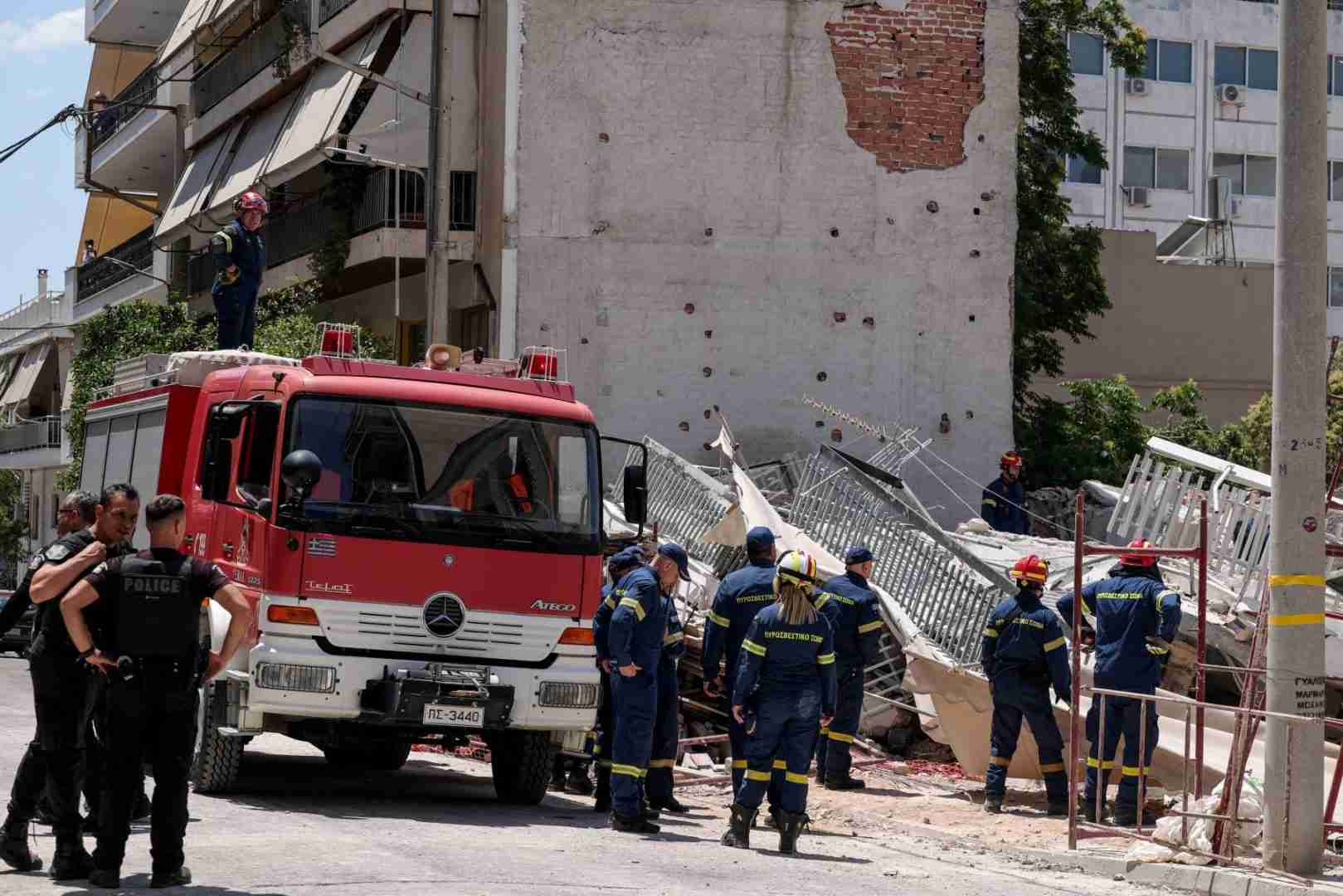
Four people were trapped after a four-story apartment block collapsed on Tuesday in the Petralona area of Athens, the fire brigade said.
Firefighters and police were deployed to the area to help with the rescue operation which is ongoing, the service said in a statement. Footage on local media showed rescue workers walking amid the rubble.
It was not clear what caused the collapse of the building which hosted seven apartments. Construction work was underway in an adjacent building, local media reported.
Reporting by Renee Maltezou; Editing by Edward McAllister
Moves were muted, but sterling snapped a three-day run of gains against the dollar and was last down 0.2% at $1.3233
International News via Reuters:
The pound strengthened against the euro and dipped against the dollar on Tuesday as traders positioned for a likely Andy Burnham premiership in Britain and digested data from the euro zone and U.S.
Moves were muted, but sterling snapped a three-day run of gains against the dollar and was last down 0.2% at $1.3233.
Against the euro, sterling was firmer, with the single currency down a fraction at 86.10 pence, moving back towards last week’s low of 86.03, its weakest since August 2025.
Data on Tuesday confirmed Britain’s economy grew 0.6% in the first quarter, unchanged from the initial estimate and doing little to shift markets.
Investors were instead still digesting Burnham’s speech on Monday, in which Britain’s prime minister-in-waiting pledged radical political change by devolving more power to regions and promoting cooperation over division as part of a 10-year mission to drive what he called “good” growth.
Markets were initially wary of a Burnham premiership amid expectations he could pursue higher borrowing and spending.
While reaction to his latest remarks has been muted, it has been marginally positive for sterling.
“Sterling’s supported by the fact that Andy Burnham was talking about devolution yesterday, that’s not a dangerous topic for him to talk about (for markets),” said Kit Juckes, chief FX strategist at Societe Generale.
“The kind of devolution he wants might be expensive so we’ll have to see where that goes, but he’s done nothing to hurt and so some more sterling bears have been squeezed out.”
Sterling also drew support against the euro from softer inflation readings from France and several German states, which could reduce the likelihood of the European Central Bank delivering a second rate hike this year.
Markets may get more direction on Wednesday when ECB President Christine Lagarde appears on a panel alongside Bank of England Governor Andrew Bailey, and new Federal Reserve chief Kevin Warsh.
Bermuda Police Service urges the public not to click links or make payments to collect parcels
Media Release:
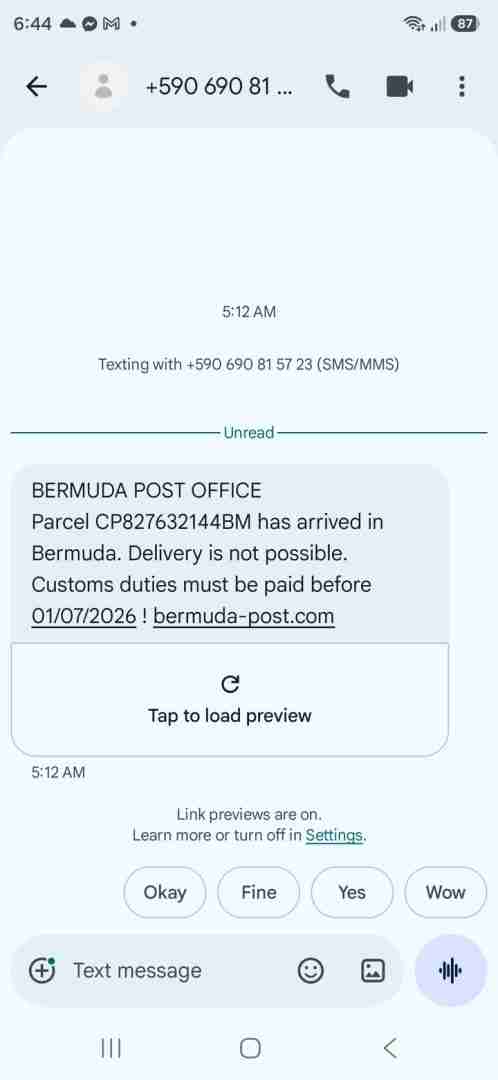
The Bermuda Police Service (BPS), is aware of SMS and WhatsApp messages from an overseas number being circulated, advising users of these apps, that they have a parcel that’s due for collection from the Bermuda Post Office.
Recipients of this message are advised that in order to collect their package they must first make a customs duty payment by visiting, bermuda-post.com by July 1, 2026. This is a fictitious link.
This one of a growing trend of phishing scams.
Should you receive this message via SMS, WhatsApp or any other messaging app, DO NOT click on the link. Doing so could leave you vulnerable to bad actors accessing personal as well as banking information stored on your device.
The Bermuda Police Service advises that you:
* Do not respond to the message * Do not open any attachments or links * Block the sender to stop any further messages from being received. * Avoid communications with unknown numbers
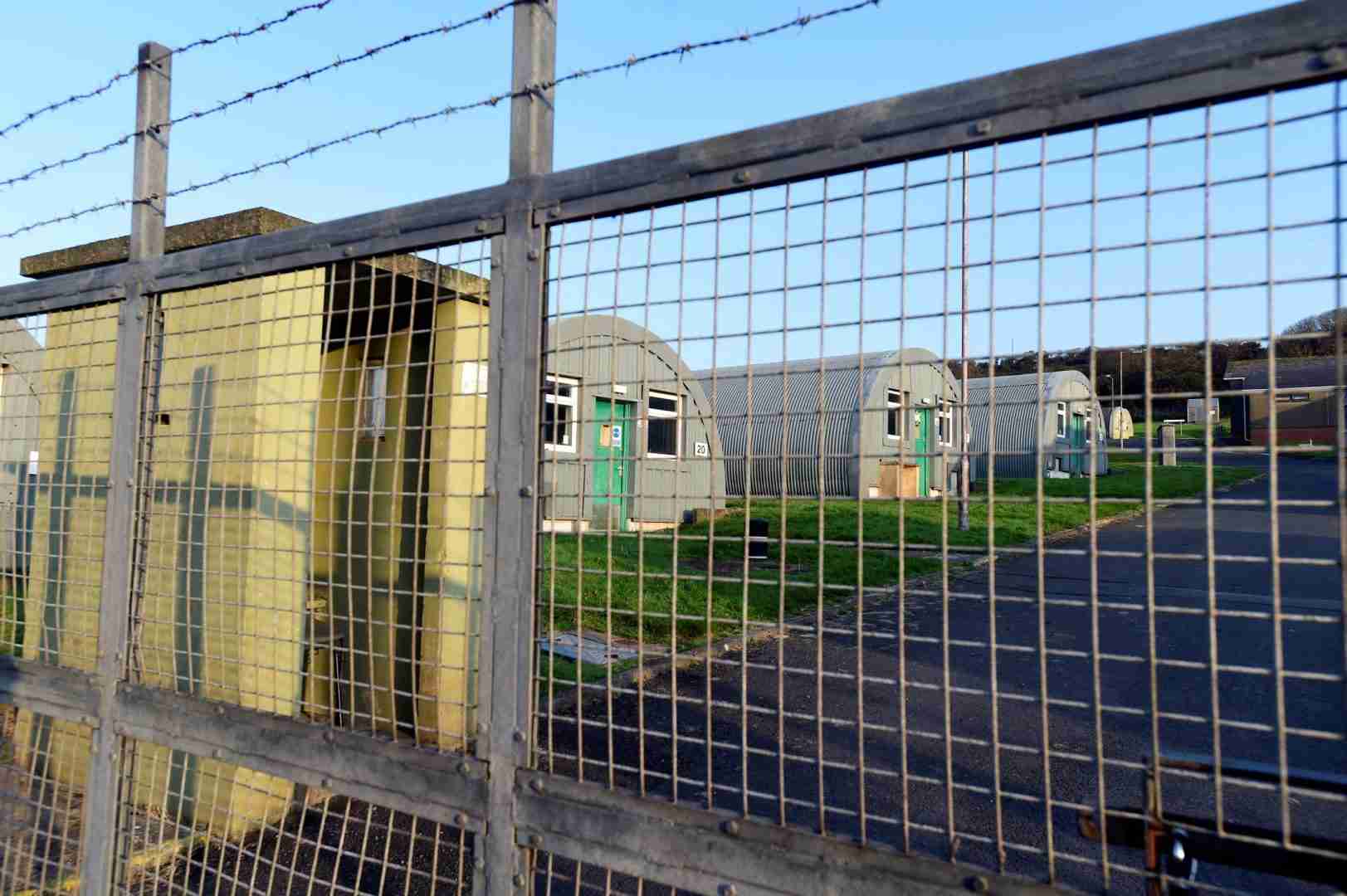
Immigration is one of the most contested issues in British politics, consistently ranking among voters’ top concerns in opinion polls and at times fuelling protests and community tension
International News via Reuters:
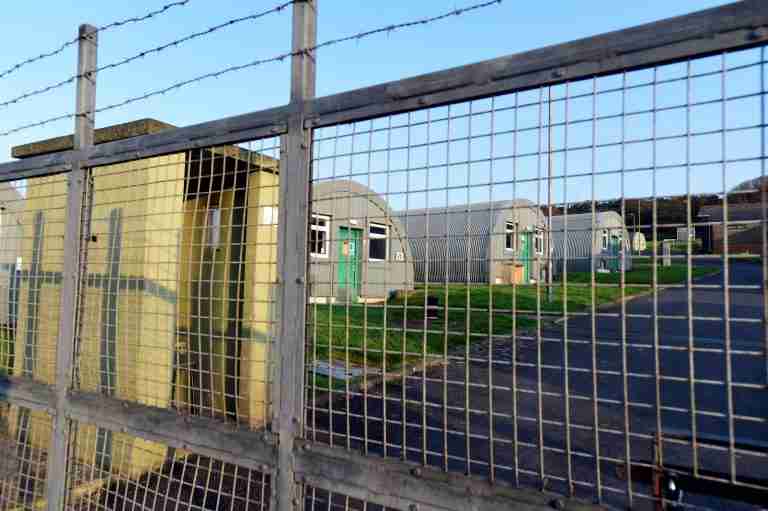
Asylum seekers in Britain could have to repay the state around £10,000 ($13,222) for accommodation and basic living support before becoming eligible to apply for settlement, the government said on Monday in its latest effort to deter illegal migration.
Immigration is one of the most contested issues in British politics, consistently ranking among voters’ top concerns in opinion polls and at times fuelling protests and community tension.
The centre-left Labour Party has ratcheted up efforts to stop migrants arriving both legally and illegally, seeking to counter the rise of Nigel Farage’s Reform UK party, which has promised to deport up to 600,000 asylum seekers.
Interior minister Shabana Mahmood said her latest reforms were designed to reduce the burden on taxpayers.
“Receiving asylum support is a right, but it is also a responsibility,” she said. “Once people can contribute and repay the generosity of the British people, we expect them to do so.”
Under the proposed rules, only adults who can afford to pay would be charged, with safeguards to prevent them being pushed into destitution, the government said. The rules would not be applied retrospectively and children would be exempt.
The latest measures come at a politically sensitive moment for the Labour Party, which has faced internal divisions over how far to tighten immigration policy, as well as broader uncertainty following Keir Starmer’s announcement that he will step down as prime minister.
The interior ministry estimates that accommodating asylum seekers costs an average of £23.25 per person per night in temporary housing and £144 in hotels, plus a weekly subsistence payment. In total the annual cost of asylum accommodation and support was estimated at about £4 billion last year.
($1 = 0.7563 pounds)
Reporting by Sam Tabahriti; editing by William James
The move comes as evidence suggests children are still able to access the platforms six months after the world-first restrictions took effect in December
International News via Reuters:
Australia introduced new legislation in parliament on Monday to strengthen enforcement of its under-16 social media ban and give its internet regulator more power to pursue tech giants in court for non-compliance.
The move comes as evidence suggests children are still able to access the platforms six months after the world-first restrictions took effect in December.
Australia’s implementation and enforcement of the ban is being closely watched by dozens of countries who have either created or committed to creating their own such laws.
STILL TOO MANY CHILDREN ON SOCIAL MEDIA, PM SAYS
Prime Minister Anthony Albanese said there were still too many children on social media and tech firms were not doing enough to comply with the ban.
“We’re calling time on the social media companies today and doubling down on the changes that we have made and that we’re prepared to make,” he told reporters in Canberra.
“Today, we’ll introduce legislation this afternoon that goes further to ensure social media companies are doing everything within their power to stop children under 16 being on their platforms.”
The internet regulator, eSafety, is investigating possible non-compliance by five platforms: Meta’s Facebook and Instagram, Snapchat, TikTok and Google’s YouTube.
There was no immediate comment from Meta, Google and Snapchat. TikTok declined to comment.
Albanese called on the Coalition opposition to back the bill, noting the original policy passed with bipartisan support.
The changes, announced on Saturday, would double maximum penalties to A$99 million ($68.2 million) from A$49.5 million.
They also give the eSafety Commissioner power to compel documents such as company board minutes and internal emails, ensuring legal cases being built against platforms failing to comply are as “strong as possible”, said Communications Minister Anika Wells.
“DIRTY TRICKS” USED TO UNDERMINE BAN, MINISTER SAYS
Introducing the bill to parliament, Wells accused the firms of deliberately failing to comply and using “dirty tricks” to undermine the ban.
“Today Australia is sending a message to those companies: we see what you’re doing, we are not here to play games. If you want to do business in Australia, you will comply with Australian laws. And if you don’t, you will face the consequences,” she said.
Sydney resident Bill Wright said he was glad the government was taking more action to hold social media companies accountable.
“We may be leading the world in some of the problem-solving but obviously we’ve got a lot more to do,” he said.
“The money that we are going to be trying to fine companies for not doing the right thing still may be not enough.”
The new legislation requires parliamentary approval before it takes effect.
($1 = 1.4518 Australian dollars)
Reporting by Christine Chen in Sydney; Additional reporting by Byron Kaye and Stefica Bikesh; Editing by Jacqueline Wong
Prime Minister Keir Starmer is finally expected to publish the Defence Investment Plan on Tuesday, one of his final acts before he steps down in July
International News via Reuters:
Britain’s nine-month delay in setting out its defence spending plans to meet a rising threat from Russia has forced some small suppliers to collapse, others to hold off investments and many more to expand abroad instead.
Prime Minister Keir Starmer is finally expected to publish the Defence Investment Plan on Tuesday, one of his final acts before he steps down in July, after his defence and finance departments spent months arguing over how to fill an estimated £28 billion shortfall.
Many companies in the sector say that delay has damaged the UK’s military supply base and potentially the government’s efforts to make its cash-strapped forces war-ready.
“We need the DIP to provide the confidence to private investors to scale investment,” said Shefali Sharma, chief executive of Oxford Dynamics, an AI defence company. “Currently its absence is costing businesses.”
As they wait, contract awards from Britain’s Ministry of Defence have dried up and even small procurements are taking longer than usual, pushing British defence companies to focus on winning business overseas and meaning the UK is losing out on jobs and investment.
Dozens of smaller companies have gone out of business, or shut down their defence units to focus on other industries as a result, the defence lobby group ADS told Reuters.
The chief executive of UK defence company Cohort said that over the last 18 months demand from militaries in other countries where it works, such as Germany, Poland, the Nordics and Baltics, has been clearly ramping up, in contrast to Britain.
“Because of the lack of defence investment plan, it’s really difficult for the MOD to contract new programmes,” CEO Andrew Thomis said, adding that procurement which had been expected in the UK has not yet come through.
Cohort, which is a parent group of seven different defence-related companies, said that while its total revenue is expected to grow 12% in the last financial year, the UK’s share fell below 50%, having stood at 80% just a few years ago.
UK LOSING OUT ON MANUFACTURING INVESTMENT
Britain’s MOD said that since July 2024, it had signed 1,400 major contracts.
“This government is providing a generational increase in defence spending,” an MOD spokesperson said. “The Defence Investment Plan will deliver the best kit into the hands of our Armed Forces.”
But some companies say Britain has been dithering at a time when other countries are awarding contracts has hurt domestic production.
Q5D, an early-stage company based near Bristol in south west England which has automated the manufacturing of the wiring used in drones and other equipment, has won contracts with the U.S. Army, but not in the UK, making the U.S. the more likely site for a new factory.
“I would love to build one here … but given all our sales are actually in the U.S. it makes more sense to do that,” CEO Stephen Bennington said.
“I think there’s very little point in us investing and looking at the MOD just at the moment until they sort themselves out.”
Similarly, one of Cohort’s British-based companies, SEA, has set up a facility in Canada to make torpedo launch systems because that is where the demand is.
“The pace of these things overseas does seem to be faster,” Thomis said.
For AI defence company Oxford Dynamics, which employs about 45 people, and whose technology is already being used on MOD infrastructure, the delay to the DIP has stopped it from pushing ahead at speed, because of a lack of clarity.
“We believe the DIP will allow us to narrow our focus…to then go all in on whatever capabilities are required,” CEO Sharma said, explaining that the company is waiting for a steer of exactly what the MOD wants.
Without the demand signal provided by the DIP, some startups have collapsed. One example is Aeralis, which had designed a modular jet it hoped might compete to replace Britain’s fleet of Hawk trainer jets, but which entered administration in May.
During the delay, the one area of demand that has held up comes from Britain’s involvement in helping Ukraine on a range of technologies.
“It’s been (Britain’s) support into Ukraine that has been driving the innovation in this space, and the pace of innovation readiness,” said Rob Merryweather, BAE Systems’ group technology director, referring to next-generation navigation systems.
A British project to develop a low-cost advanced long-range strike weapon for Ukraine has also moved at speed since February 2025, with the prototypes tested within months, and three companies now working on a £45 million development contract.
Reporting by Sarah Young; Editing by Kate Holton and William Maclean
Frustration is rising across Venezuela over a lack of aid and coordinated government response in areas struck by deadly twin earthquakes last Wednesday, residents in some hard-hit towns said on Monday
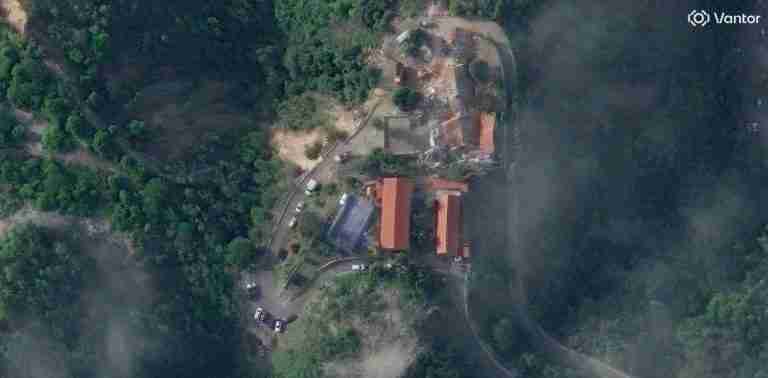
A satellite image shows the damaged Hotel Santuario La Llanada after the eartquakes that hit the country in Macuto, Venezuela, June 26, 2026. Vantor/Handout via REUTERS
International News via Reuters:
Frustration is rising across Venezuela over a lack of aid and coordinated government response in areas struck by deadly twin earthquakes last Wednesday, residents in some hard-hit towns said on Monday.
In El Junquito, a small mountainous region about 33 km (20 miles) west of Caracas where Venezuelans often vacation on weekends, residents say they have seen few public officials, while farmers and other residents have been providing basic supplies to the community.
“We are waiting for answers, for debris to be cleaned up, for inspections, for people who have been really affected to be helped,” said Keily Ibarra, a 33-year-old manicurist leading citizen complaints to authorities. She called on the government to do “what needs to be done.”
El Junquito’s commercial center was largely destroyed by the quakes, with collapsed buildings visible during a Reuters visit. Several residents with nowhere else to go have set up tents in an open field, despite the risk posed by damaged and collapsed buildings nearby.
“We don’t know where we are going to be located or how long we are going to be here,” said Tony Abreu, the owner of a local candy store who has been living in a tent since the quakes because his home and business are not safe.
RISING DEATH TOLL
Elsewhere, a hotel near Maiquetia Airport where more than 140 people deported from the United States, including seven children, were staying while being processed by Venezuelan authorities, collapsed in the quakes, according to two families of deportees. Most are believed to have been killed.
The government’s Return to the Homeland Grand Mission, which manages deportee processing, had shared videos online of the arrivals, including the children receiving toys, on Wednesday.
While several international aid and rescue groups have mobilized to Venezuela, most of the help has been focused in La Guaira, the hardest-hit state of a country long mired in a deep political and economic crisis.
The international community has rallied to help Venezuela deal with the disaster. Authorities said the oil-rich South American country has received support from 30 nations, including 1,000 metric tons of supplies, more than 3,600 rescue and support workers as well as 118 search-and-rescue canines.
The death toll continued to rise. Jorge Rodriguez, the acting president’s brother and president of the National Assembly, on Monday put the number of confirmed dead at 1,719, with 5,034 injured and 15,866 left homeless.
Power outages on Monday have prevented a refinery, a petrochemical complex and other industrial plants in the country’s central region from restarting, industry sources said.
Despite those issues, state-run oil company PDVSA was not expecting any domestic fuel shortages as output from refineries in the country’s eastern and western regions is capable of meeting demand, even after increased usage by the rescue teams, they said.
Oil output and exports remained normal, the sources said.
SEARCH FOR SURVIVORS AMID AFTERSHOCKS
Caracas residents’ homes were rocked by an aftershock early on Monday, while rescue teams searched round-the-clock for a fifth day.
The 4.6-magnitude aftershock hit north of Caracas early on Monday at a depth of 10 km (6 miles), according to the U.S. Geological Survey, but Rodriguez said no damage was immediately reported.
It was the latest of hundreds of aftershocks since last Wednesday that have rattled national and international teams conducting rescue efforts, each rescue sparking hope as the window to find survivors dwindles.
Among the seeming miracles was the rescue of 21-year-old Aaron Levi from a collapsed building in the disaster-stricken state of La Guaira, pulled out after 106 hours trapped under the rubble through a rescue operation that lasted 43 hours, according to Venezuela’s interim president, Delcy Rodriguez.
After announcing the updated death toll, Assembly President Rodriguez said 15 shelters had been set up in La Guaira as well as 50 provisional camps to help people affected by the quakes.
He applauded Venezuelans for their calm and strength, blaming any anger against the government on misinformation.
“Do not pay attention to rumors, do not let yourselves be led by manipulation strategies on social networks or by media manipulation that seek nothing but to increase unrest and anxiety,” Rodriguez said. “Official information is the only one that truly has the truth to share with you.”
A senior U.S. administration official said three U.S. citizens are known to have died and 12 are missing since the earthquakes, and that a State Department task force has fielded more than 300 inquiries from Americans seeking advice. A second official said they estimate there are approximately 5,000 U.S. citizens in Venezuela.
Reporting by Vivian Sequera, Mayela Armas and Marianna Parraga; additional reporting by Aida Pelaez-Fernandez and Simon Lewis; Writing by Alexander Villegas, Editing by Kevin Liffey, Louise Heavens, Mark Porter and Bill Berkrot
To provide the best experiences, we use technologies like cookies to store and/or access device information. Consenting to these technologies will allow us to process data such as browsing behavior or unique IDs on this site. Not consenting or withdrawing consent, may adversely affect certain features and functions.
Functional
Always active
The technical storage or access is strictly necessary for the legitimate purpose of enabling the use of a specific service explicitly requested by the subscriber or user, or for the sole purpose of carrying out the transmission of a communication over an electronic communications network.
Preferences
The technical storage or access is necessary for the legitimate purpose of storing preferences that are not requested by the subscriber or user.
Statistics
The technical storage or access that is used exclusively for statistical purposes.The technical storage or access that is used exclusively for anonymous statistical purposes. Without a subpoena, voluntary compliance on the part of your Internet Service Provider, or additional records from a third party, information stored or retrieved for this purpose alone cannot usually be used to identify you.
Marketing
The technical storage or access is required to create user profiles to send advertising, or to track the user on a website or across several websites for similar marketing purposes.