Highly rated Bermudian youth international Isai Gibbons has officially taken the next step in his career by signing for Canadian university side Saint Mary’s Huskies.
The 5ft 9in winger and full-back joins the Halifax-based outfit fresh from graduating from Saltus Grammar School, bringing high-level senior experience from the Bermuda Premier Division with St. George’s Colts.
Gibbons boasts an impressive international pedigree, having represented Bermuda at the 2026 Concacaf Under-20 Championship qualifiers and the Under-17 World Cup qualifiers in 2025. A two-time Young Player of the Year nominee, his domestic development includes a league title with FC Bascome and a recent semi-final run in the F.A. Challenge Cup.
The versatile defender follows a strong family tradition, following in the footsteps of his father, a 2006 Saint Mary’s alumnus.
“I am very excited to commit to Saint Mary’s,” Gibbons said. “I believe I can bring something special to the team. I look forward to getting on the pitch, settling into a new environment, and building a relationship with my new teammates.”
Alongside his footballing commitments, Gibbons will enroll in a Bachelor of Commerce program, majoring in Management.
Bermuda’s archers suffered the ultimate sporting agony at the Pan American Championships in Tlaxcala, Mexico, missing out on qualification for the Lima 2027 Pan Am Games by a single place in both the individual and team events.
On a day of relentless tension, Camerin Pickering came agonizingly close to sealing his individual ticket. In a magnificent display of precision, Pickering stormed to fifth in the final rankings.
Because Canada filled two top spots but were restricted by quota caps to just one, the qualification line dropped down the standings—but it stopped exactly one spot short of Pickering, leaving him one position away from the dream ticket. Teammates Jaydon Roberts and Bernard Wade III finished a respectable 15th and 24th respectively.
The heartbreak was duplicated in the team standings. Bermuda’s trio combined for a gritty display on the target line, but finished ninth overall—one agonizing slot outside the top eight qualification zone.
While the Tlaxcala campaign ended in bitter near-misses, this resilient squad proved they belong on the big stage and will look to regroup for a final shot at redemption in next year’s secondary qualifiers.
Thomas McBain mounted a gritty performance to spearhead the local contingent as individual racing roared back to life at the 2026 IODA Optimist World Championship in Morocco.
Just 24 hours after the high-octane team racing, the focus shifted back to individual honors. The Royal Yacht Club de Tanger provided a breathtaking yet technically punishing backdrop, testing nearly 300 elite international competitors.
Navigating shifting Mediterranean breezes and a crowded start line, McBain showed immense composure to sit in a highly commendable 47th place overall with a net score of 159 points.
Further down the leaderboard, the remaining Bermudian sailors dug deep. Rex Henagulph locked down 154th position on 204 net points, followed by Heath Meyers in 186th (271 points). Miguel Leite crossed the threshold in 192nd (288 points), while Jesse Savage showed plenty of fighting spirit in 202nd place (312 points).
With the leaderboard incredibly tight, the young squad will look to capitalize on the lessons learned in Tangier’s complex waters as they aim to climb the international standings.
Bermuda made it two wins from two in spectacular fashion at the ICC Men’s T20 World Cup Americas Sub-Regional Qualifiers, demolishing Panama by ten wickets at the National Sports Center North Field.
The host nation laid down a devastating marker, wrapping up a second consecutive ten-wicket rout following a flawless display on home soil.
Panama’s decision to bat backfired instantly against a relentless bowling attack. The visitors were bundled out for a meager 69, completely undone by the spin duo of Derrick Brangman (3 for 9) and Dominic Sabir (3 for 10). Only Parth Jayeshbhai Patel (22) offered resistance.
What followed in the chase was pure, unadulterated carnage. Bermuda needed just 27 deliveries to obliterate the target, sprinting to 73 without loss in a staggering 4.3 overs.
Delray Rawlins played a blistering, box-office innings, hammering a half-century off a mere 17 balls, including three boundaries and six massive sixes. Opening partner Onias Bascome joined the fireworks with a rapid-fire 21 off 10 balls to send Bermuda clear at the top of the standings.
Banks and financial sector watchdogs must move quickly to adopt new technology to plug system vulnerabilities as AI supercharges cybersecurity risks, a top Swiss financial regulator said in an interview
International News via Reuters:
Banks and financial sector watchdogs must move quickly to adopt new technology to plug system vulnerabilities as AI supercharges cybersecurity risks, a top Swiss financial regulator said in an interview.
Here are a few details:
• Marlene Amstad, president of Swiss market regulator FINMA and chair of an international forum on supervisory technology, spoke to Reuters following an initial hackathon to build new tools with market supervisors.
• Models that detect software vulnerabilities have recently pointed to surging cyberattack and national security risks, with AI raising safety and accountability questions in financial institutions.
• “As hackers move faster, banks must adapt by patching vulnerabilities more rapidly,” Amstad said in an interview.
• FINMA helped create a forum within the International Organization of Securities Commissions, a standard setter for market regulation, to promote adoption of AI by watchdogs that cover around 95% of global financial markets.
• Around 100 policy and technology specialists met this week for a hackathon, aiming to jointly build tools for crypto-market supervision, Amstad said.
• Regulators are looking at possibly embedding safeguards directly into digital asset systems, she added.
• Experience with models such as Anthropic’s Mythos has exposed vulnerabilities, revealing AI-related operational risks, Amstad said.
• The U.S. government this month ordered Anthropic to suspend exports of its latest Mythos and Fable AI models, citing national security concerns.
• Chinese cybersecurity firm 360 Security Technology said this week it has developed a domestic answer to Mythos.
• “Switzerland must retain access to the most advanced AI models,” Amstad said, adding that AI will be instrumental to toughen up systems before they are deployed.
Reporting by Ariane Luthi and Oliver Hirt; Editing by Joe Bavier
The Commission said it was concerned that Sanofi had carried out a misleading campaign to sell its “Efluelda” flu vaccine while disparaging a rival one called “Fluad” made by CSL Seqirus, primarily in France and Germany
International News via Reuters:
The European Commission opened an investigation on Friday into whether French drugmaker Sanofi breached EU competition rules in a flu vaccine marketing campaign.
The Commission said it was concerned that Sanofi had carried out a misleading campaign to sell its “Efluelda” flu vaccine while disparaging a rival one called “Fluad” made by CSL Seqirus, primarily in France and Germany.
In both markets, Sanofi holds a dominant position, the Commission added.
“Sanofi is confident that it has acted, and continues to act, in full compliance with all applicable laws and regulations, including competition law,” a company spokesperson said in a statement.
“The Company takes these matters seriously and is cooperating fully with the European Commission throughout the process.”
The investigation followed unannounced raids on Sanofi offices carried out in September 2025.
Reporting by Inti Landauro; Editing by Sudip Kar-Gupta and Emelia Sithole-Matarise
Anti-immigrant groups have set June 30 as a deadline for all undocumented migrants to leave
International News via Reuters:
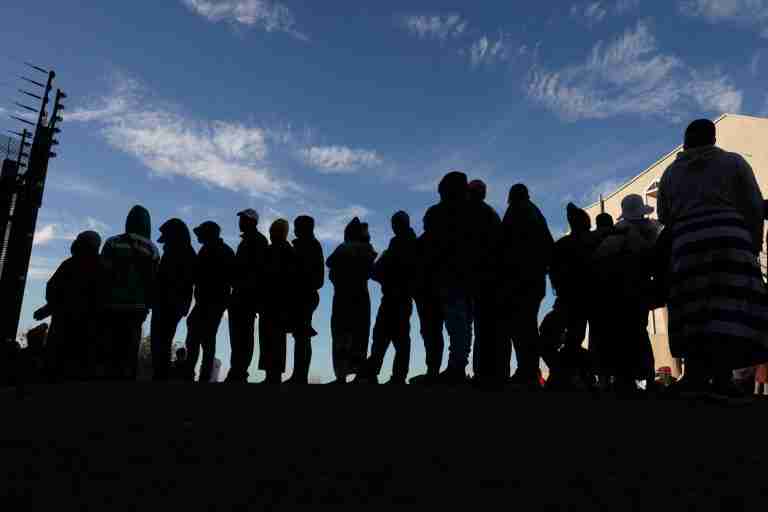
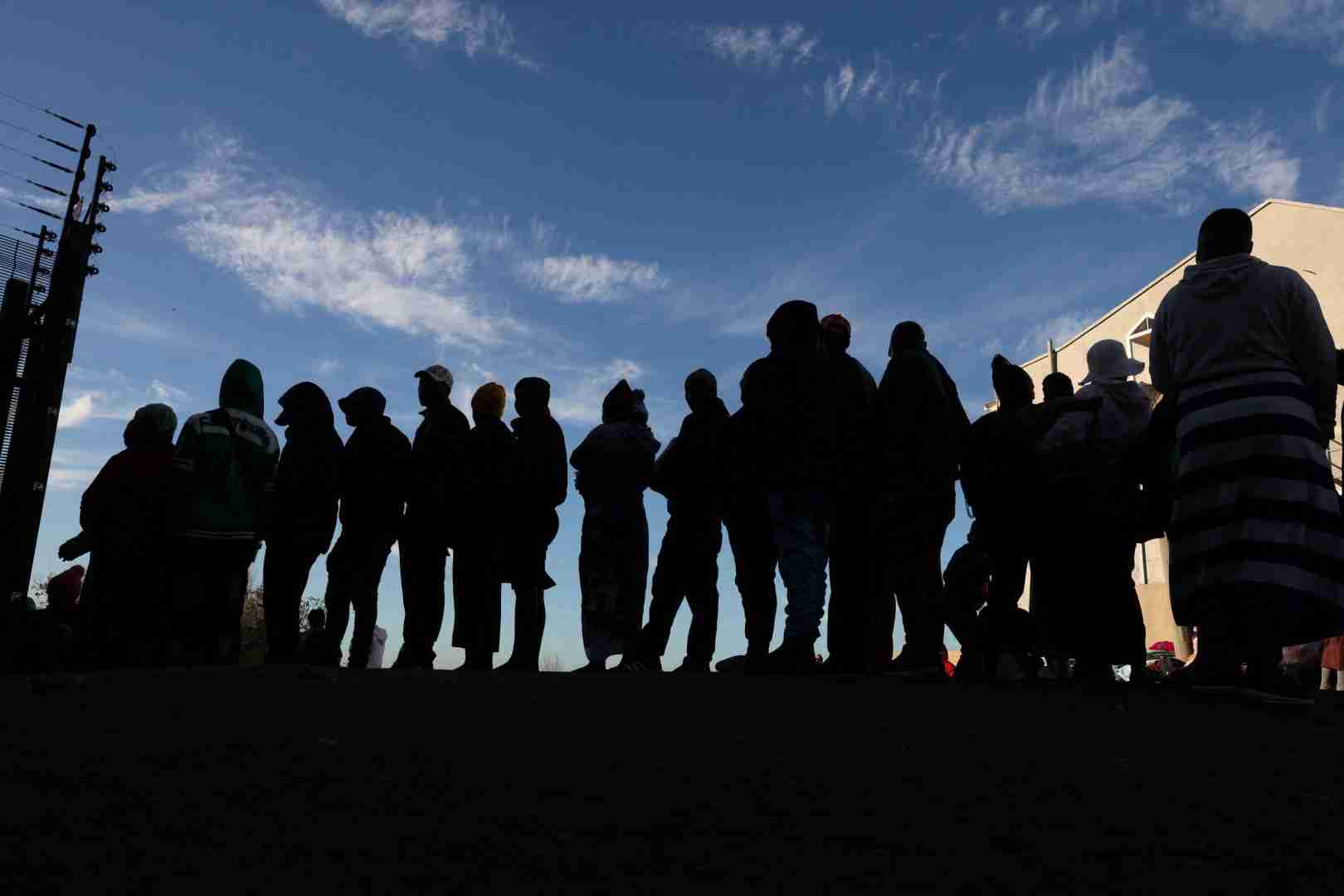
Thousands of Malawian migrants queued for processing at a makeshift camp in the South African city of Durban this week while hundreds of Zimbabweans slept on the pavement outside their consulate in Cape Town.
All had the same goal: to leave South Africa before nationwide anti-immigrant protests on Tuesday, which many fear will descend into violence.
“We are scared because you never know what people are planning to do to you. It’s not right to wait and see what will happen,” Ebrahim Moosa, 37, said.
He was with his wife in a snaking line of people, some with babies on their backs, hoping to catch a bus to Malawi from Durban.
South Africa has been gripped by a wave of xenophobic protests and sometimes deadly attacks in recent weeks, forcing many foreigners to flee or be chased from their homes.
Anti-immigrant groups have set June 30 as a deadline for all undocumented migrants to leave. Several cities are bracing for unrest, even as the government has pleaded with citizens not to take immigration enforcement into their own hands.
“We are appealing to all those who will be marching to respect the police,” said Phumelele Makoba, acting police commissioner for KwaZulu-Natal province, which is expected to be one of the hotspots.
Police have promised a massive deployment to ensure stability. President Cyril Ramaphosa said on Thursday: “Our security forces are ready.”
March and March, the main organisation behind the protests, has said that it is not calling for violence. But it has added it will not take responsibility for anything bad that happens on June 30.
COUNTRIES STRUGGLE TO BUS EVERYONE HOME
Xenophobic violence is a recurring issue in South Africa, where some blame immigrants — mostly from other African countries — for everything from crime and unemployment to crowded public health facilities.
Ramaphosa has warned citizens not to make foreigners scapegoats for these problems, which he attributed mainly to the legacy of apartheid.
South Africa remains deeply unequal and economic growth has been sluggish for years. But it still has the largest economy in Africa and draws job seekers from neighbouring countries.
Mozambican Antonio Njive, who had done odd jobs in South Africa since 2019, left on June 1 after his house was burned down in a spate of violence that killed five of his compatriots.
“I left home without clothes. Everything was burned,” he said by phone from Chibuto, Mozambique.
Njive, his wife and 6-year-old daughter were among hundreds of citizens whom Mozambique repatriated by bus. Malawi and Zimbabwe are doing the same, but have struggled to keep up with demand.
“We are sleeping outside waiting for buses. Everyone just wants to go home,” Amina Chiwoko, 30, said outside the Zimbabwean consulate in Cape Town.
ASYLUM SEEKERS HAVE NOWHERE TO GO
Many foreigners have nowhere safe to go.
Leanne Sefu, 25, is an asylum seeker from Democratic Republic of Congo who came to South Africa at the age of three.
“The entire world knows that there’s a war in Congo, so me going back, it feels like going back to death,” she said.
After being attacked at the nail salon where she worked in Durban and chased from her home, she is now camping outside the Home Affairs office.
“What I’m hoping is that maybe the government can help us find a shelter. From yesterday we’ve been hearing people are being attacked and they’re coming here,” she said, sitting on a mattress on the pavement with dozens of people.
“There’s no safety here.”
Additional reporting by Esa Alexander in Cape Town and Custodio Cossa in Maputo; Writing by Nellie Peyton; Editing by Andrew Heavens
From Britain and France to Germany, Italy, Austria and Serbia, Europe sizzled under a record-breaking ball of heat rolling across the region
International News via Reuters:
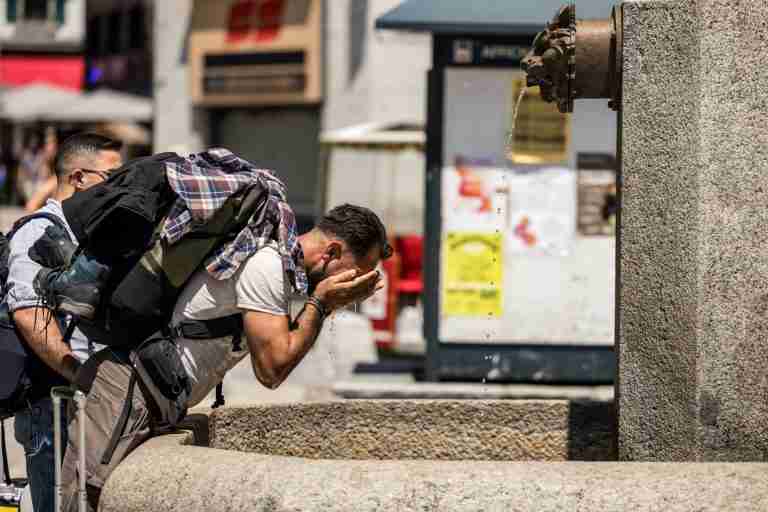
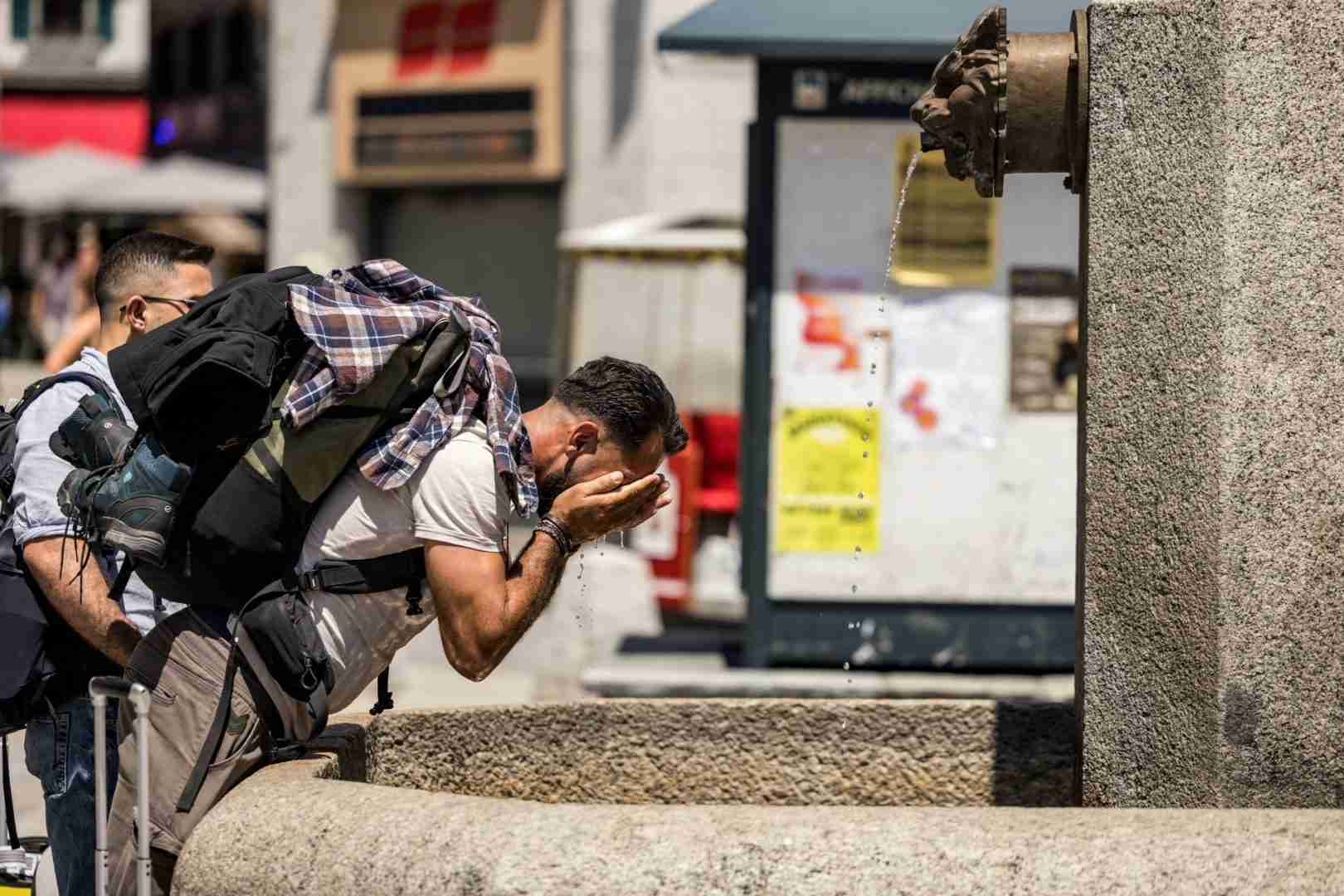
Health authorities across Europe were on high alert on Friday as a killer heatwave progressed across the continent, prompting alcohol bans in France and cracking road surfaces open in Germany.
From Britain and France to Germany, Italy, Austria and Serbia, Europe sizzled under a record-breaking ball of heat rolling across the region. Scientists said the heatwave was the worst recorded for Europe, where the climate is changing faster than anywhere else.
Temperatures were probably past their peak in France and Britain, where records for June have been broken. But in Italy, the heat was expected to intensify into the weekend, bringing the summer’s first readings of 40 degrees Celsius (104 Fahrenheit)
At least 55 deaths linked to the heatwave have been reported in France, where temperatures in Paris hit 40.9 C on Wednesday. Even though temperatures were expected to ease, authorities braced for more casualties.
Across the continent, cultural landmarks have been forced to close, and farming has suffered. Paris police asked organisers of major events, including the Solidays music festival, to cancel them. Organisers of the Pride festival said they would reschedule.
ENGLAND AND NETHERLANDS AT CODE RED
Extreme heat caused the surface of the A2 motorway in eastern Germany to buckle and rupture over several lanes on Thursday evening, according to the BZ newspaper, damaging up to 30 vehicles, leaving two people with minor injuries and forcing the highway to be closed.
Britain’s Met Office extended a red heat alert into Friday for a large area of southern England, the first time such warnings have been issued for three consecutive days.
A rare ‘code red’ alert for extreme heat was issued for almost the whole of the Netherlands and many schools were closed as temperatures up to 40 C were expected.
In Serbia, authorities issued an amber alert, with temperatures of around 36 C expected. Officials in Belgrade warned people to drink and stay indoors during the hottest hours.
Fans flew off the shelves in Britain and Asian air conditioning manufacturers reported a European sales boom. In France, the state-owned power utility EDF pledged to spend €80 million ($90 million) on cooling systems for schools, kindergartens and day-care centres.
According to the most recent data from the OECD-affiliated International Energy Agency (IEA), issued in July 2025, household ownership of air conditioning in Europe remains relatively low, at around 20%.
‘OMEGA BLOCK’ HEAT BULGE OVER EUROPE
The heatwave, which has pushed temperatures as much as 18 C above their seasonal average, according to the Reuters Climate Monitor, is being driven by a weather pattern known as an Omega block.
This traps a bulging ball of hot air over regions for extended periods, with cooler weather on its fringes.
Scientists said the record-breaking heatwave would have been “virtually impossible” without human-caused climate change, which has made this week’s stiflingly hot night-time temperatures 100 times more likely than they would have been even two decades ago.
“Over the region studied, this heatwave is the most severe ever recorded,” the World Weather Attribution group of climate scientists said in their latest analysis.
‘APOCALYPTIC’ FOR HEALTH WORKERS
French authorities announced a ban on drinking alcohol in public on Friday, when France were due to play Norway in Boston in the soccer World Cup.
French doctors and hospital workers reported an increase in emergency calls and treatment.
Wilfrid Samut, spokesperson for the Association of Emergency Room Doctors of France, said hospitals were ill prepared for the heatwave.
“The impact on the mental health of healthcare workers is enormous,” he said. “It’s apocalyptic.”
Reporting by Juliette Jabkhiro, Inti Landauro, Sudip Kar-Gupta, Makini Brice, Nicolas Delame, Friederike Heine, Giselda Vagnoni and Bart Meijer; Writing by Michele Kambas; Editing by Kevin Liffey
European Commission President Ursula von der Leyen will go to Armenia next week, said the EU on Friday, in a move aimed at highlighting Brussels’ support for Armenia as it faces political pressure from Russia
International News via Reuters:
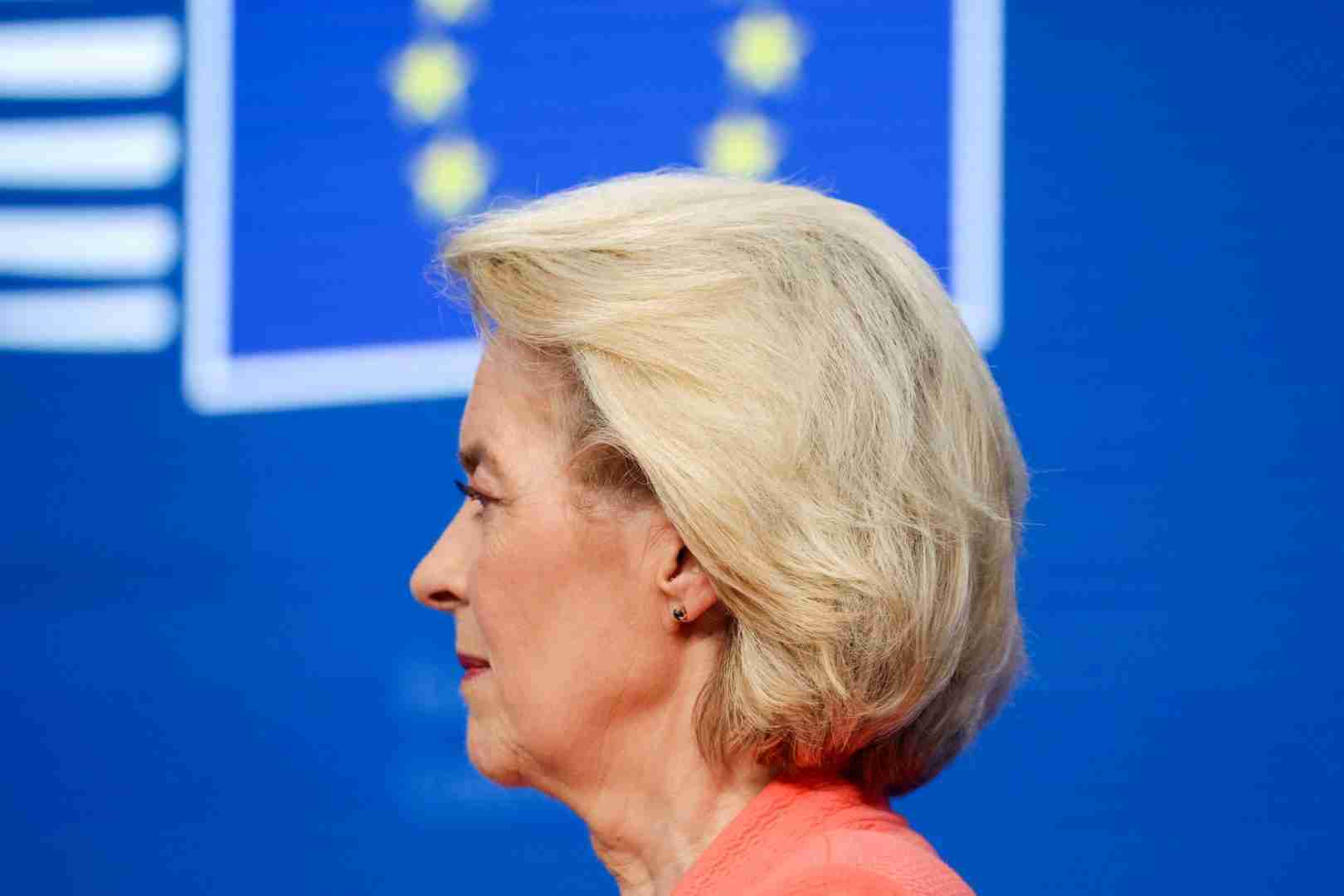
European Commission President Ursula von der Leyen will go to Armenia next week, said the EU on Friday, in a move aimed at highlighting Brussels’ support for Armenia as it faces political pressure from Russia.
The EU said von der Leyen would also go to Azerbaijan.
Armenian Prime Minister Nikol Pashinyan, who is working towards the goal of European Union membership, won re-election this month despite what international monitors said was blatant interference and pressure from Russia.
In turn, Moscow accused Western countries of interfering in the vote in favour of Pashinyan.
Reporting by Sudip Kar-Gupta; Editing by Alison Williams
A magnitude 7.2 earthquake struck about 160 km (100 miles) west of Caracas on Wednesday evening, followed less than a minute later by a magnitude 7.5 tremor, the strongest since 1900, according to the U.S. Geological Survey
International News via Reuters:
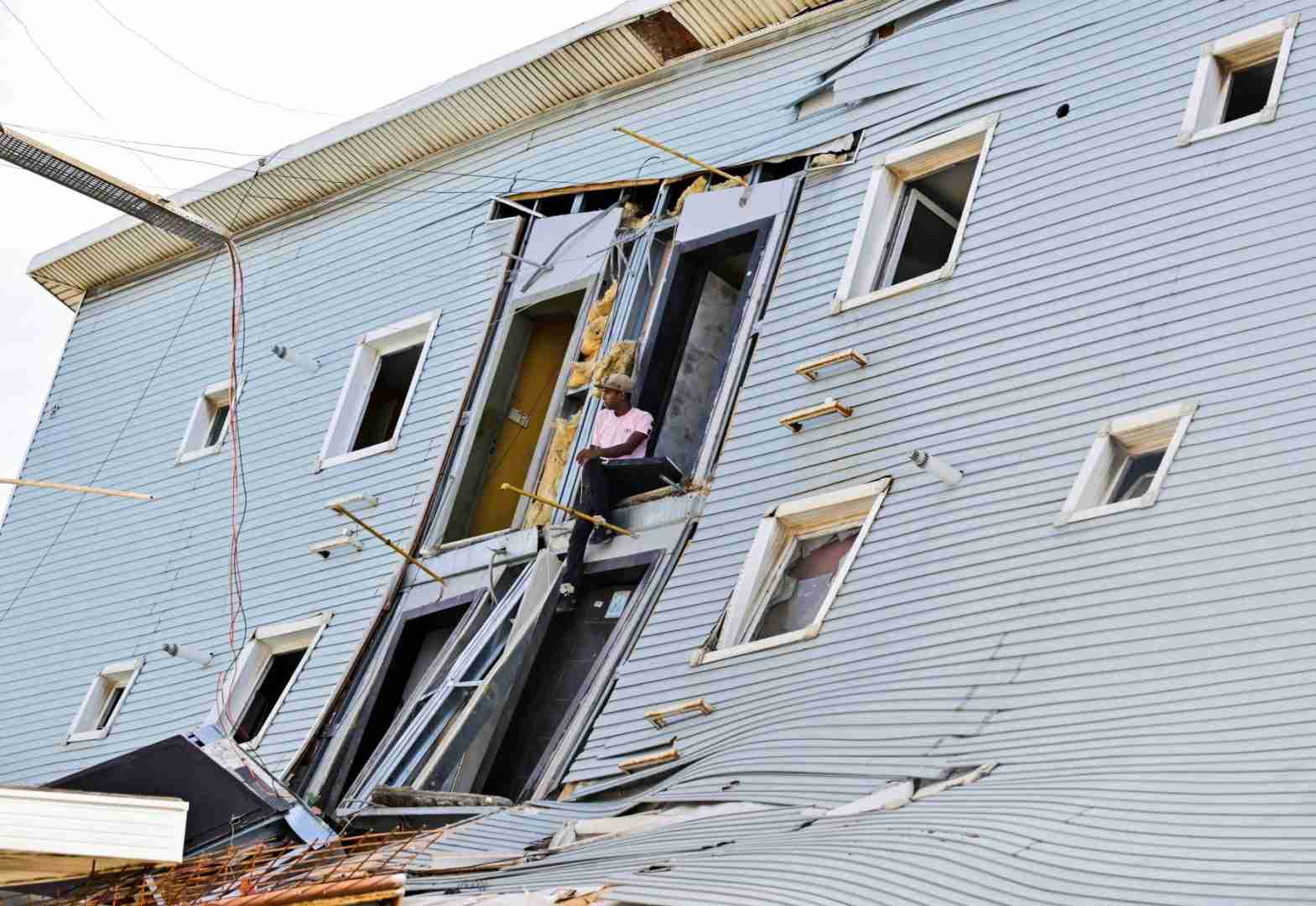
Hundreds of people in Venezuela were trapped under rubble and many more remained unaccounted for on Thursday after two powerful earthquakes devastated areas in and around the capital Caracas, killing hundreds, damaging buildings and leaving thousands homeless.
A magnitude 7.2 earthquake struck about 160 km (100 miles) west of Caracas on Wednesday evening, followed less than a minute later by a magnitude 7.5 tremor, the strongest since 1900, according to the U.S. Geological Survey.
The disaster hit a country already weakened by years of economic turmoil, which left much of its infrastructure fragile and complicated rescue efforts as aftershocks rattled the capital and surrounding coastal areas.
Health Minister Carlos Alvarado said late on Thursday that around 235 dead had been received by medical centers. He did not give a total number of casualties.
Jorge Rodriguez, head of Venezuela’s national assembly and brother of interim President Delcy Rodriguez, said earlier in the day that 200 people had been trapped, with 250 buildings damaged or destroyed.
At least eight hospitals, the headquarters of the Venezuelan Red Cross and the French embassy were among buildings reported to have been badly damaged.
Interior Minister Diosdado Cabello said some 70,000 families in La Guaira state had been affected.
‘DISASTER ZONE’
La Guaira, the coastal state adjoining Caracas and home to the capital’s main airport, was among the hardest-hit areas.
“It has become a disaster zone,” acting President Rodriguez said, adding that the government was working with private companies to bring in heavy equipment and speed up rescues.
Electricity remained scarce in parts of the state, while the Caracas airport was closed after suffering damage. Witness videos from the terminal showed scenes of panic as ceiling panels crashed down.
Emergency workers and volunteers searched through collapsed buildings into the night. But in some areas, residents said official help had been slow to arrive.
Yamileth Jimenez, a resident of La Guaira city, said her 19-year-old son was still trapped in the debris of their seven-story apartment building.
“He’s under the slabs and there’s no machinery to get him out,” said Jimenez, whose father died three days earlier.
In La Guaira city, volunteers dug through wreckage with their bare hands as families waited for news of missing relatives. Along the Caracas-La Guaira highway, streams of civilians headed toward the coast carrying water, food and medicine, stepping in as the scale of the disaster overwhelmed initial rescue efforts.
“We lost everything. We have no food or medicines … We hope help arrives quickly,” said Pedro Perez, 64, an upholstery workshop owner who said he had lost both his home and business and was sleeping on the street with his wife and children.
RESIDENTS RUSH OUTSIDE
Many Venezuelans were at home when the quakes struck during a public holiday. Residents rushed out of shaking buildings and into the streets as structures swayed or collapsed across Caracas and nearby coastal communities.
“When we went downstairs, the scene was like a horror movie,” said Maria Alejandra, a Caracas resident who did not give her surname.
Near the epicenter in Moron, a seaside town in Carabobo state, houses crumpled and residents were left without water or electricity.
Some 200 families living in a damaged residential complex in Moron were salvaging what belongings they could, including mattresses, televisions and washing machines. Some planned to stay with relatives, while others were waiting for the government to open shelters.
Denis Sequera, 47, said her 5-year-old granddaughter helped guide her 79-year-old father to safety as the shaking began, while Sequera helped her 70-year-old mother.
“She kept telling my dad, ‘Grandpa, get out, put your hands over your head,’ and she led him into the yard,” Sequera said. “We couldn’t go back inside. We slept outside and are now waiting for help.”
WEBSITE SHOWS MORE THAN 46,000 PEOPLE UNACCOUNTED FOR
The U.S. Geological Survey’s predictive modeling indicated the death toll was likely to rise into the thousands, with a substantial probability of exceeding 10,000.
A website created to track missing people and shared by opposition leaders listed more than 46,000 people as unaccounted for shortly after 7 p.m. (2300 GMT). Reuters could not independently verify the reports.
Countries around the world pledged support, even some that have opposed Venezuela, which has suffered decades of international isolation amid a spiral of political repression, economic collapse and diplomatic pressure.
Rodriguez said international rescue teams were expected soon and thanked leaders including U.S. President Donald Trump and Russian President Vladimir Putin.
Washington moved to ease sanctions, authorizing transactions related to earthquake aid that would otherwise be prohibited.
Trump said the United States was “ready, willing and able to help.” U.S. Secretary of State Marco Rubio said Washington would send rescue teams while the Pentagon would help with logistics and support Caracas’ damaged airport.
U.N. aid chief Tom Fletcher said the organization was coordinating international rescue teams and “a massive collective effort” would be needed in a country where 8 million people required humanitarian assistance before the quake.
The U.N.’s Venezuelan human rights mission urged the government to lift restrictions on some social media, calling connectivity a “matter of life and death.”
SpaceX’s Starlink said it would provide free service through July 25 for new and existing customers in affected areas and was working to deploy terminals to the hardest-hit zones to help restore communications.
In the country’s economically vital oil sector, foreign energy companies said their operations had not suffered major disruption and oil infrastructure appeared largely spared.
Reporting by Vivian Sequera and Deisy Buitrago in Caracas, Mayela Armas in La Guaira, Tibisay Romero in Moron; Additional reporting by Reuters TV in Caracas, Keren Torres in Barquisimeto, Venezuela, Tathiana Ortiz in San Cristobal, Venezuela, Mariela Nava in Maracaibo, Venezuela, Marianna Parraga and Sheila Dang in Houston, Julia Symmes Cobb in Bogota, Aida Pelaez-Fernandez in Barcelona, Fabian Cambero in Santiago, Ana Isabel Martinez in Mexico City, Emma Farge in Geneva, Gram Slattery in Manama, John Irish in Paris, David Brunnstrom in New York; Writing by Kylie Madry, Julia Symmes Cobb, Philippa Fletcher, and Brendan O’Boyle; Editing by Daina Beth Solomon, Lincoln Feast, Raju Gopalakrishnan, Timothy Heritage and Deepa Babington and Cynthia Osterman
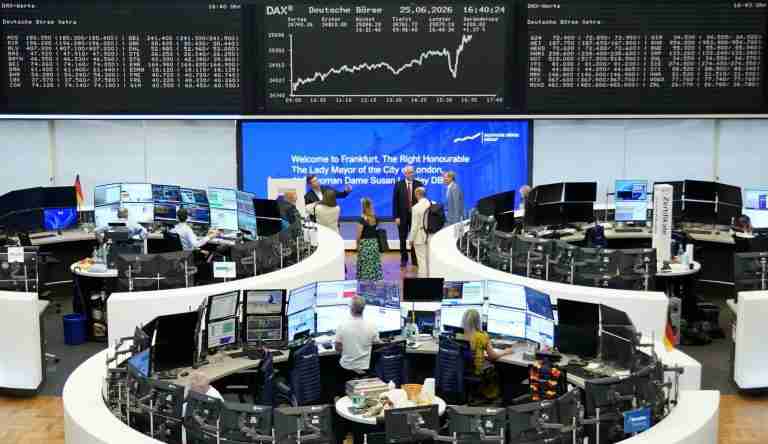
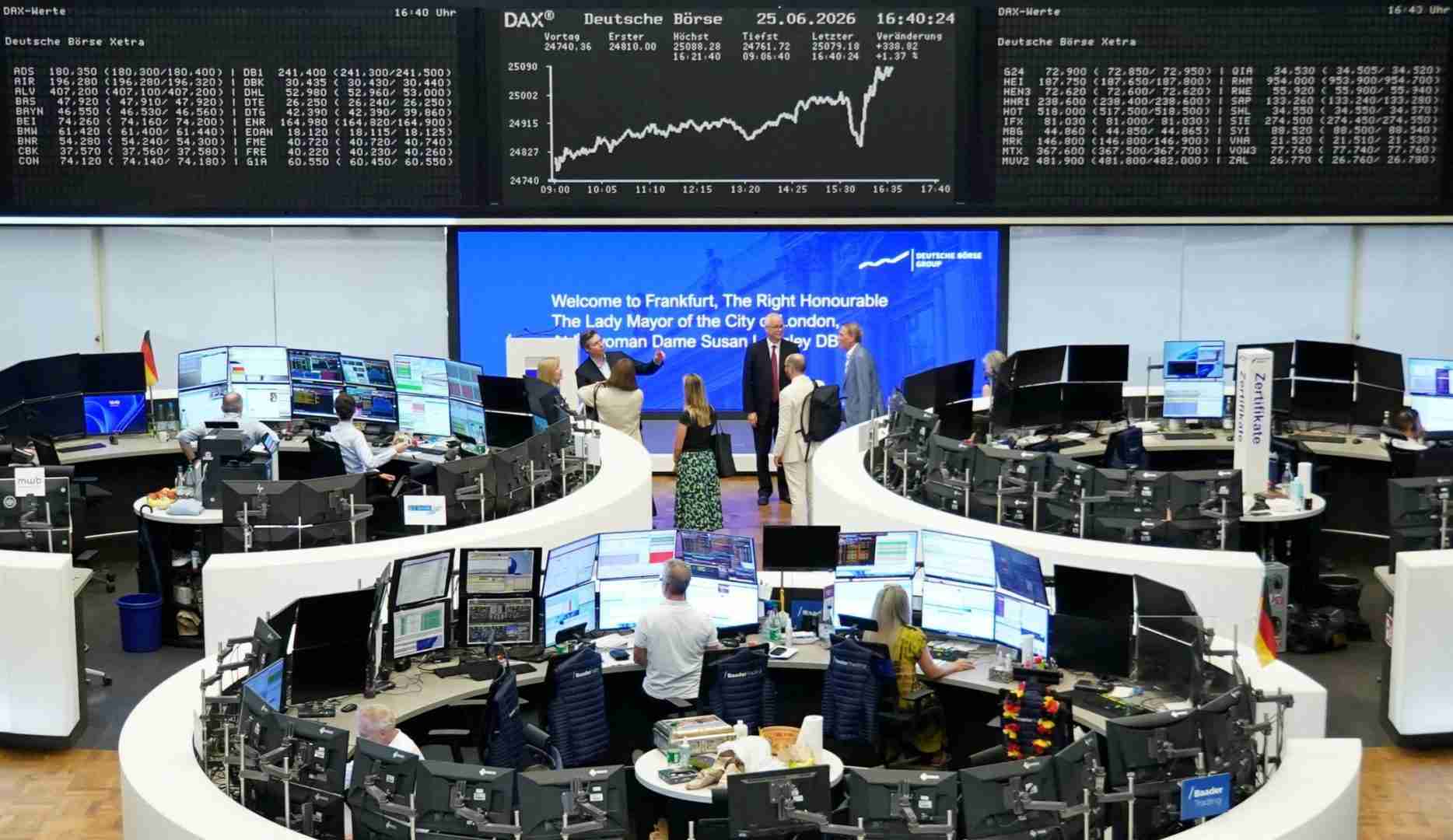
European stocks were down 0.8%, while Wall Street futures pointed to falls of 0.5% to 1.1%
International News via Reuters:
Global stocks slipped on Friday after Apple price hikes fuelled wider concerns over the inflationary impact of spending by tech giants, while oil prices dropped towards their lowest in four months despite difficulties reopening the Strait of Hormuz.
Apple fell 6% on Thursday after it said it could no longer shield customers from soaring memory and storage chip costs, while a media report that OpenAI was considering delaying its IPO until next year also dampened the stock market mood.
Oil futures fell more than 3% and were heading for steep weekly losses as more stranded tankers exited the Strait of Hormuz, even though a cargo vessel was hit near Oman on Thursday. Saudi Aramco resumed loadings on Friday at its Ras Tanura terminal in the Gulf after a near four-month halt in a further likely boost to supply. [O/R]
European stocks were down 0.8%, while Wall Street futures pointed to falls of 0.5% to 1.1%.
Steep declines in Asia were led by tech stocks, with MSCI’s index of Asian stocks outside Japan down 3%. South Korea’s KOSPI was down as much as 9% at one point, triggering a circuit breaker.
“There’s a bit of concern in the market about the spenders, the hyperscalers… and what’s going to happen to the return on invested capital from all this expenditure,” said Nutshell Asset Management CIO Mark Ellis, adding that while the short-term impact was inflationary, he believed prices should come down in the long run due to improved efficiencies.
Apple’s price increases tempered investor enthusiasm about a blowout earnings report from chipmaker Micron this week.
Analysts also said month-end and quarter-end rebalancing flows might have contributed to choppy prices in big tech stocks, which have outperformed for much of the second quarter.
YEN WEAK
The yen teetered near its weakest level against the dollar in 40 years at 161.59, beyond the 160 level that many see as a line in the sand for Japanese authorities.
It found little relief even as a U.S. inflation reading met forecasts and traders trimmed bets for a Federal Reserve rate hike in September.
Separate data also showed the U.S. economy grew faster than previously estimated in the first quarter thanks to a downward revision to imports, but consumer spending almost stalled, casting doubt on growth momentum in the second quarter.
The dollar index, which measures its strength against a basket of six major peers, slipped 0.3% to 101.2, but remained not far from its strongest level since May 2025.
Treasury yields dropped on Friday, with 2-year yields down 3 basis points to 4.09% to mark a fourth day of declines, while 10-year yields were last down 1 bp at 4.38%.
In precious metals, gold was last up 0.2% on the day to $4,034.
Reporting by Stella Qiu and Ankur Banerjee; Editing by Kevin Buckland, David Dolan and Alexander Smith
Sterling rose around 0.2% to $1.3219 as the dollar edged down against all major currencies after a strong performance this week
International News via Reuters:
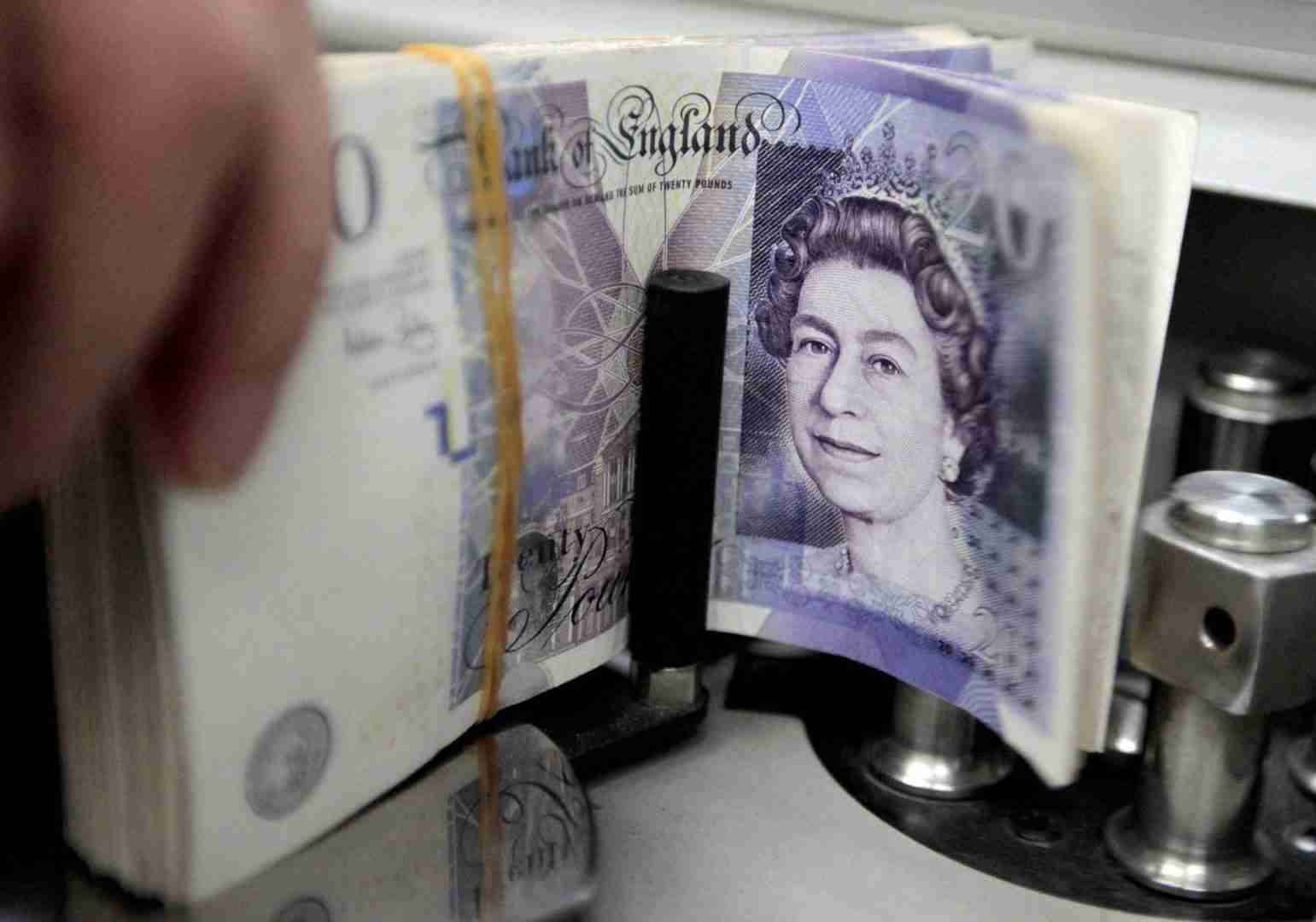
Britain’s pound was a touch firmer against a broadly softer dollar on Friday and was set to end a week that saw Keir Starmer resign as UK prime minister with its best weekly showing against the euro in over five weeks.
Sterling rose around 0.2% to $1.3219 as the dollar edged down against all major currencies after a strong performance this week.
It was little changed at around 86.26 pence per euro, having traded at its best levels in almost a year earlier in the week and adding about 0.5% against the euro during the period.
Analysts say the currency has proved stable in the face of renewed political uncertainty in Britain, which is poised to get its seventh prime minister in 10 years. This is because of signs of a smooth transition in leadership and reassuring signals from Andy Burnham – the only declared candidate to replace Starmer – that UK’s fiscal rules will be respected.
“We are in the kind of environment where markets are open to a change in UK prime minister,” said Lloyds currency strategist Nick Kennedy.
“He (Burnham) doesn’t have a defined agenda yet and markets assume he has learnt from his earlier words on bond markets, so sterling is in a good place.”
In the last year, Burnham has criticised the government for “being in hock to the bond markets” in comments he has since said have been misrepresented.
Reporting by Dhara Ranasinghe; Editing by Jonathan Ananda
To provide the best experiences, we use technologies like cookies to store and/or access device information. Consenting to these technologies will allow us to process data such as browsing behavior or unique IDs on this site. Not consenting or withdrawing consent, may adversely affect certain features and functions.
Functional
Always active
The technical storage or access is strictly necessary for the legitimate purpose of enabling the use of a specific service explicitly requested by the subscriber or user, or for the sole purpose of carrying out the transmission of a communication over an electronic communications network.
Preferences
The technical storage or access is necessary for the legitimate purpose of storing preferences that are not requested by the subscriber or user.
Statistics
The technical storage or access that is used exclusively for statistical purposes.The technical storage or access that is used exclusively for anonymous statistical purposes. Without a subpoena, voluntary compliance on the part of your Internet Service Provider, or additional records from a third party, information stored or retrieved for this purpose alone cannot usually be used to identify you.
Marketing
The technical storage or access is required to create user profiles to send advertising, or to track the user on a website or across several websites for similar marketing purposes.