Khan, 56, denies the allegations madeb against him
International News via Reuters:
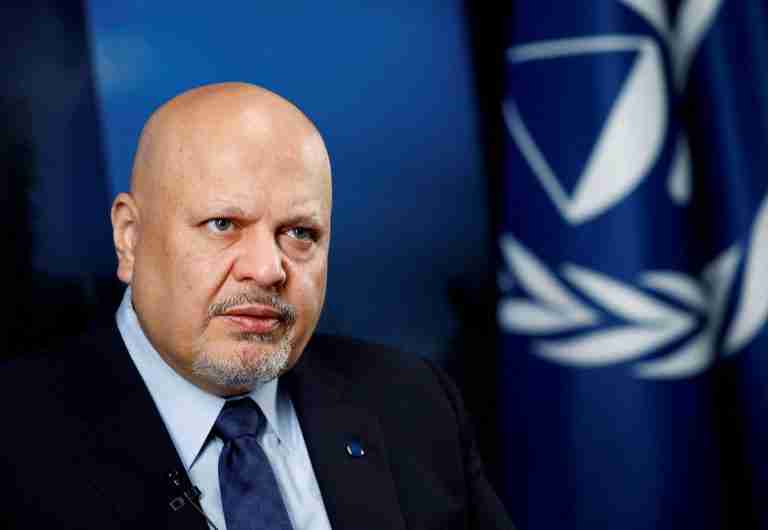
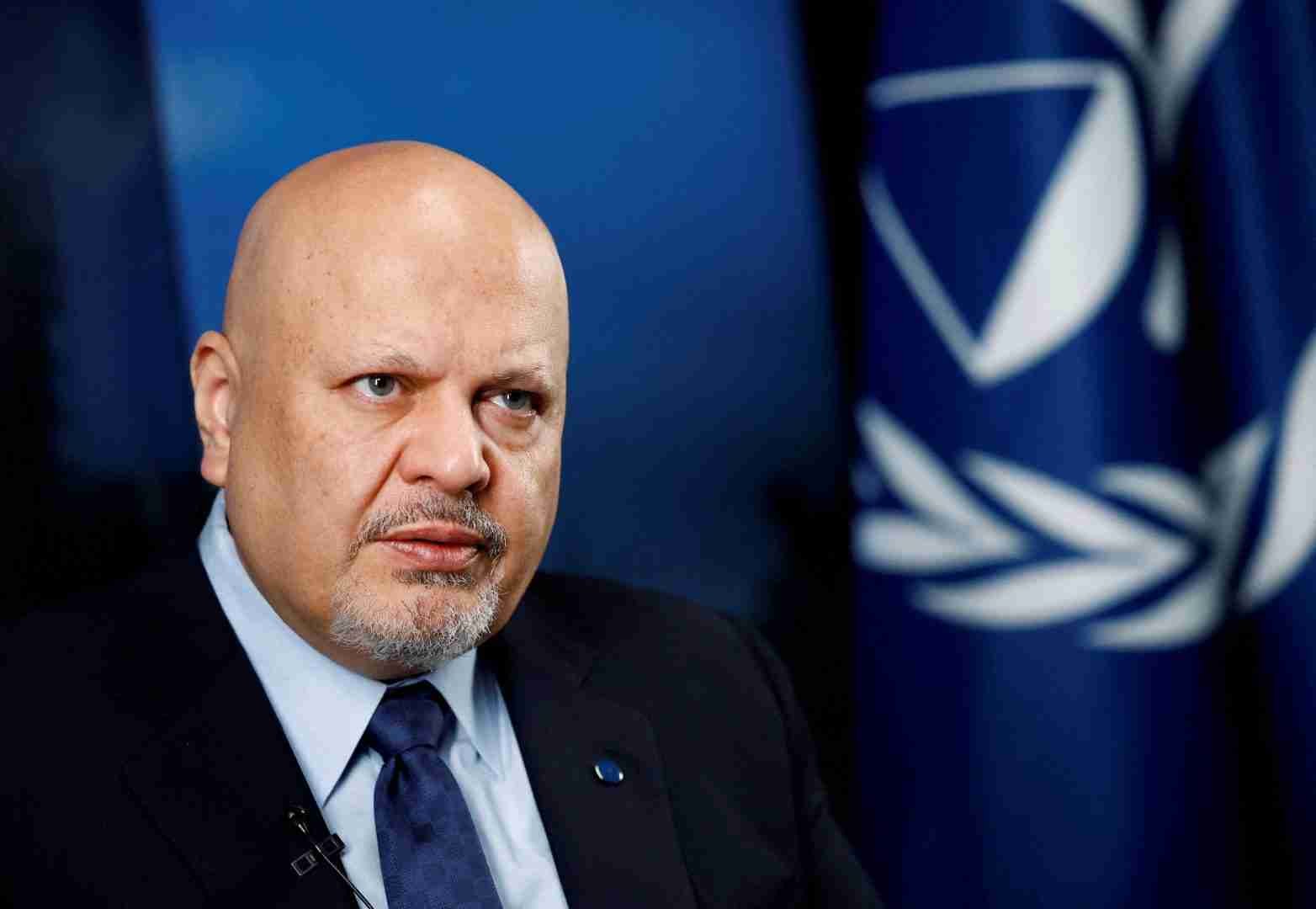
Britain’s Bar Standards Board said on Friday it had imposed an interim suspension of Karim Khan, who had been the International Criminal Court’s chief prosecutor before he was suspended by the court on June 8 over sexual misconduct accusations.
“Under the BSB’s Enforcement Regulations, the interim suspension must now be considered by an Interim Suspension Panel at a hearing within the next four weeks,” the board said, adding that the suspension was effective immediately.
Khan, 56, denies the allegations madeb against him.
Reporting by Stephanie van den Berg and Sudip Kar-Gupta; Editing by Makini Brice
Burnham, the Greater Manchester mayor nicknamed “King of the North”, won the contest in Makerfield in northwest England with 54.8% of the vote, beating the candidate for Nigel Farage’s populist Reform UK party, on 34.5%
International News via Reuters:
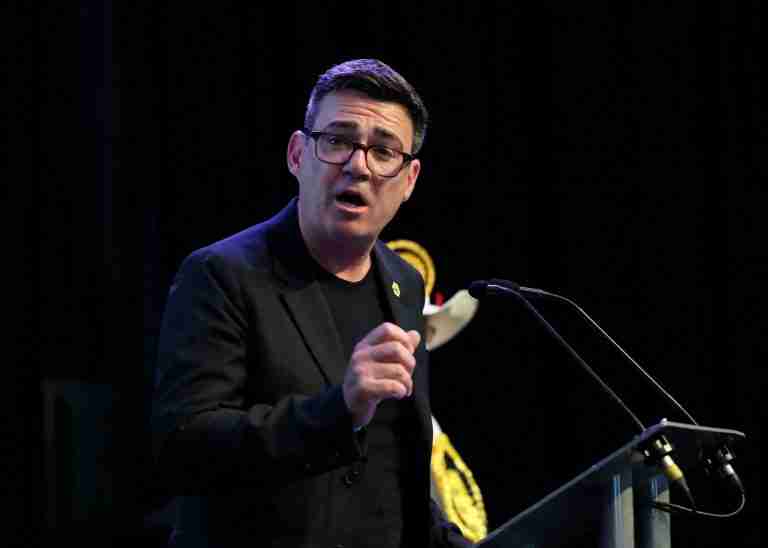
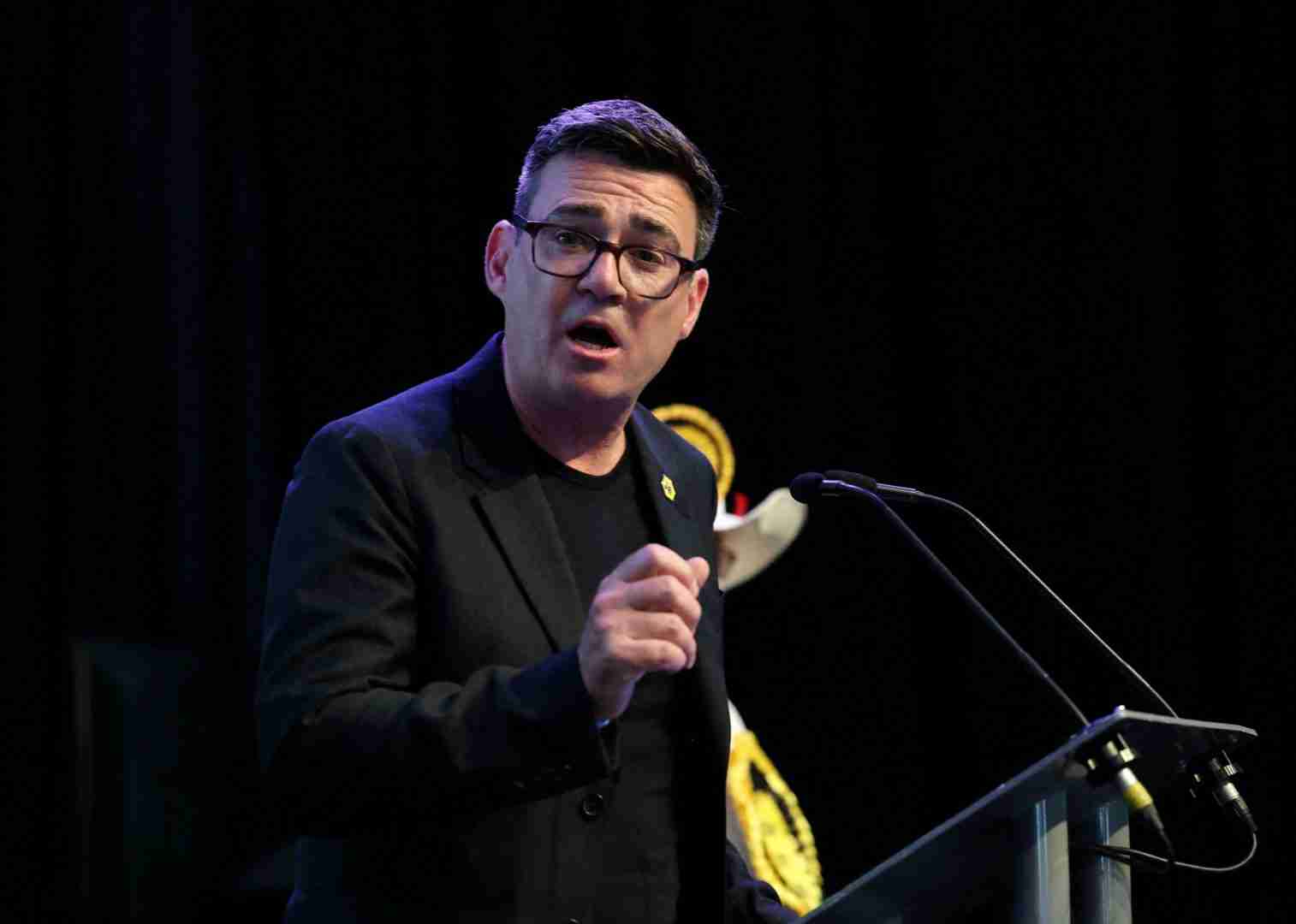
Labour mayor Andy Burnham cleared a path on Friday to ousting British Prime Minister Keir Starmer, potentially ushering in a new bout of political instability, by decisively winning a parliamentary seat in northern England.
Burnham, the Greater Manchester mayor nicknamed “King of the North”, won the contest in Makerfield in northwest England with 54.8% of the vote, beating the candidate for Nigel Farage’s populist Reform UK party, on 34.5%.
The scale of Burnham’s victory in what could be the most consequential by-election in more than six decades puts him in a strong position to challenge Starmer, struggling with some of the worst popularity ratings of any British leader.
Burnham indicated he wanted to counter the rise of polarising, populist politics, saying his victory was a chance to turn “away from the path that takes us to a divided, dark politics of the kind we see in the United States”.
Attention now turns to the timing of his move, and whether he can convince the prime minister to relinquish power without a potentially disruptive leadership contest.
BURNHAM HAILS VICTORY AS A ‘TURNING POINT’
In his victory speech, Burnham said the result could be a “turning point”.
“We must hear it, we must act upon it, and we must get it right,” he said. “There will be no second chance.”
Starmer, who has said he will fight on, quickly congratulated Burnham, saying on X: “Voters chose Labour’s campaign of hope and optimism over division and hate.”
Burnham, a 56-year-old career politician who has backed the nationalisation of key public services and criticised what he called four decades of failed neo-liberal economics, has said he would stand in any contest to replace Starmer.
Polls indicate he would win a leadership contest decided by party members, although some Labour lawmakers hope that process can be avoided.
That would mean Britain installing its seventh prime minister in just over a decade, the highest turnover in nearly two centuries – a reflection of voter anger at successive failures to improve living standards and public services and tackle illegal immigration.
LABOUR DIVISIONS DEEPEN AS PRESSURE GROWS ON STARMER
Two years after a landslide national election victory, Starmer, 63, is one of the least popular British premiers since polling records began. Scandals, policy U-turns and accusations of indecision have derailed delivery of the change he once promised.
About a quarter of his lawmakers have urged him to quit since Labour suffered heavy losses in local elections last month. Senior colleagues, including the defence and health ministers, have resigned over his leadership.
Starmer insisted this week he would stand in any leadership contest and warned his party about the dangers of a potentially divisive leadership campaign.
But several Labour lawmakers said the scale of Burnham’s win would force Starmer to consider stepping aside.
Culture minister Lisa Nandy, a prominent Burnham ally, told reporters she expected both men to speak soon. She ruled out quitting the cabinet but said she could not speak for others.
BURNHAM RETURNS TO LONDON WITH MOMENTUM
Burnham will return to London, the heart of government, with the credentials of someone who can defeat the insurgent Reform party, said one Labour lawmaker.
Many Labour members of parliament fear losing their seats in the next election, due in 2029, to Farage’s party, which leads opinion polls.
Another of Starmer’s rivals, former health minister Wes Streeting, said this week he would force a contest soon unless the prime minister announced when he would stand down. He said Burnham’s victory was proof that Labour needed to change.
Party rules require 20% of the parliamentary party, or 81 lawmakers, to announce they are backing a single candidate to trigger a leadership challenge.
During a month-long campaign, Burnham has acted like a prime minister-in-waiting, often explaining policies for a potential future government. But he has been forced to reassure nervous investors by insisting he would stick to strict fiscal rules.
Last year, he had said Britain was “in hock” to the bond markets, which were promptly rattled by the implication that he would increase government borrowing. He has since said those comments were misrepresented.
Reporting by Andy Bruce, Andrew MacAskill and Elizabeth Piper; Editing by Raju Gopalakrishnan and Kevin Liffey
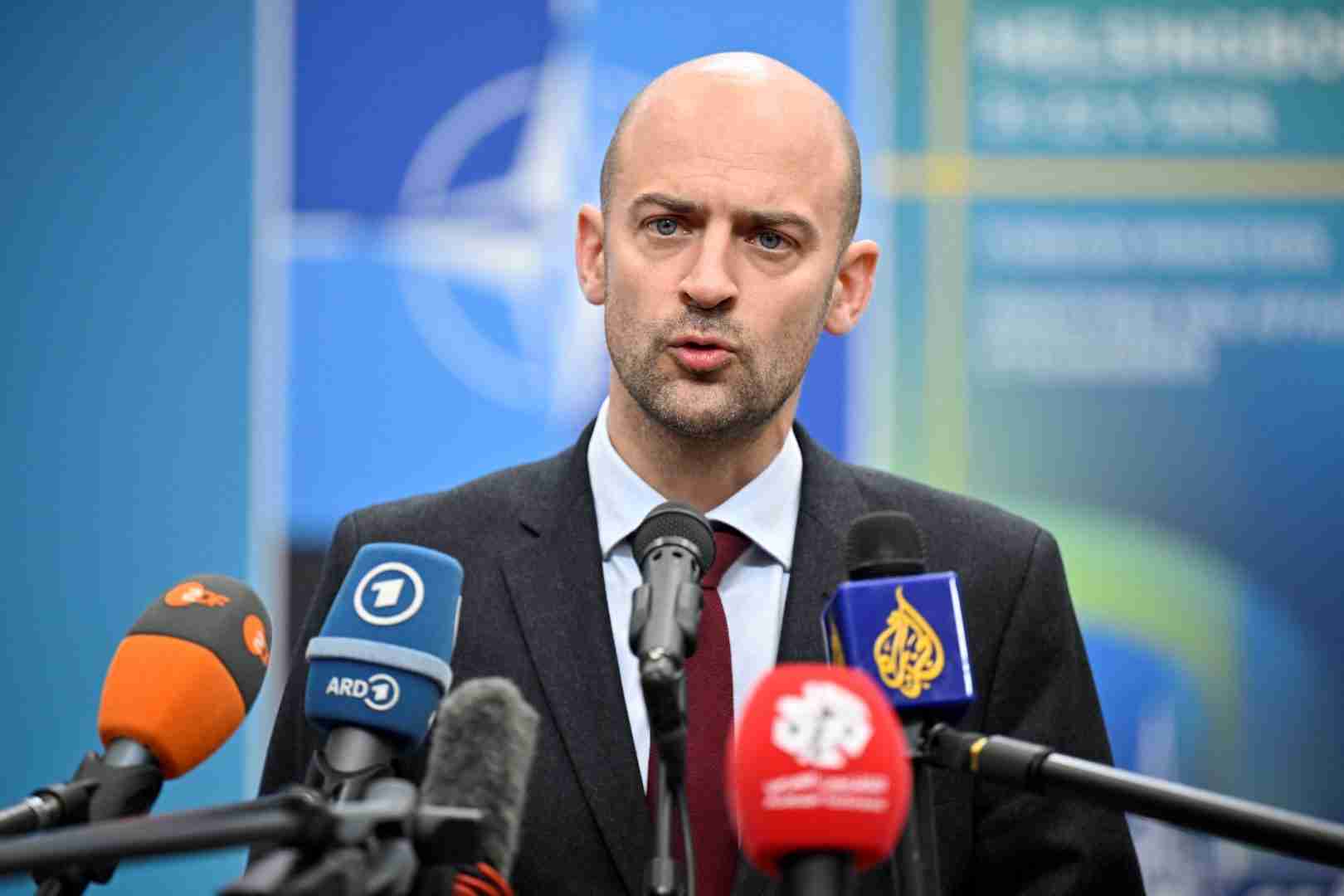
Jean-Noel Barrot told broadcaster franceinfo there would be no stability in the region unless U.S. talks with Iran also dealt with Iran’s ballistic missile programme and support for proxies
International News via Reuters:
France wants to play a role in talks dealing with Iran’s nuclear programme and will not approve the lifting of UN sanctions unless it is satisfied by the terms of a final accord, its foreign minister said on Friday.
Jean-Noel Barrot, whose country is a veto-wielding member of the United Nations Security Council, told broadcaster franceinfo there would be no stability in the region unless U.S. talks with Iran also dealt with Iran’s ballistic missile programme and support for proxies.
“The return for major concessions that will be asked of Iran is the lifting of sanctions, sanctions that were taken at the United Nations,” he said.
“France is a permanent member of the United Nations (Security Council) so as was the case 10 years ago, France will have to give its approval for the sanctions to be lifted.”
The agreement reached between the United States and Iran this week calls for negotiations over Iran’s nuclear programme to take place over the next 60 days, with a final deal to be endorsed by the Security Council.
European powers fear an inexperienced U.S. negotiating team may fail to secure a robust nuclear agreement or address Iran’s ballistic missile programme in the next phase, risking a prolonged standoff.
France, Britain and Germany want a role shaping the coming talks after being sidelined in recent months.
The three countries first engaged Iran on its nuclear programme in 2003 and later worked with then-U.S. President Barack Obama to secure a 2015 deal to curb Iran’s nuclear programme in exchange for sanctions relief.
U.S. President Donald Trump has been disparaging of that accord, which he pulled the U.S. out of during his first presidency.
“Our objective is to get major concessions from the Iranian regime, a radical change in posture. And we will have our word to say, because as a member of the UNSC it will be necessarily linked to the resolution of this crisis,” Barrot said.
Reporting by John Irish and Dominique VidalonEditing by Makini Brice and Peter Graff
Sales volumes in May rose 1.2%, the Office for National Statistics (ONS) said
International News via Reuters:
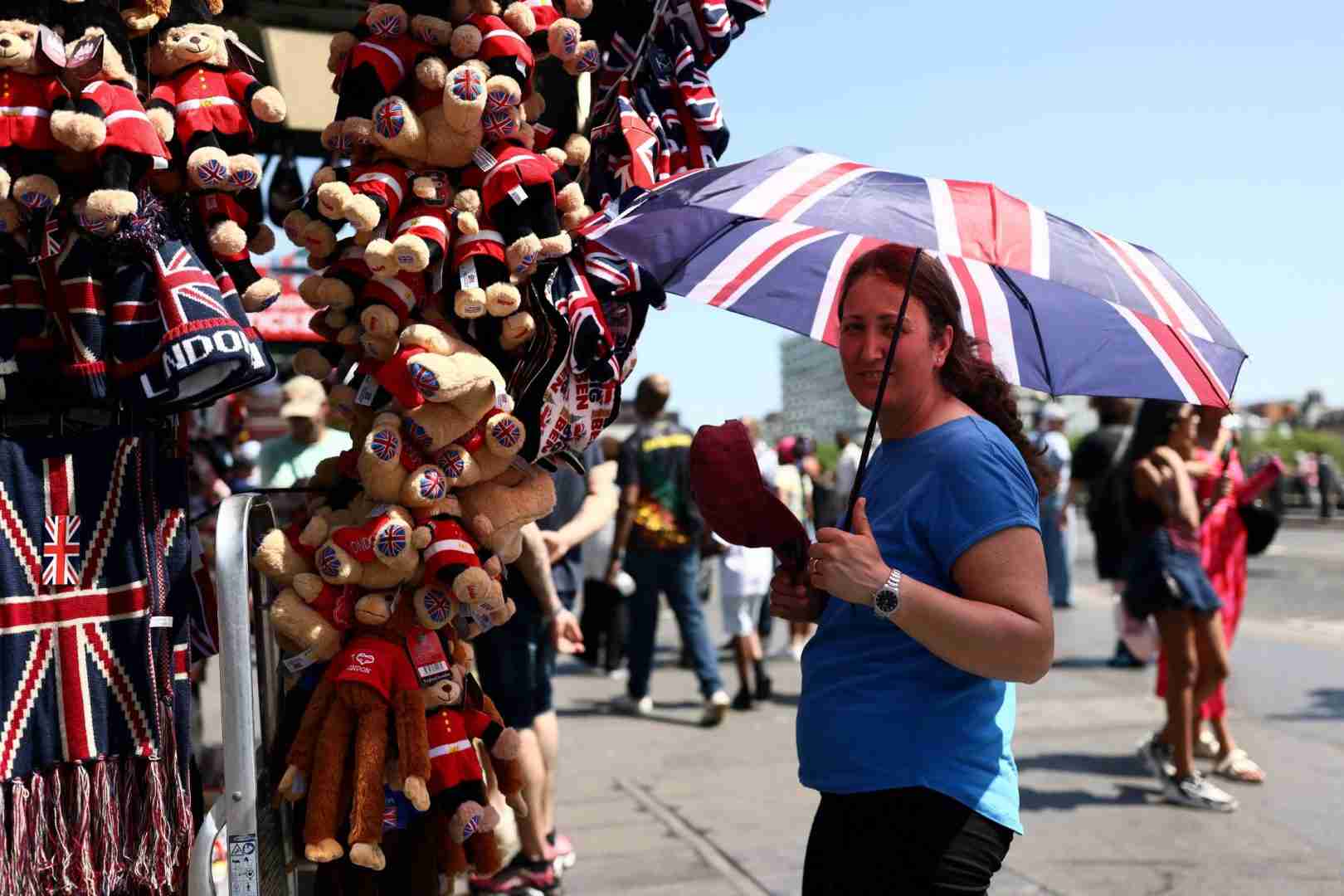
British consumers did more shopping in May and April’s sharp drop was revised up as hot weather boosted sales of summer items like fans and paddling pools, data showed on Friday, suggesting households were shrugging off inflation concerns.
Sales volumes in May rose 1.2%, the Office for National Statistics (ONS) said, well above economists’ forecasts for a 0.5% increase in a Reuters poll. A 1.3% drop in monthly sales in April, when fuel costs jumped due to the Iran war, was revised to a smaller 1.0% decline.
Compared with a year earlier, volumes were 3.2% higher in May, against economists’ expectations for a 1.9% rise.
“May’s rebound in retail sales was helped by the weather but also shows consumers have been surprisingly resilient to higher energy prices,” said Rob Wood, chief UK economist at Pantheon Macroeconomics.
“Looking across the soft and hard data, we are led to the conclusion that households have been treating higher energy prices as a temporary state of affairs that they can smooth their spending through.”
CHALLENGES REMAIN DESPITE SALES JUMP
Sterling was little changed against the U.S. dollar after the figures were published on Friday.
The retail sales data was published after Labour mayor Andy Burnham won a key parliamentary election that clears the way for him to challenge Prime Minister Keir Starmer, potentially ushering in a new bout of political instability.
Excluding petrol, overall sales volumes were also up 1.2% in May after contracting by 0.1% in April, and rose 4.6% in annual terms, helped by strong demand for clothing and online sales.
Department stores posted their largest three-month rise since September 2024, and industry analysts said retailers were focusing on tempting shoppers with seasonal promotions.
“Retailers are trying to keep prices low for customers despite ongoing cost pressures, using promotions and a strong focus on value. With the World Cup and the busy summer shopping season ahead, they will be hoping this helps continue the momentum,” Sandra Prince, head of consumer at Lloyds Bank, said.
Earlier on Friday, however, a survey showed that while consumer confidence held steady in June, younger people were the least optimistic in two years about the economy and their personal finances. Households as a whole were the least willing to make big item purchases since January 2025.
Major British retailers have said the Middle East conflict is still creating uncertainty for consumers. They have cited grounds for optimism following U.S. President Donald Trump’s interim deal with Tehran, but continue to monitor the impact on their costs.
Supermarket groups Tesco and Morrisons both reported a slowdown in sales growth since the start of the conflict.
ECONOMY SHRANK IN APRIL
Britain’s economy contracted for the first time in monthly terms since August in April, figures showed last week, but the Bank of England this month nudged up its forecast of underlying quarterly growth for the current quarter to 0.2% from 0.1%.
The BoE held interest rates at 3.75% on Thursday, but two of its policymakers voted for a quarter-point hike.
Financial markets price in only a 15% chance that the BoE will raise rates by a quarter-point next month, and do not fully price in a quarter-point hike until December.
Separate ONS data, published on Friday, showed Britain ran a larger-than-expected budget deficit in May as higher inflation pushed up the cost of servicing inflation-linked debt.
Reporting by Suban Abdulla; additional reporting by James Davey; Graphic by Pasit Kongkunakornkul; Editing by Sarah Young and Helen Popper
A senior European Commission official said cases where the absence of a family member providing care would force the elderly beneficiary of the Withdrawal Agreement to leave the host state were evaluated on merit
International News via Reuters:
Daniel Northover left his home in Liverpool this month, which marks the 10th anniversary of Britain’s Brexit referendum, to move in with his 80-year-old mother in Turre, a town of 4,500 people in Andalusia in southern Spain.
After his stepfather died last summer, Northover, 53, has taken turns with his sister to travel back and forth to Spain to care for his mother Carole, who cannot cook, clean or dress by herself after suffering several strokes.
But with non-EU residents only allowed to remain in the bloc for 90 days in every 180 without a visa, he said it had become unsustainable. A project manager for local councils and charities, Northover did not meet the requirements for a working visa. Visas to care for a dependent family member are only available if it is the UK citizen needing the care.
A senior European Commission official said cases where the absence of a family member providing care would force the elderly beneficiary of the Withdrawal Agreement to leave the host state were evaluated on merit. Otherwise, general migration rules applied.
Northover’s sister’s application for a family reunification visa was rejected.
That left Northover and his partner with no choice but to sell their house to raise the funds for a so-called “non-lucrative” visa — which bars them from working — and become full-time carers.
“The way the (Brexit) withdrawal agreement was written means we’ve had to give up our lives and careers,” Northover said.
“The agreement was terrible. They didn’t think it through,” said Carole, waving her fist in anger as she sat in her wheelchair in the Spanish sun next to her son.
“I’m so ashamed I’ve caused [my children] this stress.”
‘A RECURRING PROBLEM’
Northover’s situation mirrors that of tens of thousands of families of British retirees in Spain scrambling to find ways to care for their infirm parents abroad.
Britain voted by 52% to 48% in a referendum on June 23, 2016, to exit the European Union after more than four decades of membership. The decision meant an end to Britons’ automatic right to live and work without restrictions in EU member states.
Spain’s resident British population, the largest in the EU at around 266,000 according to official statistics, is ageing fast. The number of over-75s has grown from 36,000 in July 2016 to over 51,000 at the start of last year, Spanish data shows.
“This is a recurring problem that isn’t going to go away,” said Sally Myburgh, a British resident of Malaga who runs a Facebook group offering advice for navigating Spain post-Brexit.
Myburgh said she regularly encounters families in Northover’s situation.
“The attitude is they should just go back to England… but these people are at the end of their lives,” she said of the retirees. “This is their home.”
‘EVERYONE KNOWS ME HERE’
The number of Britons living in Spain has remained largely stable since the Brexit vote, official data shows. About a third of them are pensioners, and many live in villages and towns dotted along Spain’s Costa Blanca and Costa del Sol coastlines.
The Spanish social care system provides home care to infirm citizens and residents, but this is capped at 94 hours a month for those classified as suffering from a “total loss of autonomy” – around 3 hours a day.
Returning to the UK is a daunting and unrealistic prospect for those who have spent decades in Spain and have no community or property to return to, said Neal Anderson, a welfare officer at the ‘Help at Home Costa Blanca’ charity providing support to elderly Britons in the area.
“My mum is 80. A major upheaval is distressing. Uprooting her to a place she doesn’t know with people she doesn’t know… it could kill her,” Northover said, adding he feared that even if she survived the move, registering her in Britain’s overburdened social care system would take months.
“I can’t imagine living [in the UK] now… I love Spain… This is home,” said Carole, who voted to remain in the EU. “Everyone knows me here.”
Reporting by Victoria Waldersee, Michael Gore; Editing by Gareth Jones
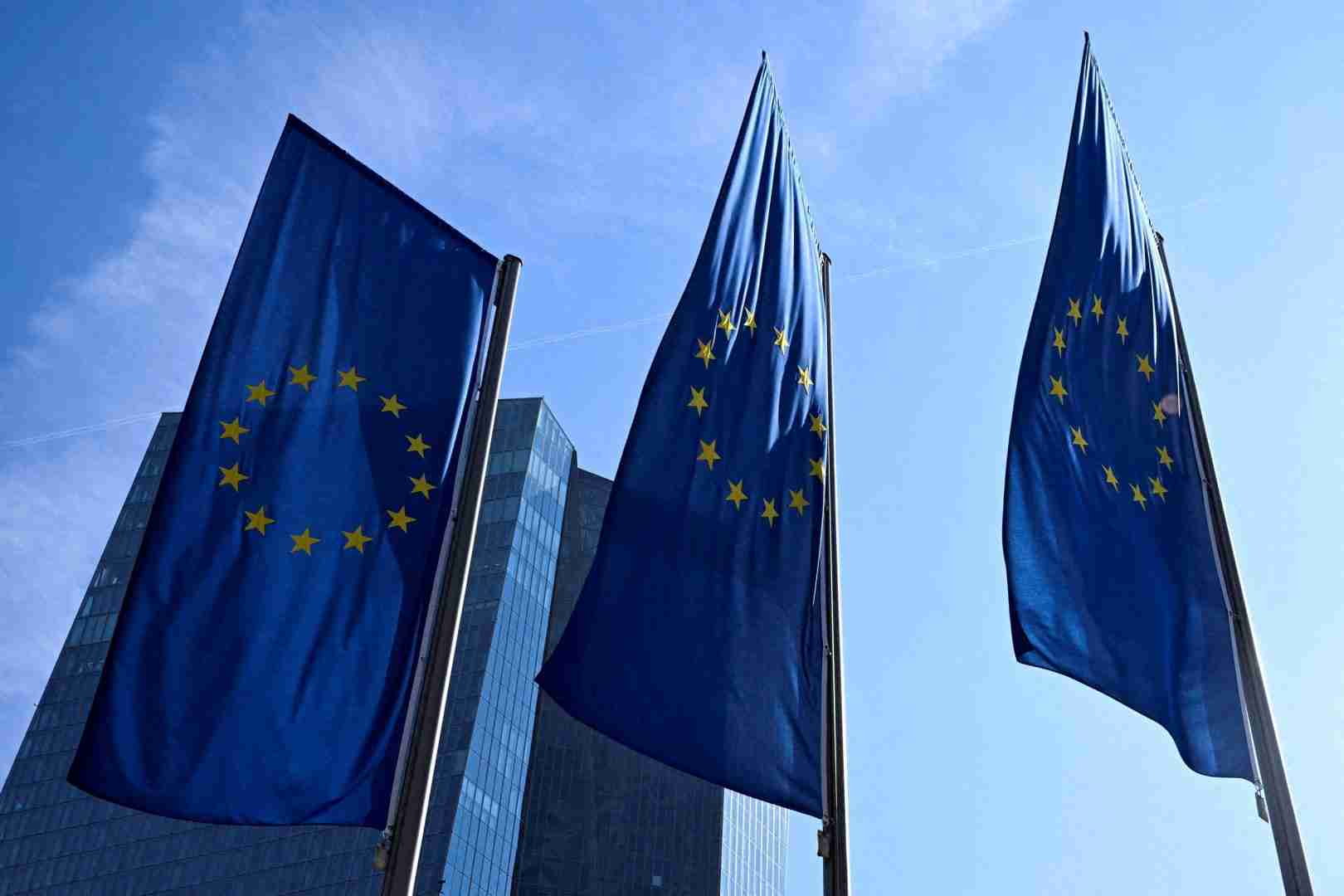
The ECB last week raised borrowing costs for the first time in three years
International News via Reuters:
The European Central Bank may raise interest rates one more time as soon as next month if it sees more evidence of euro zone inflation spreading beyond energy, ECB policymaker Pierre Wunsch told Reuters, even as the U.S.-Iran deal dents oil prices.
The ECB last week raised borrowing costs for the first time in three years. Since, then an interim peace deal between Washington and Tehran triggered a sharp fall in oil prices, easing concerns about a prolonged energy-driven inflation shock.
Wunsch, who heads Belgium’s central bank and is often seen as a policy hawk who favours higher rates, said a confirmed deal should reduce inflation and support euro zone growth — potentially even leading to an oil glut next year.
But he argued the euro zone’s central bank may still need to raise rates again if inflation rises in sectors such as services – and even if that move may end up being reversed.
“We had a not-so-nice reading of services inflation,” Wunsch said in an interview with Reuters, conducted on Thursday. He was referring to a rise in the euro zone’s services inflation rate to 3.5% in May from 3.0%.
“If we see more of that, maybe you want to hike another 25 basis points to be on the safe side, and then you can cut rates when you start seeing the dynamics in the other direction.”
The ECB’s deposit rate currently stands at 2.25% and financial markets expect a fresh 0.25 percentage-point increase in September or October, possibly followed by one more in the early months of next year.
JULY OR SEPTEMBER DECISION HINGES ON DATA
Sources told Reuters after last week’s move that policymakers saw a hike in September as more likely than one in July, unless oil prices rebounded.
Wunsch said he would support waiting until September only if incoming data proved inconclusive, stressing the need to monitor inflation in sectors not directly tied to energy, as well as wages.
“If the data is not going in the right direction, I would plead for a second hike and not for waiting,” he said.
“But if what we see is ambiguous, I don’t see a need to rush.”
The ECB’s Chief Economist Philip Lane told Reuters earlier this week the bank would continue to be “proactive” in its fight against high inflation even after the Iran deal.
OIL GLUT RISK AND ‘LOOKING THROUGH’ INFLATION
Last week’s rate rise was unanimous by the ECB’s Governing Council.
Wunsch acknowledged that, with an Iran deal now in place and wage growth already moderating, an argument could be made that the ECB may have skipped last week’s increase and “looked through” the energy-driven inflation spike.
He said he had even warned colleagues last week about the risk of an oil glut within a year, potentially pushing crude prices below pre-war levels.
Still, he stood by the ECB’s decision, noting it was taken at a time of rising inflation and heightened uncertainty.
“Have we made a mistake? No,” he said. “We have hiked 25 basis points when inflation is going up, so real rates have actually declined slightly, and we can cut at some point if need be,” he added.
CALL FOR CLEARER CONDITIONAL GUIDANCE
He believes, however, that the ECB could go beyond its mantra that it makes decisions “meeting by meeting” depending on the data, saying “at some point it would not mean anything”.
Instead he advocated giving conditional guidance.
“I would have been comfortable saying, for instance: ‘we will probably have to do more if the conflict doesn’t end soon’,” he said. “Now it seems to be ending.”
Reporting by Francesco Canepa; Editing by Susan Fenton
The MSCI All-World index was down 0.14%, flipping into negative territory after U.S. Vice President JD Vance pulled out of a planned trip to meet Iranian negotiators in Switzerland on Friday
International News via Reuters:
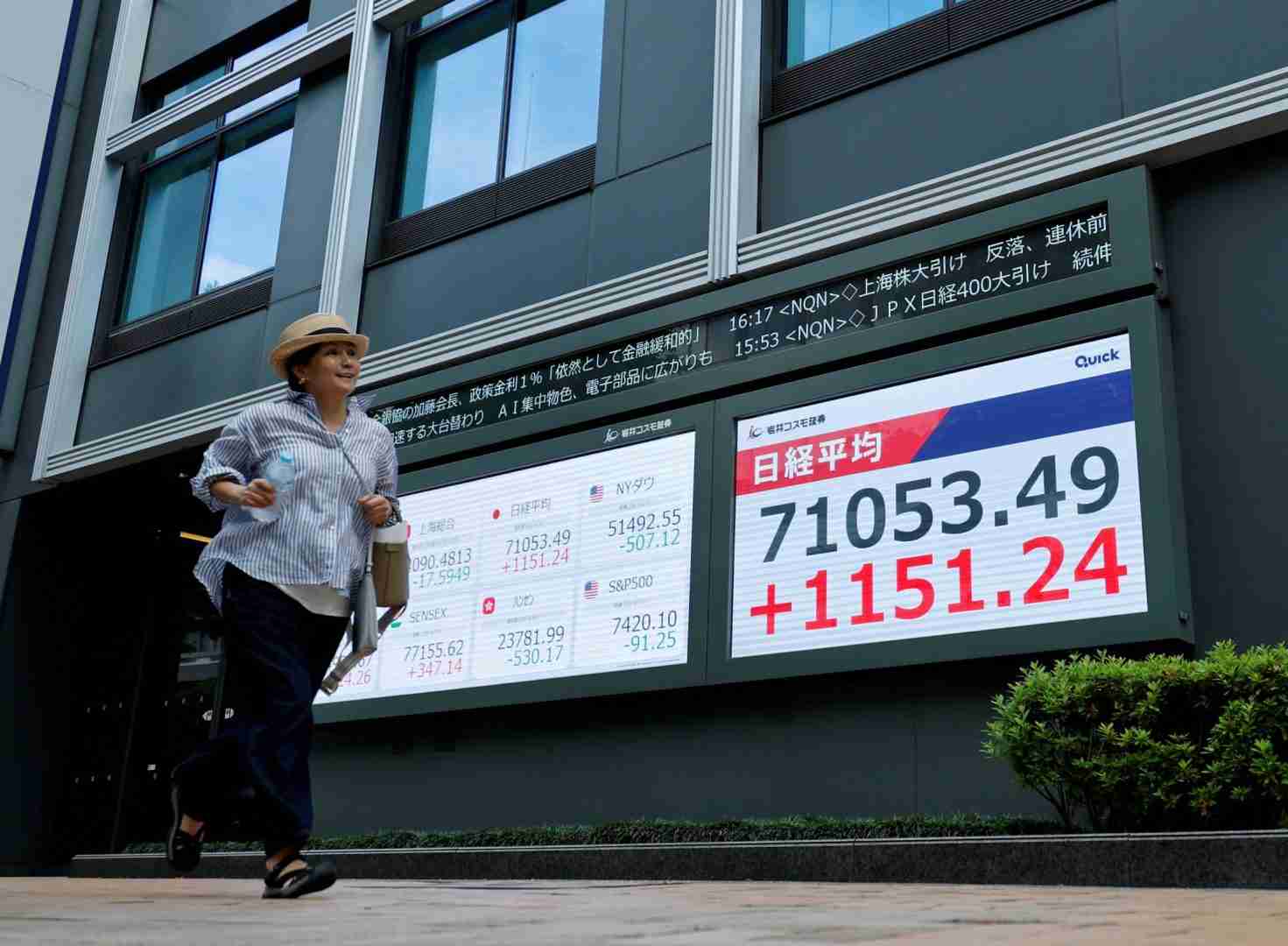
Global shares fell and oil prices got a boost on Friday after U.S. and Iranian negotiators called off peace talks, while the risk of official Japanese intervention mounted as the yen traded on the brink of a 40-year low.
The dollar headed towards its strongest weekly gain in a month, mostly at the expense of the yen, which has fallen for five out of the last six weeks to trade close to its weakest since late 1986, prompting a volley of warnings from officials in Tokyo that intervention is an option.
The MSCI All-World index was down 0.14%, flipping into negative territory after U.S. Vice President JD Vance pulled out of a planned trip to meet Iranian negotiators in Switzerland on Friday.
European stocks, meanwhile, managed to stay in positive territory, kept afloat by drugmaker stocks Novo Nordisk, AstraZeneca and Novartis.
CEASEFIRE CONFIDENCE WANES
The Israeli military said it carried out strikes overnight and continued attacking what it described as Hezbollah militants and infrastructure in several areas in southern Lebanon.
Confidence in a lasting truce ebbed, pushing oil up modestly to $80 a barrel, although the price was still headed for a drop of 8% this week, after the U.S. and Iran signed an agreement to halt fighting and reopen the Strait of Hormuz.
Tankers have started sailing through the strait, which the war effectively closed, after the U.S. lifted its blockade on Iran on Thursday.
“We concede that there will be a number of ships eager to leave the Gulf’s warm waters, and we think crude will struggle to find its footing amid a flurry of ‘open for business’ headlines, and yet we question the durability of the deal,” said analysts at RBC Capital Markets in a note to clients.
“In the event that the deal holds … the Hormuz reopening trajectory could resemble something similar to the Red Sea, where shipping traffic remains over 50% below pre-crisis levels despite the Houthis signing a deal in May 2025 to end hostilities.”
DOLLAR STRENGTH
The dollar index hit a new 13-month high, fuelled by a firm pledge from new Federal Reserve Chair Kevin Warsh to tackle inflation and ensure price stability. That has prompted traders to assume there will be at least one rate hike this year, compared with a negligible possibility a couple of weeks ago.
The shift in tone from the Fed has hit Treasuries hard. Two-year yields are nearly 10 basis points higher than they were this time last week, while benchmark 10-year yields have fallen 3 basis points to 4.451%.
That reflects investors pricing in the chances of near-term rate rises, while gaining some confidence that these could prove short-lived given the drop in the oil price.
The cash U.S. bonds market was closed on Friday for the Juneteenth holiday.
YEN ON THE BACK-FOOT
With the dollar in the ascendant, the yen stayed on the back-foot to trade around 161.3, leaving the U.S. currency at its strongest since last July, and well beyond the 160-threshold that most see as a trigger for Japanese intervention.
“Today’s U.S. holiday creates a lower-liquidity backdrop, a window during which Japanese authorities have previously shown a preference to intervene,” ING strategist Francesco Pesole said.
“A lack of intervention today would leave scope for speculators to push towards 162-163 given the supportive USD environment,” he said.
The pound was up 0.1% at $1.321, after a 0.7% drop the previous day as the Bank of England kept interest rates on hold in a 7-2 vote. Labour mayor Andy Burnham won an election in the north of England on Friday, removing a key obstacle to a leadership challenge against Prime Minister Keir Starmer.
Officers say the car driver was uninjured and they are appealing for witnesses
Image: Bermuda Police Service
Media Release:
Shortly after midnight on Friday, June 19, 2026, police and other first responders were dispatched to a report of a serious two vehicle collision on Somerset Road, near the junction with Gilbert Lane in Sandys.
Initial information suggests that both vehicles were travelling in an easterly direction when the driver of the motorcar attempted to turn onto Gilbert Lane. At the same time, the motorcycle rider reportedly attempted to overtake the car.
The motorcycle rider sustained potentially serious injuries as a result of the collision and was transported to King Edward VII Memorial Hospital for treatment. The driver of the car is not reported to have been injured.
An investigation into this incident is now underway. Witnesses, or anyone with information, are encouraged to contact PC 2614 Krislyn Lambert by calling 211 or by emailing krislyn.lambert@bps.bm.
A wartime decision made more than 80 years ago transformed St. David’s forever, displacing families and reshaping an entire community. Today, new efforts are helping to preserve the history of those who made that sacrifice and ensure their story is remembered. In this week’s episode of Heart of Bermuda, Julie Matthews-Borchardt revisits and updates a story that originally aired in 2022.
The Premier believes a video of him dancing at carnival was shared with malicious intent, but adds that he looks forward to next year’s event
Whether the Premier or not the Premier, David Burt will keep dancing at Carnival.
A video of him dancing during the weekend’s festivities was shared on social media, leading to comments both critical and supportive.
Speaking to Gary Foster Skelton today, he said the video was shared with malicious intent – but he will continue to celebrate carnival, and looks forward to next year’s event.
He also praised the Ministry of Tourism & Transport, Culture & Sport, and the Bermuda Tourism Authority for hosting a “fantastic” event in a “very safe manner.”
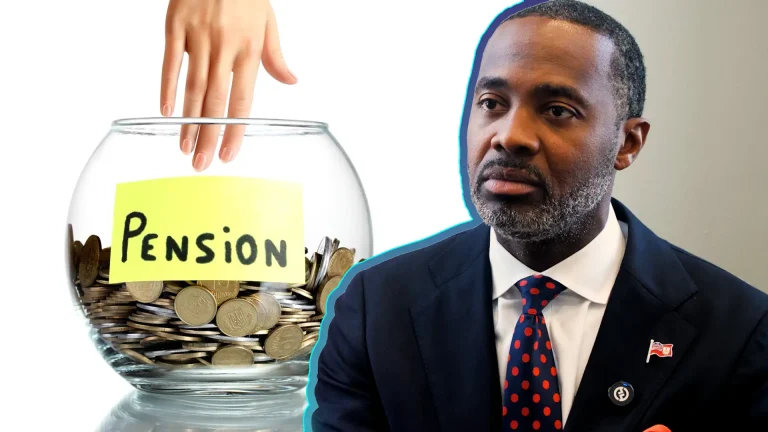
The lump sum a public sector retiree can withdraw from their pension is going to be subject to review; the Premier encourages retirees to consider the fact that people are living longer
Be careful about making a short-sighted decision with your pension.
This from Premier and Finance Minister David Burt, concerning the retirement funds for public sector workers.
Bermuda Broadcasting is aware of concerns among some retirement-age public sector workers, including teachers, that the lump sum withdrawal they can take out of their pension fund may change.
This would affect those retiring after the end of March 2027, as public sector pension reform begins a decade-long process to progressively raise retirement ages by 5 years, and increase contributions by 2%.
As of now, public sector retirees can opt to reduce their future pension by up to 75% and take out a lump sum, equal to “eleven and one-half times the amount of the annual reduction” (source: PUBLIC SERVICE SUPERANNUATION ACT 1981).
Responding to our questions today, the Premier confirmed that the calculation determining the lump sum is going to be subject to review, but the total pension due to a person will not change.
Gary Foster Skelton questioned whether there could be an exodus of some older public sector workers, due to concerns that they will not be able to take out as large a lump sum as they had previously expected.
Premier Burt said that Government is meeting with all concerned public officers to help them understand the changes, and he encouraged retirees to carefully consider the fact that people are living longer.
He also stressed that all of the reforms have been made to ensure the pension fund remains stable into the future.
To provide the best experiences, we use technologies like cookies to store and/or access device information. Consenting to these technologies will allow us to process data such as browsing behavior or unique IDs on this site. Not consenting or withdrawing consent, may adversely affect certain features and functions.
Functional
Always active
The technical storage or access is strictly necessary for the legitimate purpose of enabling the use of a specific service explicitly requested by the subscriber or user, or for the sole purpose of carrying out the transmission of a communication over an electronic communications network.
Preferences
The technical storage or access is necessary for the legitimate purpose of storing preferences that are not requested by the subscriber or user.
Statistics
The technical storage or access that is used exclusively for statistical purposes.The technical storage or access that is used exclusively for anonymous statistical purposes. Without a subpoena, voluntary compliance on the part of your Internet Service Provider, or additional records from a third party, information stored or retrieved for this purpose alone cannot usually be used to identify you.
Marketing
The technical storage or access is required to create user profiles to send advertising, or to track the user on a website or across several websites for similar marketing purposes.