Wednesday, October 28, 2026
Home Blog Page 215

Dollar drifts, no respite for yen after BOJ hikes rates as expected

U.S. President Donald Trump said on Monday that a preliminary agreement to end the war in the Middle East had been signed by the U.S. and Iran
International News via Reuters:

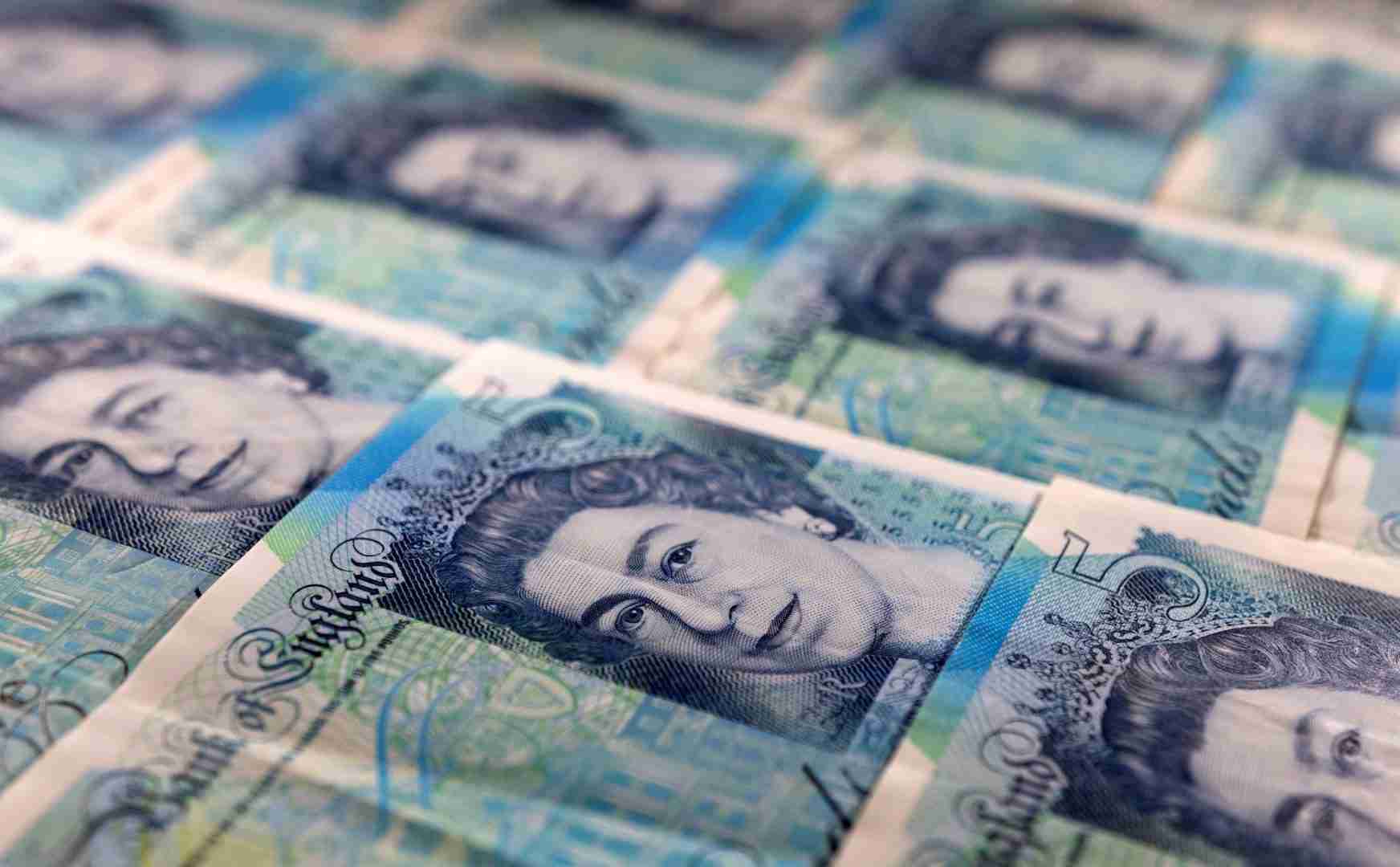
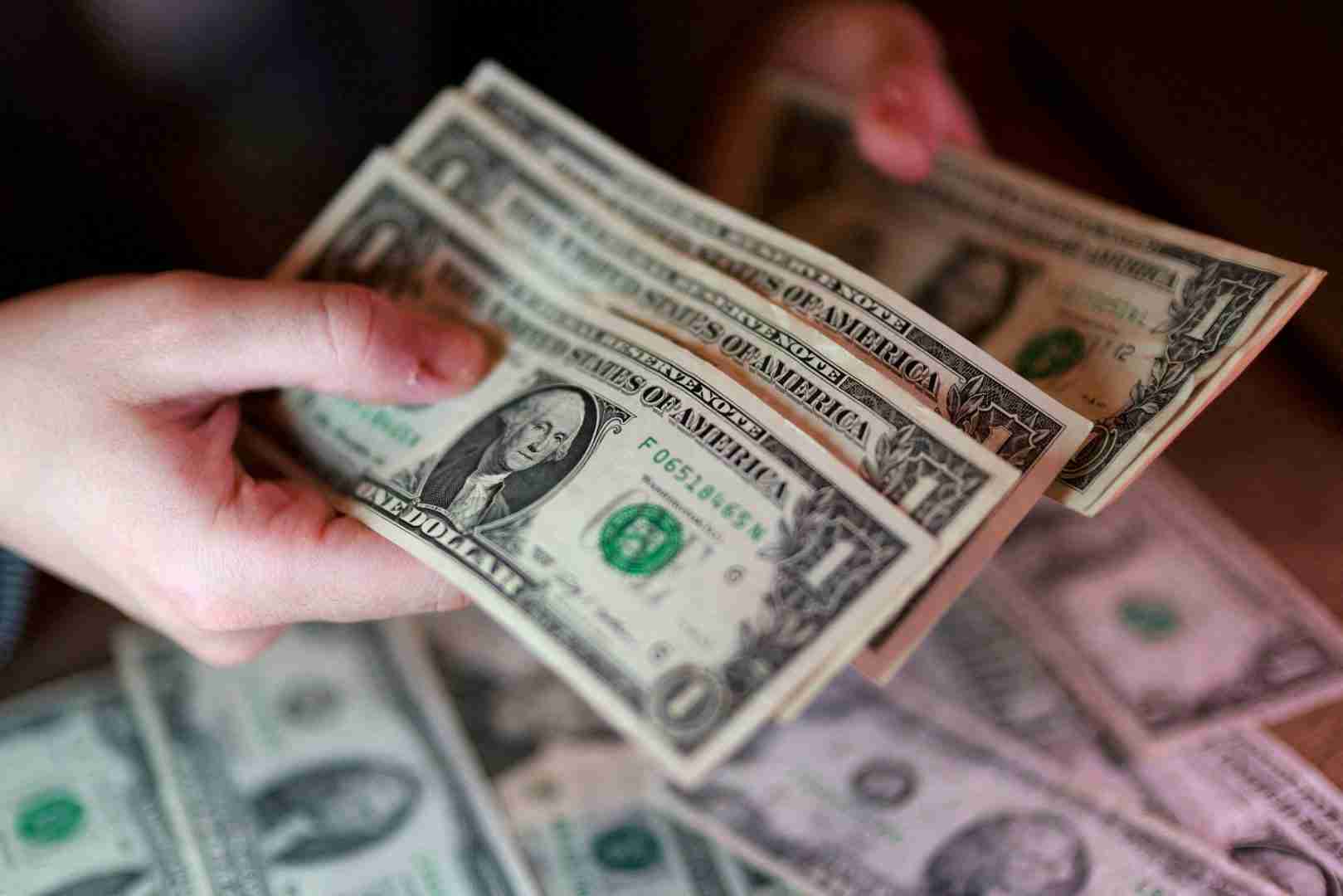
The dollar held near 10-day lows on Tuesday as a preliminary deal to end the Iran war buoyed risk appetite, while the yen teetered near the closely watched 160 level after the Bank of Japan hiked interest rates, as expected, in an effort to tame inflationary risks from the conflict.

U.S. President Donald Trump said on Monday that a preliminary agreement to end the war in the Middle East had been signed by the U.S. and Iran. But doubts around the interim deal swirled and shippers said it could take weeks for confidence to return after any reopening of the Strait of Hormuz.

A flurry of central bank meetings this week is also top of mind for investors.

The Bank of Japan raised interest rates to a 31-year high on Tuesday as widely expected. But the board’s 7-1 vote was noted by market analysts, suggesting at least some uncertainty over the timing of the next hike. 

Investors also closely followed a press briefing from BOJ Deputy Governor Shinichi Uchida. 

“We will look at economic, price and financial developments, particularly with an eye on the Middle East situation, for the time being. We’ll look at whether the economy and prices are moving in line with our forecasts, as well as risks. With underlying inflation approaching 2%, we need to be mindful of upward price risks. We will guide policy so that we won’t fall behind the curve,” he said.

Derek Halpenny, head of research for global markets EMEA at MUFG, said that “looking at everything that’s happened, the statements, the messaging, Deputy Governor Uchida, I think they were as hawkish as you could have expected.”

“They’ve emphasized upside inflation risks. They’ve made that quite clear. They’ve made very clear that the monetary stance is still accommodative, and they’ve made clear that the guidance is the same as before, which is essentially that they can continue to raise rates going forward,” he said.

The yen was almost unchanged on the day at 160.26 per U.S. dollar, having hovered near the 160 milestone in recent days and keeping traders wary of another bout of interventions from Tokyo.

Elsewhere, the Reserve Bank of Australia left rates unchanged in a unanimous decision after three consecutive hikes even as inflation remains elevated. The Australian dollar was last down 0.1% at $0.706.

Later this week, monetary policy decisions are also due from the Bank of England and the U.S. Federal Reserve.

IRAN DEAL LIFTS SENTIMENT BUT DOUBTS LINGER

While global markets appeared cautiously optimistic over the Iran news and oil prices pulled back, the currency market reaction was comparatively constrained as traders awaited comments from central bankers across the globe.

The dollar index, which measures the U.S. currency against six other units, was steady at 99.62. 

The euro was a touch higher at $1.16 and sterling was steady at $1.3418.

Questions around supply chain normalisation are likely to keep investors on edge with the near-term pathway for inflation and interest rates still uncertain. 

ING analysts said the market reaction has been faster than realities on the ground, and it could be altered by the prospects of a deal. 

“A more durable repricing requires safe, predictable and insured shipping through the Strait of Hormuz,” they said in a note. “And demand could likely be higher than usual as depleted reserves need to be replenished. Re-escalation risks are reduced, but not off the table.”

Reporting by Sophie Kiderlin in London and Ankur Banerjee in Singapore; Editing by Kim Coghill, Shri Navaratnam and Hugh Lawson

Dancing in the streets 

J’Ouvert took over Bernard’s Park in the early hours of the morning, as revelers gathered from 2:30 a.m. through sunrise for one of Carnival weekend’s most anticipated events. The atmosphere was electric, vibrant, and colourful, with participants covered in paint while dancing through the streets in a celebration of music, culture, and freedom.

Kendal Trott was there to capture the energy as the neon-filled event transformed the park into a sea of colour and excitement. From the paint-filled festivities to the lively crowd and nonstop music, J’Ouvert once again delivered a memorable start to the day for Carnival enthusiasts across the island.

Have your say on Bermuda’s role in space

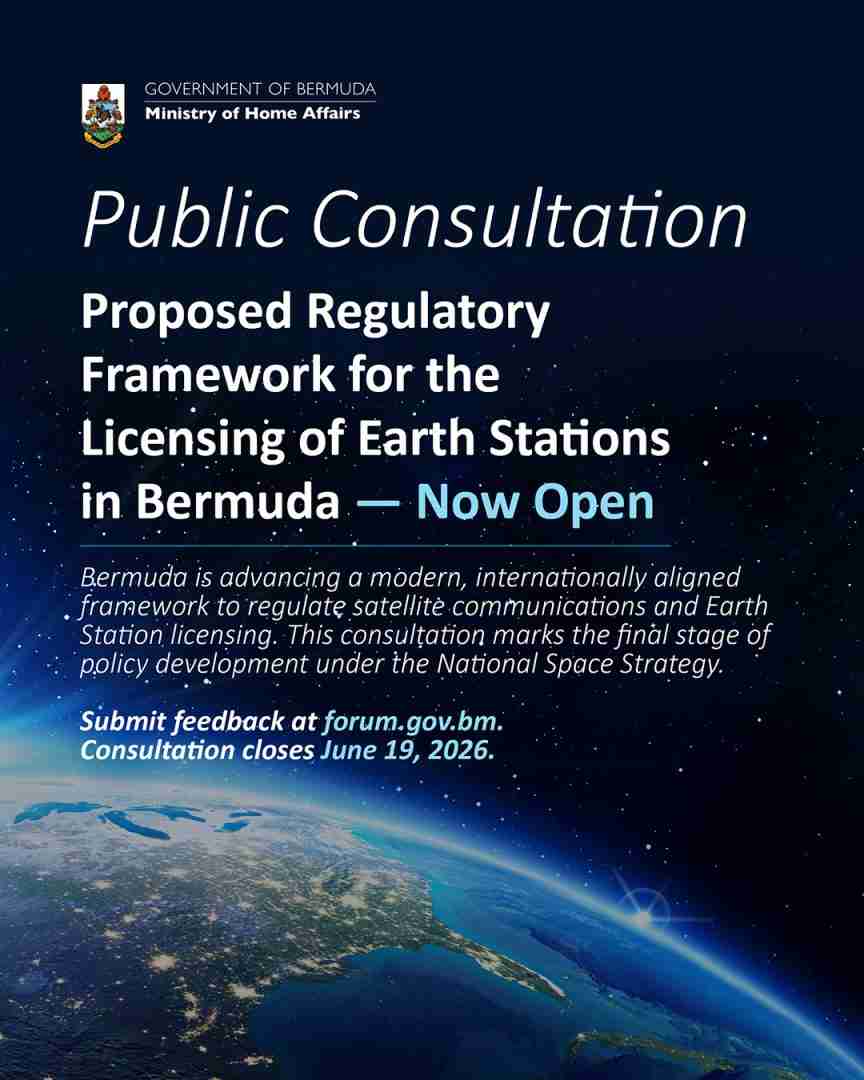
The Ministry of Home Affairs is reminding the community that the public consultation on a consolidated framework for the licensing of Earth Stations in Bermuda remains open.

Stakeholders, operators, and members of the public are invited to review the policy and submit feedback at forum.gov.bm.

Consultation closes June 19, 2026.

The proposed framework is the final stage of policy development under Bermuda’s National Space Strategy. It was developed in consultation with the Regulatory Authority and sits within Bermuda’s existing legal and regulatory regime.

The framework is a decisive step in strengthening Bermuda’s position in the global space and satellite economy. 

And it sets out a proportionate, internationally aligned approach to satellite communications infrastructure, including gateway stations, teleports, and user terminals.

The proposed model includes a two-tier licensing structure, distinguishing between blanket authorisations for standardised user terminals and individual licences for more complex infrastructure such as teleports and tracking facilities. It also sets out clear requirements for spectrum licensing, equipment standards, cybersecurity, and compliance with Bermuda’s data protection framework.

The framework positions Bermuda to support the next generation of satellite infrastructure and services without compromising on oversight. It is part of the Ministry’s broader work to diversify the economy, attract responsible investment, and open pathways for skills development in technical and emerging fields.

All submissions will inform the finalisation of the National Earth Stations Licensing Framework. 

Ukrainian man found guilty of setting on fire a house linked to UK PM Starmer

Over five days, police were called to fires at a house in north London connected to Starmer, another at a property nearby where he used to live and his sister-in-law still does, and to a blaze involving a Toyota car that also used to ​belong to the British leader

International News via Reuters:

A Ukrainian man was found guilty on Monday of carrying out an arson attack on a property connected to British Prime Minister Keir Starmer in May last year.

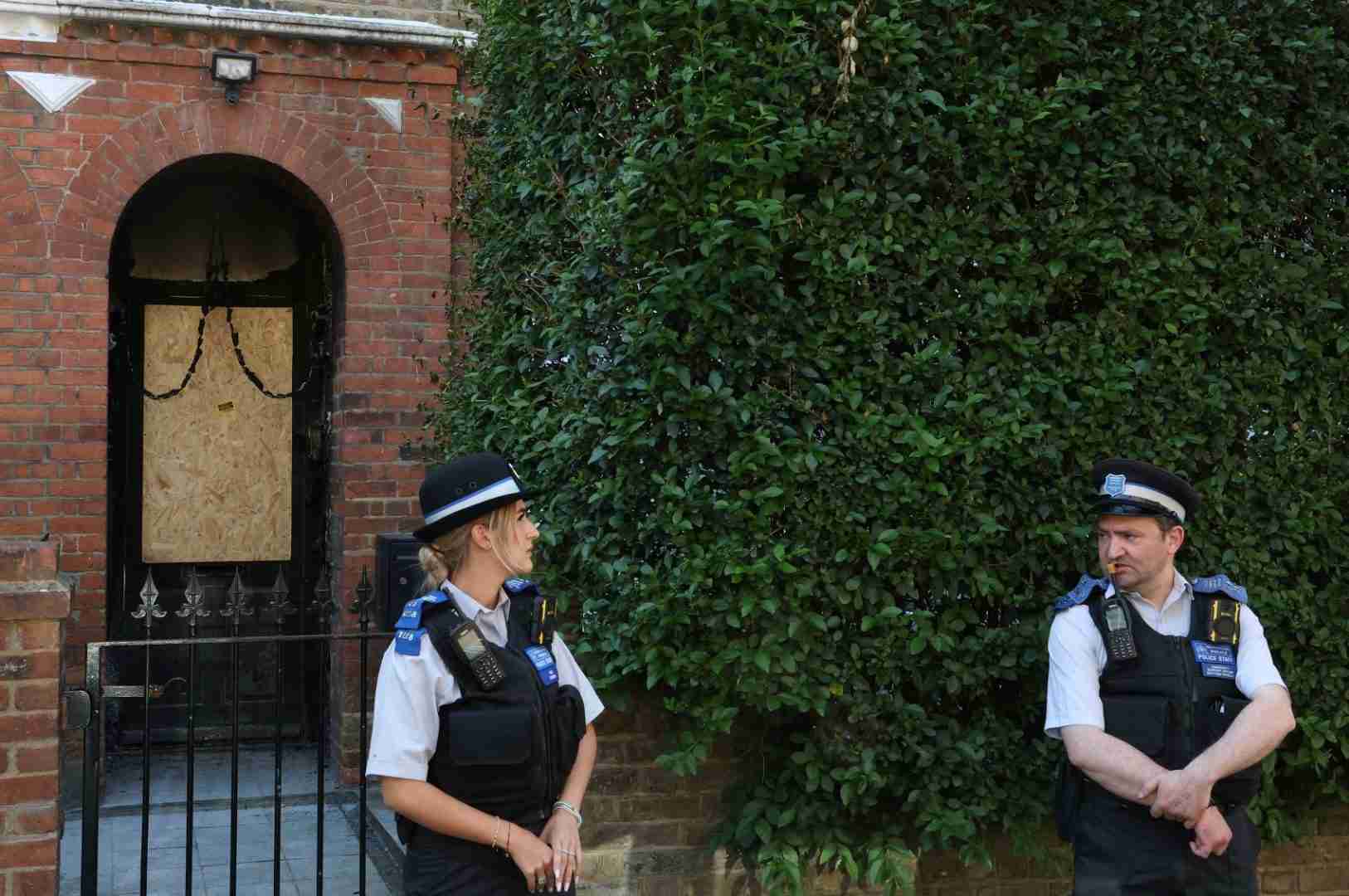
Over five days, police were called to fires at a house in north London connected to Starmer, another at a property nearby where he used to live and his sister-in-law still does, and to a blaze involving a Toyota car that also used to ​belong to the British leader.

Roman Lavrynovych, 22, was found guilty at London’s Old Bailey Court of one count of committing arson with intent to endanger life and of committing arson being reckless as to whether life was endangered in connection with one of the house fires.

He was acquitted on charges relating to another property. Lavrynovych and Romanian ​national Stanislav Carpiuc, 27, who was born in Ukraine, were found guilty of conspiracy to commit arson. Fellow Ukrainian Petro Pochynok, 35, was acquitted of the same charge.

Reporting by Michael Holden; editing by Sarah Young

Ebola risk for World Cup is ‘extremely low’, but US is ready, experts say

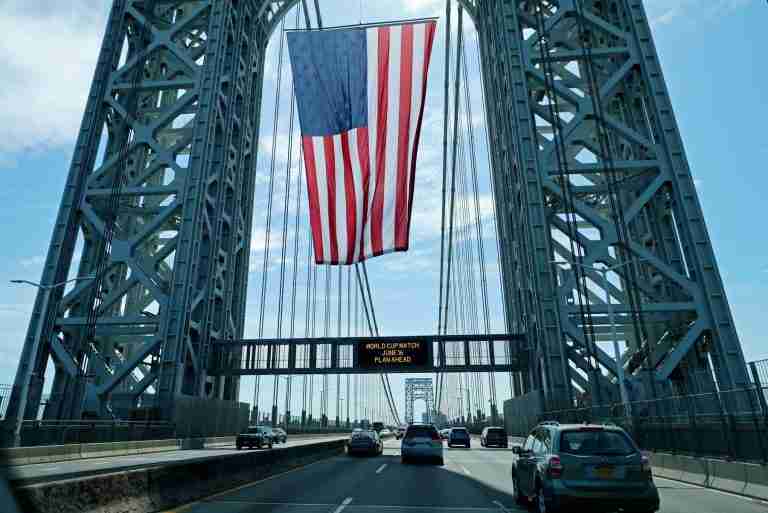
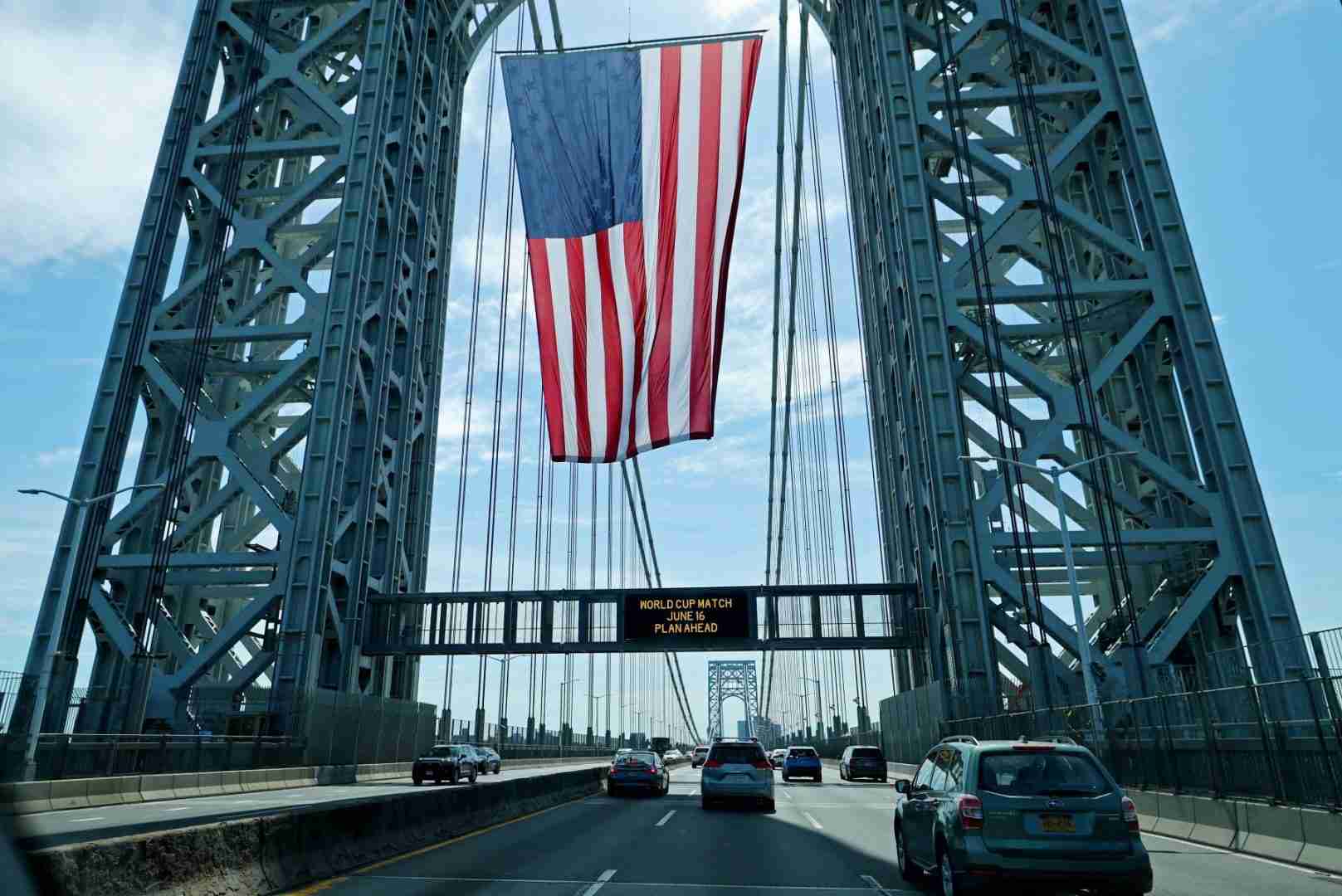
The risk that a traveler infected with Ebola could arrive in the United States during the 2026 World Cup tournament that kicked off last week is low but not zero, and if that happens, U.S. hospitals are ready to respond, U.S. infectious disease experts say

International News via Reuters:

The risk that a traveler infected with Ebola could arrive in the United States during the 2026 World Cup tournament that kicked off last week is low but not zero, and if that happens, U.S. hospitals are ready to respond, U.S. infectious disease experts say.

It wasn’t always so.

During the 2014 West African Ebola outbreak, a Liberian man, Thomas Eric Duncan, arrived in a Dallas hospital with Ebola symptoms and was turned away before being admitted.

Two nurses were infected but survived.

That led to $260 million in U.S. funding for Ebola preparedness training and response capabilities and 13 specialized treatment centers – all intended to help hospitals identify, isolate and safely care for suspected Ebola patients.

“We’re not going to be able to prevent 100% of infections, but we certainly are the most prepared that we have ever been,” said Dr. Gavin Harris, an expert in serious communicable diseases at Emory University in Atlanta, one of 11 U.S. World Cup host cities.

Public health officials and hospitals in the U.S. host cities have been preparing for a range of infectious disease threats as 6.5 million fans travel across North America during the 39-day event featuring 104 matches in the United States, Mexico and Canada.

The U.S. Centers for Disease Control and Prevention, the Pan American Health Organization and the World Health Organization have all described the risk of Ebola to World Cup host countries as low, citing measles, COVID-19 and influenza – which spread when large crowds gather – as the most likely threats.

But the Ebola outbreak in the Democratic Republic of Congo that has infected more than 675 people and killed more than 135 remains a concern.

“The risk of Ebola to anyone at the World Cup is extremely low. Ebola isn’t airborne and doesn’t spread through casual contact — it requires direct contact with the body fluids of someone who is ill,” said Dr. Tom Frieden, chief executive of Resolve to Save Lives and former director of the CDC.

“But low isn’t zero, and it won’t be zero until the outbreak is stopped at its source in DRC.”

LEARNING FROM THE PAST

U.S. Ebola preparedness efforts that began in 2015 were born out of a collaboration between Emory University, the University of Nebraska Medical Center and NYC Health + Hospitals/Bellevue in New York City – facilities that cared for Ebola patients during the West African Ebola outbreak, the largest to date.

“There was a recognition that we had a duty to train other facilities to recognize potential patients who might be exposed or sick with something like Ebola,” Emory’s Harris said.

Thousands of healthcare workers have since been trained to recognize and treat patients with Ebola and other serious pathogens.

For the World Cup, preparedness experts have conducted nationwide training exercises simulating a potential MERS outbreak at the games.

They have also compiled guidance for physicians, raising awareness of illnesses not typical of their home cities, including mosquito-borne conditions such as malaria, dengue and chikungunya.

The United States, Mexico and Canada have instituted airport screening and travel bans restricting entry of non-citizens with recent travel to countries affected by the outbreak, and the U.S. has urged Europe to impose similar restrictions. Harris said those bans are likely to decrease the chances of Ebola at World Cup venues.

In order to comply with U.S. restrictions, the DRC national soccer team left the country in May and trained in Belgium ahead of travel to the United States.

In each host city, FIFA, local public health officials and hospital systems have formed medical committees that have been conducting Ebola and other infectious disease threat assessments based on the teams that will play in their cities, diseases prevalent within their home countries, visa restrictions and stadium logistics, Harris said.

Some areas have discussed supplying disease-specific treatments or protective gear to the venues and are using surveillance tools, including wastewater monitoring, air quality data and electronic medical records, to detect unusual illness clusters.

FIFA said medical-related risks are assessed as part of overall tournament planning and managed in close coordination with the host cities, which provide medical leaders that oversee and coordinate services.

It said it is monitoring the Ebola outbreak and is in contact with sporting and health authorities in the DRC and the three host countries.

FILLING IN THE GAPS

Dr. Michael Osterholm, an infectious disease expert at the University of Minnesota, said planning for mass gatherings in the U.S. is not new.

“State and local health departments working in conjunction with CDC have for many years been at the forefront of individuals coming into this country,” he said.

To help with disease monitoring and coordination, Georgetown University has set up an independent Health Security Operations Center in collaboration with more than 30 public and private sector entities.

More than 700 state and local health authorities have signed up for the group’s daily reports, as have some 60 federal partners, FIFA and the CDC.

Still, staff cuts at the CDC, the U.S. departure from WHO, and strain on state and local health departments that have been battling the biggest U.S. measles outbreak in decades have taken a toll, Frieden and two other experts said.

“My biggest concern is whether a CDC that’s lost thousands of staff has the capacity, support, and mandate to move fast enough — both here and in DRC,” Frieden said.

The U.S. Department of Health and Human Services, which oversees the CDC, did not respond to a request for comment.

Jeanne Marrazzo, chief executive of the Infectious Diseases Society of America, said health secretary Robert F. Kennedy Jr.’s cuts to public health have led to an exodus from government agencies.

“Nonetheless, we know the people who are still there are working around the clock in many cases to try to keep us safe,” she said in a briefing.

Reporting by Julie Steenhuysen; Additional reporting by Siddhi Mahatole and Rohith Nair in Bengaluru and Julien Pretot in New York; Editing by Caroline Humer and Rosalba O’Brien

Britain announces sweeping social media ban for under-16s

The sweeping changes will “give kids their childhood back”, Starmer told reporters, outlining measures against Snapchat, TikTok, Instagram and other platforms, as well as gaming sites that allow strangers to contact children

International News via Reuters:

British Prime Minister Keir Starmer said on Monday he would ban social media sites for under-16s and impose restrictions on gaming and live-streaming platforms, in a fightback against big tech that goes further than any other country.

The sweeping changes will “give kids their childhood back”, Starmer told reporters, outlining measures against Snapchat, TikTok, Instagram and other platforms, as well as gaming sites that allow strangers to contact children.

“It is clear to me a full ban is the right choice,” he said.

“It will make a huge difference, it will make our children safer, it will make our children happier, it will give them more time, more security, more freedom to grow up, more opportunity”.

However some experts doubted whether a blanket ban would be effective, and Starmer acknowledged it would be difficult to fully enforce such restrictions.

AUSTRALIA-PLUS MODEL

Britain will go further than Australia — the first country to ban social media for children — with controls on gaming platforms and the possibility of overnight curfews and curbs on infinite scrolling for under-18s.

YouTube, Facebook and X will be covered, the government said, but messaging services such as WhatsApp and Signal will not be.

“World-leading blocks” on  livestreaming and strangers contacting children would also be imposed, Starmer said.

“Is there a situation in the offline world where you would just let your child pair up with a stranger, an adult that you don’t know anything about?” he said.

While parents and politicians back a ban, some psychologists and researchers have said there is no proof that it would work, and a group of school children in London told Reuters they had a conflicted relationship with the technology.

Social media companies have already put in place child safety measures, such as changing algorithms, in response to tightening regulations, including by Britain.

They said on Monday that a blanket ban risked pushing young people onto riskier platforms that did not offer the protections they had introduced.

YouTube said it had invested in “expert-led, age-appropriate experiences and default protections for teens for over a decade”.

“YouTube is a vital resource for young people, educators and parents,” a spokesperson said on Monday.

Snapchat said an outright ban would disconnect teens from private messaging between friends and family that accounted for the majority of time spent on its service, adding that the scope of the ban should be reviewed.

And Meta, owner of Facebook and Instagram, said the experience in Australia suggested that bans risked isolating teens from online communities, driving them to unregulated alternatives that lacked protections and parental controls.

BAN IN PLACE BY NEXT SPRING?

A ban could be in place next spring, Starmer said, underpinned by existing powers and new regulations due by the end of the year.

Britain has increasingly toughened its approach to tech firms, urging or forcing them to adapt their algorithms and, most recently, prevent children from circulating nude images taken on mobile phones.

The ban will likely require age checks to be expanded to all users, something regulator Ofcom has already introduced for porn sites. Ofcom said it was ready to work on that.

Some experts sounded a sceptical note about the proposals.

Research Professor Amy Orben from the University of Cambridge said enforcement in Australia was still incomplete and the majority of young people were still online at similar rates.

“However, a ban is likely to change public perceptions, and make social media use less acceptable in younger age groups,” she added.

Starmer, facing a likely leadership challenge in the coming weeks, acknowledged that children would get around the restrictions but said a ban – which could be his main legacy – would bring long-term change to the culture around social media.

“Laws are rules, but they’re also an expression of our values,” he said.

A raft of other countries have also said they are looking to regulate access to social media amid mounting concerns over the impact on children’s health and safety.

Reporting by Sarah Young, Alistair Smout and Paul Sandle; writing by Kate HoltonEditing by Christina Fincher and Gareth Jones

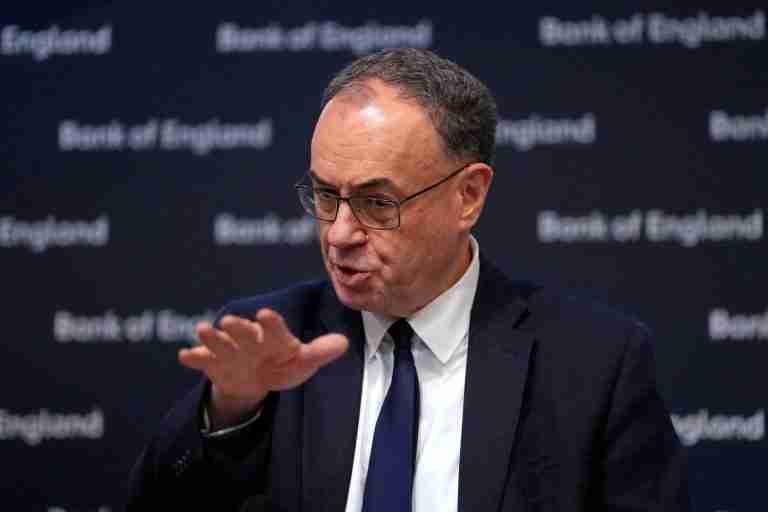
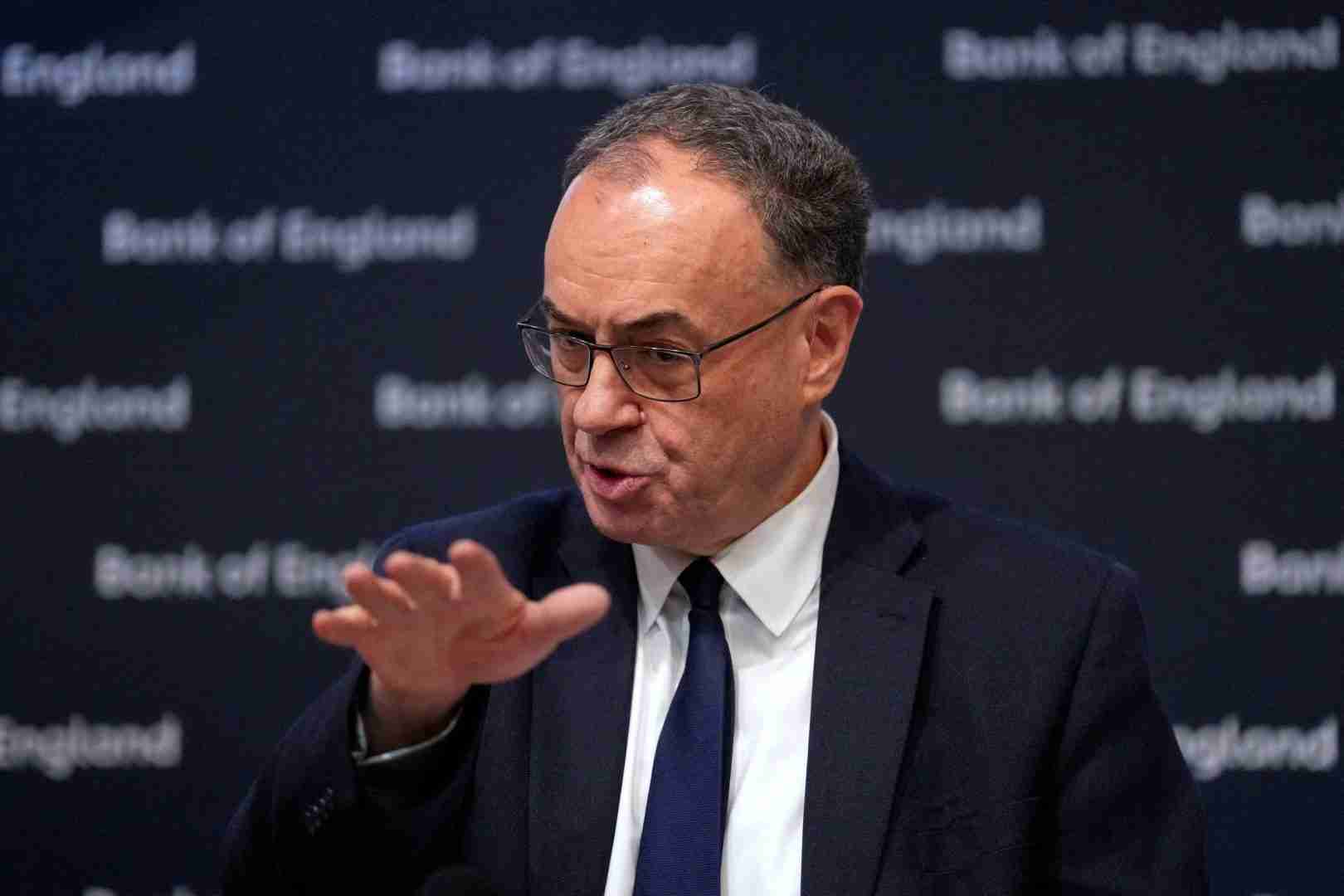
Bailey defends BoE decision to reduce gilt holdings

Writing in The Times, Bailey said the BoE’s past purchases of government debt, known as quantitative easing (QE), had been crucial in supporting the economy during the global financial crisis and the COVID-19 pandemic

International News via Reuters:

Bank of England Governor Andrew Bailey on Sunday defended the central bank’s decision to reduce its holdings of British government bonds, saying the move would restore its capacity to intervene in the future if needed.

Writing in The Times, Bailey said the BoE’s past purchases of government debt, known as quantitative easing (QE), had been crucial in supporting the economy during the global financial crisis and the COVID-19 pandemic. With those crises past, he said it was appropriate to reverse the policy.

“Many of those who now criticise QE were not saying as much at the time,” he wrote.

The central bank is now reducing its stock of gilts through quantitative tightening (QT). Bailey said that the overall cost of the bank’s QE and QT operations is broadly neutral.

Reform UK leader Nigel Farage and Bailey have previously had disagreements centering around the BoE’s handling of bond sales and a lack of businesspeople on its rate-setting Monetary Policy Committee.

In the newspaper article, Bailey pushed back against criticism that selling bonds locks in losses, arguing that whether gilts are sold or held to maturity does not change the overall financial impact.

“Monetary policy and financial stability are important for the people of the UK and it is important that we have the tools to do it right,” he wrote. 

Reporting by Ruchika Khanna in Bengaluru; Editing by Thomas Derpinghaus

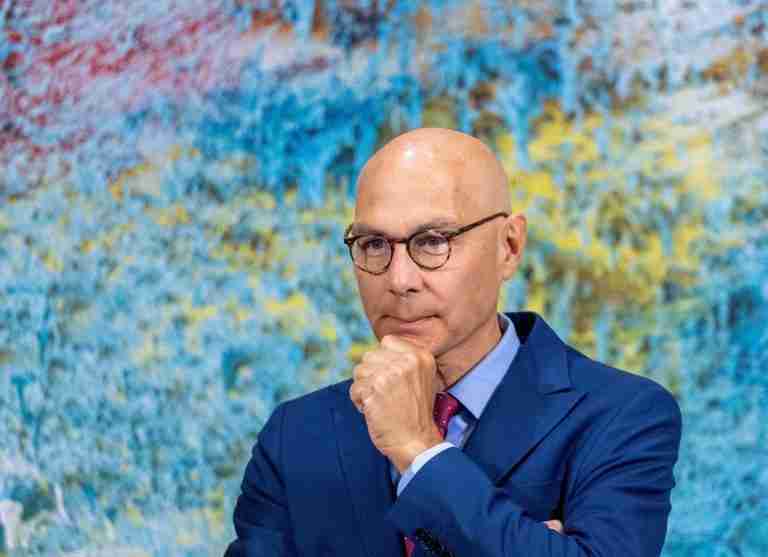
UN human rights chief welcomes US-Iran deal, urges restraint in the region

U.S. and Iranian officials said they had reached an agreement to end their war, a preliminary pact that sent oil prices falling but ​leaves the fate of Tehran’s nuclear program to further negotiations

International News via Reuters:

The United Nations’ human rights chief on Monday welcomed the peace deal between the United States and Iran, urging maximum restraint on all sides so a lasting agreement could be reached.

U.S. and Iranian officials said they had reached an agreement to end their war, a preliminary pact that sent oil prices falling but ​leaves the fate of Tehran’s nuclear program to further negotiations.

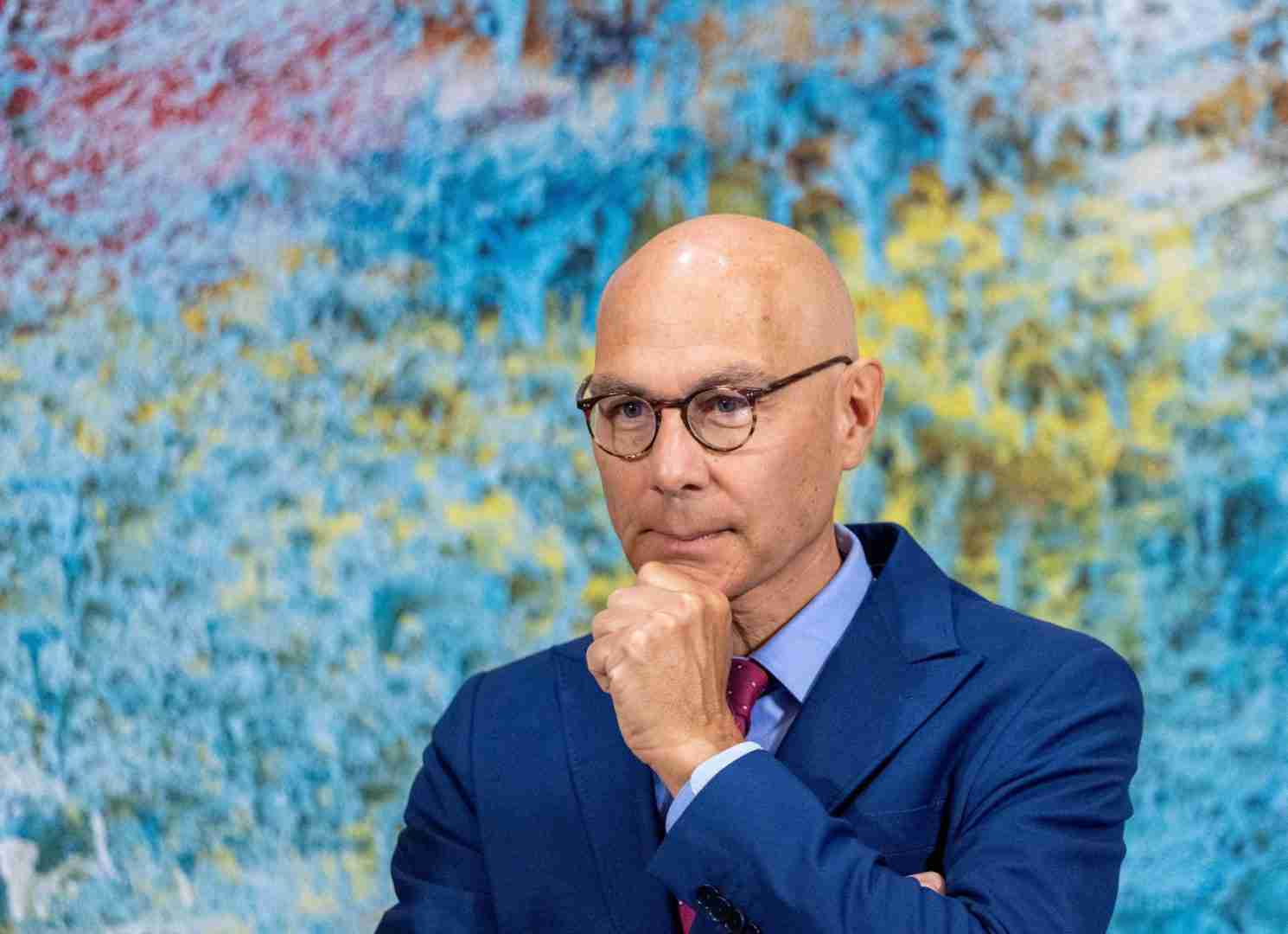
“I welcome the announcement that the United States and Iran have agreed on a peace deal that provides for an immediate and permanent ceasefire, the reopening of the Strait of Hormuz, and a framework for further negotiations,” U.N. rights chief Volker Turk said.

“At this fragile moment it is clear all sides need to exercise maximum restraint and work to implement the agreement reached quickly and in good faith.”

While still a framework, the deal marked the biggest breakthrough towards resolving the conflict that has killed thousands and upended energy markets since it began with joint U.S.-Israeli strikes on Iran in February.

Turk also voiced alarm over Israeli strikes on populated areas and infrastructure in Lebanon, and cross-border attacks by the Iran-backed Hezbollah group. He called for an immediate end to hostilities, Israel’s withdrawal from Lebanese territory and investigations into alleged violations of international law by all parties.

‘APPALLING HUMAN SUFFERING’

Turk gave a wide-ranging assessment on the state of human rights globally in a speech delivered to delegates at the Human Rights Council in Geneva, as the Group of Seven leaders gather in the nearby border commune of Evian in France.

“I encourage G7 leaders meeting across the lake to put human rights at the core of their discussions, as a force for stability and progress,” Turk said.

He warned that the rapid increase of drone warfare in conflicts from Gaza and Lebanon to Myanmar and the Democratic Republic of Congo was creating a “new circle of hell” for civilians. He pointed to a sharp rise in drone attacks in Sudan, underscoring growing concerns about the humanitarian impact of emerging technologies.

“Autonomous weapons cannot become a license for atrocity crimes,” Turk said, urging countries to consider the moral and legal questions of developing such weaponry and to update legal frameworks to require human control and ensure accountability for the use of the technology.

Reporting by Olivia Le Poidevin Editing by Ludwig Burger, Linda Pasquini and Milla Nissi-Prussak

UK stocks edge higher as US-Iran peace deal boosts sentiment

Brent Crude prices fell nearly 5% after officials from Washington and Tehran said they had reached an agreement to end the three-month-long conflict, which would include reopening the Strait of Hormuz, a key global oil shipping route

International News via Reuters:

UK stocks edged higher on Monday as global risk sentiment received a boost after the United States and Iran reached a preliminary peace agreement, sending oil prices lower.

Brent Crude prices fell nearly 5% after officials from Washington and Tehran said they had reached an agreement to end the three-month-long conflict, which would include reopening the Strait of Hormuz, a key global oil shipping route.

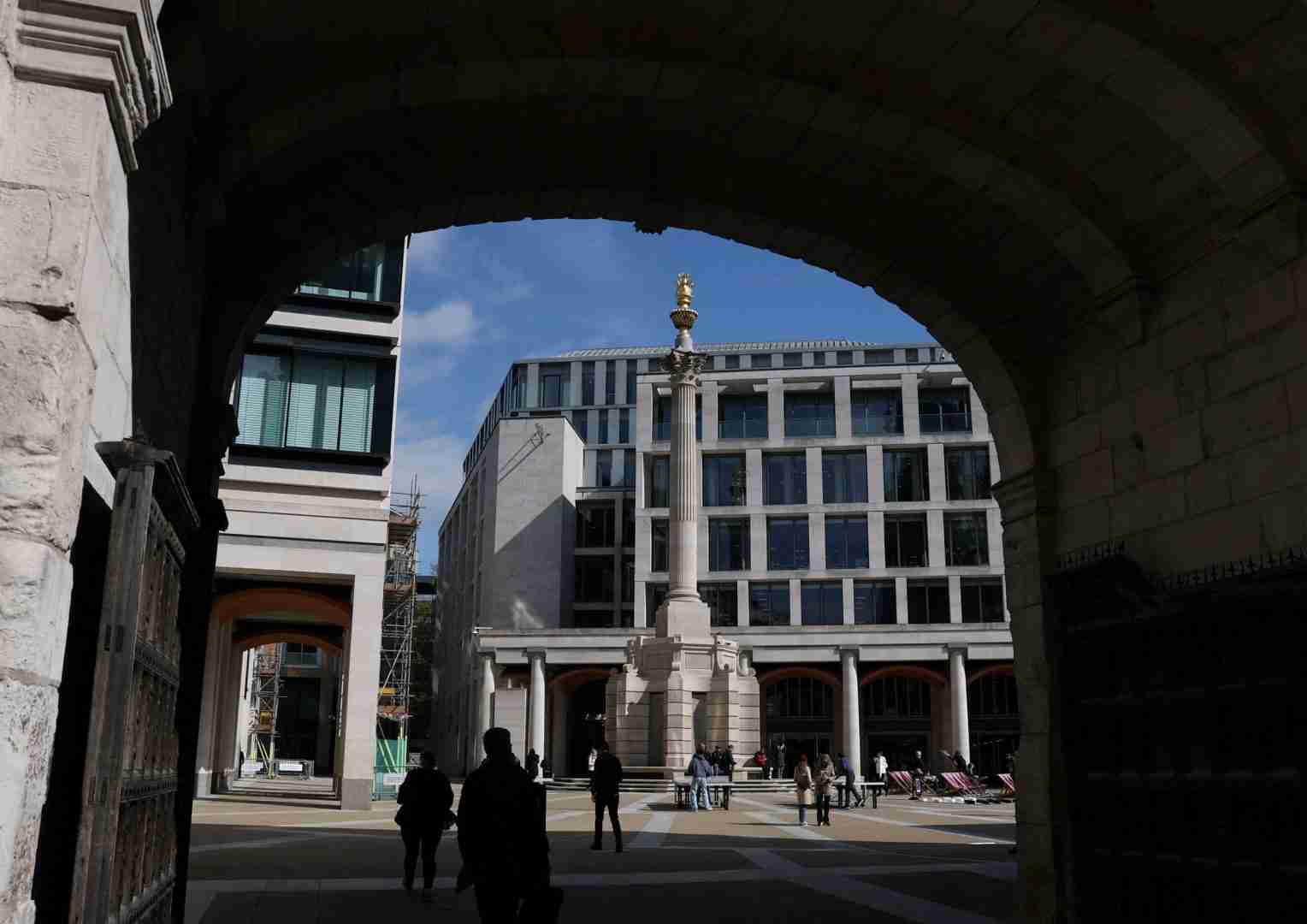
The blue-chip FTSE 100 index rose 0.10% to 10,481.76 points by 10:48 AM GMT, while the midcap FTSE 250 climbed 0.57%.

• Precious metal miners led with a 6.9% jump, tracking extended gains in gold and silver prices. Fresnillo and Hochschild climbed 10.1% and 7.8%, respectively.

• Homebuilders rose 2.2%, with Persimmon and Bellway gaining 3% and 2.6%, respectively.

• Lower oil prices lifted travel & leisure stocks by 1.6%, with Wizz Air climbing the most at 5.6%.

• Oil giants BP and Shell declined 3.4% and 4.3%, respectively, tracking crude prices.

• The Bank of England is expected to hold the interest rate on Thursday, following a 25 bps hike from the European Central Bank last week.

• Bunzl rose 1.4% following a report that activist investor Elliott has taken an almost 5% stake in the supplies distributor.

• Among mid-caps, Frasers Group declined 2% after the sporting goods retailer launched a buyout offer for Australia’s Accent Group.

• Chipmaker IQE jumped 20.9% after signing a deal with Tower Semiconductor for optical connectivity solution.

Reporting by Utkarsh Hathi in Bengaluru; Editing by Vijay Kishore

Sterling nudges higher as US and Iran agree on preliminary deal

Precise terms were not immediately known, and questions remained about the fate of Tehran’s nuclear program, which has been a key issue in negotiations

International News via Reuters:

Sterling inched higher against the U.S. dollar on Monday after the U.S. and Iranian officials said they had reached a preliminary agreement to end their war and reopen the Strait of Hormuz.

The memorandum of understanding is scheduled to be officially signed on Friday in Switzerland. Precise terms were not immediately known, and questions remained about the fate of Tehran’s nuclear program, which has been a key issue in negotiations. 

Oil prices fell on Monday, with Brent crude futures last down around 5.3% to $82.75 per barrel, and demand for riskier assets picked up. Yet, the market reaction to the prospective deal appeared somewhat cautious – the U.S. dollar was last steady on the day against a basket of its major peers at 99.52, hovering around its lowest since June 5.

“FX market participants will heave a sigh of relief and watch for any signs of this deal breaking down,” Kit Juckes, chief FX strategist at Societe Generale, said in a note. 

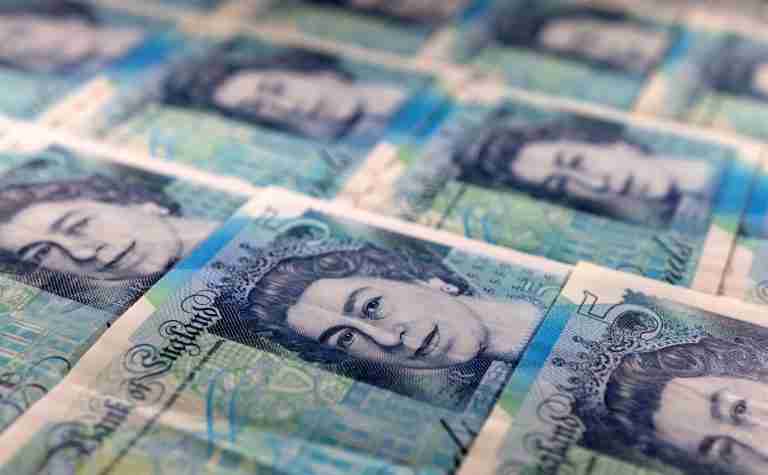
The pound, which is seen as a risk-sensitive currency, was last 0.15% higher against the dollar at $1.3426. The euro was last up 0.22% against the pound at 86.43 pence. 

ECONOMIC DATA

As the week continues, sterling will have a flurry of economic data to contend with – inflation figures, labour market data and retail sales are all due. 

The Bank of England’s latest interest rate decision will meanwhile come Thursday. Policymakers are expected to leave rates unchanged then, but markets will be watching closely for any comments about the potential policy path ahead.

Money markets were last pricing in one quarter-point rate hike from the BoE this year after paring back expectations for tighter policy in recent days. 

Also on Thursday, markets will be following the crucial Makerfield by-election, which could pave the way back to Westminster for Greater Manchester Mayor Andy Burnham, the candidate of the governing Labour Party. A Burnham win could ignite a party leadership battle that might see him replace Prime Minister Keir Starmer. 

Political uncertainty and worries over what a leadership change may mean for UK fiscal policy are widely regarded as a potential risk for sterling. 

“We are still bearish on sterling on the back of the political developments we think are coming in the near term,” Nick Rees, head of macro research at Monex Europe, said, noting that a leadership challenge to Starmer may come quite soon should Burnham win the by-election. 

Reporting by Sophie Kiderlin; Editing by Alison Williams

Iran, US agree to halt war and reopen Hormuz, sending oil prices tumbling

While still a framework, the deal marked the biggest breakthrough towards resolving the conflict that has killed thousands and upended energy markets since it began with joint U.S.-Israeli strikes on Iran in February

International News via Reuters:

The U.S. and Iran said they had agreed terms to end their war and reopen the Strait of Hormuz, news that brought relief to markets although the pact may hinge on an end to hostilities in Lebanon and defers talks on Tehran’s nuclear programme.

While still a framework, the deal marked the biggest breakthrough towards resolving the conflict that has killed thousands and upended energy markets since it began with joint U.S.-Israeli strikes on Iran in February.

“The Deal with the Islamic Republic of Iran is now complete,” U.S. President Donald Trump wrote on his Truth Social platform at around 5:30 p.m. in Washington (2130 GMT) on Sunday. His post came shortly after Pakistani Prime Minister Shehbaz Sharif, whose country has served as a mediator, announced a deal had been struck.

The memorandum of understanding is scheduled to be officially signed on Friday in Switzerland.

The precise terms were not immediately known. Sharif said in a post on X that the pact called for “the immediate and permanent termination of military operations on all fronts, including in Lebanon.”

Leaders of the Group of Seven wealthy nations are due to arrive at a French lakeside resort on Monday, where Trump will be pressed for details.

LEBANON HAS BEEN A STICKING POINT

While the U.S. and Iran had largely ceased hostilities as they engaged in weeks-long negotiations, Lebanon has suffered the deadliest spillover of the conflict. Some 1.2 million people have been uprooted by an Israeli offensive against the Iran-backed group Hezbollah, which opened fire on Israel in support of Tehran on March 2.

Lebanon has been a persistent sticking point in talks, with Israel and Hezbollah ignoring calls from Trump and others to stop their attacks on each other, while Iran made a full ceasefire in Lebanon one of its demands.

The secretariat of Iran’s Supreme National Security Council said war and military operations on all fronts, including Lebanon, would end permanently starting on Monday night.

Iran’s Foreign Minister Abbas Araqchi said there must be a complete halt to Israeli attacks against Lebanon and wrote on Telegram that the U.S. bears responsibility for implementing the framework deal.

Hezbollah has not yet publicly commented on the U.S.-Iran deal, but Lebanese and foreign security sources told Reuters that the group had last fired at Israel before midnight on Sunday night and had not launched operations since then.

The pace of Israeli attacks has decreased dramatically, they added.

Before the memorandum was announced, Trump said he would bring peace to the region, including Lebanon, and that there should be no more Israeli attacks on Lebanon or Hezbollah attacks on Israel.

Israeli Prime Minister Benjamin Netanyahu has yet to respond publicly to the U.S.-Iran agreement.

But Defence Minister Israel Katz said that Israel would oppose any pressure to withdraw its forces from areas it is occupying in southern Lebanon.

STRAIT TO REOPEN

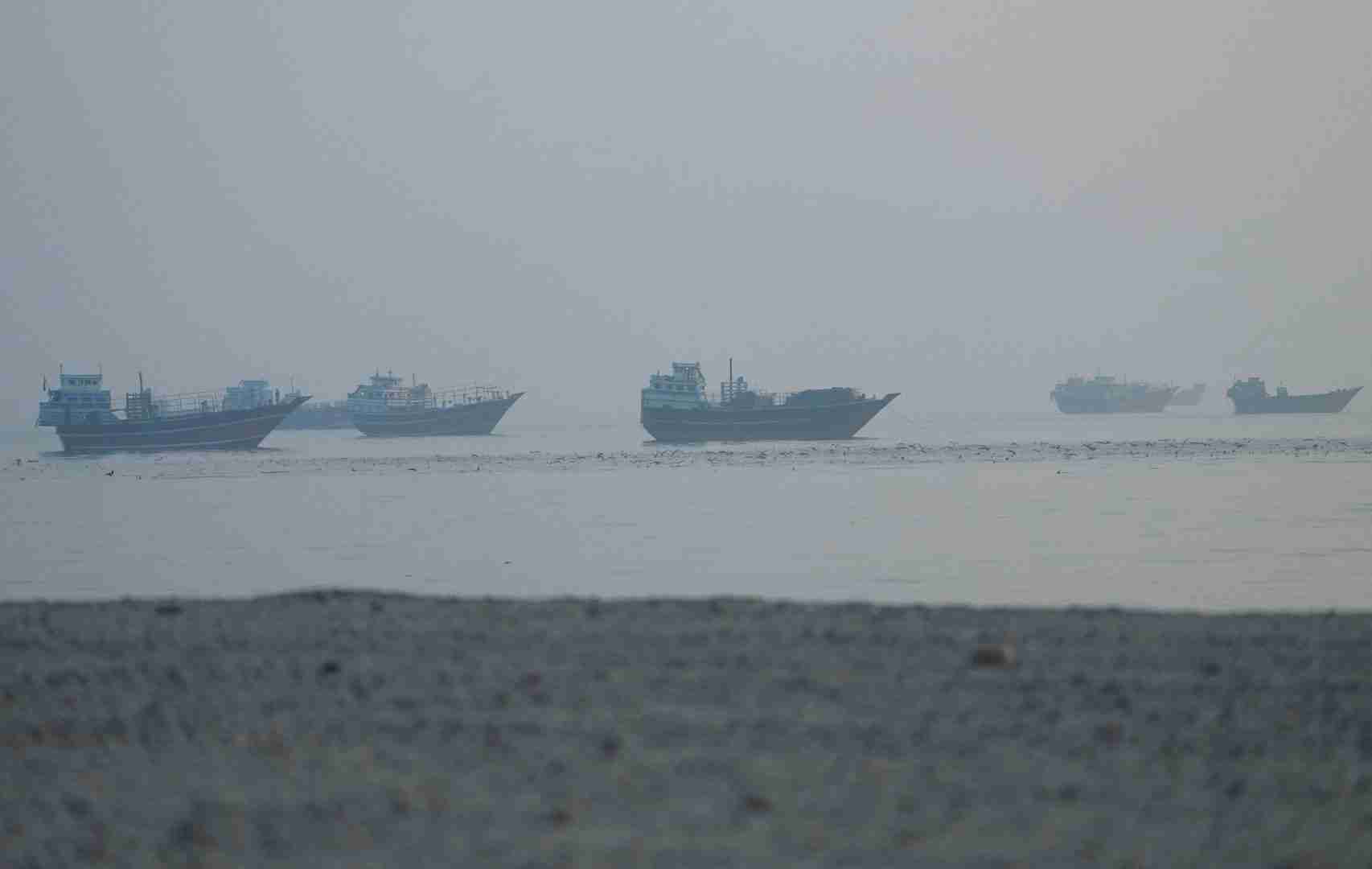
Trump said the Strait of Hormuz, a major shipping route for global oil and gas supplies that Iran has effectively shut down for months, would open on Friday, and that he had ordered the end of the U.S. blockade of Iranian ports.

“Ships of the World, start your engines. Let the oil flow!” Trump wrote.

Oil prices fell on the news, though shippers remained cautious and ensuring the waterway is clear of mines could take weeks. Brent crude futures fell some 5% on Monday while stock markets jumped.

The war has become a political liability at home for Trump and his fellow Republicans in Congress, with Americans deeply frustrated by rising gas prices ahead of November’s midterm elections. But Trump has also faced pressure from members of his own party who insist that Iran’s nuclear program must be completely shut down.

During his first term, Trump withdrew the U.S. from a 2015 multilateral Iran deal, negotiated by Democratic President Barack Obama, that lifted sanctions on Tehran in exchange for limits on its nuclear program and international inspections.

Iran responded by ramping up its enrichment of uranium, producing ​more than 400 kg (around 900 pounds) of material at close to bomb-grade purity.

RELEASE OF FROZEN ASSETS

The agreement was sealed despite an Israeli strike on Lebanon on Sunday that drew criticism from both Iran and Trump.

Iran’s deputy foreign minister, Kazem Gharibabadi, said a more expansive agreement on the wider conflict would be negotiated during a 60-day ceasefire period, including sanctions relief for Iran.

The fate of Tehran’s nuclear program, another thorny issue, will also be addressed in those later talks, sources previously told Reuters. 

Leaders outside the Middle East welcomed the announcement.

In a joint statement, Britain, Germany, France and Italy said they were prepared to lift sanctions on Iran in response to “clear, verifiable steps” to limit its nuclear program.

China also welcomed the deal.

Before the deal was announced, a senior Iranian official told Reuters that, under the terms of the draft, the U.S. would agree to release $25 billion of frozen Iranian assets.

A U.S. official, also speaking before the announcement, said the agreement would ultimately lead to the dismantling of Iran’s nuclear program, with its stockpile of highly enriched uranium to be destroyed and removed. The senior Iranian official said the draft deal would allow Iran, which denies seeking a nuclear bomb, to dilute its enriched uranium inside the country.

Reporting by Reuters bureaus; Writing by Lincoln Feast, Joseph Ax, Alexandra Hudson; Editing by Stephen Coates, Aidan Lewis

Opinion: CARICOM could create new opportunities

Statement by Alexa N. H. Lightbourne, PLP MP & Minister of Home Affairs:

On Sunday, 31 May, the Ministry of Home Affairs closed its consultation on CARICOM. Bermuda, you shared your views, filled Centennial Hall, St James Church Hall, and Penno’s Wharf. Many participated in the survey at togetherforcaricom.gov.bm. You asked about the cost, the timing, and whether membership means open borders. Every concern raised is on the record, and they will be answered as part of the White Paper. It will also carry the consultation summaries, the United Kingdom’s feedback, and the outcomes of meetings held with the CARICOM Secretariat.

Before that White Paper is written, I want to speak plainly. Bermudian to Bermudian.

For most of us, CARICOM is not the issue keeping us awake at night. The cost of living, the price of groceries, healthcare expenses and finding affordable housing are where many are focused.

That reality is what brings us to the conversation about CARICOM.

Not because CARICOM is a solution to every problem, but because responsible leadership requires us to examine every opportunity, every partnership and every tool that might help us build a stronger future for Bermudians.

Let me share a picture I have carried since this consultation began. One afternoon I sat on a beach in St George’s and watched a ferry cross the harbour just as a cruise ship came up the channel. But beside that ship, she looked like what she is: a boat made for a world that ends at the reef line. She never contemplates her own size. She has no reason to, until something larger crosses her bow. Bermuda has sailed her own waters for so long that we have started mistaking the reef line for the horizon. All around us, the region moves at scale: on trade, on climate, on food, on security. This consultation was the crossing.

So, what must we do?

We are standing at a fork in the road, and we can take one of two paths.

One path says Bermuda should continue relying solely on the tools and relationships we have today.

The other says we should carefully examine whether stronger regional partnerships could create new opportunities, strengthen our resilience and better protect Bermudian interests.

That does not mean abandoning who we are.

It means asking whether there is more we can do to strengthen Bermuda’s future.

For most Bermudians, the most important question is simple:

“What does this mean for me and my family?”

That is exactly the right question.

If Bermuda can create stronger partnerships that help ensure seniors receive the care they deserve, that matters.

If a Bermudian student gains access to new educational, training or professional opportunities, that matters.

If a Bermudian entrepreneur gains access to new markets and new customers, that matters.

If stronger regional cooperation helps protect food supplies during global disruptions or improves disaster preparedness during hurricane season, that matters.

They are not guarantees, but they are possibilities that deserve serious consideration.

Let me be clear. Full membership does not mean open borders.

Bermuda keeps control of its borders and its immigration system.

Bermuda decides what is in its own best interest.

Bermuda’s interests will remain Bermuda’s responsibility.

Alongside real benefits and opportunities, this conversation is also about relationships that have shaped Bermuda for generations.

Long before anyone debated CARICOM membership, Bermuda’s story was already connected to the Caribbean.

Men and women from across the region helped build communities, churches, businesses and families that became part of the Bermudian story.

Their influence can still be seen throughout our culture, traditions, food, music and community life today.

When Bermuda explores partnerships with the Caribbean, we are building on relationships that already exist.

And consider the precedent. Bermuda has joined international bodies before. Our regulator helped found the International Association of Insurance Supervisors in 1994, the standard our reinsurance market still runs on. It holds full membership of the International Organisation of Securities Commissions. We have been an associate member of CARICOM since 2003, and rejoined the Caribbean Tourism Organization in 2023. The institutions that built our economy were never put to a referendum, and they did not need to be.

And understand what full membership actually is. It is a policy anchor. It is Bermuda declaring, as a country, who our partners are and who our friends will be. Bermuda already runs deep ties across the region. The question is whether stronger partnerships mean new markets for our businesses, training for our students, healthcare collaboration to keep the professionals we need, and shared disaster preparedness for the storms we all face. We are confirming in policy what our history already wrote: our partners are our family. And our actions should intentionally follow.

Because at its heart, this discussion is not really about CARICOM.

This is a discussion about Bermuda’s future. It asks whether we are prepared to explore every opportunity that could help us build a stronger future for Bermudians.

Any decision we make should be judged against a simple standard:

Does it benefit Bermudians?

Does it strengthen Bermuda? Does it protect our ability to determine our own future?

If the answer to those questions is yes, then we have a responsibility to consider it.

Bermudians have never been afraid to examine new ideas when they believe those ideas can strengthen our country. That is why, sixty-three years ago, Bermudians who believed this island belongs to all of us founded a party and put their purpose in its name. Progressive. Labour. Progress is in our name because progress is the assignment.

Beyond this place of doubt and delay, the future is ours to author. We are the masters of our fate. We are the captains of our soul.

• Alexa Lightbourne is the Minister of Home Affairs and the Member of Parliament for Devonshire North West (Constituency 14)