Norre Robinson and Amara Samuels, two of Bermuda’s promising track and field athletes, delivered standout performances and set new personal bests at the recent Bahamas National Open Championships.
Robinson was in blistering form in the men’s 100m, clocking a new personal best of 10.50 seconds to finish third in his preliminary heat. He then went on to finish fourth in the Second Final with a time of 10.69 seconds. Robinson continued his strong showing in the men’s 200m, where he again set a new personal best, finishing fourth in his heat with a time of 21.44 seconds.
In the women’s 100m, Samuels also impressed, finishing third in her preliminary heat with a time of 12.41 seconds. She then went even faster in the final, crossing the line in 12.25 seconds to secure a fourth-place finish.
The impressive results are a significant boost for both athletes as they continue to compete on the international stage.
The top quarter of expectations for QT in August had fallen to 75 billion pounds from 100 billion pounds in May
International News via Reuters:
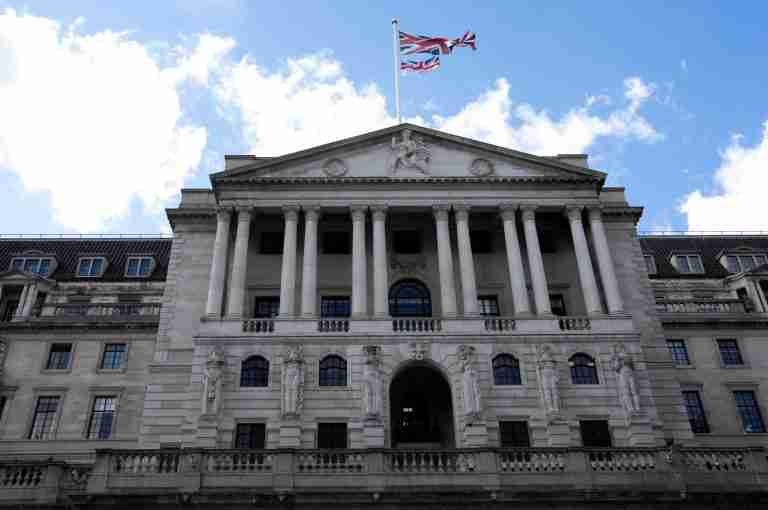
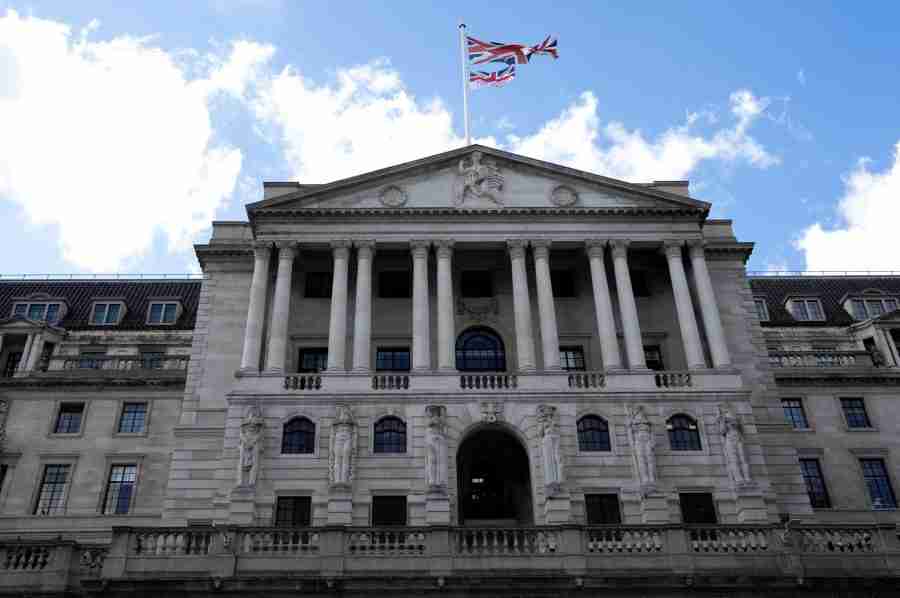
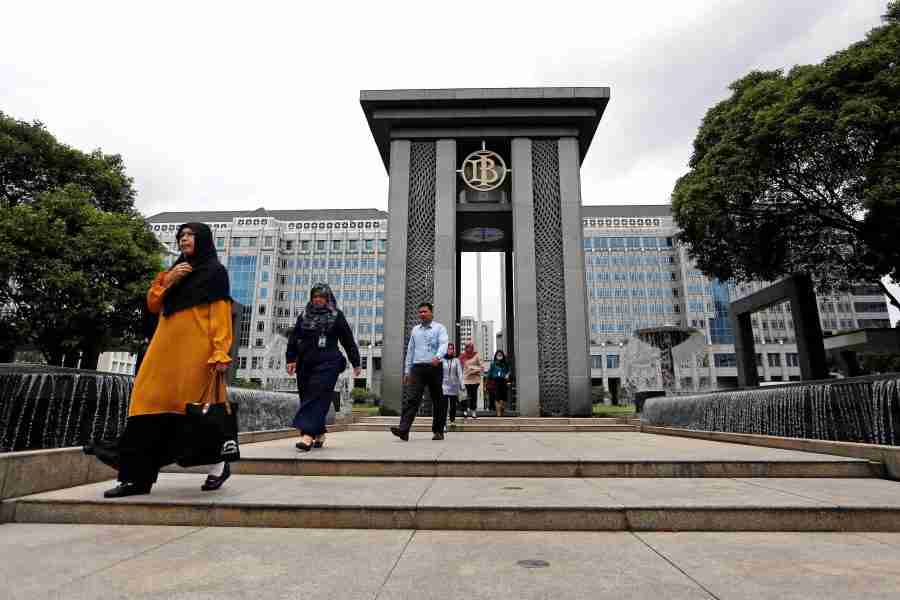
Investor expectations for Bank of England quantitative tightening in the 12 months from October edged lower to a median 72 billion pounds ($97 billion), down from 75 billion pounds in a survey conducted by the central bank in May.
The BoE’s quarterly Market Participants Survey also showed that a much smaller minority of investors expected the BoE to keep up the current 100 billion pounds annual pace of QT into the next year.
The top quarter of expectations for QT in August had fallen to 75 billion pounds from 100 billion pounds in May.
Median expectations for rate cuts were little changed from three months ago. Investors still see the Bank of England steadily cutting Bank Rate to a low of 3.25% by the time of its April 30 meeting next year, down from 4% after Thursday’s rate cut.
($1 = 0.7440 pounds)
Reporting by David Milliken; editing by William James
While he needs to deal with these headwinds, Modi also has to answer opposition charges of vote-rigging in the 2024 general election
International News via Reuters:
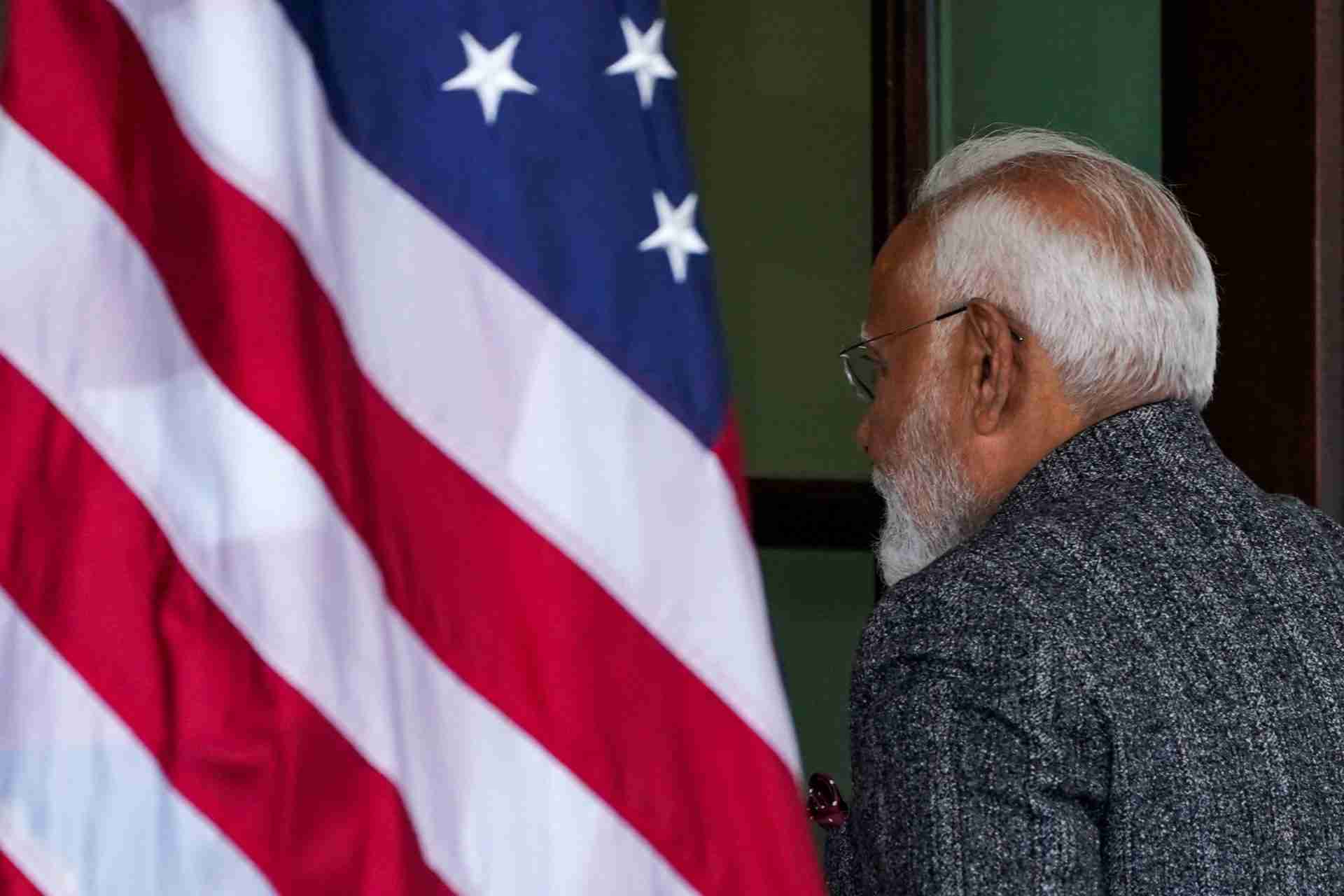
Indian Prime Minister Narendra Modi is navigating one of the most challenging stretches of his 11 years in office. A contentious ceasefire with archenemy Pakistan, renewed scrutiny over his age and a diplomatic chill with the United States despite much-publicised rapport with President Donald Trump have converged to test his leadership like never before.
While he needs to deal with these headwinds, Modi also has to answer opposition charges of vote-rigging in the 2024 general election. The challenges are coming to a head just before a difficult electoral battle in Bihar, one of India’s most politically significant states.
A defeat in the vote to the state assembly would not affect Modi’s position in the national parliament, but it would be a hammer blow to the reputation of a leader who has maintained a vice-like grip on power since he was elected prime minister over a decade ago.
This week, Trump’s administration announced a total 50% tariff on imports from India, among the highest of any country in the world, throwing the bilateral relationship into deep disarray. Yet, until just six months ago, Trump and Modi were exchanging bear hugs and describing each other as close friends.
“The Indo-U.S. relation sort of revolved around the personalities of Donald Trump and Narendra Modi,” New Delhi-based political commentator Arati Jerath said.
“So now when it’s souring, Modi has no buffer at all. There is a fair amount of disappointment that this strong leader has not been able to show the kind of strength and muscularity that he claimed to have.”
Modi, however, has begun to push back. He said on Thursday the country was ready to stand by its farmers at any cost, without referring to the tussle with the U.S. on opening up the agricultural and dairy sectors to lower Trump’s tariffs.
“India will never compromise on the interests of its farmers, livestock rearers and fishermen,” he said at a public event. “And I am fully aware that I may have to pay a very heavy price personally, but I am prepared for it.”
In a social media graphic posted by his party, Modi is shown taking blows on his back from stones, bricks and a dagger depicted as tariffs, while shielding a farmer with a plough on his shoulder.
Analysts say Modi’s comments indicate that the tariff battle with the U.S. would be front and centre of the campaign in Bihar that is likely to kick off next month. According to a recent survey by the VoteVibe agency, Modi’s National Democratic Alliance will struggle to retain power in the state, largely because of a lack of jobs.
However, VoteVibe founder Amitabh Tiwari said any nationalist backlash against Trump is unlikely to sway voters in what he calls a “hyper-local election” in the economically backward state.
“There is no over-arching theme other than unemployment,” Tiwari said.
WORLD’S MOST POPULAR
In other signs of pushback against Trump, Modi is planning to visit China in coming weeks and is likely to meet President Xi Jinping as well as Russia’s Vladimir Putin, suggesting a potential realignment in relations.
Modi also spoke with Brazil’s President Luiz Inacio Lula da Silva on Thursday to discuss the tariffs. The two countries, founding members of the BRICS bloc that Trump has criticised, are the two most affected by the U.S. levies. Russia, China and South Africa are the other founding members.
Modi remains the world’s most popular head of government, with an approval rating exceeding 75%, according to data intelligence firm Morning Consult. Yet, even his core Hindu nationalist base was unsettled by a surprise ceasefire with mainly Muslim Pakistan in May, following the most intense military confrontation between the two old enemies in decades.
The ceasefire sparked controversy at home and abroad. Modi’s government has repeatedly denied Trump’s claims that he leveraged trade negotiations to broker the truce. Trump has since notably strengthened ties with Pakistan, which publicly thanked him for his role in ending the conflict, further complicating India’s diplomatic narrative.
At home, the main opposition Congress party has presented what it says is proof of Modi’s Bharatiya Janata Party (BJP) and the Election Commission “rigging and stealing” the 2024 general election by adding fake people to voter lists.
“There is a huge criminal fraud being perpetrated on this country by the Election Commission and the party in power”, Congress leader Rahul Gandhi told a press conference on Thursday.
The BJP dismissed the allegations as Congress’s frustration at repeated electoral losses: “When Rahul Gandhi can’t cheat his way to power, he calls it a conspiracy,” it said on X.
The Election Commission asked Gandhi to “stop arriving at absurd conclusions and misleading the citizens of India”.
As Modi approaches his 75th birthday next month, his age has also become a topic of discussion, since other BJP leaders were sidelined after they passed the milestone. The BJP however maintains that there is no formal retirement age for its leaders.
All in all, analysts said, Modi faces an onerous task.
“Mr. Modi’s brand value is now diminishing very fast, he needs to reinvent himself,” said Rasheed Kidwai, visiting fellow at the Observer Research Foundation think tank in New Delhi.
“The sheen will come off particularly if he loses the Bihar election. Because in India, elections determine everything.”
Reporting by Krishna N. Das in New Delhi; Editing by Raju Gopalakrishnan
Bermuda’s Women’s National Team is on the path to the 2026 CONCACAF W Championship, with the draw for the 2025/26 CONCACAF W Qualifiers scheduled for Wednesday, August 20. The draw will determine Bermuda’s opponents in the group stage, where they will compete for one of six spots in the W Championship.
Bermuda’s national team has been placed in Pot 1, alongside Trinidad and Tobago, Dominican Republic, Puerto Rico, Guyana, and Cuba. This seeding places them in a strong position, as they will be drawn into a group with one of the six pre-seeded teams: Costa Rica (Group A), Mexico (Group B), Jamaica (Group C), Panama (Group D), Haiti (Group E), and El Salvador (Group F).
The qualifiers will be played across three FIFA Women’s International Match Windows in November 2025, and February and April 2026. Each team will play two home matches and two away matches. The six group winners will advance to the CONCACAF W Championship, which serves as a qualification path to the 2027 FIFA Women’s World Cup and the 2028 Summer Olympic Games.
Fans can watch the official draw live on the CONCACAF YouTube channel on Wednesday, August 20th, at 8:00 p.m. Bermuda Time.
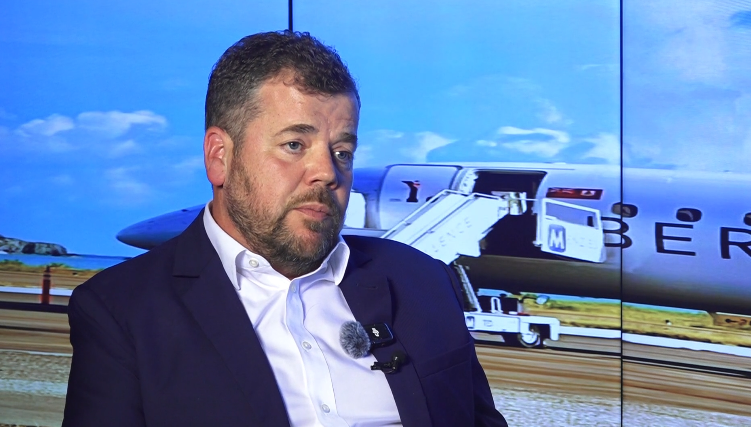
Adam Scott, the CEO and Founder of Bermuda’s flagship airline, BermudAir boasts new plans for the future growth of the company
Flying high and going places.
An upbeat Adam Scott offering an assurance today that his airline, BermudAir, has a bright future.
Logistical issues, he says, are “just a fact of business”.
We asked to sit down with Mr. Scott after some customer complaints and amid a legal tussle with operators of the L.F. Wade International Airport, Skyport.
He told us today that his proudest achievements are…his staff.
The upgrades are part of a wider initiative to modernise playgrounds across Bermuda’s National Park System
Images supplied
Government press release:
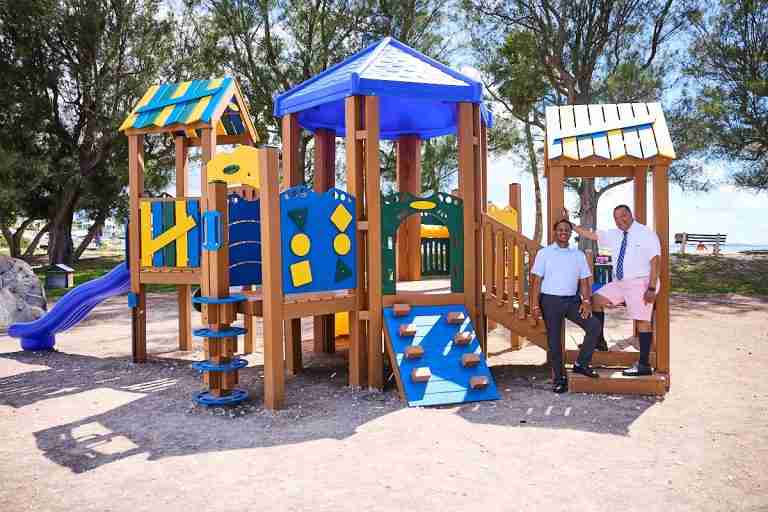
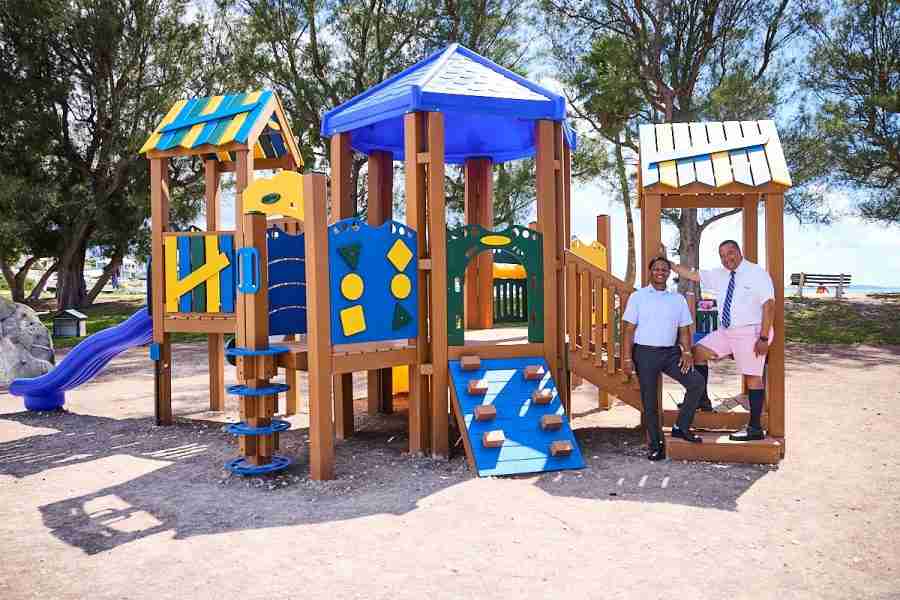
The Ministry of Public Works and Environment is delighted to share that it has made upgrades to the playground facilities at Shelly Bay Beach Park, which includes the installation of a brand-new playground piece.
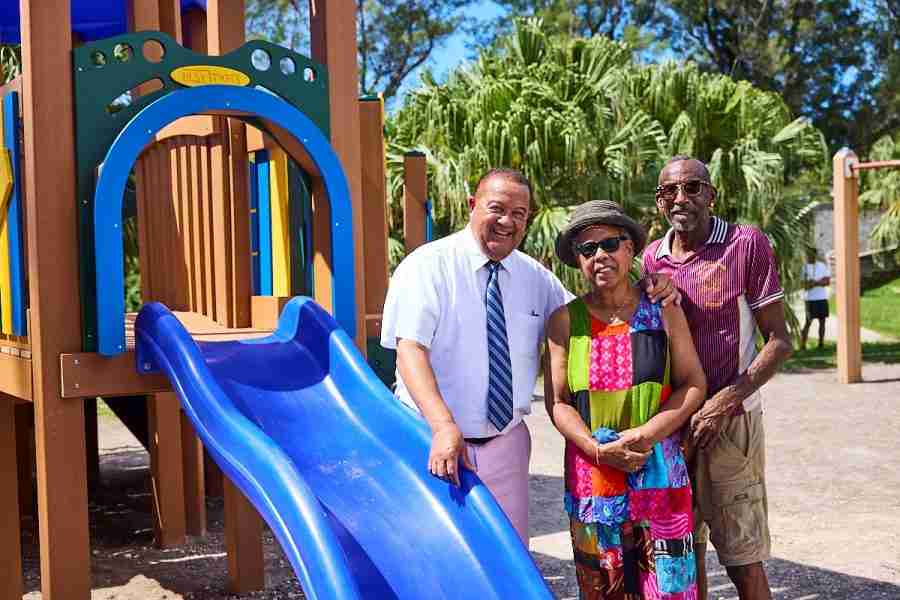
And earlier today, the Minister of Public Works and Environment, the Hon. Jache Adams, alongside Hamilton Parish area MP Wayne Furbert, unveiled the enhancements as part of a broader initiative to enrich recreational spaces for families and children at the park.
The centerpiece of the upgrade is a brand-new playset called Landon’s Lair, designed specifically for children aged 2 to 5. The piece was installed by Horsfield Landscape and Design.
Manufactured by PlayTopia, a trusted supplier of eco-friendly and durable playground equipment, Landon’s Lair supports toddlers’ physical, social, and cognitive development during a critical growth phase.
Today, Minister Adams emphasised the importance of investing in public spaces that foster community and childhood development, saying, “Shelly Bay Park is a beloved destination for families, and these upgrades reflect our commitment to creating safe, engaging, and sustainable environments for our youngest citizens. I’m grateful to Horsfield Landscape and Design as well as members of the Department of Parks for their swift work. I also am grateful to MP Wayne Furbert for his continued advocacy for the Hamilton Parish community.”
MP Wayne Furbert echoed the sentiment, noting the collaborative effort to enhance the area, “This is a wonderful step forward for Shelly Bay and for the families who enjoy this space year-round. I’m pleased to work alongside Minister Adams to ensure our parks remain vibrant and welcoming for all generations.”
Minister Adams notes that there are still additional repairs to be made to the playground space and those works are underway. He noted that all upgrades are part of a wider initiative to modernise playgrounds across Bermuda’s National Park System with equipment that is both visually cohesive and environmentally responsible.
The ministry will offer up to 10,000 euros to individuals and up to 20,000 euros to small firms
International News via Reuters:
Italy has approved new subsidies worth almost 600 million euros ($698 million) for the purchase of electric vehicles as sales lag, the environment and energy ministry said on Friday.
The ministry will offer up to 10,000 euros to individuals and up to 20,000 euros to small firms, covering up to 30% of the total purchase price of a new electric car or commercial vehicle.
The subsidies, financed by European Union’s post-COVID recovery funds, will be restricted to individuals or companies based in larger urban areas with the aim of reducing pollution and improving air quality.
To qualify for the programme, beneficiaries will be required to scrap an internal combustion vehicle of up to the Euro 5 emission class, dating from 2015 or earlier, the ministry said.
EV sales are struggling in Europe, hindered by high prices and lack of charging stations, even as the EU is using regulations in an effort to phase out combustion engine cars to meet carbon emissions goals.
In Italy, battery electric vehicles accounted for only 6% of new car sales in June, compared to more than 15% across the European Union.
Next year, the bloc is due to review its ban on the sale of new petrol and diesel cars from 2035 under pressure from the auto industry and some national governments to slow the transition.
($1 = 0.8596 euros)
Reporting by Alvise Armellini; Editing by Joe Bavier
The news is likely to reassure investors after a series of crises depleted Boeing’s finances
International News via Reuters:
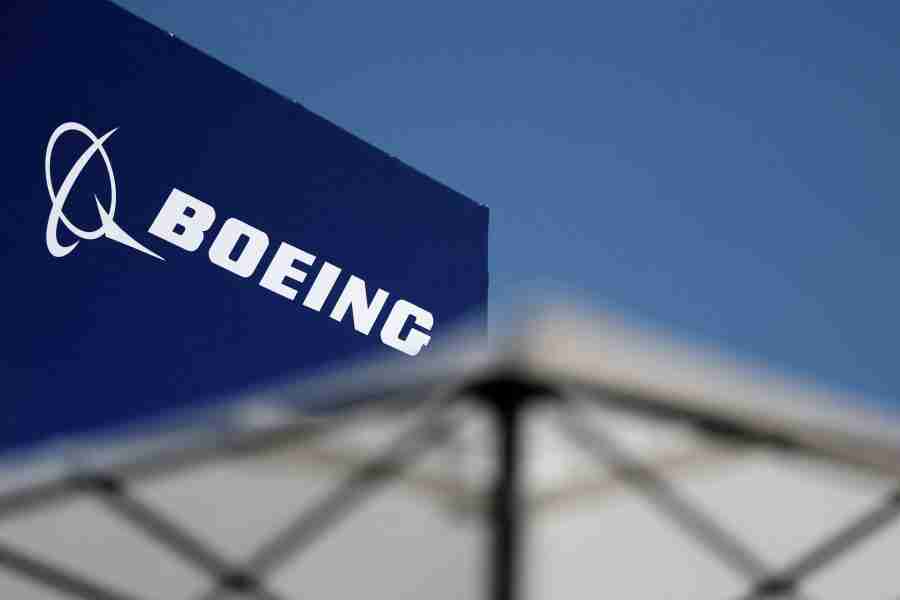
Britain’s competition regulator has cleared Boeing’s planned acquisition of Spirit AeroSystems, it said on Friday, after deciding against an in-depth investigation into whether the deal would be anti-competitive.
The news is likely to reassure investors after a series of crises depleted Boeing’s finances, strained employee morale and damaged public trust.
The planemaker did not immediately respond to a Reuters request for comment. A spokesperson for Spirit said the deal is expected to be closed in the fourth quarter of this year.
The UK’s Competition and Markets Authority did not provide details in its initial statement, but said the investigation would not go to a “phase 2” stage based on available data. The full text of its decision would be published shortly, it said.
Last year, Boeing agreed to buy back Spirit in a $4.7 billion all-stock deal to streamline its operations and improve quality control, years after spinning off the supplier.
The acquisition marked an end to nearly two decades of independence for the world’s largest standalone aerostructures company.
In July, Boeing also agreed to take over a portion of Spirit’s operations in Belfast, Northern Ireland, from Europe’s Airbus, which in April had finalised a deal to buy several of Spirit’s facilities tied to its aircraft programmes.
The watchdog began its initial investigation in June and had a deadline of August 28 for a decision.
Reporting by Pushkala Aripaka, Nithyashree R B and Prerna Bedi in Bengaluru; Editing by Sonia Cheema, Shilpi Majumdar and Barbara Lewis
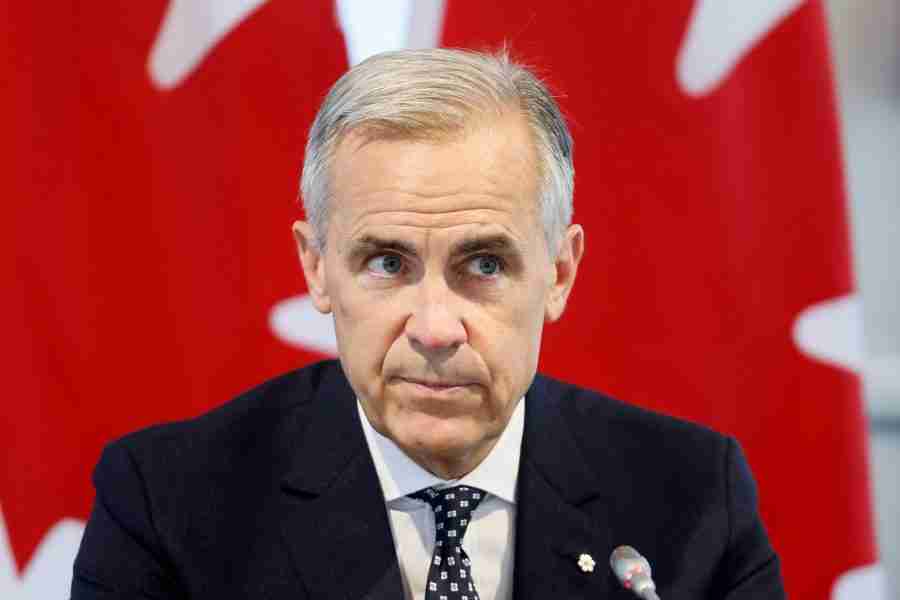
Prime Minister Mark Carney is scrambling to save his country’s relationship with Mexico after it disintegrated late last year when Canadian officials suggested they’d be better off negotiating a trade deal with the Trump administration alone.
Carney attempted to break the ice in a phone call with Mexican President Claudia Sheinbaum in July by complimenting an indigenous-made soccer ball she had gifted him at their last meeting and saying he hoped to visit Mexico soon.
The warm overture, relayed to Reuters by three people familiar with the call, highlights Canada’s attempt to repair the damage after a string of public slights by Canadian officials, including Ontario Premier Doug Ford, who said in November that any comparison of Canada to Mexico was “the most insulting thing I’ve ever heard.”
Mexico and Canada are in many ways natural allies. They’ve benefited from trilateral trade deals with the U.S. for 31 years: first the North American Free Trade Agreement in 1994 and subsequently the U.S.-Mexico-Canada Agreement that replaced it in 2020.
But the relationship between the two countries has been beset by allegations of betrayal on both sides and memories of fraught negotiations with Trump. Top officials virtually stopped talking in November after former Canadian Prime Minister Justin Trudeau mused about cutting a trade deal with the U.S. without Mexico, suggesting the U.S. and Canada were more aligned on issues like China.
A few days later, Trudeau flew to Mar-a-Lago for a surprise visit with U.S. President Donald Trump, stunning Mexican officials. It seemed as if Canada had already developed a strategy for dealing with Trump while Mexico was wringing its hands, one Mexican official said.
An infuriated Sheinbaum directed her lieutenants to stop dealing with the Canadians, at least until Trudeau left office, according to the official, who spoke on condition of anonymity.
Nine months later, Canada finds itself on the back foot with Trump while Mexico is reveling in its relative success. Last week, Trump gave Mexico a 90-day pause on new tariffs going into effect, keeping the rate at 25%, while raising tariffs on Canada to 35%.
Now, in a remarkable about-face, Canadian officials are on a campaign to win back Mexico’s favor and save the trilateral trade deal Trudeau suggested he was willing to ditch, according to two people with knowledge of the countries’ tense relationship.
That treaty continues to shield a large number of Canadian and Mexican exports to the U.S. from Trump’s latest rounds of tariffs.
Carney said on Tuesday that “it’s important to preserve” the trilateral agreement while Canada’s foreign minister and finance minister traveled this week to Mexico for a two-day visit with top officials.
Asked by Reuters whether the purpose of her visit was to repair shattered ties with Mexico, Canadian Foreign Minister Anita Anand said: “It is extremely important for Canada to have a resilient relationship with Mexico, and indeed, I’m here to kick start that relationship.”
Sheinbaum, on X, reiterated that message. “We’re strengthening the relationship between our countries,” she wrote.
A spokesperson for Sheinbaum declined to comment.
‘LOOK IN THE MIRROR’
Whether they repair their partnership and become a tightly-knit bloc in negotiations with the U.S. will have lasting consequences not only for the three countries but the thousands of companies that depend on free trade in the region, from automakers to medical suppliers, three trade analysts said.
“The big question I have is whether there’s a real sense of communication or coordination between Mexico and Canada,” said Kenneth Smith Ramos, a former trade negotiator for Mexico. “I don’t get the sense that is the case. I think both are operating bilaterally with the U.S. and that’s it.”
He said Mexico saved Canada from being ousted from the USMCA treaty when Canadian and U.S. negotiators got into a “severe fight” during negotiations in 2018.
“Mexico insisted that the agreement remain trilateral,” said Smith, who represented Mexico in those negotiations, adding it’s that history that likely made Mexican officials especially bitter when Canada appeared to spurn Mexico to curry favor with Trump.
A Canadian source involved in the 2018 talks sharply disputed that characterization.
“The Mexican team went behind our back and negotiated their own bilateral deal with the U.S. Trump then used that to pressure Canada to make concessions,” said the source, who spoke on condition of anonymity.
The source said the bad blood with Mexico stemming from the 2018 negotiations is part of the reason Canadian officials expressed interest last year in a bilateral deal with the U.S.
“If there are Mexicans who feel Canada betrayed them, they should look in the mirror.”
TRADING BARBS
After Trudeau came away from Mar-a-Lago empty-handed at the beginning of the year, the relationship became openly hostile with him and Trump trading barbs. Sheinbaum, meanwhile, insisted on staying on Trump’s good side, virtually at any cost, according to three people familiar with her strategy.
As the Canadians fell into a deeper rut with Trump, Carney, who replaced Trudeau as prime minister in March, sought to make amends with Mexico by inviting Sheinbaum to attend the Group of 7 summit in Canada.
Sheinbaum delayed accepting for nearly three weeks but eventually assented. Trump left the summit early without meeting Sheinbaum, a development that “worried” Mexico’s president, one of her advisors said.
Carney’s invitation and Sheinbaum’s attendance appeared to be a reset of sorts in the two countries’ relationship, said Pedro Casas, CEO of the American Chamber of Commerce of Mexico. It sent a “clear message” that the two leaders are “in this together,” he said.
The Canadian prime minister extended his good-faith gestures to Sheinbaum during their follow-up phone call in July. He told her that the following day Canada would announce limits on imports of steel produced in other countries in an effort to help the country’s domestic steel sector, which is reeling from Trump’s 50% tariffs.
But Carney assured Sheinbaum that the measure wouldn’t affect imports from Mexico, according to two people with knowledge of their conversation.
Whatever her reservations about Canada, Sheinbaum has made clear she is completely invested in saving the trilateral trade deal with it and the U.S. If the three countries fail to renew the pact next year, the treaty will automatically expire in 2036, creating a potentially disastrous economic blow to Mexico.
U.S. Secretary of Commerce Howard Lutnick has privately raised the idea of ditching the agreement in favor of a bilateral trade deal with Mexico, according to the Mexican official – a scenario the person said Mexico is not keen to pursue.
Secretary Lutnick did not respond to a Reuters request for comment. The White House did not respond to a request for comment.
“Mexico knows very well that if we try to go head-to-head, toe-to-toe with Washington the asymmetry in the negotiations is going to favor the U.S,” said former Mexican trade negotiator Juan Carlos Baker. “It’s always better to have a three-player game.”
Reporting by Emily Green, David Ljunggren and Stephen Eisenhammer. Editing by Christian Plumb and Michael Learmonth
The moves were driven by policy makers in Turkey returning to easing with a 300-bp cut and Russia’s central bank pegging the benchmark 200 bps lower
International News via Reuters:
Emerging market central banks implemented their largest rate-cutting push in years in July, while their developed market counterparts held steady as uncertainty over U.S. trade and tariff policies reverberated across global economies.
Seven central banks from a Reuters sample of 18 developing economies delivered 625 basis points (bps) of cuts – the highest monthly cut since at least 2022 – in July, data showed.
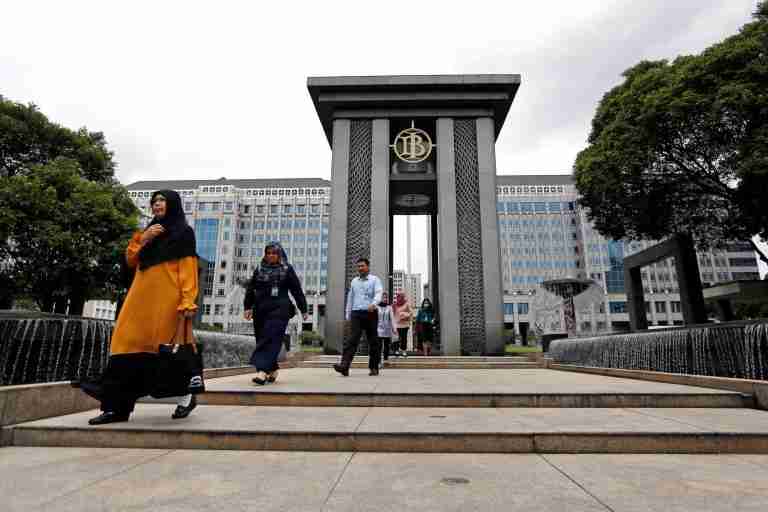
The moves were driven by policy makers in Turkey returning to easing with a 300-bp cut and Russia’s central bank pegging the benchmark 200 bps lower. Central banks in Indonesia, South Africa, Malaysia, Poland and Chile all reduced rates by 25 bps each in July, while another six opted for no change.
Across developing economies, idiosyncratic stories were dominating, said Roger Mark, analyst in the fixed income team at Ninety One.
“We’ve got South Africa targeting a new inflation target. We’ve got Turkey, where the focus is all about trying to keep the lira stable,” said Mark.
“It does vary a lot by country and we’re seeing divergence in inflation, and divergence to an extent in the sensitivity to what’s happening in the U.S. and the ECB,” he said, adding for developed economies’ central banks it was more a degree of “wait and see.”
Meanwhile, the picture looked less dynamic in developed economies, with policy makers warning of uncertainty ahead
and growth and inflation trajectories in flux.
All six of the central banks overseeing the 10 most heavily traded currencies that held meetings in July kept rates on hold – namely Australia, New Zealand, Japan, the ECB, Canada and the United States Federal Reserve. Sweden, Switzerland, Norway and the Bank of England did not hold rate-setting meetings last month.
Policy makers were sifting through the impact from the U.S. trade policy with a raft of deadlines and announcements having come out in recent days and more deadlines ahead.
While August tends to be quiet on the monetary policy front, September is expected to bring more moves from major central banks, such as the Fed.
“The developed market monetary-easing cycle hasn’t been entirely synchronised, and there are some central banks that have fallen behind,” said Dario Perkins at TS Lombard.
“Current market pricing suggests these central banks (the Fed, the BoE etc.) will catch up in 2026.”
The year-to-date tally across G10 central banks on rate cuts is 500 bps across 19 moves, while on hikes there was just one 25 bps move by the Bank of Japan.
Across emerging economies, year-to-date rate cuts stood at 1,910 bps across 32 moves while rate rises tallied up to 625 bps through four hikes in Brazil and one in Turkey.
Reporting by Karin Strohecker and Sumanta Sen, editing by Harikrishnan Nair
Both the blue-chip FTSE 100 and the domestically focused midcap FTSE 250 index slipped 0.1%
International News via Reuters:
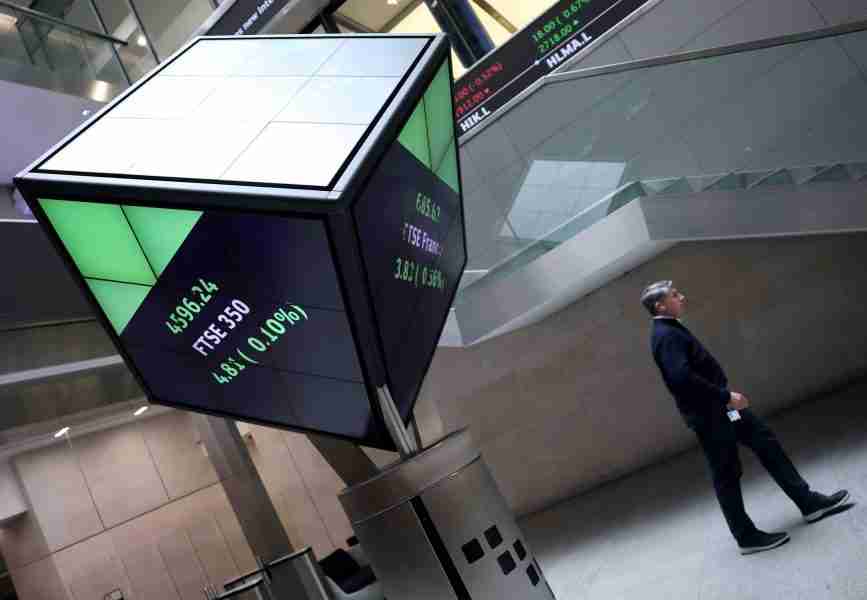
British stocks edged lower on Friday, following the previous session’s decline after a Bank of England rate decision stirred inflation concerns, while investors assessed U.S. President Donald Trump’s interim pick for Federal Reserve governor.
Both the blue-chip FTSE 100 and the domestically focused midcap FTSE 250 index slipped 0.1% as of 0915 GMT. But both indices were on track for a weekly gain.
Investors this week weighed a slew of strong corporate earnings that helped British equities recover from last Friday’s steepest drop in nearly four months.
However, sentiment remained fragile following the BoE’s split rate decision, where four of nine policymakers voted to hold rates steady amid persistent inflation concerns – signaling that the central bank’s rate-cutting cycle may be nearing its end.
Meanwhile, expectations for rate cuts in the U.S. solidified after Trump said he will nominate Council of Economic Advisers Chairman Stephen Miran to fill a vacant seat at the Federal Reserve for a few months, as the White House continues its search for a successor to Fed Chair Jerome Powell, whose term ends on May 15, 2026.
The market is weighing the possibility that by appointing Miran to the Fed, even temporarily, may be a potential move by Trump to exert greater influence over monetary policy, aligning with his long-standing push for lower interest rates.
On the day, precious and industrial metal miners were the leading sectoral gainers, up between 1.5% and 1.1%, tracking higher gold and copper prices, respectively. [GOL/] [MET/L]
Miners such as Glencore and Fresnillo were among the top percentage gainers on FTSE 100, up 2.5% and 3.2% respectively.
London-listed shares of Georgia’s TBC Bank fell the most in the FTSE 250, down 11%, after the lender reported its half-year results.
Heading into the weekend, most of the firms pared back gains from earlier in the week, led by declines in chemical and travel & leisure stocks, which fell 1.4% and 1.2%, respectively.
Reporting by Sanchayaita Roy in Bengaluru; Editing by Maju Samuel
To provide the best experiences, we use technologies like cookies to store and/or access device information. Consenting to these technologies will allow us to process data such as browsing behavior or unique IDs on this site. Not consenting or withdrawing consent, may adversely affect certain features and functions.
Functional
Always active
The technical storage or access is strictly necessary for the legitimate purpose of enabling the use of a specific service explicitly requested by the subscriber or user, or for the sole purpose of carrying out the transmission of a communication over an electronic communications network.
Preferences
The technical storage or access is necessary for the legitimate purpose of storing preferences that are not requested by the subscriber or user.
Statistics
The technical storage or access that is used exclusively for statistical purposes.The technical storage or access that is used exclusively for anonymous statistical purposes. Without a subpoena, voluntary compliance on the part of your Internet Service Provider, or additional records from a third party, information stored or retrieved for this purpose alone cannot usually be used to identify you.
Marketing
The technical storage or access is required to create user profiles to send advertising, or to track the user on a website or across several websites for similar marketing purposes.