Thursday, October 29, 2026
Home Blog Page 845

Climate, gender in focus for World Bank in aid-reliant Pacific Islands

Six Pacific Island countries are at high risk of debt distress, the bank says

International News via Reuters:

The World Bank has maintained its focus on climate change and gender equality issues in the Pacific, managing director of operations Anna Bjerde said on a visit to Australia, even as its largest shareholder the United States reduces aid in those areas.

After meeting Pacific Islands economic ministers in Fiji, Bjerde said countries in the region continued to worry about being exposed to the accelerating effects of climate change, and had grave concerns about food security and rising debt levels.

Six Pacific Island countries are at high risk of debt distress, the bank says.

The World Bank is moving a regional vice president from Washington to Singapore, and will move directors from Australia to Fiji and Papua New Guinea, to be closer to a $3.4 billion Pacific aid programme that has grown seven-fold in 10-15 years, she said in an interview on Monday.

“We are committed to designing projects that really take into account the vulnerabilities of countries we work in. In this part of the world, countries are vulnerable to the impact of climate change,” she said.

“We haven’t really changed our language around that,” she added.

Pacific road projects designed to be flood-resilient provide better infrastructure that can withstand the changing climate and also be counted in climate finance programmes, Bjerde said.

The World Bank was focussed on boosting women’s workforce participation to help lift the region’s economic growth, she said, after meeting women leaders in Fiji who highlighted the need for childcare so women can work.

On Monday, Bjerde also met officials from the Australian government, the largest bilateral donor to the region.

Under reforms introduced last year by its president Ajay Banga, the World Bank has started to roll out region-wide programmes to have a bigger impact among Pacific countries with small populations.

Eight countries have joined an arrangement that stops small island states being cut off from the international financial system, while a health programme targeting non-communicable disease will potentially reach 2 million people across the Pacific Ocean and train 16,000 health workers.

A trade programme is also being designed to give access to goods faster and more cheaply, she said.

Banga will attend the region’s annual leaders’ meeting, the Pacific Islands Forum, for the first time in September.

Reporting by Kirsty Needham in Sydney; Editing by Kate Mayberry and David Holmes

Europe reacts with mix of relief and concern to US trade deal

The agreement, announced on Sunday between two economies that account for almost a third of global trade

International News via Reuters:

European governments and companies reacted with both relief and concern on Monday to the framework trade deal struck with U.S. President Donald Trump, acknowledging what was seen as an unbalanced deal but one that avoided a deeper trade war.

The agreement, announced on Sunday between two economies that account for almost a third of global trade, will see the U.S. impose a 15% import tariff on most EU goods – half the threatened rate but much more than what Europeans hoped for.

Many of the specifics of the deal were not immediately known, however.

“As we await full details of the new EU–U.S. trade agreement, one thing is clear: this is a moment of relief but not of celebration,” Belgian Prime Minister Bart De Wever wrote on X. “Tariffs will increase in several areas and some key questions remain unresolved.”

Trump said the deal, including an investment pledge topping the $550 billion deal signed with Japan last week, would expand ties between the trans-Atlantic powers after years of what he called unfair treatment of U.S. exporters.

It will bring clarity for European makers of cars, planes and chemicals. But the EU had initially hoped for a zero-for-zero tariff deal. And the 15% baseline tariff, while an improvement on the threatened rate of 30%, compares to an average U.S. import tariff rate of around 2.5% last year before Trump’s return to the White House.

European Commission chief Von der Leyen, describing Trump as a tough negotiator, told reporters on Sunday that it was “the best we could get”.

European stocks opened up on Monday, with the STOXX 600 at a four-month high and all other major bourses also in the green. Tech and healthcare stocks led the way.

“The 15% rate is better than the market was fearing,” said Jefferies economist Mohit Kumar.

German Chancellor Friedrich Merz welcomed the deal, saying it averted a trade conflict that would have hit Germany’s export-driven economy and its large auto sector hard.

MORE CLARITY, BUT ‘NOT THE END OF THE STORY’

French government ministers said on Monday that the deal had some merits – such as exemptions they hoped to see for some key French business sectors such as spirits – but was nevertheless not balanced.

Industry minister Marc Ferracci stressed more talks – potentially lasting weeks or months – would be needed before the deal could be formally concluded.

“This is not the end of the story,” he told RTL radio.

European companies, meanwhile, were left wondering whether to cheer or lament the accord.

“Those who expect a hurricane are grateful for a storm,” said Wolfgang Große Entrup, head of the German Chemical Industry Association VCI.

“Further escalation has been avoided. Nevertheless, the price is high for both sides. European exports are losing competitiveness. U.S. customers are paying the tariffs,” he said.

Stellantis shares were up 3.5% and car parts maker Valeo jumped 4.7% while German pharma group Merck KGaA rose 2.9%, in a sign of relief for those sectors.

Among the many questions that remain to be answered, however, is how the EU’s promise to invest hundreds of billions of dollars in the U.S. and steeply increase energy purchases can be turned into reality.

It was not immediately clear if specific pledges of increased investments were made or whether the details still must be hammered out.

And while the EU pledged to make $750 billion in strategic purchases over the next three years, including oil, liquefied natural gas (LNG) and nuclear fuel, the U.S. will struggle to produce enough to meet that demand.

While U.S. LNG production capacity is due to almost double over the next four years it will still not be enough to ramp up supplies to Europe, and oil production is expected to be lower than previously forecast this year.

Despite the lingering unknowns, analysts stressed the deal still helped decrease uncertainty. Oil prices rose on Monday, as did the euro.

“Now that there is more clarity, you would think that not only in the United States, but around the globe, there will be a little bit more willingness to look at investment, to look at expansions, and to look at where the opportunities are,” said Rodrigo Catril, senior currency strategist at National Australia Bank.

Reporting by Phil Blenkinsop, Sudip Kar-Gupta, Adam Jourdan; Writing by Ingrid Melander; Editing by Joe Bavier

Spanish oil company Moeve’s profit falls on blackout impact

Its net income dropped to 324 million euros ($378 million)

International News via Reuters:

Spain’s second-largest oil refiner Moeve, formerly known as Cepsa, said on Monday its net profit fell 19% in the first half of the year mainly due to the impact of a massive power blackout in April in Spain and Portugal on its refineries.

Its net income dropped to 324 million euros ($378 million), while earnings before interest, taxes, amortisation and depreciation fell 33% from a year ago to 733 million euros ($855.92 million).

The company attributed the core profit’s decline mainly to the cost of halting and restarting its two oil refineries during and after the April 28 blackout. It can take one or two weeks for such plants to be fully operational after shutdowns.

The Moeve refineries also halted for scheduled maintenance during the first six months of this year, which further reduced utilisation ratios.

The company did not release an estimate of the cost of the outage, though rival Repsol, which operates five refineries in Spain, said the blackout and other smaller power-supply issues cost it 175 million euros in the second quarter.

Owned by Abu Dhabi fund Mubadala and U.S.-based private equity firm the Carlyle Group, Moeve rebranded last year to reflect its shift towards low-carbon businesses under an 8-billion-euro plan. It has sold 70% of its oil production assets since 2022, including operations in Abu Dhabi and South America.

($1 = 0.8564 euros)

($1 = 0.8570 euros)

Reporting by Inti Landauro

Dollar stablecoins threaten Europe’s monetary autonomy, ECB blog argues

Stablecoins, crypto assets pegged to a currency such as the dollar, have gained popularity in recent years

International News via Reuters:

The dollar’s early dominance of stablecoins gives the U.S. an advantage that could ultimately push up borrowing costs for Europe, reduce the ECB’s autonomy and increase geopolitical dependency on the U.S., an ECB blog post argued on Monday.

Stablecoins, crypto assets pegged to a currency such as the dollar, have gained popularity in recent years and got a big boost earlier this month when U.S. President Donald Trump signed a law to create a regulatory regime, aimed at cementing the dollar’s status as the global reserve currency.

“Such dominance of the U.S. dollar would provide the United States with strategic and economic advantages, allowing it to finance its debt more cheaply while exerting global influence,” ECB adviser Jürgen Schaaf said in a post that does not necessarily reflect the ECB’s own views.

“For Europe, this would mean higher financing costs relative to the United States, reduced monetary policy autonomy and geopolitical dependency,” he added.

If dollar-based stablecoins become widely used in the euro area, for payments, savings or settlement, the ECB’s control over monetary conditions could be weakened, Schaaf argued.

Dollar-pegged stablecoins issued by Tether and Circle have dominated the global market and the share of euro-denominated stablecoins remains marginal, with market capitalisation of less than 350 million euros, the blog post said.

Europe should thus act quickly, creating the digital version of its euro currency, a project, that is being held up by legislative delays, and should foster the creation of more euro-based stablecoins.

The EU should also foster the use of distributed ledger technology to speed up cheap cross-border payments, the blog argued.

“Finally, stronger global coordination on stablecoin regulation is pivotal,” the blog said. “If we forgo a common approach, we risk fuelling instability, regulatory arbitrage and global U.S. dollar dominance.”

Reporting by Balazs Koranyi, Editing by Louise Heavens

UK retail downturn stretches into 10th month, CBI says

A measure of expected sales for August rose to -31 from -49, the CBI said

International News via Reuters:

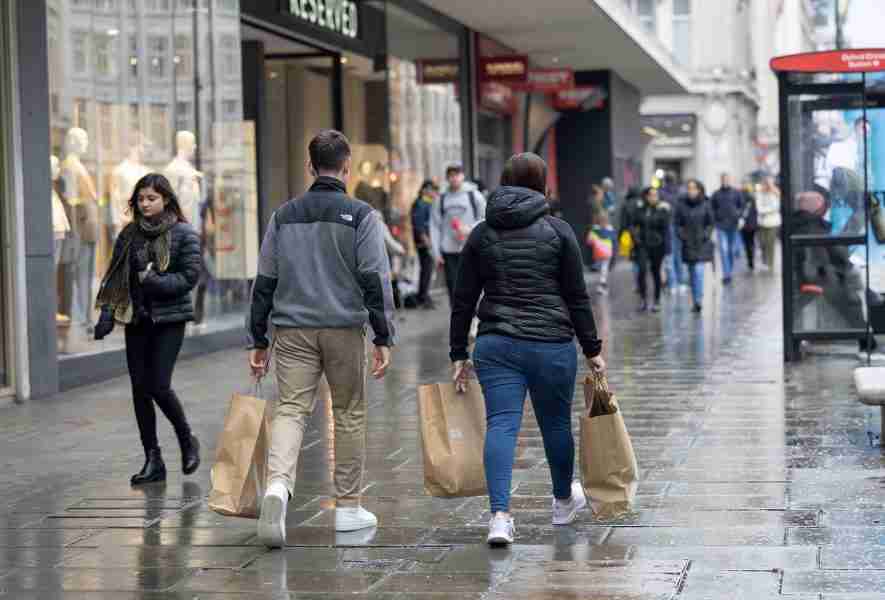
A downturn in British retail sales extended into its 10th month in July as rising prices weighed on consumers, although the pace of the fall was less severe than in June, a Confederation of British Industry survey showed on Monday.

The CBI’s monthly gauge of how retail sales compared with a year earlier stood at -34 this month, an improvement on June’s -46 but still a sign of weakness in demand.

A measure of expected sales for August rose to -31 from -49, the CBI said.

“Firms reported that elevated price pressures – driven by rising labour costs – and economic uncertainty continue to weigh on household demand, which has contributed to sales volumes falling since October 2024,” Martin Sartorius, principal economist at the CBI said.

Employers groups have said finance minister Rachel Reeves’ decision to increase the social security contributions they pay for their staff, as well as an increase in the minimum wage, is contributing to higher prices.

Weak demand was mirrored across the distribution sector, with wholesale and motor trades also seeing declining sales, Sartorius said.

Official data published last week showed British consumers shopped more in June after May’s big fall with hot weather helping to increase sales of drinks, clothes and car fuel.

However, in the three months to June, sales volumes rose by 0.2%, the weakest increase since the three months to February.

Many households are feeling the squeeze again from an inflation rate that rose to 3.6% in June.

While the CBI’s overall sales gauge remained in negative territory, online sales volume rose for a third month in a row, albeit marginally.

The data was collected between June 27 and July 15 and was based on responses from 56 retailers and 91 wholesalers.

Writing by William SchombergEditing by William James

UK stocks edge higher as investors assess US-EU deal

The internationally oriented FTSE 100 rose 0.1% as of 0926 GMT

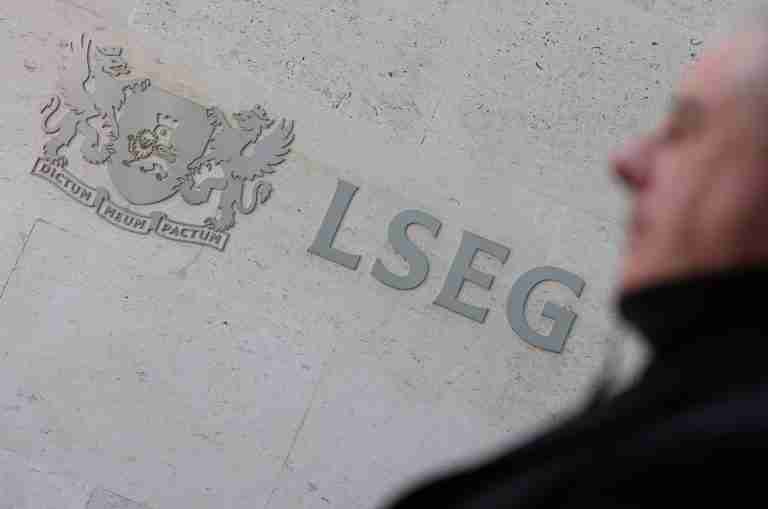
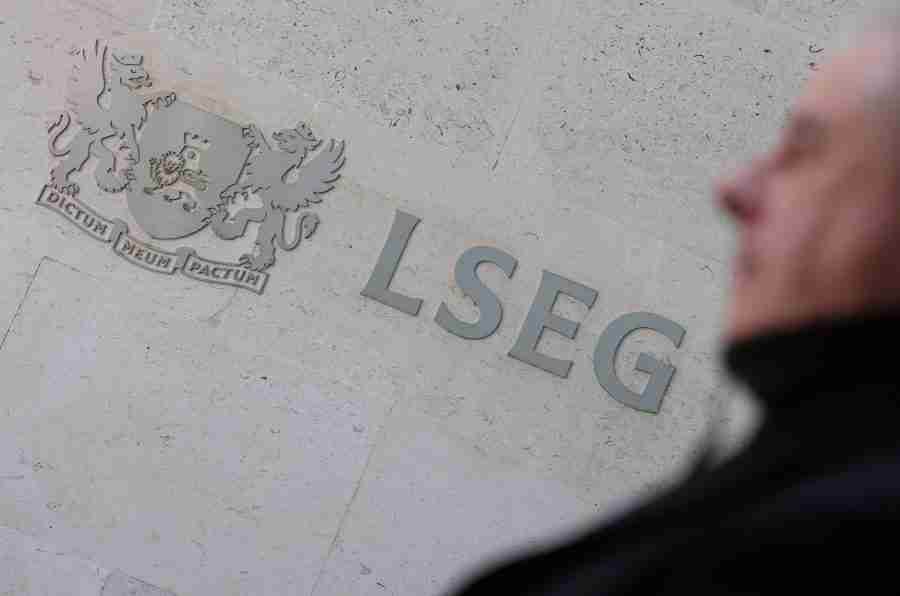
Signage is seen outside the LSEG (London Stock Exchange Group) headquarters in Paternoster Square, London, Britain, April 25, 2025. REUTERS/Toby Melville/File Photo

International News via Reuters:

London’s main stock indexes inched higher on Monday as investors assessed a trade deal between the United States and the European Union.

The internationally oriented FTSE 100 rose 0.1% as of 0926 GMT, while the midcap FTSE 250 index was up 0.3%.

The U.S. struck a framework trade agreement with the EU on Sunday, which imposes a 15% tariff on most EU goods and requires the bloc to invest around $600 billion in the U.S.

British Prime Minister Keir Starmer will meet U.S. President Donald Trump in Scotland on Monday for talks ranging from their recent bilateral trade deal to the worsening hunger crisis in Gaza.

Automobiles and parts stocks led the sectoral gains, up 1.1%. The real estate sector advanced 0.8%, with Rightmove up 2.3% and Segro rising 1.1%.

On the flip side, industrial miners led the sectoral declines, down 0.9%, tracking lower metal prices. [MET/L]

Miners Glencore lost 1.4% and Rio Tinto fell 1%.

In company news, GSK rose 1.3% after the drugmaker and China’s Jiangsu Hengrui Pharmaceuticals agreed on a $500 million deal to develop up to a dozen new medicines, including a promising candidate for a chronic lung condition.

Ocean Wilsons Holdings lost 10.6%, top loser on the mid-cap FTSE 250 index, after the investment holding company and Hansa Investment agreed to an all-share merger to create a diversified investment firm with more than 900 million pounds ($1.21 billion) in net assets.

Meanwhile, the Bank of England is expected to slow the pace soon at which it shrinks its 558 billion-pound ($754 billion) holdings of government bonds, with economists hoping for some clarity next week on the central bank’s longer-term goals for the stockpile.

Traders are currently pricing in an 86.5% chance of a 25 basis point BoE cut on August 7, according to data compiled by LSEG.

Reporting by Sukriti Gupta in Bengaluru; Editing by Shinjini Ganguli

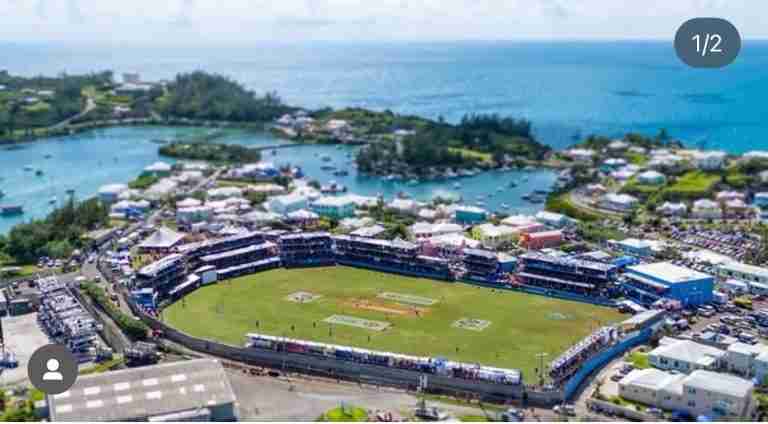
2025 Cup Match Teams Announced

5 Colts selected for the 2025 edition of the Classic

Jeju Air jet still had a working engine when it crashed, investigation update says

No reason for the crew’s actions was given and the probe is expected to last months

International News via Reuters:

A Jeju Air plane that crashed in December during an emergency landing after a bird strike could have kept flying on the damaged engine that was still working after pilots shut down the other one, according to an update from South Korean investigators.

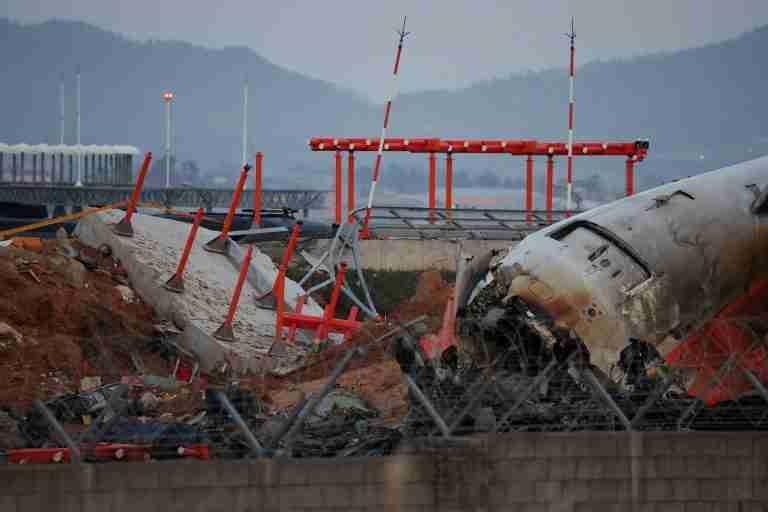
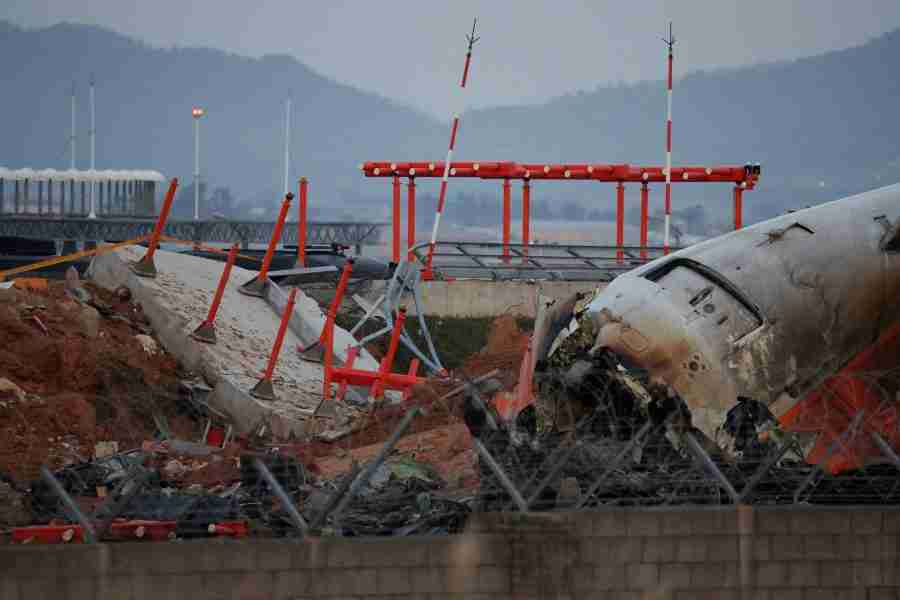
The Boeing 737-800 instead belly-landed at Muan airport without its landing gear down, overshot the runway and erupted into a fireball after slamming into an embankment, killing all but two of the 181 people on board.

Investigators have not yet produced a final report into the deadliest air disaster on South Korean soil, but information about the plane’s two engines has begun to emerge. 

According to a July 19 update prepared by investigators and seen by Reuters but not publicly released following complaints from victims’ family members, the left engine sustained less damage than the right following a bird strike, but the left engine was shut down 19 seconds after the bird strike.

The right engine experienced a “surge” and emitted flames and black smoke, but investigators said it “was confirmed to be generating output sufficient for flight,” in the five-page update, which included post-crash photos of both engines.

No reason for the crew’s actions was given and the probe is expected to last months as investigators reconstruct the plane’s technical state and the picture understood by its pilots.

Experts say most air accidents are caused by multiple factors and caution against putting too much weight on incomplete evidence.

MORE QUESTIONS

So far, public attention has focused on the possibility that the crew may have shut down the less-damaged engine, rekindling memories of a 1989 Boeing 737-400 crash in Kegworth, England, where pilots shut down a non-damaged engine by mistake.

The disaster led to multiple changes in regulations including improvements in crew communication and emergency procedures.

A source told Reuters on Monday that the South Korea-led probe had “clear evidence” that pilots had shut off the less-damaged left engine after the bird strike, citing the cockpit voice recorder, computer data and a switch found in the wreckage.

But the latest update on the crash also raises the possibility that even the more heavily damaged engine that was still running could have kept the plane aloft for longer.

It did not say what level of performance the operating engine still had, nor what extra options that might have given to the plane’s emergency-focused crew before the jet doubled back and landed in the opposite direction of the runway from its initial plan with its landing gear up.

Both engines contained bird strike damage and both experienced engine vibrations after the strike. The right engine showed significant internal damage, the Korean-language update from South Korea’s Aviation and Railway Accident Investigation Board (ARAIB) said, but it did not describe the damage found in the left engine. 

The update did not say how the left engine was operating nor the state of systems connected to either engine, said former U.S. National Transportation Safety Board investigator Greg Feith when shown the document translated by Reuters.

It contains some new facts but omits far more, resulting in a “cryptic” document, he said.

ARAIB, which plans to issue a final report next June, did not immediately respond to a request for comment.

Safety experts say it is common for early reports to contain sparse facts and limited analysis while investigations continue.

A preliminary report released in January said feathers and blood stains from ducks were found in both engines.

The engines – made by CFM International, jointly owned by GE and France’s Safran – were examined in May and no defects or fault data were found beyond the bird and crash damage, the report said.

Families of those who died in the disaster were briefed on the engine findings but asked investigators not to release the July 19 report, saying that it appeared to apportion blame to the pilots without exploring other factors.

The report was withheld but Reuters and South Korean media obtained copies. Boeing and GE referred questions about the crash to ARAIB. Safran did not immediately respond to a request for comment.

Jeju Air has previously said it is cooperating with ARAIB and is awaiting publication of the investigation.

Under global aviation rules, civil air investigations aim to discover crash causes without assigning blame or liability.

The Jeju Air pilots’ union said ARAIB was “misleading the public” by suggesting there was no problem with the left engine given that bird remains were found in both.

A source who attended the briefing told Reuters that investigators told family members the left engine also experienced a disruptive “surge,” citing black box data. 

The pilot union and representatives of bereaved families have asked that evidence be released to support any findings. 

Relatives say the investigation also needs to focus on the embankment containing navigation equipment, which safety experts have said likely contributed to the high death toll. 

Global aviation standards call for any navigation equipment in line with runways to be installed on structures that easily give way in case of impact with an aircraft.

South Korea’s transport ministry has identified seven domestic airports, including Muan, with structures made of concrete or steel, rather than materials that break apart on impact and has said it will improve them. 

Designs for the new structures are in progress, a ministry official told Reuters last week. 

Reporting by Lisa Barrington and Heekyong Yang in Seoul and Dan Catchpole in Seattle; Additional reporting by Hyunjoo Jin in Seoul; Editing by Jamie Freed

Greece battles wildfires across country, evacuates villages

Temperatures in Greece were forecast to reach up to 44 degrees Celsius on Saturday

International News via Reuters:

Firefighters were battling wildfires across Greece and the Western Balkans on Saturday as the south of Europe sweltered under the third heatwave of the summer, with some villages and settlements being evacuated in Greece and Albania.

Explosions could be heard as huge clouds of smoke covered Drosopigi village 25 km north of Athens, where factories with flammable material are located. Helicopters dropped water and 145 firefighters battled the flames, assisted by 44 vehicles, seven helicopters and 10 aircraft.

Two houses caught fire while residents of the nearby village Krioneri were instructed by authorities to leave towards Athens. Five people were taken to hospitals over burns and smoke inhalation.

Temperatures in Greece were forecast to reach up to 44 degrees Celsius on Saturday, the Greek weather service said.

“In the last 24 hours alone, 52 agroforestry fires broke out, 44 of which were dealt with immediately, in their initial stage,” said Vassilios Vathrakogiannis, a spokesperson for the Fire Brigade.

In neighbouring Albania, 26 fires broke out throughout the country on Saturday, following a large fire near the southern Albanian town of Delvina on Friday which injured three people and forced the evacuation of about 2,000 residents.

PEOPLE RESCUED FROM BEACHES

On the Greek island of Evia, 128 firefighters and 29 vehicles were deployed to put out fires, assisted by six aircraft and seven helicopters, but strong winds were hampering their efforts.

Residents of the island’s Triada area were evacuated while two fire trucks were damaged and five firefighters injured during the operation.

The fire on Evia is the latest in a series of bushfires stoked by strong winds and dry conditions this month.

On the island of Kythera, residents from several settlements were evacuated to safe areas and Coast Guard forces said they rescued 138 people, including an infant, from the beach of Limnionas near the area of the fire.

In the area of Messinia, south of Athens, residents of the Kryoneri and Sellas villages were also told to leave.

These sites were on a list of Greek regions on high alert for wildfires due to record-breaking temperatures and strong winds due on Saturday.

In Kosovo, authorities managed to extinguish 17 blazes fueled by strong winds while 12 others remained active, officials said. In the southern town of Prizren, a fire engulfed a farm, killing eight cows, according to local emergency services.

Local media reported that a separate fire in eastern Kosovo killed around 40 sheep.

Greece and other Mediterranean countries are in an area dubbed “a wildfire hotspot” by scientists, with blazes common during hot and dry summers. These have become more destructive in recent years due to a fast-changing climate, prompting calls for a new approach.

Reporting by Stamos Prousalis, Louisa Gouliamaki and Renee Maltezou in Greece, Florion Goga in Albania, Fatos Bytyci in Kosovo; Writing by Daria Sito-Sucic; Editing by Jan Harvey and David Gregorio

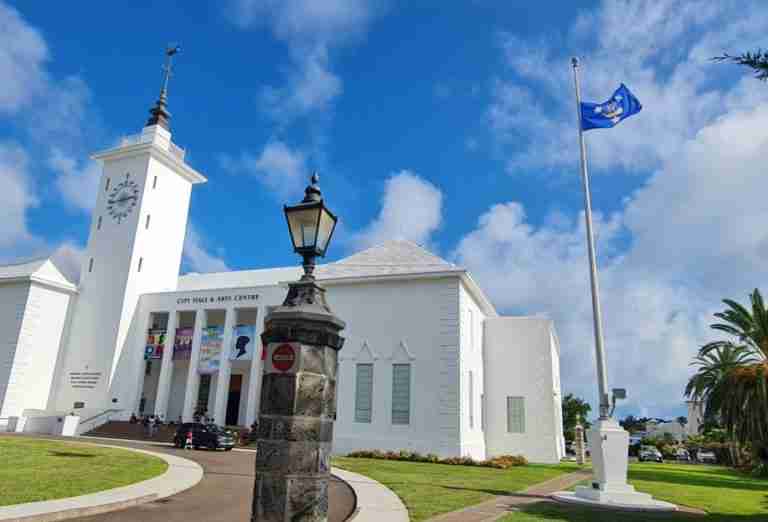
City Cup Match holiday garbage collection schedule

The City of Hamilton is asking residents and businesses to avoid placing garbage out for collection unless a collection is scheduled for that specific day

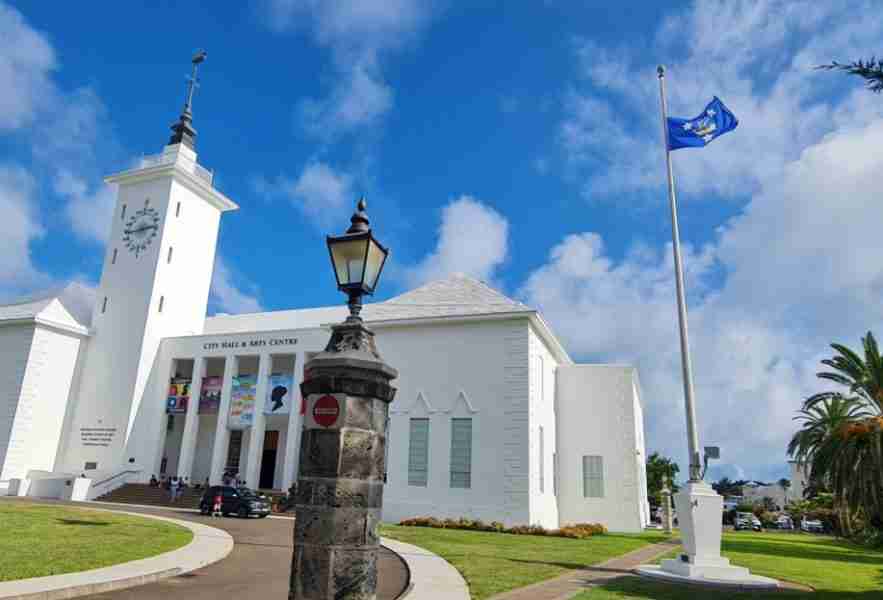
City Hall – Church Street, Hamilton, Bermuda. Photo: Bermuda Broadcasting Company

Full press release:

The City of Hamilton wishes to advise City businesses and residents that garbage collections will be scheduled on the following dates:

  • Wednesday, July 30th – Normal garbage collection will take place for RESIDENTS.
  • Wednesday, July 30th – LAST COLLECTION will take place at 5:00pm for BUSINESSES and BARS ONLY.
  • Thursday, August 31st and Friday, August 1st – NO GARBAGE COLLECTION
  • Saturday, August 2nd – BUSINESSES, BARS and RESTAURANTS ONLY.
  • Monday, August 4th – Normal garbage collection will resume for ALL.

All garbage should be placed on the sidewalks or designated garbage areas by the times indicated in the Refuse Collection Schedule.

Please DO NOT place garbage out for collection unless a collection is scheduled for that day.

Additionally, members of the public are advised that the administrative offices at City Hall and the Laffan Street Works Depot will be closing for the Cup Match holiday at 12:00pm on Wednesday, July 30th, 2025 and will re-open on Monday, August 4th, 2025.

Mosaic enters digital asset market

Insurer, which has its headquarters in Bermuda, moves into rapidly growing sector

Mosaic’s Brian Bonkoski, Global Head of Cyber: “[Mosaic is] …”delivering a level of trust and financial strength that has been lacking in this space”.

Press release:
Mosaic Insurance has entered the digital asset market, launching a combined cyber and financial institutions (FI) crime product that provides robust protection to the rapidly growing, yet historically underserved sector.
The new modular product suite offers stand-alone or blended coverage across cyber, technology errors and omissions (E&O), and crime—tailored to complex, evolving risks faced by digital asset businesses. The solution provides up to £/$/€10 million in capacity for cyber and tech, and up to £/$/€5 million for crime exposures, underwritten via Mosaic’s worldwide agency network on behalf of its Lloyd’s Syndicate 1609 and backed by its A+-rated global carrier partners.
The solution is designed for a broad spectrum of digital asset clients, spanning fast-growing innovators to mature market participants and including exchanges, custodians, trading platforms, blockchain analytics firms, miners, exchange-traded funds (ETF) structures, real world asset (RWA) platforms, and wallet providers. These businesses have often faced fragmented market responses, with narrow cover, limited capacity, or declinations driven by perceived volatility or regulatory uncertainty.
“Mosaic is bringing the first comprehensive Lloyd’s A+-rated cyber, tech E&O, and crime capacity to the digital asset space—it’s a true differentiator, delivering a level of trust and financial strength that has been lacking in this space,” said Brian Bonkoski, Global Head of Cyber at Mosaic. “With global regulatory licences and underwriting hubs in London, the US, Bermuda, Canada, Europe, Dubai, and Singapore, we offer seamless coverage to clients, regardless of domicile or the jurisdictions they serve.”
Line sizes and policy structure mirror those accessible to Mosaic’s non-digital asset clients and the product offers cyber, tech, and crime coverage from a single underwriting platform, removing common coverage gaps.
The launch is underpinned by Mosaic’s first strategic partnership in the sector with Native, a specialist broker in digital assets. Through the ‘Native Risk Collective,’ companies which integrate approved vendors and services that materially improve their risk posture can access enhanced coverage and more competitive premiums. The collaboration reflects Mosaic’s commitment to forming sustainable partnerships that advance insurance solutions for emerging industries.

“Digital asset clients have long needed insurance that understands their risks …” says Mosaic’s Kieran Quigley, VP, Underwriter, Cyber

“Digital asset clients have long needed insurance that understands their risks, offers meaningful capacity, and brings a long-term view,” said Mosaic’s Kieran Quigley, VP, Underwriter, Cyber, who spearheaded the firm’s entry into the sector. “We’ve listened to clients and brokers and built solutions that reflect the ambition and growing sophistication of this space. We’re proud to support innovators driving the next wave of global economic change.”

“The market’s been calling for a smarter, joined-up approach to underwriting digital asset risk,” says Tom Dilley, Global Head of Financial Institutions for Mosaic

“The market’s been calling for a smarter, joined-up approach to underwriting digital asset risk,” added Tom Dilley, Global Head of Financial Institutions for Mosaic. “Mosaic is answering that call with a credible, thoughtful solution.”
Cyber and financial institutions liability are two of seven lines of specialty business at Mosaic; the others include environmental liability, transactional liability, political risk, political violence, and professional liability. 

About Mosaic
Mosaic is a global specialty insurance agency with exceptional expertise, a focus on complex products, and a distinctive operating model. Our innovative structure allows deployment of different forms of capital in full alignment for the benefit of clients and partners. We currently underwrite for close to 30 other top-rated carriers alongside our Lloyd’s Syndicate 1609—offering lead-line + syndicated capacity, custom service, and full claims-settlement authority across seven product lines in seven countries. We harness the heritage of Lloyd’s and benefit from the market’s global licenses and financial-strength ratings.
Visit mosaicinsurance.com and follow us at @Mosaic1609


Rain in northern China kills 2, forces thousands to relocate

China’s Water Resources Ministry has issued targeted flood warnings to 11 provinces and regions

International News via Reuters:

Heavy rain around Beijing and across north and northeast China has killed two and forced thousands to relocate as authorities warned of further widespread rain and risks of disasters including landslides and flooding.

Two were dead and two missing in Hebei province, state broadcaster CCTV reported on Sunday morning. Overnight rain dumped a record 145 mm (5.7 inches) per hour on Fuping in the industrial city of Baoding.

China’s Water Resources Ministry has issued targeted flood warnings to 11 provinces and regions, including Beijing and neighbouring Hebei, for floods from small and midsize rivers and mountain torrents.

Floods and landslides affected many villages in the Miyun district of the capital, with the rural town of Fengjiayu the most severely impacted and electricity and communications cut in some villages, CCTV said. More than 3,000 people have been transferred out of the area, Beijing News Radio reported on Sunday.

The flow into the Miyun Reservoir has increased, hitting a record peak of 6,550 cubic meters (231,000 cubic feet) per second, Beijing authorities said.

Rain will intensify in most areas of the capital, with the expected cumulative rainfall in some areas nearby including Miyun reaching more than 100 mm over six hours, Beijing’s Meteorological Observatory said. Low-lying areas are prone to waterlogging, it said.

Beijing issued a warning on Saturday for geological disasters, including landslides and mudslides, after intense rainfall unleashed, for a second time, a year’s worth of rain on nearby Baoding.

Northern China has experienced record precipitation in recent years, exposing densely populated cities, including Beijing, to flood risks. Some scientists link the increased rainfall in China’s usually arid north to global warming.

The storms are part of the broader pattern of extreme weather across China due to the East Asian monsoon, which has caused disruptions in the world’s second-largest economy.

Baoding’s Xizhuang station recorded 540 mm (21 inches) over an eight-hour period, exceeding Baoding’s average annual rainfall of about 500 mm. The deluge affected more than 46,000 people, forcing 4,655 to evacuate, CCTV reported.

Chinese authorities closely monitor extreme rainfall and severe flooding are, as they challenge the country’s ageing flood defences, threaten to displace millions and wreak havoc on China’s $2.8 trillion agricultural sector.

(Reporting by Farah Master; Editing by William Mallard)Heavy rain around Beijing and across north and northeast China has killed two and forced thousands to relocate as authorities warned of further widespread rain and risks of disasters including landslides and flooding.

Two were dead and two missing in Hebei province, state broadcaster CCTV reported on Sunday morning. Overnight rain dumped a record 145 mm (5.7 inches) per hour on Fuping in the industrial city of Baoding.

China’s Water Resources Ministry has issued targeted flood warnings to 11 provinces and regions, including Beijing and neighbouring Hebei, for floods from small and midsize rivers and mountain torrents.

Floods and landslides affected many villages in the Miyun district of the capital, with the rural town of Fengjiayu the most severely impacted and electricity and communications cut in some villages, CCTV said. More than 3,000 people have been transferred out of the area, Beijing News Radio reported on Sunday.

The flow into the Miyun Reservoir has increased, hitting a record peak of 6,550 cubic meters (231,000 cubic feet) per second, Beijing authorities said.

Rain will intensify in most areas of the capital, with the expected cumulative rainfall in some areas nearby including Miyun reaching more than 100 mm over six hours, Beijing’s Meteorological Observatory said. Low-lying areas are prone to waterlogging, it said.

Beijing issued a warning on Saturday for geological disasters, including landslides and mudslides, after intense rainfall unleashed, for a second time, a year’s worth of rain on nearby Baoding.

Northern China has experienced record precipitation in recent years, exposing densely populated cities, including Beijing, to flood risks. Some scientists link the increased rainfall in China’s usually arid north to global warming.

The storms are part of the broader pattern of extreme weather across China due to the East Asian monsoon, which has caused disruptions in the world’s second-largest economy.

Baoding’s Xizhuang station recorded 540 mm (21 inches) over an eight-hour period, exceeding Baoding’s average annual rainfall of about 500 mm. The deluge affected more than 46,000 people, forcing 4,655 to evacuate, CCTV reported.

Chinese authorities closely monitor extreme rainfall and severe flooding are, as they challenge the country’s ageing flood defences, threaten to displace millions and wreak havoc on China’s $2.8 trillion agricultural sector.

Reporting by Farah Master; Editing by William Mallard