

M&S rolls out Zalando fulfilment deal in 22 European markets

M&S said the partnership would help scale its European online business through faster deliveries and returns, while reducing logistics costs by up to half

International News via Reuters:
Britain’s Marks & Spencer has expanded its partnership with Germany’s Zalando, enabling the online fashion retailer to fulfil M&S’ direct-to-consumer orders across 22 continental European markets, it said on Tuesday.
M&S said the partnership would help scale its European online business through faster deliveries and returns, while reducing logistics costs by up to half.
• The partnership was announced in November last year and successfully trialed in Poland this month.
• Partnership now expanded across Europe, including M&S’ largest online markets of France, the Netherlands, Germany and Spain.
• M&S said it is continuing to see momentum in its international online business, driven by growing demand for its fashion offer.
• In May, M&S forecast a return to profit growth this year after it slumped 24% in 2025/26, hit by a cyberattack that dented sales and margins.
Reporting by James Davey; Editing by Muvija M
UN and Red Cross call for urgent rules on autonomous weapons
States meet in Geneva next week to discuss potential new rules amid mounting concerns over the role of AI-assisted semi-autonomous weapons that have been used in conflicts in Ukraine, Sudan, Gaza, and in Iran and the Gulf
International News via Reuters:
The United Nations’ chief and the head of the Red Cross on Tuesday warned that autonomous weapons that can kill people without human involvement could soon be used in conflicts and called for urgent negotiations to restrict their use.
“We are now dangerously close to crossing a moral red line: the autonomous targeting of humans by machines,” UN Secretary-General Antonio Guterres said in a joint statement with the President of the International Committee of the Red Cross Mirjana Spoljaric.
“Negotiations must begin now to urgently adopt a legally binding instrument to regulate autonomous weapon systems with clear prohibitions and restrictions,” they said.
States meet in Geneva next week to discuss potential new rules amid mounting concerns over the role of AI-assisted semi-autonomous weapons that have been used in conflicts in Ukraine, Sudan, Gaza, and in Iran and the Gulf.
The discussions, which began in 2014, have made some progress but technology has also advanced.
Fully autonomous weapons are already in use by some armies, such as anti-missile systems on warships, but for now they are not known to have been used against human targets.
Human rights groups also worry that AI-driven systems cannot be adequately predicted or controlled, raising the risk of fatal errors such as a failure to recognise an injured or surrendering soldier. And once such errors occur, it is harder to hold perpetrators to account in any future war crimes cases, they say.
“States must show political courage and move beyond incremental discussions towards decisive action,” the joint statement said, calling for those talks to begin in November when a major review conference that occurs only once every five years is planned in Geneva.
“Some decisions must forever remain with the human being, none more than the decision of taking or not a human life,” Carolyne Mélanie Régimbal, chief of service at the U.N. Office for Disarmament Affairs, told a Geneva press briefing after the joint statement’s release.
While states agree international humanitarian law (IHL) applies to lethal autonomous weapons systems, specifically binding international standards for such systems remain virtually non-existent.
Russia and the United States, among others, have opposed new legally binding instruments, arguing existing laws are sufficient.
The Geneva talks, which require consensus to lead to formal negotiations, are taking place within a challenging context of geopolitical tensions and recent European withdrawals from the landmine ban treaty, over Russian threats.
Reporting by Emma Farge; Editing by Louise Heavens and Kate Mayberry
Six months into Iran war, almost half of global oil flows from war zones
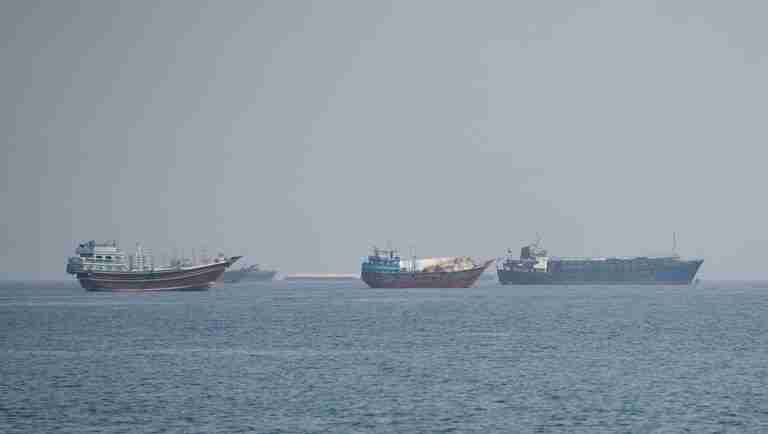
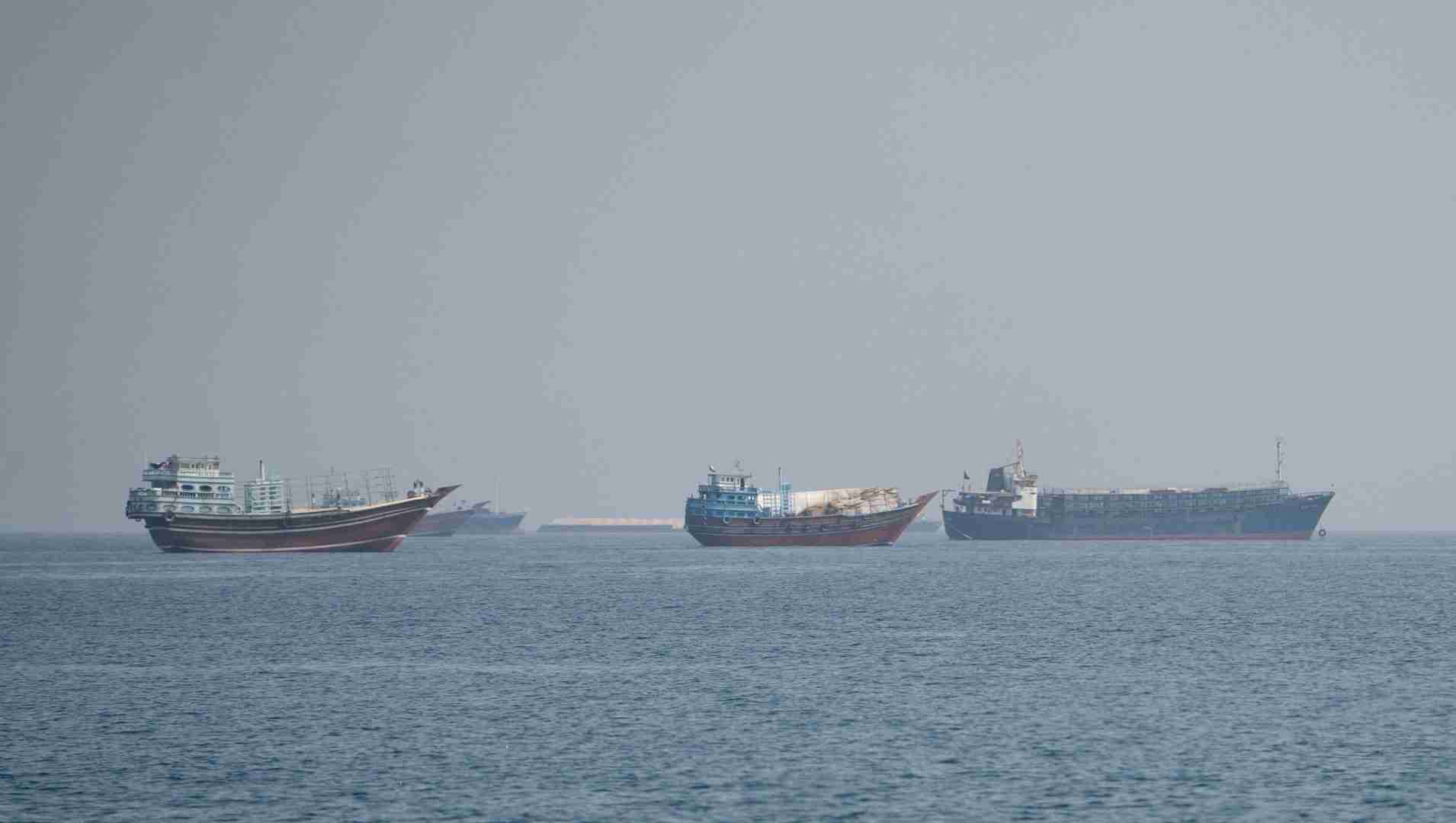
Six months ago, U.S. and Israeli attacks on Iran triggered what has become the largest oil supply crisis on record, with no clear end in sight
International News via Reuters:
Almost half the world’s oil comes from countries affected by conflict in 2026, Reuters calculations show, underscoring that current disruptions have eclipsed previous energy crises.
Six months ago, U.S. and Israeli attacks on Iran triggered what has become the largest oil supply crisis on record, with no clear end in sight.
At the same time, the Russia-Ukraine war has forced production and refining cuts, including in nearby Kazakhstan this year.
Ongoing conflict in Libya and U.S. restrictions on Venezuelan oil exports at the start of the year have added further strain.
Together, countries affected by those conflicts produced about 45 million barrels per day of oil based on 2025 output, accounting for more than 43% of global supply, according to Reuters calculations using International Energy Agency data.
The disruptions have increased the world’s reliance on U.S. oil supplies, though that too has occasionally been disrupted by severe weather.
Not all of this year’s supply disruptions happened at the same time.
With Saudi Arabia re-routing oil to the Red Sea and Gulf exporters sneaking oil secretly out of the Strait of Hormuz, the current Gulf oil disruption stands at around 5 million to 7 million bpd, according to analysts’ estimates.
But risks to total flows remain high, as attacks in the Red Sea and near Egypt’s Suez Canal in July demonstrated.
The conflicts in the Gulf and Ukraine have also cut global refining capacity by about a tenth.
Ukraine has targeted much of Russia’s refining network, striking plants as far away as Omsk, about 2,700 km (1,680 miles) from Ukrainian-held territory.
Russia is grappling with fuel shortages and has banned gasoline and diesel exports, tightening global fuel markets.
Higher fuel prices have become a key driver of inflation, contributing to higher borrowing costs and helping to push U.S. debt to a record $40 trillion.
U.S. diesel prices have climbed to record levels despite refiners running at peak capacity.
The IEA has released record volumes from emergency stockpiles to help cushion the supply shock. Those releases are now largely complete, even as global inventories continue to decline.
Reporting by Robert Harvey and Seher Dareen in London, Anushree Mukherjee in Bengaluru: Editing by Mark Potter
Sterling hovers near six-month high underpinned by BoE rate hike expectations

Sterling was last at $1.3632, while the euro last bought 85.54 pence
International News via Reuters:
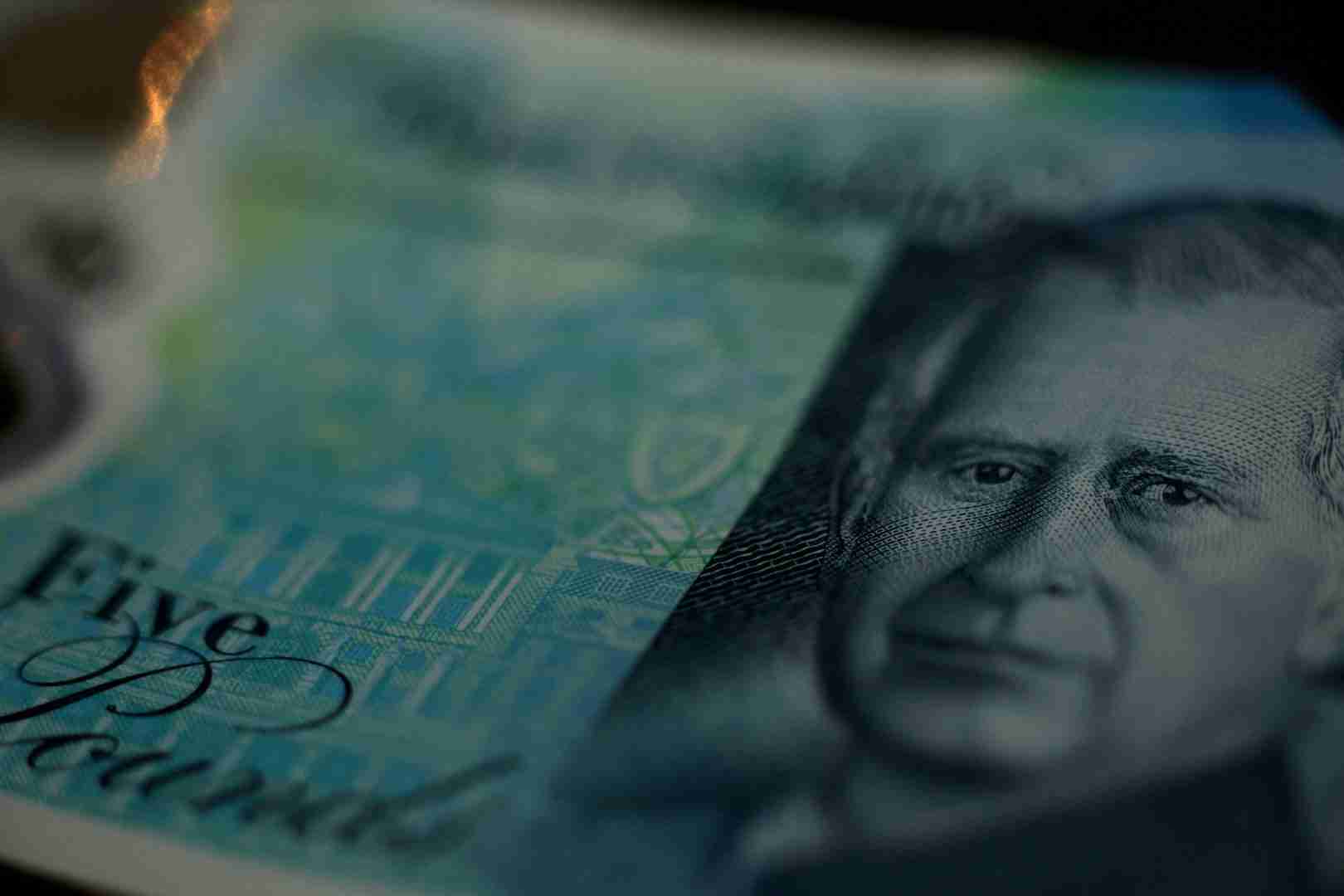
The pound held its ground near a six-month high versus the dollar on Tuesday, underpinned by expectations for interest rate hikes by the Bank of England this year, against the backdrop of concerns around sticky inflation and soaring government debt.
Sterling was last at $1.3632, while the euro last bought 85.54 pence.
The pound has had a strong run over the past four weeks on expectations that better-than-expected economic data through the first half of the year could prompt the Bank of England to raise interest rates by at least 25 basis points this year, LSEG-compiled data showed.
However, most analysts and economists see no change in interest rates, raising the risk of a decline in the currency towards the end of the year.
Francesco Pesole, an FX strategist at ING said, because they thought the BoE would tighten less than current market expectations, they anticipated the euro to gain on the pound.
“We still expect no hikes and a move to £0.870 in the coming months,” he said.
A drop to 87 pence could mean an at least 2% drop from Tuesday’s trading levels.
Global currency markets were broadly steady as markets absorbed the latest set of U.S. sanctions on Iran, which excluded China or any of the country’s entities that if targeted, investors feared, could potentially spark a retaliation from Beijing.
Soaring government debt has also been in focus this month after the U.S. Treasury announced plans to increase its buybacks of longer-dated government bonds to cushion the surge in yields.
UK Gilt yields are among the highest among developed economies and the next test for maturities and the pound will be the Andy Burnham government’s budget, expected in October.
On Tuesday, Britain set out plans to spend £10 billion ($13.6 billion) on lower-cost housing for renters with a focus on London.
Investors will be watching to see if the government plans to fund its fiscal policies through more borrowing or tax hikes, as Burnham has also previously announced policies aimed at reducing costs for households.
Reporting by Johann M Cherian in Bengaluru
Traffic delays after two road crashes

Police divert traffic after motorcycle and rental car collide; minor delays in Smith’s
Media Release:
Around 5:15pm today Monday, 24th August 2026, police and other first responders were dispatched to a report of a two vehicle road traffic collision involving a motorcycle and a rental car on Blue Hole Hill, Hamilton Parish.
Initial information suggests the vehicles were travelling in opposite directions when the rental car attempted to make a right turn into the RUBiS service station, crossing the path of the motorcycle.
The motorcycle rider was transported to King Edward VII Memorial Hospital for treatment. The extent of his injuries is not known at this time. The occupants of the rental car were not reported to be injured.
Police are currently processing the scene and traffic is being diverted around the area of the collision. Delays are expected to be minimal.
Separately, police are dealing with another collision in the east end, at the junction of Middle Road and Harrington Sound Road, Smith’s. Minor delays should be expected while officers work to clear that scene.
Motorists travelling through both areas are asked to exercise caution.
US threatens countries doing business with Iran, but holds off on penalties for now

As the war with Iran nears its six-month mark, Treasury Secretary Scott Bessent said the U.S. was launching an “economic onslaught” against Iran’s financial connections around the globe

International News via Reuters:
President Donald Trump’s administration on Monday announced a possible expansion of sanctions on countries doing business with Iran as part of what it billed as an “economic D-Day,” but stopped short of actually imposing penalties.
As the war with Iran nears its six-month mark, Treasury Secretary Scott Bessent said the U.S. was launching an “economic onslaught” against Iran’s financial connections around the globe.
But Bessent declined to say what specific countries would be targeted, or when those penalties would take effect.
“Why would I want to blow up the global financial system? We believe that it is important to level set and give people a cure period, but they should know that that will move very quickly and that we are serious,” he told a press conference.
Bessent previewed a “major announcement” of sanctions on a financial institution by the end of the week.
China has for several years been the biggest buyer of Iranian oil, and Washington has intensified its efforts to clamp down on Chinese purchases, but has so far stopped short of targeting larger Chinese banks with sanctions.
With Trump and Chinese President Xi Jinping scheduled to meet in Washington in late September, new sanctions on Chinese banks could sour prospects for extending a deal struck last November to keep Chinese rare earths flowing and cap U.S. tariffs.
Bessent also announced sanctions on nearly 60 entities, individuals and vessels, and said Treasury was targeting five sectors Iran was using to prop up its economy: digital assets, gold, technology, aviation and shipping.
Trump’s war with Iran, which has pushed energy prices higher worldwide, is about to hit its six-month mark. While heavy fighting has subsided, diplomatic efforts to end the war have stalled and oil and raw material shipping through the Strait of Hormuz remains blocked, keeping energy prices elevated.
Trump’s approval rating has fallen to a low point, with just 33% of Americans in the latest Reuters/Ipsos poll approving of his performance. He says the economic costs are necessary to ensure Iran does not have a nuclear weapon.
DECADES OF SANCTIONS
The U.S. has maintained sanctions against Iran for decades, most of which have been aimed at curtailing the country’s oil revenues, aviation sector, cryptocurrency, procurement of weapons components and other military hardware, and cutting off funding for business enterprises controlled by the Islamic Revolutionary Guard Corps, a dominant force in the Iranian economy.
The sanctions bar designated entities from the dollar-based financial system, but Iran has been successful in quickly standing up new front companies, other entities and vessel registrations to evade the sanctions.
The Treasury in recent months has sanctioned independent Chinese “teapot” refineries for purchases of Iranian oil and expanded its targeting of the shadow fleet of tankers transporting Iranian oil.
The U.S. blockade of Iran’s ports has already curbed Chinese offers to purchase Iranian crude, Reuters reported on Friday, which may lessen the impact of secondary sanctions on China.
The United States, United Nations and European Union have applied sanctions, implemented trade embargoes and frozen assets since the late 1970s over Iran’s nuclear program, human rights violations and support for militant groups.
U.S. Treasury Department data shows it has imposed Iran-related sanctions on more than 1,000 people, vessels and aircraft since Trump began his second term in 2025.
Recent measures have targeted Iran’s shadow oil fleet; shipping insurers; entities and people enabling Iran’s acquisition of weapons; and digital exchanges, freezing an estimated $500 billion in Iran-linked cryptocurrency.
Reporting by David Lawder and Humeyra Pamuk; Editing by Andy Sullivan, Alex Richardson, Paul Simao and Alistair Bell
Britain, France pledge stronger support as Ukraine marks Independence Day

British Prime Minister Andy Burnham, in Kyiv on his first foreign visit since taking office last month, urged the gathering of the “Coalition of the Willing” to “do everything we can” to bolster Ukraine’s defences against Russian air strikes
International News via Reuters:
The leaders of Britain and France pledged to provide Ukraine with stronger military support — including access to classified technology and faster deliveries of air defence missiles — at a meeting of allies to mark Kyiv’s independence day celebrations.
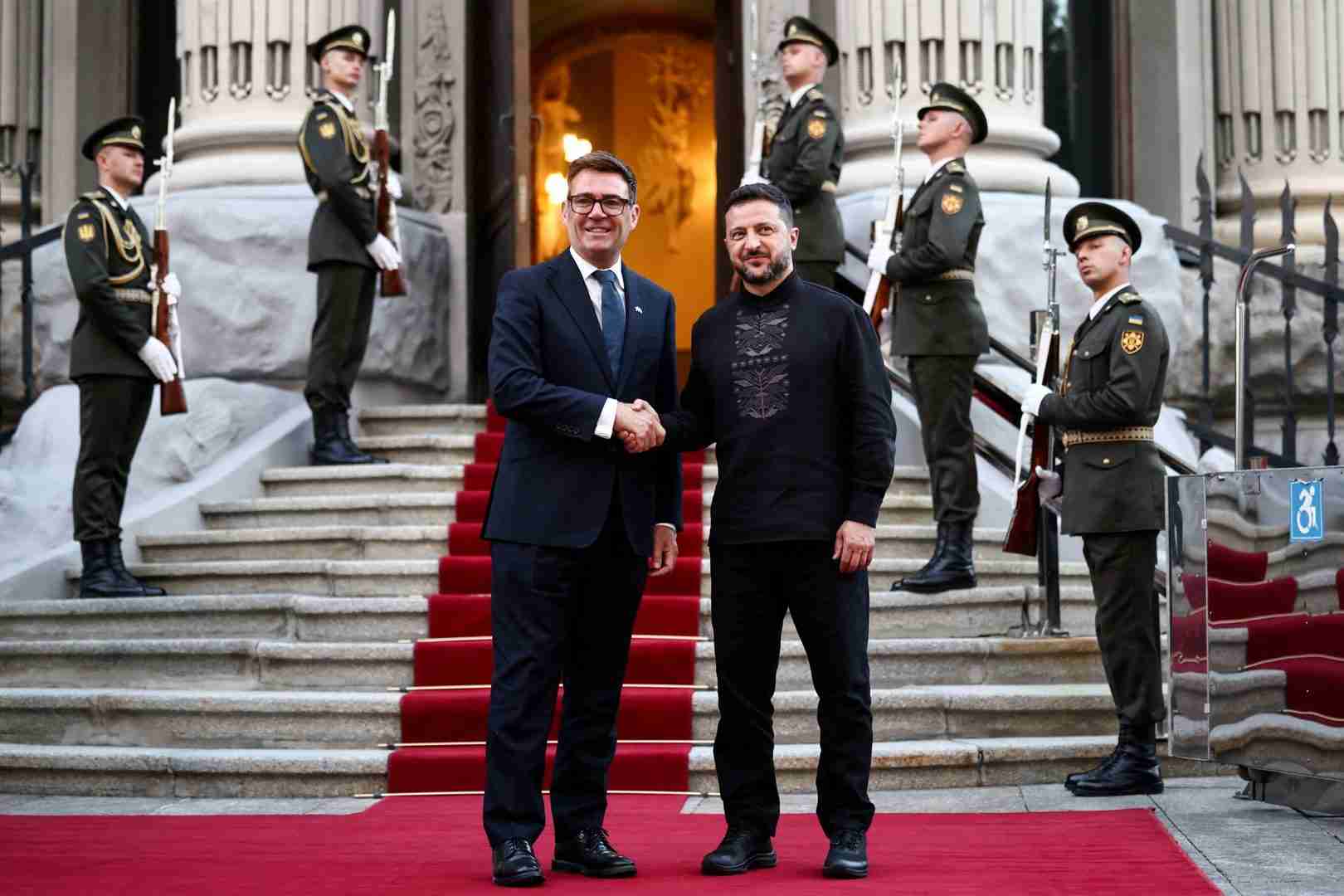
British Prime Minister Andy Burnham, in Kyiv on his first foreign visit since taking office last month, urged the gathering of the “Coalition of the Willing” to “do everything we can” to bolster Ukraine’s defences against Russian air strikes.
President Volodymyr Zelenskiy had earlier praised the resilience of the Ukrainian people during more than four years of war.
UKRAINE GETS TECH TO MAKE STORM SHADOW MISSILES
“Ukraine absolutely wants peace, but it is not ready to simply surrender,” Zelenskiy said, adding that Russia would not halt its aggression even if Ukraine ceded to its demands for more territory in the country’s east.
Wearing a traditional Ukrainian embroidered shirt, Zelenskiy thanked foreign leaders for travelling to Kyiv to show their support on the 35th anniversary of Ukraine’s break from the Soviet Union.
Standing alongside Zelenskiy and European Council President Antonio Costa, Burnham said his choice of Kyiv for his first foreign visit showed the importance he attached to assisting in Ukraine’s defence.
“We are with you in this struggle all the way, heart and soul,” Burnham said, vowing to continue that support “despite Russia’s outrageous threats to my country.”
“This is the moment to keep up the pressure on Russia. The moment to squeeze their ability to fund this illegal war,” Burnham said, calling for further economic sanctions.
Britain announced on Monday it would allow Kyiv access to classified technology to start its own production of Storm Shadow long-range cruise missiles, capable of carrying out strikes deep within Russia. France has already given its assent to license the technology for the European missile.
In response, the Kremlin said the use of classified British technology would “add fuel to the fire” of their worsening relations, after it warned London last week there would be “consequences” for supplying drones to Kyiv.
UKRAINE NEEDS MORE INTERCEPTORS, PRESIDENT SAYS
With Russia escalating its ballistic missile attacks on Ukrainian cities, Kyiv is suffering an acute shortage of the U.S.-made Patriot air defence interceptors — the only weapon in its arsenal capable of downing such missiles.
Zelenskiy said Ukraine needed at least 300 interceptors to make it through the winter, and he appealed to allies to deliver an air defence package before Russia renews its strikes on his country’s energy infrastructure.
French President Emmanuel Macron, co-chairing the coalition meeting via video link, said that a string of deadly attacks on Ukrainian cities in recent weeks had shown that allies needed to step up the deliveries of interceptors and France would do its part.
“I think it’s very important that all of us accelerate in terms of delivery,” Macron told the meeting, urging countries not to back down in the face of Russian intimidation. “The bottom line is, for me, very clear: keep calm and carry on.”
Zelenskiy told the meeting that Ukraine’s war effort was complicated by a $27-billion defence funding gap this year and appealed for additional financial support. He suggested that Russia’s frozen overseas assets could be used to finance the deficit.
Paying tribute to Ukrainian people and soldiers defending Ukraine in the war, Zelenskiy called on allies to give it “everything” needed to stop the war.
“We are not asking you to fight for us,” he said.
DRONE DEMONSTRATION
Hundreds of thousands of people have been killed, and swathes of Ukrainian territory have been laid waste, since Russia launched its full-scale invasion on February 24, 2022.
U.S.-led peace talks to bring a lasting end to the war fell apart earlier this year as Ukraine refused Russian demands to cede more territory. Fighting continues along a 750-mile (1,200-km) front line and Ukraine has succeeded in bringing Russian advances overall to a virtual halt this year.
Hovering in the sky above Kyiv, a squadron of aerial drones carried out a demonstration of the Ukrainian military technology, which has helped to keep Russian forces in check.
Naval drones swept along the Dnipro river, while unmanned ground vehicles — some equipped with heavy machine guns — trundled in formation along one of the city’s main historical avenues.
Ukraine has increased its long-range attacks on Russian refineries and logistics infrastructure, aimed at undermining Moscow’s war effort.
It hit four logistics hubs owned by Russia’s second-largest online retailer Ozon in southern Russia in drone strikes on Monday, the company said.
In a sombre moment, the Ukrainian leader rewarded fallen soldiers with state awards, which he presented to their mothers and family members.
He also announced the return of 10 Ukrainian servicemen, who were previously listed as missing in action, as part of a special prisoner exchange with Russia.
“We remember each and every one who remains in captivity,” Zelenskiy said, promising to do everything possible to bring them home.
Reporting by Daniel Flynn in Kyiv and Anna Pruchnicka in Gdansk, additional reporting by uliia Dysa in Kyiv; Editing by Timothy Heritage and Andrew Heavens
Norway will drill in Arctic regardless of EU’s position, says energy minister

Following Russia’s 2022 invasion of Ukraine, Norway has become Europe’s largest supplier of natural gas, meeting around 30% of gas demand of both the European Union and Britain
International News via Reuters:
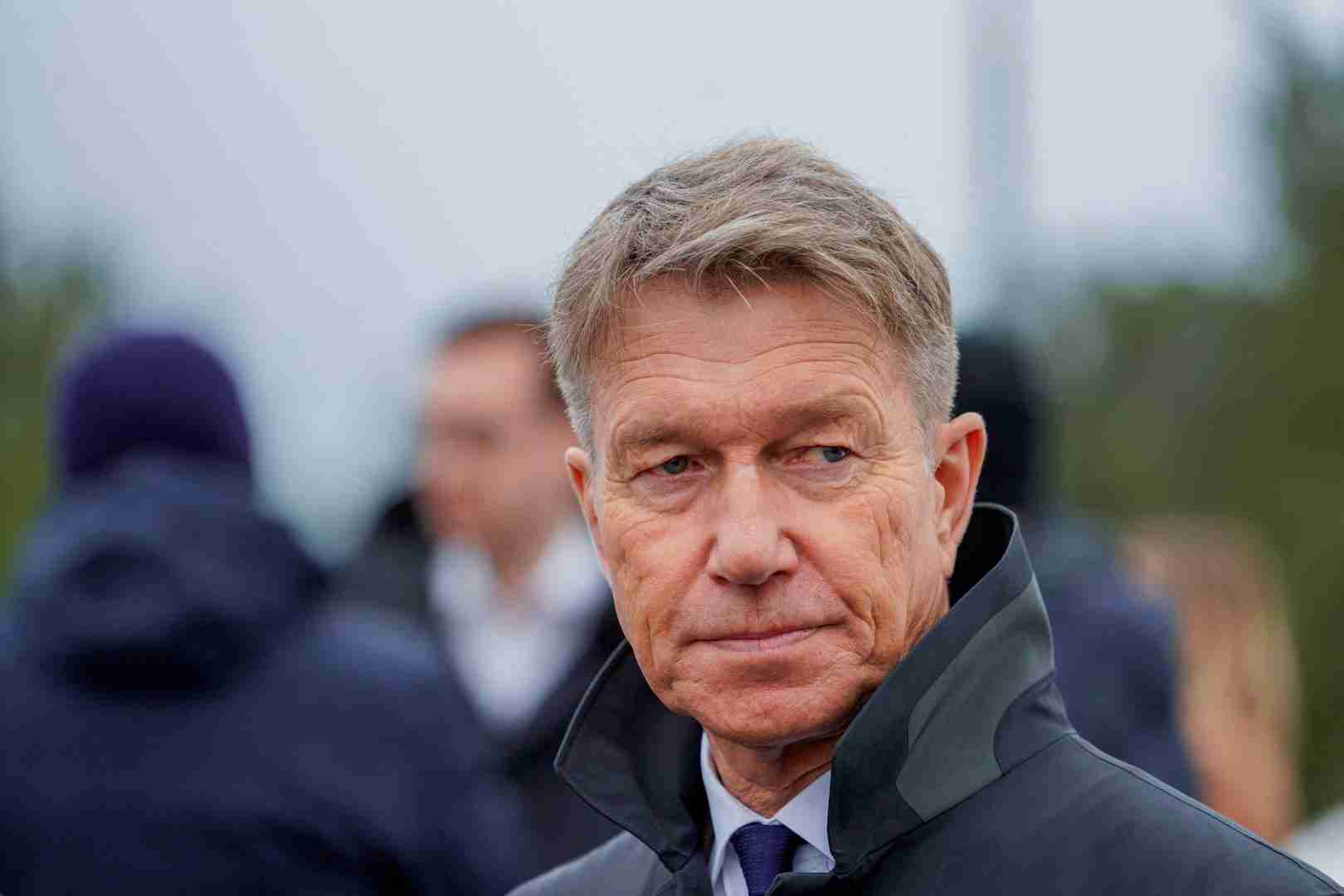
Norway will continue developing its oil and gas resources in the Barents Sea regardless of the European Union’s support for a moratorium on Arctic hydrocarbon supplies, and no longer sees itself as Europe’s “green battery”, Energy Minister Terje Aasland told Reuters.
Following Russia’s 2022 invasion of Ukraine, Norway has become Europe’s largest supplier of natural gas, meeting around 30% of gas demand of both the European Union and Britain.
Last year, the country’s gas production was near record levels, while oil output reached its highest level since 2009. Official forecasts, however, show production falling sharply after 2030 unless new resources are discovered and developed.
“In today’s geopolitical and security environment, and given the resource situation, I believe continued activity in the Barents Sea serves both Norwegian and European interests,” Aasland said in a Reuters interview ahead of ONS, Norway’s biannual energy conference, which begins in Stavanger on Monday.
The European Union currently supports a ban on new drilling in the Arctic on environmental grounds but is considering revising its policy in response to concerns about energy security.
RISK OF STRANDED ASSETS, GREENPEACE SAYS
Aasland’s statements show that Norway is disregarding major EU initiatives in renewable energy and grid expansion to cut the bloc’s dependence on fossil fuels, environmental campaigners said.
“Fields discovered today risk coming on stream just as European gas demand is falling sharply, raising an obvious risk of stranded assets,” Greenpeace policy advisor Paal Frisvold told Reuters.
However, Norwegian energy companies said on Monday they were still pushing ahead with more drilling, hoping to make major new discoveries.
Anders Opedal, CEO of Equinor, Norway’s biggest oil firm, said oil and liquefied natural gas (LNG) from the Barents Sea can be shipped anywhere in the world if rejected by the EU.
“The only thing that will suffer from this is actually European security. We have the flexibility,” Opedal told Reuters on the sidelines of the ONS conference.
NORWAY AIMS TO MAINTAIN OUTPUT LEVELS
Aasland said Norway aims to maintain petroleum production and exports at roughly current levels until at least 2035, and Barents Sea production will be key.
“If Norway is to remain a long-term supplier of oil and gas to Europe…, then the Arctic must be part of that discussion,” the energy minister said.
In talks with EU officials, Norway has argued that the parts of the Barents Sea opened to petroleum activity are also ice-free like in the North Sea, and so less prone to oil spills and other environmental impacts, and are helping to sustain jobs and settlement in the country’s northern regions bordering Russia.
Aasland believes Norway’s arguments are being heard in Brussels, but added that it was the country’s sovereign right to develop the Barents Sea resources even if the EU continued to support a moratorium.
“We would develop these areas, and then it will be up to the EU whether they should have a moratorium on buying that gas or oil,” Aasland said.
Arctic oil would be sold into global markets regardless, while gas could be exported worldwide as liquefied natural gas from Equinor’s Melkoeya LNG plant near Hammerfest, he added.
International Energy Agency Executive Director Fatih Birol has also urged the EU to reconsider its opposition to new Arctic oil and gas developments, arguing that future supplies will be needed to support energy security.
Critics of such a move argue that new Arctic projects would take many years to come online and would do little to address Europe’s near-term energy challenges.
GREEN BATTERY “A FLAWED IDEA”
In addition to oil and gas, Norway produces a surplus of renewable energy most years from an extensive network of reservoirs and waterways feeding hydroelectric plants, which it has exported to Europe via cross-border power cables.
Norway has previously presented itself as “the green battery” of Europe, but the minister says this idea is now outdated as Norway alone can’t balance the European power market.
“It was a flawed idea,” Aasland said.
The idea helped drive the construction of new power interconnectors, including links to Britain and Germany, but has drawn some opposition in Norway as European electricity prices have escalated.
Deeper integration with Europe’s power system left Norway more vulnerable to continental price swings.
Aasland said Norway will not build new interconnectors but remains committed to strong power sector cooperation with Europe.
He urged countries on the continent to strengthen their stable power supply, weakened by coal and nuclear plant closures and a lack of investment in new gas-fired generation.
Doing so will lower prices and build greater reciprocity when it comes to power flows between different countries.
“The future lies in having a very strong and integrated system,” Aasland said.
Reporting by Nerijus Adomaitis and Nora Buli; Editing by Susan Fenton and Tomasz Janowski
Coach carrying German high-school students crashes in Netherlands
Eight of those hurt have been severely wounded and the others suffered minor injuries, the police department of Gelderland province said in a post on X
International News via Reuters:
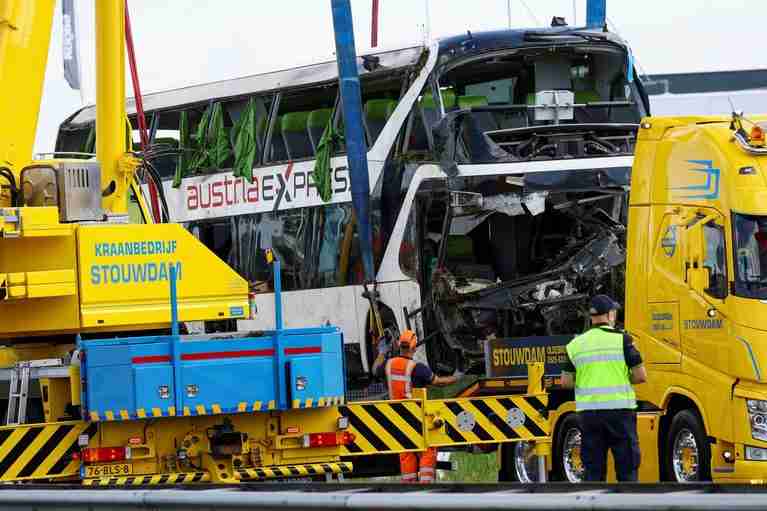
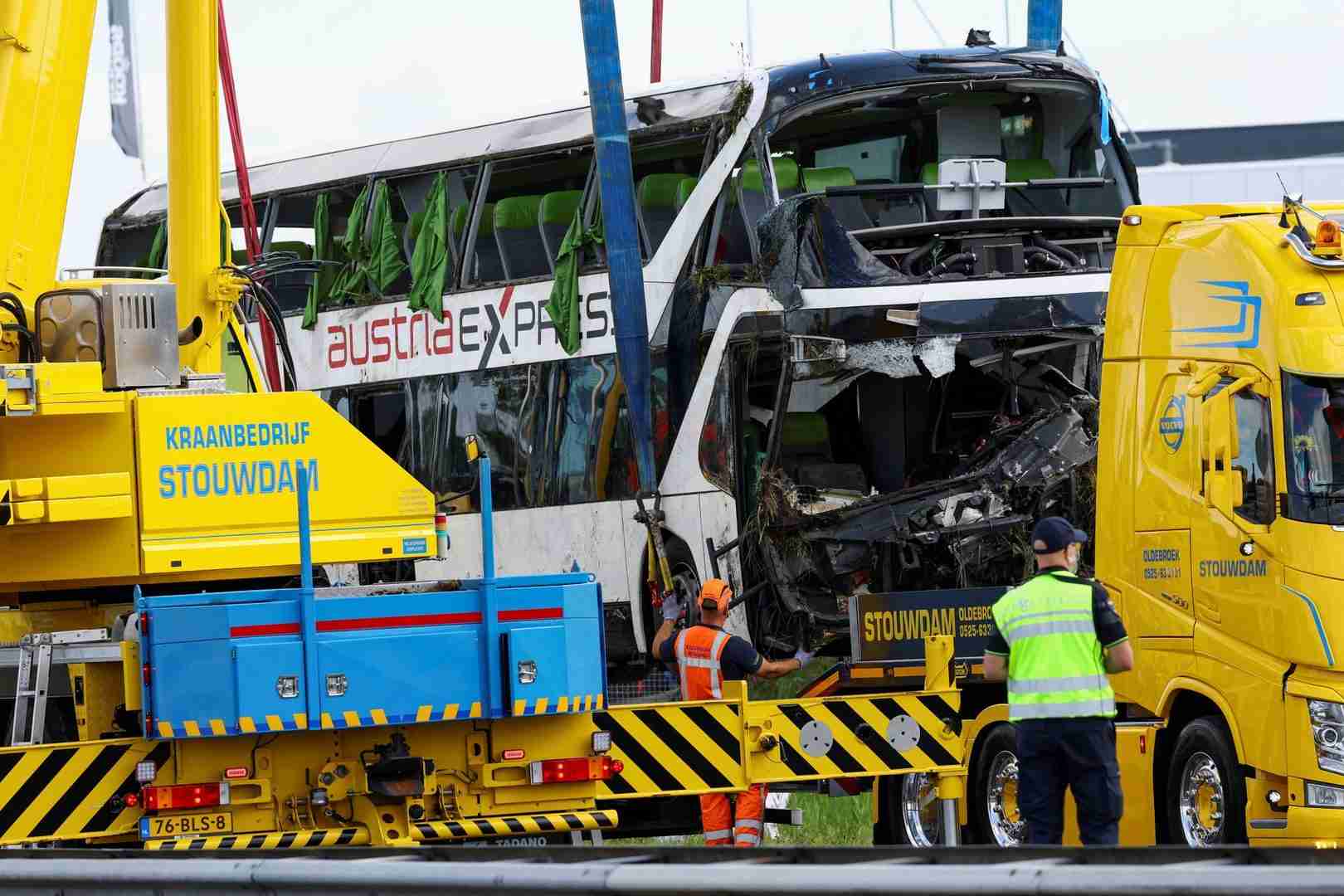
A coach carrying high-school students from Germany crashed in the east of the Netherlands early on Monday, injuring 16 people who were taken to hospital, Dutch police said.
Eight of those hurt have been severely wounded and the others suffered minor injuries, the police department of Gelderland province said in a post on X.
The coach, which was carrying more than 50 people and was registered in Austria, according to a police spokesperson, crashed near the town of Wezep, some 100 km (62 miles) east of Amsterdam around 4 a.m. (0200 GMT) due to a collision with a delivery van, whose driver was among the injured.
The A28 highway was closed in both directions following the accident.
Reporting by Christian Leveaux, Bart Meijer and Inti Landauro; Editing by Lincoln Feast and Alex Richardson
HSBC has new fleet of ATMs
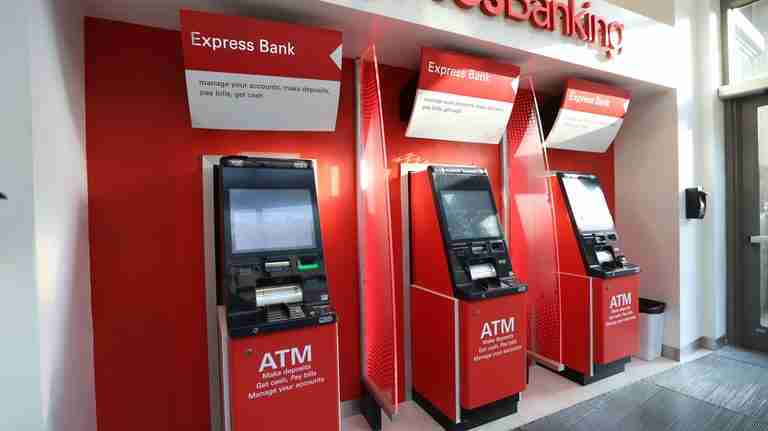
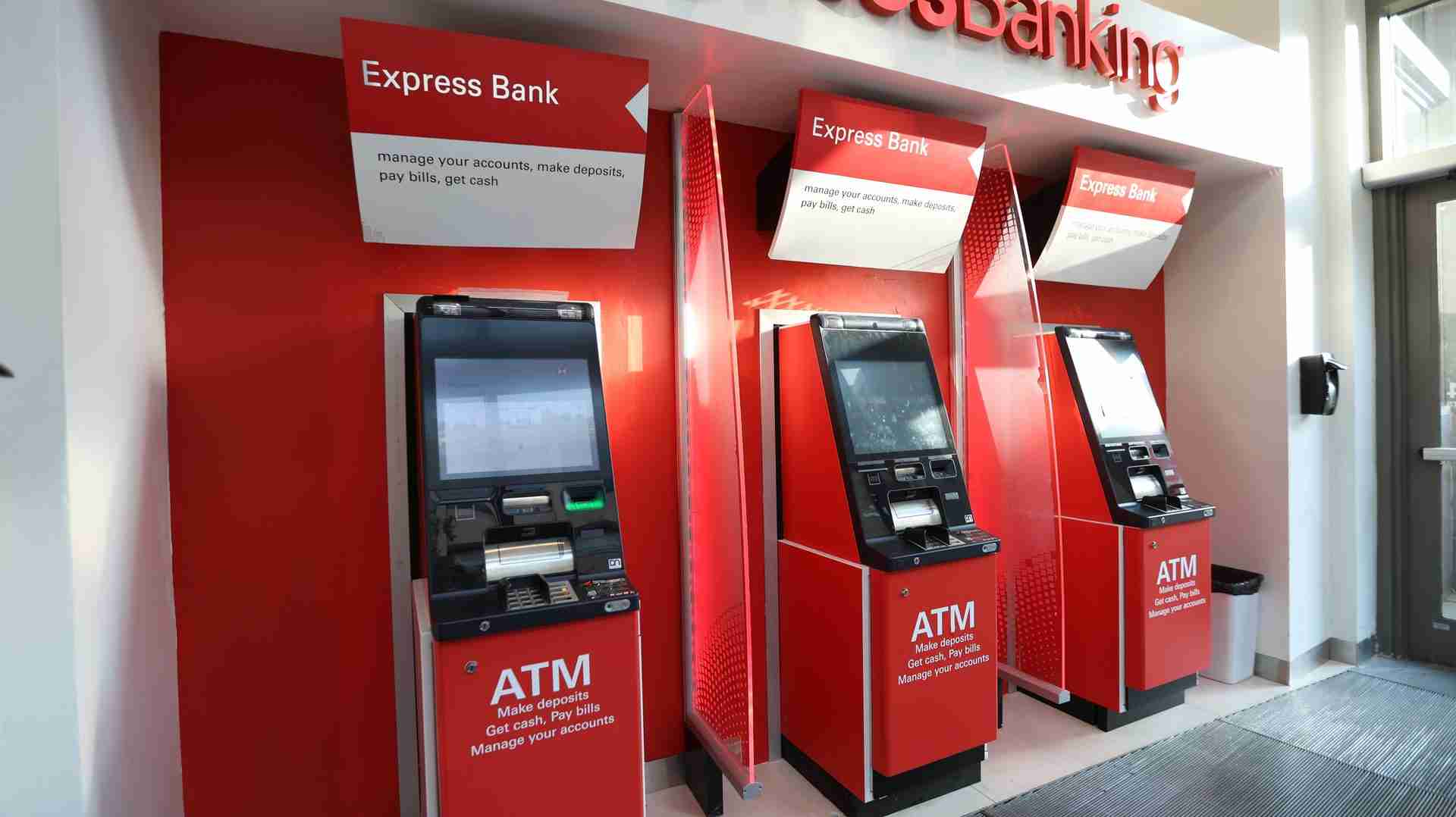
HSBC Bermuda announced the rollout of a new fleet of ATMs across the island, representing a significant investment in enhancing customers’ everyday banking experience. The upgraded machines deliver faster, more reliable self-service banking through improved technology and expanded functionality, making routine
transactions easier and more convenient.
The new ATMs feature advanced chip-enabled card readers, replacing the previous reliance on magnetic stripe technology to reduce card-reading errors and improve transaction reliability. Customers will also benefit from enhanced cash deposit capabilities, including upgraded immediate credit functionality that enables cash deposits to be credited to their account instantly, eliminating the need to queue at a teller for routine transactions.
“We know our customers expect banking to fit seamlessly into their daily lives, whether they’re visiting a branch or using our self-service channels,” said Tanya Bule, HSBC Bermuda Head of International, Wealth and Premier Banking. “This investment reflects our commitment to continually improving the experiences that matter most to our customers. By modernising our ATM network, we’re making everyday banking more reliable, more intuitive and giving customers greater confidence that they can access the services they need, when they need them.”
