Includes detailed requirements for ground-based space infrastructure registration
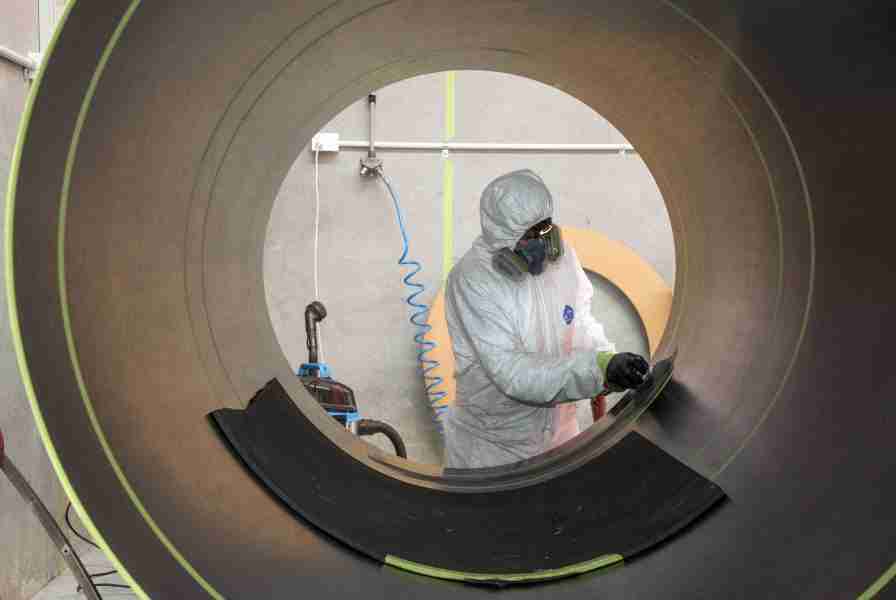
FILE PHOTO: A Rocket Lab technician cleans a fuselage in Auckland, New Zealand, October 20, 2015. REUTERS/Nigel Marple/File Photo
International news via Reuters:
New Zealand will have in place by July legislation regulating operators of ground-based space infrastructure, aimed at deterring foreign interference, the country’s Space Minister Judith Collins said.
The new regulations, which were flagged at the end of 2024, come after New Zealand’s intelligence service raised concerns last September that some foreign entities had tried to establish space infrastructure, which would have “assisted foreign military activity that could have harmed New Zealand interests.”
Collins said in a statement that the new regulatory regime will start in July and will deter foreign interference in New Zealand’s infrastructure that carry out tracking and control of spacecraft, space surveillance and the transfer of data to and from spacecraft.
New Zealand is a member of the “Five Eyes” intelligence grouping, along with the U.S., Australia, Canada and Britain.
While neither the minister nor the report mention China specifically, the report noted that China remained a complex intelligence concern in New Zealand but there were other states undertaking malicious activity as well.
The South Pacific nation’s location and clear skies make it a good place to launch and monitor satellites from, with the European Space Agency among those keeping an eye on space from New Zealand.
Collins said the bill will see regulations put in place setting out detailed requirements for ground-based space infrastructure registration including for protective security and due diligence systems, which operators will need to implement.
“The introduction of this new regime will serve as a deterrent. It sends a very clear message that we take our national security seriously, and we will act if we suspect that it is under threat,” Collins said.
Reporting by Lucy Craymer; Editing by Lincoln Feast
Heightened geopolitical tension saw increased military spending in all world regions
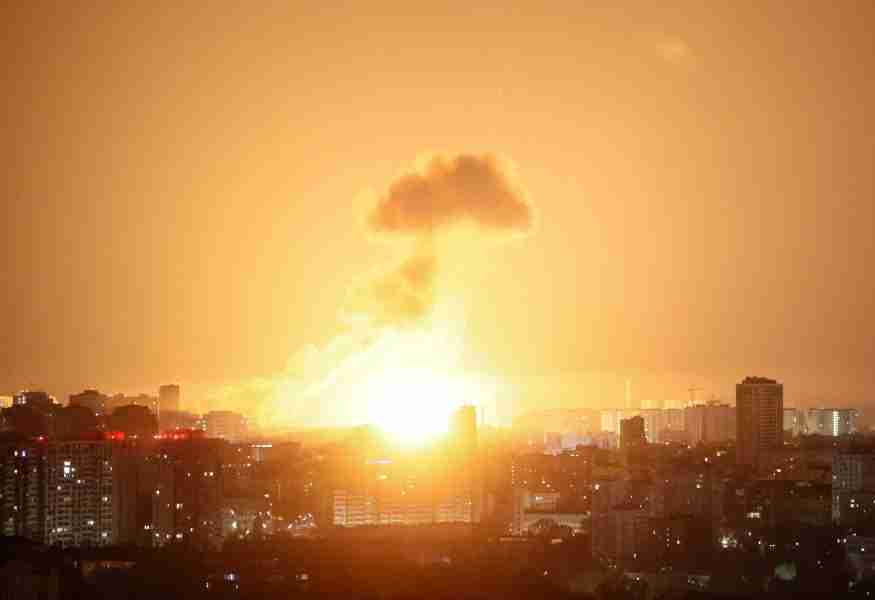
FILE PHOTO: An explosion of a ballistic missile lights up the sky over the city during a Russian missile and drone strike, amid Russia’s attack on Ukraine, in Kyiv, Ukraine April 24, 2025. REUTERS/Gleb Garanich/File Photo
International news via Reuters:
World military expenditure reached $2.72 trillion in 2024, an increase of 9.4% from 2023 and the steepest year-on-year rise since at least the end of the Cold War, according to a report released by a leading conflict think tank on Monday.
Heightened geopolitical tension saw increased military spending in all world regions, with particularly rapid growth in both Europe and the Middle East, data from the Stockholm International Peace Research Institute (SIPRI) showed.
“Over 100 countries around the world raised their military spending in 2024,” SIPRI said. “As governments increasingly prioritize military security, often at the expense of other budget areas, the economic and social trade-offs could have significant effects on societies for years to come,” it said.
The war in Ukraine and doubts over U.S. commitment to the NATO-alliance saw military spending in Europe (including Russia) rise by 17%, pushing European military spending beyond the level recorded at the end of the Cold War.
Russia’s military expenditure reached an estimated $149 billion in 2024, a 38% increase from 2023 and double the level in 2015. This represented 7.1% of Russia’s GDP and 19% of all government spending.
Ukraine’s total military expenditure grew by 2.9% to reach $64.7 billion, which amounts to 43% of Russia’s spending. At 34% of GDP, Ukraine had the largest military burden of any country in 2024.
“Ukraine currently allocates all of its tax revenues to its military,” SIPRI said. “In such a tight fiscal space, it will be challenging for Ukraine to keep increasing its military spending.”
Military spending by the U.S. rose by 5.7% per cent to reach $997 billion, which was 66% of total NATO spending and 37% of world military spending in 2024.
Reporting by Johan Ahlander; Editing by Sandra Maler
The Liberal Party historically aligned with the U.S., striking security and free trade agreements
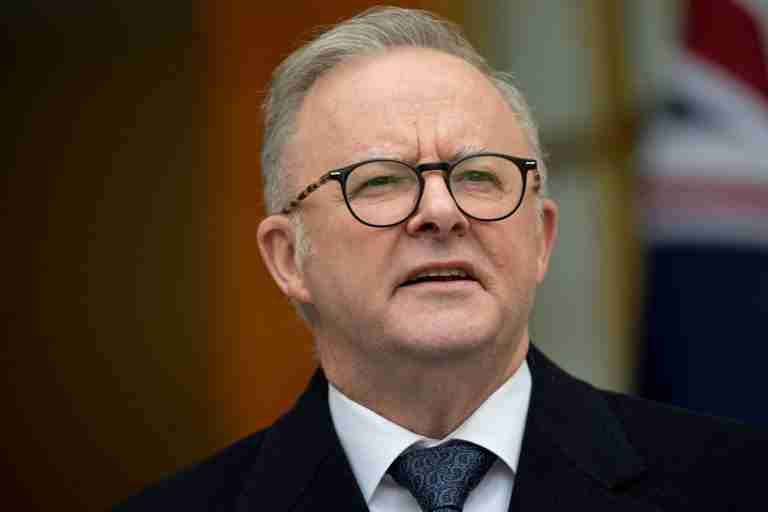
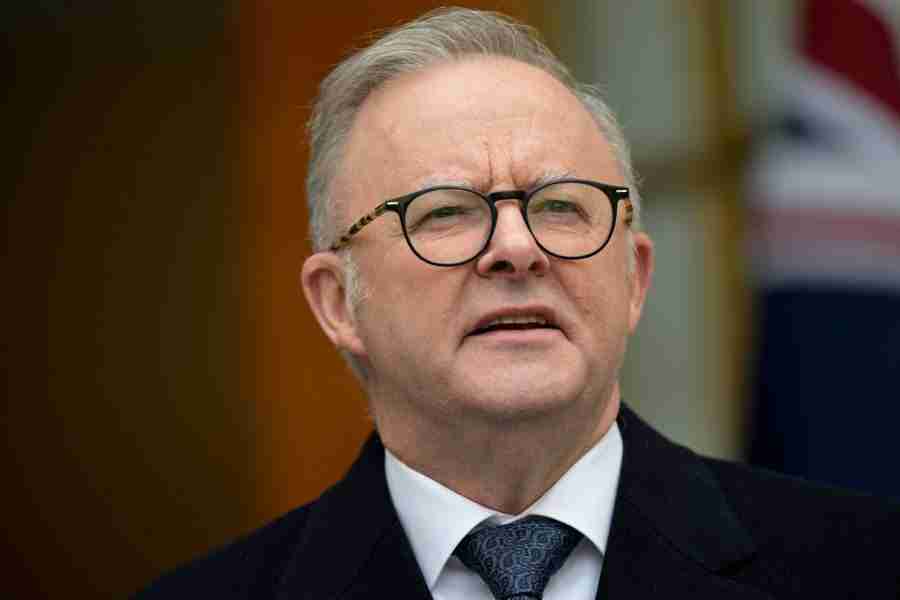
FILE PHOTO: Australia’s Prime Minister Anthony Albanese speaks to the media during a press conference at the Australian Parliament House in Canberra, Australia, August 16, 2024. REUTERS/Tracey Nearmy/File Photo
International news via Reuters:
In the well-heeled Sydney beachside suburb of Bondi Junction, early voters leaving a pre-poll centre said they had Donald Trump and the global economy on their mind.
Australia holds a national election on Saturday, and a campaign coinciding with the U.S. president’s stop-start tariffs and volatile diplomacy is bolstering the prospects of Prime Minister Anthony Albanese and his ruling centre-left Labor Party.
Albanese does not name Trump when he tells voters a conservative government led by the Liberal Party opposition would bring “chaos” to Australia.
“The last thing you need is a volatile government,” Albanese said on Monday.
“Trump is affecting everybody,” said business owner Ian Atherton, 67, voting in Bondi Junction, among the 2.4 million Australians to have already cast a ballot by Monday.
“What is happening externally is far more important than what is happening internally. I just want to keep the status quo,” he added.
When Trump was inaugurated in January, Liberal Party leader Peter Dutton was ahead in the polls, as Australians expressed anger over the cost of living and housing affordability.
Most polls in the final stretch of the campaign show Labor ahead, although it may need the support of independent lawmakers to form government.
“Voters want stability while an idiot like that is in charge in the United States,” said Lawrence Jurman, 71. “I think it has hurt the Liberals.”
Andrew Carswell, former press secretary to Liberal Party Prime Minister Scott Morrison, who lost office at the previous election, said Trump had been “a wrecking ball” for Australia’s conservative coalition and more broadly across the world.
“Australian voters are looking on with concern at what is happening and saying if that is change, we don’t want it,” he said.
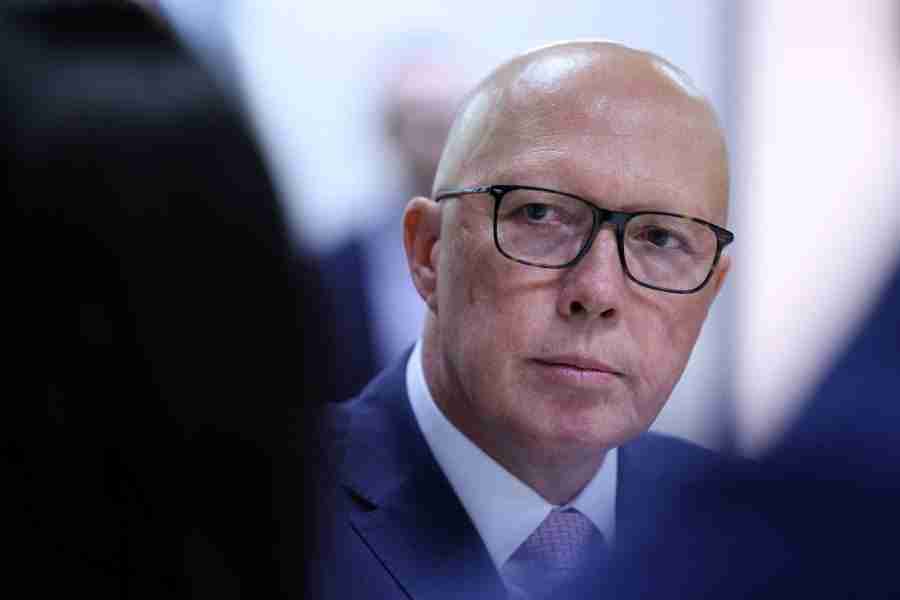
FILE PHOTO: Liberal Party leader Peter Dutton listens during a visit to youth mental health foundation, Headspace, in Parramatta, Western Sydney, Australia, March 23, 2025. REUTERS/Hollie Adams/File Photo
Three recent surveys show negative public reaction to Trump, while Liberal Party insiders told Reuters the anti-Trump sentiment was impacting Dutton’s campaign as voters rapidly became risk-averse. Australian pension funds, exposed to the U.S. stockmarket rout, are one way voters are taking a direct hit.
Although Trump was not the decisive factor in Dutton’s fall in opinion polls – Albanese has run a strong campaign, and Dutton made mistakes including a short-lived policy to ban public servants working from home – it added to voter reservations, said two political strategists.
“Peter is basically a mainstream Australian conservative, he is not an extremist. Some people in the party got Trumpy in a trivial way,” said a former Liberal campaign strategist who knows Dutton and declined to be named.
Independent political consultant Simon Jackman said Albanese’s decision to delay the election when a cyclone threatened Brisbane meant the campaign coincided with Trump imposing tariffs which shocked Australians.
The Liberal Party has historically seen itself as closer to the U.S., striking security and free trade agreements, he said.
“You had the amazing spectacle of a leader of the conservative party in Australia, Dutton, having to distance himself from the president of the United States,” said Jackman.
The election had been shaping up as a retrospective about what a bad job Albanese and Labor had done in managing the cost of living crisis, Jackman said, but that changed.
“It became (about) which party could shield Australia from an incredibly uncertain global economic environment, led largely by the actions of the American president.”
The Trump effect is also boosting the “Teal” independents – female lawmakers who won city seats from the Liberals in 2022 by championing action on climate change, and could determine which party forms government if neither secures a clear majority, adds Jackman.
‘AWFUL’ TIMING
In the week after Trump and his DOGE advisor Elon Musk arrived in the White House, Dutton criticised public servants hired as “culture, diversity and inclusion advisers”. He would appoint a rising conservative star, indigenous woman Jacinta Nampijinpa Price, to a Ministry of Government Efficiency, he said.
Media seized on the moment Senator Price, the former deputy mayor of a desert town wracked by violence, said she wanted to “make Australia great again”. She later said the echo of Trump’s slogan was a slip of the tongue.
“There was an early attachment to Trump euphoria when things were glowing, and then when they turned sharply, the alignment with the Trump administration hurt them, particularly policies on cutting the public service and work from home,” said Carswell, who adds the campaign was “awful timing” for Dutton.
U.S. trade negotiators also complained about Australia’s subsidised medicine scheme, bolstering Labor’s election attack – denied by Dutton – that he would “Americanise” health.
Albanese has largely avoided direct criticism of Trump, because of the importance of the U.S. security alliance. He did not attend Trump’s inauguration and has not gone to Washington, saying he will wait for the results of the May 3 election.
Dutton, asked about Trump in a televised leaders debate mid-campaign, said: “I don’t know the president, I’ve not met him.”
When shown a picture of Musk in the final leaders debate on Sunday, Dutton said the first words that came to mind were “evil genius”.
“I haven’t sought to be anybody other than myself,” he said, when asked if he was distancing himself from Trump’s style.
A Resolve poll for The Sydney Morning Herald, which directly asked about Trump’s impact on the election, found 68% of those surveyed said Trump was bad for Australia, and 35% of undecided voters were less likely to back Dutton because of Trump.
Ipsos Australia director Jessica Elgood says the Trump effect can be seen in other polls where cost of living tops concerns.
“If you are concerned about the range of issues related to the cost of living, you are going to be worried by the global financial instability and unpredictability that has occurred over the last few weeks since the tariffs were announced,” she said.
“Taken together it creates an environment where the safety of a known quantity – Labor and Albanese – is more compelling than the risk of the unknown – Dutton.”
Reporting by Kirsty Needham in Sydney; Editing by Lincoln Feast.
South Korea will hold a snap election in June after former President Yoon Suk Yeol was ousted
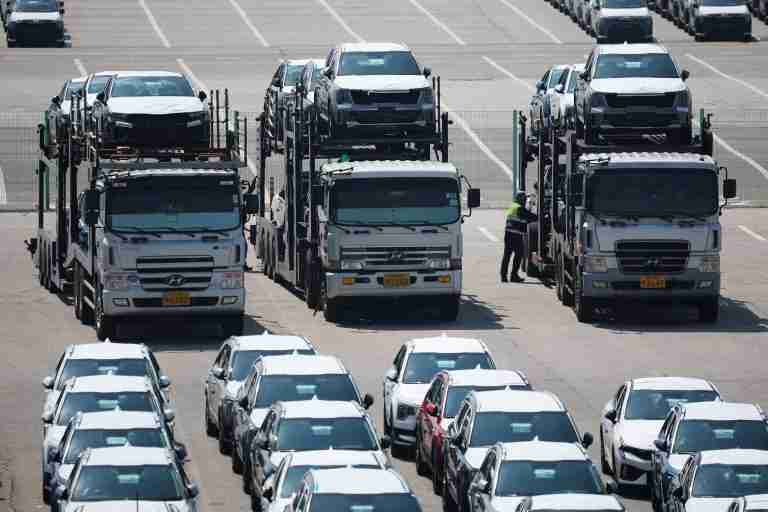
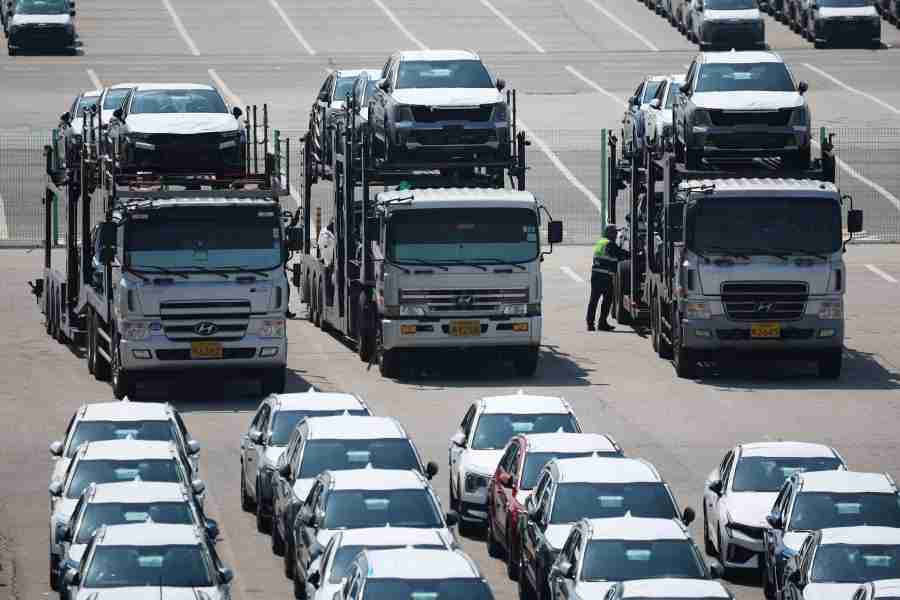
FILE PHOTO: Car carriers transporting vehicles made by Kia Motors, which is part of South Korea’s biggest automaker company Hyundai Motor, are parked at Pyeongtaek port in Pyeongtaek, South Korea, April 15, 2025. REUTERS/Kim Hong-Ji/File Photo
International news via Reuters:
A senior South Korean government official ruled out on Monday that Seoul would agree to a trade package with Washington by the time the country holds a presidential election on June 3, and flagged challenges to reaching a deal even before early July.
The countries last week agreed to craft a trade package aimed at removing new U.S. tariffs before a pause in reciprocal tariffs is lifted on July 8, Seoul’s delegation in Washington said after their first formal tariff talks on Thursday.
Political analysts noted, however, it may be difficult for South Korea to make any firm commitment on big energy projects and defence costs as it currently has an acting president in power.
South Korea will hold a snap election on June 3 after former President Yoon Suk Yeol was ousted for his role in imposing martial law briefly in December.
It is “theoretically impossible” for the two countries to decide on a comprehensive trade package by late May or early June, Park Sung-taek, Vice Minister of Trade, Industry and Energy, told reporters.
“We fully explained our political situation to the U.S. during our latest talks. The U.S. side also understands that Korea’s special political situation could be a limiting factor in negotiations.”
The United States has prioritised talks with key trading partners and allies like Japan, Korea and India, as Washington is scrambling to seal a flurry of trade deals before its July 8 deadline.
“We all are taking the uncharted territory,” Park said.
“To be honest, I think it would be very challenging for the talks to bear some fruit within the next 70 days despite President Trump’s expectations,” he said.
South Korea said it has requested exemptions from reciprocal tariffs and tariffs on autos and steel and other items, and offered cooperation on shipbuilding and energy and in addressing trade imbalances.
Park said the United States needs to remove red tape to facilitate bilateral cooperation in shipbuilding, pointing to the example of the Jones Act, a U.S. law that requires goods moved between U.S. ports to be carried by ships built domestically and staffed by U.S. crews.
He said South Korea was in talks to send a working-level delegation to Alaska to review the business feasibility of a $44 billion liquefied natural gas project that Washington wants to fund with investments from countries like South Korea and Japan.
South Korea is looking to create about six working groups with the United States under three areas on the agenda – exemptions to tariffs and non-tariff measures, economic security, as well as investment cooperation – with a plan to kick off meetings next week, Park said.
The fourth issue on the agenda, currency policy, will be discussed separately by the financial authorities of the two countries, he said.
International students are a major source of revenue for Australian universities
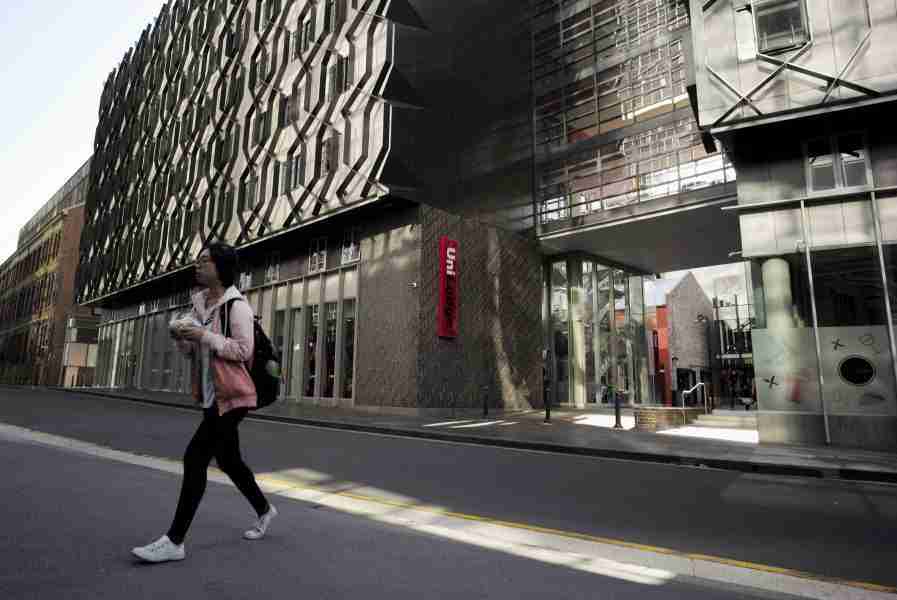
FILE PHOTO: A student walks from high density housing near the campus of the University of Technology in Sydney, April 1, 2016. REUTERS/Jason Reed/File Photo
International news via Reuters:
Australia’s ruling Labor Party said on Monday it would raise visa fees for international students to A$2,000 ($1,279) if reelected, the latest measure aimed at the lucrative education sector that has been a major source of immigration.
The visa fee hike, from A$1,600 currently, will bring in A$760 million over the next four years, Australia’s Treasurer Jim Chalmers and finance minister Katy Gallagher said in a statement on Labor’s policy costings for Saturday’s federal election.
“We think that’s a sensible measure that really prizes, I think, the value of studying here in Australia,” Gallagher told a news conference.
The government more than doubled the fee for international student visas in July last year to A$1,600 from A$710.
Australia’s conservative opposition has already pledged to raise the visa fee to a minimum of A$2,500, and A$5,000 for applicants to the country’s top universities, known as the Group of Eight.
International students are a major source of revenue for Australian universities, but are also in part responsible for a rise in net migration that has driven up housing costs.
Almost 200,000 international students arrived in Australia in February 2025, government statistics show, an increase of 12.1% over the previous year and 7.3% higher than pre-COVID levels in February 2019.
Labor has promised to cap international student commencements at 270,000 in 2025, while the opposition favours a lower figure of 240,000.
There were more than a million international students enrolled in Australia in 2024, while 572,000 students commenced their studies.
Visa fees for students in Australia are already significantly higher than similar countries such as the U.S. and Canada, where they cost about $185 and C$150 ($108) respectively.
The government last year also tightened English language requirements for student and graduate visas, as well as introducing powers to suspend education providers from recruiting international students if they repeatedly break rules.
($1 = 1.5632 Australian dollars)
Reporting by Alasdair Pal in Sydney; Editing by Lincoln Feast
The Chief Medical Officer strongly advises anyone with symptoms to consult their GP
Stock photo
Government update via press release:
The Office of the Chief Medical Officer has identified two confirmed cases of whooping cough (also known as pertussis). While there is no known link between the cases, this potentially indicates that pertussis is circulating in the community.
Minister of Health, Kim Wilson explained: “Pertussis, also known as whooping cough, is an extremely contagious respiratory illness that primarily spreads through close contact, such as coughing or sneezing near others. While indirect transmission through the air or contaminated objects is uncommon, it remains crucial to recognize the risks posed by this illness.
“Unlike the common cold, pertussis bacteria can lead to severe illness, particularly in young children and individuals with weakened immune systems. In rare instances, this infection can even result in fatalities. It is imperative that we take the necessary precautions to protect our most vulnerable populations.”
The first signs of whooping cough are like a common cold. After about a week, you or your child:
Will get coughing bouts that last for a few minutes and are worse at night
Will make a “whoop” sound – a gasp for breath between coughs (young babies and some adults may not “whoop”)
May bring up a thick mucus, which can make you sick (vomit)
May become very red in the face (more common in adults)
Although the current risk to the community remains guarded, the Chief Medical Officer strongly advises anyone with the above symptoms to consult their GP. Babies under 6 months are at an increased risk of developing problems such as dehydration, breathing difficulties, pneumonia or fits.
Call 911 or go to the Emergency Department immediately if:
Your child has periods of stopping breathing and their face or lips go blue (cyanosis)
You or your child are finding it hard to breathe properly (shallow breathing)
You or your child have chest pain that’s worse when breathing or coughing – this could be a sign of pneumonia
Your child is having fits
You should see a GP urgently or call 911 if:
Your baby is under 6 months old and has symptoms of whooping cough
You or your child have a very bad cough that is getting worse
You’ve been in contact with someone with whooping cough, and you’re pregnant
You or your child has been in contact with someone with whooping cough and have a weakened immune system
Whooping cough can spread very easily. It’s best to call the GP before you go in. They might suggest talking over the phone.
If your GP suspects whooping cough, you may have a swab or other test taken, and you may be prescribed antibiotics to help stop it from spreading to others. Antibiotics may not reduce symptoms. You can relieve the symptoms of whooping cough by getting plenty of rest, drinking lots of fluids, and taking paracetamol or ibuprofen to relieve discomfort. Always check doses of paracetamol or ibuprofen with a GP or pharmacist before giving them to a child aged under 16.
If you have whooping cough, you will be contagious from about 6 days after the start of cold-like symptoms to 3 weeks after coughing starts. If you start antibiotics within 3 weeks of starting to cough, it will reduce your contagious time.
Your healthcare provider is required by law to notify the Epidemiology and Surveillance Unit (ESU) about any cases of whooping cough. If diagnosed, you may receive a call from an ESU nurse to try to prevent further spread. Please be reassured that any details you provide to the ESU nurse will be treated as medical in confidence.
Fortunately, pertussis is preventable with vaccination and the appropriate public health response to a case is to identify the immunization status of the contacts and to offer care and vaccination to those who need it.
You can reduce the risk of catching whooping cough by taking respiratory hygiene precautions, as with any other respiratory infection such as flu, COVID or RSV. Please cover your cough to stop the spread of respiratory infections, regularly wash your hands and avoid the 3 Cs: close contact, crowded spaces and confined places with poor ventilation.
You can read the Government’s whooping cough factsheet, below:
Individuals were taken to the hospital for treatment of their injuries
Bermuda Police Service update via press release:
Shortly after 5:00 p.m. on Saturday, 26th April 2025, police and other first responders were dispatched to a report of a two-vehicle collision on Somerset Road in Sandys Parish, just outside of the Willowbank Resort.
Early information suggests that a motorcar, occupied by a female driver and a male passenger, both believed to be seniors, was traveling in a westerly direction when the driver lost control, crossing into the path of a motorcyclist before colliding with a wall in the opposing lane.
Both occupants of the motorcar were transported to King Edward VII Memorial Hospital for treatment of their injuries. The extent of their injuries is not known at this time. The female motorcyclist was not reported to be injured.
Traffic was diverted through a single-lane system while the scene was processed.
Police are appealing to anyone who may have witnessed this collision to contact 295-0011 or 211.
Technician flown in for repairs, procedures resumed today
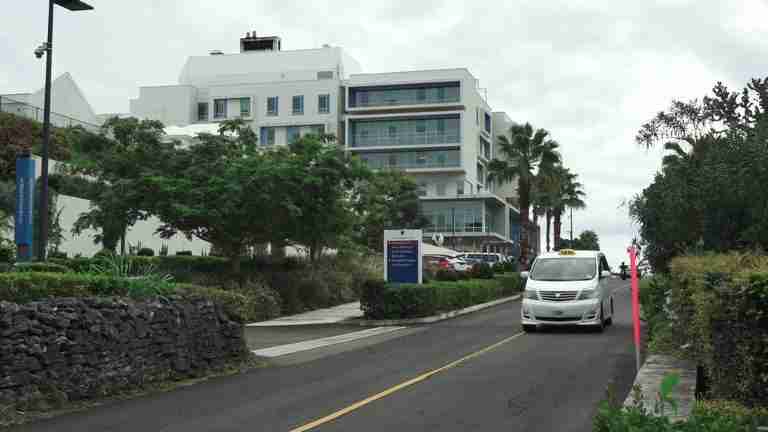
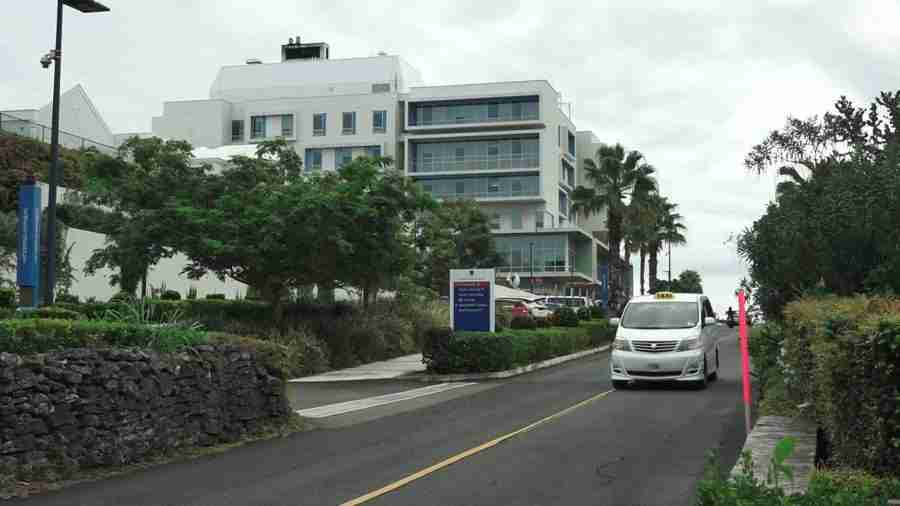
Photo: King Edward Memorial Hospital (file)
Issues with cleaning equipment at the hospital affected 22 patients this week.
A BHB spokesperson confirmed two specialist washers that clean scopes used for colonoscopies and endoscopies had issues, resulting in a technician being flown in on Wednesday to carry out the repairs to one of the washers.
They explained, “Our other washers were working, so all other surgeries continued as usual. ….one of the scope washers was repaired which meant these procedures could continue to their normal schedule from today.”
The spokesperson said they are awaiting a part to be sourced for the second scope washer, and the department is capable of running their full list of colonoscopy and endoscopy procedures with one washer.
Local retailer and geopolitical expert point to the need to capture international talent
An adaptive immigration strategy can help countries navigate the challenges of aging populations, and shrinking pools of local talent.
A Bermuda retail leader, and a geopolitical expert, appear to agree on this.
Stefano Moritsch, Global Geopolitics Lead at KPMG International, spoke at the Chamber of Commerce Annual General Meeting yesterday.
He said, “the biggest generation that we’ve had since World War two, baby boomers one and two, will all retire in the next 5 to 10 years…”
The nature of international trade is changing, Mr Moritsch advised, with more countries adopting protectionist policies, regional tensions affecting shipping routes, and concerns over cybersecurity.
All this is happening alongside a global demographic decline, and Mr Moritsch says how jurisdictions manage their borders may determine how they weather the grey storm.
“We have the rise of populist migration policies in a large part of the world”, Mr Moritsch said.
“Countries that can identify the talent pools of the future, and can adjust their immigration policy strategy to ensure that they can capture the talent of the future, will be better placed than the ones that will not be able to do so.”
The Chamber recently published estimates that our population has fallen by 10% since 2016.
“The population drop is a real thing”, said Mr Thompson. “When there’s less people paying into the pool, whatever that pool is, that means that each individual person is going to have to pay that much more.”
“The cost of operations has continued to go up.”
Mr Thompson said our approach to technology and immigration is key in addressing labour shortages.
He continues, “A.I. over the last two years has become really, really important for companies… utilising jobs that, maybe, they used to have people doing those functions before, and we can’t find them simply because they’re not readily on the island.”
“Re-looking at our immigration policies… there are there are countries out there who are really lobbying to get more people to, to their countries.”
“We need to do the same as well. We need to increase our talent pool in Bermuda.”
Anti-immigration sentiment is expected to play a role in an early election on May 18
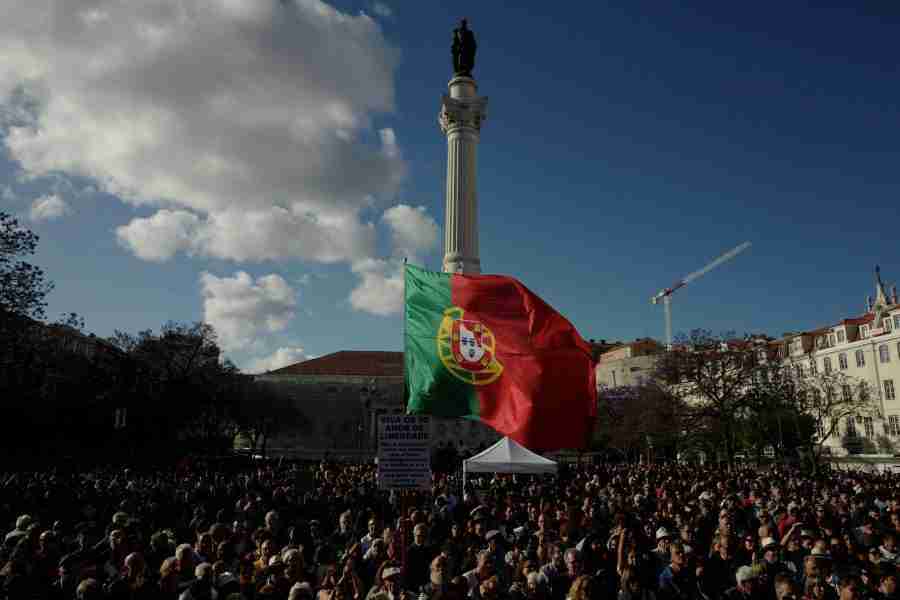
People gather in Rossio square during the commemorations of the 50th anniversary of Portugal’s Carnation Revolution that resulted in the overthrow of dictatorship and transition to democracy, in Lisbon, Portugal April 25, 2024. REUTERS/Pedro Nunes
International news via Reuters:
Portuguese riot police detained several ultra-right protesters on Friday after clashes in downtown Lisbon marred celebrations of the 51st anniversary of the Carnation Revolution, which ended a fascist dictatorship.
Extreme-right groups such as Ergue-Te (Rise Up), Habeas Corpus and Grupo 1143 had called a rally, which city authorities banned, to protest ahead of next month’s parliamentary election against growing numbers of immigrants.
A few dozen protesters showed up at the Square of Tolerance, which is popular with immigrants from Africa and Asia, just off the Avenida da Liberdade thoroughfare where hundreds of thousands traditionally gather for the Carnation Revolution.
They soon became embroiled in pushing and shoving with anti-fascist activists, leading police to intervene and use batons.
Television footage showed officers in riot gear handcuffing and arresting the leader of Ergue-Te, ex-judge Rui Fonseca e Castro, prominent neo-Nazi activist and Grupo 1143 leader Mario Machado, and another protester who appeared with blood on his forehead.
Retired members of the military stand inside an original military vehicle of Portugal’s Carnation Revolution during the commemorations of the 50th anniversary of Portugal’s Carnation Revolution that resulted in the overthrow of dictatorship and transition to democracy, in Lisbon, Portugal April 25, 2024. REUTERS/Pedro Nunes
Machado has previously been jailed for assault, racial discrimination and other crimes, and has another sentence for hate speech and inciting violence to serve.
Around 1.5 million migrants live in Portugal, about triple the number a decade ago.
Portugal’s centre-right government has toughened some immigration rules in the past year, reflecting attempts elsewhere in Europe to fend off the rise of the far-right.
Still, the country remains relatively open to migrants, particularly from Portuguese-speaking countries in Africa and from Brazil.
While anti-immigration sentiment is expected to play a role in an early election on May 18, far-right party Chega has been treading water in opinion polls after a surge in the previous election last year when it came third and quadrupled its parliamentary representation.
Reporting by Pedro Nunes and Andrei Khalip; Editing by Aidan Lewis
Some M&S International operated websites were also pausing orders
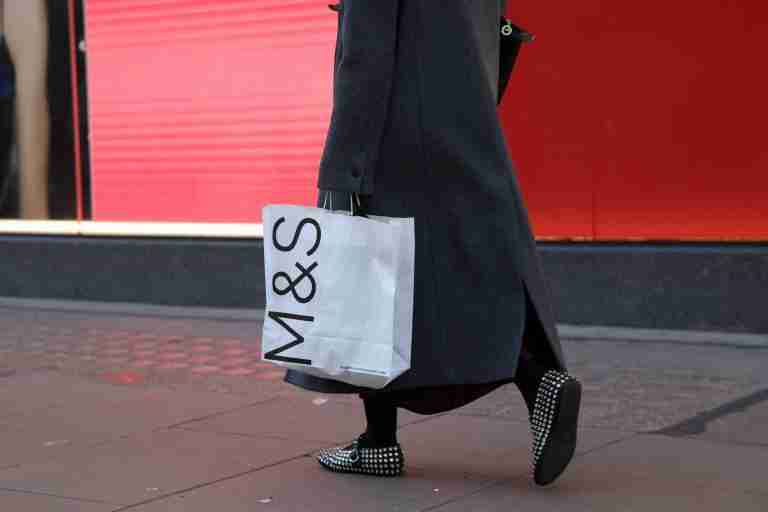
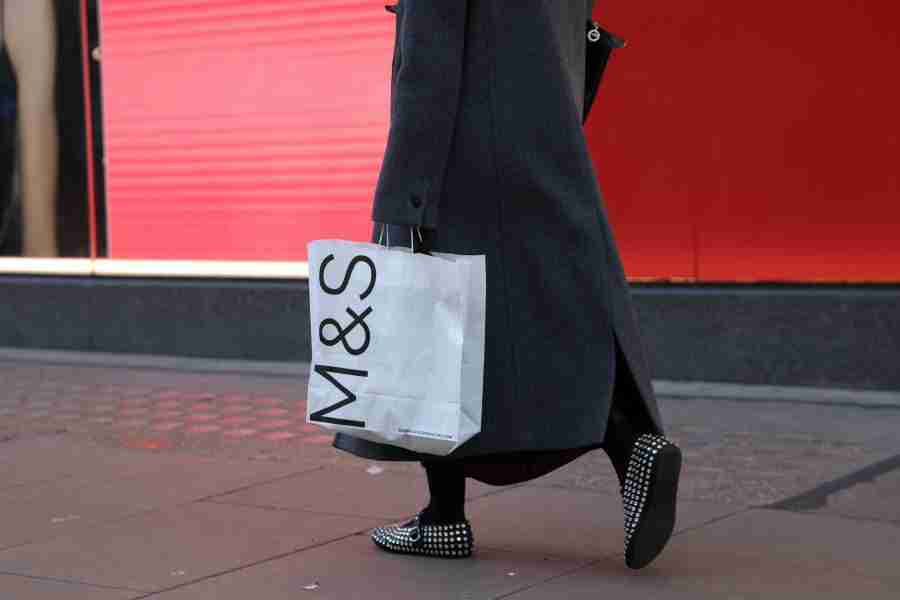
FILE PHOTO: A shopper carries a Marks & Spencer shopping bag in London, Britain, January 2, 2025. REUTERS/Hollie Adams/ File Photo
International news via Reuters:
Marks & Spencer stopped taking online orders in the UK and Ireland on Friday following a cyber attack which it reported earlier in the week, an announcement which sent its shares down by 5%.
The British company, which sells its clothing and homeware ranges through its website and app, said it made the decision as part of “proactive management” of the incident.
“Our experienced team – supported by leading cyber experts – is working extremely hard to restart online and app shopping,” the company said on X, apologising for the inconvenience and stating that its stores remained open.
Some M&S International operated websites were also pausing orders, it said.
M&S is a fixture in most British towns, and it posted revenue of about 13 billion pounds last year from its upmarket food as well as clothing, homeware and beauty. About one third of its clothing and home sales are online.
It said on Tuesday it had been affected by a cyber incident and was making some temporary changes to store operations as a result.
In recent days customers told the BBC they been unable to make contactless payments and some click and collect orders had been delayed.
The National Crime Agency said it was aware of the incident and its officers were working alongside the National Cyber Security Centre to support the company.
Reporting by Sarah Young in London, Pushkala Aripaka in Bengaluru; Editing by Shinjini Ganguli and Paul Sandle
To provide the best experiences, we use technologies like cookies to store and/or access device information. Consenting to these technologies will allow us to process data such as browsing behavior or unique IDs on this site. Not consenting or withdrawing consent, may adversely affect certain features and functions.
Functional
Always active
The technical storage or access is strictly necessary for the legitimate purpose of enabling the use of a specific service explicitly requested by the subscriber or user, or for the sole purpose of carrying out the transmission of a communication over an electronic communications network.
Preferences
The technical storage or access is necessary for the legitimate purpose of storing preferences that are not requested by the subscriber or user.
Statistics
The technical storage or access that is used exclusively for statistical purposes.The technical storage or access that is used exclusively for anonymous statistical purposes. Without a subpoena, voluntary compliance on the part of your Internet Service Provider, or additional records from a third party, information stored or retrieved for this purpose alone cannot usually be used to identify you.
Marketing
The technical storage or access is required to create user profiles to send advertising, or to track the user on a website or across several websites for similar marketing purposes.