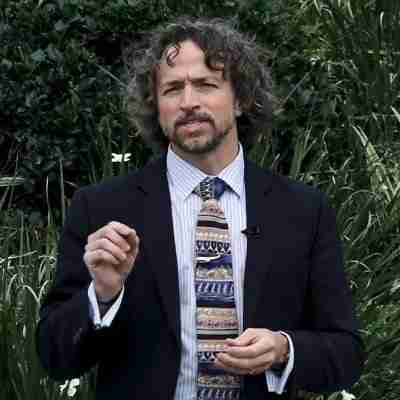
AGM guest speaker says ‘we are going back to a 1930s-style world’
The Chamber of Commerce were today presented with a sprawling picture of the changing global environment, and how it is affecting international trade.
Stefano Moritsch, Global Geopolitics Lead at KPMG International, said the political, military and economic supremacy of the US has allowed for decades of stability and predictability for businesses.
All that is changing, however, as China, Russia and smaller powers in the Gulf and Southeast Asia challenge the status quo, and the US is taking a more protectionist approach to trade policy.
“We are going back more to a 1930s style world”, says Mr Moritsch, “more mercantilist, more transactional. Where it’s less about creating an international rules based order, but it’s more about national interest driving a bit of an international disorder.”
“…needless to say, that complicates things for business environment.”
Mr Moritsch says the protectionist trend was becoming entrenched before recent US policies. Brexit in the UK, and supply chain issues exposed during the pandemic, showed some breakdown in economic integration.
Furthermore, a lack of global leadership can mean international institutions are less effective in addressing tensions and conflicts – some of which are putting strain on global shipping routes.
Diversions on such routes can both delay goods delivery and shipping insurance costs, and exposes vulnerabilities in the global trading system.
Mr Moritsch says, “these tensions and conflicts that we’re seeing are going to impact, more and more, security operations, critical infrastructure, business operations”, they might cause more delays”.
While Bermuda can feel the knock-on effect of cost increases in the global supply chain, our ambition to be an Atlantic Hub for undersea internet cables means we should also be wary of international activity in that space.
Mr Moritsch says, “there are more than 10 trillion USD worth of transactions that occur that rely on a stable undersea cable infrastructure, and this infrastructure is particularly vulnerable…”
“We all remember what happened at the end of last year in the Baltic Sea with two major disruption attacks… that prompted NATO countries… to set up a joint naval force to deter that kind of sabotage operations.”
“In the context of cybersecurity being a top concern for businesses and business resilience, I suspect this area of cybersecurity to become even more important in the months to come.”
These impacts on global trade are happening alongside a global demographic decline, and Mr Moritsch says that, by 2050, 90% of all demographic growth will be coming from Africa alone.
As many countries are seeing their populations aging, and the baby boomer generation reaching retirement age, this will pose a challenge in terms of the availability of labour.
“At the same time, we have a rise of populist migration policies in a large part of the world”, says Mr Moritsch.
“I guess countries that can identify the talent pools of the future, and can adjust their immigration policy strategy to ensure that they can capture the talent of the future, will be better placed than the ones that will not be able to do so.”
Mr Moritsch highlighted India as a country that is adapting well to the changing global environment. “They’re able to do business with everyone”, he said.
“They’re a conduit between the G7, the G20, and the global South. They have relative political stability… They have a young, dynamic workforce.” And, yeah,”
“They’re very well placed in this new world.”