Environmental activists presented their case for marine conservation to UK lawmakers today, unveiling plans that prominently involve Bermuda.
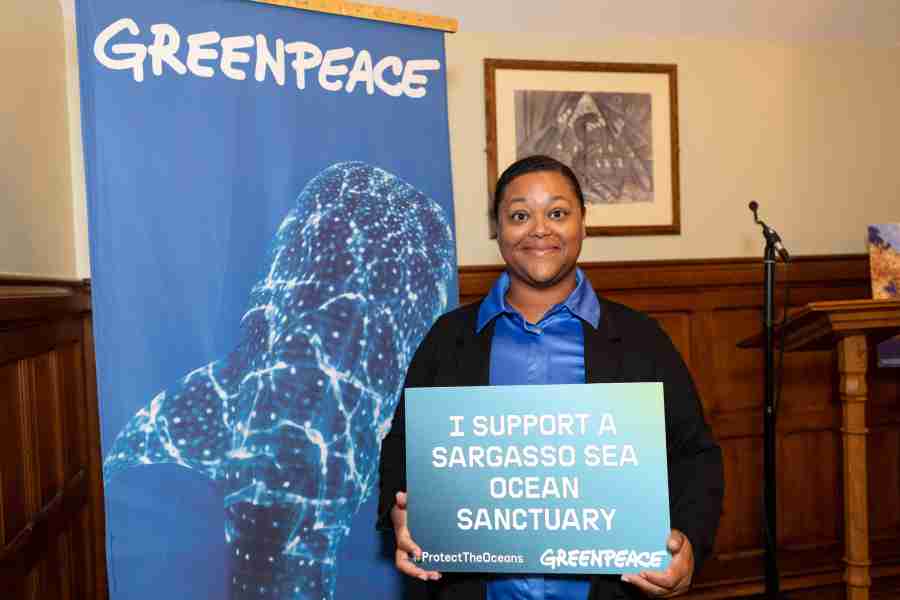
The Sargasso Sea, known as “the golden floating rainforest” of the Atlantic Ocean, has been highlighted by Greenpeace as a “sea of opportunity for ocean protection.”
In May, the organisation led an expedition to the Sargasso Sea on their vessel, the Arctic Sunrise, where they conducted wildlife surveys and docked in Bermuda to engage with local marine stakeholders.
Insights from this visit have shaped their latest report, presented to legislators today during a launch event at the Palace of Westminster in London.
The report calls for the establishment of the world’s first high seas ocean sanctuary within Bermuda’s vast blue, backyard, the Sargasso Sea.
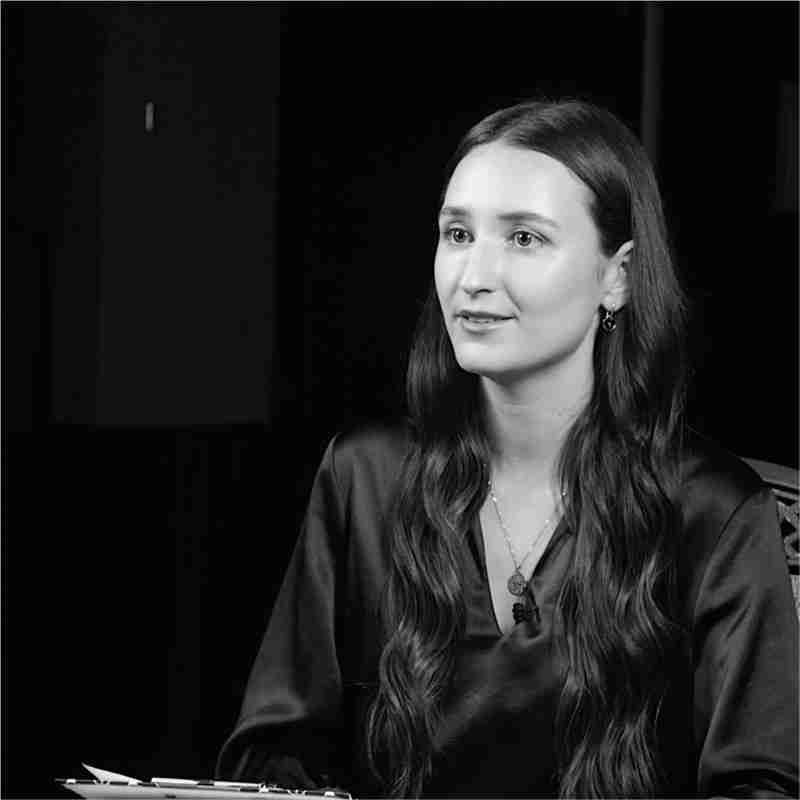
“We think this is a really important move that the new Government can make on the world stage by demonstrating that they are very clear in their plans for climate and global biodiversity loss,” said Reshima Sharma, political campaigner at Greenpeace UK.
Greenpeace credits the UK for playing a significant role at the United Nations in negotiating the Global Ocean Treaty—a landmark agreement aiming to establish a legal framework for marine conservation in international waters, which span over 60% of the ocean’s surface.
While the UK has signed the treaty, it has yet to be ratified into UK law. Ratification is essential, Greenpeace notes, for governments to create ocean sanctuaries.
“Until that treaty is ratified, nothing can be done to protect the ocean,” Sharma explained. “We know how important it is to protect the ocean, not just to preserve the magnificent wildlife and biodiversity that exists there, but also to protect us against a changing climate. The ocean is one of our greatest defences against a changing climate.”
Scientists have identified the Sargasso Sea as a priority area for protection under the Global Ocean Treaty, but Greenpeace warned today that swift action is essential, calling on both UK and Bermudian governments to collaborate on drafting a proposal now.
“This is through a multilateral process at the United Nations, and it can move quite slowly,” Sharma noted. “At the current rate, we wouldn’t meet the global goal to protect at least 30% of the world’s ocean by the end of this decade until the next century. We are calling for governments to accelerate this process, designate protected areas, and create ocean sanctuaries.”
Activists say a Sargasso Sea sanctuary would cover 1.5% of the world’s high seas, with Bermuda uniquely positioned to champion the efforts.
Bermuda is already an established leader in marine conservation. Earlier this year, Walter Roban, the Minister of Home Affairs put his support behind the idea onboard the Arctic Sunrise.
Greenpeace’s latest report outlines a roadmap for safeguarding the Sargasso Sea and highlights potential benefits for Bermuda, including economic advantages and spillover benefits for local fisheries.
“A Sargasso Sea sanctuary around Bermuda would put some human pressures off-limits, such as industrial fishing,” Sharma said. “Currently, the main countries fishing in the Sargasso Sea are not Bermuda but countries from afar. A sanctuary would have a spillover effect into Bermuda’s waters, benefiting local fishermen. It could also have a positive impact on Bermuda’s economy.”
During the launch event today, Bermudian environmentalist and COP29 Youth Delegate Noelle Young joined other speakers in presenting their case for the preservation of our oceans.
Greenpeace also urged policymakers to commit to a timeline for ratifying the Global Ocean Treaty.
“As soon as we establish ocean sanctuaries, we know that within a couple of years, we will start to see the benefits and witness nature’s recovery,” Sharma said. “Healthy oceans are essential for tackling climate change, so we need these protections in place as soon as possible.”