
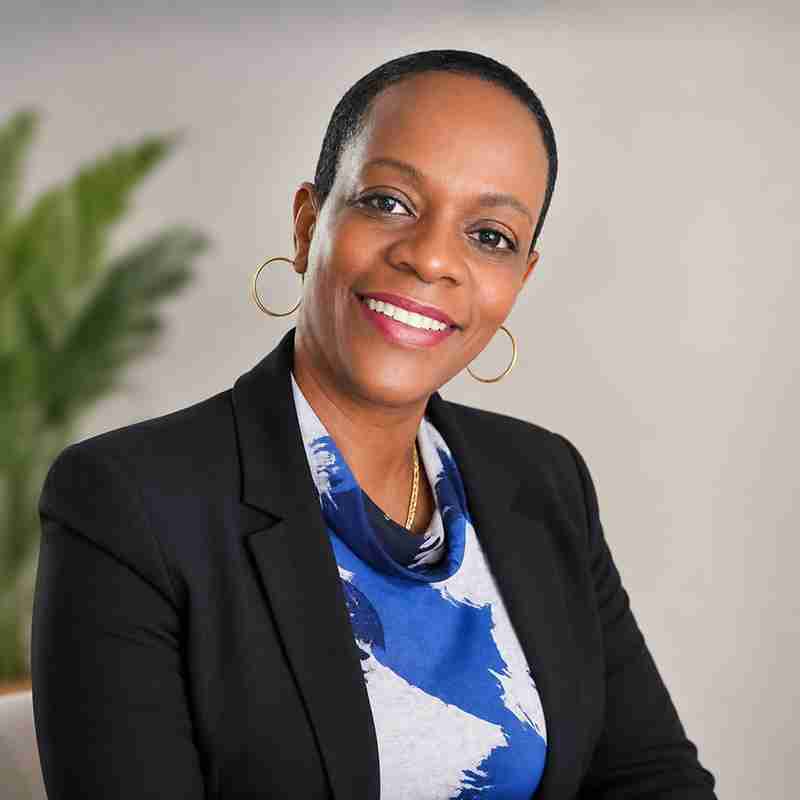
Statement by Lisa D. M. James, Founder & Chairlady, Bermuda Caregivers Alliance, Charity #1066:
“Am I a caregiver?” It sounds like a simple question, however I am increasingly convinced that it is one Bermuda urgently needs to ask.
You may be a nurse, teacher, civil servant, accountant, executive, hospitality worker, retail employee, construction worker or someone just beginning your career. You may work in a hospital, an international business, a government department, a small business or from home. But before work, after work, during your lunch break, throughout the night or on the weekend, are you also helping an ageing parent get dressed, preparing meals, organising medication, taking someone to medical appointments, assisting with mobility, helping with bathing, managing finances, checking that someone has eaten or getting up several times during the night because they cannot safely be left alone? If so, you may also be a caregiver — even if you have never called yourself one.
That is the elephant in the room. Since the launch of Bermuda Caregivers Alliance, the inquiries we have received, conversations we have had and our first survey responses have reinforced something that deserves far greater public attention: people are providing significant levels of care while continuing to manage employment, families, bills and their own health.
Some employees can work remotely, but working from home is still working. If someone is trying to meet a deadline, participate in meetings or answer emails while simultaneously caring for an elderly parent, spouse, adult child or other relative, where is the protected time for the person actually receiving care? We must stop assuming that because a family member is physically present in a home, adequate care is automatically being provided. That is not criticism of families. It is recognition of reality.
People can love their relatives deeply and still be exhausted. They can be completely committed to the person they care for and still need respite. They can desperately want to care for someone at home and still have no idea how to manage Parkinson’s disease, kidney disease and dialysis, cancer, stroke, diabetes, heart disease, dementia, mental-health conditions, substance-use disorders and addiction, lifelong disabilities, mobility deterioration, continence, nutrition, complex medication routines or palliative and end-of-life needs. Different conditions create very different caregiving demands, and many families are learning as they go. Love does not automatically provide training.
Bermuda Caregivers Alliance recently completed its first preliminary Caregiver Assessment & Wellbeing Survey analysis. The sample was deliberately small — 14 completed surveys — and BCA is not presenting these figures as representative of every caregiver in Bermuda. But they are an important early warning. Of those 14 respondents, 64 per cent fell within either the High or Critical overall concern categories. Seventy-one per cent reported feeling emotionally drained because of caregiving, 57 per cent reported significant caregiving-related stress, worry or anxiety, and half reported exhaustion or overload. Half also reported difficulty maintaining their own health and self-care while caregiving, while 57 per cent said they needed more training, support networks and advocacy.
Written responses raised another issue that cannot be ignored: isolation. Respondents described having little or no support, needing practical help and relief, and in some cases only recognising that they needed help after the caregiving burden had already developed. Fourteen people cannot tell us the whole story, but fourteen people can tell us that there is a story worth investigating. The question should not be, “Is 14 enough?” The question should be: what will we find when 100 caregivers answer? What about 500? What about 1,000?
Bermuda itself acknowledges that we do not yet know enough. The Bermuda Health Council’s 2025 Caregiver Data Report states that there is no centralised reference for understanding the actual demand for caregivers or whether supply is adequate to meet it, and calls for stronger data collection around caregiver demand, use, expenditure and financing. That matters because we cannot properly plan what we do not properly measure.
Who is providing unpaid care in Bermuda? How many have reduced their working hours? How many have left employment completely? How many are spending significant portions of their own income caring for parents, spouses, children or relatives? How many are experiencing burnout? How many are providing complex care for someone living with Parkinson’s, kidney disease, cancer, dementia, stroke, mental-health needs, addiction or another chronic condition without sufficient education or support? How many employers know that members of their workforce are also caregivers? How many people do not even realise that what they are doing has a name? We need answers.
Then there is our hospital. Bermuda has been discussing pressure on hospital beds, delayed discharges and long-term-care capacity for years. As of June 1, 2026, Bermuda Hospitals Board reported that 41 patients who were medically fit for discharge were still occupying acute-care beds. These patients were predominantly older adults, and the main reason identified for the delays was the need for skilled-nursing or long-term-care placement.
Families should not be blamed for hospital overcrowding, nor can we assume that every person awaiting placement could instead be cared for safely at home. But surely we should be asking what role stronger caregiver education, home-care support, respite, discharge preparation and community services could play in helping appropriate patients return home safely.
If a family wants to care for someone at home following a stroke, during cancer treatment, through progressive neurological illness, while managing dialysis, after major surgery, with a chronic mental-health condition or during end-of-life care, who teaches them what to do? Who checks whether they understand? Who prepares them before discharge? Who do they contact when something starts to go wrong? Who supports the caregiver before the situation becomes a crisis and the person ends up back in Emergency? These questions deserve serious answers.
The workplace cannot be excluded from this conversation either. Caregiving does not disappear when someone clocks in. International evidence shows what can happen when societies fail to recognise working caregivers. Carers UK reported in September 2026 that one in five UK workers had caring responsibilities and estimated that 1.1 million people had left employment to provide care during the previous two years. That is UK data, not Bermuda data, but that distinction strengthens the argument for our own research. What is Bermuda’s number? We do not know, and we should.
Caregiver recognition therefore belongs not only in health and social-care discussions, but also in conversations about employment, productivity, workforce retention, flexible working, pensions, financial security and the cost of living. Imagine losing an experienced employee not because they wanted to leave their profession, but because there was no realistic way to combine work with caring for a parent, spouse, child or relative with significant health needs. That affects the caregiver, the person receiving care, the employer and ultimately Bermuda.
There is another uncomfortable truth we must be prepared to discuss. A severely exhausted caregiver may struggle to provide the same level of care as a rested, informed and supported caregiver. That does not make them uncaring. It makes them human. Burnout can mean missed appointments, poor nutrition, medication mistakes, frustration, declining mental health, physical injury, relationship breakdown and eventually an inability to continue providing care.
International research shows how serious isolation can become. Carers UK’s 2025 State of Caring research found 43 per cent of surveyed carers felt lonely, while 59 per cent said caring had caused them to lose touch with family and friends. Again, those are UK figures. Bermuda needs its own. Supporting caregivers is not separate from supporting patients. Supporting caregivers is part of supporting patients.
Caregivers also need somewhere to turn. Where does a caregiver go when they believe something is wrong? Who explains their rights and responsibilities? Where do family caregivers seek impartial guidance? Where can professional caregivers raise concerns without fearing that speaking up will cost them their employment? What happens when a caregiver believes a vulnerable person is being neglected, financially exploited or placed at risk? What happens when the caregiver themselves is being mistreated?
Caregivers require clear pathways for information, escalation, safeguarding, education and advocacy. No one organisation can or should attempt to replace government, healthcare professionals, regulators, employers or existing community services. But somebody must continually ask: who is looking after the person who is doing the looking after?
Bermuda is ageing, but ageing is only one part of the caregiving picture. People also provide long-term care to children and adults with disabilities, individuals living with chronic illness, people undergoing cancer treatment, those with neurological conditions, people receiving dialysis, individuals living with mental-health or substance-use challenges, and family members whose needs may continue for years or decades. The need for caregiving is therefore not confined to seniors, and it is not going away.
We need to start treating caregivers as an essential part of Bermuda’s wider health and social-care infrastructure. That means recognising both unpaid/family and professional caregivers. It means better data, education before crisis, caregiver-aware discharge planning, respite and wellbeing support, clear safeguarding and escalation pathways, and employers recognising that some of their most valuable employees are performing another essential role when they leave work.
It also means including caregivers themselves when decisions affecting caregiving are being made. Bermuda Caregivers Alliance was established because too many of these conversations were not taking place loudly enough. Our first survey has not given us every answer. It has given us a reason to ask more questions.
So, are you a caregiver? Perhaps you care for a parent, spouse, child, relative, friend or client. Perhaps you are supporting someone through cancer, kidney disease, Parkinson’s, dementia, disability, addiction, mental illness or another long-term condition. Perhaps you are paid. Perhaps you are unpaid. Perhaps you work full-time while providing care. Perhaps you have reduced your hours. Perhaps you have left work altogether. Perhaps you have been caring for someone for years and have never once described yourself as a caregiver.
We want to hear from you. Please scan the QR code accompanying this article and complete the Bermuda Caregivers Alliance Caregiver Assessment & Wellbeing Survey. The more caregivers who participate, the clearer Bermuda’s picture will become.
Caregivers cannot continue to remain invisible while carrying responsibilities that help hold families — and parts of our health and social-care system — together. Caregivers must be recognised, heard, included and supported.
The elephant is already in the room. It is time Bermuda talked about it.
Please note: Bermuda Caregivers Alliance #1066 website is under construction and our email address has changed. All inquiries and community engagement should be sent to bermudacaregiversalliance@outlook.com until the website launches.
Supporting Those Who Care

