
Saturday, October 24, 2026
Home Blog Page 100

Family Centre thanks community for Cup Match Tag Day support

Family Centre extends its heartfelt thanks to the volunteers, businesses, donors, community partners and members of the public who helped make the 2026 Family Centre Cup Match Tag Day a success.

This year marked Clarien Bank’s 25th year of sponsoring Family Centre’s Cup Match Tag Day. The charity is deeply grateful to Clarien for its longstanding partnership and continued commitment to strengthening Bermuda’s children, teens and families.

Despite periods of heavy rain on July 29, volunteers across the island demonstrated adaptability and commitment, adjusting to changing weather conditions and continued to collect critical donations throughout the day.

Dr. Sandy De Silva, Executive Director of Family Centre, said, “We were inspired by the commitment of our volunteers. Resilience and adaptability are qualities we work to foster in the children and teens we serve, and on Tag Day our volunteers demonstrated those same qualities in action. We are extremely grateful to every person who gave of their time.”

Family Centre also thanks the 15 businesses that welcomed volunteers and accommodated taggers indoors during the rain.

2026 Tagging Locations included:

· Clarien Bank, Point House

· Butterfield Bank, Front Street

· HSBC Bank, Front Street and Reid Street

· Lindo’s Family Foods, Warwick and Lindo’s Market, Devonshire

· The MarketPlace Somerset, Heron Bay, Modern Mart, and Victoria Street Shopping Centre

· The English Market, Front Street

· Gibbons Company Home Store

· LiveNet

· People’s Pharmacy

· The Phoenix Centre

· Hamilton Pharmacy

Special thanks to Tag Day Station Takeovers by PwC, Deloitte, Government House, and the Bermuda Conference Women’s Missionary Society of the AME Church.

Family Centre is also grateful to the 28 businesses that hosted Cup Match ribbons static stations throughout July:

A.F. Smith; Belvin’s Shelly Bay; Divots, Duty Free Shops at L.F. Wade, Esso City Center; Esso BIU Gas Station; Esso Crawl; Esso Port Royal; Esso St. George’s English Market; Esso Terceira’s North Shore; Esso Terceira’s South Shore Warwick; Esso Middle Road Warwick; Eye Health Clinic; Goslings

Dundonald Street and Front Street; Jazzy Boutique; Mailboxes; Raynor’s Rubis Gas Station; Rubis Boaz Island; Rubis Causeway; Rubis Dowling’s St. George’s; Rubis East Broadway; Rubis Paget Service Station; Rubis Robinson’s Marina; Rubis St John’s Road; Salon Pink; Speciality Inn; and The Snug.

Thank you to Miles Market, John Barritt and Son, and SOL for their in-kind support.

Family Centre also thanks Metal & String, the mother-and-son team of Shae and Ean Welch. After the cancellation of Harbour Nights prevented Family Centre from hosting its planned Cup Match table, the dynamic duo collected Tag Day donations from their vendor table at Somerset Cricket Club throughout the two-day Cup Match holiday. Their generosity is deeply appreciated.

Thania Redman, Family Centre’s Relationship Development Director, said, “Tag Day is truly a community effort. Every volunteer, business, donor and member of the public who contributed played an important part in its success. We also appreciate Family Centre staff, who helped with volunteers, replenished supplies, and filled ribbon orders throughout the campaign. We are incredibly thankful to everyone who continues to support Family Centre’s mission.”

Cup Match Tag Day is Family Centre’s major annual fundraiser and is dedicated in memory of Family Centre founder and former Executive Director, the late Martha Dismont. Funds raised support therapeutic counselling services, therapeutic community youth programmes and collective action initiatives for children, teens and families in Bermuda.

Hannah Collins de la Cruz, Family Centre’s Fund Development Specialist and Cup Match Tag Day Lead stated, “To everyone who volunteered, donated, welcomed us into your business or supported Tag Day in any way, thank you. Your support helps Family Centre continue to create opportunities for healing, hope and connection for generations to come.”


BPS work with overseas law enforcement to detain Filipino national

A 27-year-old woman from the Phillipines residing in Bermuda was brought into police custody

Police have confirmed a 27-year-old Filipino national is in custody following an alert issued by INTERPOL.


A spokesperson for the Bermuda Police Service said he matter is being progressed in close liaison with overseas law enforcement and international policing partners.

Jasmine Patterson tells us what we know so far.

MP joins fellowship founded by former New Zealand PM

Home Affairs Minister Alexa Lightbourne joined the 2026 cohort of the Field Fellowship, a year-long international programme for senior political leaders

Minister of Home Affairs, Alexa N. H. Lightbourne has joined the 2026 cohort of the Field Fellowship, a year-long international programme for senior political leaders founded by former Prime Minister of New Zealand, Dame Jacinda Ardern.

Fellows are identified and invited by the programme, and Minister Lightbourne is the first Minister of the Government of Bermuda to receive the invitation.

Field supports senior political leaders practising empathetic leadership, the approach Dame Jacinda applied as Prime Minister from 2017 to 2023. The fellowship runs for a full year and combines structured development, peer exchange, and direct engagement with senior practitioners in government, public communication, and international affairs.

The 2026 cohort gathered for a retreat over the Cup Match holiday. The cohort comprises 13 women leaders from countries across the Caribbean, Latin America, Europe, and North America. Its members include serving national Ministers, a Deputy Premier and Attorney General, a Deputy Minister of Foreign Affairs, Members of the European Parliament, a Mayor, and former Ministers of Foreign Affairs and of Health. 

The retreat combined facilitated sessions, structured peer exchange, and individual advisory time. The cohort also held a conversation with the Hon. Dr. Michelle Bachelet, former President of Chile and former United Nations High Commissioner for Human Rights. 

Minister Lightbourne’s selection places Bermuda within a working network of governments managing pressures central to the Ministry of Home Affairs’ mandate; household affordability, energy transition, housing, and public trust in institutions. 

Minister Lightbourne said, “Different countries, different politics, and the same dedication to serve people better and prove it in results. I return with working relationships across four regions, and a stronger network of women in government who measure leadership by what reaches people. I thank Dame Jacinda Ardern and the Field team for the invitation.”

Media release supplied by the Government of Bermuda

Bonds, stocks jolted as Middle East tensions shatter market calm

Oil prices were in positive territory for the third consecutive day, with Brent crude hitting its highest since late last month after the latest signals from Washington and Tehran crushed hopes of an imminent end to the conflict

International News via Reuters:

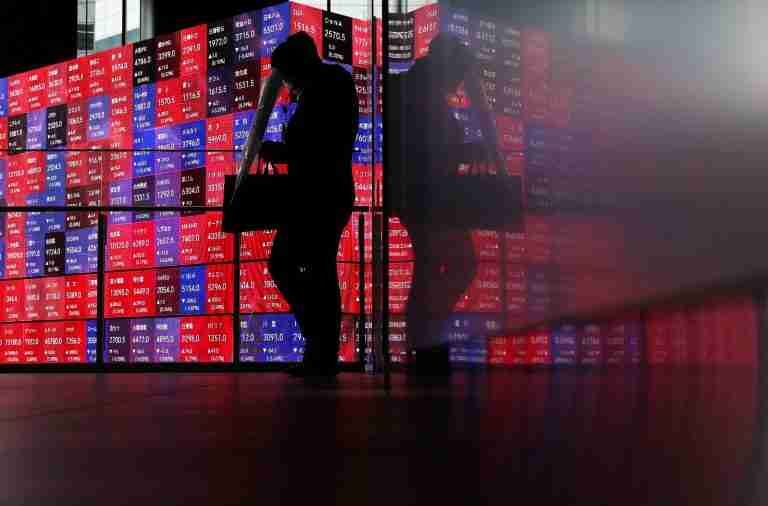
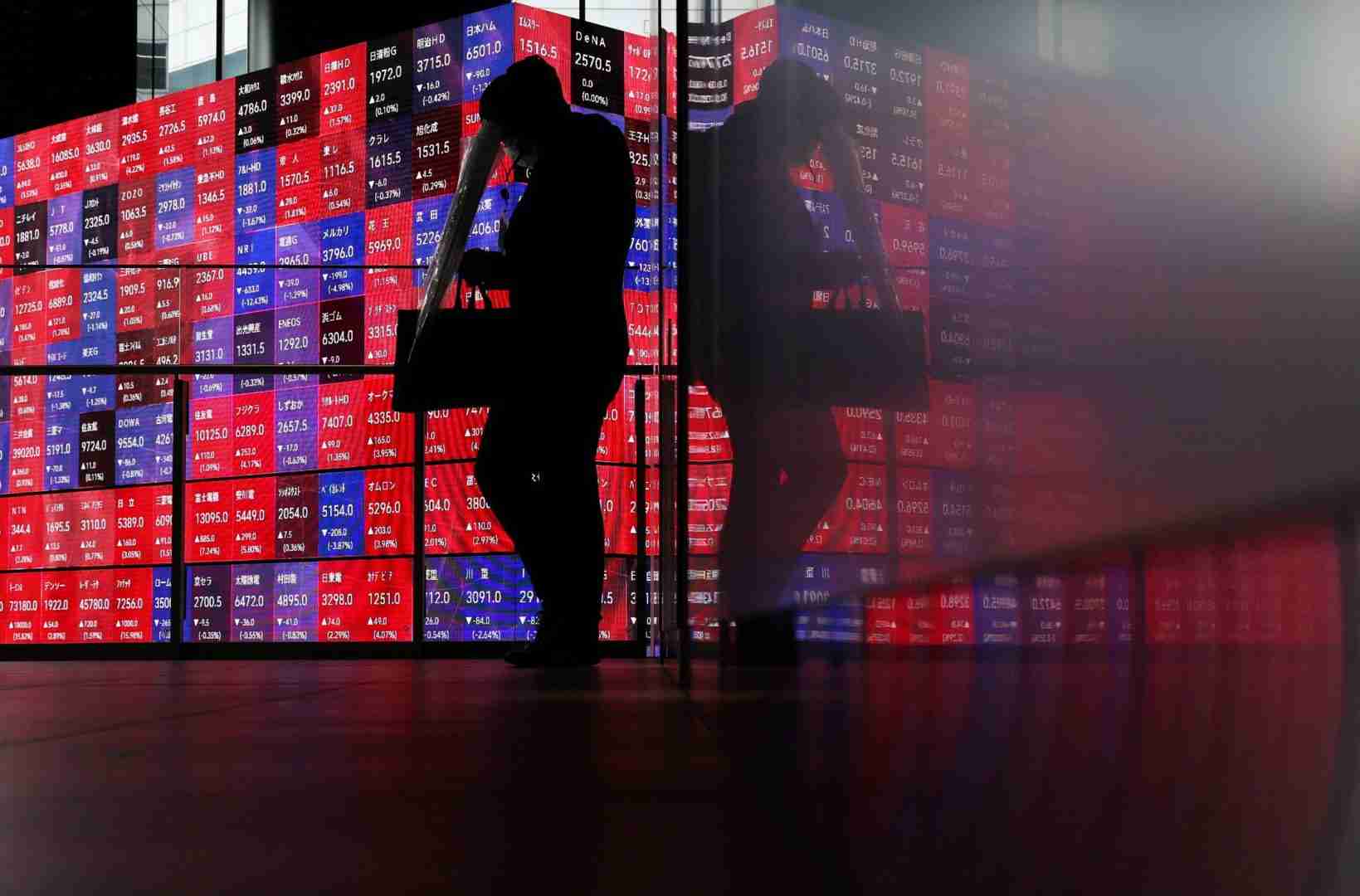
A selloff in U.S. government bonds picked up pace on Tuesday, sending the 30-year Treasury yield to a near two-decade high as fears of an escalation in the Middle East war fuelled inflation worries and pressured stocks.

Oil prices were in positive territory for the third consecutive day, with Brent crude hitting its highest since late last month after the latest signals from Washington and Tehran crushed hopes of an imminent end to the conflict.

The market’s reaction shows that tensions in the Middle East remain a potent source of risk, with a renewed escalation capable of reverberating across oil, bonds, currencies and equities.

It has also shattered the calm after a recent run of soft data in the U.S. eased jitters about rate hikes by the Federal Reserve.

Traders see a 34.6% chance of a hike at the Fed’s September meeting, lower than 48.4% a week ago, according to the CME FedWatch tool.

But “if things unravel and the conflict escalates, a mid-cycle adjustment would be necessary,” said George Bory, chief investment strategist for fixed income at Allspring Global Investments.

The yield on the U.S. 30-year Treasury bond rose 1.42 basis points to 5.3232%, its highest in almost 20 years. Its 10-year counterpart traded up 0.99 basis points at 4.7339%. [US/]

The pressure also spread to other major government bond markets. Yields on Japan’s 10-year government bond were on the brink of hitting 3% for the first time since the mid-1990s, while euro zone bond yields were hovering at multi-year highs.

MARKETS TURN CAUTIOUS

Europe’s STOXX 600 fell 0.52% to 653.01. On Wall Street, futures tracking the S&P 500 and the Nasdaq 100 slipped 0.50% and 1.22%, respectively.

MSCI’s gauge of stocks across the globe dipped 0.26% to 1,153.64.

High bond yields can weigh on equities by making stocks less attractive and raising borrowing costs for capital-intensive companies investing heavily in AI infrastructure.

The CBOE Volatility Index, Wall Street’s fear gauge, hit its highest in more than a week.

“The unresolved standoff argues for maintaining hedges against renewed oil and inflation volatility,” strategists at Gramercy Funds Management wrote.

Investors are also awaiting minutes of the Fed’s most recent policy meeting, scheduled to be released on Wednesday. The central bank’s Jackson Hole symposium next week will also be scrutinised for clues on policymakers’ interpretation of the latest economic data.

“Given the reduced information content of the FOMC’s policy statement and Fed chair (Kevin) Warsh’s press conferences, the minutes from the FOMC meetings arguably have become more important in conveying the balance of views among policymakers,” said Jonas Goltermann, chief markets economist at Capital Economics.

The Federal Open Market Committee is the Fed’s interest-rate-setting body.

Reporting by Niket Nishant in Bengaluru and Gregor Stuart Hunter in Singapore; Editing by Sonali Paul, Clarence Fernandez, Muralikumar Anantharaman, Gareth Jones and Sharon Singleton

Climate damage: the next hit to Europe’s public finances

This year’s wildfires in southwestern Europe and the severe flooding that hit Spain in 2024 and Germany and its neighbours in 2021 show how climate damage is adding to a list of strains on Europe’s finances

International News via Reuters:

Someone will have to pick up the tab for the damage wrought by Europe’s increasingly volatile weather, and with the bulk of those economic losses uninsured, that will be the public purse unless immediate action is taken.

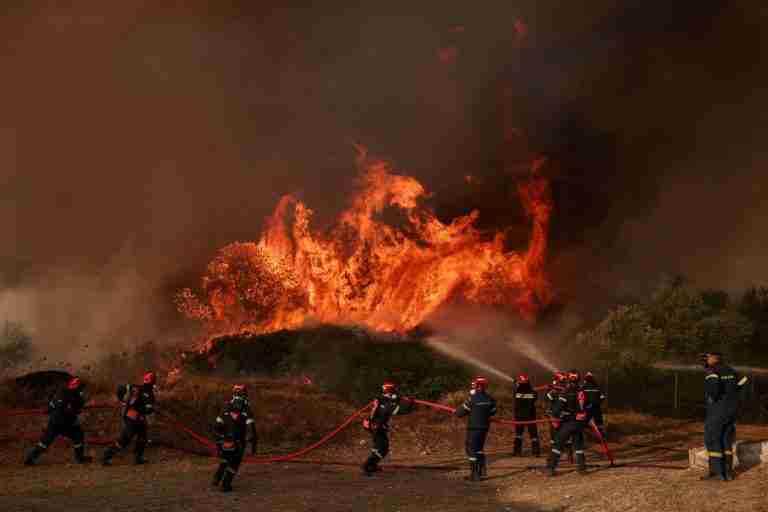
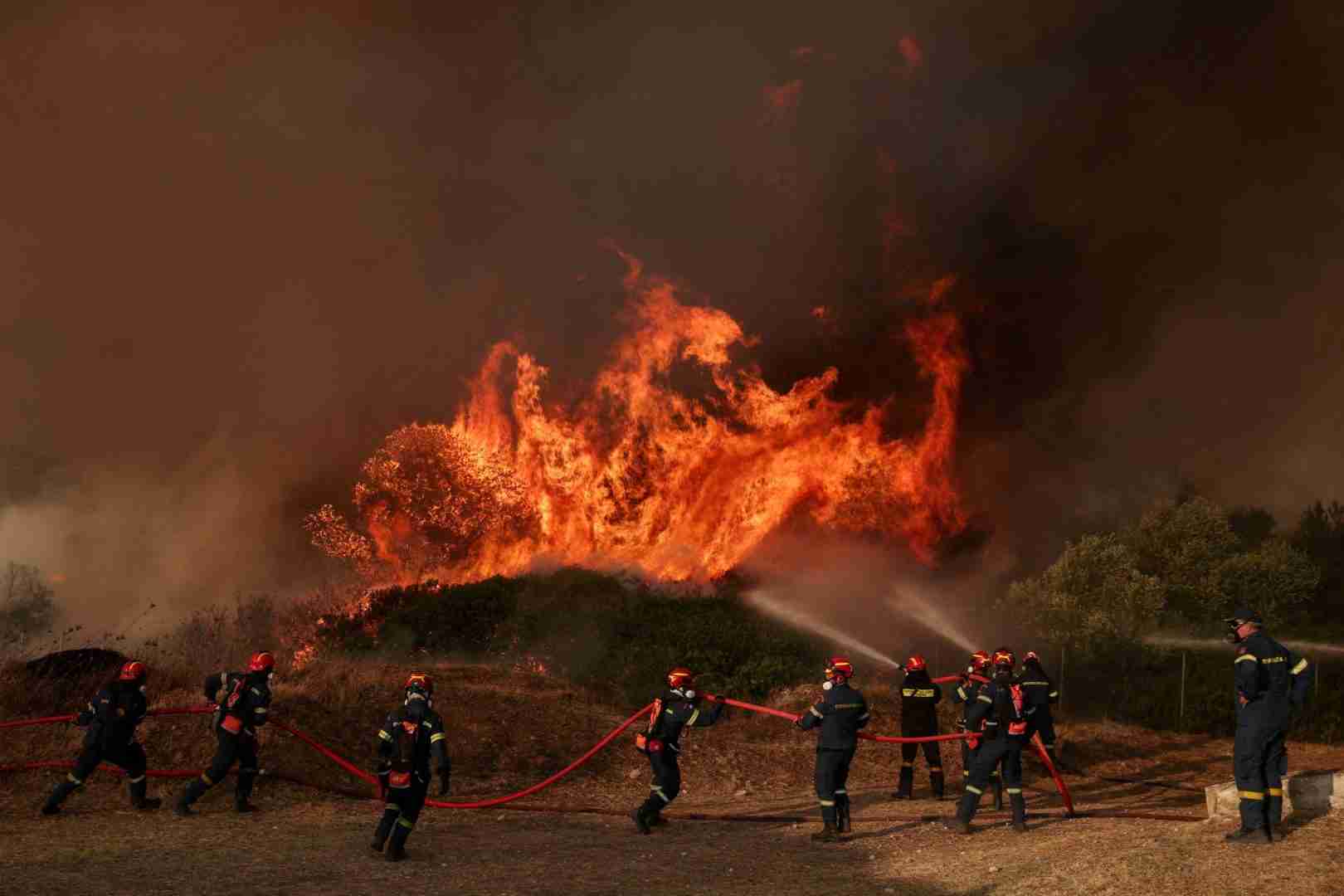
This year’s wildfires in southwestern Europe and the severe flooding that hit Spain in 2024 and Germany and its neighbours in 2021 show how climate damage is adding to a list of strains on Europe’s finances that already includes higher defence spending and rising costs associated with an ageing population.

“The problem is that they’re becoming more recurrent,” Federico Barriga-Salazar, head of Western Europe sovereign ratings at Fitch, said of catastrophes until now largely viewed as costly budget one-offs rather than as a regular expense.

“If a government is already fiscally tight, it means that it does create some policy trade-offs,” he said of the pressure that such economic losses put on other spending items.

If the current scale of the fiscal hit is arguably quite small, there is a growing acceptance it will only get bigger in a region which is the world’s fastest-warming continent.

Weather- and climate-related extremes caused economic losses of an estimated €822 billion ($953 billion) in the European Union between 1980 and 2024, according to the European Environment Agency — with a quarter of that damage inflicted in just the last four years.

Public deficits across the euro zone already average around 3% of GDP. Barriga-Salazar cited estimates that the Spanish 2024 floods — Europe’s worst flooding event in five decades — imply reconstruction costs of 0.7 percentage points of output from 2024 to 2026.

Moreover, only a quarter of climate-linked catastrophe losses are insured in the EU, with coverage in some countries below 5%, the EU estimates. Some fear that level of insurance coverage will only get smaller as a proportion of overall costs as extreme weather events occur more regularly.

“I do think this just means the more you have these risks, the less they will be insured,” said David Zahn, head of European fixed income at Franklin Templeton. “This is a big issue, and it will impact some of the countries by 1% to 2% of GDP.”

Economic think tank Bruegel calculated that, while most of the 2021 flood damage was covered by insurance in Belgium, the low level of insurance coverage in Germany meant it had to draw on public funds of €30 billion for the bulk of damages.

ADAPTING AND SHARING RISKS

With the European Union due to release proposals for climate resilience and risk management this autumn, attention is focused on possible solutions.

Greece, whose tourism-dependent economy is notably exposed to the risk of heatwaves and wildfires, is looking at ways to boost insurance coverage while making water and energy infrastructure more robust in tourist hotspots.

Following huge floods in early 2026, Portugal has announced plans to introduce mandatory home insurance backed by a natural disaster and earthquake disaster fund and a solidarity mechanism to guarantee universal access.

A possible stopgap measure for some could be recourse to so-called catastrophe bonds under which investors can receive handsome returns but also lose part or all of their principal if a predefined event, such as a hurricane or earthquake, occurs.

Franklin Templeton’s Zahn noted that for the sovereign, this could amount to an expensive gamble: “If the event happens, it pays off immediately. But you could also have five years with nothing, and you just paid out 8% per year.”

Heather Grabbe, senior fellow at Bruegel, said governments needed to put in place arrangements more systematic than one-off emergency spending, which risks creating the perverse incentive for households and businesses not to take out insurance.

“All governments across Europe need to assess their exposure and make comprehensive plans to reduce future damage through adaptation investments, as well as pooling risks across borders,” Grabbe said.

Numerous studies highlight how early investments in making economies more resilient to climate change can over time save money – and avoid what a 2025 Oxford University study called an “adaptation investment trap”, where repeated climate disasters raise debt and so leave less money for protection measures.

Spanish Prime Minister Pedro Sanchez has argued that green investments worth 0.1% of GDP could prevent economic losses totalling eight times that, and avoid tax revenue losses amounting to three times the original investment.

The ECB has proposed a joint EU public-private reinsurance scheme pooling private risks from natural catastrophes, backed up by an EU fund for public disaster financing.

But the question is whether this summer’s heatwaves will generate the political will to take on some of the upfront costs of such action — both at government and EU level.

A European Commission spokesperson said the EU executive was looking into ways to address the climate insurance protection gap as part of a package of measures due to be adopted by the end of the year.

($1 = 0.8624 euros)

Additional reporting by Kate Abnett in Brussels, Aislinn Laing in Madrid, Andrei Khalip in Lisbon, Johann M Cherian in Bengaluru, Francesco Canepa in Frankfurt; Writing by Mark John; Editing by Hugh Lawson

UK labour market loses more momentum in second quarter

Private sector regular earnings — watched by the BoE as a gauge of domestic inflation pressure — rose by 2.8% in annual terms during the three months to June, marking the weakest growth since the three months to October 2020

International News via Reuters:

Britain’s labour market cooled further in the second quarter, marked by slowing earnings growth in the private sector and the smallest number of vacancies in more than five years, official data showed on Tuesday.

Private sector regular earnings — watched by the BoE as a gauge of domestic inflation pressure — rose by 2.8% in annual terms during the three months to June, marking the weakest growth since the three months to October 2020.

While that matched the BoE’s own forecast published last month, sterling fell slightly on the data, which also showed the unemployment rate holding at 4.9%, against expectations in a Reuters poll of economists for a drop to 4.8%.

The data is likely to make most BoE policymakers happy to keep interest rates on hold for now, though the central bank has said it may take until the end of the year before it can tell whether higher energy prices from the Iran war are translating into bigger pay settlements.

VACANCIES WEAKEST SINCE LATE 2014 EXCLUDING PANDEMIC

“The slightly weaker jobs picture than expected suggests the labour market is still easing, but only very gradually now,” said Rob Wood, chief UK economist at Pantheon Macroeconomics.

The number of open job vacancies edged down to 707,000 in the three months to July, down from 711,000 in the three months to June, the Office for National Statistics said.

It was the smallest total since the three months to April 2021. Excluding the pandemic, vacancies are at their lowest since late 2014.

While the earnings and unemployment data mostly predate Andy Burnham’s rise to prime minister last month, economists said they point to a labour market that is losing momentum — an unpromising sign for the months ahead.

“Looking ahead, ongoing uncertainty over the U.S.-Iran conflict and the possibility of another round of tax hikes in the October budget suggest the risks to employment remain skewed to the downside,” said Andrew Hunter, senior economist at Moody’s Analytics.

Employment rose by 83,000 in the second quarter, a much smaller increase than the median forecast of 129,000 in the Reuters poll and the weakest reading for five months.

Separate data from the tax office showed the number of payrolled employees fell by 12,850 in July, marking a sixth straight month of decline.

EARNINGS GROWTH SKEWED BY NHS PAY RISE

Even slightly stronger pay growth across the wider economy looked anomalous.

Overall earnings growth, excluding bonuses, was 3.5% in the second quarter. While up slightly from 3.4% in the three months to June, the reading was skewed higher by the timing of National Health Service pay awards that lifted public sector pay growth to 6.1%, its highest this year.

After adjusting for inflation, earnings excluding bonuses rose by 0.7% in annual terms in the three months to June, the highest reading this year but reflecting a fall in inflation that economists regard as temporary.

The BoE is closely watching whether the energy price jump caused by the Iran war is turning into longer-term inflation pressures in the economy.

Financial markets on Tuesday showed one 0.25 percentage-point interest rate hike priced by the end of 2026.

Reporting by Andy Bruce and David Milliken; Graphics by Pasit Kongkunakornkul; Editing by William James and David Holmes

Colombia’s president pegs early quake losses at $9.6 billion

De La Espriella said the impact included roughly 24.5 trillion pesos in buildings and 5.5 trillion pesos in infrastructure

International News via Reuters:

The economic losses from a powerful earthquake that struck Colombia last week are expected to reach 30 trillion pesos ($9.58 billion), Colombia’s President Abelardo De La Espriella said on Monday.

De La Espriella said the impact included roughly 24.5 trillion pesos in buildings and 5.5 trillion pesos in infrastructure.

“Just imagine the scale of the disaster,” De La Espriella said, noting that the figures were likely to change. “This is a preliminary figure that will be adjusted as we obtain more information and as the damage caused by this earthquake is assessed in each of the regions.”

The 7.4-magnitude quake toppled buildings in various parts of western Colombia, including the major cities of Cali and Pereira, killing 280 people, injuring more than 4,000, and leaving another 143 people missing. 

By comparison, the earthquakes that struck neighboring Venezuela on June 24 caused damage to housing and infrastructure estimated at $37 billion, according to an initial assessment by the United Nations Office for Disaster Risk Reduction published last month.

The Colombia quake is the first major crisis facing De La Espriella, who took office just days before and now must oversee relief and reconstruction efforts.

($1 = 3,131.6400 Colombian pesos)

Reporting by Luis Jaime Acosta and Nelson Bocanegra, Writing by Natalia Siniawski, Editing by Daina Beth Solomon

Hormuz crossings rise slightly from weekend, remain in single digits, data shows

Six commodity ships transited the strait on Monday, of which three were exiting the Gulf and three were entering, Kpler shiptracking data showed, compared with the 10-day average of 11 ships

International News via Reuters:

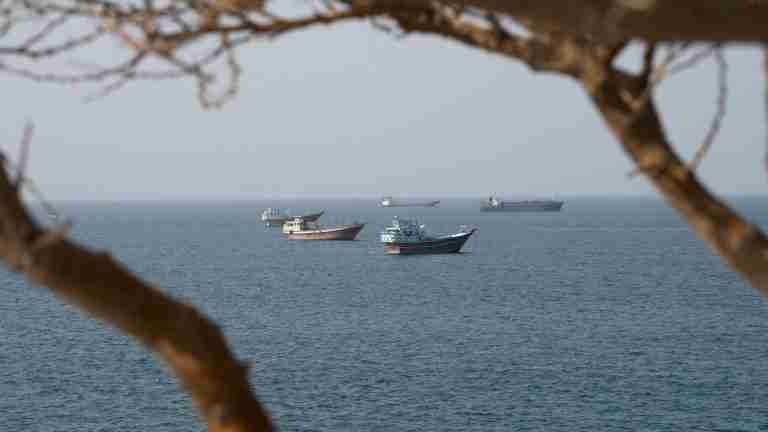
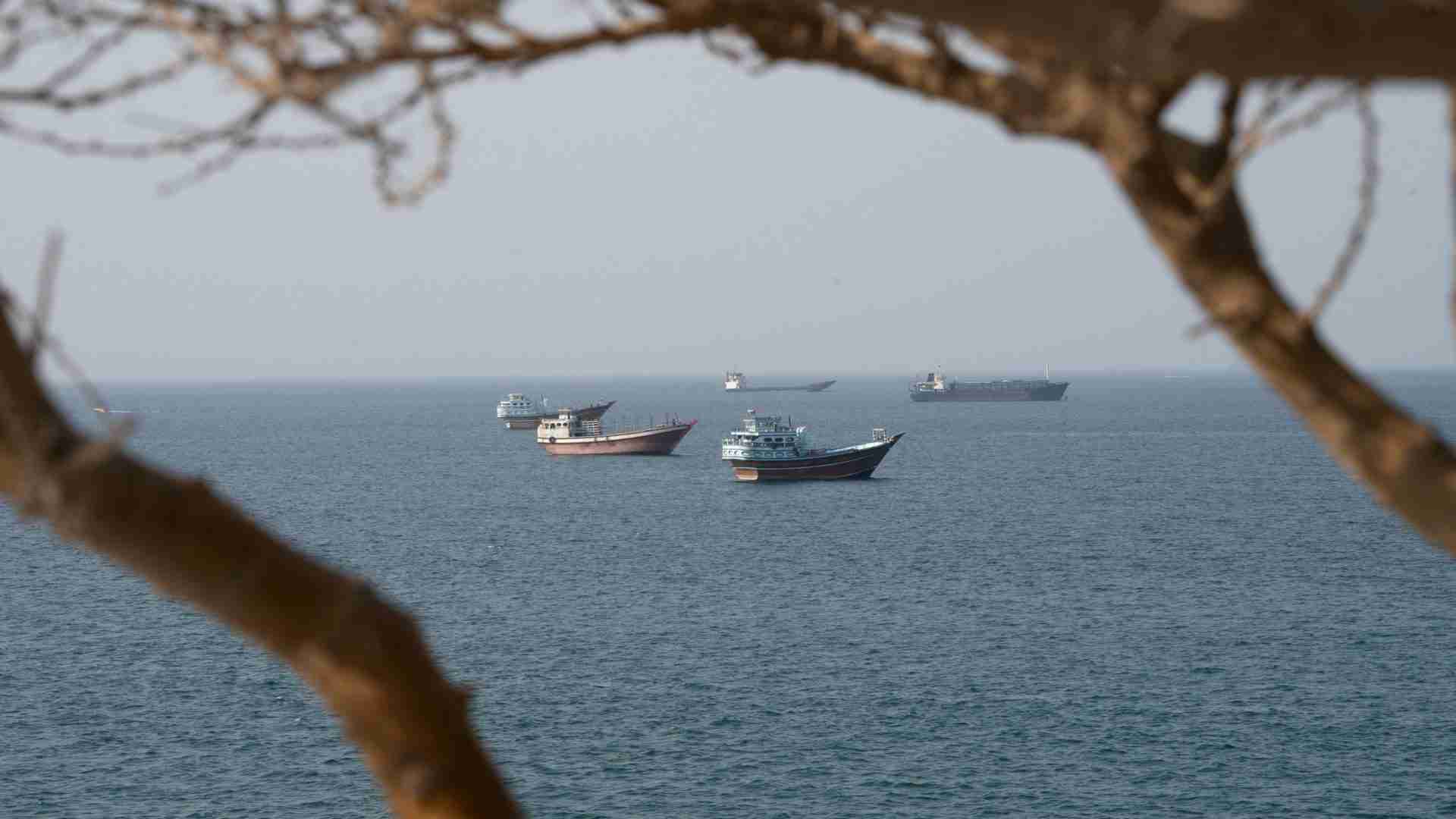
Ship crossings via the Strait of Hormuz were still in single digits on Monday, despite rising slightly from the weekend, according to preliminary shipping data on Tuesday, amid a stalemate in U.S. and Iranian peace talks.

Six commodity ships transited the strait on Monday, of which three were exiting the Gulf and three were entering, Kpler shiptracking data showed, compared with the 10-day average of 11 ships. Three ships transited on Saturday while two moved through the waterway on Sunday.

There were no very large crude carriers (VLCC) or tankers carrying liquefied natural gas passing through.

Some vessels could be passing through the strait with their transponders switched off and they are not considered in the tally.

The very large gas carrier (VLGC) Xavia entered the strait via the Iranian route under ballast, meaning empty of a cargo, according to the data. VLGCs are typically used to ship liquefied petroleum gases such as propane and butane.

A medium-range fuel tanker and an intermediate-range tanker also entered the Gulf, the data showed, while a medium-sized LPG carrier, a Panamax bulk carrier and a Panamax-sized fuel tanker exited the Gulf.

BAB EL-MANDEB CROSSINGS

At the chokepoint of Bab el-Mandeb on the other side of the Arabian Peninsula, 19 commodity vessels transited on Monday, Kpler data showed, lower than a 10-day moving average of 26 and Sunday’s 33 crossings.

Out of the 19 ships, five were entering the Red Sea and 14 were exiting.

Of the 14 exits, one was the VLCC Norns laden with 2 million barrels of oil, according to the data.

Of the ships entering, two were the liquid tankers Admiral and Portofino, with the Portofino loaded with diesel bound for west of Suez markets.

Reporting by Trixie Yap; Editing by Christian Schmollinger and Tom Hogue

Oil prices at near three-week high as US-Iran peace hopes fade

Brent crude futures climbed 35 cents, or 0.39%, to $91.22 a barrel by 0827 GMT. U.S. West Texas Intermediate crude futures were up 81 cents, or 0.96%, at $85.31 a barrel

International News via Reuters:

Oil prices rose for a third session on Tuesday as prospects receded for a deal to end the Middle East war, with Iran saying it would adopt a more offensive stance and the U.S. ruling out extending a ceasefire deal, heightening worries about prolonged energy supply disruptions.

Brent crude futures climbed 35 cents, or 0.39%, to $91.22 a barrel by 0827 GMT. U.S. West Texas Intermediate crude futures were up 81 cents, or 0.96%, at $85.31 a barrel.

Both contracts were on course for their third straight day of gains, with Brent touching its highest since July 30 during the session and WTI since July 31.

“Sentiment remained supported by US President Donald Trump’s decision not to extend the US-Iran peace agreement and continued security concerns in the Strait of Hormuz,” ING analysts wrote in a note.

Outward progress on peace talks and resumption of oil tanker traffic through the strategic Strait of Hormuz has halted, threatening to extend the conflict the United States and Israel launched with attacks on Iran on February 28.

Iran will shift to a “fully offensive” military posture as efforts have stalled towards a permanent end to the war, a senior Iranian official told Reuters on Monday, as Washington ruled out extending its temporary ceasefire pact.

“The lack of any kind of deal will have an impact on oil price expectations further out in 4Q and even in 2027,” said DBS Bank’s head of energy research Suvro Sarkar. 

A projectile struck a vessel transiting out of the Strait of Hormuz on Tuesday in the latest of the attacks that have kept crossings to the single digits, despite a slight rise from the weekend, tracking data showed.

Saudi Aramco has resumed oil loadings from inside the Strait of Hormuz, and is offering cargoes for loading via ship-to-ship transfers off Fujairah in the UAE. 

“It is probably in Iran’s power to fully halt the flow of oil out of the Strait of Hormuz whenever they find it suitable. Or they will soon have built the capability of that. Iran is for sure not just sitting still waiting for new US sanctions,” said SEB analyst Bjarne Schieldrop.

Iran has separately been negotiating with Oman an agreement on managing the Strait of Hormuz and says they are close to a deal. But Trump responded to those talks with a threat to bomb the Gulf state, a longstanding U.S. security partner.

Elsewhere in the Middle East, Yemen’s Houthis launched missiles in an attack on vessels they described as a Saudi military ship and four escorts in the Red Sea, their military spokesperson, Yahya Saree, said on the Telegram messaging app.

Reporting by Robert Harvey in London, Ishaan Arora in Bengaluru and Trixie Yap in Singapore; Editing by Clarence Fernandez, Christian Schmollinger and Saad Sayeed

UK shares fall as miners retreat, labour market cools

The blue-chip FTSE 100 index was 0.1% lower at 10,711.29 points by 0948 GMT, slipping for the seventh straight session, while the midcap FTSE 250 slipped 0.4% to 24,612.95 points

International News via Reuters:

UK shares fell on Tuesday as metal miners retreated and data pointed to a further cooling in Britain’s labour market.

The blue-chip FTSE 100 index was 0.1% lower at 10,711.29 points by 0948 GMT, slipping for the seventh straight session, while the midcap FTSE 250 slipped 0.4% to 24,612.95 points. 

• Long-term borrowing costs from the United States to Japan and Germany rose to their highest levels in decades as oil prices rose back above $90 a barrel, fanning inflation worries as U.S.-Iran peace hopes faded.

• Shares of miners Endeavour Mining, Fresnillo and Antofagasta fell about 2% each as gold and copper prices slipped. [GOL/] [MET/L]

• Oil and gas producers Shell and BP rose 1.3% and 1.8% after oil prices rose for a third session as prospects receded for a deal to end the Middle East war, with Iran saying it would adopt a more offensive stance and the U.S. ruling out extending a ceasefire deal, heightening worries about energy supply. [O/R]

• Britain’s labour market cooled further in the second quarter, marked by slowing earnings growth in the private sector and the smallest number of vacancies in more than five years, official data showed.

• Separately, grocery price inflation eased to its lowest level since October 2024 in August, market researcher Worldpanel by Numerator said, offering more respite to households grappling with elevated living costs.

• The data is likely to keep the Bank of England on hold for now, though the central bank has said it may take until year-end to judge whether higher energy prices from the Iran war are feeding into pay settlements.

• Japan-focused investment trusts JPMorgan Japanese and Baillie Gifford Japan Trust dropped 3.3% and 2.6%, respectively, among leading declines on the FTSE midcap index alongside a broader retreat in financial shares. The country’s benchmark bond yield was on the brink of hitting a three-decade high just under 3%.

• Among the midcap stocks, shares of IT software provider Kainos Group rose 21% after its fiscal 2027 revenue and adjusted pretax profit forecasts came in “comfortably ahead” of market expectations.

Anand Gopal and Medha Singh in Bengaluru; Editing by Emelia Sithole-Matarise

Sterling dips after data points to cooling UK labour market

Sterling was last 0.1% lower against the dollar at $1.352, after rising to its highest level since May on Monday as traders reduced their bets on rate hikes from the U.S. Federal Reserve

International News via Reuters:

The pound fell slightly on Tuesday after data pointed to a slowing labour market as Britain’s unemployment rate came in above expectations in June while vacancies fell in July.

Sterling was last 0.1% lower against the dollar at $1.352, after rising to its highest level since May on Monday as traders reduced their bets on rate hikes from the U.S. Federal Reserve.

Oil prices nudged higher as the Iran war showed no sign of ending, with both Washington and Tehran threatening more military action, boosting the safe-haven U.S. dollar.

Figures released on Tuesday showed Britain’s unemployment rate held at 4.9% in June, against expectations in a Reuters poll of economists for a drop to 4.8%.

The Office for National Statistics also said the number of open job vacancies fell to 707,000 in the three months to July, the lowest since 2021 and down from 711,000 in the three months to June.

Private sector regular earnings rose by 2.8% year-on-year during the three months to June, marking the weakest growth since the three months to October 2020.

The pound fell very slightly against the euro, with the euro zone’s currency up 0.05% at 85.54 pence.

“The basic story here is that the jobs market is cool,” said James Smith, developed markets economist at ING.

“Barring a severe and persistent spike in energy prices, we think the Bank (of England) will keep rates on hold until next spring, before cutting rates at least twice in 2027.”

Traders in money markets are currently wagering on an interest rate hike by the BoE by the end of the year, with 30 basis points of monetary tightening priced in.

Although it slipped on Tuesday, the pound has recently benefited – along with other global currencies – from a range of factors pushing down the U.S. dollar.

Those include joint U.S. and Japanese intervention to strengthen the yen in late July, which weighed on the dollar more broadly; falling bets on Fed rate hikes in recent days; and oil prices remaining relatively subdued despite the U.S.-Iran conflict continuing.

The pound has risen almost 2% over the last two months, putting it slightly higher for the year.

Reporting by Harry Robertson; Editing by Alex Richardson and Andrew Heavens