The countries could help define the mechanism’s scope, provide personnel to oversee its implementation or contribute troops to observe or take part in inspections verifying disarmament
International News via Reuters:
Israel and Lebanon have agreed on Britain, Italy, Switzerland and Indonesia as potential contributors to a proposed mechanism that could see foreign troops deployed to Lebanon to verify Hezbollah’s disarmament, people familiar with the matter said.
The shortlist emerged from U.S.-mediated talks in Rome last week, the latest round of negotiations between Israel and Lebanon on implementing a June agreement that ties Israel’s phased withdrawal from Lebanon to the disarmament of Hezbollah.
The countries could help define the mechanism’s scope, provide personnel to oversee its implementation or contribute troops to observe or take part in inspections verifying disarmament, three sources said.
A Lebanese official told Reuters on Friday that Israel and Lebanon had agreed on a list of potential countries that could send troops to verify disarmament, but declined to identify them, saying the U.S. would decide which of them would take part.
Israel and Lebanon in late June agreed to a U.S.-mediated framework as part of Washington’s efforts to end the latest round of conflict between Israel and Hezbollah, triggered in March when the Iran-backed Lebanese armed group attacked Israel following U.S. and Israeli war against Iran.
A source with direct knowledge of the matter said discussions surrounding the shortlisted countries were in the early stages but said that they were “cautiously optimistic” the effort would proceed.
A spokesperson for Israel’s Embassy to the United States said in a statement that negotiations over the composition of the body that would oversee and verify Hezbollah’s disarmament were ongoing and that no agreement had yet been reached.
Switzerland’s foreign ministry told Reuters it was exploring ways to support “various stabilization processes”, but declined to provide details. A British foreign ministry spokesperson said Britain was ready to support efforts to de-escalate tensions and long-term security, particularly in southern Lebanon, without elaborating.
The Lebanese presidency and the Indonesian foreign ministry did not immediately respond to requests for comment.
ISRAEL SEEKING SEARCHES OF PRIVATE HOMES
Israel’s military occupies what it describes as a security zone extending 10 km (6 miles) into southern Lebanon and has said it will not withdraw unilaterally until Hezbollah is disarmed.
Two sources said that under the proposed mechanism, villages in southern Lebanon would be inspected and verified as being free of weapons. Israel wants those inspections to include private homes, they said.
Lebanon’s army has resisted pressure over the last year to search private properties, fearing such searches could spark tensions in the south and with Hezbollah more broadly. Security officials have told Reuters the army would need warrants for each house.
A foreign security official said the question of private properties would need addressing, including how and by whom they would be searched. The official said the extent of foreign troops’ freedom of movement would also need to be clearly established.
A mandate for the presence of foreign troops in Lebanon would have to be agreed, the sources said, with the most likely scenario being that they would be formally invited by the Lebanese government under a framework endorsed by Israel.
The U.S. and Israel were unlikely to accept U.N. involvement, the sources said, while European nations may oppose oversight by U.S. President Donald Trump’s so-called Board of Peace.
Reporting by Alexander Cornwell and Maya Gebeily, additional reporting by Steven Scheer, and Olivia Le Poidevin in Geneva and Alistair Smout in London; Editing by Aidan Lewis and Sanjeev Miglani
A break in the clouds allowed holidaymakers and locals to glimpse the celestial phenomenon
International News via Reuters:
The skies above Iceland fell into total darkness on Wednesday afternoon as a full solar eclipse occurred over the country’s westernmost coast.
A break in the clouds allowed holidaymakers and locals to glimpse the celestial phenomenon.
Live footage from Reykjavik showed that, despite the overcast sky, a cheer went up from the crowd gathered in front of Hallgrimskirkja church when everything went black above them.
Millions of people have gathered in Iceland and northern Spain to witness Western Europe’s first total solar eclipse in 27 years, with Spanish officials warning people to avoid areas where a heatwave has raised the risk of wildfires.
Authorities were expecting up to 6 million visitors in mostly rural areas within the eclipse’s path across the north of Spain and the Balearic Islands, said Juan Cruz, Spain’s Secretary of State for Science.
“I hope that tonight will see the emergence of a wonderful generation of astrophysicists,” he said. “It’s such a special moment.”
The eclipse will be quickly followed by the sunset in Spain, making the event particularly alluring.
POLICE, PLANES AND HELICOPTERS ARE ON STANDBY
The uncanny sensation when day briefly turns into twilight and some animals fall quiet as the moon passes directly between Earth and the sun, was often treated as an omen in the past, a cosmic struggle or a sign of divine power.
Now, Spain sees it as a chance to showcase seldom-visited regions and draw tourists away from its overcrowded beach resorts, while also rolling out a massive police operation and public safety campaign to prevent them from causing wildfires.
Interior Minister Fernando Grande-Marlaska told reporters 25,000 police officers had been assigned to guarantee security around the eclipse observation while nearly 100 planes and helicopters were also being deployed.
He called on citizens to follow the eclipse from the hundreds of observation points set up by authorities and abide by the restrictions set up around some parks. “Let’s not forget that the wildfire risk is very high, it’s extreme due to high temperatures,” he said.
Lola Guerreiro spent the night in the mountains near Arcos de las Salinas in eastern Spain, home to Galactica — Europe’s largest educational astronomy centre — as well as the Javalambre observatory, after making the long drive from Extremadura to view the eclipse.
“Watching a total solar eclipse has been a dream of mine for many, many years, and I didn’t want to miss the chance to experience it, even though it meant a seven-hour journey,” she said.
Sergio, a 60-year-old Italian, had made the trek in a camping van with his family to Arija in northern Spain.
“I do feel a little emotional. Yes, because I know I won’t have another chance in my life to see an eclipse, a phenomenon like this,” he said.
The Iberian Peninsula last saw a total solar eclipse in 1912. It is set to experience another one on August 2, 2027, and an annular eclipse in January 2028, completing the so-called “Iberian Eclipse Trio.”
ECLIPSE FEVER IN THE LAND OF SAGAS
In Iceland’s capital Reykjavik, glasses to allow people to look at the phenomenon without damaging their eyes have been sold out for days as the Nordic country of roughly 400,000 people expects to welcome up to 80,000 visitors.
Totality reached Iceland’s westernmost coast at about 5:44 p.m. (1744 GMT), casting the far west of the island nation into total darkness for up to 2 minutes and 13 seconds, though most cities saw shorter periods of darkness. The moon’s shadow has since continued its trajectory eastwards.
Authorities had warned of heavy traffic and urged viewers to arrive early.
Singer Björk was due to perform a DJ set at an eclipse-themed event south of Reykjavik.
U.S. space agency NASA plans to fly a high-altitude WB-57 aircraft from Iceland to follow the moon’s shadow, and NASA-funded teams will launch balloons to study how the sudden darkness and cooling affect the lower atmosphere.
Aside from casual observers, the event also draws “eclipse chasers”, enthusiasts who crisscross the globe to be in the path of totality whenever an eclipse occurs.
Gordon Telepun, a retired plastic surgeon and amateur astronomer from the U.S. who has photographed six total eclipses, said he would watch from the island of Mallorca because Spain checked all the boxes for eclipse chasers.
Reporting by Corina Pons, David Latona, Joan Faus, Andrei Khalip, Leonardo Benassatto and Guillermo Martinez in Spain; Tom Little and Matteo Negri in Rome, Jagoda Darlak in Gdansk and Stine Jacobsen in Denmark; Writing by David Latona and Niklas Pollard; Editing by Andrei Khalip, Nick Zieminski, Philippa Fletcher, Emelia Sithole-Matarise, Rod Nickel
Gig workers will be paid at least A$31.30 ($22.11) an hour, above Australia’s minimum wage of A$26.44, while remaining responsible for maintaining third-party insurance for vehicles used for deliveries
International News via Reuters:
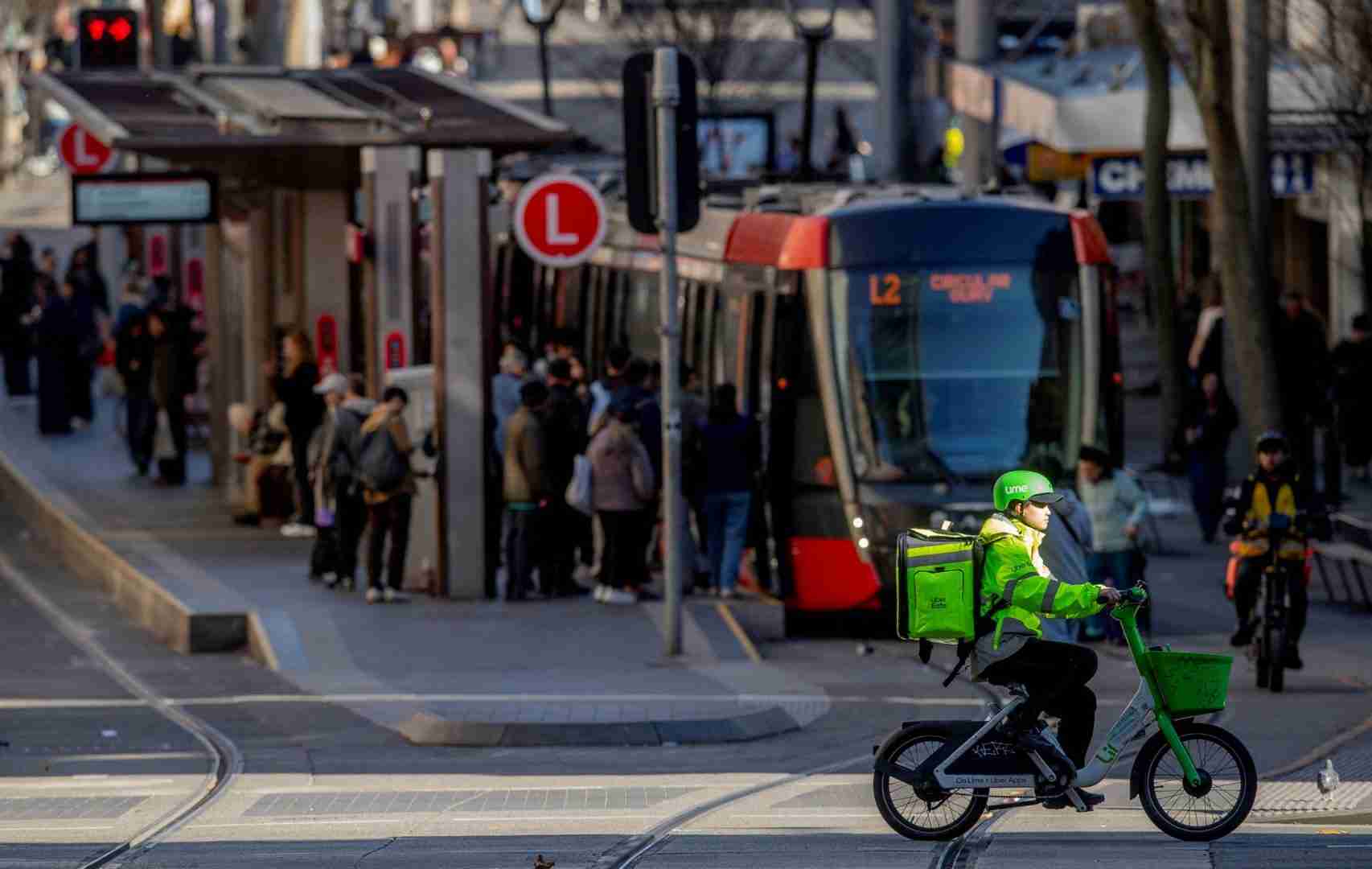
Australia’s industrial umpire has approved new minimum standards requiring food and grocery delivery workers to be paid hourly rates above the national minimum wage and covered by injury insurance while on the job.
Gig workers will be paid at least A$31.30 ($22.11) an hour, above Australia’s minimum wage of A$26.44, while remaining responsible for maintaining third-party insurance for vehicles used for deliveries, the Fair Work Commission (FWC) said in an order issued late on Tuesday.
Companies will be required to provide “a reasonable minimum level of cover” for personal accident insurance, although the order did not specify a minimum level of coverage. The order takes effect on August 17 and is expected to benefit about 250,000 workers.
Under the order, workers will be paid a minimum hourly rate for “engaged” time, covering the period between accepting a job and completing the delivery.
The order follows the International Labour Organization’s decision in June to adopt the first binding employment standards for gig workers, potentially giving them rights around pay, safety and social benefits. Those standards still require ratification by governments.
The Transport Workers Union (TWU) called FWC’s order “a landmark moment for the Australian gig economy.”
“Gig workers in Australia were left outside of our workplace systems for far too long. From Monday, they will be entitled to an absolute world-leading set of standards that we will build on over time,” TWU National Secretary Michael Kaine said in a joint statement with Uber Eats and DoorDash.
Uber Eats and DoorDash, which has been diversifying beyond restaurant deliveries, said the new rules would show that stronger worker protections and the flexibility valued by gig workers can go hand in hand.
Unions and workers have long pushed for reforms covering gig workers, who are typically classified as independent contractors rather than employees and therefore excluded from many workplace protections.
Australia’s parliament passed laws in 2023 and 2024 under the centre-left Labor government that gave gig workers greater rights to negotiate minimum pay and conditions. The laws empowered the Fair Work Commission to set standards for pay and insurance.
($1 = 1.4156 Australian dollars)
Reporting by Renju Jose in Sydney; Editing by Sam Holmes
After visiting Bermuda with his wife for 25 years, American musician and bandleader Richard Barnes has turned his love for the island into music. Inspired by Bermuda’s culture, Barnes spent the past year creating a Bermudian-inspired album, I’ve Got the Bermudian Blues, collaborating with local Musicians as a tribute to the island and its musical heritage.
Mr. Barnes sat down with Kendal Trott to share the journey behind the project. The public can hear him perform live at Velvet Keys & Dusty Strings, an evening of soul, calypso and storytelling taking place on Friday and Saturday at 6 p.m.
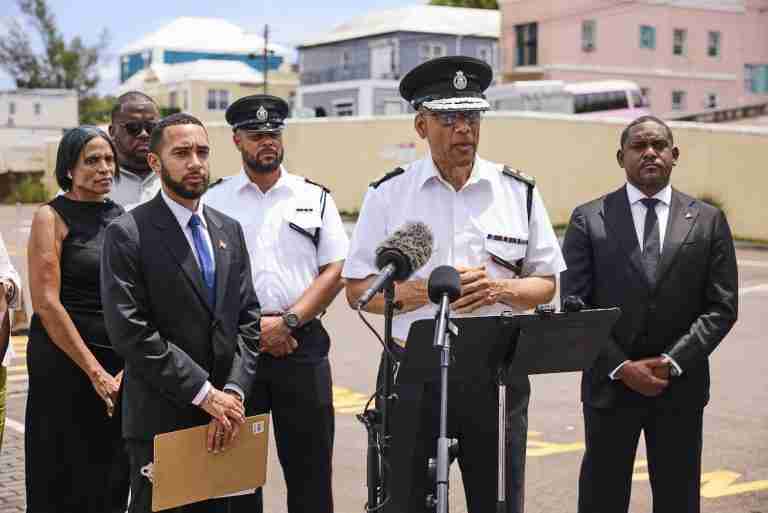
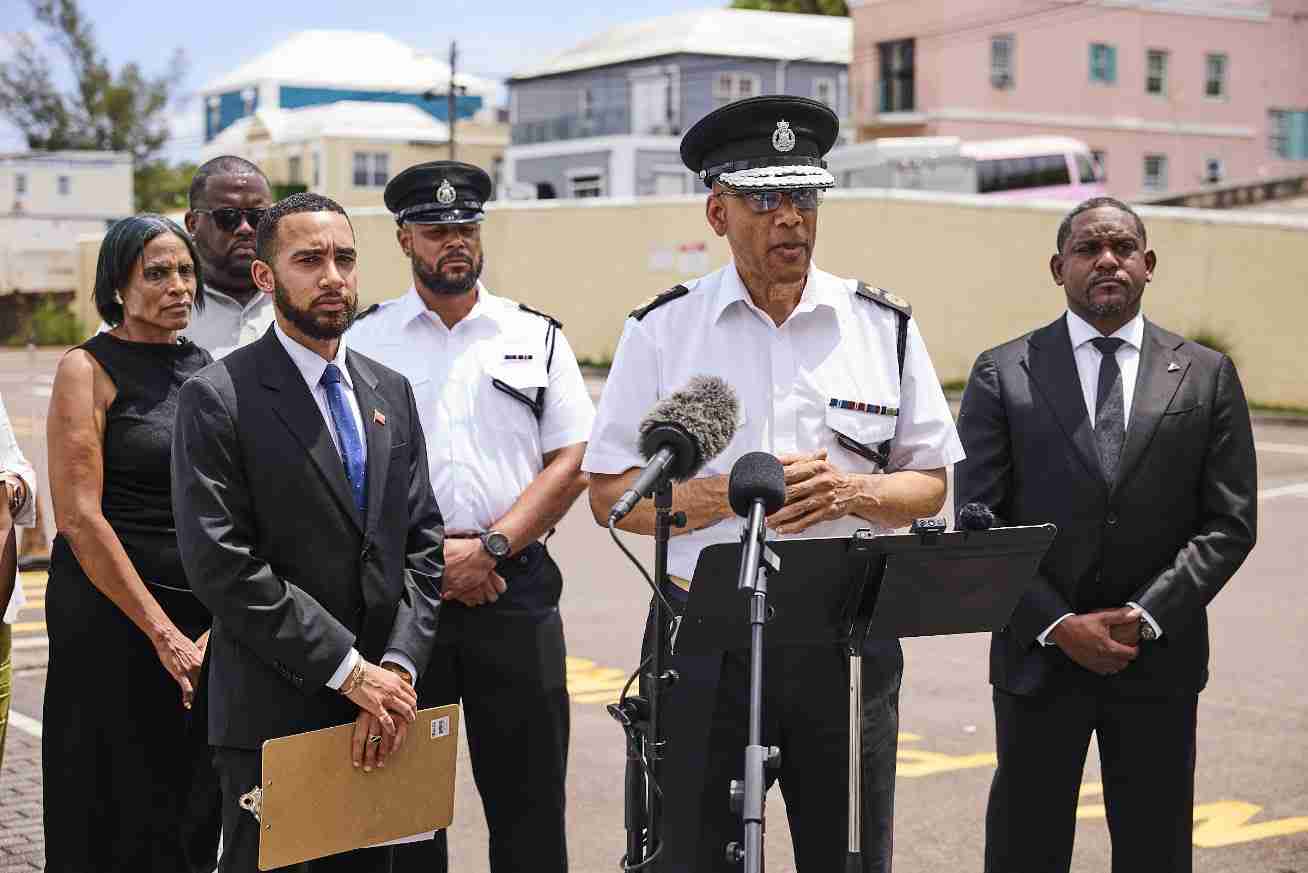
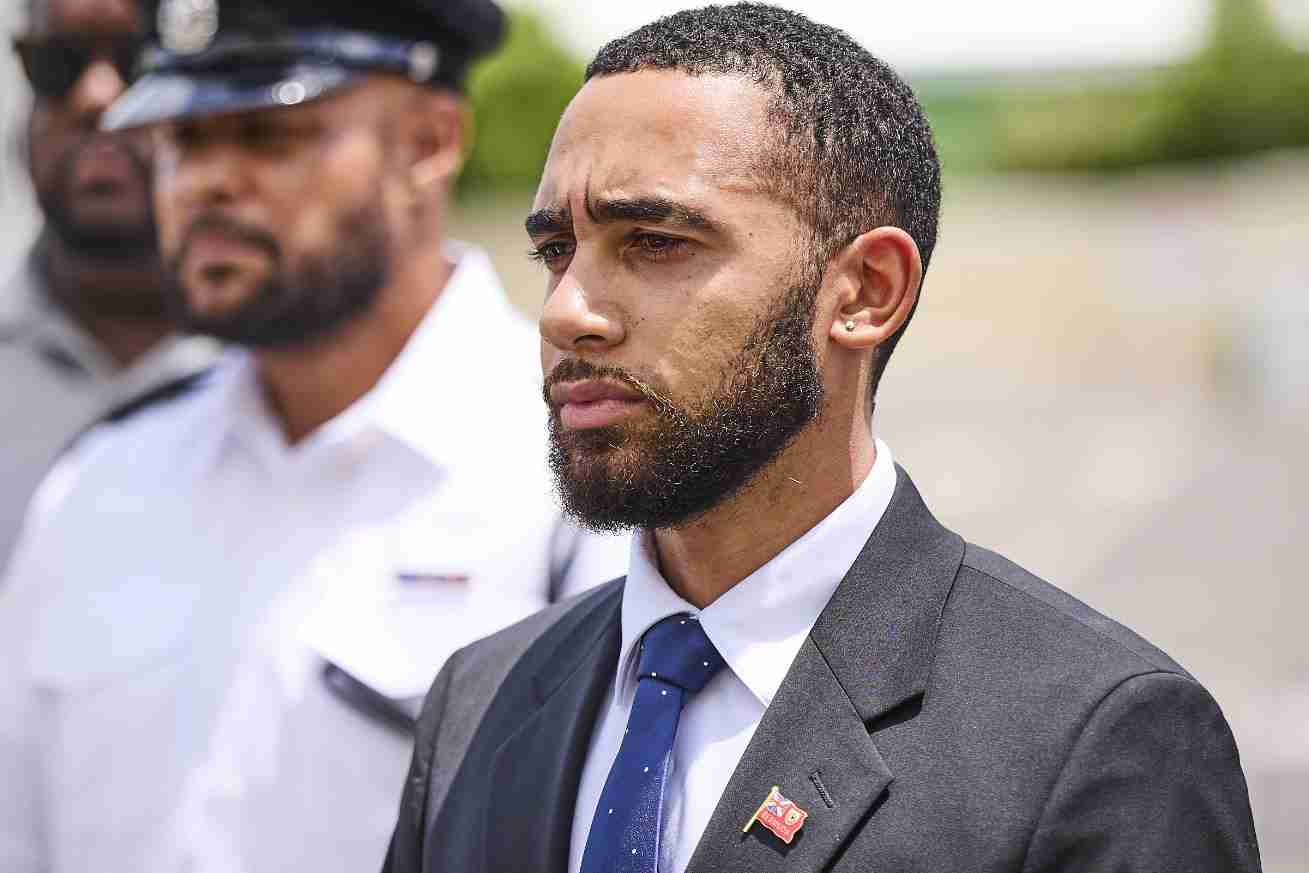
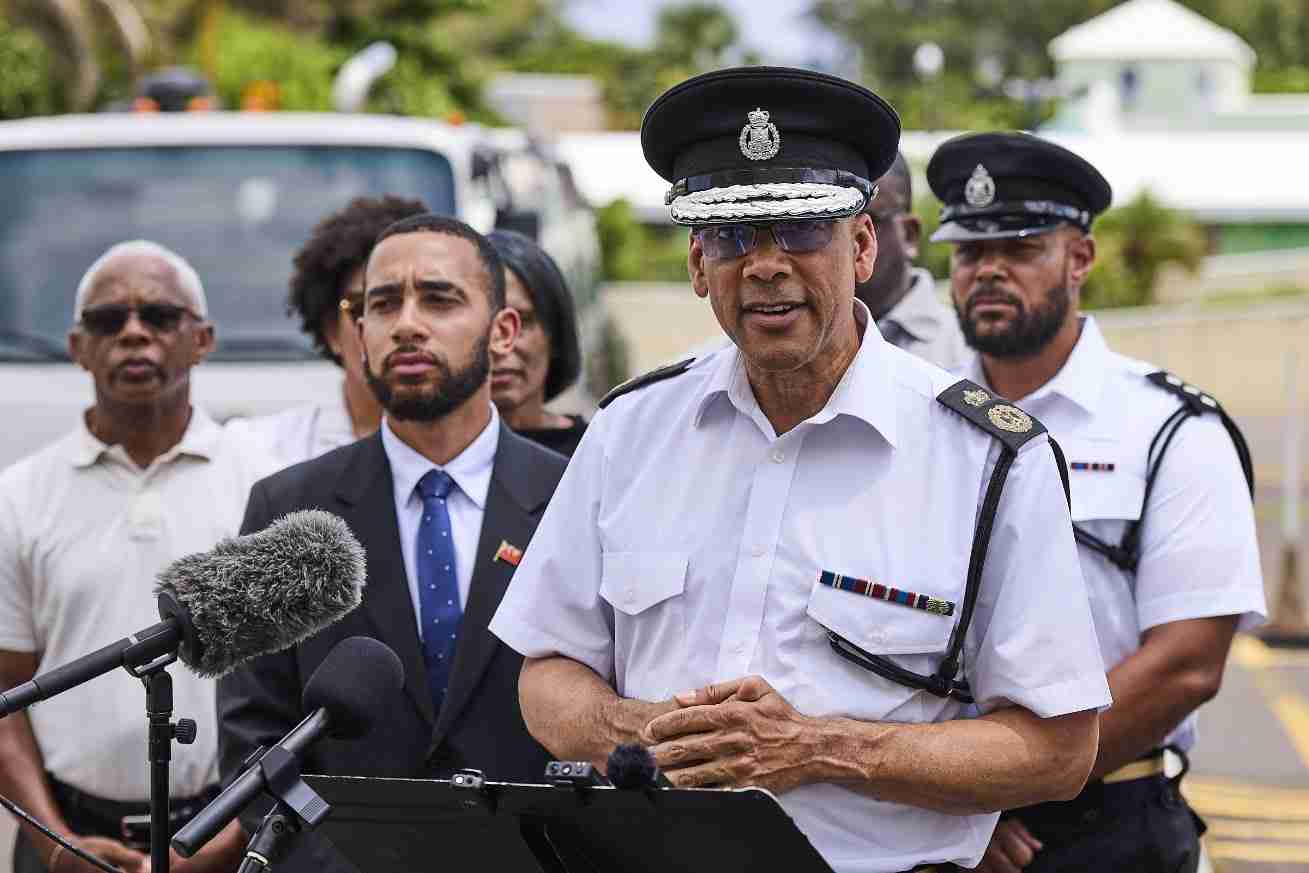
Traffic enforcement to be stepped up as leaders collaborate on ways to improve road safety. Sobriety checkpoints to start this week
The current situation: every life matters, and road safety belongs to all of us. We are here following another terrible loss of life on Bermuda’s roads, and I want to acknowledge the families, friends and communities who are grieving. Thirteen people have now lost their lives on our roads this year. For an island of our size, that is simply too many, and the loss of even one life is unacceptable. The government has a clear responsibility to act, but road safety is also a shared responsibility. The choices each of us makes about speed, distraction, drinking and driving, and how we use our roads affect everyone around us. This therefore needs both a whole-of-Government response and a whole-of-Bermuda response.
We are acting now, while also doing the work needed for longer-term change. Longer-term change does not mean waiting to act. There are things Government can and is doing now. You will hear about increased enforcement today, while the Road Safety Council continues its immediate public awareness and education work. At the same time, we are looking more closely at what is driving serious collisions including causes, when and where they occur, and the age and gender of those involved and progressing work on speed cameras and other policy and legislative options. There is no single measure that will solve this. Enforcement, legislation, education, safer roads and vehicles, and changing behaviour all matter. We need immediate action alongside a sustained approach that reduces deaths and serious injuries over time.
This is a shared Government responsibility and we are organised accordingly. Following the twelfth road fatality, Minister Robinson Perinchief and I convened an urgent meeting here at TCD on Monday, bringing together Transport, National Security, the Bermuda Police Service, the Road Safety Council, Health and Public Works. We brought together the work already underway, agreed our immediate priorities and strengthened our coordinated response. Transport will continue to lead road safety policy and strategy, the Road Safety Council and related education and policy work. National Security and the Bermuda Police Service have critical responsibilities for enforcement and operational policing, while Health, Public Works and others also have important roles. The priority is making sure all of these efforts work together responding with urgency now while building the sustained approach Bermuda needs.
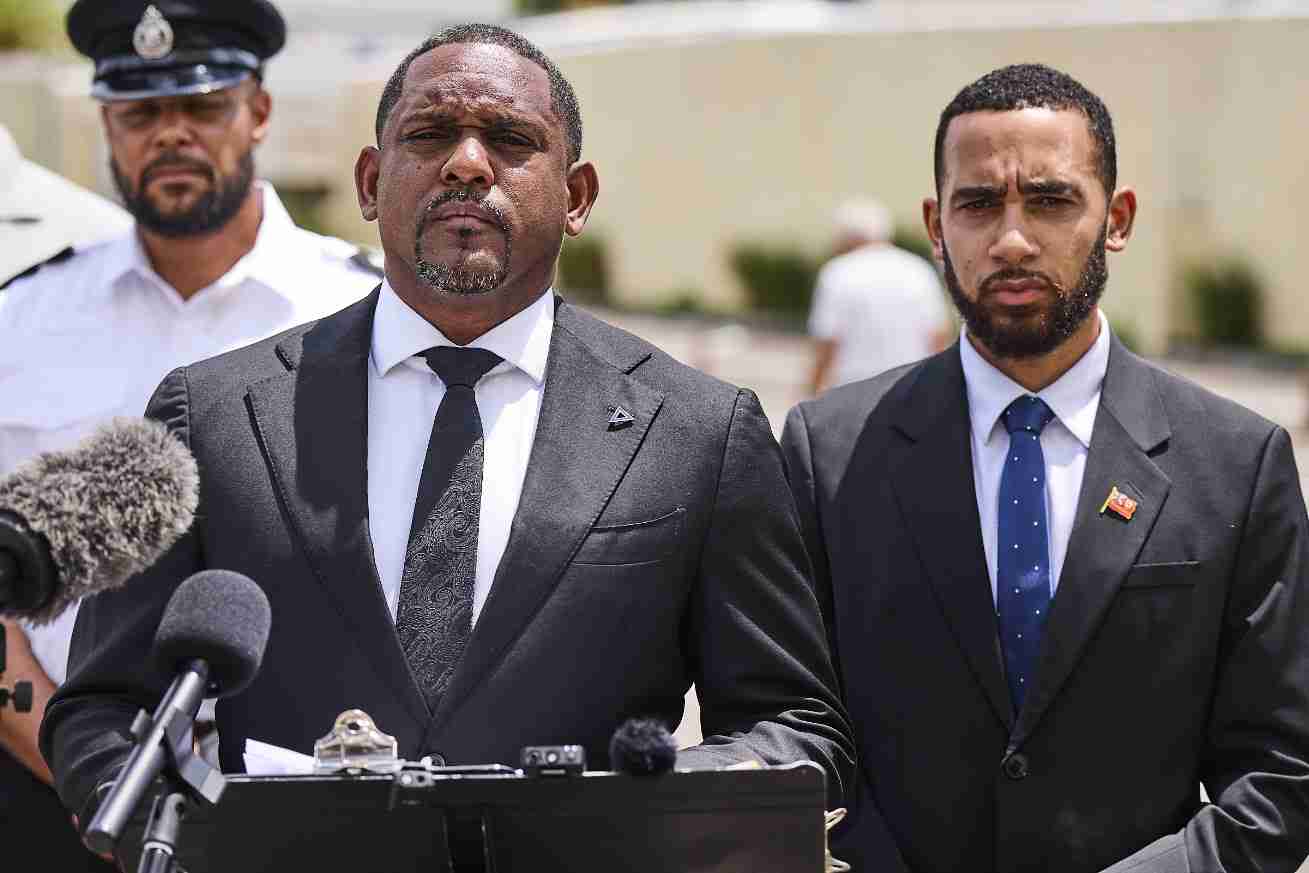
One area where the public quite rightly wants to know what is happening immediately is enforcement. My colleague, the Minister of National Security and the Bermuda Police Service, leads that work, so I will hand over to Minister Robinson Perinchief to speak about the actions being taken now.
Remarks by the Minister of National Security, Senator, the Hon. Ryan Robinson Perinchief, JP
Over the last five days, two people travelling on Bermuda’s roads have lost their lives.
First, on Saturday, a Bermudian male motorcyclist. Then again on Tuesday, an American woman visiting our island — bringing the total this year to a heartbreaking thirteen. To the families, friends and loved ones of every victim, I am sorry for your loss, and I extend my deepest condolences.
I want to speak with you not just as a minister, but as someone who shares this island with you. I have also personally experienced loss this year, with a family friend falling victim to the behaviour on our roads. So as I stand here today, I want the public to know that this is an issue we are all feeling and seeing, and we are in this with you.
Thirteen deaths in eight months is not a number we should accept as our new normal, and it isn’t one I accept now. Our current situation is untenable for a flourishing Bermuda.
From an accountability and coordination point of view, let me be clear on what the public can expect from my Ministry.
National Security’s role is to support the Ministry of Transport when it comes to road safety particularly on the enforcement aspect when it comes to policing: that entails roadside visibility, compliance with the relevant laws, delivered by the Bermuda Police Service under the Commissioner.
Since taking office a month ago, I have already been meeting with the Police weekly on this, and road safety has been a standing priority in my regular engagement with Commissioner Simons, alongside the other public safety matters I’m accountable for.
In light of the recent uptick in recent collisions, I have spoken with Commissioner Simons around what immediate actions the Police can take to address public concerns around increased police visibility on our roads, and he will speak to the specific measures being taken which the public should expect to see in the coming days.
In our meeting on Monday, we heard from the Bermuda Police on the specific strategies and tactics they will be employing to demonstrate that targeting increased enforcement and police action on our roads is a top priority. That includes stepped-up enforcement operations already underway, and roadside sobriety checkpoints beginning this week.
I know that when it comes to the enforcement aspect of road safety, one of the big concerns people have has been the need for more police presence on our roads.
The good news about this is that we agree on this point. You will have no disagreement or defensiveness from me in acknowledging that there is a need for greater visibility from police on our roads. This is something the Commissioner also agrees with, and over the past month he and I have been discussing increased police visibility as a priority.
It is something we are actively working on together, and while you will see an increased police presence immediately in response to the current spate of road fatalities we are experiencing, a key aspect of the conversations I am having with the Commissioner is how we ensure that an increase in police presence can be sustained and consistent in light of the current demands placed on the police and the various responsibilities the service is facing.
I say that to acknowledge that to the extent that police and enforcement can help address our road safety problems, we are urgently reviewing what more can be done to assist, and the Commissioner will speak to this next. At the same time, I want to be clear about expectations on enforcement.
The evidence is clear that increasing enforcement alone does not solve the challenges we face when it comes to road safety.
Police cannot do it all, and the government cannot control every individual’s decision on the roads. There is a role of personal responsibility we must take here and a cultural shift which we can help to prompt but need to acknowledge as a shared effort. The behaviors behind almost every one of these thirteen deaths are ones we already know: speeding, driving while distracted, driving while impaired, and risk-taking that has become far too normalized on our roads.
The truth is, this is ultimately a cultural issue, and a shared responsibility. That is the approach we are taking — not enforcement as the answer, but enforcement as one part of a wider response.
I will continue weekly discussions with the Commissioner — not only on visibility, but on data collection and analysis, deployment, and the other tools that help us target enforcement where it will save the most lives. And I’ll continue working alongside the Bermuda Police Service and the Ministry of Transport on the wider measures needed for lasting change.
I’ll now ask Commissioner Simons to speak to the specific enforcement actions underway.
Remarks by Darrin Simons, Commissioner of Police, Bermuda Police Service
We have come together today in part to acknowledge the concern and frustration that people rightly feel, and to explain what is being done now.
Yesterday, Bermuda suffered another tragic road traffic fatality. Thirteen people have now lost their lives on our roads this year.
On behalf of the Bermuda Police Service, I extend my deepest condolences to the families and friends of all those who have died. Each loss is devastating. Each leaves families, friends and communities grieving.
Yesterday’s collision remains under active investigation, and it would be inappropriate to speculate causation before that work is complete.
What we know from serious and fatal collision investigations is that the same familiar, preventable behaviours arise repeatedly: excessive speed, inattention and distraction, including cellphone use, driving or riding while impaired by alcohol or drugs, dangerous driving and riding, and unsafe overtaking.
Bermuda has historically averaged around 12 road deaths each year. We have now exceeded that number in little more than seven months. For a community of approximately 64,000 people, that is a serious concern. Bermuda’s long-term road-fatality rate is approximately 19 deaths per 100,000 population, placing Bermuda at the higher end when compared with many other jurisdictions.
This must be treated as a significant public-safety issue. It requires an urgent, sustained and joined-up response.
The Bermuda Police Service is working with the Ministry of National Security, the Ministry of Transport, the Transport Control Department, the Road Safety Council, and other partners. We have met to ensure that the immediate response is coordinated and just as important that the longer-term work is properly focused. The Police Service has already increased traffic-enforcement visibility, with particular focus on speeding and other dangerous driving behaviour. During yesterday’s targeted operation, officers issued more than 60 tickets, the majority for speeding.
From Friday, BPS will strengthen this response further through dedicated, traffic enforcement operations during the County Games and Labour Day period. Additional officers will be deployed on overtime to support this work.
The public will see enhanced traffic enforcement. Our deployments will be guided by collision information and public complaints so that we can focus our activity where the risk is greatest. We will target the behaviours most likely to lead to death and serious injury:
Speeding.
Impaired driving.
Dangerous and careless driving.
Cellphone use.
Unsafe overtaking.
Failure to wear seatbelts and protective helmets.
Unlicensed, uninsured and unroadworthy vehicles.
Driving while disqualified and other serious moving violations.
Roadside sobriety operations will take place through the end of this month. Their timing and duration will be informed by risk, upcoming social events and operational assessment.
The Police Service will also work with colleagues from the Transport Control Department during selected operations. While Police address dangerous driving and criminal offending, TCD officers will address vehicle licensing, roadworthiness and other regulatory-compliance matters.
This is a practical example of a joined-up response.
We are encouraging members of the public to report dangerous and reckless driving. If you see behaviour that presents an immediate threat to life or safety, call 911. Timely reports can help us direct resources, assess available CCTV and other evidence, and respond where the circumstances require it.
Enforcement alone is not the solution. It is necessary, and it will be increased in the short term, but lasting improvement requires a change in behaviour, mindset and culture.
That means recognising that speeding is not normal. Using a phone while driving is not normal.
Driving or riding after drinking is not normal. Dangerous overtaking and reckless riding are not normal. These behaviours have become too tolerated, and they must become socially unacceptable.
It also means that families, friends, employers, event organisers and licensed premises have a role to play.
Responsible sale and service of alcohol is a public-safety issue. We will work with the relevant Government authorities to explore how responsible alcohol service and accountability can be strengthened.
Where alcohol is relevant to a fatal or serious collision, our investigations will carefully examine the surrounding circumstances. The purpose is to establish the facts, learn from them and prevent further tragedy.
The message today is clear:
Slow down.Put the phone away.Wear your helmet and seatbelt. Do not overtake dangerously. Do not drive or ride impaired. And do not allow someone you care about to do so.
Thirteen deaths are thirteen too many. This is a shared problem, and it will require a shared response.
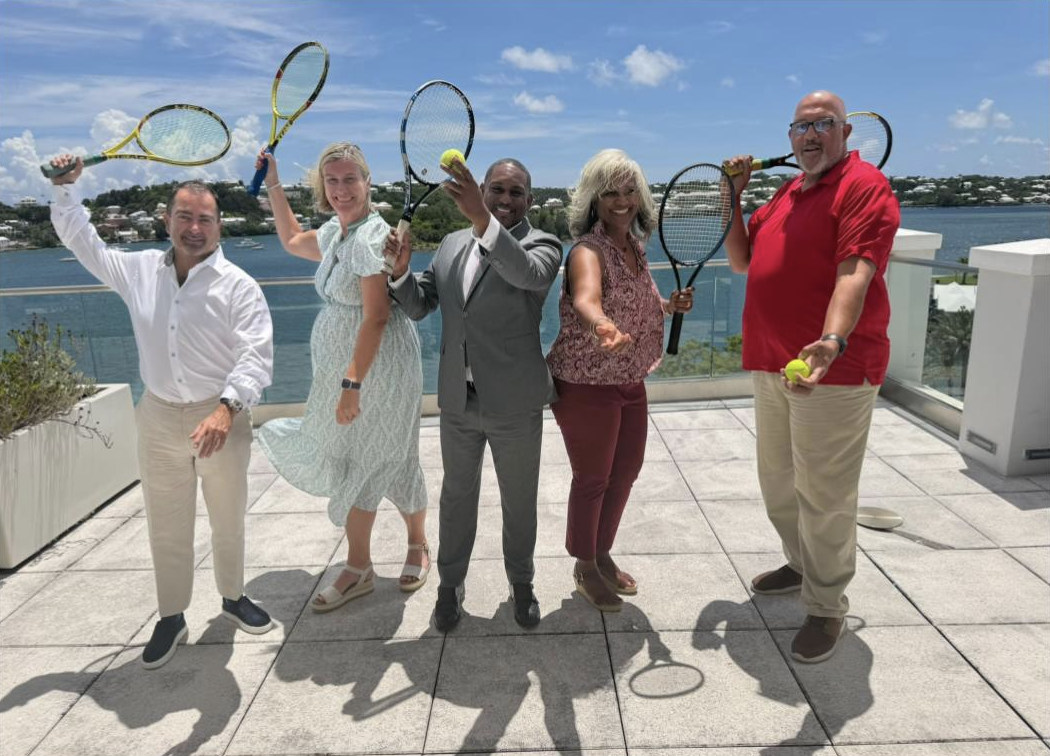
Featured from left to right: Michael DeCouto, Chief Sales & Marketing Officer – BTA; Tanya Bule, Head of International Wealth and Premier Banking – HSBC; Minister Owen Darrell, Ministry of Tourism & Transport, Culture & Sport; and Lolita Madeiros, Executive member and Michael Wolfe, President of the Bermuda Lawn Tennis Association, teaming up to host the Davis Cup World Group II Tie: Bermuda vs Mexico on September 19 & 20, 2026.
The Bermuda Lawn Tennis Association (BLTA) is proud to confirm that official approval has been granted for Bermuda to host its 2026 Davis Cup World Group II tie against Mexico, marking the historic return of Davis Cup competition to local shores after three decades.
Following the initial announcement earlier this year celebrating Bermuda’s qualification, final venue and event approvals mean the island is officially set to host Mexico at the W.E.R. Joell Tennis Stadium from September 19 – 20, 2026. The milestone event marks 30 years since Bermuda last hosted a Davis Cup tie, bringing World Tennis-sanctioned international team tennis back to the island on a scale not seen in a generation.
Governed by World Tennis (formerly the International Tennis Federation), the Davis Cup is the
world’s premier international men’s team tennis competition. Staging this tie locally offers a rare opportunity to showcase Bermuda’s athletic talent, world-class hospitality, and historic sporting legacy before an international audience.
The return of this world-class event is made possible through the crucial backing of key corporate and government stakeholders. Title Sponsor HSBC Bank Bermuda Ltd., the Government of Bermuda, and the Bermuda Tourism Authority (BTA) have stepped forward as the three core partners dedicated to driving the success of the event.
“Welcoming the Davis Cup back to Bermuda after 30 years is a monumental moment for our sporting community,” said Michael Wolfe, President of the Bermuda Lawn Tennis Association. “Securing official approval to proceed allows us to deliver a top-tier international event. We are immensely grateful to HSBC Bermuda, the Government, and the BTA for their partnership in making this long-awaited return a reality.”
Expressing strong government commitment to the historic occasion, the Minister of Tourism, Culture and Sport, the Hon. Owen Darrell, JP, MP, stated: “The Government of Bermuda is proud to support the Bermuda Lawn Tennis Association as it hosts this historic 2026 Davis Cup campaign. This event is an opportunity to showcase Bermuda on the international stage, celebrate the dedication of our athletes, and inspire the next generation through sport. We wish Team Bermuda every success as they represent our island with pride.”
Demonstrating headline partnership and community investment, Tanya Bule, Head of International Wealth and Premier Banking at HSBC Bermuda added: “HSBC Bank Bermuda is delighted to support Bermuda Tennis and their 2026 Davis Cup campaign, as they make history taking on Mexico in the next round at the National Tennis Stadium this September.
“The steady progress this squad has made through recent campaigns, and the advancement of youth tennis programmes across Bermuda, is reflected in this fantastic achievement. The team has shown great fortitude and resilience to reach this stage of the campaign, and we are excited to stand beside them as they take on a nation as large as Mexico.
“We encourage all of Bermuda to come out in support of the National Team and share in the pride we can all feel in seeing Bermuda tennis reach these elite levels.”
Highlighting the sports tourism and economic impact, Michael DeCouto, Chief Sales & Marketing Officer at the Bermuda Tourism Authority (BTA), commented: “The return of Davis Cup tennis to Bermuda is a milestone not only for our sporting community, but for the island as a whole. Tennis has long been part of Bermuda’s story, and welcoming an official Davis Cup tie back to our shores for the first time in nearly 30 years reflects both our proud heritage in the sport and our ability to host world-class international events.”
“The Bermuda Tourism Authority (BTA) is proud to support the Bermuda Lawn Tennis Association in bringing this prestigious competition to the island.”
“Beyond the excitement on the court, events like these create meaningful opportunities to showcase Bermuda to new audiences, generating economic impact while introducing visitors to everything that makes our destination special.”
“We look forward to welcoming players, officials, supporters and media from around the world this September.”
With event details confirmed, the BLTA is inviting corporate partners, local businesses, and community groups to join the momentum through remaining sponsorship, donor and activation opportunities. A “Founding 100” donation group has been established. Members of the public are also invited to join the volunteer team across court operations, guest services, logistics, and hospitality. To register your interest in making a donation, sponsorship, or volunteering, email daviscup@blta.bm.
The BLTA will launch its official marketing campaign this week with tickets going on sale in the days ahead. Event programming, fan experiences, and community engagement initiatives leading up to September’s matches will be shared over the course of the coming weeks.
Individuals interested in volunteering are encouraged to register using the online application form at www.blta.bm.
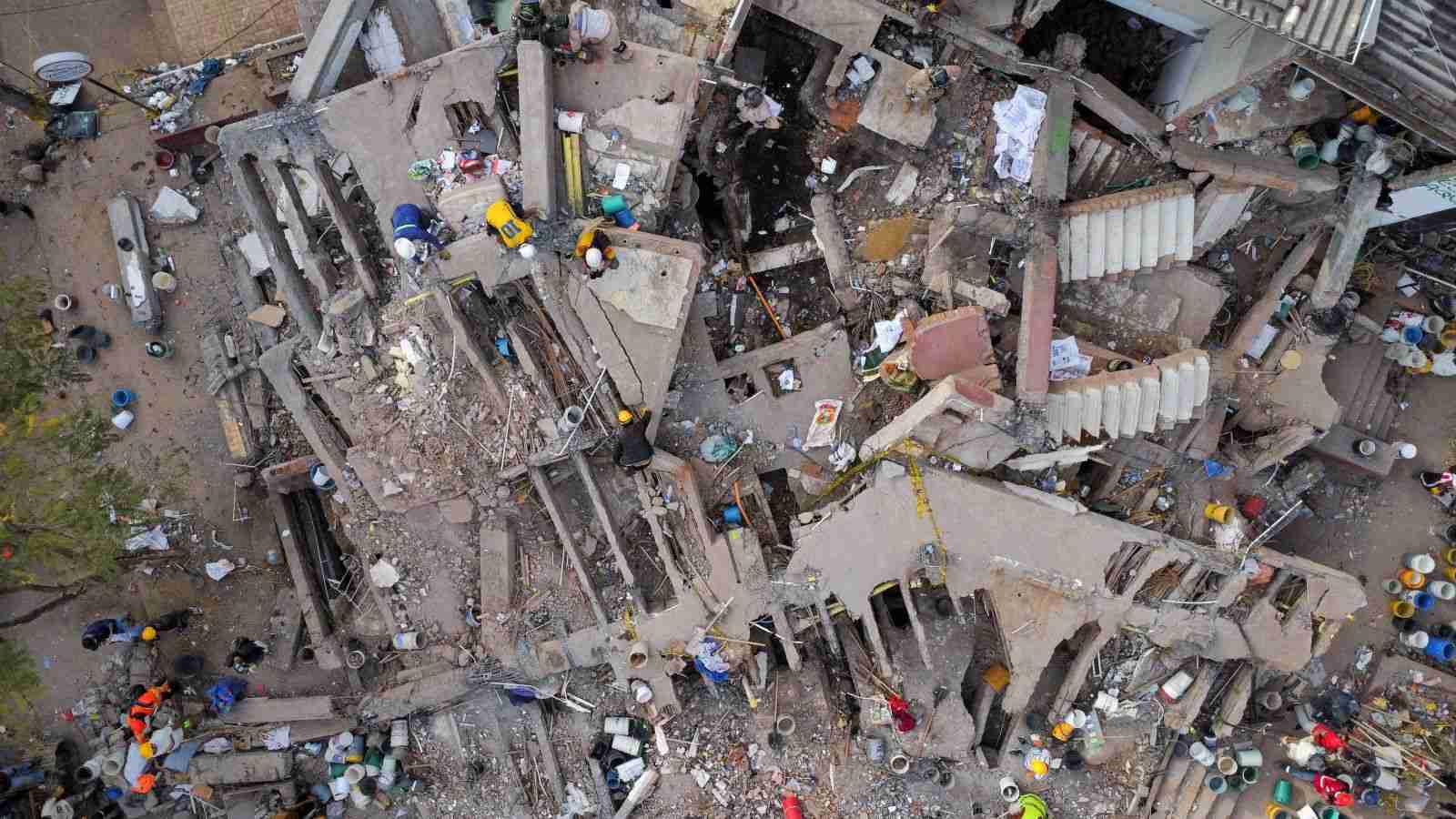
At Torres del Limonar, a collapsed apartment complex in Cali, emergency workers were still searching through the rubble for signs of life after the 7.4-magnitude quake struck the South American country on Monday morning
International News via Reuters:
Colombian rescue teams raced on Wednesday to find survivors still trapped beneath collapsed buildings two days after a powerful earthquake left nearly 250 people dead.
At Torres del Limonar, a collapsed apartment complex in Cali, emergency workers were still searching through the rubble for signs of life after the 7.4-magnitude quake struck the South American country on Monday morning.
“At this moment we still have hope, at least until about four days have passed since the quake,” said Camilo Cano, a fire department official from Bogota helping with the rescue efforts in Cali, the third-largest city in Colombia.
Cano said more than 20 people were rescued from the apartment complex in the first 12 hours after the quake by local crews and residents, and three more were later pulled out alive in more difficult operations under the wreckage.
But he said large crowds of volunteers and onlookers had at first made the search harder.
“We cannot concentrate and hear the calls of people under the structure,” Cano said, adding that movement on the debris also increased the danger if there were aftershocks from the quake, which was the strongest felt in Colombia in several decades.
Police had imposed tighter controls around the site by Wednesday, while volunteers were being directed to specific tasks, helping rescuers work more effectively, he said.
Among those still waiting for news about loved ones was Marcela Perez, who said her partner’s 11-year-old daughter was trapped with the girl’s grandparents when the building collapsed.
“We have been here since Monday waiting for the girl to be rescued, and for her grandparents too,” Perez said. “We are just waiting and trusting in God.”
Reporting by Julia Symmes Cobb and Santiago Limachi in Cali, Colombia; Writing by Kylie Madry; Editing by Paul Simao
Talks between a group of different unions and the company over working conditions had not yielded any results
International News via Reuters:
EasyJet flight attendant staff in France will go on strike on August 15 and August 16 to demand better working conditions, the SNPC-FO trade unions said in a statement on Wednesday.
Talks between a group of different unions and the company over working conditions had not yielded any results, the statement said.
“Any flight cancellations or disruptions resulting from these days of action will be solely attributable to easyJet, which has chosen not to give a serious response to the repeated warnings from trade unions over the past months,” the statement said.
A spokesperson for easyJet said the company had made an offer to tackle staff’s concerns and asked the unions to call off the strike as more talks are scheduled in September.
“We will do all we can to minimise disruption,” she said. EasyJet will offer different options such as free transfers and refunds.
The London-listed airline is in the process of being bought by investment fund Apollo in a deal valuing the airline at £5.70 billion ($7.70 billion).
($1 = 0.7399 pounds)
Reporting by Inti Landauro; Editing by Sudip Kar-Gupta and Jan Harvey
Trump, a Republican, signed his executive order in March after years of calling for restrictions on voting by mail and pushing the false claim that his 2020 election defeat was the result of widespread voter fraud
International News via Reuters:
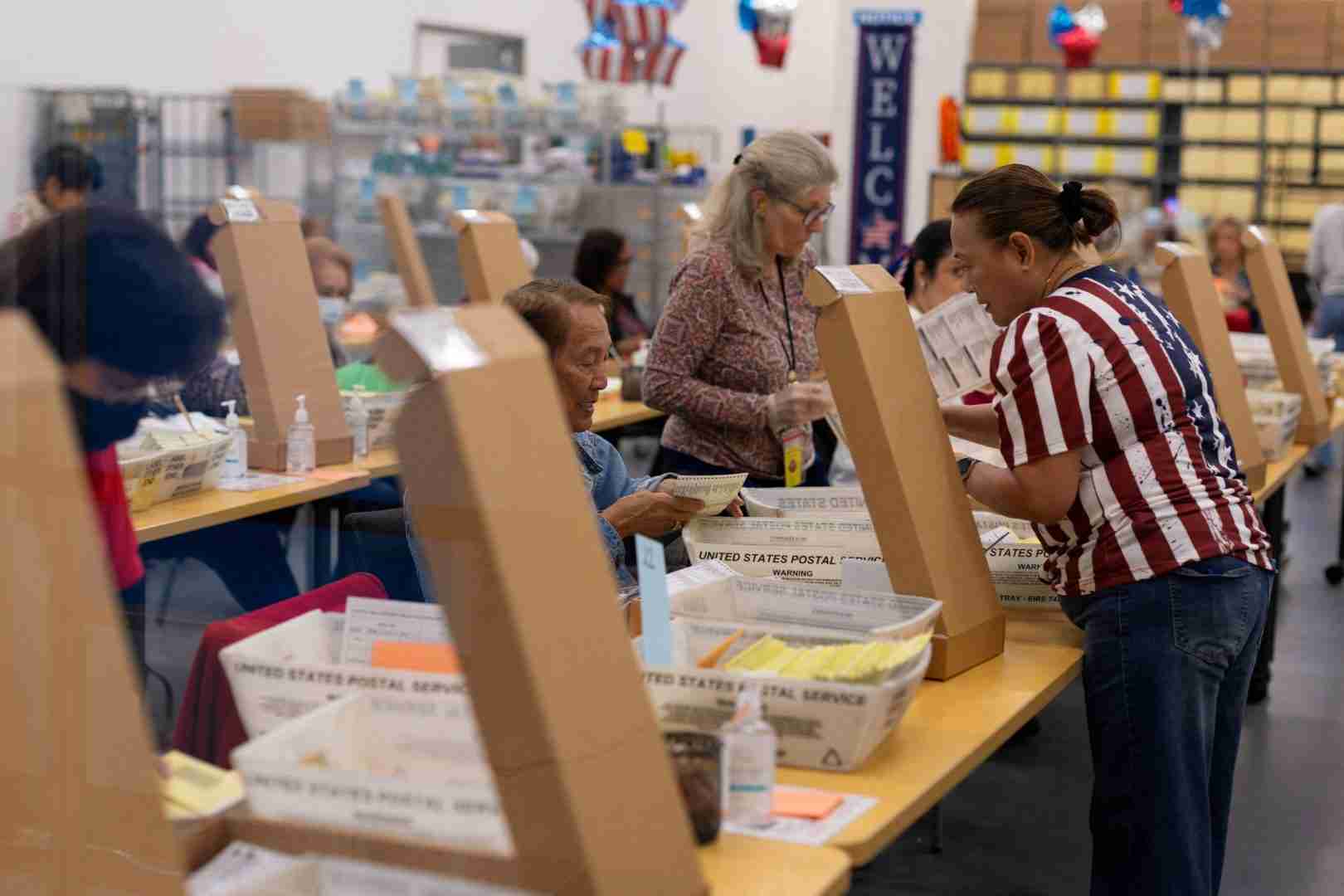
President Donald Trump’s administration again asked the U.S. Supreme Court on Wednesday to intervene to fully implement his executive order restricting the use of mail-in ballots ahead of the November midterm elections that will decide control of Congress.
The Justice Department filed a request asking the justices to put on hold a decision made on Tuesday by U.S. District Judge Indira Talwani in Boston that blocks the U.S. Postal Service from nationwide enforcement of the directive’s tighter rules for voting by mail.
Trump, a Republican, signed his executive order in March after years of calling for restrictions on voting by mail and pushing the false claim that his 2020 election defeat was the result of widespread voter fraud.
Talwani’s decision on Tuesday, in a case brought by several voting rights groups and represented by the American Civil Liberties Union, effectively expands on an earlier order she issued in June preventing the enforcement of Trump’s order in 23 mostly Democratic-governed states and Washington, D.C., which had also challenged the action as unconstitutional.
The administration has already asked the Supreme Court to pause the June decision. In its brief filing on Wednesday, the Justice Department urged the Supreme Court to lift that decision and make clear that the ruling applies to the judge’s action on Tuesday as well.
The administration contends that the lawsuits are premature as federal agencies have not yet taken any concrete actions that impact the plaintiffs, and so any harm they allege is speculative.
Trump’s executive order directed the Department of Homeland Security to compile and transmit to the states a list of U.S. citizens eligible to vote in each state, and the Justice Department to prioritize investigating and prosecuting state and local election officials who issue ballots to people deemed “not eligible” to vote in federal elections.
It also required the Postal Service to deliver ballots only to voters on each state’s approved mail-in ballot list. The Postal Service recently moved to implement Trump’s directive.
In siding with the voting rights groups on Tuesday, Talwani wrote that the executive branch of the federal government had no authority to regulate elections, a responsibility that the U.S. Constitution assigns to individual states.
Reporting by Andrew Chung; Editing by Nia Williams
The slick off the coast of Oman from a grounded tanker carrying Russian crude had reportedly reached the mainland by Wednesday
International News via Reuters:
A vast oil spill in the Gulf is quickly becoming one of the world’s worst in years after being allowed to spread almost unchecked for weeks, according to international agencies, satellite imagery and environmental groups.
The slick off the coast of Oman from a grounded tanker carrying Russian crude had reportedly reached the mainland by Wednesday, the U.N.’s shipping agency told Reuters.
The slick now covers an area of more than 2,000 square km, said John Amos, an oil spill specialist who reviewed satellite imagery obtained by Reuters.
The Caroline Bezengi, carrying an estimated 800,000 barrels of Russian oil and under international sanctions, ran aground on June 30 at an Omani island that is part of a marine nature reserve.
The ship first reported difficulties off Yemen on June 8. Maritime sources said a blast appeared to have occurred aboard the Caroline Bezengi.
No party has claimed an attack, but the vessel was navigating two separate wars on its journey from Russia to India.
In April it sailed from the port of Novorossiysk on the Black Sea, a flashpoint in the Russia-Ukraine war. Ukraine has carried out assaults on a so-called shadow fleet carrying Russian oil, which the Caroline Bezengi is part of.
It then passed through the Suez Canal at the end of May, ship-tracking data shows, before sailing past Yemen, where the Iran-aligned Houthi militants have entered a wider regional war between the United States, Israel and Iran.
A web of complex war- and sanctions-related rules governing shipping and oil spills is already hampering efforts to respond and could yet get in the way of halting an impending disaster, insurers and analysts say.
The IOPC Funds, an intergovernmental agency dealing with tanker spills compensation, told Reuters it would not be involved in clean-up costs because the incident was being treated as an “act of war” rather than a simple accident.
The 25-year-old tanker is also not insured by any recognised Western insurance provider.
“A nightmare scenario is there’s no adequate response to keep the worst from happening,” said the oil spills specialist Amos, CEO of SkyTruth, a nonprofit organisation aiming to strengthen environmental conservation through the use of satellite images.
Amos said that in this case, the vessel would “continue to break up under the steady onslaught of wind and waves and to lose the entire cargo and that could be a spill upwards of 40 to 50 million gallons.”
Amos said this would rival the 1989 Exxon Valdez oil spill in sheer size.
The ship is similar in size and capacity to the Sanchi, an Iranian ship that collided with a freighter off China in 2018 in the world’s worst oil tanker disaster in decades.
RAPIDLY SPREADING SLICK
The spill, first detected by analysts in early July, has begun reaching the Omani mainland, the U.N.’s International Maritime Organization (IMO) said.
“Oil is drifting offshore to the northeast of (Oman’s) Al-Qibliyyah Island, with some oil reported to be reaching the mainland. Oil spill contingency planning is in place,” an IMO spokesperson told Reuters.
The IMO said that seasonal monsoon conditions had limited access to the tanker and delayed salvage operations.
Satellite imagery shows it grounded at Al-Qibliyyah Island, part of a nature reserve that includes the Hallaniyat Islands, putting wildlife including endangered turtles, humpback whales and coral reefs at risk.
Oman said on Monday the slick covers almost 400 square kilometres. It has not responded to Reuters requests for further detail or comment on the containment efforts, but said it had used booms to try to stem the spread.
Environmental agencies and oil spill specialists put it at up to several times that size, and say that the spread has accelerated dramatically since the beginning of August.
Greenpeace on Tuesday reported a quickening spread.
“The affected area went from around 45 square km by the end of July, to 150 at the beginning of August. And then within two days, it quadrupled to 600 by the 4th or 5th of August,” said Hanen Keskes, political campaigns lead for Greenpeace in the Middle East.
Amos’s assessment of 2,000 square km means it has swelled by more than 40 times since the beginning of August.
He said that measures required, beyond the use of booms, including stabilising the vessel and transferring whatever crude oil was left onboard to another tanker.
“The longer we wait, the more damaged and decrepit that tanker gets, the more complicated and difficult and potentially dangerous that salvage operation is going to be,” he said.
Reporting by Jonathan Saul in London, Catherine Cartier in Beirut, Kate Abnett in Brussels, Dmitry Zhdanikov in London, Imad Creidi in Dubai; writing by John Davison; editing by Alison Williams and Jason Neely
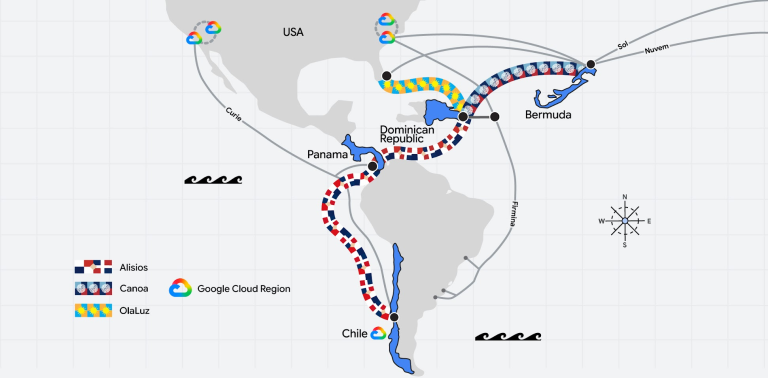
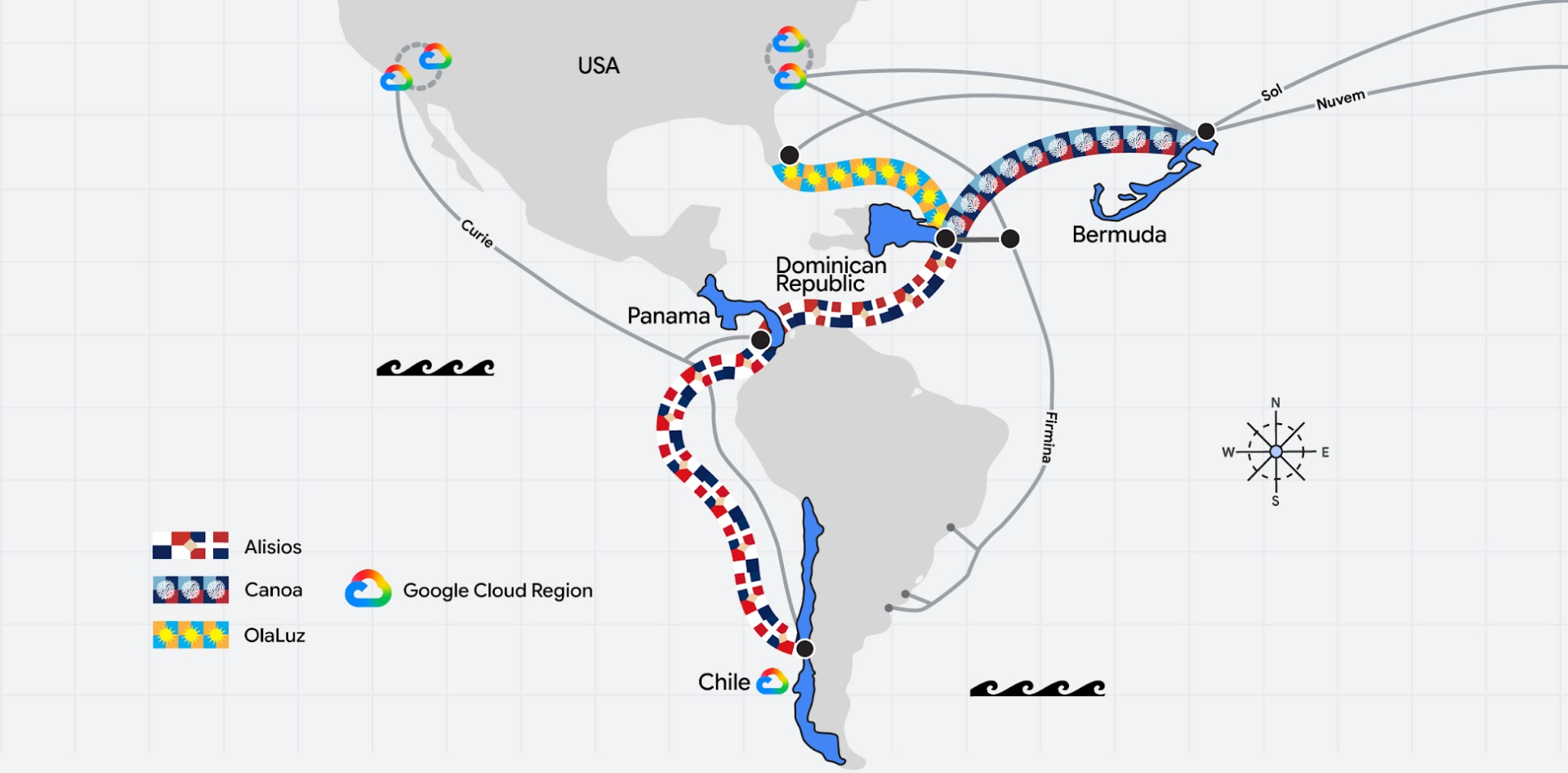
As global connectivity and robust infrastructure remains important in rapidly growing technology-driven environment, yesterday (Aug. 10), Google today announced Canoa, the first subsea cable system to connect Bermuda directly to the Dominican Republic.
The announcement follows two recent developments in June 2026, including the landings of the Nuvem and Sol cable systems, and the expansion of the Bermuda Digital Exchange Port which was announced in the same month.
Canoa takes its name from the Taíno word for canoe, and within a single year, Bermuda has recorded two cable landings and secured a third system, each of which extends the routes running through this island.
Minister of Home Affairs, the Hon. Alexa N. H. Lightbourne, JP, MP, said, “Canoa is the first subsea cable system to connect Bermuda directly to the Dominican Republic, and it follows the Nuvem and Sol landings and the expansion of the Bermuda Digital Exchange Port announced in June 2026. The name carries a maritime history that moved people and goods across these waters long before any cable did. This connection opens new digital pathways and partnerships between Bermuda, the Dominican Republic and the wider Caribbean Community, strengthens resilience for Bermudian households and businesses, and widens the market they can reach. Global infrastructure builders are choosing Bermuda repeatedly, and that confidence places our island on the world stage as a trusted landing point.”
Canoa opens a southbound corridor that Bermuda has not held before. Every existing route runs north or east. This system creates a direct digital pathway between Bermuda and the Caribbean, and it gives commercial and institutional partnerships in the region a physical foundation.
Bermuda’s relationship with Google has showcased to the world the possibilities when combining its strategic geographic location with its robust regulatory environment that is responsive to emerging technologies and along with a global infrastructure investment.
“Our task now is to ensure that infrastructure translates into opportunity. We want these investments to contribute to greater economic resilience, new areas of business, opportunities for our people and a Bermuda that is prepared to compete in an increasingly digital global economy.”
The Ministry of Home Affairs holds the telecommunications portfolio and will work with the Regulatory Authority on the licensing and landing approvals the system requires.
Sadly, the Bermuda Police Service (BPS) can now confirm Bermuda’s thirteenth road fatality of 2026.
Around 1pm Tuesday, 11th August 2026, a female visitor, understood to be a 63-year-old American woman, riding a rental scooter west along Middle Road, Southampton – near the junction with Industrial Park Road – collided with a car driven in the opposite direction and was seriously injured.
Police, Bermuda Fire & Rescue Service, as well as ambulance personnel responded.
Despite care at the scene and being rushed to King Edward VII Memorial Hospital via ambulance, she was later pronounced dead by an on call doctor at the hospital.
A BPS Family Liaison Officer is currently assisting her next of kin, while an investigation regarding the circumstances of this fatal collision is ongoing.
Any witnesses that have not already come forward are urged to contact Constable Jason Ming of the Roads Policing Unit by calling 717-0862 or e-mailing jming@bps.bm, as soon as possible.
To provide the best experiences, we use technologies like cookies to store and/or access device information. Consenting to these technologies will allow us to process data such as browsing behavior or unique IDs on this site. Not consenting or withdrawing consent, may adversely affect certain features and functions.
Functional
Always active
The technical storage or access is strictly necessary for the legitimate purpose of enabling the use of a specific service explicitly requested by the subscriber or user, or for the sole purpose of carrying out the transmission of a communication over an electronic communications network.
Preferences
The technical storage or access is necessary for the legitimate purpose of storing preferences that are not requested by the subscriber or user.
Statistics
The technical storage or access that is used exclusively for statistical purposes.The technical storage or access that is used exclusively for anonymous statistical purposes. Without a subpoena, voluntary compliance on the part of your Internet Service Provider, or additional records from a third party, information stored or retrieved for this purpose alone cannot usually be used to identify you.
Marketing
The technical storage or access is required to create user profiles to send advertising, or to track the user on a website or across several websites for similar marketing purposes.