Traditionally, consumers have browsed, logged in and paid directly through online channels
International News via Reuters:
The increasing prevalence of AI chatbots handling consumer shopping is pushing merchants to uphold more direct customer relationships over fears of losing their loyalty and repeated purchases, payments firm Adyen said on Thursday.
Traditionally, consumers have browsed, logged in and paid directly through online channels. AI-driven shopping assistants could take over that sequence — recommending products, choosing merchants and initiating payments on their own — eroding the direct relationships retailers rely on.
Adyen co-CEO Pieter van der Does told Reuters that a merchant he spoke with this week generated 70% of its volume through direct channels and wanted to retain that share as shoppers increasingly begin their searches through chatbots.
“Loyalty becomes way more important,” van der Does said.
Adyen, which processes payments for high-end retailers such as Hermès and Hugo Boss, has introduced a platform designed for enterprise merchants and AI-agent payments, and recently bought loyalty software firm Talon.One and billing provider Orb to strengthen its retention-focused services.
These moves reflect the expectations that merchants will require robust tools to sustain customer retention and adapt to AI software companies charging usage-based fees rather than fixed subscriptions.
“AI is really impacting our merchants,” van der Does said.
“We are their partner, not just for the payments, (but) also for loyalty to make sure that they link their consumers to themselves and that they don’t suddenly get disintermediated, that their demand suddenly comes only through LLMs.”
JPMorgan analysts said Adyen’s signing of OpenAI as a customer was an unexpected positive in the company’s half-year update, as it showed the Dutch payments processor gaining ground among AI companies.
AI is also affecting the infrastructure behind payments. Adyen is pulling forward spending on computing and storage capacity from next year, citing higher prices and supply constraints. Roughly two-thirds of the company’s capital expenditures go to private cloud systems running its core services, according to van der Does.
Reporting by Leo Marchandon and Gianluca Lo Nostro in Gdansk, editing by Milla Nissi-Prussak
The package would help utilities to remove so-called forever chemicals and improve drinking water quality, Ofwat said in a statement, and would support housebuilding and data centre development
International News via Reuters:
Five British water companies will be allowed to raise customer bills after regulator Ofwat on Thursday provisionally approved up to £3.4 billion ($4.59 billion) of additional spending on infrastructure and environmental measures.
The package would help utilities to remove so-called forever chemicals and improve drinking water quality, Ofwat said in a statement, and would support housebuilding and data centre development.
Britain’s water industry has come under intense scrutiny and faces an overhaul to fix environmental breaches, soaring debt levels, high dividend payouts and rising customer bills.
“I know that households across the country are watching every pound and I share their frustration that years of underinvestment and toothless regulation has led to this,” Environment Secretary Angela Eagle said.
SOUTHERN WATER CUSTOMERS TO SEE THE BIGGEST RISE IN BILLS
Five of the 13 companies which have received the approvals have been allowed to increase customer bills between 2027 and 2030, including Thames Water, Severn Trent, Southern Water, and Wessex Water.
Southern Water, with over 4 million consumers across Britain, will see the largest bill increase. They will rise by £43 for 2027-28 and £37 for 2029-2030.
“The additional funding reflects unavoidable increased costs and is needed if we’re to meet strict obligations to protect the environment and secure the long-term water supplies the population needs,” a spokesperson for Southern Water said.
Britain’s largest utility Thames Water, which is struggling to avoid a collapse, will be allowed to raise bills by £3 for 2027-28 and by £5 for 2029-2030.
“This funding will allow us to continue to develop vital water security projects, which will keep the taps flowing for millions of customers across London and the South East,” a Thames Water spokesperson said in a statement.
‘EXPENDITURE CAN BE CLAWED BACK’
“We will track performance to ensure companies are delivering the expected improvements for customers and the environment,” said Ofwat Executive Director for Delivery Helen Campbell. “If they don’t, expenditure can be clawed back.”
Ofwat said £477 million of the additional funding will be used to address rising demand linked to housebuilding and data centre development.
United Utilities, which plans to invest in water infrastructure for data centres in east Manchester, received the highest approval of £995 million, compared with the £1.11 billion it had requested.
Ofwat will make its final decision in December.
($1 = 0.7410 pounds)
Reporting by Prerna Bedi in Bengaluru; Additional reporting by Muvija M, Anushka Chourasia and Nithyashree R B; Editing by Mrigank Dhaniwala, Sherry Jacob-Phillips and Jan Harvey
The UK government has signed the High Seas Treaty into law, a crucial step towards the Sargasso Sea being fully protected as an ocean sanctuary. Today campaigners are calling for the government in Bermuda to work with the UK to deliver the strongest possible protection for the Sargasso Sea – as one of the first high seas ocean sanctuaries – and also to secure a vital role for Bermuda in managing the sanctuary.
Why is the Treaty significant?
The High Seas Treaty is the most important global agreement on the environmental crisis since the 2015 Paris Climate Agreement. With less than 1% of the High Seas currently fully or highly protected, the Treaty is crucial to expanding ocean protection, establishing sanctuaries that allow biodiversity to recover and wildlife to thrive, helping to mitigate the climate crisis, and safeguarding food security for the billions who depend on ocean resources. The High Seas Treaty provides the tool required to create the largest network of global marine protected areas in history. This could shield over a third of the ocean from destructive activities, like industrial fishing and oil drilling, and give marine life space to survive and thrive, including in the Sargasso Sea.
Why does effective ocean governance matter?
In just one year on the high seas of the Sargasso Sea in 2023, fishing vessels used drifting longlines with an estimated combined total length of 1,980km, more than enough to cover the distance from Bermuda to New York City. Thirty-three longline vessels were active on the high seas area of the Sargasso Sea in 2023, spending a combined total of 22,881 hours engaged in apparent fishing activity.
Deep-sea mining isn’t currently taking place commercially anywhere in the world but it poses a huge threat to the global seafloor. Polymetallic sulphides and gas hydrates deposits have been found on the Sargasso’s seabed, and while these are not considered commercially significant, an exploration mining contract has been granted for the Mid-Atlantic Ridge by the International Seabed Authority in waters just outside the Sargasso Sea.
What role does Bermuda play in global ocean conservation?
Bermuda has already led pioneering efforts to conserve the Sargasso Sea, aiming to protect the species that inhabit and migrate through it. It must now expand and continue this work in partnership with the UK government, for the long term, ensuring the Sargasso Sea is preserved for all future generations.
“The success of the High Seas Treaty will not be measured solely by the number of protected areas that are created, but by how they are created. It will rightly be measured by the recovery of whales, sharks, seabirds, turtles, fish, and countless other species. But we should not forget that the people of small island communities are part of that biodiversity too.
“Nowhere is that more evident than in the tiny island of Bermuda, where the health of the Sargasso Sea and the wellbeing of our people are inseparable. The people who call these oceans home hold centuries of knowledge that cannot be found in scientific journals alone. Global decision-makers have a responsibility to listen, learn, and ensure that our knowledge helps shape these new international ocean policies. Our goal is the same: A thriving ocean.
“This Treaty gives global leaders an opportunity not only to protect one of the world’s most remarkable marine ecosystems, but also to demonstrate that truly sustainable conservation can only be achieved when international policy and human rights are allowed to advance together. Bermudians are not asking to stand in the way of conservation – we are inviting leaders to share their privilege, so that together we can build stronger international ocean policy to protect the Sargasso Sea that we call home.”
The Sargasso Sea Advisory Council, set up and chaired by Noelle Young, has been established to campaign for lasting international protection for the Sargasso Sea and ensure Bermuda has a direct, formal voice in how that ecosystem is governed.
The potential environmental, social and economic benefits to Bermuda of a Sargasso Sea Ocean Sanctuary are significant, but as an Overseas Territory, Bermuda doesn’t have a direct voice in the United Nations. Therefore, the UK must take the cause forward on the global stage.
Chris Thorne, Greenpeace UK oceans campaigner, said:
“The UK’s new prime minister Andy Burnham must seize the opportunity that the High Seas Treaty brings and champion bold proposals to protect vast swathes of the Atlantic Ocean, including the Sargasso Sea, as part of a promise to protect 30% of land and sea by 2030. Greenpeace has been collaborating with environmental groups, scientists, fishers and politicians in Bermuda, the islands of which are surrounded by the Sargasso Sea. This uniquely biodiverse part of the Atlantic Ocean must be prioritised as one of the first ocean sanctuaries under the Treaty, free from all destructive industrial activity, and Bermuda should have a vital role in managing the sanctuary. We must ensure protection for the Sargasso’s precious sea life, including whales and other important migratory species.”
As advised by scientists, governments around the world set the ambitious target to protect at least 30% of land and sea for nature by 2030 but, with biodiversity in steep decline and less than five years left on the clock, the race is on to achieve this. Governments must mobilise swiftly and use the next six months before the first Ocean COP (COP1), in January 2027, to develop proposals for new high seas sanctuaries, including the Sargasso Sea. These areas must be fully or highly protected to ensure that vast areas of the ocean are closed to extractive and destructive human activities, unlike many current Marine Protected Areas, including those in the UK, which are protected in name only.
Governments need to ensure that the development of sanctuaries is based on robust scientific evidence and with participation from Indigenous Peoples and local communities to ensure the process is both driven by science and is socially just.
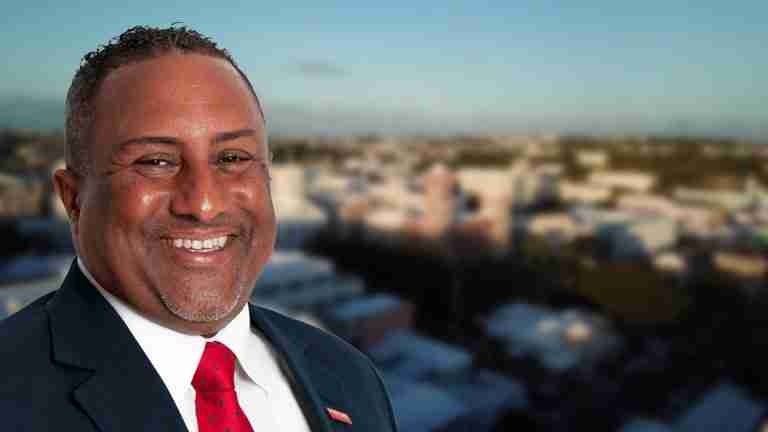
The recent statement by the US Consulate confirms why it was important to ask the Government if full CARICOM membership would affect visa-free travel for Bermudians.
It was not a scare tactic, but a question that needed a clear answer—and now it has been received.
This was never about claiming that full CARICOM membership would automatically end visa-free travel to the United States. It was about making sure the Government had done its homework before asking Bermudians to support such a significant change.
When I asked whether the Premier consulted the United States about any possible implications for our visa-free travel and pre-clearance arrangements, the Government dismissed the concern and said there was “no basis” for it.
We now know that Bermuda’s visa-free access is a matter of US policy, not a bilateral agreement with Bermuda or the United Kingdom, and that US policy can be revised.
The United States is Bermuda’s largest trading partner and our most important travel connection. Thousands of Bermudians depend on easy access to the US for business, education, healthcare, family and holidays.
The Premier therefore needs to answer a very simple question. Before launching his public campaign for full CARICOM membership, did his Government seek and receive assurances from the United States that the change would have no impact on Bermuda’s existing travel arrangements?
If the answer is yes, tell the public when those discussions took place and what assurances were received.
If the answer is no, then the Premier and his Government have been irresponsible with something that is far too important to Bermudians to simply assume.
And this is bigger than one question about US travel. Full membership in CARICOM would represent a significant change in Bermuda’s relationship with the region. The Government should not be campaigning for a predetermined outcome while important questions remain unanswered.
Give Bermuda the real facts. Answer the real questions. Then trust the people of Bermuda to decide for themselves through a referendum.That is what proper consultation should look like.
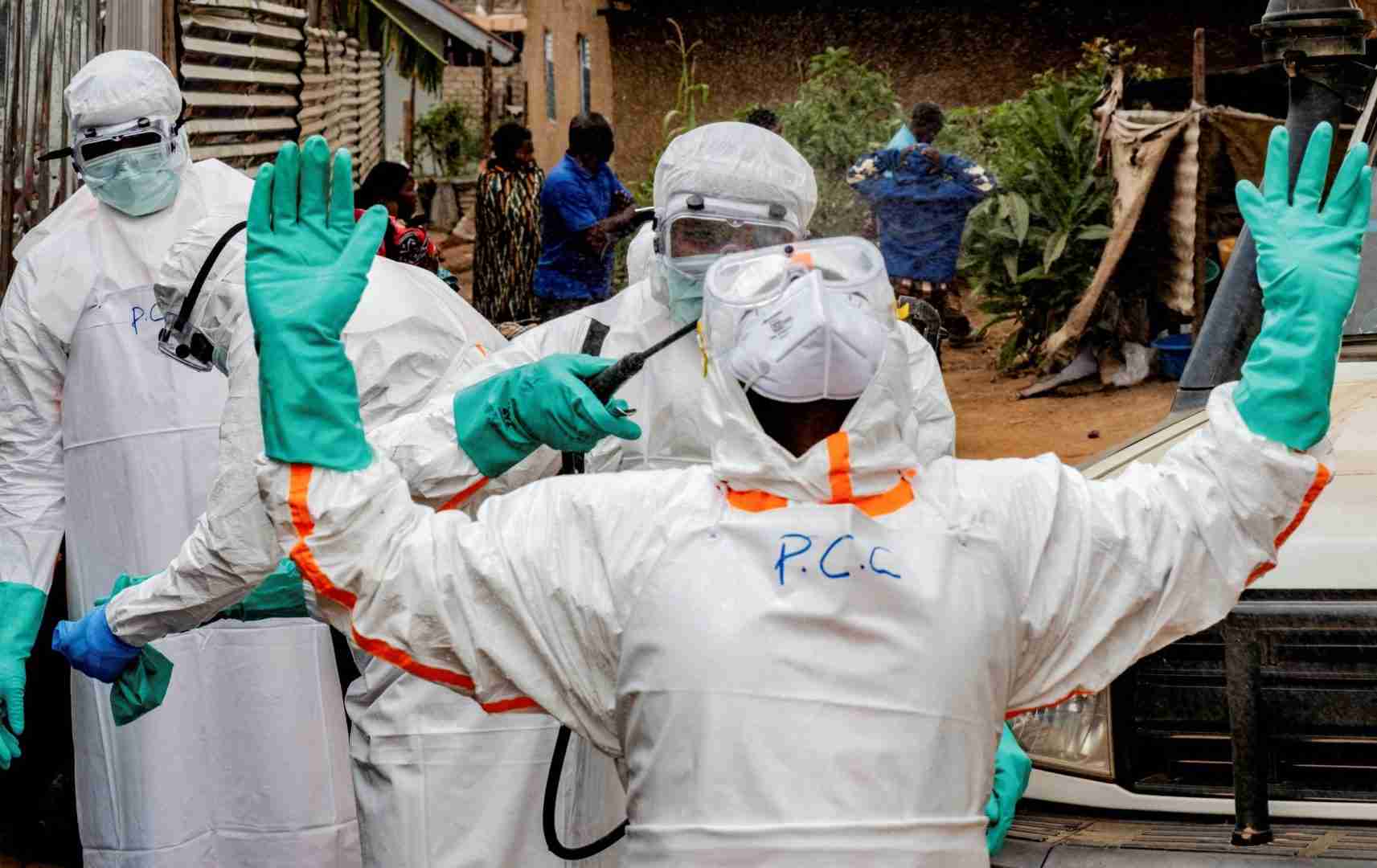
Bas-Uele would not be added to the list of affected provinces until there is a case involving local transmission
International News via Reuters:
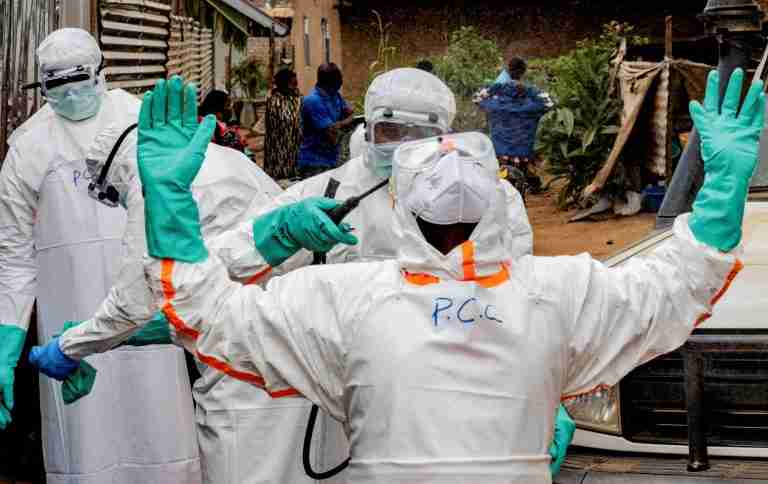
Democratic Republic of Congo health authorities have identified a person who has died from Ebola in a province not previously affected by the ongoing outbreak, an official told Reuters, raising fears of wider transmission from multiple exposures before and after the patient’s death.
• The case involves a motorcycle taxi driver who travelled to Bas-Uele province, where no cases had previously been reported, from Haut-Uele province, where cases had already been confirmed, Jean-Jacques Muyembe, head of Congo’s National Institute for Biomedical Research, told Reuters.
• The patient died in Bas-Uele’s capital Buta after developing haemorrhagic symptoms consistent with Ebola and tested positive for the virus after he died, Muyembe said.
• Haut-Uele, one of five provinces affected by the outbreak, which was announced on May 15, has recorded 113 confirmed cases, according to the latest available government data published on Tuesday.
• Bas-Uele would not be added to the list of affected provinces until there is a case involving local transmission.
• But Muyembe said the motorcycle taxi driver visited several health facilities before his death, and fellow motorcycle taxi drivers tried to retrieve his body, prompting the local police to intervene, raising fears that several people may have been infected.
• The ongoing Ebola outbreak, Congo’s 17th, has so far infected 4,566 people, including 2,128 deaths, according to government data released on Wednesday. The number of cases makes it the second-largest outbreak on record, behind the outbreak in West Africa that lasted from 2014 to 2016.
Reporting by Fiston Mahamba; Writing by Clement Bonnerot; Editing by Robbie Corey-Boulet and Alison Williams
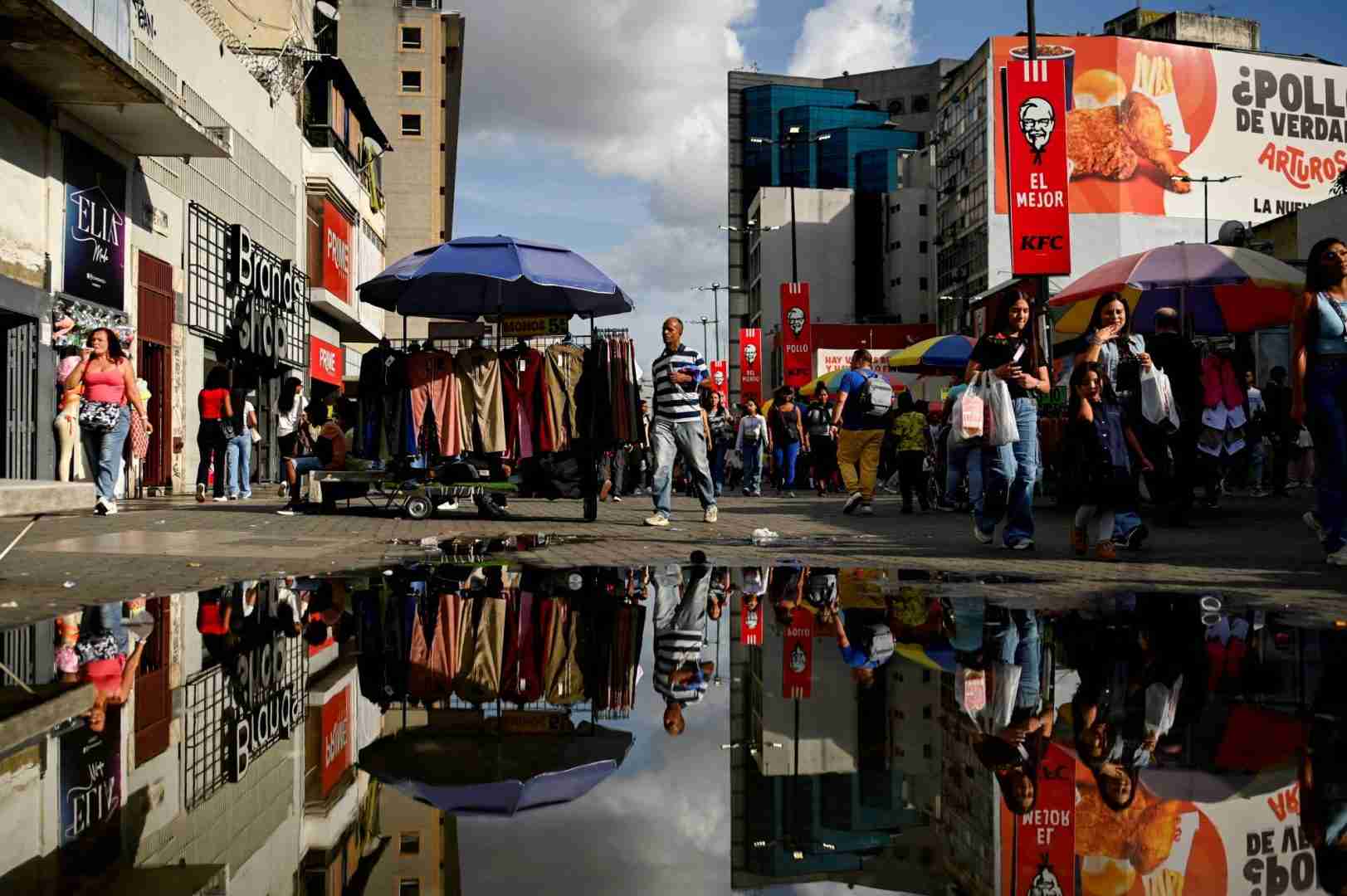
The Bank of England has long refused to release some 31 metric tons of Venezuelan gold held in its vaults because it did not recognize the legitimacy of President Nicolas Maduro’s government
International News via Reuters:
Venezuelan authorities plan to focus on reconstruction efforts and recovering gold reserves worth an estimated $4 billion held in the Bank of England’s underground vaults, National Assembly chief Jorge Rodriguez said on Wednesday, as monthly inflation surged to 20%.
The Bank of England has long refused to release some 31 metric tons of Venezuelan gold held in its vaults because it did not recognize the legitimacy of President Nicolas Maduro’s government.
The Bank of England declined to comment. Britain’s Foreign Office did not immediately comment.
The bullion has been the subject of a long-running legal battle in British courts, and it has not been released despite Maduro’s capture by the U.S. in January and a request by acting President Delcy Rodriguez to King Charles.
The South American nation was hit by devastating twin earthquakes at the end of June that killed more than 6,000 people.
Rodriguez said the government and lawmakers had agreed to focus on projects aimed at rebuilding households, health capacities, electricity availability and clearing rubble, and to this end, “concentrate efforts to promote the recovery of Venezuela’s international assets in the Bank of England.”
Venezuela’s central bank said the earthquakes had contributed to inflation rising to 19.9% in July compared to 13.8% the prior month, as the disaster disrupted the distribution of goods. It said it expected inflation to decline in August.
With July’s result, year-on-year inflation stands at 575.9%, according to Reuters calculations based on figures from the central bank.
Reporting by Mayela Armas; additional reporting by Karin Strohecker in London. Editing by Daina Beth Solomon, Sarah Morland, Jamie Freed and Toby Chopra
Since becoming prime minister in July, Andy Burnham has made AI a Cabinet-level priority
International News via Reuters:
Britain’s economy is showing the clearest signs yet that it is benefitting from the global artificial intelligence boom, with data on Thursday showing rapid growth in related industries and a surge in computer hardware investment.
While the Office for National Statistics said Britain’s economy grew by 0.4% in the second quarter, the information and communications sector contributed almost half of that expansion — more than any other industry.
Within the sector, the ONS said the output of computer programming, consultancy and related activities — which would include AI companies — surged by 3.7% on the quarter, on top of a 3.8% rise in the previous quarter.
Since becoming prime minister in July, Andy Burnham has made AI a Cabinet-level priority.
His team has signalled a shift away from the previous government’s U.S.-centric approach towards greater emphasis on British ownership, “tech sovereignty” and protecting workers from disruption.
U.S. data has also pointed to AI’s growing impact on the world’s largest economy.
ONS investment data on Thursday offered more evidence of an AI impact.
Spending on plant and machinery across the economy has grown strongly this year, rising to £22.1 billion ($29.8 billion) in the second quarter — within a whisker of a one-off record high hit in early 2022 caused by the timing of tax breaks.
An ONS spokesperson said the most recent strong reading reflected ICT equipment, particularly computer hardware as well as government spending on weapons systems.
The ONS’s quarterly survey of business capital assets also showed a strong increase in computer hardware investment.
“A big step up in investment into information and communications technology suggests that the build out of computing power needed to run artificial intelligence boosted business investment,” said Andrew Wishart, senior UK economist at Berenberg.
British manufacturers are also benefitting.
Output across British computing, electronic and optical product manufacturers grew by 10.7% in annual terms in the second quarter — ranking top among the 13 manufacturing sub-sectors for the first time since early 2017.
Money markets show traders still expect one rate rise from the Bank of England this year, and Thursday’s economic data did little to shift that
International News via Reuters:
The pound held steady on Thursday and remained on track for a third weekly gain as burgeoning confidence in the UK economy was reinforced by data that showed growth unexpectedly picked up in June.
Money markets show traders still expect one rate rise from the Bank of England this year, and Thursday’s economic data did little to shift that.
The Office for National Statistics said UK gross domestic product rose by 0.3% during the month, putting Britain on course for the strongest growth among the Group of Seven rich economies in the first half of 2026, after being flat in May.
Households and businesses enjoyed some respite from high energy prices caused by the Iran war in June, while the start of the men’s soccer World Cup and hot weather helped boost overall economic activity.
Sterling was last unchanged on the day against the dollar at $1.349 and against the euro, which traded at £0.8547.
Although growth was modest, it was mostly the product of consumer spending and business investment, rather than government spending, which could prove encouraging for investors, Jeremy Stretch, who is head of G10 FX strategy at CIBC Capital Markets, said.
“Putting your head under the bonnet of the UK economy suggests that the momentum is perhaps a little more robust and a little more dynamic than we might have assumed,” he said.
Next week brings a raft of inflation data that could be more influential in setting expectations for BoE monetary policy.
“Despite the ONS estimated strength of growth in H1, we don’t think it will shift the BoE’s assessment. The BoE will still view the UK economy as operating with slack that supports domestic disinflation at present,” RBC Capital Markets said.
Reporting by Amanda Cooper; Editing by Andrew Heavens
As Government aims to half road fatalities and serious injuries by 2030, the Police Commissioner lauded the pending roll-out of speed cameras – but stressed that it is not a solution in itself
The death of a female visitor marks the 13th road fatality so far in 2026 – already exceeding the 12 road deaths Bermuda typically records in an entire year.
Police declared today that they will be beefing up patrols in a fresh push to make our roads safer.
Sobriety checkpoints will resume this week and officers will be deployed on overtime to help to bolster traffic enforcement.
Police joined Government and road safety officials today at a press conference – where a target was declared to halve serious accidents by 2030.
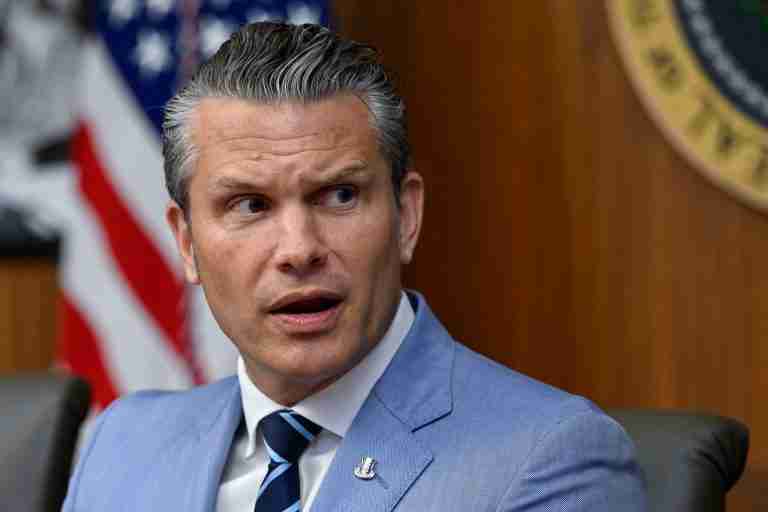
The meeting of the so-called Americas Counter-Cartel Coalition took place in Panama, whose canal became an early focus of President Donald Trump’s Latin America policy
International News via Reuters:
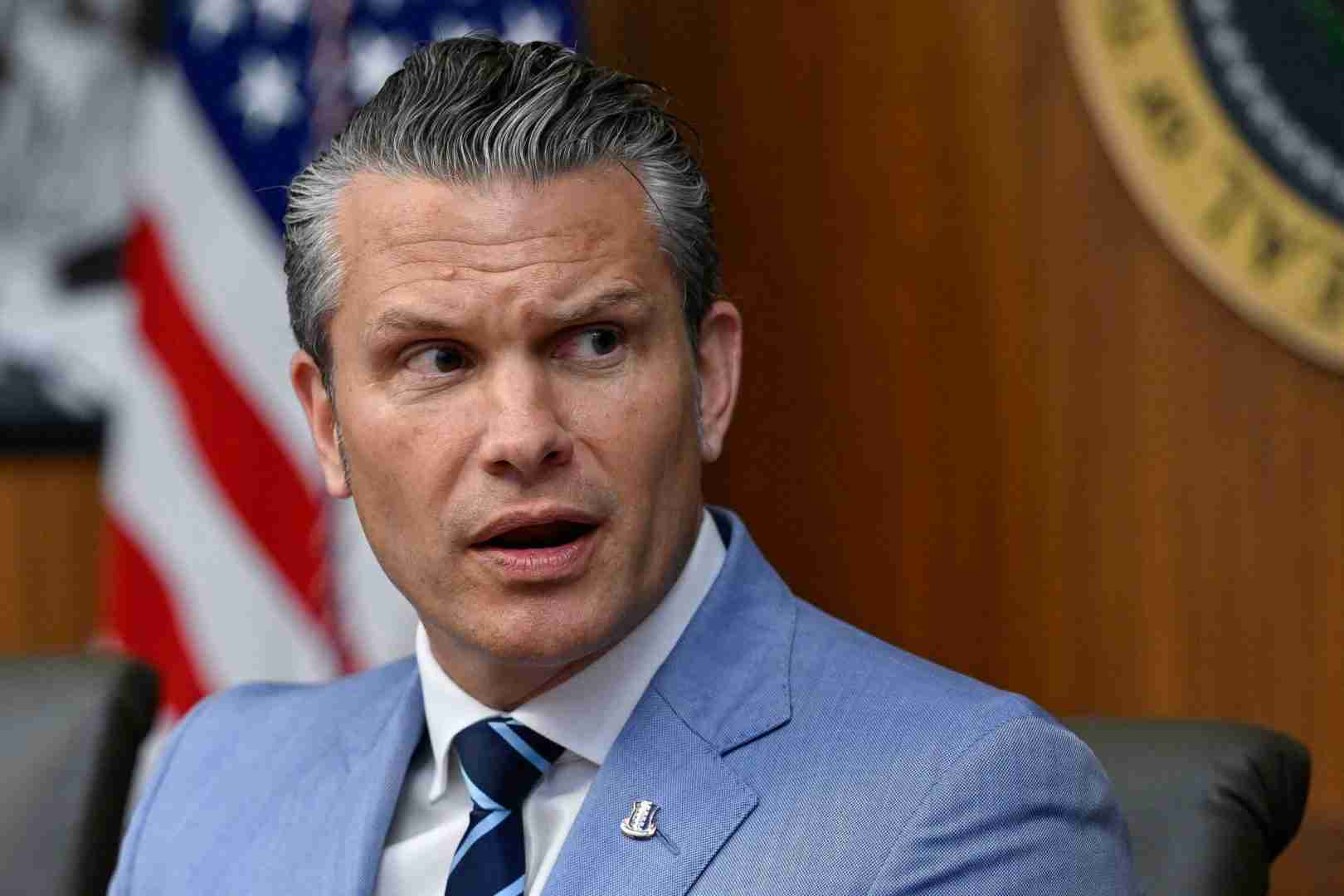
U.S. Defense Secretary Pete Hegseth welcomed Colombia on Wednesday into a military-led counter-narcotics coalition of like-minded Western Hemisphere nations following the inauguration of its conservative president last week.
Ahead of a meeting with Colombia’s new Defense Minister Jorge Eduardo Mora, a retired major general, Hegseth said Colombia had also authorized “joint military operations to destroy terrorists and terror networks.”
The meeting of the so-called Americas Counter-Cartel Coalition took place in Panama, whose canal became an early focus of President Donald Trump’s Latin America policy.
That U.S. policy has expanded dramatically since then with the launch of U.S. military strikes on suspected drug boats last September that have killed more than 200 people so far and a U.S.-led commando raid in January that deposed Nicolas Maduro, the president of Venezuela.
Critics say the U.S. strikes amount to war crimes worthy of the International Criminal Court but Hegseth blasted the organization and encouraged coalition allies attending the meeting in Panama to withdraw from it.
He compared drug traffickers to al Qaeda or Islamic State terrorists.
Speaking at a hotel in Panama City, Hegseth invoked a revamped Monroe Doctrine, the 19th-century policy asserting U.S. primacy across the Americas that critics associate with decades of U.S. intervention. He called it the “Donroe Doctrine” — a play on Trump’s name.
“We will defend our hemisphere from external threats,” including from narco-traffickers or foreign influence, Hegseth said.
COLOMBIAN CRACKDOWN
Colombian President Abelardo De La Espriella’s vows of a security crackdown have been embraced by the Trump administration, which announced on Friday plans to provide $1 billion in U.S. security assistance to his government.
During his swearing-in address on Friday, De La Espriella vowed to “definitively eradicate the scourge of illicit crops” and committed to also joining the Shield of the Americas program founded by Trump.
De La Espriella has blamed his predecessor, leftist Gustavo Petro, for an expansion of armed groups.
De La Espriella’s election was part of a rightward shift rippling across Latin America.
In Peru, Argentina, Chile, Ecuador, Bolivia and Panama, weak economies and rising crime have reshaped voter priorities, allowing once-fringe hard-right candidates to gain traction by promising crackdowns amid a global rise of right-wing nationalism.
In Panama, Trump’s administration won a major victory from the country’s Supreme Court in January after voicing concerns about encroachment by China. Hong Kong-based CK Hutchison, through local unit Panama Ports Company, lost the port concessions it had held for nearly three decades.
The Panama Canal handles 5% of global maritime trade, making control of its entrance ports a flashpoint for geopolitical tension between Washington and Beijing.
Addressing the meeting, Panama President Jose Raul Mulino called drug trafficking the biggest threat facing the region and dismissed concerns that the U.S.-led coalition could infringe on members’ sovereignty. He made no mention of China.
Instead, he said the transnational crime groups that traffic drugs and people are the real threats to sovereignty.
“There’s never going to be a sustainable peace if this enemy (advances),” Mulino said.
Reporting by Phil Stewart in Panama City and Idrees Ali in Washington; Editing by Alistair Bell
The countries could help define the mechanism’s scope, provide personnel to oversee its implementation or contribute troops to observe or take part in inspections verifying disarmament
International News via Reuters:
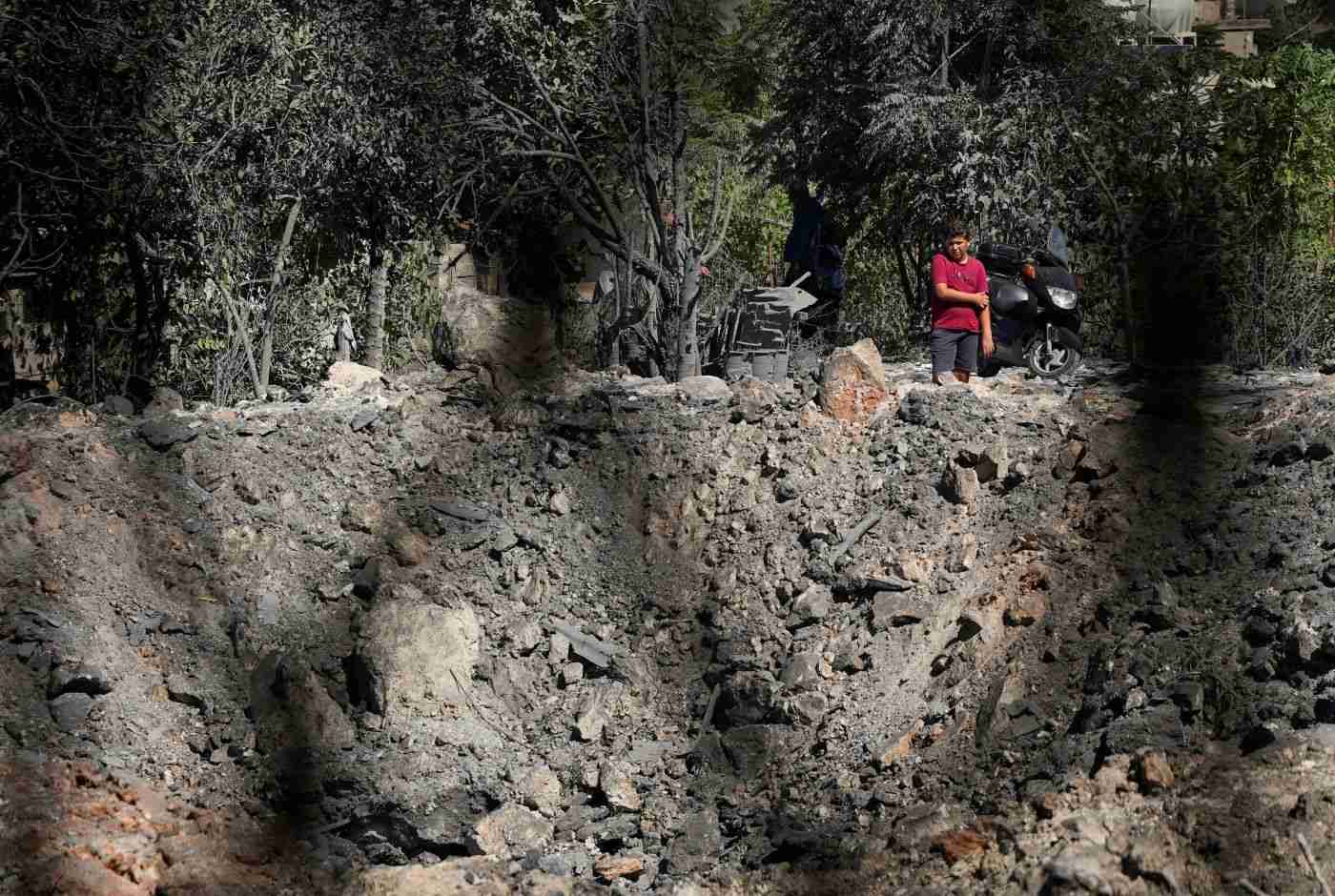
Israel and Lebanon have agreed on Britain, Italy, Switzerland and Indonesia as potential contributors to a proposed mechanism that could see foreign troops deployed to Lebanon to verify Hezbollah’s disarmament, people familiar with the matter said.
The shortlist emerged from U.S.-mediated talks in Rome last week, the latest round of negotiations between Israel and Lebanon on implementing a June agreement that ties Israel’s phased withdrawal from Lebanon to the disarmament of Hezbollah.
The countries could help define the mechanism’s scope, provide personnel to oversee its implementation or contribute troops to observe or take part in inspections verifying disarmament, three sources said.
A Lebanese official told Reuters on Friday that Israel and Lebanon had agreed on a list of potential countries that could send troops to verify disarmament, but declined to identify them, saying the U.S. would decide which of them would take part.
Israel and Lebanon in late June agreed to a U.S.-mediated framework as part of Washington’s efforts to end the latest round of conflict between Israel and Hezbollah, triggered in March when the Iran-backed Lebanese armed group attacked Israel following U.S. and Israeli war against Iran.
A source with direct knowledge of the matter said discussions surrounding the shortlisted countries were in the early stages but said that they were “cautiously optimistic” the effort would proceed.
A spokesperson for Israel’s Embassy to the United States said in a statement that negotiations over the composition of the body that would oversee and verify Hezbollah’s disarmament were ongoing and that no agreement had yet been reached.
Switzerland’s foreign ministry told Reuters it was exploring ways to support “various stabilization processes”, but declined to provide details. A British foreign ministry spokesperson said Britain was ready to support efforts to de-escalate tensions and long-term security, particularly in southern Lebanon, without elaborating.
The Lebanese presidency and the Indonesian foreign ministry did not immediately respond to requests for comment.
ISRAEL SEEKING SEARCHES OF PRIVATE HOMES
Israel’s military occupies what it describes as a security zone extending 10 km (6 miles) into southern Lebanon and has said it will not withdraw unilaterally until Hezbollah is disarmed.
Two sources said that under the proposed mechanism, villages in southern Lebanon would be inspected and verified as being free of weapons. Israel wants those inspections to include private homes, they said.
Lebanon’s army has resisted pressure over the last year to search private properties, fearing such searches could spark tensions in the south and with Hezbollah more broadly. Security officials have told Reuters the army would need warrants for each house.
A foreign security official said the question of private properties would need addressing, including how and by whom they would be searched. The official said the extent of foreign troops’ freedom of movement would also need to be clearly established.
A mandate for the presence of foreign troops in Lebanon would have to be agreed, the sources said, with the most likely scenario being that they would be formally invited by the Lebanese government under a framework endorsed by Israel.
The U.S. and Israel were unlikely to accept U.N. involvement, the sources said, while European nations may oppose oversight by U.S. President Donald Trump’s so-called Board of Peace.
Reporting by Alexander Cornwell and Maya Gebeily, additional reporting by Steven Scheer, and Olivia Le Poidevin in Geneva and Alistair Smout in London; Editing by Aidan Lewis and Sanjeev Miglani
To provide the best experiences, we use technologies like cookies to store and/or access device information. Consenting to these technologies will allow us to process data such as browsing behavior or unique IDs on this site. Not consenting or withdrawing consent, may adversely affect certain features and functions.
Functional
Always active
The technical storage or access is strictly necessary for the legitimate purpose of enabling the use of a specific service explicitly requested by the subscriber or user, or for the sole purpose of carrying out the transmission of a communication over an electronic communications network.
Preferences
The technical storage or access is necessary for the legitimate purpose of storing preferences that are not requested by the subscriber or user.
Statistics
The technical storage or access that is used exclusively for statistical purposes.The technical storage or access that is used exclusively for anonymous statistical purposes. Without a subpoena, voluntary compliance on the part of your Internet Service Provider, or additional records from a third party, information stored or retrieved for this purpose alone cannot usually be used to identify you.
Marketing
The technical storage or access is required to create user profiles to send advertising, or to track the user on a website or across several websites for similar marketing purposes.