Sunday, November 1, 2026
Home Blog Page 10

Opinion: Planning for tomorrow’s workforce should start today

Statement by Ben Smith, Leader of the Opposition:

Not a day goes without a young Bermudian being asked to share what are their future career plans. Try asking that to a 16-year-old.

At that age, while most are thinking about the next few years, they are also studying for GCSEs, exploring university options and of course listening to the adults in their lives telling them what they think they should be.

It’s overwhelming, to say the very least.

It can be a difficult question to navigate at 16.

But there is another question that they deserve answered: What opportunities will young Bermudians actually have by the time they reach 20?

Will we need electricians? Plumbers? Nurses? Teachers? Mechanics? Chefs? Technology specialists?

And if we know we are going to need them, are we preparing Bermudians now? Based on the recently revealed results of the 2020-2023 Gates-MacGinitie Reading Test, which were shockingly poor, I would venture to say a number of students in the Bermuda Public School System are lagging far behind. Fixing this issue should be a priority. We owe it to our students.

But the silver lining is there is nowhere to go but upwards.

Now let’s look at occupations needed in Bermuda. Let’s use electricians, for example.

We should know roughly how many are employed in Bermuda today, how many are Bermudian, how many are here on work permits and how many are approaching retirement.

We should also know how many young Bermudians are training to become electricians.

Then what should come next? We should look ahead.

Are there any large or long-term construction projects on the horizon? How will new technology change the skills required?

Put those pieces together and we should have a reasonable idea of whether Bermuda will have enough electricians five years from now.

If the answer is no, there will be an occupation shortage on the horizon, which translates into an educational opportunity today.

A student should be able to hear: Bermuda is going to need people with this skill. This is what the training looks like. This is how long it takes. These are the qualifications you need. And this is where the career can take you.

Parents, high schools, the Bermuda College and employers should have access to this data as well.

This should be applicable to all occupations/trades in Bermuda where we are currently experiencing a shortage and/or underemployment of Bermudians.

By doing this education, workforce development and economic planning begin to connect.

Education should always be about more than preparing someone for a job. We want young Bermudians who can think critically, communicate, solve problems and participate fully in their community.

But we also owe them an honest view of the economy they are going to enter.

We should not be preparing young Bermudians for yesterday’s jobs and then discovering that we have to import people for the opportunities we failed to prepare them for.

This information should also make developing immigration policy easier.

Bermuda will always need workers from overseas. We are a small country with a sophisticated economy, and people from around the world have helped build the Bermuda we know today.

But immigration decisions should be based on what is actually happening in our workforce.

Suppose a job category is closed because we want to create more opportunities for Bermudians.

That may be the right decision.

But how do we know?

Before making the change, policy makers should decide what success should look like. Then come back a year later and assess what happened.

Did more Bermudians enter the occupation? Did more undertake training? Were employers still able to fill vacancies? Did the policy create a shortage we didn’t expect?

If it worked, we have evidence to continue.

If it didn’t, change it.

The point isn’t whether a particular category should be open or closed. The point is that we should know whether the decision achieved what it was supposed to.

Too often our politics works the other way around.

We decide what we believe the problem is and then find the numbers that support the story.

The Government can do it. The Opposition can too.

We need the discipline to ask what the information tells us before deciding what we want it to say.

That matters when we hear big announcements as well.

Hundreds of new jobs sounds like good news, and it may well be. But if we are serious about planning, the headline number is only the beginning.

What jobs are they? What skills will be needed? How many can be filled by Bermudians? How much training will be required? If additional workers are needed, how many?

Those answers allow us to prepare for the future.

Without them, we celebrate the announcement today and deal with the consequences tomorrow.

Bermuda is small enough that we should be able to do this better.

Imagine that 16-year-old I mentioned at the beginning being able to sit down with their parents and see where Bermuda is likely to need people over the next five or ten years.

Not a guarantee of a job. No government can promise that.

But a clear picture of where opportunities are developing, what qualifications they require and what someone needs to do to compete for them.

That gives a young person something valuable—a chance to make an informed choice.

It also gives Bermuda something valuable: time.

Time to train people before a shortage develops. Time for employers to build apprenticeships. Time for Bermuda College to adjust programmes. Time for the government to make immigration decisions based on genuine need rather than reacting after the problem arrives.

The purpose of collecting data isn’t to produce another report.

It is to see what’s coming.

And if we can see that Bermuda is going to need an electrician, plumber, nurse or technician five years from now, the first person who should know shouldn’t be an overseas recruitment agency.

It should be that 16-year-old Bermudian contemplating their future.

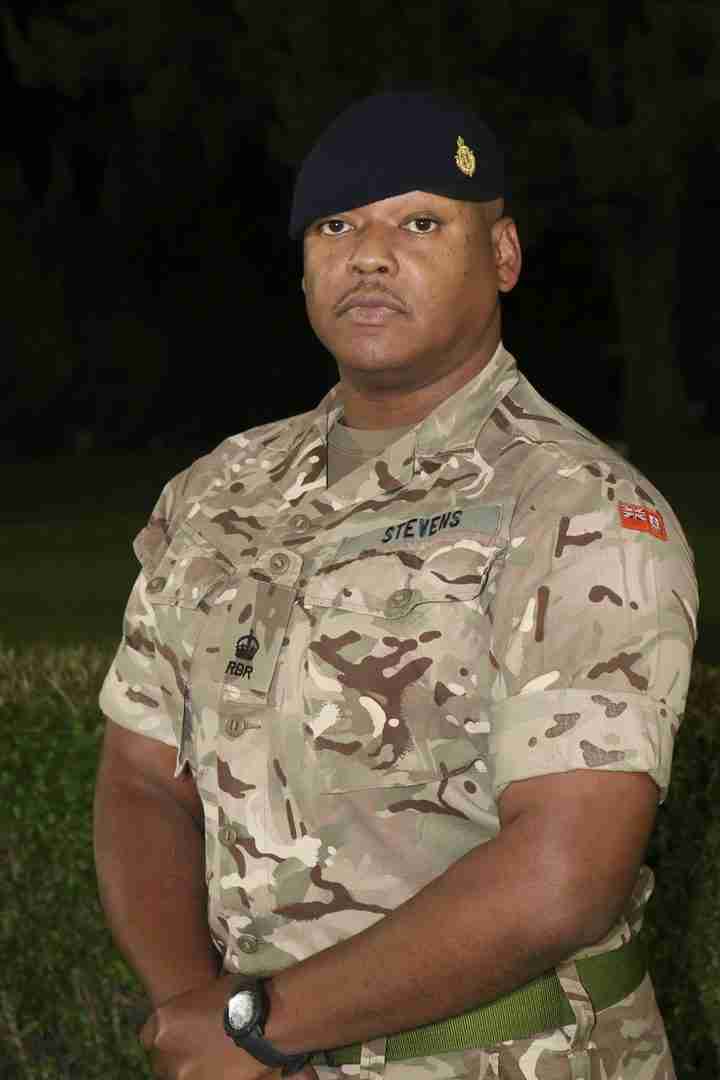
Promotions bring ‘wealth of experience and leadership’ to RBR

The benefits of part-time service with the Royal Bermuda Regiment (RBR) are highlighted as the battalion celebrates the promotions of officers whose civilian careers neatly complement their military pathways.

Major Ryan Eve and Major Travis Stevens were promoted from the rank of captain, while Major James Johson joined the RBR after moving to the island from the UK, where he is a British Army Reserve officer.

RBR Commanding Officer Lieutenant Colonel Duncan Simons said that the three “bring a wealth of experience and leadership” to the battalion.

He noted that Maj Eve and Maj Stevens recently completed the Intermediate Command and Staff Course at the UK Defence Academy in Shrivenham.

“Throughout their careers, they have served in a variety of appointments across the regiment, demonstrating exceptional commitment to both military and public service,” Lt Col Simons said.

“As reserve officers, they exemplify the advantages of a dual-career pathway. The leadership, decision-making and professional skills they have developed through military service have complemented successful civilian careers in Bermuda’s insurance sector.

“Equally, the regiment has benefited from the expertise and perspectives they have gained in their civilian professions.”

Welcomed Maj Johnson to the RBR, the Commanding Officer added: “We look forward to drawing upon his extensive experience to further strengthen the regiment’s training, capability and policy development, particularly in the area of disaster response.”

Maj Stevens, who joined the regiment in 2011 and became an officer two years later, is Officer Commanding, A Company and said his day-to-day mission will remain the same.

“Service has never been about rank, and respect isn’t something you can demand; it has to be earned,” he noted.

“It comes from acting with integrity in camp and outside it, in uniform and out of it, and from never asking your soldiers to do what you wouldn’t do yourself.

“The rank is a recognition of the work we’ve done together as a team. My job is still to motivate, inspire and challenge those around me.”

Maj Stevens highlighted how the regiment invests in its people at every stage of their service.

“Whatever your starting point, there’s a clear path to grow and the regiment backs you the whole way,” he said.

Maj Stevens pointed out: “The regiment brings together the most diverse group of people on the island.

“In a single room you will find masons, doctors, plumbers, lawyers, mechanics, architects, electricians, engineers, historians and hospitality professionals, from different backgrounds, nationalities and walks of life.

“I bring my own civilian career in cyber, and I’ve found that managing risk in the office and in the field has more in common than less.

“Our training is designed to draw on that variety. Cross-training is built into the syllabus, so knowledge is constantly shared and a soldier’s civilian expertise becomes a capability for the whole unit.”

Maj Eve, who enlisted in 2014 and became an officer in 2017, is Officer Commanding, Headquarters Company.

He said: “Joining the regiment provides the chance to develop discipline, resilience, teamwork and self-confidence in an environment that challenges and supports you.

“It exposes individuals to experiences they may never encounter elsewhere, from specialist training and adventurous activities to leadership opportunities and operational deployments.

“The friendships and professional networks formed within a regiment are often lifelong, and the sense of belonging and shared purpose can be extremely rewarding.”

He noted how becoming an officer develops decision-making, communication and problem-solving skills.

“Officers are given responsibility for leading and developing others, often in demanding and complex situations,” Maj Eve added.

“The experience gained can be invaluable, not only within the military but throughout a person’s wider career and life.”

Maj Johnson, who is from the West Midlands in the UK, is the chief environmental health officer with the Government of Bermuda, having moved to the island last year.

He has been able to retain his British Army Reserve role as part of the medical operational support unit, where his work covers providing support to developing countries to improve their healthcare systems.

Tours of duty for Maj Johnson have included deployments in Afghanistan, South Sudan and the Middle East.

“My strength in the British Army, and I hope in Bermuda, lie in the operational deployments that I have done,” he said. “I’ve been to some interesting places so hopefully that can bring value to the training that takes place at the regiment.

“Equally, I’m certain that there will be lots of experiences I can gain. This is a chance for me to keep my military skills up but also learn how an overseas territory unit works.”

Also promoted was Captain Samuel Hewitt, who advanced from the rank of lieutenant.

  • For information on joining the Royal Bermuda Regiment, visit rbr.bm, call 238-1045 or contact the Recruiting Team at rbr.recruiting@gov.bm.

Opinion: We must get serious about energy security

Statement by Dwayne Robinson, Shadow Minister for Home Affairs:

In an increasingly unstable world and Bermuda’s isolated location the Government must get serious about Bermuda’s energy security.

The One Bermuda Alliance continues to remind the Progressive Labour Party government that releasing plans or policy papers is not the same as addressing the issue.  I welcomed the release of the National Electricity Sector Policy 2026 after calling on the Minister of Home Affairs to show leadership within this sector. However, actions speak louder than words. What has the Minister done since the release of this plan?

We have recently seen the announcement of a Balcony Solar Pilot programme. The OBA welcomes making solar energy more accessible to Bermudians, especially since we recommended it. 

However, this pilot flies in the face of our current state of solar. Many solar users have been hit with a large increase in their bills due to a newly enacted facilities charge, and many are contemplating removing their panels. The Minister of Home Affairs has refused to speak on how the Government intends to maintain the current solar users in Bermuda or protect future ones. This Balcony Solar Pilot is yet another promise of lowering bills, like the promise of installing solar panels on your home.

How will the Government ensure that these balcony solar users will not end up in a similar boat with the current solar customers? They made an investment to lower their bills based on Progressive Labour Party government promises, only for their bills to increase later due to circumstances beyond their control.

The Minister of Home Affairs has suspended the Integrated Resource Plan 2026 and effectively stalled any meaningful investment into our energy future, regardless of the release of the National Electricity Sector Policy (NESP) 2026.

This leaves her in the position of going through the legal appeal processes launched by Belco and the Regulatory Authority on the legality of her IRP 2026 suspension or come back to the people and admit she was not correct to suspend it.

Either option leaves any progress to enhance Bermuda’s energy security or lower Bermudian bills in limbo. The investment needed for the Government’s NESP 2026 to come to fruition is affected by the legal disputes over our current IRP. 

As we know the Government has already spent $24,000 in litigation over the IRP 2026 since September. How much more did it cost us? What is the status of the appeals? Can the Minister stand in front of Bermuda and assure Bermudians she was within her legal rights to suspend a finalized IRP? Can the Minister stand on her previous point that the IRP 2026 and the NESP 2026 are not aligned?  While Bermudians wait for these answers, their bills continue to burden their households.

The OBA would earmark suitable Government owned land for utility wide solar to increase our energy security and limit price fluctuations from external shocks. It would also strengthen the Regulatory Authority to safeguard the consumer and to oversee the Integrated Resource Plan process.

The OBA would repeal Government’s ability to suspend an already finalized IRP, to remove concerns of Government interference, and avoid stalling Bermuda’s progress. In true collaboration with Belco and the Regulatory Authority, the OBA would ensure solar would be more accessible to Bermudians and create a less punitive solar billing structure.

We will safeguard Bermuda’s energy security, provide stronger regulation on energy bills, make our grid more sustainable, and wherever possible lower energy bills. All of which the Minister of Home Affairs can currently work towards, and I urge her to utilise the ideas.

TCD issues reminder on importing vehicles

The Transport Control Department (TCD) is reminding individuals and businesses that approval from TCD must be obtained before ordering, purchasing, or arranging the shipment of any motor vehicle to Bermuda. Prospective importers are urged to submit the vehicle’s specifications to TCD for assessment before making any financial commitments, as not all vehicles are eligible for importation and registration in Bermuda.

Minister of Tourism & Transport, Culture & Sport, the Hon. Owen Darrell, JP, MP, said: “It is important that anyone considering importing a vehicle into Bermuda understands the requirements before making a purchase or arranging shipment. We want to ensure that prospective importers have the necessary information and seek approval from TCD before committing significant sums of money. Taking this precaution can help prevent unnecessary financial loss and avoid the disappointment of purchasing a vehicle that cannot be approved for use on our roads.”

Under the Motor Car Act 1951 and its associated regulations, vehicles must satisfy the applicable legislative requirements, including those relating to vehicle classification, dimensions, specifications, and other statutory criteria. These requirements determine whether a vehicle may be imported and registered for use on Bermuda’s roads.

TCD further cautions that purchasing, ordering, or shipping a vehicle before receiving TCD approval is undertaken entirely at the importer’s own risk. Payment for a vehicle, the arrangement of shipping, or the vehicle’s arrival in Bermuda does not guarantee that permission will be granted for its importation or registration.

Individuals and businesses considering importing a vehicle can apply by visiting  https://forms.gov.bm/Departments/TCD/Importation-and-Replacement-Application.

Opinion: Too few Bermudians are entering the trades

Photo supplied

Statement by Christopher Famous, PLP MP for Constituency #11 Devonshire East:

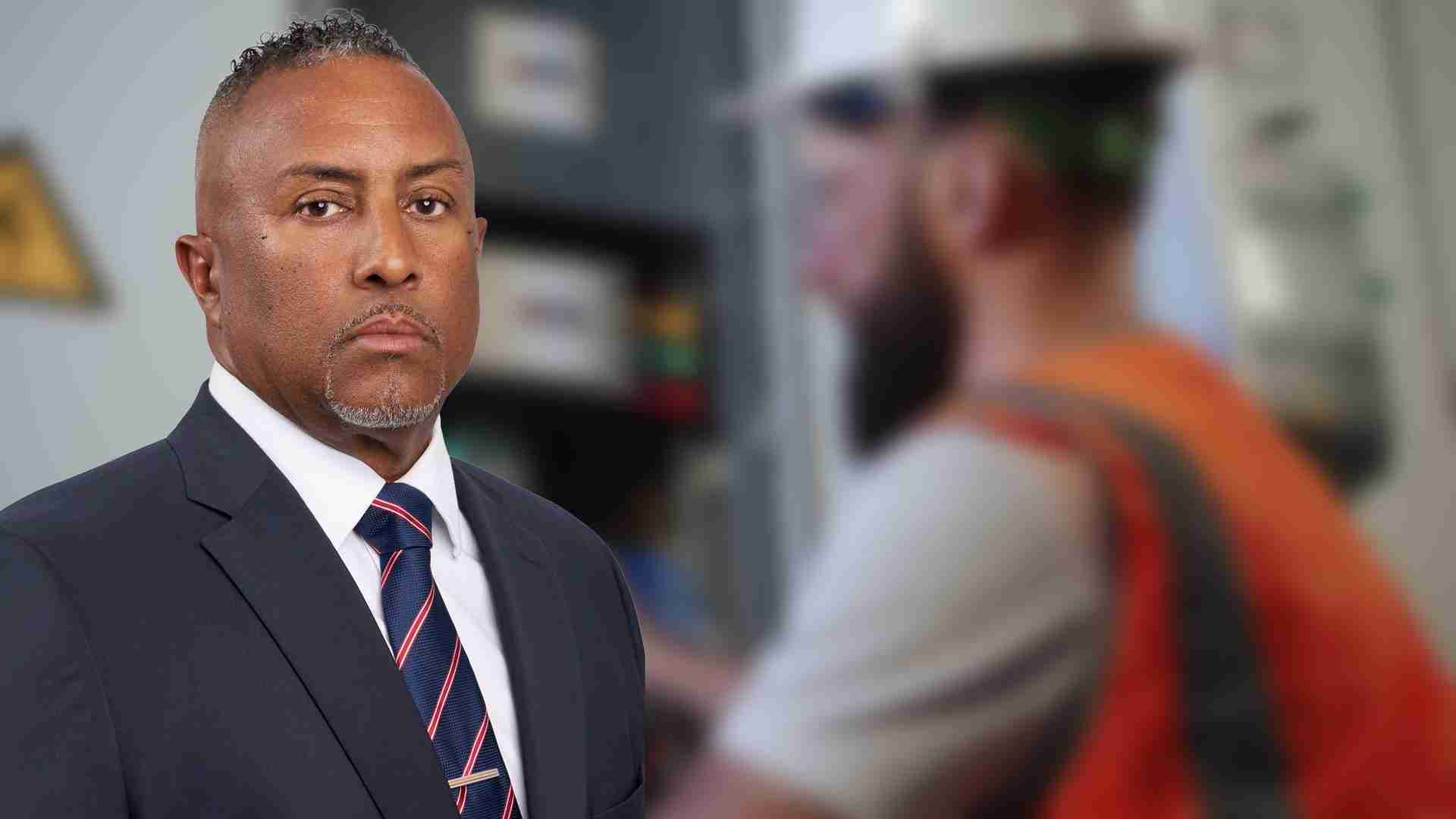
One of the realities that we have to face in Bermuda is that we don’t have enough young people who wish to get into certain professions. No matter how many courses the government offers in high school, no matter how many courses at the Bermuda College, we simply do not have enough young people who wish to get into skilled trades such as culinary arts, baking, carpentry, electrical, masonry, HVAC or plumbing.

To be clear we do have young people taking up these professions. The numeric challenge is we do not have enough. Go to any High School Graduation and you will hear for yourselves which paths our young persons intend on taking. Very few declare any interest in the technical world.

Hence the large number of persons here on work permits doing those very same jobs we should be doing.

Classism vs. Optimism

To be frank, we need to take an honest look at ourselves as a community. Ask ourselves what has been the long term ramifications of classing those who work as skilled trades persons as “less than” others who work in offices. Perhaps, just perhaps, then we will see how this has contributed to our young persons lack of desire to be in the trades.

Media outlets should take equal time to feature those making strides in all professions vs. only highlighting those in the IB or Legal sectors. The country and society on a whole has to continuously encourage our young persons and even not so young persons, that these skilled trades are of equal importance to our continued development. No country can function without these technicians. God forbid our AC breaks down during the summer.

Unless and until we grow the number of Bermudians willing to learn these professions, there will be an ever increasing number of employers applying for work permits.

Opinion: What autonomy really means for an Education Authority

Statement by Diallo Rabain, Minister of Education:

Part 2 – Independent, But Accountable: What Autonomy Really Means 

One of the questions being asked about the Education Authority is straightforward: 

If the Minister retains certain responsibilities, can the Authority truly be autonomous? 

The answer is a resounding Yes. The answer lies in understanding what autonomy means. 

The Education Authority is not being created to sit outside Government, Parliament or public accountability. It will remain a public body, funded with public money and accountable for its performance. 

What changes is who governs and operates the public education system. 

The Authority will have its own Board, responsible for its governance and the general management of its affairs. The purpose is to put greater distance between the day-to-day operation of our schools and the politics of the day. 

Autonomy does not mean the absence of Government. It means clarity about where Government’s role ends and the Authority’s role begins. We already understand this in Bermuda. 

The Bermuda Monetary Authority provides a useful comparison. 

Few would suggest that the Minister of Finance personally regulates Bermuda’s banks or makes the BMA’s day-to-day regulatory decisions. 

Yet the Minister has significant responsibilities under the Bermuda Monetary Authority Act 1969. 

The Minister appoints members of the BMA Board and its Chairman, can give the Authority general written directions in the public interest after consultation, approves its expenditure budget and can make regulations after consulting the Authority. At the same time, the law places responsibility for managing the BMA’s affairs and business, and determining its policy objectives and strategy, with the BMA Board.  

That is an important distinction. 

Ministerial accountability and operational independence can, and do, exist together. 

The Education Authority is built on the same broad principle, even though its functions and legislation are different. 

What about the Minister’s powers? 

The Minister will not disappear from education, nor should the Minister disappear. 

An elected Government remains democratically accountable for education policy, legislation and the expenditure of public funds. 

But that is very different from the Minister running the public school system. 

Under the Education Authority legislation, the Board governs the Authority. The legislation allows the Minister to give directions of a general character following consultation with the Board. It also allows the Board to seek ministerial advice, but importantly, the Board may act differently from the advice it receives. 

That is not day-to-day ministerial control. 

It is a deliberate separation between democratic accountability and professional operation. 

And the current Commissioner of Education? 

The requirement for the Authority to consult the Commissioner of Education in certain circumstances has also raised questions. 

But consultation is not control. 

During the transition, the existing Education Act 1996 and the new Education Authority legislation must operate alongside one another. Requiring consultation where their respective functions intersect is sensible. It does not, in itself, give the Commissioner a veto over the Authority. 

I will deal more fully with that transition in a later article. 

The real question 

The test of autonomy should not be whether the Minister has any statutory role. 

The Bermuda Monetary Authority demonstrates why that would be the wrong test. Its legislation gives the Minister significant statutory responsibilities, while its Board manages the Authority’s affairs and business.  

The better question is: 

Who is responsible for governing and operating the institution? 

For public education, we are deliberately moving that responsibility towards a professionally governed Education Authority and away from the day-to-day political management of our schools. 

Government will remain accountable. 

Parliament will retain oversight. 

But the operation of our public education system should not depend on who happens to occupy the Minister’s chair. 

That is the balance we are seeking: professional independence with public accountability. 

And Bermuda already understands that distinction. 

Chaz Godwin named as shooting victim

The Bermuda Police Service (BPS) can now confirm the identity of the young man, shot while at a residence on Curving Avenue, Pembroke, around 10:45pm Wednesday, 14th October 2026, as 17-year-old, Chaz Godwin. 

The teen was hospitalised for several days and sadly, later pronounced dead. The BPS extends condolences to the relatives of Mr. Godwin. 

The investigation into his death remains ongoing and the BPS thanks those individuals who have so far come forward to assist. 

However, we believe there are still persons with information about this incident that could progress the investigation, but who are yet to make contact with us. 

Detective Sergeant, Odessa Philip, the Senior Investigating Officer assigned to this matter urged: “The investigative team and I want to hear from anyone who may have knowledge of the circumstances which led to the senseless murder of Chaz Godwin. You can rest assured that any information you provide will be treated with the strictest of confidence. Remaining silent creates the risk of continued harm. If you know something, speaking up shows real strength and a willingness to protect your community.” 

Detective Sergeant Philip can be reached on phone number 717-2193 or, via e-mail, ophilip@bps.bm. 

As always, if you’d prefer to provide information anonymously, please call the independent and confidential Crime Stoppers number, 800-8477 or, by visiting crimestoppers.bm. 

Alternatively, if there’s a BPS officer you feel comfortable speaking with, please make contact with them and share what you know. 

BermudAir pilot retires after 28-years of service

Once a trained accountant, BermudAir pilot Captain Mike Reid trialed his first light aircraft in 1985 sparking a near three-decade long passion for flying

Aviation veteran and BermudAir pilot Captain Mike Reid has officially hung up his wings as he taxis into retirement.


When Captain Mike made his last flight as a commercial pilot on October 19th, he was met with fanfare and celebrations from crew at the L.F. Wade International Airport.


He trialed his first light aircraft in 1985 and this sparked a passion within him that wasn’t fully realised until his parents sadly died ten years apart.


Captain Mike said it was then that he followed his dreams to fly.


Flying commercially from 1995 onwards, he flew in Nigeria and later joined Eastern Airways in 2022 before joining BermudAir.

Ending his career on a high note in Bermuda, he said, was the icing on the cake.

Captain Mike shared his plans to spend his golden years pursuing other passions he’s found along the journey.

Five units move-in ready at historic Chelsea Property

The grade 3 historic building was renovated and converted into three, two-bedroom and two, three-bedroom apartments as affordable homes for clients at the Bermuda Housing Corporation

Five new family apartments have been completed at the historic and newly refurbished Chelsea Property building in St. George’s.


The grade three listed Historic building underwent a $2.7million dollar renovation and did so under budget, according to Housing Minister Zane DeSilva.


Here’s more from today’s affordable housing update.

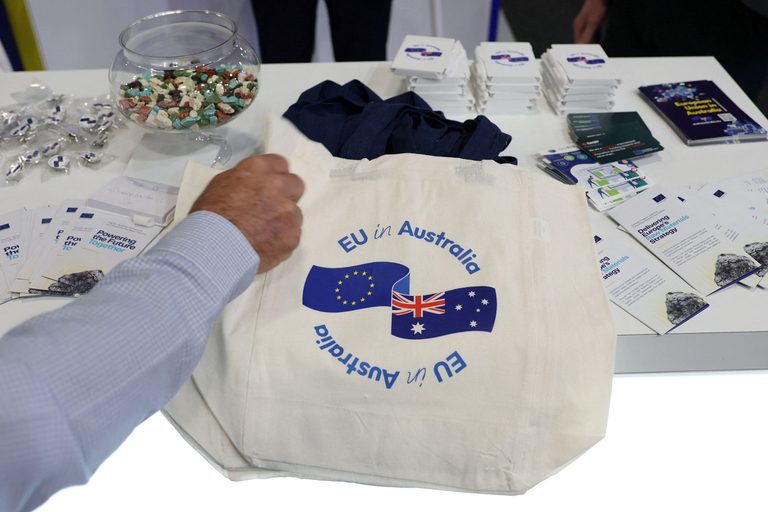
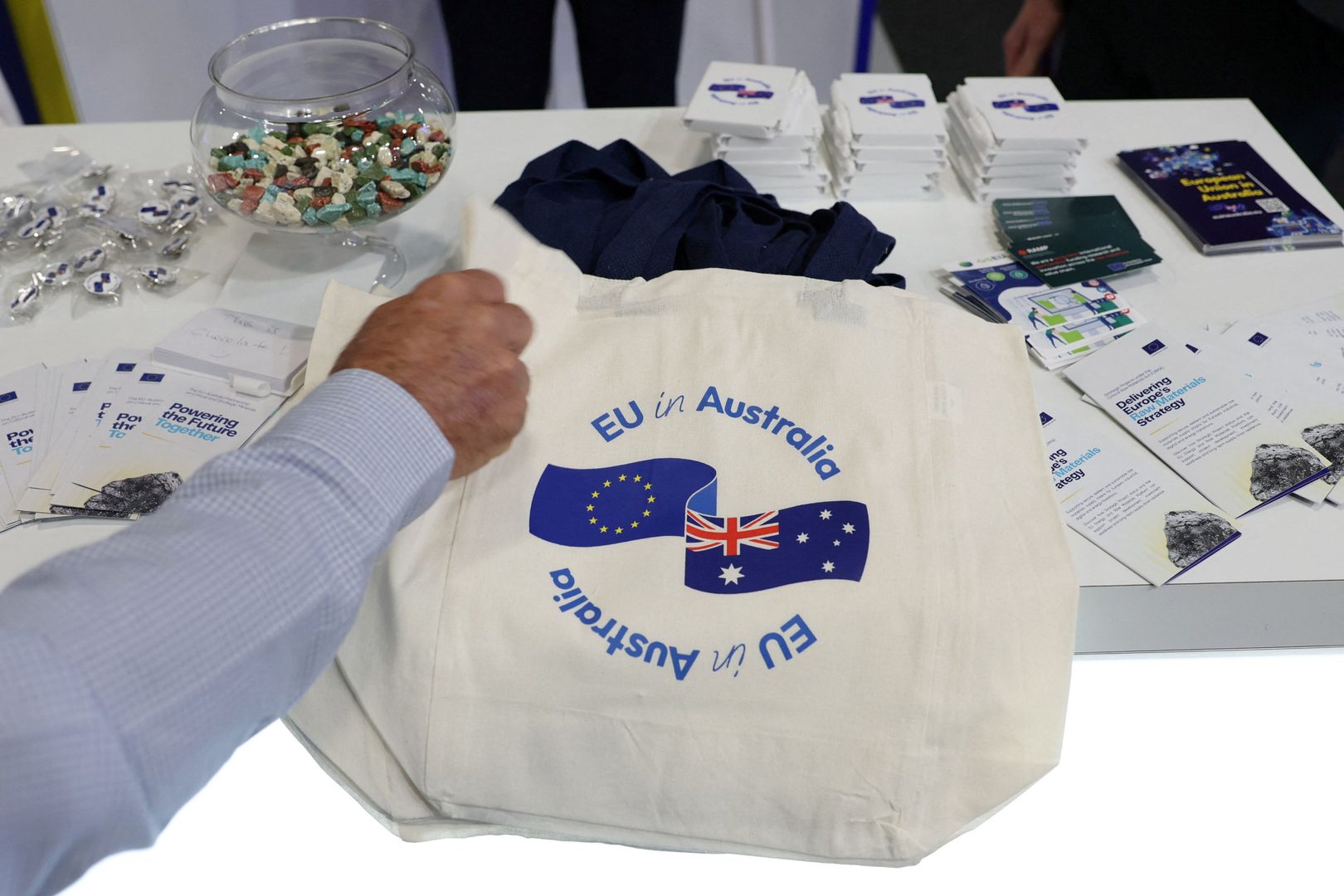
EU readying for major Australian resources investment, ambassador says

EU policy proposals have laid out as much as €10 billion ($11.2 billion) for critical raw materials  within the larger €409 billion competitiveness fund, as the EU debates its budget from 2028 to 2034

International News via Reuters:

The European Union expects a wave of investment into the Australian critical minerals sector as it pushes to diversify its supply chain away from China, the bloc’s ambassador to Australia Lawrence Meredith said on Tuesday. 

Australia and the European Union struck a free trade agreement in March ​after eight years of negotiations, removing tariffs on almost all goods and easing EU access to Australian critical minerals.

Once both parties sign and ratify that agreement, expected early next year, a 5.5% EU tariff on critical minerals will be removed. 

“It is going to be a game changer,” Meredith said. 

In parallel, talks are “very close” for Australia to sign a memorandum of understanding with the European Investment Bank, which would act as the bloc’s funding vehicle, Meredith added.  

“The European Union will be massively investing in critical minerals. Since we wish to diversify away from China, then one of the most likely partners has to be Australia,” he said. 

EU policy proposals have laid out as much as €10 billion ($11.2 billion) for critical raw materials  within the larger €409 billion competitiveness fund, as the EU debates its budget from 2028 to 2034.  

Australia is one of several critical minerals “superpowers” in which the EU is looking to invest, including Brazil, South Africa and Canada. The EU also expects to invest along the supply chain, including in processing, Meredith said.

Australia said on Tuesday it would refresh its critical minerals strategy to place greater emphasis on refining and processing, as competition for investment intensifies and supply-chain concerns persist.

The bloc is looking initially at the minerals that Australia will prioritise for its strategic reserve: gallium, antimony and rare earths. 

Australian companies going faster through the early project development would speed the investment process, he said. 

“(The FTA) is a signal that Europe wants to do far more with Australia. We also have a security and defence partnership. A lot of that is dual technology, and it requires precisely these critical minerals,” he said.  

The European Union plans to mobilise €800 billion into defence under ReArm Europe by 2030.

Australia is also on track to join the EU’s flagship funding program for research and innovation, Horizon Europe, next year.

Meredith said 2026 had been a “transformational” year for Australian-EU relations.

“You’ve seen a big surge in EU-Australia in 2026, and I’m very confident we will go to the next level in 2027.”

($1 = 0.8961 euros)

Reporting by Melanie Burton: Editing by Sharon Singleton

Congo’s Ebola infections surpass 10,000, government says

Teaser Paragraph here…,

International News via Reuters:

The number of confirmed Ebola cases in Democratic Republic of Congo has risen above 10,000, government data showed on Tuesday. 

The latest situation report from the public health institute put the number of cases at 10,060.

Reporting by Nilutpal Timsina; editing by Barbara Lewis

NFL-Jay-Z to headline next year’s Super Bowl halftime show

Iconic artists including the Rolling Stones, Beyonce, Madonna, Prince and Bruce Springsteen have taken the Super Bowl stage over the years

International News via Reuters:

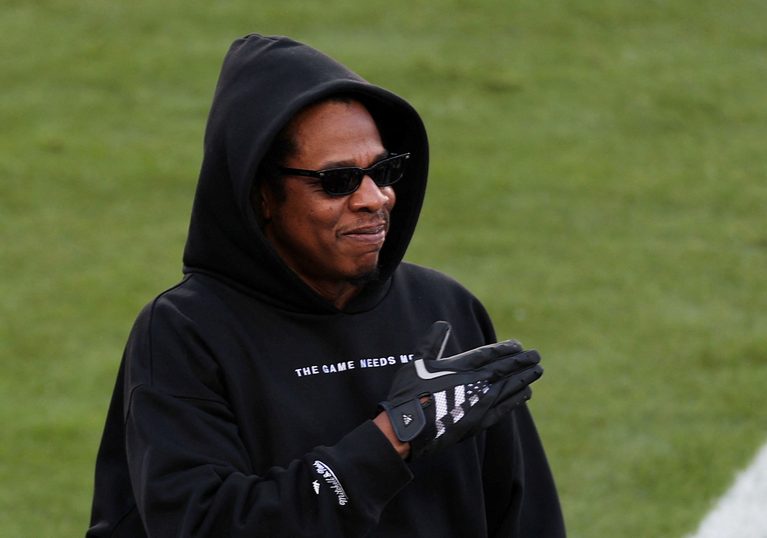
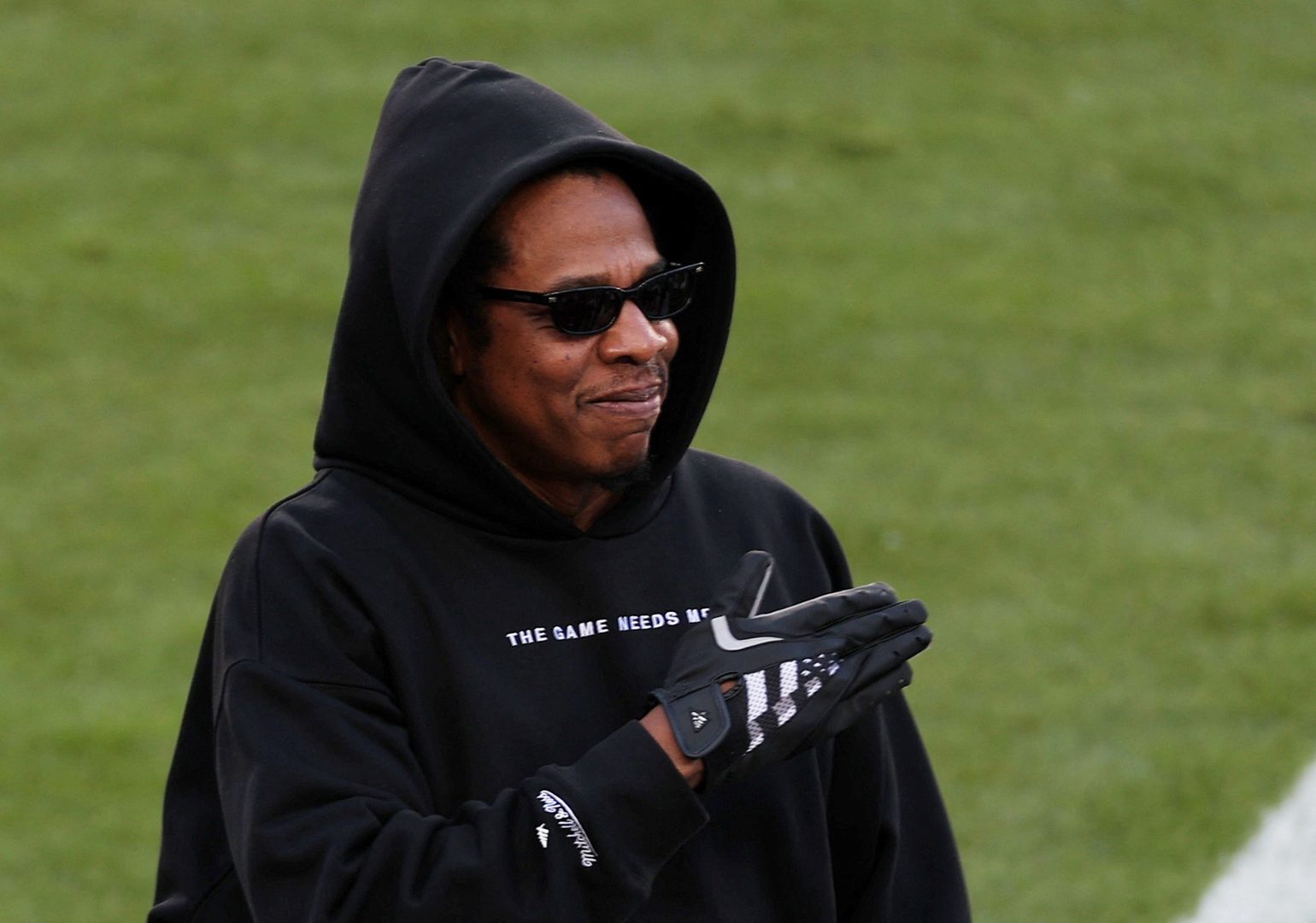
Jay-Z will headline the 2027 Super Bowl halftime show in February, the National Football League announced on Monday.

The show at the NFL championship game is the most-coveted showcase in the world of music. US television ratings for the halftime performance often top 100 million viewers and rank higher than the audience for the game itself. 

Iconic artists including the Rolling Stones, Beyonce, Madonna, Prince and Bruce Springsteen have taken the Super Bowl stage over the years. Puerto Rican rapper Bad Bunny headlined the show at the last Super Bowl.

Next year’s Super Bowl will take place on February 14 in Los Angeles. It will be broadcast on Walt Disney’s ABC and ESPN television networks and will stream on Disney+ and the ESPN app.

Jay-Z’s company Roc Nation has produced the Super Bowl halftime show since 2019, and he plays a key role in selecting each year’s performer.

“For several years, we’ve had the privilege of working closely with Jay-Z and Roc Nation, and I’ve seen the extraordinary impact he has had on the Super Bowl Halftime Show,” NFL Commissioner Roger Goodell said in a statement.

“When we first reached an agreement with Roc Nation to produce the show, I had just one request: that Jay-Z take the stage himself one day, whenever the moment felt right to him.”

Jay-Z is known for hits such as “99 Problems” and “Hard Knock Life.” The 56-year-old rapper has also collaborated with artists including Alicia Keys on “Empire State of Mind” and his wife, Beyonce, on “Crazy in Love”.

Reporting by Lisa Richwine; Editing by Peter Rutherford