Monday, October 26, 2026
Home Blog Page 132

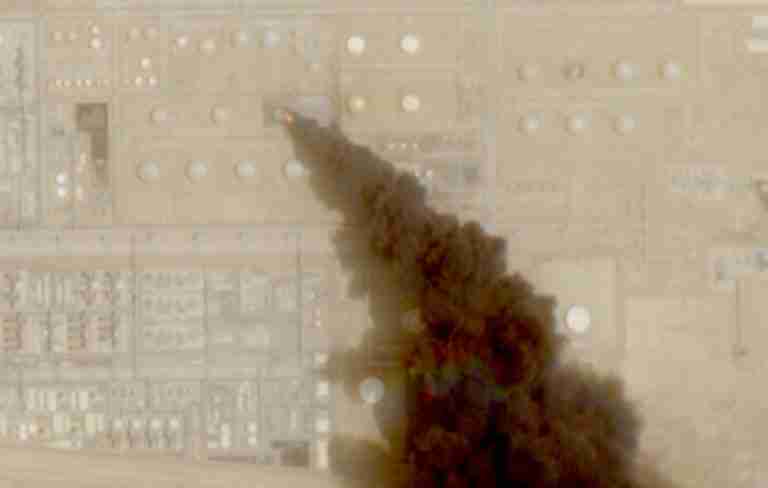
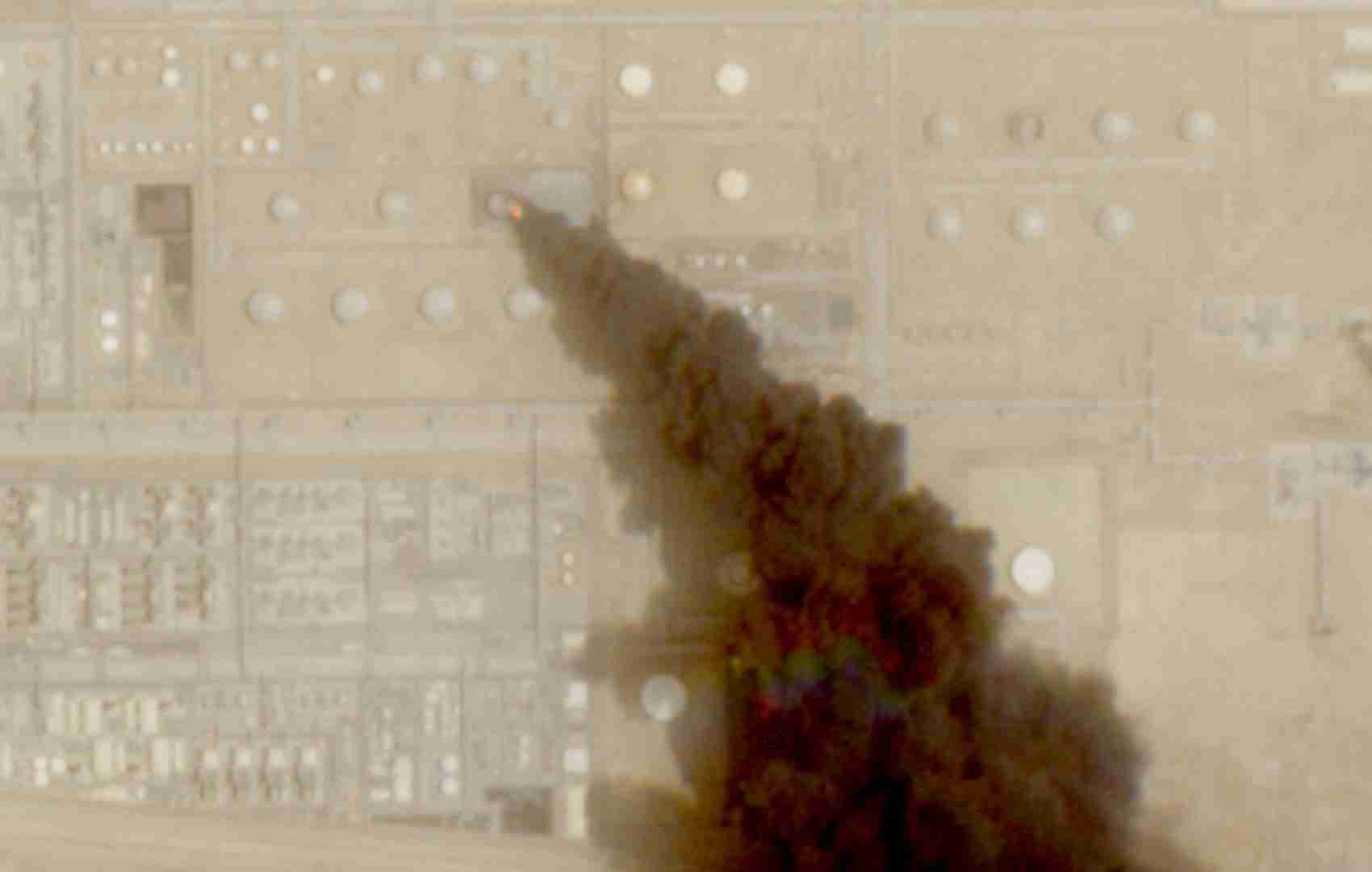
Major Gulf fighting resumes as US and Saudi strike Iran’s allies in Iraq

Iran, for its part, rejected an Omani proposal to jointly manage the Strait of Hormuz and said it had fired on ships in the strait and at U.S. bases in Jordan
International News via Reuters:

The United States and Saudi Arabia jointly struck Iran-backed armed groups in Iraq on Wednesday, the first U.S. airstrikes in the Middle East since President Donald Trump suspended the U.S. bombing campaign against Iran last week.

Iran, for its part, rejected an Omani proposal to jointly manage the Strait of Hormuz and said it had fired on ships in the strait and at U.S. bases in Jordan.

The renewed combat and diplomatic setbacks pushed oil prices up for the first time since last week, signalling no quick end to the war the United States and Israel started in February.

Iraqi men shouted Shi’ite sectarian slogans and “Death to America!” as they carried the bodies of slain fighters in body bags out of a hospital in Mosul in northern Iraq, footage from Iraq’s Al-Ahad television showed.

Washington and Riyadh said they had jointly struck the Iran-backed armed groups in Iraq in retaliation for drone attacks on Saudi oil targets launched from Iraq.

Iraq’s Popular Mobilisation Forces, powerful Iran-backed paramilitary groups incorporated into the formal Iraqi security forces, said at least 20 members were killed and 32 wounded in U.S.-Saudi strikes targeting several bases across Iraq.

It was the first major U.S. military action in the Middle East since last Friday, when Trump abruptly suspended an intensive bombing campaign after 13 days, having been advised by commanders that the strategy had run its course.

It was also the first time during the war that Saudi Arabia had publicly declared its participation in joint strikes alongside the United States. The joint strikes potentially widen the conflict by drawing Sunni Muslim Saudi Arabia into combat against Shi’ite proxies of Iran on a new front.

Iraq’s Shi’ite-led government, one of the few in the world to maintain close military and diplomatic ties with both Tehran and Washington, called an emergency meeting.

Washington has long called on the Baghdad government to crack down on Iran-backed paramilitaries, but efforts to do so in the past have provoked domestic unrest.

The deep ties between Iran and Iraq, the two biggest Shi’ite-majority countries, have been on display this week as hundreds of thousands of Iranian religious pilgrims visit shrines in Iraq for an annual holiday, crossing the border over land. Some carried portraits of Iran’s slain supreme leader Ayatollah Ali Khamenei, revered as a high-ranking cleric in both countries.

Saudi Arabia has also been drawn into the conflict on another front, with the Iran-aligned Houthi movement in Yemen announcing a blockade of Saudi oil exports in the Red Sea last week and firing on ships and oil facilities.

Hours before launching the joint attacks with Saudi Arabia on Iraq, the U.S. military said its air defences had averted a surprise Iranian attack on U.S. troops in the region.

Jordan’s military said its air defences had intercepted and shot down five Iranian missiles. Three of the four U.S. service members killed this month were killed in Jordan, where U.S. bases have become primary Iranian targets.

Iran’s Revolutionary Guards said they had fired several ballistic missiles at U.S. military installations in Jordan, and had struck three tankers that were attempting to transit through the Strait of Hormuz along an unauthorised route.

TEHRAN REJECTS OMANI PROPOSAL

Fighting had first resumed this month after a U.S.-Iran deal reached in June on a framework to end the war collapsed over the fate of the strait, the world’s most important energy shipping route, which Iran says it controls and where it aims to collect fees.

Oman proposed a plan for joint regional control of the strait this week, with the backing of Gulf states, that would allow the payment of voluntary service charges. But a senior Iranian official told Reuters on Wednesday that Iran had rejected the Omani proposal as “unreasonable”.

The official said a 50-50 joint control arrangement with Oman would not serve Iran’s interests, though Tehran considers Oman a valuable neighbour. Iran wants sole control over the inbound route and partial control over the outbound route.

The United States has been telling ships to use a route near the Omani shore rather than sailing close to Iran. The Revolutionary Guards Navy said in a statement it continued to maintain full control over the strait and would respond to “unlawful U.S. military interference”.

The renewed fighting sent oil prices rising 4.6%, with Brent crude futures trading at almost $88 a barrel at 1030 GMT. The price, which had briefly spiked above $100 last week for the first time since May, had tumbled into the mid-80s this week after it emerged over the weekend that Trump had called off the bombing.

Reporting by Timour Azhari, Parisa Hafezi, Doina Chiacu, Ahmed Tolba, Kanishka Singh and Reuters bureaux; Writing by Peter Graff, editing by Andrei Khalip
UK consumer lending rises at fastest pace since July 2018, BoE says

Net consumer lending rose by £1.807 billion ($2.40 billion) on the month, up from a £1.723 billion rise in May and above economists’ median forecast of £1.7 billion in a Reuters poll

International News via Reuters:

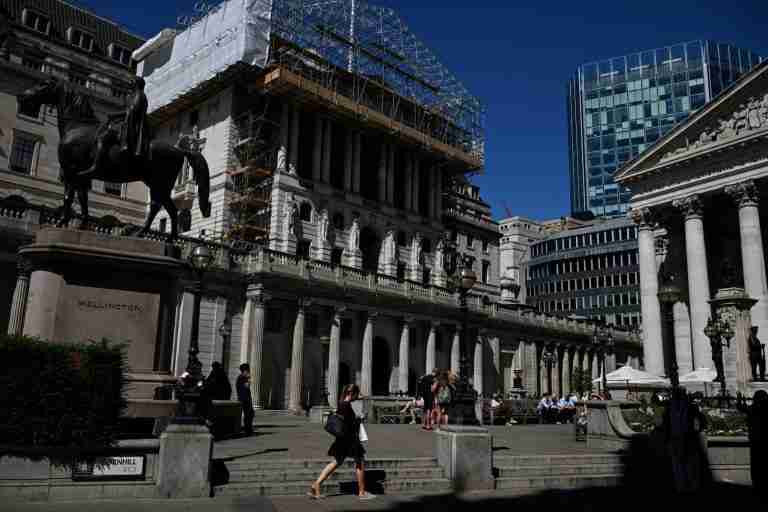
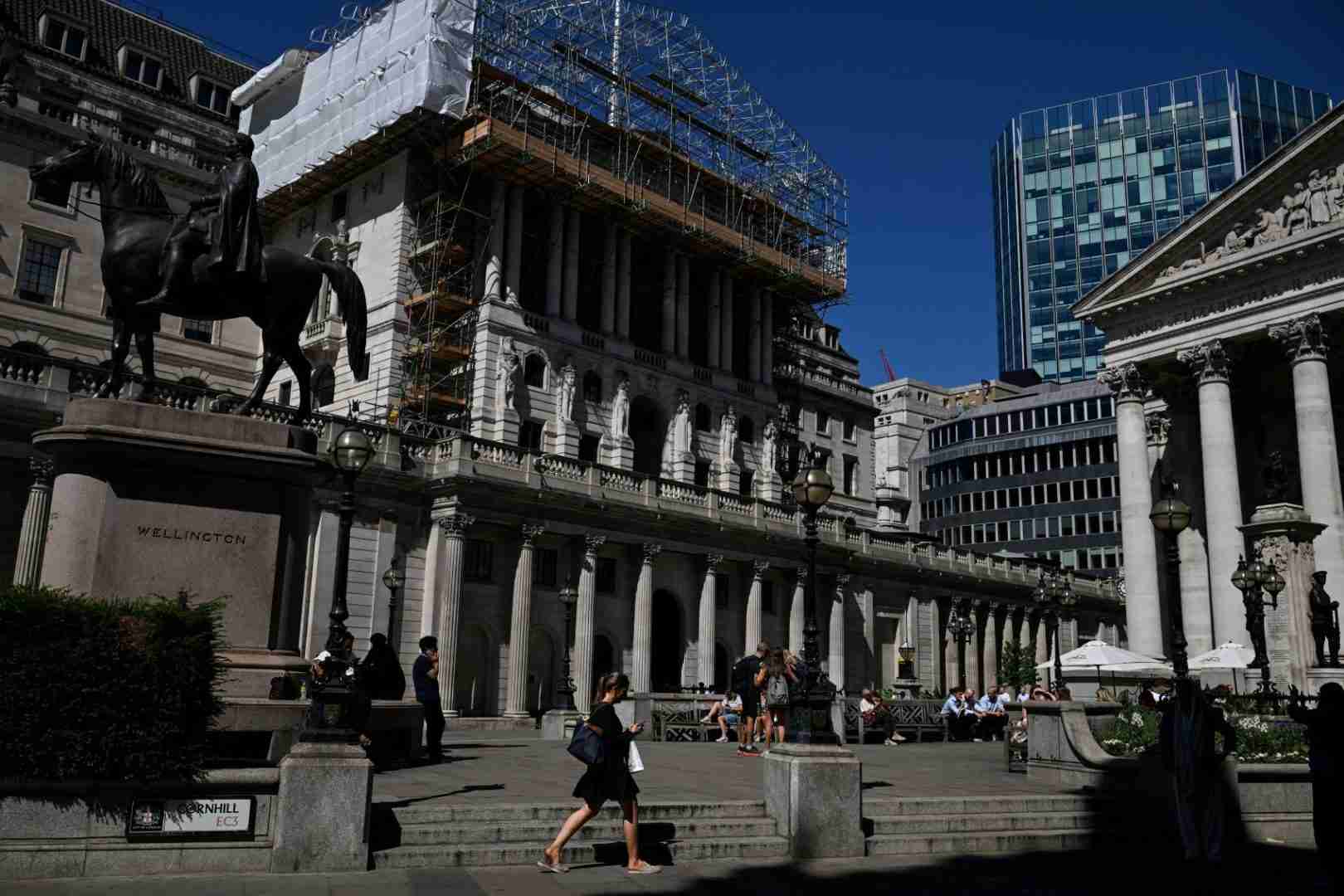
British households increased their borrowing at the fastest annual pace in almost eight years last month, adding to signs that consumers were in a more free-spending mood just before new Prime Minister Andy Burnham took office.

Net consumer lending rose by £1.807 billion ($2.40 billion) on the month, up from a £1.723 billion rise in May and above economists’ median forecast of £1.7 billion in a Reuters poll, Bank of England data showed on Wednesday. That pushed annual growth to 9.1%, the fastest since July 2018.

Official data released last week showed retail sales volumes grew by a faster-than-expected 4.2% in the 12 months to June — partly due to hot weather and the soccer World Cup bolstering demand for fans, summer clothing and alcohol and snacks.

“That momentum will likely carry through to July as the sunshine and the World Cup gave consumers a welcome distraction from economic realities. June’s rise in borrowing suggests many turned to credit to foot the bill,” said Karim Haji, global head of financial services at accountants KPMG.

Market researcher GfK’s long-running consumer confidence survey strengthened to a six-month high this month, helped by hopes that the U.S.-Iran conflict would stabilise and bring down energy costs.

Paul Dales, chief UK economist at Capital Economics, said the BoE data suggested households might be funding higher spending by dipping into their savings.

British lenders approved 58,200 mortgages for house purchase in June up from 56,565 in May, while net mortgage lending — which lags approvals by at least a month — rose by £7.7 billion, the most since March 2025. Economists polled by Reuters had forecast a median 57,100 approvals and £3.95 billion of lending.

The BoE is widely expected to keep interest rates unchanged at 3.75% when it announces its July rate decision on Thursday. Most economists do not expect rates to rise for the rest of the year, although financial markets think a quarter-point increase is likely by November.

Mortgage lender Nationwide Building Society previously reported a 2.2% annual rise in house prices for June while rival Lloyds reported a more modest 0.6% increase.

Reporting by David MillikenEditing by William Schomberg

Stocks muted as investors count down to Fed verdict, tech earnings

Expectations have become so lofty that even a sixfold jump in SK Hynix’s quarterly profit fell short, leading to a 9.61% drop in shares

International News via Reuters:

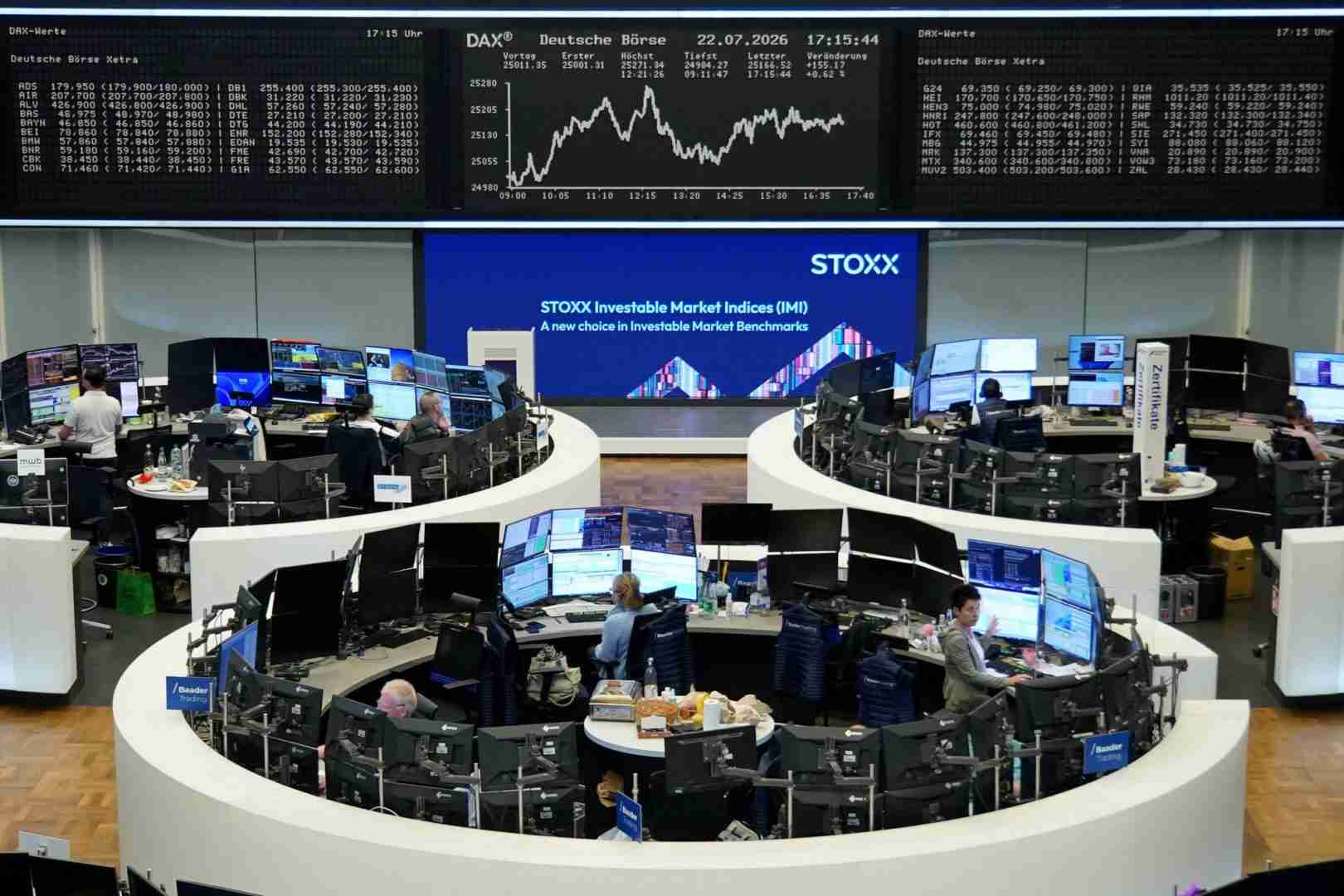
Global shares struggled to push higher on Wednesday, as modest gains in Europe and the U.S. did little to soothe investors spooked by a punishing selloff in Asia, where unease over AI valuations has frayed nerves.

With sentiment towards AI-linked chipmakers turning sharply negative amid mounting fears over competition from China, investors now await earnings from tech heavyweights Microsoft and Meta, which will need to clear a high bar when they report later in the day.

Expectations have become so lofty that even a sixfold jump in SK Hynix’s quarterly profit fell short, leading to a 9.61% drop in shares.

“The selloff in chip stocks looks overdone, but volatility should be expected whenever the market finds reasons to question the durability of the AI cycle,” said Jake Seltz, portfolio manager for the Empiric LT Equity team at Allspring Global Investments.

“Expectations were so high that good numbers have not always been enough.”

South Korea’s KOSPI, which has become emblematic of the sharp swings in AI sentiment, fell nearly 6% a day after sinking more than 10% to a three-month low.

Finance minister Koo Yun-cheol apologised on Wednesday that single-stock leveraged exchange-traded funds were introduced without careful consideration. The approval of these ETFs has been criticised as having led ⁠to ​increased volatility in ​the South Korean market.

The pan-European STOXX 600 benchmark rose 0.13%, helped by gains in oil and gas shares. On Wall Street, futures tracking the tech-heavy Nasdaq 100 were up 0.09%.

The MSCI All Country World Price index dipped 0.11%, hovering close to its lowest level in a month.

A rate decision from the Federal Reserve is also coming up later in the day.

Traders largely expect the U.S. central bank to hold rates steady, but are pricing in at least one hike by the end of the year. Several of the central bank’s policymakers have openly expressed their concern about inflation.

While the Fed meeting is widely expected to be a “non-event,” higher funding costs pose a key risk to equities this year, with many tech giants relying increasingly on public markets to fund their expansion, said David Waddell, chief investment strategist at Coastal Bridge Advisors.

OIL PRICES CLOUD INFLATION OUTLOOK

In addition to the twin tests of earnings and central bank policy, investors are also contending with uncertainty in the Middle East, where diplomatic efforts to end the war have proceeded in fits and starts, and durable peace remains elusive.

“That sort of rapid flipping and flopping has made the signal and the noise a lot harder to separate,” said Edward Acton, rates strategist at GMO.

Fresh strikes in the region lifted Brent crude futures up 3.29% to $86.86 a barrel, putting the contract on track to snap a three-day losing streak.

“Oil volatility, not just the level, can be inflationary if some prices go up with oil but are reluctant to come back down,” BofA Securities strategists wrote.

The prospect of oil-driven inflation has kept pressure on Treasuries. The yield on the benchmark 10-year U.S. Treasury note rose 1.04 basis points to 4.6103%, on course to end a three-day decline.

The 30-year U.S. Treasury yield was at 5.0948%. It has stayed above 5% for 17 consecutive sessions.

Reporting by Niket Nishant in Bengaluru and Ankur Banerjee in Singapore; Editing by Shri Navaratnam, Kate Mayberry, Amanda Cooper and Mrigank Dhaniwala

UK PM Burnham to set out first steps on social care in speech

Burnham became prime minister last week, and has enjoyed a bounce in the governing Labour Party’s poll ratings after announcing steps to reduce the cost of living

International News via Reuters:

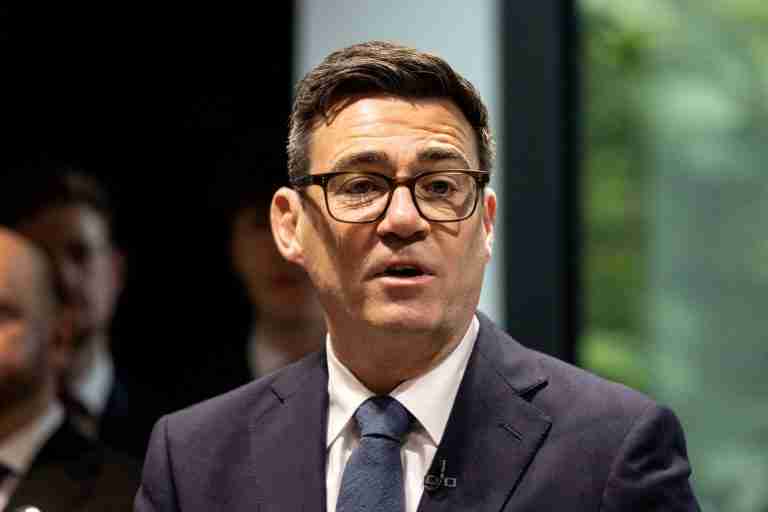
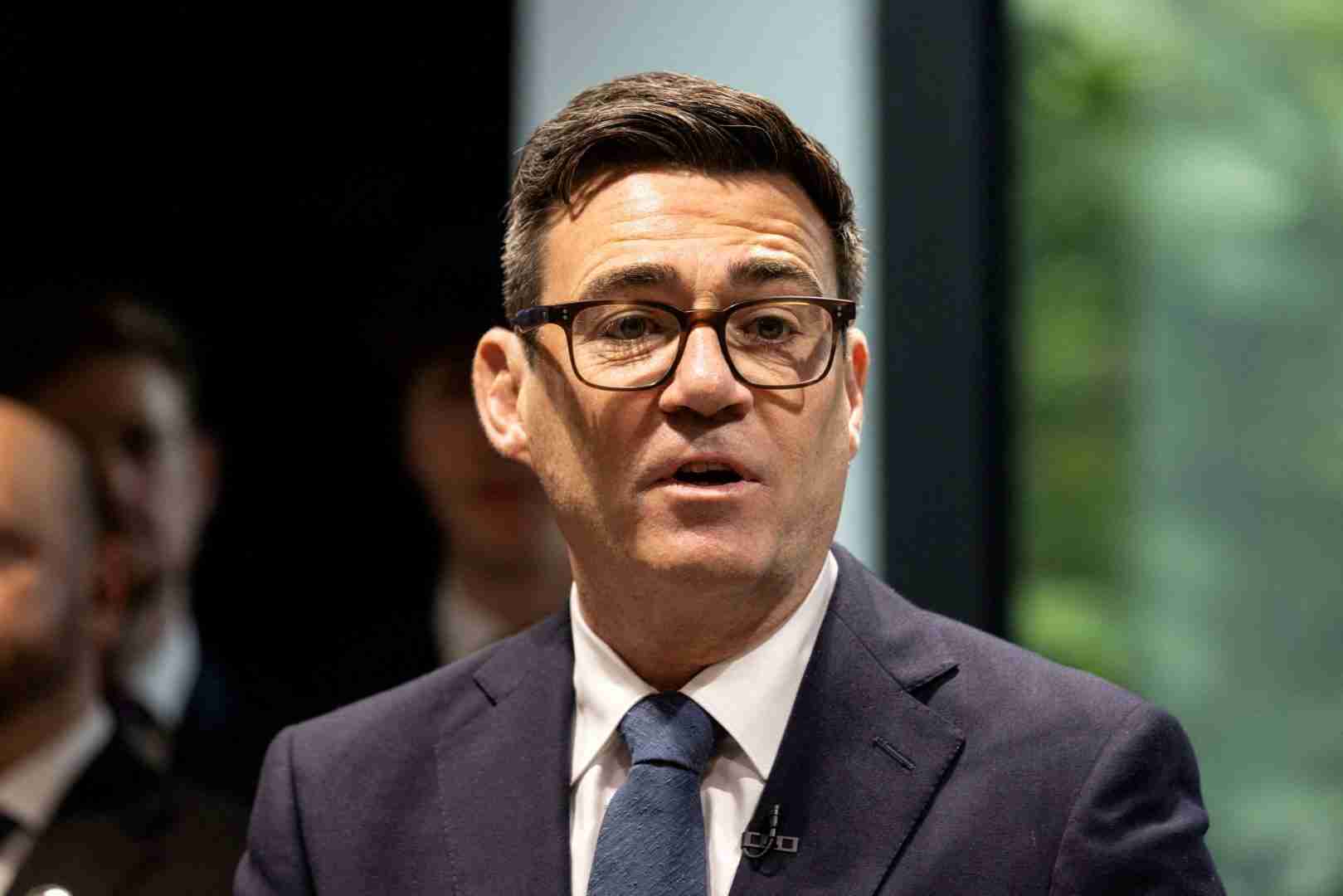
British Prime Minister Andy Burnham will on Wednesday pledge to overhaul the adult social care system, offering to work with other parties to better fund a service that can cost families hundreds of thousands of pounds.

Burnham became prime minister last week, and has enjoyed a bounce in the governing Labour Party’s poll ratings after announcing steps to reduce the cost of living.

But his pledge to “grasp the nettle” on reforming the system for caring for older and disabled adults carries political risk, as he will need to set out how he plans to pay for any changes while sticking to his fiscal rules. 

Successive governments have failed to reform adult social care, with previous proposals defeated by opposition parties who dubbed them a “dementia tax” or “death tax”, leaving the system underfunded.

Care homes are run by a range of providers, from private equity-owned chains to smaller family-owned businesses and charities.  

Depending on the level of medical need and location, residents pay around £1,400 ($1,900) a week privately, while local authorities are charged around £1,000 for similar care. How much the resident pays, and how much the state contributes, is determined by their level of wealth.

Burnham has said that unless the care sector is reformed, the state-run National Health Service could collapse because of how many people who could be cared for elsewhere end up in hospitals.

“For decades, governments have kicked this issue down the road because they’ve seen it as too risky, too difficult, and too complicated,” Burnham said in a statement ahead of a speech he was due to give on Wednesday.

“We have to find common ground and listen to others to find a way forward.”

INVITE TO LEADERS OF OTHER PARTIES

Burnham first tried to reform social care funding when he was health minister under Gordon Brown’s premiership but faced political difficulties and ran out of time before Labour’s election loss in 2010. 

The Times newspaper said on Wednesday he wanted to stop private companies, especially those financed by private equity, from making large profits from social care. Private equity firms owned about one in eight for-profit care home beds in 2022.

Burnham’s office said he had invited the leaders of the opposition Conservative and Liberal Democrat parties to discuss the issue.

Unlike the NHS, social care in Britain is not free for most people. Access to state-funded social care for older people in England is means-tested and generally requires a high level of need. 

Britain’s Institute for Fiscal Studies said in 2024 that due to tighter eligibility criteria, the number of older people receiving state-funded social care in England had fallen by 10% over the past decade, despite an ageing population.

Around one in seven older people were likely to incur lifetime care costs of more than £100,000, it added.

The King’s Fund, a health think-tank, said English local authorities spent £34.5 billion on social care for disabled adults and older people in the 2024/25 financial year, up about 8% from the year before and split roughly evenly between working-age adults and older people.   

($1 = 0.7518 pounds)

Reporting by Alistair Smout and David Milliken; Editing by Alex Richardson and Andrei Khalip

Premier Burt: Cup Match is about those who came before us 

Every Cup Match Bermuda celebrates two stories; the story of our freedom and the story of our people.

Before the first ball is bowled, we remember why these holidays exist. Emancipation Day and Mary Prince Day honour the courage, resilience and determination of those who endured bondage and those who fought to ensure their voices would never be forgotten. Mary Prince’s powerful testimony gave voice to that struggle, helping to secure her place in history and reminding us that the pursuit of freedom and human dignity must never be taken for granted.

Cup Match is our way of carrying that legacy forward, expressing not only through cricket, but through family, friendship and community.

Many of my favourite Cup Match memories (alongside my team raising the Cup!)  are of seeing relatives return home, spending time in the camps, sharing meals with family and friends, and watching children experience the excitement and energy at the field for the very first time.

Cup Match belongs to those who came before us, to those who celebrate it today, and to the children who will one day inherit our traditions.  It is up to each of us to do what we can to make this weekend safe, harmonious, and an example to the world that we can compete without being disrespectful or divided.

I congratulate Somerset Cricket Club as hosts of this year’s Classic and thank the executives, volunteers and members of both Somerset and St. George’s Cricket Clubs for preserving one of our greatest institutions. My thanks also go to the vendors, charities, first responders and public officers whose dedication helps make the holiday safe, welcoming and memorable for everyone.

On behalf of my family and the Government of Bermuda, I wish you and your loved ones a safe, joyful and memorable Cup Match.

Happy Cup Match, and may God continue to bless Bermuda and the people who make our island so special.

Solar owners protest ‘unfair’ rate hike

Solar panel owners and providers went directly to the Regulatory Authority today to petition against a rate hike – but there was no indication that any change of plan is pending

Solar panel owners and providers went directly to the Regulatory Authority today to petition against a rate hike that substantially increases a BELCO charge for their households.

There was no indication from the RA, however, that any change of plan is pending.

WATCH the report above.


UPDATE 5pm 28/07/2026: BELCO President Wayne Caines responded to today’s protest, saying “BELCO respects the right of customers to make their voices heard, and we welcome engagement on the issues that matter to Bermuda.

“Our position remains unchanged. The unbundling of rates brings greater transparency, and the new structure shares the cost of the grid more fairly across all who rely on it.

“If fairness is the standard, it must apply across the whole sector. Solar providers should be regulated under the Regulatory Authority to the same technical standards, oversight and limits as BELCO. This will ensure that the costs and risks of an unregulated segment do not fall back onto customers.

“Full details of the rate change, and how it affects each type of customer, are available at belco.bm.”

Market warning signals flare again as tech, inflation fears intensify

A pause in attacks in the Gulf has brought some relief as oil pulls back from the $100 mark, but it remains elevated enough to threaten a pickup in inflation

International News via Reuters:

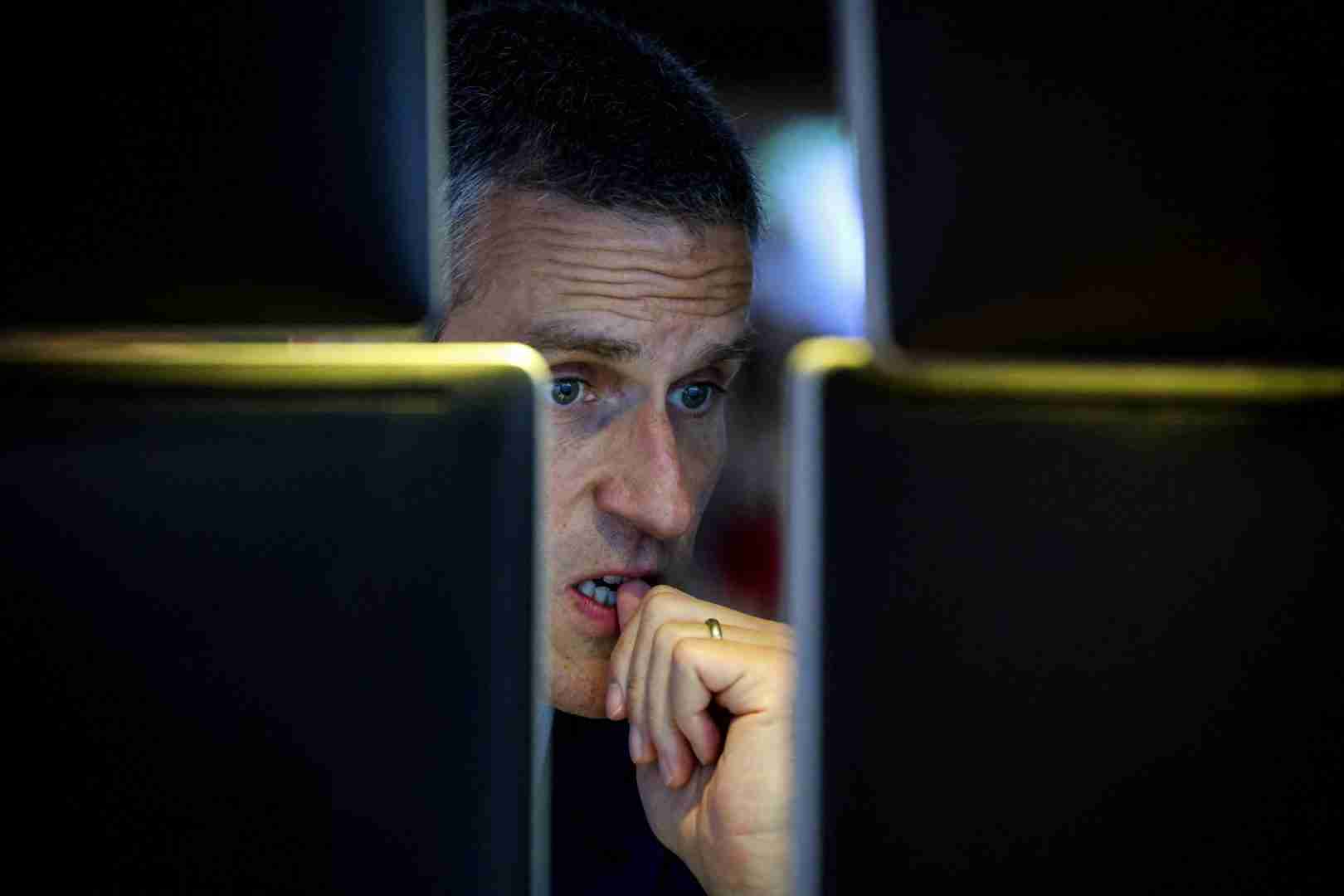
Several crucial market warning signals are close to crisis levels as investors grapple with high oil prices and Middle East conflict, all while the AI engine that has powered the stock market sputters.

A pause in attacks in the Gulf has brought some relief as oil pulls back from the $100 mark, but it remains elevated enough to threaten a pickup in inflation, which is keeping long-term government borrowing costs at levels that typically spell trouble for risk assets.

At the same time, the seemingly unstoppable rally in shares with anything to do with AI is hitting a wall of concern about profitability, cash burn and erstwhile scarcity of things like semiconductor chips giving way to a damaging glut, further unsettling traders.

Here is a look at some of the market warning signs.

ON A KNIFE EDGE

Tech earnings are coming in hot, but investors are looking for revenue and profits that will justify the cost of the AI buildout well into the future.

With markets anticipating U.S. rate increases this year, AI hyperscaler bond yields are climbing faster than those on Treasuries and the cost of hedging a deterioration in creditworthiness has soared, right as the scorching rally in semiconductor stocks falters.

On the plus side, the ratio of bullish positions to bearish ones on Nasdaq futures is at a 17-year low, as investors have ditched tech stocks, suggesting room for money to return.

That said, the equity-market bull run is fuelled by record debt, which grows along with the market itself.

Margin debt — the amount investors borrow to invest — hit a record $1.5 trillion in June, according to the Financial Industry Regulatory Authority, leaving investors’ net balance with their brokers in a $1 trillion deficit for the first time.

Investors who owe more than they have in cash are far more likely to sell into declines in stocks than to buy them.

THE 5% TEST

U.S. 30-year Treasury yields have remained above 5% for the longest stretch since the early days of the financial crisis in 2007.

This level itself is not necessarily a trigger for a market selloff, but higher long-term rates can raise the costs of loans, such as mortgages, squeezing consumers and possibly undermining President Donald Trump’s affordability push ahead of the November midterm elections.

If investors expect more in return for lending to the U.S. government for 30 years, those higher borrowing costs could spill into other markets such as corporate credit.

Raymond James Chief Investment Officer Larry Adam says spreads on some of the riskiest corporate bonds had reached a 15-month high, suggesting markets are demanding more compensation to lend to weaker borrowers.

“Investors are increasingly more discerning as markets price in tighter Fed policy and a more challenging environment for the weakest borrowers,” he added.

THE COST OF OIL

Sure, oil has retreated from $100, but it is still up 27% in dollar terms on an annual basis — positive for U.S. producers, but punishing for non-U.S. consumers. Euro zone and UK importers are paying nearly 30% more than they were a year ago.

The weaker an importer’s currency, the worse the pain. Just look at Japan, where the value of its imports is at a record high.

Indian refiners, meanwhile, are paying 40% more for Brent-linked crude, although they have been big buyers of heavily discounted Russian oil for the past few years.

Argentinian and Turkish refiners are paying nearly 50% more. Shipping has also become far more expensive. Given the peril in navigating the Strait of Hormuz, and now the Red Sea, tanker rates for key routes to Asia from the Middle East are around 600% higher year-on-year.

FAVOURITE FUNDING CURRENCY FLASHING RED

The yen, trading at almost 164 per dollar, has slumped to four-decade lows and investors are on edge for potential intervention by Japanese authorities to shore it up.

Reports that the Bank of Japan is considering a faster pace of rate hikes and a flurry of warnings from Japanese finance minister Satsuki Katayama have done little to support the currency, battered by relatively low Japanese rates, the energy shock, and Prime Minister Sanae Takaichi’s expansive fiscal plans.

Low interest rates and historically low volatility have made the yen a popular funding currency for carry trades — borrowing in yen and investing in higher-yielding assets such as U.S. stocks and bonds. A sharp appreciation in the currency in the case of intervention could force investors to unwind those positions, quickly, as was the case in August 2024.

Reporting by Amanda Cooper, Johann Cherian and Niket Nishant; Editing by Dhara Ranasinghe and Tomasz Janowski

Oil prices fall 5% to two-week low on hopes for US-Iran conflict easing

Oman has presented Iran with a plan backed by Gulf states to manage the Strait of Hormuz, including collecting voluntary fees for using it, a Gulf source and a Western diplomat told Reuters

International News via Reuters:

Oil prices dropped 5% on Tuesday to a two-week low, on cautious hopes for a resolution to the Iran war as traders assessed developments in the Middle East.

Brent futures fell $4.61, or 5.2%, to $83.75 a barrel at 12:01 p.m. EDT (1601 GMT). U.S. West Texas Intermediate (WTI) crude fell $4.06, or 4.9%, to $78.55.

After dropping about 17% over three days, both crude benchmarks were on track for their lowest closes since July 13.

Oman has presented Iran with a plan backed by Gulf states to manage the Strait of Hormuz, including collecting voluntary fees for using it, a Gulf source and a Western diplomat told Reuters.

A senior Iranian source told Reuters that Tehran had yet to respond to the Omani proposals, intended to serve as a basis to end the disruption to trade through the strait caused by the U.S.-Israeli war on Iran. Before the war began on February 28, about a fifth of global oil supplies flowed through the strait.

U.S. President Donald Trump, who abruptly called off a two-week bombing campaign over the weekend in his latest strategic U-turn, reported “good talks” underway with Iran but threatened to restart strikes unless negotiations deliver. Iran has denied seeking to resume talks with the U.S.

ELSEWHERE IN THE WORLD

In a move that would reduce crude demand, Saudi Aramco shut down its 400,000-barrel-per-day Jizan oil refinery in Saudi Arabia on July 27 following an attack by Iran-backed Houthi militants in Yemen on Saturday, a note from consultancy IIR seen by Reuters showed.

The Houthi conflict has disrupted shipping through the Bab el-Mandeb Strait linking the Red Sea to the Gulf of Aden, creating a second chokepoint for oil flows. Saudi Aramco has considered a new pricing mechanism for crude loading from Egypt’s Sidi Kerir port for Asia to reflect higher shipping costs after re-routing exports through the Suez Mediterranean pipeline.

On Monday, 28 vessels passed through the Bab el-Mandeb, a four-day high, while traffic through the Strait of Hormuz remained low, according to Kpler shipping data.

In Europe, Ukrainian President Volodymyr Zelenskiy said he and Trump had discussed reinvigorating peace talks with Russia.

A settlement in the Ukraine war could result in the lifting of some sanctions on Russia, which could allow Moscow to export more oil. Russia was the world’s third-biggest crude oil producer behind the U.S. and Saudi Arabia in 2025, according to U.S. energy data.

ECONOMIC WORRIES

The U.S. dollar held near a four-week high against a basket of other currencies, as traders grew more concerned the Federal Reserve might raise U.S. interest rates this week. Most major brokerages expect the Fed to hold rates steady, though a growing number said elevated oil prices could prompt a rate hike.

A stronger U.S. dollar makes oil more expensive for many global buyers. Central banks raise rates to fight inflation by boosting consumer borrowing costs, which can slow economic growth and dent demand for oil.

U.S. OIL INVENTORIES

The market awaited weekly storage reports from the American Petroleum Institute (API) trade group on Tuesday and the U.S. Energy Information Administration (EIA) on Wednesday.

Analysts estimated energy firms pulled 1.4 million barrels of crude from storage during the week ended July 24.

If correct, that would be the second week of declines in three weeks, after an increase of 7.7 million barrels in the same week last year and an average decline of 1.0 million barrels over the past five years (2021 to 2025). [EIA/S] [API/S]

Reporting by Scott DiSavino in New York, Anushree Mukherjee and Ishaan Arora in Bengaluru and Siyi Liu in Singapore; Additional reporting by Stephanie Kelly in London; Editing by Alexandra Hudson, Jan Harvey, Will Dunham, Louise Heavens and David Gregorio

Trump’s irritation with Netanyahu highlights strains as leaders meet

U.S. President Donald Trump voiced irritation with Benjamin Netanyahu ahead of their White House meeting on Tuesday

International News via Reuters:

U.S. President Donald Trump voiced irritation with Benjamin Netanyahu ahead of their White House meeting on Tuesday, complaining that details of the Israeli prime minister’s planned talking points on Iran had surfaced publicly, in a fresh sign of strain between the two leaders.

Asked about reports that Netanyahu wanted to talk to him about Pickaxe Mountain, a fortified facility buried deep underground near one of Iran’s main nuclear sites, Trump said, using Netanyahu’s nickname, “I don’t need Bibi to tell me that. Bibi’s telling me that because he wants me to stay involved.”

“Why don’t you just tell it to me? Why do you have to announce it to the world?” Trump said in an interview with “Fox & Friends.”

The New York Post reported on Monday, citing a source in Jerusalem, that Netanyahu was expected to provide intelligence to Trump that Iran is building up its nuclear facilities at Pickaxe Mountain and is lying about wanting a peace deal.

Netanyahu’s office did not immediately respond to requests for comment on Trump’s remarks.

PHOTOS DEPICT TRUMP, NETANYAHU SMILING

But photos posted by Netanyahu’s office on X showed the two leaders sitting beside each other in the Oval Office with wide smiles. They were joined by Vice President JD Vance, Secretary of State Marco Rubio and Defense Secretary Pete Hegseth.

Trump met Netanyahu after first having brief closed-door talks with Ukrainian President Volodymyr Zelenskiy.

White House spokeswoman Karoline Leavitt described both meetings as “positive and productive.”

Relations with Zelenskiy have warmed as Ukraine has blunted Russian advances in their more than four-year-old war, while Netanyahu faces growing White House frustration over the lack of progress toward a broader settlement in the Iran conflict and criticism from some of Trump’s supporters who oppose deeper U.S. involvement in the Middle East.

The Israeli and Ukrainian leaders were in Washington to attend a memorial service for Senator Lindsey Graham, a hawkish Republican who was an influential advocate for both Israel and Ukraine in Washington.

Both the Ukraine war and the widening Middle East conflict are at critical junctures. After the collapse of a ceasefire in the Iran war, Trump says he has paused U.S. airstrikes to give diplomacy another chance. Zelenskiy, meanwhile, has been buoyed by Ukraine’s recent successes.

Zelenskiy said after meeting Trump that it was important to step up diplomacy toward ending Russia’s war in his country. 

NETANYAHU SEEKS TRUMP’S SUPPORT FOR REELECTION

Netanyahu has run hot and cold with Trump, who at times has had to rein in the Israeli leader from attacking targets in Lebanon to try to weaken Iran-backed Hezbollah militants.

An acrimonious phone call in June in which the president called the prime minister “fucking crazy”, first leaked to the media and later publicly confirmed by Trump himself, laid bare the strains between the ⁠two leaders.

Sources familiar with the matter said Netanyahu aims to get Trump’s support for his reelection campaign ahead of an October 27 vote.

A meeting with Trump that showcases what has traditionally been ⁠a ​close relationship between the two leaders could help Netanyahu ​at home where he is struggling in the opinion polls.

They are also expected to discuss the Abraham Accords, the series of agreements Trump brokered to normalize diplomatic relations between Israel and the United Arab Emirates, Bahrain, Morocco and Sudan.

Trump wants to add Saudi Arabia to the accords and conditioned a civilian nuclear cooperation deal with the kingdom last week on Riyadh signing up. Riyadh has so far rejected joining the accords without a path toward Palestinian statehood.

AIR DEFENSE AND DRONE DEAL

Zelenskiy and Trump clashed repeatedly in the early months of Trump’s second term, but relations between the two have improved in recent months as Ukraine has had greater success in the war, including with increased attacks on Russia’s oil industry.

Zelenskiy said in a Telegram post after Tuesday’s talks that he had discussed with Trump licenses for producing interceptors for the U.S.-made Patriot air defense systems on which Kyiv relies “and other ideas that could help.”

They were also expected to discuss cooperation on drone production after an initial agreement on unmanned aerial vehicles.

After the White House meeting, Zelenskiy was expected to go to the U.S. Capitol for a meeting with senators. 

Reporting by Steve Holland, Gram Slattery and Simon Lewis; additional reporting by Erin Banco, Andrea Shalal, Dan Flynn, Patricia Zengerle, Anna Pruchnicka, Susan Heavey, Alexander Cornwell and Nidal al-Mughrabi; editing by Ross Colvin and Howard Goller

Thousands protest in eastern Congo over any presidential third term

Congo’s parliament in June approved a bill that would allow constitutional changes to be submitted to a referendum, a move that critics say could pave the way for Tshisekedi to seek a third term

International News via Reuters:

Thousands of people rallied in the eastern Congolese cities of Goma and Bukavu on Tuesday to protest against proposed constitutional changes that could pave the way for President Felix Tshisekedi to run for a third term.

• Goma and Bukavu have been under the control of AFC/M23 rebels since the group’s rapid advance across North and South Kivu provinces last year.

• Congo’s parliament in June approved a bill that would allow constitutional changes to be submitted to a referendum, a move that critics say could pave the way for Tshisekedi to seek a third term.

• Proposed constitutional reforms triggered opposition-led protests in the capital Kinshasa on June 12 that were dispersed by security forces.

• Demonstrators carried banners reading “No to constitutional change” and “No to a referendum and a third term”, according to two Reuters witnesses.

• Protesters also called for the U.N. to lift sanctions imposed this month on AFC/M23 leader Corneille Nangaa and the group.

• Congolese government spokesperson Patrick Muyaya accused the rebels of forcing residents to join the demonstrations in a post on X. An AFC/M23 spokesperson did not immediately respond to a request for comment.

• The demonstrations took place under police supervision, the witnesses said, despite a ban on gatherings introduced to curb the spread of Ebola.

• Rebel leaders declared territories under their control Ebola-free last month.

Reporting by Congo newsroom; Writing by Clement Bonnerot; Editing by Jessica Donati and Alison Williams

Special interview: Wayne Wonder speaks to Bermuda Broadcasting

One of reggae’s biggest stars has arrived in Bermuda to help kick off the Cup Match holiday celebrations. 
Grammy-nominated artist Wayne Wonder, whose hits include No Letting Go and Bounce Along, is set to headline the Big People’s Beach Party at Snorkel Park Beach tomorrow night, the eve of Cup Match. 
 Kendal Trott caught up with the Jamaican singer shortly after he touched down on the island.