

Premier Burt: Cup Match is about those who came before us


Every Cup Match Bermuda celebrates two stories; the story of our freedom and the story of our people.
Before the first ball is bowled, we remember why these holidays exist. Emancipation Day and Mary Prince Day honour the courage, resilience and determination of those who endured bondage and those who fought to ensure their voices would never be forgotten. Mary Prince’s powerful testimony gave voice to that struggle, helping to secure her place in history and reminding us that the pursuit of freedom and human dignity must never be taken for granted.
Cup Match is our way of carrying that legacy forward, expressing not only through cricket, but through family, friendship and community.
Many of my favourite Cup Match memories (alongside my team raising the Cup!) are of seeing relatives return home, spending time in the camps, sharing meals with family and friends, and watching children experience the excitement and energy at the field for the very first time.
Cup Match belongs to those who came before us, to those who celebrate it today, and to the children who will one day inherit our traditions. It is up to each of us to do what we can to make this weekend safe, harmonious, and an example to the world that we can compete without being disrespectful or divided.
I congratulate Somerset Cricket Club as hosts of this year’s Classic and thank the executives, volunteers and members of both Somerset and St. George’s Cricket Clubs for preserving one of our greatest institutions. My thanks also go to the vendors, charities, first responders and public officers whose dedication helps make the holiday safe, welcoming and memorable for everyone.
On behalf of my family and the Government of Bermuda, I wish you and your loved ones a safe, joyful and memorable Cup Match.
Happy Cup Match, and may God continue to bless Bermuda and the people who make our island so special.
Solar owners protest ‘unfair’ rate hike

Solar panel owners and providers went directly to the Regulatory Authority today to petition against a rate hike – but there was no indication that any change of plan is pending
Solar panel owners and providers went directly to the Regulatory Authority today to petition against a rate hike that substantially increases a BELCO charge for their households.
There was no indication from the RA, however, that any change of plan is pending.
WATCH the report above.
UPDATE 5pm 28/07/2026: BELCO President Wayne Caines responded to today’s protest, saying “BELCO respects the right of customers to make their voices heard, and we welcome engagement on the issues that matter to Bermuda.
“Our position remains unchanged. The unbundling of rates brings greater transparency, and the new structure shares the cost of the grid more fairly across all who rely on it.
“If fairness is the standard, it must apply across the whole sector. Solar providers should be regulated under the Regulatory Authority to the same technical standards, oversight and limits as BELCO. This will ensure that the costs and risks of an unregulated segment do not fall back onto customers.
“Full details of the rate change, and how it affects each type of customer, are available at belco.bm.”
Market warning signals flare again as tech, inflation fears intensify
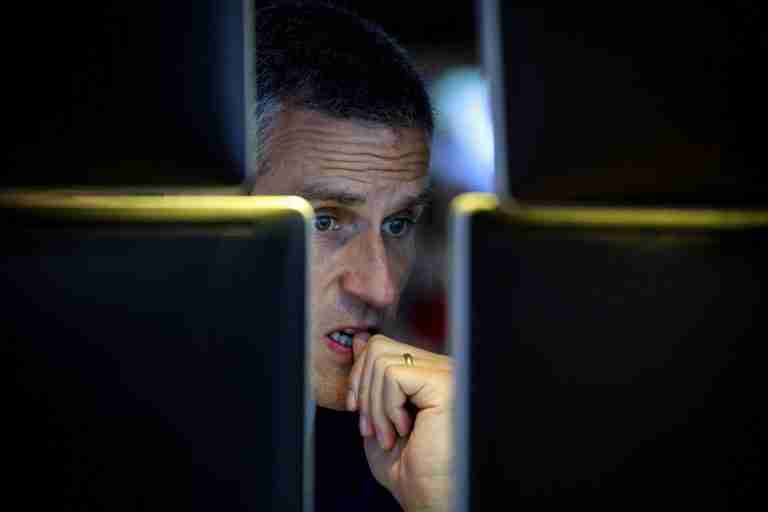
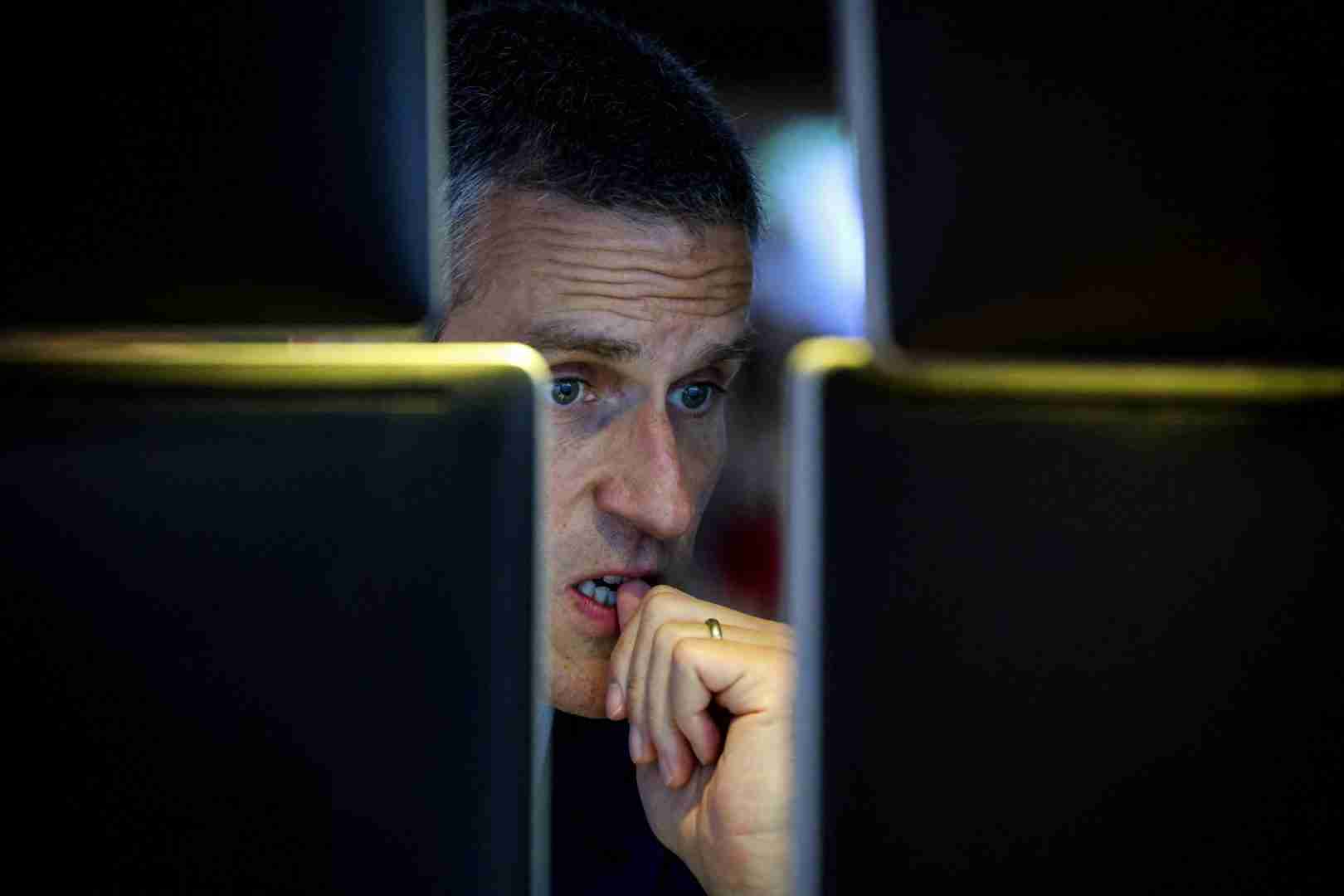
A pause in attacks in the Gulf has brought some relief as oil pulls back from the $100 mark, but it remains elevated enough to threaten a pickup in inflation
International News via Reuters:
Several crucial market warning signals are close to crisis levels as investors grapple with high oil prices and Middle East conflict, all while the AI engine that has powered the stock market sputters.
A pause in attacks in the Gulf has brought some relief as oil pulls back from the $100 mark, but it remains elevated enough to threaten a pickup in inflation, which is keeping long-term government borrowing costs at levels that typically spell trouble for risk assets.
At the same time, the seemingly unstoppable rally in shares with anything to do with AI is hitting a wall of concern about profitability, cash burn and erstwhile scarcity of things like semiconductor chips giving way to a damaging glut, further unsettling traders.
Here is a look at some of the market warning signs.
ON A KNIFE EDGE
Tech earnings are coming in hot, but investors are looking for revenue and profits that will justify the cost of the AI buildout well into the future.
With markets anticipating U.S. rate increases this year, AI hyperscaler bond yields are climbing faster than those on Treasuries and the cost of hedging a deterioration in creditworthiness has soared, right as the scorching rally in semiconductor stocks falters.
On the plus side, the ratio of bullish positions to bearish ones on Nasdaq futures is at a 17-year low, as investors have ditched tech stocks, suggesting room for money to return.
That said, the equity-market bull run is fuelled by record debt, which grows along with the market itself.
Margin debt — the amount investors borrow to invest — hit a record $1.5 trillion in June, according to the Financial Industry Regulatory Authority, leaving investors’ net balance with their brokers in a $1 trillion deficit for the first time.
Investors who owe more than they have in cash are far more likely to sell into declines in stocks than to buy them.
THE 5% TEST
U.S. 30-year Treasury yields have remained above 5% for the longest stretch since the early days of the financial crisis in 2007.
This level itself is not necessarily a trigger for a market selloff, but higher long-term rates can raise the costs of loans, such as mortgages, squeezing consumers and possibly undermining President Donald Trump’s affordability push ahead of the November midterm elections.
If investors expect more in return for lending to the U.S. government for 30 years, those higher borrowing costs could spill into other markets such as corporate credit.
Raymond James Chief Investment Officer Larry Adam says spreads on some of the riskiest corporate bonds had reached a 15-month high, suggesting markets are demanding more compensation to lend to weaker borrowers.
“Investors are increasingly more discerning as markets price in tighter Fed policy and a more challenging environment for the weakest borrowers,” he added.
THE COST OF OIL
Sure, oil has retreated from $100, but it is still up 27% in dollar terms on an annual basis — positive for U.S. producers, but punishing for non-U.S. consumers. Euro zone and UK importers are paying nearly 30% more than they were a year ago.
The weaker an importer’s currency, the worse the pain. Just look at Japan, where the value of its imports is at a record high.
Indian refiners, meanwhile, are paying 40% more for Brent-linked crude, although they have been big buyers of heavily discounted Russian oil for the past few years.
Argentinian and Turkish refiners are paying nearly 50% more. Shipping has also become far more expensive. Given the peril in navigating the Strait of Hormuz, and now the Red Sea, tanker rates for key routes to Asia from the Middle East are around 600% higher year-on-year.
FAVOURITE FUNDING CURRENCY FLASHING RED
The yen, trading at almost 164 per dollar, has slumped to four-decade lows and investors are on edge for potential intervention by Japanese authorities to shore it up.
Reports that the Bank of Japan is considering a faster pace of rate hikes and a flurry of warnings from Japanese finance minister Satsuki Katayama have done little to support the currency, battered by relatively low Japanese rates, the energy shock, and Prime Minister Sanae Takaichi’s expansive fiscal plans.
Low interest rates and historically low volatility have made the yen a popular funding currency for carry trades — borrowing in yen and investing in higher-yielding assets such as U.S. stocks and bonds. A sharp appreciation in the currency in the case of intervention could force investors to unwind those positions, quickly, as was the case in August 2024.
Reporting by Amanda Cooper, Johann Cherian and Niket Nishant; Editing by Dhara Ranasinghe and Tomasz Janowski
Oil prices fall 5% to two-week low on hopes for US-Iran conflict easing

Oman has presented Iran with a plan backed by Gulf states to manage the Strait of Hormuz, including collecting voluntary fees for using it, a Gulf source and a Western diplomat told Reuters

International News via Reuters:
Oil prices dropped 5% on Tuesday to a two-week low, on cautious hopes for a resolution to the Iran war as traders assessed developments in the Middle East.
Brent futures fell $4.61, or 5.2%, to $83.75 a barrel at 12:01 p.m. EDT (1601 GMT). U.S. West Texas Intermediate (WTI) crude fell $4.06, or 4.9%, to $78.55.
After dropping about 17% over three days, both crude benchmarks were on track for their lowest closes since July 13.
Oman has presented Iran with a plan backed by Gulf states to manage the Strait of Hormuz, including collecting voluntary fees for using it, a Gulf source and a Western diplomat told Reuters.
A senior Iranian source told Reuters that Tehran had yet to respond to the Omani proposals, intended to serve as a basis to end the disruption to trade through the strait caused by the U.S.-Israeli war on Iran. Before the war began on February 28, about a fifth of global oil supplies flowed through the strait.
U.S. President Donald Trump, who abruptly called off a two-week bombing campaign over the weekend in his latest strategic U-turn, reported “good talks” underway with Iran but threatened to restart strikes unless negotiations deliver. Iran has denied seeking to resume talks with the U.S.
ELSEWHERE IN THE WORLD
In a move that would reduce crude demand, Saudi Aramco shut down its 400,000-barrel-per-day Jizan oil refinery in Saudi Arabia on July 27 following an attack by Iran-backed Houthi militants in Yemen on Saturday, a note from consultancy IIR seen by Reuters showed.
The Houthi conflict has disrupted shipping through the Bab el-Mandeb Strait linking the Red Sea to the Gulf of Aden, creating a second chokepoint for oil flows. Saudi Aramco has considered a new pricing mechanism for crude loading from Egypt’s Sidi Kerir port for Asia to reflect higher shipping costs after re-routing exports through the Suez Mediterranean pipeline.
On Monday, 28 vessels passed through the Bab el-Mandeb, a four-day high, while traffic through the Strait of Hormuz remained low, according to Kpler shipping data.
In Europe, Ukrainian President Volodymyr Zelenskiy said he and Trump had discussed reinvigorating peace talks with Russia.
A settlement in the Ukraine war could result in the lifting of some sanctions on Russia, which could allow Moscow to export more oil. Russia was the world’s third-biggest crude oil producer behind the U.S. and Saudi Arabia in 2025, according to U.S. energy data.
ECONOMIC WORRIES
The U.S. dollar held near a four-week high against a basket of other currencies, as traders grew more concerned the Federal Reserve might raise U.S. interest rates this week. Most major brokerages expect the Fed to hold rates steady, though a growing number said elevated oil prices could prompt a rate hike.
A stronger U.S. dollar makes oil more expensive for many global buyers. Central banks raise rates to fight inflation by boosting consumer borrowing costs, which can slow economic growth and dent demand for oil.
U.S. OIL INVENTORIES
The market awaited weekly storage reports from the American Petroleum Institute (API) trade group on Tuesday and the U.S. Energy Information Administration (EIA) on Wednesday.
Analysts estimated energy firms pulled 1.4 million barrels of crude from storage during the week ended July 24.
If correct, that would be the second week of declines in three weeks, after an increase of 7.7 million barrels in the same week last year and an average decline of 1.0 million barrels over the past five years (2021 to 2025). [EIA/S] [API/S]
Reporting by Scott DiSavino in New York, Anushree Mukherjee and Ishaan Arora in Bengaluru and Siyi Liu in Singapore; Additional reporting by Stephanie Kelly in London; Editing by Alexandra Hudson, Jan Harvey, Will Dunham, Louise Heavens and David Gregorio
Trump’s irritation with Netanyahu highlights strains as leaders meet

U.S. President Donald Trump voiced irritation with Benjamin Netanyahu ahead of their White House meeting on Tuesday

International News via Reuters:
U.S. President Donald Trump voiced irritation with Benjamin Netanyahu ahead of their White House meeting on Tuesday, complaining that details of the Israeli prime minister’s planned talking points on Iran had surfaced publicly, in a fresh sign of strain between the two leaders.
Asked about reports that Netanyahu wanted to talk to him about Pickaxe Mountain, a fortified facility buried deep underground near one of Iran’s main nuclear sites, Trump said, using Netanyahu’s nickname, “I don’t need Bibi to tell me that. Bibi’s telling me that because he wants me to stay involved.”
“Why don’t you just tell it to me? Why do you have to announce it to the world?” Trump said in an interview with “Fox & Friends.”
The New York Post reported on Monday, citing a source in Jerusalem, that Netanyahu was expected to provide intelligence to Trump that Iran is building up its nuclear facilities at Pickaxe Mountain and is lying about wanting a peace deal.
Netanyahu’s office did not immediately respond to requests for comment on Trump’s remarks.
PHOTOS DEPICT TRUMP, NETANYAHU SMILING
But photos posted by Netanyahu’s office on X showed the two leaders sitting beside each other in the Oval Office with wide smiles. They were joined by Vice President JD Vance, Secretary of State Marco Rubio and Defense Secretary Pete Hegseth.
Trump met Netanyahu after first having brief closed-door talks with Ukrainian President Volodymyr Zelenskiy.
White House spokeswoman Karoline Leavitt described both meetings as “positive and productive.”
Relations with Zelenskiy have warmed as Ukraine has blunted Russian advances in their more than four-year-old war, while Netanyahu faces growing White House frustration over the lack of progress toward a broader settlement in the Iran conflict and criticism from some of Trump’s supporters who oppose deeper U.S. involvement in the Middle East.
The Israeli and Ukrainian leaders were in Washington to attend a memorial service for Senator Lindsey Graham, a hawkish Republican who was an influential advocate for both Israel and Ukraine in Washington.
Both the Ukraine war and the widening Middle East conflict are at critical junctures. After the collapse of a ceasefire in the Iran war, Trump says he has paused U.S. airstrikes to give diplomacy another chance. Zelenskiy, meanwhile, has been buoyed by Ukraine’s recent successes.
Zelenskiy said after meeting Trump that it was important to step up diplomacy toward ending Russia’s war in his country.
NETANYAHU SEEKS TRUMP’S SUPPORT FOR REELECTION
Netanyahu has run hot and cold with Trump, who at times has had to rein in the Israeli leader from attacking targets in Lebanon to try to weaken Iran-backed Hezbollah militants.
An acrimonious phone call in June in which the president called the prime minister “fucking crazy”, first leaked to the media and later publicly confirmed by Trump himself, laid bare the strains between the two leaders.
Sources familiar with the matter said Netanyahu aims to get Trump’s support for his reelection campaign ahead of an October 27 vote.
A meeting with Trump that showcases what has traditionally been a close relationship between the two leaders could help Netanyahu at home where he is struggling in the opinion polls.
They are also expected to discuss the Abraham Accords, the series of agreements Trump brokered to normalize diplomatic relations between Israel and the United Arab Emirates, Bahrain, Morocco and Sudan.
Trump wants to add Saudi Arabia to the accords and conditioned a civilian nuclear cooperation deal with the kingdom last week on Riyadh signing up. Riyadh has so far rejected joining the accords without a path toward Palestinian statehood.
AIR DEFENSE AND DRONE DEAL
Zelenskiy and Trump clashed repeatedly in the early months of Trump’s second term, but relations between the two have improved in recent months as Ukraine has had greater success in the war, including with increased attacks on Russia’s oil industry.
Zelenskiy said in a Telegram post after Tuesday’s talks that he had discussed with Trump licenses for producing interceptors for the U.S.-made Patriot air defense systems on which Kyiv relies “and other ideas that could help.”
They were also expected to discuss cooperation on drone production after an initial agreement on unmanned aerial vehicles.
After the White House meeting, Zelenskiy was expected to go to the U.S. Capitol for a meeting with senators.
Reporting by Steve Holland, Gram Slattery and Simon Lewis; additional reporting by Erin Banco, Andrea Shalal, Dan Flynn, Patricia Zengerle, Anna Pruchnicka, Susan Heavey, Alexander Cornwell and Nidal al-Mughrabi; editing by Ross Colvin and Howard Goller
Thousands protest in eastern Congo over any presidential third term

Congo’s parliament in June approved a bill that would allow constitutional changes to be submitted to a referendum, a move that critics say could pave the way for Tshisekedi to seek a third term
International News via Reuters:
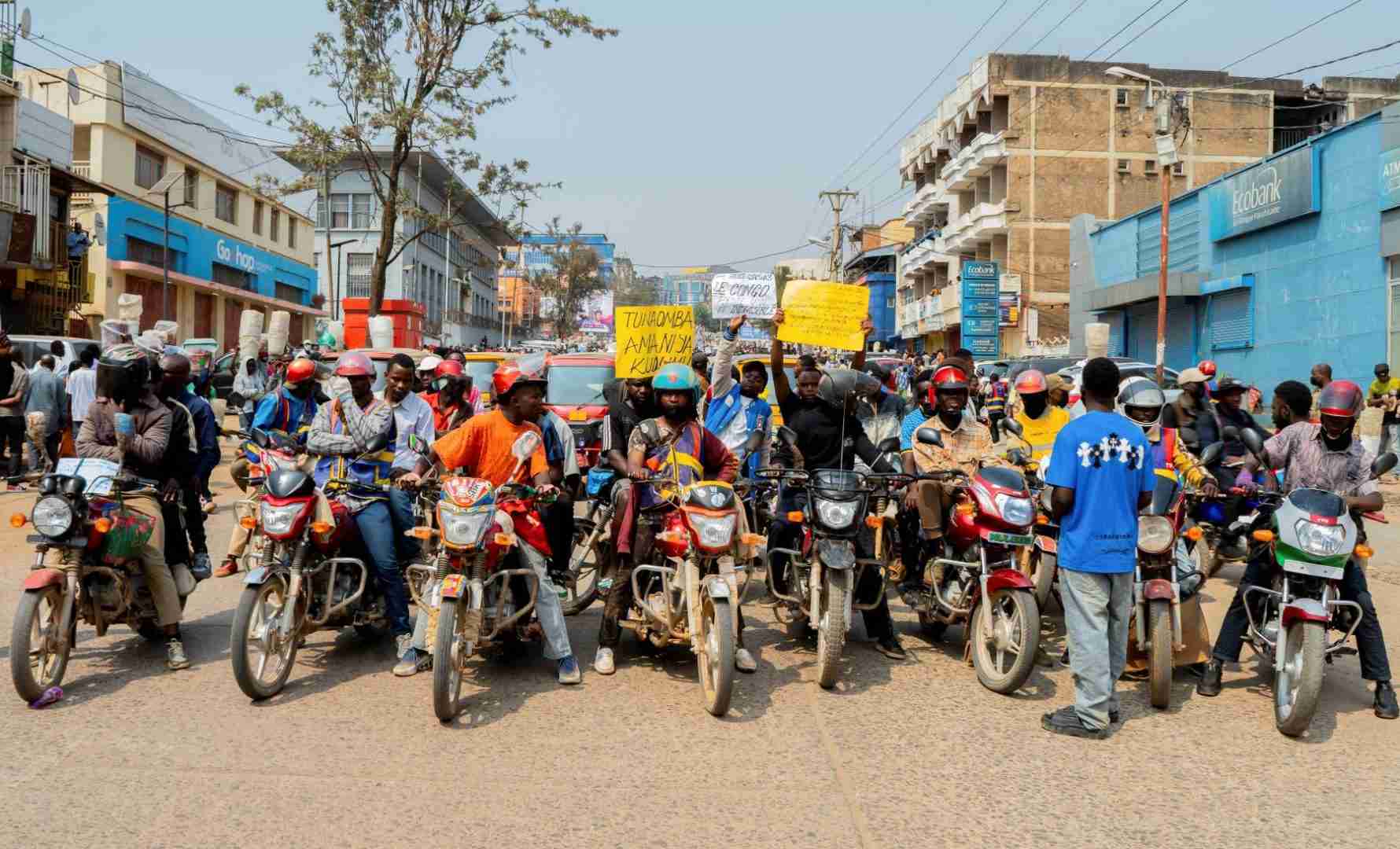
Thousands of people rallied in the eastern Congolese cities of Goma and Bukavu on Tuesday to protest against proposed constitutional changes that could pave the way for President Felix Tshisekedi to run for a third term.
• Goma and Bukavu have been under the control of AFC/M23 rebels since the group’s rapid advance across North and South Kivu provinces last year.
• Congo’s parliament in June approved a bill that would allow constitutional changes to be submitted to a referendum, a move that critics say could pave the way for Tshisekedi to seek a third term.
• Proposed constitutional reforms triggered opposition-led protests in the capital Kinshasa on June 12 that were dispersed by security forces.
• Demonstrators carried banners reading “No to constitutional change” and “No to a referendum and a third term”, according to two Reuters witnesses.
• Protesters also called for the U.N. to lift sanctions imposed this month on AFC/M23 leader Corneille Nangaa and the group.
• Congolese government spokesperson Patrick Muyaya accused the rebels of forcing residents to join the demonstrations in a post on X. An AFC/M23 spokesperson did not immediately respond to a request for comment.
• The demonstrations took place under police supervision, the witnesses said, despite a ban on gatherings introduced to curb the spread of Ebola.
• Rebel leaders declared territories under their control Ebola-free last month.
Reporting by Congo newsroom; Writing by Clement Bonnerot; Editing by Jessica Donati and Alison Williams
Special interview: Wayne Wonder speaks to Bermuda Broadcasting

One of reggae’s biggest stars has arrived in Bermuda to help kick off the Cup Match holiday celebrations.
Grammy-nominated artist Wayne Wonder, whose hits include No Letting Go and Bounce Along, is set to headline the Big People’s Beach Party at Snorkel Park Beach tomorrow night, the eve of Cup Match.
Kendal Trott caught up with the Jamaican singer shortly after he touched down on the island.
Ferry scheduled released for the Cup Match holiday


The Department of Marine & Ports Services issued the ferry schedule for the Cup Match holiday, Thursday, 30 July, and Friday, 31 July, including service between Wadford Bridge and St George’s.
For public advisory, please see the ferry schedule for the upcoming public Cup Match Holiday:
Blue Route- Operating on the weekday schedule between Hamilton and Dockyard
Pink Route- Operating on the weekday schedule between Hamilton, Paget & Warwick
Green Route- Watford Bridge (Additional Service only)
Orange Route- Operating on the weekday schedule with additional services as listed below
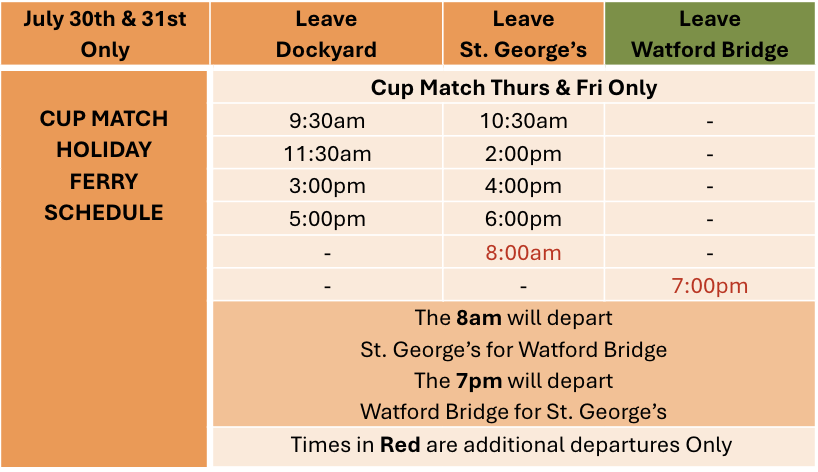
The Department encourages all passengers to plan accordingly and wishes everyone a safe and enjoyable Cup Match Holiday.
New details emerge about road crash in Devonshire


Inquiries continue regarding the circumstances of a collision that occurred just before 6pm Thursday, 23rd July 2026, on South Road in Devonshire, near Ariel Drive.
It now appears that the car involved was driven out of Brighton Hill on to South Road, Devonshire heading west – but allegedly entered the eastbound lane.
A 50cc scooter – not a motorcycle as initially thought – was being ridden in the eastbound lane of South Road at the same time.
The rider manoeuvred around the car, avoiding a collision and continued to travel east.
The car then struck a wall and overturned.
The male 50cc scooter rider, understood to be a 17-year-old Paget resident, returned to the scene.
The driver and front seat passenger of the car, understood to be an 80-year-old Devonshire man and 77-year-old Devonshire woman, were medically assessed at the scene by EMTs, before being transported to King Edward VII Memorial Hospital, via ambulance, for treatment of their injuries.
At last check, the car driver remained hospitalised. The car’s passenger was treated and discharged from hospital later the same day the collision occurred (23rd July).
The BPS thanks those witnesses who have already come forward to assist with inquiries. Any additional witnesses, please call Constable Leanna Stewart on 211, or e-mail lstewart@bps.bm.
White phosphorus leaks at US air base in South Korea, Seoul says
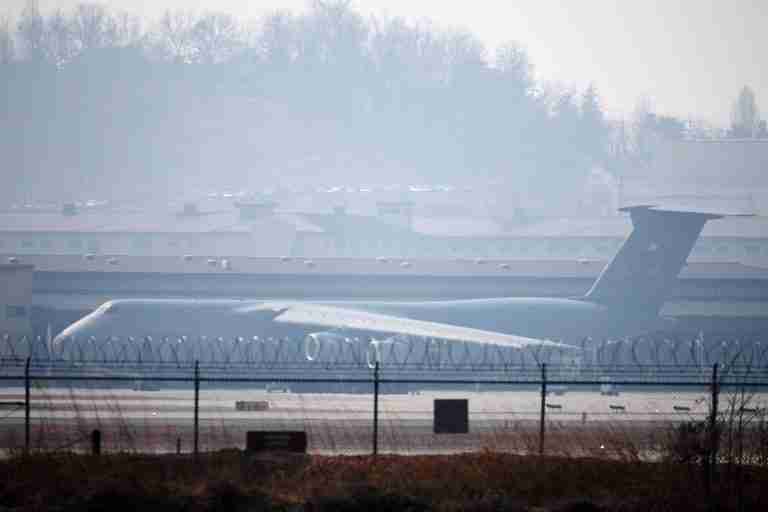
No casualties were reported and the evacuation notice for residents was lifted after about half an hour, as South Korean fire authorities and U.S. forces carried out decontamination work
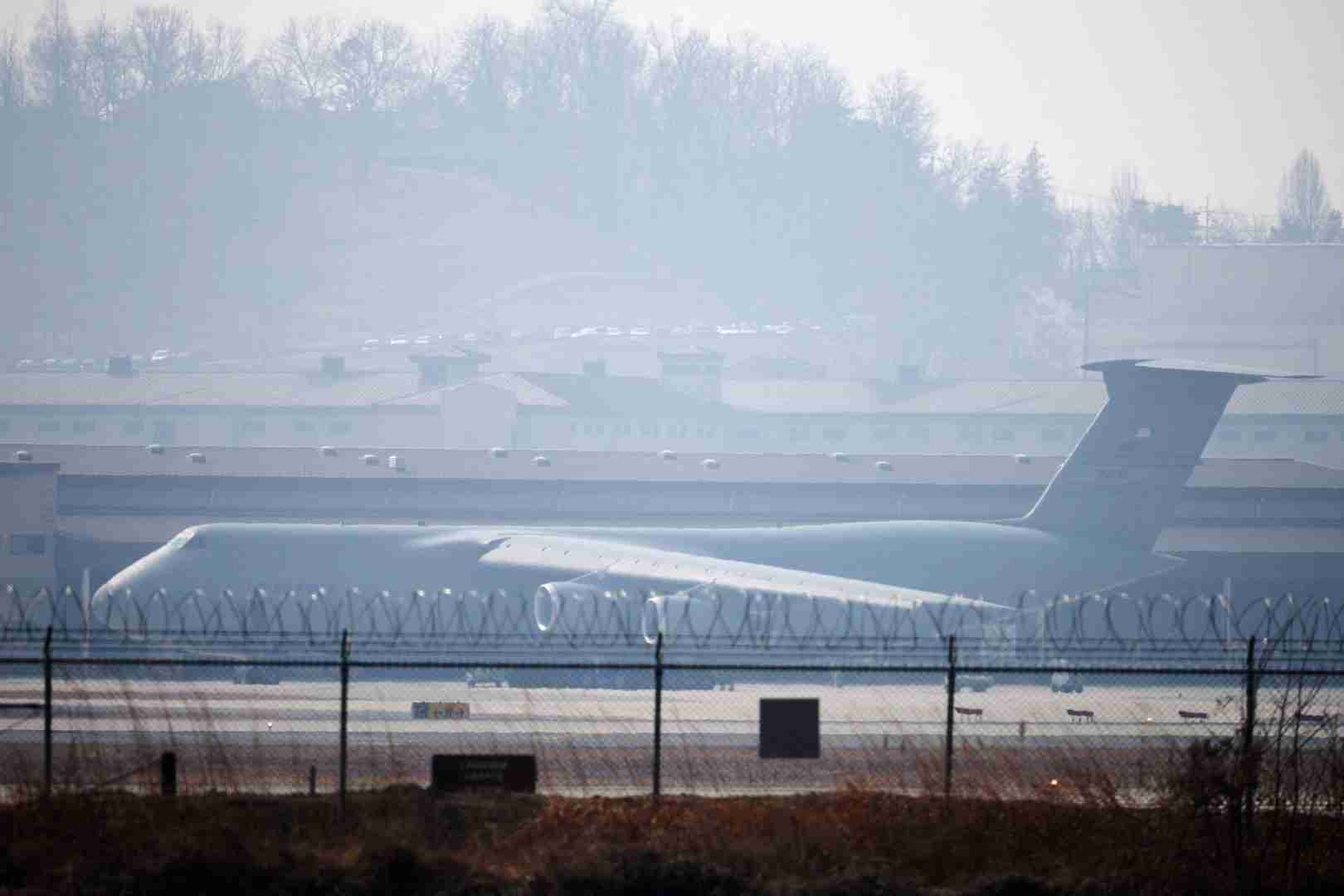
International News via Reuters:
South Korean authorities ordered brief neighbourhood evacuations on Tuesday after a leak of white phosphorus inside the U.S. Osan Air Base south of Seoul, the Safety Ministry said.
No casualties were reported and the evacuation notice for residents was lifted after about half an hour, as South Korean fire authorities and U.S. forces carried out decontamination work, Yonhap news agency reported.
“At 1708 (0808 GMT), due to a ground mishap and out of an abundance of caution, Osan AB (Air Base) established a 1,000-foot safety cordon to protect base and local populace,” the base said in a statement.
“Our emergency response professionals are currently managing an isolated situation on the installation. We are handling this matter with the utmost care and expediency.”
A spokesperson for the air base said there was a munitions-related accident and it was assessing the situation, in response to a request to confirm the nature of the leak.
White phosphorus is a highly toxic substance that can ignite on contact with air and is used in battlefield smoke screens and incendiary weapons.
Reporting by Jack Kim, Hyeyoon Cho and Jihoon Lee; Editing by Ed Davies, Andrew Heavens, Kevin Liffey and Hugh Lawson
UN says human trafficking into Asian scam centres is surging
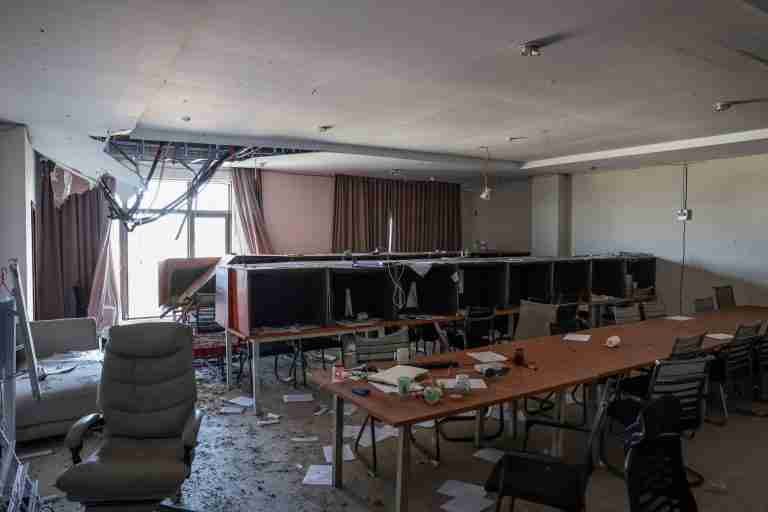
Huge scam centres employing as many as 300,000 workers across Myanmar, Cambodia and Laos have emerged to deploy online schemes to defraud often older individuals in the West
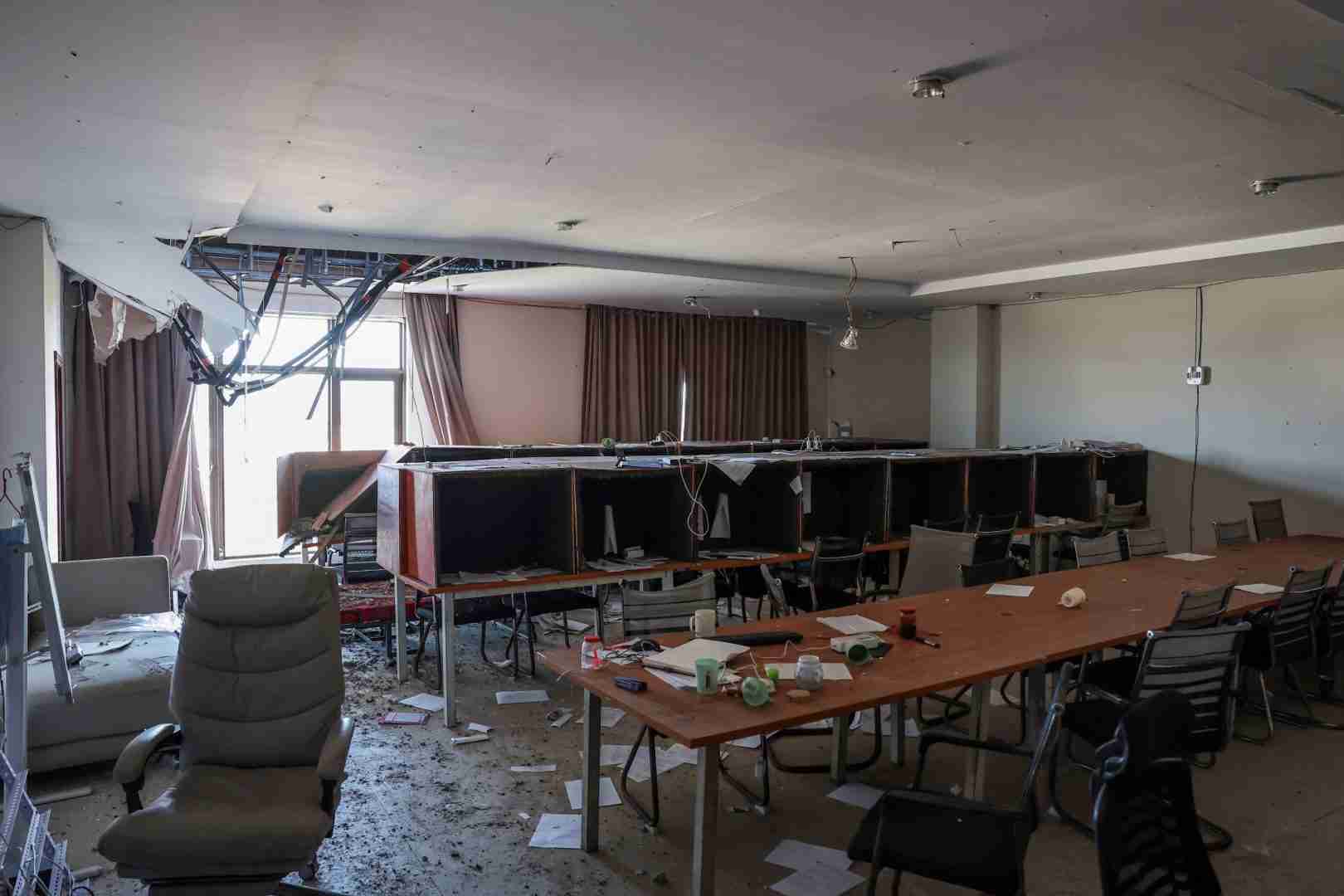
International News via Reuters:
The U.N. migration agency on Tuesday warned of a dramatic increase in the number of people forced into working in Asian scam compounds, saying people from more than 80 countries have been lured in through social media, with some being sexually abused.
Huge scam centres employing as many as 300,000 workers across Myanmar, Cambodia and Laos have emerged to deploy online schemes to defraud often older individuals in the West, the International Organization for Migration said.
But a significant portion of those were themselves tricked into employment, the U.N. agency said, describing fake job advertisements offering lucrative work contracts for those with strong English skills and a college education.
Once duped, they are stripped of their documents and forced to carry out online scam operations amid threats and violence, IOM said. Many suffer stigma and debt as well as trauma after sexual abuse or bouts of solitary confinement, Amy Pope, director general of the IOM, said.
SOCIAL MEDIA EXPANDS REACH
“People trapped in scam compounds are victims of trafficking, forced to commit crimes through violence, threats and coercion,” said Pope, who formerly worked as a prosecutor of human trafficking cases.
“We must work together to support survivors, stop traffickers and close the gaps these criminal networks exploit,” she said.
The IOM put the number of those trafficked in the tens of thousands.
Pope told reporters in Geneva that IOM has helped victims from some 30 countries recruited under false pretences.
“The significant networks are based within Asia, but because of social media, because of the ability to now reach people in many, many countries, their reach has expanded quite significantly,” she said, estimating that people from over 80 countries have been trafficked.
Even when they manage to escape or are freed through government raids, they are sometimes then threatened with prosecution, Pope said.
She praised governments such as Thailand for increased engagement in identifying such centres but said more was needed to find those operating in remote parts of Asia where law enforcement is poor.
“IOM calls for continued support to assist victims of trafficking through protection, safe return and reintegration, while scaling up efforts to raise awareness of traffickers’ tactics so that people can recognise risks and know where to seek help,” the IOM statement said.
Reporting by Emma Farge;Editing by Alison Williams
