Bermuda’s middle-distance prospects Nirobi Smith-Mills and Jake Brislane delivered a pair of highly encouraging performances to secure top-six finishes at the prestigious British Milers Club Grand Prix in Watford.
Battling tricky, windy conditions at Woodside Stadium, both athletes made significant statements against elite international fields during their European summer campaigns.
In the Men’s 800m ‘C’ race, Nottingham Trent University student Nirobi Smith-Mills claimed a hard-earned third place on the podium. Smith-Mills expertly negotiated a dense pack, digging deep over the final 200 metres to clock 1:49.09—just missing out on second to Ireland’s Bobby More (1:48.98), while England’s Harry Forman Wilshaw took the win in 1:48.51.
Stepping up in distance, Warwick University’s Jake Brislane produced an incredibly disciplined display in a cagey Men’s 3000m showcase. Contending with strong headwinds along the back straight, Brislane stuck with a fast lead pack to cross the line in 8:16.00, sealing a strong sixth place overall in a race won by local favourite James McMurray (7:53.48).
The impressive showings mark another excellent step forward for both young Bermudians as they continue to test themselves against top-tier continental competition.
Opposition MP says our energy policy needs more structure
Statement by Dwayne Robinson, Shadow Home Affairs Minister:
Bermuda needs a national direction when it comes to our energy policy.
After a two-week extension, the consultation on the draft National Electricity Sector Policy (NESP) ended on May 21, 2026.
The draft NESP 2026 was said to be “nearly final” in a column written by the Minister of Home Affairs. When will this plan be finalised?
The recent increase of the Fuel Adjustment Rates by $2.17 shows that though Government can dull the impact with its fuel duty relief, which is supported by the One Bermuda Alliance, it cannot truly protect the consumers from increased costs.
More must be done on a structural level to ensure affordability and sustainability of our energy sector going forward.
We welcome the Minister’s pivot from her predecessor’s steep renewable targets to a more reasonable transitional timeline.
However, with the recent fee structure implemented by Belco to provide greater transparency of its billing has caused backlash from Bermudians who have invested in solar energy.
Though Belco has gone through great lengths to explain the change and has a thorough explanation on their website, many have reached out to my colleagues and I, in outrage.
They feel that they were led to invest in solar energy by the Government’s strong push toward renewable energy and given a raw deal by this new facility charge change.
Some have said it will increase their bill to amounts higher than before they installed their solar panels.
How will this impact the Government’s renewable energy targets? We need to ensure that efforts to move towards renewable energy are supported and not discouraged.
Just like my comments during the debate on the Electricity Amendment Act 2026, as legislators, we must be aware of unintended consequences.
A ministerial directive from May 2, 2025 put this fee restructure into motion and we are seeing the unintended consequences of good intentions.
The escalating cost of electricity in Bermuda remains a top concern on the doorstep. During a cost-of-living crisis Bermudians cannot afford any additional burdens.
We are glad the Government has worked on the Draft NESP 2026, with consultation from the public, now we need to see the final version.
The One Bermuda Alliance believes a national plan will help give direction to Bermuda’s energy sector and will be a great step in providing clarity to Bermudians on our island’s energy future.
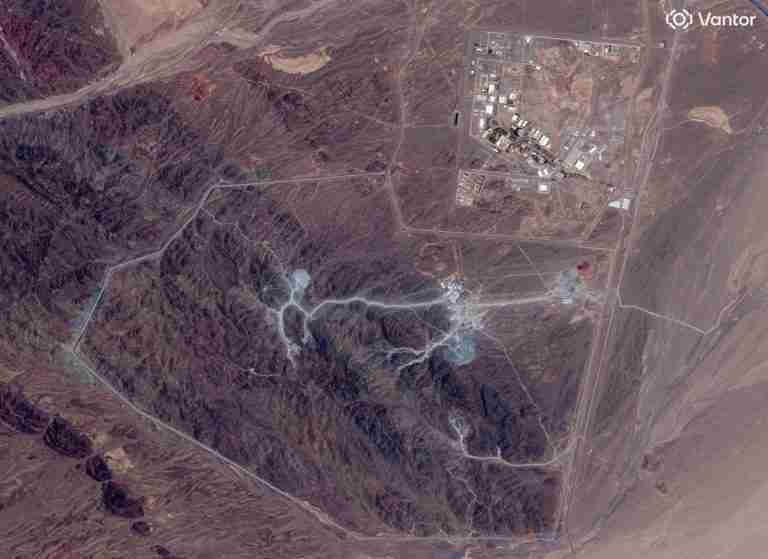
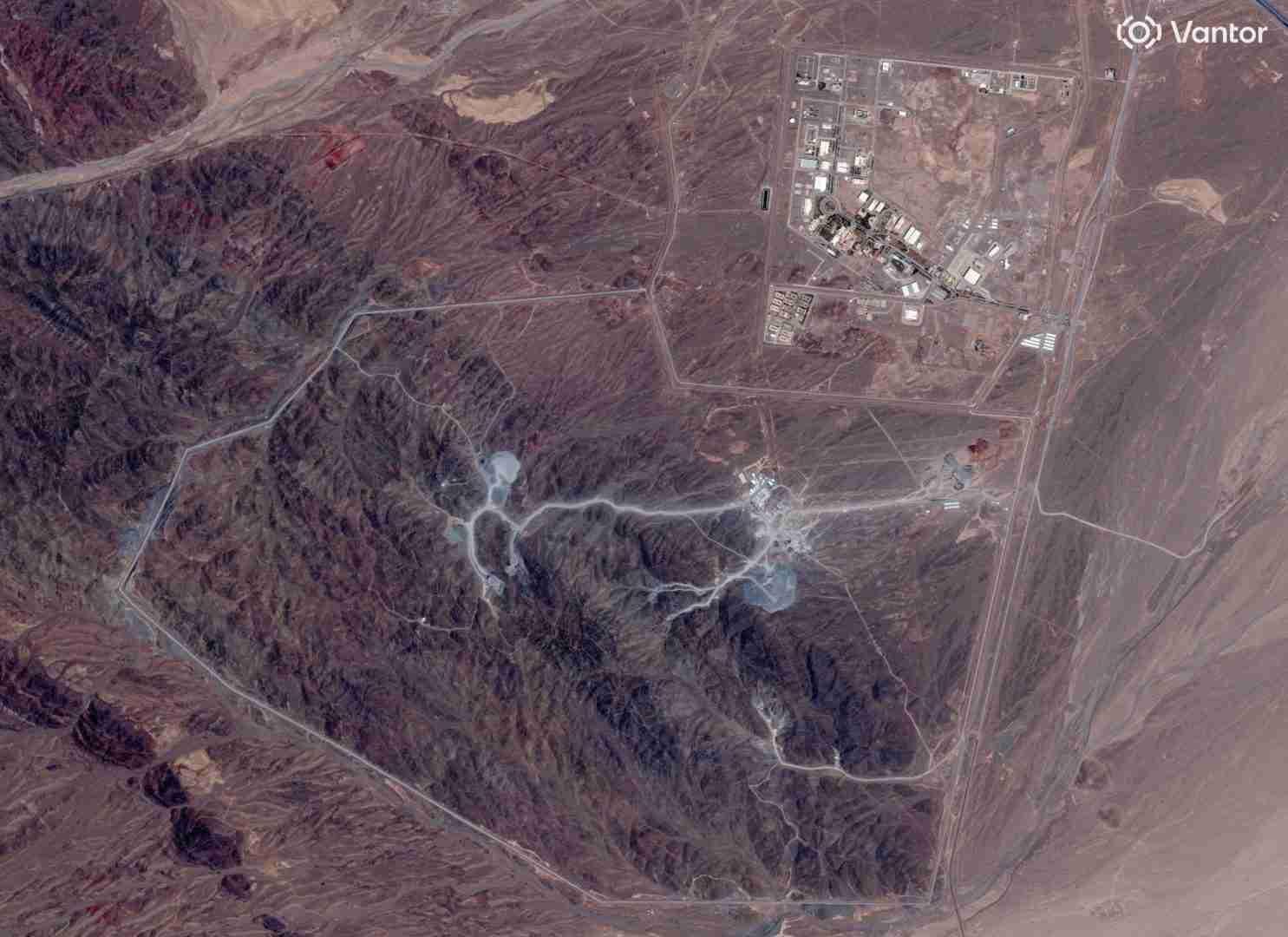
Pickaxe Mountain, located near Iran’s heavily damaged Natanz uranium enrichment facility, is a heavily fortified site that hosts two deeply buried tunnel complexes
International News via Reuters:
U.S. President Donald Trump on Monday said that the U.S. would take out Pickaxe Mountain in Iran, as he warned that Washington would continue to hit the country hard.
“We’re going to take out Pickaxe Mountain. Tell the Iranians to be ready,” Trump said in an interview on the Hugh Hewitt Show.
“We’re watching (Pickaxe Mountain) closely. We see no activity there. They’re not doing well with their nuclear situation. Every time we hear about it, we blow it up. So they don’t like talking about it. But we’ll probably give Pickaxe a shot relatively soon,” Trump said.
Pickaxe Mountain, located near Iran’s heavily damaged Natanz uranium enrichment facility, is a heavily fortified site that hosts two deeply buried tunnel complexes that experts assess as beyond the reach of the most powerful bunker buster bombs in the U.S. arsenal.
Trump earlier on Monday said the United States was reinstating its blockade of Iranian shipping in the Gulf and would ensure the Strait of Hormuz stays open — for a fee — after the two sides exchanged more missile and drone attacks.
“We’re going to hit them very hard tonight and we’re going to hit them hard tomorrow. And there’s not a damn thing they can do about it,” he said on the Hugh Hewitt Show.
Reporting by Ismail Shakil, Daphne Psaledakis, Christian Martinez and Jonathan Landay; Editing by Caitlin Webber and Michelle Nichols
U.S. Central Command said it began strikes at Trump’s direction just after the U.S. president told the “Hugh Hewitt Show” that Iran would be hit “very hard tonight, and we’re going to hit them hard tomorrow
International News via Reuters:
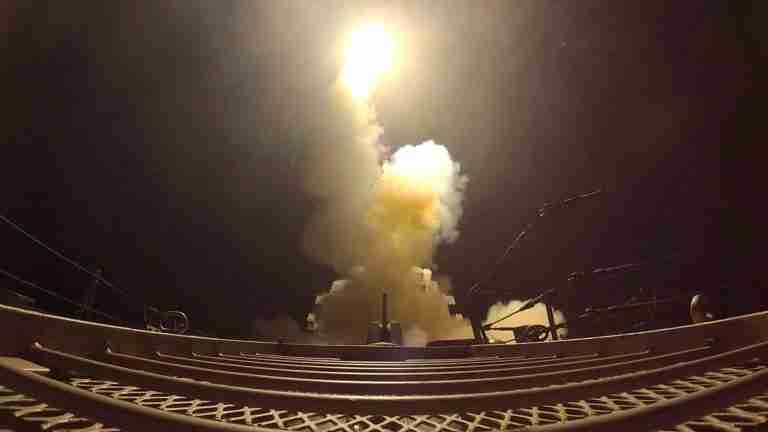
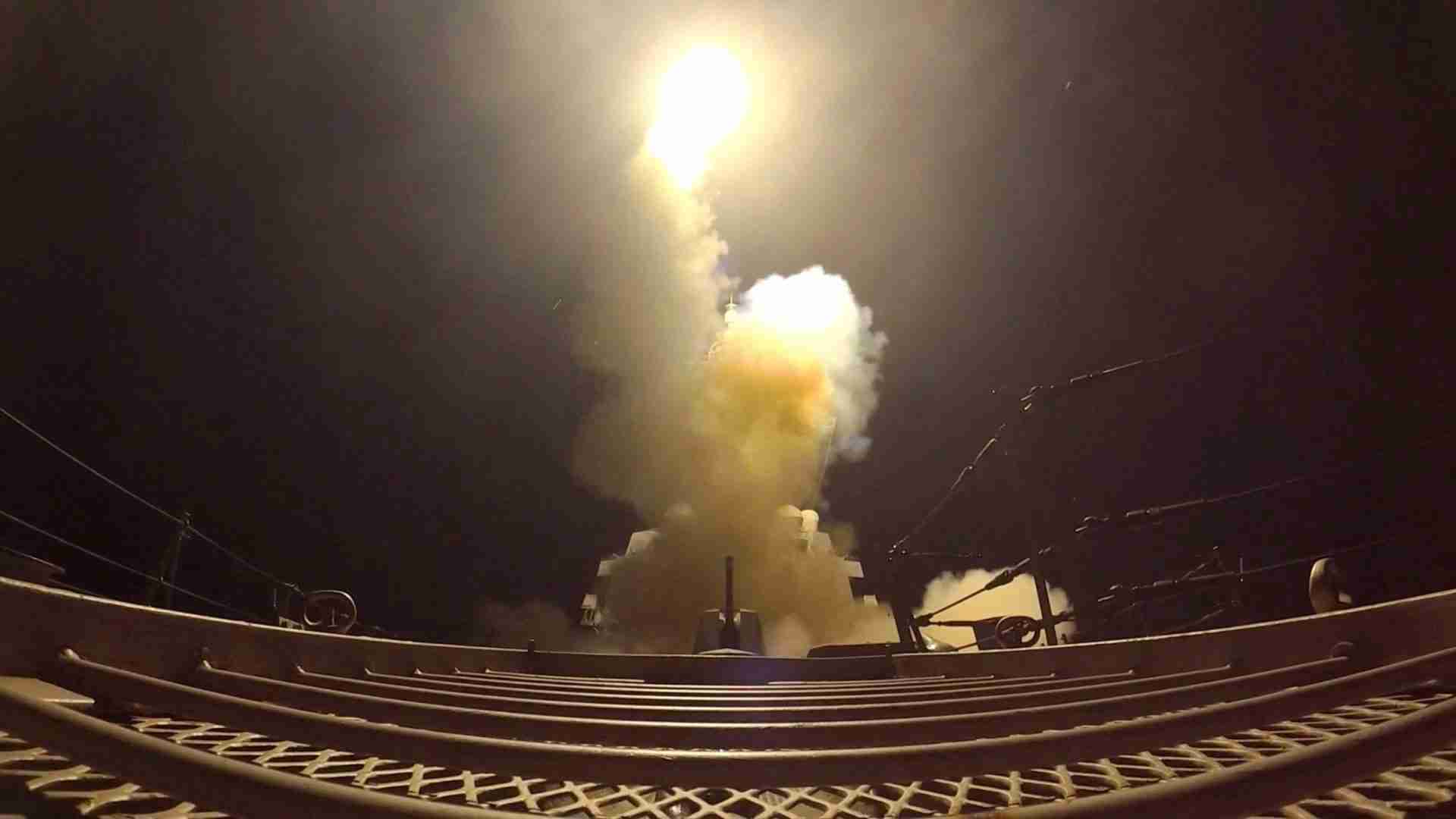
The U.S. military carried out a third consecutive night of strikes against Iran on Monday as President Donald Trump reinstated a blockade of Iranian shipping and proposed charging a 20% fee to guard the Strait of Hormuz.
U.S. Central Command said it began strikes at Trump’s direction just after the U.S. president told the “Hugh Hewitt Show” that Iran would be hit “very hard tonight, and we’re going to hit them hard tomorrow. And there’s not a damn thing they can do about it.” He later told reporters at the White House that the U.S. was attacking Iranian capabilities in the strait.
The UAE Ministry of Defense later said Iranian cruise missiles struck two Emirati oil tankers, the Mombasa and Al Bahiyah, while transiting the southern lane of the strait in Omani territorial waters, wounding one crew member and injuring eight others.
The United Kingdom Maritime Trade Operations agency said a tanker had been hit by an unknown projectile while travelling 40 nautical miles northeast of Oman’s Qalhat and that all crew were safe.
Reuters could not immediately verify whether the UKMTO report referred to the same incident as the one reported by the UAE Ministry of Defense. Iran has not commented on the latest attacks.
The Islamic Revolutionary Guard Corps (IRGC) said two “offending” supertankers had been hit and disabled in the strait after ignoring repeated warnings and turning off navigation systems, Iranian media reported.
The IRGC’s statement did not name the vessels or say whether they were the same tankers cited by the UAE ministry. But it accused the U.S. of “inciting vessels to use an illegal route” and warned that cooperation with the “aggressor enemy” would result in damage, delays in reopening the waterway and a global energy crisis.
Bahrain’s air defense systems intercepted and destroyed Iranian aerial attacks over the kingdom, Nabeel Alhamer, media adviser to Bahrain’s king, said in posts on X.
“The Hormuz Strait is OPEN, and will remain OPEN, with or without Iran. We are reinstating THE IRANIAN BLOCKADE,” Trump had said earlier on Monday on Truth Social.
“The U.S.A. will be, from this point forward, known as ‘THE GUARDIAN OF THE HORMUZ STRAIT’, but as such, and as a matter of FAIRNESS, will be reimbursed, at the rate of 20% on all cargo shipped.”
Iran’s top joint military command said the U.S. had no role in determining the future of the waterway and would not be allowed to intervene. Iranian Foreign Minister Abbas Araqchi wrote on X that Tehran was the guardian of the strait and would remain so “forever”, adding in response to Trump’s comments that: “20% is of course too much. We will be fair.”
‘HOSTILE’ U.S. VESSEL
Soon after the U.S. military announced renewed strikes on Iran, Iranian media reported explosions in the port city of Bandar Abbas, Iran’s Kish and Qeshm islands and on Abu Musa Island in the Gulf.
Iran’s Fars news agency said residents in the city of Jam in Iran’s Bushehr province also heard several explosions but that the exact location of the blasts was not clear. No casualties were reported. Iranian media reports of explosions continued for more than three hours.
Iran’s southwestern Khuzestan province was hit by U.S. projectiles early on Tuesday, Iran’s official news agency IRNA reported, citing a provincial security official, adding that four people were wounded and rescue operations were underway. A loud explosion was also heard in Iran’s southern city of Bushehr, according to Iran’s semi-official Mehr news agency.
Iran’s state TV cited the Iranian army as saying that it targeted a “hostile” U.S. vessel with cruise missiles and U.S. facilities and equipment in Kuwait with drones. Iranian media also said Iran’s Revolutionary Guards shot down a U.S. MQ-1 drone over Hormuz, while sirens sounded early on Tuesday in Bahrain – home to another U.S. military base.
The incidents, which followed earlier exchanges of missile and drone attacks, extended the hostilities that followed Iran’s announcement at the weekend that it was closing the vital waterway, casting further doubt on an interim deal to halt the war and driving oil prices higher.
The U.N. shipping agency pushed back against Trump’s proposal, saying it opposes any fees for straits used in international navigation and stressing that there is no legal basis for introducing mandatory tolls on strait transits.
Trump has previously suggested the U.S. could charge tolls on shipping through the strait, but has not done so and it remains unclear whether he would follow through this time.
The U.S. Navy-led Joint Maritime Information Center said the blockade would take effect at 2000 GMT on Tuesday and apply to all vessel traffic regardless of flag, covering the entire Iranian coastline including ports and oil terminals.
It said the measure would not impede neutral transit passage through the strait to or from non-Iranian destinations, and that humanitarian shipments would be permitted subject to inspection.
The U.S. Embassy in Abu Dhabi and U.S. Consulate General in Dubai have cancelled consular appointments from July 13 to 15 due to the regional security situation, the embassy said in a security alert.
$250 MILLION A DAY
Before the conflict began in February, around a fifth of the world’s oil and gas traffic passed through Hormuz daily, delivering more than 15 million barrels of fuel to global markets worth at least $1.2 billion. If the U.S. were to impose a 20% fee, it could generate around $240 million a day.
The war, launched by the United States and Israel, has destabilised the Gulf and spread across the region, with Iran attacking U.S. bases in multiple countries. Thousands of people have been killed in the war, mainly in Iran and Lebanon.
Oil prices jumped more than 9% on Monday, with Brent futures posting their biggest single-day dollar gain since April 2, and their highest settlement since June 12. U.S. crude futures made their largest daily gain since April 29 to settle at their highest since June 15.
U.S. officials said around 20 vessels had been escorted through the strait in the previous 24 hours, although ship-tracking data showed little traffic moving. MarineTraffic said on Monday that vessel activity through the strait declined by about 52% between July 10 to 12 compared to the previous week.
Additional reporting by Menna Alaa El Din, Jonathan Saul, Enas Alashray, Ahmed Elimam, Eman Abouhassira and Andrew Mills, Writing by Ros Russell, Hugh Lawson, Matt Spetalnick and David Morgan; Editing by Raju Gopalakrishnan, Timothy Heritage, Sanjeev Miglani, Lincoln Feast and Michael Perry.
The “Choice Screen” feature allows users to choose their default search engines during the initial set up of their new Android device
International News via Reuters:
Switzerland’s Competition Commission (COMCO) has launched a preliminary investigation into Google’s removal of a feature that allows mobile phone users to opt out of using its search engine as default, the authority said on Tuesday.
The “Choice Screen” feature allows users to choose their default search engines during the initial set up of their new Android device.
COMCO said Google had removed this feature in Switzerland, even though it remained available in other countries in Europe.
As a result, the Google search engine is imposed as the default option for Swiss users.
Google said it was aware of the investigation. “We look forward to cooperating fully with the authority to address their questions,” a spokesperson said.
In digital markets, default settings play a decisive role, COMCO said, with the removal of the option limiting the visibility of other search engines competing with Google when users set up their devices.
“This new practice by Google could affect the ability of search engine providers and, more broadly, other digital service providers to compete,” COMCO said.
“It also creates an unequal treatment between Swiss users and those in the European Economic Area,” it added.
The preliminary investigation will determine whether there were any indications of unlawful competition under the Swiss Cartel Act.
Google has a dominant position in the Swiss online market, holding 82% of the search market in the country, according Statcounter, a web analytics company.
Reporting by John Revill, editing by Miranda Murray
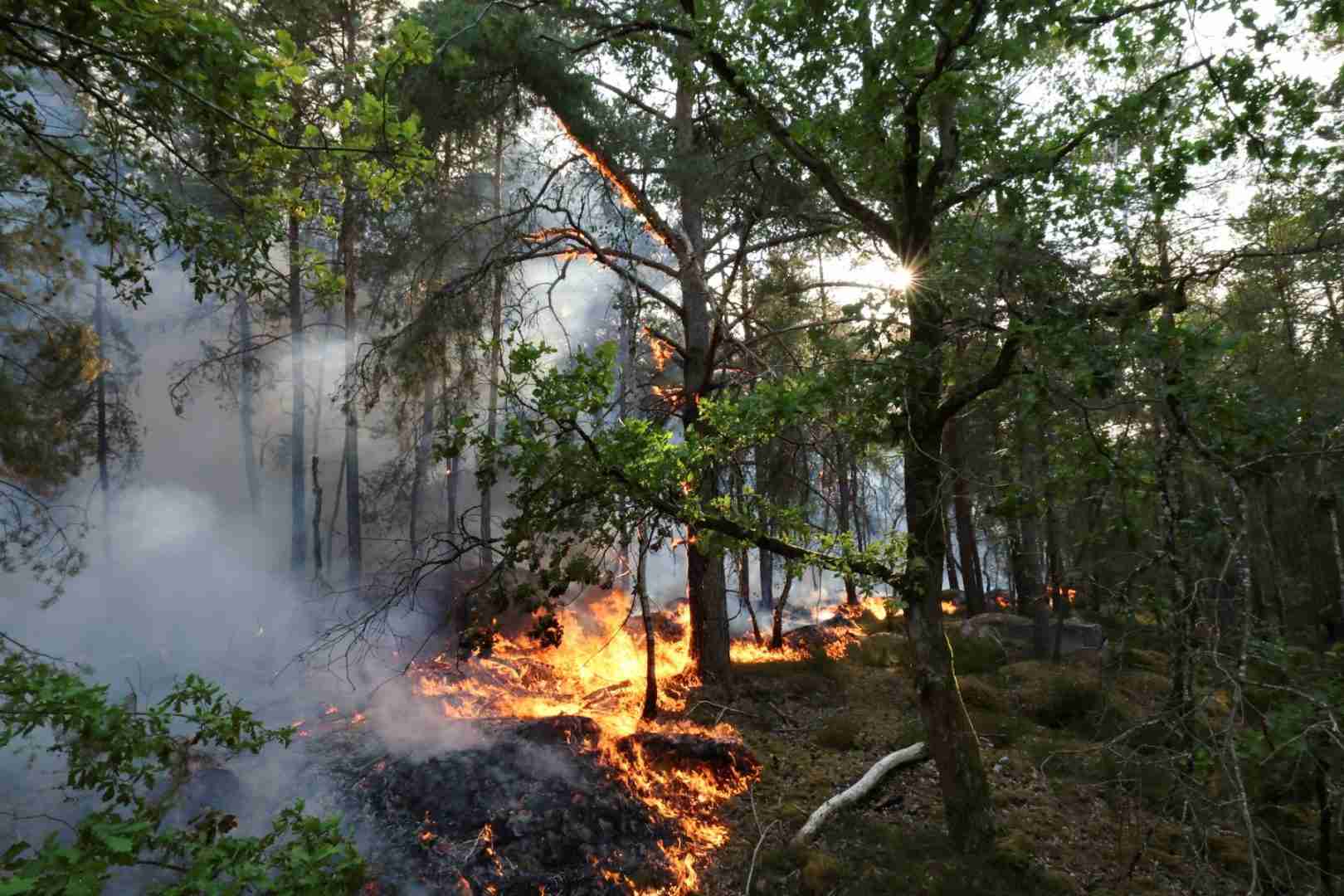
For the first time, Canadair aircraft on Monday skimmed the River Seine to fill their tanks, attempting to contain a blaze that turned the sky black
International News via Reuters:
Firefighters battled through the night to tackle a blaze that tore through a historic forest near Paris on Tuesday, with at least two people arrested on suspicion of having started the fire near one of France’s best-known royal palaces.
“It is not under control,” Interior Minister Laurent Nunez said late on Monday, adding that the main blaze in Fontainebleau and another one nearby that started on Monday afternoon had scorched 1,300 hectares (3,212 acres).
Nunez said the fire was just a few kilometres away from the Palace of Fontainebleau, which explained the deployment of considerable resources, including water-carrying planes and helicopters.
For the first time, Canadair aircraft on Monday skimmed the River Seine to fill their tanks, attempting to contain a blaze that turned the sky black.
Just 70 km (40 miles) from Paris, the fire forced the closure of the A6 highway linking the capital with Lyon and the south. Smaller fires in the area also disrupted high-speed train services.
As many as 900 people were evacuated from their homes.
Nunez said the Fontainebleau blaze is contributing to what will likely be a historic year for fires in France, with 32,000 hectares burned already this year, more than the total in 2025.
“We’ll probably have a record year,” he said. “We expected this with this major drought.”
Europe is enduring its third heatwave of the summer, with tinder-dry vegetation and high temperatures fuelling blazes from the Iberian Peninsula to France. Many scientists say climate change is making wildfires more frequent and difficult to combat.
Nunez said 59 people have been arrested across France on suspicion of starting fires across the country. Around half were adults and half minors, with some repeat offenders, he said.
Reporting by Gabriel Stargardter; Editing by Kevin Buckland
Brent crude rose to its highest since June 12 and WTI to its highest since June 16 – before the United States and Iran signed a memorandum of understanding to end the conflict on June 17
International News via Reuters:
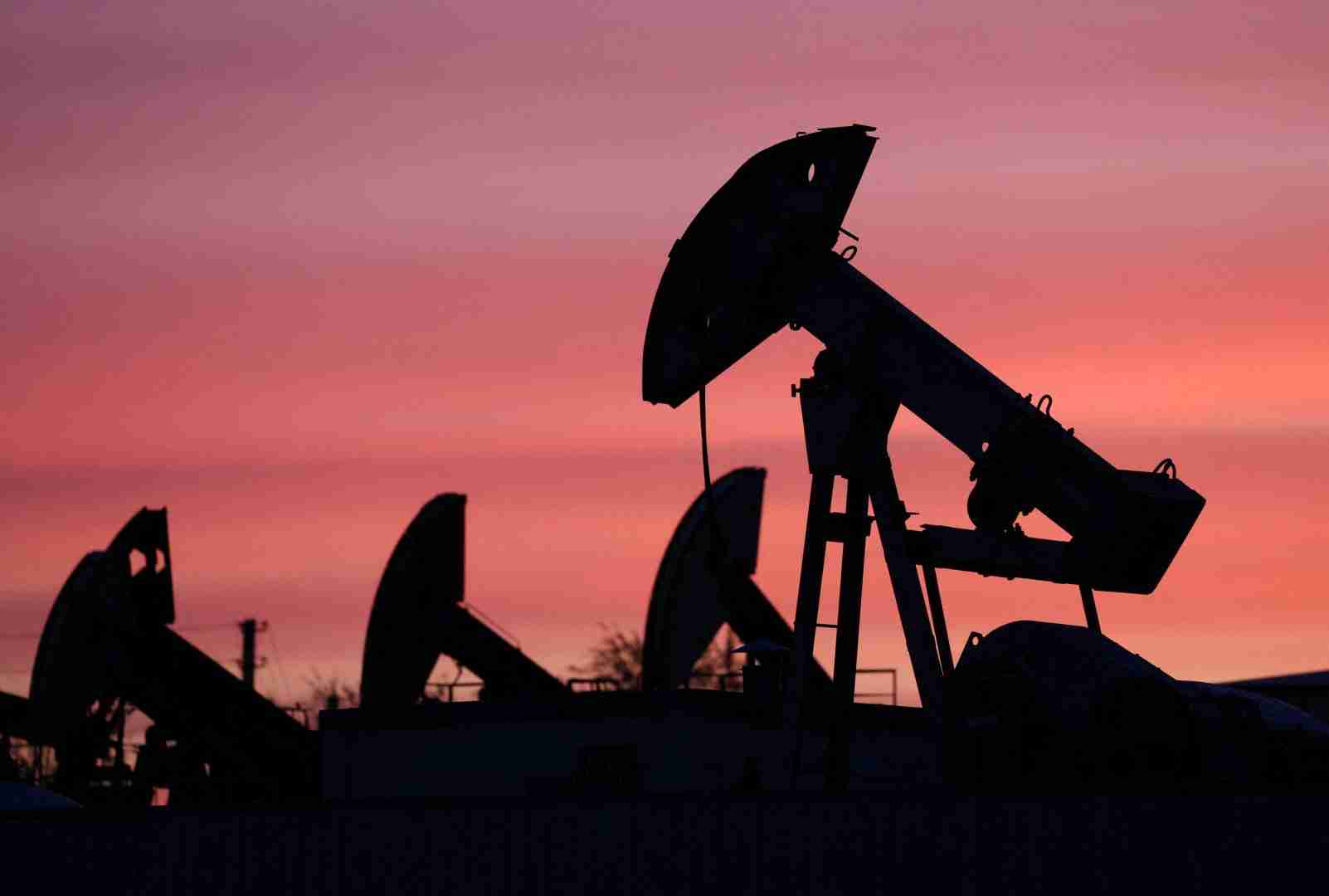
Oil prices rose on Tuesday to their highest in four weeks, after the U.S. reimposed a naval blockade of Iran and renewed attacks between Washington and Tehran heightened concerns over energy flows through the Strait of Hormuz.
Brent crude rose to its highest since June 12 and WTI to its highest since June 16 – before the United States and Iran signed a memorandum of understanding to end the conflict on June 17.
Brent crude futures were up $3.17, or 3.81%, at $86.47 per barrel at 0941 GMT, while U.S. West Texas Intermediate crude rose $2.15, or 2.75%, to $80.29 a barrel.
“Despite signing the memorandum of understanding and having a deal, this did not last for even a few weeks. So that’s the concern the market is trying to price right now,” said ANZ analyst Soni Kumari.
“What we think is that the peak of the escalation is behind us, but there are upside risks to oil prices if these disruptions continue and that will keep prices in the $85-$90 range.”
Hostilities between the United States and Iran intensified this week, as U.S. President Donald Trump reinstated a blockade of Iranian shipping and proposed charging a 20% fee to guard the Strait of Hormuz.
The waterway is a critical artery for global energy trade, carrying about a fifth of the world’s daily oil and liquefied natural gas supplies before the conflict began.
Amid the strikes, one Indian crew member was killed and eight others were wounded when two Emirati oil tankers were struck by Iranian cruise missiles in the Strait of Hormuz, the United Arab Emirates Ministry of Defence said.
Shipping data on Monday also showed the number of tankers transiting the Strait of Hormuz fell in the past day to the lowest level in two months.
Citi said in a note that the possibility of the Iranian regime walking away from the memorandum of understating until after the U.S. mid-term elections has also risen, a scenario which would most likely see higher for longer oil prices.
However, Iran’s oil exports are continuing as usual despite the cancellation last week of a 60-day waiver of U.S. oil sanctions, oil minister Mohsen Paknejad said on his official Telegram account.
Elsewhere, Yemen’s Houthi movement fired missiles at Saudi Arabia after accusing the kingdom of bombing an airport under its control on Monday.
“If the Houthis extend their attacks to Saudi’s crude products in the Red Sea, it could put (further) uncertainties on crude flows from the region,” Simon Wong, a portfolio manager at Gabelli Funds, said in a note.
Meanwhile, Ukraine’s military said on Tuesday that it struck two Russian oil refineries in the Bashkortostan and Krasnodar regions overnight.
Reporting by Anushree Mukherjee and Ishaan Arora in Bengaluru and Emily Chow in Singapore; Editing by Jamie Freed and Susan Fenton
Heavy rain is expected to persist through Tuesday, with extreme downpours in some areas, authorities said as Bavi draws vast amounts of tropical moisture northward, creating a sustained flow of humid air into northern China
International News via Reuters:
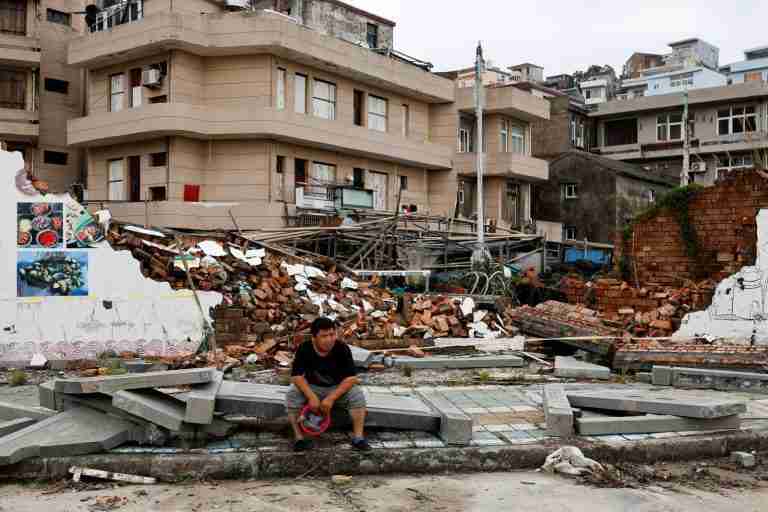
The most powerful storm to strike mainland China this year forced more than 260,000 people to evacuate their homes in northeastern Liaoning province, as Typhoon Bavi brought intense flooding.
Heavy rain is expected to persist through Tuesday, with extreme downpours in some areas, authorities said as Bavi draws vast amounts of tropical moisture northward, creating a sustained flow of humid air into northern China.
In Shenyang, Liaoning’s provincial capital, a lighthouse severed its high-voltage power line and began drifting through floodwaters along main roads and crossing under a bridge, according to videos posted on Chinese social media.
All schools and training institutions have been ordered to suspend classes, while transport services have been largely disrupted in northeastern cities including in Shenyang and Jilin.
Bavi, covering an area the size of France, formed in the Pacific Ocean 13 days ago. Its structure remained largely intact on Monday even after making landfall in eastern China on Saturday night, making it the longest-lasting tropical cyclone in the Asia-Pacific region this year.
Its longevity is largely due to its unusually well-preserved warm core, Chinese meteorologists say, allowing Bavi to retain much of its moisture as it churns north towards the Korean peninsula. Intense rainfall is expected when Bavi, currently classified as a tropical storm, slows further and starts to release all the moisture that it has been holding.
Reporting by the Beijing newsroom; writing by Farah Master; Editing by Stephen Coates
The ECB has been working on the digital euro for years, partly to wean the bloc off U.S.-based payment providers, and hopes for first issuance in 2029
International News via Reuters:
The European Central Bank has picked 36 payment service providers, including some of the euro zone’s biggest financial firms, to join the pilot programme for its digital euro project, it said on Tuesday.
The ECB has been working on the digital euro for years, partly to wean the bloc off U.S.-based payment providers, and hopes for first issuance in 2029, provided that long-delayed legislation is put in place by the end of this year.
The pilot, due to start in the second half of 2027, will last for 12 months and will test the digital euro’s technical functionality and operational processes, and will also be used to refine user experience, the ECB said in a statement.
More than 50 companies applied to participate in the pilot and the 36 selected firms include such top names as Deutsche Bank and UniCredit as well as fast-growing digital banks such as Revolut.
The pilot will take place at the ECB and 19 of the euro zone’s 21 central banks, with absences from Bulgaria and Malta.
“The pilot will involve staff from the ECB and participating national central banks, as well as e-commerce merchants, and merchants offering everyday services on their premises,” the ECB said.
“Staff at participating central banks will have the opportunity to make beta digital euro payments from person to person and from person to business,” the ECB added.
The pilot will use a beta version of the digital euro. It will be functionally and technically close to the digital euro but will not have legal tender status, the ECB added.
Reporting by Balazs Koranyi; editing by Barbara Lewis and Louise Heavens
The blue-chip FTSE 100 index fell 0.3% to 10,461.14 points by 1024 GMT, while the midcap FTSE 250 slipped 0.7%
International News via Reuters:
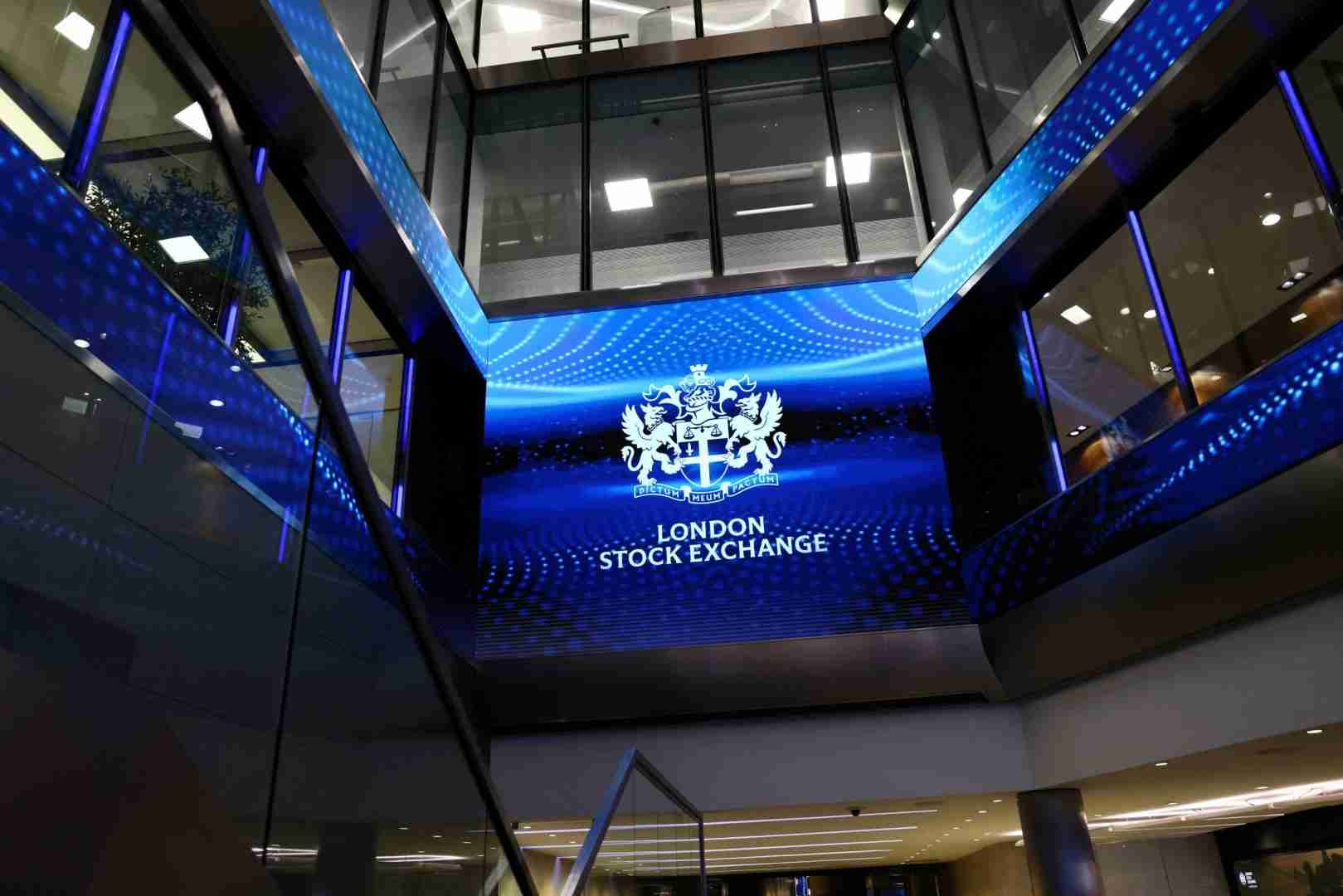
UK’s FTSE indexes edged lower on Tuesday on escalating U.S.-Iran tensions, while losses in financial and travel stocks outweighed gains in energy shares from oil major BP’s comment that it benefited from the surge in oil prices earlier this year.
The blue-chip FTSE 100 index fell 0.3% to 10,461.14 points by 1024 GMT, while the midcap FTSE 250 slipped 0.7%.
• The U.S. carried out strikes against Iran for a third straight night, while President Donald Trump announced a blockade of Iranian shipping and a 20% fee on cargo transiting the Strait of Hormuz, sending Brent crude prices up 3% to around $85 a barrel. [O/R]
• Travel and leisure stocks led sectoral losses, down 2.4%, with InterContinental Hotels Group falling 3.7% to the bottom of the FTSE 100 index.
• Banks also weighed on the index as investors awaited earnings from big U.S. banks later in the day.
• On the flip side, energy stocks led sectoral gains, up 1.8%, helped by a 2.3% rise in BP after the company said strong oil trading and higher refining margins would support second-quarter earnings.
• Industrial metals miners followed, with Atalaya Mining Copper, Glencore and Rio Tinto up 1.6% to 3.5% each.
• Investors await the U.S. inflation report and commentary from Federal Reserve Chair Kevin Warsh that could offer insights into the health of the world’s largest economy.
• Among individual stocks, Ashmore fell 1.8% after the British asset manager reported quarterly net inflows ahead of expectations, with investors continuing to allocate capital to higher-yielding emerging market assets despite geopolitical uncertainty.
• Debenhams Group rose 3.1% after the online retailer said positive trading momentum continued through June and July, supported by improving sales margins and lower customer returns as its turnaround strategy gained traction.
Reporting by Tharuniyaa Lakshmi in Bengaluru; Editing by Leroy Leo
Bermuda Summer Rave is set to bring music, colour, and TikTok culture to the CedarBridge Academy Courtyard on Saturday, July 18, from 9:PM to 3:AM.
The event will feature popular influencers, live entertainment, and will encourage attendees to join in on the latest viral dance trends. Kendal Trott spoke to Greashena Spence, who is part of the Events marketing team. She shared what attendees can expect and explained why the Summer Rave promises to be a high-energy experience.
To provide the best experiences, we use technologies like cookies to store and/or access device information. Consenting to these technologies will allow us to process data such as browsing behavior or unique IDs on this site. Not consenting or withdrawing consent, may adversely affect certain features and functions.
Functional
Always active
The technical storage or access is strictly necessary for the legitimate purpose of enabling the use of a specific service explicitly requested by the subscriber or user, or for the sole purpose of carrying out the transmission of a communication over an electronic communications network.
Preferences
The technical storage or access is necessary for the legitimate purpose of storing preferences that are not requested by the subscriber or user.
Statistics
The technical storage or access that is used exclusively for statistical purposes.The technical storage or access that is used exclusively for anonymous statistical purposes. Without a subpoena, voluntary compliance on the part of your Internet Service Provider, or additional records from a third party, information stored or retrieved for this purpose alone cannot usually be used to identify you.
Marketing
The technical storage or access is required to create user profiles to send advertising, or to track the user on a website or across several websites for similar marketing purposes.