Tuesday, October 27, 2026
Home Blog Page 167

Congo Ebola response workers protest over pay

The outbreak has infected 1,759 people and resulted in 600 confirmed deaths since it was declared almost two months ago, according to the latest government data released on Wednesday

International News via Reuters:

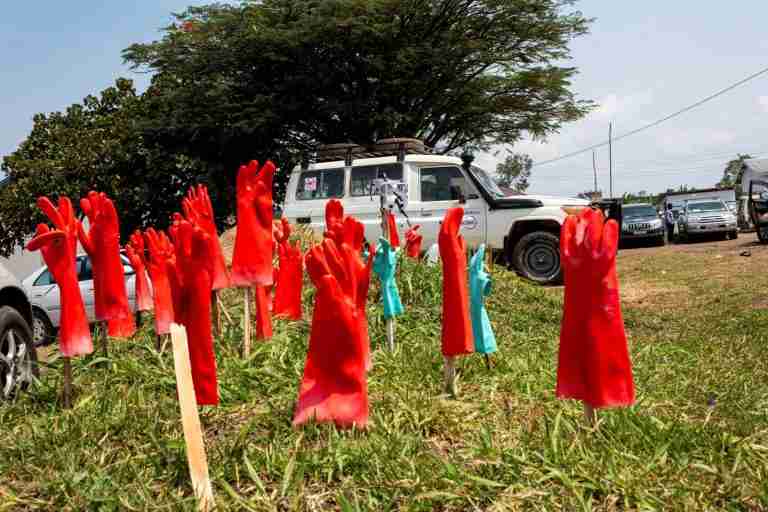
Ebola response workers in northeastern Democratic Republic of Congo staged protests outside three treatment centres on Thursday, saying they had not been paid all they were owed for their work.

The outbreak has infected 1,759 people and resulted in 600 confirmed deaths since it was declared almost two months ago, according to the latest government data released on Wednesday. 

The World Health Organization said this week transmission of the rare form of Ebola was continuing; it kills 30% to 50% of those infected and has no vaccine or cure.

Dozens of members of Ebola response teams gathered on Thursday outside the Centre Medical Evangelique (CME), Elikya and Salama treatment centres in Bunia, the capital of Ituri Province, which is the hardest hit.

Police dispersed one of the protests, outside the CME.

It was not immediately clear whether the protests had disrupted operations at the treatment centres. 

Speaking to journalists in Bunia, Health ⁠Minister Samuel ​Roger ​Kamba acknowledged there had been problems with “the human resources pillar of the response”, namely with ensuring that the lists of people who needed to be paid were updated and accurate.

An official at Africa’s top public health agency told an online press conference it was working with Congolese authorities to speed up payments to frontline health workers.

“This is very important to keep (up) the morale,” Africa CDC official Wessam Mankoula said. He said the Africa CDC had provided Congo with about $2 million to support its Ebola response, some of which could be used to make “delayed payments” to health workers.

A Congolese health official, who asked not to be named as he was not authorised to speak to the press, told Reuters that talks were under way with workers who were threatening to go on strike, but that so far no strike had begun.

WORKERS SAY PAY IS LATE, DOES NOT REFLECT WORKLOAD

In a letter dated July 5 and addressed to Ituri’s governor and health officials, Ebola response workers said they had not been paid for services rendered since the start of the latest Ebola outbreak, which was announced on May 15.

The letter said this had resulted in “significant socio-economic difficulties” and severely affected the workers’ living conditions.

The workers also complained that compensation rates were too low relative to the risks and workload involved in the Ebola response. 

They demanded an increase in daily allowances and called for the removal of income tax deductions, arguing that allowances constituted bonuses rather than salaries.

Reporting by Fiston Mahamba and Clement Bonnerot;Additional reporting by Sfundo Parakozov;Writing by Amindeh Blaise Atabong; Editing by Robbie Corey-Boulet and Philippa Fletcher
Mexico to file criminal complaints in US over deaths of Mexicans in immigration enforcement

Fourteen Mexican nationals have lost their lives while in the custody of U.S. Immigration and Customs Enforcement, and three more died in arrest operations conducted by the agency, Velasco told a press conference

International News via Reuters:

Mexico’s government plans to file criminal complaints in the U.S. regarding Mexican citizens who died in immigration custody or while being targeted in anti-immigration operations, Foreign Minister Roberto Velasco said on Thursday. 

Fourteen Mexican nationals have lost their lives while in the custody of U.S. Immigration and Customs Enforcement, and three more died in arrest operations conducted by the agency, Velasco told a press conference. 

“We are going to move beyond the diplomatic sphere and go directly to U.S. prosecutors to file complaints regarding these incidents, requesting that they are investigated as criminal matters,” Velasco said.

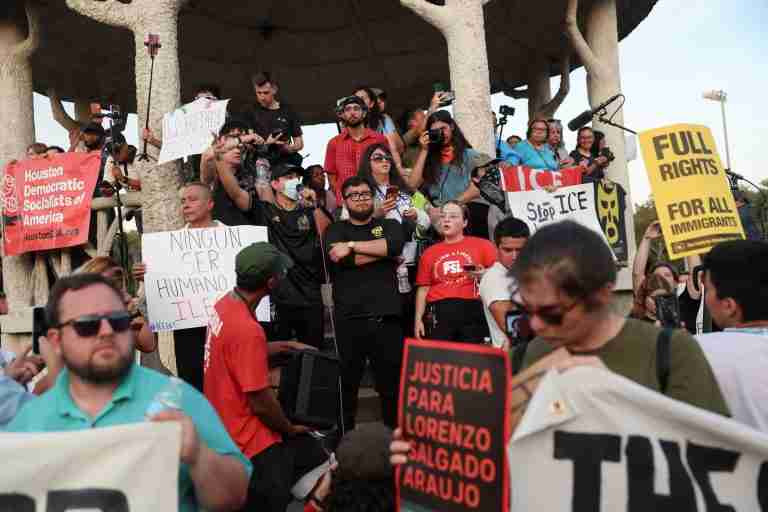
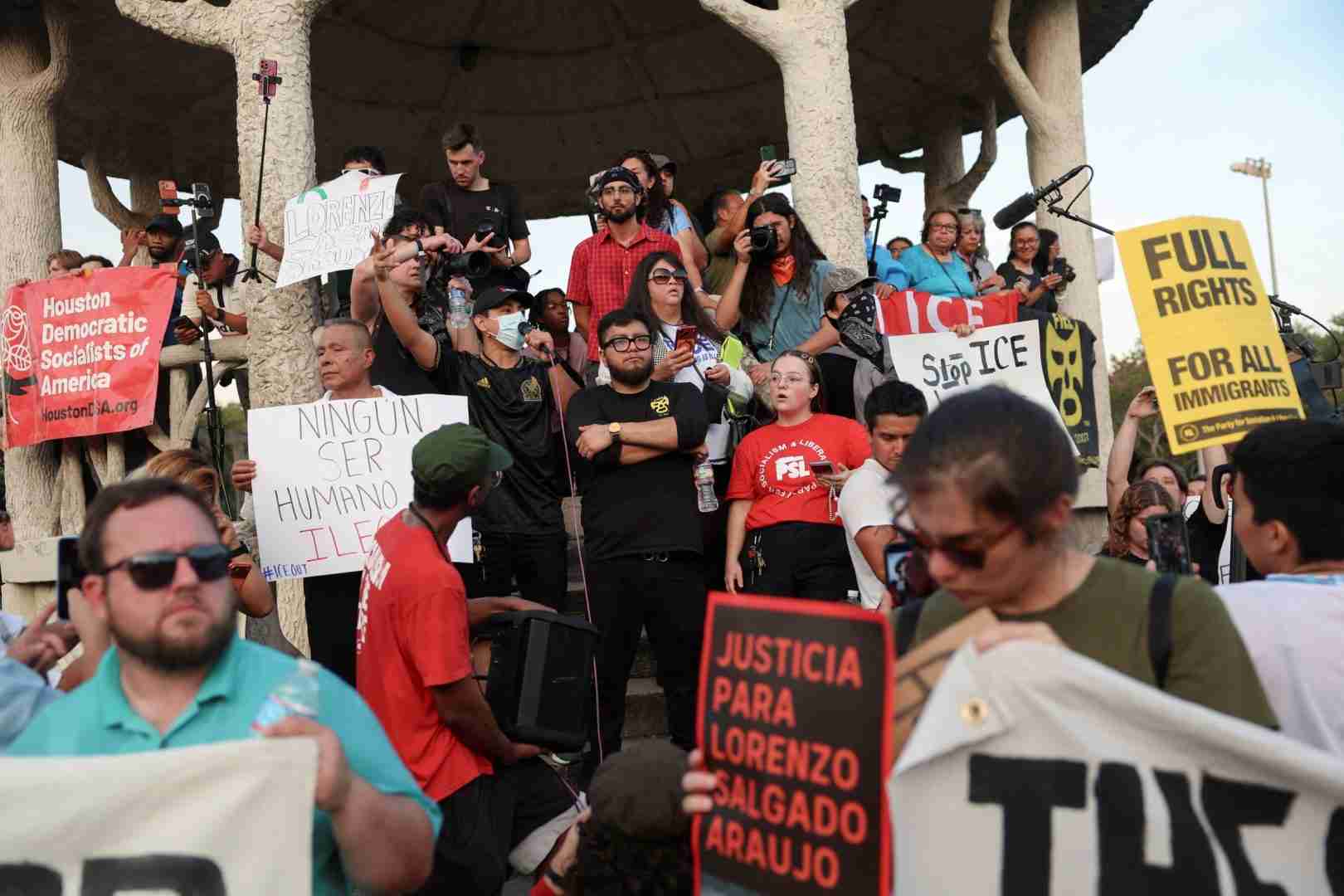
On Tuesday, a U.S. Immigration and Customs Enforcement agent shot Lorenzo Salgado Araujo, 52, a Mexican national living in the U.S. illegally for three decades.

His killing, which sparked protests in Houston, brought to at least six the number of people shot dead in immigration enforcement operations since January 2025, when President Donald Trump returned to office and launched a campaign of mass deportations.

The U.S. Department of Homeland Security and Department of Justice didn’t immediately respond to a request for comment.

Reporting by Aida Pelaez-Fernandez and Raul Cortes; Editing by Daina Beth Solomon

EU lawmakers back reinstating interim rules to allow Big Tech to tackle child pornography

The issue pits advocates ​of online safety ​measures against ⁠privacy activists worried about surveillance

International News via Reuters:

EU lawmakers backed a proposal on Thursday to reinstate temporary rules to allow Google, Meta Platforms and other online platforms to detect and remove online child sexual abuse materials.

However, they also voted to exempt end-to-end encrypted communications such as WhatsApp, Telegram and Signal, underscoring concerns about mass scanning that could lead to privacy breaches.

The issue pits advocates ​of online safety ​measures against ⁠privacy activists worried about surveillance.

Lawmakers and countries on both sides of the divide failed to agree on permanent rules last month following a dispute on the scope of detection.

The temporary rules, in place from 2021 to April this year, exempted online platforms from strict online privacy rules and had aimed to give EU countries and lawmakers time to agree on a permanent solution to tackle online child pornography.

Lawmaker Marketa Gregorova from the Pirate Party voiced her concerns about reinstating the interim rules.

“Protecting encryption was one of our priorities, and I am therefore glad that we managed to secure an absolute majority for an amendment that at least preserves encryption,” she said.

“At the same time, however, voluntary mass scanning unfortunately passed.”

EU countries have three months to decide whether to back the European Parliament’s changes to their proposal. 

The European Commission had proposed a draft rule on child sexual abuse material in 2022, but progress to agree the law has been slow as both sides have criticised it.  

Big Tech has lobbied against any requirement for messaging services, ⁠app ​stores and internet access providers to ​report and remove known and new images and videos, as well as cases ​of grooming.

Reporting by Foo Yun Chee; editing by Barbara Lewis

EU drafts ‘Buy European’ rules for public tenders to curb foreign dependence

The measures stop short of a blanket “Buy European” requirement, but would allow European authorities to rule out bids for big public contracts that have less than 50% European content and favour EU companies in strategic sectors

International News via Reuters:

New EU procurement rules will seek to harness the European Union’s collective purchasing power to favour the bloc’s own companies and reduce dependence on foreign suppliers, a draft document seen by Reuters shows.

The measures stop short of a blanket “Buy European” requirement, but would allow European authorities to rule out bids for big public contracts that have less than 50% European content and favour EU companies in strategic sectors.

Although the draft document does not specifically name China, the European Commission has already put forward other Buy European policies as it seeks to reduce China’s dominance of critical materials production and narrow a trade gap that expanded by 10% in the ⁠first four months of this year. 

The proposal, which could change before publication and will require endorsement from the 27 EU member states, would make it harder for authorities to award contracts largely on the basis of cost to counter the cheap goods offered by heavily subsidised Chinese companies.

An outline timetable had shown the Commission, the EU executive, would outline the public procurement proposals on July 1, but the timetable now schedules the announcement for early September. EU officials have given no reason for the delay.

Public procurement accounts for around 15% of the EU’s GDP, according to the draft proposal, equating to about €2.5 trillion ($2.86 trillion) based on the EU’s 2025 GDP. 

That makes it one of the bloc’s most powerful economic policy tools for tackling intense international competition and supply chain vulnerability.

“The way public buyers spend money has become a matter of strategic relevance,” the draft says.

PROPOSAL TACKLES SECURITY THREATS

The proposal increases the security role of public procurement in that it allows authorities to examine whether a bidder’s ownership, control or financing structure creates a risk of foreign interference. 

Buyers could also take into account whether companies are subject to third-country laws that may force disclosure of sensitive information or otherwise interfere with the contract’s performance.

Contracts would have to be awarded on the basis of the “best price-quality ratio”, with quality criteria accounting for at least 30% of the total score and at least 50% for labour-intensive contracts. 

The proposed new regulation would replace the EU’s three existing public procurement directives, thereby reducing national discretion in how the rules are applied. 

Authorities would be encouraged, and in some cases required, to take account of risks linked to critical infrastructure, cybersecurity, supply-chain disruptions, strategic dependencies and foreign influence when awarding contracts.

The regulation would also create an EU-wide digital procurement system, including electronic business credentials, interoperability rules for procurement platforms and national and EU-level procurement data spaces designed to improve transparency, oversight and cross-border access to contracts.

($1 = 0.8750 euros)

Reporting by Julia Payne; additional reporting by Foo Yun Chee; editing by Barbara Lewis

Burt: CARICOM meeting was ‘productive and forward-looking’

Premier says Bermuda was warmly received as talks continue on full membership and regional cooperation

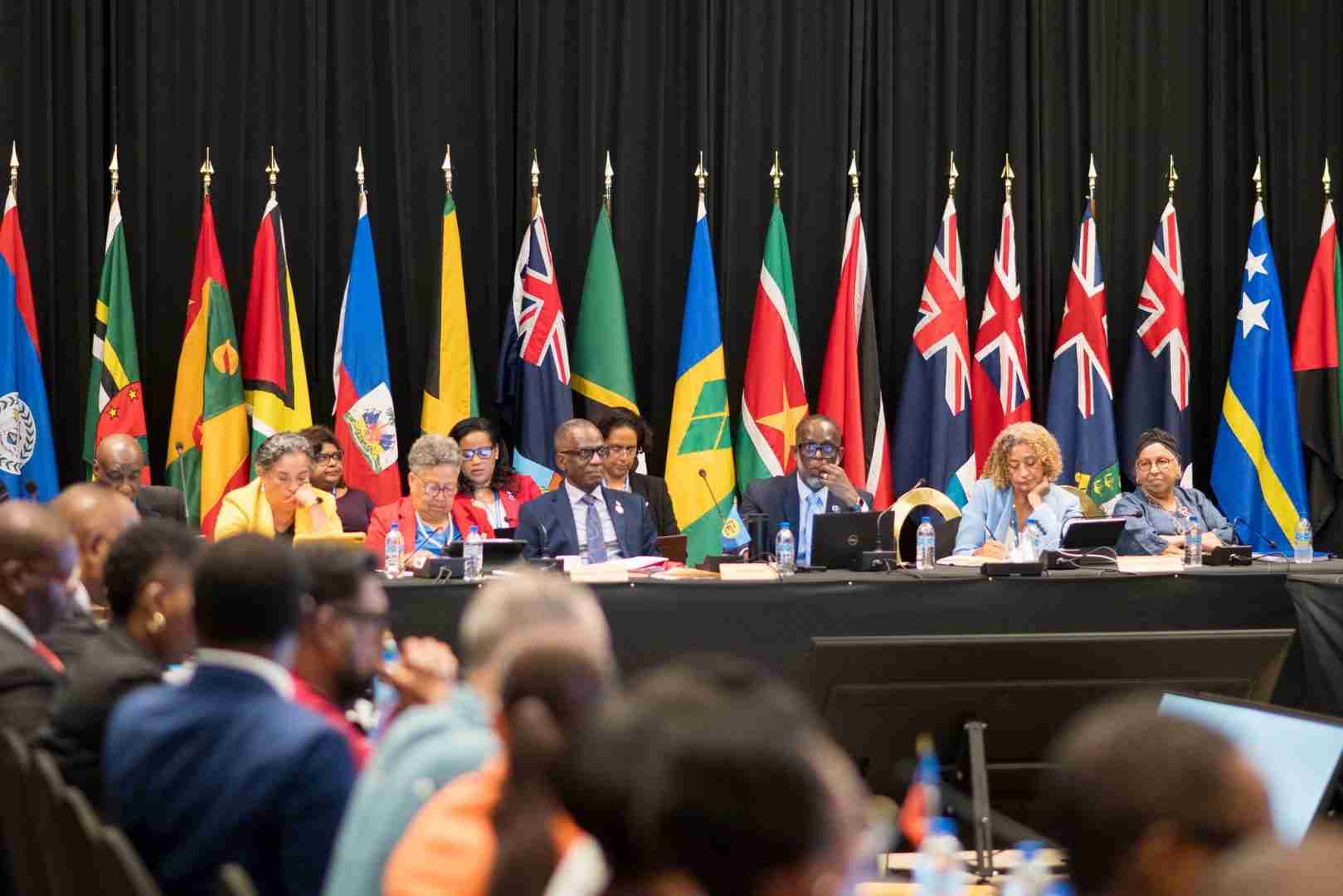
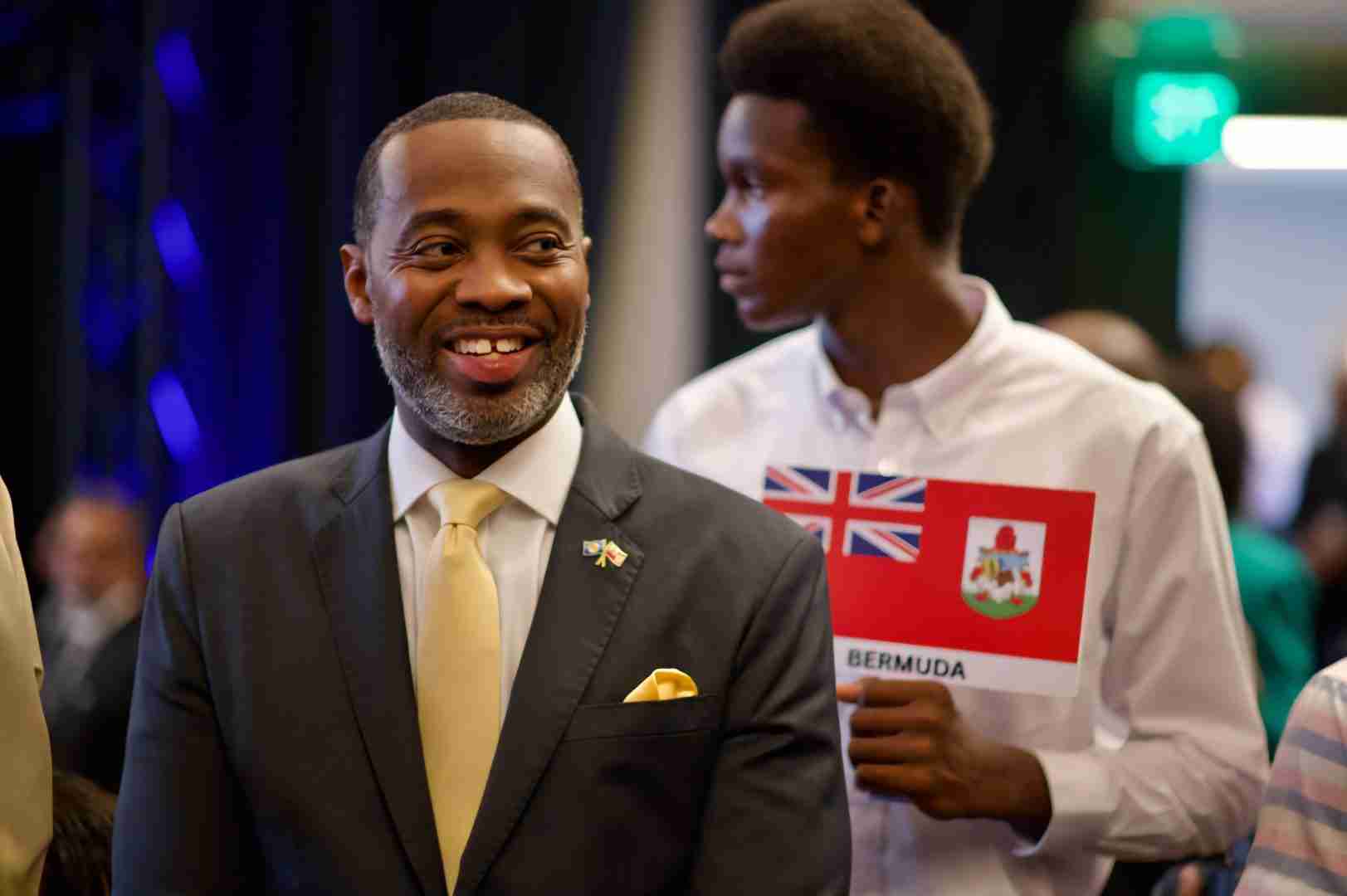
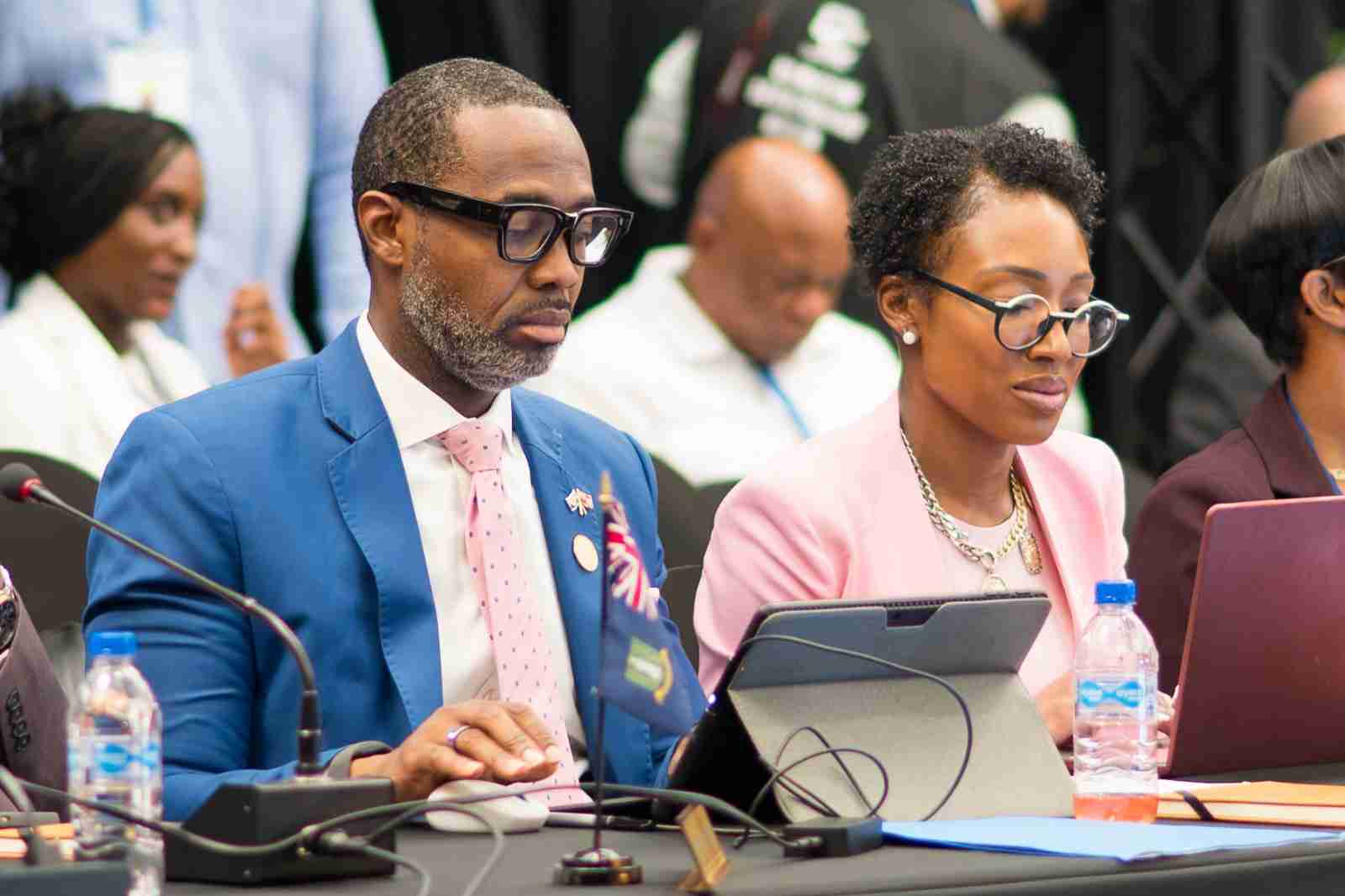
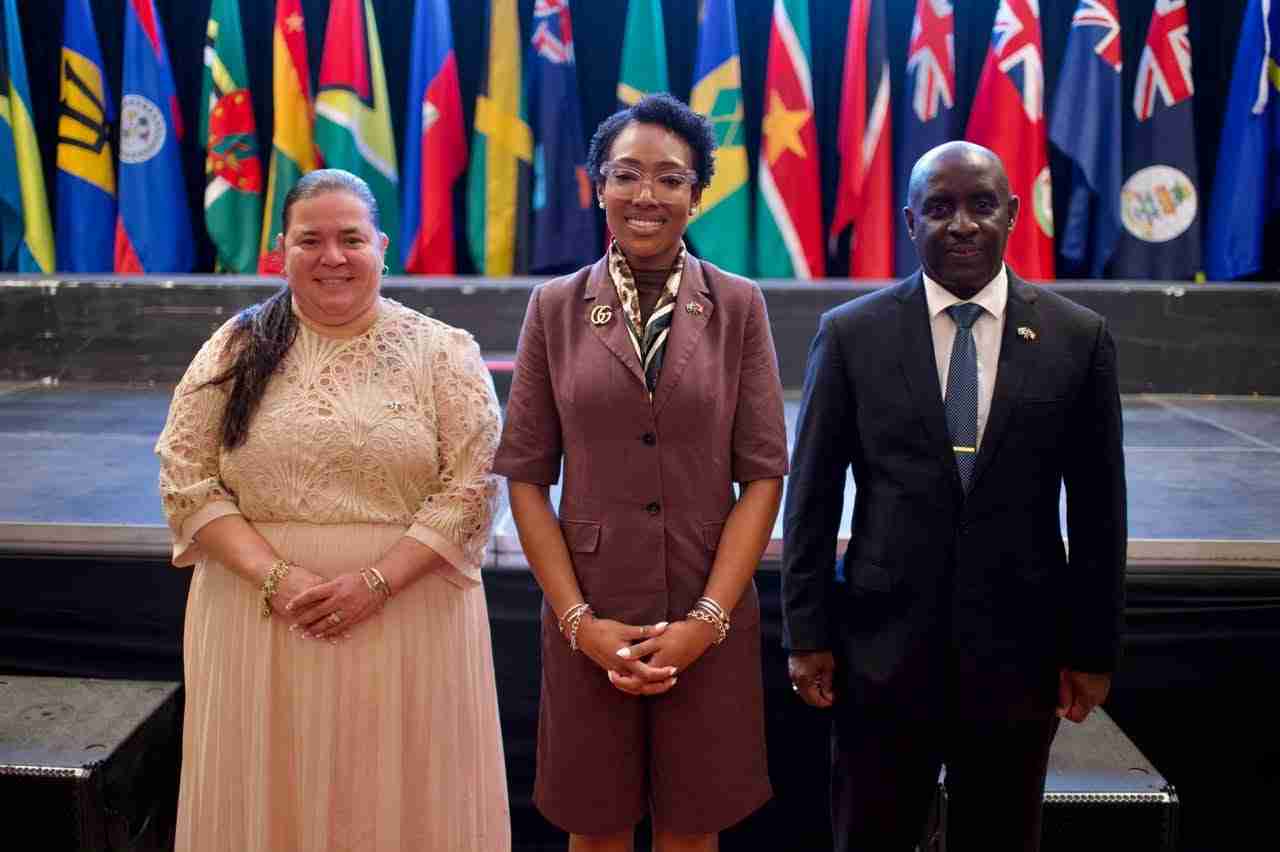
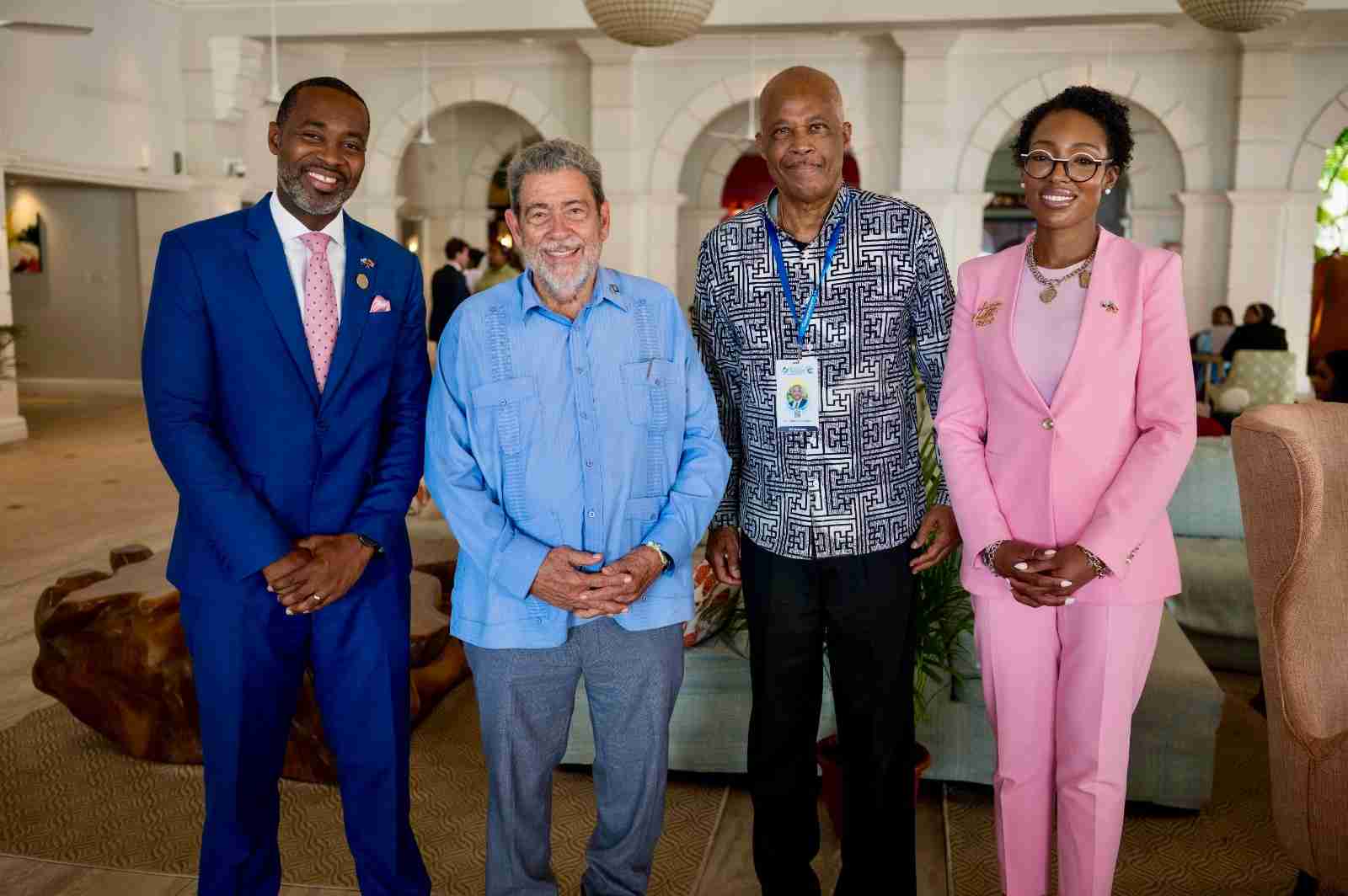
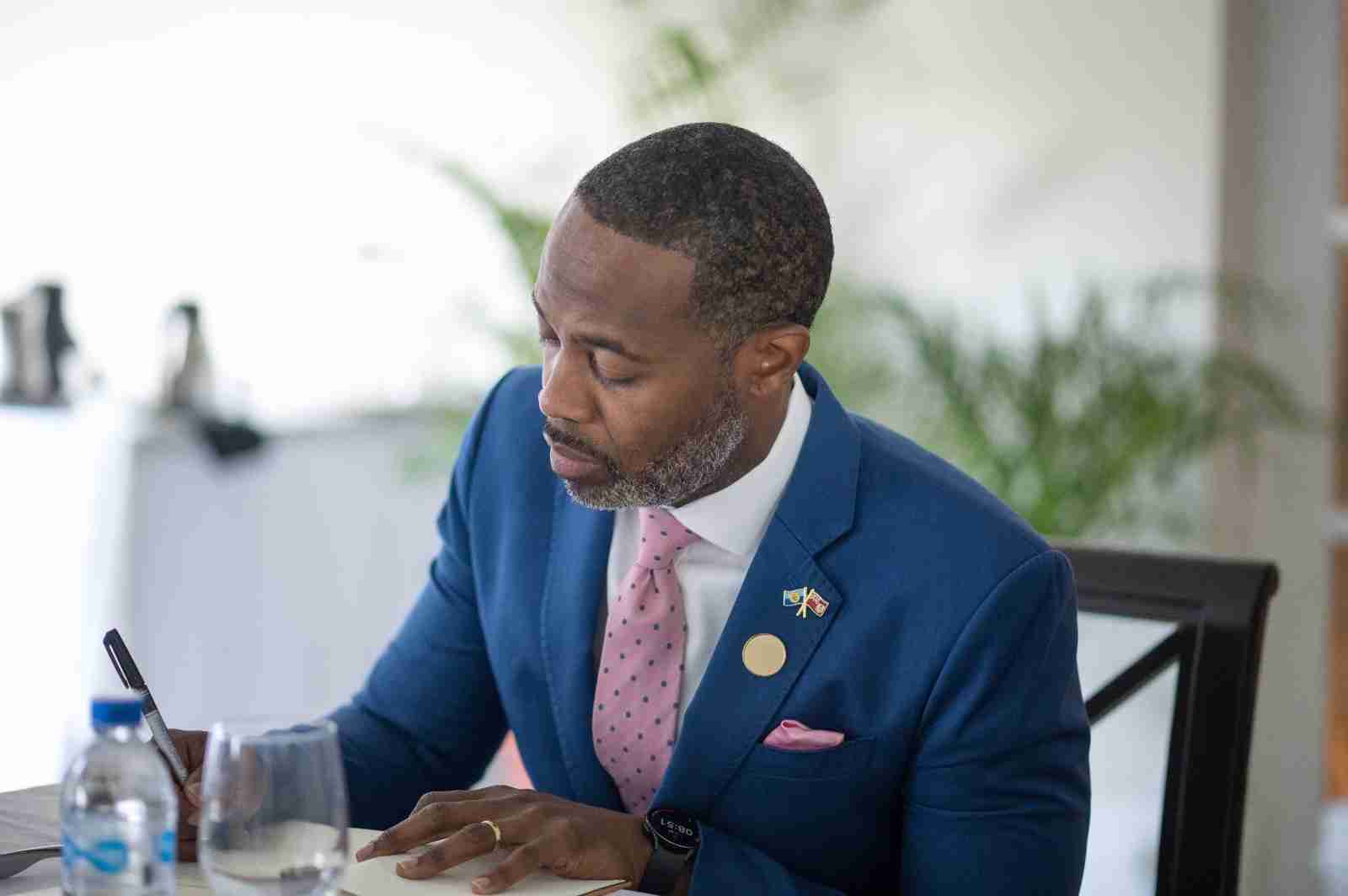
The Premier, the Hon. David Burt, JP, MP, has described Bermuda’s participation in the 51st Regular Meeting of the Conference of Heads of Government of CARICOM in St. Lucia was “productive and forward looking”, highlighting that Bermuda’s discussions focused on food security, reducing the cost of living, trade diversification, and Bermuda’s continued engagement toward full CARICOM membership.
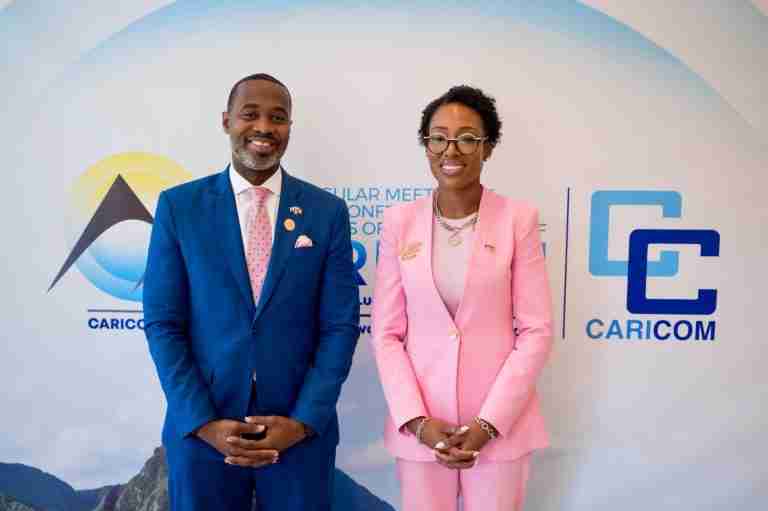
The public will note that Premier Burt attended the meeting alongside Minister of Home Affairs, the Hon. Alexa Lightbourne, JP, MP, who has led the Government’s national conversation on Full Membership in the Caribbean Community.

The Premier said Bermuda was “warmly received” by CARICOM member states and noted the continued support for Bermuda’s deeper engagement within the regional community.

Premier Burt said, “CARICOM member states have always been supportive of Bermuda and the other Associate Members. As a small jurisdiction navigating a rapidly changing global environment, it is important that we continue to strengthen our relationships, build partnerships, and work collaboratively on issues that impact our people.”

A major focus of the Heads of Government discussions was the cost of living, said Premier Burt, which remains a shared concern across the region.

Leaders reviewed initiatives designed to reduce food import costs, strengthen food security and sustainability, and expand agricultural production throughout CARICOM.

During the meetings, regional leaders examined strategies to boost food production, diversify import sources, and improve trade resilience. These efforts are intended to reduce dependence on traditional supply chains and create greater economic stability for consumers.

The Premier said, “There were extensive discussions on agriculture, food production and reducing food import bills. The cost of living is the number one issue not only in Bermuda but across the Caribbean. Working together with countries that are successfully reducing the cost of food and goods provides important opportunities for Bermuda.

“We are seeing significant work across the region focused on trade diversification and food security. That includes expanding access to goods from different markets and strengthening regional transportation and supply networks. These are practical measures that can help reduce the cost of imports and ultimately benefit Bermudian families.”

And Minister Lightbourne, who has responsibility for CARICOM and the Government’s Affordability Strategy, added, “The regional discussions aligned closely with the Affordable Bermuda Agenda and our work to lower household costs at home.

“For Bermuda, food security and affordability are kitchen table issues. They shape what families can put in the cupboard and what is left in the budget at the end of the month. We will pursue every opportunity to diversify our supply chains, strengthen food resilience, and identify practical measures that lower costs for consumers.

“The work underway across CARICOM on food production, agricultural innovation, and trade cooperation offers real opportunities for Bermuda as we build a more sustainable and resilient future.” The Premier also emphasised that Bermuda has much to contribute to regional discussions, citing the Island’s economic expertise and strong international reputation.

The Premier added, “Bermuda is one of the most advanced economies in the world. We have significant expertise to share, and we also stand to gain from stronger regional partnerships. It is important that we continue to expand our relationships and take advantage of regional arrangements that can deliver benefits for our people.”

During the meeting, Premier Burt and Minister Lightbourne also held discussions related to Bermuda’s ongoing consideration of full CARICOM membership.

It should be noted that progress continues to be made as Bermuda works through the various technical and constitutional considerations associated with deeper integration.

The Premier said the Government’s proposed White Paper on Bermuda’s potential full membership in CARICOM remains an important part of that process and will outline the conclusions and recommendations arising from ongoing consultations and discussions.

The Premier said, “Progress has certainly been made in our discussions. The work is continuing, and the White Paper will set out the Government’s position and provide the public with a detailed explanation of the opportunities and considerations associated with full membership.”

He added that Bermuda’s engagement with CARICOM should be viewed through the lens of long term national interests.

“Countries cannot afford to stand still,” Premier Burt said.

“As we move forward, it is in Bermuda’s interest to strengthen and diversify our relationships around the world. Regional cooperation is an important part of ensuring future economic resilience and creating opportunities that benefit our people.”

And Minister Lightbourne noted, “The Government is advancing Bermuda’s engagement with CARICOM in a way that serves our long-term national interests. The forthcoming White Paper will set out the opportunities, the considerations, and the progress made to date in a form the public can readily understand. We will bring this work to a conclusion that serves Bermuda’s best interests.”

Reflecting on the meeting, Premier Burt said, “This was a very positive meeting. The discussions were focused on issues that matter to people every day, the cost of living, food security, trade and economic opportunity. Progress is being made, and Bermuda will continue to engage constructively with our regional partners to ensure those benefits are realized for Bermudians.”

Media release and images supplied by the Government of Bermuda.

BP CEO says company must sharpen financial discipline

O’Neill, who took over as CEO in April following the abrupt departure of Murray Auchincloss last year and the removal of Chair Albert Manifold in May over bullying allegations that he denies, has been working to rebuild investor trust by cutting costs and debt

International News via Reuters:

BP CEO Meg O’Neill said on Thursday the British energy major needs to prioritise financial discipline by simplifying its portfolio, cutting costs and tightening capital spending, as the company refocuses on its core oil and gas investments. 

O’Neill, who took over as CEO in April following the abrupt departure of Murray Auchincloss last year and the removal of Chair Albert Manifold in May over bullying allegations that he denies, has been working to rebuild investor trust by cutting costs and debt.

She said BP needed to be more selective in its investment decisions as it works through its strategy reset after an unsuccessful push into renewables.

“We need to be deliberate about where we invest and where we don’t,” O’Neill said in a LinkedIn post on the 100th day of her being in the role. “We need to make fewer, better choices and hold ourselves to account.”

BP REJIGGED INTO TWO SEGMENTS FROM START OF THE MONTH

O’Neill laid out three priorities to make BP simpler and more valuable — operational excellence, improved accountability and strong discipline in costs, cash and capital.

BP’s reorganisation into two business segments — upstream and downstream — from three went into effect at the start of this month. 

O’Neill said on Thursday the move will help reduce complexity at the energy major, with trading connecting the upstream and downstream businesses. 

She told investors at a meeting Thursday that BP will prioritise reducing debt to improve cash flow and continue reshaping its portfolio, including an expected divestment of Lightsource BP, said RBC analysts in a note about the meeting. 

“Ultimately, we expect BP to put forward a strategy which is focused on growing scale in core positions (U.S. Gulf of Mexico, etc), but in the very first instance, the company will need to shrink the debt burden to make room for more investment,” RBC analysts said.

STRAIT OF HORMUZ DISRUPTION

The start of O’Neill’s tenure at BP came as the U.S.-Israeli war on Iran disrupted the global energy market with little shipping traffic going through the critical Strait of Hormuz. The crisis helped boost BP’s results in the first quarter, with profit more than doubling year-on-year to $3.2 billion.

BP’s trading and shipping teams worked with its refining unit to deliver an extra 50 million litres of diesel from Cherry Point refinery in Washington state to Sydney to help increase supplies in Australia, O’Neill said on LinkedIn.

Its Castellon refinery in Spain also increased jet fuel output by 30% ahead of Europe’s summer travel season in response to the crisis. 

Reporting by Stephanie Kelly; Editing by Emelia Sithole-Matarise and Jan Harvey

ASEAN foreign ministers to hold meeting with Myanmar counterpart at weekend

The meeting comes as the new army-backed government in Myanmar, in place following an election earlier in the year, seeks the lifting of a ban on its leaders

International News via Reuters:

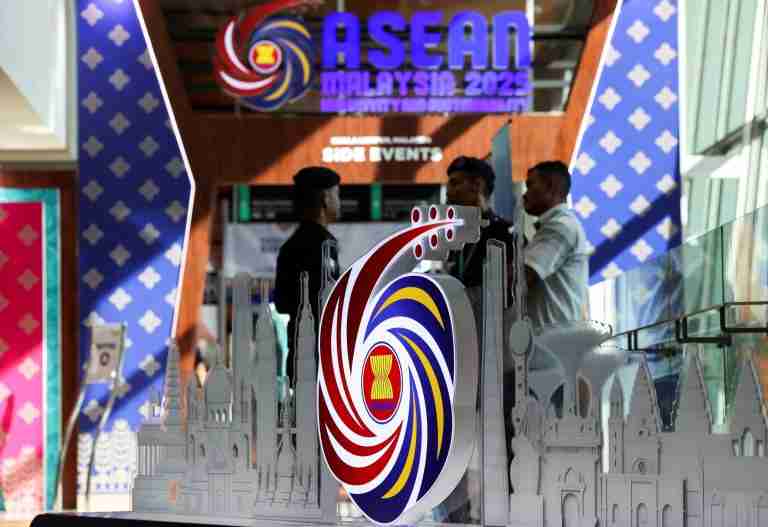
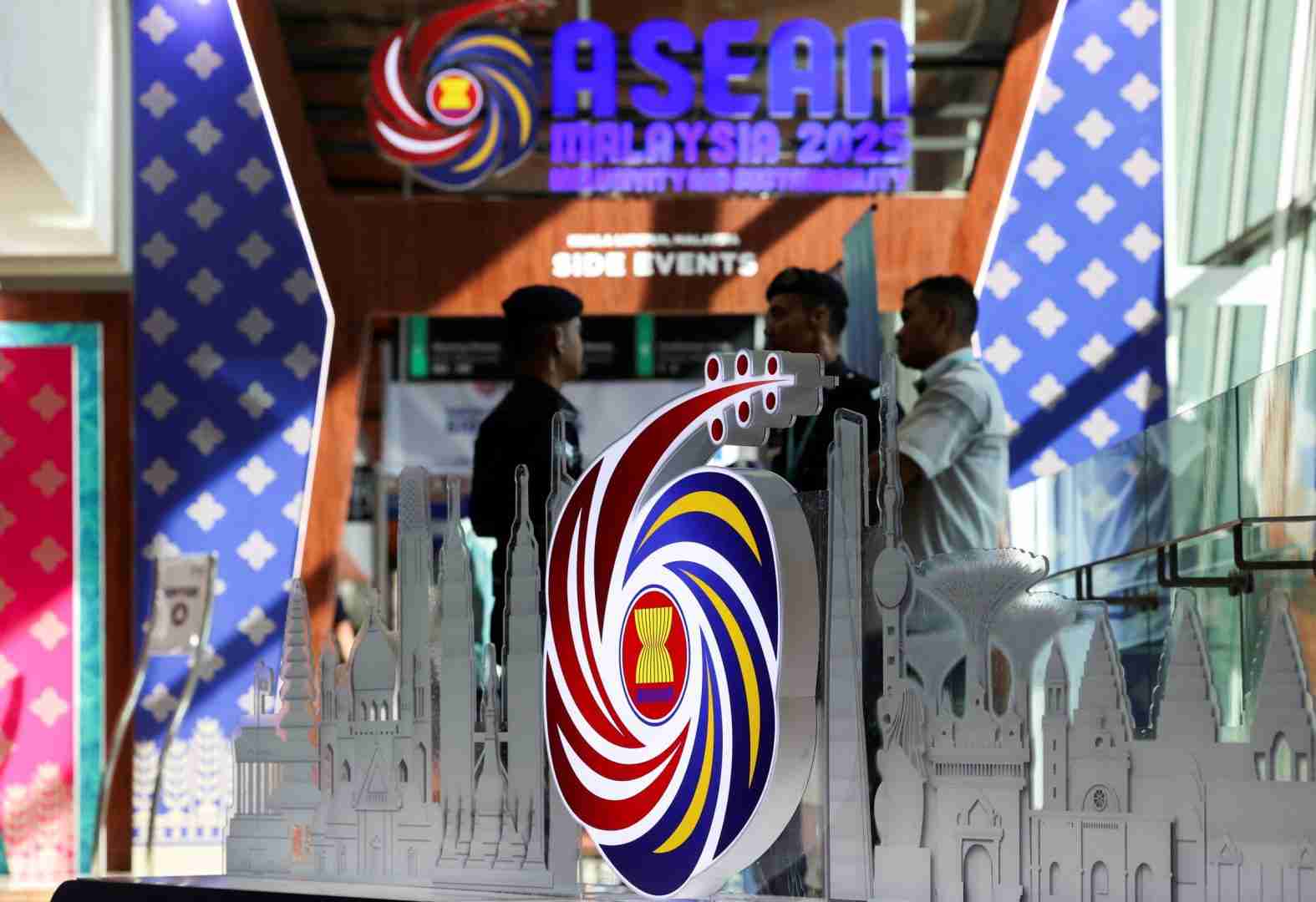
Foreign Ministers of the Southeast Asian bloc ASEAN will hold an informal meeting with their Myanmar counterpart in Bangkok on July 12, Thailand and Vietnam said on Thursday.  

The meeting comes as the new army-backed government in Myanmar, in place following an election earlier in the year, seeks the lifting of a ban on its leaders, after they were sidelined from ASEAN’s summits following a 2021 military coup and an ensuing civil war.

“The meetings in Bangkok is an opportunity for ASEAN foreign ministers to directly exchange views, strengthen cooperation, and promote reconciliation dialogue in Myanmar,” Vietnam foreign ministry spokesperson Pham Thu Hang said in a briefing.

Thailand’s foreign ministry also confirmed the meeting in a schedule for a regular press conference.  

The protracted civil war in Myanmar, in which an array of armed group are battling against the military, has devastated swathes of the impoverished nation, killing over 100,000 people and displacing millions.

Association of Southeast Asian Nations foreign ministers had at a summit in May agreed to hold a virtual meeting with Myanmar’s top diplomat at an unspecified date, following a push by Thailand to foster greater engagement with the ‌new administration in Naypyitaw.

The 11-member ASEAN had distanced itself from Myanmar’s junta after the ruling generals failed to act on the bloc’s peace plan, known as the “five-point consensus”, but many of its member states have since changed tack.

Myanmar’s former junta chief turned president, Min Aung Hlaing, who led the 2021 coup, made a state visit to Laos last week, his first trip to an ASEAN member state since taking on his new civilian role.

Reporting by Khanh Vu; Writing by Devjyot Ghoshal; Editing by Martin Petty

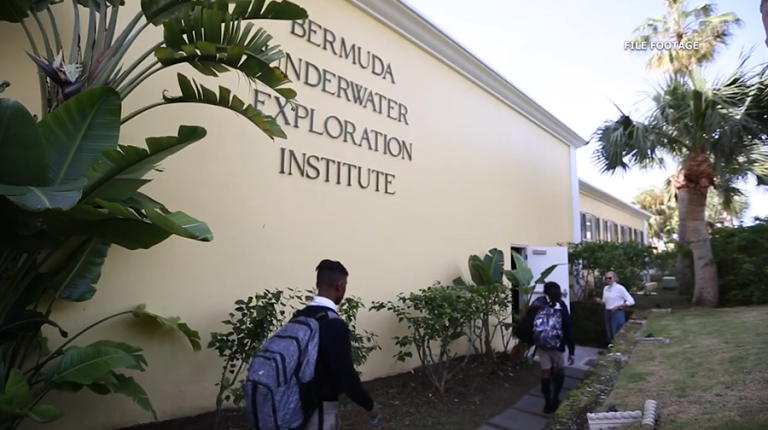
BUEI highlights power of environmental education

New Ripple Effect 2.0 programme aims to inspire Bermuda’s future conservation leaders

Plastic Free July is underway, a global campaign encouraging people to reduce their reliance on single-use plastics.

Here on island, the Bermuda Underwater Exploration Institute is urging residents to make more sustainable choices, saying protecting the environment is something Bermudians have long embraced.

More in the above report.

Police appeal after serious Devonshire collision

Motorcyclist taken to hospital with head injury after collision with truck; investigators seek witnesses

Around 7:10am, today Wednesday, July 8, 2026, Police along with Emergency Medical Services personnel were dispatched to a serious road traffic collision involving a motorcycle and a truck near the junction of Kent Avenue and South Road Devonshire.

It appears the motorcycle rider, a 26-year-old male sustained a head injury and was transported by ambulance to King Edward VII Memorial Hospital for treatment of his injuries, the extent of which is unknown.

There was no report of injuries to the truck driver.

The collision resulted in an oil spill which was cleared with the assistance of staff from the Department of Works and Engineering.

There was some disruption to traffic flow for approximately three hours, while the collision scene was being processed with diversions in place at Brighton Hill and Tee Street.

Sergeant Francis Blackman, of the Tactical Support Division, thanked the public for their patience and cooperation while the diversions remained during the morning commute: “We appreciate that it is stressful to have to endure these delays, but the diversions are necessary to allow for our forensic support team to properly process the collision scene. We urge you to please exercise safe driving practices and assist us in reducing road harm.”

An investigation into this collision has begun and anyone who may have witnessed or has information about this incident, is asked to call the main police number, 295-0011. 

Media release supplied by the Bermuda Police Service.

NATO touts $50 billion in arms deals as leaders meet in Ankara

While some announcements involve firm contracts and procurement plans, others remain subject to further negotiations, approvals or future development

International News via Reuters:

Defence companies from NATO member states gathered in Ankara this week for an industry forum held alongside the alliance’s annual summit, where officials touted more than $50 billion in defence procurement and industrial agreements as allies sought to demonstrate their commitment to bolstering military spending.

While some announcements involve firm contracts and procurement plans, others remain subject to further negotiations, approvals or future development. The agreements come as European allies face continued pressure from U.S. President Donald Trump to shoulder a greater share of the alliance’s defence burden.

Following are the deals announced so far:

SAAB

Swedish defence equipment maker Saab said NATO will begin formal negotiations on the acquisition of up to 10 GlobalEye airborne early warning and control aircraft.

CEO Micael Johansson told reporters the company could start deliveries as soon as 2030, and the final price would be roughly $400 million to $450 million per aircraft.

LOCKHEED MARTIN, RHEINMETALL

Lockheed Martin and Rheinmetall signed a memorandum of understanding on Tuesday to jointly produce ATACMS missiles in Germany, a move that would mark the first manufacture of the short-range ballistic missile outside the United States.

Separately, the United States will establish a maintenance facility in Europe for Lockheed Martin’s advanced PAC-3 air defence missile, U.S. Undersecretary of Defense Michael Duffey said on Tuesday. Washington is not ruling out production of the missile abroad, he added, although it is not yet clear where the facility will be located.

The UK will spend $254 million on Lockheed Martin’s long-range Precision Strike Missiles (PrSM), with the first deliveries expected in 2027, Britain’s Ministry of Defence said. It added the UK could join current programme partners Australia and the U.S. to further develop the missile.

NORTHROP GRUMMAN 

NATO Secretary General Mark Rutte said allies will buy up to five Northrop Grumman MQ-4C Triton high-altitude surveillance drones, with Norway, Finland, Germany and Denmark signing a letter of intent for the purchase.

AIRBUS 

NATO will launch a strategic airlift fleet of Airbus A400M transport planes and expand its A330 MRTT tanker fleet by one aircraft, NATO Secretary General Mark Rutte said.

ISAR AEROSPACE

German rocket maker Isar Aerospace signed a contract with Canada’s Maritime Launch Services to build and use a dedicated launch pad for its Spectrum rocket at Spaceport Nova Scotia, eastern Canada.

ACCENTURE, LEONARDO

IT consulting firm Accenture and Italian defence company Leonardo signed a seven-year contract worth about 200 million euros to design and operate a secure NATO communications network.

GERMANY, U.S.

Germany has agreed with the U.S. to acquire Raytheon-made Tomahawk cruise missiles and station them on German territory, Chancellor Friedrich Merz told lawmakers in Berlin on Thursday, removing uncertainty on the future of the programme after President Donald Trump said in May he would reduce U.S. military presence in the country.

Reporting by Emanuele Berro, editing by Matt Scuffham

Iran to bury slain Supreme Leader in culmination of mass funeral

The burial in Mashhad in northeast Iran follows a week of mass funeral processions, rallies and mourning ceremonies that has coincided with a renewed burst of conflict with the United States following weeks of truce

International News via Reuters:

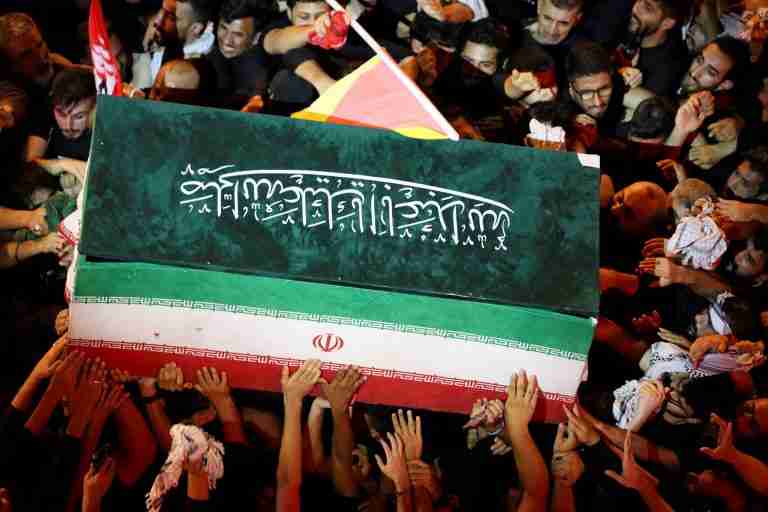
Iran buries its slain Supreme Leader Ayatollah Ali Khamenei on Thursday at the country’s holiest shrine, with his son and successor Mojtaba Khamenei still hidden from public view after being disfigured in the strike that killed his father. 

The burial in Mashhad in northeast Iran follows a week of mass funeral processions, rallies and mourning ceremonies that has coincided with a renewed burst of conflict with the United States following weeks of truce. 

Crowds marched through Mashhad on Thursday morning, the golden onion dome and minarets of the Shrine of Imam Reza glinting in the morning sun, as they waved Iranian flags, photographs of the late Khamenei and placards with revolutionary slogans.

As Khamenei’s body was transported around Iran and Iraq over the past week, the Islamic Republic’s clerical leaders encouraged huge crowds to attend in an effort to vaunt the might and ideological fire of their theocratic state. 

However, despite it having survived a months-long blitz by its strongest enemies the United States and Israel, Iran faces huge internal challenges and the legacy of Khamenei’s 37-year rule is bitterly disputed.

‘KILL TRUMP’ PLACARDS APPEAR AT BURIAL CEREMONY

The whereabouts of Mojtaba Khamenei, proclaimed Supreme Leader by a clerical assembly a week after his father’s death, has remained a mystery to Iranians. 

He has not appeared in public since the war began with the strike that killed Ali Khamenei on February 28, and while he has issued written statements, no image or video or voice recording of him has been issued.   

He suffered debilitating injuries in that same strike, his face disfigured and limbs badly wounded.

Senior sources in Tehran have said he is recovering but that he has not yet been well enough to manage public appearances and state security services are also trying to limit his exposure in case of more U.S. attacks. 

As crowds jostled in Mashhad awaiting Khamenei’s funeral cortege, the crowd chanted slogans demanding revenge on U.S. President Donald Trump for his killing. 

“I swear by the blood of the Supreme Leader, Trump, we will kill you!” they shouted, with women holding up placards reading “Kill Trump”.

The roads leading to the shrine were a sea of black-clad mourners on Thursday, some responding to shouted chants in praise of Khamenei and against Iran’s enemies, including the old revolutionary slogan of “Death to America”.

As the crowds awaited the coffins of Khamenei and his family in the sweltering July heat, hoses pumped water high into the air to spray across the mourners and keep them cool.

Khamenei’s remains, along with those of four family members killed alongside him, have already been paraded through Tehran, the Shi’ite Muslim clerical centre of Qom, and the Iraqi shrine cities of Najaf and Karbala. 

At each event, huge crowds have thronged the streets to the mournful accompaniment of sung Shi’ite laments and chanted revolutionary slogans. 

Martyrdom holds a central place in Shi’ite theology, and Khamenei’s death at the hands of foreign enemies has played into a religious and political tradition that runs deep through the Islamic Republic. 

KHAMENEI’S LONG RULE AND DISPUTED LEGACY 

The funeral comes at a critical moment for Iran, turning the page of nearly four decades of Khamenei’s rule and months after the latest round of mass nationwide protests against the Islamic Republic. 

Security forces put down that unrest, sparked by anger over the sanctions-throttled economy, by killing thousands of demonstrators in a wave of repression that echoed other bouts of violence over recent years. 

While analysts see Iran as having emerged from the war strategically strengthened, with its grip over the vital Strait of Hormuz intact, it has suffered widespread damage that has added to internal economic woes. 

The late Khamenei was appointed supreme leader in 1989, a decade after the Islamic revolution, and over the decades he consolidated political, economic and military power in his office. 

That effort, which increasingly marginalised the elected president and parliament, was conducted in concert with the Islamic Revolutionary Guard Corps that grew in influence throughout Khamenei’s rule. 

Mojtaba Khamenei was appointed with the backing of the Guards, who are now seen as the dominant force in Iranian political and strategic thinking.   

Writing by Angus McDowall; Editing by Alexandra Hudson