Tuesday, October 27, 2026
Home Blog Page 168

Iran to bury slain Supreme Leader in culmination of mass funeral

The burial in Mashhad in northeast Iran follows a week of mass funeral processions, rallies and mourning ceremonies that has coincided with a renewed burst of conflict with the United States following weeks of truce

International News via Reuters:

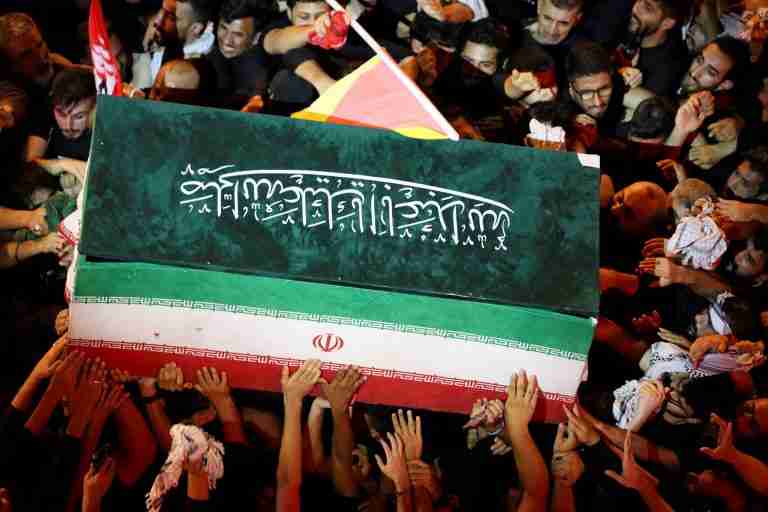
Iran buries its slain Supreme Leader Ayatollah Ali Khamenei on Thursday at the country’s holiest shrine, with his son and successor Mojtaba Khamenei still hidden from public view after being disfigured in the strike that killed his father. 

The burial in Mashhad in northeast Iran follows a week of mass funeral processions, rallies and mourning ceremonies that has coincided with a renewed burst of conflict with the United States following weeks of truce. 

Crowds marched through Mashhad on Thursday morning, the golden onion dome and minarets of the Shrine of Imam Reza glinting in the morning sun, as they waved Iranian flags, photographs of the late Khamenei and placards with revolutionary slogans.

As Khamenei’s body was transported around Iran and Iraq over the past week, the Islamic Republic’s clerical leaders encouraged huge crowds to attend in an effort to vaunt the might and ideological fire of their theocratic state. 

However, despite it having survived a months-long blitz by its strongest enemies the United States and Israel, Iran faces huge internal challenges and the legacy of Khamenei’s 37-year rule is bitterly disputed.

‘KILL TRUMP’ PLACARDS APPEAR AT BURIAL CEREMONY

The whereabouts of Mojtaba Khamenei, proclaimed Supreme Leader by a clerical assembly a week after his father’s death, has remained a mystery to Iranians. 

He has not appeared in public since the war began with the strike that killed Ali Khamenei on February 28, and while he has issued written statements, no image or video or voice recording of him has been issued.   

He suffered debilitating injuries in that same strike, his face disfigured and limbs badly wounded.

Senior sources in Tehran have said he is recovering but that he has not yet been well enough to manage public appearances and state security services are also trying to limit his exposure in case of more U.S. attacks. 

As crowds jostled in Mashhad awaiting Khamenei’s funeral cortege, the crowd chanted slogans demanding revenge on U.S. President Donald Trump for his killing. 

“I swear by the blood of the Supreme Leader, Trump, we will kill you!” they shouted, with women holding up placards reading “Kill Trump”.

The roads leading to the shrine were a sea of black-clad mourners on Thursday, some responding to shouted chants in praise of Khamenei and against Iran’s enemies, including the old revolutionary slogan of “Death to America”.

As the crowds awaited the coffins of Khamenei and his family in the sweltering July heat, hoses pumped water high into the air to spray across the mourners and keep them cool.

Khamenei’s remains, along with those of four family members killed alongside him, have already been paraded through Tehran, the Shi’ite Muslim clerical centre of Qom, and the Iraqi shrine cities of Najaf and Karbala. 

At each event, huge crowds have thronged the streets to the mournful accompaniment of sung Shi’ite laments and chanted revolutionary slogans. 

Martyrdom holds a central place in Shi’ite theology, and Khamenei’s death at the hands of foreign enemies has played into a religious and political tradition that runs deep through the Islamic Republic. 

KHAMENEI’S LONG RULE AND DISPUTED LEGACY 

The funeral comes at a critical moment for Iran, turning the page of nearly four decades of Khamenei’s rule and months after the latest round of mass nationwide protests against the Islamic Republic. 

Security forces put down that unrest, sparked by anger over the sanctions-throttled economy, by killing thousands of demonstrators in a wave of repression that echoed other bouts of violence over recent years. 

While analysts see Iran as having emerged from the war strategically strengthened, with its grip over the vital Strait of Hormuz intact, it has suffered widespread damage that has added to internal economic woes. 

The late Khamenei was appointed supreme leader in 1989, a decade after the Islamic revolution, and over the decades he consolidated political, economic and military power in his office. 

That effort, which increasingly marginalised the elected president and parliament, was conducted in concert with the Islamic Revolutionary Guard Corps that grew in influence throughout Khamenei’s rule. 

Mojtaba Khamenei was appointed with the backing of the Guards, who are now seen as the dominant force in Iranian political and strategic thinking.   

Writing by Angus McDowall; Editing by Alexandra Hudson
EU proposes asset freezes and travel bans to fight migrant smuggling

The proposal requires unanimous approval by the European Council before it can be implemented

International News via Reuters:

The European Union proposed on Thursday a new sanctions framework targeting migrant smuggling, human trafficking, and other forms of organised crime, which would impose asset freezes and travel bans on offenders.

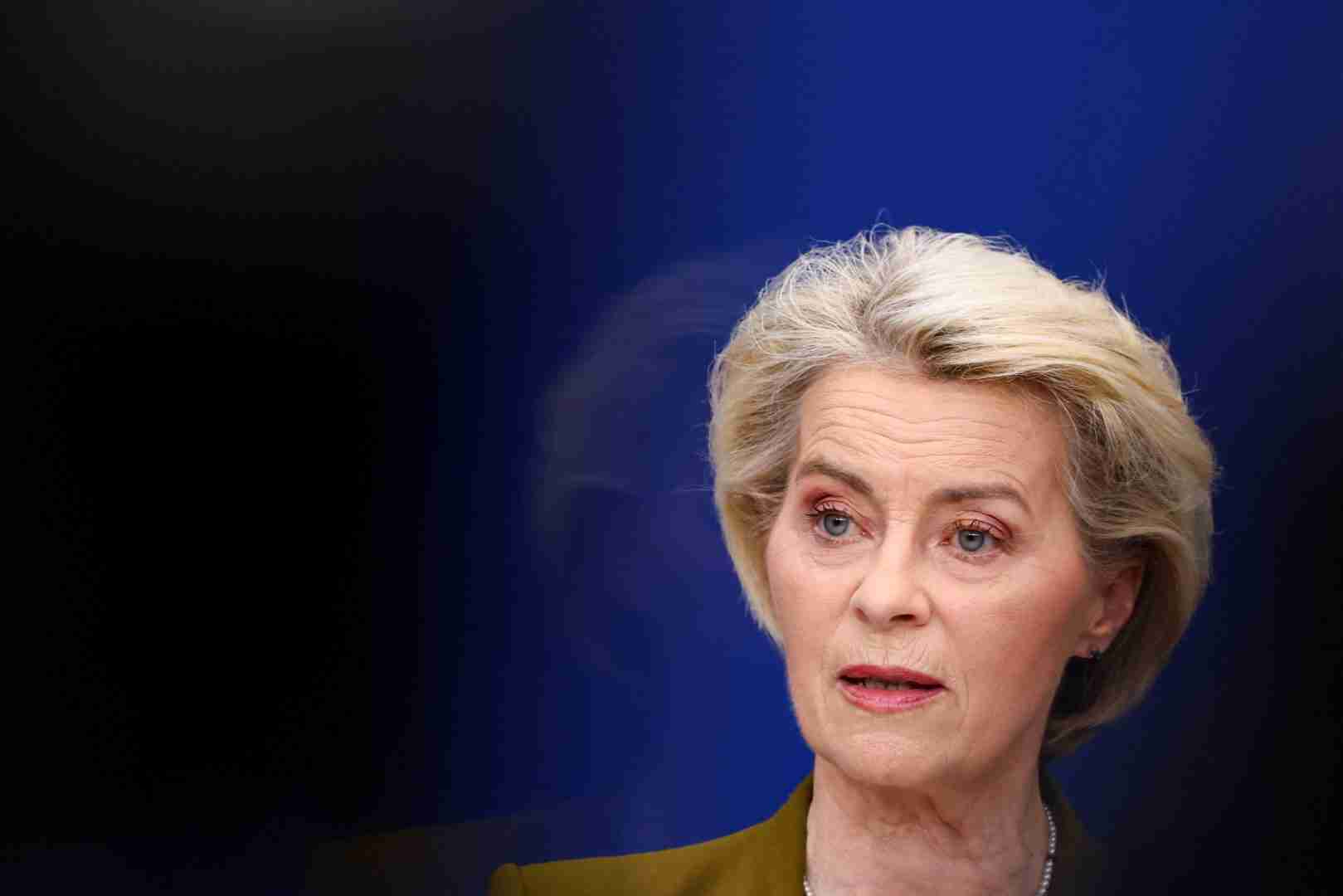
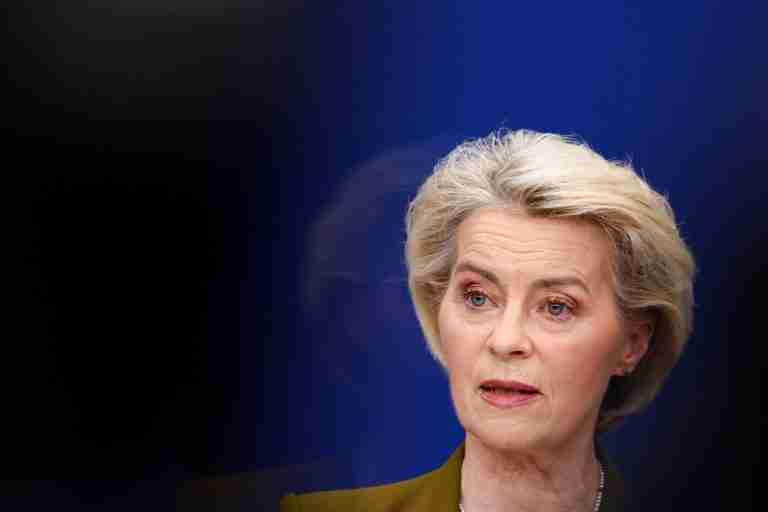
“We all have a common goal. To drive them out of business. And to save the lives of thousands of people who dream of a better life,” European Commission President Ursula von der Leyen said in a statement, referencing the crackdown on migrant smugglers and traffickers. 

“We in Europe must be the ones to decide who comes to us and in what circumstances.”

The proposal requires unanimous approval by the European Council before it can be implemented.

The announcement comes amid tough debates around migration policy in the EU. 

Last month, the European Parliament approved a migration overhaul aimed at streamlining deportations and permitting offshore detention centres. The measure has drawn criticism from countries like France and Spain, with critics arguing it is overly harsh and undermines asylum protections.

Reporting by Makini Brice, editing by Andrei Khalip

Death toll from Venezuela quakes rises to 3,811 as government seeks frozen funds

The latest tally puts the number of injured in the June 24 quakes at 16,740, and the number of homeless at 17,907

International News via Reuters:

The death toll from Venezuela’s twin earthquakes has risen to 3,811, according to figures released by National Assembly President Jorge Rodriguez on Wednesday.

The latest tally puts the number of injured in the June 24 quakes at 16,740, and the number of homeless at 17,907.

Interim President Delcy Rodriguez renewed calls for international sanctions on Venezuela to be lifted to assist the earthquake recovery, saying the country had enough overseas assets to help finance reconstruction if blocked accounts were released.

“Venezuela has resources blocked around the world that could address this process of reconstruction,” the president said on state television channel VTV, adding that funds were also needed for employment and education programs.

The U.S., the European Union and other countries imposed successively more stringent sanctions on Venezuela in the last two decades over allegations that the government engaged in anti-democratic activity and that the country is a haven for drug trafficking.

Many of the measures remain in place. But after the U.S. captured Venezuelan President Nicolas Maduro early this year, Washington provided targeted relief to the country’s oil sector.

After the earthquakes, the U.S. authorized for four months transactions related to earthquake relief that would have been banned by sanctions.

Delcy Rodriguez said she had sent a letter to King Charles requesting the release of Venezuelan gold held at the Bank of England. She also said she had spoken with the head of the International Monetary Fund about releasing funds.

The Bank of England has refused to release some 31 tons of Venezuelan gold held in its vaults. The bullion has been the subject of a long-running legal battle in British courts.

Reporting by Reuters; Writing by Natalia Siniawski, Editing by Jacqueline Wong and Cynthia Osterman

London’s FTSE 100 slips as Middle East tensions persist, AstraZeneca drags

The blue-chip FTSE 100 index fell 0.6% to 10,417.63 points by 1045 GMT, while the midcap FTSE 250 climbed 0.1%

International News via Reuters:

The UK’s FTSE 100 slipped on Thursday as investors grappled with renewed Middle East tensions, with heavyweight AstraZeneca adding to the pressure after reporting disappointing results from a late-stage trial.

The blue-chip FTSE 100 index fell 0.6% to 10,417.63 points by 1045 GMT, while the midcap FTSE 250 climbed 0.1%.

• Oil prices were marginally higher after fresh U.S. strikes on Iran, though investor concerns were tempered after U.S. President Donald Trump said he did not expect the conflict to escalate into a full-fledged war. Energy stocks fell 1%.

• Pharmaceutical shares were the worst performers, down 6.2%, led by a 9.2% drop in AstraZeneca after the drugmaker’s nerve disease drug Wainua, made in partnership with U.S.-based Ionis, failed to meet the main goal of reducing cardiovascular deaths and recurring heart problems in a late-stage trial.

• Precious metal miners rose 2.6%, tracking higher gold prices as a weaker dollar boosted bullion’s appeal, while investors continued to monitor developments in the Middle East for clues on the inflation and interest-rate outlook. [GOL/]

• Playtech topped the midcap index, rising 17.7% after the gaming firm forecast 2026 adjusted core profit above market expectations on robust growth in the U.S. and Latin America.

• Computacenter was among the top performers on the benchmark, rising more than 7% after the IT services provider said it expects annual results to exceed market expectations, helped by strong demand for AI-related infrastructure from hyperscale customers in North America and the UK.

Reporting by Tharuniyaa Lakshmi in Bengaluru; Editing by Shilpi Majumdar

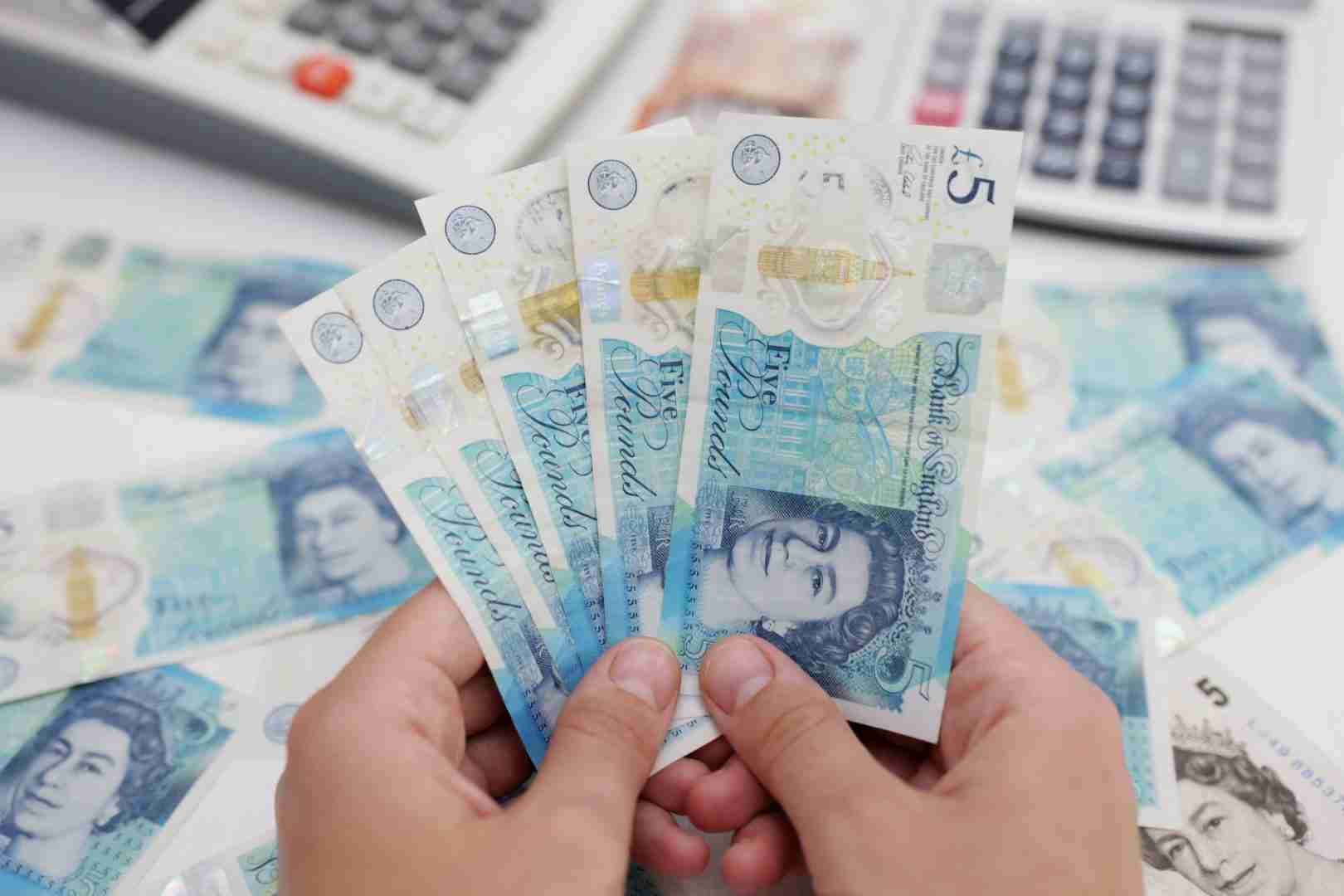
Pound nudges at four-week highs; volatility picks up

Sterling was last up 0.1% on the day at $1.34. It has risen by over 2% since hitting a seven-month low in late June, in the wake of Labour Prime Minister Keir Starmer announcing he would step down

International News via Reuters:

The pound rose on Thursday, as the dollar backed off the previous day’s highs in line with a modest retreat in the oil price, leaving sterling around its highest in four weeks. 

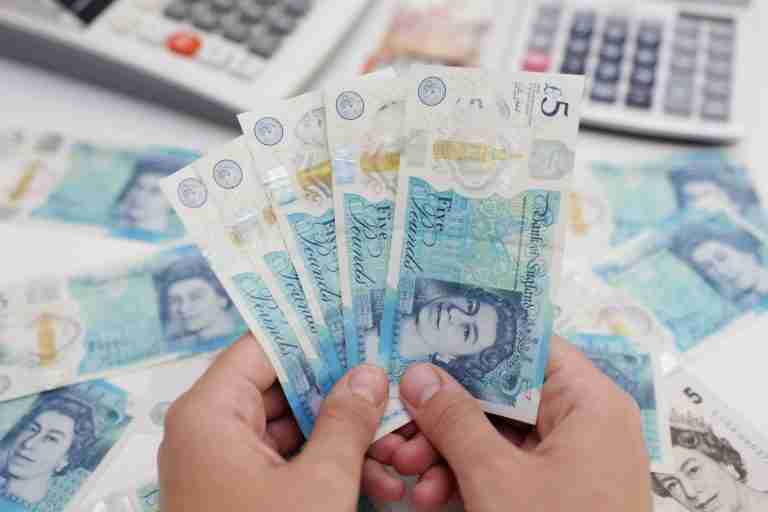
Sterling was last up 0.1% on the day at $1.34. It has risen by over 2% since hitting a seven-month low in late June, in the wake of Labour Prime Minister Keir Starmer announcing he would step down. 

Britain is more dependent on energy imports than many of its neighbours, meaning UK markets are likely to be more sensitive to big swings in the oil price.

With the drop in oil since the peaks above $120 a barrel back in May, traders believe there is a far lower chance of the Bank of England raising interest rates this year than they did previously.

Money markets show traders believe there will be at least one rate hike this year from the BoE, with the chances of a second currently around 25%. A few weeks ago, as many as three were priced in at one point. 

BNY said energy-driven supply shocks could prove beneficial to sterling “on the margins”. The UK stock market has a number of heavyweight oil and gas shares that would benefit from a reacceleration in crude prices.

“Our flow data show that domestic purchases have been highly consistent due to positive real rates. It’s the international component that’s currently limiting sterling’s potential, mostly due to concerns over potential growth and politics,” BNY strategists said in a note.  

Sterling has been more volatile than most other major currencies this week, in part due to heightened political uncertainty over who Andy Burnham, the UK’s next likely prime minister, may pick as his finance minister.

Overnight implied volatility, a measure of trader demand for protection against sudden shifts in the value of the pound, is around 6%, second only to the euro, where overnight implied vol is at 6.5%.

The pound has been forging higher across the board over the last few weeks. The euro, which on Thursday was steady at 0.853 pounds, is around its weakest in a year against sterling, while the Japanese yen is close to its lowest in over 18 years.

Reporting by Amanda Cooper; Editing by William Maclean

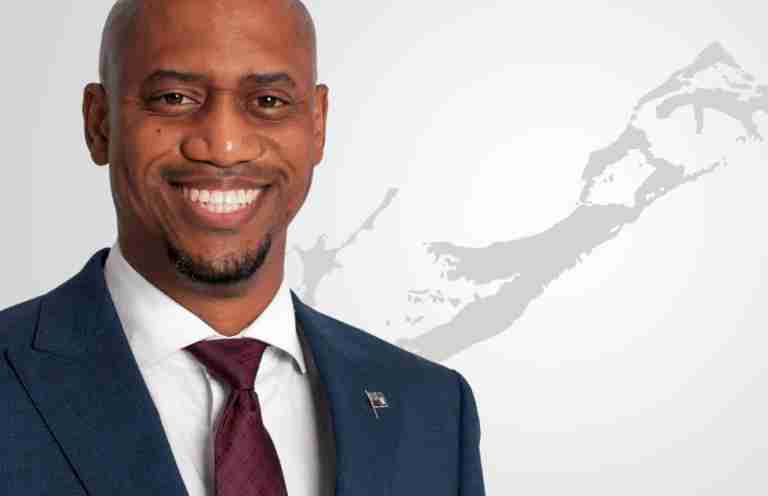
Shadow MP calls for 90-day action plan for national security

Shadow Minister for National Ministry, Governance and AI, Jarion Richardson said no one ministry can effectively operate strategies on public safety and violence reduction

The Opposition One Bermuda Alliance has called for the establishment of a cross ministry committee to crack down on violence, crime and public safety matters.


Shadow National Security and Governance Minister Jarion Richardson argued that issues of security touch upon a myriad of areas that need a consolidated plan of action.


Jasmine Patterson tells us more.

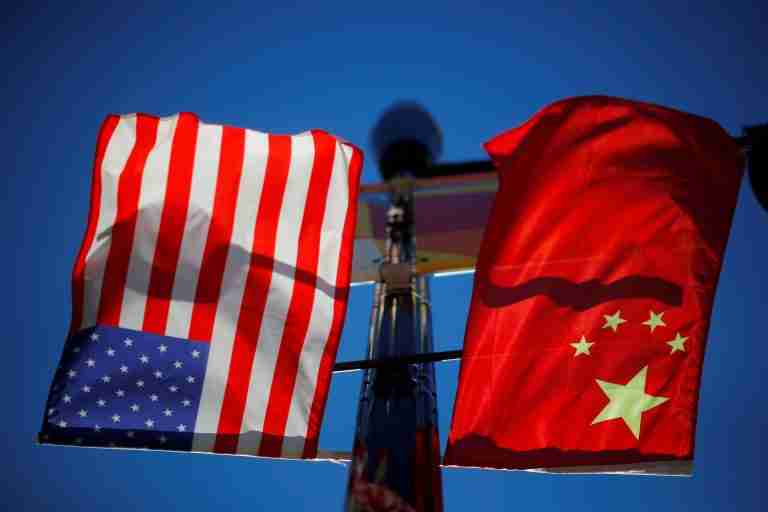
US criticizes China for short notice ahead of missile test

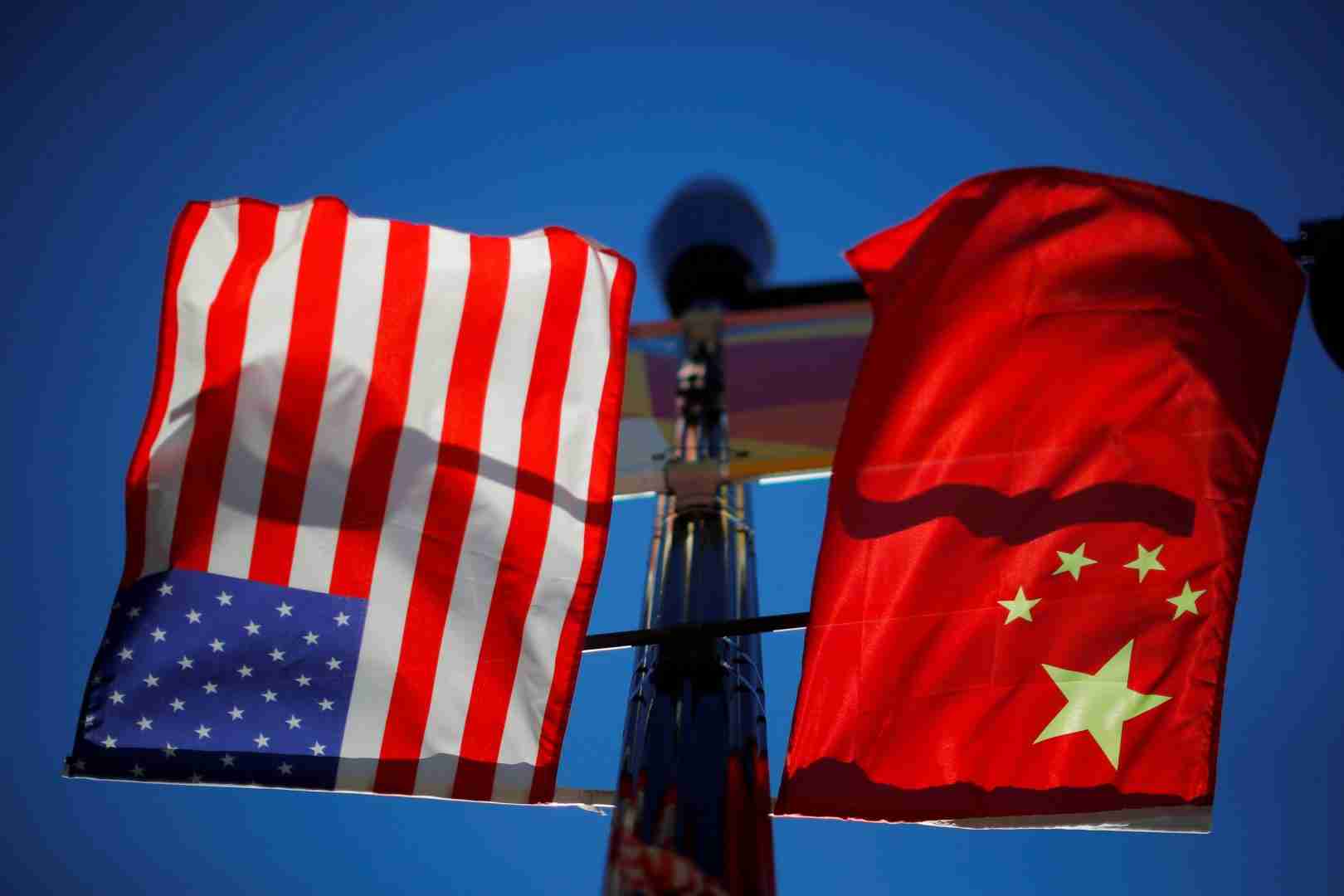
China’s military test-fired the missile from a nuclear-powered submarine into the Pacific on Monday, Chinese state media reported, drawing criticism from the U.S., Japan, Australia, New Zealand and Taiwan

International News via Reuters:

China only gave the United States a few hours notice ahead of a ballistic missile test launch on July 6 and provided insufficient detail, a State Department official said on Wednesday.

China’s military test-fired the missile from a nuclear-powered submarine into the Pacific on Monday, Chinese state media reported, drawing criticism from the U.S., Japan, Australia, New Zealand and Taiwan.

The State Department official’s comments on Wednesday amplified Washington’s increasing concern about the launch.

“China’s notification to the United States came only a few hours before the launch and failed to provide sufficient detail, falling considerably short of standards adopted by all other P5 nuclear weapon states,” the official said. The P5 are the permanent members of the United Nations Security Council and are the only nations recognized as nuclear-weapon states under the 1968 Nuclear Non-Proliferation Treaty.

“The test occurred amid China’s rapid and opaque nuclear weapons buildup and is of great concern to the region,” the official added.

The official told Reuters in a statement that launching such nuclear-capable missiles without participating in the regular diplomatic mechanism for advance notification was “irresponsible.”

“We urge Beijing to engage in meaningful discussions on strategic stability and arms control,” the official said, adding that the U.S. “remains steadfast in its defense commitments to our allies and partners.”

China’s Xinhua news agency had described the launch as a “routine arrangement” of annual military training and not directed against any specific country or target.

Its embassy in Washington did not respond immediately to a request for comment.

While Beijing did not specify what type of missile had been launched, state-controlled tabloid Global Times, citing a military expert, said ​it was likely to have been the JL-3, China’s most advanced submarine-launched missile. That missile could reach the continental ​United States from Chinese coastal waters, according to a Pentagon report.

China, which is undergoing a massive build-up of its nuclear weapons program, has repeatedly rebuffed U.S. efforts to engage in nuclear arms control dialogue. Beijing has long argued that the U.S. already has a much larger arsenal.

In 2024, China halted nascent talks on the issue with the United States in a protest of Washington’s arms sales to democratically governed Taiwan, which Beijing claims as its territory.

Reporting by Michael Martina in Washington, writing by Bhargav Acharya; editing by Michelle Nichols, Don Durfee and Deepa Babington

Crypto firms prepare defenses as quantum threat to encryption draws nearer

Quantum computers can solve complex mathematical problems much faster than today’s sophisticated computers, and could be used to unscramble conventional methods for encrypting digital information

International News via Reuters:

The cryptocurrency industry is starting to prepare for the threat of quantum computing as recent advances fuel concerns that the technology could soon be able to crack the cryptography that protects transactions and digital wallets. 

Quantum computers can solve complex mathematical problems much faster than today’s sophisticated computers, and could be used to unscramble conventional methods for encrypting digital information. That spells trouble for the $2 trillion global cryptocurrency market, which is based on blockchains secured by old-school cryptography and already has a history of major hacks. 

While the technology remains largely experimental, crypto industry concerns have grown since March research from Alphabet’s Google, one of several tech giants pioneering the technology, suggested quantum computers may be able to break that cryptography sooner than previously expected, according to executives and analysts. Google has said that quantum computers capable of breaking encryption could arrive by 2029, whereas previously they were seen as at least a decade out.

Recent research from Citigroup and others has also concluded that quantum computing, along with artificial intelligence breakthroughs, has compressed the time frame in which cryptocurrencies will become widely vulnerable to hackers.

Acknowledging the risks the technology poses to the public and private sectors, U.S. President Donald Trump last month issued executive orders to bolster U.S. quantum capability. 

Some crypto companies and blockchain developers are already drawing up plans to upgrade their networks with quantum-resistant cryptography, a potentially years-long effort that could require sweeping changes to the infrastructure underpinning digital assets.

“It’s the most direct and existential threat towards cryptocurrencies and crypto networks,” said Chris Tam, head of quantum innovation at BTQ Technologies, which focuses on quantum security. 

BLOCKCHAINS USE DECADES-OLD CRYPTOGRAPHY

Most blockchains rely on decades-old elliptic-curve cryptography to generate the public and private keys and digital signatures used to verify ownership of crypto assets and authorize transactions. Public keys are mathematically derived from private keys and, in many blockchain networks, become publicly visible once crypto assets are used in a transaction or transferred.

While conventional computers cannot feasibly derive a private key from a public key, a sufficiently powerful quantum computer could potentially do so, allowing hackers to forge digital signatures and authorize fraudulent transactions.

That is a particularly acute risk for public crypto networks where transactions, unlike traditional payments, are irreversible.

“Crypto especially is uniquely exposed because blockchains are transparent and permanent,” said Utkarsh Ahuja, managing partner at Moon Pursuit Capital, a crypto investor. 

Bitcoin, the biggest cryptocurrency, is considered particularly vulnerable because its 17-year history of transactions has generated a large number of visible public keys.

Roughly 35% of the token’s circulating supply could be exposed to a quantum computing attack, according to an unpublished June 2026 working paper by independent researcher Ahmed Raza Muhammad Umer. Other research from last year has estimated that figure could be as high as 50%.

Just one incident in which a hacker steals and sells a large amount of a token could tank its price, said Cristiano Ventricelli, vice president and senior analyst of digital assets at Moody’s Ratings. “Everyone will feel the impact,” he added.

That risk has already prompted some to rethink bitcoin investments. Christopher Wood, the closely tracked global head of equity strategy at Jefferies, in his January newsletter removed a 10% bitcoin allocation from his model portfolio due to the long-term “existential” threat of quantum computing. 

BLOCKCHAIN UPGRADE PLANS TAKE SHAPE

To be sure, Ahuja and others said they believe it will still be a few years before quantum computing can crack blockchains, and that the industry will be able to upgrade to new “post-quantum” types of cryptography resistant to the technology. 

Many crypto executives also warned that moving too early could create vulnerabilities because post-quantum cryptography is still rapidly evolving. Post-quantum digital signatures are generally much larger than traditional signatures, increasing storage and bandwidth requirements. They could raise costs and degrade user experience, particularly on blockchains with fixed block-size limits, such as bitcoin, said Zach Pandl, head of research at crypto asset manager Grayscale, although he added he had confidence blockchains would ultimately address the issues.

“There is an engineering challenge ahead, but there are engineering solutions already on the table,” he added.

That challenge could take years to overcome. One senior cybersecurity executive at a major crypto player said he expects it will take two years for his company to become fully quantum-resistant. He and others described the potential work as akin to a Y2K-style overhaul when more than $300 billion was spent globally fixing the “millennium bug.”

The problem is especially thorny for blockchains, which are mostly decentralized, meaning they are operated by a community that may not be able to agree on a path forward, said Tam of BTQ Technologies. 

None of the top 20 blockchains have implemented a post-quantum signature algorithm, according to people interviewed for this story. In the case of bitcoin, developers and market participants are divided over which fix to adopt and when to move, executives said. The Ethereum Foundation, which supports the blockchain that underpins ether, the second-largest cryptocurrency, says it is targeting 2029 for full protection from quantum computing. 

“The sort of disaster scenario is that it happens way sooner than we think,” said Christopher Smith, CEO of Quantus, a blockchain that already uses post-quantum cryptography.

The Algorand Foundation, which supports the Algorand blockchain,  whose native token has a market capitalization of around $780 million, is among the early movers. It last month published a post-quantum roadmap and plans to start supporting post-quantum accounts later this year, said Bruno Martins, Algorand Foundation’s chief technology officer.

“It felt right to start doing (something) now, because it’s responsible to have a plan,” Martins added.

Reporting by Hannah Lang in New York; Editing by Michelle Price and Matthew Lewis

Venezuelan fashion workshop swaps gowns for body bags after deadly earthquakes

Civilians have led many of the rescue and recovery operations on the ground, with the help of professional rescue teams from around the world, firefighters and volunteers from the army

International News via Reuters:

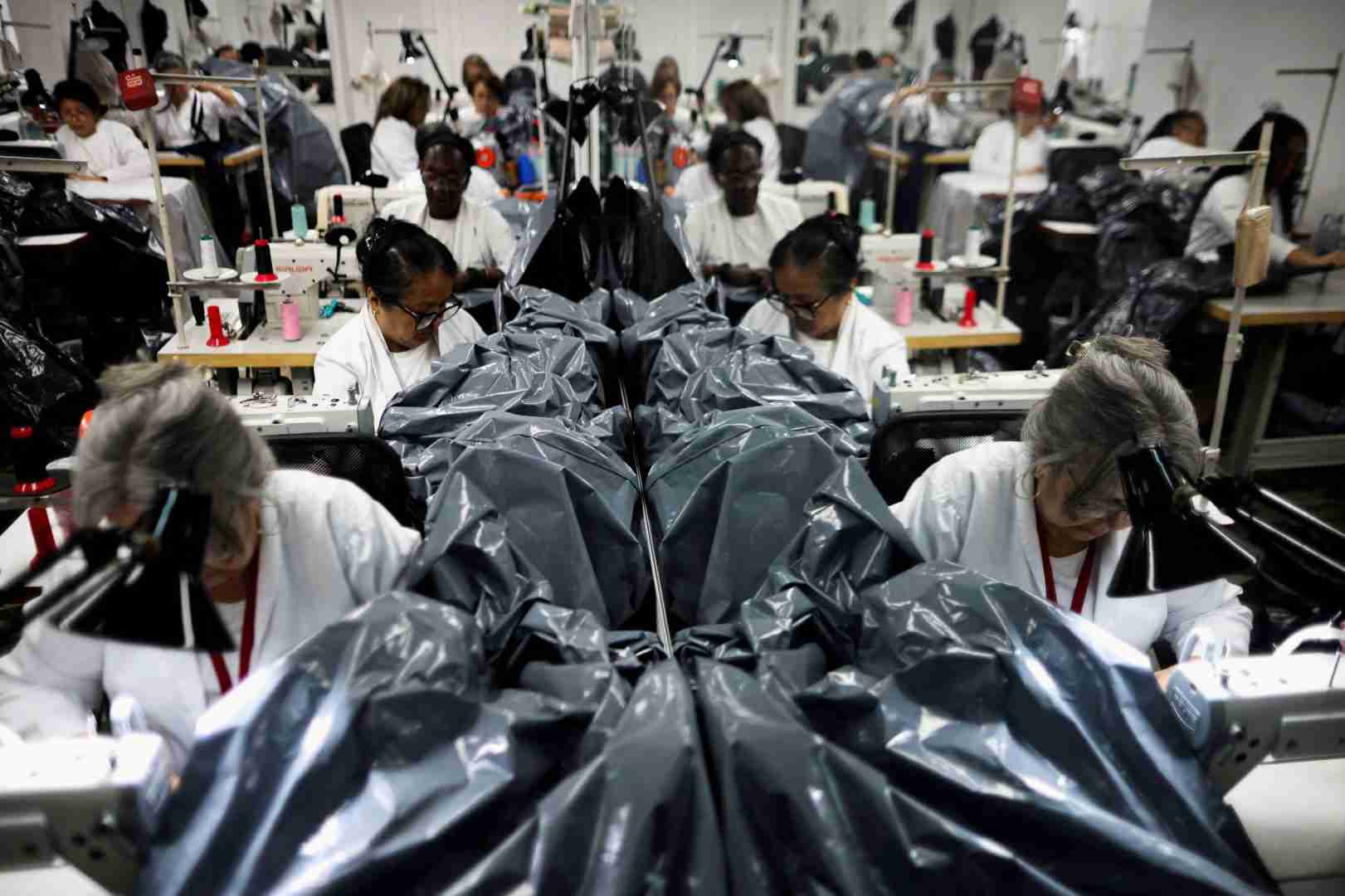
Seated in his office alongside sketches of elegant dresses, fashion designer Efrain Mogollon starts the workday in Venezuela like any other.

But the rows of workers bent over sewing machines are not stitching his usual playful, colorful creations.

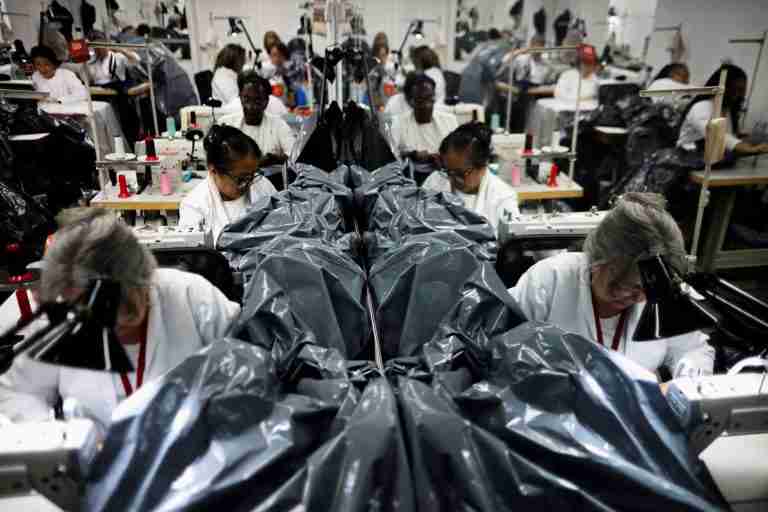
With somber faces, they piece together dark sheaths of plastic to be used as body bags after earthquakes two weeks ago killed more than 3,500 people, overwhelming disaster response services. The only adornment is an embossed image of Jesus Christ, affixed to a zipper.

“It is a completely different feeling,” said Mogollon, as he loaded several plastic-wrapped sheaths into the back of an ambulance in Catia la Mar, a coastal neighborhood in La Guaira state near Caracas that was among the hardest hit in the June 24 tremors of magnitudes 7.2 and 7.5.

“At the same time it fills us with satisfaction to know that, from our small contribution and from our platform, we are helping,” Mogollon added, on a street where buildings were reduced to heaps of concrete, brick and rebar. 

Civilians have led many of the rescue and recovery operations on the ground, with the help of professional rescue teams from around the world, firefighters and volunteers from the army.

Civilians also provided much of the in-kind aid such as food and clothing in the initial days after the quakes, especially in La Guaira. Global humanitarian organizations including the International Rescue Committee have said the response has not met the scale of humanitarian need.

Back in the tightly packed workshop, Mogollon’s team unfurls rolls of black polyethylene across a large table. Bolts of fabric in pinks, reds and blues rest against the wall; female mannequins have been set aside. 

Mary Castillo, a seamstress, has now been sewing body bags every day for two weeks. She says the work has been painful but also given her a sense of purpose amid the tragedy.

“It is very sad. But we have to keep working and make the effort to move forward,” she said. 

Reporting by Javier Andres Rojas; Writing by Daina Beth Solomon; Editing by Alistair Bell

Democrat Rahm Emanuel tells Israel to change course or risk US alliance

A former Chicago mayor and chief of staff to former President Barack Obama, Emanuel used a speech at Tel Aviv University to criticize Prime Minister Benjamin Netanyahu’s government and propose a new U.S. policy toward the Middle East

International News via Reuters:

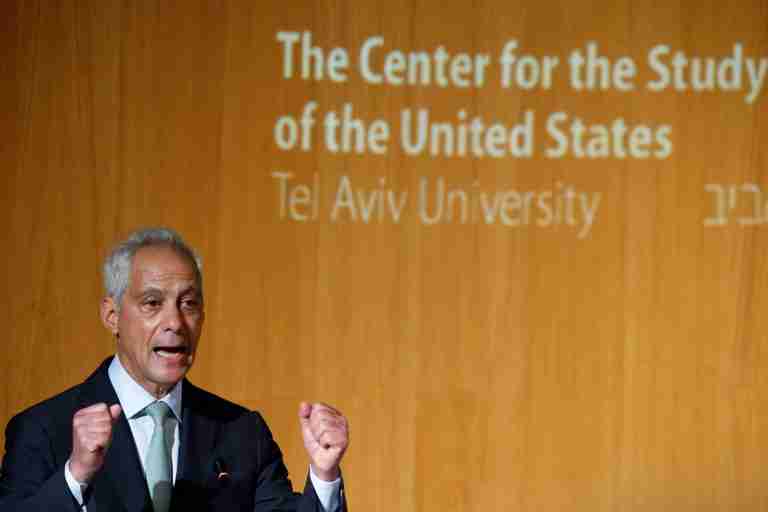
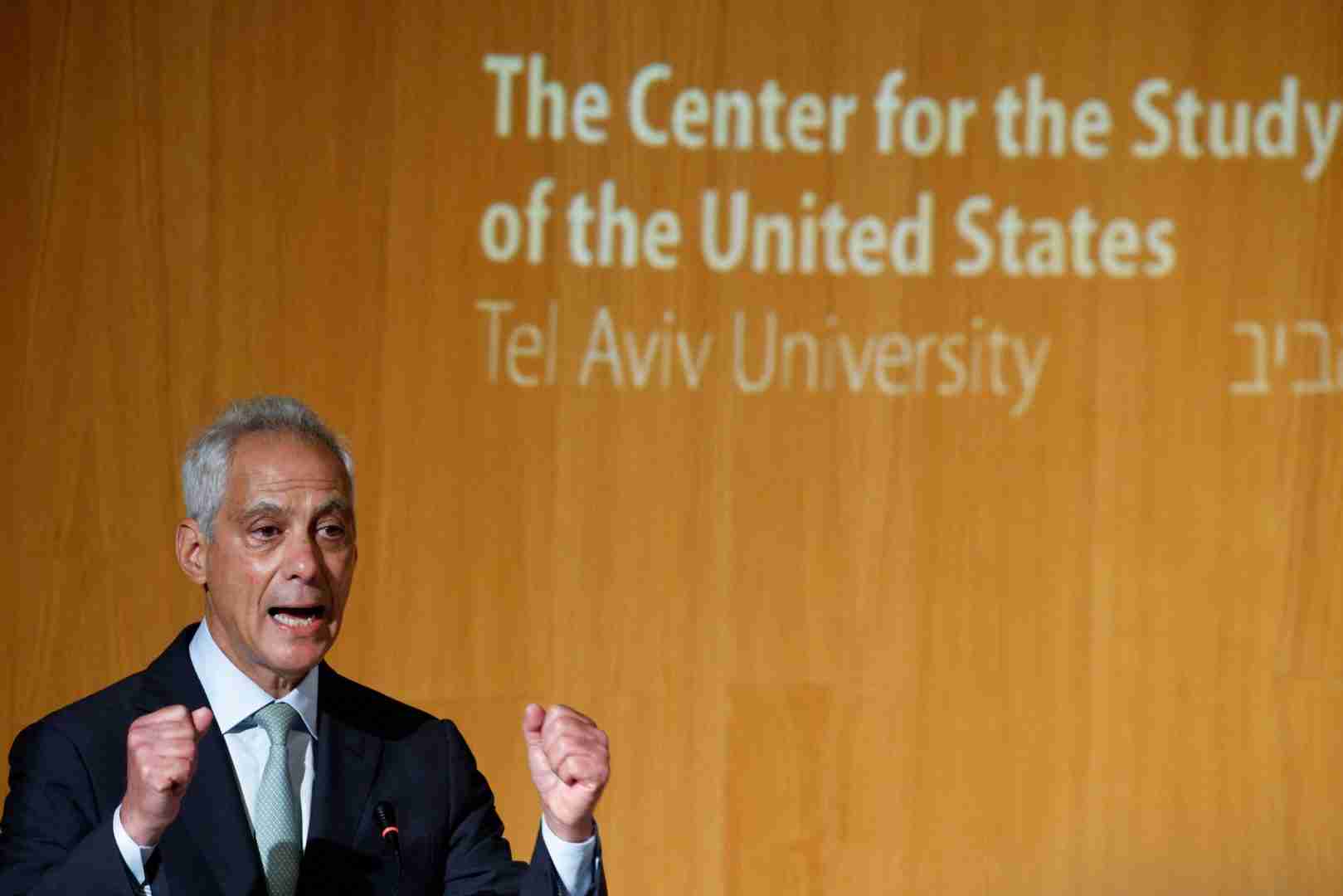
Rahm Emanuel, a Democrat weighing a 2028 U.S. presidential run, said on Wednesday that Israel risks jeopardizing its alliance with Washington unless it changes course on the Palestinians because of growing unease with its policies among U.S. voters.

A former Chicago mayor and chief of staff to former President Barack Obama, Emanuel used a speech at Tel Aviv University to criticize Prime Minister Benjamin Netanyahu’s government and propose a new U.S. policy toward the Middle East.

“Without question, the alliance is at a crossroads. It cannot stand or survive as it has been. To maintain the strength of our ties, this alliance needs significant changes and a new direction,” he said.

Emanuel said policies ranging from settlement expansion and settler violence in the occupied West Bank to restrictions on aid to Gaza were contributing to Israel’s declining support among Americans, particularly younger voters.

His speech offered an unusually blunt warning from a prominent Democrat that longstanding U.S. political support can no longer be taken for granted.

Support for Israel has become one of the most divisive issues ahead of November U.S. midterm elections in which progressive Democratic candidates have won primary contests while opposing U.S. funding for Israel.

Israel’s favorability rating among Democrats fell from 59% in 2018 to 22% in May, according to Reuters/Ipsos polling. Support remains strong among Republicans, though some elements of Trump’s coalition have also called for cutting off aid.

Emanuel said Washington’s unconditional backing had enabled Netanyahu, in power almost consecutively since 2009, to ignore American concerns and pursue policies that have led to violence, destabilization and Israel’s increasing diplomatic isolation.

A spokesperson for Netanyahu did not immediately respond to a request for comment.

EMANUEL CALLS FOR ENDING DEFENCE SUBSIDIES FOR ISRAEL

While Israel has long enjoyed strong bipartisan support from the U.S., an increasing number of Democrats in Congress are now pressing to cut off military aid, which amounts to $3.8 billion a year. Emanuel said Israel should purchase American weapons under standard allied terms rather than special subsidy.

“The prime minister and his government have led Israel into a dead-end,” said Emanuel, who is Jewish, served as a volunteer supporting the Israeli military during the 1991 Gulf War and whose father was born in Jerusalem.

Netanyahu, Emanuel said, has shunned diplomacy while relying on military action.

“Israel has failed to convert its military gains into strategic advantages. The same dynamic extends beyond Iran. You had no day-after Hamas plan for Gaza. You had no strategy to make a partner of the Lebanese government against Hezbollah,” said Emanuel.

Netanyahu has said he is seeking to expand diplomatic ties with countries in the region and Israel launched U.S.-backed peace talks with Lebanon in June.

Emanuel proposed trust-building measures to revive a peace process that collapsed in 2014, in which Arab states would take on a central role that would ultimately lead to the establishment of formal ties between Israel and the Arab League.

Emanuel directed some of his criticism toward Israel’s neighbours, describing the Palestinian leadership as failed and corrupt and Arab countries as having paid little beyond lip service to the Palestinian quest for statehood.

There was no immediate comment from the Palestinian Authority.

Writing by Maayan Lubell; Editing by Howard Goller

Police renew warning over bank scam

Fraudsters posing as bank staff are stealing customers’ login details and transferring money overseas

The Bermuda Police Service (BPS) continues to receive reports regarding fraudulent activity targeting members of the public, where individuals posing as representatives of local banks are contacting customers and falsely claiming that fraudulent activity has been detected on their accounts.

The fraudsters then request login credentials to correct the problem. However, once they gain access to the accounts, they quickly transfer the funds in those accounts to overseas locations.

The BPS once again urges residents to remain vigilant and note the following to protect against falling victim to these types of scams:

Bank representatives will never ask you over the phone for your personal account login credentials.

If you are uncertain about the legitimacy of a call, hang up immediately and contact your bank directly by phone or in person.

Do not download or install any third-party software at the request of someone claiming to be a bank representative.

If you receive an email claiming to be from your bank, you should check the email header to see if it matches the details of legitimate emails you’ve received from your bank before.

Please have this discussion with any seniors you are related to or are friendly with as they are often particularly targeted by these criminals.

Media release supplied by the Bermuda Police Service.

Naval Group sees Europe ‘buying European’ more, CEO says

Naval Group’s revenue from Europe has sharply risen since 2019 and is poised to increase even further in the coming years, Pomellet said

International News via Reuters:

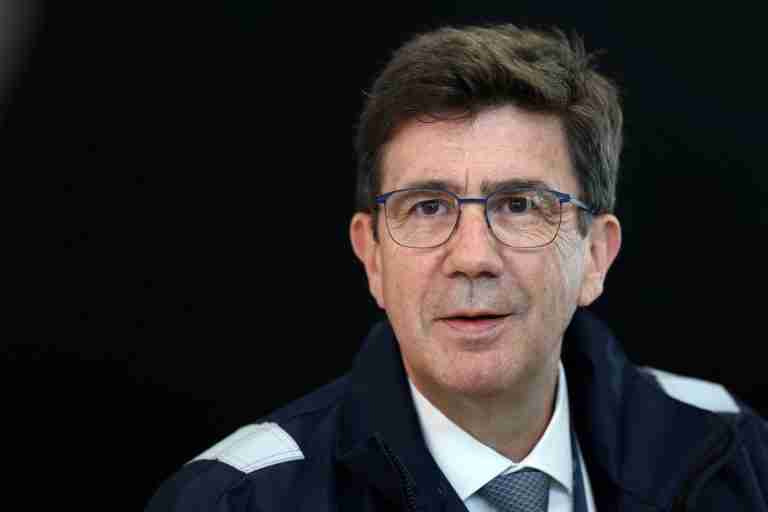
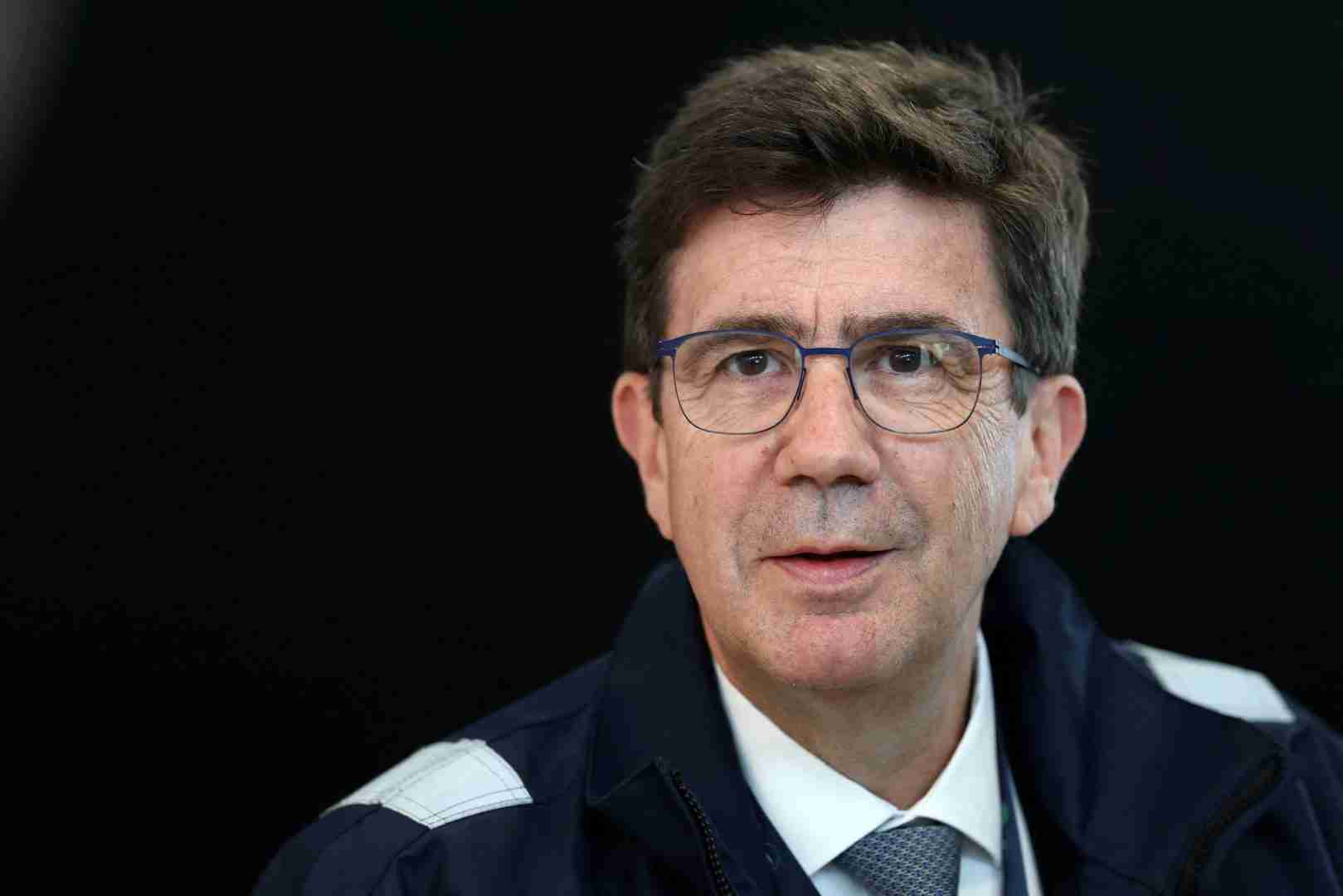
Naval Group CEO Pierre-Eric Pommellet said on Wednesday that European governments choose to “buy European” more than they did before, amid a push on the continent to develop strategic autonomy.

Naval Group’s revenue from Europe has sharply risen since 2019 and is poised to increase even further in the coming years, Pomellet said.

“In 2019, Naval Group generated zero euros in revenue in Europe,” Pommellet told Reuters on the sidelines of the annual general meeting of France’s GICAN naval industry association.

“In 2026, we will generate €1 billion, and we will reach €1.5 billion in the coming years thanks to Belgium, the Netherlands, Greece, and now Sweden, which has chosen us.”

INCREASED COMPETITION

Faced with the threat posed by Russia since its 2022 invasion of Ukraine and with U.S. President Donald Trump’s administration’s reluctance to fund Europe’s defence, European governments’ efforts to upgrade their navies have also led to an increase in competition among European rivals.

France’s Naval Group lost out on major submarine programmes in Canada and Poland to Germany’s TKMS and Sweden’s Saab and a frigate contract in Norway to Britain’s BAE Systems last year, before securing a significant contract in May to supply frigates to Sweden.

Pommellet said it was too early to say if its victory with Sweden might help secure a frigate contract that Denmark is due to award.

A strategic asset for France and the centrepiece of its naval industry, Naval Group builds and maintains the French Navy’s most critical warships, nuclear-powered submarines and its aircraft carrier, making it a key pillar of France’s defence capabilities and nuclear deterrence.

According to Naval Group’s website, at the end of 2025, the French state owned 62.25% of Naval Group, while 35% was owned by defence electronics specialist Thales. The French state also owns about a 26% stake in Thales.

Reporting by Florence Loève; Editing by Makini Brice