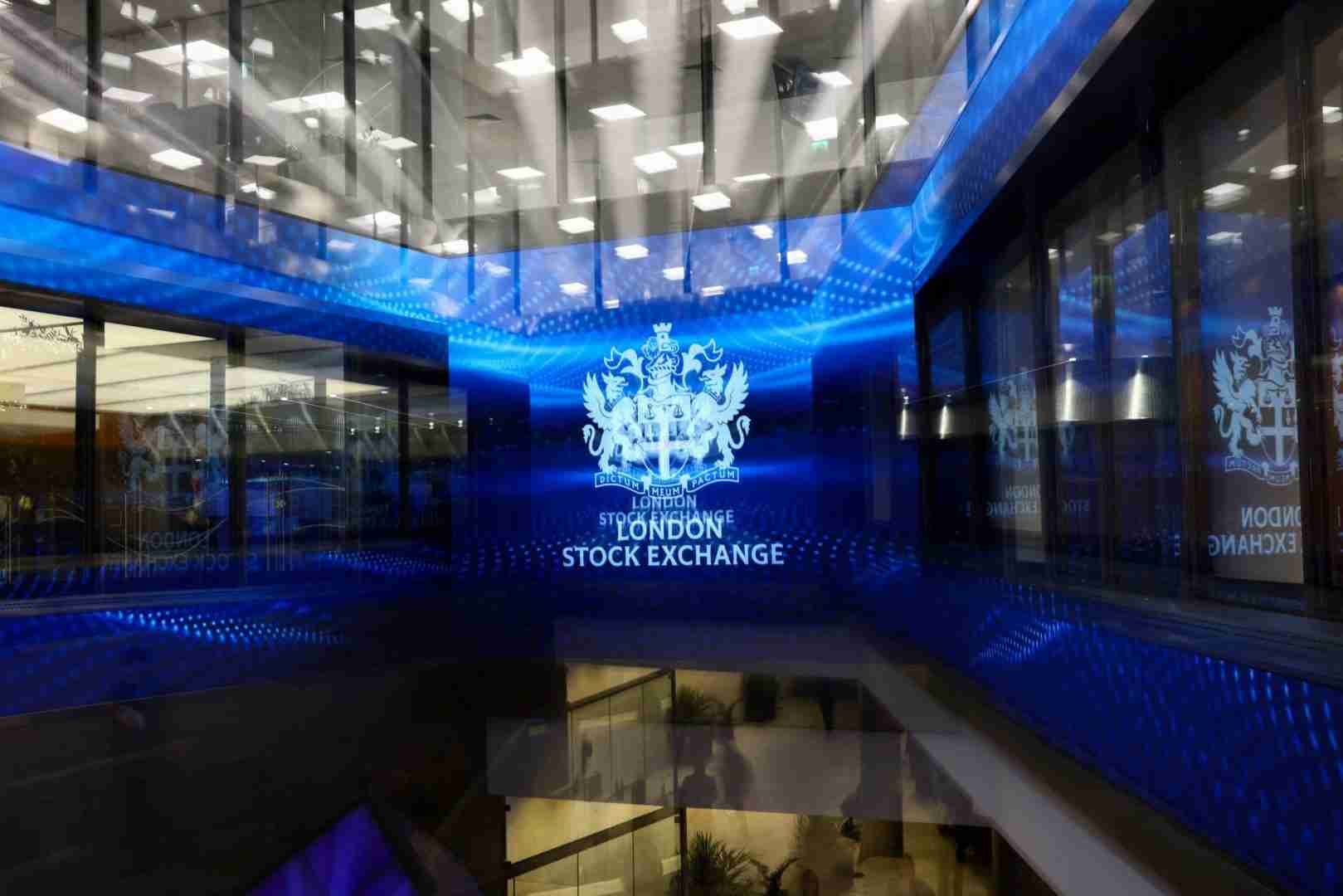
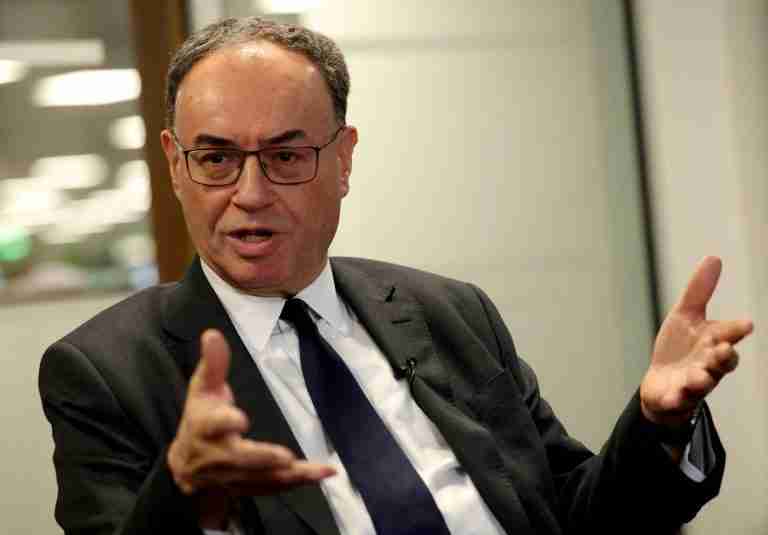
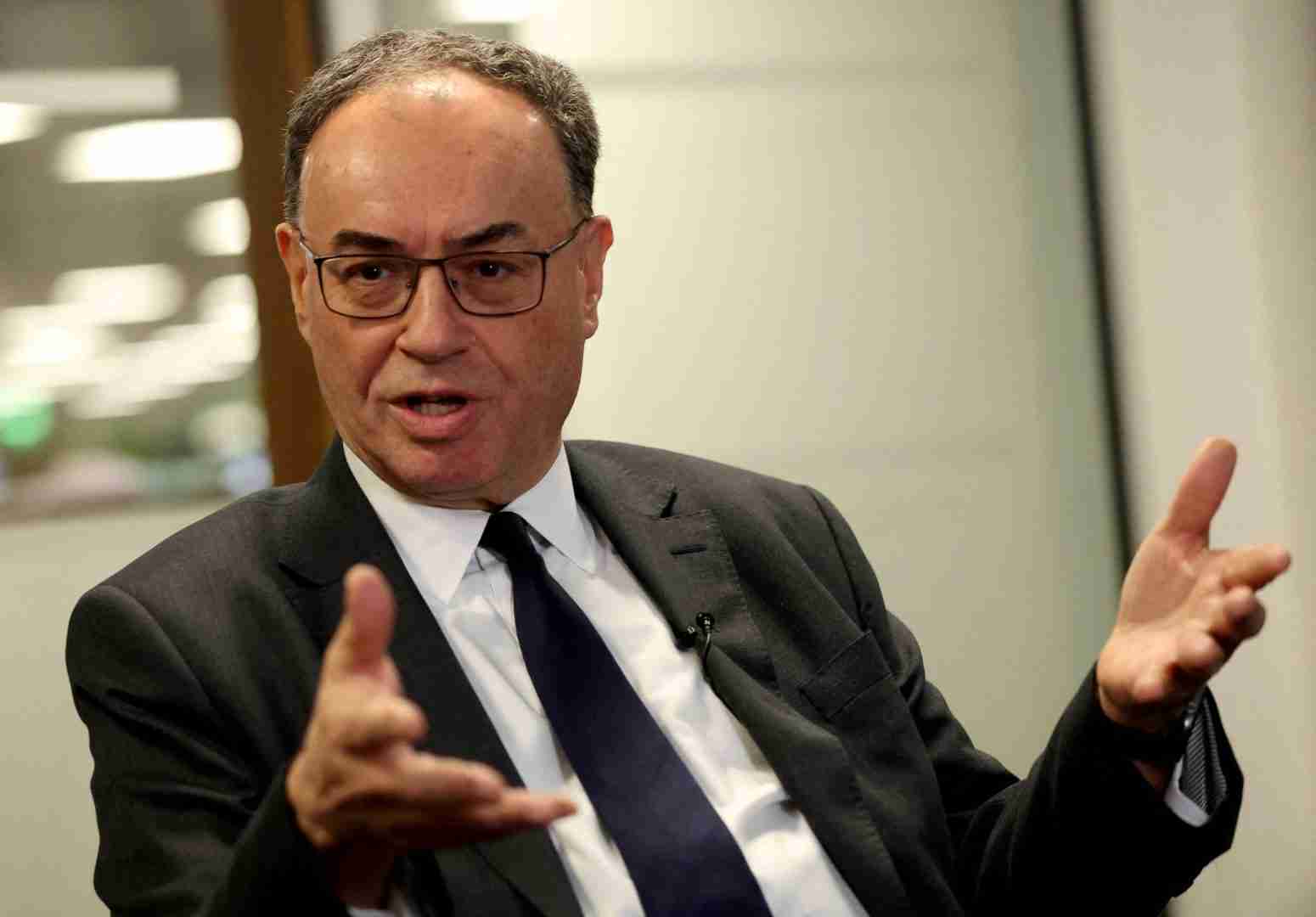
The internationally focussed FTSE 100 index fell 0.1% by 0923 GMT, while the midcap FTSE 250 rose 0.4%
International News via Reuters:
The UK’s blue-chip FTSE 100 ticked lower on Wednesday after posting six straight quarterly gains as investors monitored the latest setback in U.S.-Iran talks, with gains in financials and industrials offsetting weakness in energy and mining shares.
The internationally focussed FTSE 100 index fell 0.1% by 0923 GMT, while the midcap FTSE 250 rose 0.4%.
• Iran said on Tuesday it would not meet top U.S. envoys, following an outbreak of hostilities between the two nations, clouding the prospects of a peace agreement.
• Precious and industrial mining shares declined, weighing on the commodity-heavy FTSE 100 with Rio Tinto and Fresnillo down 1.1% and 1.7%, respectively.
• Aerospace and defence shares extended gains from the prior session when Prime Minister Keir Starmer pledged an extra £15 billion ($20 billion) toward a defence boost. Babcock, BAE Systems, Rolls-Royce and Melrose Industries rose between 1.7% and 4.9%.
• PMI data showed that Britain’s manufacturing activity cooled in June despite a boost from stockpiling ahead of price hikes and supply chain disruption worries.
• Among individual movers, AB Foods dropped 2% after the Primark owner said it expects annual profit to be below last year’s. The food, beverage & tobacco index slipped 1.5%.
• Greggs fell 3.8% and was the top laggard on the mid-cap index after the UK’s biggest fast-food chain said its long-time CFO Richard Hutton would step down.
• JD Sports shed 2.1% after its retail partner Nike reported a decline in fourth-quarter revenue and said it expects a further revenue drop through the first half of 2027.
• Both the FTSE 100 and FTSE 250 notched quarterly gains. The midcap index posted its biggest quarterly rise in five quarters, while the blue-chip index ended higher in 11 of the last 12 months.
Reporting by Twesha Dikshit; Editing by Shreya Biswas
Sterling was down 0.23% at $1.3234, having risen for the past four days, marking its longest stretch of daily gains in a month
International News via Reuters:
The pound fell for the first time in a week on Wednesday in the face of a robust dollar, which got a lift from a rise in U.S. Treasury yields ahead of jobs data, while markets were also awaiting comments from new Fed Chair Kevin Warsh.
Sterling was down 0.23% at $1.3234, having risen for the past four days, marking its longest stretch of daily gains in a month.
The pound closed out a volatile June with a loss of 0.2%, bringing the decline over the first half of the year to 1.6%, making this its weakest start to a year since 2022, when it fell nearly 10% from January to June.
Another upcoming change in British leadership, with Labour Prime Minister Keir Starmer stepping down, has put investors on edge about how Andy Burnham, his likely replacement, will revive the British economy without further straining the government’s already stretched finances.
A resurgence in the dollar, thanks to the strength of the U.S. economy and its stock market, has played a large role in depressing sterling and other currencies. Against the euro the pound rallied throughout the second quarter, posting a rise of 1.4% to trade around its strongest since last August.
Expectations for the Bank of England to raise interest rates this year have moderated since the hostilities in the Gulf have subsided, which has brought the oil price back to pre-war levels. Money markets show traders see a 90% chance of a BoE hike by the end of this year. At one point recently, as many as three hikes were priced in.
The BoE meets later this month to discuss monetary policy, and economists predict there will be no change in interest rates.
The big risk events for currencies including sterling this week include U.S. monthly employment data on Thursday, which carries the potential to either cement or dispel mounting expectations for the Federal Reserve to raise U.S. rates as early as this month.
Central bankers from around the world are in the Portuguese town of Sintra this week for the European Central Bank’s annual forum. The Fed’s Warsh will take part in a panel and later address the gathering on Wednesday. Given his preference for shorter statements and less communication from policymakers, investors will scrutinise his words for any sign of what might happen with U.S. rates in the coming months.
BoE Governor Andrew Bailey is also due to appear on Wednesday.
“Bank of England Chief Andrew Bailey may be the man to watch considering that it’s the BoE that is most stuck in the middle with policy and has thus far been rather opaque regarding policy going forward,” Caxton strategist David Stritch said.
Reporting by Amanda Cooper; Editing by Hugh Lawson
The United Nations agency operates in Gaza, the West Bank, Lebanon, Jordan and Syria, providing aid, schooling, healthcare, social services and shelter to 2.6 million Palestinians
International News via Reuters:
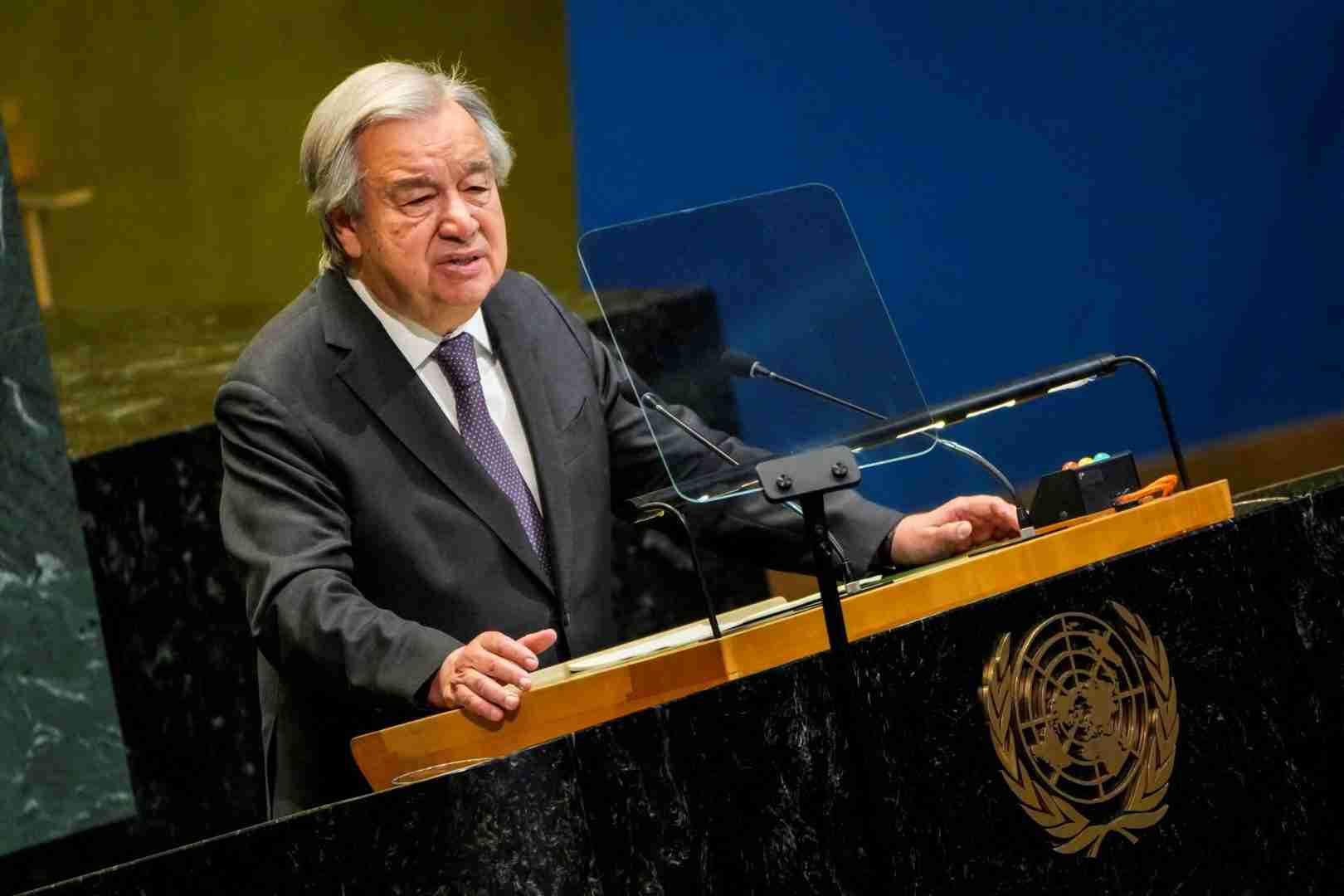
U.N. Secretary-General Antonio Guterres on Tuesday urged countries to cover a $100 million gap in funding for the U.N. Palestinian refugee agency UNRWA, saying the body was nearing a breaking point after deep cost-cutting and austerity measures.
Guterres told an ad hoc meeting of the General Assembly on voluntary contributions that UNRWA’s situation was increasingly precarious given sweeping restrictions throughout occupied Palestinian territory that impeded its work, and the large cash shortfall.
The United Nations agency operates in Gaza, the West Bank, Lebanon, Jordan and Syria, providing aid, schooling, healthcare, social services and shelter to 2.6 million Palestinians.
The U.S. was UNRWA’s biggest donor, but cut funding in January 2024 after Israel accused about a dozen UNRWA staff of taking part in the deadly October 7, 2023, attack by Hamas militants that triggered the war in Gaza. Sweden also cut its 2025 funding. Other big donors paused funding for UNRWA while the Hamas charges were investigated, but most have resumed their contributions.
Guterres said the agency’s liquidity crisis jeopardized its ability to meet its mandate, which was renewed by the General Assembly six months ago with overwhelming member support.
“They cannot keep going like this without urgent backing and financial support from member states,” Guterres said, noting that the agency had taken decisive steps to implement reforms and update its policy on outside and political activities following Israel’s accusations.
“UNRWA is a stabilizing force in an age of instability,” he said, rejecting what he called continued efforts to undermine the agency through “disinformation, smear campaigns, legislative actions, operational restrictions, diplomatic roadblocks and more.”
Such actions threatened the well-being of millions of Palestinians as well as UNRWA staff, Guterres said, noting that 390 UNRWA staff had been killed in Gaza since October 2023. He noted that 1,000 Palestinians had been killed in Israeli attacks since a ceasefire announced in October.
SERVICE DELIVERY REDUCTIONS
The U.N. has said it fired nine UNRWA staff who may have been involved in the October 2023 attack, which killed about 1,200 Israelis and foreign nationals. A Hamas commander in Lebanon, killed in September by Israel, was also found to have had a UNRWA job. The U.N. has disputed links with Hamas and vowed to investigate all accusations.
UNRWA had reduced its service delivery hours by 20% this year, cutting salaries for local personnel and keeping 15% of international posts vacant, Guterres said, adding, “Any further cuts could push conditions past the breaking point.”
U.N. spokesman Stephane Dujarric said the agency faced an existential crisis. He said the results of the ad hoc meeting on voluntary contributions would be announced on Wednesday.
In 2025, UNRWA received about $887 million in pledges and $829 million in contributions, according to its website, accounting for just 27% of total funding needs of $3.3 billion.
Venezuela was hit by two earthquakes of magnitudes 7.2 and 7.5 less than a minute apart last Wednesday, toppling buildings and trapping thousands of people beneath the rubble, according to authorities and rescue teams
International News via Reuters:
Jordanian emergency workers in Venezuela, which was hit by devastating twin earthquakes last week, rescued a child early on Tuesday, the only reported survivor on the sixth day of rescue efforts, according to Venezuelan authorities.
Klieber Moran was pulled from the Los Corales Garden 1 building in La Guaira state by rescuers from Jordan after spending six days trapped under the rubble, Venezuela’s acting President Delcy Rodriguez said in a message via Telegram.
Venezuela was hit by two earthquakes of magnitudes 7.2 and 7.5 less than a minute apart last Wednesday, toppling buildings and trapping thousands of people beneath the rubble, according to authorities and rescue teams.
Moran, described as 3 years old by Rodriguez – but as 2 years old by National Assembly President Jorge Rodriguez – was subsequently taken for medical treatment, the message said.
“We must hold onto the hope of continuing to find people alive beneath the rubble,” Jorge said in a televised address. “Early this morning, a 2-year-old boy was rescued and is currently receiving care at a health center in Caracas.”
A shipment from UNICEF carrying 47 metric tons of humanitarian supplies arrived in Venezuela on Tuesday, UN spokesperson Stephane Dujarric said, adding the equipment would help support children and families in need.
The shipment includes emergency health kits for urgent medical care, including supplies for safe births, newborn care, disease prevention, and treatment, Dujarric added.
Reporting by Vivian Sequera; Additional reporting by Oliver Griffin and Sarah Morland; Writing by Oliver Griffin; Editing by Sanjeev Miglani
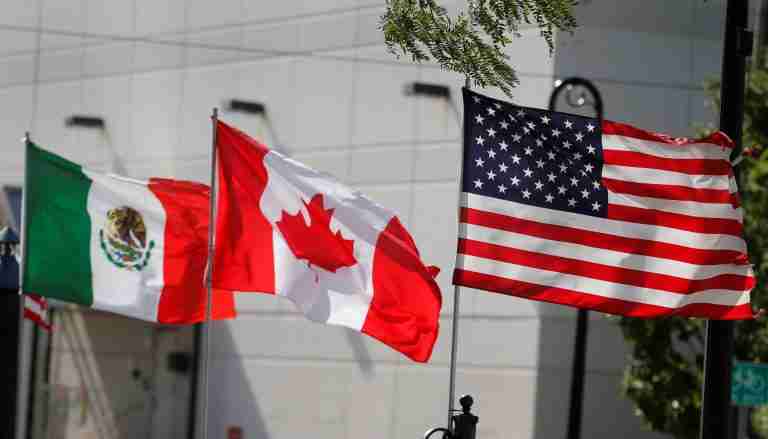
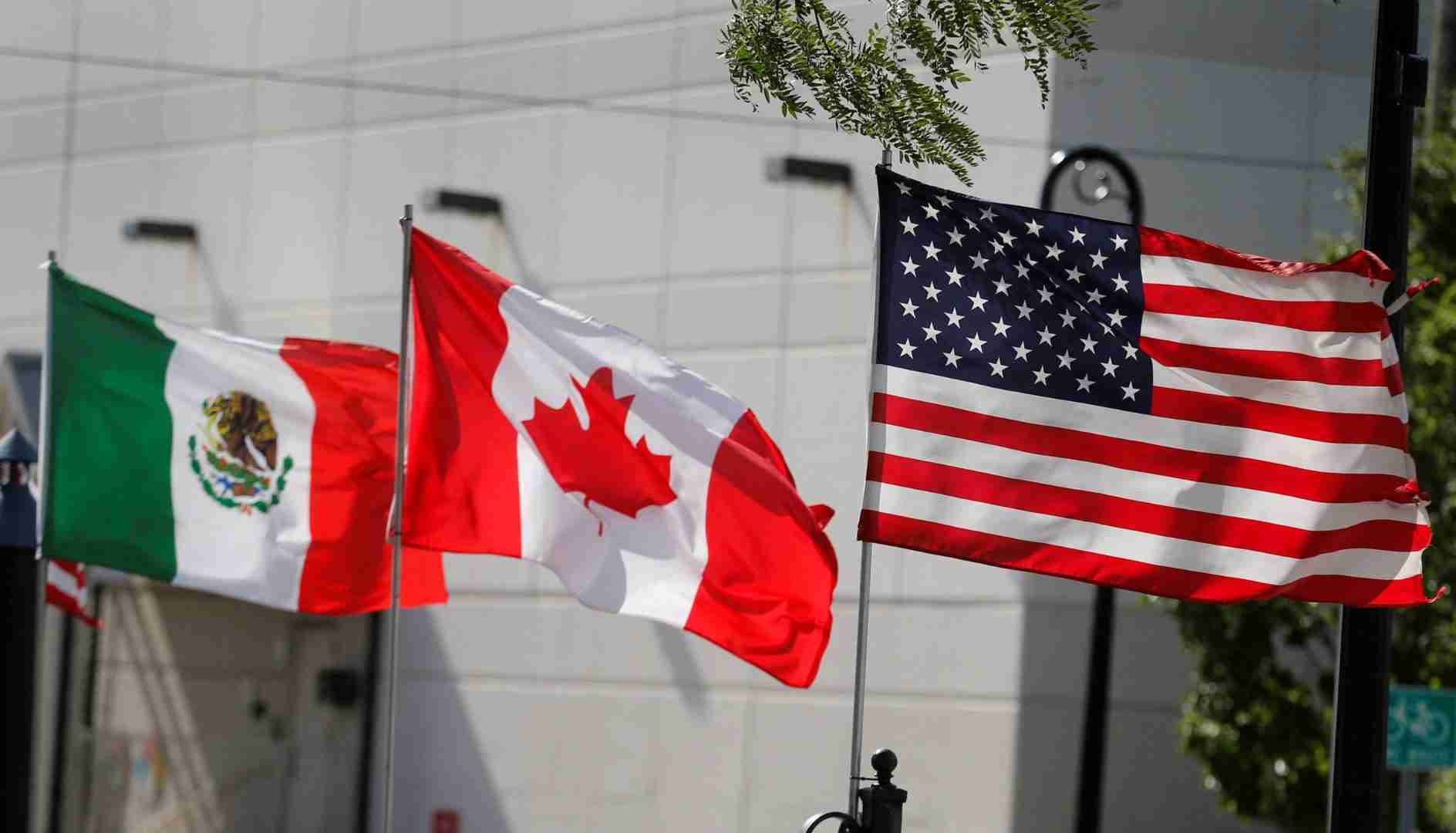
Trade chiefs from the U.S., Mexico and Canada are expected to meet virtually on Wednesday and declare whether they want to extend the pact for another 16 years
International News via Reuters:
U.S. President Donald Trump’s administration is expected to formally declare on Wednesday that it will not extend the U.S.-Mexico-Canada Agreement on trade, starting a decade-long clock to wind down the 32-year-old North American free trade zone as the three countries haggle over proposed changes.
That declaration will kick off a six-year review session, part of a “sunset clause” negotiated by President Donald Trump’s first administration. However, it will do little to alter contentious negotiations over the pact’s future, including sweeping demands to boost U.S. and regional content in North American automotive production and trade protections to block Chinese goods from benefiting from USMCA.
Trade chiefs from the U.S., Mexico and Canada are expected to meet virtually on Wednesday and declare whether they want to extend the pact for another 16 years.
A spokesperson for U.S. Trade Representative Jamieson Greer said he has made no formal announcement of his intention towards USMCA. But Greer has already scheduled a third round of negotiations with Mexico for the week of July 20, signaling his intent to keep pushing for changes.
“We expect July 1st to come and go, and for the United States to not confirm its wish to extend,” said Greta Peisch, a former USTR general counsel who is now a trade partner at Wiley Rein in Washington.
Peisch added that it’s unclear “whether the U.S. says exactly what it’s looking for in a public way” in a statement expected after the meeting.
Mexican President Claudia Sheinbaum on Tuesday told reporters that she had signed a letter calling for USMCA to be extended for 16 years.
Canadian Prime Minister Mark Carney said he expected a “constructive exchange” between the three countries but no agreements to sign.
“The priority is to get a new deal,” Carney said. “We’re ready to negotiate an improvement of this agreement.”
Trump has already unilaterally ended the duty-free status of USMCA by imposing tariffs of 25% on Canadian and Mexican autos and parts and 50% on steel and aluminum from the two countries, prompting retaliation from Canada.
Although Canada has not yet participated in formal negotiations with the U.S., Carney said technical talks on aluminum, steel, autos and softwood lumber have produced some improvements.
“So we’re ready to continue those discussions but that will take time, which we’ve known for a while,” Carney added.
Failure to reach agreement on revisions to USMCA would keep the trade pact in an indefinite limbo, with similar review sessions annually for the next 10 years, after which the North American trade pact would expire on July 1, 2036.
The review and sunset process, which was considered controversial when it was enacted, is separate from a termination clause that U.S. President Donald Trump or his Mexican and Canadian counterparts could exercise, triggering a U.S. withdrawal from the pact within six months.
Trump, whose first administration negotiated USMCA to replace the 1994 North American Free Trade Agreement, hailed its 2020 launch as “the fairest, most balanced, and beneficial trade agreement we have ever signed into law.”
But he quickly soured on USMCA as the U.S. goods trade deficit with Mexico expanded, partly because companies shifted supply chains away from China after he imposed steep tariffs on Chinese goods. Trump frequently says that he doesn’t want to renew USMCA, favoring instead the steep tariffs that he has imposed on Mexican and Canadian autos, steel and aluminum.
U.S., MEXICO TALK WITHOUT CANADA
For now, the U.S. is holding formal negotiating rounds with Mexico only, leaving Canada to the side amid a long list of bilateral trade irritants ranging from Canada’s restricted dairy market to Canadian provinces pulling American liquor from store shelves.
Greer has planned no schedule to launch formal negotiations with Canada, though he holds discussions with his Canadian counterpart, trade minister Dominic LeBlanc.
North American automakers have urged the Trump administration to maintain the trade pact as a trilateral agreement, saying parts often flow multiple times across the northern and southern U.S. borders before assembly into vehicles.
Matt Blunt, president of the American Automotive Policy Council, a trade group representing Ford, General Motors and Stellantis, urged a swift and durable resolution that provides investment certainty and a level playing field.
“North American economic integration enables enormous competitive benefits for the region, and American Automakers are encouraged by ongoing negotiations with the U.S., Mexico and Canada,” Blunt said in a statement. “U.S. automakers currently face a disadvantage versus imports from countries whose exports face a flat 15 percent tariff and are not subject to comparable rules of origin.”
In the Mexican negotiations, the U.S. has demanded that all North American-built vehicles contain 50% U.S.-specific content, a figure that would drive regional required content up to 82% to qualify for U.S. benefits, sources familiar with the talks have said. Vehicles assembled in Mexico and Canada would still likely be charged some level of tariffs, Greer has said.
A Mexican official said that the U.S. and Mexico have discussed the idea of a universal global tariff of 15% on autos, but a lower rate for vehicles from Mexico and Canada if they agree on stricter rules of origin.
The official said Mexico and the United States broadly agree on USMCA’s problems: A steady decline in U.S. manufacturing jobs; falling U.S. content in autos as Asian parts increase; and concerns over increasing transshipment.
“Mexico and the U.S. are in agreement about the goals. What we are discussing is how to reach them,” the official added.
Reporting by David Lawder; Additional reporting by Promit Mukherjee and Maria Cheng in Ottawa and Emily Green and Aida Pelaez-Fernandez in Mexico City; Editing by David Gaffen and Daniel Wallis
The assets produced about 37,000 barrels of oil equivalent per day net to Shell in 2025
International News via Reuters:
Shell said on Tuesday it had agreed to sell its interest in the Na Kika platform and associated fields in the Gulf of America, along with the Coulomb tieback, to subsidiaries of Talos Energy and Ridgewood Energy for $1.7 billion.
The assets produced about 37,000 barrels of oil equivalent per day net to Shell in 2025. The company said the fields are not expected to be meaningful contributors to its production by 2030.
The transaction has an effective date of July 1, 2025, and is expected to close by the end of 2026.
Talos said its share of the consideration is $850 million, with final net cash consideration expected at $450 million to $500 million after interim cash flow from the effective date.
It added that it will acquire a 50% working interest and operatorship in Coulomb and a 25% non-operated stake in the BP-operated Na Kika platform and four associated fields — Kepler, Ariel, Fourier and Herschel.
The assets produced about 16,000 barrels of oil equivalent per day in the first quarter of 2026, about 77% oil, and add roughly 23 million barrels of oil equivalent of proved reserves.
Na Kika, Shell’s only non-operated Gulf of America platform, began producing in 2003, while Coulomb started production in 2005.
Shell will retain certain upside-linked payments, royalty interests on new Na Kika tiebacks, and offtake rights.
BP, operator of Na Kika, retains the other 50% stake and has a 30-day preferential purchase right.
Shell’s proved reserves at the end of 2025 were 4.3 million boe for Na Kika and 7.2 million boe for Coulomb.
Reporting by Arunima Kumar and Pranav Mathur in Bengaluru; Editing by Vijay Kishore and Maju Samuel
A much smaller number of cases have been reported in Uganda and experts warn of the possibility of it spreading to other neighbours, such as South Sudan
International News via Reuters:
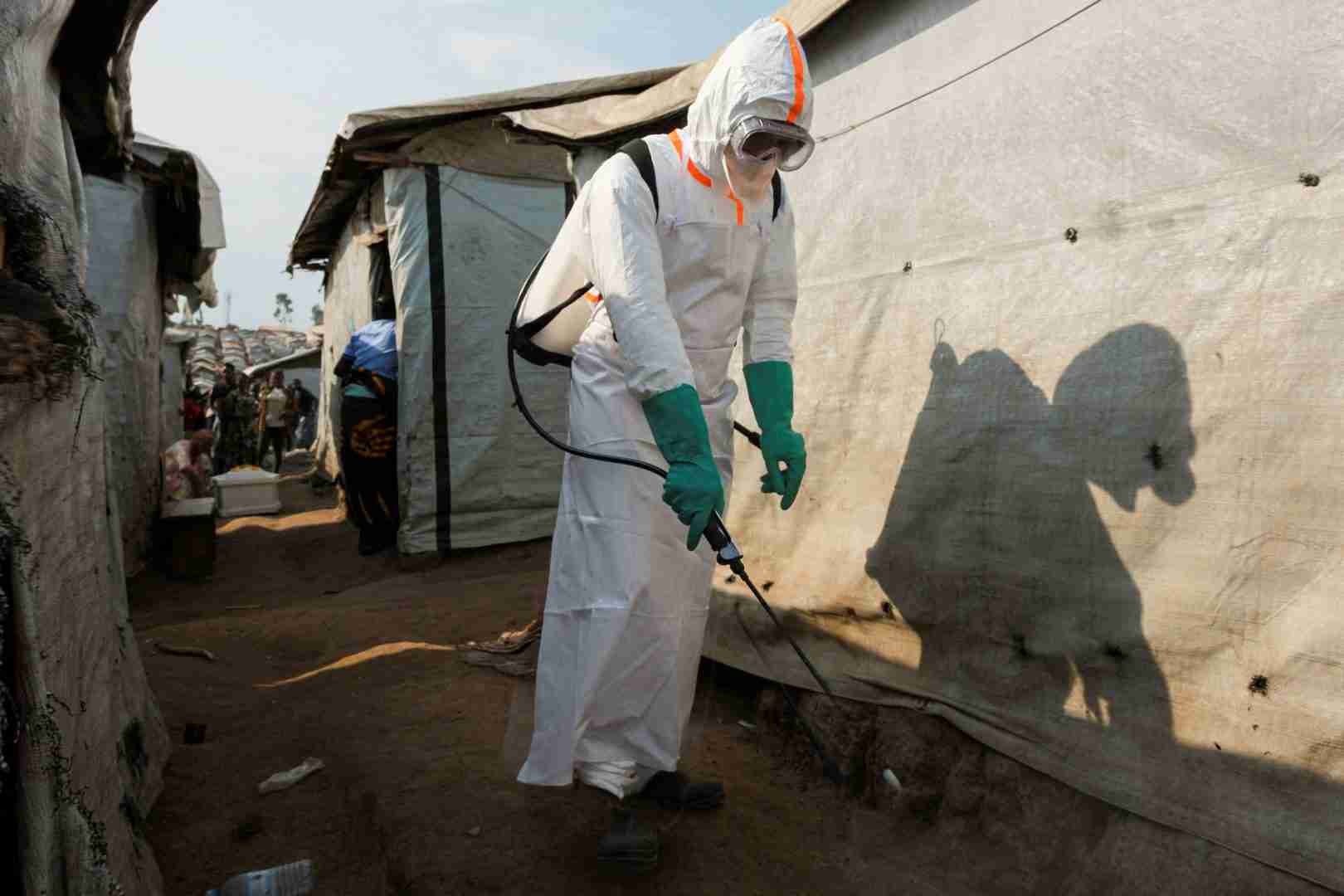
The United Nations said on Tuesday that an Ebola outbreak could cost Africa up to $3.6 billion and hundreds of thousands of jobs, potentially causing a development crisis.
The outbreak of the Bundibugyo strain of Ebola, for which there is no tested vaccine or treatment, has infected 1,307 people and killed 377 in the Democratic Republic of Congo since being declared on May 15, the government says.
A much smaller number of cases have been reported in Uganda and experts warn of the possibility of it spreading to other neighbours, such as South Sudan.
“If we have the resources and we step up, we can contain this outbreak and prevent further losses,” said Damien Mama, United Nations Development Programme resident representative in Congo.
“If we do not, this health emergency risks becoming a much deeper and prolonged development crisis across the region and potentially the continent.”
The UNDP outlined three scenarios for the outbreak. In the best scenario, where the epidemic remains contained in the two countries, the cost is $1 billion for Congo’s GDP, the report said.
In the worst-case scenario, the disease spreads to countries including Rwanda and Angola and coincides with higher fuel costs linked to the Iran crisis, cutting continental GDP by $3.6 billion and resulting in 328,000 job losses, the report said.
Reporting by Emma Farge, editing by Thomas Seythal and Alex Richardson
OBA’s Robert King seeks to clarify his comments about crime risk at affordable housing sites; Housing Minister Zane DeSilva calls his questions offensive
They haven’t been built yet, but Bermuda’s newest affordable homes have already caused a political bust-up.
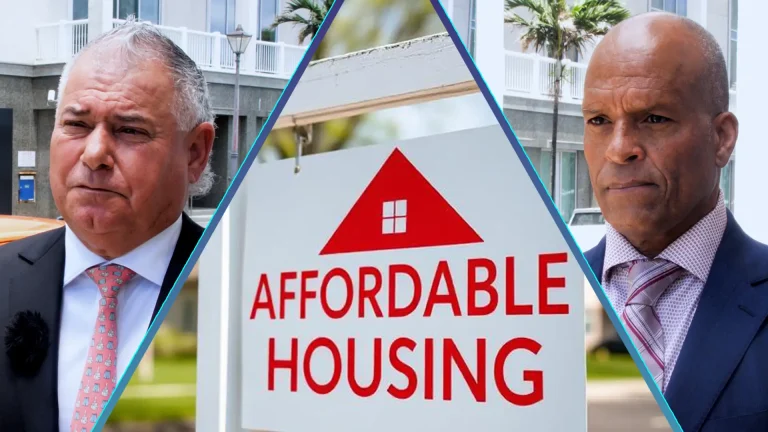
The OBA’s Robert King garnered a heated response from Housing Minister Zane DeSilva, when he raised questions about crime prevention and community safety measures.
The Shadow Minister of Justice said that people in need of affordable housing are at greater socioeconomic risk of having crime in their community, and this should be taken into account in the construction of such homes.
Minister DeSilva said his comments were offensive, while adding those in need of affordable housing are not necessarily low-income (WATCH below)…
Gary Foster Skelton asked Mr King for more clarity on his comments (WATCH below)…
The Government of Bermuda and the Bermuda Tourism Authority have reaffirmed their longstanding partnership with Air Canada following a meeting with the airline’s Chief Executive Officer, Michael Rousseau.
The meeting took place on Monday, June 29, and included the Minister of Tourism, Transport, Culture and Sport, the Hon. Owen Darrell, Acting Bermuda Tourism Authority Chief Executive Officer Erin Wright, and Bermuda Tourism Authority Board Chair and Chair of Bermuda’s Air Service Development Committee, Billy Griffith.
During his visit to the island, Mr. Rousseau met with tourism leaders to discuss Air Canada’s continued partnership with Bermuda and provide updates on recent developments within the airline.
Air Canada has served Bermuda for 78 years, playing a significant role in connecting the island with Canadian markets while supporting tourism and international accessibility.
Minister Owen Darrell thanked the airline for its longstanding commitment to Bermuda.
“We are grateful for Air Canada’s long-standing commitment to Bermuda,” he said. “Their service has been instrumental in connecting our islands to key source markets and supporting the continued growth of our tourism industry. We value this partnership and look forward to building on it in the years ahead.”
Acting Bermuda Tourism Authority CEO Erin Wright said the meeting provided an important opportunity to strengthen ties with one of the island’s key airline partners.
“It was a pleasure to meet with Mr. Rousseau and strengthen our ongoing relationship with Air Canada,” she said. “Their continued service to Bermuda is vital to our tourism strategy, and we appreciate their collaboration and shared commitment to the destination.”
The Ministry thanked Air Canada for its continued service to Bermuda and said it looks forward to building on the partnership in support of the island’s tourism industry and air connectivity.
Bailey said past increases in oil prices meant British inflation looked likely to rise to around 3.2% later this year from 2.8% in May, but the cost of oil now was not much higher than before the Iran war broke out at the end of February
International News via Reuters:
Bank of England Governor Andrew Bailey said on Tuesday that the central bank remained in no rush to respond to increased oil prices and that inflation was on course to return to its 2% target, albeit later than he would have liked.
Bailey said past increases in oil prices meant British inflation looked likely to rise to around 3.2% later this year from 2.8% in May, but the cost of oil now was not much higher than before the Iran war broke out at the end of February.
“We’ve had some tightening built into the (bond yield) curve, which gives us some time then to judge the pass-through (of higher energy prices),” he said in an interview with CNBC in Sintra, Portugal, where he is attending a conference hosted by the European Central Bank.
Bailey made similar remarks earlier this month when he was part of the 7-2 majority on the BoE’s Monetary Policy Committee that voted to keep interest rates on hold at 3.75%.
The BoE’s response contrasts with that of the ECB, which raised rates for the first time since 2023 this month. But Bailey said Britain had effectively had a rate rise already as market rates had risen since the start of the conflict after the BoE said it no longer expected to cut rates this year.
Bailey added that he disagreed with BoE Chief Economist Huw Pill, who voted for a rate rise this month as he feared other policymakers were getting complacent about high inflation and that it risked persistently overshooting its 2% target.
“We are not complacent at all,” Bailey said. “The evidence would suggest we will come back to target, but — frustratingly —later than we thought we would.”
Reporting by David Milliken; Editing by Muvija M and William James
The Bermuda Post Office advises customers sending parcels to countries within the European Union (EU) that new EU customs requirements will take effect on July 1, 2026.
Under the European Union’s Customs Reform measures, the existing low-value exemption for commercial goods will be removed. As a result, all commercial parcels sent to EU member countries, including business-to-business (B2B) and business-to-consumer (B2C) shipments, will be subject to additional EU customs charges.
Customers should be aware of the following changes:
Each package or parcel declared on a CN22 or CN23 customs declaration form to a EU country will be subject to a €3 EUR customs charge.
The charge will apply regardless of the value of the goods being mailed.
Gift parcels exchanged between private individuals are currently exempt fromthis new charge.
The European Union has also announced plans to introduce an additional handling fee from November 2026. The amount of this fee has not yet been determined.
Individual EU member states may also introduce additional national fees before November 2026.
To minimise delays, customers are encouraged to complete all customs declarations accurately, ensuring that each item is clearly described and its value correctly declared.
The €3 customs charge will be collected through the Zonos prepayment platform, consistent with the current process used for eligible goods and merchandise mailed to the United States.
The Bermuda Post Office will continue to monitor developments and will provide further updates as additional information becomes available.
Customers requiring further information are encouraged to contact the Bermuda Post Office before mailing parcels destined for the European Union.
To provide the best experiences, we use technologies like cookies to store and/or access device information. Consenting to these technologies will allow us to process data such as browsing behavior or unique IDs on this site. Not consenting or withdrawing consent, may adversely affect certain features and functions.
Functional
Always active
The technical storage or access is strictly necessary for the legitimate purpose of enabling the use of a specific service explicitly requested by the subscriber or user, or for the sole purpose of carrying out the transmission of a communication over an electronic communications network.
Preferences
The technical storage or access is necessary for the legitimate purpose of storing preferences that are not requested by the subscriber or user.
Statistics
The technical storage or access that is used exclusively for statistical purposes.The technical storage or access that is used exclusively for anonymous statistical purposes. Without a subpoena, voluntary compliance on the part of your Internet Service Provider, or additional records from a third party, information stored or retrieved for this purpose alone cannot usually be used to identify you.
Marketing
The technical storage or access is required to create user profiles to send advertising, or to track the user on a website or across several websites for similar marketing purposes.