Wednesday, October 28, 2026
Home Blog Page 193

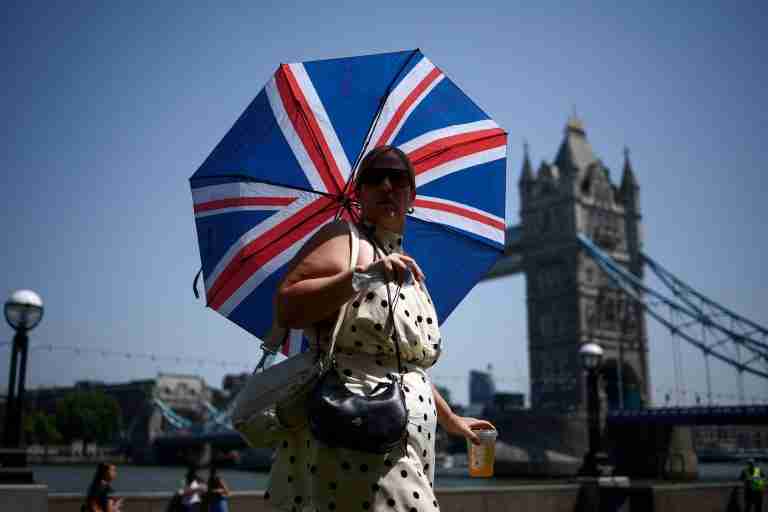
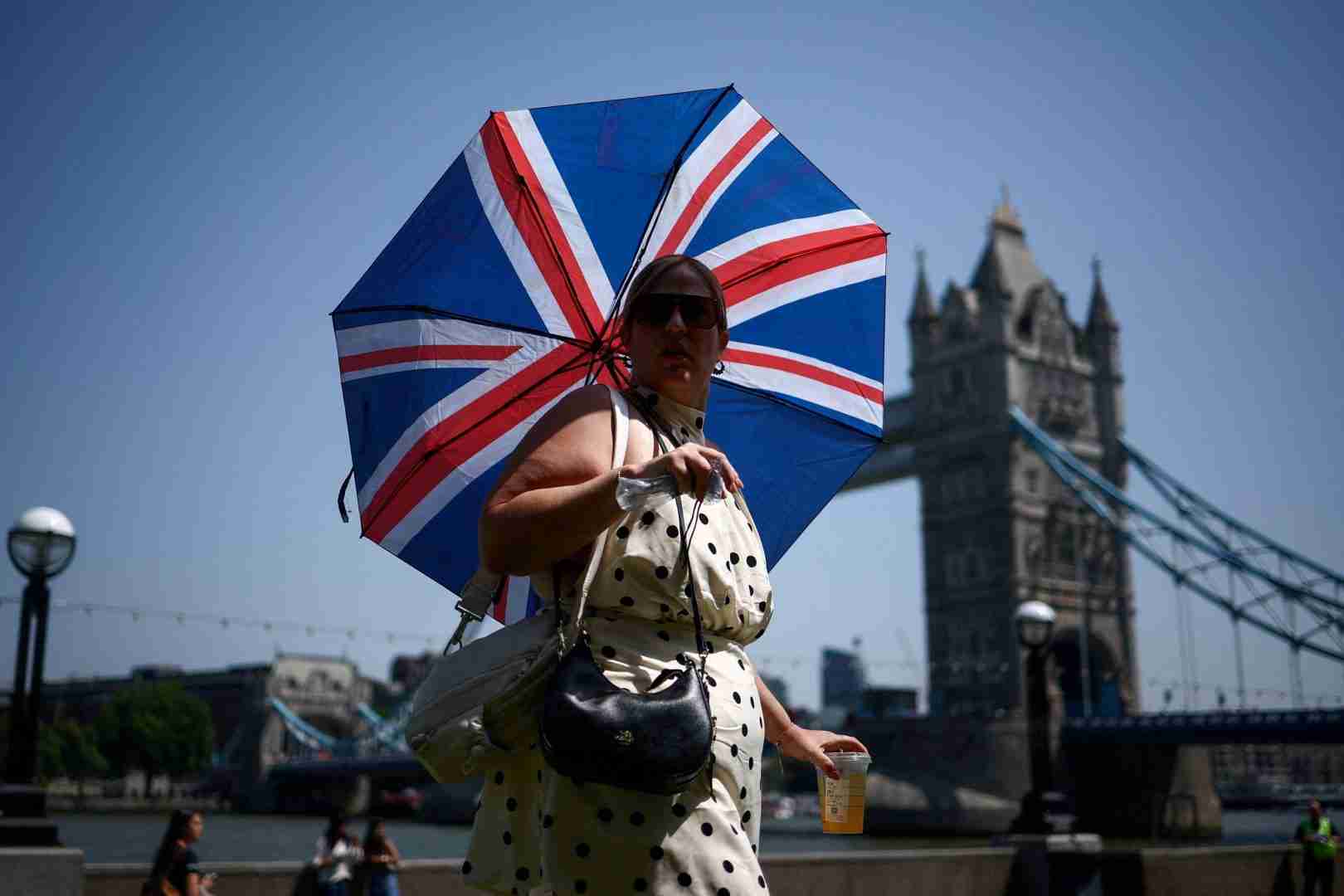
UK sets new June temperature record as Europe’s deadly heatwave maintains its grip

French and British authorities warned busy people to adapt their daily routines to avoid the risk of over-heating
International News via Reuters:

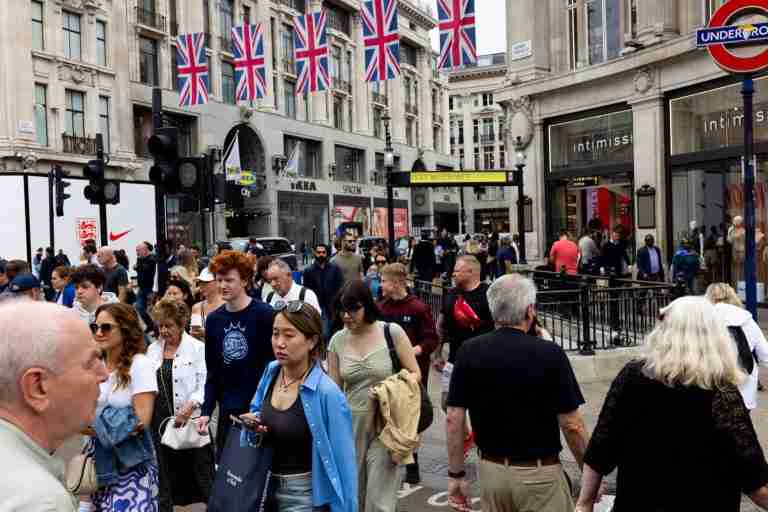
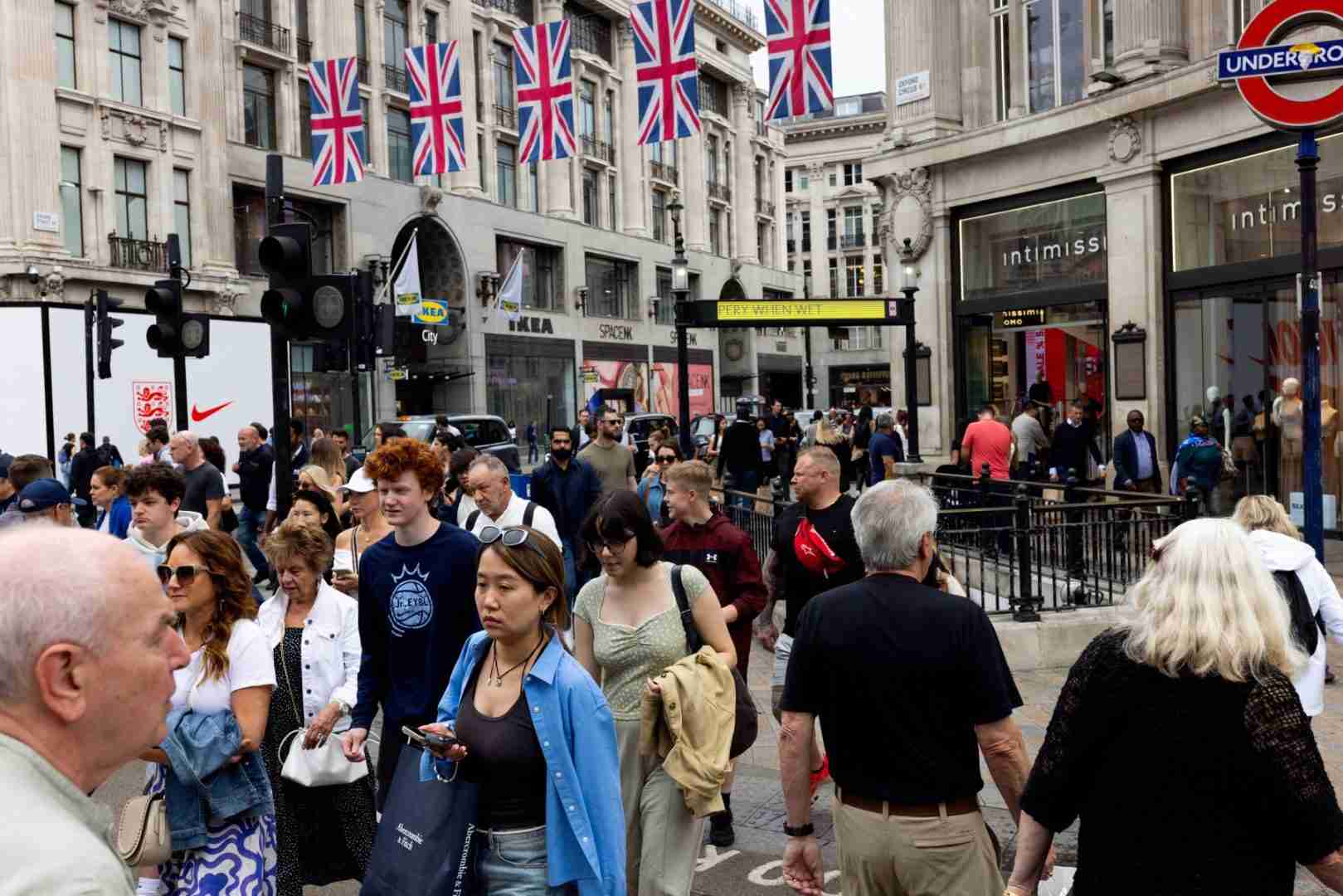
Britain hit a record high temperature for June on Thursday as large parts of Western Europe remained in the grip of a deadly early summer heatwave that has killed dozens of people, disrupted power supplies, and shut schools and cultural landmarks.

French and British authorities warned busy people to adapt their daily routines to avoid the risk of over-heating. France activated its highest level of health service mobilisation, meaning non-urgent operations could be cancelled to focus on caring for those affected by the hot weather.

Paris endured another sweltering day after temperatures in the French capital hit a June record of 40.9 degrees Celsius (105.6 degrees Fahrenheit) on Wednesday.

Temperatures reached 36.4 C in southwest England on Thursday, provisionally making it the hottest June day recorded in Britain, surpassing a record set just a day earlier, the Met Office said on X.

Britain’s Met Office extended a red heat alert covering a large area into Friday, the first time such warnings have been issued for three days in a row. A similar warning was issued for the Netherlands for Friday.

“Significant disruption to daily life is likely and the public should take every effort to adapt their daily routines to cope with these levels of heat, which up to now have been extremely rare for the UK,” said Andy Page, a chief meteorologist at the Met Office.

DROWNING DEATHS IN FRANCE AND GERMANY

France implemented a number of measures against heatwaves after one in 2003 caused nearly 15,000 excess deaths, with the elderly the hardest hit.

This time around, active younger people were a big concern, said Emmanuel Gregoire, the mayor of Paris.

“Rather, it’s people aged between 50 and 70 who are generally in good health, but who think this is just a normal period and continue going about their usual activities as if nothing has changed. Really, protect yourselves,” he told broadcaster TF1.

At least 48 people have died in France from drowning since the start of the heatwave while trying to cool off, authorities said, and three young children are known to have been killed by heat in cars in two separate incidents.

Since the end of last week, more than 20 people across Germany have lost their lives in swimming-related accidents, the German Life Saving Association said in a statement to Reuters.

In Italy, media reported that five people had died on Wednesday from heat-related incidents.

The heatwave, expected to peak over the next three days, could endanger the health of up to 1.5 million Italian workers including builders, farmers and couriers, according to estimates by the Italian CGIL trade union and Greenpeace Italy.

Several regions have banned outdoor work during the hottest times of the day, and the government this week said firms forced to pause work due to the heat could access funds for furloughed staff.

AIR CONDITIONING IN DEMAND

Changes introduced in France since the 2003 heatwave included checking in on the elderly regularly and offering those in a retirement home the chance to spend several hours a day in a room with air conditioning.

Air conditioning remains relatively rare in Europe, but Asian makers of air conditioners, such as South Korea’s Samsung Electronics, China’s Midea and Japan’s Mitsubishi Electric, are enjoying a boom in sales, with strong demand from countries such as France, Spain and Italy.

The heatwave is being driven by ​a weather pattern known as an Omega block, pushing temperatures as much as 18 C above normal, according to the Reuters Climate Monitor.

The phenomenon resembles the shape of the Greek letter Omega, with a bulbous middle trapping in heat over regions for extended periods, with cooler weather on its fringes. Heatwaves and storms are being intensified by climate change.

“Europe’s savage heatwave has the fingerprints of the climate crisis all over it – it’s the latest price to pay for fossil fuel pollution baking our planet,” said U.N. climate chief Simon Stiell.

“Schools closing, the vulnerable dying, economies sweating: this is what the climate crisis looks like in practice, and it’s just getting started,” he added.

SCHOOL CHILDREN, TEACHERS SUFFER IN THE HEAT

French Education Minister Edouard Geffray said that 13,500 schools were closed or placed on special schedules on Thursday.

More than 1,000 schools closed or were partially closed in Britain as the temperature in some classrooms climbed to over 40 C, and authorities worry about extreme heat on treeless playgrounds, with the end of term still a few weeks away for many.

U.S. tourist Keaghan Cronin, playing with her children in sprinklers in Paris, said that was a nice spot, but it was just too hot.

“They’re (children) very uncomfortable. We are actually going to leave a little early, because it’s too hot, we’re going to leave Paris early,” she said.

Reporting by Dominique Vidalon, Makini Brice and Ingrid Melander in Paris, Sarah Young and Sam Tabahriti in London, Charlotte van Campenhout and Bart Meijer in Amsterdam, Francois Murphy in Vienna, Alvise Armellini, Giselda Vagnoni and Matthias Williams; Writing by Keith Weir; Editing by Alison Williams
World court judges sue Trump administration over sanctions

A White House official said Trump lawfully exercised his authority under the International Emergency Economic Powers Act (IEEPA) in imposing the sanctions

International News via Reuters:

Three International Criminal Court judges on Wednesday sued U.S. President Donald Trump and his administration over sanctions imposed on them last year, arguing the measures were unlawful.

In the lawsuit filed in the federal court in Manhattan, judges Kimberly Prost of Canada, Solomy Balungi Bossa of Uganda and Reine Adelaide Sophie Alapini-Gansou of Benin said the sanctions were designed to exert extrajudicial pressure with the objective of punishing and coercing the judges.

A White House official said Trump lawfully exercised his authority under the International Emergency Economic Powers Act (IEEPA) in imposing the sanctions, which the official said dealt with “an unusual and extraordinary threat to the national security and foreign policy of the United States involving the International Criminal Court, including the ICC’s illegitimate and baseless actions targeting America and our close ally Israel.”

“The Administration will continue to vigorously defend the President’s actions—protecting the national security and foreign policy of our country first and foremost,” the official said.

The State and Treasury departments did not respond to requests for comment.

The Trump administration imposed sanctions on several judges at the International Criminal Court last year in an unprecedented retaliation over the war tribunal’s issuance of an arrest warrant for Israeli Prime Minister Benjamin Netanyahu and a past decision to open a case into alleged war crimes by U.S. troops in Afghanistan.

Sanctions severely hamper individuals’ abilities to carry out even routine financial transactions as any banks with ties to the United States, or that conduct transactions in dollars, are expected to have to comply with the restrictions.

The ICC, which was established in 2002, has international jurisdiction to prosecute genocide, crimes against humanity, and war crimes in member states or if a situation is referred by the U.N. Security Council.

Although the ICC has jurisdiction over war crimes, crimes against humanity, and genocide in its 125 member countries, some nations, including the U.S., China, Russia, and Israel, do not recognize its authority.

The Trump administration’s dislike of the court goes back to Trump’s first term. In 2020, Washington imposed sanctions on then-prosecutor Fatou Bensouda and one of her top aides over the court’s work on Afghanistan.

JUDGES CHALLENGE LEGAL BASIS

The lawsuit argues that the sanctions were against the law as they exceeded the scope of IEEPA and were not based on a genuine national emergency or extraordinary threat.  

“The Sanctions Regime … is designed to exert extra-judicial pressure on these judges and their colleagues on the ICC bench by targeting their financial and other personal interests, with the objective of punishing them for prior judicial decisions and coercing them into prioritizing their private interests over deciding cases on the basis of the law and facts,” the lawsuit said.

“Being subjected to such sanctions under IEEPA is tantamount to the financial death penalty. Due to the sanctions, Judges Prost, Bossa, and Alapini-Gansou are no longer able, among other things, to use credit cards; access banking services; use common online platforms, such as Amazon and Google; book travel; and in some cases, obtain health insurance,” it said.

The judges also said that the sanctions bar the submission of evidence and argument in any pending or future proceeding before them.

Reporting by Daphne Psaledakis in Washington; Editing by Matthew Lewis

Bermuda bids farewell to Sir John Swan

Islanders gathered to honour the National Hero and share memories of his lasting impact

As Bermuda bid farewell to National Hero Sir John Swan yesterday, many islanders gathered at the Anglican Cathedral to pay their respects and reflect on his remarkable legacy.

There were also opportunities to watch “live” streams of the funeral service at The Earl Cameron Theater, and at Pier 6.

Our summer intern Daryn Fox and Qian Dickinson spoke to people about the impact Sir John had on Bermuda and the personal memories they will cherish.

Medal rush for Harbour Swim Club in Florida Summer Classic

Bermuda’s Harbour Swim Club stars of the future delivered a stellar performance at the 2026 GCST Mark McCaw Summer Classic in Fort Myers, Florida.

An eight-strong squad aged 10 to 13 unleashed a barrage of personal bests and medal-winning displays against top international competition.

In the 10-and-under category, Myla Desjardins led the charge, storming to Gold in the 50m Freestyle with an elite AAA qualifying time, before adding a Bronze in the 100m.

The podium finishes kept coming in the 12-and-under divisions. Charlotte Henderson secured a hat-trick of Bronze medals across the 50m, 100m, and 200m Backstroke events. Eva Desjardins claimed a brace of Silvers in the 400m Individual Medley and 50m Backstroke, while Luke Thompson bagged Silver in the 50m Backstroke.

There was also bronze medal joy for Aine Fahy in the 100m Breaststroke, securing her first-ever AA qualifying standard.

In the ultra-competitive 13-14 division, multi-sport athletes Zara Bule and Evelyn Fahy caught the eye with multiple personal bests, while the club’s youngest competitor, Pippa Henderson, sparkled on her overseas debut to wrap up a phenomenal, decorated week for the Bermudian contingent.

Wealthy nations reap huge benefits from immigration, study finds

Political tensions over immigration have been on the rise in recent years as far-right, anti-immigrant parties have helped drive the issue to near the top of the political agenda while making headway in countries including the U.S., Germany and Britain

International News via Reuters:

Wealthy nations with the highest rate of immigration over the past 35 years reaped a large economic benefit and many could still absorb more workers, according to research to be presented at a top European Central Bank conference next week.

Political tensions over immigration have been on the rise in recent years as far-right, anti-immigrant parties have helped drive the issue to near the top of the political agenda while making headway in countries including the U.S., Germany and Britain.

The study, which looked at data in dozens of rich countries in the Organisation for Economic Co-operation and Development, said growth and productivity were both likely to have been boosted sharply by the influx of immigrants, most of whom were highly skilled, despite any political claims to the contrary.

“Receiving countries’ labour productivity grew significantly during and after periods of higher immigration rates,” said the paper, authored by University of California, Davis professor Giovanni Peri.

“The predictive coefficients are often significant, economically large and a significant portion of such growth in GDP per worker is realized through strong growth in investments,” the paper to be presented at the ECB Forum on Central Banking in Sintra said.

PRODUCTIVITY GAINS

The total number of immigrants arriving in OECD countries from outside the bloc increased to about 100 million in 2024 from about 25 million in 1990, while native population growth turned negative in many countries.

Peri and his co-authors found that an increase of immigrants equal to 1% of a country’s population is associated with an increase in growth of GDP per worker — a measure of productivity — of 1.2% within five years and 1.9% over 10 years.

The findings are especially relevant for the European Union, where the natural change of population has been negative since 2015 and the drop accelerated after the COVID-19 pandemic.

The study concluded that as much as one third of economic growth per worker in countries including Spain, Italy or Britain may have been generated by immigration between 1990 and 2024.

In Spain, the share of immigrants increased by 15 percentage points of the adult population from 1990 to 2024, a change that could result in a 28% higher growth of GDP per worker.

Actual GDP per worker grew by about 75% in this period, suggesting that up to one third of the increase could be associated with the inflow of immigrants, the paper said.

In the UK, the number of immigrants as a share of the total population rose by 10 percentage points, suggesting that immigration accounted for about 19% of GDP per person growth out of the total 60% increase, the paper said.

The benefits from immigration do not fade as inflows rise, the paper found. The experience of Canada and Australia, which have large foreign-born populations, suggests there is room to absorb more workers without sacrificing the positive response of productivity and investment, it said.

Reporting by Balazs Koranyi; Editing by Aidan Lewis

Bermuda set for historic debut at Caribbean Junior Golf Championships

The Bermuda Golf Association is gearing up for a historic milestone as they prepare to make their debut as full members of the Caribbean Golf Association this weekend.

A talented five-strong junior squad has flown out to the prestigious Caribbean Amateur Junior Golf Championships, held at the Playa Dorada Golf Club in Puerto Plata, Dominican Republic, from June 28th to July 3rd.

Leading the charge is Darina Betschart. Having conquered the Girls’ 11-13 division last year, she moves up an age bracket on courses she historically favors.

Riker earns top-tier finishes at International Optimist Regatta

Bermuda’s Aaron Riker produced a standout series of performances to secure top-tier finishes at the 33rd annual International Optimist Regatta in the U.S. Virgin Islands.

Competing in a stacked fleet of nearly 100 elite young sailors, Riker handled the challenging tropical waters with immense maturity to place himself firmly among the week’s top competitors.

The week got off to an electric start in the high-stakes TOTE Team Race, where Riker joined Team Mango Sharks. Displaying instant chemistry, the scratch crew powered their way to a brilliant second-place finish.

When individual racing got underway, the Bermudian looked right at home in the heavy swell. Riker showcased his raw speed in the specialized Volvo Ocean Race – VI Style event to cross the line in fifth.

He carried that momentum directly into the main fleet series. Competing in the highly competitive Blue Fleet for 11 to 12-year-olds, Riker sailed with remarkable consistency to log a superb fourth-place finish in his age group, anchoring an authoritative 11th place in the overall international standings.

After a fantastic week of racing framed by vibrant Virgin Islands culture, Riker heads home with a heavily decorated trophy haul and a soaring international reputation.

Record-breaking Pickering shines but team agony for Bermuda

Camerin Pickering shattered the national record at the Pan American Archery Championships, though there was heartbreak for Bermuda in the team event.

Pickering put on a masterclass in the Men’s Individual Recurve 70m, racking up a staggering 653 out of 720 to finish 17th. Crucially, he sailed past the elite Minimum Qualification Score of 650 to cement his place on the world stage.

It proved a tougher day for his compatriots, with Bernard Wade III finishing 45th (591), Jaydon Roberts 47th (534), and Robert O’Connor 50th (443).

Attention then turned to the team event, where a top-eight finish would secure a spot at the Lima 2027 Pan American Games. Bermuda pushed heavyweights Canada all the way in a nerve-shredding encounter but ultimately succumbed to a narrow 5-3 defeat.

Despite agonizingly missing out on Peru, the qualification dream remains alive with a final opportunity coming up at next year’s secondary qualifying event.

Thousands feared dead after two major earthquakes strike Venezuela

A magnitude 7.2 earthquake hit about 160 km (100 miles) west of Caracas on Wednesday afternoon, followed less than a minute later by a magnitude 7.5 tremor, according to the U.S. Geological Survey

International News via Reuters:

Thousands of Venezuelans were feared dead on Thursday after two powerful earthquakes wreaked havoc in and around the capital Caracas, trapping people beneath the rubble of collapsed buildings and setting off powerful aftershocks.

A magnitude 7.2 earthquake hit about 160 km (100 miles) west of Caracas on Wednesday afternoon, followed less than a minute later by a magnitude 7.5 tremor, according to the U.S. Geological Survey.

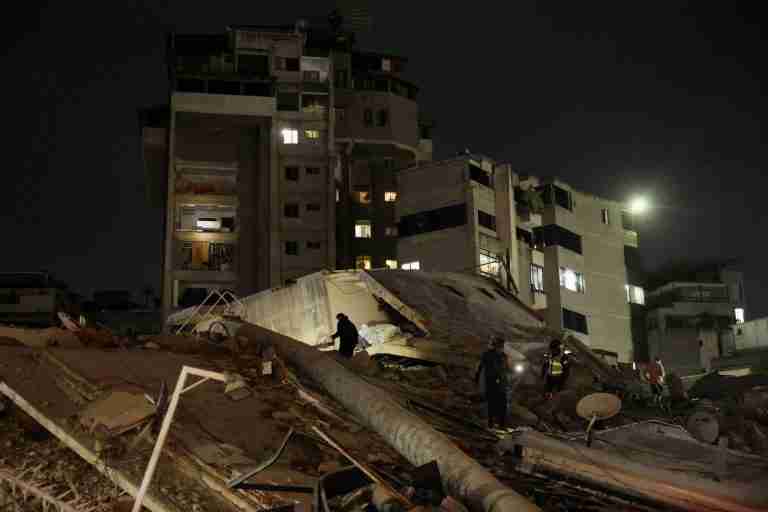
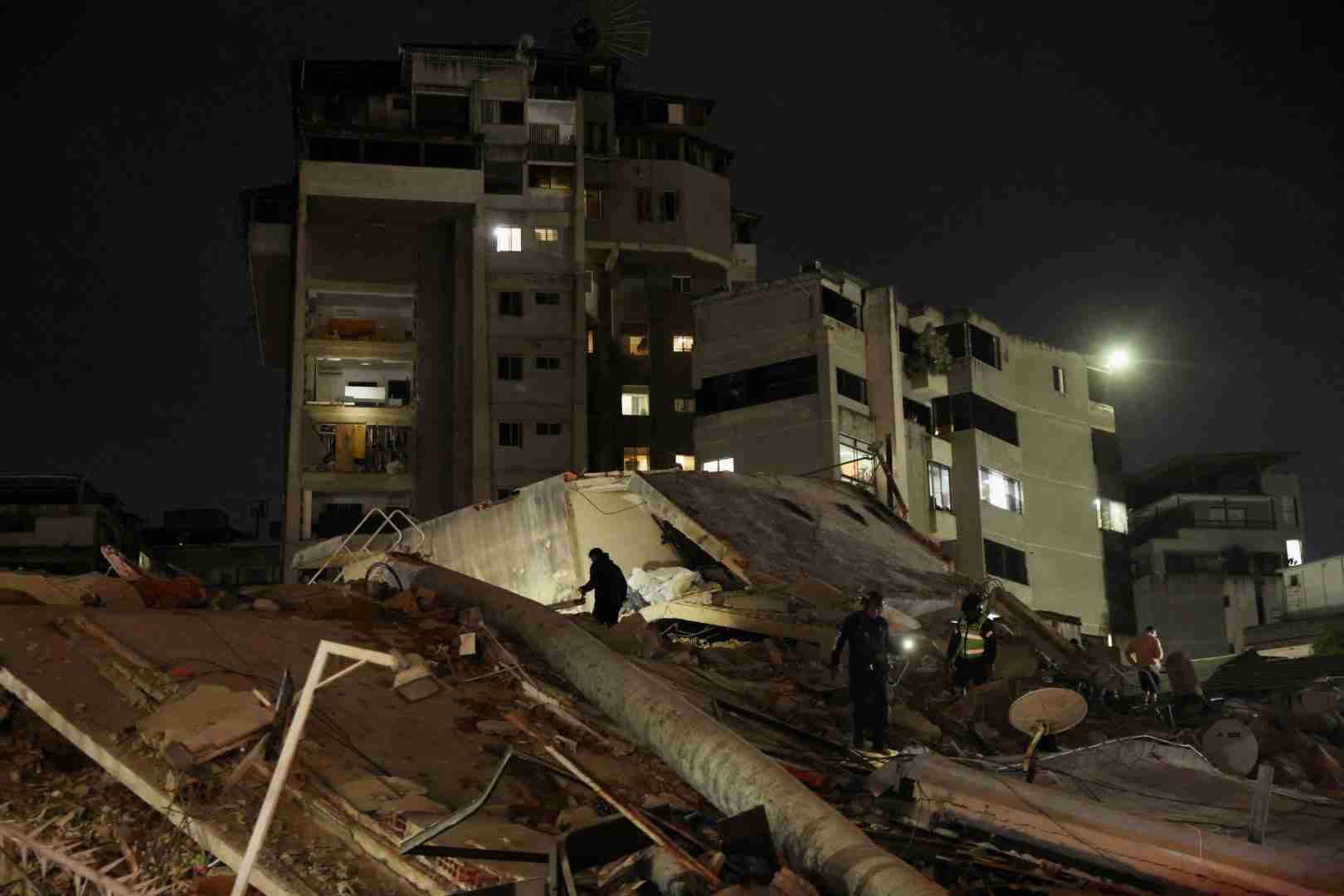
Emergency workers scrambled over the debris of collapsed buildings in Caracas as night fell, while distraught relatives sought help for loved ones feared trapped. Dazed survivors were taken away, some on stretchers.

“When we went downstairs, the scene was like a horror movie,” said Maria Alejandra, a resident from a nearby building, who did not give her surname.

“We had to climb over the rubble and everything. The building superintendent with the baby and all the neighbors coming down. But from that building, I only saw that one family got out.”

Interim President Delcy Rodriguez said at least 164 people were confirmed dead. The initial toll did not include those from worst-affected La Guaira state, near Caracas and home to the city’s airport, where witnesses’ footage showed scenes of panic as ceilings came down.

“Dozens of buildings have collapsed, and we are currently carrying out very intense rescue efforts to save as many lives as God allows us to save,” she said on state television just before 1 a.m. local time (0500 GMT) on Thursday.

“La Guaira state is a true tragedy, and has become a disaster zone.”

The U.S. Geological Survey, using predictive modeling to estimate the death toll, said it would most likely run into the thousands, with a substantial probability of exceeding 10,000.

A website set up to track missing people and posted on X by leaders from the country’s opposition, many of whom are outside the country, listed more than 10,000 people as unaccounted for at 5.40 a.m. local time (0940 GMT).

Many Venezuelans were at home when the quakes struck during a public holiday.

“There was a very loud crash. Things fell in the house, jugs inside the refrigerator. I’ve never experienced anything like it,” said Coro Martinez, 56, who lives in eastern Caracas.

TRUMP OFFERS HELP

Aftershocks rattled Caracas into the early hours of Thursday.

Rodriguez said the country was focused on rescue efforts, including the arrival in the coming hours of rescue crews from other countries, as she thanked leaders including U.S. President Donald Trump.

Trump said in a social media post that the U.S. was ready, willing and able to help in the disaster.

“The two major earthquakes that just hit the great people of Venezuela are both massive in scale and have left a devastating number of deaths,” said Trump, who ordered the capture of Venezuelan President Nicolas Maduro in a violent raid in January.

The U.N.’s Venezuela human rights mission urged the government to lift local restrictions on social media, saying it was a “matter of life and death”. In some areas, access had already become available as authorities struggled to cope in a country weighed down by years of economic mismanagement.

RESIDENTS RUSH INTO THE STREETS

Wilmer Azuaje, a former Venezuelan lawmaker, captured the moment the quake hit Maiquetia Airport, sending masonry and clouds of dust falling.

“Everyone, the situation we’re experiencing here is serious. A high-magnitude earthquake. Look at how everything ended up,” he said while videoing the scene.

Rodriguez said the airport had been closed, complicating the rescue effort.

Residents across Caracas, which was also hit by a deadly magnitude 6.3 earthquake in 1967, rushed to evacuate as buildings shook.

“As soon as it started, we began hearing people screaming,” said Astrid Ramirez, a 41-year-old publicist in western Caracas. “Everyone was running down the stairs.”

Maria Romero, an 80-year-old pensioner in southern Caracas, said police helped her get out of her home. “This earthquake was horrible, even worse than the one in 1967,” she said.

Another resident, a 41-year-old office worker who declined to be named, said she received an earthquake alert on her phone just before the shaking intensified.

“As I picked it up and started listening to what it was saying, I first felt light shaking. Then, in less than two seconds, everything started moving.”

Leaders from countries including El Salvador, the Dominican Republic, Brazil and Spain offered support and sympathy. The U.S. State Department said it was in touch with Venezuelan authorities and mobilizing assistance.

Venezuela lies in a seismically active zone where the Caribbean Plate meets the South American Plate.

An estimated 30,000 people were killed when a quake caused widespread destruction in Merida and Caracas in 1812, according to the USGS.

HOSPITALS BRACE FOR THE INJURED

At Caracas’ Hospital de Clinicas, staff doubled up on the night shift to help treat the injured, a worker there said.

School classes were canceled for the rest of the week. The city’s stock exchange was closed and will be used to help rescue efforts.

The Venezuelan Red Cross said its headquarters had been critically damaged but that it had sent rescue teams to the worst-affected areas. France said its embassy was badly damaged.

Venezuela’s oil infrastructure did not immediately appear to have been affected. Civil protection authorities in Maracaibo, near the large oil hub of Lake Maracaibo, said no injuries were reported. A worker at the El Palito refinery near Morón — the earthquake’s epicenter — said there was no damage there.

UK oil firm Shell, which is evaluating developing gas fields in Venezuela, said all its employees were accounted for with no injuries.

One source said an extended loss of power could hit crude output levels. Venezuela’s oil ministry, state-run oil company PDVSA and its main foreign partner, Chevron, did not immediately reply to requests for comment.

Reporting by Vivian Sequera and Mayela Armas in Caracas; Additional reporting by Deisy Buitrago, Aida Pelaez-Fernandez and Reuters TV in Caracas, Tibisay Romero in Valencia, Venezuela, Keren Torres in Barquisimeto, Venezuela, Tathiana Ortiz in San Cristobal, Venezuela, Mariela Nava in Maracaibo, Venezuela, Marianna Parraga and Sheila Dang in Houston, Fabian Cambero in Santiago, Ana Isabel Martinez in Mexico City and Emma Farge in Geneva and John Irish in Paris; Writing by Kylie Madry and Julia Symmes Cobb; Editing by Daina Beth Solomon, Lincoln Feast, Raju Gopalakrishnan, Philippa Fletcher

UK moves to criminalise gender and sexuality conversion therapies

Government publishes draft Conversion Practices Bill for England and Wales, banning so-called ‘conversion therapies’

International News via Reuters:

Britain on Thursday set out plans to criminalise abusive and harmful therapies intended to change a person’s sexual orientation or gender identity.

• Government publishes draft Conversion Practices Bill for England and Wales, banning so-called ‘conversion therapies’.

• Offenders carrying out such practices could face an unlimited fine and/or up to five years in prison.

• Bill would also criminalise encouraging or assisting conversion therapies carried out outside England and Wales.

• Britain pledged to ban conversion practices in 2021, with a further commitment in January 2023.

• Measures in the draft bill would also create civil protections similar to those for forced marriage and female genital mutilation to protect those at risk of abuse.

• The legislation includes exemptions for what was described as legitimate healthcare, allowing therapists and counsellors to continue open conversations about sexuality and identity.

• The proposed bill will undergo pre-legislative scrutiny before being introduced to parliament for further debate.

Reporting by Sam Tabahriti; editing by William James

UK retail downturn deepened in June, CBI survey shows

The Confederation of British Industry said its monthly retail sales balance, a gauge of sales volumes over the past year, fell to -54 in June from -46 in May

International News via Reuters:

British retail sales slid further this month, with sales far below the norm expected for this time of year, according to a survey on Thursday that added to signs of a slowdown underway in Britain’s economy.

The Confederation of British Industry said its monthly retail sales balance, a gauge of sales volumes over the past year, fell to -54 in June from -46 in May.

For the three-month average to June, the balance fell to -56 from -55, the lowest reading since records began in 1983.

The CBI survey followed an unexpectedly downbeat reading from the closely-watched S&P Global business surveys, which do not cover retail but are widely viewed as an early indicator of economic growth.

“Retailers reported a gloomy start to the summer, with sales disappointing relative to seasonal norms to the greatest extent in over two years amid depressed consumer sentiment and rising cost pressures,” said CBI lead economist Martin Sartorius.

“A sharp fall in year-on-year retail sales was mirrored across the broader distribution sector, with wholesalers and motor traders seeing firm sales declines.”

A separate CBI survey on Tuesday showed British manufacturing orders deteriorated this month at the fastest rate since September 2020.

Sartorius said businesses needed clarity and stability from Britain’s likely next prime minister Andy Burnham, as well as policies that reduced the cost of doing business.

Reporting by Andy Bruce; editing by Suban Abdulla

Oil touches pre-war levels on rising Middle East supply

U.S. Energy Secretary Chris Wright told a forum that flows through the Strait of Hormuz were close to those before the start of the Iran war, with at least 20 million barrels having exited the strait in the last 24 hours

International News via Reuters:

Oil prices fell on Thursday to levels last seen before the start of the Iran war as expectations of rising supply from the Middle East outweighed demand concerns. 

Prompt-month Brent crude futures for August delivery were down $1.08, or 1.46%, to $72.66 a barrel by 0952 GMT, while U.S. West Texas Intermediate lost 84 cents, or 1.19%, to $69.50 a barrel.

Both contracts hit their lowest since February 27. 

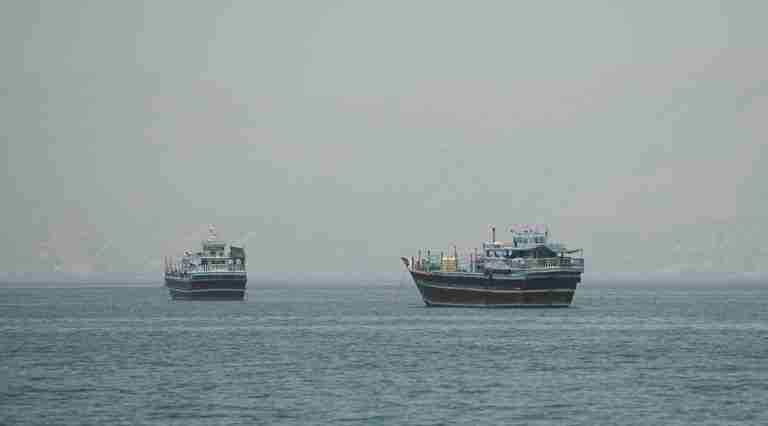
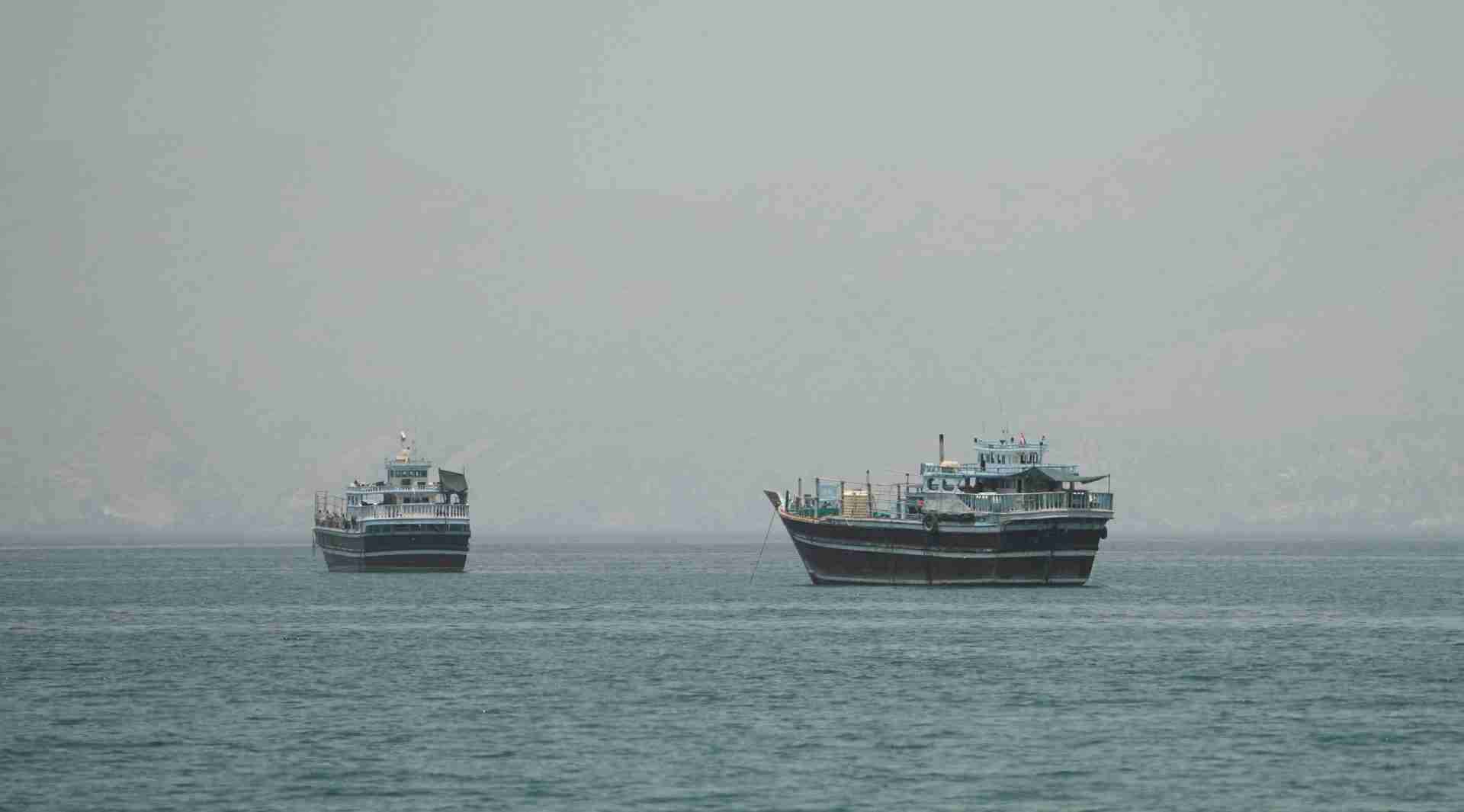
U.S. Energy Secretary Chris Wright told a forum that flows through the Strait of Hormuz were close to those before the start of the Iran war, with at least 20 million barrels having exited the strait in the last 24 hours.

A return to complete normalcy would take a few weeks, however, because the strait needs to be demined, he added.

“Most of the increase in flows from the Gulf is outbound —ships exiting the Strait,” UBS analyst Giovanni Staunovo said.

However, a significant increase in inbound flows requires shipping confidence to return, including safety assurances and mine clearance to allow insurance premiums to normalise, Staunovo said. 

Rising Middle Eastern supply, together with Iran set to boost sales after a temporary reprieve from U.S. sanctions, drove down prices of physical crude oil cargoes around the world.

Goldman Sachs said it does not expect a large pick‑up in Iranian production, even if sanctions relief extends beyond the August 21 expiry.

On the demand side, China is likely to remain the main buyer of Iranian crude, as EU and UK sanctions on Iranian oil and vessels remain in place, the bank added.

An accord agreed last week to end the U.S.-Israeli war, which began on February 28, has allowed the resumption of traffic through the strait. 

It set up a 60-day period of negotiations to tackle tougher issues, such as Iran’s nuclear programme. Wright said oil would continue to flow through the strait even if the deal did not hold, and that Iran would not be able to close it again.

UBS lowered its Brent price forecasts to $85 per barrel for end-September and end-December, and $80 per barrel for end-March and end-June 2027.

Meanwhile, Iraq will consider all available options if its OPEC quota is not significantly increased and has weighed leaving the producer group, sources with knowledge of Iraqi oil policy told Reuters.

The prospect of Iraq considering an exit from OPEC follows the surprise exit of the United Arab Emirates this year. Iraq is one of five founding members and the group was formed in the Iraqi capital.

On the geopolitical front, Ukraine’s military hit an oil depot in Russia’s Krasnodar region and two oil refineries in the Ufa region, 1,500 km (932 miles) from the Ukrainian border, President Volodymyr Zelenskiy said on Thursday.

Reporting by Anushree Mukherjee in Bengaluru, Colleen Howe in Beijing and Siyi Liu in Singapore; editing by Jacqueline Wong, Jason Neely, Alexandra Hudson