Sunday, November 1, 2026
Home Blog Page 24

Spain’s rush to clear Ceuta migrant backlog raises rights concerns

Prime Minister Pedro Sanchez’s government is under pressure from the EU and an increasingly frustrated populace to sort out the crisis and faces a snap election on November 29
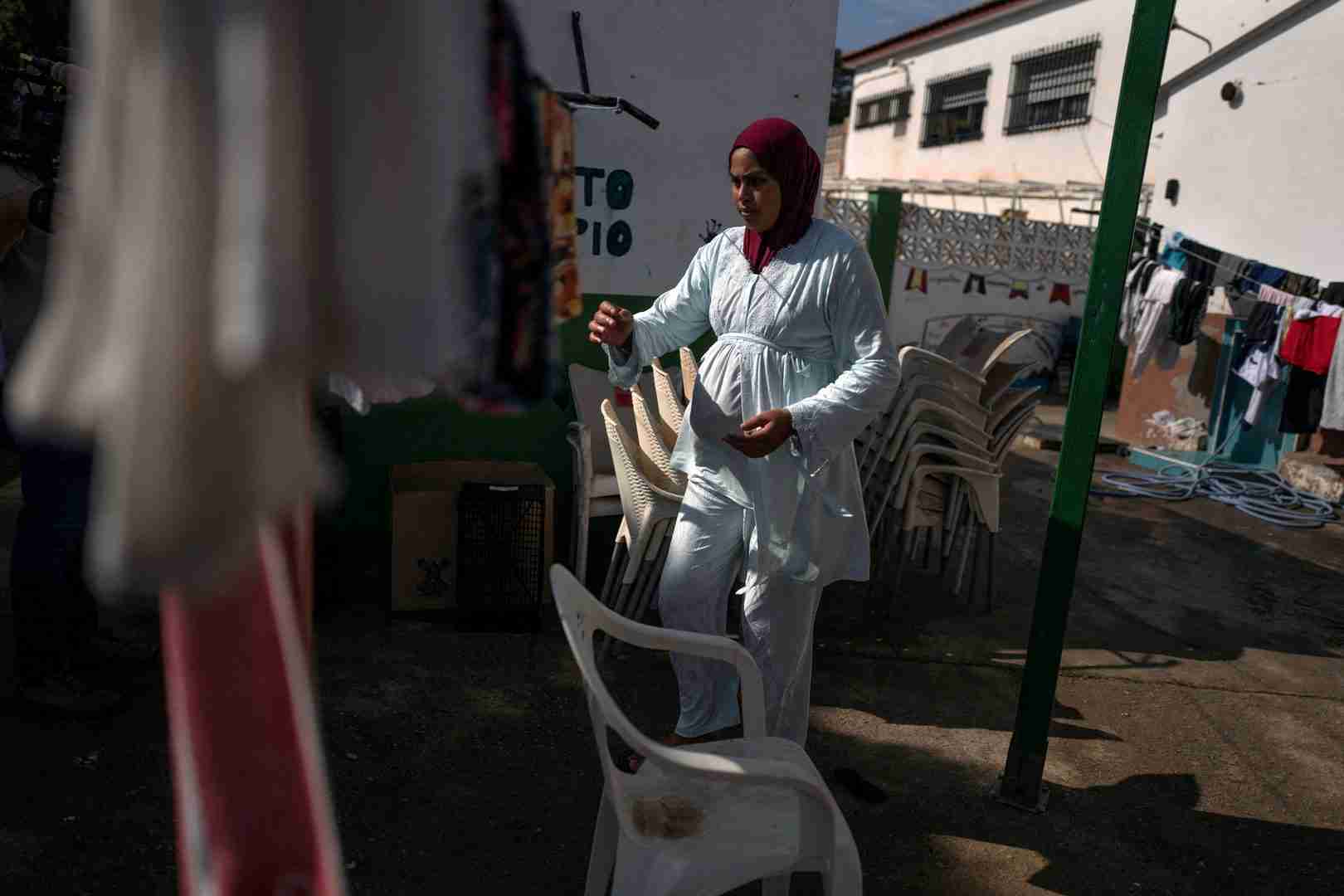
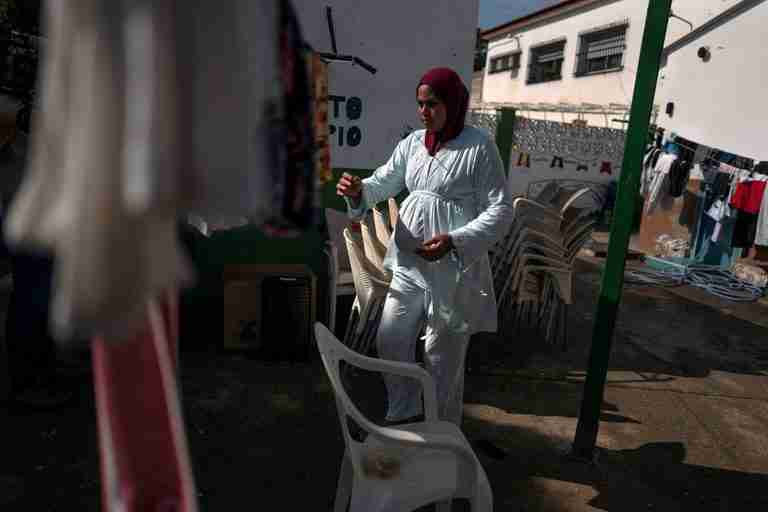
FILE PHOTO: Fatna, 21 years, collects the laundry at San Antonio attention center for migrants, where she found shelter after crossing the border pregnant with her 3-year-old son and her husband, amongst the recent mass crossings of migrants from Morocco to Ceuta, Spain, September 30, 2026. REUTERS/Pedro Nunes/File Photo

International News via Reuters:

When heavily pregnant Fatna and her disabled son arrived in Spain’s North African enclave of Ceuta during a chaotic mass border crossing on July 30, she hoped to be high on authorities’ list for help.

Nearly three months later, with her newborn baby girl suffering from kidney problems, Fatna, 21, and her family urgently need to reach mainland Spain for specialist hospital treatment.

However, travelling while her asylum claim is under review requires a permit that Spain’s socialist government – ordinarily a staunch advocate of immigration – has been reluctant to grant to any of the thousands of migrants remaining in Ceuta.

Some are still scattered on the streets or hiding in the rolling hills of the tiny 20-sq-km port city on Morocco’s northeast border.

Unaccompanied minors evicted over the weekend from an industrial estate near the border with Morocco were documented in local media sleeping on the pavement in front of the police headquarters, waiting to be registered.

Prime Minister Pedro Sanchez’s government is under pressure from the EU and an increasingly frustrated populace to sort out the crisis and faces a snap election on November 29. 

It is working on shortcuts for asylum applications with the intention of sending most people home, mainly to Morocco, on the basis of being economic migrants not real asylum-seekers.

That, NGOs fear, risks violating migrants’ rights.

More than 20 interviews by Reuters with migrants, lawyers, NGOs, and security forces revealed that many of those who remain have clear grounds for asylum or humanitarian protection: from unaccompanied minors to LGBT Moroccans fearing imprisonment if deported and families like Fatna’s classified as vulnerable under EU law.

Last week, eight charities including Oxfam and Amnesty International filed a complaint with Spain’s ombudsman seen by Reuters alleging “grave rights violations” in the tiny Ceuta enclave. They included the forced return of migrants from conflict-hit countries and denial of interpreters and legal assistance.

Spokespeople for Spain’s central government, interior ministry, territorial policy ministry and migration ministry did not respond to Reuters requests for comment on the mistreatment accusations. 

Sanchez, one of Europe’s few remaining left-leaning leaders, said last week that Spain was managing the flood of cases “responsibly, with a sense of solidarity and respecting migrants’ human rights”.

“There are people who will truly be in enormous danger if they are returned to Morocco,” said Wendell Soares, coordinator of the Catholic migrant reception centre San Antonio which has taken in Fatna’s family and dozens more vulnerable people, far beyond its usual capacity of seven.

“When the word ‘immigrant’ is used, it creates a collective image, as if they were all the same. Every person has their own story.”

DEPORTED WITHOUT EXPLANATION

Spanish right-wing and far-right parties were already angry with Sanchez’s government for providing legal status to nearly 1 million irregular migrants earlier this year. They have cast July’s crossing as a deliberate invasion by Morocco – an accusation Morocco denies – and demanded that all migrants be returned. 

But despite plans for a new EU-wide procedure enabling accelerated deportations in future emergency scenarios, current rules require that migrants be assessed case-by-case.

While most are from Morocco, the government estimated in August that more than 1,000 of the migrants remaining were from sub-Saharan countries whose nationals are granted asylum in over 90% of cases in Spain, according to government statistics.

The EU’s new pact requires that cases be processed in border zones to permit faster deportations. But it does not require applicants to stay where they arrived, allowing for transfers to other border zones in Spain that would alleviate pressure on the 84,000-person enclave of Ceuta which, along with Melilla, represent Europe’s only land borders with Africa.

If vulnerable migrants’ cases are to be properly assessed, such transfers are the “only option”, said Juan Miguel Morales, director-general of NGO Sur Acoge. 

While 262 minors have been transferred to the Spanish mainland since the July crossing, the government’s strategy for the remaining adults has been to convince as many as possible to return of their own volition.

The government said this week that 12,000 had chosen to cross back since mid-August. 

“There are no covert deportations under any circumstances,” Interior Minister Fernando Grande-Marlaska said, describing the returns as voluntary and adding that up to 1,200 asylum applications had been received and 700 of them resolved.

However, at least nine NGOs have in public communication or interviews with Reuters claimed that migrants they support were coerced to return.

Asociación Elin said migrants from Sudan and Chad were summoned by police on September 24 and 25 and deported without warning, according to the complaint to the ombudsman. 

In text messages reviewed by Reuters, Moroccan migrant Azhaar Chaouni told volunteers at German NGO Mission Lifeline that he and other migrants faced the same fate, after being picked up in buses by police from their makeshift camps on the beach and told they were being taken to reception centres. 

“They deported us without explanation,” Chaouni wrote, saying he was in Morocco.

Morocco’s designation as a “safe country of origin” under EU rules does not strip its citizens of the right to apply for asylum, said Andrea de Petris, immigration expert at the think tank CEP, based in Freiburg, Germany.

“Each individual must be guaranteed a specific assessment of their personal circumstances,” added De Petris who estimates the procedure would inevitably be “lengthy and costly”.

Stories of others disappearing have instilled fear in Rayane, a 19-year-old gay Moroccan awaiting news on his asylum application in the San Antonio reception centre. Rejected by his family and unable to live openly in Morocco where same-sex sexual acts are prosecuted, he is desperate to get to mainland Europe.

“I can’t even imagine myself going back to Morocco. I’d kill myself before even crossing the border,” he said.

PACT EXPOSED

Frontline workers and NGOs on the ground say the situation in Ceuta has proven that the 12-week limit set in the EU’s migrant pact for processing asylum applications is unrealistic, with seven stating they expect the process to drag on for months.

A lack of resources from staff to functioning computers meant that only around 100 migrants’ cases were being registered daily by October 14, according to police union representative Raul Piera.

The union estimates roughly 7,000-8,000 more migrants are still scattered across the city, sleeping rough or squeezed into facilities provided by charities and civil society groups filling the gap left by Ceuta’s overwhelmed social services.

“Looking at the remaining workload, this will last well into next summer,” said Piera. 

Spain’s government has declined to comment on estimates of unregistered migrants, with Territorial Policy Minister Angel Victor Torres telling reporters on October 14 that it was impossible to know how many were hiding. 

Doctors in Ceuta’s only hospital are treating migrants for scabies, tuberculosis and gastrointestinal infections caused by long periods outdoors, said Enrique Robiralta, head of the doctors’ union. At least seven women have given birth.

Fatna and her husband Mohamed are desperate to stay in Spain, fearing for the new baby and convinced their 3-year-old disabled son will die in Morocco. “We are doing everything for our son,” said Mohamed.

Reporting by Corina Pons in Ceuta and Victoria Waldersee in Madrid; Additional reporting by Amina Ismail in Brussels; Editing by Andrew Cawthorne
UK approves long-delayed Jackdaw gas field on energy security grounds

Energy minister Miatta Fahnbulleh said the project would begin supplying gas to British homes and businesses by the end of this month, helping ease energy costs that have surged during the Iran war

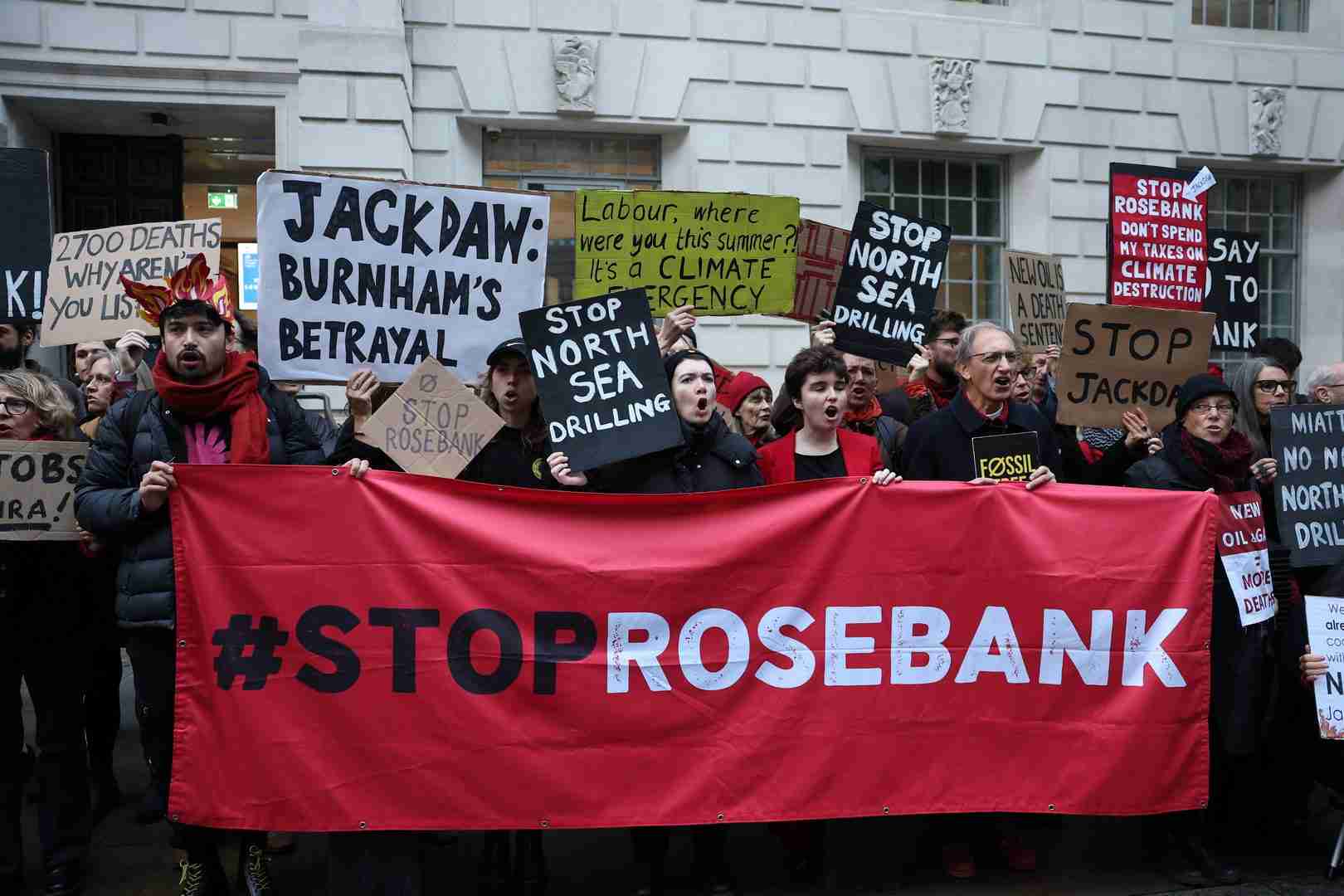
Activists from Fossil Free London protest after Britain approved the Jackdaw North Sea gas field, ending years of legal and political wrangling that had pitted the Labour government’s climate commitments against its push to bolster energy security, outside the Department for Energy Security and Net Zero (DESNZ), in London, Britain, October 21, 2026. REUTERS/Toby Melville

International News via Reuters:

Britain on Wednesday approved the Jackdaw North Sea gas field, ending years of legal and political wrangling as the Labour government seeks to balance its climate goals with energy security concerns.

Energy minister Miatta Fahnbulleh said the project would begin supplying gas to British homes and businesses by the end of this month, helping ease energy costs that have surged during the Iran war.

Higher energy prices have weighed on households and businesses, dragging on Britain’s economy and prompting US President Donald Trump to repeatedly urge Prime Minister Andy Burnham to expand North Sea drilling to help lower costs.

The government said Jackdaw would raise domestic gas production by about 6% at peak output and operate for up to 11 years, calling it “a source of national strength” during a period of global instability.

“At a time when people are really struggling, it’s right that we look in a responsible way at maximising the existing energy reserves we have in Britain that could help,” Burnham said.

NEW ENERGY WEALTH FUND

Burnham, who took office in July, has sought to balance pressure to tackle rising bills with demands from some Labour lawmakers to reduce fossil fuel use.

North Sea oil and gas fields have generated tens of billions of pounds for Britain over several decades and were a pillar of Margaret Thatcher’s government during their heyday in the 1980s.

Alongside approving Jackdaw, the government announced a new Energy Wealth Fund with an initial £2 billion ($2.7 billion) investment to channel oil and gas revenues into the transition to cleaner energy.

The move aims to demonstrate that Britain remains committed to its climate targets despite backing a new gas project, following the country’s hottest summer on record.

The Green Party called the approval “climate vandalism”.

Fahnbulleh said bringing Jackdaw into production was compatible with Britain’s legally binding target of reaching net zero emissions by 2050 and reiterated her commitment to legislation banning new North Sea licences.

Asked about the Rosebank oilfield, which, along with Jackdaw, has been in limbo for years after a court ruling temporarily blocked both developments, Fahnbulleh said she had yet to make a decision.

“Jackdaw is a gas field that essentially caters for the UK market, so it’s gas that goes into our homes and businesses here. Rosebank is an oil field that is predominantly about exports,” she told Sky News.

North Sea fossil fuel production has dropped sharply since peaking in the late 1990s. Even if both Jackdaw and Rosebank come onstream, their output would be small on a global scale and do little to slow the basin’s long-term decline.

Jackdaw is run by Adura, a joint venture between Shell and Norway’s Equinor. Shell welcomed the government’s decision.

“Long-term energy projects depend on a competitive and stable investment environment, alongside timely and predictable regulatory decisions,” Shell said.

($1 = 0.7476 pounds)

Reporting by Sarah Young and Kate Holton. Additional reporting by William James and Shadia Nasralla. Editing by Kate Holton and Mark Potter

UK’s FTSE 100 pauses as hot inflation report outweighs energy boost

The blue-chip FTSE 100 index fell 0.1% to 10,723.02 points by 1022 GMT, after two sessions of declines in a row

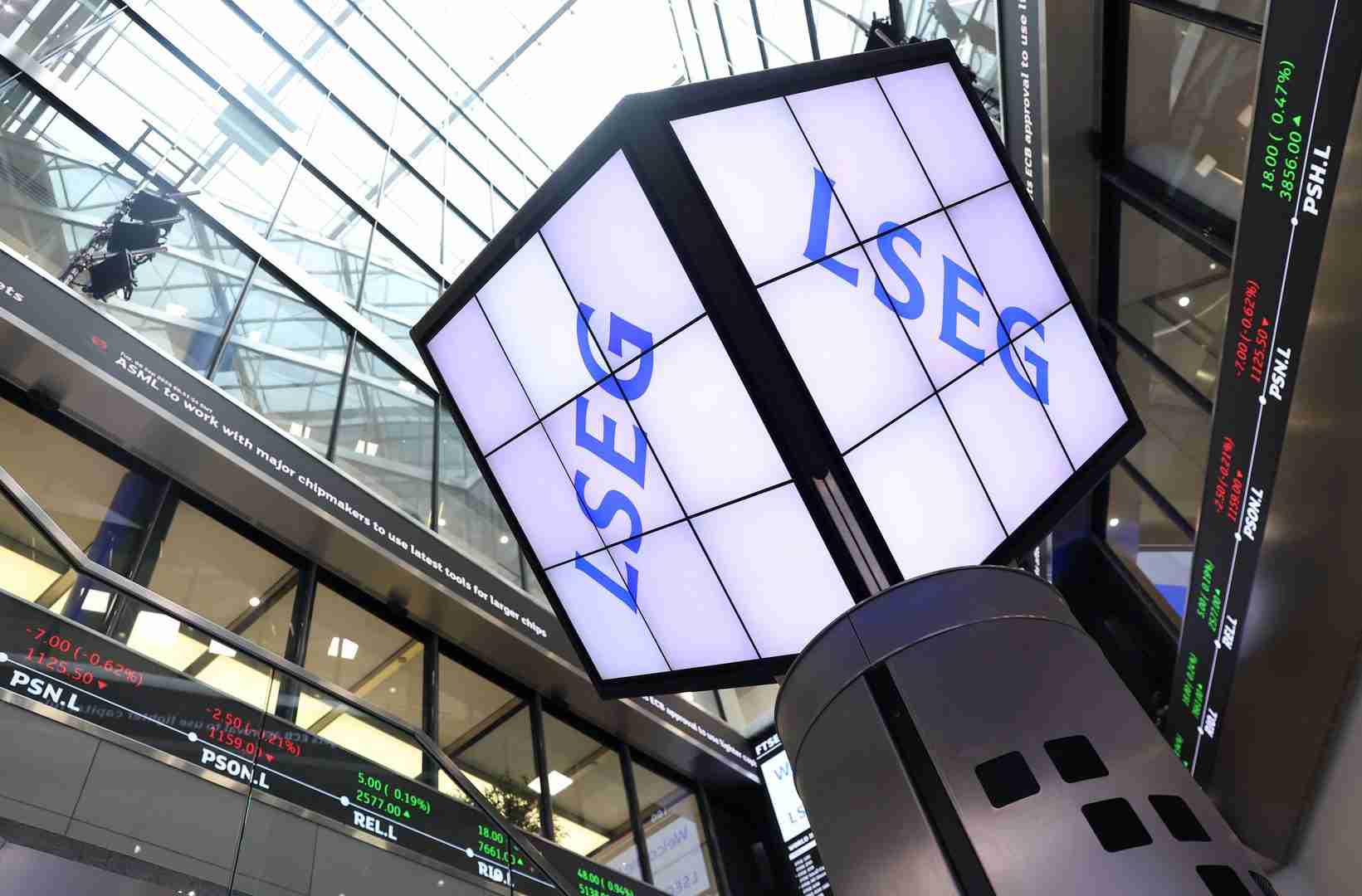
Financial markets data and information are displayed around an LSEG (London Stock Exchange Group) branded cube inside the LSEG headquarters in Paternoster Square, London, Britain, September 8, 2026. REUTERS/Toby Melville

International News via Reuters:

Britain’s FTSE 100 was little changed on Wednesday as hotter-than-expected inflation reinforced bets on the Bank of England (BoE) increasing interest rates, overshadowing gains in oil majors that tracked firmer crude prices.

The blue-chip FTSE 100 index fell 0.1% to 10,723.02 points by 1022 GMT, after two sessions of declines in a row. The midcap FTSE 250 was muted at 0.02%.

• UK inflation rose to 3.5% in September, above economists’ expectations of 3.4%, as the US-Israel war on Iran pushed up energy prices

• Money markets are pricing in a 98.8% probability of a 25-basis-point BoE rate hike in November, according to LSEG data

• “We’re likely to see both haulage and agriculture hit hard — sectors that get food and goods to our doors, and a sustained rise here could cause a really nasty second-round shock,” Nick Saunders, CEO of online investment platform Webull UK, said

• Finance minister John Healey came under pressure ahead of next week’s budget after official data showed government borrowing beat forecasts for a second straight month, pushing public debt above £3 trillion ($4.01 trillion)

• Energy stocks gained 1.1%, as oil prices rose 1.2% as escalating Middle East tensions fuelled fears of supply disruptions [O/R]

• Oil-linked stocks gained, with BP and Shell among the biggest boosts to the FTSE 100 as crude prices climbed

• Asset manager Aberdeen Group, among top losers on the FTSE 100, fell 3.5% after flagging a slower-than-expected return to adviser-segment inflows

• Midcaps: bicycles-to-car parts retailer Halfords dropped about 9%, the steepest on the FTSE 250, after first-half results

Reporting by Darshan Kumar in Bengaluru; Editing by Joyjeet Das

Pound gains against dollar, euro as inflation data cements future rate hike bets

Sterling was last up 0.1% at $1.339, holding near its highest level in about a month

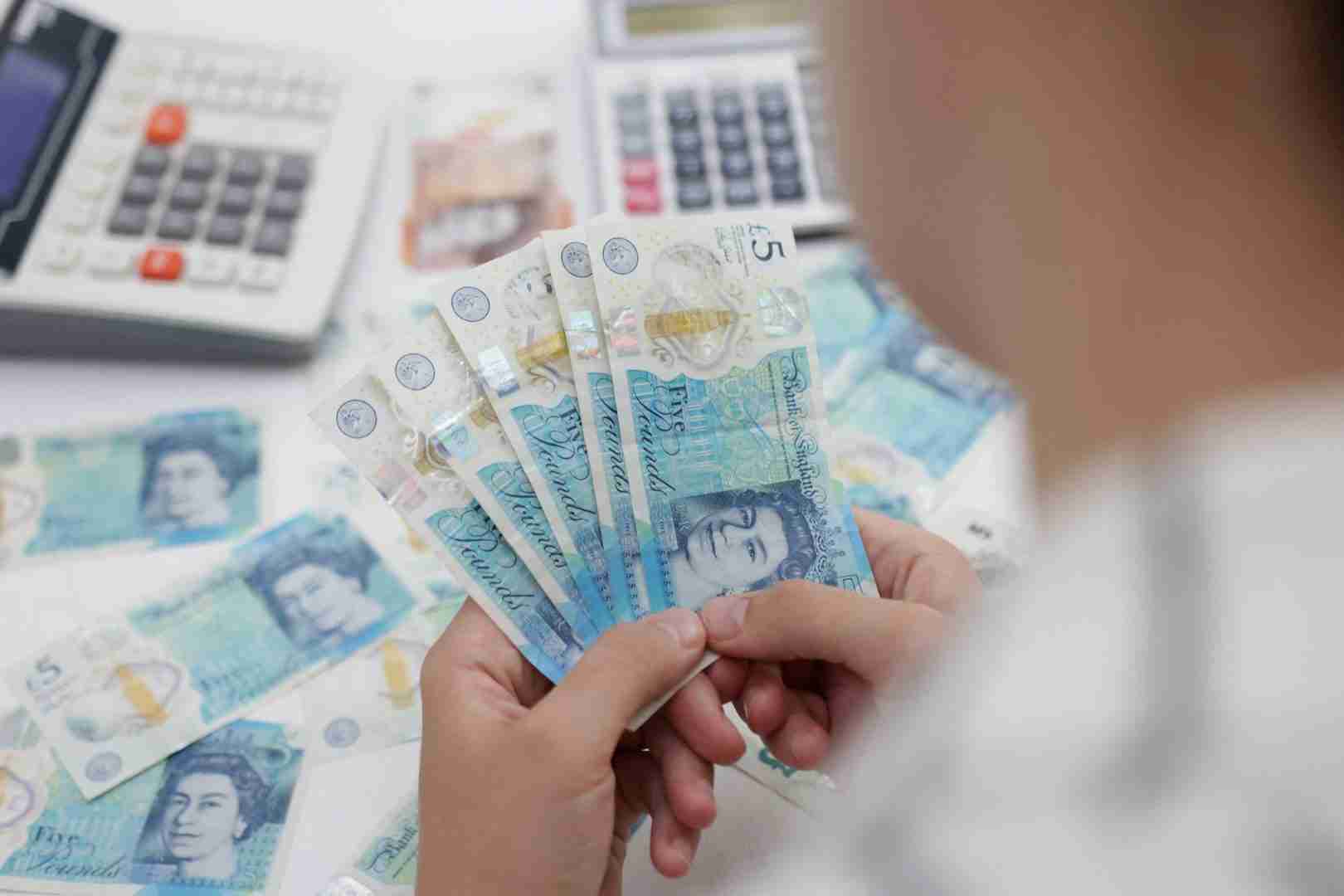
FILE PHOTO: Woman holds British Pound banknotes in this illustration taken May 30, 2022. REUTERS/Dado Ruvic/Illustration/File Photo

International News via Reuters:

The pound rose slightly against both the euro and the dollar on Wednesday after a hotter-than-anticipated inflation reading solidified bets of a Bank of England interest rate hike next month.

Sterling was last up 0.1% at $1.339, holding near its highest level in about a month. It rose 0.2% against the euro, up for the fifth straight session and at its strongest in 17 months, pinning the European common currency down at 83.80 pence.

Consumer price inflation rose to 3.5% after a 3.1% increase in August, the Office for National Statistics said. Economists polled by Reuters had forecast a rise of 3.4% in the 12 months to September as the surge in energy prices caused by the Iran war gathered steam.

This comes after data on Tuesday showed British workers have seen another modest rise in the pace of pay growth and there were other hints of a small recovery in the jobs market.

“Strong growth, stable or falling labour market slack and surging inflation mean the MPC will hike in November. We expect another hike in February and are very close to adding a third in May, or earlier,” Pantheon Macroeconomics economists said in a note.

Money market data showed traders are nearly fully pricing in a 25-basis-point rate hike in November. Expectations currently are for four rate hikes by the middle of next year, according to LSEG-compiled data.

The pound has gained close to 2% against the euro this month, on pace for its best monthly showing since May 2023. It has also gained almost 1% against the dollar so far this month.

The euro has suffered against most currency pairs recently, with traders remaining cautious on the single currency as France grapples with widespread anti-government protests and a worsening fiscal outlook that has pushed its 10-year borrowing costs towards 24-year highs.

Focus would now be on British finance minister John Healey’s first budget, which is to be delivered next week.

Earlier this month, Healey said his budget would include measures to reinforce the resilience of Britain’s economy to the Iran war energy price shock and offer “a bit of breathing space” to the country.

“The key question for markets is whether the low-key budget does little to dent any credibility ahead of bigger spending, tax and borrowing decisions next year,” Deutsche Bank economists said in a note.

Reporting by Shashwat Chauhan in Bengaluru; Editing by Andrew Heavens

Bank of England’s Greene says inflation risks are bigger than thought

Greene – part of a minority on the BoE’s Monetary Policy Committee that has voted for higher rates – said it was better to act as if the so-called second-round effects from the energy shock were stronger and then adjust policy later if needed

A shopper walks along an aisle inside a Tesco supermarket in Manchester, Britain, February 5, 2026 REUTERS/Phil Noble/File Photo

International News via Reuters:

Bank of England policymaker Megan Greene said the risks of a pickup in broader inflation as a result of the energy price shock from the Iran war were greater than the BoE expected and she reiterated her view that interest rates should go up.

Greene – part of a minority on the BoE’s Monetary Policy Committee that has voted for higher rates – said it was better to act as if the so-called second-round effects from the energy shock were stronger and then adjust policy later if needed.

“I therefore continue to believe we should proactively lean against the risk of second-round effects,” she said in a speech at the London School of Economics on Tuesday.

So far the BoE has not followed the US Federal Reserve and the European Central Bank in increasing borrowing costs in response to the Iran war.

But Governor Andrew Bailey, who has backed keeping rates on hold, has said that the longer the conflict goes on, the harder it will be for the BoE not to respond, although he thought inflation pressures remained “quite subdued”.

Investors expect the BoE will raise its benchmark Bank Rate by a quarter of a percentage point to 4% next month.

In her speech, Greene said she believed wage growth was running higher than official data has suggested and pay settlements due in early 2027 might come in higher than thought given inflation was likely to be running around 4% then.

She said signs of resilience in Britain’s economy this year, despite the energy price jump, added to the case for higher borrowing costs.

“It is not obvious to me from this data that our monetary policy stance is meaningfully restrictive,” Greene said.

Writing by William Schomberg; editing by Sam Tobin and Nia Williams

UK police arrest pair on suspicion of helping Iranian intelligence over RAF Fairford incident

RAF Fairford had been used by US bombers to carry out strikes on Iran, but American B-1 bombers were withdrawn shortly after five British men were arrested outside the military base in southwest England in the early hours of September 27

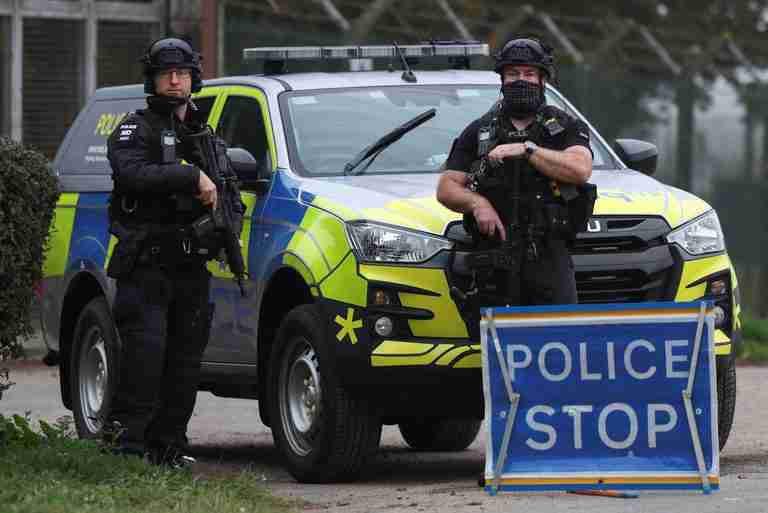
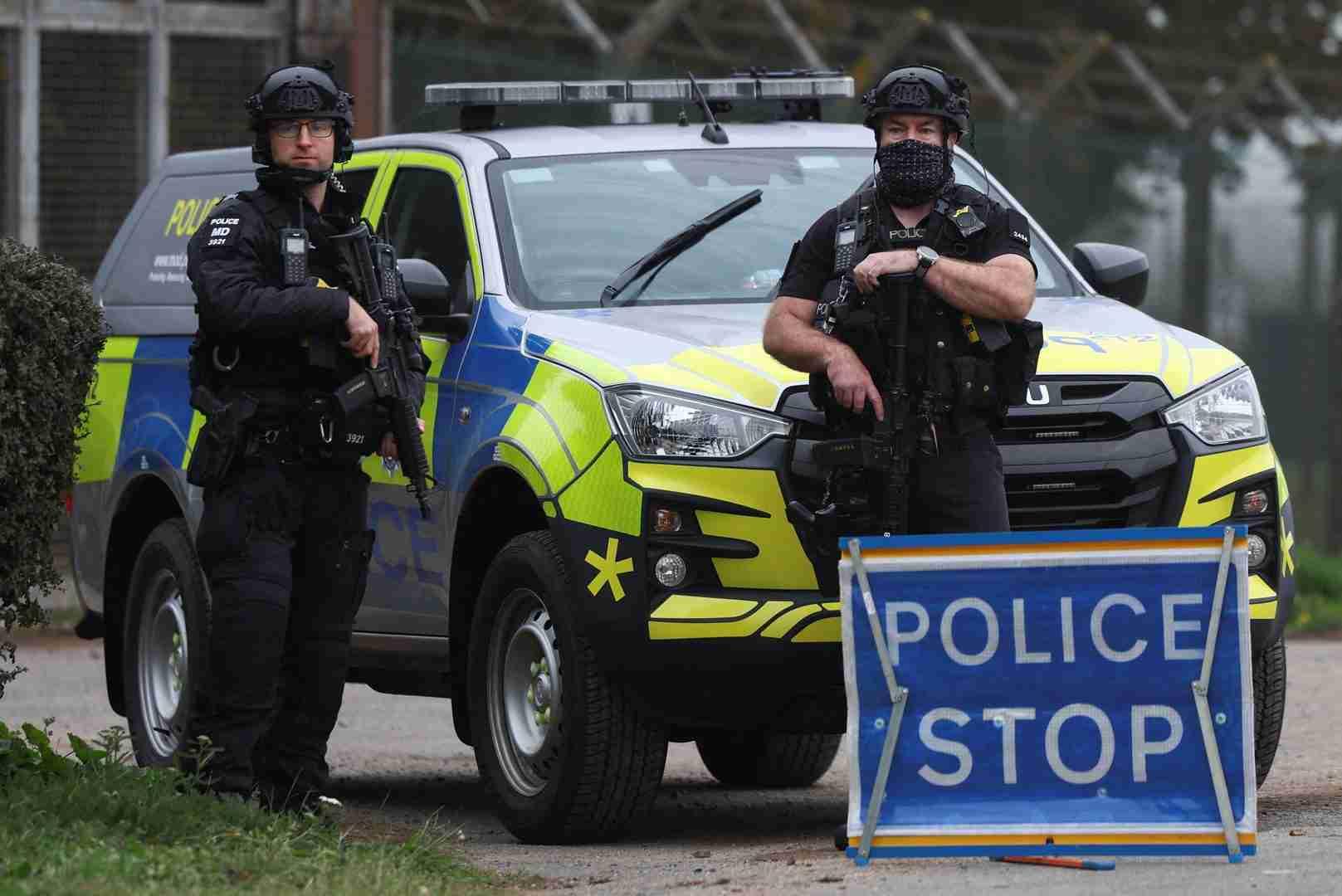
Police officers guard an area as roadblocks remain in place near RAF Fairford airbase, after police declared a major incident at the base and arrested several men on suspicion of offences under the Explosives Act, who have since been released on bail, in Fairford, Gloucestershire, Britain, September 29, 2026. REUTERS/Toby Shepheard

International News via Reuters:

British police said on Tuesday they had re-arrested two men on suspicion of assisting Iranian intelligence as part of their investigation into activity at the RAF Fairford air base last month.

RAF Fairford had been used by US bombers to carry out strikes on Iran, but American B-1 bombers were withdrawn shortly after five British men were arrested outside the military base in southwest England in the early hours of September 27.

Two other men were later arrested by police, though all seven were released on bail. Counter Terrorism Policing said on Tuesday, however, that two individuals had been re-arrested under the National Security Act.

CTP said in a statement they had re-arrested a 24-year-old British national, who was initially arrested outside RAF Fairford, and also a 25-year-old British-Iranian dual national who had previously been arrested in London.

Assistant Commissioner Laurence Taylor, head of National Counter Terrorism Policing in the UK, said in a statement: “This is very much a live investigation, and our evidence gathering continues, but at this time our position remains the same; we consider it highly likely that there is Iranian state involvement.”

British Prime Minister Andy Burnham last week said that the activity at RAF Fairford was likely to have been coordinated in Iran, which Iran’s ambassador to Britain has denied.

“We know the public have unanswered questions,” CTP’s Taylor said. “I want to be as transparent as possible and when we are in the position to share more, we will.”

Reporting by Sam Tobin; Editing by Alexandra Hudson

Summit aims to help entrepreneurs find funding

Access to funding remains one of the biggest challenges for entrepreneurs, but an upcoming international summit in Bermuda aims to help bridge that gap.

The Bermuda Democratizing Venture Global Summit, taking place on November 6th, will bring together local entrepreneurs and international investors for networking, discussions and practical advice on securing investment.

Kendal Trott spoke with Simon Glass, founder and CEO of Qodeo, a global platform connecting entrepreneurs with potential investors. He shared more about the upcoming summit and how it aims to open doors for Bermudian businesses looking to grow and expand their networks.

Stocks mostly rise as oil, US yields ease; euro edges up

Investors are looking to corporate earnings for evidence that consumers and the broader economy remain resilient, but also that massive AI spending is paying off

Traders work on the floor at the New York Stock Exchange (NYSE) in New York City, US, September 29, 2026. REUTERS/Jeenah Moon

International News via Reuters:

US stocks rose as oil prices and Treasury yields eased on Tuesday, while the euro inched higher even as worries about unrest in France remained.

Helping the Dow, 3M shares gained sharply after it said it was expanding its data-center partnership with Amazon. Shares of the industrial conglomerate were also higher after it raised its full-year profit forecast. 

Quarterly earnings are due from SpaceX and Netflix after the US market closes, with results from AI heavyweights such as Meta and Tesla scheduled later in the week.

Investors are looking to corporate earnings for evidence that consumers and the broader economy remain resilient, but also that massive AI spending is paying off.

Reflecting some of this nervousness was a 32% drop in South Korean AI infrastructure company Elice Group, when the stock fell below its initial public offering price in its market debut.

Investors are also still assessing the risk that higher interest rates pose to AI stocks. 

“This is a market relieved that rates have come down, relieved that there’s less volatility in oil prices, even though they remain elevated,” said Jake Dollarhide, CEO of Longbow Asset Management in Tulsa, Oklahoma. 

“Earnings season can distract this market. Earnings season can give this market reason to go higher,” he said.

US Treasury yields dropped, with economic data showing slumping demand for US housing. Traders see a 14.9% probability of a Federal Reserve rate hike of at least 25 basis points at its policy meeting next week, according to CME FedWatch, down from 22.1% a week ago and 57.6% a month earlier. 

The Commerce Department said US single-family homebuilding and permits for future construction fell sharply in September, while the National Association of Realtors said its pending home sales index tumbled 7.3% to 66.0 last month, the lowest level since the series started in 2001.

The yield on the benchmark US 10-year Treasury note dropped 4 basis points to 5.096%.

The Dow Jones Industrial Average rose 490.46 points, or 0.94%, to 52,453.89, the S&P 500 gained 30.54 points, or 0.4%, to 7,721.27 and the Nasdaq Composite rose 53.23 points, or 0.2%, to 26,484.11.

MSCI’s gauge of stocks across the globe added 0.93 points, or 0.08%, to 1,130.91.

The pan-European STOXX 600 index fell 0.14%. European semiconductor companies including ASML and ASMI were lower. French stocks fell 0.4%. 

EURO EDGES UP, OIL DOWN

France’s cities were calm overnight under curfews imposed after last weekend’s unrest, as protest groups announced a new round of demonstrations next Saturday.

The euro was up 0.17% at $1.1229. The dollar index, which measures the greenback against a basket of currencies including the yen and the euro, fell 0.22% to 101.75.

France’s government bond yields climbed further on Tuesday, with investors remaining cautious ahead of the plans for further protests. The unrest in France has underscored the difficulties the French government faces in reducing its large deficit.

France’s 10-year OAT yield was up 3 basis points at 4.96%; it reached 4.9937%, its highest since July 2002, in early October. The yield gap between OATs and Bunds widened by 5.5 bps to 152.50 bps. 

Oil prices slipped after touching a five-month high during a choppy session as traders weighed Houthi attacks on Saudi infrastructure and reports of vessel attacks in the Gulf.

US crude fell 0.89% to $102.74 a barrel and Brent dropped 1.2% to $108.23 per barrel.

Reporting by Caroline Valetkevitch in New York and Shashwat Chauhan in Bengaluru; additional reporting by Rocky Swift in Tokyo and Ankur Banerjee in Singapore; Editing by Shri Navaratnam, Jacqueline Wong, Amanda Cooper, Xevi Fontdegloria, Kevin Liffey, Rod Nickel

Prince Harry says he wants to reconcile with family

Harry, 42, the king’s younger son, caused a huge rupture in the British royal family when he and his wife Meghan quit royal duties and moved to California in 2020 from where they were highly critical of the institution

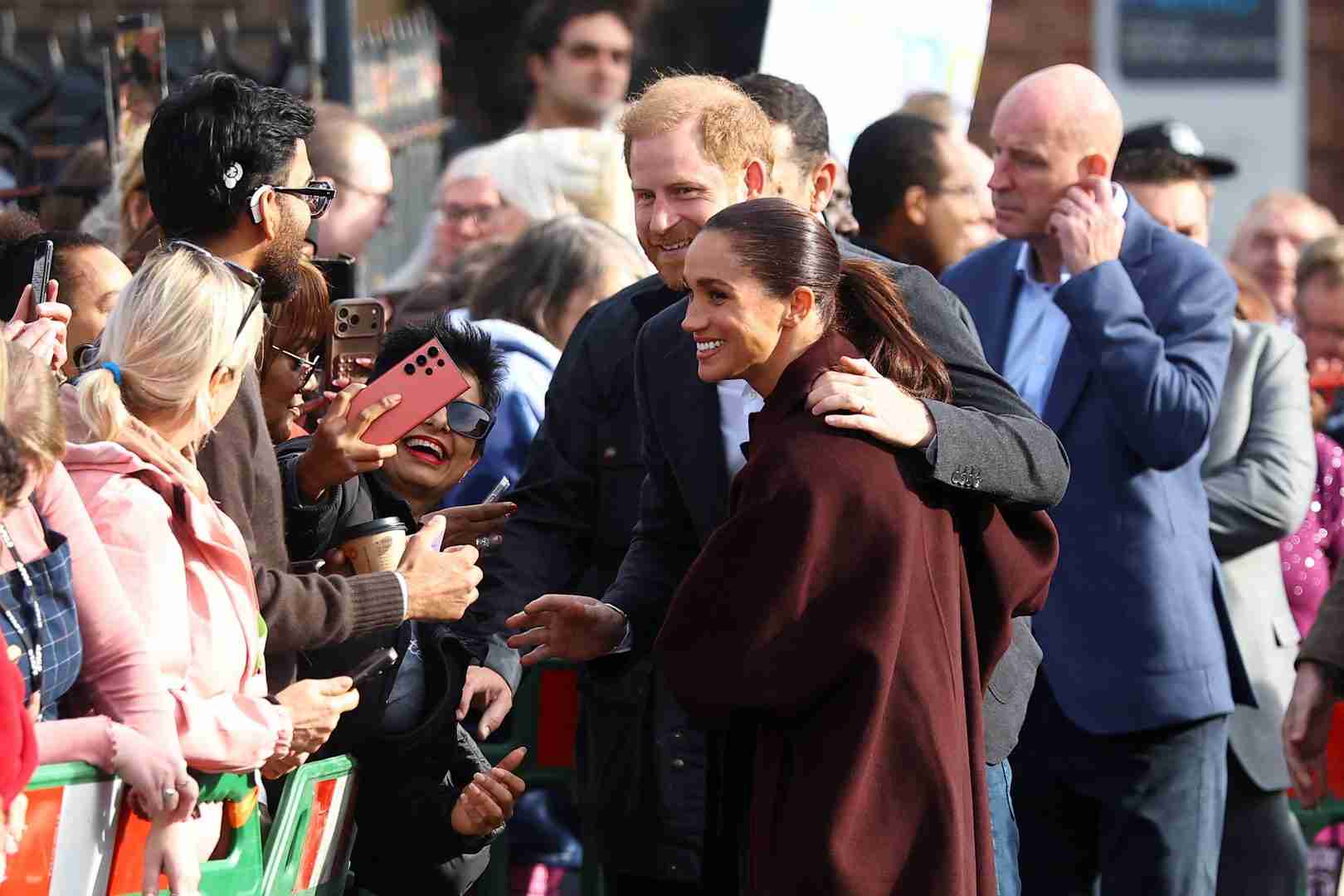
Britain’s Prince Harry and Meghan, the Duke and Duchess of Sussex, greet well wishers as they arrive for a visit to The Community Recording Studio, a youth and community charity supporting young people through creative activities, mentoring and youth development, in Nottingham, Britain, October 15, 2026. REUTERS/Phil Noble

International News via Reuters:

Prince Harry has said he hoped to reconcile with King Charles and the rest of his family with whom he fell out when he moved to the United States six years ago.

Harry, 42, the king’s younger son, caused a huge rupture in the British royal family when he and his wife Meghan quit royal duties and moved to California in 2020 from where they were highly critical of the institution. 

He has barely spoken to his older brother, heir Prince William, for years, and his family has only recently met up again with his father. In an interview with GQ magazine, Harry, who recently relocated back to Britain with Meghan and their two children, said he wanted to patch things up.

‘MOST IMPORTANT THING IS TO RECONCILE’

“With everything else that’s going on in the world, the most important thing is to reconcile,” he told GQ.

He said he could understand the fascination with his family’s situation as people could relate to it.

“There’s sibling disagreements, there’s broken relationships between kids and their parents, kids and one parent,” he said.

Some people might be inspired by efforts to reconcile and this could help their own relationships.

“And some people don’t want it to work out. I want it to work out,” he added.

Harry’s spokesperson said those latter comments were not meant as a swipe at William or any other family members.

Harry, the Duke of Sussex, went on to tell GQ that while “scars stick around forever”, he wanted to encourage everybody to let go of the past.

“For me, there’s enough drama in the world and enough drama in people’s lives than to continue with issues with family,” he said. “It’s not worth it.”

HARRY SAYS CHILDREN ‘LOVING’ UK SCHOOL

In the lengthy interview, Harry also discussed themes he has previously talked about, such as the impact of losing his mother Princess Diana when he was 12 and his mental health struggles.

But he also talked about why he had returned to Britain, saying that being able to put his children in a British school “has meant a lot to me”.

“I didn’t know how important it was to me. I always thought it was going to be something that we would try and do, but now they’ve been in school for two weeks. They’re loving it and it’s just giving them a whole different experience.”

He also said he hoped that his fraught relationship with the British press, which partly led to him leaving in the first place and has led to a number of lawsuits against newspaper groups, would now be better.

“My hope is that it will change,” he said. “There have been some battles that have been fought, necessarily so. But hopefully we can all draw a line under that.

“As with everything else that’s going on in the world, there’s aspects of the past that I’m sure all of us, me, my family, some of the British press, that we’d all like to leave behind us and work for the greater good.”

Reporting by Michael Holden, Editing by Alexandra Hudson

Report draws life-saving lessons from yacht rescues

Developed following reviews of the 2024 Newport Bermuda Race, the Cruising Club of America study examines how sailors can safely rescue fellow crews in distress at sea

When a yacht is in distress far offshore, another sailing crew may be its best chance of rescue. A new groundbreaking report from The Cruising Club of America (CCA) examines 28 yacht-to-yacht crew rescues to help sailors prepare for that responsibility.

The 63-page report explores the decisions and challenges involved: when to call for help, how to bring two vessels together safely, how to transfer people aboard, and what happens after everyone is rescued.

“Most offshore sailors never expect to be the vessel that answers a Mayday, but whether far offshore or coastal, you may be the nearest or only boat able to assist and rescue another,” says William Strassberg, MD, past chair of CCA’s Safety and Seamanship Committee and chair of the report team. “This report gives skippers and crews the lessons from 28 real rescues, so the first time they think through a yacht-to-yacht rescue isn’t in the middle of one.”

The study grew out of recommendations following incident reviews of the 2024 Newport Bermuda Race. Working with US Sailing and the Bermuda Race Foundation, CCA’s review team examined documented rescues and interviewed many of the sailors involved.

Although every rescue unfolded differently, several lessons emerged:

  • Safety training pays off. Few crews had practiced a yacht-to-yacht rescue, but many credited their broader safety-at-sea training with helping them succeed.
  • Communication shapes the outcome. Flares, VHF radio, and satellite communications all played important roles. Unregistered emergency beacons complicated some responses.
  • Decisions cannot wait. Recognizing the need for help, deciding whether to abandon a boat, and choosing a transfer method were critical moments.
  • Agree on a plan before approaching. Most rescues involved a life raft. A shared plan between skippers helped manage the risks of collision, fouled propellers, and people falling overboard.
  • Getting everyone aboard is only part of the job. Rescued sailors may need medical attention and emotional support, while the extra people put new demands on the rescuing boat’s crew, supplies, and systems.

Kirsten Neuschäfer, who received CCA’s Rod Stephens Seamanship Trophy for rescuing Tapio Lehtinen during the Golden Globe Race, contributed the foreword. She describes the report as “an eye-opener about situations most people never contemplate.”