Friday, October 30, 2026
Home Blog Page 256

Iran could open Strait of Hormuz within a month if terms agreed, state TV says

The report said the U.S. would end a naval blockade of Iranian shipping, citing a memorandum of understanding being negotiated between the two sides to end the war which has choked global energy supplies through the strategic waterway

International News via Reuters:

Tehran would restore shipping through the Strait of Hormuz to pre-war levels within a month in a framework deal with the U.S. to also include withdrawing U.S. forces from Iran’s vicinity, Iranian state television reported on Wednesday.

The report said the U.S. would end a naval blockade of Iranian shipping, citing a memorandum of understanding being negotiated between the two sides to end the war which has choked global energy supplies through the strategic waterway.

Iranian state TV said it had obtained an unofficial draft of the MOU though it was not final and may not be agreed.

The U.S. denied the report, saying it was “complete fabrication” in a White House statement on social media.

Iran’s government did not comment.

The issue of U.S. troops in the region also needs further discussion, the TV report said without being more specific.

There was no mention of Iran’s nuclear programme which the U.S. wants disbanded.

The state TV report was the latest signal of possible progress towards a deal, although publicly Tehran and Washington have outlined positions starkly at odds and the potential terms outlined by the broadcaster did not appease all U.S. demands.

U.S. Secretary of State Marco Rubio said on Tuesday it may take a few more days, after President Donald Trump had raised hopes over the weekend for an imminent end to the war.

Key sticking points have included reopening and management of the waterway through which a fifth of the world’s oil and liquefied natural gas flowed before the conflict and the dismantling of Iran’s nuclear capacity.

Oil prices fell more than 5% on Wednesday after the Iranian TV report.

It was not immediately clear what a U.S. military pullback as described by Iranian state television would look like. 

The U.S. military has some 15,000 troops currently enforcing a blockade of Iran and has thousands of additional forces at bases throughout the region, including in Gulf states like Qatar, the United Arab Emirates and Bahrain. 

U.S. naval vessels, some with thousands of sailors and Marines aboard, regularly transit the region, stopping in ports including in Oman. The Pentagon did not immediately respond to a request for comment.

NUCLEAR ISSUE FOR A SECOND ROUND

Iranian sources have said talks on the nuclear issue will come in a second round of negotiations – something that may not be acceptable to some of Trump’s closest supporters.

Trump, who will meet with his top aides at the White House on Wednesday, has said dismantling Iran’s nuclear programme to prevent Tehran from developing a nuclear weapon was the key aim of the war. Iran says the programme is for peaceful purposes only.

Earlier on Wednesday, a senior Iranian official told reporters on the sidelines of the first International Security Forum in Moscow that reopening the strait remained a sticking point.

“As long as we have not agreed on all issues, we consider that nothing has been agreed,” Iran’s deputy secretary of the Supreme National Security Council, Ali Bagheri Kani, told reporters when asked about a deal on reopening the waterway.

State TV said the framework, which excludes military vessels and envisages Iran managing ship traffic through the strait in cooperation with Oman, was not yet finalised and that Tehran would take no steps without “tangible verification”.

The conflict, which began on February 28, has killed thousands and caused an unprecedented oil supply shock, pushing up the costs of fuel, fertilizer and food. 

It has also created political problems for Trump at home, where polls show the war is deeply unpopular with the public six months before mid-term elections. 

Even as peace talks continued, the U.S. launched a series of what it called defensive strikes on Tuesday in Iran’s southern Hormozgan province targeting missile sites and boats attempting to lay mines. 

Iran’s foreign ministry said the strikes represented a “gross violation” of a tenuous ceasefire in place for nearly seven weeks.

Reporting by Reuters’ bureaux; Writing by Sharon Singleton; Editing by Andrew Cawthorne
UK and allies have narrowing window to stay ahead in tech race, spy chief says

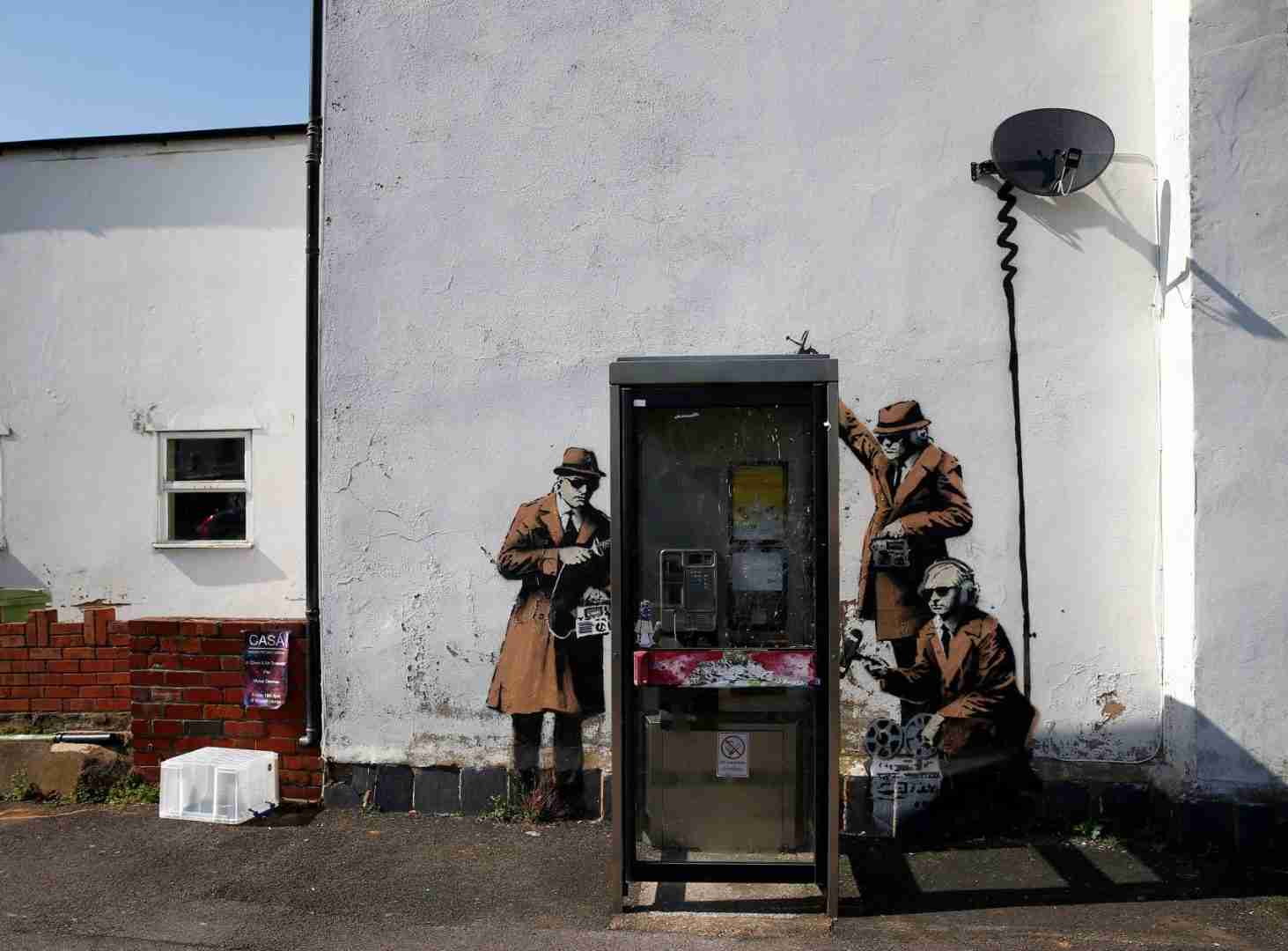
Delivering the first annual lecture for her GCHQ organisation, Anne Keast-Butler warned that the world was in a “new era of radical uncertainty, contested geopolitics and rapidly changing technology”

International News via Reuters:

Britain is at a “moment of consequence” amid hybrid attacks from Russia and other adversaries and a narrowing window to stay ahead in the race to develop AI and other technology to protect itself, a British spy chief said on Wednesday.

Delivering the first annual lecture for her GCHQ organisation, Anne Keast-Butler warned that the world was in a “new era of radical uncertainty, contested geopolitics and rapidly changing technology”.  

“The risk of miscalculation is as high as I’ve ever seen it,” she said.

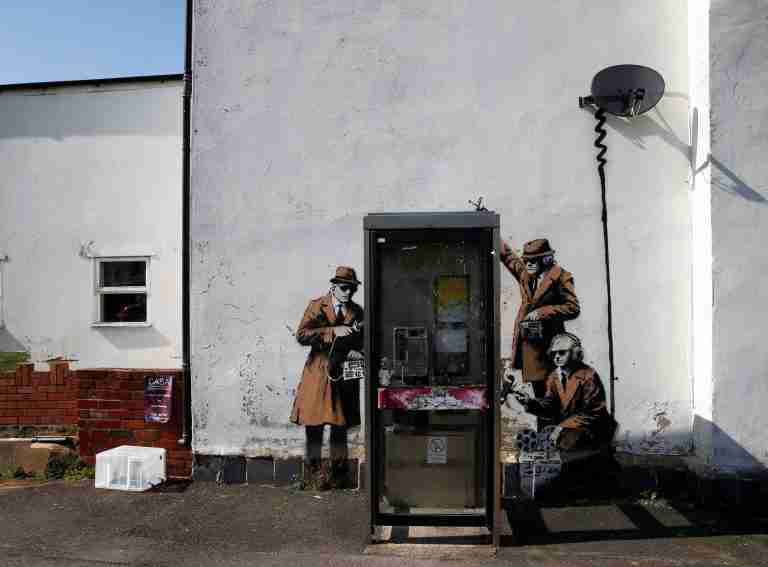
GCHQ, whose role includes eavesdropping on communications and providing national cybersecurity, is one of the three arms of British intelligence, which have for years been warning about the threats posed by Russia and China.

Last month, the head of the National Cyber Security Centre, which is part of GCHQ, warned that Britain should brace for a rise in cyberattacks linked to hostile states.

In her speech at Bletchley Park, the secret home of Britain’s codebreakers in World War Two, Keast-Butler said British intelligence and defence partners were “working tirelessly” to degrade the threat from Russia, from cyberattacks, to countering sabotage and assassination attempts.

She said Moscow was “scaling up its daily hybrid activity against the UK and Europe, stretching from the seabed to cyberspace”. 

“One area in sharp focus for us is protecting the data and energy flowing through the critical cables and pipelines in and around British waters – we do this by exposing Russia’s intent, motive and underwater capabilities,” she said.

Both Moscow and Beijing have routinely denied accusations of cyberattacks or attacks targeting critical infrastructure.

UNSTOPPABLE FORCE OF AI

With the speed of technological change, such as the advancements in artificial intelligence, she said the “ground beneath our feet is shifting” and Britain and its allies faced a challenge to stay ahead of the competition, not least from China.

“AI is an unstoppable force with great opportunity. But it’s also a force with risks,” she said. “As AI gains increased autonomy, we all have an intergenerational duty to harness and secure it for good; to protect our national security, our economy and our way of life.”

She said securing and defending space-based technology was critical with both China and Russia investing heavily in space to support both peace and war ambitions. 

“When it comes to technology and data, there’s a narrowing window for the UK and our allies to stay ahead,” she said.

Reporting by Michael HoldenEditing by Tomasz Janowski

Carney thanks former Canadian environment minister ahead of expected party resignation

Guilbeault’s planned resignation, first reported by the Globe and Mail and the Toronto Star, will reduce the already slim majority of Carney’s Liberals in Parliament to one seat

International News via Reuters:

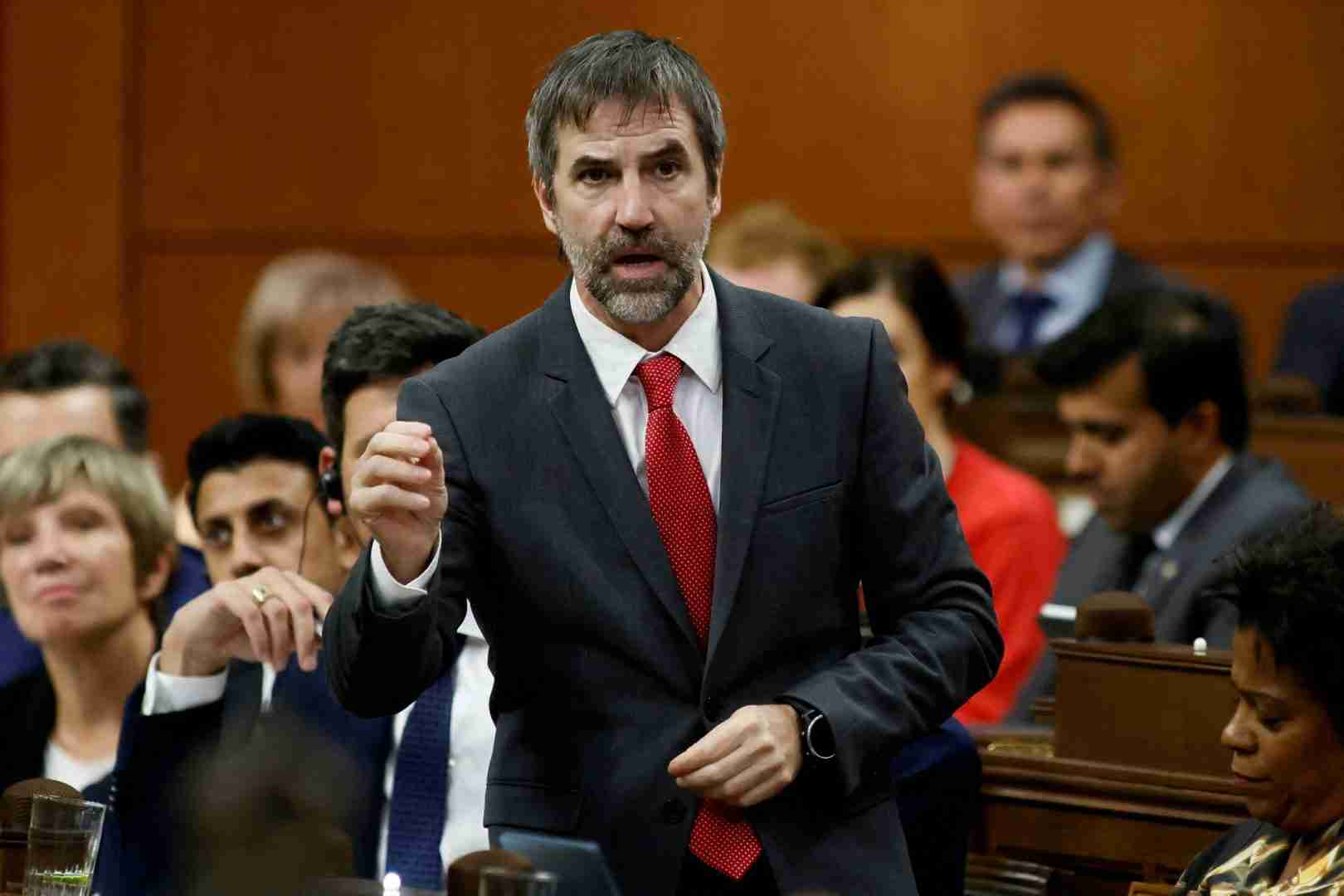
Canadian Prime Minister Mark Carney thanked his former cabinet minister Steven Guilbeault on Wednesday ahead of his expected resignation from the Liberal party’s caucus later in the day over dissatisfaction with government climate policies. 

Guilbeault’s planned resignation, first reported by the Globe and Mail and the Toronto Star, will reduce the already slim majority of Carney’s Liberals in Parliament to one seat.

Carney thanked Guilbeault for his many contributions to the people of Canada, saying they worked together when the prime minister was a United Nations special representative for climate. 

“It’s for him to make decisions about his career,” Carney said. “I wish him all the best and I’m sure in some way, shape or form, we’ll have an opportunity to continue to work together on issues of interest.” 

In November, Guilbeault, then identity and culture minister, quit Carney’s cabinet over his opposition to a deal Ottawa made with the oil-producing province of Alberta to roll back certain climate rules to spur investment in energy production.

Guilbeault previously served as environment minister under former Prime Minister Justin Trudeau.

Carney’s government secured a majority in April, after three special elections in Ontario and Quebec gave his Liberal party 174 seats in the 343-seat House of Commons. 

Carney had said a majority would help him deal more effectively with the trade war started by U.S. President Donald Trump, in addition to likely sparing him another election for years and making it easier to pass legislation. The Liberals need 172 seats for a bare majority.

Laura Stephenson, a professor of political science at the University of Western Ontario, said Guilbeault’s resignation showed parts of the Liberal party might not be on board with Carney’s policies prioritizing the economy.

She said several other Liberal lawmakers have suggested they might also quit, possibly leaving Carney with another minority government.

“It’s tricky to balance concerns from the West that deal with energy while also supporting those who like the party’s more leftist-environmental bent,” she said. “Carney’s got a clear vision, but whether his party will unite behind him at all times is not clear.”

Reporting by Maria ChengEditing by Tomasz Janowski

Opinion: Local insurance rates should be regulated

While regulating insurance rates doesn’t always mean premiums will go down – as the underlying costs for insurers might be rising – with regulation Bermudians could at least feel confident they were being treated fairly

Statement by Dr. Douglas De Couto, OBA MP & Shadow Minister of Finance:

Recent news that the Allshores insurance company made a $21 million gain from tax credits will shock most Bermudians, as they struggle with the cost of living, including insurance costs that go up and up every year. The One Bermuda Alliance firmly believes that these tax credit benefits must flow straight through to the Bermudians who pay the insurance premiums.

That’s why the OBA’s Reply to the Budget proposed regulating local insurance companies, including premium and rate changes. Bermudians have seen their insurance costs go up and up each year, with no transparency or accountability for the changes. A regulator such as the BMA should review proposed local insurers’ rate changes to make sure that any changes are justified and fair to consumers. This approach is widespread in the United States and other jurisdictions, where home and auto insurers must have rate filings approved before they can make changes.

It’s true that regulating insurance rates doesn’t always mean premiums will go down. The underlying costs for insurers for operations and reinsurance may be rising. But, Bermudians could at least feel confident they were being treated fairly. This is even more important given the dominant market position of Allshores. Our single electrical utility, Belco, is regulated due to its critical role for Bermudians and the island, shouldn’t local insurers be as well?

Regulation of local insurers must include whether they can own and operate medical practices and pharmacies, and how they control customer choice for prescriptions. Some of these initiatives by insurers are intended to reduce costs, but it’s also easy to see how they can be abused to increase company profits at the expense of Bermudian policyholders. A trusted regulator such as the BMA can make sure that policyholders’ interests come first.

The One Bermuda Alliance would also convert the 3.5% Financial Services Tax on insurance premiums to a sliding scale, to provide targeted relief for those who would benefit from it the most.

While Government officials travel the world for digital finance, and block real reforms like the Absentee Voting bill brought to Parliament by the OBA, we will continue to push for solutions that help Bermudians today that were in our Budget Reply. Solutions like school breakfasts to help families that are stretched, and immediately cancelling the failed PLP sugar tax to reduce food prices, among many others. Government must act now, and if that means stealing the Opposition’s ideas, we’re all for it.

European operators get bulk of mobile satellite spectrum, rest for non-EU rivals, EU says

The move by the EU executive aims to allow new operators into the market following next year’s expiry of licenses currently held by U.S. companies Viasat and EchoStar

International News via Reuters:

Non-European satellite operators such as Elon Musk’s Starlink and Amazon’s low-earth-orbit satellite business can bid for European mobile satellite spectrum next year but the bulk of the frequencies will be reserved for European businesses, the European Commission said on Wednesday.

The move by the EU executive aims to allow new operators into the market following next year’s expiry of licenses currently held by U.S. companies Viasat and EchoStar.

The new allocation system comes amid a push by EU to boost the bloc’s tech sovereignty by promoting European tech players, driven by concerns over China’s technological rise and the dominance of U.S. tech giants at a time of transatlantic tensions.

The 2 GHz frequency band is ideal for direct-to-direct services allowing users to bypass telecoms providers and for providing critical communication capabilities and also ensure access to high-speed internet in remote areas.

“More than ever, high-capacity widely available satellite connectivity is essential to strengthen the resilience of the EU’s communication networks,” EU tech chief Henna Virkkunen said in a statement.

“Satellite connectivity is also crucial for our governmental services and Europe’s critical communications,” she said.

The new allocation system will reserve one third of the mobile satellite spectrum for governmental use such as security and military, which will be provided by an EU operator that will integrate the capability with the EU’s IRIS2 multi-orbit array of 290 satellites, the Commission said.

IRIS2 is Europe’s response to Starlink.

Two thirds of the spectrum will be divided equally between EU and non-EU operators for commercial use, the EU executive said, confirming a Reuters report.

Reporting by Foo Yun Chee, editing by Inti Landauro

Schaeffler, Spire Global team up for space hardware, satellite platforms in Europe

The companies intend to build a sovereign European space hardware and mission business before the end of this decade

International News via Reuters:

Schaeffler and U.S.-based satellite operator Spire Global have signed a memorandum of understanding to jointly develop space hardware and satellite platforms for European defence, weather and security applications.

The companies intend to build a sovereign European space hardware and mission business before the end of this decade, they said in a joint statement on Wednesday.

Spire, which uses its satellites to provide data, analytics and software products, has the capacity to produce between 300 and 400 satellites per year across facilities in the U.S. and Europe.

The German machine and auto parts manufacturer meanwhile named space and defence among key growth drivers in its 2035 strategy.

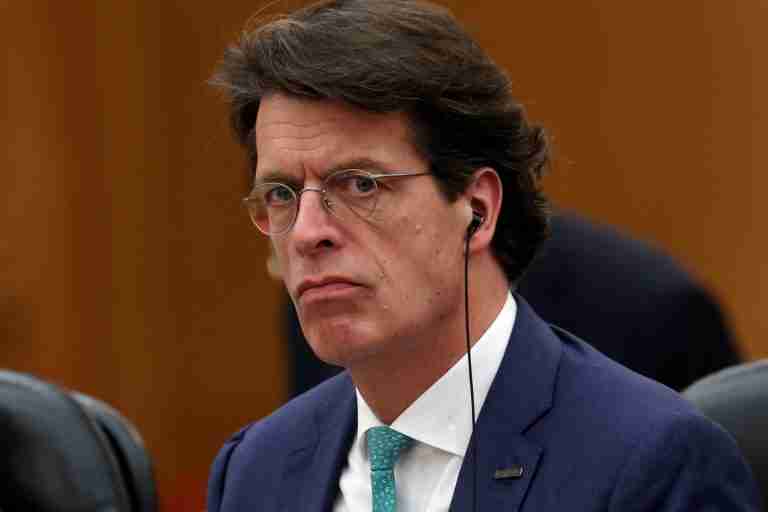
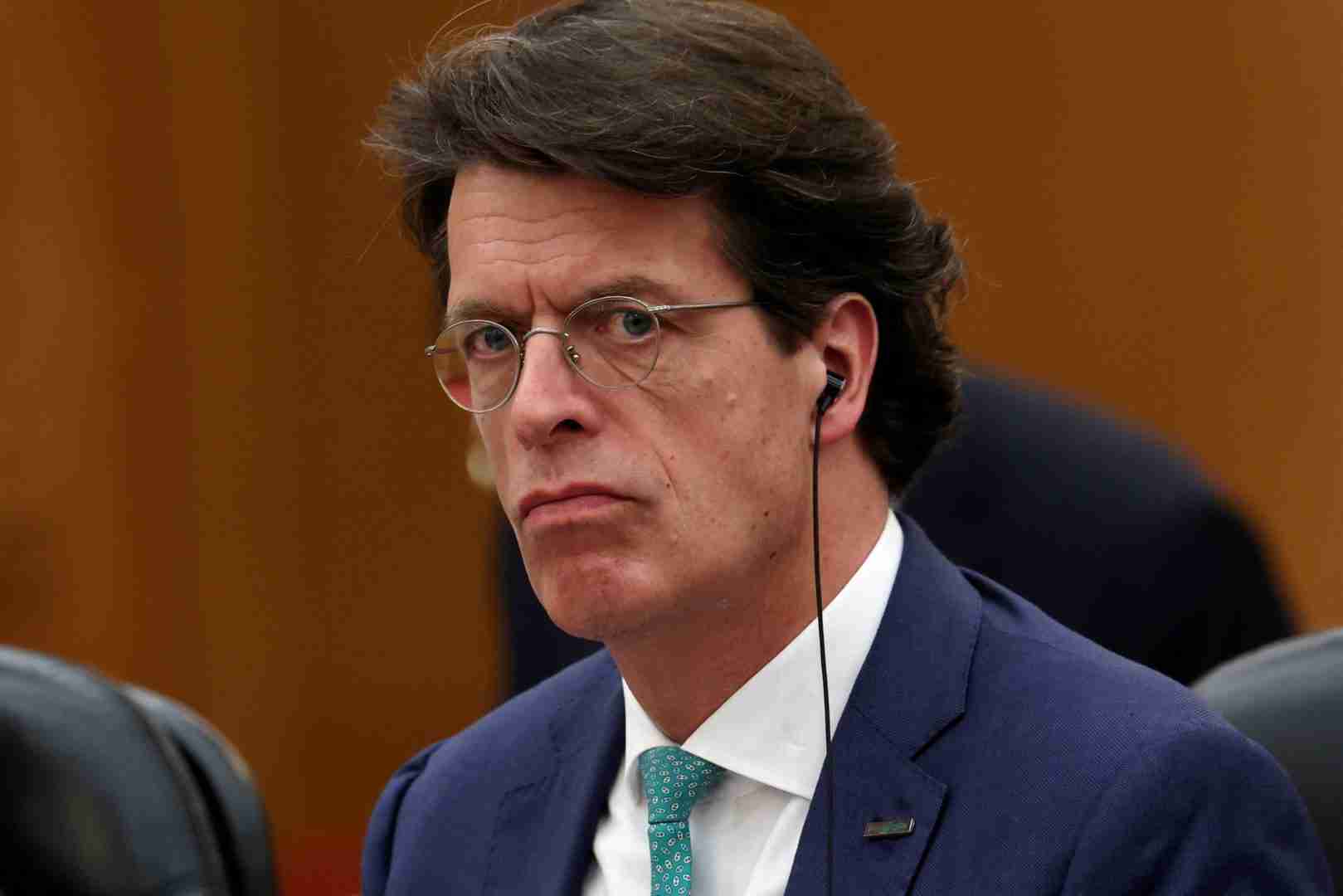
“As a motion technology company, Schaeffler is ideally positioned to enter the new space sector,” CEO Klaus Rosenfeld said in the statement.

The partnership is aimed at accelerating Schaeffler’s entry into the space sector while strengthening Spire’s presence in Germany, they said.

Reporting by Christina Amann, writing by Amir Orusov, editing by Milla Nissi-Prussak

45 honoured in ‘Grow Eat $ave’ programme

Health Ministry marks 10 years of initiative aimed at boosting food security, cutting food costs and encouraging healthier lifestyles

The Ministry of Health honoured 45 participants of the Grow Eat $ave Gardening Programme at a ceremony recently, held at the Devonshire Seventh-day Adventist Church. Now in its tenth year, the programme continues to support Bermuda’s efforts to strengthen food security, improve health outcomes, and promote community resilience.

The Hon. Kim Wilson, JP, MP, Minister of Health, stated, “Ten years is a testament to the strength of a programme built on partnership and shared purpose. This programme has grown because so many organisations and individuals chose to work side by side. The Department of Health, the Department of Parks, the Department of Environment and Natural Resources, the Bermuda Agricultural Group, Chaplain Dr. Kevin J. T. Santucci, the Devonshire Seventh-day Adventist Church, the Bermuda National Trust, dedicated volunteers, and many others have each played a part in helping residents gain the skills and confidence to grow their own food.”

The programme continues to align with the Ministry’s vision of Healthy People in Healthy Communities by equipping participants with practical knowledge to grow fresh produce at home, supporting food cost relief, strengthening local food security, and empowering residents to take steps that improve their health.

Minister Wilson noted, “This year, the Ministry of Home Affairs joined the Grow Eat Save initiative, helping to establish an additional teaching garden at the Devonshire Recreation Club. By providing tools and working closely with the programme team, the Ministry of Home Affairs has helped open the door for more residents to learn how to grow their own food, build skills that last, and take another step toward self‑sufficiency.”

The Minister of Home Affairs, the Hon. Alexa Lightbourne, JP, MP, said, “Grow Eat $ave advances affordability and resilience by equipping residents with the skills to grow their own food. Households across Bermuda continue to face rising food costs. This programme delivers practical knowledge that eases household pressure and builds community self-sufficiency. I thank the Devonshire Recreation Club for partnering with the Ministry of Home Affairs to establish the new teaching garden, giving more residents the chance to build skills that last.”

For more information about the Grow Eat $ave Programme, contact the Department of Health’s Nutrition Services at nutrition@gov.bm.

Media release and images supplied by the Government of Bermuda.

Canada, Bahamas imposes Ebola-related travel bans

Residents from those countries will be banned from entering Canada for 90 days starting Wednesday

International News via Reuters:

Canada and the Bahamas said on Tuesday they will temporarily ban residents from the Democratic Republic of the Congo, Uganda and South Sudan amid an Ebola outbreak.

Residents from those countries will be banned from entering Canada for 90 days starting Wednesday, the Canadian government said. It said the temporary border measure aimed to reduce the risk of Ebola entering and spreading within Canada.

The Bahamian government added that its entry restrictions would take immediate effect and remain in place for a period of 30 days, subject to review by the Caribbean country’s health ministry.

Reuters first reported that the archipelago would impose such a travel ban.

The World Health Organization on Friday raised to “very high” the risk of the Bundibugyo strain of Ebola turning into a national outbreak in the Democratic Republic of Congo and has declared the outbreak there and in Uganda an emergency ​of international concern.

Last week, Washington banned non-citizens who had traveled to the DRC, Uganda or South Sudan in recent weeks from ​entering the United States.

Canadian citizens, permanent residents and other foreign nationals who have been in affected areas in recent weeks and do not have symptoms will have to quarantine for 21 days from May 30, according to a statement from Canada’s public health agency.

The Bahamas also announced enhanced health screenings and possible quarantines for foreigners who were present in the Democratic Republic of the Congo, Uganda or South Sudan within 30 days of arriving in the Caribbean country.

No cases of Ebola have been reported in the U.S., Canada or the Bahamas.

Reporting by Jasper Ward in Washington and Ismail Shakil in Ottowa; editing by Michelle Nichols, Christian Schmollinger and Kate Mayberry

UK, Poland to sign defence treaty to tackle Russian threats

The deal, due to be signed by Polish Prime Minister Donald Tusk and Starmer in London, will improve border security, tackle organised crime and deepen defence cooperation with the European Union

International News via Reuters:

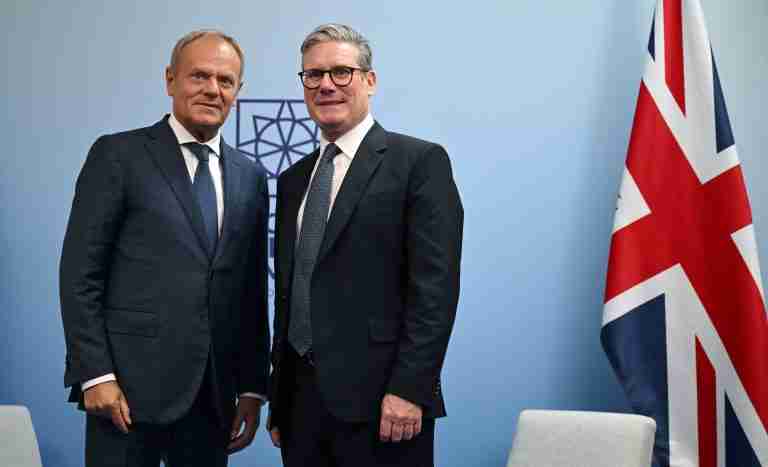
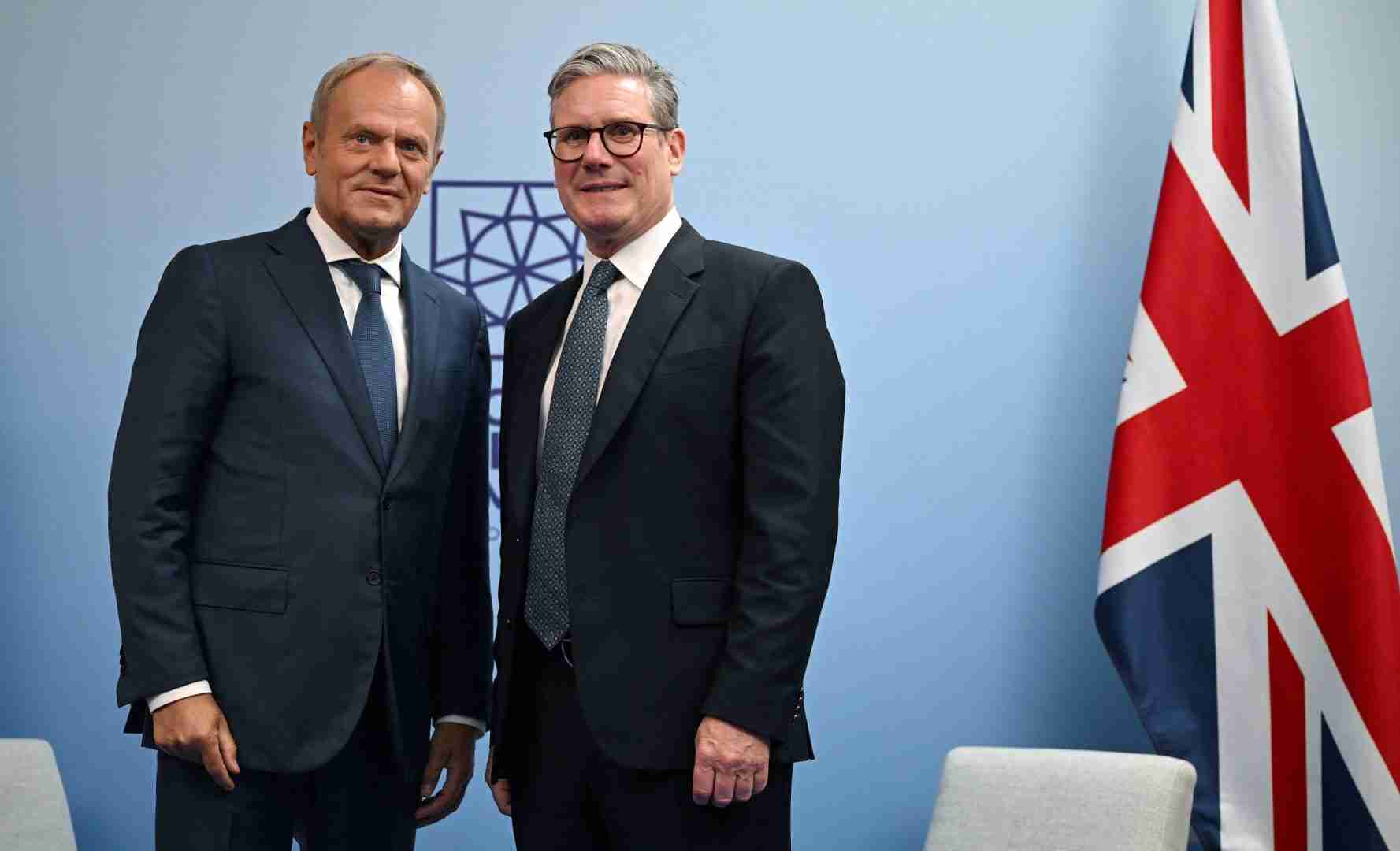
Britain will sign a new defence and security treaty with Poland on Wednesday to combat threats, including from an increasingly aggressive Russia, part of Prime Minister Keir Starmer’s efforts to bolster ties with the rest of Europe.

The deal, due to be signed by Polish Prime Minister Donald Tusk and Starmer in London, will improve border security, tackle organised crime and deepen defence cooperation with the European Union, a statement from the British government said.

The latest defence deal with an EU member, following similar agreements with France and Germany, underlines Starmer’s push to repair the damage inflicted by Brexit almost 10 years ago and to respond to calls by U.S. President Donald Trump for Europe to take more responsibility over the continent’s defences.

Before leaving Poland, Tusk said both nations saw “Russia as a strategic threat” and the two leaders are expected to discuss an increase in hybrid attacks, cyberattacks and espionage.

‘STRONGER PARTNERSHIP’ NEEDED, SAYS STARMER

“The challenges Europe now faces demands an even stronger partnership,” Starmer said in a statement.

“This treaty is the biggest step forward in our defence and security relationship with Poland in a generation, allowing us to confront modern security threats that may be less visible but no less dangerous.”

Britain said the deal would allow the two nations to combine expertise and industrial capability to lead the development and manufacturing of complex next-generation weapons, including strengthening air and missile defence systems.

Tusk said beyond defence, a significant part of the treaty would focus on cybersecurity. Poland says its role as a hub for military aid to Ukraine has made it a key target for Russian espionage, cyberattacks and disinformation. 

The deal with Poland is the latest bilateral defence agreement Britain has pursued under Starmer, who has found more success on the foreign stage than at home, where rivals are circling and could trigger a leadership contest.

After Trump’s administration demanded Europe did more to protect itself, putting a question mark over the NATO military alliance, both Britain and Poland have sought to seal defence deals with other nations.

Last year, Britain and France agreed to build on their defence relationship, including to reinforce cooperation over their nuclear arsenals, and Starmer also signed a treaty to deepen ties with Germany.

Poland signed a defence treaty with France in 2025, boosting defence cooperation, and is working on a similar treaty with Germany.

Reporting by Muvija M in London and Alan Charlish in Warsaw, writing by Elizabeth Piper and Muvija MEditing by Tomasz Janowski and Sharon Singleton

New initiative aims to build workplace confidence

Six-part workshop programme will focus on communication, emotional control and long-term career success

The Department of Workforce Development, in partnership with MASC Ltd., is pleased to announce the launch of “The Reset: Work Ready Series”, a six-part workshop series designed to help individuals strengthen the personal and interpersonal skills essential for success in today’s workplace.

Open to all in the community, the series will give participants practical tools to strengthen their mindset, resilience, communication, and workplace habits that support both obtaining and sustaining employment.

Facilitated by Dr. Ernest G. V. Peets Jr. and Fitzgerald Williams of MASC Ltd., the workshops will cover a range of topics, including:

  • Getting Your Mind Ready for Work
  • Staying Focused When Life Gets Hard
  • Emotional Control Under Pressure
  • Communicating with Confidence
  • Dealing with Conflict and Difficult People
  • Building Habits that Stick

This initiative reflects the Department’s continued commitment to supporting workforce development through programmes that address both technical and essential employability skills.

Through this partnership, participants will get practical guidance and strategies they can use in the workplace and in their personal lives to build resilience, boost productivity, and achieve long-term success.

The workshop series will take place on June 1, 8, 22, and 29, and July 6 and 13, beginning at 5:30 p.m.

Sessions will be held at:

Bermuda College
West Hall, Training Room
21 Stonington Avenue
Paget

Individuals interested in participating can register online at the Department of Workforce Development’s Courses Page.

China stalls Airbus approvals to pressure Europe on homegrown Chinese jets, Bloomberg News reports

The Civil Aviation Administration of China (CAAC) has delayed final approval that would allow Airbus jets to enter the country and be put into service for the past several months

International News via Reuters:

China has been stalling the approval of Airbus deliveries to signal impatience with European regulators’ delay in certifying Chinese-made COMAC aircraft, Bloomberg News reported on Tuesday.

The Civil Aviation Administration of China (CAAC) has delayed final approval that would allow Airbus jets to enter the country and be put into service for the past several months, the report said, citing people familiar with the matter.

Airbus delivered the fewest commercial jets in the first quarter since 2009, according to the report. Chief Executive Guillaume Faury said last month the delay was due to an “administrative topic” that held up almost 20 aircraft destined for China.

On Airbus’ April 28 earnings call, Faury said the issue had been resolved and that the undelivered planes would be shipped in the second quarter.

Chief Financial Officer Thomas Toepfer said Airbus had built up around 5 billion euros ($5.82 billion) of inventory in the quarter, significantly more than the prior year, with the China delivery halt the main driver. He said the aircraft “had been built and were ready, but could not be delivered.”

In January, Reuters reported that Europe’s aviation safety regulator, EASA, had been carrying out test flights to assess COMAC’s C919 jet for certification, which would allow the Chinese planemaker to market the jet to Western airlines for the first time. At present, European and other Western carriers cannot fly COMAC’s jets.

In a statement, EASA said work on the validation of the C919 is “progressing with the full cooperation of COMAC and the CAAC,” but added that it could not comment on the expected timeline for completion of the validation project.

EASA safety certification would significantly expand COMAC’s global footprint, as the C919 competes directly with Airbus’ A320 and Boeing’s 737.

Airbus, CAAC and COMAC did not immediately respond to a Reuters request for comment. Reuters could not immediately verify the report.

($1 = 0.8592 euros)

Reporting by Anusha Shah in Bengaluru, Julie Zhu in Hong Kong and Sophie Yu in Beijing; Editing by Muralikumar Anantharaman, Christian Schmollinger and Thomas Derpinghaus