Friday, October 30, 2026
Home Blog Page 257

Solstice welcomes geriatric psychiatry specialist

Dr Elizabeth Hathaway joins the team to support adult mental health, ageing and dementia care

Solstice is proud to welcome Dr Elizabeth Hathaway, a board-certified consultant psychiatrist who works with adults across the lifespan, with specialist expertise in geriatric psychiatry and psychodynamic psychotherapy.

Dr Hathaway joins Solstice at a time when more Bermudians are navigating anxiety, depression, grief, caregiving responsibilities, burnout, isolation, major life transitions, and complex mental health concerns across adulthood. Her specialist expertise in geriatric psychiatry also strengthens support for older adults, families and caregivers navigating dementia and later-life mental
health concerns.

Her arrival also strengthens Solstice’s continued investment in lifespan mental healthcare and its growing focus on healthy ageing, cognitive wellbeing, and quality of life for older adults through its Longevity Centre.

Dr Hathaway received her MD from the University of Cincinnati College of Medicine and completed her psychiatry residency at the Indiana University School of Medicine. She later completed a fellowship in geriatric psychiatry, where she focused on the mental health needs of older adults, including the behavioural and psychological symptoms associated with dementia.
Prior to joining Solstice, Dr Hathaway worked on an inpatient geriatric psychiatry unit in the United States and has contributed to several publications and presentations on geriatric mental health.

Alongside her work in geriatric psychiatry, Dr Hathaway also has a strong interest in psychodynamic psychotherapy – a therapeutic approach that helps individuals better understand emotional patterns, relationships, and underlying beliefs that may shape how they experience the world. She is currently completing the Advanced Psychodynamic Psychotherapy Program through the Cincinnati Psychoanalytic Institute.

“In practising psychiatry, I strive for a collaborative approach,” said Dr Hathaway. “I value building relationships with clients over time, helping people to better understand themselves and how treatment options may fit with their individual goals. I’m grateful to be here and very much looking forward to becoming part of the Bermuda community and joining the Solstice team.”

Kelly Madeiros, Managing Director of Solstice, said the organization is seeing a growing need for specialized support around ageing and mental health in Bermuda.

“More and more families are trying to navigate dementia, caregiving, emotional burnout, grief and major life transitions with very little support,” said Kelly Madeiros. “We’re seeing firsthand how emotionally overwhelming this can be, not only for older adults but also for the people caring for them as well. “Dr Hathaway brings an important depth of expertise that Bermuda genuinely needs right now. What stood out to us immediately was not only her clinical knowledge, but her warmth, attention to detail and the way she approaches people and families with compassion and curiosity. Her arrival is an important step forward in strengthening support around ageing, emotional wellbeing and later life mental health in Bermuda.”

Dr Eloise Pitts Crick, Clinical Director at Solstice, said Dr Hathaway’s approach aligns strongly with the organization’s philosophy of care.

“Dr Hathaway brings both deep clinical expertise and a very thoughtful, compassionate approach to client care,” said Pitts Crick. “Her experience in geriatric psychiatry, combined with her interest in deeper therapeutic work and emotional wellbeing across the lifespan, makes her a wonderful addition to the Solstice team.”

Solstice’s continued growth across lifespan mental healthcare reflects the organization’s broader vision of supporting mental wellbeing from childhood through older adulthood.

Following the recent addition of child and adolescent psychiatrist Dr Brittnie Fowler to support Solstice’s Growing Minds Centre, Dr Hathaway’s arrival further strengthens the organization’s Longevity Centre, led by Consultant Psychologist Dr Shawnee Basden, which includes cognitive and neuropsychological assessment services. As more people live longer, Solstice recognizes the importance of understanding baseline cognitive functioning, supporting healthy ageing, and providing compassionate support not only for older adults, but also for the families and caregivers navigating the emotional realities of ageing. The organization believes that caring well for people across every stage of life is central to mental health, wellbeing, and quality of life.

Solstice is Bermuda’s leading private mental wellness centre, offering multidisciplinary, evidence based services for individuals, families, schools and organizations. Through clinical care, public education, partnerships, and community outreach, the organization works to improve access to mental healthcare, provide opportunities for Bermudians to pursue professions in mental health care and reduce stigma across the island. For more information, visit Solstice Bermuda.

Media release and image supplied by Solstice.

ECB tells banks to invest more to get a grip on AI security risk

New large language models such as Anthropic’s Mythos are viewed by cybersecurity experts as posing significant challenges to the banking industry and its legacy technology systems

International News via Reuters:

Euro zone banks need to invest more in cybersecurity if they are to get a grip on new AI models that can find flaws in software, the European Central Bank’s outgoing Vice President Luis de Guindos said on Wednesday. 

New large language models such as Anthropic’s Mythos are viewed by cybersecurity experts as posing significant challenges to the banking industry and its legacy technology systems, prompting a series of warnings from regulators and policymakers around the world.

The ECB has been quizzing euro zone banks about their preparedness for weeks, including at a meeting this week, and de Guindos said the sector needed to reach deeper into its pockets to strengthen its defences against cyberattacks powered by AI.

“We have to understand much better the potential implications of these new models and to try to put in place the systems and cybersecurity patches that can address that situation,” de Guindos, whose term runs out at the end of the month, told reporters.

“And (we have) to try to start to enhance the awareness of the financial institutions, of the banks, about the need of additional cybersecurity investment, because it’s going to be something that is going to be quite structural in the near future.”

He said the meeting with euro zone lenders on Tuesday featured a presentation by a U.S. bank which, unlike its counterparts on this side of the Atlantic, has had access to Mythos.

“The main message to everyone is cyber is becoming more and more important,” de Guindos said. “We have to invest more. And investment has to be pervasive. It’s not only for the large banks. It’s as well for the small banks.”

Reporting by Francesco Canepa; Editing by Toby Chopra and Gus Trompiz

Energy bills in Britain to jump 13% on impact of Iran war

The increase, up around £221 from the previous cap of £1,641 for April to June, will hit millions of households on variable tariffs

International News via Reuters:

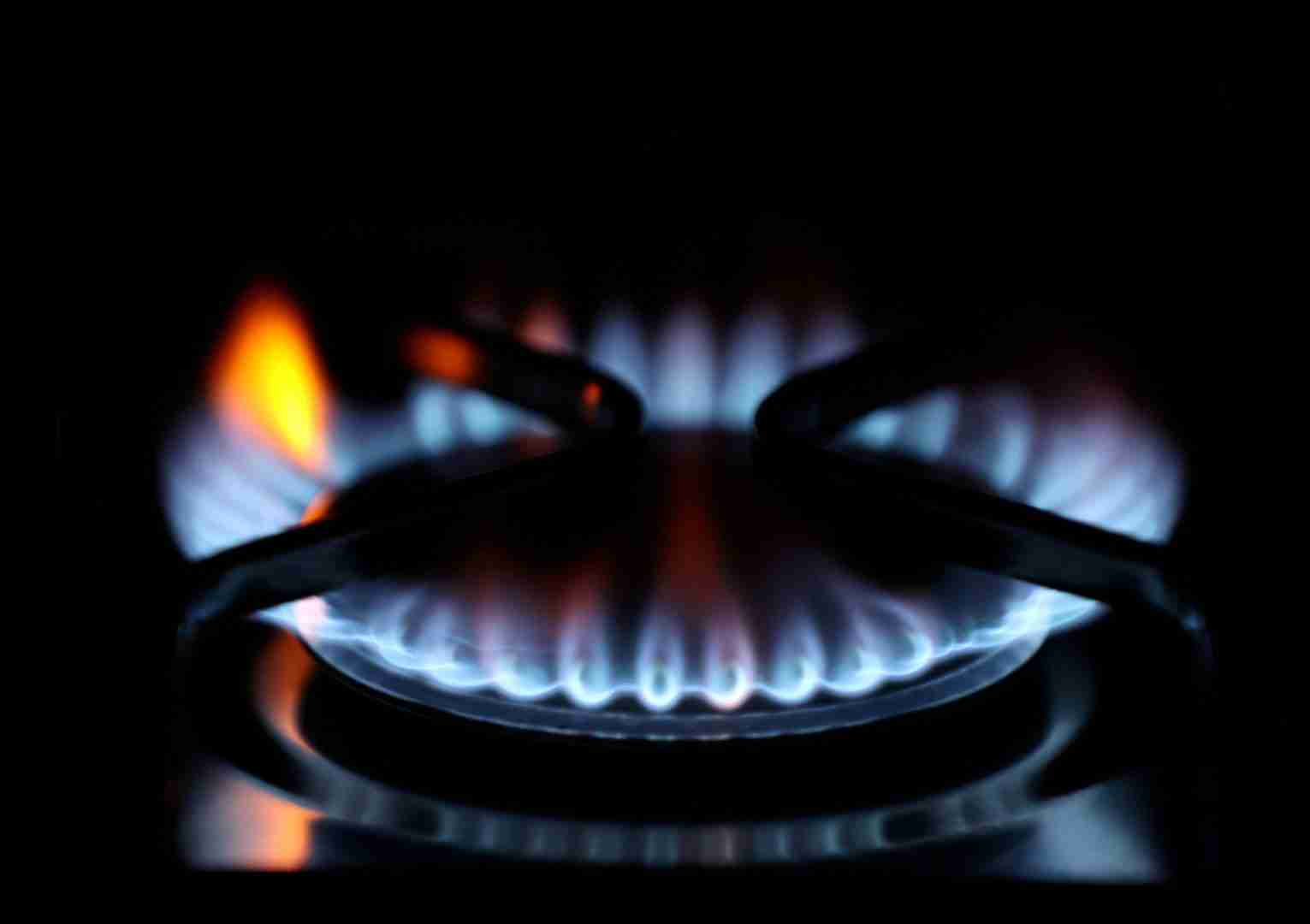
British households will face higher energy bills averaging £1,862 a year from July after regulator Ofgem hiked its price cap by 13% on soaring wholesale gas prices caused by the conflict in the Middle East.

The increase, up around £221 from the previous cap of £1,641 for April to June, will hit millions of households on variable tariffs, with analysts warning bills could climb further if disruption to shipments through the Strait of Hormuz persists.

The rise piles further pressure on Prime Minister Keir Starmer as households struggle with rising living costs.

“The rise in the price cap because of a war we did not choose is deeply unwelcome news for households across the country. We know people were under pressure before this crisis, and that’s why easing that burden is our number one priority,” Energy Minister Ed Miliband said in a statement.

Wholesale British gas prices are around 45% higher than they were before the United States began military action against Iran on February 28, blocking the transit route for a fifth of the world’s liquefied natural gas.

Wholesale costs are the biggest single driver of Ofgem’s quarterly price cap, which limits what suppliers can charge households and also reflects network costs and environmental levies.

CALLS FOR MORE HELP

Consumer groups urged the government to lay out plans to provide support for households.

“Now is the time for the government to set out targeted interventions to help those on the lowest incomes afford their energy and to clear their debt,” National Energy Action Chief Executive Adam Scorer said.

The government says its push to reduce reliance on gas and increase renewable capacity such as wind and solar will cut costs in the longer term. In April, it also shifted some levies to cut around £150 from an average bill.

Even so, the new price cap is around 46% higher than in the winter of 2021/22, before Russia’s invasion of Ukraine led to a spike in global energy prices.

FURTHER RISES EXPECTED

With Iran-U.S. tensions unresolved, Cornwall Insight forecasts the cap rising further to £1,899 from October.

Britain’s economy has struggled to grow in recent years and the higher energy prices could further weigh on confidence. Recent data shows Britons are the least willing to make big purchases in almost a year and a half, while shoppers are buying fewer items and hunting for cheaper deals when buying food.

The BoE expects consumer price inflation to reach about 4% by the end of the year. British inflation has been above the BoE’s 2% target for all but a few months of the past five years.

Ofgem said people are using less gas and electricity than before so its next typical household energy use figure will reflect that. The price cap on standard tariffs was introduced in 2019 and covers about two-thirds of households.

($1 = 0.7437 pounds)

Reporting by Susanna Twidale in London and Raechel Thankam Job in Bengaluru; Editing by Bernadette Baum and Elaine Hardcastle

Sterling dips as Iran uncertainty keeps traders wary

The nearly 7% drop in the oil price this week has given some respite to the currencies of more import-dependent nations

International News via Reuters:

The pound fell for a second day against the euro on Wednesday and made little headway against the dollar, as doubts about the likelihood of peace in the Middle East made traders cautious.

The nearly 7% drop in the oil price this week has given some respite to the currencies of more import-dependent nations, which include sterling, but overall, trading ranges have been narrow and volatility has been contained, reflecting a lack of conviction among investors.

Iran said on Tuesday U.S. strikes near the Strait of Hormuz represented a “gross violation” of a ceasefire in place for nearly seven weeks. The U.S. said its attacks were defensive in nature.

Most market participants believe a resolution to the conflict is more likely than a full-on escalation, but the level of uncertainty is high.

UK ENERGY PRICE CAP RISES

Closer to home for the pound, energy regulator Ofgem on Wednesday hiked its price cap by 13%, the most in more than two years, in response to a surge in wholesale gas prices caused by the conflict in the Middle East. 

Sterling weakened against the euro, which rose 0.1% to 0.8659 pence, and was steady against the dollar at $1.3452. UK government bond yields, which have risen more than those of any other developed nation since the start of the war, were down 5 basis points on the day at 4.826%, which would normally weigh on the pound.

Kathleen Brooks, research director at broker XTB, said there were some sterling-positive takeaways.

Firstly, she said increased use of renewable energy in the UK meant the price cap was not rising as fast as in 2022 when the onset of the Ukraine war caused a surge in energy-linked inflation.

“Secondly, if there is a peace deal in the coming days that includes reopening the Strait of Hormuz, then energy prices could fall further, which could limit further upside on energy bills in future,” she said.

“Added to this, although the rising price cap will put upward pressure on inflation, the second-round effects are likely to be minimal, since the UK economy is showing signs of weakness and the unemployment rate is rising.”

Money markets show traders expect the Bank of England to hike rates once this year, with a less than 50% chance of a second for now. 

That indicates traders are less concerned about a hit to the economy from rising price pressures than two weeks ago when the expectation was for almost three hikes in 2026.

Researcher Worldpanel by Numerator on Wednesday said British grocery inflation eased to 3.1% in the four weeks to May 17, down from 3.8% the prior month, its slowest rate of increase since December 2024, although the full impact of the Iran war had yet to filter into supermarket prices. 

Reporting by Amanda Cooper; Editing by Barbara Lewis

Iran to commute to World Cup games from Mexico after US refusal, Sheinbaum says

Sheinbaum said FIFA approached her government after U.S. authorities said they did not want Iran staying in the country throughout the June 11-July 19 competition, even though Iran is scheduled to play three Group G matches there

International News via Reuters:

Iran’s national soccer team will sleep in Mexico and travel to the U.S. on the days of its three World Cup matches after Washington declined to host the squad for the tournament, Mexican President Claudia Sheinbaum said on Monday.

Sheinbaum said FIFA approached her government after U.S. authorities said they did not want Iran staying in the country throughout the June 11-July 19 competition, even though Iran is scheduled to play three Group G matches there.

“We have no reason to deny them the possibility of staying in Mexico,” Sheinbaum told her daily press conference.

Iran is due to face New Zealand in Los Angeles on June 15, Belgium in Los Angeles on June 21 and Egypt in Seattle on June 26.

The White House and the State Department did not immediately respond to requests for comment.

U.S. President Donald Trump said in March that Iran was welcome to participate in the World Cup but that he did not believe it was appropriate for Iran’s team to be in the United States “for their own life and safety.”

Mehdi Taj, head of Iran’s football federation, said on Saturday the team’s base would be moved from Arizona to the Mexican border city of Tijuana during the tournament. FIFA confirmed the move on Monday.

Taj added that the swap would help avoid visa-related complications and allow direct Iran Air flights to Mexico.

Iran’s World Cup plans have been under scrutiny since late February, when the United States joined Israel in attacks on Iran, triggering a war that raised doubts over whether Tehran would send its team to play in one of the host countries.

In March, Taj said Iran was in talks with FIFA about moving its group matches to Mexico on safety grounds, and Sheinbaum said Mexico would be open to hosting them. FIFA kept the schedule unchanged.

The uncertainty fueled wider speculation about Iran’s place at the tournament. In April, Trump’s envoy for global partnerships, Paolo Zampolli, suggested Italy should replace Iran, prompting a dismissive response from Italian officials and FIFA.

Iran qualified for a fourth consecutive World Cup by topping its group in the third round of Asian qualifying last year.

Reporting by Raul Cortes and Natalia Siniawski; Additional reporting by Kylie Madry; Editing by Iñigo Alexander and Cynthia Osterman

S&P 500, Nasdaq nab record closing highs, WTI crude falls on hopes for Iran peace deal

Tech shares, lifted by surging chip stocks, put the Nasdaq out front, while the S&P 500’s gains were more modest

International News via Reuters:

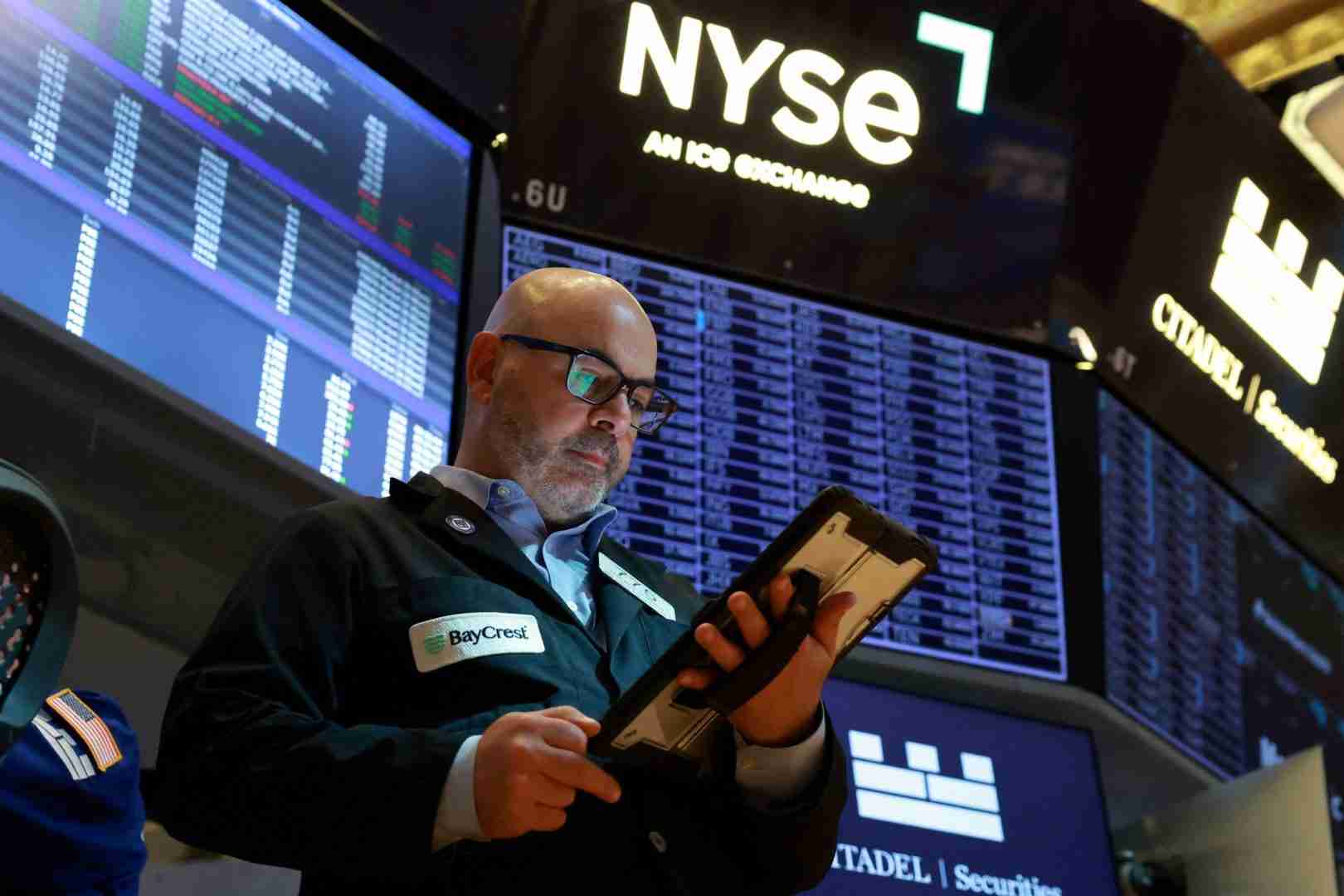
The S&P 500 and the Nasdaq advanced on Tuesday, parting ways with their European counterparts, and falling West Texas Intermediate crude prices diverged from spiking Brent oil prices as investors weighed optimism over an imminent U.S.-Iran peace deal against risks the tenuous ceasefire could collapse.

Tech shares, lifted by surging chip stocks, put the Nasdaq out front, while the S&P 500’s gains were more modest. The blue-chip Dow was in negative territory.

The S&P 500 and the Nasdaq clinched all-time closing highs.

“WTI is down, but Brent is up, gold is down, but silver is slightly higher, the Dow is down, but the S&P and Nasdaq are up,” said Sam Stovall, chief investment strategist of CFRA Research in New York. “It’s almost like the asset classes are diversifying by being a little long in one and short in the other, which indicates to me that the market’s not really sure what should happen.”

“If we do get a true agreement between the U.S. and Iran, then I think the market is ready to take off,” Stovall added.

The fragile truce between the United States and Iran was imperilled after the U.S. conducted what it called defensive strikes, which Iran called a “gross violation” of the seven-week-old ceasefire. Even so, both sides indicated progress toward an agreement that would stop the war and resume shipping through the blockaded Strait of Hormuz.

U.S. CONSUMER SENTIMENT DARKENS

Economic data on Tuesday showed the mood of the American consumer, whose spending accounts for 70% of the U.S. economy, darkened slightly in May amid mounting inflation concerns.

The Dow Jones Industrial Average fell 117.29 points, or 0.23%, to 50,462.41, the S&P 500 rose 45.92 points, or 0.61%, to 7,519.39 and the Nasdaq Composite rose 312.21 points, or 1.19%, to 26,656.18.

European shares dipped on fears that the U.S. missile strikes in southern Iran could disrupt peace negotiations and extend the Strait of Hormuz blockade, which sent Brent crude prices higher and fueled inflation worries.

Investors were also weighing comments from European Central Bank board member Isabel Schnabel, who said the central bank should hike rates in June, even if a U.S.-Iran peace deal is reached.

MSCI’s gauge of stocks across the globe rose 3.32 points, or 0.3%, to 1,121.47.

The pan-European STOXX 600 index fell 0.57%, while Europe’s broad FTSEurofirst 300 index fell 15.66 points, or 0.62%.

Brent crude prices spiked after settling 7% lower in the previous session. In contrast, U.S. WTI oil slid from Friday’s close. There was no WTI settlement on Monday due to the Memorial Day holiday.

U.S. crude fell 2.81% to settle at $93.89 per barrel, while Brent settled at $99.58 per barrel, up 3.58%.

U.S. Treasury yields fell as hopes for a deal to reopen the strait helped soothe inflation fears.

The yield on benchmark U.S. 10-year notes fell 8 basis points to 4.493%, from 4.572% late on Friday.

The 30-year bond yield dropped 5.4 basis points to 5.0283% from 5.082% late on Friday.

The 2-year note yield, which typically moves in step with interest rate expectations for the U.S. Federal Reserve, fell 8.2 basis points to 4.045%, from 4.127% late on Friday.

The dollar firmed amid dimming hopes for a near-term resolution to the Middle East conflict.

The dollar index, which measures the greenback against a basket of currencies including the yen and the euro, rose 0.1% to 99.14, with the euro down 0.09% at $1.1632.

Against the Japanese yen, the dollar strengthened 0.25% to 159.29.

In cryptocurrencies, bitcoin fell 1.63% to $75,946.11. Ethereum declined 1.66% to $2,072.64.

Gold prices fell as energy-driven inflation stoked rate hike bets amid faltering hopes for a U.S.-Iran peace deal.

Spot gold fell 1.36% to $4,508.39 an ounce. U.S. gold futures fell 0.44% to $4,501.10 an ounce.

Reporting by Stephen Culp in New York; Additional Reporting by Elizabeth Howcroft and Rae Wee; Editing by Joe Bavier, Matthew Lewis, Rod Nickel

US CDC seeks staff for Ebola screening as outbreak response expands

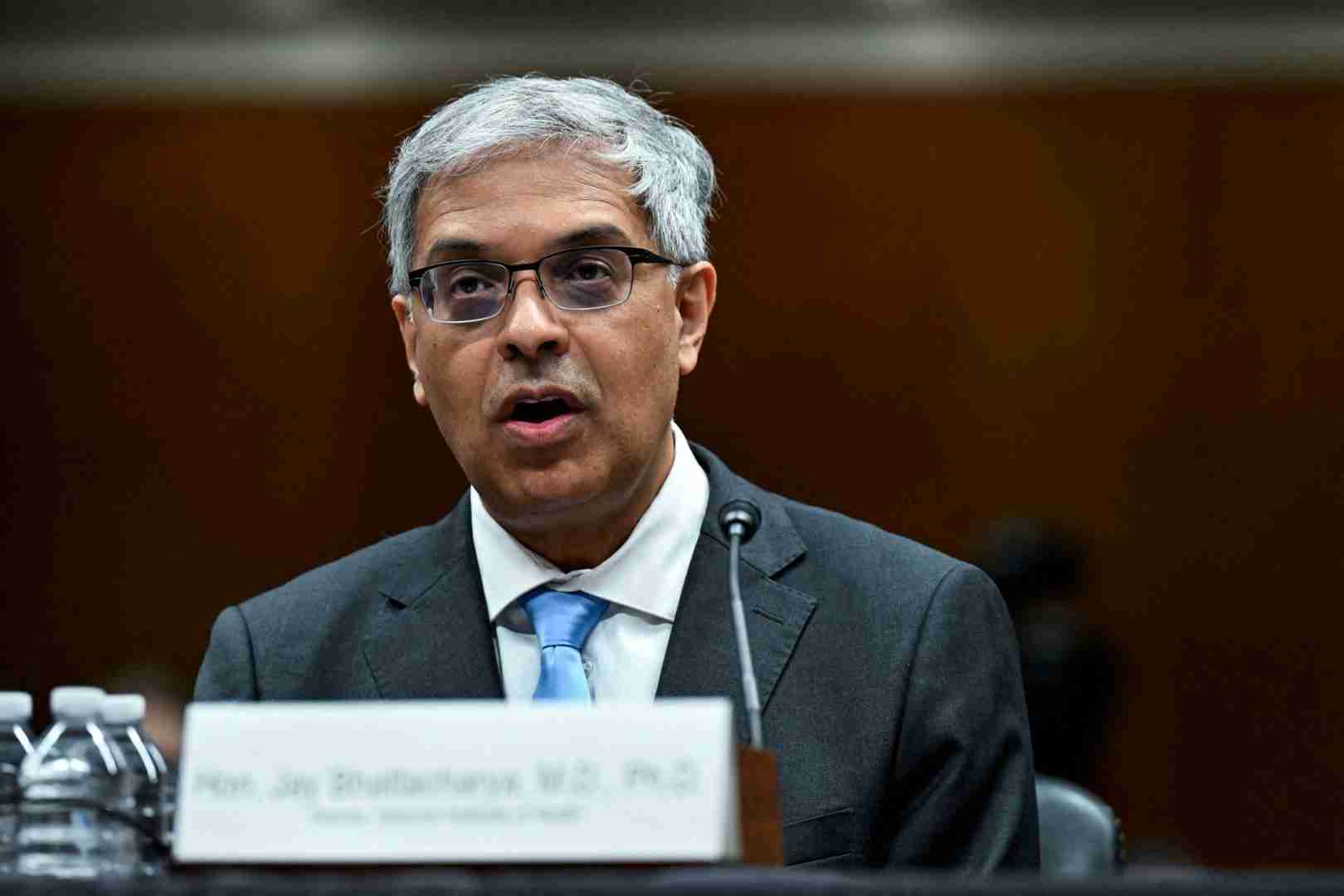
CDC Acting Director Jay Bhattacharya said in the email that the agency had activated a Level 2 emergency response on May 18 to an outbreak of the Bundibugyo strain of the Ebola virus in the Democratic Republic of the Congo and Uganda

International News via Reuters:

The U.S. Centers for Disease Control and Prevention has asked staff to volunteer for urgent deployment to support Ebola screening at the country’s entry points, according to an email seen by Reuters on Tuesday.

CDC Acting Director Jay Bhattacharya said in the email that the agency had activated a Level 2 emergency response on May 18 to an outbreak of the Bundibugyo strain of the Ebola virus in the Democratic Republic of the Congo and Uganda, and was expanding recruitment beyond its usual emergency responder pool as screening of selected international arrivals ramps up.

Level 2 is an intermediate level of emergency response. It indicates a need for substantial additional staffing to meet response demands, according to the CDC’s website.

The CDC said enhanced screening operations are already under way at several port health stations and will require additional personnel. Staff across roles, including public health advisers, emergency specialists and licensed medical providers, are being asked to support the effort, subject to supervisor approval.

Volunteers could be tasked with monitoring incoming travelers for signs of illness, checking temperatures and referring suspected cases for further assessment, according to the email.

The outbreak involves the Bundibugyo strain of the virus. Ebola is a severe and often fatal disease transmitted through direct contact with infected bodily fluids.

The World Health Organization has declared the outbreak of the rare Bundibugyo ​strain of Ebola the third-largest such outbreak on record, and a public health ​emergency ⁠of international concern.

WHO Director-General Tedros Adhanom Ghebreyesus said on Monday that the fast-moving Ebola outbreak in the Democratic Republic of Congo and Uganda was outpacing response efforts, giving the latest number of suspected deaths as 220.

Reporting by Kamal Choudhury and Siddhi Mahatole in Bengaluru; editing by Alan Barona

Trump raises refugee ceiling by 10,000 to bring in more white South Africans

The document, dated May 21, said white South Africans of Afrikaner ethnicity face an emergency situation due to the “incitement of racially motivated violence” by the government and political parties in the majority-Black country

International News via Reuters:

U.S. President Donald Trump increased the refugee admissions ceiling by 10,000 for this year to allow more white South Africans to come into the country, a signed presidential determination reviewed by Reuters showed.

The document, dated May 21, said white South Africans of Afrikaner ethnicity face an emergency situation due to the “incitement of racially motivated violence” by the government and political parties in the majority-Black country.

Trump, a Republican, froze refugee admissions from around the world when he took office in January 2025, but weeks later launched a program exclusively aimed at bringing in white South Africans. The effort – which prioritized white refugees while shunning thousands of others from Africa, Asia and elsewhere – was part of a broader challenging of humanitarian norms around refugee protection. 

The Trump administration has admitted only three non-South African refugees this fiscal year, government figures show.

SOUTH AFRICA REJECTS PERSECUTION CLAIMS

South African foreign ministry spokesperson Chrispin Phiri, in response to a Reuters request for comment, rejected the assertion that European-descended Afrikaners face danger and discrimination. 

“The assertion that white Afrikaners, in particular, endure systemic persecution is entirely without foundation,” Phiri told Reuters in a statement.

The White House document did not list specific examples of South Africa’s government allegedly inciting racial violence.

A State Department spokesperson declined to confirm the 10,000-person increase to the refugee cap but said the program was a Trump priority and that the president would determine refugee levels.

Trump initially set the refugee ceiling at a record-low 7,500 for fiscal year 2026, which ends on September 30. But his administration had already brought in 6,000 white South Africans through the end of April, government figures show.

Trump’s decision to increase the number of refugee admissions brings the total ceiling to 17,500.

Reuters first reported the planned refugee program expansion in April.

REFUGEE PROGRAM PROCEEDS DESPITE TENSIONS

During the apartheid era, which ended with the first democratic elections in 1994, South Africa maintained a racially segregated society with separate schools, neighborhoods and public facilities for people classified as Black, white, Asian or colored, a term for certain mixed-race people in South Africa. 

Blacks make up 81% of South Africa’s population, according to 2022 census data. Afrikaners and other white South Africans constitute 7% of the population.

Tensions over the Trump-led refugee effort flared up in December after South African authorities raided a building in Johannesburg where U.S. staff and contractors were processing refugee cases.

After diplomats from both nations held a meeting weeks later, South Africa affirmed that it would allow the U.S. program to continue operating, Reuters reported at the time.

In Trump’s presidential determination expanding the program, he cites “new disruptions” of refugee operations in South Africa as contributing to the urgent need to bring in more Afrikaners.

To emphasize the program, the Trump administration is interested in bringing white South African refugees to the White House for World Refugee Day on June 20, according to a U.S. official and internal government email reviewed by Reuters.

Reporting by Ted Hesson in Washington; Additional reporting by Nellie Peyton in Johannesburg; Editing by Chizu Nomiyama and Matthew Lewis

Are you ready for Carnival in Bermuda?

Events get underway on June 10

Carnival in Bermuda is preparing for another year of celebrations, with events set to take place June 10-15. 
Kendal Trott spoke to Jade Morris, Public Relations Coordinator for Carnival in Bermuda, who shared details on what attendees can expect this year. 
She noted that organizers are still seeking volunteers and encouraged those interested to sign up through the Carnival in Bermuda website. 
Ms Morris added that upcoming announcements surrounding local talent and a major headline performer are expected to be released in early June.

UK targets Russian crypto networks in latest sanctions

The package also targets crypto exchanges and entities operating Russia-focused platforms, including a Kyrgyz bank and multiple firms registered in jurisdictions including Georgia and the United Arab Emirates, alongside individuals tied to the network

International News via Reuters:

Britain on Tuesday targeted Russia-linked cryptocurrency platforms, banks and financial networks that it said were used to bypass sanctions, freezing their assets and barring UK firms from processing payments and holding correspondent banking ties.

The measures focus on what London described as “shadow financial systems” underpinning Russia’s war economy, including the Kremlin-backed A7 network, which it said had been used to route funds, finance procurement and exploit foreign banking systems to evade restrictions.

The package also targets crypto exchanges and entities operating Russia-focused platforms, including a Kyrgyz bank and multiple firms registered in jurisdictions including Georgia and the United Arab Emirates, alongside individuals tied to the network.

Britain said it was “tracking down and shutting off” payment routes fuelling Moscow’s invasion of Ukraine.

CRYPTO EXCHANGE AMONG THOSE TARGETED 

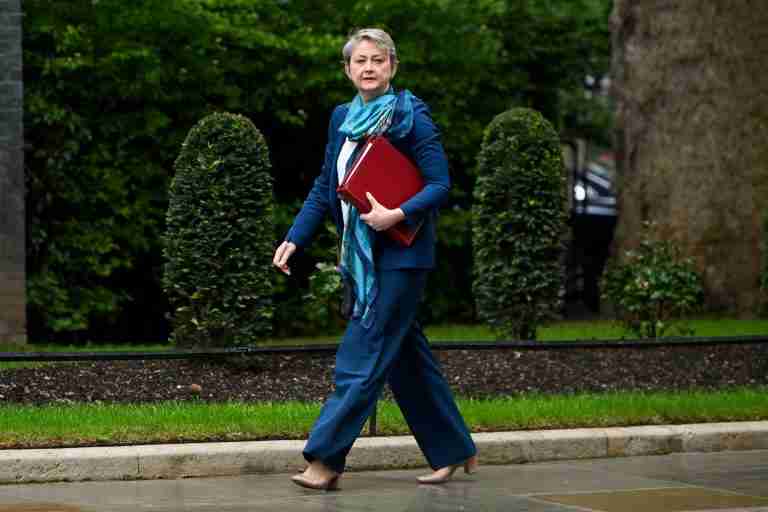
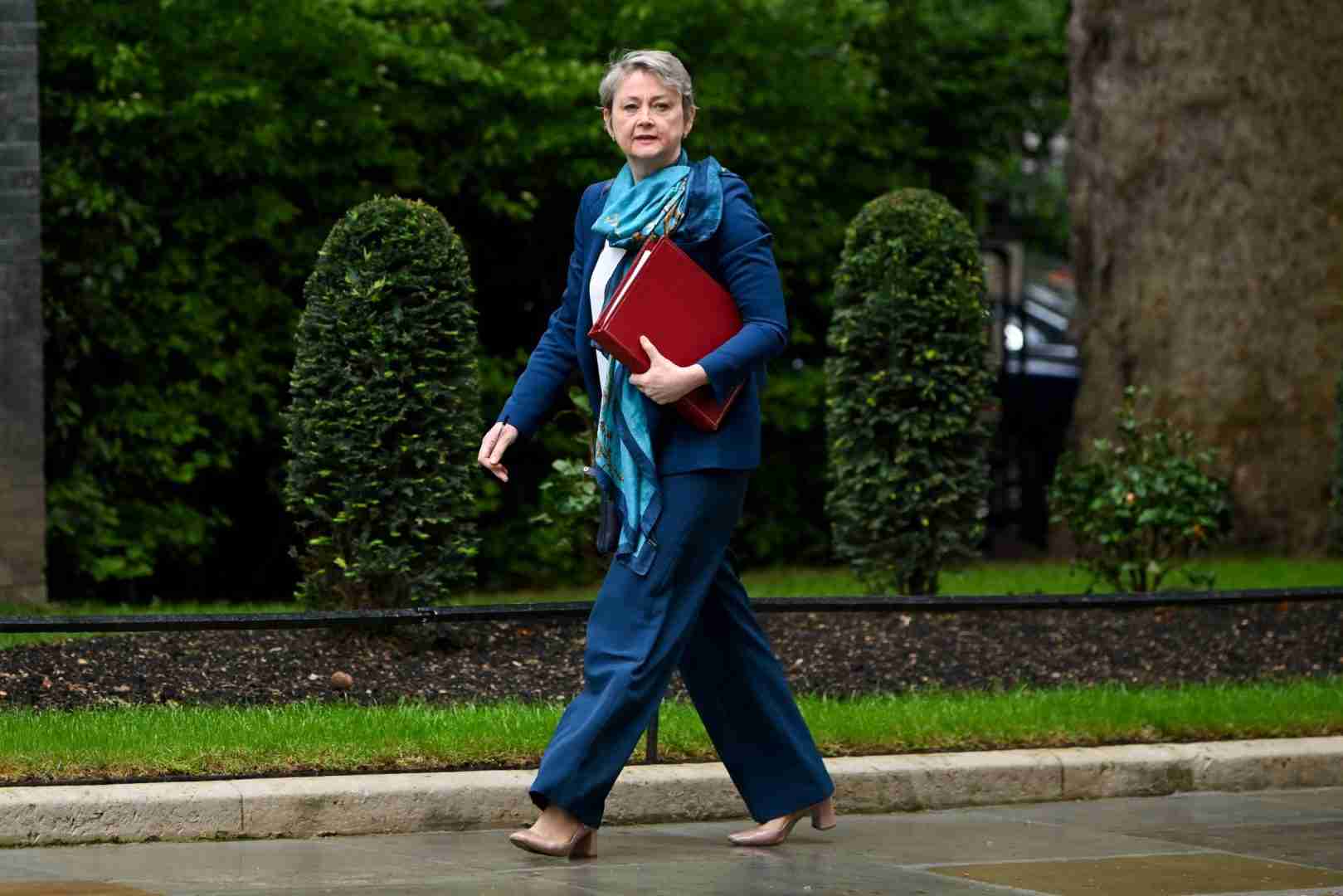
“We will continue to act fast and decisively, alongside our allies, to expose, disrupt and dismantle these networks, and ensure those enabling Russia’s aggression face consequences,” foreign minister Yvette Cooper said in a statement.

The Russian embassy in London did not immediately respond to a request for comment.

Among those sanctioned was Huobi Global S.A., one of the world’s largest crypto exchanges, founded in China in 2013 and now known as HTX.

Britain’s sanctions list said Huobi was involved in providing funds, economic resources, goods or technology to individuals and entities in Russia’s financial sector.

A spokesperson for HTX said in an email: “Regulatory compliance remains our absolute top priority at HTX. We proactively monitor and strictly adhere to regulatory frameworks in all jurisdictions where we operate globally, including the UK.”

The Financial Conduct Authority, Britain’s markets regulator, filed a lawsuit against HTX last October, accusing it of unlawfully promoting crypto asset services to British consumers. 

The FCA did not immediately respond to a request for comment.

The move comes nearly a week after Britain said it would defer a ban on imports of diesel and jet fuel derived from Russian crude refined in third countries to ease supply pressures, a decision it said was a phased approach rather than any easing of sanctions.

Reporting by Sam Tabahriti; Additional reporting by Kirstin Ridley in London and Elizabeth Howcroft in Paris; Editing by William James and David Holmes