Friday, October 30, 2026
Home Blog Page 258

UK targets Russian crypto networks in latest sanctions

The package also targets crypto exchanges and entities operating Russia-focused platforms, including a Kyrgyz bank and multiple firms registered in jurisdictions including Georgia and the United Arab Emirates, alongside individuals tied to the network
International News via Reuters:

Britain on Tuesday targeted Russia-linked cryptocurrency platforms, banks and financial networks that it said were used to bypass sanctions, freezing their assets and barring UK firms from processing payments and holding correspondent banking ties.

The measures focus on what London described as “shadow financial systems” underpinning Russia’s war economy, including the Kremlin-backed A7 network, which it said had been used to route funds, finance procurement and exploit foreign banking systems to evade restrictions.

The package also targets crypto exchanges and entities operating Russia-focused platforms, including a Kyrgyz bank and multiple firms registered in jurisdictions including Georgia and the United Arab Emirates, alongside individuals tied to the network.

Britain said it was “tracking down and shutting off” payment routes fuelling Moscow’s invasion of Ukraine.

CRYPTO EXCHANGE AMONG THOSE TARGETED 

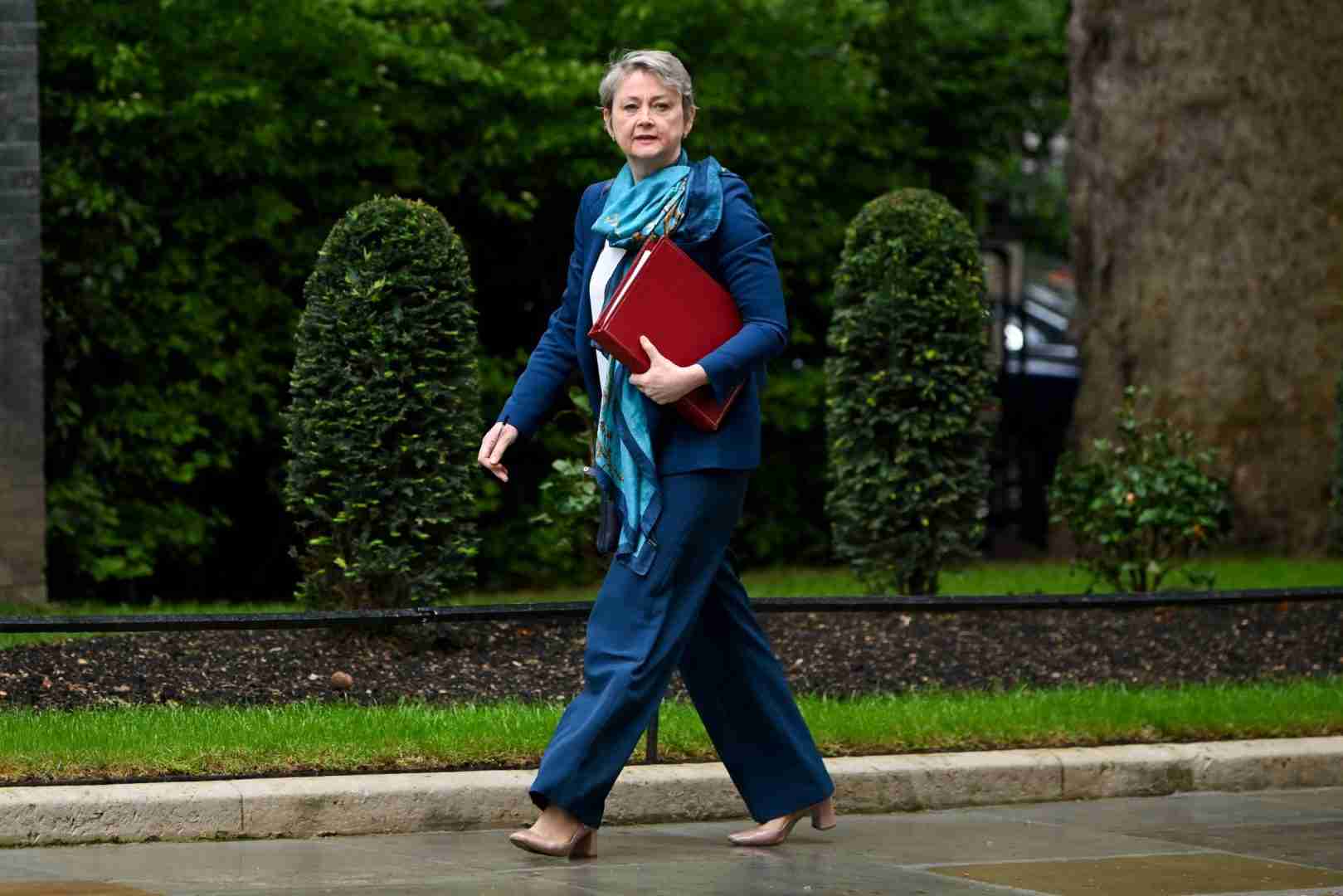
“We will continue to act fast and decisively, alongside our allies, to expose, disrupt and dismantle these networks, and ensure those enabling Russia’s aggression face consequences,” foreign minister Yvette Cooper said in a statement.

The Russian embassy in London did not immediately respond to a request for comment.

Among those sanctioned was Huobi Global S.A., one of the world’s largest crypto exchanges, founded in China in 2013 and now known as HTX.

Britain’s sanctions list said Huobi was involved in providing funds, economic resources, goods or technology to individuals and entities in Russia’s financial sector.

A spokesperson for HTX said in an email: “Regulatory compliance remains our absolute top priority at HTX. We proactively monitor and strictly adhere to regulatory frameworks in all jurisdictions where we operate globally, including the UK.”

The Financial Conduct Authority, Britain’s markets regulator, filed a lawsuit against HTX last October, accusing it of unlawfully promoting crypto asset services to British consumers. 

The FCA did not immediately respond to a request for comment.

The move comes nearly a week after Britain said it would defer a ban on imports of diesel and jet fuel derived from Russian crude refined in third countries to ease supply pressures, a decision it said was a phased approach rather than any easing of sanctions.

Reporting by Sam Tabahriti; Additional reporting by Kirstin Ridley in London and Elizabeth Howcroft in Paris; Editing by William James and David Holmes


BP ousts Chair Albert Manifold citing governance and conduct issues

Just under eight months after he took office to help oversee a strategy revamp, Manifold’s departure follows scandal and repeated leadership changes at BP

International News via Reuters:

BP has ousted Chair Albert Manifold with immediate effect, it said on Tuesday, citing governance and conduct issues, with four sources alleging aggressive and unacceptable behaviour towards colleagues.

A BP spokesperson declined to give further details. Reuters could not immediately reach Manifold for a comment.

Just under eight months after he took office to help oversee a strategy revamp, Manifold’s departure follows scandal and repeated leadership changes at BP. Less than three years ago, former BP CEO Bernard Looney was fired after lying to the board about personal relationships with colleagues.

With Manifold fresh in the job, Looney’s successor Murray Auchincloss left abruptly in December, with no clear reason given for his exit. Former Woodside CEO Meg O’Neill was immediately announced as BP’s fifth CEO since 2020 to accelerate the company’s shift in focus back to oil and gas and away from renewable energy, a strategy change announced by Auchincloss early last year.

BP BOARD UNANIMOUSLY DECIDED TO OUST MANIFOLD

In a statement on Tuesday, BP said its board had unanimously decided that Manifold – who has had the backing of activist hedge fund Elliott, which has built up a stake of around 5% in BP – should no longer serve as chair and director with immediate effect.

“This follows serious concerns raised to the board related to important governance standards, oversight and conduct,” BP said.

“Albert has helped bring a welcome focus and pace to BP’s transformation. However, the board has been surprised and disappointed to learn of governance oversight and conduct issues it deems unacceptable and has taken decisive action,” said senior independent director Amanda Blanc. Blanc oversaw Manifold’s appointment in October.

Four sources with knowledge of the matter, including one close to BP’s board, cited alleged unacceptable and aggressive behaviour with different colleagues across the company as one reason for Manifold’s ouster. One source said the board had received enough information following a whistleblower report to ascertain that there was a pattern of unacceptable behaviour.

The sources declined to be named because they were not authorised to speak publicly.

Elliott declined to comment.

BP shares were down almost 10% after the announcement and their trading briefly halted. They later pared some losses to trade down around 4%. An index of European energy companies was down around 0.1%.

MANIFOLD WAS APPOINTED AMID TAKEOVER SPECULATION

Manifold, who had never held a job in the energy industry before BP, had made a name for himself as the chief at building materials producer CRH whose portfolio he reshaped. He also moved its primary listing from Ireland to the U.S. and the share price rose.

BP announced his appointment last year after years of share underperformance against its rivals had prompted persistent takeover and break-up speculation.

Under Manifold, BP’s board shrank. Shell finance chief Simon Henry, who only joined BP in September, was among those leaving.

In April, at BP’s annual general meeting, the board failed to get two of its resolutions accepted by shareholders and Manifold’s appointment as chair got less support than typical.

While the board stood united at the AGM, proxy adviser Glass Lewis said at the time Manifold was ultimately accountable for BP’s decision to exclude a resolution filed by climate activist group Follow This and thus recommended a vote against him. His appointment was confirmed by around 82% of votes, which is below a typical tally near 100% for directors.

Ian Tyler, a former chief of British construction group Balfour Beatty and on BP’s board since last year, will be interim chair.

Additional reporting by Stephanie Kelly, Raechel Thankam Job in Bengaluru; Editing by Anil D’Silva, Barbara Lewis and Emelia Sithole-Matarise

Brent crude jumps 4% as US strikes in Iran fuel Hormuz shipping fears

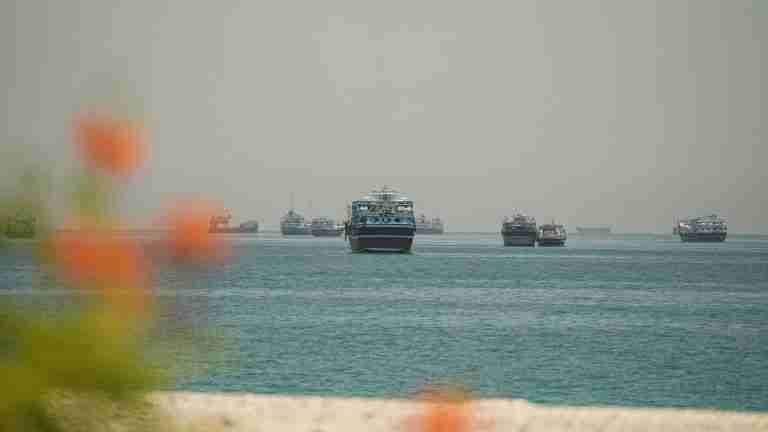
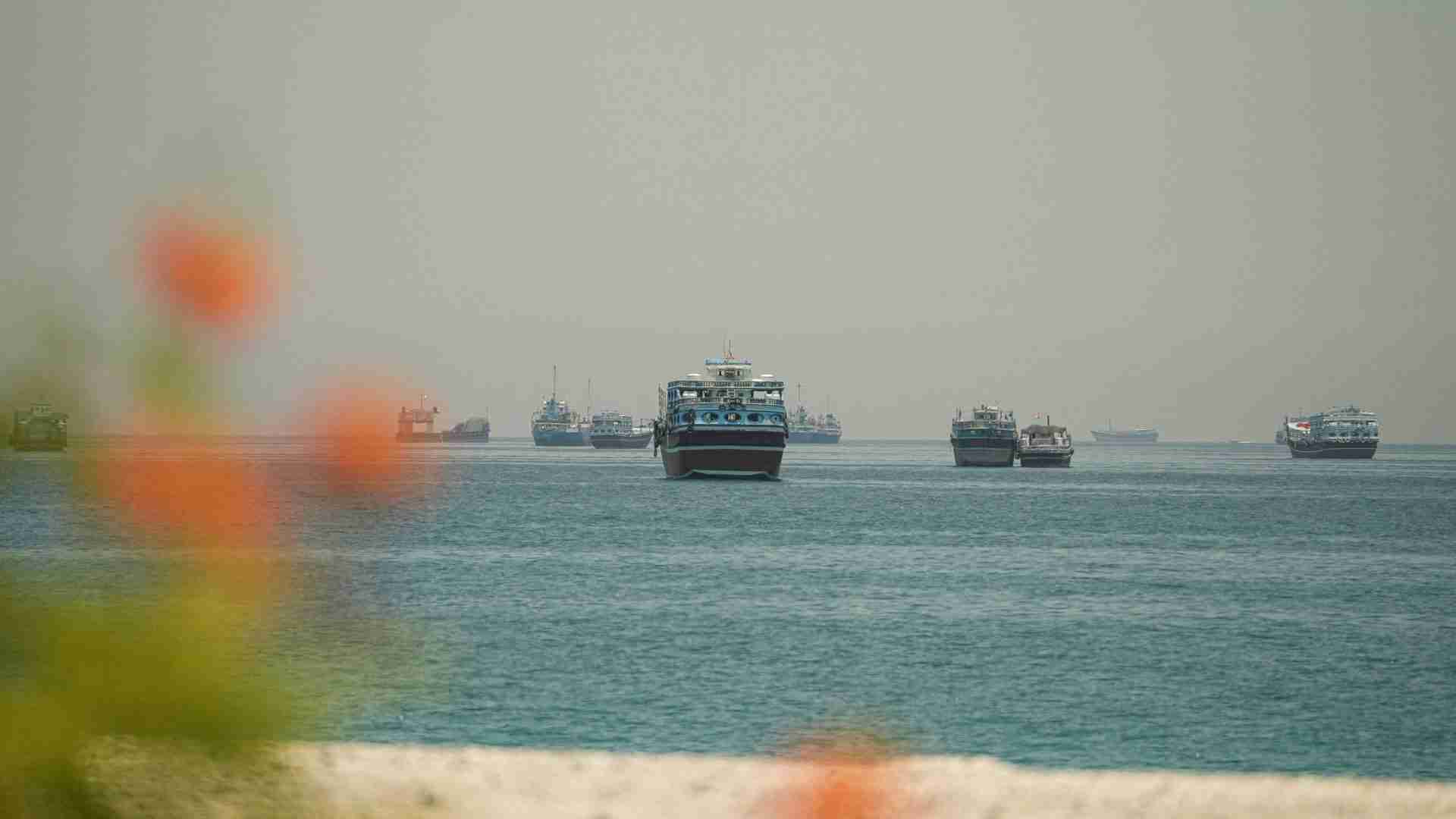
Iran has effectively halted nearly all non-Iranian shipping into and out of the Gulf via the Strait of Hormuz since the war began in late February, choking off about a fifth of global oil and liquefied natural gas (LNG) flows

International News via Reuters:

Brent crude futures climbed about 4% on Tuesday after the U.S. military carried out strikes in Iran, adding to uncertainty over whether a deal would be reached soon to end the war and open up shipping flows through the Strait of Hormuz.

Iran has effectively halted nearly all non-Iranian shipping into and out of the Gulf via the Strait of Hormuz since the war began in late February, choking off about a fifth of global oil and liquefied natural gas (LNG) flows.

Global benchmark Brent rose $3.96, or 4.1%, to $100.10 a barrel at 12:27 p.m. ET (1627 GMT), while U.S. West Texas Intermediate (WTI) crude fell $2.46, or 2.6%, to $94.14.

On Monday, Brent closed at its lowest since April 20 on expectations the U.S. and Iran would soon reach a deal. Those peace hopes were reflected in WTI prices on Tuesday since WTI did not settle on Monday due to the U.S. Memorial Day holiday. WTI was on track to close at its lowest since April 22 on Tuesday.

Iran said the United States had violated a ceasefire after the U.S. conducted what it called defensive strikes in southern Iran, while U.S. Secretary of State Marco Rubio said negotiating a deal to halt the conflict could “take a few days”.

Iran’s foreign ministry said U.S. strikes in Iran’s southern Hormozgan province, where Iranian media reported sounds of explosions early on Tuesday, represented a “gross violation” of a tenuous ceasefire in place for nearly seven weeks.

Both sides had previously indicated progress on a memorandum of understanding that could halt the war and restart shipping through the blockaded Strait of Hormuz, while giving negotiators 60 days to negotiate more complex issues including Iran’s nuclear programme.

“We are still waiting for more details on a potential deal,” said Giovanni Staunovo at UBS. “Meanwhile we see renewed tensions in the Middle East, while flows through the Strait remain restricted.”

The U.S. strikes happened as Iran’s top negotiator and its foreign minister were in Doha for talks with Qatar’s prime minister on a potential deal with the U.S. to end the 3-month-old war. 

“While differences between the parties have narrowed, any eventual peace deal would likely lead only to a gradual reopening, meaning the current tight supply outlook could take months to normalize,” said Ole Hansen at Saxo Bank.

TANKERS TRACKED PASSING THROUGH STRAIT  

The Nikkei newspaper, citing a Middle East diplomatic source, reported that Iran would clear mines from the strait within a 30‑day window after two countries reach a deal to end hostilities. After that, vessels from all countries would be able to navigate freely and safely, with Tehran also ending transit-fee collection, Nikkei said.

Ship-tracking data showed three LNG tankers passed through the Strait in recent days, heading to Pakistan, China and India, along with a supertanker carrying Iraqi crude to China that had been stranded for nearly three months. 

Pakistan plans to boost domestic storage for crude oil and refined products to increase its energy security, according to a government document that was shared with oil producers and some of the world’s leading trading firms.

Reporting by Scott DiSavino in New York and Alex Lawler and Robert Harvey in London; Additional reporting by Pooja Menon and Emily Chow in Singapore; Editing by David Holmes and Emelia Sithole-Matarise

Inside an African lab that helped crack the hantavirus outbreak

The Institut Pasteur de Dakar, a Senegalese nonprofit foundation, plays a central role in responding to disease outbreaks in sub-Saharan Africa

International News via Reuters:

The call for help came in early May: a cruise ship off Cape Verde was stranded, with passengers suspected of infection by a deadly strain of hantavirus that kills about one in three of its victims.

The vessel had stopped at several remote islands, and the World Health Organization needed answers. Could a biomedical research center in Senegal, an hour’s flight away, support a team collecting specimens from suspected cases on board?

The plane landed in Senegal in the early hours of May 5. At the Institut Pasteur de Dakar, scientists worked through the night, using sophisticated lab equipment and powerful computers to deliver results awaited by health officials worldwide.

Within 24 hours, they had produced a partial genome showing the illness affecting the passengers — cases five and six — was the Andes strain of hantavirus, known to spread through close human contact. Laboratories in South Africa and Switzerland reached the same conclusion that day.

The WHO announced the findings at a press conference. The role of the West African lab has not previously been described in detail, and shows how global research networks can help contain outbreaks.

“It’s crucial to have, in different parts of the world, the capacity and capabilities to detect those different pathogens,” said Dr. Moussa Moise Diagne, a virologist and head of the sequencing platform at Institut Pasteur de Dakar.

“It’s really important for the clinical case management, and also for the contact tracing, which is really key.”

TO CONTAIN THE OUTBREAK, EVERY HOUR COUNTED

The Institut Pasteur de Dakar, a Senegalese nonprofit foundation, plays a central role in responding to disease outbreaks in sub-Saharan Africa.

It is part of the Pasteur Network alliance and supported about 20 countries during the COVID-19 pandemic and has aided responses to Marburg in Guinea and Ebola in the Democratic Republic of Congo – including by advancing a rapid test for the current outbreak.

To test patients aboard the vessel in Cape Verde, the WHO collected supplies from the lab and chartered a plane to fly a team to the archipelago and back with specimens. The samples were triple-packed — in test tubes, encased in plastic and sealed in a cardboard box marked with warning signs.

By 3 a.m., the team in Dakar was in full swing, aware that every hour mattered.

The package was opened in a specialised biocontainment lab and deactivated by a trained team, who prepared samples for testing. Droplets were then analysed using sequencing machines capable of mapping the virus’ genome.

The results were sent to the WHO early on May 6, matching findings from South Africa and Switzerland, which had received samples from other patients.

GLOBAL EFFORT TO SEEK ANSWERS    

By May 8, the full genome had been mapped. Laboratories worldwide compared sequences to identify mutations that could affect how the virus behaves.

How quickly it could spread was a critical question. The vessel had stopped at remote Atlantic islands and three passengers had died, including one transiting through Johannesburg. About 150 people from 23 countries were on board the MV Hondius, an expedition cruise ship.

Fortunately, no significant mutations were found compared to the outbreak of 2018–19 in Argentina.

“Sequencing is the way to understand the strength of the transmission,” Diagne said.

Officials say more cases may emerge worldwide due to the virus’ long incubation period, which can be up to six weeks. Questions remain, including where and when the first infections occurred — key to preventing further spread beyond endemic areas.

“The most important thing now is to know what is the window of exposure in Latin America,” Diagne said. 

FUNDING CUTS

The hantavirus outbreak, followed by a fast-spreading Ebola emergency in central Africa, has highlighted the role of global laboratory networks, many of which, including the Institut Pasteur, have recently lost funding for pandemic prevention. 

One example is the U.S. National Institutes of Health’s decision to end funding for the Centers for Research in Emerging Infectious Diseases Network, a global initiative that includes a West African centre. A pilot project on how hantavirus infects humans was also cancelled.

The U.S. Department of Health and Human Services said it remains committed to tackling global infectious disease threats. Suggestions the United States is stepping back from global health security “do not reflect the reality of our ongoing engagement and support internationally,” a spokesperson said.

Additional reporting by Jennifer Rigby in London;Editing by Ros Russell

Volleyballers set for elite continental test on NORCECA tour in El Salvador

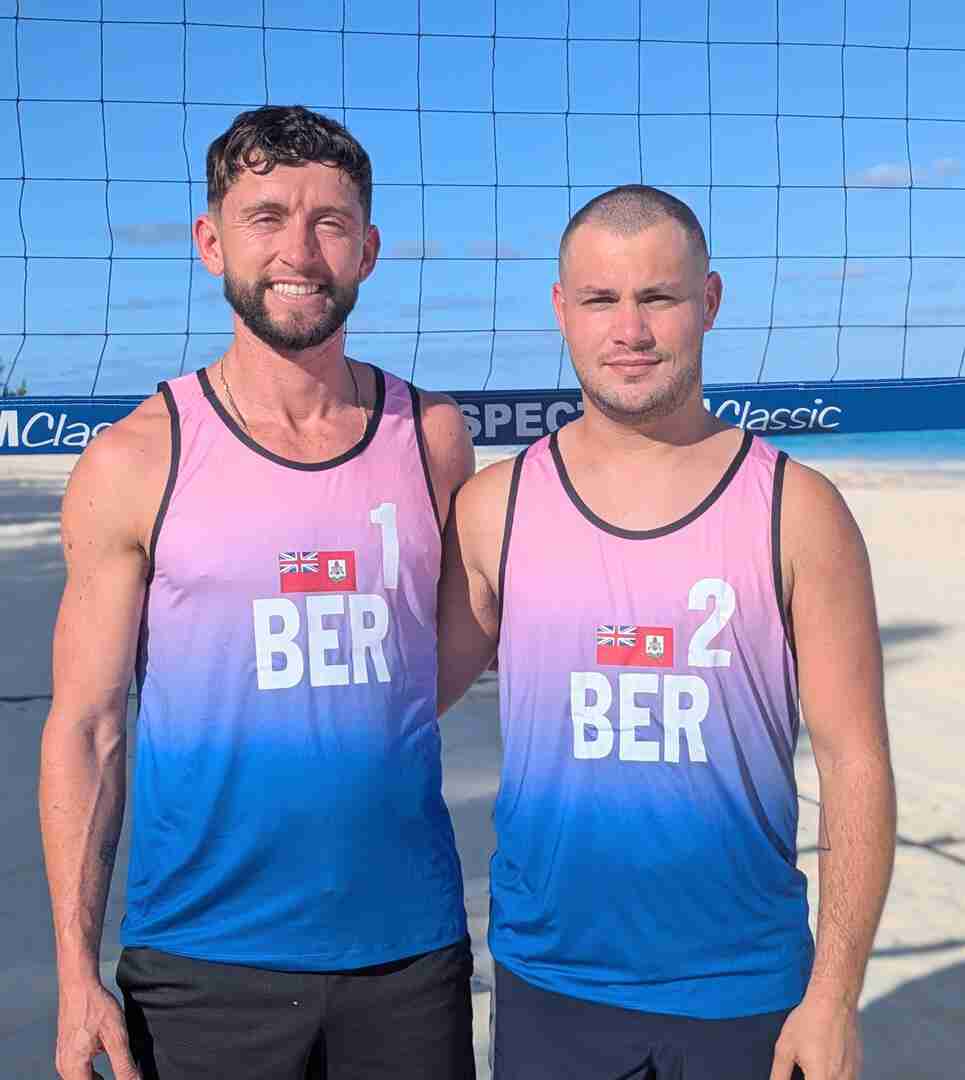
The Bermuda Volleyball Association (BVA) has announced that Kyle Hamilton and Brandon Sousa will represent the island at the upcoming fifth stage of the 2026 NORCECA Beach Volleyball Tour in San Salvador, El Salvador, from May 29 to 31.

The high-stakes tournament will feature absolute powerhouses from across North, Central America, and the Caribbean—including the United States, Canada, and Mexico—battling for crucial international ranking points.

Hamilton, one of Bermuda’s premier blockers, will provide a heavy presence at the net, while the experienced Sousa anchors the backcourt defense. The duo have been training intensely to refine their partnership for the elite level.

“The field in El Salvador is incredibly strong, but our preparation has been solid,” Hamilton said. “We’re ready to execute our game plan and show the progress Bermuda beach volleyball is making.” Sousa added: “We are eager to continue establishing Bermuda on the regional tour.”

With the national coaching staff emphasizing that competing against world-class opposition is vital for athletic development, the BVA has extended its full support to the squad ahead of their Central American assignment.

Harvey smashes meet record to claim stunning Sun Devil Open gold

Bermudian Olympian Emma Harvey produced a breathtaking performance on day two of the prestigious 2026 AZ Sun Devil Open, shattering the meet record to claim a dominant gold medal in the Women’s 13 & Over 50m Backstroke Final.

Competing at the Mona Plummer Aquatic Center in Tempe, Arizona, the versatile sprint specialist showed her elite continental class by touching the wall in a blistering, season-best time of 28.78 seconds. The extraordinary swim officially eclipses the previous meet record of 28.87 seconds, set on May 17, 2025, by Canadian Olympic medalist Taylor Ruck.

The warning signs were evident from the morning preliminaries, where Harvey laid down an authoritative marker to dominate the field, clocking the fastest qualifying time at 29.48 seconds.

Returning for the evening showcase, Harvey executed a flawless start off the wedges. Maintaining an incredibly high stroke rate and clean body alignment down the single-lap straightaway, she held off a late surge from her collegiate rivals to rewrite the history books. The record-breaking display provides an enormous boost for the Bermudian star as she transitions into the peak of her international long-course schedule.

Munya masterclass secures dramatic 800m title at Southeast Meet of Champions

Bermudian middle-distance prodigy Amaris Munya produced a tactical masterclass to secure a magnificent victory in the Girls High School 800m Final at the inaugural Southeast Meet of Champions.

Competing at the world-class Hodges Stadium on the campus of the University of North Florida in Jacksonville, the prestigious regional showcase attracted the absolute cream of high school athletic talent from across the southern United States. Representing the powerhouse Montverde Academy track program, the 16-year-old stepped onto the line carrying immense expectations.

From the opening gun, the pace was brutally demanding, with several regional favorites attempting to stretch the field early down the backstretch. Munya, however, demonstrated tactical maturity well beyond her years. Resisting the temptation to burn her energy in the opening 200 meters, the Montverde star anchored herself neatly on the shoulder of the lead pack.

As the field hit the bell lap and the pace began to fracture her competitors, Munya shifted gears with absolute precision. Swinging wide as they rounded the final bend, she unleashed her characteristic explosive top-end speed down the UNF straightaway to systematically track down the frontrunners.

Munya crossed the line to stop the clock in a winning time of 2 minutes, 19.55 seconds, holding off a furious late surge from the chasing pack to secure a thoroughly deserved gold medal. The commanding victory adds yet another stellar individual title to her rapidly expanding international résumé as the junior standout pivots toward her upcoming summer commitments.

‘My joy for the game has disappeared’ – Kenni Thompson announces shock retirement at 25

Bermuda international winger Kenni Thompson has sent shockwaves through the game by announcing her immediate retirement from professional football at the age of just 25.

In a candid social media post following her departure from AFC Bournemouth, the former Chelsea, Espanyol, and Eibar attacker revealed she is walking away to protect her mental well-being and rediscover her “joy for life”. Thompson, who relocated to Europe at age 11, confessed that her burning passion had slowly eroded.

“I chased my dream and I achieved it,” Thompson wrote, having recently scored the winning goal in the National League Cup final. “But the joy for the game that always got me through the darkest moments ultimately disappeared. I spent years trying to recover my joy for the sport when I should’ve been finding my joy for living.”

The decision by the daughter of legendary coach Kenny Thompson highlights growing conversations around athlete burnout. Leaving a massive creative void in the national team setup, Thompson is firmly shifting her energy toward a total personal reset: “Current priority: peace.”

Woman arrested for indecent exposure at Elbow Beach

A man was also involved in the incident and police anticipate arresting him, too

Statement by Bermuda Police Service:

“Around 8:00pm on Friday, May 22, 2026, police officers attended Elbow Beach, Paget, following a report of a man and woman engaging in indecent acts on the beach. Upon arrival, officers began inquiries and were alerted to the exact location of the reported incident.

As officers made their way to that location they observed a woman in a state of undress.

Officers approached the woman and informed her, nudity in any form was not permitted on the island’s public beaches.

She was then informed of the offence and arrested for indecent exposure.

A video clip showing the woman and a male companion openly engaging in a sex act at the said location, has since come to the attention of the Bermuda Police Service.

It is anticipated the male will now also be arrested and charged in relation to that matter.”

Train collides with school van in Belgium, killing four

The driver and an adult accompanying the pupils also died while two other students were badly injured

International News via Reuters:

A train crashed into a school van at a level-crossing in the Belgian town of Buggenhout on Tuesday, killing four people including two special needs pupils, authorities said.

The driver and an adult accompanying the pupils also died while two other students were badly injured.

Images in Belgian media showed a white minivan lying on its side near the track, its front badly crumpled.

Transport Minister Jean-Luc Crucke said security camera footage showed the crossing’s safety barriers had come down.

“What could have been a beautiful spring morning suddenly turned into a pitch-black day,” East Flanders Provincial Deputy Kurt Moens told news outlet VRT NWS.

European Commission President Ursula von der Leyen said on X: “Today, Europe grieves with Belgium.”

PAST ACCIDENTS

The accident occurred early on Tuesday near Buggenhout station, about 23 kilometres (14 miles) north of Brussels. 

The van was carrying seven pupils with special needs to their school, and a chaperone, Belgian federal police spokesperson An Berger said.

RTL quoted a spokesperson for the state railway infrastructure operator, Infrabel, saying that the train driver had applied the emergency brakes but that “the shock was extremely violent.”

Belgium, where a dense railway network criss-crosses towns and villages, has a history of accidents at level-crossings.

Since 2021, 36 people have died in 168 such accidents, according to Infrabel’s website.

Reporting by Inti Landauro and Charlotte Van Campenhout; editing by Richard Lough and Andrew Cawthorne