

PLP Leadership contender Jason Hayward says, if successful, social development would be a characteristic of his Premiership
Bermuda Pair Secure Top 14 Spot After Gritty Finish in Mexico


Bermuda’s Benjamin Barnett and Braedon Medeiros-Cooke saw their challenging campaign at the fourth stop of the 2026 NORCECA Beach Volleyball Tour draw to a close in Ciudad Madero, Mexico. Navigating a highly demanding field, the young island duo wrapped up their international tour firmly anchored among the top 14 teams.
Squaring off against the Dominican Republic’s Hayerling Francisco De Jesús Goris and Oscar José Martínez López in the 13th/14th placement play-off, the Bermudians found themselves on the back foot early. The dominant Dominican tandem used their height advantage at the net to seal the opening frame 21-9.
The mid-Atlantic pair adjusted brilliantly in the second stanza, displaying immense grit under the intense Mexican heat to sharpen their block coverage and trade points. Ultimately, the Dominican team’s explosive power shone through, taking the second set 21-13 to seal the straight-sets victory in a fast-and-furious 27 minutes.
While the 14th-place finish leaves the Bermudians hungry for tactical growth, the elite international mileage accumulated provides a massive developmental foundation for the regional season ahead.
With AI manifesto, Leo joins pantheon of popes who urged world to change
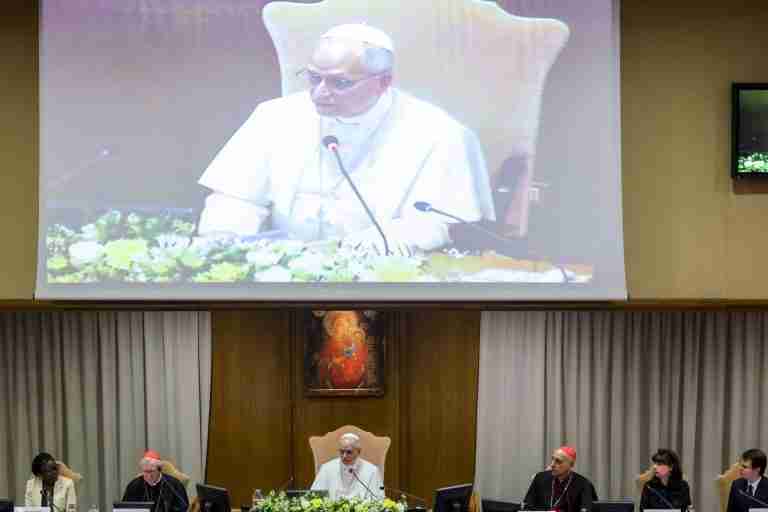
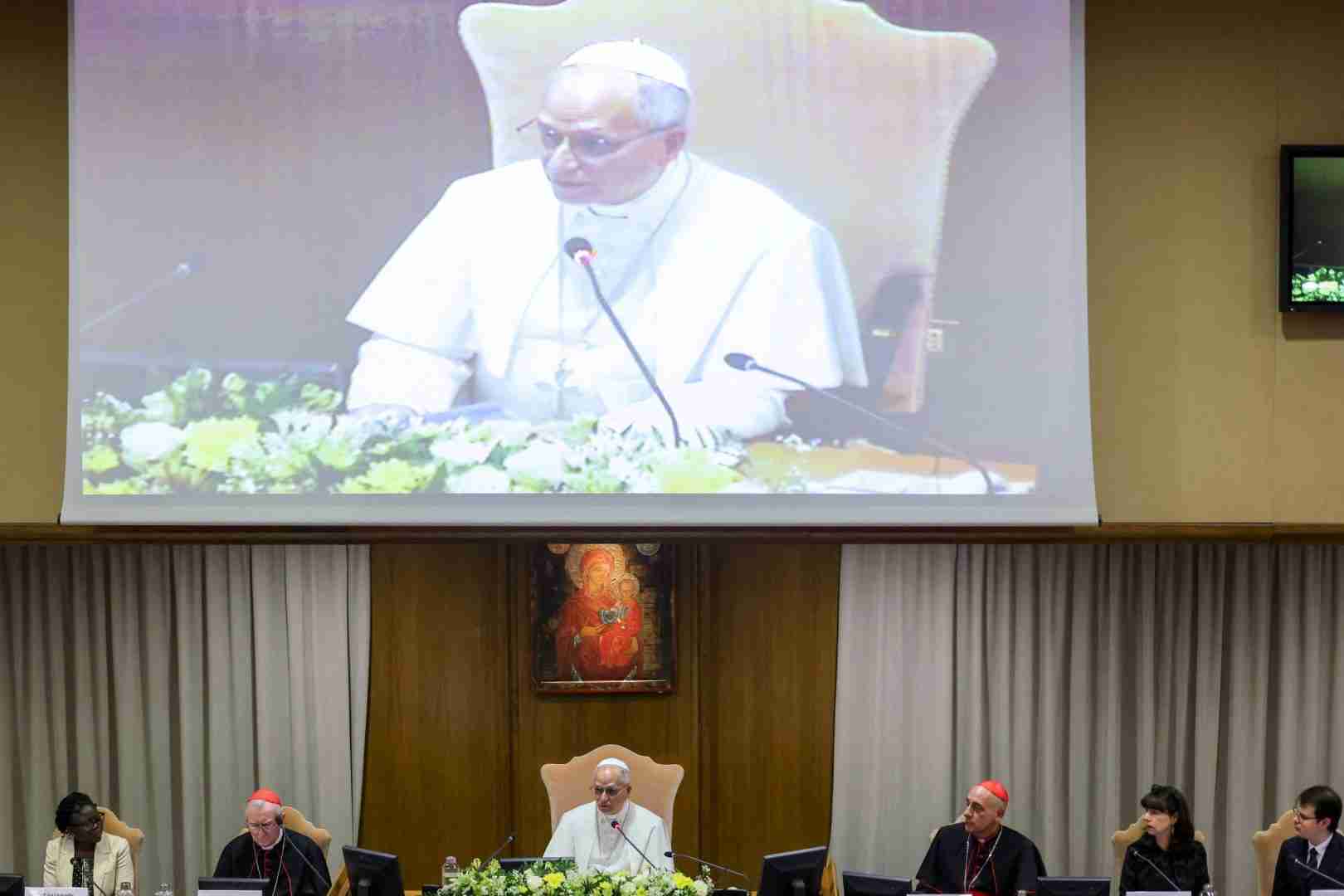
A year into his papacy, Leo formally signed the text about AI on May 15, the 135th anniversary of his predecessor’s publishing of “Rerum Novarum”
International News via Reuters:
Catholic popes have been urging global leaders to address social justice issues for 135 years across some two dozen major documents that many of the world’s 1.4-billion-faithful can cite by their two- or three-word titles.
“Rerum Novarum” from Leo XIII in 1891 called for better conditions for workers in the Industrial Revolution. “Pacem in Terris” from John XXIII in 1963 appealed for nuclear disarmament amid the Cold War. “Laudato Si'” from Francis in 2015 pleaded for swift action to address climate change.
Leo XIV has now added his name to the pantheon, issuing a fervent manifesto on Monday titled “Magnifica Humanitas” (Magnificent Humanity), urging global governments to slow down the development of AI systems.
“Like other popes before him, Pope Leo is responding to one of the most pressing social issues of his time,” John Thavis, a longtime Vatican correspondent who covered three papacies, told Reuters.
“Clearly (Leo) wants to help shape the debate over technology and AI, by emphasizing the moral and ethical arguments that centre the human person,” said Thavis.
A year into his papacy, Leo formally signed the text about AI on May 15, the 135th anniversary of his predecessor’s publishing of “Rerum Novarum”, firmly tying the newest papal document urging world action on social issues to the papal text widely considered to have done that first.
POPES CHOOSE ENCYCLICAL TOPICS CAREFULLY
Anna Rowlands, a British academic and Church adviser, said at a Vatican event presenting Leo’s text on Monday that for more than a century popes have cautioned that the world “will not be saved by the market.”
“Today, Pope Leo cautions that we will not be ‘saved’ by AI,” she said.
Encyclicals are one of the highest forms of teaching from a pontiff to the Church’s members.
Popes choose the topics of encyclicals carefully to highlight the main priorities of their papacies, as the texts, which can span hundreds of pages, often take years to prepare.
The late Pope Francis, who led the Church for 12 years, authored only four of the documents.
Leo, who has adopted a more forceful tone in recent months and has drawn the ire of U.S. President Donald Trump after criticising the Iran war, warned in his text that AI spreads misinformation, prioritises conflict and could lead the world down a path of unending war.
At Monday’s Vatican event he also expressed concern that some autonomous weapons systems have advanced “practically beyond any human reach to govern them”.
MIXED RECORD OF SUCCESS FOR PAPAL ENCYCLICALS
Papal encyclicals urging action from world leaders have a mixed record of leading to substantive changes.
“Pacem in Terris”, published just months after the 1962 Cuban missile crisis, is credited by some historians with giving moral backing to negotiations between then-U.S. President John F. Kennedy and Soviet leader Nikita Khrushchev that led to the Partial Nuclear Test Ban Treaty.
Francis, whose “Laudato Si'” was the first papal document to endorse the scientific consensus that greenhouse gases are warming the Earth’s atmosphere, lamented frequently that governments were not doing more to mitigate climate change.
Thavis said it is usually hard at first to judge whether a papal encyclical will have lasting impact, as it takes time for the lengthy documents to be digested by people worldwide.
“Their ideas tend to surface gradually in the public square, in the media and in grassroots activism,” he said. “I suspect this encyclical will act as a landmark reference point in the ongoing debate over artificial intelligence.”
The document is already available to read on the Vatican website in a number of languages, and will also be distributed as a booklet for reading and discussion.
Chris Olah, a co-founder of Anthropic, one of the world’s top AI companies, took part in the Vatican’s event on Monday launching Leo’s text and thanked the pope for addressing the problems raised by the disruptive, new technology.
He said firms like his faced strong commercial pressures and needed outside scrutiny.
Leo called in his text for robust international regulations to oversee AI development and for ownership of AI data not to be left solely in private hands.
Reporting by Joshua McElweeEditing by Keith Weir
EU plans to fine Google high triple-digit million euro sum, Handelsblatt reports
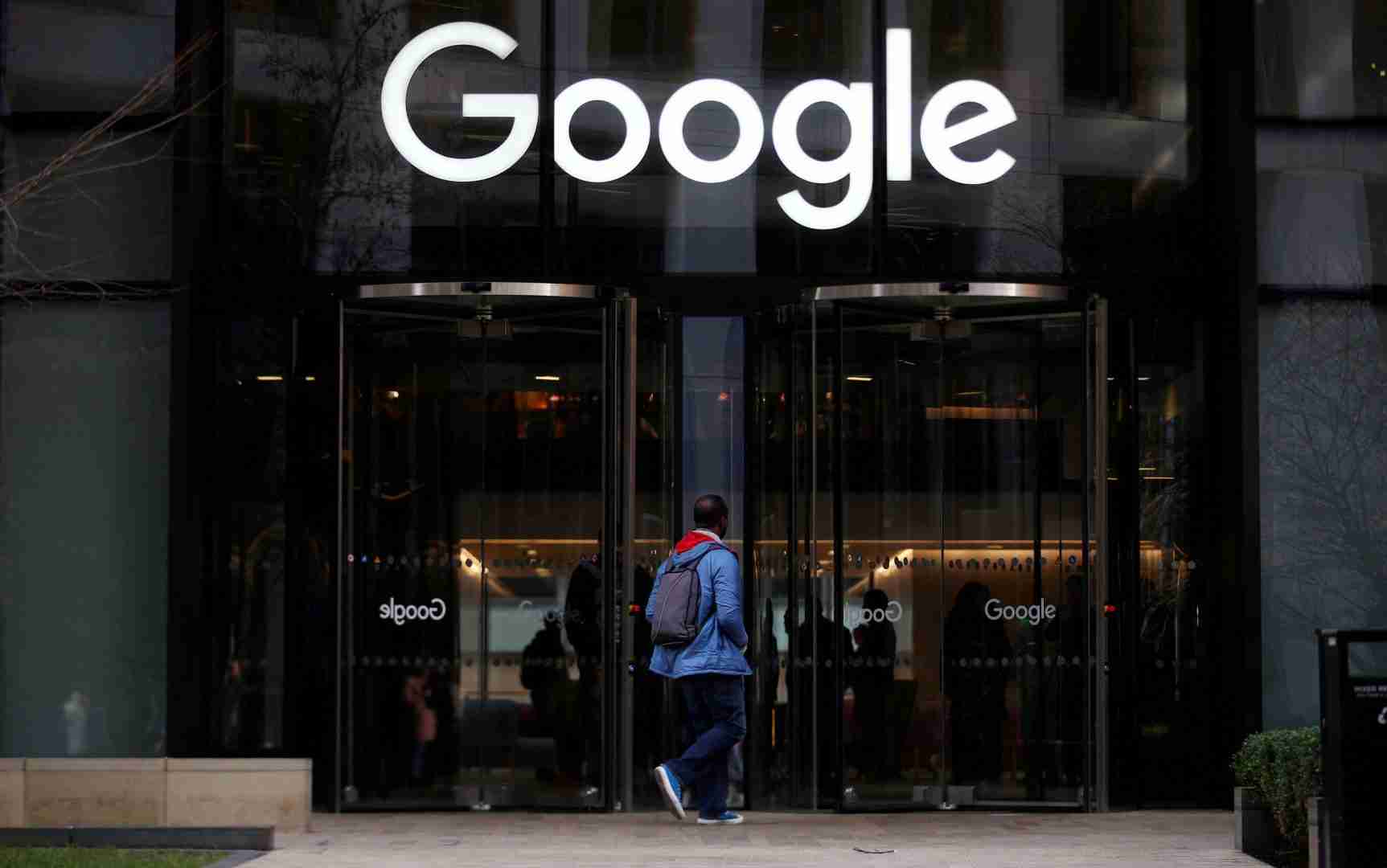
The decision is nearing completion and is expected to be announced before the summer break, the paper said, adding it would be the largest penalty the EU has imposed for a breach of its Digital Markets Act (DMA)
International News via Reuters:
The European Union is planning to fine Alphabet’s Google a high triple-digit million euro amount as part of an antitrust investigation, Germany’s Handelsblatt newspaper reported on Monday, citing commission sources.
The decision is nearing completion and is expected to be announced before the summer break, the paper said, adding it would be the largest penalty the EU has imposed for a breach of its Digital Markets Act (DMA), which aims to curb the power of big tech companies.
The investigation, which was officially launched in March 2025, relates to concerns that Google favours its own services in search results and seeks to ensure the world’s most popular internet search engine complies with local regulation.
The Commission is more interested in securing compliance rather than imposing penalties, spokesperson Thomas Regnier said in an emailed statement.
“Even with our negotiations on future solutions, we will not hesitate to move to the next steps as soon as possible,” he added.
Google has criticised the impact of the EU’s rules on its search product and said it is keen to resolve the case.
“The changes we’ve already made to Search under the DMA represent the biggest downgrade in the product’s history, creating a second-rate experience for Europeans to the benefit of a few self-interested complainants,” a company spokesperson said.
Earlier this month, the European Commission said it had given Google a little bit more time to soothe concerns after a previous proposal from the company fell short.
Reporting by Christoph Steitz and Inti Landauro; Editing by Toby Chopra and Sanjeev Miglani
Oil tumbles nearly 7% as US and Iran seen moving closer to deal
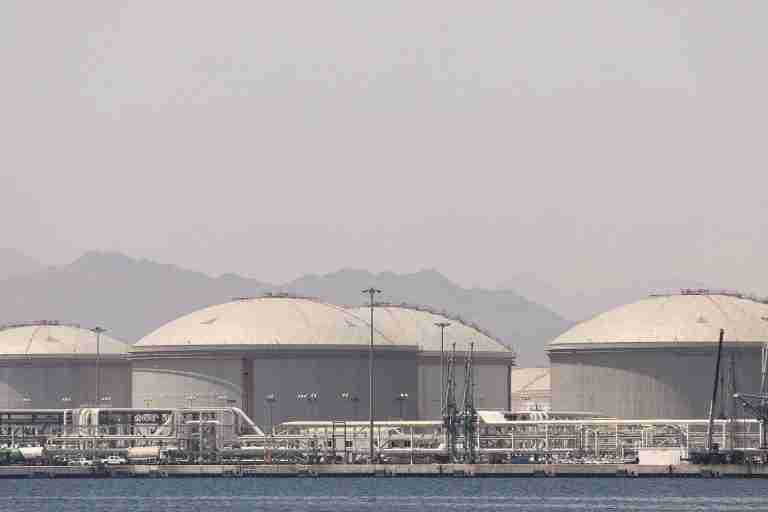
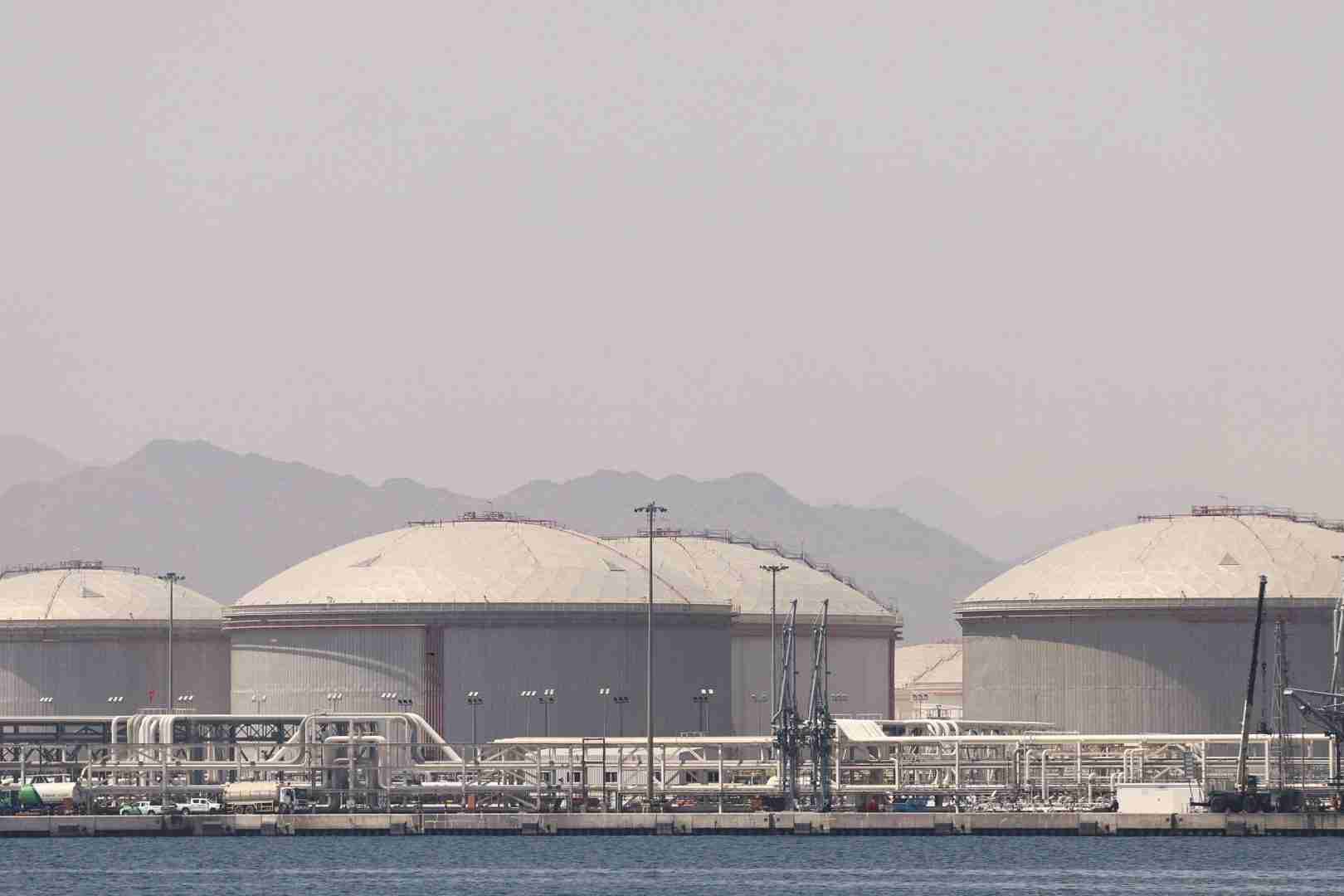
Brent crude futures were down $7.24, or almost 7%, at $96.30 a barrel at 2:29 p.m. ET (1843 GMT) and U.S. West Texas Intermediate futures were down $6.30, or 6.5%, at $90.88
International News via Reuters:
Oil prices fell nearly 7% on Monday as optimism grew that the United States and Iran were moving closer to a peace deal that would reopen the Strait of Hormuz, even though Washington and Tehran played down hopes for an imminent breakthrough.
Brent crude futures were down $7.24, or almost 7%, at $96.30 a barrel at 2:29 p.m. ET (1843 GMT) and U.S. West Texas Intermediate futures were down $6.30, or 6.5%, at $90.88.
Trading volumes were light due to the U.S. Memorial Day holiday.
Iran’s top negotiator and its foreign minister were in Doha for talks with Qatar’s prime minister on a potential deal with the U.S. to end the three-month-old war, an official briefed on the visit said Monday.
Both sides said they have made progress on a memorandum of understanding that would halt the war and give negotiators 60 days to reach a final deal.
‘GET SOME OIL MOVING’
“Even though it’s not done, there seems to be some hope that we will start to get some oil moving through the Strait of Hormuz,” said Phil Flynn, senior analyst with Price Futures Group.
But Rory Johnston, founder of the Commodity Context newsletter, sounded a note of caution.
“We’ve routinely gotten close and then collapsed on the details multiple times over the past couple of months and Hormuz remains closed,” Johnston said.
In a lengthy Truth Social post on Monday, U.S. President Donald Trump said talks with Iran were going “nicely,” but warned of fresh attacks if they failed.
He urged more Arab and Muslim states to sign up to the Abraham Accords, which were brokered during Trump’s first term in office and aim to normalise ties between Arab and other Muslim-majority states and Israel.
“That could mean a significant reduction of risk premium in the Middle East, especially if a deal with Iran can be done and Iran gives up their nuclear material,” Flynn said.
Iran’s foreign ministry said on Monday Iran was negotiating an end to the war and was not currently discussing nuclear issues.
Even if a peace deal is reached, analysts expect a return to normal oil flows through the strait will take months, while damaged oil and gas facilities are repaired.
“The underlying supply shortfall of 10-11 (million barrels per day) of crude oil does not go away immediately and will see markets still drawing inventories until Middle Eastern crude production is back online, which is months away,” said Sparta Commodities analyst June Goh.
“We continue to believe that the key factors for the oil market to watch should be the physical oil flows; and so far, flows through the strait remain restricted,” said UBS analyst Giovanni Staunovo.
Ship-tracking data showed three liquefied natural gas tankers passed through the strait in recent days, heading to Pakistan, China and India, as well as a supertanker with Iraqi crude for China after being stranded for nearly three months.
Additional reporting by Ahmad Gaddar in London; Florence Tan and Sudarshan Varadhan in Singapore. Editing by Rod Nickel, Chizu Nomiyama and Nick Zieminski
Spanish national evacuated from hantavirus cruise ship tests positive
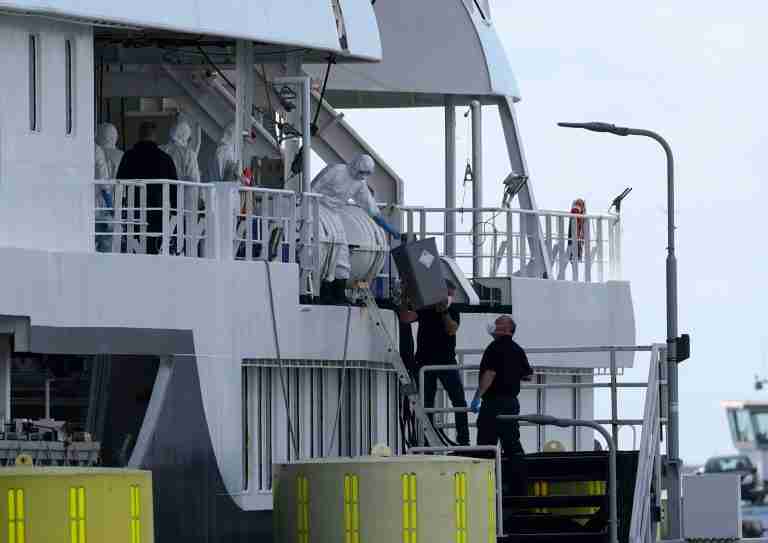
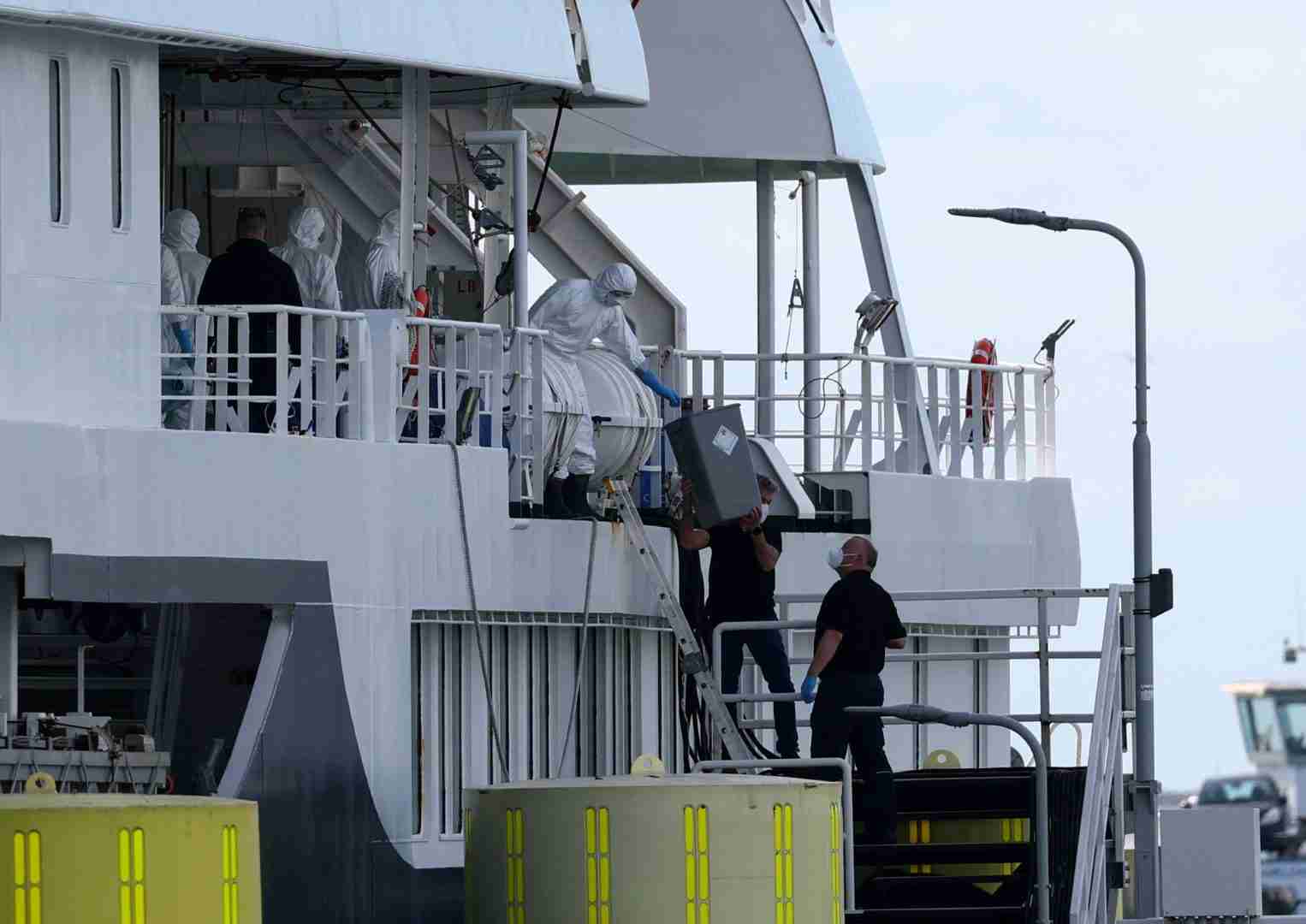
After confirming the infection, the Spanish national has been taken to an isolation unit at the Gómez Ulla Hospital, the Health Ministry said on X
International News via Reuters:
A Spanish national in quarantine in a Madrid military hospital, who is among those evacuated from a cruise ship earlier this month, has tested positive of hantavirus, Spain’s Health Ministry said on Monday.
It is the second positive case among the 14 Spanish nationals who were evacuated to the Spanish island of Tenerife from the luxury liner MV Hondius, which had been carrying around 150 passengers and crew from 23 countries when a cluster of severe respiratory illnesses was first reported to the World Health Organization on May 2.
After confirming the infection, the Spanish national has been taken to an isolation unit at the Gómez Ulla Hospital, the Health Ministry said on X. It added that the fact that the case was detected among those already in quarantine “does not modify the risk situation” for the overall population.
Reporting by Joan Faus; Editing by Toby Chopra
Fort invaded by positive vibes

Lost Society – an electronic music community – hosted an event on the even of the holiday weekend called ‘My Friends’ that lit up Fort Hamilton, filling the historic landmarkwith a vibrant atmosphere.
Kendal Trott was there to capture the sights and sounds as attendees brought the fort to life.
Rangers Club president saddened but hopeful following shooting

President of the Southampton Rangers Sports Club, Darren ‘Butch’ Burchall, emotionally lamented the violence that continues to plague the club after Sunday’s shooting where two men opened multiple rounds of gunfire
A shooting incident at the end of the Bermuda Day Holiday weekend has prompted leaders to double down on security measures.
Sadly, it’s not the first time Rangers Sports Club in Southampton has been the venue for criminal behaviour, despite the best efforts of club officials.
Police today confirmed no arrests have yet been made in connection with the incident at Rangers.
Jasmine Patterson reports.
Police made 27 arrests over the long weekend

There were 23 road crashes, ten involving injury
The Bermuda Police Service says officers responded to a high volume of incidents over the Bermuda Day holiday weekend, making 27 arrests for offences including impaired driving, drug offences, outstanding warrants, disturbances and possession of bladed articles.
Police confirmed that five people were arrested for impaired driving, with the highest recorded breathalyser reading measuring 111 milligrams – well above the legal limit of 80.
Officers also attended 23 road traffic collisions over the weekend, ten of which involved injuries. Police said those involved in the serious collision in Paget on Sunday morning have since been released from hospital, with injuries proving less severe than initially feared.
Two firearms incidents were also reported during the holiday period. The first occurred Thursday night in the Berkeley Road area, while the second took place Sunday night at Southampton Rangers Sports Club, where two men on a motorcycle allegedly discharged several shots before leaving the scene. No injuries were reported in either incident and investigations remain ongoing.
Police also addressed misinformation circulating online, clarifying that there was no stabbing on Front Street on Bermuda Day. Officers said there was a disturbance and one person was taken to hospital and later released.
Meanwhile, six individuals were arrested for possession of bladed articles over the weekend. In one incident, a 49-year-old man was arrested on Parsons Road after allegedly resisting police, with officers recovering a folding knife.
The Bermuda Police Service also raised concerns about the public use of cannabis during Bermuda Day celebrations, reminding residents that public consumption remains illegal in Bermuda.
Police said Operation Sentinel – a targeted policing initiative aimed at tackling organised criminal activity – remains active, with increased patrols, stop and search activity, and the execution of search warrants continuing across the island.
The Bermuda Police Service thanked residents and visitors who celebrated responsibly and appealed for anyone with information relating to the firearms incidents to contact police or the Crime Stoppers hotline.
Lane closure on Middle Road for Bermuda Link trench works

The Ministry of Public Works and Environment is advising motorists of a temporary lane closure on Middle Road in Devonshire to facilitate Bermuda Link trench works.
The closure affects the section of Middle Road between Tee Street and Tribe Road No. 1 and will remain in place from today, May 25, through Friday, May 29, between 7:30 a.m. and 6:00 p.m. daily.
Motorists travelling eastbound and westbound should expect delays, with temporary traffic lights and stop-and-go signs in operation throughout the work period.
Detour routes will be available via Tee Street, Montpelier Road and Flora Duffy Hill.
Traffic management will be overseen by representatives from Invisible Trenching Ltd.
The Ministry has apologised for any inconvenience and is encouraging the public’s cooperation while the works are carried out.
Stocks jump while oil and dollar ease on Iran peace hopes
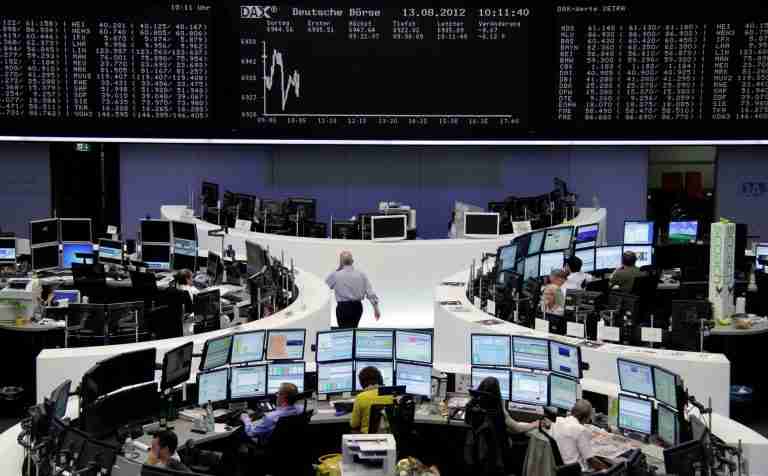
The nearly three-month-long conflict in the Middle East has driven energy prices sharply higher and reshaped the global rates outlook, as inflation concerns intensify following Tehran’s effective shutdown of the key strait
International News via Reuters:
Stocks surged and the U.S. dollar and oil prices slid on Monday as the prospect of a deal to end the Iran war buoyed risk appetite, although a lack of clarity over when the Strait of Hormuz would open kept enthusiasm in check.
The nearly three-month-long conflict in the Middle East has driven energy prices sharply higher and reshaped the global rates outlook, as inflation concerns intensify following Tehran’s effective shutdown of the key strait.
U.S. President Donald Trump said on Sunday he had told his representatives not to rush into any deal with Iran and his administration played down hopes of an imminent breakthrough.
Just a day earlier, Trump said Washington and Iran had “largely negotiated” a memorandum of understanding on a deal that would reopen the waterway, which carried one-fifth of global oil and liquefied natural gas shipments before the war.
Chris Weston, head of research at Pepperstone, said markets have become less focused on the timing of a resolution and instead been keeping an eye on the tone of the headlines.
“The tone has been consistently towards some sort of resolution… We’ve become very patient for a resolution deadline,” he said.
Stock markets brushed off comments from Iran’s foreign ministry spokesperson on Monday saying that while many topics had been agreed, this did not mean Tehran is close to signing a peace deal.
The pan-European STOXX 600 climbed around 1% to 631.1, while Nasdaq futures were 1.4% higher and S&P futures were up 1%. However, liquidity was likely to be thin, with several markets including in Britain and the United States closed for public holidays.
The euro zone government bond market was on a tear, with Germany’s 10-year government bond yields hitting their lowest since April 8, last down almost 10 basis points while Italy’s 10-year yields fell to their lowest since April 17.
OIL PRICE SETS THE TONE FOR MARKETS
For much of the year, oil prices have steered broader markets, as investors sift often conflicting signals from Washington and Tehran since a fragile ceasefire took hold in April.
On Monday, oil prices hit two-week lows, with Brent crude futures down over $5, or about 4.9%, to $98.45 a barrel, while U.S. West Texas Intermediate was at $91.67 a barrel, also down about 4.9%. [O/R]
Analysts expect oil prices to stay elevated even if there is a resolution in the near term, and they are unlikely to return to levels before the war as it will take time to remedy supply chain disruption from the conflict.
Last week, Barclays maintained its 2026 average Brent crude oil price forecast at $100, though it said risks are skewing higher.
The euro was up 0.3% at $1.1640, while the Japanese yen firmed to 158.91 per U.S. dollar as the safe-haven dollar gave up some of its recent gains. [FRX/]
In Asia, Japan’s Nikkei jumped roughly 3% to roar past the 65,000 level for the first time and Taiwan stocks rose to 43,644, both closing at record highs.
Global stocks have mostly shrugged off war worries to focus instead on all things AI and a strong earnings season, which has pushed equities to record highs through the year.
RATE EXPECTATIONS RESET
The increase in energy prices since the conflict began and the risk that prolonged disruptions will keep them high has prompted traders to bet on rate hikes across both developed and emerging markets.
Markets are now fully pricing in a 25-basis-point hike from the U.S. Federal Reserve in January 2027, a sharp shift from expectations before hostilities erupted in late February, when two rate cuts this year were anticipated.
The 30-year Treasury bond’s yield, which is seen as a barometer of geopolitical and fiscal risk, briefly touched its highest level since July 2007 last week, but has pulled back from that milestone. There was no cash trading on Monday, but 30-year futures were up a full percentage point.
Data on Friday showed U.S. consumer sentiment fell to a record low in May as surging gasoline prices linked to the Iran war intensified affordability concerns just as Kevin Warsh was sworn in as chair of the Fed.
“For the Federal Reserve, this creates a difficult balancing act,” said Bruno Schneller, managing partner at Erlen Capital Management.
On the one hand, consumers feel the pinch of higher financing costs, lower income growth and softer hiring, but on the other, inflation remains high, Schneller said.
Reporting by Nell Mackenzie in London and Ankur Banerjee in Singapore; Additional reporting by Ruth Chai in Singapore; Editing by Amanda Cooper, Gareth Jones and Gus Trompiz
Iran’s intensified closure of Strait of Hormuz piles misery on stranded sailors
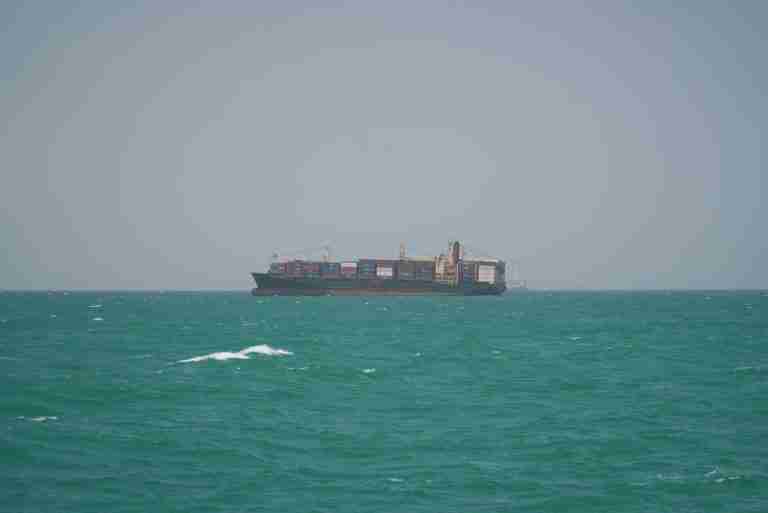
More than 20,000 sailors are stuck on around 2,000 vessels in the Gulf, many of them unable to leave ship, lacking adequate supplies of food and fresh water, and fearful of an uncertain future at sea in a war zone
International News via Reuters:
Iran’s publication of a new map asserting its control over the Strait of Hormuz risks extending an already punishing ordeal for thousands of mariners trapped on ships in the Gulf.
More than 20,000 sailors are stuck on around 2,000 vessels in the Gulf, many of them unable to leave ship, lacking adequate supplies of food and fresh water, and fearful of an uncertain future at sea in a war zone.
Sailors interviewed by Reuters in recent weeks have described the hardships and anxieties of their experience, and a federation representing them warns of dire conditions.
“The only thing we do here is plan how to spend the night and pray to God that we do not get hit during an attack,” Indian sailor Salman Siddiqui said by phone from his stranded ship last month.
ISOLATED LIVES
When Reuters travelled on a resupply boat to vessels moored off the Saudi coast this week, sailors on a tanker gathered by the handrail to wave, a rare moment of contact with the outside world.
For nearly three months, the sailors trapped in the Gulf have led isolated lives, each with a small group of shipmates, moving between tiny living quarters, communal dining areas and scorching, sun-baked decks.
Tehran closed the strait, a global oil supply route, after U.S.-Israeli attacks on Iran began on February 28. Thousands of ships were trapped in the Gulf and, with peace negotiations stalled, Iran is doubling down on the effective blockade.
The Persian Gulf Strait Authority, a body Iran has set up to manage requests for passage, published a map on Wednesday reaffirming Tehran’s claims to a wide stretch of water either side of the choke point.
Ship owners seeking to extricate their vessels – and often precious cargoes – must navigate a labyrinthine system of payments and permissions set up by Iran, a Reuters report showed.
“Seafarers’ vulnerability and exposure is more, let’s say, extreme because of the war,” said Mohamed Arrachedi, network coordinator for the Arab World and Iran at the International Transport Workers’ Federation.
He described cases where there had been pay delays, refusals to help repatriate sailors, a lack of provisions and the fear of missiles and drone strikes. Some seafarers called him in tears, he said.
The ITF has been contacted by more than 2,000 sailors in the Gulf seeking help or advice to resolve disputes ranging from abandonment and pay delays to lack of supplies since the war began, he said.
STUCK AT SEA
From the Saudi port of Dammam, about seven large ships were visible moored out at sea – an unusually large number in normal times. As the resupply ship bobbed alongside the tanker in a stiff wind, the sailors aboard called out across the water while they winched aboard large sacks of medical goods.
Mohit Kohli, the captain of a large cargo vessel caught in the Gulf when the war began after sailing from Singapore, said that when he first heard the Strait could be closed he “could not even fathom that this was remotely possible”.
His German-owned ship managed to secure a safe anchor off Dammam, but just over a week into the war the crew started to see and hear the missiles and drones Iran was directing at Gulf states.
“The crew who was usually loud and happy were now silent. Meals got shorter. Conversations were more guarded,” he said, describing the atmosphere on board in a Reuters interview this month after his return to India.
Kohli and his shipmates were on a ship whose owners helped bring in a relief crew, he said.
Many sailors face far worse, Arrachedi said. In some of the cases he is dealing with, sailors have not been paid their meagre salaries of $100 to $200 a month since last year and shipowners are refusing to help them return home, or only doing so if they forfeit back pay, he said.
Some sailors say they have only a single meal of rice or lentils each day, and have only brief moments of internet connection to contact loved ones or seek outside help, Arrachedi added.
“They need a collective intervention because they are key for our economies, for the supply chains, but also because they are active seafarers and they are civilians,” he said.
Gulf states are making some efforts to assist sailors by facilitating supplies and crew transfers.
“Seafarers stuck on a vessel in uncertain waters, the most important thing in the world is knowing that there is a shore open to reach,” said Suliman Almazroua, president of the Saudi Ports Authority.
The authority has helped hundreds of vessels resupply with food, fresh water, fuel and medicines, and has aided more than 500 sailors to transfer from their ships, Almazroua said, describing messages of thanks from sailors he has helped leave as the most rewarding part of his job.
Reporting by Mohammed Benmansour and Imad Creidi, additional reporting by Sunil Kataria, Writing by Angus McDowall, Editing by Peter Graff and Timothy Heritage
