Saturday, October 31, 2026
Home Blog Page 281

UK’s shift to eating in drives profit growth for Premier Foods and Princes Group

The trend for eating in to save money particularly benefited categories including cooking sauces, pasta, canned goods and meal solutions
International News via Reuters:

A shift in Britain to cooking at home rather than eating out has boosted sales and profit for packaged food makers Premier Foods and Princes Group, the companies said on Thursday.

The trend for eating in to save money particularly benefited categories including cooking sauces, pasta, canned goods and meal solutions.

Premier Foods CEO Alex Whitehouse said he expected consumers’ efforts to find shelter from inflation would support demand for the company’s affordable products.

Its brands include OXO bone broth, Bisto gravy and Homepride cooking sauces.

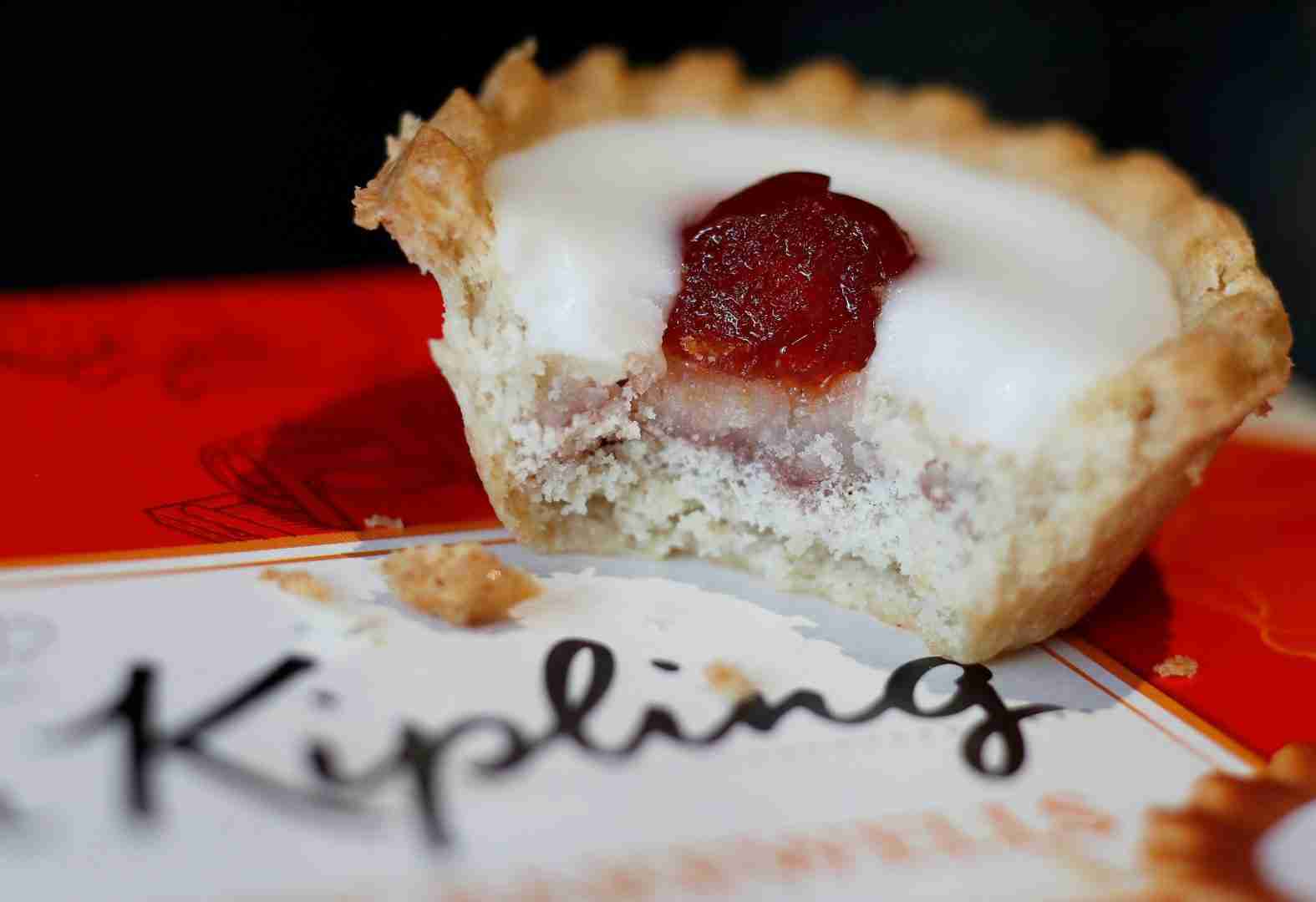
Among its sweet segment, where Premier Foods has focused on launching new products, its Mr Kipling brand had its biggest year to date, the company said without giving any detail.

Princes, which makes Princes Tuna, Napolina pasta and Branston beans, has also introduced new products as it seeks to raise prices where needed to offset rising fuel, freight, and packaging costs linked to the Middle East war.

Princes Group, which floated on the London stock market in October, said April trading was running ahead of the prior year. It did not provide figures.

Both companies, which supply packaged food to Britain’s major supermarkets, have said they aim to grow through acquisitions and Princes Group said on Thursday it hoped to complete at least one deal in the next couple of months. 

Analysts at brokerage Jefferies said there was significant scope for M&A at Premier Foods, either through more bolt-on deals or something bigger.

Princes reported a 17% jump in adjusted core profit for the three months ended March 31 to 38.2 million pounds ($51.63 million).

Premier Foods’ headline trading profit climbed 6.7% to 200.4 million pounds for the year ended March 28, beating market expectations. It raised its dividend by 20%.

Shares in Premier Foods and Princes Group rose 4% and 0.9%, respectively.

($1 = 0.7399 pounds)

Reporting by Simone Lobo and Nithyashree R B in Bengaluru; Writing by Yadarisa Shabong; Editing by Subhranshu Sahu and Barbara Lewis

UK economy posts strong Q1, but Iran war casts shadow over outlook

Gross domestic product increased by 0.3% month-on-month in March, the Office for National Statistics (ONS) said, against expectations in a Reuters poll of economists for a 0.2% contraction

International News via Reuters:

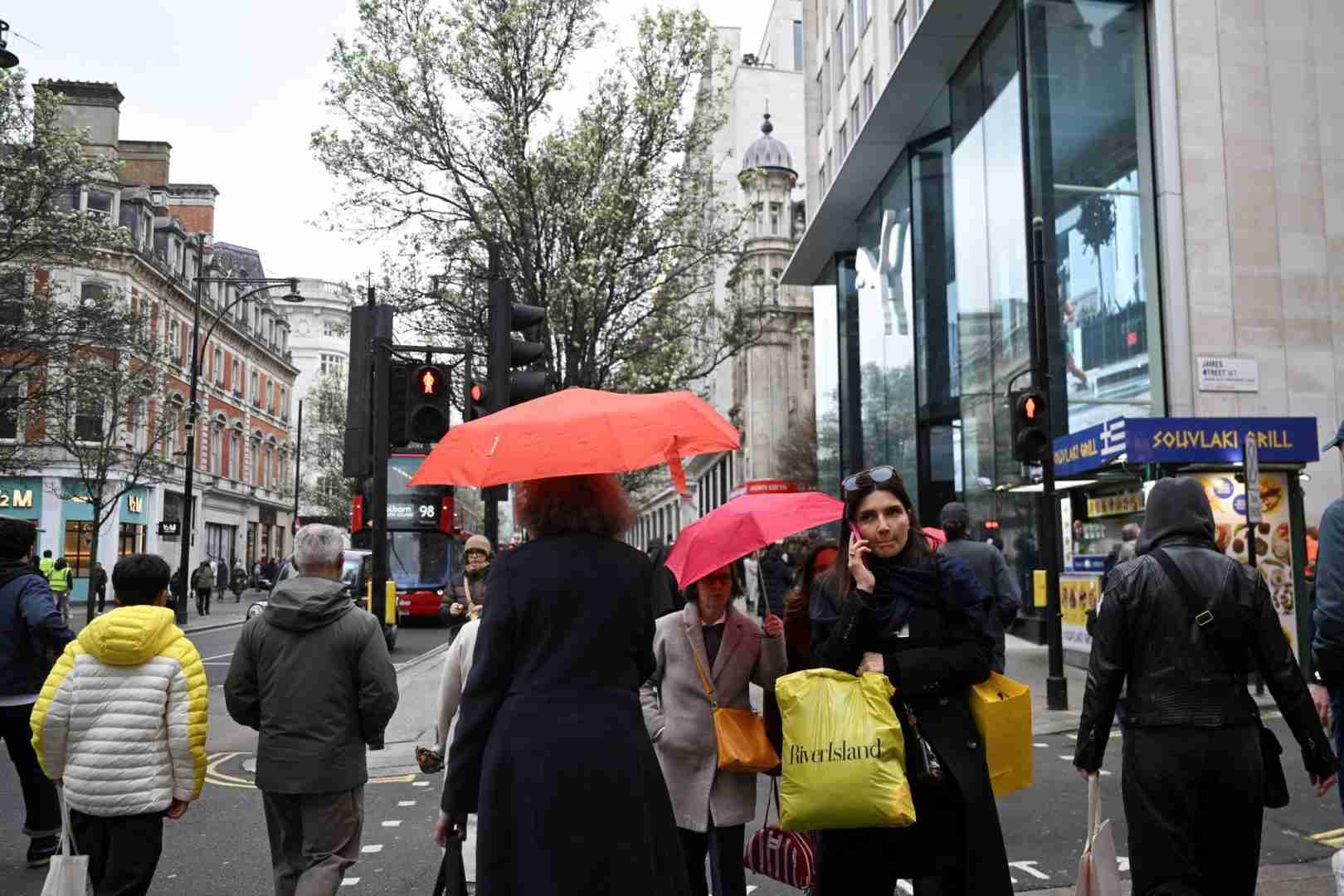
Britain’s economy grew unexpectedly in March to cap another strong first quarter, suggesting it was in better shape as the Iran war escalated than many feared, though economists said seasonal distortions were flattering the figures.

Gross domestic product increased by 0.3% month-on-month in March, the Office for National Statistics (ONS) said, against expectations in a Reuters poll of economists for a 0.2% contraction.

The services sector, construction output and manufacturing all grew strongly.

For the first quarter as a whole, the economy expanded by 0.6% – marking the third year running of conspicuously strong growth in the first quarter.

Economists said measurement issues related to shifts in spending after the pandemic may be contributing to that pattern.

Raj Badiani, economics director at S&P Global Market Intelligence, said the stockpiling of goods sparked by the Iran war may also have pulled forward demand in March.

“Nevertheless, recession risks have risen, and we now expect the UK economy to contract mildly in the second and third quarters of this year,” Badiani said, citing a coming inflation surge caused by higher oil prices, and pressure on the Bank of England to raise interest rates.

The ONS said partial spending data for April “pointed to some weakening going into the second quarter”.

It remains to be seen how renewed uncertainty in Westminster – with investors now unsure about the political future of Prime Minister Keir Starmer – will weigh on the economic outlook.

The ONS on Thursday published a blog that acknowledged there may be post-pandemic shifts in the timing of spending in the economy and said it was keeping its methods under review.

It nudged down its growth estimates for the first quarters of 2024 and 2025 as a result.

“It seems that something’s not quite right with the way the data is being seasonally adjusted, a legacy we suspect of higher inflation and the timing of annual price hikes,” said ING economist James Smith.

“Today’s data won’t change much for the Bank of England, which is singularly focused on the impending inflation spike and the risk of it spilling into wage growth.”

A Reuters poll of economists this week showed the BoE will hold borrowing costs at 3.75% this year, though over a third expect at least one rate hike as the Iran war fuels an energy price surge that drove up inflation forecasts.

Financial markets by contrast have priced in between two and three quarter-point rises this year.

Recent business surveys point to a rapid increase in cost pressures that is likely to weigh on corporate activity.

Finance minister Rachel Reeves said the data showed she had the right economic plan.

Separate trade data showed a 1.8 billion pound ($2.4 billion) jump in fuel imports during March – the third-largest monthly increase since records began in 1997 and a reflection of Britain’s vulnerability to higher global energy prices in the wake of the Iran war.

($1 = 0.7390 pounds)

Reporting by Andy Bruce and Suban Abdulla; Editing by Muvija M and Paul Sandle

Dollar lifted by growing odds of Fed rate hikes; Trump-Xi summit under way

Xi told Trump that trade talks were making progress but warned that disagreement over Taiwan could send relations down a dangerous path, framing a high-stakes meeting Trump called possibly the “biggest summit ever”

International News via Reuters:

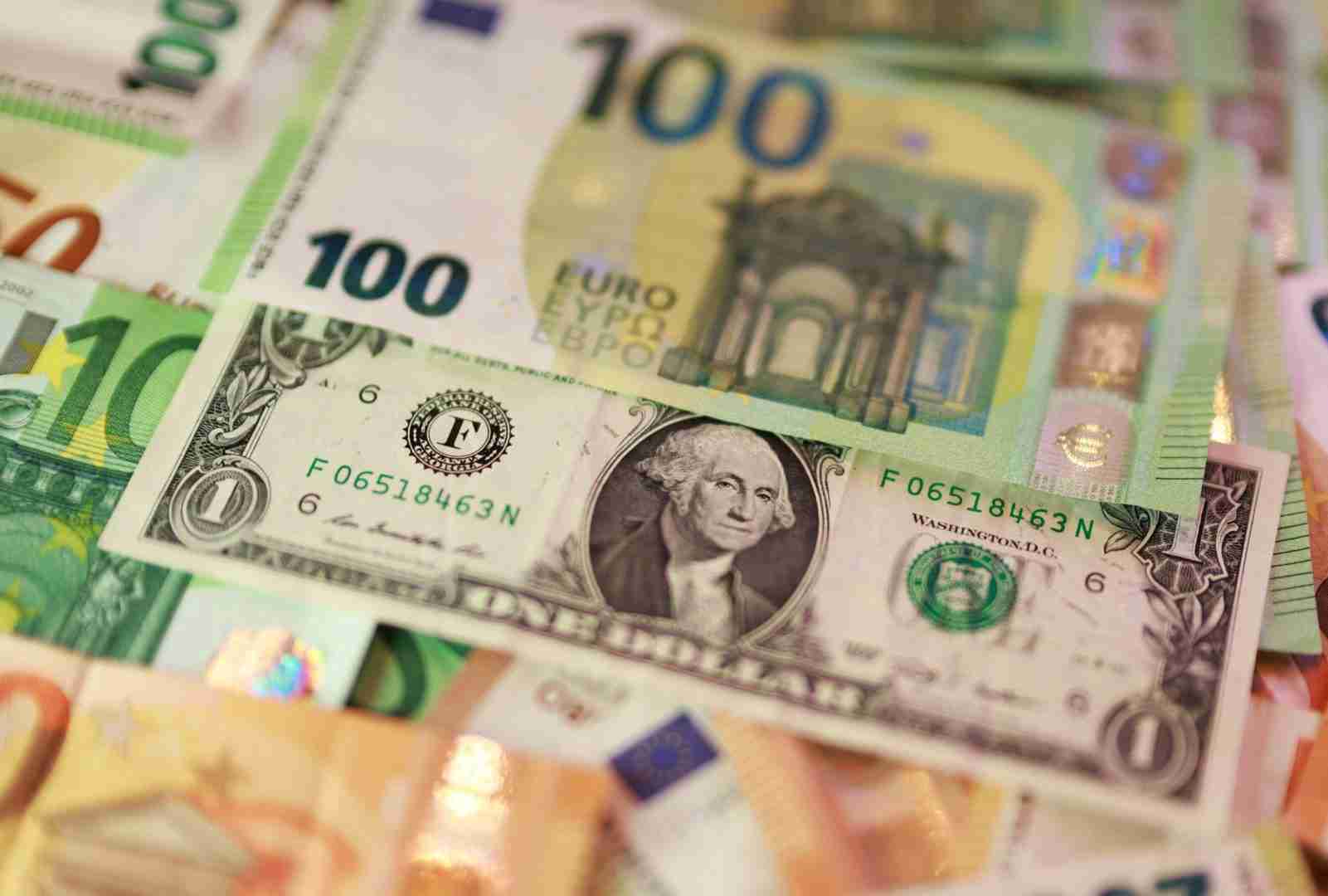
The dollar held firm on Thursday, supported by higher U.S. Treasury yields, as investors began to price in the prospect of Federal Reserve rate hikes this year, while the global focus was on a two-day summit between U.S. President Donald Trump and China’s Xi Jinping.

Xi told Trump that trade talks were making progress but warned that disagreement over Taiwan could send relations down a dangerous path, framing a high-stakes meeting Trump called possibly the “biggest summit ever”.

As the summit got under way, China’s onshore yuan traded around three-year highs. In offshore trading, the currency strengthened for an eighth straight day against the dollar to 6.7845.

In the broader market, the dollar held steady on Thursday, leaving the euro little changed at $1.1717, set for a 0.6% loss this week, which would mark its largest decline in two months.

Against a basket of currencies, the U.S. dollar was last at 98.48, up more than 0.6% for the week so far and heading for its strongest weekly performance since the start of the Iran war. 

It reversed early gains against the yen to trade a touch lower at 157.87, as the Japanese currency drew support from comments by Bank of Japan board member Kazuyuki Masu, who said the central bank should move to raise interest rates promptly if there are no clear signs of an economic slowdown.

Japanese authorities are believed to have intervened several times in the past couple of weeks to temper the dollar’s strength, but with traders now pricing in the prospect of the Fed raising rates this year, the yen is flagging. The U.S. currency has now recovered 50% of the losses incurred since officials stepped in to prop up the yen.

HOT INFLATION

The dollar rally has been gathering pace all week, on the back of evidence that domestic inflation is mounting. The latest data point on Wednesday showed U.S. producer prices posted their biggest increase in four years in April, on the heels of Tuesday’s report that showed consumer inflation ran at its fastest pace in three years.

“The inflation data we received this week certainly won’t be welcomed by FOMC officials, including incoming Fed Chair Kevin Warsh,” said Carol Kong, a currency strategist at Commonwealth Bank of Australia.

The U.S. Senate on Wednesday approved Warsh as Fed Chair, putting the 56-year-old lawyer and financier at the helm of the U.S. central bank.

“We forecast that the FOMC will have to start a tightening cycle from December this year, and we forecast three hikes in the cycle for now,” said Kong.

Markets are now pricing in a 31.8% chance that the Fed will raise rates in December, up from just over a 16% chance a week ago, according to the CME FedWatch tool.

The change in rate expectations and fears of a surge in inflation have sent long-dated U.S. Treasury yields to their highest since mid-2025. Thirty-year bond yields were last down 1.5 basis points on the day at 5.029%. 

The pound held steady against both the dollar and the euro after data showed UK growth expanded unexpectedly in March, albeit by a modest 0.3%, which suggested the British economy may have been slightly more resilient as the war in Iran escalated.

Additional reporting by Rae Wee in Singapore; Editing by Muralikumar Anantharaman, Shri Navaratnam, Alexandra Hudson

UK regulator to toughen private credit reporting, sources say 

The Financial Conduct Authority has told alternative asset managers, a sector that includes private credit and equity, about an overhaul of reporting requirements, the sources said

International News via Reuters:

Britain’s financial regulator is preparing to force private credit managers to report more detailed and tailored data, sources told Reuters, as it seeks to increase scrutiny of the fast-growing and still opaque industry.

The Financial Conduct Authority has told alternative asset managers, a sector that includes private credit and equity, about an overhaul of reporting requirements, the sources said.

The regulator’s plan could see some private credit firms forced to disclose granular, loan-level data on a regular basis – prompting pushback from the industry – or less onerous fund-level data, the sources said, speaking on the condition of anonymity because the discussions were private. These firms currently report broad data such as turnover and trading volumes. 

The planned overhaul, which was first reported by the Financial Times, comes as regulators globally grapple with risks posed by the $3.5 trillion private credit sector, which involves the lending to mid-market companies by investment funds. Scrutiny has increased following several private-market related borrower failures in the U.S. and UK that have left creditors facing losses.

Private credit managers including KKR, Apollo, BlackRock and Blue Owl have in recent weeks also been forced to cap investor redemptions for some of their funds as investors exit. 

UK regulators have set the stage for increased reporting, with the Bank of England this year stressing how the “opacity” of the market could trigger a loss of confidence. The BoE has launched a stress test of the private credit and equity sectors, with interim results due later this year.

The FCA plans to consult formally with the industry on its proposals in the coming months, the sources said.

An FCA spokesperson told Reuters that “improving how we collect data so it is timely, accurate and proportionate will maintain the UK’s position as a world-leading asset management centre.” 

“Better data means we can supervise risks effectively, support market confidence and identify opportunities for growth.”

INDUSTRY OPPOSED TO LOAN-LEVEL DATA

All alternative investment fund managers, including private credit, private equity and hedge funds, currently report to the FCA using a template known as Annex IV. 

The EU‑era template, introduced in 2013, requires alternative managers to report metrics such as turnover, trading volumes, leverage and exposures, typically semi‑annually or annually, with some larger or riskier firms filing quarterly.

Annex IV “will be reformed in a pretty significant manner,” one of the sources with knowledge of the proposals said. 

The industry would be “extremely opposed” to reporting very granular, loan-level data on an ongoing basis, the source said, calling it a “potential nightmare” for firms with liquid strategies in which positions change regularly.

The industry preference, they added, would be to report portfolio-level metrics and broad risk exposures. 

The second source with knowledge of the plans said the FCA was likely to use the BoE stress test as a “starting point” for ongoing requirements.

Other regulators are adapting reporting demands. The U.S. in April unveiled plans to raise the threshold at which enhanced disclosures are required from alternative asset managers, reducing the reporting burden for most. 

The Financial Stability Board, in its first in-depth review into private credit, this month flagged the lack of granular fund and loan-level data as a challenge faced by authorities. 

Reporting by Phoebe Seers and Nell Mackenzie; Editing by Tommy Reggiori Wilkes, Alexandra Hudson

Global oil shock from Iran war may require ECB hikes, Lane says

Lane laid out the case for a well-telegraphed ECB rate hike in June, which some policymakers see as the first of several, despite an unfolding hit to economic growth for the energy-importing euro zone

International News via Reuters:

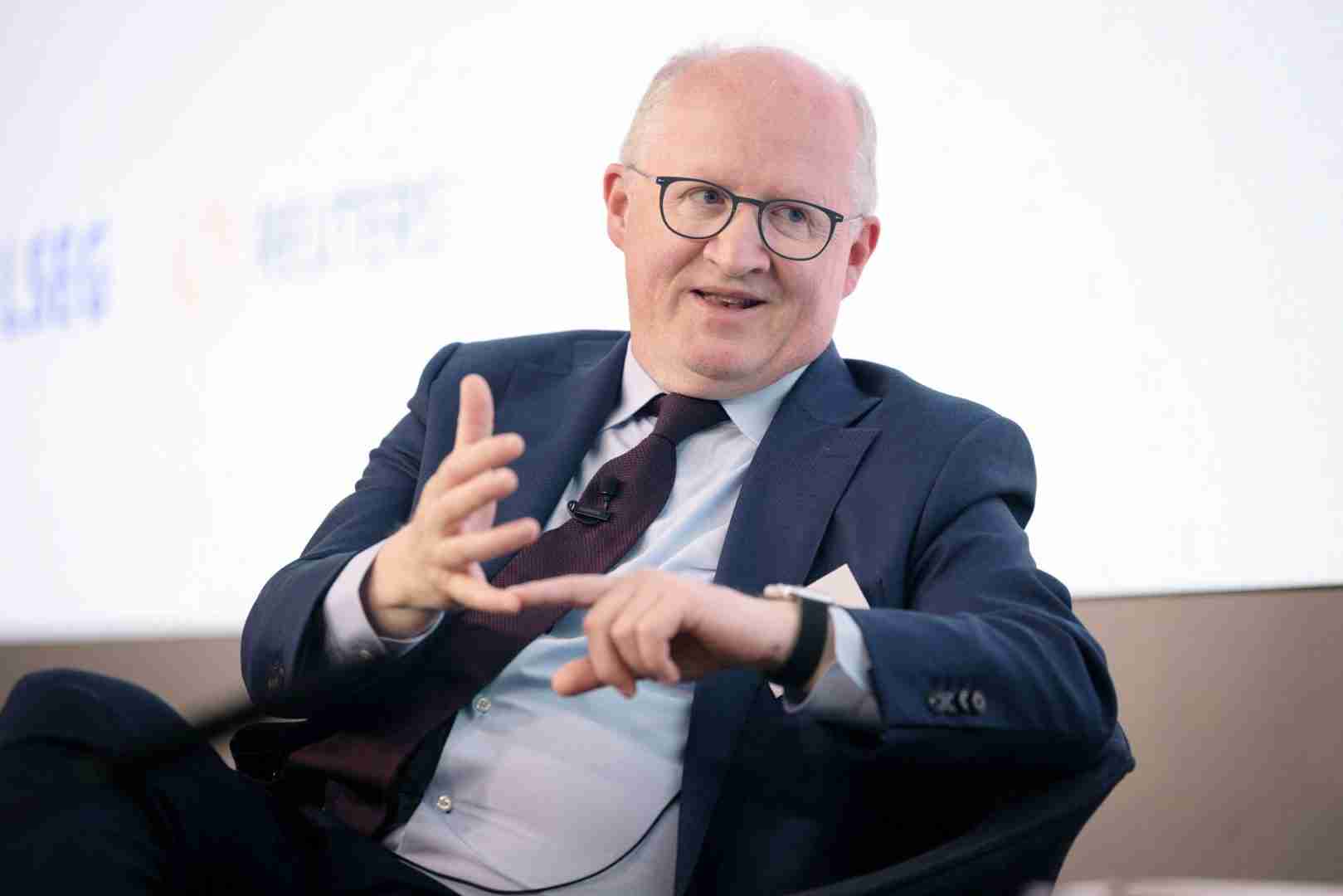
A global oil shock from the Iran war may well require the European Central Bank to raise interest rates to stop higher fuel costs from spreading to wages, expectations and broader prices, the ECB’s chief economist Philip Lane said on Wednesday.

Lane laid out the case for a well-telegraphed ECB rate hike in June, which some policymakers see as the first of several, despite an unfolding hit to economic growth for the energy-importing euro zone.

“The optimal response might be smaller for an exogenous supply disruption than for a demand shock but there are several reasons why an active response may be required,” he told an audience in London.

Among those reasons, he noted that the Iran conflict was coming hot on the heels of a bout of high inflation following the end of the COVID-19 pandemic and Russia’s invasion of Ukraine, meaning firms and consumers were likely more attentive to prices.

Lane reaffirmed the ECB’s line that “a mid-size but not-too-persistent overshoot could warrant some measured adjustment” while the response had to be “appropriately forceful or persistent” in the case of a more pronounced and lasting inflation surge.

He argued that the “demand destruction” caused by higher oil prices limited the amount of tightening required while any fiscal stimulus by governments would do the opposite.

GLOBAL SHOCK

Lane said the Iran oil shock was affecting the whole world, rather than mostly Europe as was the case with the Ukraine war in 2022, meaning the hit to economic growth would be greater.

The indirect impact on inflation may also be bigger, with an ECB model simulation putting it at 1.5 percentage points over three years for a 10% rise in the global cost of energy compared to about 0.4 percentage point for a regional shock.

“Global shock means that costs are increasing around the world such that there is no relief via the import channel,” Lane said. “This creates a compounding effect where the final price of a good reflects … the cumulated effects of price increases across international suppliers.”

On the other hand, demand in the euro zone was already soggy before the war started and would likely get even weaker now, limiting firms’ ability to raise prices compared to the spending boom that followed the pandemic, Lane said.

“Even if the broader propagation of the shock might be more contained than in 2022, it may be stronger and faster compared to historical averages,” he added.

Reporting by Francesco Canepa; Editing by Nia Williams and Mark Porter

BoE’s Mann says sterling and gilt moves are key for her rate decisions

British government 10-year gilt yields hit their highest since 2008 on Tuesday in response to pressure on Prime Minister Keir Starmer to resign from members of his Labour Party, before falling back slightly on Wednesday

International News via Reuters:

Bank of England rate setter Catherine Mann on Wednesday said the financial landscape was relevant to future rate decisions, when asked about recent moves in the gilt market driven by political drama in London.

British government 10-year gilt yields hit their highest since 2008 on Tuesday in response to pressure on Prime Minister Keir Starmer to resign from members of his Labour Party, before falling back slightly on Wednesday.

“With regard to the 10-year yield and exchange rates, I take the financial landscape as a key factor in my decision-making,” she said in a question and answer session after giving a speech at the London School of Economics.

Reporting by David Milliken, writing by William James; Editing by Chizu Nomiyama

Cruise ship, carrying many Brits, stranded in France after stomach flu outbreak

One of the ship’s passengers, a 92-year old Briton,  had passed away on board due to a cardiac arrest during a stop in Brest, Brittany, on May 11

International News via Reuters:

A cruise ship, carrying more than 1,000 passengers many of whom are British, remained stranded in Bordeaux on Wednesday after an outbreak of stomach flu during its voyage.

One of the ship’s passengers, a 92-year old Briton,  had passed away on board due to a cardiac arrest during a stop in Brest, Brittany, on May 11. That death did not appear to be associated with the gastrointestinal outbreak, said the local French authority responsible for the Bordeaux region.

There is no reason to link the stomach flu outbreak on the vessel, that came from Belfast and Liverpool, with the hantavirus cluster on the luxury MV Hondius ship that travelled between Argentina and the Canary Islands, added the regional health authority in a statement.

French authorities allowed some passengers to leave the ‘Ambition’ ship, which is run by Ambassador Cruise Line, on Wednesday evening, adding that those people would have to take the necessary, precautionary health measures, such as regularly washing their hands.

The vessel was carrying 1,233 passengers, most of them British or Irish nationals and 514 crew members. One passenger was a French national.

Those who are feeling unwell are being treated on board the ship by the vessel’s medical team, and are being told to self-isolate, added the local French authority.

Gastrointestinal illnesses can be common on cruise ships. The U.S. ​Centers for ‌Disease Control ​and ​Prevention (CDC) has reported two outbreaks of E. coli and two outbreaks of norovirus this year already on cruise ships.

Gastroenteritis is a stomach flu. The main symptoms include vomiting and diarrhea. It is very contagious but usually does not have major consequences, though it can sometimes lead to more severe symptoms including dehydration.

It is very different from the hantavirus, which has a high lethality rate but transmits from person to person only in rare cases and requires close contact.

Additional reporting by Makini Brice, Charlotte Van Campenhout, Dominique Vidalon, Michaela Cabrera, Jennifer Rigby; Writing by Ingrid Melander; Editing by Toby Chopra and Philippa Fletcher

Humanoid to deploy up to 2,000 robots at Schaeffler plants

The plan covers an estimated 1,000 to 2,000 robots across Schaeffler’s global manufacturing sites by 2032, a Humanoid spokesperson said

International News via Reuters:

British technology company Humanoid said on Wednesday it will deploy humanoid robots at German industrial supplier Schaeffler’s factories under a deal that marks one of the robot maker’s largest planned manufacturing rollouts.

The plan covers an estimated 1,000 to 2,000 robots across Schaeffler’s global manufacturing sites by 2032, a Humanoid spokesperson said. The companies did not disclose the contract value or precise numbers. An initial rollout is scheduled from December 2026 to June 2027 at two German sites.

The first phase will focus on box handling in Herzogenaurach and on testing near-full-scale operations in Schweinfurt, CEO Artem Sokolov told Reuters. Humanoid will also help Schaeffler integrate the robots into existing factory lines.

The agreement builds on a strategic technology partnership announced in January. Manufacturers are testing humanoid robots for repetitive tasks in warehouses and production plants to raise efficiency and address labour shortages.

Alongside the deployment deal, the companies signed a separate five-year supply agreement for actuators, the parts that move robotic joints.

Under that pact, Schaeffler will become Humanoid’s preferred supplier for more than half of the company’s demand for joint actuators for its wheeled humanoid platforms through 2031, Sokolov said.

Sokolov added that the agreement is expected to cover a seven-digit number of actuators over its term, indicating supplies of at least 1 million units.

Reporting by Amir Orusov; Editing by Matt Scuffham

Harbour Nights cancelled tonight due to bad weather

This evening’s edition of Harbour Nights has been cancelled due to inclement weather.

The popular weekly summer event was scheduled to return to Front Street tonight as part of an expanded 19-week season running through September 16th.

Harbour Nights transforms the heart of Hamilton into a celebration of Bermuda’s culture, featuring live entertainment, local vendors, food stalls, artisans, and family-friendly activities that attract both residents and visitors each week.

Organisers say the cancellation was made in the interest of public safety because of poor weather conditions.

The event is expected to resume next Wednesday, continuing its weekly run through the summer season.

BUEI Kids Hour dives into hermit crab world

The hands-on programme takes place this Saturday, May 16

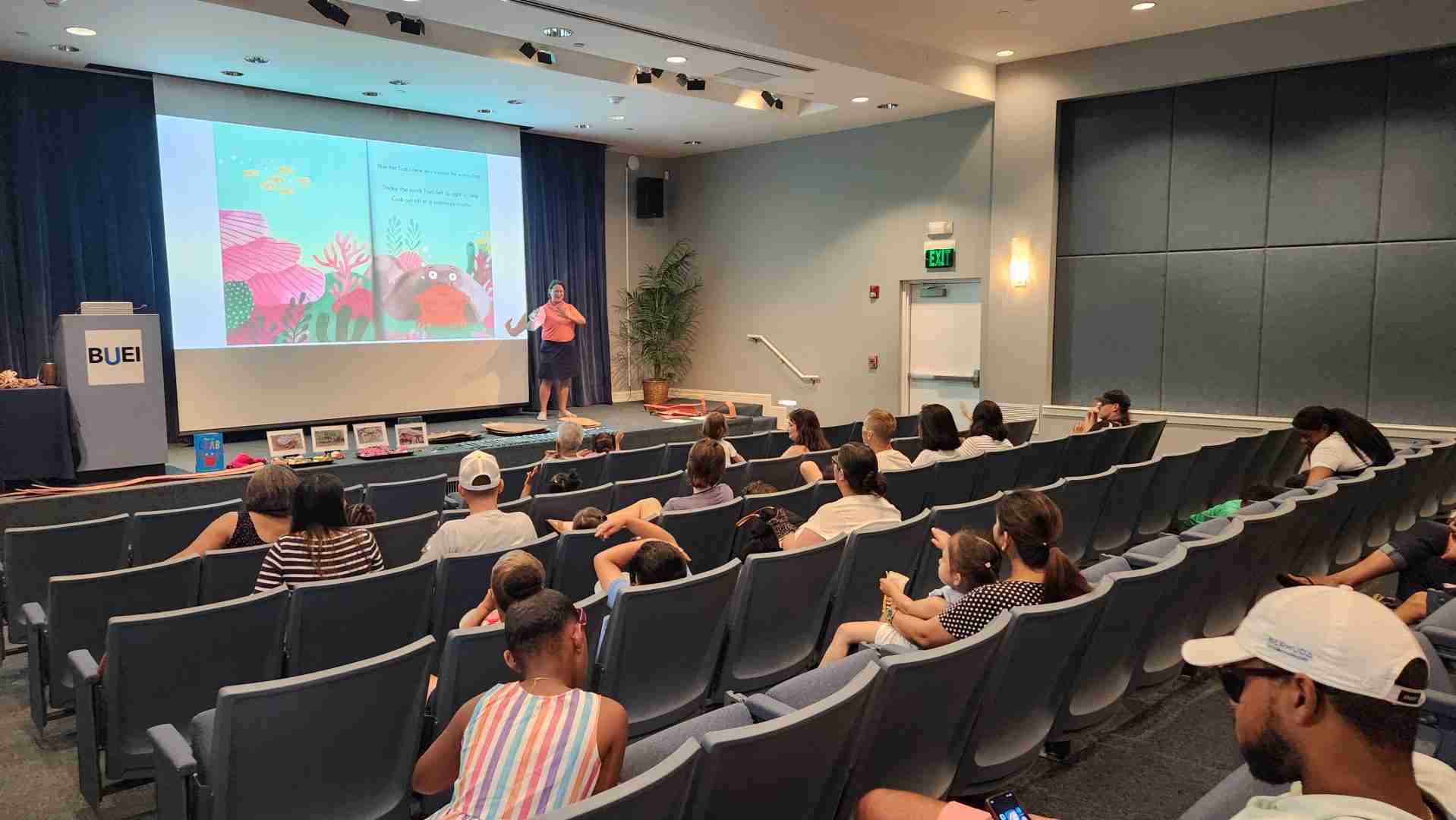
Get ready for giggles, ocean discoveries, and a whole lot of shell‑tastic fun! The Bermuda Underwater Exploration Institute (BUEI) invites young explorers and their families to dive into this month’s Kids Hour, a lively, hands‑on programme made especially for curious kids and ocean‑loving families this Saturday, May 16 at 11:00am and 2:00pm.

Families will discover just how clever hermit crabs are during the short film, “Hermit Crabs Line Up to Swap Shells!”, which features footage of how hermit crabs organise shell swap‑outs to ensure that everyone gets a home that fits just right!

After the film, kids will enjoy a cheerful reading of “Share a Shell” by Julia Donaldson, the story of a grumpy crab who doesn’t want to share his brand‑new shell until he discovers that friends make life in the rock pool much better.

Admission is free for BUEI members and $5 per child for non-members. Adults accompanying participating children attend free of charge. Each Kids Hour includes BUEI’s popular I Spy Challenge, plus complimentary access to BUEI’s Ocean Discovery Centre,
where families can continue exploring the wonders of the ocean together.

Thanks to the generous sponsorship of Allshores, Kids Hour continues as a beloved nine part monthly series running from January through September, with each session showcasing a unique and fascinating marine theme.

Space is limited, and advanced registration is strongly encouraged. Visit BUEI.org/kidshour/ to register or learn more. For inquiries, contact giftshop@buei.bm or call 294 0204

Media release and images supplied by the Bermuda Underwater Exploration Institute.