Chief Inspector Robert Cardwell retires from the BPS
Image: Bermuda Police Service
After nearly 38 years of dedicated service to the community, Chief Inspector Robert Cardwell is retiring from the Bermuda Police Service and beginning a new chapter.
Known affectionately as “Rob” to many of those he worked alongside, he has served on the front lines of policing since joining the Service in 1987, most recently as a Department Head within the Tactical Division.
Colleagues describe him as tireless, determined, and deeply committed to getting the job done. His leadership on key BPS priorities, including Operation Vega, earned him the respect of his peers and the appreciation of the many younger officers he mentored over the years.
Acting Commissioner Na’imah Astwood, as she reflected on his service, said: “Chief Inspector Cardwell’s commitment was unwavering, and his impact was significant. He consistently delivered results, even under challenging conditions, and he leaves behind a legacy of service and leadership.”
Media release supplied by the Bermuda Police Service.
The Ministry of National Security today announced the launch of Healing Starts Here, the third campaign under the Stop the Violence public awareness initiative.
The campaign forms part of Bermuda’s National Violence Reduction Strategy and focuses on the connection between mental health, unhealed trauma, and violence, particularly among men and young people in Bermuda.
Creating safer neighbourhoods and a safer island means facing the truth, even when it is uncomfortable.
Healing Starts Here is rooted in the real experiences many men in the community live through every day, including the pressure to provide, grief that goes unspoken, anger that builds without release, and the expectation to “be strong” no matter what.
Too often, men are taught to carry pain instead of confronting it; to stay quiet instead of speaking; and to push through instead of processing.
Over time, that silence can turn into frustration, disconnection, depression, and, in some cases, violence.
The campaign creates space to acknowledge that reality while encouraging honest conversations and access to support.
Stop the Violence is a multi-phase public awareness campaign designed to shift mindsets, prevent violence, and address the deeper emotional and social issues that drive it.
The Minister of National Security, Michael Weeks, said: “We cannot talk about violence in this country without talking about what men are carrying mentally and emotionally.
“There are men in our community dealing with grief, trauma, pressure, and pain, often in silence. If we are serious about change, we have to be honest about that.
“Unresolved trauma and untreated mental health challenges are often at the root of harmful behaviours.
“Many young men, particularly Black men, grow up without safe spaces to express vulnerability, process loss, or ask for help without judgment.”
This campaign speaks directly to that reality, not with surface-level messaging, but with honesty, relatability, and truth.
Healing Starts Here aims to:
• Break the silence around men’s mental health • Help men recognise what they are carrying before it turns into harm • Normalise real conversations about grief, anger, and emotional stress • Challenge the idea that vulnerability is weakness • Encourage men to seek support without shame • Connect individuals to Bermuda’s existing mental health and community services
Minister Weeks added: “There are men who are hurting quietly, and it shows up in ways we don’t always recognise right away.
“This campaign aims to reach those individuals before that pain turns into something destructive, for themselves or others.”
The campaign features voices from professionals and community leaders who understand these challenges firsthand:
• Ge’Von Greaves, B.S. Psy., CLC – Former Senior Family Support Specialist, Family Centre • Dr. Carla Bean, PsyD – Clinical Psychologist, Mid-Atlantic Wellness Institute • Jarreau Hayward – Head Coach, Dandy Town Football Club
Through a series of candid video messages, each speaker addresses real-life situations, from suppressed anger and grief to the pressure of masculinity, while offering both understanding and practical guidance.
These videos will be shared on the Stop the Violence website and across Bermuda’s social media platforms.
“Healing Starts Here is not just a campaign. It is a call to shift how the community sees strength, how men are supported, and how violence is addressed at its root,” Minister Weeks emphasised.
“Because if safer communities are the goal, healing the people inside them must be part of the work.”
Attorney General and Minister of Justice Senator Kim Wilkerson says the 2 to 5 year action plan aims to create youth services fit for purpose in Bermuda
A new Youth Justice Strategic Plan, in collaboration with a Bermudian criminologist and the Ministry of Justice, is reframing the current legislative framework to prevent at-risk youths ending up behind bars.
Jasmine Patterson spoke with the Attorney General on the matter.
Prospects for price pressures easing quickly are fading
International News via Reuters:
The European Central Bank will hike its deposit rate next month and at least once more this year to try to stop the energy price shock from the Middle East war feeding into core inflation, according to a majority of economists polled by Reuters.
Prospects for price pressures easing quickly are fading. Consumer price inflation is already more than one percentage point above the ECB’s 2% target and the war, now in its third month, has propped the price of oil above $100 per barrel.
Since holding rates last month, policymakers have suggested hikes are coming as the economy is edging closer to the ECB’s “adverse scenario” than its baseline.
Most economists in the May 8-13 Reuters poll say an increase is imminent – but not as much as financial markets have priced in – as evidence of second‑round effects remains limited. With growth fragile and sentiment weak, aggressive tightening risks deeper economic damage.
Around 85% of economists, 59 of 70, predicted the ECB would lift its deposit rate by 25 basis points to 2.25% in June, up from just over half expecting that before the April meeting.
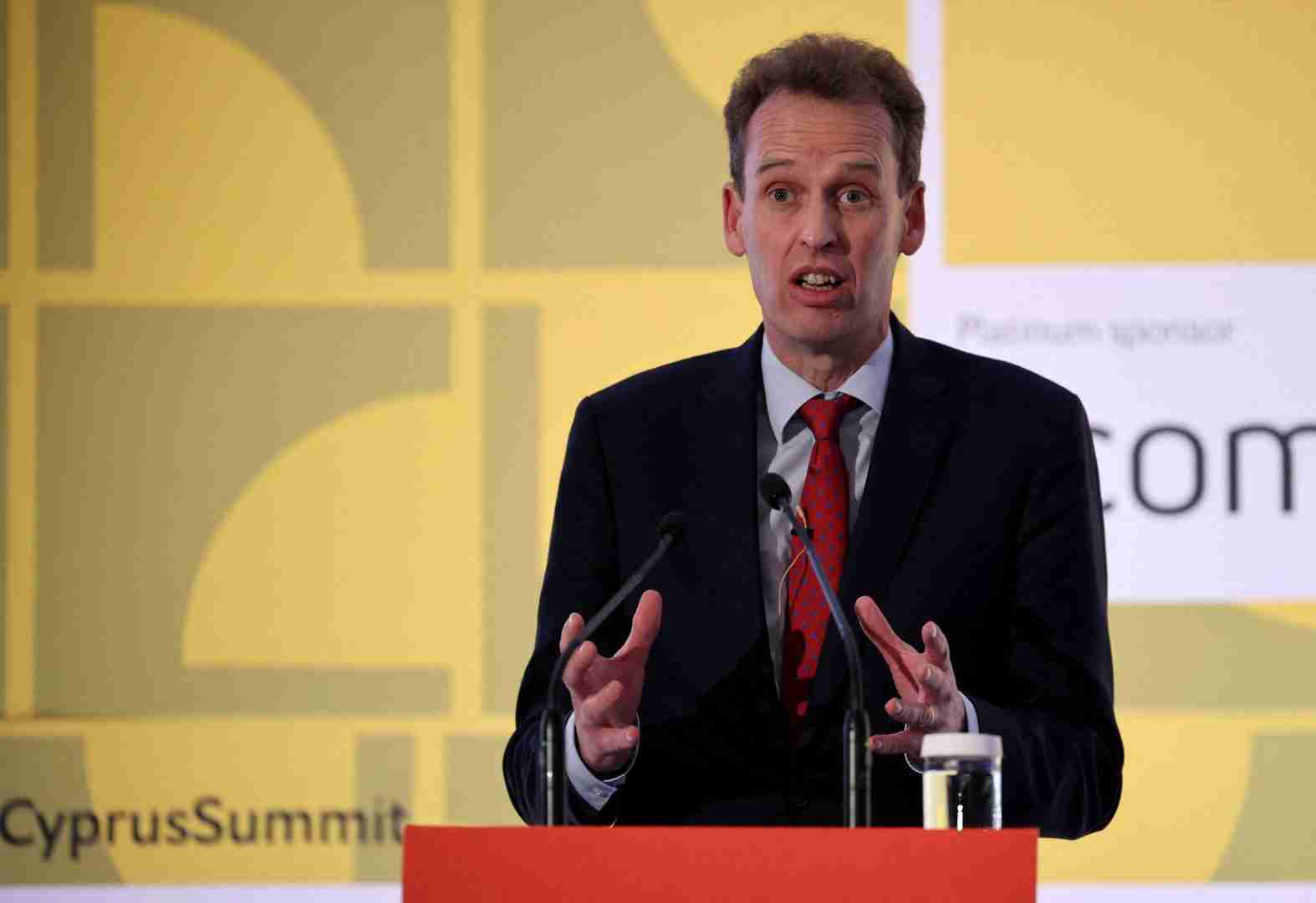
“The ECB wants to signal it is ready to hike in any case if warranted…But the elephant in the room is shortages in critical energy supply, which will have strong negative effects on activities and in the end warrant a more cautious policy approach,” said Martin Wolburg, a senior economist at Generali Investments.
“Markets are exaggerating in expecting three rate hikes. We think the ECB will be much more cautious.”
There was no clear consensus about additional rate increases but nearly half of economists – 34 of 70 – expected another this year, with most saying it will come next quarter. Around 47% saw just one rise this year or none at all and only a few predicted three or more.
“It (the ECB) is now faced with a difficult policy decision: how much insurance to take out to prevent the de-anchoring of inflation expectations,” said Jens Eisenschmidt, chief Europe economist at Morgan Stanley. “At least two rate hikes seem likely.”
With Brent crude oil futures still over 50% above pre-war levels, inflation was seen averaging 3.2% for the rest of the year and 2.8% across 2026, the poll found, a slight upgrade from last month but broadly in line with ECB projections.
But stable expectations for core inflation to remain around the current level suggest limited second-round effects.
Quarterly economic growth is expected to be just 0.1% through the first half of this year before a modest acceleration, putting the expected 2026 expansion at 0.8%, a second straight downgrade since early March.
Most economists still cling to assumptions made at the start of the war the conflict will be over soon and an energy shock – the biggest-ever according to the International Energy Agency – will pass relatively quickly.
Economists and central banks initially labelled a rapid inflation surge in 2022 as transitory, which ultimately proved persistent, triggering one of the most aggressive rate-hiking cycles in decades.
“The chances we are wrong again on inflation being transitory will clearly increase if we get to real supply chain disruptions and frictions. I think we’re getting close, with now 10 weeks into the war,” said Carsten Brzeski, global head of macro at ING.
(Other stories from the Reuters global economic poll)
Reporting by Indradip Ghosh; Polling by Shaloo Shrivastava and Nushaiba Iqbal; Editing by Hari Kishan, Ross Finley and Sharon Singleton
Outlining the government’s legislative programme in a speech surrounded by pomp, King Charles said would introduce a bill to strengthen ties with the EU
International News via Reuters:
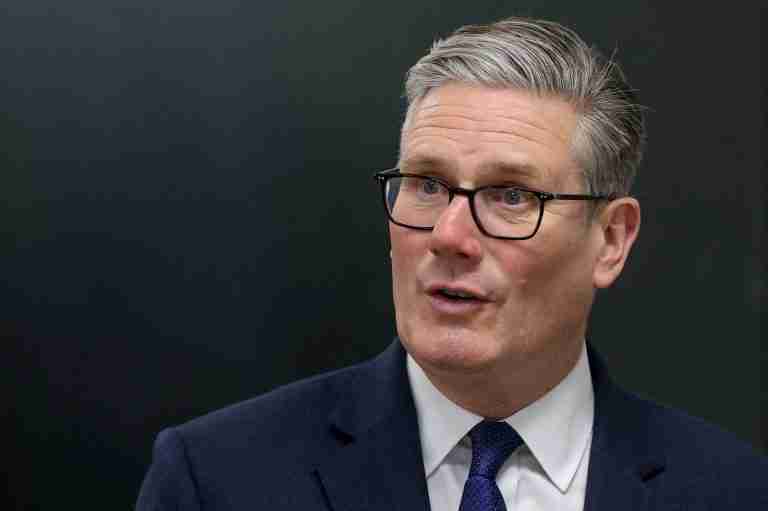
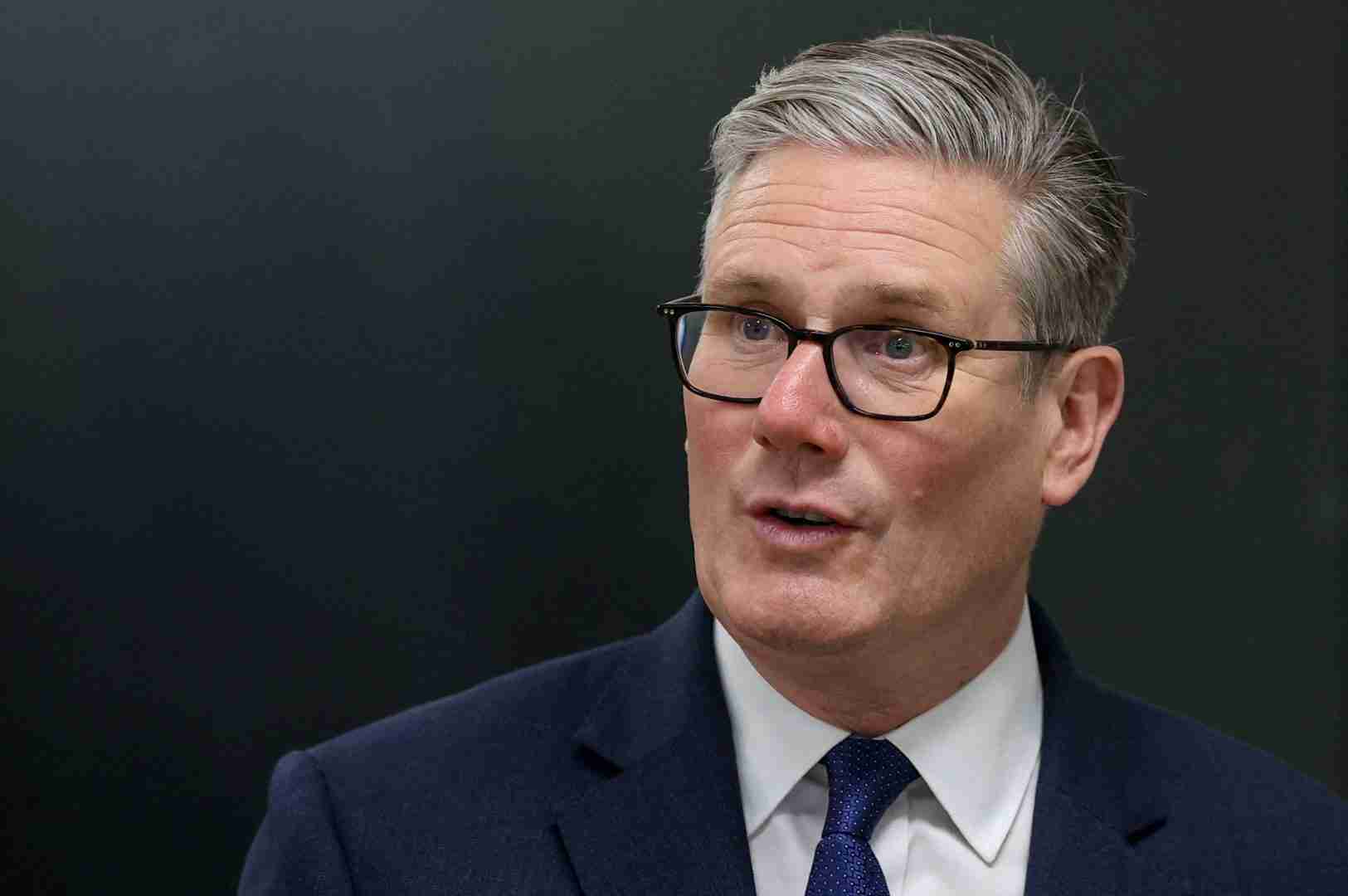
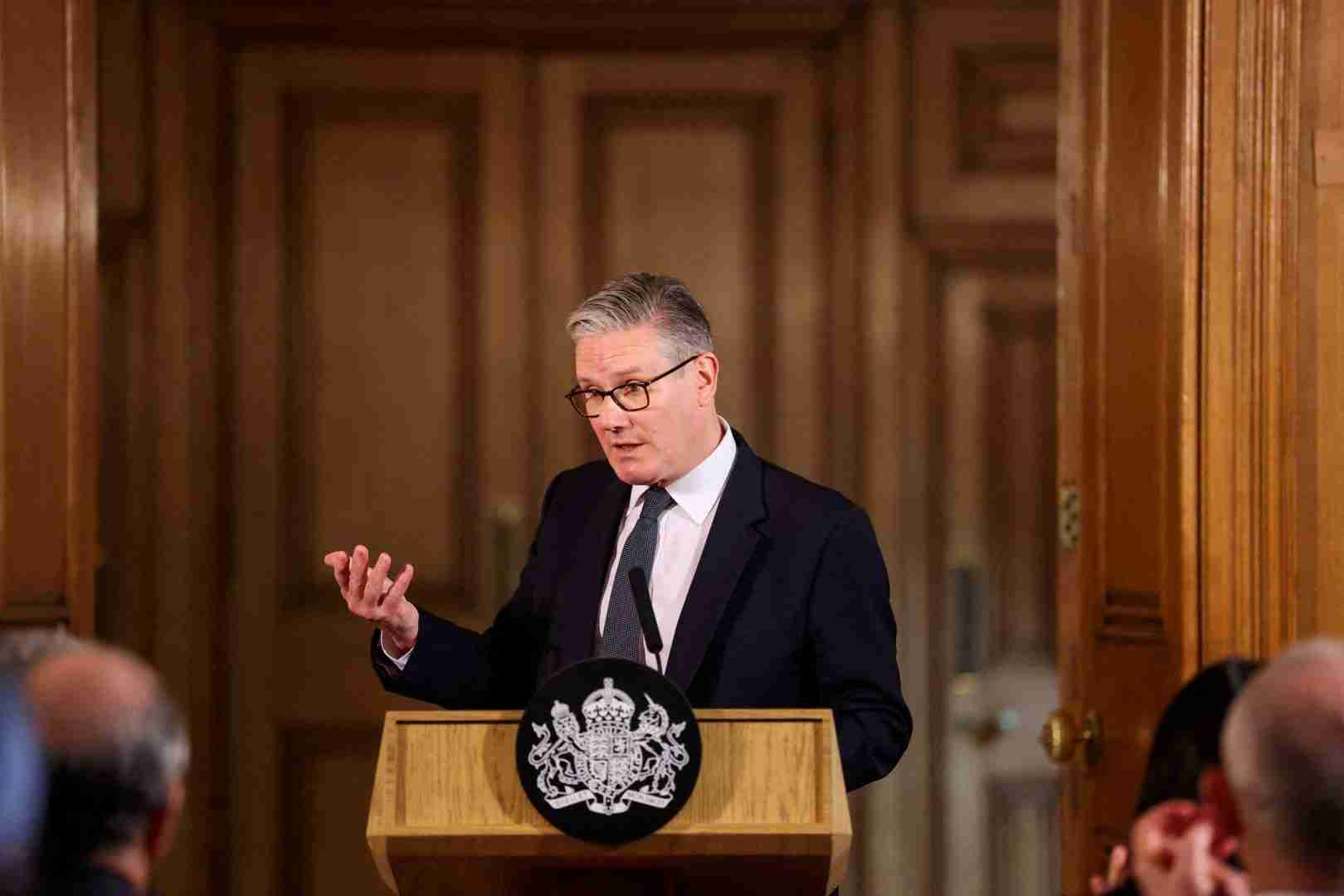
Britain will introduce legislation to strengthen its ties with the European Union, as Prime Minister Keir Starmer prioritises mending economic relations with the bloc as he tries to stay in power following growing calls for him to quit.
Outlining the government’s legislative programme in a speech surrounded by pomp, King Charles said would introduce a bill to strengthen ties with the EU. The European Partnership Bill will be used to implement agreements with the EU “now and in the future,” the government said.
Starmer has been under pressure from some lawmakers to quit after his Labour Party suffered big losses in Scottish, Welsh and local English elections last week, but he has dug in and said that rebuilding the relationship with Europe is central to his plan for the country.
Starmer has sought closer ties with the EU while trying to avoid relitigating the Brexit debates ahead of Britain’s departure from the bloc in 2020.
While his government has said Britain needs to align with EU regulations by default in some industries to spur economic growth, Starmer retains a commitment to red lines that Britain will not return to the EU’s single market or customs union, and will not restore freedom of movement with the bloc.
A year ago Britain and the EU reached a framework to agree new deals on food and drink, emissions trading and electricity, the details of which are still being negotiated.
The government said the proposed bill would “ensure agreements with the EU can be implemented now and in the future.”
It added that Britain’s parliament would have a say before EU law was applied in the UK and that any new treaties that might be applied under the bill would also be subject to parliamentary approval.
Starmer said in a written introduction to the King’s Speech that removing barriers to growth meant “setting a new direction for Britain at the next EU summit, putting Britain at the heart of Europe.”
Reporting by Alistair Smout; Editing by Andrew MacAskill
British government bond futures fell sharply on the report, erasing their day’s gains, as did 20- and 30-year government bonds, which showed a small rise in borrowing costs on the day
International News via Reuters:
Keir Starmer faced his biggest challenge yet on Wednesday when his health minister was reported to be readying his resignation to try to trigger a contest to replace a British prime minister who had sought some respite to set out his government’s agenda.
The report in the Times newspaper that health minister Wes Streeting was preparing to resign as early as Thursday to mount a formal leadership challenge overshadowed the King’s Speech, when the government formally sets out its agenda.
British government bond futures fell sharply on the report, erasing their day’s gains, as did 20- and 30-year government bonds, which showed a small rise in borrowing costs on the day.
Earlier, Streeting briefly met Starmer at his Downing Street office but said he would not comment on that meeting. His office did not immediately respond to a request for comment.
Starmer has tried to brush off challenges to his authority and will press on with unveiling plans to boost economic growth, energy security and defence in a King’s Speech which could be his last and might never be implemented.
LEADERSHIP RACE COULD BE TRIGGERED
But a direct challenge from Streeting would signal a deeper crisis for Starmer, which could trigger a new leadership contest if the health minister has the support of 81 Labour lawmakers to launch a bid.
That could encourage other rivals to enter the race, although two potential challengers, Greater Manchester mayor Andy Burnham and former deputy prime minister Angela Rayner, have to overcome hurdles before they would be able to run.
Burnham does not have the necessary seat in parliament to mount a challenge and Rayner has yet to fully resolve the tax issues that prompted her resignation from office last year.
Streeting is viewed as being on the right of the Labour Party, while both Burnham and Rayner hail from its “soft left”. Some investors are nervous over the possible election of a more traditional left-wing, tax-and-spend Labour prime minister.
Reporting by Elizabeth Piper, Andrew MacAskill, Alistair Smout, additional reporting by William James, Muvija M, Sam Tabahriti, Editing by Gareth Jones
EU countries have tripled imports of U.S. liquefied natural gas since 2021 as they race to phase out Russian energy
International News via Reuters:
The European Union’s growing reliance on U.S. gas carries risks, including rising dependence on a single supplier, European energy regulators warned on Wednesday.
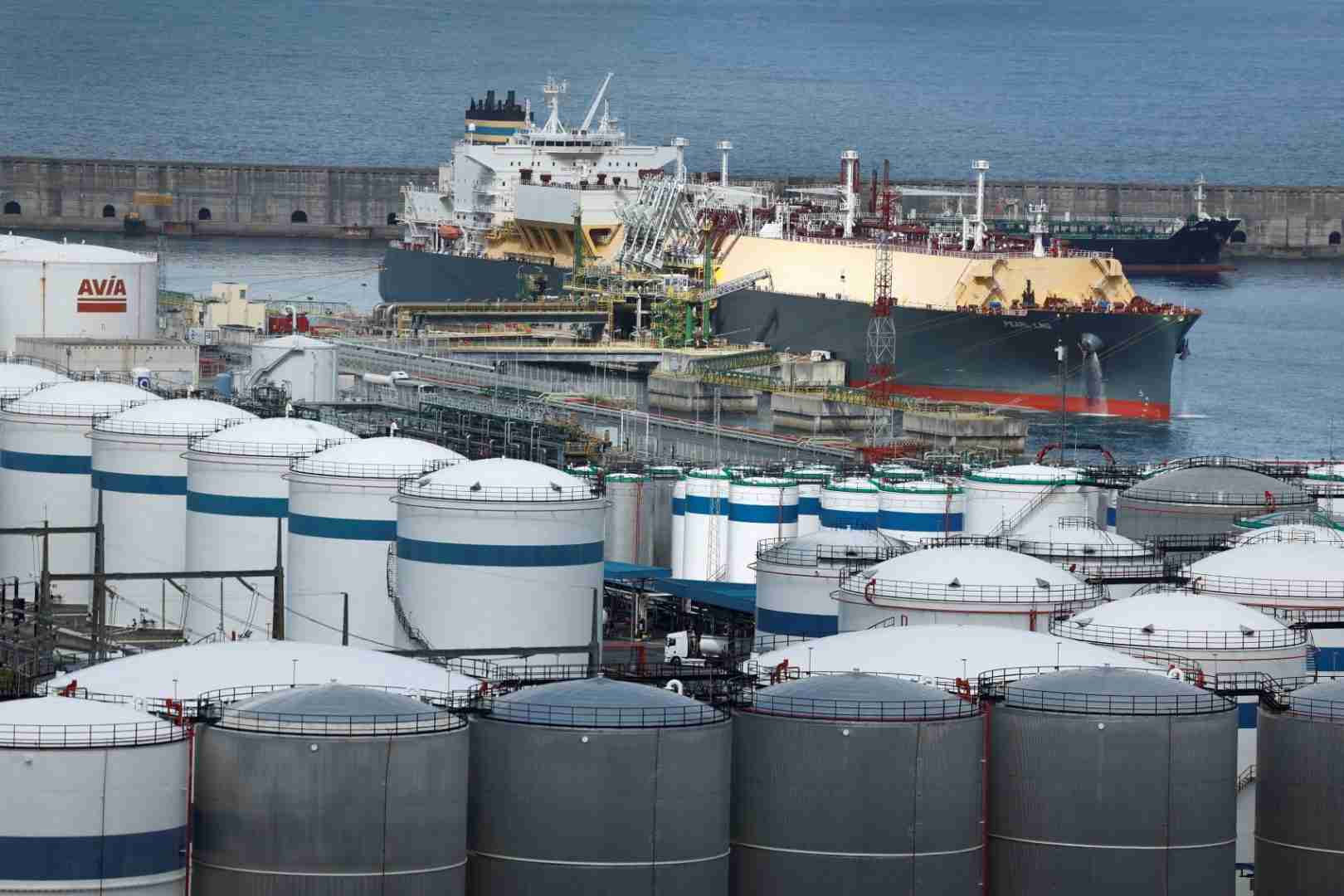
EU countries have tripled imports of U.S. liquefied natural gas since 2021 as they race to phase out Russian energy. Last year, the bloc sourced 58% of its LNG from the U.S., equivalent to about 25% of its total gas consumption.
“The EU’s reliance on U.S. LNG may raise questions of dependency on a single supplying country,” the EU Agency for the Cooperation of Energy Regulators said in a report.
ACER said the severe disruption to energy markets caused by the Iran war underlined the need to cut Europe’s exposure to external shocks. It urged the EU to diversify supply sources to ensure that no single supplier, transit route or conflict could destabilise Europe’s energy system and broader economy.
‘NEW ENERGY DEPENDENCE’
The U.S. is on track to become Europe’s biggest gas supplier this year and could provide 80% of the EU’s LNG by 2028, according to data published on Wednesday by the non-profit Institute for Energy Economics and Financial Analysis.
Ramping up U.S. imports risks creating a “new energy dependence”, IEEFA said, urging more investment in renewable energy and heat pumps to reduce exposure to volatile global fuel markets.
The EU is already the world’s largest LNG importer, and its reliance on U.S. supplies is set to rise further as it moves ahead with a ban on Russian gas imports by September 2027 – a decision prompted by Russia’s 2022 invasion of Ukraine, when Moscow slashed gas deliveries to Europe.
Some EU officials voiced concerns earlier this year about growing dependence on U.S. energy following U.S. President Donald Trump’s push to take over Greenland.
Others argue reliance on the U.S. – a long-time ally and NATO member – is not comparable to the bloc’s former dependence on Russia.
“Transatlantic relations are under scrutiny, and we have ups and downs… but of course, we need to continue to build and to strengthen this relationship,” Romania’s state secretary for energy Cristian-Silviu Busoi said.
“It’s a more reliable partner than maybe others that could be our partners now. Because Russia will not be a partner anymore,” Busoi told reporters on Wednesday.
Reporting by Kate Abnett. Editing by Edmund Klamann and Mark Potter
Elderson, who is vice chair of the ECB’s bank supervision arm, said in an interview in ECB publication Supervision Newsletter that euro area banks’ lack of access to Mythos added to the severity of the issue
International News via Reuters:
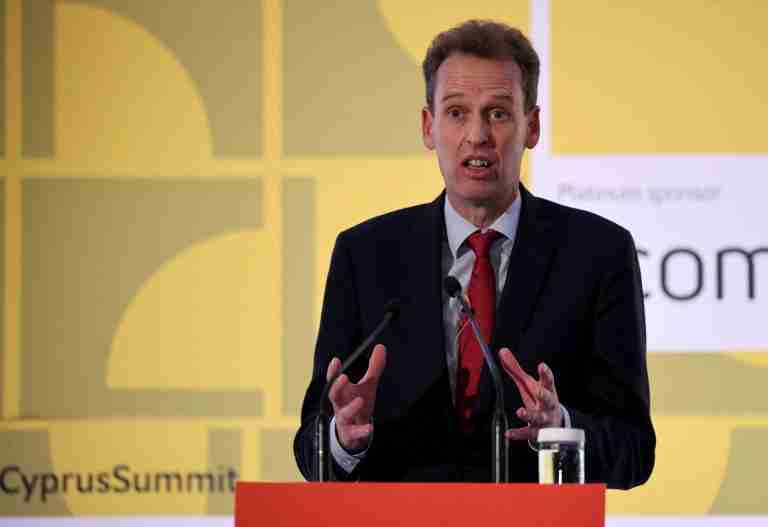
European Central Bank board member Frank Elderson on Wednesday urged banks in the euro area to quickly prepare for potential cyberattacks launched with the help of Anthropic’s Mythos AI model or similar tools.
Elderson, who is vice chair of the ECB’s bank supervision arm, said in an interview in ECB publication Supervision Newsletter that euro area banks’ lack of access to Mythos added to the severity of the issue.
“Lack of access is not an excuse for inaction. On the contrary, it makes it even more critical that banks step up and act now,” he said.
Reuters reported this week that large U.S. banks, which have been granted early access to Mythos, are rushing to fix scores of data system weaknesses flagged by the tool.
Mythos is viewed by cybersecurity experts as a significant challenge to the banking industry and its data technology systems, prompting a series of warnings from regulators and policymakers.
Elderson warned that banks need to brace for future AI models that enable even more aggressive cyberattacks.
“We need to be able to deal with ever more capable future models that could be released in relatively quick succession,” he said.
The central bank’s president, Christine Lagarde, said earlier this month the ECB is studying defences against Mythos-guided cyberattacks, while being at a disadvantage for lack of access to the model.
Reuters reported in April that ECB supervisors would ask the banks that they monitor about their preparedness for the new source of risk.
The global gap in access to the AI model could widen for Europe, with Japan’s three largest banks likely to be cleared to start work with Mythos in about two weeks.
Elderson said banks – and the contractors they rely on – need to quickly fix even minor vulnerabilities that have typically been patched only in longer software update cycles.
Reporting by Ludwig Burger and Reinhard Becker, Editing by Linda Pasquini and Hugh Lawson
Yields on 10-year government bonds – which determine how much the government will pay for future borrowing – on Tuesday hit their highest since 2008 at 5.13%
International News via Reuters:
Intense pressure on Prime Minister Keir Starmer is driving up British government borrowing costs – but the political uncertainty is by no means the only factor making Britain’s bond yields the highest among major advanced economies.
Yields on 10-year government bonds – which determine how much the government will pay for future borrowing – on Tuesday hit their highest since 2008 at 5.13%. [GB/]
“There’s a lot of fear in the price with gilts,” said Gordon Shannon, a partner at investment firm TwentyFour, which manages 23.5 billion pounds ($32 billion) of fixed income assets.
Most of the potential contenders to succeed Starmer – who came to power in July 2024 with a large parliamentary majority – are likely to want to borrow more, with the possible exception of health minister Wes Streeting, Shannon said.
Greater Manchester mayor Andy Burnham – who would first need to be re-elected to parliament to succeed Starmer – might borrow an extra 50 billion pounds over five years – around a 12% increase on current borrowing plans – if, as he has suggested, defence spending was exempted from existing finance constraints, Shannon said.
MEMORIES OF LIZ TRUSS SHOCK REMAIN FRESH
Still weighing on British bonds’ international appeal is Liz Truss’ brief tenure as prime minister. Her attempt to slash taxes caused long-dated gilt prices to tumble and forced the Bank of England to step in to halt a firesale by pension funds as ‘bond vigilantes’ circled.
Kevin Thozet, an investment committee member at the French investment manager Carmignac, said investors had charged Britain some “so-called moron premium” in the aftermath of the market crisis that Truss’ mini-budget unleashed, “and that could well be the kind of environment we’re heading into”.
But TwentyFour’s Shannon saw no chance of a repeat of such a sharp selloff, saying British politicians who wanted to borrow more now knew they needed to trail those plans in advance and pull back if there was an adverse market reaction.
Britain’s 10-year gilt yields of 5.12% compare with 4.45% in the United States – where growth is more robust – and 3.10% in Germany – perceived as more fiscally disciplined.
Since the start of the year, they have risen by 0.64 percentage points, more than double the increase in 10-year bond yields in the U.S. and Germany.
Rising gilt yields only affect the cost of newly issued debt, so the impact on government budget plans is not immediate.
But Britain’s budget watchdog estimates that every percentage point rise in yields will cost the government an extra 15 billion pounds a year in debt interest by 2030. To meet its goal of a balanced current budget by 2029/30, it only has 24 billion pounds of leeway.
UK SEEN AS MORE INFLATION-PRONE
Britain’s higher borrowing costs cannot be put solely at the door of politics, said Alexandra Ivanova, a fund manager at Invesco, which holds around $500 billion in bonds.
“I need to remind investors of ‘Finance 101’,” she said. “You need to think what you’re getting paid for: liquidity risk premium, political risk premium, the term premium, inflation risk premium … and in the case of gilts, I think each one of those elements tends to be higher than anywhere else.”
Given all these factors, UK gilts did not appear a bargain, even with their higher yield, she said.
Inflation risk is the easiest to grasp. The U.S.-Israeli war with Iran has pushed up oil and natural gas prices by around 50% since the end of February.
Britain relies on natural gas imports and the Bank of England forecasts that inflation – which erodes the value of bonds – could exceed 6% early next year if energy prices rise and are slow to fall. Before the conflict, it was forecasting that inflation would return to its 2% target.
Inflation in the euro zone had been back to target before the conflict but it had been stickier in Britain, reflecting rises in regulated utility prices last year and higher wage growth since the COVID-19 pandemic.
Financial markets now price in a rise in the benchmark BoE lending rate to 4.5% by February 2027 from 3.75% now, compared to forecasts of one or two cuts before the conflict. Many economists are more sceptical, however, given that the weak outlook for British growth will also curb inflation.
UK GILTS MORE VOLATILE THAN OTHER SOVEREIGN BONDS
A more subtle reason for higher gilt yields is the fact that British government bonds are more volatile in price than U.S. or German debt.
For much of the past 20 years, British pension funds and life insurers bought 30-year gilts to match their long-term liabilities.
But companies’ shift away from defined-benefit pension schemes has ended that process. Gilt buyers are now more often foreign hedge funds, said Nicolas Trindade, senior portfolio manager at BNP Paribas Asset Management, and these are more price-sensitive and investing on much shorter time horizons.
The risk of big day-to-day lurches in turn makes some investors demand a bigger yield.
Some investors also blame the Bank of England’s programme of bond sales – currently running at 70 billion pounds a year – for pushing up gilt yields.
Shannon thought that, over the medium term, the political risk premium would narrow, but said it was harder to judge the other elements.
But for now, political uncertainty looms large.
“You need various foreign investors to be interested. And turning over prime ministers isn’t what people want to see.” ($1 = 0.7394 pounds)
Writing by David Milliken; Editing by Kevin Liffey
Wall Street stocks had fallen after U.S. inflation data on Tuesday showed consumer prices rose the most in three years, driven by an increase in energy-related costs
International News via Reuters:
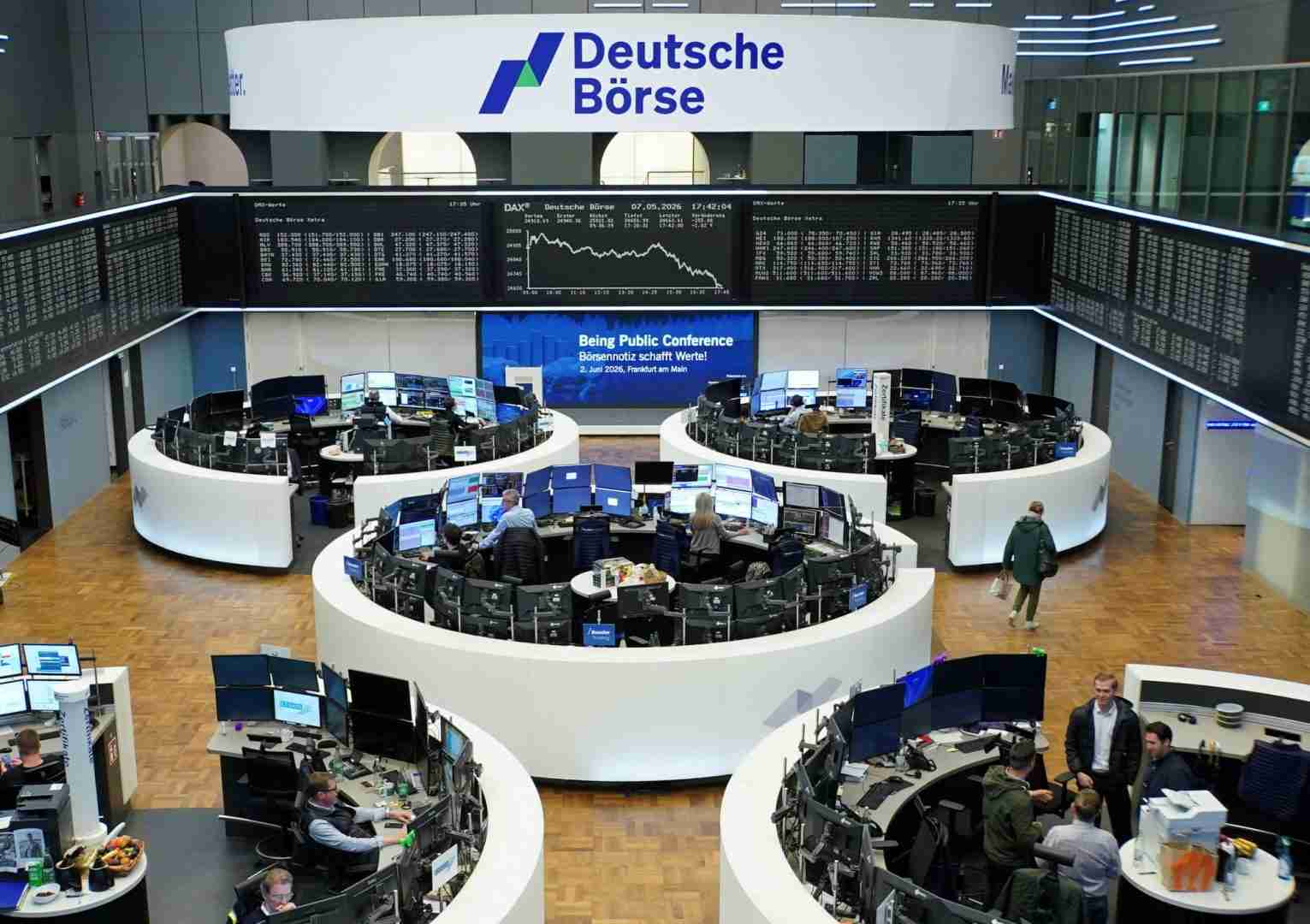
European stocks rose in early trading on Wednesday as markets rebounded from the previous session’s losses, and the price of oil edged down from recent highs even as hopes dwindled for a peace deal between the United States and Iran.
Wall Street stocks had fallen after U.S. inflation data on Tuesday showed consumer prices rose the most in three years, driven by an increase in energy-related costs.
The inflation data highlighted the economic fallout of the U.S. and Israel’s war on Iran, and pushed government bond yields up as traders saw it as increasing the chances that central banks will be forced to raise rates sooner than expected.
Market sentiment took a hit in Asian trade, but some signs of recovering sentiment emerged by 0939 GMT, with Europe’s STOXX 600 up 0.4% on the day. London’s FTSE 100 was up 0.3%.
Still, the 10-year U.S. Treasury yield was at 4.4629%, having hit its highest since late March. Japan’s 5-year and 20-year government bond yields hit new record highs overnight.
Oil prices edged back down, but were still elevated, with Brent crude at $107.3 a barrel, down 0.4% on the day and West Texas Intermediate at $101.45 a barrel, down 0.7% on the day.
The International Energy Agency said the world’s oil supply will fall short of total demand this year, as the war wreaks havoc on Middle East oil production. The two sides have made no progress on an agreement to end hostilities.
Markets were in “wait-and-see” mode as attention turns to U.S. President Donald Trump’s summit with Chinese counterpart Xi Jinping in Beijing later this week, said Amelie Derambure, senior multi-asset portfolio manager at Amundi in Paris.
“The preferred scenario for the market would be if China can influence the ceasefire or the peace in Iran but it’s considered relatively unlikely,” she said.
“This would be a positive surprise rather than the main scenario for markets at the moment.”
On Tuesday Trump said he did not think he would need China’s help to end the war with Iran.
Some ships have been able to pass through the Strait of Hormuz, and Reuters reported on Tuesday that both Iraq and Pakistan have cut deals with Iran to ship oil and liquefied natural gas from the Gulf, demonstrating Iran’s ability to control energy flows through the strait.
Derambure said investors now expect the Strait of Hormuz to open during the summer, but the market was “digesting the idea that the closure could last longer than was expected last week”.
The surge in energy prices has helped corporate earnings in Europe and the United States, but put a strain on consumers.
U.S. earnings have also been driven higher by technology companies’ spending on investments related to artificial intelligence.
“There is still this belief that equities – except in a recession but that’s on no one’s radar for the moment – are better positioned to resist, or to perform decently, in this higher-inflation stronger-nominal-growth environment,” Derambure added.
In Britain, gilt yields surged as Prime Minister Keir Starmer’s grip on power weakened. The 10-year yield at 5.08% was off from the previous session’s peak.
The dollar index was at 98.566, up 0.2% on the day and the euro was down 0.3% at $1.1699.
The Japanese yen was at 157.88, having briefly spiked Tuesday on “rate check” speculation, often seen as a precursor to intervention.
Gold prices were down 0.4% on the day, at about $4,694 an ounce.
Reporting by Elizabeth Howcroft; Editing by Clarence Fernandez
The pound was last 0.2% lower against a broadly stronger dollar at $1.351
International News via Reuters:
Sterling fell on Wednesday and was on track for its first weekly decline in six weeks, with market participants assessing political developments in Britain as Prime Minister Keir Starmer resisted calls to resign.
The pound was last 0.2% lower against a broadly stronger dollar at $1.351.
Fighting for his political life after dozens of his lawmakers called for him to quit, Starmer promised on Wednesday to press ahead with plans to reform Britain and warned of chaos if he were to be ousted.
“The UK now looks set for a summer of severe political uncertainty,” said Kallum Pickering, chief economist at Peel Hunt, in a note. “Against the already inflationary backdrop of the Iran war, gilt markets will remain especially skittish and equity markets may struggle to make gains short of an (unlikely) quick resolution on the domestic political front.”
Against the euro, sterling rose 0.1% to 86.59.
Moves are more muted than in the previous session, when the pound shed 0.5% against the dollar in its biggest daily drop in nearly six weeks.
“Maybe now that he’s saying he’s going to stay on, that is – in the short term – calming markets a little bit,” said Tommy von Brömsen, FX strategist at Handelsbanken in Stockholm.
Moves have been more pronounced on the gilt market, but British government bonds clawed back some ground on Wednesday after being roiled in recent weeks by investor jitters around the potential for more spending if Labour gets a new leader.
“But I think the bigger worry is that, not only are we seeing near-term volatility in gilt markets and in sterling, but also that this episode is another nail in the coffin for deep structural concerns about the UK’s ability to find leaders who can come up with a credible plan to fix the country’s finances and deliver growth,” wrote Neil Wilson, Saxo’s UK investor strategist.
Traders are betting on a 50% chance of no change at the Bank of England’s (BoE) next meeting on June 18.
Last month, the BoE kept interest rates on hold and set out scenarios for the economic impact of the U.S.-Israeli war on Iran, one of which could require a “forceful” increase in borrowing costs.
Reporting by Lucy Raitano; Editing by Thomas Derpinghaus
To provide the best experiences, we use technologies like cookies to store and/or access device information. Consenting to these technologies will allow us to process data such as browsing behavior or unique IDs on this site. Not consenting or withdrawing consent, may adversely affect certain features and functions.
Functional
Always active
The technical storage or access is strictly necessary for the legitimate purpose of enabling the use of a specific service explicitly requested by the subscriber or user, or for the sole purpose of carrying out the transmission of a communication over an electronic communications network.
Preferences
The technical storage or access is necessary for the legitimate purpose of storing preferences that are not requested by the subscriber or user.
Statistics
The technical storage or access that is used exclusively for statistical purposes.The technical storage or access that is used exclusively for anonymous statistical purposes. Without a subpoena, voluntary compliance on the part of your Internet Service Provider, or additional records from a third party, information stored or retrieved for this purpose alone cannot usually be used to identify you.
Marketing
The technical storage or access is required to create user profiles to send advertising, or to track the user on a website or across several websites for similar marketing purposes.