Fresh from firing Bradford City Women back to the national stage, Bermudian international Aaliyah Nolan says the club’s promotion was the result of a season-long “statement” of intent.
Nolan’s decisive first-half strike against Harrogate earlier this week did more than just win a football match; it secured the North East Regional Women’s Football League (NERWFL) Premier title and an immediate return to the FA Women’s National League Division One.
Reflecting on a campaign where the West Yorkshire side dropped just three points, Nolan revealed that the heartbreak of the previous year served as the primary catalyst for their success.
“As a team, from the first game, our sights were on promotion,” said Nolan. “We were so close last season that this season we were going to show our fans that this is our year to be champions. We’ve worked all year for this moment, and to win with a statement and good performance under the lights proves the mentality we’ve had all year.”
For Nolan, the title marks a personal milestone in her career overseas. Having become a focal point of the Bantams’ attack, she confirmed that the current campaign has been her most prolific since arriving in English football.
“Personally, I thought this season went great,” she added. “From my teammates to the staff, everyone has supported me, and it has been wonderful—especially with my highest goal-scoring season overall since I’ve moved to England.”
While the league trophy is safely in the cabinet at Horsfall, the work is not yet finished. Bradford City still have cup commitments on the horizon, and Nolan is determined to ensure the club finishes the year with further silverware.
“League season is finished,” she said. “But we still have some cup games left to show why we are Champions.”
Tesla’s sales have recovered strongly in Europe this year after two consecutive annual declines, including a drop of nearly 27% in 2025
International News via Reuters:
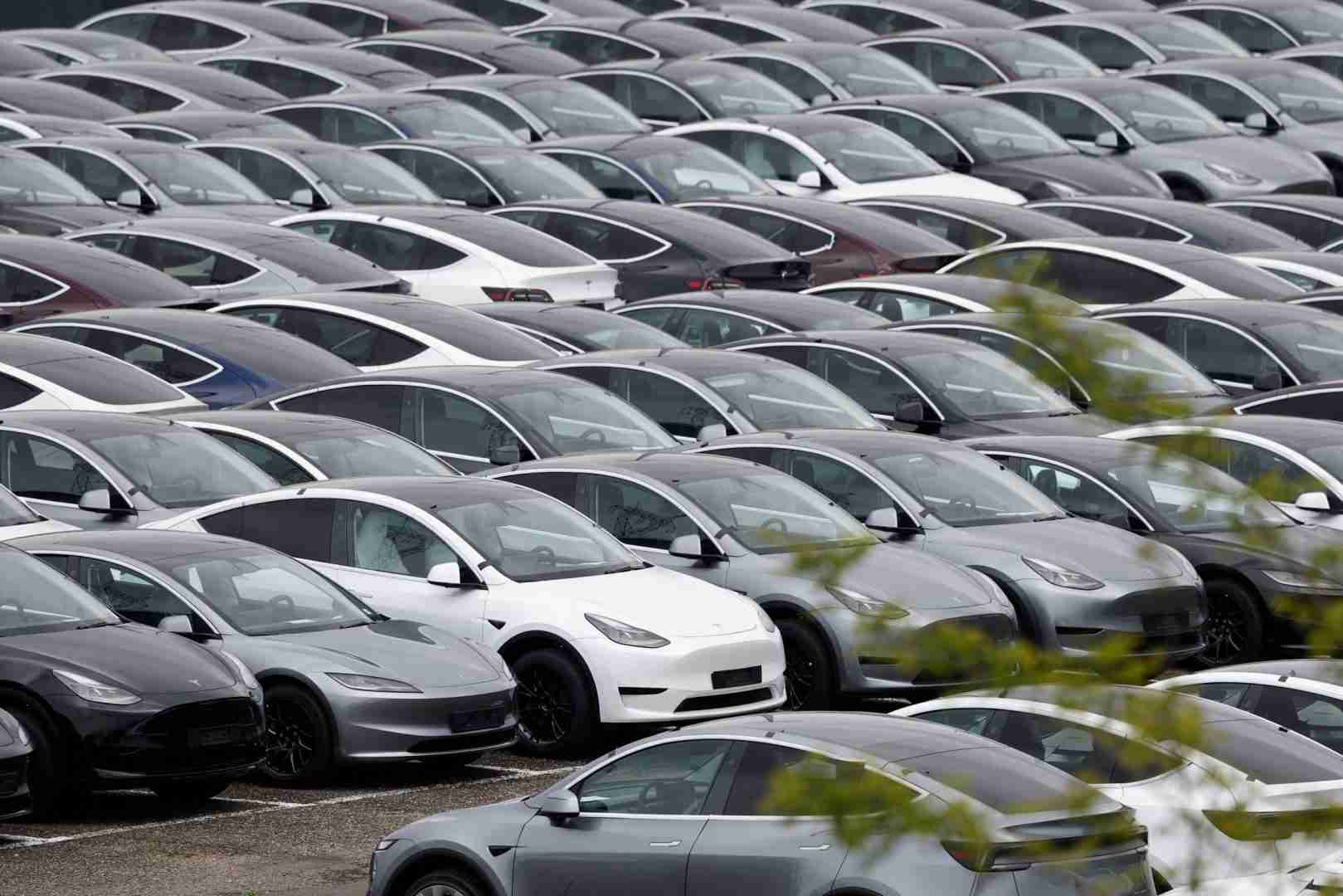
Registrations of Tesla cars continued to rebound in France, Denmark and the Netherlands in April, but fast-moving Chinese rivals such as BYD kept chipping away at the U.S. electric vehicle maker’s market share.
Tesla’s sales have recovered strongly in Europe this year after two consecutive annual declines, including a drop of nearly 27% in 2025.
The EV maker’s sales rose almost 45% across Europe in the first quarter. Interest in new and used EVs has surged across the continent since the Iran war began on February 28, driving fuel prices higher.
The company run by Elon Musk also received a boost in Europe last month after a Dutch regulator approved the use of its driver-assistance software. The regulator, vehicle authority RDW, has notified the European Commission of its plan to seek European Union-wide approval for the software, which Tesla sells via a monthly subscription.
Tesla registrations, a proxy for sales, leapt 102% in Denmark in April from a year earlier, according to bilstatistik.dk. Data from PFA showed they also jumped 112% in France, while Dutch automotive industry association BOVAG reported a 23% increase.
The rebound comes despite Tesla’s small ageing lineup of just two models. The company has not launched a new mass-market vehicle since the Model Y in 2020.
Tesla is also facing intensifying competition from a growing number of Chinese rivals and traditional carmakers as new electric models continue to enter the market.
In Denmark, Tesla sold fewer cars than Chinese EV startup Xpeng in April, while in the Netherlands it was outsold by BYD.
New leadership team vows to strengthen workers’ voice amid economic pressures
On this May Day, the Bermuda Trade Union Congress (BTUC) joins workers across Bermuda and around the world in recognizing the enduring importance of organized labour and the collective strength of working people.
This year’s observance comes at a time when workers continue to face economic pressures, evolving workplace dynamics, and increasing demands on their livelihoods. In this environment, the role of the BTUC as the collective voice of labour remains not only relevant – but essential.
The Bermuda Trade Union Congress recently held its Biennial Convention on April 24, 2026, at which a new slate of Chief Officers was elected to lead the organization for the 2026–2028 term. Bro. Dean Smith of the Bermuda Fire Service Association (BFSA) was elected President, and Sis. Kim Richards of Bermuda Public Service Association (BPSU) was elected General Secretary. They will serve alongside: Sis. Selena Fields (BEU), 1st Vice President Bro. Chris Furbert (BIU), 2nd Vice President Sis. Renee Jones (BIU), Treasurer Sis. Thelma Simmons (BIU), Assistant General Secretary / Assistant Treasurer
Together, this leadership team will guide the Congress in advancing the interests of workers across Bermuda.
As the BTUC enters this new biennial period, the focus remains clear: strengthening unity among affiliates, reinforcing accountability in governance and representation, and ensuring meaningful engagement at the highest levels of Government. Structured dialogue with key decision-makers will continue to be prioritized to ensure that the concerns of workers are heard, respected, and acted upon.
The Congress also recognizes the importance of internal solidarity. A renewed commitment to collaboration among affiliates will ensure that the principle of “an injury to one is an injury to all” remains at the core of the labour movement.
May Day is not only a time to reflect on the achievements of the past, but also to recommit to the work ahead. The BTUC remains steadfast in its mission to protect the rights of workers, advocate for fair and equitable treatment, and strengthen the voice of labour throughout Bermuda.
In unity and solidarity, the Bermuda Trade Union Congress wishes all workers a meaningful and reflective May Day.
Police seek missing passenger and witnesses after late-night collision near Lower Ferry
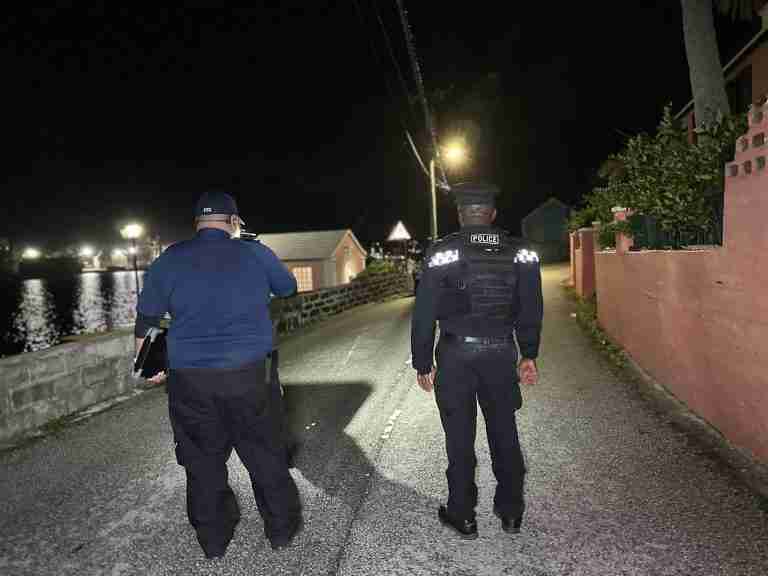
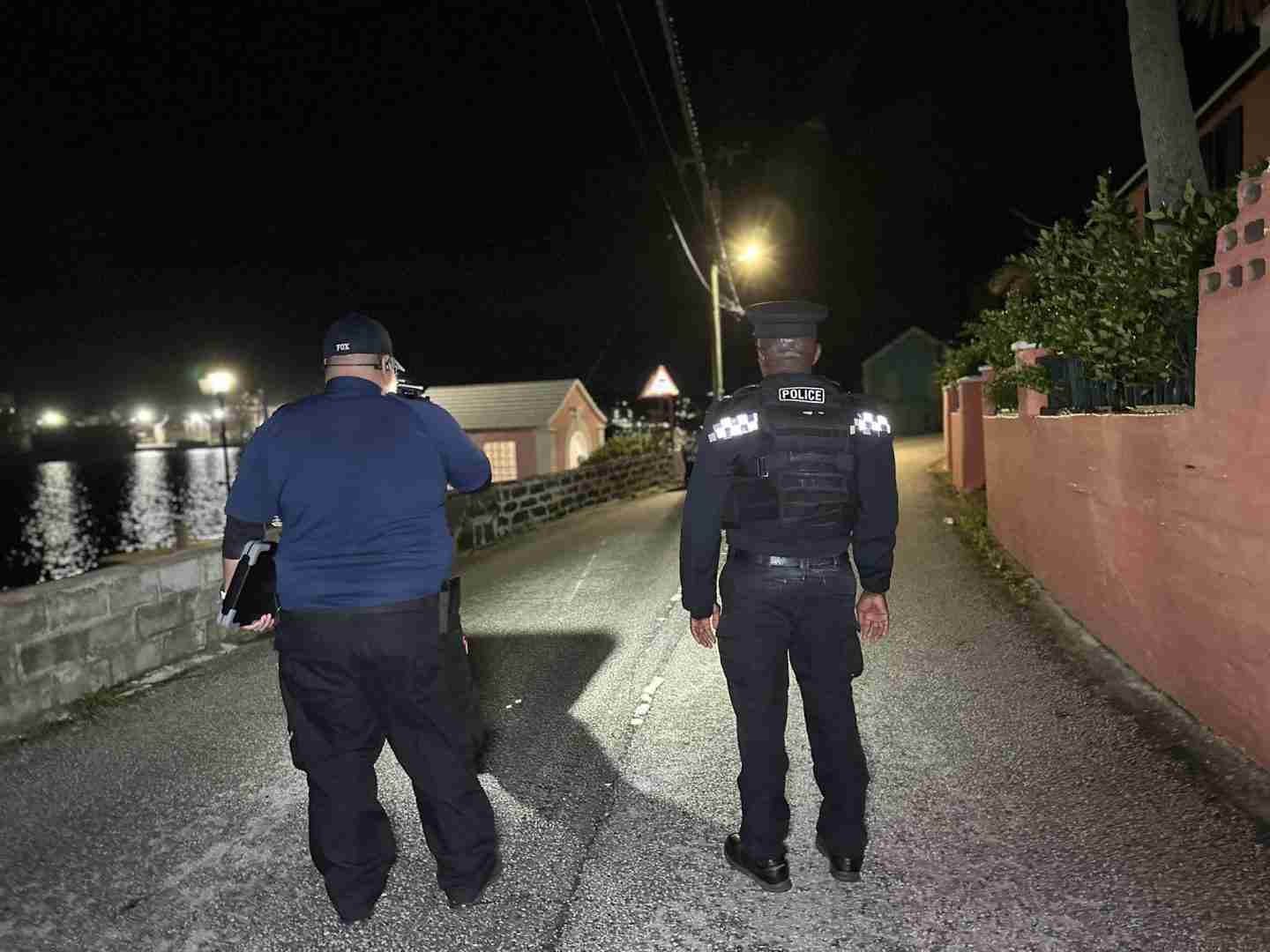
Around 11:15 p.m. on Thursday, April 30, 2026, Police and other first responders were dispatched to a report of a single vehicle motorcycle collision on Harbour Road, near Lower Ferry.
Initial information suggests the motorcycle was traveling east when the rider lost control and collided with a wall.
As a result of the collision, one man was transported to King Edward Memorial Hospital with injuries described as very serious.
There are indications that a second male may have been on the motorcycle; however, he was not present at the scene when police arrived. That individual is urged to contact police as soon as possible.
Traffic diversions are currently in place at Highwood Lane and Chapel Road.
Police are appealing for witnesses and ask anyone with information to call 211 at the earliest opportunity.
Media release and image supplied by Bermuda Police Service.
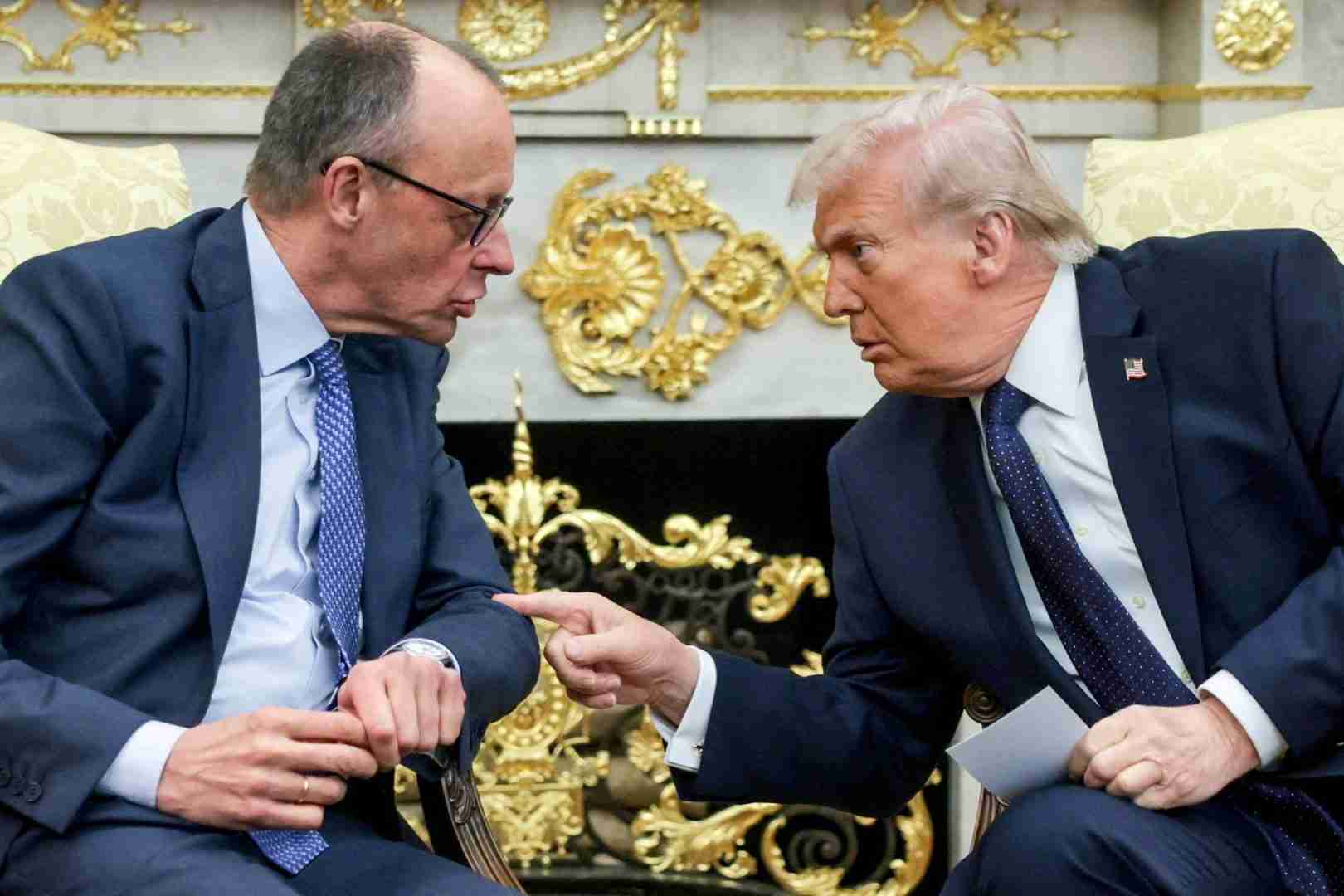
Trump this week lashed out at German Chancellor Friedrich Merz over his criticism of the Iran war, calling him “totally ineffective,” and threatened to cut the 36,400 U.S. troops based in Germany
International News via Reuters:
The past weeks have not been reassuring for those who thought Europe could navigate its tricky relationship with U.S. President Donald Trump.
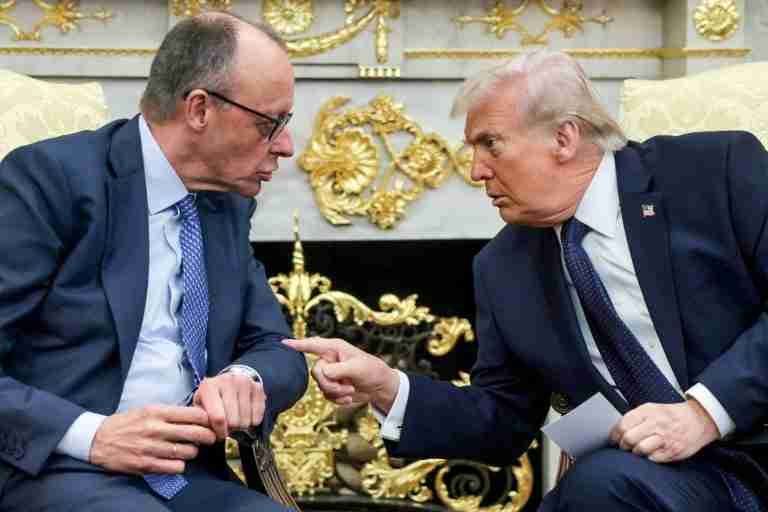
Trump this week lashed out at German Chancellor Friedrich Merz over his criticism of the Iran war, calling him “totally ineffective,” and threatened to cut the 36,400 U.S. troops based in Germany.
He has taken aim at British Prime Minister Keir Starmer in strikingly personal terms, saying that he is “not Winston Churchill,” and threatening to impose a “big tariff” on imports from the UK.
More worrying for Europe, Trump’s Defense Department has floated punishing NATO allies that it believes are not supporting U.S. operations in the war with Iran, including suspending Spain as a member and reviewing U.S. recognition of the Falkland Islands as a UK possession.
“It’s unnerving to say the least,” said one European diplomat. “We are braced for anything, anytime.”
The latest U.S. broadsides, fired over disagreements about the Iran war, have seemingly turned U.S.-Europe relations back to the early days of the second Trump administration and raise fresh questions about the best way to handle a mercurial ally.
A second European diplomat said former German Chancellor Angela Merkel, who had a rocky relationship with Trump during his first term, had modeled the right approach.
“We’ve all learned a bit how to handle Trump by now. You must not react immediately, you must let the storm pass, while standing firmly on your positions,” the diplomat said.
Even those who attempted flattery have faced Trump’s ire, the diplomat said. “All those who tried that got their volley of insults, like the others. So everybody realizes now that flattery doesn’t work either,” the diplomat said.
The White House had no immediate comment.
BACK IN THE CROSSHAIRS
Last year, U.S. tariffs, Trump’s push to acquire Greenland and a cut in U.S. aid to Ukraine deeply unsettled transatlantic relations.
Some leaders, including Starmer, Merz and Italian Prime Minister Giorgia Meloni, worked to stabilize ties through regular visits, trade deals and policy shifts, including some that have been unpopular domestically, only to find themselves in the crosshairs again following the start of the Iran war in February.
Even NATO Secretary General Mark Rutte, known in Europe as a “Trump whisperer”, faced a scolding from Trump during a White House meeting this month. Trump also blasted Meloni – once his favorite European leader – after she criticized the Iran war and chided Trump for what she called an “unacceptable” verbal assault against Pope Leo.
While many members of the U.S. administration are deeply skeptical of Europe, not all members of the president’s Republican Party support Trump’s approach.
“The continued attacks on NATO allies are counterproductive, the comments hurt Americans,” wrote Republican Representative Don Bacon on X on Thursday, following Trump’s threat to cut troop levels in Germany.
“The two big airfields in Germany give us great access in three continents. We are shooting ourselves in our own feet.”
Some of Trump’s social media posts this week caught European officials off guard.
Less than two hours before the post about U.S. troop levels in Germany, Berlin’s top general, Carsten Breuer, told reporters that he got a thumbs up for Germany’s new military strategy when he met with Defense Undersecretary Elbridge Colby at the Pentagon earlier in the day. He gave no indication that any troop reductions were discussed.
The German embassy declined to comment.
German military officials were fairly sanguine about the situation and military cooperation remained intact, a former senior U.S. defense official said. “They’re saying, ‘We’ve seen this movie before. This is going to be a lot of bluster and at the end of the day, nothing is going to change.'”
BOLDER OPPOSITION TO THE U.S.
Jeffrey Rathke, a former U.S. diplomat who heads the American-German Institute at Johns Hopkins University, said European allies were becoming bolder in their opposition to Trump’s policies, not least due to political pressure at home.
“Merz has become increasingly pointed in his criticisms of the U.S. decision to go to war against Iran,” he said. “It’s pretty clear that something has changed for someone who, just two months ago, went out of his way to say, ‘It is not our time to lecture the United States.'”
“The U.S. war is not just something that the German public can observe in a detached way. It’s something that affects them,” he added, citing a war-related surge in energy costs.
European diplomats say they remain committed to transatlantic ties even as the “tectonic plates” of Europe and the United States are shifting, but changes are required.
“For us, the main lesson is that we can’t rely anymore on the post World War status quo, and that we need to be not only a soft power space, but a space that can be also backed by power,” said one Western diplomat, noting that Europeans were acting quickly to expand their military capabilities.
Reporting by Andrea Shalal; additional reporting by Michel Rose in Paris and Humeyra Pamuk and Patricia Zengerle in Washington; Editing by Don Durfee and Alistair Bell
The number of mortgages approved for house purchase – a leading indicator for home sales – rose to 63,531 in March from 62,708 in February
International News via Reuters:
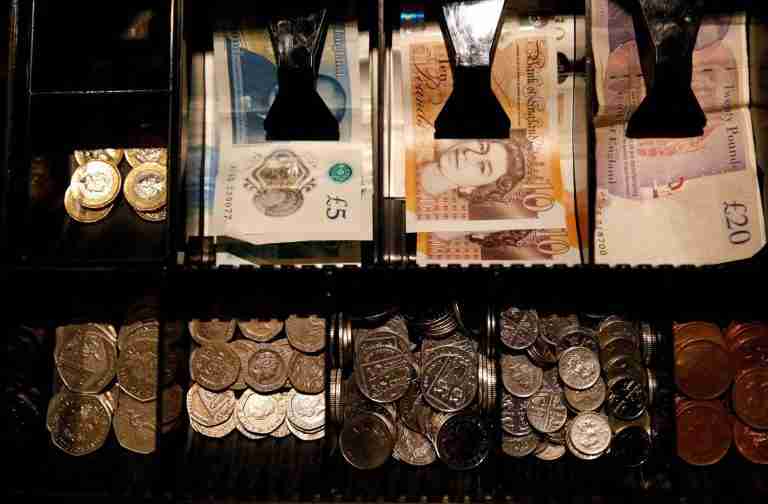
British lenders approved the most mortgages in four months in March while consumer lending grew at the fastest annual rate in over two years, according to Bank of England data which showed some resilience in the economy at the start of the Iran war.
The number of mortgages approved for house purchase – a leading indicator for home sales – rose to 63,531 in March from 62,708 in February, the highest number since November and bucking economists’ expectations in a Reuters poll for a fall.
Friday’s data also showed net unsecured lending to consumers rose by 1.895 billion pounds ($2.58 billion) in March, slightly less than in February but above economists’ forecast of a 1.75 billion pound increase, and representing the fastest annual credit growth since January 2024 at 8.9%.
A drop in consumer confidence since the start of the Iran war and the prospect of higher mortgage rates have caused property surveyors and mortgage lender Halifax to report falling prices and lower buyer demand in March.
But figures from Nationwide Building Society released earlier on Friday showed house prices continuing to rise modestly in April, increasing by 3.0% from the same month in 2025.
Rob Wood, chief UK economist at Pantheon Macroeconomics, questioned how long the trend would continue.
If the BoE raised borrowing costs as markets expect, the interest rate on a new two-year fixed-rate mortgage at 75% loan-to-value looked set to rise to 4.8% in the coming months, up from 4.5% now and 3.9% at the start of the year, he said.
“Accordingly, we look for house price inflation of just 1.0% in Q4 2026,” Wood said.
On Thursday, the BoE kept interest rates unchanged at 3.75%. Governor Andrew Bailey said there was a range of possible paths for interest rates, depending on how long the Strait of Hormuz remained closed, and that he would not push back against market expectations for two quarter-point rate rises this year.
($1 = 0.7352 pounds)
Reporting by David MillikenEditing by William Schomberg
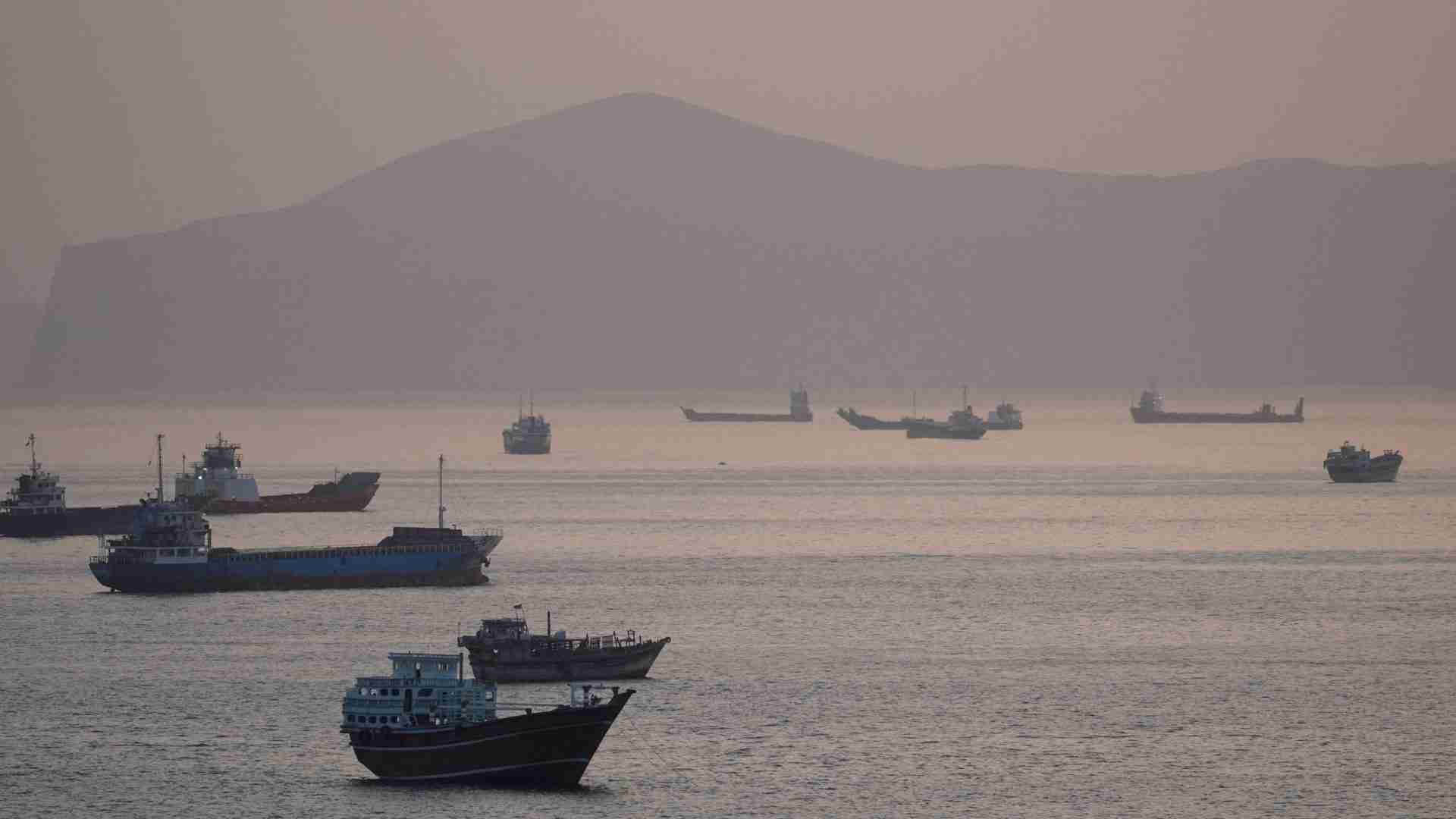
Two months into the conflict, the vital sea channel is still largely closed because of an Iranian blockade and the U.S. Navy is blocking exports of Iranian crude oil
International News via Reuters:
A senior United Arab Emirates official said on Friday Tehran could not be trusted over any unilateral arrangements it makes for the Strait of Hormuz, in a sign of deep mistrust on all sides as efforts to end the Iran war remained at an impasse.
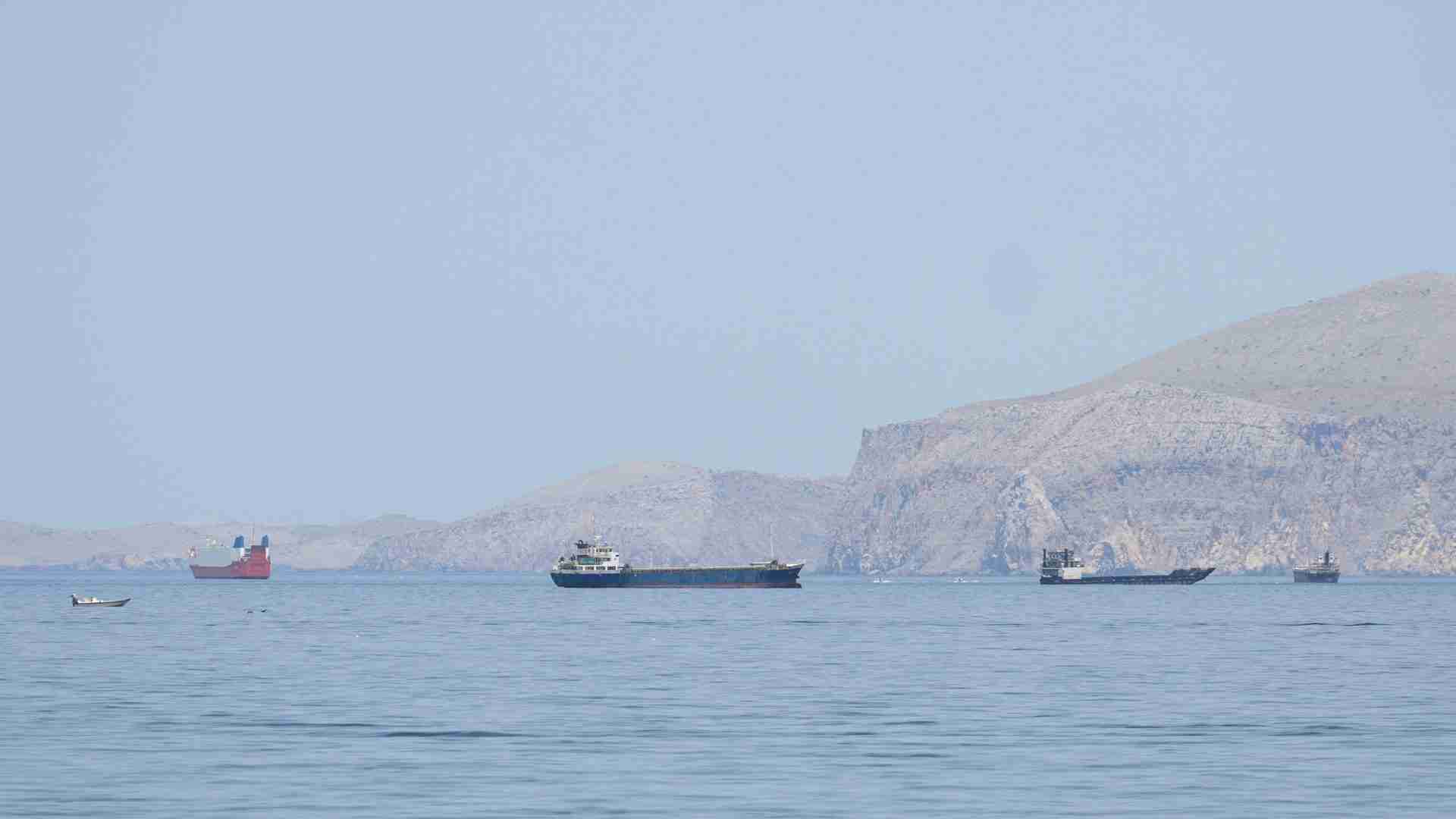
Two months into the conflict, the vital sea channel is still largely closed because of an Iranian blockade and the U.S. Navy is blocking exports of Iranian crude oil. The blockade has choked off 20% of the world’s oil and gas supplies, pushing up global energy prices and increasing concerns that there will be an economic downturn.
A ceasefire has been in place since April 8 but reports that U.S. President Donald Trump was to be briefed on plans for new military strikes to compel Iran to negotiate pushed global oil prices up to a four-year high at one point on Thursday.
Iran has activated air defences and plans a wide response if attacked, having assessed that there will be a short, intensive U.S. strike, possibly followed by an Israeli attack, two senior Iranian sources told Reuters on condition of anonymity.
‘TREACHEROUS AGGRESSION’
Washington has not said what its next steps are. Trump said on Tuesday he was unhappy with the latest proposal from Iran, and mediator Pakistan has not set a date for new talks on ending a war that has killed thousands, mainly in Iran and Lebanon.
After U.S. and Israeli airstrikes on February 28, Iran fired at U.S. bases, infrastructure and U.S.-linked companies in Gulf states, while the Iran-backed Lebanese group Hezbollah launched missiles at Israel, which responded with strikes on Lebanon.
Underlining the concerns of the Gulf states, UAE presidential adviser Anwar Gargash said the “collective international will and provisions of international law” were the primary guarantors of freedom of navigation through the strait.
“And, of course, no unilateral Iranian arrangements can be trusted or relied upon following its treacherous aggression against all its neighbors,” Gargash wrote.
Trump faces a formal U.S. deadline on Friday to end the war or make the case to Congress for extending it under the 1973 War Powers Resolution.
The date looks set to pass without altering the course of the war after a senior administration official said that, for the purposes of the resolution, hostilities had terminated due to the April ceasefire between Tehran and Washington.
Financial and energy markets remained on edge because of concerns about the impasse over negotiations and worries that there could be a prolonged closure of the Strait of Hormuz.
Global oil benchmark Brent crude futures rose again on Friday, up slightly at over $111 a barrel and poised for a 5.7% gain over the week after hitting $126 a barrel on Thursday, the highest level since March 2022.
IRAN SAYS NOT TO EXPECT QUICK RESULTS FROM TALKS
Iranian Foreign Ministry spokesman Esmaeil Baghaei cautioned on Thursday against expecting quick results from talks.
A senior official of Iran’s Revolutionary Guards said any new U.S. attack on Iran, even if limited, would usher in “long and painful strikes” on U.S. regional positions, while Aerospace Force Commander Majid Mousavi was quoted by Iranian media as saying: “We’ve seen what happened to your regional bases, we will see the same thing happen to your warships.”
Trump repeated on Thursday that Iran would not be allowed to have a nuclear weapon, and said the price of gasoline – an important concern for his Republican Party before midterm elections in November – would “drop like a rock” as soon as the war ended.
Iran says its nuclear programme is solely for civilian purposes.
Trump said on Thursday that Iran’s economy was “a disaster”, but analysts said that if he expects Iran to blink first in a game of economic chicken, he may be waiting a while.
The conflict has aggravated Iran’s dire economic problems, risking calamity after the war, but it looks able to survive a standoff in the Gulf for now, despite the U.S. blockade that has cut off its energy exports.
Axios news site reported that one plan to be shared with Trump during a briefing by top U.S. military leaders that was scheduled for Thursday involved using ground forces to take over part of the strait to reopen it to commercial shipping. Trump is also considering extending the U.S. blockade or declaring a unilateral victory, officials have said.
Washington did not immediately announce any details of its plans.
In a sign that the U.S. was also envisaging a scenario where hostilities cease, a State Department cable due to be delivered orally to partner nations by May 1 invited them to join a new coalition, called the Maritime Freedom Construct, to enable ships to navigate the strait.
France, Britain and others have held talks on contributing to such a coalition but said they would help to open the Strait only when the conflict ends.
Reporting by Reuters bureaus, Writing by Timothy Heritage, Editing by Gareth Jones
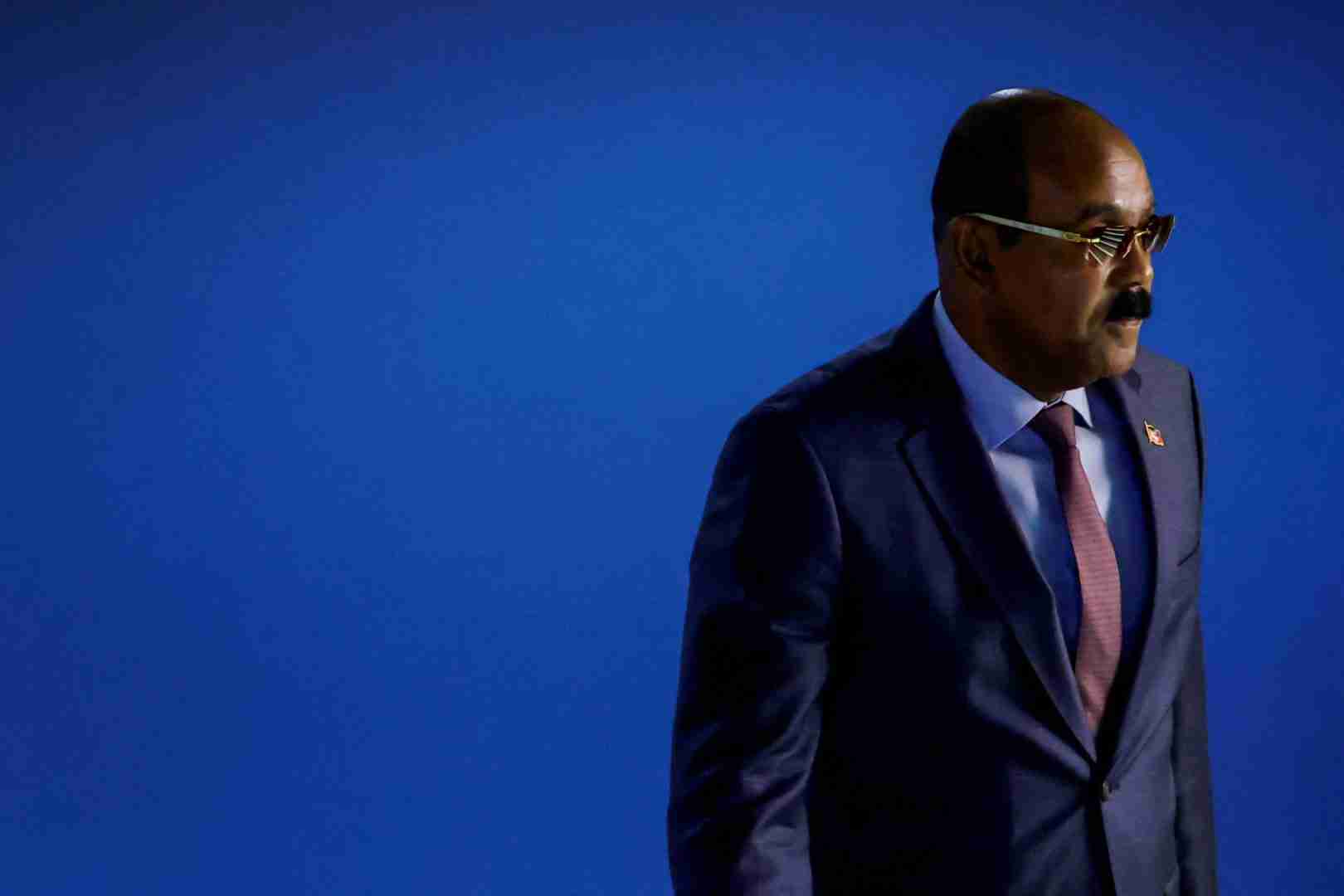
Browne’s Labour Party increased its majority by winning 15 seats in the 17-seat parliament, according to preliminary official data
International News via Reuters:
Antigua and Barbuda Prime Minister Gaston Browne won a landslide election victory late on Thursday, securing a fourth term after a campaign dominated by the economy and concerns over U.S. visa restrictions.
Browne’s Labour Party increased its majority by winning 15 seats in the 17-seat parliament, according to preliminary official data. The opposition United Progressive Party, seen as its main challenger, won only one seat.
“We are humbled and honored by your support and confidence,” the Antigua and Barbuda Labour Party said on social media.
Browne, a 59-year-old former banker and businessman who has led the Labour Party since 2014, campaigned on economic stability and investment-led growth, pointing to a post-pandemic recovery in tourism and to infrastructure expansion.
The political debate was mostly dominated by Washington’s decision in January to suspend visa processing for Antigua and Barbuda nationals – a major blow for locals who regularly travel to the United States for work.
Washington raised concerns over a program where foreigners can secure citizenship in the Eastern Caribbean twin-island state through investment. It argued that criminals could exploit the scheme to get into the United States.
Browne’s administration said it was working with the U.S. and that it has already brought in reforms to make the Citizenship by Investment Program more robust and transparent.
The Labour Party called the general election last month, two years ahead of schedule, saying it needed a new mandate at a time of international crisis. It had a nine-seat majority in the last parliament.
There will be a second vote count on Friday to confirm the results of the general election that has been monitored by international observers.
Reporting by Sarah Peter; Additional reporting by Aida Pelaez-Fernandez; Editing by Kevin Liffey and Andrew Heavens
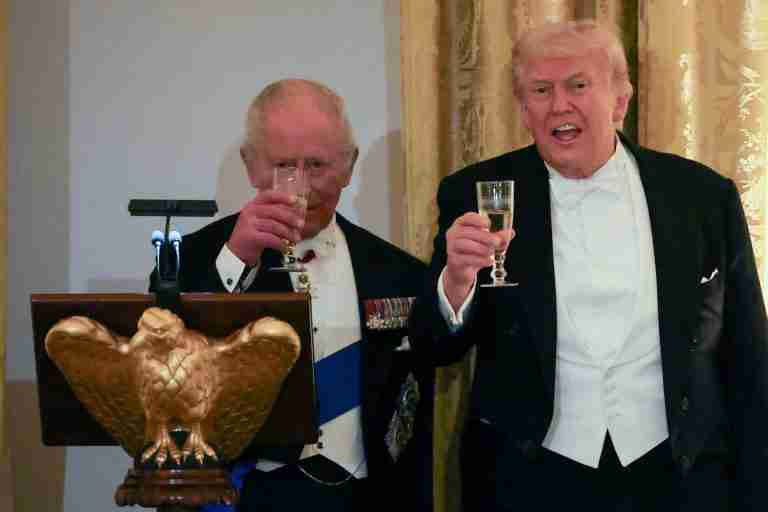
The Republican president said in a post on Truth Social that he would soon be removing tariffs and restrictions related to Scotland’s ability to work with Kentucky on whisky and bourbon
International News via Reuters:
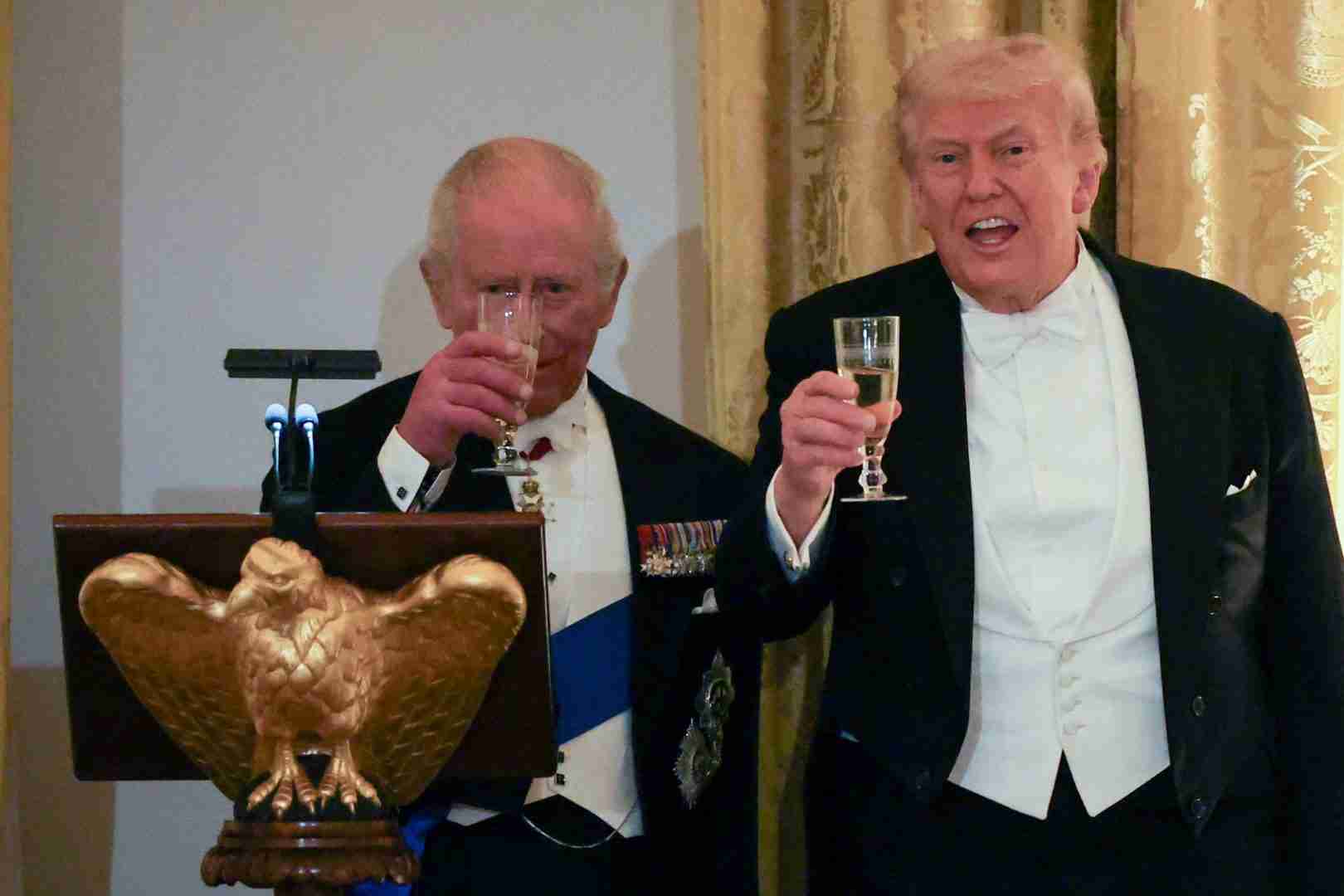
U.S. President Donald Trump said on Thursday that he was lifting tariffs on whisky from Britain, in a nod to King Charles on the final day of a royal visit celebrating a former colony’s impending 250th anniversary of independence.
The Republican president, who has wielded tariffs as a foreign policy tool, said in a post on Truth Social that he would soon be removing tariffs and restrictions related to Scotland’s ability to work with Kentucky on whisky and bourbon.
Trump said the move was “In Honor of the King and Queen of the United Kingdom.” He heavily praised Charles during his four-day state visit, saying he was the “greatest king”.
While the official reason for the trip was the anniversary, it was also designed to mend the bond between the two countries, which has lately been strained by Britain, alongside other European allies, declining to join the two-month-old U.S.-Israeli war against Iran.
“People have wanted to do this for a long time, in that there had been great Inter-Country Trade, especially having to do with the Wooden Barrels used,” Trump said in the post.
“The King and Queen got me to do something that nobody else was able to do, without hardly even asking! A wonderful Honor to have them both in the U.S.A.”
BRITAIN’S SCOTCH WHISKY INDUSTRY RAISES A TOAST
British trade minister Peter Kyle welcomed the move. “This is great news for our Scotch whisky industry, which is worth almost 1 billion pounds in exports and supports thousands of jobs across the UK,” Kyle said.
The world’s top spirits maker and owner of the Johnnie Walker brand, Diageo, said on Friday it “warmly” welcomed the news that the U.S. and Britain have agreed to restore tariff-free trade for Scotch whisky.
London-listed shares of Diageo, which has been struggling with U.S. tariffs and subdued sales, rose as much as 3% in early trade on Friday, in a boost for the British firm that counts North America as its largest market.
“We would like to thank all those who have worked so hard to secure this deal and support our industry,” a Diageo spokesperson added.
A spokesperson for Buckingham Palace said Charles “sends his sincere gratitude” for the decision, adding that it would make an important difference to the British whisky industry.
“His Majesty will be raising a dram to the President’s thoughtfulness and generous hospitality as he departs the U.S. after a most enjoyable state visit for both Their Majesties in this special anniversary year,” the spokesperson said.
Reporting by Ismail Shakil, Sam Tabahriti and Ryan Patrick Jones, additonal reporting by Yadarisa Shabong and Simone Lobo; Writing by Christian Martinez and Daphne Psaledakis; Editing by Michelle Nichols, Scott Malone and Alex Richardson
Brent crude futures for July were up $1.13, or 1%, at $111.53 a barrel by 1103 GMT
International News via Reuters:
Oil prices rose on Friday as efforts to halt the Iran war remained at an impasse, with Tehran still blocking the Strait of Hormuz and the U.S. Navy blocking exports of Iranian crude.
Brent crude futures for July were up $1.13, or 1%, at $111.53 a barrel by 1103 GMT. West Texas Intermediate futures rose 58 cents, or 0.6%, to $105.65.
The Brent benchmark was poised for a 5.8% gain over the week while WTI was on track to finish the week up 11.8%. Brent’s June contract hit $126.41 a barrel before its expiry on Thursday, marking the highest level since March 2022.
Oil prices have been on the rise since the U.S. and Israel attacked Iran at the end of February, resulting in the closure of the Strait of Hormuz and disruption of shipments of about a fifth of the world’s oil and liquefied natural gas supply.
A ceasefire has been in place since April 8, but on Thursday evening Iranian Foreign Ministry spokesman Esmaeil Baghaei said it was unreasonable to expect quick results from U.S. talks, the official IRNA news agency reported.
“Expecting to reach a result in a short time, regardless of who the mediator is, in my opinion, is not very realistic,” he was quoted as saying.
UAE presidential adviser Anwar Gargash said on Friday in a post on X that no unilateral Iranian arrangements can be trusted or relied upon regarding freedom of navigation through the Strait of Hormuz after its “treacherous aggression” against its neighbours.
A senior official of Iran’s Revolutionary Guards had threatened on Thursday “long and painful strikes” on U.S. positions if Washington renewed attacks on Iran, pushing oil prices to intraday peaks before retreating.
U.S. President Donald Trump was scheduled to receive a briefing on Thursday on plans for a series of fresh military strikes on Iran to compel it to negotiate an end to the conflict, a U.S. official told Reuters.
Reporting by Stephanie Kelly in London and Helen Clark in MelbourneEditing by David Goodman
Sterling was little changed at $1.3606 and a touch softer against the euro at 86.32 pence, after jumping sharply against both on Thursday
International News via Reuters:
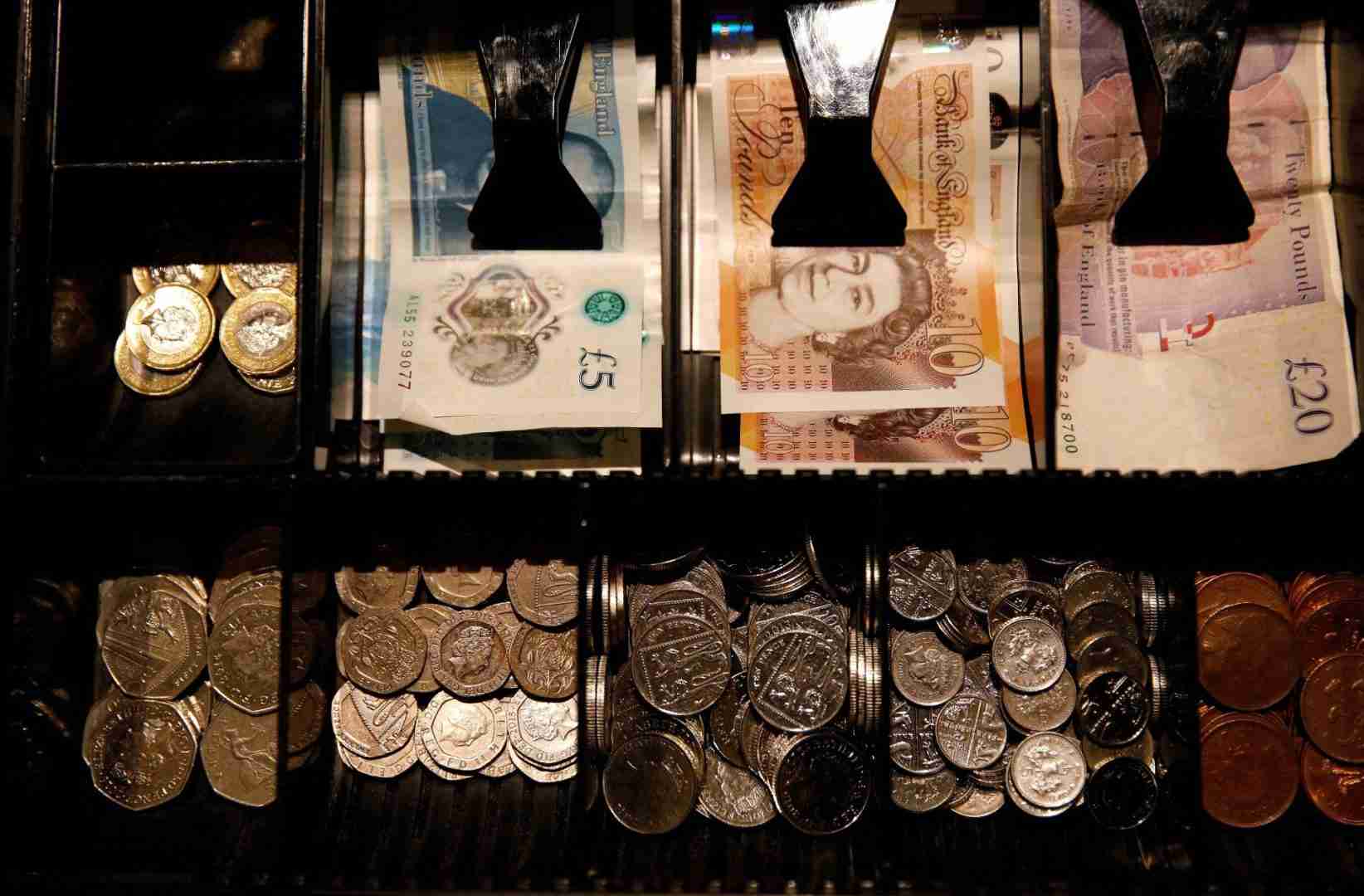
TheMR pound held near a 10-week high against the dollar on Friday as traders digested a week of central bank meetings in which the Bank of England kept interest rates steady and warned of inflation risks stemming from the Iran war.
Sterling was little changed at $1.3606 and a touch softer against the euro at 86.32 pence, after jumping sharply against both on Thursday.
ING analysts said the previous session’s unusual rally “may have been a function of month-end flows, where equity portfolio managers were rebalancing into UK asset markets after their underperformance in April.”
Fund managers typically target fixed allocations across regions and periodically buy or sell assets to restore those weightings after market moves.
Liquidity on Friday was thin due to holidays across much of Europe, while the bigger medium-term focus for the pound was Thursday’s BoE meeting.
The bank outlined a wide range of possible economic impacts from the Iran war, from scenarios that might require “forceful” rate rises to others that may warrant no increase at all.
Governor Andrew Bailey said policymakers faced a “difficult judgement call” over coming months, warning that waiting for clear evidence of inflationary pressures could leave the BoE acting too late.
He said he did not want to push back against market expectations for at least two rate rises this year and described policy as being on an “active hold”.
Markets see a June rate hike as roughly a coin toss and price in two 25-basis-point increases across the BoE’s three meetings through September.
But analysts say uncertainty is high.
“A world where the supply of commodities out of the Middle East starts to normalise in the coming weeks would mean very little chance of policy tightening this year, we think – and no chance of a June hike,” said Morgan Stanley analysts.
“In a scenario where the current level of disruptions in the supply of oil and gas persist for months, and commodity prices readjust higher, hikes become likely.”
The European Central Bank, Federal Reserve and Bank of Japan also all left rates steady this week.
To provide the best experiences, we use technologies like cookies to store and/or access device information. Consenting to these technologies will allow us to process data such as browsing behavior or unique IDs on this site. Not consenting or withdrawing consent, may adversely affect certain features and functions.
Functional
Always active
The technical storage or access is strictly necessary for the legitimate purpose of enabling the use of a specific service explicitly requested by the subscriber or user, or for the sole purpose of carrying out the transmission of a communication over an electronic communications network.
Preferences
The technical storage or access is necessary for the legitimate purpose of storing preferences that are not requested by the subscriber or user.
Statistics
The technical storage or access that is used exclusively for statistical purposes.The technical storage or access that is used exclusively for anonymous statistical purposes. Without a subpoena, voluntary compliance on the part of your Internet Service Provider, or additional records from a third party, information stored or retrieved for this purpose alone cannot usually be used to identify you.
Marketing
The technical storage or access is required to create user profiles to send advertising, or to track the user on a website or across several websites for similar marketing purposes.