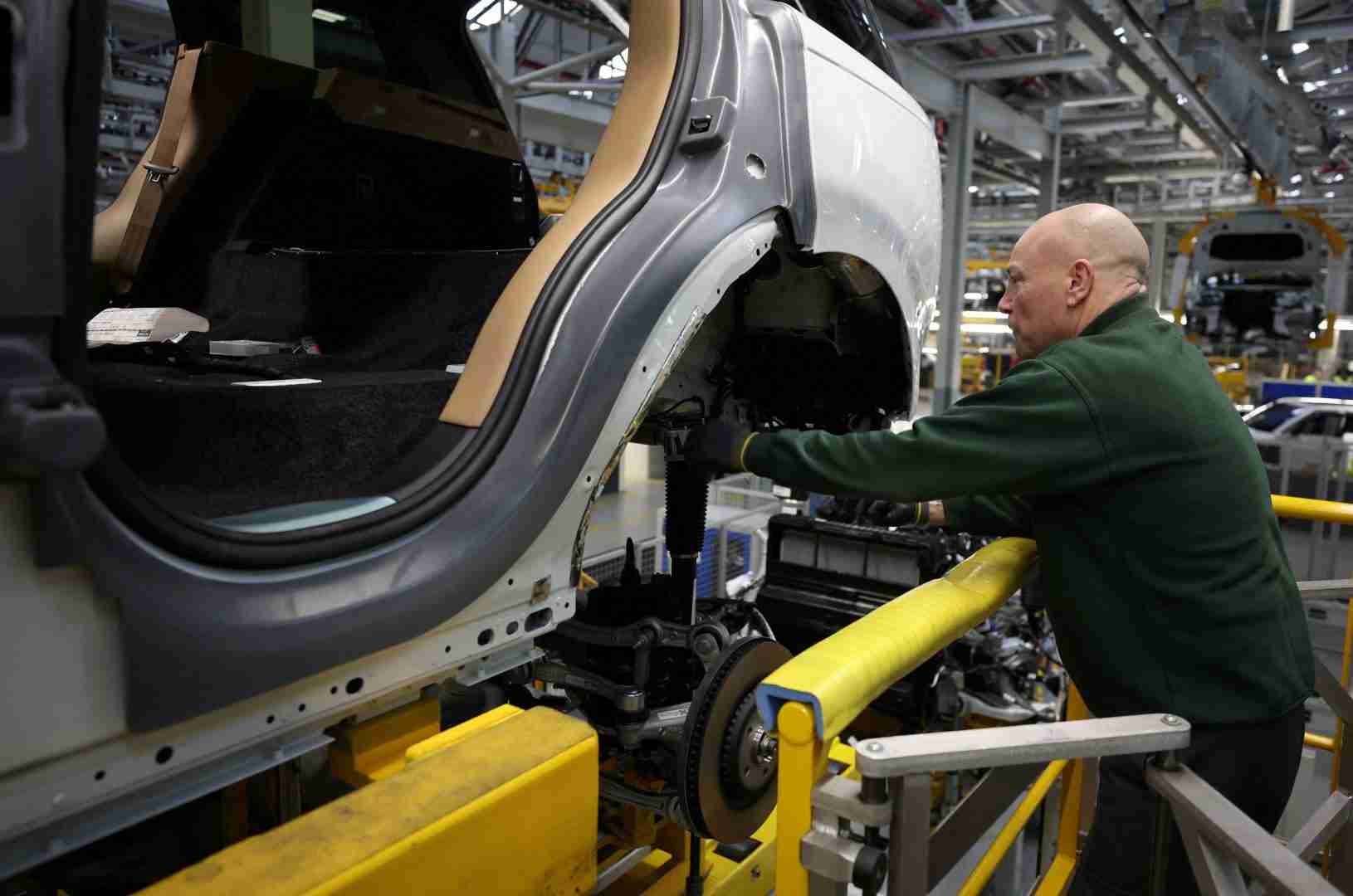
The Confederation of British Industry also showed firms’ investment plans for buildings, plant and machinery and training were the weakest since April 2020
International News via Reuters:
British manufacturers have turned their most pessimistic since the start of the COVID-19 pandemic due to the Iran war and a measure of the expectations for inflation has surged, according to a survey published on Thursday.
The Confederation of British Industry also showed firms’ investment plans for buildings, plant and machinery and training were the weakest since April 2020.
“Warning signs are flashing in this survey,” Ben Jones, the CBI’s senior lead economist, said. “It’s clear that the war in the Middle East is contributing to rising uncertainty, with supply chains beginning to see some renewed strain and cost pressures intensifying.”
The survey’s quarterly measure of optimism about the business outlook tumbled to -65 in April from -19 in January.
The CBI’s monthly order book balance sank to -38 from -27 in March, falling further below its long-run average of -14.
The survey’s gauge of expected prices jumped to +32 from +12 in March, representing the biggest month-to-month increase since records began in 1975.
The survey was based on responses from 276 manufacturers received between March 25 and April 13.
Writing by William Schomberg, editing by Andy Bruce
Minister Adams tours the Botanical Gardens as final preparations are completed ahead of the April 23 opening
Media Release:
The Minister of Public Works and Environment, the Hon Jaché Adams, JP, MP, toured the Botanical Gardens today as final preparations were completed for the opening of the 85th Annual Agricultural Exhibition.
The visit served as a final inspection of the grounds and exhibits ahead of the show’s official opening to the public on Thursday, 23 April.
Accompanied by officials from the Department of Parks, the Minister was shown a wide range of entries and displays that will form part of this year’s Exhibition.
These included live chickens, rabbits, poultry and other animal entries, as well as arts and crafts, gardens, plants, roses, bakery exhibits, vegetables, food displays, and other traditional features that returning visitors have come to expect.
This year’s Exhibition will once again showcase Bermuda’s agriculture, horticulture, baking, craftsmanship, student work and community talent.
Among the highlights this year are the return of pigs, a traditional feature of the Exhibition that many families look forward to seeing, and the internationally recognised Paul Bunyan Lumberjack Show, which will perform daily in the Lower Ring and is expected to be a major attraction.
Minister Adams said the final tour made clear that this year’s Exhibition is ready to welcome the public.
“What stood out during the walkabout was the range of entries and the amount of work that has gone into preparing every part of the grounds,” said Minister Adams.
“From the animal exhibits and baked entries to the plants, vegetables, roses, artwork and crafts, there is a lot for the public to see and enjoy. You can already get a sense of the pride, care and effort behind this year’s Exhibition.”
Minister Adams added: “The Agricultural Exhibition remains one of Bermuda’s most familiar and well-supported community events because it brings so much of Bermuda life into one place.
“With the return of pigs and the Paul Bunyan Lumberjack Show also on this year’s programme, there is plenty for families and the wider community to look forward to when the gates open.”
Key Information:
Event Dates: Thursday, 23 April to Saturday, 25 April 2026.
Opening Hours: Exhibition grounds open daily from 8:00 a.m. to 6:00 p.m.; Exhibition houses open daily from 9:00 a.m. to 6:00 p.m.
Admission: $10 for adults; $5 for seniors; $5 for children under 16; free for children aged 5 and under.
Tickets: Available in advance electronically at gpass.bm or on site upon arrival.
Lower Ring Performance: The Paul Bunyan Lumberjack Show, performing daily.
For general information about this year’s show, or to download the programme, visit gov.bm/exhibition.
The first U.S. pope closed the nearly 18,000 km (11,185 miles) tour with a final Mass in a stadium in Equatorial Guinea
International News via Reuters:
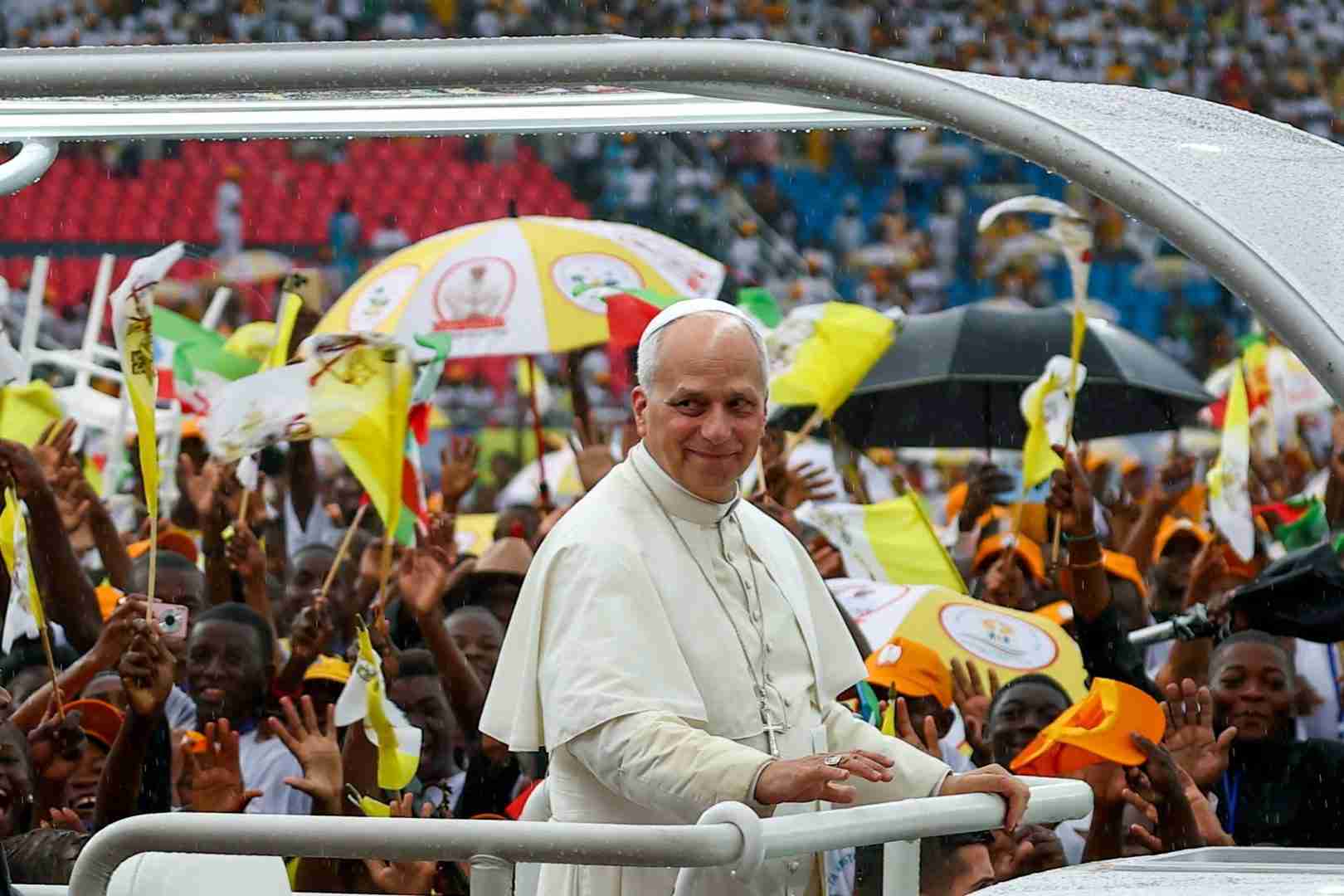
Pope Leo returns to Rome on Thursday after wrapping up an ambitious four-nation Africa tour in which he forcefully decried the direction of global leadership, denouncing despotism and war, and drew the ire of U.S. President Donald Trump.
The first U.S. pope closed the nearly 18,000 km (11,185 miles) tour with a final Mass in a stadium in Equatorial Guinea, where tens of thousands began gathering in pouring rain before dawn for a last chance to see him.
Leo told worshippers in a homily, his 25th speech over the 10-day tour, that the Christian message means “every people is set free from the slavery of evil”. He urged them to live their faith with joy.
The pope has taken on a new forceful speaking style during his time in Africa, in which he also visited Algeria, Cameroon and Angola.
Leo has warned that the whims of the world’s richest threaten peace, decried violations of international law by “neocolonial” global powers, and said the world was “being ravaged by a handful of tyrants”.
Trump attacked Leo as “terrible” on April 12, on the eve of Leo’s Africa tour, in an apparent response to the pope’s criticisms of the U.S.-Israeli war on Iran. He lobbed several more critiques throughout the first week of the tour.
Leo told Reuters on April 13 that he would keep raising his voice, despite Trump’s criticism. He later clarified to reporters that the speeches for the tour were written weeks ago, and not aimed directly at Trump.
The pope, departing shortly after midday on Thursday, is due to arrive at Rome’s Fiumicino airport a little before 8 p.m. (1800 GMT). He is expected to hold a news conference aboard the flight.
Reporting by Joshua McElwee; Editing by Robbie Corey-Boulet and Gareth Jones
Programme includes kids passport, in-flight video and recycled glassware
Media Release:
The Bermuda Underwater Exploration Institute (BUEI) and BermudAir, Bermuda’s boutique airline carrier, have announced a new sustainability partnership. Unveiled during a special Earth Day launch event at BUEI on Wednesday, April 22nd, the partnership is designed to promote care for the ocean and environment, reduce waste, and inspire the future generations of environmental stewards and eco-conscious travellers. The partnership features a series of initiatives focused on ocean conservation, environmental education, aviation careers, circular economy practices, and community engagement.
Programme assets include an interactive children’s activity book; in-flight awareness video; and recycled glassware. The “Stamp for Sustainability” Kids Passport book, designed in-house by BUEI in collaboration with BermudAir, will be provided to all young travellers boarding BermudAir flights in-bound to Bermuda. This impactful education and activity book focuses on Bermuda’s unique biodiversity and animals that migrate to and through Bermuda. It also encourages on-island exploration with a special prize for visiting certain landmarks across the island.
Working together, BUEI and BermudAir also developed an in-flight environmental awareness video, highlighting areas of alignment between BUEI’s vision where the ocean around Bermuda is widely understood, appreciated and protected, and BermudAir’s commitment to reducing their carbon footprint and caring for the environment. The video takes viewers on a brief journey from sustainable skies to protected seas, and invites everyone to connect, explore, discover and inspire stewardship for the environment.
As a leading environmental non-profit organisation in Bermuda, BUEI prioritises building and strengthening strategic partnerships that support its vision and mission to nurture an appreciation for the ocean around Bermuda by offering education and experiences relating to our ocean, and through exploration. BermudAir’s unwavering commitment to offsetting their carbon footprint and caring for the environment, combined with their focused investment to giving back to our local community, are wonderful examples of how this partnership is strategically aligned to increase engagement with local residents and overseas visitors, and optimise community impact. BUEI is particularly supportive of BermudAir’s decision to ban single-use plastics onboard its flights from day one, and now adding recycled glassware to their operational model is the natural next step.
The airline has partnered with Solar Sands, an immersive, mobile glass-making company that provides interactive experiences, workshops, and custom artisan glass products. Solar Sands is known for taking discarded glass and turning it into functional, beautiful objects through artisan glassmaking — a philosophy they describe as “waste to wonder.” BermudAir is planning to introduce these custom recycled-glass pieces as part of its onboard experience in both Business and Economy service classes. What makes this component of the programme extra special is that all glass used in this recycling programme was sourced from 1,500 pounds of littered bottles that were recovered from the coastline around Bermuda. BermudAir extends a huge thank you to Bermudian Karen Plianthos and her family for leading the small team who dove in chilly January conditions to collect each one of those bottles by hand.
Introducing the public to the BUEI and BermudAir sustainability partnership on Earth Day was an ideal time to demonstrate how environmental education, aviation and tourism can work together and generate a great impact. The launch event welcomed families, students, tourism professionals, environmental advocates, and government officials for a press conference, information session, and family-friendly reception. Focused on building strong community connections and protecting our planet, this partnership aims to provide tremendous benefit for local residents and overseas visitors, and support Bermuda’s environmental resilience for the future.
“BUEI’s partnership with BermudAir is a major expansion for our education offerings. This creative collaboration allows BUEI’s ocean literacy and environmental education programmes to soar to new heights, extending well beyond classroom walls and launching into the travel experience itself,” said Traci Burgess, BUEI’s Chief Executive Officer. “The power of this partnership is in connecting overseas visitors and residents to Bermuda’s unique biodiversity, raising awareness about the importance of caring for the environment, and encouraging future generations to embrace their roles as environmental stewards and sustainability ambassadors.”
“Travel plays a powerful role in shaping environmental awareness,” said Adam Scott, BermudAir’s Chief Executive Officer. “Through this partnership with BUEI, we are inviting travellers — especially younger generations — to engage in meaningful sustainability initiatives while expanding practical waste-reduction programmes across our operations.”
To recap, key elements of the partnership include:
• Stamp for Sustainability Kids Passport Programme: A hands-on educational initiative encouraging children to complete sustainability-themed activities and explore our beautiful island.
• In-Flight Sustainability Awareness Video: A new onboard feature educating passengers about Bermuda’s marine environment and responsible travel practices.
• Recycled Glassware Initiative: BermudAir’s transition to glassware produced from locally sourced and recycled materials, reducing waste and supporting circular economy efforts.
Following the launch, BermudAir will expand the Kids Passport Programme across its network and onboard, further integrating sustainability messaging into the travel journey. For more information about BermudAir’s sustainability initiatives, visit www.flybermudair.com.
Visit BUEI.org for additional details about this partnership and to learn more about BUEI’s education offerings.
The state visit marks the 250th anniversary of the U.S. declaration of independence from British rule, when the then 13 American colonies decided to split from King George III, Charles’s five-times-great-grandfather
International News via Reuters:
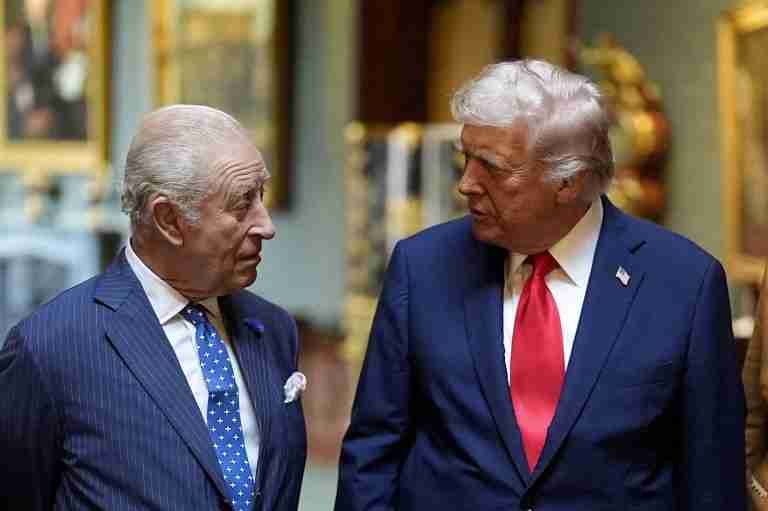
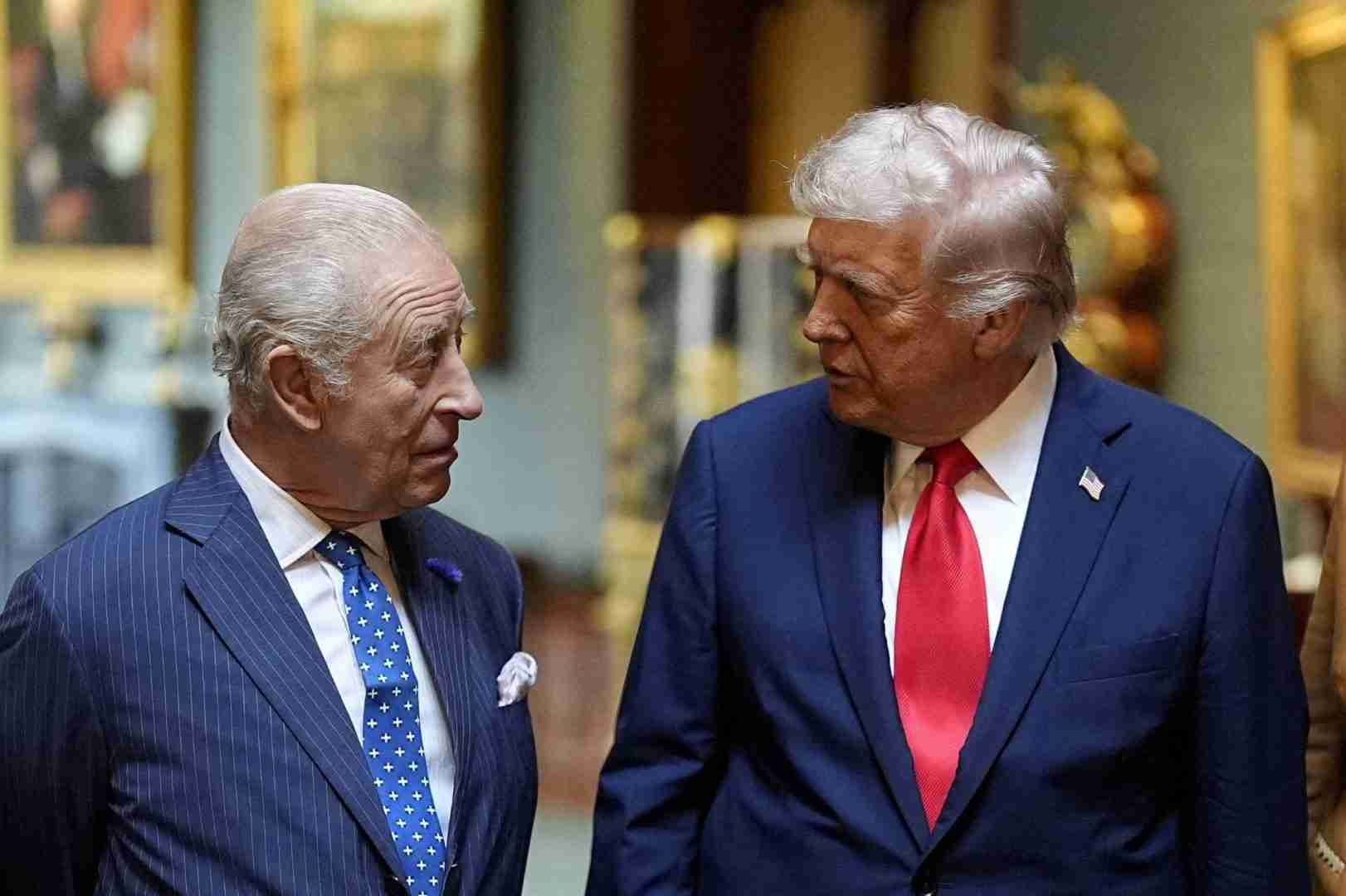
Britain’s King Charles heads to the United States next week for the most high-profile trip of his reign so far, on a mission to shore up the future of the two allies’ “special relationship” which the Iran war has plunged to its lowest point in 70 years.
The state visit marks the 250th anniversary of the U.S. declaration of independence from British rule, when the then 13 American colonies decided to split from King George III, Charles’s five-times-great-grandfather.
For Charles, it will be a moment to reflect on how Britain and the United States have come together since then to forge some of the world’s closest security, military and economic ties, while for U.S. President Donald Trump it will be another chance to indulge his love of the British royals.
WORST CRISIS SINCE SUEZ
It also comes against the backdrop of the worst relations between the two countries since the Suez Crisis in 1956, with repeated criticism by Trump of Prime Minister Keir Starmer over his refusal to join the attack on Iran and dismissive remarks about Britain’s military capabilities.
Nigel Sheinwald, Britain’s ambassador to Washington from 2007 to 2012, said the visit could not, and was not designed to heal any current acrimony between governments, but it would demonstrate ties that went far deeper than any individuals.
“Pretty much more than any other visit, this is about the long term. This is about the fundamentals of the relationship between our peoples, our countries,” Sheinwald told Reuters.
“It’s not about what’s going on today.”
Charles, accompanied by his wife Queen Camilla, will kick off the four-day trip on Monday with a private tea with Trump before addressing Congress, a state dinner and visits to New York and Virginia.
Buckingham Palace has said he will not be meeting any survivors of Jeffrey Epstein. Charles’ brother, Andrew Mountbatten-Windsor, was arrested in February on suspicion of leaking government documents to the late U.S. sex offender.
The former Prince Andrew has denied any wrongdoing.
Back in Britain, some politicians and commentators have said the trip should have been cancelled given some of the recent remarks from Trump. There are also fears the unpredictable U.S. president might use the occasion to deliver further criticisms and so potentially embarrass the king.
Sheinwald and the current U.S. ambassador to London, Warren Stephens, have said that would be damaging. Royal aides privately say Trump, who calls the king a “great man”, behaved impeccably during his unprecedented two state visits to Britain in 2019 and last year.
“He is a huge royalist,” royal biographer Robert Hardman told Reuters.
“He has … one mindset when it comes to the British government, but British monarchy is a completely separate element, and he’s a huge fan of it. And he adored the late queen, a big fan of the king. For him, this is a big moment.”
ECHOES OF 1957?
In some ways, Charles’ trip has echoes of the one made by his mother, Queen Elizabeth, in 1957, a year after the Suez Crisis caused upheaval in the Middle East, with British, French and Israeli troops forced to end an invasion of Egypt after pressure from the United States.
Her visit then succeeded in winning over U.S. President Dwight Eisenhower and smoothing relations between the allies.
“The respect we have for Britain is epitomized in the affection we have for the royal family, who have honoured us so much by making this visit to our shores,” Eisenhower said.
It is this so-called “soft power” that Charles, who has honed his own diplomatic skills over half a century, will again be seeking to deploy.
Such is his power to sway the president that Hardman said he understood Trump rowed back on comments he made about British and other NATO troops staying off the frontline in Afghanistan after receiving private messages from the king that he was wrong.
In their private meeting, Charles will be again able to speak frankly, diplomats say, but Hardman said the king was not there to “pick holes in President Trump’s policies”.
“That’s just simply not the role of a monarch, and it’s certainly not the purpose of a state visit,” Hardman said. “This will be all about looking back on all those … shared endeavours between two great allies and … looking forward, possibly try to … not look too closely at the present.”
Writing by Michael Holden; Editing by Alex Richardson
Two yellow and grey trains were seen at the site, both with visible damage to the front and facing each other in a wooded area, with rescue services describing “chaotic” scenes inside the carriages
International News via Reuters:
Two local trains collided head-on north of the Danish capital Copenhagen on Thursday, injuring 17 people, five of them critically, emergency services said.
Two yellow and grey trains were seen at the site, both with visible damage to the front and facing each other in a wooded area, with rescue services describing “chaotic” scenes inside the carriages.
“The two trains collided head-on, causing large damage to them and sending broken glass flying everywhere,” fire and rescue service leader Christoffer Buhl Martekilde told reporters.
EARLY MORNING CRASH
A police spokesperson said it was too early to say what had caused the crash, adding there would be an extensive investigation.
A total of 38 people are believed to have been on board the two trains at the time of the crash, which occurred shortly before 6:30 a.m. (0430 GMT), the police said.
Emergency services scrambled 18 vehicles and 47 rescue workers to the crash site. Swedish Prime Minister Ulf Kristersson said he had contacted acting Danish Prime Minister Mette Frederiksen to offer assistance.
The incident happened on a train line linking the towns of Hillerod and Kagerup, police said.
“There are injuries among the passengers. Everyone is out of the trains, so no one is trapped… Large resources have been dispatched to the scene,” a spokesperson told Reuters earlier.
The injured have since been transported away from the scene of the accident in ambulances and helicopters, the fire department said on X.
Denmark’s worst railway disaster this century occurred in 2019, when a high-speed train hit an obstacle on a bridge during a storm, killing eight people and injuring many more in what police said was a difficult rescue operation.
While such accidents are rare in Denmark, one person was killed and several others were injured in 2025 when a train hit a vehicle and derailed in the south of the country.
Reporting by Stine Jacobsen, Soren Jeppesen, Vera Dvorakova and Tom Little in Copenhagen, and Jesus Calero in Gdansk; writing by Terje Solsvik; Editing by Sharon Singleton and Gareth Jones
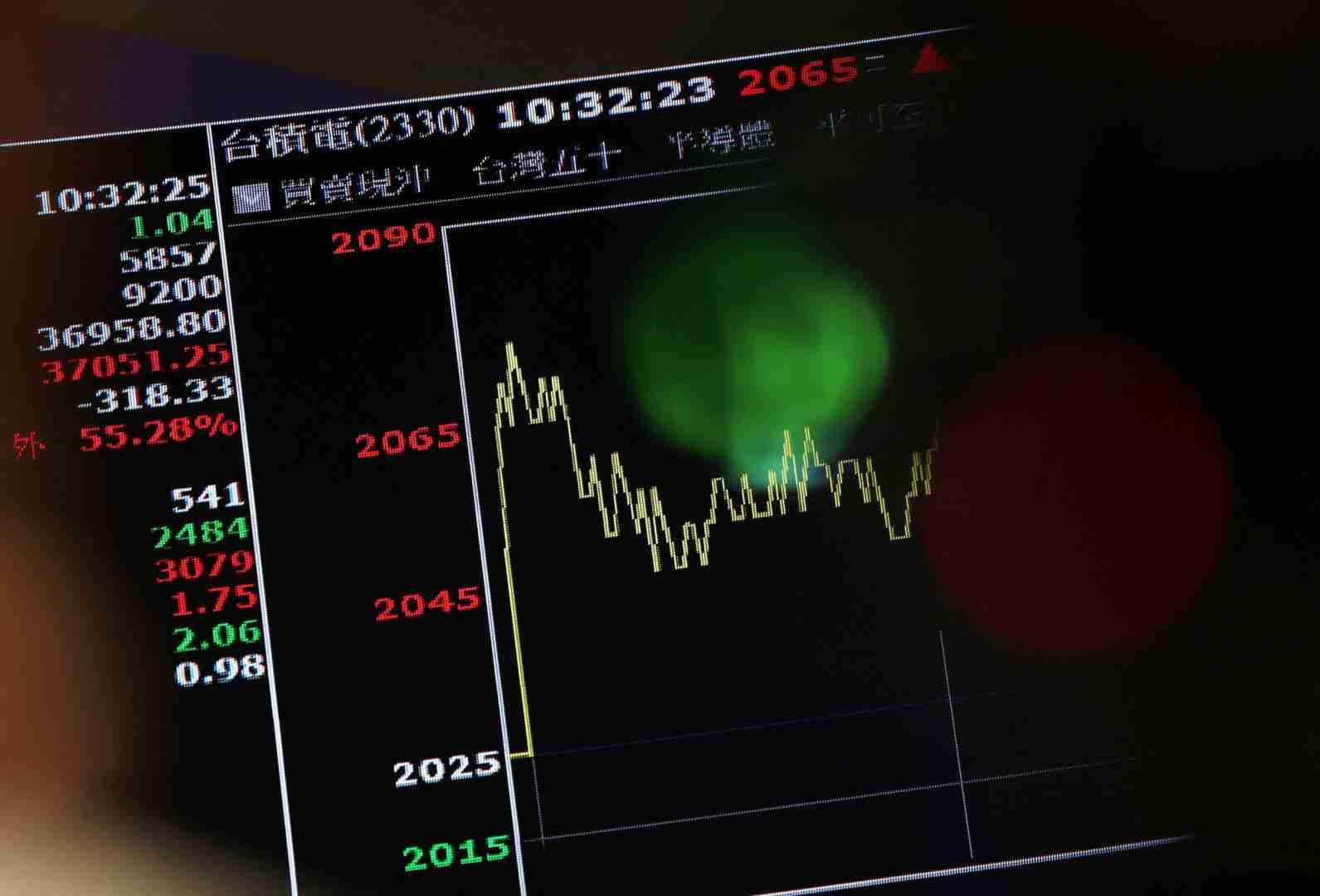
Europe’s main bourses fell between 0.2%-0.8% in early trading, leaving MSCI’s 47-country world stocks index slipping away from last week’s record highs after overnight drops in Asia and for Wall Street futures
International News via Reuters:
Renewed worries about the Iran war and the Strait of Hormuz drove oil back toward $105 a barrel on Thursday, prompting a fall back in global share and bond prices and gains for the dollar.
Concerns had returned after Iran on Wednesday seized two ships trying to exit the Strait, leaving investors wondering if the fragile ceasefire with the U.S. that has allowed markets to rebound in recent weeks will be able to hold.
Europe’s main bourses fell between 0.2%-0.8% in early trading, leaving MSCI’s 47-country world stocks index slipping away from last week’s record highs after overnight drops in Asia and for Wall Street futures. [.EU][.T][.N]
The euro was flat too with the economic impact of the war starting to become increasingly apparent for the region.
German data showed that its private sector shrank for the first time in almost a year and business activity in the euro zone as a whole suffered a surprise contraction.
In France, activity dropped at its fastest pace in 14 months and factory orders expanded for the first time in almost four years – a clear sign, analysts said, that firms are rushing to try and avoid shortages and price increases.
“The euro zone is facing deepening economic woes from the war in the Middle East, presenting a major headache for policymakers,” said Chris Williamson, chief business economist at S&P Global, the firm that compiles the bloc’s purchasing managers’ index (PMI) data.
“Increasingly widespread supply shortages meanwhile threaten to dampen growth further while adding more upward pressure to prices in the coming weeks.”
The jump in Brent oil prices in the commodity markets – and the read-across for inflation – meant the weak data didn’t have the usual impact on bond markets.
Germany’s 10-year government bond yield rose 2.5 basis points to 3% and back toward the near 15-year high of 3.13% hit in late March.
HOT OIL, COOL CURRENCIES
Currencies were mostly calm, with the dollar holding onto small gains from overnight. The euro was steady at $1.17, just above a 10-day low of $1.1691, having lost 0.3% overnight.
The risk-sensitive Australian dollar, which had been pushing higher in recent weeks, also slipped 0.2% to $0.7147.
“We are slightly in limbo because the geopolitical story could take a significant turn at fairly short notice,” Societe Generale’s Kit Juckes said.
“Until we get some clarity,” he added, “nobody is going to have the conviction to push things too far.”
Wall Street futures also skidded 0.5% as traders waited to see the latest reaction of U.S. President Donald Trump to the developments in the Gulf. [.N]
On Wednesday, the S&P 500 had climbed 1% and the Nasdaq had jumped 1.6%, both notching fresh record-closing highs, helped by a strong start to the new earnings season. [.N]
Treasury yields – a proxy for the U.S. government’s borrowing cost – rose with oil prices though. The two-year U.S. Treasury yield climbed to 3.81% in European trading, while the 10-year yield increased to 4.32%.
MSCI’s broadest index of Asia-Pacific shares outside Japan had ended lower overnight despite briefly setting a new record high.
Japan’s Nikkei had done the same and finished down 0.75%, as did the high-flying tech heavy markets in Taiwan and South Korea.
Higher oil prices were largely to blame, with Brent crude futures up 2.5% in London at nearly $105 a barrel, having jumped 3.5% on Wednesday too.
In addition to Iran’s container ship seizures, the Washington Post had reported that the Pentagon had signalled it could take six months to clear the Strait of Hormuz of mines.
“Markets look very on edge here. We are still in a no-war, no-peace zone, and that means even an unverified scare of escalation can jolt oil and knock risk assets lower,” Charu Chanana, chief investment strategist at Saxo, said.
Additional reporting by Stella Qiu in Sydney; Editing by Andrew Heavens
Tehran seized two ships in the Strait of Hormuz on Wednesday, escalating tensions after U.S. President Donald Trump extended a ceasefire with Iran indefinitely with no sign of peace talks restarting
International News via Reuters:
The dollar was headed for its first weekly rise in a month on Thursday, as a stand-off between Iran and the U.S. in the Middle East war and a lack of progress on peace talks sent oil prices back above $100 a barrel and dented investor optimism.
Tehran seized two ships in the Strait of Hormuz on Wednesday, escalating tensions after U.S. President Donald Trump extended a ceasefire with Iran indefinitely with no sign of peace talks restarting.
The two sides remain divided on a ceasefire, their blockades, nuclear issues and control of the strait, leaving the strategic waterway still effectively shut and triggering an energy shock in a blow to economies across the world.
“For now, at least, it’s still feeling as though the path of least resistance is just a maintenance of just adding to dollar positions slightly, so, unwinding that sort of peace premium that had been put back into the market,” CIBC Capital Markets head of G10 FX strategy Jeremy Stretch said.
The euro was flat at $1.17, having touched its lowest point since April 13 earlier on. The single currency is headed for a 0.5% decline this week, its first drop in four weeks. Sterling was down 0.1% at $1.3484, shrugging off data that showed an early impact of the U.S.-Israeli war on Iran on British consumers who scaled back their spending on fuel.
The Japanese yen was a touch weaker at 159.56, near the 160 level that many in the market view as the line in the sand for official intervention. The Bank of Japan is expected to keep interest rates unchanged next week, but has hinted that a June hike is possible.
The dollar index, which tracks the performance of the U.S. currency against six others, was a touch higher at 98.60. It is heading for a weekly rise of 0.4%, the first gain in a month.
The dollar emerged as the main beneficiary of the turmoil in March after the war erupted, but the prospect of a peace deal and a ceasefire earlier this month encouraged investors to buy more volatile currencies, which eroded most of those gains.
The nearly two-month war in the Middle East has led to soaring fuel prices, shattered consumer confidence and wiped out market pricing for rate cuts this year.
President Donald Trump on Tuesday said a currency swap with the United Arab Emirates was under consideration, following a report in The Wall Street Journal that suggested the UAE central bank governor had raised the idea of a swap line with U.S. Treasury Secretary Scott Bessent and Federal Reserve officials in meetings in Washington last week.
“In a sense, whenever we see episodes of instability, there are question marks regarding the ability to access credit or finance or liquidity,” CIBC’s Stretch said. “And clearly, these are nations which are also seeing significant influences in terms of their revenue streams because the flow of directives are being curtailed. So in a sense, it’s a precautionary measure which is prudent.”
On the rates front, markets show traders see a 25% chance of a cut from the Fed this year, while pricing in two hikes from the European Central Bank in 2026.
“My view remains that the U.S. economy is best-placed to weather this particular storm, even more so if central banks elsewhere – I’m looking at you, ECB – decide to go down the path of tightening policy,” Pepperstone strategist Michael Brown said.
“Dollar dips, hence, remain attractive as buying opportunities, especially with the dollar index seemingly reluctant to make a move under the 98 figure for the time being.”
Focus will be on U.S. weekly initial jobless claims and PMIs due to be released later on Thursday for clues on whether the impact of soaring energy prices is filtering through to the broader economy.
Additional reporting by Jiaxing Li in Hong Kong; Editing by Shri Navaratnam, Lincoln Feast and Thomas Derpinghaus
The cautious tone in the earnings season highlights the pressure on businesses already hit by U.S. tariffs, higher input costs and weak demand before the conflict erupted in late February
International News via Reuters:
Companies from consumer goods to travel and mining warned on Wednesday that the U.S.-Israeli war with Iran is driving up costs, disrupting supply chains and hurting consumer confidence, clouding financial outlooks.
The cautious tone in the earnings season highlights the pressure on businesses already hit by U.S. tariffs, higher input costs and weak demand before the conflict erupted in late February.
While some companies stuck to their full‑year forecasts, executives flagged rising transport and raw material costs, particularly linked to disruption in the Strait of Hormuz, and sharply reduced visibility.
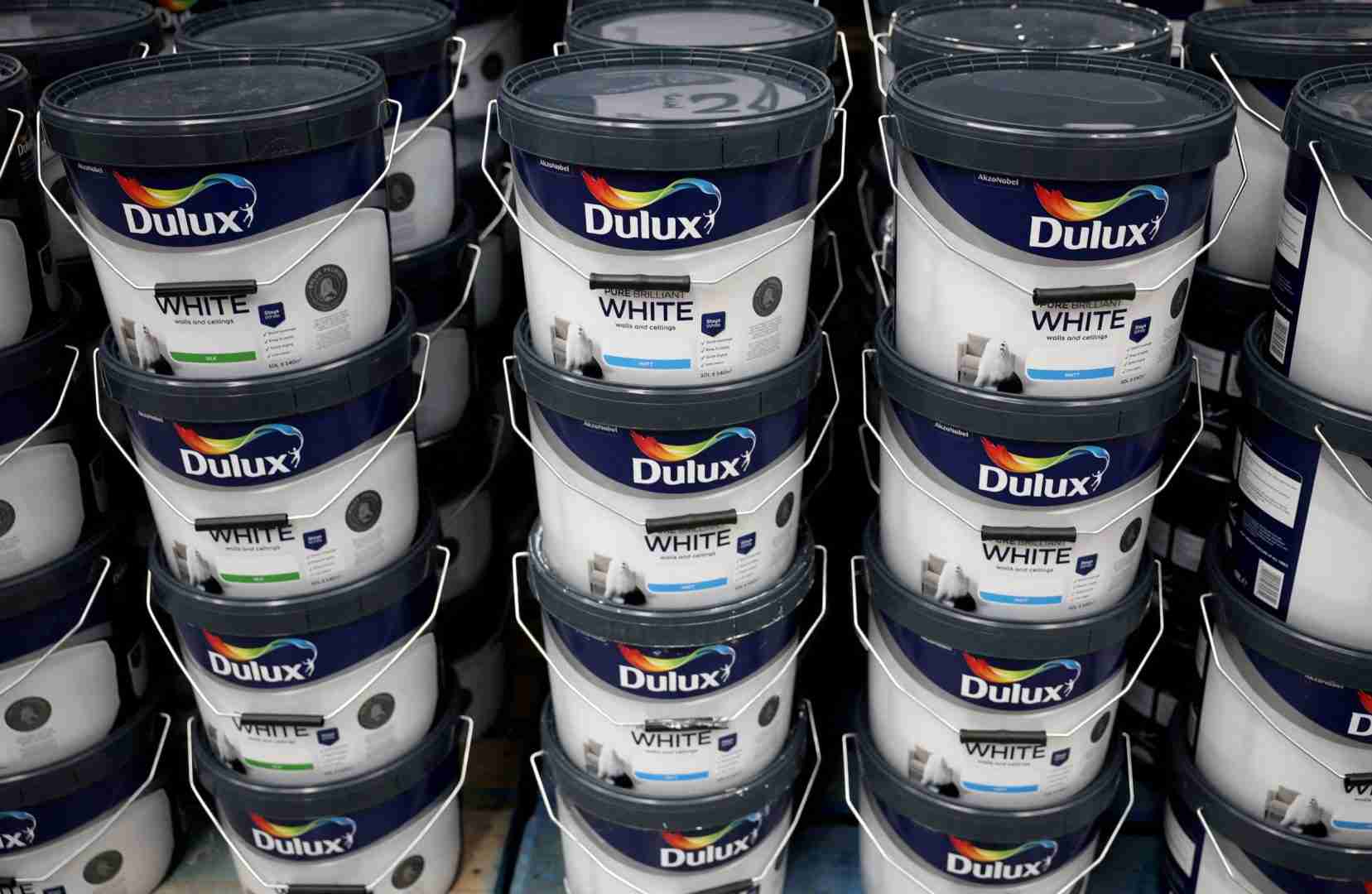
Dulux paint maker AkzoNobel said the conflict was pushing up supply costs, though higher pricing and cost savings helped it beat market expectations.
“Our raw material basket is going to go up by something like the high teens (percentage), given the disruption of the Strait of Hormuz,” CEO Greg Poux‑Guillaume told Reuters, saying the full impact would be felt over the next two quarters.
AkzoNobel’s branded products used on cargo ships and Formula 1 cars give it greater scope to pass on price increases than more commodity chemical‑exposed peers.
HIGHER PRICES, LOWER FORECASTS
Investors and economists are watching to see whether companies can absorb the shock, or if prolonged uncertainty over energy, transport and geopolitics forces more firms to raise prices further or rein in forecasts.
Much hinges on how long the conflict lasts and whether the strait — a conduit for about a fifth of global oil and LNG flows — fully reopens, easing supply constraints.
“Sustained high energy prices would materially increase risks. First-quarter results capture only one month of Iran-related impacts, making forward guidance and management commentary especially important,” said Larry Adam, chief investment officer at Raymond James.
U.S. stocks rose and oil prices jumped on Wednesday after Iran’s seizures of container ships in the strait. [MKTS/GLOB]
“The longer this war lasts, the more we’ll see these companies with less pricing power reduce guidance,” Brian Madden, chief investment officer at First Avenue Investment Counsel, said.
“And the more we’ll see companies that do have pricing power pass on the price increase to consumers and businesses, resulting in potentially higher inflation.”
SHIPMENTS OF BABY FORMULA DISRUPTED
According to a Reuters review of company statements since the start of the war, 21 companies have withdrawn or cut financial guidance, 32 have signaled price hikes and 31 have warned of a financial hit from the conflict.
TE Connectivity will have to pass on higher freight and prices of oil-based products such as resin to customers if the war is prolonged, Chief Executive Terrence Curtin told Reuters.
French food group Danone highlighted how pressures are filtering through supply chains, reporting first-quarter sales growth that topped expectations but slowed sharply from late last year, citing war-related disruption to baby formula shipments alongside a baby formula recall in Europe.
Elevator maker Otis Worldwide said its new equipment sales were hurt by war-related shipment delays and tariffs.
Dettol soap maker Reckitt warned of lower first‑half margins, citing high oil prices, sending its shares to October 2024 lows, and cigarette maker Philip Morris said it was factoring in a small impact from the Middle East conflict, although it did not expect a prolonged effect.
Travel companies have been among the hardest hit, as higher jet fuel prices force airlines and tour operators to hike fares, add fuel surcharges or ground aircraft, while geopolitical tension dents consumer confidence.
German tourism group TUI cut its full‑year underlying operating profit forecast and suspended its revenue guidance.
“The ongoing conflict in the Middle East and the uncertainty surrounding its duration continue to limit near-term visibility and drive consumer caution,” the group said in a statement.
U.S. carrier United Airlines also flagged pressure on demand, forecasting second-quarter and full-year profits below Wall Street estimates on Tuesday.
Despite airlines’ challenges, planemaker Boeing said customers were not asking to defer deliveries of jetliners. Rather, they are looking to jump the line if an opportunity arises.
Resource companies are feeling the strain, too. Diversified miner South32, hit by higher freight rates and raw materials prices, said it had implemented measures to mitigate potential supply chain impacts arising from the conflict, and while it was not currently experiencing diesel fuel shortages, it was closely monitoring the situation.
The Iran war is adding fresh uncertainty even for companies that started the year with solid order books and pricing power.
On Tuesday, GE Aerospace’s CEO Larry Culp said the company would have raised its forecast were it not for the current uncertainty, and 3M warned that higher oil prices could result in a 50-basis-point increase in product prices.
Reporting by Dimitri Rhodes in Gdansk, Bernadette Hog and Mireia Merino in Gdansk, Bengaluru newsroom, Yadarisa Shabong, Kumar Tanishk, Niket Nishant and Tharuniyaa Lakshmi in Bengaluru, Richa Naidu in London, Dominique Vidalon in Paris; Peter Henderson in San FranciscoWriting by Josephine Mason; Editing by Elaine Hardcastle, Rod Nickel
Mayor Quinell Francis speaks on stalled municipal election reform and election plan as Olde Towne looks ahead to busy season
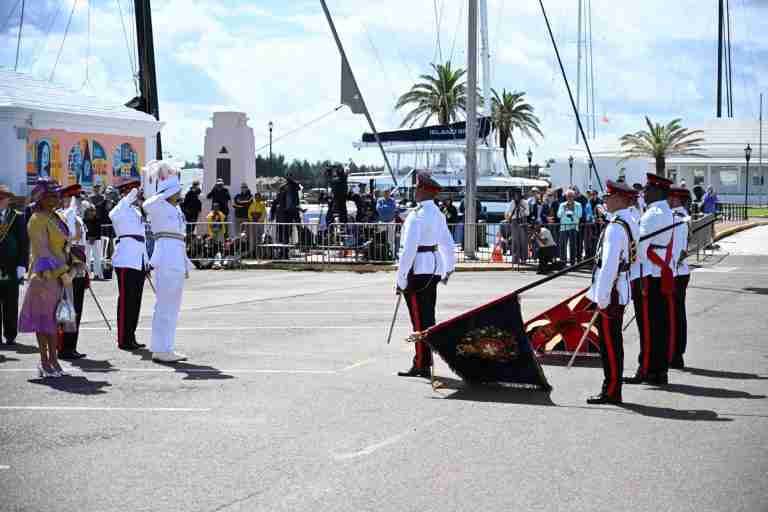
Time-honoured traditions met modern political discussion in St. George’s today, as the annual Peppercorn Ceremony drew crowds to the Olde Towne.
Alongside the pageantry, Mayor Quinell Francis weighed in on the conversation around municipal governance and confirmed her plans ahead of next month’s election.
The overhaul, the first in more than two decades, came after telecoms operators led calls for looser merger rules to allow them to scale up to better compete with U.S. and Chinese rivals
International News via Reuters:
Startups claiming innovation benefits for their deals will likely secure speedy EU antitrust approval, but not if Big Tech is involved, a draft revamp of merger rules due to be announced in the coming weeks shows.
The overhaul, the first in more than two decades, came after telecoms operators led calls for looser merger rules to allow them to scale up to better compete with U.S. and Chinese rivals.
European Union antitrust regulators have responded with a proposed ‘innovation shield’ whereby they will not intervene in deals involving startups or research and development projects likely to boost competition, the draft seen by Reuters shows.
The shield however does not cover deals where the acquirer is the largest player in the relevant market or where the company is labelled a gatekeeper under the Digital Markets Act which seeks to rein in the power of Big Tech.
The European Commission document also details innovation, sustainability, resilience, investment and employment arguments which companies can raise, confirming a February Reuters report.
Commission officials and experts do not expect any radical changes in their assessment of merger deals as the rules have worked well and have proven themselves during court challenges.
The changes will be open to feedback from companies and other participants before they are adopted.
Reporting by Foo Yun Chee; Editing by Alexander Smith
To provide the best experiences, we use technologies like cookies to store and/or access device information. Consenting to these technologies will allow us to process data such as browsing behavior or unique IDs on this site. Not consenting or withdrawing consent, may adversely affect certain features and functions.
Functional
Always active
The technical storage or access is strictly necessary for the legitimate purpose of enabling the use of a specific service explicitly requested by the subscriber or user, or for the sole purpose of carrying out the transmission of a communication over an electronic communications network.
Preferences
The technical storage or access is necessary for the legitimate purpose of storing preferences that are not requested by the subscriber or user.
Statistics
The technical storage or access that is used exclusively for statistical purposes.The technical storage or access that is used exclusively for anonymous statistical purposes. Without a subpoena, voluntary compliance on the part of your Internet Service Provider, or additional records from a third party, information stored or retrieved for this purpose alone cannot usually be used to identify you.
Marketing
The technical storage or access is required to create user profiles to send advertising, or to track the user on a website or across several websites for similar marketing purposes.