Sunday, November 8, 2026
Home Blog Page 336

Israel, Lebanon extend ceasefire as Trump seeks ‘best deal’ with Iran

Fighting between Israel and the Iranian-backed armed group Hezbollah in Lebanon has been one of a number of sticking points to resolving the wider eight-week regional conflict
International News via Reuters:

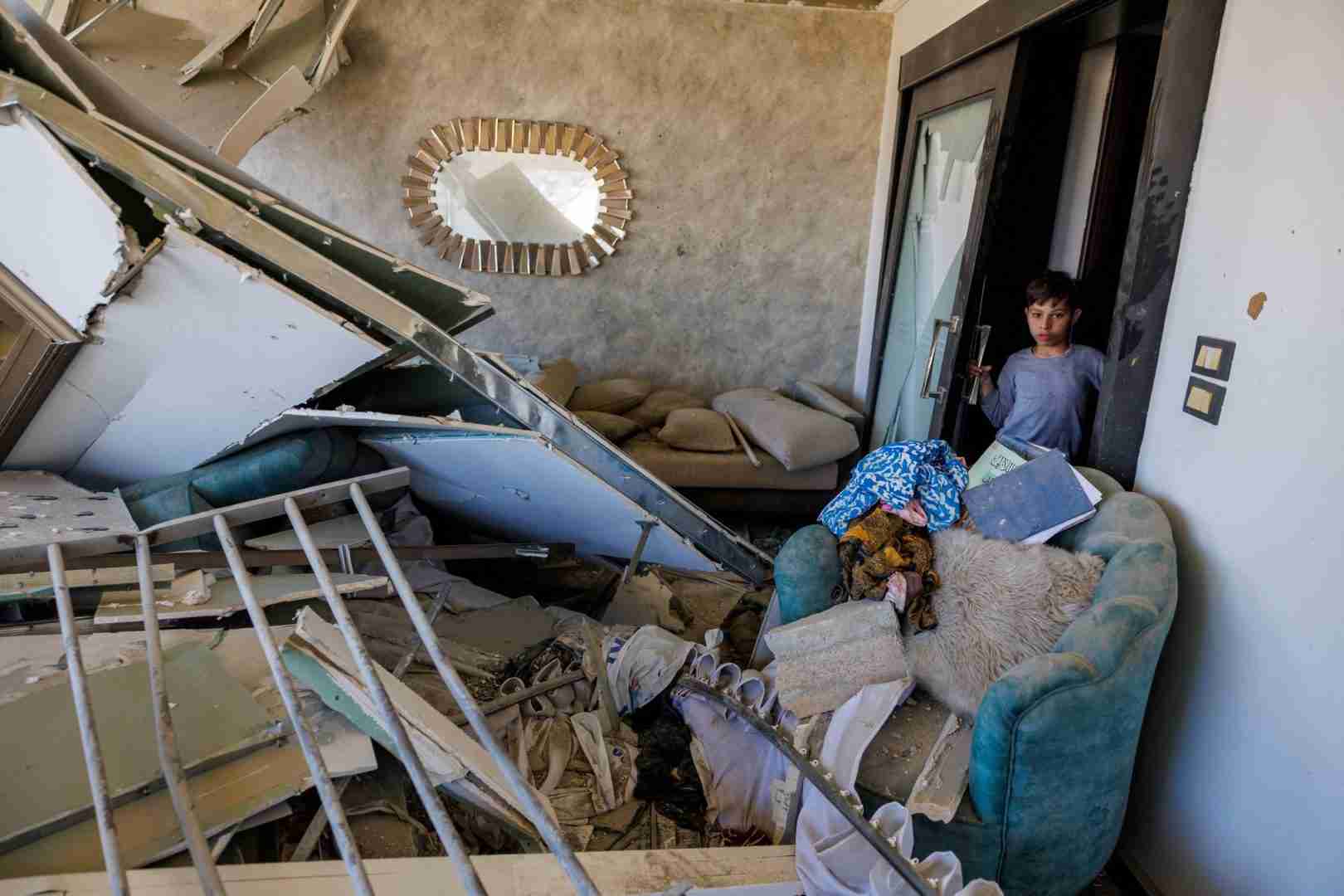
Israel and Lebanon extended their ceasefire for three weeks at a meeting at the White House brokered by U.S. President Donald Trump, who said he was prepared to wait for “the best deal” to end his conflict with Iran.

Fighting between Israel and the Iranian-backed armed group Hezbollah in Lebanon has been one of a number of sticking points to resolving the wider eight-week regional conflict, along with Iran’s nuclear ambitions and control of the crucial Strait of Hormuz.

Trump said he was in no rush to reach a peace agreement and wanted it to be “everlasting,” while continuing to assert that the U.S. had a clear upper hand in the naval standoff in the strait.

CHOKEHOLD ON STRAIT OF HORMUZ

A day after Iran flaunted its tight grip over the strait, a key shipping corridor through which around a fifth of the world’s oil and liquefied natural gas usually transits, Trump dismissed the threat posed by Iran’s “little wise-guy ships”.

He said he believed Tehran was hamstrung from making a deal because its leadership was in turmoil, after several senior political and military figures were killed in U.S.-Israeli strikes that began on February 28.

On Thursday, he said the U.S. could knock out in a day any refurbishing of weapons that Iran may have made during a ceasefire in place since April 8.

But navigation in the passage remained effectively blocked, and the Iranian capture of two huge cargo ships was a reminder that Tehran can still cause trouble for oil markets and pose major strains to the global economy. 

The Philippine government said 15 Filipinos were on the two vessels and believed to be safe and that it expected the ships to be cleared soon.

Container shipping group Hapag-Lloyd said on Friday that one of its ships had made it through the strait, but did not have any information on the circumstances or timing. Before the war, around 130 vessels crossed the strait each day.

Oil prices resumed their rise on Friday with the blockade of the strait unresolved and the fate of a lapsed ceasefire unclear since Trump announced a unilateral extension at the 11th hour. [O/R]

IRANIAN ‘UNITY’, NATO DISCORD

Though Trump has said that U.S. forces have destroyed Iran’s naval threat, the use of a swarm of small, fast boats to seize the container ships underscored Tehran’s evolving tactics in the strait as it countered U.S. interception of Iran-linked oil tankers and other vessels.

Iran’s Supreme Leader Ayatollah Mojtaba Khamenei on Thursday rejected Trump’s claim of disarray in the leadership, describing it as “the enemy’s media operations” to maliciously undermine Iranian unity and security.

“Unity will become stronger and more solid, and enemies will become weaker and more humiliated,” he said in a post on X, as he remained out of the public eye since taking over from his father who was killed in an airstrike on the war’s first day.

The prolonged conflict has deepened the fissure between the U.S. and the rest of NATO, with Trump repeatedly criticising allies for failing to support U.S. operations.

Washington was now weighing punishing countries it saw as unhelpful, with an internal Pentagon email outlining options including suspending Spain from the alliance and reviewing the U.S. position on Britain’s claim to the Falkland Islands, a U.S. official told Reuters.

The options are detailed in a note expressing frustration at some allies’ perceived reluctance or refusal to grant the U.S. access, basing and overflight rights for operations against Iran.

Trump said this week he would indefinitely extend what had been a two-week ceasefire with Iran to allow for further peace talks, which have yet to be scheduled.

“Don’t rush me,” he said when asked how long he was willing to wait for a long-term peace deal. “I want to make the best deal … I want to have it everlasting.”

He ruled out the use of nuclear weapons, telling reporters they were unnecessary because the U.S. had “decimated” Iran with conventional arms.

“No, I wouldn’t use it. A nuclear weapon should never be allowed to be used by anybody,” Trump said when asked by a reporter at the White House.  

Peace talks that had been tentatively scheduled for Pakistan collapsed earlier this week, with neither side showing up. The Pakistani capital remained in lockdown on Friday, but there were no indications the talks would be revived soon.

DEADLY WEEK IN LEBANON

The war in Lebanon, which Israel invaded last month to root out Iran’s Hezbollah allies after the militant group fired across the border, has run in parallel with the wider Iran war, and Tehran says a ceasefire there is a precondition for talks.

The extension of the ceasefire in Lebanon followed some of the deadliest days there since an earlier deal on April 16 to halt fighting. Israeli forces pounded Hezbollah targets on Thursday in southern Lebanon, after they said militants had attacked troops with rockets and a drone and fired rockets towards northern Israel.

Israel has sought to make common cause with Lebanon’s government over Hezbollah, which was founded by Iran’s Islamic Revolutionary Guard Corps and which Beirut has been seeking to disarm peacefully for the past year.

The group was not present at the ceasefire talks in Washington.

Reporting by Reuters bureaus, Writing by Jack Kim and Alex Richardson; Editing by Lincoln Feast

UK stocks set for weekly losses amid dimming prospects of swift US-Iran truce

The blue-chip FTSE 100 index fell 0.6% to 10,391.16 points by 1005 GMT

International News via Reuters:

UK’s main stock indexes fell on Friday and were headed for weekly losses as hopes of a swift resolution to the Iran war faded, with the Bank of England’s warning that global stocks could take a hit adding further pressure.

The blue-chip FTSE 100 index fell 0.6% to 10,391.16 points by 1005 GMT. The benchmark index was headed for its first weekly drop in five, set to erase all gains since the U.S.-Iran ceasefire was announced earlier this month. The midcap FTSE 250 slipped 1.1%.

• Investors remained on edge as crude oil prices rose on concerns of renewed military escalation in the Middle East, with no progress in negotiations to reopen the Strait of Hormuz.

• Higher oil prices dragged the travel and leisure sector 1.4% lower, with Wizz Air down 4.9%.

• The Bank of England’s Deputy Governor Sarah Breeden told the BBC on Friday that stock markets around the world are expected to fall as current share prices do not fully reflect the many risks facing the global economy.

• Heavyweight banks Barclays and HSBC fell more than 1%.

• Sterling gained 0.1% after data showed British retail sales rose by 0.7% in March. Major retailers have warned that persistent Mideast tensions are likely to cloud their earnings outlook.

• Personal care, drug, and grocery stocks were up 0.5%, among the few gainers on the FTSE 100 besides the energy and utilities sector.

• Computacenter jumped 9.9% after the technology and services provider said it would beat annual profit forecasts.

• Mondi dropped 8.2%, landing at the bottom of the FTSE 100 after the packaging company flagged rising costs due to the Iran war.

Reporting by Utkarsh Tushar Hathi; Editing by Diti Pujara

Sterling edges up but heads for weekly loss as Iran tensions overshadow UK data

Sterling was 0.1% higher versus the dollar at $1.348, as broader currency markets traded largely range-bound

International News via Reuters:

The British pound rose slightly against the dollar on Friday but was headed for a weekly loss, as traders kept an eye on stalled peace negotiations between the U.S. and Iran while some strong UK retail data barely moved the needle.

Sterling was 0.1% higher versus the dollar at $1.348, as broader currency markets traded largely range-bound.

Against the euro, the pound fell 0.1% to 86.69. 

UK retail sales for March rose more than expected, official data showed. British motorists worried about fuel price increases rushed to the pumps immediately after the start of the Iran war, pushing up total sales volumes for the country’s retail sector.

“There had been concerns that the uncertainty over the impact of the situation in the Middle East on household finances might dampen consumers’ appetite to spend, but even the figures for March were fairly robust,” Investec economists wrote in a note.

However the data comes hot on the heels of a survey that on Thursday showed British consumer morale slid this month to its lowest since October 2023 as households ramped up their expectations for price rises.

The war in the Middle East has caused a global energy price spike, fanning concern around inflation and growth.

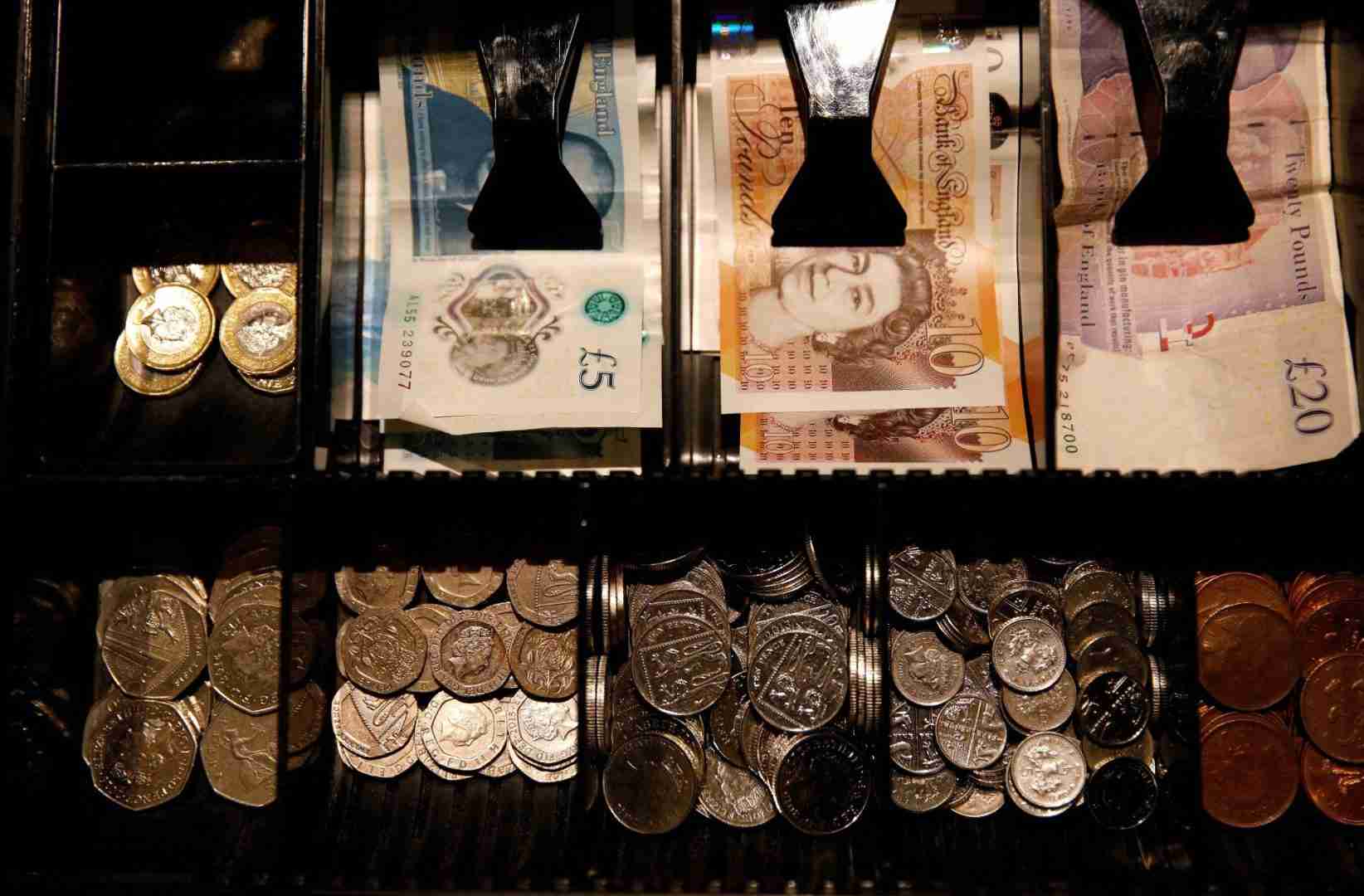
Traders are betting on at least one 25-basis-point rate increase from the Bank of England this year, a marked reversal from before the war when they had been eyeing two.

The BoE will deliver its next policy decision on Thursday, with markets placing an 83% bet that the central bank will hold rates at 3.75%.

The pound shed 1.9% in March as the Middle East conflict weighed on markets with the closure of the Strait of Hormuz – critical for the flow of energy – dealing a blow to the outlook for the British economy.

It has now recouped the losses in April and is on track for its biggest monthly rise since August.

Elsewhere, the BoE expects stock markets around the world to fall because current share prices do not fully reflect the many risks facing the global economy, Deputy Governor Sarah Breeden said in an interview with the BBC on Friday.

Reporting by Lucy Raitano in London; Editing by Andrew Heavens

NTSB says runway safety system did not activate before fatal Air Canada Express collision

The NTSB also said in its preliminary report that red runway entrance lights that indicate when it not safe to cross a runway were on until about three seconds before the time of the collision

International News via Reuters:

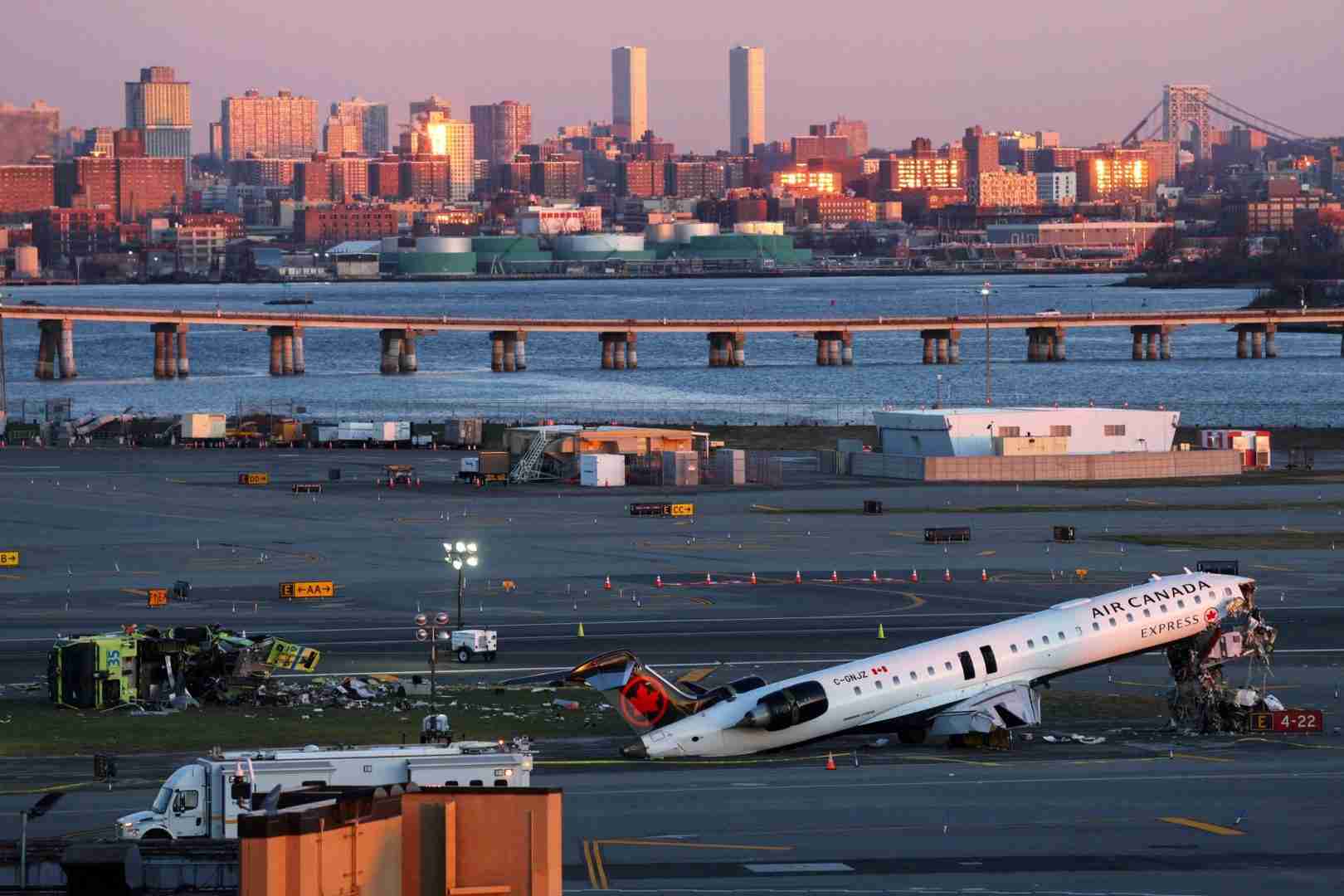
The National Transportation Safety Board said Thursday a key runway safety system failed to activate before a March 22 fatal collision between an Air Canada Express jet and a fire truck that killed two pilots.

The NTSB also said in its preliminary report that red runway entrance lights that indicate when it not safe to cross a runway were on until about three seconds before the time of the collision. The NTSB said the system is designed to turn the lights off about 2 to 3 seconds before the airplane reaches each intersection.

Reporting by David Shepardson

US to loosen marijuana rules in major shift for $47 billion industry

The move does not legalize marijuana across the United States, but it is likely to reshape the $47 billion industry, which has faced continued barriers at the federal level

International News via Reuters:

The U.S. Department of Justice said on Thursday it would immediately loosen restrictions on some marijuana products and move quickly to reclassify the drug as less dangerous, in one of the biggest changes to U.S. drug policy in decades.

The move does not legalize marijuana across the United States, but it is likely to reshape the $47 billion industry, which has faced continued barriers at the federal level, even as all but two U.S. states have legalized it in some form for medical use and nearly half have legalized it for recreational use as well.

State-regulated medical marijuana products now would be moved from a group of drugs classified as highly addictive, such as heroin, to a less restrictive category for products that have a low to moderate potential for abuse, including common painkillers, ketamine and testosterone. Marijuana products approved by the U.S. Food and Drug Administration also would be moved to that category.

Acting Attorney General Todd Blanche said the U.S. government would also fast-track a broader effort that would reclassify all uses of the psychoactive plant as less dangerous.

The measures are likely to lower barriers for research, ease tax burdens and make it easier for firms to ⁠secure funding. 

“This rescheduling action allows for research on the safety and efficacy of this substance, ultimately providing patients with better care and doctors with more reliable information,” Blanche said in a statement.

The move follows a December executive order from President Donald Trump directing the Justice Department to loosen marijuana restrictions. 

The measure is expected to boost the growing cannabis industry in the United States, benefiting companies like Canopy Growth, Tilray Brands , Trulieve Cannabis.

In addition to selling medical marijuana and consumer-focused products with cannabis, some of these companies are also researching their pharmaceutical uses for pain management, cancer symptoms, anxiety and other disorders.

U.S.-listed shares of cannabis companies jumped between 6% and 13% following the decision, but later reversed their gains as investors reacted to the limited scope of the federal government’s immediate moves.

“Today marks a pivotal moment for the United States. With President Trump’s action to reschedule cannabis, federal policy is finally aligning with science, medicine, and most importantly, patient needs,” said Irwin Simon, CEO of marijuana company Tilray Brands.

Marijuana’s status as a Schedule I drug, meaning it has a high potential for abuse and no accepted medical use, has been widely criticized as anachronistic, particularly as it makes inroads at the state level.

Some 24 states and the District of Columbia have legalized it for recreational purposes, while 40 have fully legalized it for medical purposes and another eight allow some medical uses, according to the Congressional Research Service. Only two states – Idaho and Kansas – do not allow any legal use.  

Legal sales are expected to top $47 billion in 2026, according to market researcher BDSA.

Marijuana is the most widely used illicit drug in the United States and the world. Nearly one in five U.S. residents use it in a year, according to the U.S. Centers for Disease Control and Prevention. Millions of Americans have been arrested for possession of the drug, even while growing businesses listed on stock exchanges sell cannabis-related products.

The Biden administration embarked on a similar move in 2024, but it was not finalized when Trump returned to office and the U.S. Drug Enforcement Administration scrapped the effort.

The Justice Department said it will begin proceedings on June 29 to gather evidence and expert opinion on reclassifying the drug.

Marijuana skeptics have argued that legalization would lead to higher drug use by minors, lower workplace productivity and increased traffic safety hazards.

Dozens of Republicans in Congress objected in December when President Donald Trump ordered the Justice Department to loosen regulations. Reaction was more muted on Thursday but Senator Tom Cotton, a Republican from Arkansas, said the moves would make it easier for Americans to use what he described as a still-dangerous drug.

“Marijuana today is much more potent than just ten or twenty years ago, leading to increased psychosis, anti-social behavior and fatal car crashes,” Cotton said in a social media post. “A change to marijuana’s drug classification is a step in the wrong direction.”

Reporting by Andrew Goudsward and Bhargav Acharya; additional reporting by Mrinalika Roy and Nolan McCaskill; editing by Andy Sullivan, Susan Heavey, Michelle Nichols, Nick Zieminski and Louise Heavens

Pope Leo signals no plan to go beyond blessings for same-sex couples

The first U.S. pope praised Francis’ landmark 2023 decision but said in comments aboard his flight back to Rome after a four-nation African tour that the Vatican does not want those blessings to be formalized further

International News via Reuters:

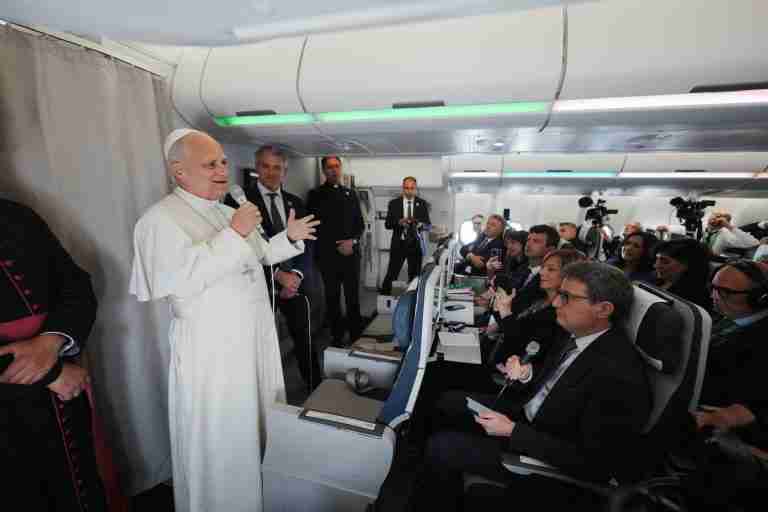
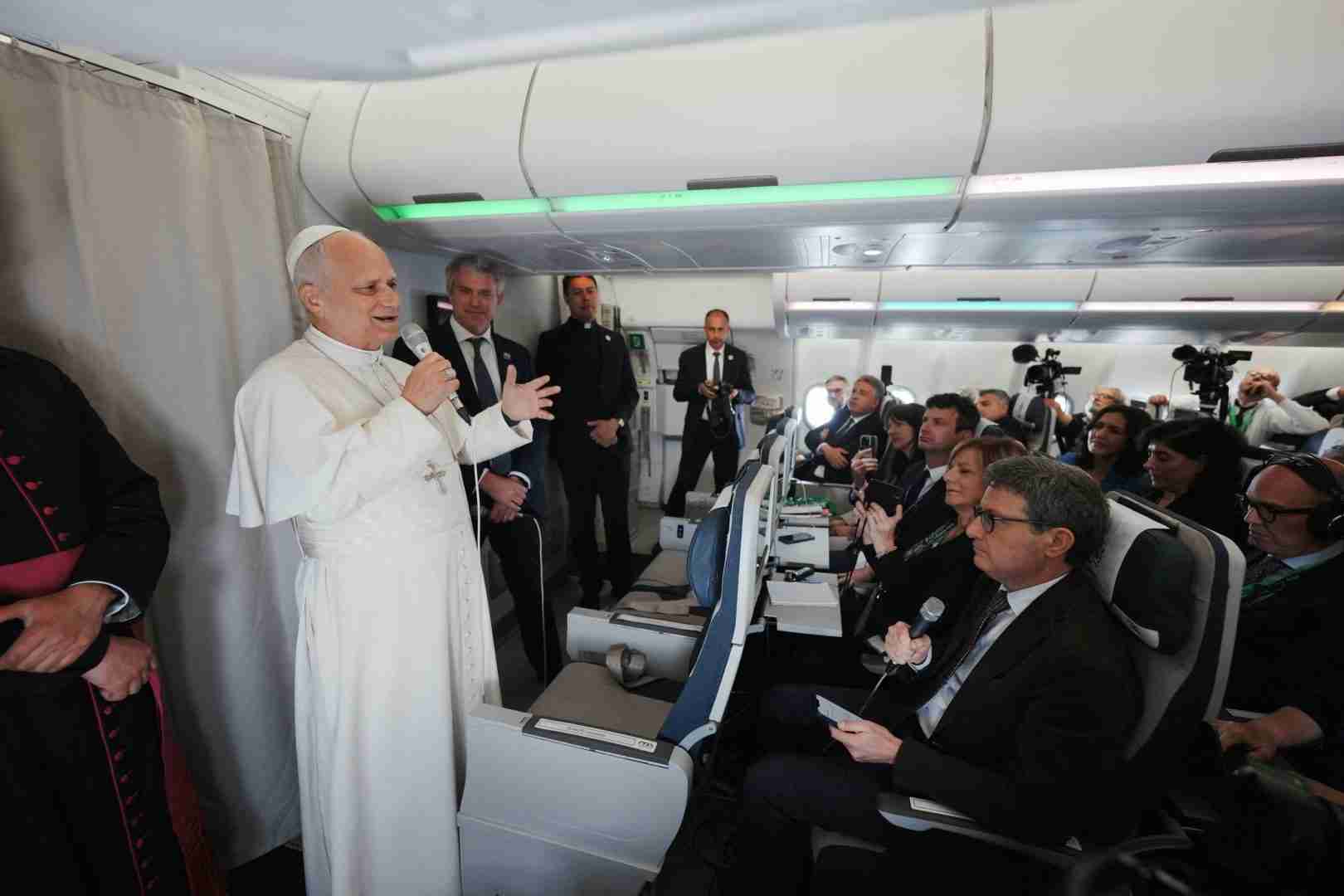
Pope Leo signaled on Thursday that he does not plan to go beyond efforts made by his predecessor Francis to offer Church blessings for same-sex couples, saying taking new steps could cause disunity in Catholicism.

The first U.S. pope praised Francis’ landmark 2023 decision but said in comments aboard his flight back to Rome after a four-nation African tour that the Vatican does not want those blessings to be formalized further.

“To go beyond that today, I think that the topic can cause more disunity than unity,” Leo said in a press conference.

Francis, who died in 2025 after 12 years leading the Church, allowed pastors to give blessings to same-sex couples informally outside of a ritual service, and on a case-by-case basis.

The decision provoked widespread debate in the Church, with bishops in some countries, particularly in Africa, refusing to let their priests implement it.

Asked about German Cardinal Reinhard Marx’s plan to formalize the blessings in his diocese, Leo did not specifically criticize it but referred to previous Vatican instructions to the German bishops’ conference not to develop formalized rituals for same-sex blessings.

“The Holy See has made it clear that we do not agree with the formalized blessing of couples,” said the pope.

Leo also said that unity in the 1.4-billion-member Church should not revolve only around sexual ethics.

“We tend to think that when the Church is talking about morality, that the only issue of morality is sexual,” he said. “In reality, I believe there are much greater and more important issues such as justice, equality, (and) freedom of men and women.”

The Catholic Church teaches that sexual relationships outside heterosexual marriage are sinful. It says people with same-sex attractions should try to be chaste.

Reporting by Joshua McElwee, editing by Deepa Babington

EU leaders to discuss mutual assistance pact amid NATO doubts

The clause, contained in the treaty that underpins the EU, obliges countries to come to the aid of a fellow member if it comes under attack

International News via Reuters:

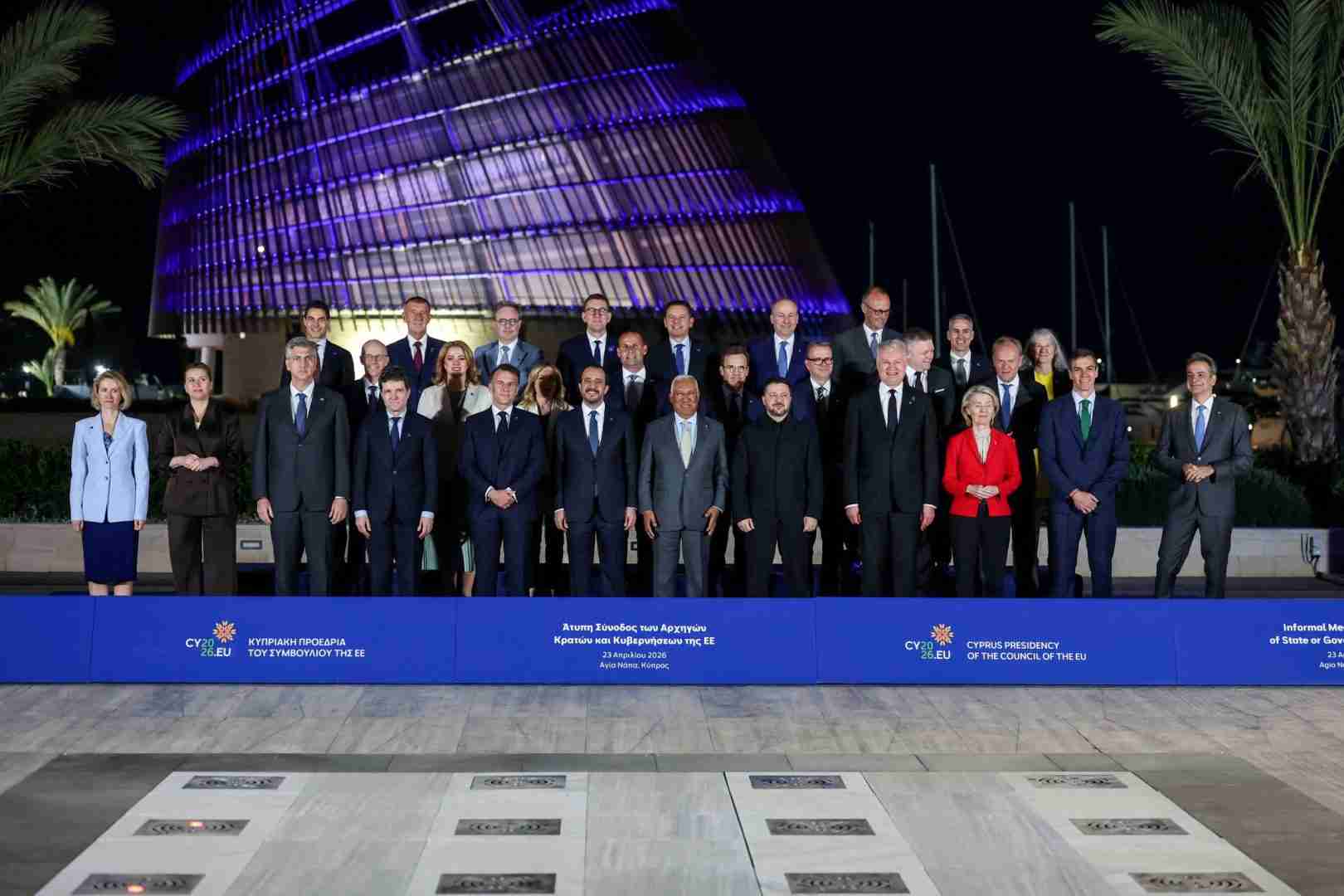
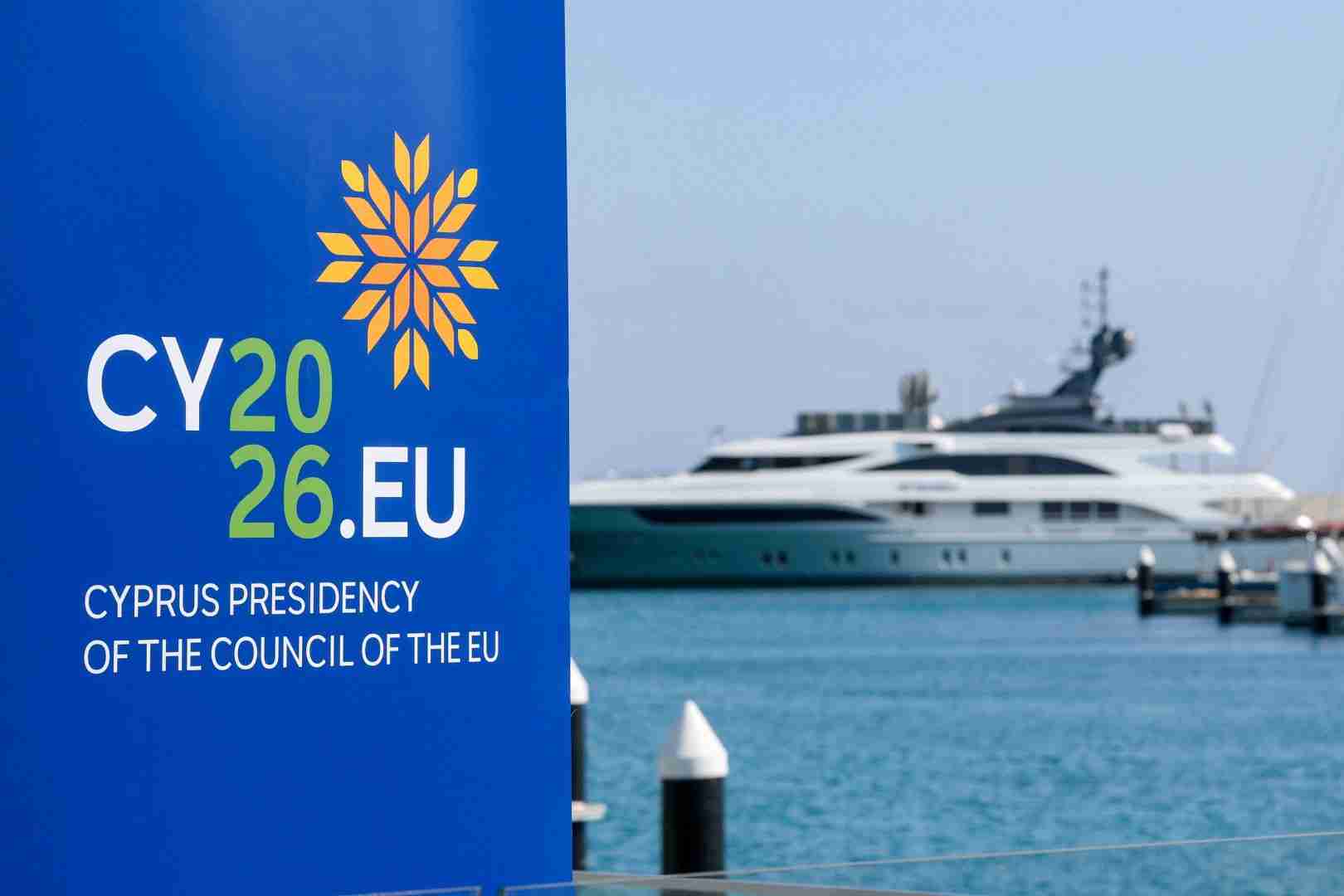
European Union leaders will discuss the bloc’s mutual assistance clause at a summit in Cyprus on Thursday, as U.S. President Donald Trump’s criticism of traditional allies raises concerns over his commitment to NATO at a time of growing insecurity.

The clause, contained in the treaty that underpins the EU, obliges countries to come to the aid of a fellow member if it comes under attack. But officials say there are currently no clear rules about how it should work in practice.

Worries about Trump’s criticism of NATO for failing to back the United States’ war with Iran along with his threats earlier this year to seize Greenland from ally Denmark have created greater urgency to more clearly define the EU’s mutual assistance provisions.

“I think Greenland has shown it’s necessary to have that discussion,” said one EU diplomat.

Cyprus, which currently holds the rotating EU Council presidency, is pushing for the bloc to take the pact more seriously after a drone struck a British air base on the island last month during the Iran war.

At the gathering in Cyprus, EU foreign policy chief Kaja Kallas is expected to brief leaders on what kind of assistance can be provided under the clause, an EU official said. 

Senior diplomats, meanwhile, are planning to hold scenario-based, table-top exercises in the coming weeks to get a better understanding of how it could work, the EU diplomat said.

“What was missing was having some specific scenarios and options already prepared in case a situation comes when some countries will request assistance,” said Juraj Majcin, policy analyst at the European Policy Centre, a Brussels-based think tank.

“There will be some thought put into what our union can facilitate, and how can this be streamlined,” he said.

DIVERGING VIEWS ON MUTUAL ASSISTANCE 

Article 42.7 of the Treaty on the European Union says that “if a Member State is the victim of armed aggression on its territory, the other Member States shall have towards it an obligation of aid and assistance by all means in their power.”

The treaty adds that “this shall not prejudice the specific character of the security and defence policy of certain Member States” and that action shall be consistent with commitments to NATO.

The clause has been activated only once, by France after terrorist attacks in Paris in 2015 when member states stepped in with contributions to EU and international military missions and operations, freeing up France to redeploy its troops.

Cyprus is particularly keen to flesh out Article 42.7 as it is not a member of NATO and so does not benefit from the alliance’s protection.

Some countries, however, are anxious to steer clear of any action that might suggest they are turning away from NATO and its Article 5 mutual defence pact.

“We should avoid any interpretations saying this is a contingency if NATO explodes and (the) U.S. leaves,” said a second EU diplomat.

NATO STILL SEEN AS EUROPE’S DEFENCE ‘CORNERSTONE’

NATO’s Article 5 specifies that an attack on one ​of its members is an attack on all, obliging allies to take action they deem necessary to assist the country under attack, including potentially the use of military force.

It has come to be seen as Europe’s ultimate security guarantee, with detailed military structures and plans to defend the continent backed by the might of the United States, a nuclear-armed superpower.

Foreign Minister Baiba Braze of Latvia, which borders Russia – arguably the EU’s main security threat – said in a statement to Reuters that her country “sees NATO as the cornerstone of collective defence.”

“The possible activation and further development of Article 42.7 should go hand in hand with NATO, seeking synergies, and would in no way be regarded as a sign of distrust in NATO or as weakening the Alliance,” she said.

Latvia “believes that maximum flexibility must be preserved” when applying the article, she added, allowing the threatened EU member to “determine the type of assistance required in the event of armed aggression or hybrid threats.”

Reporting by Lili Bayer and Andrew Gray; Editing by Andrew Gray and Joe Bavier

Dr. Barbara Ball scholarship application deadline looms

The scholarship was introduced to honour the contributions of Dr. Barbara Bertha Ball, who was the first‑Bermudian-born woman to practise medicine in Bermuda

Full statement from the Ministry of Health:

The Ministry of Health is reminding the community that applications for the 2026 Dr. Barbara Ball Public Health Scholarship close on Tuesday, April 30.

This year, the scholarship criteria have been updated by the scholarship committee to focus solely on nursing. The decision reflects the need to bolster Bermuda’s nursing workforce in the years ahead and recognises the importance of investing in prevention and community health. Training in this field can involve substantial educational costs, often requiring multiple funding sources, and the committee aims to help address this need by directing support to those pursuing nursing.

Dr. Barbara Bertha Ball was the first‑Bermudian-born woman to practise medicine in Bermuda. She graduated from Liverpool University Medical School in 1949 and worked in the United Kingdom before returning home in 1954. She devoted her life to providing care and advocating for fairness and dignity for all.

Minister of Health Kim Wilson said, “This scholarship reflects Dr. Ball’s legacy of service and her belief in empowering Bermudians to lead in health. We encourage eligible students to apply and take this important step toward a career that makes a real difference in our community.”

Applicants must be Bermudian, demonstrate financial need, and be enrolled in or accepted to an accredited programme in a public‑health‑related discipline. Full eligibility criteria and application requirements are available online.

Minister Wilson added, “If you’re looking for purpose, pride, and the chance to make a real difference, nursing is where it begins. The Dr. Barbara Ball Public Health Scholarship can help you take that step.

“Please do not wait until the last minute, submit your application today and take the next step toward becoming one of Bermuda’s future nurses.”

The Government of Bermuda is proud to continue this legacy by supporting future healthcare professionals. Students and interested persons may also visit https://www.gov.bm/dr-barbara-ball-public-health-scholarship for further information.

EU leaders to discuss mutual assistance pact amid NATO doubts

The clause, contained in the treaty that underpins the EU, obliges countries to come to the aid of a fellow member if it comes under attack

International News via Reuters:

European Union leaders will discuss the bloc’s mutual assistance clause at a summit in Cyprus on Thursday, as U.S. President Donald Trump’s criticism of traditional allies raises concerns over his commitment to NATO at a time of growing insecurity.

The clause, contained in the treaty that underpins the EU, obliges countries to come to the aid of a fellow member if it comes under attack. But officials say there are currently no clear rules about how it should work in practice.

Worries about Trump’s criticism of NATO for failing to back the United States’ war with Iran along with his threats earlier this year to seize Greenland from ally Denmark have created greater urgency to more clearly define the EU’s mutual assistance provisions.

“I think Greenland has shown it’s necessary to have that discussion,” said one EU diplomat.

Cyprus, which currently holds the rotating EU Council presidency, is pushing for the bloc to take the pact more seriously after a drone struck a British air base on the island last month during the Iran war.

At the gathering in Cyprus, EU foreign policy chief Kaja Kallas is expected to brief leaders on what kind of assistance can be provided under the clause, an EU official said. 

Senior diplomats, meanwhile, are planning to hold scenario-based, table-top exercises in the coming weeks to get a better understanding of how it could work, the EU diplomat said.

“What was missing was having some specific scenarios and options already prepared in case a situation comes when some countries will request assistance,” said Juraj Majcin, policy analyst at the European Policy Centre, a Brussels-based think tank.

“There will be some thought put into what our union can facilitate, and how can this be streamlined,” he said.

DIVERGING VIEWS ON MUTUAL ASSISTANCE 

Article 42.7 of the Treaty on the European Union says that “if a Member State is the victim of armed aggression on its territory, the other Member States shall have towards it an obligation of aid and assistance by all means in their power.”

The treaty adds that “this shall not prejudice the specific character of the security and defence policy of certain Member States” and that action shall be consistent with commitments to NATO.

The clause has been activated only once, by France after terrorist attacks in Paris in 2015 when member states stepped in with contributions to EU and international military missions and operations, freeing up France to redeploy its troops.

Cyprus is particularly keen to flesh out Article 42.7 as it is not a member of NATO and so does not benefit from the alliance’s protection.

Some countries, however, are anxious to steer clear of any action that might suggest they are turning away from NATO and its Article 5 mutual defence pact.

“We should avoid any interpretations saying this is a contingency if NATO explodes and (the) U.S. leaves,” said a second EU diplomat.

NATO STILL SEEN AS EUROPE’S DEFENCE ‘CORNERSTONE’

NATO’s Article 5 specifies that an attack on one ​of its members is an attack on all, obliging allies to take action they deem necessary to assist the country under attack, including potentially the use of military force.

It has come to be seen as Europe’s ultimate security guarantee, with detailed military structures and plans to defend the continent backed by the might of the United States, a nuclear-armed superpower.

Foreign Minister Baiba Braze of Latvia, which borders Russia – arguably the EU’s main security threat – said in a statement to Reuters that her country “sees NATO as the cornerstone of collective defence.”

“The possible activation and further development of Article 42.7 should go hand in hand with NATO, seeking synergies, and would in no way be regarded as a sign of distrust in NATO or as weakening the Alliance,” she said.

Latvia “believes that maximum flexibility must be preserved” when applying the article, she added, allowing the threatened EU member to “determine the type of assistance required in the event of armed aggression or hybrid threats.”

Reporting by Lili Bayer and Andrew Gray; Editing by Andrew Gray and Joe Bavier

London’s FTSE 100 closes lower as investors monitor Iran conflict, earnings

The blue-chip FTSE 100 index closed 0.2% lower in its fourth session of declines, while the midcap FTSE 250 fell 0.9%

International News via Reuters:

Britain’s FTSE 100 closed a little lower on Thursday, with declines in heavyweight financials offset by some stocks after their corporate updates, while markets assessed fading prospects of renewed U.S.-Iran peace negotiations and higher oil prices. 

The blue-chip FTSE 100 index closed 0.2% lower in its fourth session of declines, while the midcap FTSE 250 fell 0.9%.

• Brent crude futures rose beyond $100 a barrel, as Iran tightened its grip on the Strait of Hormuz and said it would not reopen the waterway until the U.S. lifted its naval blockade.

• The travel and leisure sector was buoyed by a 10% gain in Domino’s Pizza after it recorded a first-quarter like-for-like sales growth of 4.5%. Pressured airlines limited gains.

• Heavyweight banks Barclays and HSBC fell 1.5% and 0.4%, respectively, the biggest drags on the index.

• Among miners, Fresnillo declined 6.4%, tracking precious and base metals.

• Industrial miners sector closed 0.9% higher on the back of a 4.1% gain in Anglo American, after a report showed its Australian coal business had at least three suitors.

• The share of British firms reporting higher costs jumped to a record this month, signalling high input costs and rising inflation as fallout from the Iran war weighs on the economy, a survey showed.

• Traders are now pricing in 70% probability of the Bank of England hiking rates in June, up from 40% last week, according to LSEG data.

• The FTSE 100 is down 2% for the week so far and is on track to erase nearly all gains sparked by hopes of the U.S.–Iran ceasefire, which was announced earlier this month.

• Among other stocks, supermarket group Sainsbury fell 3.4% after it warned that the Iran war could cloud its outlook, mirroring concerns raised by peer Tesco.

• WH Smith plunged 9.2% to the bottom of the FTSE 250 after the travel retailer cut its annual profit forecast and suspended its dividend.

Reporting by Utkarsh Tushar Hathi and Purvi Agarwal in Bengaluru; Editing by Diti Pujara and Alex Richardson

Higher fuel costs due to Iran war mean fewer people will receive aid globally, NRC says

The NRC is one of the world’s leading non-governmental aid organisations focused on displacement. Its boss, Jan Egeland, was the United Nations’ top humanitarian official between 2003 and 2006

International News via Reuters:

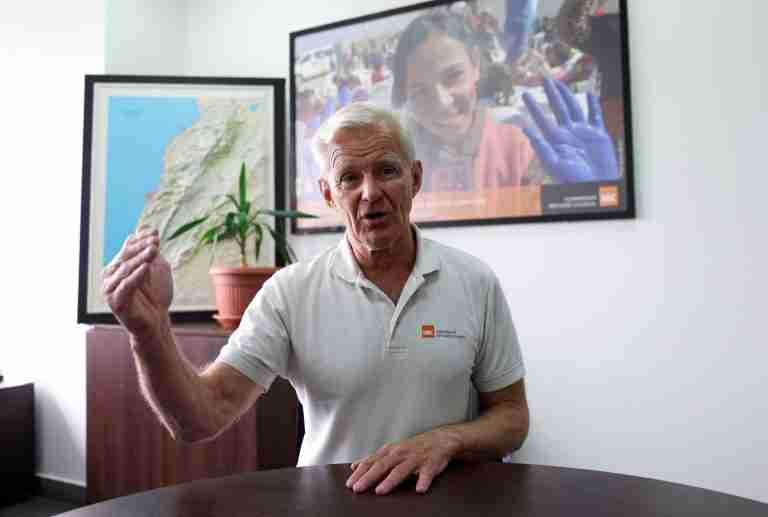
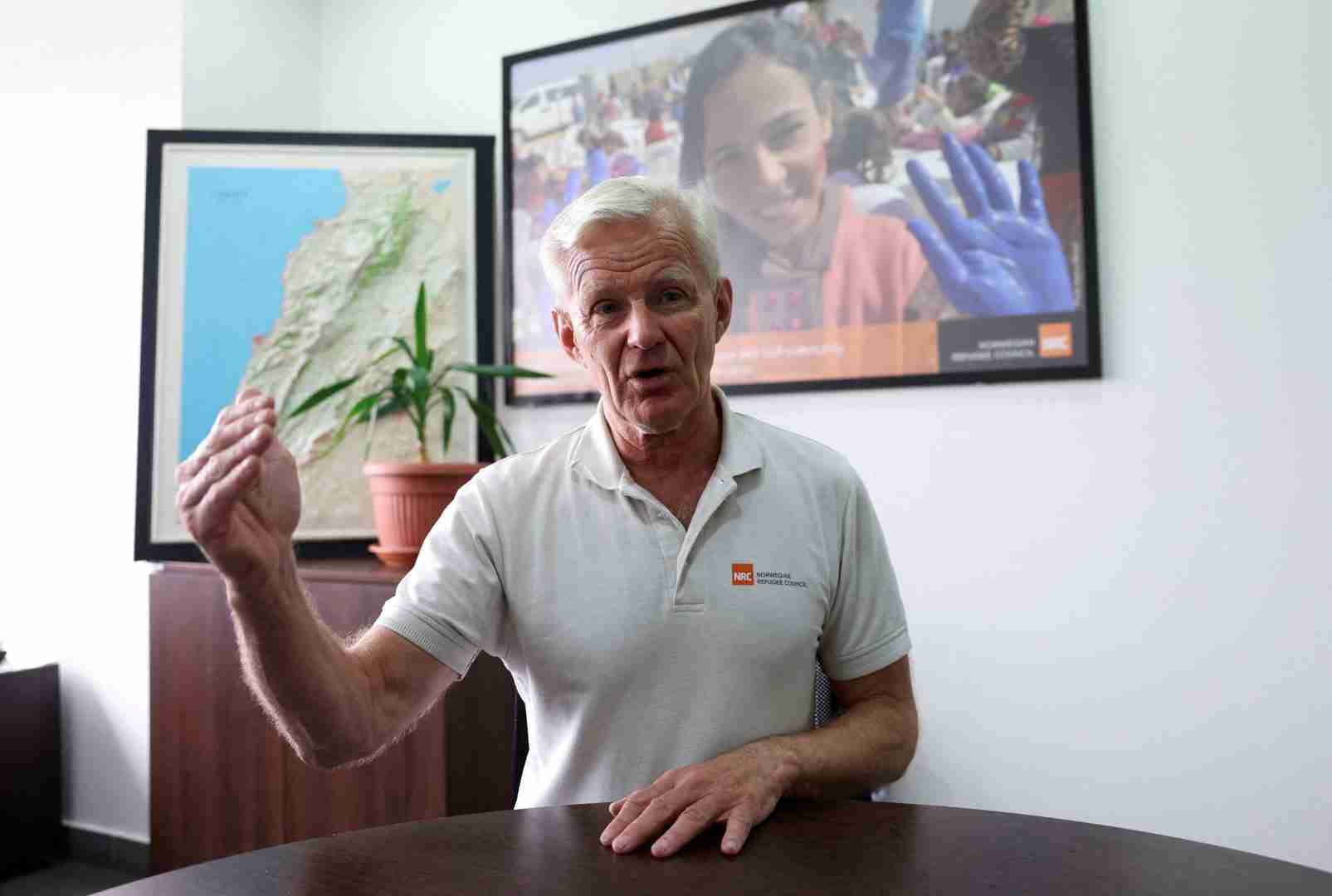
The Iran war is having a devastating humanitarian impact globally with higher energy prices making everything from filling the tank of an aid lorry to paying employees and buying food for displaced people costlier, the head of the Norwegian Refugee Council said on Thursday.

The NRC is one of the world’s leading non-governmental aid organisations focused on displacement. Its boss, Jan Egeland, was the United Nations’ top humanitarian official between 2003 and 2006.

“We have 1,500 vehicles in our operations; they run on diesel. In some countries, it’s twice the cost now to run those,” Egeland told foreign reporters at NRC headquarters in Oslo.

“The generators needed in the places we haven’t solarized yet are much more expensive, so running a school or a hospital (is more expensive),” he said.

“The food that we have to purchase on the market – local markets, regional markets – has become much more expensive per family in need. And our staff find it very hard to live on the salary that we can give them compared to before.”

The result is the NRC will help fewer people than before, at a time when needs are “exploding,” and funding from the vast majority of donor countries has been redirected to defence budgets, Egeland said.

“Through this year, fewer people will get assistance because of the cost increase,” he said. 

GAZA RESTRICTIONS

The NRC has been active in the occupied Palestinian territories since 2009, including during the Gaza war. 

In February, the Israeli Supreme Court temporarily blocked Israel’s government from shuttering the Gaza operations of dozens of aid organizations, which petitioned the court in a dispute over new Israeli rules requiring them to name Palestinian staff.

But the NRC still lost its registration with Israeli authorities, Egeland said. While it still has local staff in the Gaza Strip, it cannot send international staff to support them.

“We have already had to relocate our headquarters to Amman,” he said. “We do remote leadership management from Amman.” 

He praised U.S. President Donald Trump’s 20-point plan for Gaza as “wonderful” because “it stopped the massacres and the full-scale war.” 

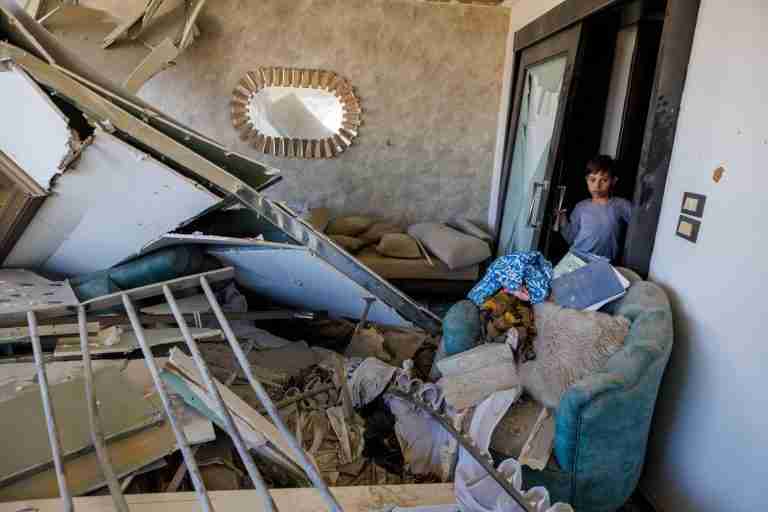
“But we are now frozen in some halfway house where Israel is still militarily there,” he said. “They’re still destroying homes. Hamas is not disarmed and the aid groups are denied access. This is no peace. This is no implementation. The Trump peace plan is in grave danger.”

Israel, which controls all access to the Gaza Strip, denies withholding supplies for its more than 2 million residents.

Yet Palestinians and international aid bodies say supplies reaching the territory are still insufficient, despite a ceasefire reached in January that included guarantees of increased aid.

Reporting by Gwladys Fouche in OsloEditing by Rod Nickel