Bermudian equestrian Kayla Bardgett helped rewrite the history books this weekend as the Savannah College of Art and Design (SCAD) were crowned 2025-26 Tournament of Champions Series winners.
The victory marks SCAD’s first national title of the season, arriving during a landmark 35th-anniversary year for the collegiate series. The “Bees” established total dominance, claiming three of the four major shows across the season to secure the series trophy with a record-breaking performance.
For Bardgett, a senior and cornerstone of the program, the triumph follows an instrumental role in achieving the first-ever perfect score in the tournament’s three-decade history. Following the trophy presentation, an emotional Bardgett paid tribute to her horse, Bettina, and her coaching staff.
“What an incredible way to close out my final time competing,” Bardgett shared. “Bettina, you gave me absolutely everything and more. I couldn’t have asked for a better partner to finish this chapter with.”
With the IHSA Zone 5 Championship already secured, Bardgett and her teammates now turn their attention to the IHSA National Championships, looking to add further silverware to a season already etched in the SCAD history books.
Daniel Phillips delivered a captain’s performance in Oklahoma, powering Tulane to a gritty 4-1 victory over UAB in the opening round of the American Conference Championships.
Despite entering as the ninth seed, the Green Wave were forced to dig deep after a shaky start. Tulane dropped the doubles point following narrow defeats on the lower courts, even after a dominant 6-1 masterclass at the number one position by Phillips and partner Lance Nisbet.
The momentum shifted dramatically as the match transitioned to singles play. All eyes were on the premier court, where Phillips—a freshman who has rapidly become the heartbeat of the Tulane roster—faced a high-stakes rematch against Ondrej Valek.
The opening set was a grueling tactical battle, eventually pushed to a tie-break. Phillips demonstrated superior mental fortitude under pressure, claiming the breaker 7-5. With the wind in his sails, the young Bermudian dominated the second set, utilizing a relentless service game to secure a 6-2 win.
The victory clinched the match for the Green Wave, providing a vital confidence boost as they advance to a daunting quarter-final showdown against top-seeded Rice. For Phillips, it marks another landmark in an exceptional debut season, solidifying his reputation as one of the most clinical closers in the conference.
The 57th edition of La Semaine Olympique Française roared into life in spectacular Côte d’Azur conditions, providing a grueling opening test for a world-class field of over 700 competitors.
Bermuda’s elite trio faced a day of contrasting fortunes in the Mediterranean, defined by steady breezes and shifting leaderboards. In the ILCA 6 fleet, Adriana Penruddocke demonstrated remarkable mental fortitude. After a difficult 28th-place finish in her opening race, she produced a spirited fightback to claim 12th in the second, ending the day in 37th overall and within striking distance of the leaders.
In the ILCA 7 division—the largest fleet in the competition—Campbell Patton mirrored that resilience. Patton navigated the testing swell to sit 33rd at the close of play, following a 23rd in the opener with a clinical 12th-place finish in the second.
The day proved more frustrating for Sebastian Kempe, whose campaign suffered an immediate setback with a Black Flag disqualification in race one. However, the young sailor showed his class in the second outing, carving through the fleet to finish 11th. While he sits 99th overall due to the opening penalty, that late surge provides a vital glimmer of hope as the trio prepares for another day of high-stakes tactical warfare in Hyères.
Leo, who has drawn the ire of President Donald Trump with his more outspoken comments, will arrive from Angola
International News via Reuters:
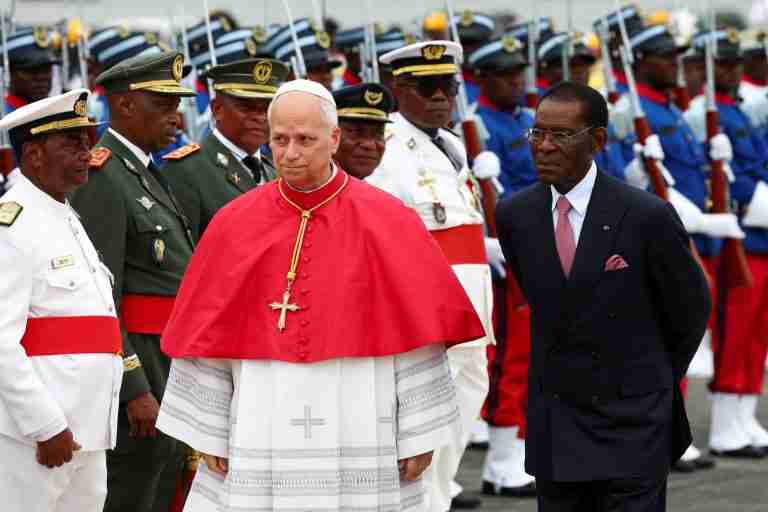
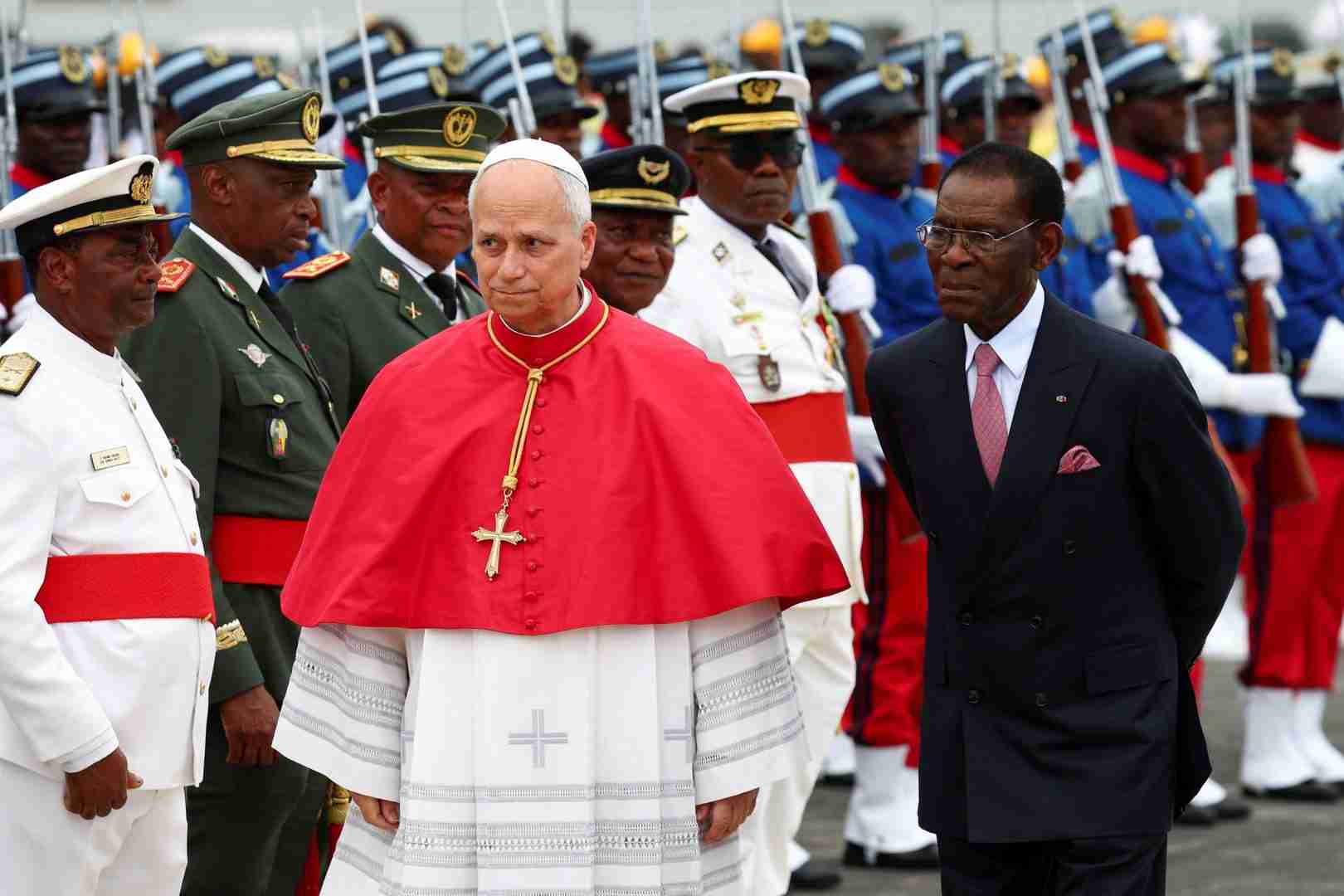
Pope Leo sets off on Tuesday for Equatorial Guinea, led by the world’s longest-serving president, on the final leg of a four-nation Africa tour during which the pontiff has issued sharp denunciations of despotism and inequality.
Leo, who has drawn the ire of President Donald Trump with his more outspoken comments, will arrive from Angola, where on Monday he lamented that many people globally were being “exploited by authoritarians and defrauded by the rich.”
His statements were the latest evidence of a forceful new speaking style he has embraced while in Africa.
The first U.S. pope was due to arrive in Malabo, on the island of Bioko in the Gulf of Guinea, around 11:45 a.m. (1045 GMT), where he will give a speech to the country’s political leaders.
He will meet first with President Teodoro Obiang Nguema Mbasogo, who has been in power since 1979, three years before the Central African country’s only other papal visit, by Pope John Paul II back in 1982.
Leo’s arrival “presents a profound opportunity to affirm, clearly and convincingly, that human dignity, justice, and accountability are not optional, but essential responsibilities of governance,” Tutu Alicante, a U.S.-based human rights lawyer and activist from Equatorial Guinea, told Reuters.
More than 70% of the country’s population of 1.8 million identify as Catholic.
Obiang, whose government oversaw a now-declining oil boom that began in the 1990s, has been widely criticized as one of the most repressive leaders in the region.
He denies allegations of human rights abuses and corruption.
Leo, who spent decades as a missionary in Peru before becoming pope, is expected to speak Spanish throughout his two-day visit to the former Portuguese and Spanish colony.
POPE TO VISIT PRISON, BLAST SITE
The pope is undertaking an ambitious 10-day Africa tour, one of the most complicated ever conducted by a Catholic leader, with stops in 11 cities and towns in four countries, traversing nearly 18,000 km (11,185 miles) over 18 flights.
Wednesday will be the most intense day of the tour, with the pope taking three flights to visit three cities across Equatorial Guinea.
In Bata, the pope will visit a high-security detention centre that Amnesty International has said is one of three notorious facilities in the country where detainees, including political prisoners, are regularly held for years without access to lawyers or their families.
The government dismisses criticism of its justice system and says it has an open democracy.
Alicante said that while some facilities had been spruced up ahead of Leo’s arrival, there remained a need for comprehensive, lasting reforms.
“The real test will be whether humane conditions, access to medical care, and basic rights are sustained long after the papal visit concludes,” he said.
Leo will also pray in Bata at the site of a series of explosions in 2021 at a military barracks that killed more than 100 people, which the government blamed on poor storage of ordnance.
Human rights activists have called for an independent investigation into the incident, so far in vain.
Reporting by Joshua McElwee; additional reporting by Robbie Corey-Boulet in Dakar; Editing by Alexandra Hudson
Like a number of its peers seeking to capitalise on soaring profits from oil and gas sales following the outbreak of the Ukraine war, Shell has scaled back its renewable energy operations and weakened emissions targets
International News via Reuters:
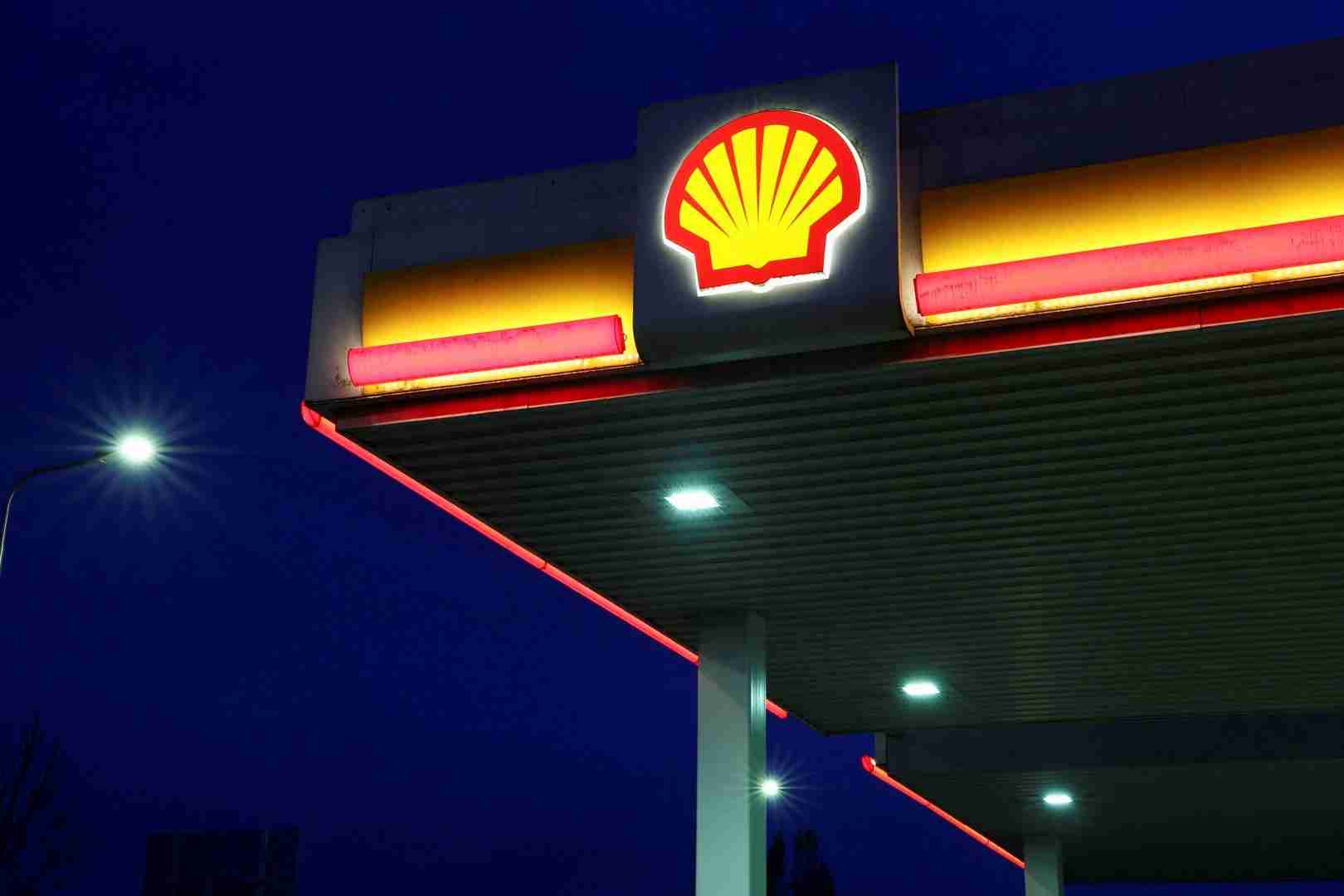
A Dutch climate activist group launched a new court case against Shell on Tuesday in the Netherlands, demanding that the British energy major immediately end its investments in new oil and gas projects.
Like a number of its peers seeking to capitalise on soaring profits from oil and gas sales following the outbreak of the Ukraine war, Shell has scaled back its renewable energy operations and weakened emissions targets.
It told investors last year it was targeting a 4% to 5% annual increase in liquefied natural gas sales over the next five years and planned to sustain “material” oil output beyond 2030.
“Shell must stop bringing new oil and gas fields into production. This is necessary to protect us from Shell’s climate-disrupting activities,” Friends of the Earth Netherlands said in the summons it filed against Shell.
Shell called the case “unreasonable” after Friends of the Earth announced plans to file the legal action last year. It said the activist group ignored the global economy’s need for fossil fuels and production would simply shift to other companies if Shell were ordered to halt operations.
The company did not immediately respond to a request for comment on Tuesday.
ACTIVISTS’ YEARS-LONG COURT BATTLE AGAINST SHELL
The lawsuit builds on another case brought by the activists that has been making its way through the Dutch courts for several years.
In that case, an appeals judge in 2024 ruled Shell had a responsibility to reduce emissions to protect people from global warming. While the decision scrapped an earlier order setting a specific carbon reduction target for Shell, it did say the company’s plans to invest in new oil and gas projects were likely not in line with its obligation to cut emissions.
The appeals court could not rule on Shell’s investment plans, however, as these were not part of the demands in that case, which has now moved on to the Dutch Supreme Court.
The formerly Anglo-Dutch company moved its headquarters from The Hague to London in 2022, but has maintained a secondary listing at the Amsterdam stock exchange. Friends of the Earth has said a Dutch court retains jurisdiction, despite Shell’s move, as the company’s actions cause climate damage in the Netherlands.
A date for a hearing in the new case has not been set yet.
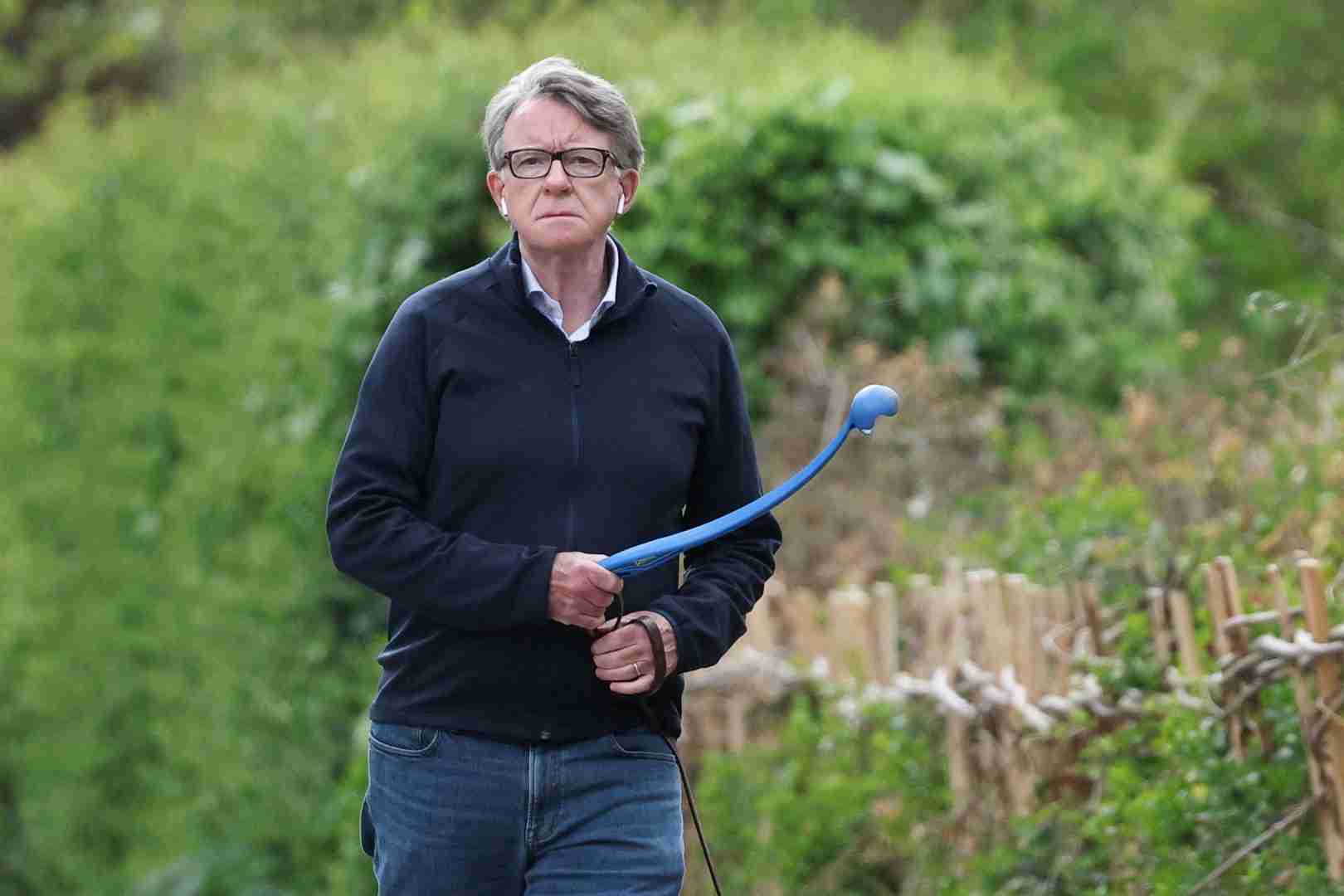
A war of words over who should ultimately take the blame for appointing Labour veteran Peter Mandelson to Britain’s highest diplomatic post despite his history and known ties to late U.S. sex offender Jeffrey Epstein has piled pressure on Starmer
International News via Reuters:
A former top foreign ministry official said on Tuesday he had faced “constant pressure” from Prime Minister Keir Starmer’s office to speed up the appointment of his pick as the ambassador to the U.S., deepening a row that threatens the British leader.
A war of words over who should ultimately take the blame for appointing Labour veteran Peter Mandelson to Britain’s highest diplomatic post despite his history and known ties to late U.S. sex offender Jeffrey Epstein has piled pressure on Starmer, prompting calls by critics for his resignation.
Starmer has said he was “wrong” to appoint Mandelson to the role and has expressed regret, but on Monday put the blame firmly on foreign ministry officials for failing to tell him that a security vetting body had advised against his appointment – something, he said, would have stopped him from employing the new ambassador.
On Tuesday, it was the turn of Olly Robbins, the foreign ministry’s former top official who was sacked late on Thursday after Starmer and foreign minister Yvette Cooper said they had lost confidence in him, to mount his defence.
He was quick to shift the focus to Starmer’s office.
ROBBINS SAYS HE WAS UNDER ‘CONSTANT PRESSURE’
“I walked into a situation in which there was already a very, very strong expectation … that he needed to be in post and in America as quickly as humanly possible,” Robbins told a parliamentary committee.
“I think throughout January (2025), honestly, my office, the foreign secretary’s office, were under constant pressure,” Robbins said. “There was an atmosphere of constant chasing,” he said, describing “very frequent phone calls” from the private office of Starmer’s Number 10 Downing Street.
Robbins’ account is likely to increase the pressure on Starmer, who after winning the largest majority in modern history for Labour at a national election in 2024 is facing new calls to step down over a scandal which has run for months.
Labour lawmakers have said there would not be an immediate move to oust Starmer, especially as the party is expected to suffer big losses in local elections in England and regional votes in Wales and Scotland in just over two weeks.
But the return of the focus on Starmer’s Downing Street operation will do little to appease those lawmakers who have repeatedly raised concerns over what some call a bunker mentality and lack of access.
WAR OF WORDS WIDENS BETWEEN OFFICIALS AND DOWNING STREET
Robbins said that when he took office on January 20, 2025, Mandelson’s appointment had already been announced, approval had been given by King Charles, it had been agreed by the U.S. government and Mandelson was being granted access to highly classified briefings on a case-by-case basis. He said it would have damaged relations with the U.S. if the foreign office had blocked the appointment at that stage.
It was not clear whether Downing Street even wanted the foreign ministry to complete so-called developed vetting clearance – a status that allows individuals access to information regarded as top secret, Robbins said.
It was down to the foreign ministry to complete that process, he said, and officials had stuck to a system whereby reports from a unit called UK Security Vetting were never shared with ministers to protect the candidate’s confidentiality.
But he did say the unit had advised the appointment was a borderline case and they were leaning against granting clearance – a message Starmer says his government never received.
“Whilst I think the department felt under pressure, we were proud of the fact we’d not bowed to that pressure,” Robbins said.
Robbins’ defence again cranks up pressure on Starmer, who had won a brief reprieve from his critics after limiting Britain’s role in the Iran war.
Even some in top team of ministers have said they were concerned about Mandelson’s appointment.
Asked what went through his mind over the decision to appoint him, energy minister Ed Miliband told Sky News: “That it could blow up, that it could go wrong.”
“I had a conversation with David Lammy (then foreign minister and now deputy prime minister) about it before the appointment, and I said I was worried about it.”
Robbins also revealed that Starmer’s office had been pushing for an ambassadorial job to be found for Matthew Doyle, the prime minister’s former senior communications director who has been removed from the Labour Party after he campaigned for a man who was a convicted sex offender.
Doyle has apologised for his actions.
Reporting by Elizabeth Piper, additional reporting by Sarah Young, Sam Tabahriti, Muvija M, editing by Kate Holton and Tomasz Janowski
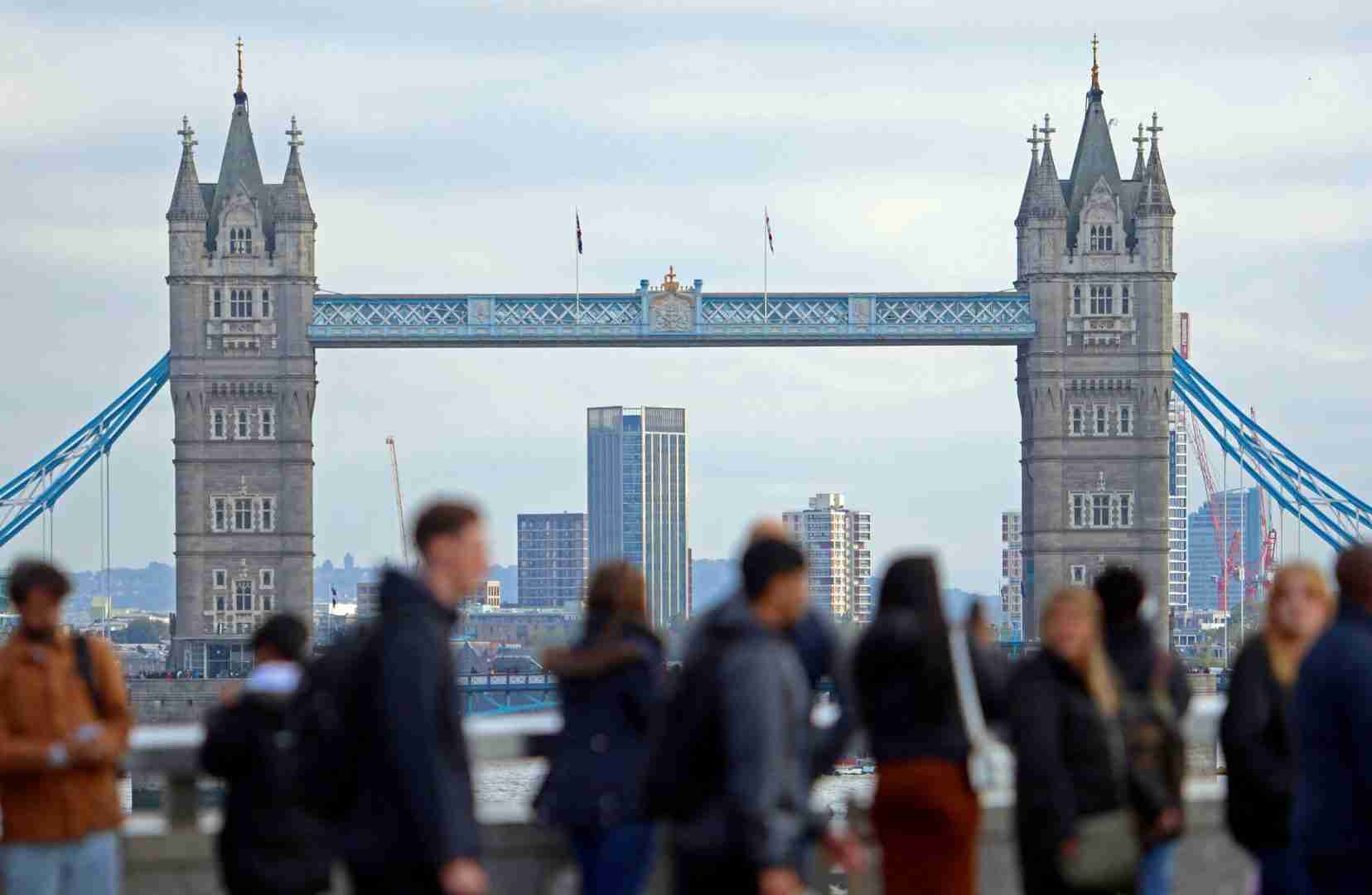
There were signs of some stability in the jobs market in the run-up to the conflict with official data showing wage growth cooled by less than expected in the three months to February
International News via Reuters:
Britain’s employers showed signs of caution in March after the start of the Iran war with a measure of hiring falling during the month and the lowest number of job postings in almost five years, according to data published on Tuesday.
There were signs of some stability in the jobs market in the run-up to the conflict with official data showing wage growth – closely watched by the Bank of England – cooled by less than expected in the three months to February.
Britain’s unemployment rate also fell unexpectedly in the same period, although this was due in part to rising numbers of students not looking for work.
The figures that covered the month of March suggested a shift in the mood among employers.
“Big picture, we do not think today’s data will alter the BoE’s image of the labour market,” Sanjay Raja, chief UK economist at Deutsche Bank, said. “The UK labour market is not out of the woods yet.”
The BoE has said it believes the jobs market is softening but it is watching wages data carefully as it gauges inflation pressure in Britain’s economy, which investors view as highly vulnerable to the jump in energy prices caused by the Iran war.
Growth in average weekly earnings, excluding bonuses, slowed to 3.6% in annual terms over the three months to February from an increase of 3.8% in the three months to January, the Office for National Statistics said.
However, economists polled by Reuters had mostly expected a sharper slowdown in regular average weekly earnings growth to 3.5%.
Some BoE officials think rising slack in the labour market will help to contain the risk that price pressures become further embedded in the economy.
Tuesday’s data offered more signs of job market weakness.
Vacancies fell to 711,000 in the three months to March from 721,000 in the three months to February, the lowest number since the three months to April 2021.
“In contrast to the energy shock of 2022, the labour market is in a weaker state, constraining the bargaining power of workers, lowering the likelihood of a potential wage-price spiral,” Yael Selfin, chief economist at KPMG UK, said.
Early payroll data from the tax office – which are prone to revision – showed a small fall of 11,000 in March after a revised drop of 6,000 in February.
Rob Wood, chief UK economist at consultancy Pantheon Macroeconomics, said there was a good chance that would be revised upwards, adding that the data overall suggested the labour market was not loosening by as much as feared.
UNEMPLOYMENT RATE FALLS
Economists were surprised by a big reduction in the unemployment rate to 4.9% from 5.2%. The Reuters poll had pointed to no change.
The ONS said the fall in the jobless rate reflected an increase of 169,000 in the number of people considered to be inactive – or out of work and not looking for a job – over the three months to February, with employment also rising by 24,000.
Rising numbers of students who are not looking for work accounted for more than three-quarters of the shift into inactivity among 16-64 year-olds, the data showed.
Inflation data for March on Wednesday may prove more consequential for the BoE, with the Reuters poll pointing to consumer price growth of 3.3%, up from 3.0% in February.
Investors on Tuesday priced in 36 basis points of BoE interest rate hikes this year – between one and two quarter-point increases – up from 30 basis points on Monday.
BoE Governor Andrew Bailey has said the central bank should keep a clear eye on risks to growth and jobs as well as inflation when making its next decision on rates.
By contrast, the central bank’s chief economist Huw Pill has emphasised that keeping inflation under control is the BoE’s primary goal, and he has criticised his colleagues’ “wait-and-see” messaging.
Reporting by Andy Bruce; Editing by William Schomberg and Hugh Lawson
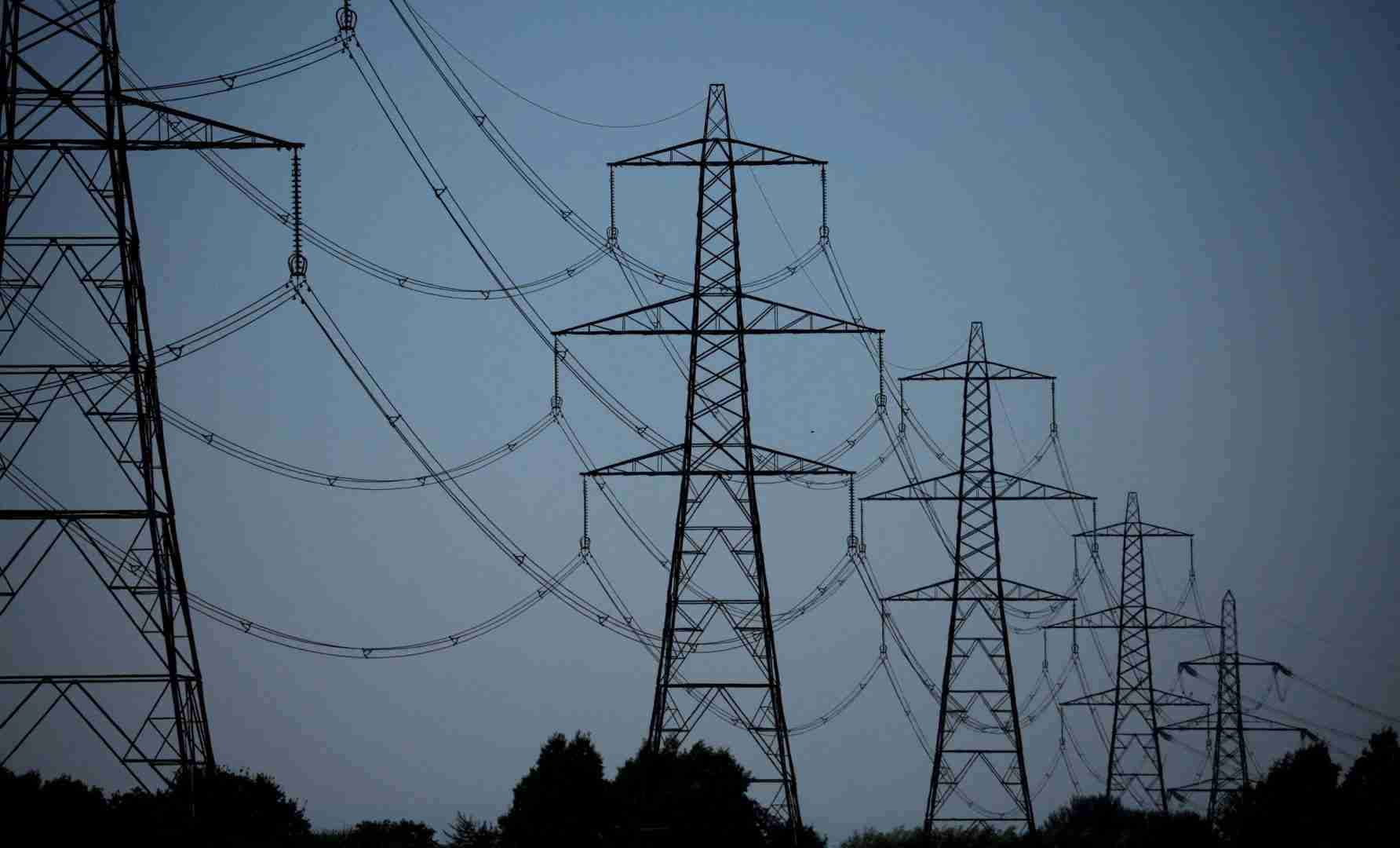
Britain is looking to force older wind and solar generators onto fixed contracts in a bid to bring down consumer bills
International News via Reuters:
Governments worldwide are trying to shield consumers from soaring energy costs resulting from the U.S.-Israeli war on Iran.
Here’s how different countries are responding:
UK
** Britain is looking to force older wind and solar generators onto fixed contracts in a bid to bring down consumer bills.
THE NETHERLANDS
** The Dutch government announced temporary tax breaks to compensate for rising fuel prices and said it would prepare further measures in case the energy crisis worsens.
SWEDEN** Sweden’s government will cut fuel taxes and hike electricity subsidies in its spring mini-budget as it strives to ease the pain for households of higher energy bills driven by the war.
INDIA
** India will review its fuel exports if needed to ensure availability in the local markets, a government official said.
** India is assessing fuel-supply requests from its neighbours and will approve exports only if it has surplus volumes, the foreign ministry said.
** The country has barred consumers with piped natural gas from retaining, obtaining or refilling domestic liquefied petroleum gas cylinders. It is also strengthening infrastructure to expedite a shift towards piped gas.
** It has invoked emergency powers and directed refiners to maximise production of LPG, widely used for cooking. It cut sales to industry to avoid a shortage for 333 million homes with LPG connections.
SOUTH KOREA
** South Korea is easing limits on coal-fired power generation capacity and raising nuclear power plant utilisation to as high as 80%.
** It is considering additional energy vouchers to support vulnerable households.
** It has begun enforcing a ban on naphtha exports to boost domestic supplies.
CHINA
** China has banned refined fuel exports to pre-empt a potential domestic fuel shortage, four sources said.
** It is also releasing fertiliser supplies from national commercial reserves ahead of spring planting.
AUSTRALIA
** Australia is releasing petrol/gasoline and diesel from domestic reserves to ease shortages affecting rural supply chains as well as mining and agriculture.
** Its prime minister warned the economic shocks of the war would be felt for months and encouraged citizens to take public transport.
JAPAN
** Japan’s industry ministry said it will relax rules for one year to increase the use of coal-fired power plants in the fiscal year starting April.
** Japan called on the Group of Seven wealthy nations and the International Energy Agency to be ready to take further flexible measures to stabilise energy markets if the Iran war drags on.
** Japan has asked Australia, its biggest supplier of liquefied natural gas, to boost output.
** The country plans to increase imports of intermediate chemical products such as plastics, as it faces tighter naphtha supplies due to the conflict.
EUROPEAN UNION
** European Union leaders called for temporary measures to mitigate the impact of a surge in energy prices, with electricity tax cuts, lower grid fees and state support put forward as possible short-term fixes.
BANGLADESH
** Bangladesh is seeking billions in external financing to secure fuel and liquefied natural gas imports.
SERBIA
** Serbia will cut excise duties on crude oil by a cumulative 60% to calm the local market.
** It has also extended a ban on crude oil and fuel product exports to safeguard its market from shortages and price spikes.
ITALY
** Italian Prime Minister Giorgia Meloni has said Italy is considering cutting excise duties to soften fuel prices and is ready to raise taxes on firms responsible for unduly capitalising on the energy crisis.
SPAIN
** The Spanish prime minister said parliament is expected to vote on measures proposed by the cabinet to help citizens weather the economic fallout, including lowering fuel and electricity taxes and granting fuel subsidies to sectors most exposed to energy price spikes.
ARGENTINA
** The government has issued a decree to delay the effects of scheduled increases in taxes on liquid fuels and carbon dioxide.
CAMBODIA
** Cambodia is importing more fuel from suppliers in Singapore and Malaysia to make up for supply shortfalls from Vietnam and China.
MALAYSIA
** Malaysia will raise spending on petrol subsidies to 2 billion ringgit ($510 million) from 700 million ringgit to maintain the fixed price of the fuel.
** The government said it is applying measures to shore up fertiliser supply amid a domestic supply crunch.
** The government has also announced steps to address supply disruptions – while warning that energy supplies may run out by the end of May – including central bank support for companies, efforts to diversify energy sources and secure inputs, enhanced data monitoring of vulnerable sectors, and a special access pathway for critical medicines and medical devices.
THAILAND
** Thailand has discussed with the Russian government the possibility of purchasing crude oil, a deputy prime minister said.
** The minister also said the government would try to cap domestic diesel prices at 33 baht ($1.02) per litre.
** The Thai Planning Agency said the government will freeze prices of some goods and provide support for farmers.
GREECE
** Greece will offer subsidies for fuel and fertilisers and ferry ticket discounts worth a total 300 million euros ($346 million) in April and May to shield consumers and farmers, Prime Minister Kyriakos Mitsotakis said.
ROMANIA
** The government said it would reduce excise tax on diesel by 0.30 lei ($0.0679) per litre.
SLOVENIA
** Slovenia temporarily limited fuel purchases to tackle shortages at the pump caused in part by cross-border fuelling and stockpiling.
PHILIPPINES
** The Philippines’ energy market regulator said it had suspended the country’s wholesale electricity spot market across all its three grids until further notice due to fuel supply risks and price volatility.
** It also plans to curb power bills as LNG prices surge by boosting coal-fired power generation and regulating electricity tariffs.
** The Philippines is working with Washington to secure waivers and exemptions that will allow it to obtain oil from U.S.-sanctioned countries and guarantee supplies.
** The Philippine energy ministry said it was activating a 20 billion peso ($333 million) emergency fund to strengthen fuel security amid continued volatility in oil prices.
VIETNAM
** Vietnam will switch fully to ethanol-blended gasoline earlier than planned as part of its efforts to curb fossil fuel use, a government document showed.
SINGAPORE
** The prime minister said the government will bring forward some support measures announced at this year’s budget to cushion the impact of the conflict on households and businesses.
INDONESIA
** President Prabowo Subianto wants to increase the country’s coal production, and the government is considering a windfall tax on exports.
** Indonesia will start implementing the B50 biodiesel programme on July 1. The implementation of B50 – a blend of 50% palm oil-based biodiesel and 50% conventional diesel – is part of a wider government programme to mitigate Iran war risks.
SOUTH AFRICA
** South Africa will reduce its fuel levy for one month to stop fuel prices rising even further in April.
BRAZIL
** Brazil is rolling out a new plan to help states subsidise diesel imports. Earlier in March, the government scrapped federal taxes on diesel and imposed a 12% tax on oil exports.
EGYPT
** Egypt has capped the price of unsubsidised bread sold in private bakeries.
** It will raise the local wheat procurement price to 2,500 pounds ($46.76) per ardeb (150 kg) for this year’s harvest, as it moves to increase stocks of strategic commodities.
ETHIOPIA
** Ethiopia has increased fuel subsidies.
NORTH MACEDONIA
** The North Macedonian government on March 22 decided to cut VAT on fuel to stem the price hike at the pump. The VAT on gasoline and diesel will be cut from 18% to 10%, Prime Minister Hristijan Mickoski told local media. The measure will come into effect on March 23 at midnight and will be in effect for two weeks.
MAURITIUS
** Mauritius said it would introduce energy-saving measures. Restrictions announced include curbs on grid power for non-essential uses such as decorative lighting, swimming pool heating and fountains, the government said.
NAMIBIA
** Namibia’s government will temporarily reduce fuel levies by 50% for at least three months until the end of June in a bid to protect consumers from higher pump prices.
NIGERIA
** Nigeria’s Dangote refinery, the largest in Africa, has increased exports of gasoline and the widely used chemical urea to African countries hit by supply disruptions caused by the war.
SRI LANKA
** Sri Lanka will introduce additional fuel-rationing measures to shorten queues and secure extra oil supplies, a senior official said.
POLAND
** Poland is working on a solution to lower fuel prices which may involve lowering VAT, its finance minister said.
Reporting by Katha Kalia, Ashitha Shivaprasad, and Anjana Anil in Bengaluru. Editing by Barbara Lewis, Alex Richardson, Mark Potter and Hugh Lawson
The ruling could provide a test for the future of social policy under Hungary’s new leader Peter Magyar, who ended Prime Minister Viktor Orban’s 16-year rule in a landslide victory in an April 12 election
International News via Reuters:
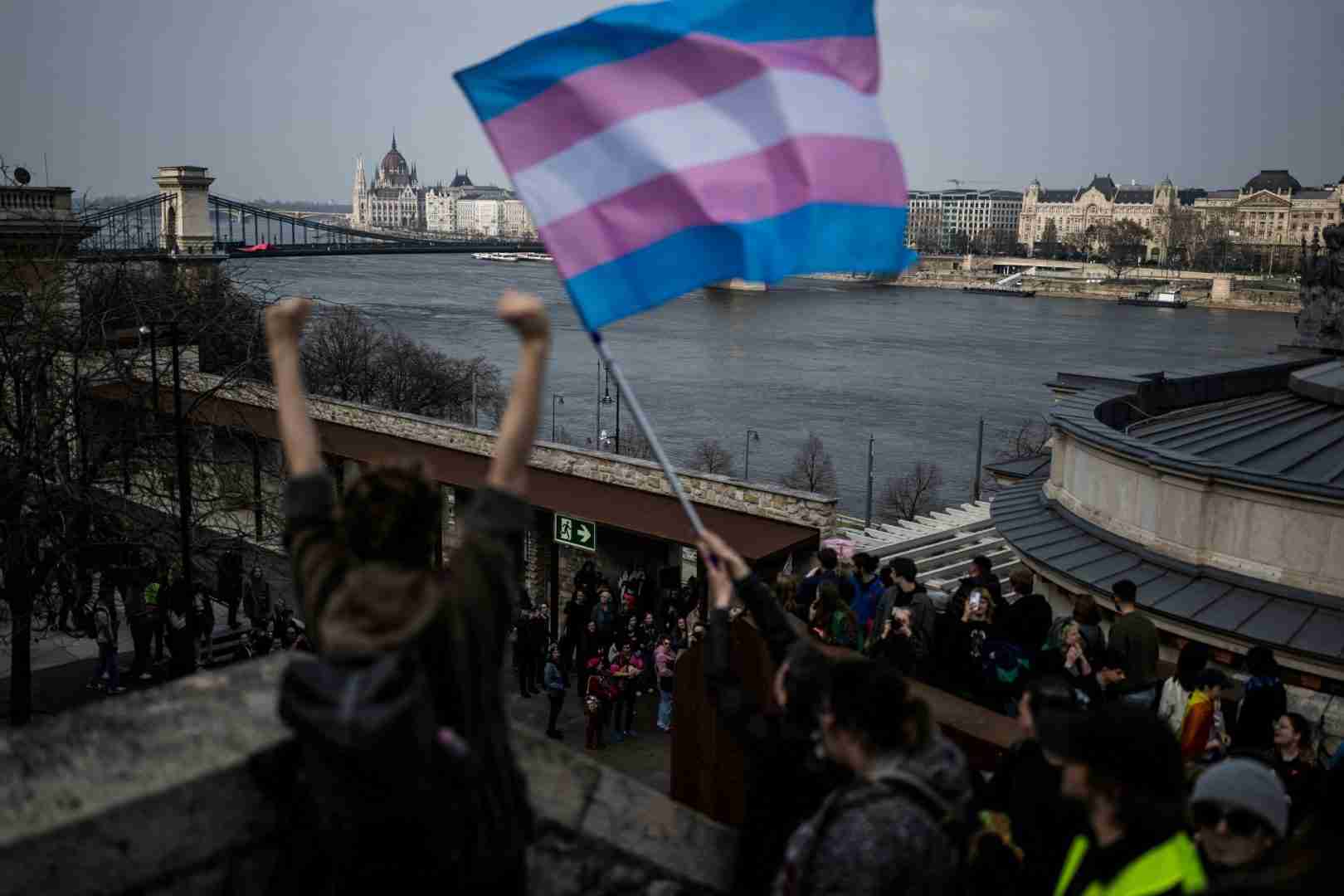
Hungary’s outgoing government violated European law with rules prohibiting or restricting access to LGBTQ content, which stigmatise and marginalise gay and trans people, the European Court of Justice ruled on Tuesday.
The ruling could provide a test for the future of social policy under Hungary’s new leader Peter Magyar, who ended Prime Minister Viktor Orban’s 16-year rule in a landslide victory in an April 12 election.
LGBTQ rights were eroded under Orban, who last year oversaw a ban on Pride marches and let police use facial recognition cameras to identify who attended. Magyar, a former official in Orban’s right-wing Fidesz party, campaigned on support for equality but has avoided taking a clear stance on LGBTQ rights.
The European court said Hungary had acted in breach of Article 2 of the EU’s Treaty, which sets out the fundamental values of the 27-member bloc. It also found the Hungarian legislation breached the freedom to provide and receive services, as well as data protection laws.
The U.S. voiced confidence that peace talks with Iran in Pakistan would proceed, while Tehran said it was considering joining, though uncertainty remained as the ceasefire nears its end
International News via Reuters:
UK’s main stock indexes posted modest gains on Tuesday, led by advances in financials, as hopes of possible ceasefire talks between the U.S. and Iran bolstered investor confidence.
The U.S. voiced confidence that peace talks with Iran in Pakistan would proceed, while Tehran said it was considering joining, though uncertainty remained as the ceasefire nears its end.
The blue-chip FTSE 100 index rose 0.1% to 10,628.63 points by 1020 GMT, while the midcap FTSE 250 gained 0.9%.
• Heavyweight bank HSBC and Standard Chartered rose 1% and 1.2%, respectively, leading to a 0.6% gain in the broader banks index.
• Britain’s labour market cooled only marginally in the three months to February, with pay growth easing less than expected and unemployment falling largely due to students leaving the workforce.
• British Land Company rose 2.4% after the real estate group raised annual earnings forecast on higher demand from AI and tech companies.
• The benchmark FTSE 100 is up 4.4% so far this month, underperforming its European peers. The pan-European STOXX 600 and German’s DAX are up 7.8% and 8.3%, respectively.
• E-commerce group THG jumped 7.3% after reporting strongest first-quarter revenue since 2021.
• Miner Rio Tinto posted higher first-quarter iron ore sales, but flagged supply-chain risks in the second half, owing to the Middle East war. Its shares gained 0.4%.
• Precious metal miners Fresnillo and Hochschild fell 0.7% and 1.3%, respectively, tracking a decline in gold and silver prices.
• Associated British Foods said it would split fashion chain Primark from its foods business. Its shares fell 3.1%.
• Power generator SSE rose a further 4.2% after plunging more than 10% last week following Finance Minster Rachel Reeves’s plans to weaken the link between cost of electricity and gas prices. The utilities sector was up 1.4%.
Reporting by Utkarsh Tushar Hathi; Editing by Shilpi Majumdar
British data showed the jobless rate fell unexpectedly, although that drop reflected rising numbers of students not looking for work rather than rising employment, while average weekly earnings fell
International News via Reuters:
The pound dipped on Tuesday, remaining within a recent range as investors monitored Middle East developments that could spark a fresh rush to the safe-haven dollar.
British data showed the jobless rate fell unexpectedly, although that drop reflected rising numbers of students not looking for work rather than rising employment, while average weekly earnings fell.
Analysts argued that sterling didn’t rise because the big drop in the February unemployment rate probably overstated the health of the British labour market.
Under pressure from political opponents to step down, British Prime Minister Keir Starmer on Monday laid the blame on foreign ministry officials over the appointment of a U.S. ambassador, saying they had kept him in the dark.
The former top official in Britain’s foreign ministry who was sacked over Peter Mandelson’s appointment as U.S. ambassador said on Tuesday he had come under a lot of pressure from the prime minister’s private office to resolve his security clearance quickly.
This “is perhaps one reason why sterling is not selling off more,” said Chris Turner, global head of markets at ING, after mentioning the Polymarket betting site, which gives a 40% probability of Starmer leaving office by June and a 67% chance by December.
The pound was last down 0.28% at $1.3496. The euro was 0.1% higher against the pound at 87.10 pence.
The greenback rose on Tuesday after falling a day earlier as uncertainty over the U.S.-Israeli war on Iran kept investors on the sidelines.
Investors are also closely watching bets on future Bank of England rate hikes.
Traders are now almost fully pricing one BoE rate hike this year, while indicating two rate increases for the European Central Bank.
Some analysts flagged that the pound performed quite well against the euro while markets removed a lot of the expected Bank of England tightening this year.
Hopes for a Middle East peace deal eased inflation fears and tempered expectations of a rapid policy tightening by central banks, including the BoE. Currencies tend to strengthen when central banks raise rates and weaken when they cut them.
ING said it expects no BoE rate hikes in 2026, adding that one tightening move may not be priced out until oil prices drop.
Reporting by Stefano Rebaudo; Editing by Thomas Derpinghaus
To provide the best experiences, we use technologies like cookies to store and/or access device information. Consenting to these technologies will allow us to process data such as browsing behavior or unique IDs on this site. Not consenting or withdrawing consent, may adversely affect certain features and functions.
Functional
Always active
The technical storage or access is strictly necessary for the legitimate purpose of enabling the use of a specific service explicitly requested by the subscriber or user, or for the sole purpose of carrying out the transmission of a communication over an electronic communications network.
Preferences
The technical storage or access is necessary for the legitimate purpose of storing preferences that are not requested by the subscriber or user.
Statistics
The technical storage or access that is used exclusively for statistical purposes.The technical storage or access that is used exclusively for anonymous statistical purposes. Without a subpoena, voluntary compliance on the part of your Internet Service Provider, or additional records from a third party, information stored or retrieved for this purpose alone cannot usually be used to identify you.
Marketing
The technical storage or access is required to create user profiles to send advertising, or to track the user on a website or across several websites for similar marketing purposes.