David Selley and Steven Bridges produced a stellar performance in challenging conditions to claim second place at the IHRA New Orleans Powerboat Grand Prix.
The Super Stock Class lived up to its reputation for high-octane drama, providing a fast and furious spectacle on the waters of Louisiana.
Navigating a course that demanded technical precision and immense physical durability, the S25 Team Bermuda duo remained in the hunt for the top spot throughout a grueling contest.
In a finish that went down to the wire, Selley and Bridges crossed the line just 2.6 seconds behind the eventual winners.
Despite the testing conditions, the Bermudian pair maintained a relentless pace, narrowly missing out on victory in a sprint to the checkered flag that captivated the New Orleans crowds.
Further down the field, fellow Bermudian pilot Luis Martins also faced the elements alongside throttleman Nick Imprescia in S-12 Nuff Said.
The pair battled through the wake of the lead pack to secure a respectable fifth-place finish, ending the grand prix 43.1 seconds adrift of the winners.
The result reinforces the status of the island’s racers as genuine contenders in the competitive Super Stock division.
As the teams depart New Orleans, the focus shifts to the next round, where Team Bermuda will look to go one better and claim the top step of the podium.
Swimmer Sam Williamson enjoyed a flawless outing at the RHAC Spring Invitational in Toronto, claiming two gold medals and a vital qualifying standard for the Central American and Caribbean Games.
The meet at the Richmond Hill Aquatic Centre proved to be a successful hunting ground for Williamson, who demonstrated both speed and stamina across multiple disciplines.
He opened his account in the 100m Freestyle, setting the pace early by clocking the fastest time in the preliminaries before returning to clinch gold in a sharp 53.42 seconds.
While the freestyle sprint showcased his raw pace, it was in the 200m Individual Medley that Williamson produced his most significant performance.
After leading the morning heats, he found another gear in the final to shave nearly three seconds off his preliminary time.
His winning effort of 2:08.55 was not only enough to secure his second gold medal but also saw him dip well under the 2:09.32 mark required for the CAC Games.
By meeting the qualifying standard with room to spare, Williamson has underscored his status as one of the region’s rising talents.
The double victory in Canada provides a perfect platform for the major championships ahead.
With the CAC standard now secured, the focus shifts to maintaining this momentum as the international season begins in earnest.
Pria Wilson signaled her arrival as a major force on the international stage
Wilson secured a remarkable golden hat-trick while competing at the IMG Academy Invitational in Bradenton, Florida.
The host-academy standout began her day by leading the field in the 100-metre preliminaries with a time of 12.13 seconds.
But she was only just getting started.
In the final, Wilson found another gear, storming to gold in a blistering 12 seconds flat.
The dominance continued into the 200 metres.
Navigating the curve with trademark power, Wilson stopped the clock at 24.98 seconds—an overall winning time that left the rest of the field in her wake.
She completed her triple-gold haul in the 4×100 metre relay. Teaming up with Reegan Clutter, Aniyah Walker, and Marchele Robbins, the IMG quartet produced flawless baton exchanges to take the top spot in 47.32 seconds.
It is a resounding statement of intent as the outdoor season intensifies.
Noida is among the largest planned industrial townships of Asia and houses thousands of industrial units
International News via Reuters:
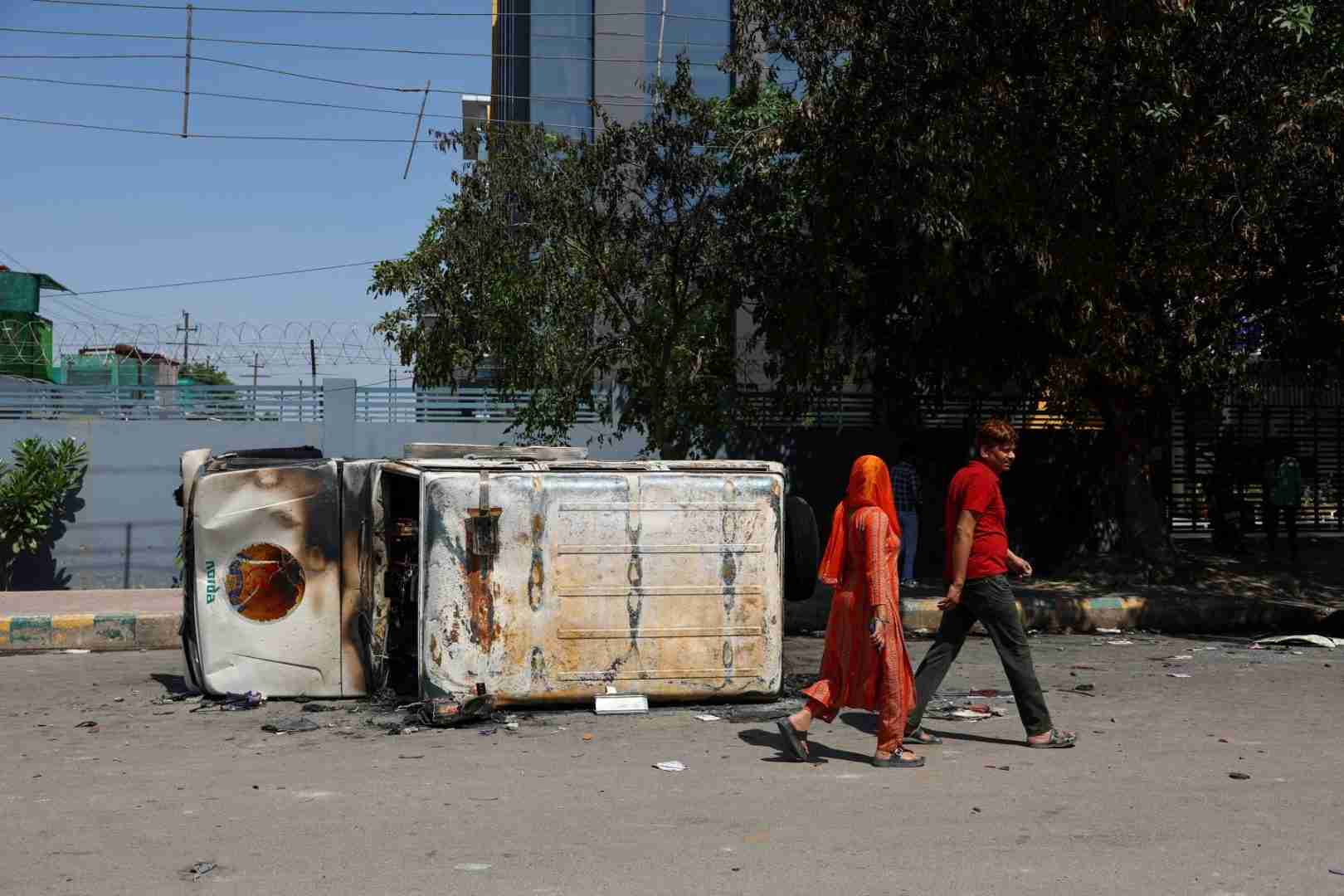
Police lobbed tear gas shells and used “minimum force” on Monday to quell a factory workers’ protest in the Indian national capital’s suburb of Noida, which turned violent on its fourth day, with vehicles torched and stones pelted in parts of the satellite city.
Noida is among the largest planned industrial townships of Asia and houses thousands of industrial units.
Living costs across the world have risen as the U.S.-Israeli war in Iran curbed fuel supplies. Similar protests in the auto-making state of Haryana last week led to the government ordering a 35% hike in minimum wages.
Vinay Mahoti, 30, who hails from the eastern state of Bihar and works at a hosiery company in Noida, said he initially protested inside his manufacturing unit but later joined workers from other companies who took to the streets.
“Duty hours should be fixed, overtime hours should be paid, and companies…should adhere to the guidelines laid by the federal government,” he said, listing his demands.
Visuals from news agency ANI, in which Reuters has a minority stake, showed dozens of protesters marching on the street and chanting slogans, while security personnel in anti-riot gear looked on.
Other visuals showed an overturned vehicle with flames rising out of it, and protesters hurling stones and trying to break through barricades.
Local police said “minimum force” was being used to maintain law and order, while Narendra Kashyap, a lawmaker in Uttar Pradesh state, where Noida is located, called on protesters to discuss their demands with the government.
“Senior police and administrative officials are making persistent efforts to counsel the workers and urge them to maintain peace and restraint,” Gautam Budh Nagar police said in a statement.
($1 = 93.3200 Indian rupees)
Reporting by Saurabh Sharma; Writing by Sakshi Dayal; Editing by Janane Venkatraman
In this episode of Second Look, Dr. Doug DeCuto explores Bermuda’s complex financial system, government accountability, and the importance of civic engagement. It offers insights into Bermuda’s economic challenges, government policies, and ways to empower Bermudians through education and participation.
This episode features a deep discussion on Bermuda’s financial situation, budget, economic fragility, and future vision. Experts Craig Simmons and Nathan Kowalski analyze the island’s reliance on international business, debt management, and long-term strategic planning.
This episode features a lively community discussion on Bermuda’s political landscape, CARICOM membership, local legislation, and global issues impacting Bermuda. Listeners gain insights into democracy, governance, and the importance of civic engagement.
This episode of Second Look; we explore the complex landscape of Bermuda’s pharmaceutical industry, including the roles of doctors, pharmacists, government regulations, and insurance companies. We highlight the issues of monopolistic practices, cost control, and the evolution of healthcare delivery in Bermuda.
The talks are intended to bring together Britain, France and other countries willing to join a peaceful multinational mission aimed at restoring freedom of navigation in the strait
International News via Reuters:
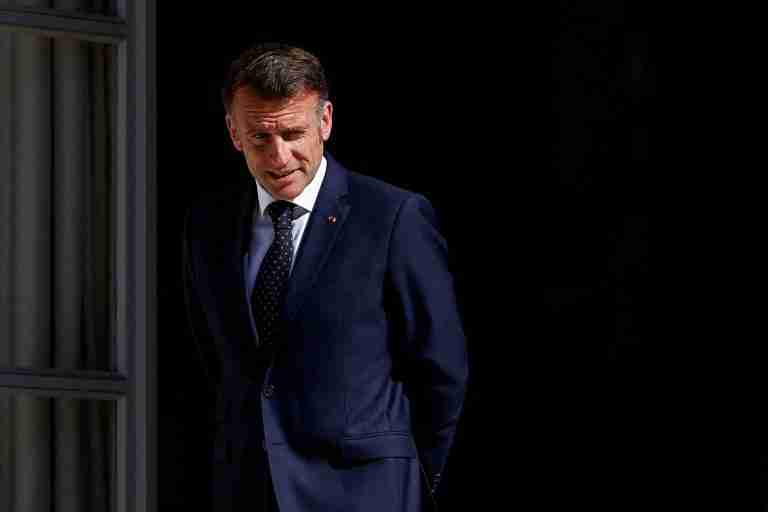
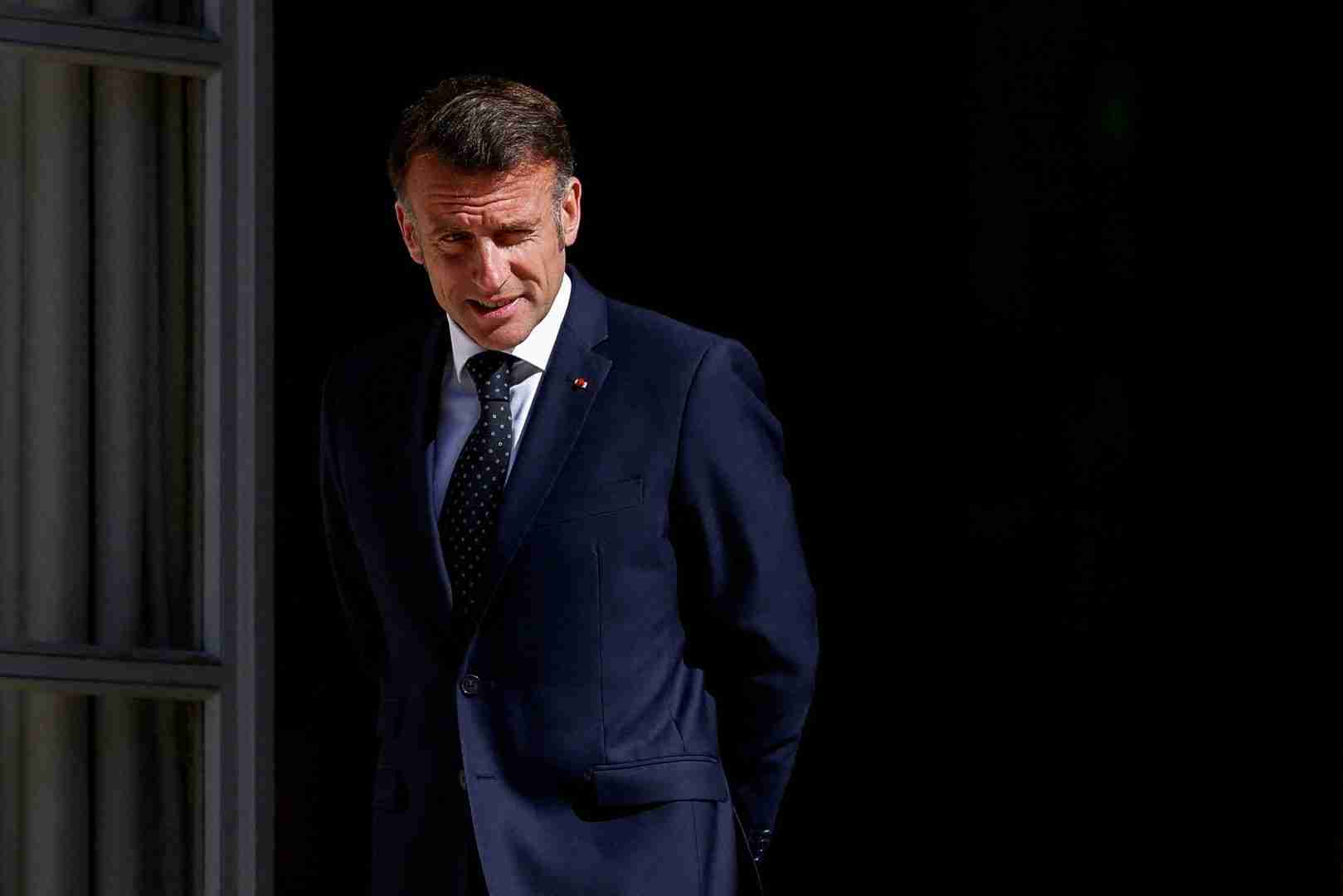
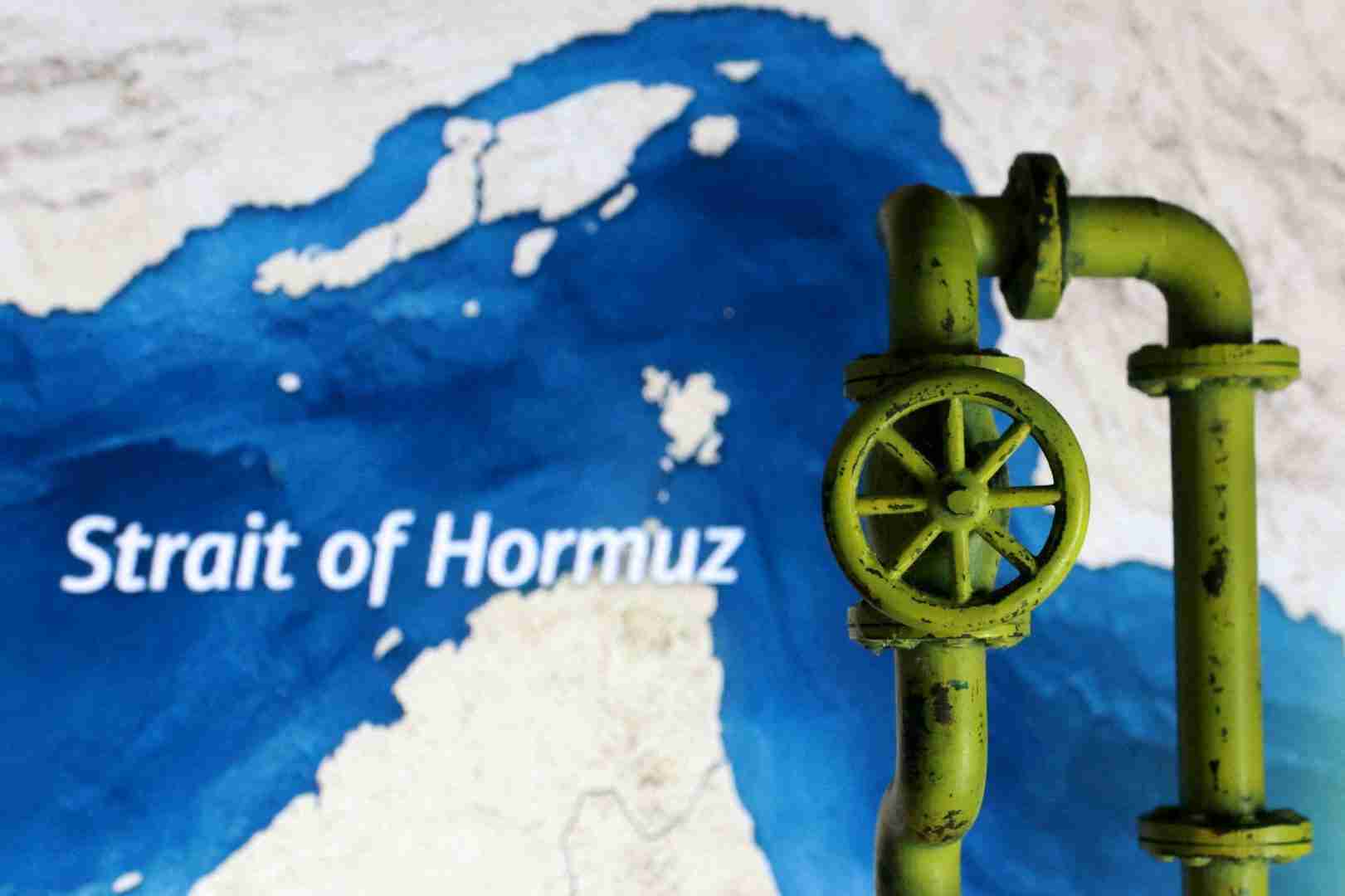
Britain and France will this week co-host talks aimed at restoring freedom of navigation in the Strait of Hormuz, including discussions on what President Emmanuel Macron described as a possible strictly defensive naval mission.
The talks are intended to bring together Britain, France and other countries willing to join a peaceful multinational mission aimed at restoring freedom of navigation in the strait.
“This strictly defensive mission, which will be separate from the warring parties, is intended to be deployed as soon as the situation allows,” Macron said in a post on X.
Tensions in the Gulf have intensified after the United States said it would begin a blockade of maritime traffic entering and exiting Iranian ports, while Iran has effectively shut the Strait, a route that carries about a fifth of the world’s oil consumption.
British Prime Minister Keir Starmer said the continued closure of the Strait of Hormuz was deeply damaging global shipping and was adding to cost‑of‑living pressures.
“This week the UK and France will co-host a summit to advance work on a coordinated, independent, multinational plan to safeguard international shipping when the conflict ends,” Starmer posted on X.
Britain has previously convened representatives of more than 40 countries that share the aim of restoring freedom of navigation. The United States was not involved in those talks.
Reporting by Dominique Vidalon in Paris and Sam Tabahriti in London; Editing by Sudip Kar-Gupta
A war-driven surge in energy prices worsened already weak conditions seen at the start of 2026 in a sector that has struggled for years
International News via Reuters:
European chemical companies are expected to report weaker first-quarter results, shedding light on how deep the impact from the war in the Middle East has been on an industry largely seen as one of the most exposed to it.
The U.S.-Israeli war with Iran has disrupted fuel and feedstock markets, driving up prices for the energy‑intensive chemical industry.
“Compared with other industries, the chemical sector is particularly affected by the dramatic increase in energy and raw material costs, as it predominantly relies on oil and gas as feedstocks,” German chemicals association VCI said.
A war-driven surge in energy prices worsened already weak conditions seen at the start of 2026 in a sector that has struggled for years with subdued demand, high energy costs, supply-chain disruptions and a sluggish broader economy.
COMPANIES HIKE PRICES TO SHIELD MARGINS
To offset higher costs, chemical companies including Brenntag, Wacker Chemie, Lanxess, BASF, Evonik, EMS Chemie and Sika have raised their prices, in some cases multiple times across different products.
The finance chief of Germany’s BASF said during a JPMorgan chemicals conference in March that he expected pricing to more than offset cost inflation in the second quarter of the year, according to a note from the brokerage. Brenntag’s CFO meanwhile said that price increases had so far been accepted by customers.
While rising energy costs are a global issue, higher energy bills combined with an already delayed economic recovery have hit demand harder in Germany and other European countries, said Research Director Martin Gornig from the German Institute for Economic Research (DIW).
Asian rivals, meanwhile, retain an advantage thanks to their structurally lower cost bases that help them cushion the effects of weak demand, mwb Research said in a recent note.
“Higher prices further weaken the competitive position of European producers versus Chinese suppliers,” said industry specialist Anna Wolf from Germany’s Ifo Institute for Economic Research.
VCI said feedback from companies so far had been mixed, as concerns over supply shortages were driving demand in some segments, while others saw dampened purchasing activity due to higher prices.
Analysts warned that any gains may prove fragile and they do not expect pricing alone to drive a meaningful earnings recovery in the near term.
Wolf said volatile prices and rising uncertainty risked weakening demand further. “The recent price increases have been, given the generally weak demand and sluggish business confidence, unexpectedly sharp.”
FAILED US-IRAN TALKS THREATEN CEASEFIRE, PROLONG ENERGY SHOCK
Weekend peace talks between the U.S. and Iran failed to deliver a deal to end the war, putting a fragile two‑week ceasefire at risk.
The absence of an agreement means Iran’s blockade of the Strait of Hormuz is likely to persist, driving further increases in oil and gas prices and hitting the chemical industry twice over, Wolf told Reuters.
“The underlying structural crisis runs far deeper than the geopolitical shock alone,” she said.
Even if the Strait of Hormuz were to open, the situation would only improve from “very bad” to “bad”, Wolf said, as issues around high energy costs, inadequate energy transition infrastructure and heavy bureaucratic burdens remain unresolved.
JPMorgan analysts said in a note on Monday that even if the ceasefire holds, the degree of damage to crude oil, petroleum products and petrochemical production facilities in the Gulf could cause fluctuations in trading terms and volumes.
Reporting by Anastasiia Kozlova and Amir Orusov in Gdansk, editing by Milla Nissi-Prussak
The Hungarian forint surged 2.5% to a more than four-year high against the euro on Monday, while the Budapest stock exchange gained almost 3% in anticipation of the EU funds starting to flow
International News via Reuters:
Hungarians were waking up to a political earthquake on Monday, after a landslide victory for the centre-right opposition reverberated everywhere from Washington to Kyiv, sending local markets surging and turning Budapest into a party zone.
The ballot’s implications stretched far beyond the borders of the landlocked country of under 10 million people, as outgoing nationalist Prime Minister Viktor Orban was a key ally of both U.S. President Donald Trump and Russia’s Vladimir Putin, and had frustrated European efforts to aid war-torn Ukraine.
Supporters of election winner Peter Magyar’s Tisza party hope he can unblock billions in European Union funds frozen over concerns about democratic standards, bolster the rule of law and hold those they accuse of wrongdoing under the previous government to account thanks to his two-thirds supermajority.
“It is an immense honour that you have empowered us to form a government with the most votes ever received, and to work for the next four years for a free, European, functioning, and humane Hungary,” Magyar posted on X on Monday.
The Hungarian forint surged 2.5% to a more than four-year high against the euro on Monday, while the Budapest stock exchange gained almost 3% in anticipation of the EU funds starting to flow.
EU leaders, Ukraine’s President Volodymyr Zelenskiy and Trump’s Democrat opponents in the United States have all warmly welcomed Magyar’s victory. Orban has blocked a 90-billion-euro ($105 billion) loan to war-battered Ukraine.
German Chancellor Friedrich Merz said on Monday that decision-making in the EU, including with regard to Russia, would become easier after Magyar’s win.
The Kremlin said on Monday Russia respected the choice of Hungarian voters and would continue what it called “pragmatic ties” with the new government in Budapest.
‘WE WANT TO STAY WITHIN THE EUROPEAN UNION’
In Budapest many residents were recovering from wild celebrations that saw the streets of the capital thronged with revellers well into the early hours.
Among those letting themselves go was Zsolt Hegedus, a leading candidate for health minister, whose dance moves on stage following Magyar’s speech went viral online.
Tisza supporters spoke on Monday morning of their optimism about the end of Orban’s adversarial relations with Brussels.
“We are part of the European Union and we want to stay within the European Union,” said network engineer Gyula Ferenc Teleki.
Magyar has pledged a sweeping anti-corruption drive, including stronger judicial independence and tougher public procurement rules to help secure the release of the EU funds.
On Sunday, Magyar called on Hungary’s chief prosecutor, the heads of the top court and the media authority, and other officials to resign, saying the country’s public institutions had been captured by Orban loyalists over the past 16 years.
“I cannot believe…,” said Peter, who declined to give his surname, his voice cracking with emotion as he spoke about the election result.
“We have so many problems because the Hungarian state is not in good condition, but I think we have many funds from the EU, they will be coming, and maybe the new government has a better way to rule this country.”
Some conservatives, including a former Polish minister granted asylum in Hungary by Orban, lamented the election result.
“Conservative Poland and Europe have lost a very important bastion,” said Marcin Romanowski, who served in Poland’s previous nationalist Law and Justice government. He is wanted by Polish prosecutors on charges of abuse of power.
Reporting by Anita Komuves, Kristina Than, Anna Lubowicka, Marco Trujillo, Writing by Alan Charlish, Editing by Gareth Jones
U.S. Central Command said U.S. forces would begin implementing the blockade of all maritime traffic entering and exiting Iranian ports at 10 a.m. ET (1400 GMT) on Monday
International News via Reuters:
Two Iranian-linked tankers exited the Gulf on Monday as other vessels began avoiding the Strait of Hormuz after the U.S. said it would start blockading Iranian ports later in the day, unsettling shipping markets at a vital energy chokepoint, shipping data showed.
The move followed the collapse of weekend talks between Washington and Tehran, prompting President Donald Trump to say on Sunday the U.S. Navy would enforce a blockade targeting vessels entering and leaving Iranian ports, even as Washington stressed it would not restrict transit through the strait itself.
Trump’s announcement effectively slowed oil tanker movements in the strait, with just two Iranian-linked tankers leaving the Gulf. In normal trading conditions, crude and products loaded from Iranian ports are typically headed for China, with India a recent buyer of Iranian crude.
The tanker Auroura is laden with Iranian oil products while the New Future vessel is carrying diesel loaded from the Hamriyah port in the United Arab Emirates and is heading to Sohar, Oman, Kpler and LSEG data showed. Both are medium-range tankers carrying about 330,000 barrels of oil.
U.S. Central Command said U.S. forces would begin implementing the blockade of all maritime traffic entering and exiting Iranian ports at 10 a.m. ET (1400 GMT) on Monday.
It would be “enforced impartially against vessels of all nations entering or departing Iranian ports and coastal areas, including all Iranian ports on the Arabian Gulf and Gulf of Oman,” it said in a statement on X.
U.S. forces would not impede freedom of navigation for vessels transiting the Strait of Hormuz to and from non-Iranian ports, and additional information would be provided to commercial mariners through a formal notice prior to the start of the blockade, it said.
Iran’s Revolutionary Guards said on Sunday that any military vessels attempting to approach the Strait of Hormuz would be considered a violation of the ceasefire and be dealt with harshly and decisively.
PAKISTANI TANKERS HEADED INTO GULF
Prior to Trump’s announcement, Pakistan-flagged tankers Shalamar and Khairpur entered the Gulf on Sunday, data from LSEG and Kpler showed.
The Aframax tanker Shalamar is heading to the United Arab Emirates on Monday to load Das crude, the data showed, while the Panamax-sized Khairpur is heading to Kuwait to load refined products, according to the data.
Pakistan National Shipping, which manages Shalamar, did not immediately respond to a request for comment outside of office hours.
Liberia-flagged very large crude carrier (VLCC) Mombasa B, which also transited the strait earlier on Sunday, is sailing empty in the Gulf and heading to Basra, Iraq, according to the data.
Malta-flagged VLCC Agios Fanourios I, which attempted to enter the Gulf on Sunday to load Iraqi Basra crude for Vietnam, has since turned back and is anchored near the Gulf of Oman, the data showed. The tanker plans to head to Iraq.
Eastern Mediterranean Maritime, which manages Agios Fanourios I, did not respond to a request for comment.
CMB.TECH NV, listed in LSEG data as the manager of the Mombasa B said it no longer manages the ship. The current manager Sinokor did not immediately respond to a request for comment.
Despite the stalemate, three supertankers fully laden with oil passed through the Strait of Hormuz on Saturday, shipping data showed. They appeared to be the first vessels to exit the Gulf since the ceasefire deal was struck last week.
Reporting by Florence Tan in Singapore, Jonathan Saul in London and Ariba Shaid in Islambad; Editing by Muralikumar Anantharaman and Louise Heavens
To provide the best experiences, we use technologies like cookies to store and/or access device information. Consenting to these technologies will allow us to process data such as browsing behavior or unique IDs on this site. Not consenting or withdrawing consent, may adversely affect certain features and functions.
Functional
Always active
The technical storage or access is strictly necessary for the legitimate purpose of enabling the use of a specific service explicitly requested by the subscriber or user, or for the sole purpose of carrying out the transmission of a communication over an electronic communications network.
Preferences
The technical storage or access is necessary for the legitimate purpose of storing preferences that are not requested by the subscriber or user.
Statistics
The technical storage or access that is used exclusively for statistical purposes.The technical storage or access that is used exclusively for anonymous statistical purposes. Without a subpoena, voluntary compliance on the part of your Internet Service Provider, or additional records from a third party, information stored or retrieved for this purpose alone cannot usually be used to identify you.
Marketing
The technical storage or access is required to create user profiles to send advertising, or to track the user on a website or across several websites for similar marketing purposes.