

UN chief calls for AI curbs and end to wars in his last assembly address
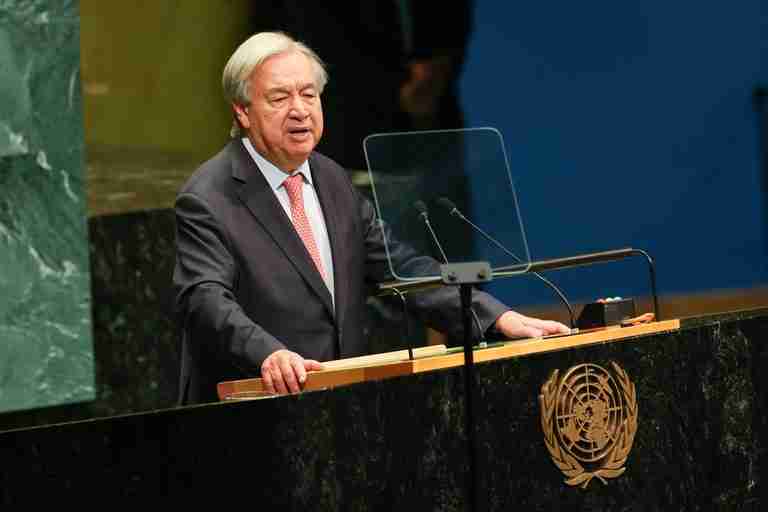
The former Portuguese prime minister, whose second five-year term ends on December 31, reiterated his calls for global oversight of AI risks, just as the UN’s 15-member Security Council prepares to host AI leaders for a briefing on the powerful technology
International News via Reuters:
United Nations Secretary-General Antonio Guterres used his final address to the General Assembly on Tuesday to urge world leaders to regulate artificial intelligence, end wars, focus on climate change and overhaul UN institutions he warned are struggling to confront mounting global challenges.
The former Portuguese prime minister, whose second five-year term ends on December 31, reiterated his calls for global oversight of AI risks, just as the UN’s 15-member Security Council prepares to host AI leaders for a briefing on the powerful technology.
Guterres also reflected on the gridlock within the organization, as nearly 130 world leaders gathered in New York, and Chinese President Xi Jinping and others — including leaders from South Africa, India and Germany — skipped the diplomatic meeting.
Delegates responded with sustained applause when Guterres defended a two-state solution for Israelis and Palestinians, demanded that “polluters must pay” for climate change and pressed for reforms to international institutions, causes he has championed throughout his decade leading the United Nations.
The address capped a decade-long tenure in which Guterres sought to position the UN as a mediator in conflicts and a forum for governing emerging technologies, even as major powers increasingly bypassed the organization and Washington slashed its funding.
“Those countries leading this technological revolution must share information on emerging safety risks, cooperate on testing and evaluation – and work towards common safeguards that protect us all,” Guterres told the assembly.
He called on the leaders gathered in New York to “advance the conditions for the responsible pacing of AI and the additional safeguards needed to address risks” and to “work towards a multilateral AI risk management framework, supported by credible and independent oversight.”
US Treasury Secretary Scott Bessent said on Sunday that Washington had proposed a new AI safety notification mechanism for US President Donald Trump and Chinese President Xi to consider at their summit this week. The proposal emerged from talks on establishing a US-China AI dialogue and would cover AI-related incidents with national security implications.
A CHAMPION FOR GLOBAL GOVERNANCE OF AI
Guterres has long pushed for global governance of AI. In 2023, the UN created a 39-member advisory body on AI, with members including tech company executives, government officials and academics from countries such as the US, Russia and Japan.
The Security Council, which is charged with maintaining international peace and security, met for the first time on the risks of artificial intelligence the same year, when China said the technology should not become a “runaway horse” and Washington warned against its use to censor or repress people.
On the Middle East, where the conflict has widened as Houthi gains along the Red Sea coast threaten shipping routes and tensions persist in the Strait of Hormuz, Guterres called for “de-escalation and dialogue.”
“Together, let’s send a clear message from this hall: The fighting must stop. Humanitarian aid must flow. And navigational rights and freedoms must be fully restored in accordance with international law,” Guterres said.
On the UN system, criticized by Trump and others as bloated and ineffective after Washington withdrew from several UN agencies and slashed funding, Guterres said, “our mechanisms for collective action are under growing strain” and global institutions “continue to reflect the power realities and interests of a largely bygone age.”
Guterres used the address to bid farewell to most of the global leaders he has worked with over the last 10 years.
“So, on January 1st, when I am no longer Secretary-General, be sure of this. Wherever I will be, whatever I will be doing – I will keep championing the conviction that peace is possible,” he said. “I will continue to stand up for the values of the United Nations Charter and I will never, ever give up. Thank you.”
Reporting by Antoni Slodkowski; Editing by Howard Goller
Trump says Iran deal nearing, Tehran offers Hormuz reopening
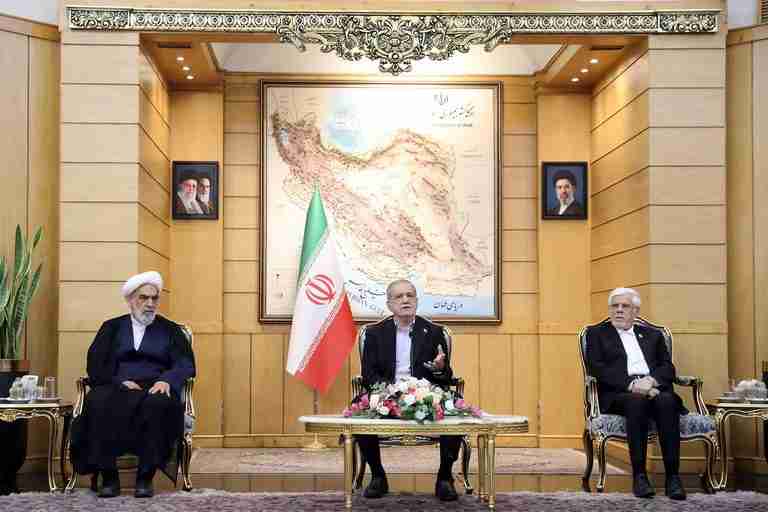
Trump’s remarks came just hours after he repeated a threat at the UN General Assembly to annihilate Iran if it failed to strike a deal
International News via Reuters:
President Donald Trump said on Tuesday that Washington and Tehran were moving toward a settlement, while a senior Iranian official said Tehran could reopen the Strait of Hormuz within days if the US eased military pressure and lifted its blockade on Iranian ports.
Trump’s remarks came just hours after he repeated a threat at the UN General Assembly to annihilate Iran if it failed to strike a deal.
Speaking after a meeting with British Prime Minister Andy Burnham at the United Nations in New York, Trump said: “They want to talk to us. They have been talking to us, even today they’ve been talking to us, and the relationship is developing.
“But we can’t let them – and they understand that – we can’t let them have a nuclear weapon.”
He gave no details on the talks. No face-to-face meetings between Iran and the United States are known to have taken place since July, when an agreement on an interim deal to end the war collapsed weeks after it was signed.
Earlier, in a combative speech to the UN, Trump gave no sign of readiness to compromise. He called for Iran’s complete economic isolation and said he believed a deal would be done after November’s midterm elections “because it doesn’t make sense for them not to. They’re waiting to see how I do in the midterm election.”
Trump faces growing domestic discontent over the unpopular Iran war, rising energy costs and stubbornly elevated inflation.
Iran had earlier signalled a willingness to revive negotiations to end their almost seven-month-old conflict, with the presidents of both countries due at the UN for the annual gathering.
The senior Iranian official told Reuters that Tehran had conveyed its latest proposal to Washington through mediators last week and could reopen the Strait of Hormuz to Gulf shipping within seven days if its demands were met.
IRAN SEES ‘GOLDEN OPPORTUNITY’ TO REVIVE DIPLOMACY
The official had earlier told Reuters that the US should “announce that it wants to resolve the issue diplomatically, make that official, and then agree on a timeline”.
“The UN General Assembly is a golden opportunity for the US to return to diplomacy,” the official said.
In a reminder of Iran’s firm position so far, Parliament Speaker Mohammad Baqer Qalibaf, who headed Iran’s negotiating team at previous talks, said Iran would never surrender: “Trump must understand that he cannot impose his power on the Iranian people and its armed forces.”
Trump was due to meet on Tuesday with leaders of the six Gulf Arab states: Bahrain, Kuwait, Qatar, Oman, Saudi Arabia and the United Arab Emirates.
All are keen to restore shipping through Hormuz, the conduit for a fifth of global oil and gas shipments before the war, but wary of giving their longstanding rival Iran too much power.
All apart from Oman also host huge US military bases that have come under repeated Iranian attack throughout the war.
Saudi Arabia, the largest of the Gulf states, has been drawn deeper into the war this month as Iran-aligned Houthi fighters have advanced in Yemen, routing forces of the Saudi-backed government and threatening Saudi oil exports through the Red Sea.
Oil markets found some relief on Tuesday after sources told Reuters that Saudi Arabia had restarted operations at its East-West Pipeline and could resume exports from the Red Sea port of Yanbu within hours, albeit at reduced volumes. [O/R]
The pipeline, Saudi Arabia’s main export route bypassing wartime disruption in the Strait of Hormuz, had been shut after attacks this month that Riyadh blamed on Iranian-backed groups in Iraq.
SAUDIS SEEK US SUPPORT AGAINST HOUTHIS
The Houthis have driven back Saudi-supported government forces along the Red Sea and the Bab el-Mandeb Strait at its mouth, and have attacked Saudi Arabia directly with missiles and drones. They are now pushing to seize the strategic heights of the Kahboub Mountains that overlook the Red Sea coast.
The US, which bombed the Houthis for two months last year, has so far rebuffed repeated pleas from Saudi Arabia’s Crown Prince Mohammed bin Salman to rejoin the fight. The New York Times reported that Trump called off US strikes against the Houthis on Sunday at the last minute.
Asked why Washington had held back from striking the Houthis, US Secretary of State Marco Rubio said: “Ultimately, if it comes down to it, the United States will always stand with Saudi Arabia and support them because we have an agreement with them to do so.
“That said, that is a very dangerous and complex conflict that pre-exists … We have a history with the Houthis as well, and that’s something we don’t want to see impacted either.”
On the table at the Gulf states’ meeting with Trump is a Qatari proposal for a framework to bring Iran and the Arab Gulf states into a common security architecture, regional sources said. One source said Iran was reviewing the proposal.
Speaking at the Qatar Economic Forum in New York on Sunday, Qatari Prime Minister Sheikh Mohammed bin Abdulrahman Al Thani said any such arrangement would need to provide security guarantees for the Gulf states and expand economic interdependence with Iran.
Reporting by Reuters Gulf bureaux;Writing by Peter Graff and Kevin Liffey; Editing by Gareth Jones, Alexandra Hudson, Ros Russell
Oil price becoming increasingly important for ECB, Bundesbank chief says

The ECB has already lifted its key rate twice this summer but investors see another three or four moves in the next year as both oil and gas prices are now at its “severe” scenario and inflation could peak at around 4%, twice the bank’s target

International News via Reuters:
Oil prices are an increasingly important indicator for ECB policymakers in setting interest rates but other factors also play a crucial role, Bundesbank President Joachim Nagel said on Tuesday after markets raised rate-hike bets on expensive energy.
The ECB has already lifted its key rate twice this summer but investors see another three or four moves in the next year as both oil and gas prices are now at its “severe” scenario and inflation could peak at around 4%, twice the bank’s target.
ECB President Christine Lagarde and Vice President Boris Vujcic have both pushed back on those bets, arguing that rates do not move in lockstep with oil prices. Their remarks suggested the bank may wait until December to pull the trigger next.
“It’s definitely not the only indicator but it’s become a more relevant indicator over the last four years, this is for sure,” Nagel told an event hosted by London’s Society of Professional Economists.
“It is obvious that we in governing council have to look at it and we have to take it into account when we take our decisions,” he said about oil prices.
Still, he kept open the door to more rate hikes. He said rates, now at 2.5%, are in a territory that neither restrict economic growth nor stimulate it.
“I cannot exclude that if we are confronted with higher energy prices like this, that we have to go into the mild restrictive territory of monetary policy,” he said.
But he played down some worries about second-round inflation effects, arguing that the labour market was far softer than in 2022, when an energy-price-led inflation fuelled increasing wage demands, leading to a wage-price spiral.
He also said there were no significant second-round effects in the data.
For now, the ECB needed to maintain its approach of making decisions meeting by meeting, Nagel said.
This means that policy needs to be somewhere between “constructive ambiguity,” or intentional policy vagueness, and setting “forward guidance” or making explicit commitments about future policy moves, Nagel said.
Reporting by David Milliken; writing by Balazs Koranyi; Editing by David Gregorio
Canada is giving C$100 million in international aid for Palestine, says Carney
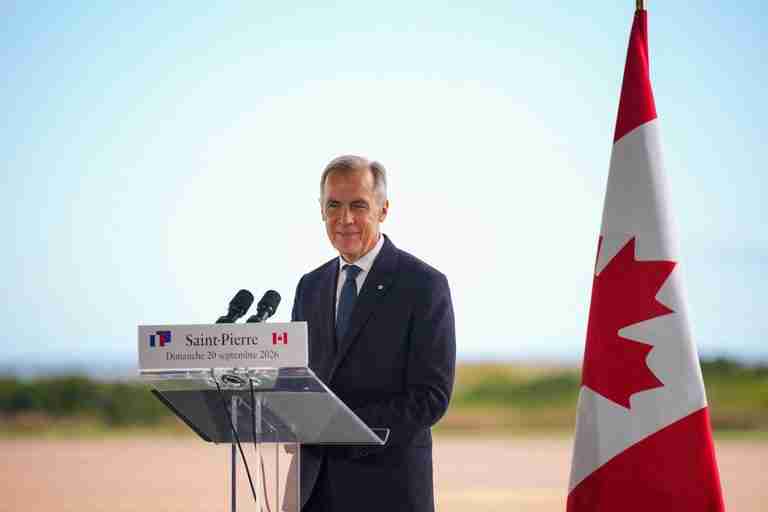
Canada is giving C$100 million in international assistance for Palestine, Prime Minister Mark Carney said on Tuesday
International News via Reuters:
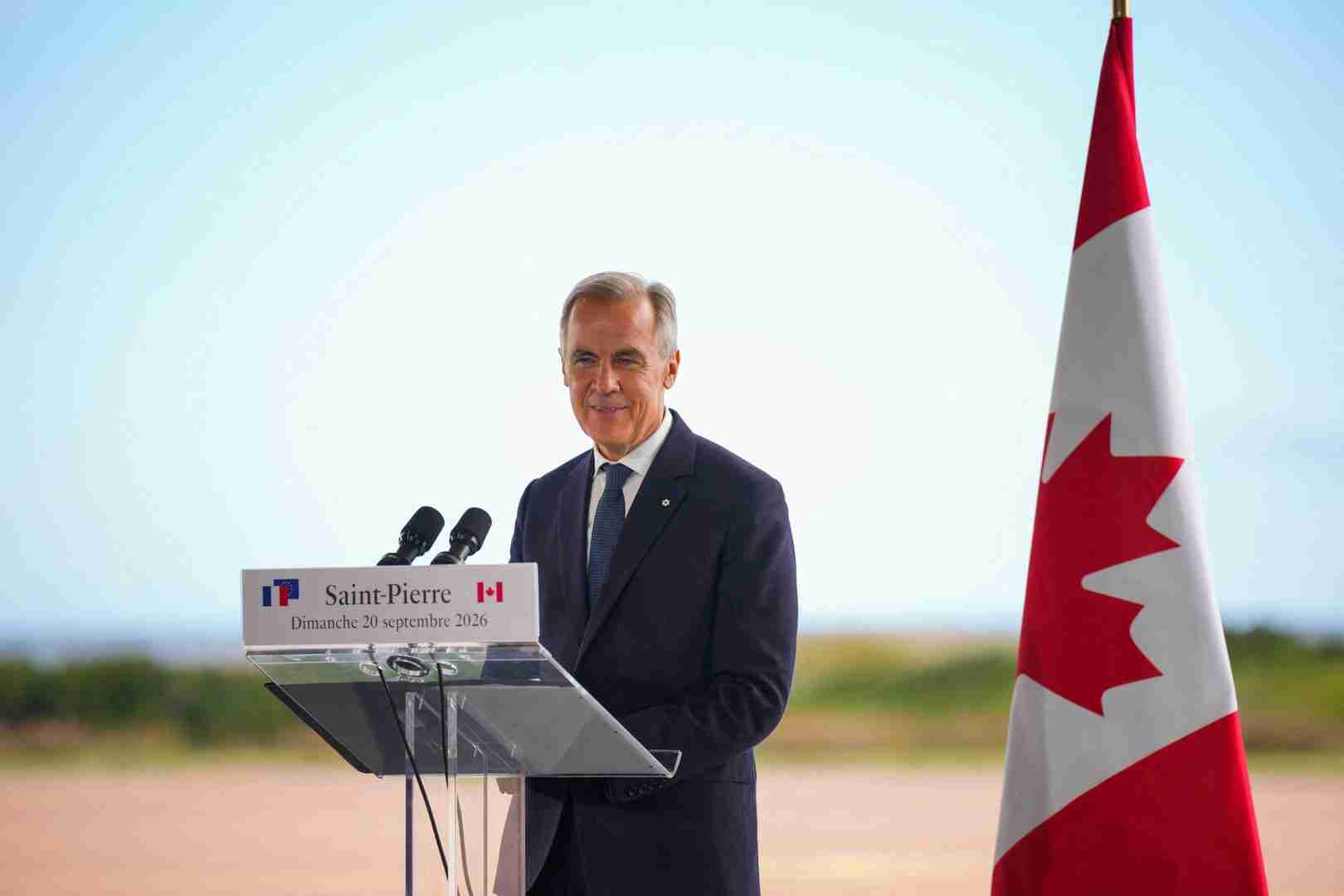
Canada is giving C$100 million in international assistance for Palestine, Prime Minister Mark Carney said on Tuesday.
Carney told reporters at the United Nations that C$80 million was for humanitarian aid to alleviate immediate human suffering, and C$20 million was to support peace and security capacity building.
Reporting by David Ljunggren, editing by Promit Mukherjee
New features for Taste of Bermuda event

Taste of Bermuda returns October 8th through 11th, with two brand new experiences being introduced as part of this year’s culinary celebration.
Kendal Trott spoke with City of Hamilton Senior Events Coordinator Lorna Hayward, who shared more about the new initiatives and how they aim to bring a unique dining and entertainment experience to Bermuda.
Docks dispute over union chief’s son quietly settled
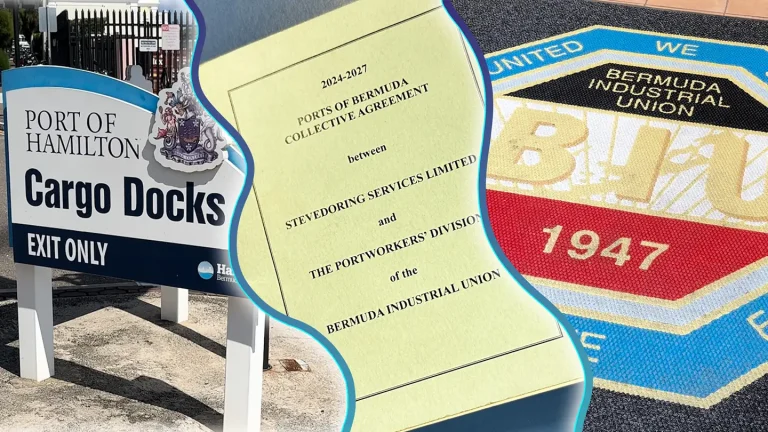
A long-running dispute at the Cargo Docks over a sacked worker has been quietly settled… Bermuda Broadcasting discovered that industrial action related to the case may have been based on a disputable interpretation of the rules
A special report on the outcome of a long-running labour dispute…
Chris Furbert, who has been the President of the Bermuda Industrial Union for 20 years, recently announced his intention to retire in March 2028.
Mr Furbert was recently at the forefront of a labour dispute between the BGA family of companies and its employees over plans to effectively delay the payment of wages.
The row saw many workers join the BIU for support.
On another matter, however, Bermuda Broadcasting has discovered that industrial action at the Cargo Docks last year, centered on the dismissal of Mr Furbert’s son, may have been based on a disputable interpretation of the rules.
WATCH the report above.
Police investigate after public sex act allegedly caught on video

Bermuda Police Service Press Release:
The Bermuda Police Service (BPS) is aware of images depicting a male and female engaged in a sex act at what appears to be a local beach, being circulated on social media.
While no official report has been made, the matter is now under investigation and anyone with information is encouraged to call 211, or the main police number, 295-0011.
The BPS reminds the public, Any person who wilfully and without lawful excuse does any indecent act in any public place; or who wilfully does any indecent act in any place with intent to insult or offend any person, is guilty of a summary offence, and is liable to imprisonment for five years.
Arrest after Front Street knife incident
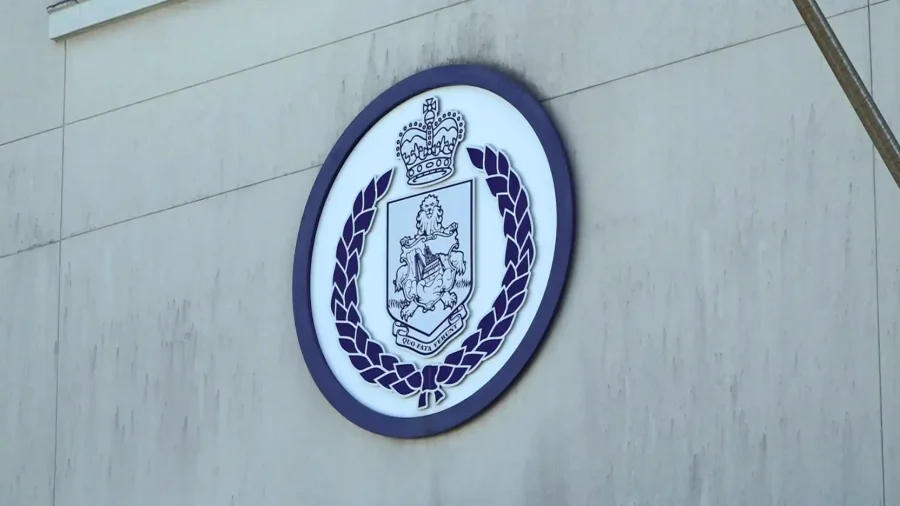
On Monday, September 21, 2026, officers from the Tactical Operations Division of the Bermuda Police Service (BPS), conducted a targeted operation, which resulted in the arrest of a male in connection with an incident which occurred on Front Street, City of Hamilton, at approximately 2:30 p.m. on Saturday, 12th September 2026.
The arrest relates to an altercation captured on CCTV, during which the male is alleged to have brandished a large knife.
During the operation, officers recovered a large knife believed to be of evidential significance to the investigation. The item has been seized and will be subject to further examination.
The matter remains under investigation as enquiries into the circumstances surrounding the incident continue.
Anyone with information regarding this incident who has not already spoken with police is encouraged to contact Police Sergeant Ascensius Jn Baptiste at 717-2203 or ajnbaptiste@bps.bm.
Chief Inspector Nidol Barker of the Tactical Operations Division reminded: “The BPS remains committed to addressing incidents involving bladed articles and other weapons and will continue to take appropriate enforcement action to safeguard the community.”
Opinion: Unelected Senators ‘throttled’ cost of living bill

The OBA voted for the status quo with regard to price controls … and Bermudian families are paying for it

Statement by Alexa Lightbourne, Minister of Home Affairs:
On 14 September, the Senate defeated the Cost of Living Commission Amendment (No. 2) Bill 2026 on a tied vote. Every Opposition senator voted against it. The Leader of the Opposition had the audacity to call the result a win “for all Bermudians”. The single person, the senior, the family at the register, won nothing that day. Their bill is the same this week as it was last week, and the information that could change this remains out of the public’s view.
The Bill did three things. Firstly, it allowed the Cost of Living Commission to designate critical services and monitor their prices. Secondly, it set a process for reviewing price increases on essential commodities. Lastly, it allowed the Commission to work with other public authorities that protect consumers. Each power served one purpose, which is to let the public body charged with the cost of living see how a price is built.
The Opposition Senate Leader says the Bill gave Government sweeping discretionary powers over business with no “demonstrated mechanism for bringing prices down”. The mechanism is information. A country cannot lower a cost it cannot see. Every serious remedy for high prices starts with the same question: where in the chain, from the dock to the shelf, does the dollar go?
The record shows why the law was needed. The Commission asked five grocers for pricing data under the existing law. One answered, and the Ministry has publicly credited Lindo’s for doing so. The reporting template was approved by retailers, at an in-person meeting, along with the Ministry. It was built on an export they described as easy to produce from their own inventory system. Four of five still did not file. Voluntary cooperation was tried, and it produced a twenty per cent response rate.
The Opposition says the real drivers are shipping, import duty and energy. Government agrees that they matter, and has acted on them. Duty on essential goods has been cut. The question that follows every duty cut is whether the savings reached the shelf. Today nobody can answer it with evidence. The Chamber of Commerce, which opposed the Bill, proposed an independent check of a shipment to confirm that duty relief reached the consumer. That proposal concedes the central point. Relief that cannot be traced cannot be guaranteed, and the Bill gave the Commission the means to trace it.
Consider how the Bill fell. The House of Assembly passed it. That House holds 36 members, each chosen by voters, and 25 of them sit with the Government that Bermudians elected in 2025 on a promise to act on the cost of living. The Senate holds eleven members, and none of them holds a seat won at the polls. Five sit on the advice of the Premier and carry the programme the country voted for. Three sit on the advice of the Opposition Leader. Three are chosen at the Governor’s discretion and answer to no constituency, no platform and no election. On 14 September the three Opposition senators voted no. Two of the Governor’s appointees, the President, Senator Joan Dillas-Wright, and the Vice-President, Senator John Wight, voted no with them. The third was absent. Five appointed votes stopped a Bill that the elected House had passed.
The Senate has a concise role, which is to revise and to improve. Bermudians are entitled to ask how far unelected representation should be able to throttle the programme of an elected Government, and on whose behalf. A senior on North Shore can remove her MP at the next election. She has no means of removing a senator she never chose.
The power to stop a Bill carries a duty to master it. The Hansard of the Senate debate records senators who opposed the Bill, opening their questions with an admission that they should already know the answer. The points raised were elementary, and the answers sat in the Bill, in the brief, and in the existing Act. A family’s grocery bill deserves better preparation from those who hold a veto over its relief. When preparation is thin, the weight falls on the people’s agenda.
Scrutiny improves a law. The Opposition tabled no amendment to this Bill in the House, and none in the Senate. The government, by contrast, changed course where retailers made a sound case. When grocers raised concern about perishables, the Commission agreed that price increase submissions will be reviewed by a quorum and returned within 24 hours of receipt.
The status quo has a constituency, and it has never been the household. We see its cost when a senior on a fixed pension puts the chicken back. We see it when a mother takes a second shift to cover the same cart of groceries. We see it when a young Bermudian studies the price of coming home and decides to stay away. The Chamber’s own paper cites Government survey work showing cost of living as the leading reason Bermudians give for leaving.
The Opposition knows how to bring legislation. It tabled an Absentee Voting Bill in 2025. It tabled a road safety Bill this summer. It says it will support any law that lowers the cost of living, and it has named shipping, duty and energy as the causes. The country should now see that Bill. Bermudians are entitled to read its clauses, to test its mechanism, and to know the date by which a family would feel it at the register.
The mandate of 2025 was for unity, equity and tangible progress. Government will keep using every power it holds to deliver it. Until the Opposition tables its answer, its vote stands as a vote for prices as they are. Bermudian families have paid for the status quo long enough.
Alexa Lightbourne is the Minister of Home Affairs.
China’s industrial rise hits German manufacturers hard, ECB finds
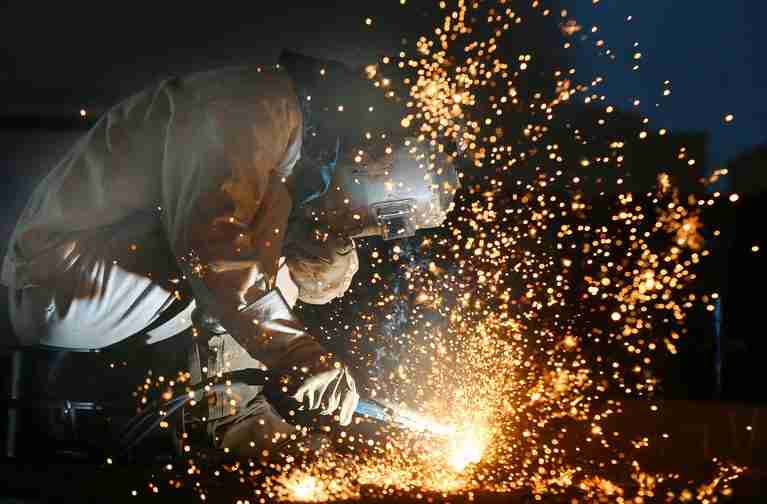
China has been expanding its global presence in recent years, focusing much of its effort on higher-value and technology production, taking on some of the best-established markets of export-reliant European companies
International News via Reuters:
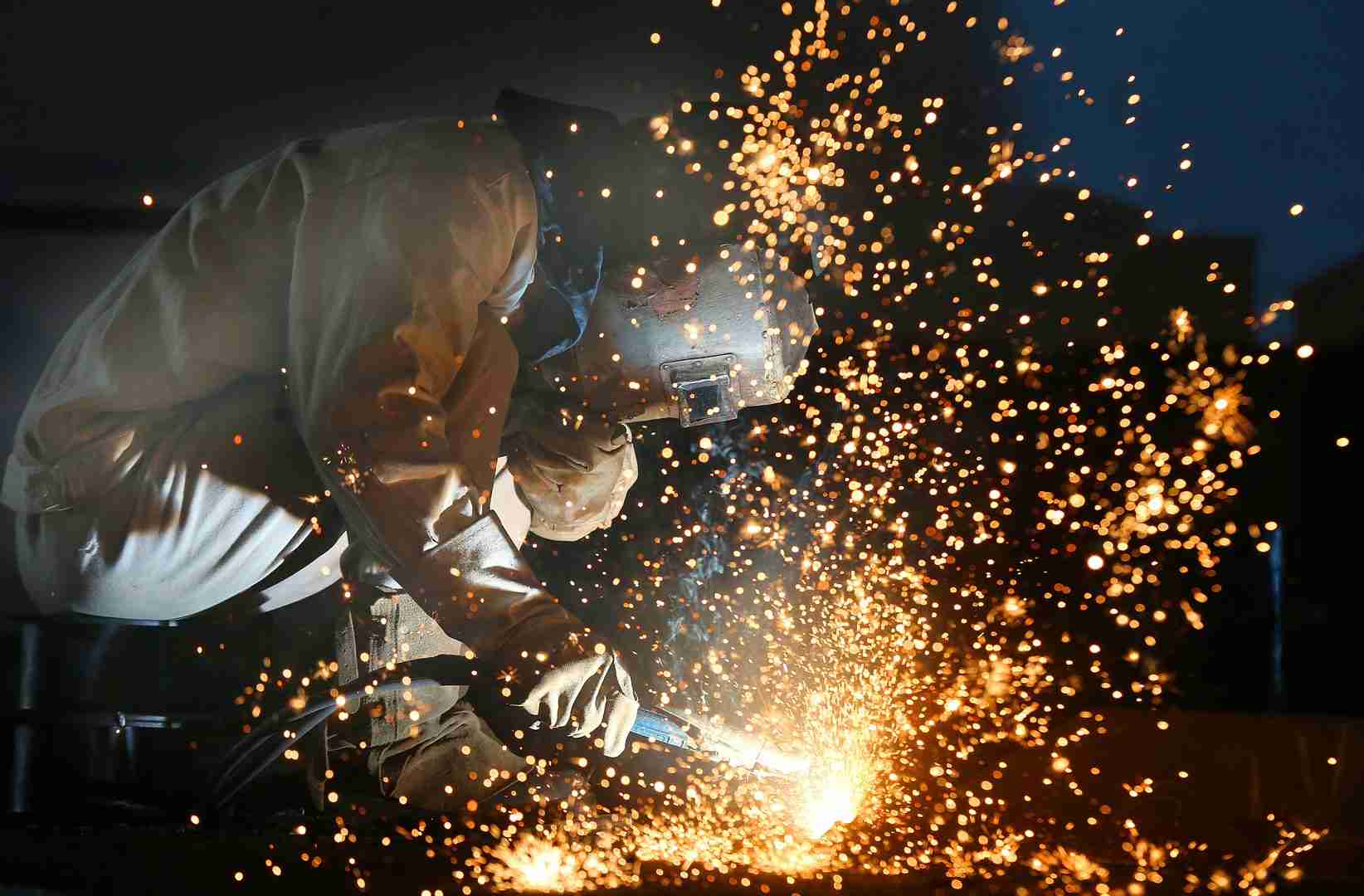
The industrial transformation of China is squeezing European firms out of global markets, particularly in machinery and transport equipment, with German companies taking some of the biggest hits, the European Central Bank said on Tuesday.
China has been expanding its global presence in recent years, focusing much of its effort on higher-value and technology production, taking on some of the best-established markets of export-reliant European companies.
“The EU’s share in global goods exports has declined, particularly in sectors and destinations where China has strengthened its global presence, notably machinery and transport equipment,” the ECB said in an Economic Bulletin article.
Among the EU’s biggest nations, Germany has the greatest export similarity with China while Italy has the smallest, the paper found. However, smaller countries, like Ireland or Greece, were among the least exposed.
“This points to intensifying competition in sectors that have been key drivers of growth in some European economies over past decades, including automotive production and industrial machinery,” the ECB added.
On top of crowding out European firms from third-country markets, China is also importing fewer products from Europe as its domestic production kicks in.
“The fall is most pronounced in economies integrated into European manufacturing and automotive value chains, including Germany and several central European economies,” the ECB added.
Reporting by Balazs Koranyi; Editing by Emelia Sithole-Matarise
France urges EU to postpone methane reporting requirements
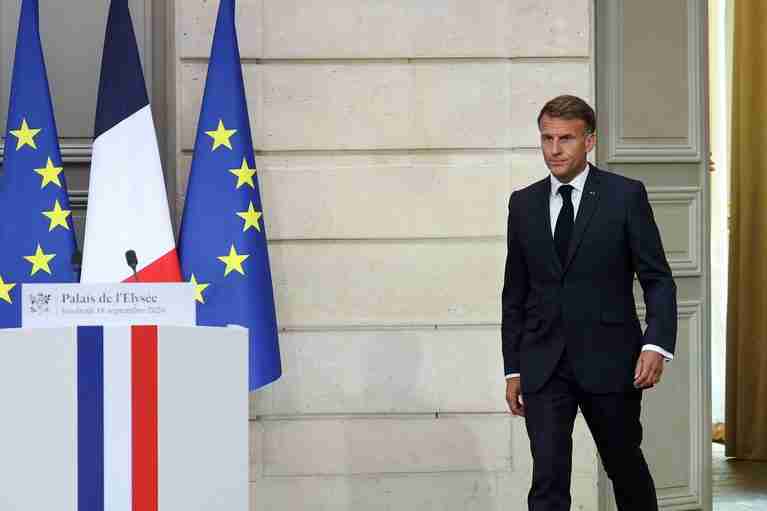
Macron’s letter to Commission President Ursula von der Leyen, dated September 18, was first reported by French newspaper Les Echos and has been seen by Reuters
International News via Reuters:
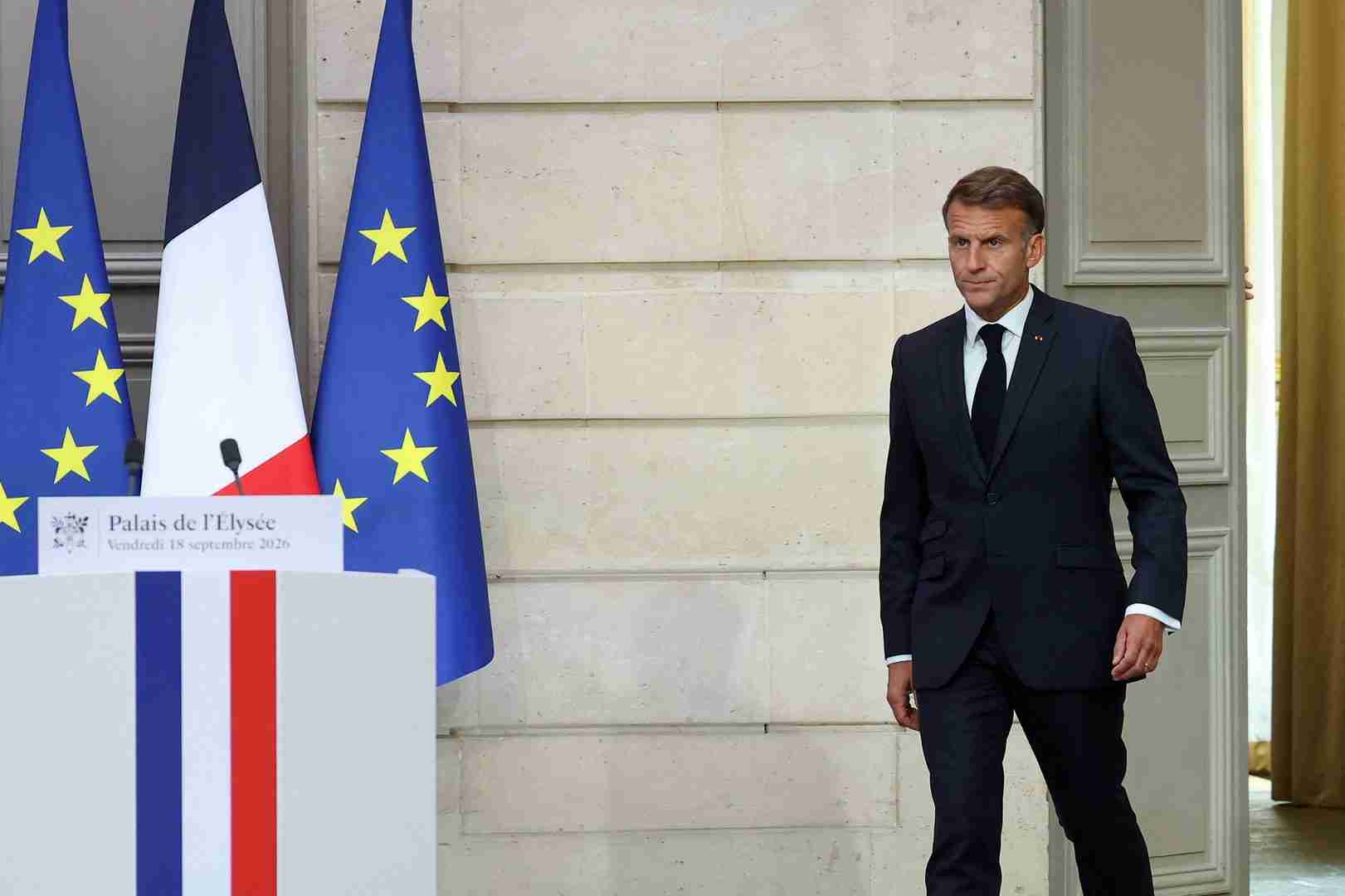
French President Emmanuel Macron has written to the European Commission urging it to postpone new methane reporting rules for oil and gas importers, arguing they could create legal risks for importers as energy supplies tighten.
Macron’s letter to Commission President Ursula von der Leyen, dated September 18, was first reported by French newspaper Les Echos and has been seen by Reuters.
Macron’s government faces pressure from unions in various sectors and opposition parties jostling for position ahead of the 2027 presidential election, who have criticised the president for failing to do more to address cost-of-living concerns.
The EU’s new rules, due to come into effect on January 1, will require monitoring and verification of methane emissions for oil and gas deliveries to the bloc, aiming to curb leaks of the potent greenhouse gas and imposing fines if companies breach the regulation.
Macron called for the regulations to be delayed by a year until January 1, 2028.
Methane is the second-biggest contributor to global warming behind carbon dioxide.
The European Commission is closely monitoring developments in fuel markets and will analyse Macron’s suggestions, a Commission spokesperson said.
“If we see any security of supply issue we are of course ready to consider further measures,” the spokesperson added.
Two EU officials told Reuters the Commission was looking into the methane law’s potential impact on energy supplies, but had not yet decided to move ahead with changes to the law. “I wouldn’t yet say it’s a given that we’re going to look into reopening it,” one of the officials said.
More than a dozen EU members, including Germany, Europe’s biggest gas market, have already asked for the rules to be delayed or suspended.
In response, the European Commission in July instructed EU member states to waive financial penalties linked to the regulation for three years, until the end of 2029, but has not agreed to postpone implementation of the rules.
MACRON’S OTHER PROPOSALS
EU countries themselves negotiated and approved the methane rules in 2023, but some governments say it should now be rolled back, to avoid the risk that it adds global fuel supply disruptions caused by the Iran war.
Macron, in his letter, also called for the EU to temporarily loosen fuel-quality rules to boost European production of kerosene and diesel, as supply pressures mount. French refiners estimate that this could increase their fuel production by 5% to 20%, he said.
The French president also proposed relaxing biofuel-blending limits, including allowing distributors to replace B7 diesel, which contains up to 7% biodiesel, with B10, containing up to 10%.
MORE FLEXIBILITY
Macron asked the Commission to examine possible temporary changes to European requirements governing fuel density, vaporisation limits and desulphurisation.
As a result of the deterioration in international fuel supply, refiners and importers are reporting increasing difficulties in confirming deliveries for the coming weeks, Macron said.
Macron said similar flexibility had been granted during the COVID-19 crisis.
The measures could help bolster European fuel supplies at a time when the bloc remains heavily reliant on the Middle East, which accounts for 36% of its kerosene imports and 18% of diesel imports, according to the letter.
The French prime minister’s office said that, while the government had not earned more VAT revenue from the increase in fuel prices, it would propose to parliament the creation of a “golden rule” in the upcoming budget law.
The rule would ensure that any increased revenue earned from increased fuel prices “will be neutralized and returned to the French people at the pump.”
Reporting by Elizabeth Pineau, Makini Brice and Forrest Crellin; Editing by Emelia Sithole-Matarise and Susan Fenton
