The Ministry of Public Works and Environment advises motorists that an emergency lane closure is taking place on North Shore Road near Black Watch Pass, Pembroke, to accommodate BELCO cable repairs.
The lane closure is in effect from Thursday, 17 September through Saturday, 19 September 2026, between 9:30 a.m. and 6:00 p.m.
Traffic is being managed by Intelligent Excavation representatives, with stop-and-go signs and possible traffic lights in place.
The Ministry encourages the full cooperation of motorists and apologises for any inconvenience that may arise.
The World Rugby Classic is set to return to Bermuda this November, bringing six international veteran sides together for a week-long tournament at the National Sports Centre North Field.
Running from Saturday, 7 November through Friday, 13 November, the competition features squads representing North America, South America, Europe, and the British Isles.
Opening night sees Classic Canada square off with the Classic Eagles before the Argentina Legends take on Italian Classic XV. Sunday’s traditional Family Day will feature an exhibition match by Bermuda Rugby ahead of the Classic Lions’ opener against Classic France.
Following midweek pool fixtures on Tuesday and Wednesday, the tournament concludes on Friday, 13 November with a three-match finals programme under the lights.
Key Match Schedule (Local Times):
13 Nov (Finals Night): Fixtures kick off from 18:15, culminating in Argentina Legends v Classic Lions at 20:45
7 Nov: Canada v Classic Eagles (19:00) | Argentina Legends v Italian Classic XV (20:30)
8 Nov: Bermuda Rugby (13:30) | Classic Lions v France (15:30)
International team tennis makes its long-awaited return to Bermuda this weekend as the island welcomes powerhouse Mexico for a historic Davis Cup World Group II tie — the first staged on home soil in nearly three decades.
The tie at the W.E.R. Joell Tennis Stadium hands Bermuda home-court advantage while offering local supporters a rare, front-row seat against a Mexican side renowned for its rich pedigree.
General admission tickets are sold out.
Captain Ricky Mallory has named a balanced five-man squad, featuring domestic number one Tariq Simons, former world junior top-ten player Wayne Montgomery, NCAA Division I competitor Trey Mallory, Tulane standout Daniel Phillips, and 18-year-old freshman Zach McGuire.
For 21-year-old Phillips, playing in front of a home crowd is about setting a standard for future generations.
“I feel like we’re setting the foundation and solidifying that Bermuda is at the level to play against the top players from all these other countries,” Phillips said. “And not just play, but compete and come out victorious.
“I think this is a huge step for Bermuda’s next generation, for giving the kids and the community the chance to witness tennis on the international level.”
Economists say markets are overpricing future rate increases amid fears the oil shock could worsen after Houthis seized a strategic stretch of Red Sea coastline, a move seen as signalling a more assertive stance by Iran-backed militia
International News via Reuters:
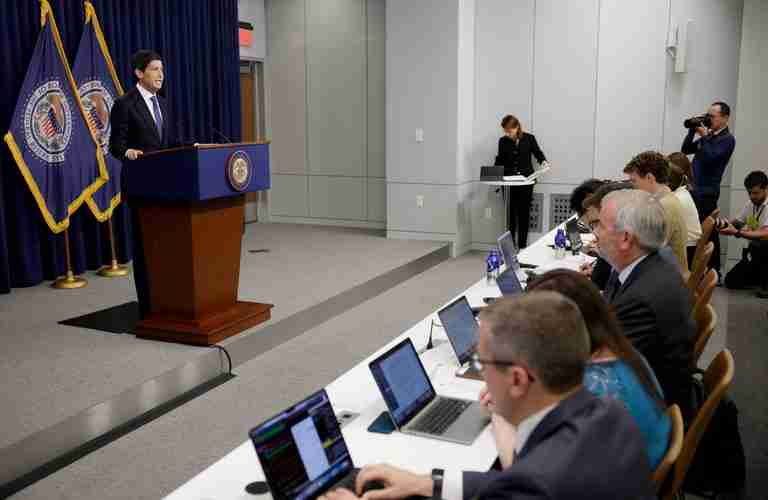
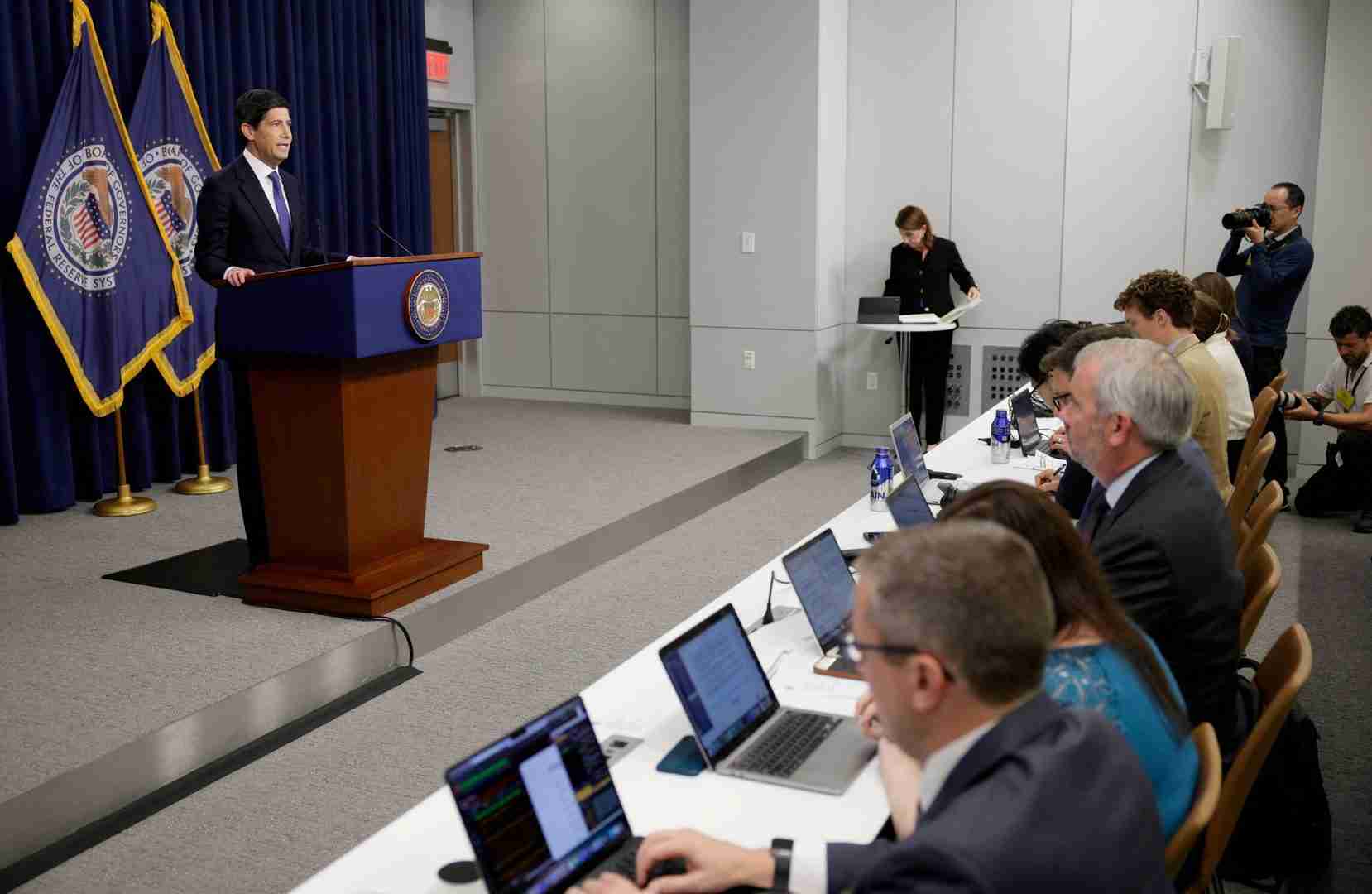
Major central banks are on a tightening path, with the Federal Reserve recalibrating its policy to a more restrictive stance on Wednesday, even as traders continue to price in a more aggressive policy response than projected in the U.S. central bank’s so-called dot plot.
Economists say markets are overpricing future rate increases amid fears the oil shock could worsen after Houthis seized a strategic stretch of Red Sea coastline, a move seen as signalling a more assertive stance by Iran-backed militia.
Here’s where central banks in the Group of 10 developed economies stand, ranked from highest to lowest policy rate.
1/ AUSTRALIA
The Reserve Bank of Australia has hiked interest rates three times this year to 4.35%, entirely undoing last year’s cuts.
The door to another hike looks firmly open, especially after a hot July inflation print. The central bank’s deputy governor said policymakers would debate the case for a hike at their meeting later this month.
Markets are broadly expecting the central bank to hike rates then.
2/ NORWAY
Norway has one of the highest rates in the G10 and is likely nearing the end of its hiking cycle. Norges Bank, which meets on September 24, left rates unchanged at 4.25% in August and noted that inflation had softened.
The economy meanwhile grew at a slower pace than economists had expected in the second quarter, at just 0.3%, while markets price in one more quarter-point hike by year-end.
3/ BRITAIN
The Bank of England on Thursday kept rates steady, as expected, at 3.75%. Three of the rate setters voted for a hike — the same number as at the central bank’s previous meeting.
But policymakers also sounded the alarm on inflation, with Governor Andrew Bailey warning that prolonged conflict in the Middle East may require tighter policy.
Markets were last pricing in at least one rate hike from the BoE this year with a chance of another.
4/ UNITED STATES
The Fed raised rates and flagged more hikes in a move that soothed concerns about the central bank’s independence in the face of President Donald Trump’s demands for lower rates.
Without that clear signal, investors may have questioned whether a Kevin Warsh-led Fed would remain committed to taming inflation, potentially weighing on US assets.
However, while policymakers project one more rate hike in 2026 and a hold in 2027, traders are pricing in more than one increase this year and roughly three moves by the end of 2027.
5/ NEW ZEALAND
The Reserve Bank of New Zealand hiked rates for the second consecutive meeting to 2.75% earlier this month, as expected. But it also hinted that more tightening would likely be measured as risks to the economic outlook grow.
The latest economic growth data meanwhile came in above expectations, signaling resilience. Markets are pricing in at least one more hike by year-end.
6/ EURO ZONE
The European Central Bank raised rates for the second time this year earlier this month and struck a hawkish tone as energy prices rise.
Markets price in at least one further hike by year-end and a deposit rate above 3% in 2027. But some economists expect the energy shock to weigh on economic growth and help curb inflationary pressures into next year.
7/ CANADA
The Bank of Canada left rates on hold earlier this month, but Governor Tiff Macklem said it could raise rates multiple times if inflation remained elevated.
That marked a departure from his previous messaging that upside risks to inflation and downside risks to growth were broadly balanced.
Since then, signs of a cooling labour market have emerged and trade tensions with the United States cloud the economic outlook. Still, markets price in another hike by year-end.
8/ SWEDEN
Sweden’s Riksbank is in the dovish camp and expected to keep its key policy rate at 1.75% when it meets later this month.
August inflation figures came in below expectations, cementing that view.
Still, markets expect rates to rise later this year.
9/ JAPAN
The Bank of Japan hiked rates to a 31-year high of 1.25%, as expected, on Friday and signalled it was ready to continue raising borrowing costs as it warned of broadening price pressures.
Even so, the BOJ’s guidance was not understood as explicitly hawkish by markets, and there were two dovish dissenters, keeping investors on edge about the possible rate path ahead.
Markets were last pricing in a high chance of one more rate hike from the BOJ this year.
10/ SWITZERLAND
Markets expect the Swiss National Bank to hold its key rate at 0% when it meets on September 24 and leave it there well into next year.
Data showing a rise in consumer prices and strong economic growth have raised the prospect of an earlier move. Still, a strong Swiss franc has helped dampen inflation, reducing the need for tightening.
Reporting by Stefano Rebaudo in Milan and Sophie Kiderlin in London; Editing by Dhara Ranasinghe, Joe Bavier and Chizu Nomiyama
Those who escaped last month’s disaster, when a torrent of mud and rocks swept across the Nepal-China border area, have been returning to see what they can recover
International News via Reuters:
Anusa Thapa Magar rushed home from her job in the Maldives after hearing about Nepal’s devastating floods, hoping that her beloved grandmother was one of those who survived.
She headed for the family’s two-storey house in the small town of Betrawati.
But there was no house, and no Betrawati.
Those who escaped last month’s disaster, when a torrent of mud and rocks swept across the Nepal-China border area, have been returning to see what they can recover. In some cases, all they have found is a flat expanse of grey silt.
Standing on the hardened mud, the 23-year-old Magar wondered whether her grandmother, who could barely walk, was beneath the ground. “Aama” — mother, in Nepalese — was last seen resting on her bed.
“If my house is buried underneath, that means my Aama is still here underneath too, right?” said Magar.
Each day, scores of survivors sheltering in clusters of tents on a hillside above the site of Betrawati walk the half a kilometre (500 yards) to wander across the wasteland that was once their town, searching for traces of homes, shops and loved ones swallowed by the floods.
There are 5,130 people still reported missing on the Nepal side of the border after the flood caused by a glacial collapse that swept down the mountains, killing at least 1,386 people. The authorities continue to search for survivors, but it has been days since anyone has been found alive.
A TRAIL OF PANIC
The highway linking Bidur to Betrawati has been replaced by a thick layer of mud deposited by the flood-swollen river.
Reaching Betrawati now requires climbing a steep hillside, traversing a narrow ridge and then descending into what had been a bustling settlement.
Along the way lie abandoned shoes and slippers, silent evidence of the panic that unfolded as people scrambled to escape the torrent of water, mud and rock. A deserted school building stands half-buried in debris. Further up the trail, children’s shoes, school ties, and backpacks are scattered across the mud.
The floodwaters surged downstream with such force that they slammed into the base of a hill before rebounding across the valley, sweeping away everything in their path.
Betrawati residents said warnings about the approaching flood began circulating minutes before it arrived, as friends and relatives upstream phoned to alert them. But few grasped the speed or scale of what was coming.
Garment business owner Kalpana Thapa Magar, 43, recalled receiving a call from a friend, telling her: “Run! Run!”
“I just ran. When I looked back, everything was gone, even the people who had been running behind me,” she said.
In Devighat, downstream, partial shells of houses still stand. Residents have been salvaging what belongings they can, though many say they will have no reason to return again.
Madhav Ghimire, 42, carries the keys to the six-room house he shared with Ambika Aryal, 38, but the landscape has changed so dramatically that they can no longer identify where it stood.
“Though I lost everything, I have still carried the keys of my home. It gives me a sense that I have everything,” he said.
LOST EVERYTHING
For many families in the region, it was not the first disaster they had endured. Nearly 9,000 people were killed in Nepal’s 2015 earthquake.
Teacher Sita Thapa Magar, 45, Kalpana’s older sister, said the earthquake had brought hardship and loss, but families had at least been able to salvage belongings and rebuild on their land. This time, the two houses she owned with her husband had been swept away and their farmland buried under debris.
“This time, we have lost everything,” she said.
Shanti Dangol, 61, stood on a single broken tile, the only visible trace of her home, holding a photograph of the three-storey lodge that once stood there.
She described Betrawati as a once-thriving town that catered to pilgrims and trekkers and had grown more prosperous in recent years as families built larger homes, rented rooms and invested in their children’s education.
“Economically, people here had started doing well. Now, nothing remains,” she said.
Photography and reporting by Adnan Abidi and Tyrone Siu; Addtional reporting by Sahana Bajracharya and Thomas Suen; Writing by Aftab Ahmed; Editing by Rosalba O’Brien
Investors withdrew a net $23.21 billion from global equity funds, the biggest weekly outflow since December 17, 2025, LSEG Lipper data showed
International News via Reuters:
Global equity funds recorded their largest weekly outflow in nine months in the week through September 16, as a surge in oil prices heightened inflation concerns and expectations of a Federal Reserve interest-rate increase added to investor caution.
Investors withdrew a net $23.21 billion from global equity funds, the biggest weekly outflow since December 17, 2025, LSEG Lipper data showed.
Crude oil prices climbed to four-month highs during the week, stoking inflation worries and pushing Treasury yields higher, weighing on growth-oriented funds.
The Fed raised interest rates by 25 basis points on Wednesday and indicated that further increases may be needed to curb inflation fueled by higher energy costs linked to the war in Iran.
Investors withdrew a net $31.44 billion from US equity funds, a fourth consecutive week of outflows. During the same period, European equity funds recorded net outflows of $295 million, while Asian funds attracted net inflows of $6.26 billion.
Weekly inflows into equity sector funds climbed to a six-week high of $4.49 billion, led by technology, financials, and consumer discretionary funds, which attracted $1.94 billion, $1.31 billion, and $621 million, respectively.
Global bond funds attracted $855 million in inflows, the smallest weekly amount since April 1.
Investors withdrew $3.85 billion from high-yield bond funds and $1.1 billion from euro-denominated bond funds, while adding $2.96 billion to government bond funds and $1.96 billion to short-term bond funds.
Money market funds recorded outflows of $77.42 billion, ending a two-week streak of net purchases.
Among commodity funds, gold and other precious metals funds attracted $1.17 billion, marking their ninth weekly inflow in the past 10 weeks. Energy funds posted weekly outflows of $148 million, compared with an inflow of $211 million in the previous week.
In emerging markets, equity funds recorded a second consecutive week of outflows, totalling $1.61 billion.
Investors also withdrew $167 million from bond funds following six consecutive weeks of inflows, according to data covering 29,002 funds.
Reporting by Gaurav Dogra; Editing by Harikrishnan Nair
The debate was triggered in late August when the finance ministers of Germany, Spain, Portugal, Italy, Poland and Austria warned that consumers were facing one of the biggest oil supply shocks in decades, fuelling voter discontent over rising living costs
International News via Reuters:
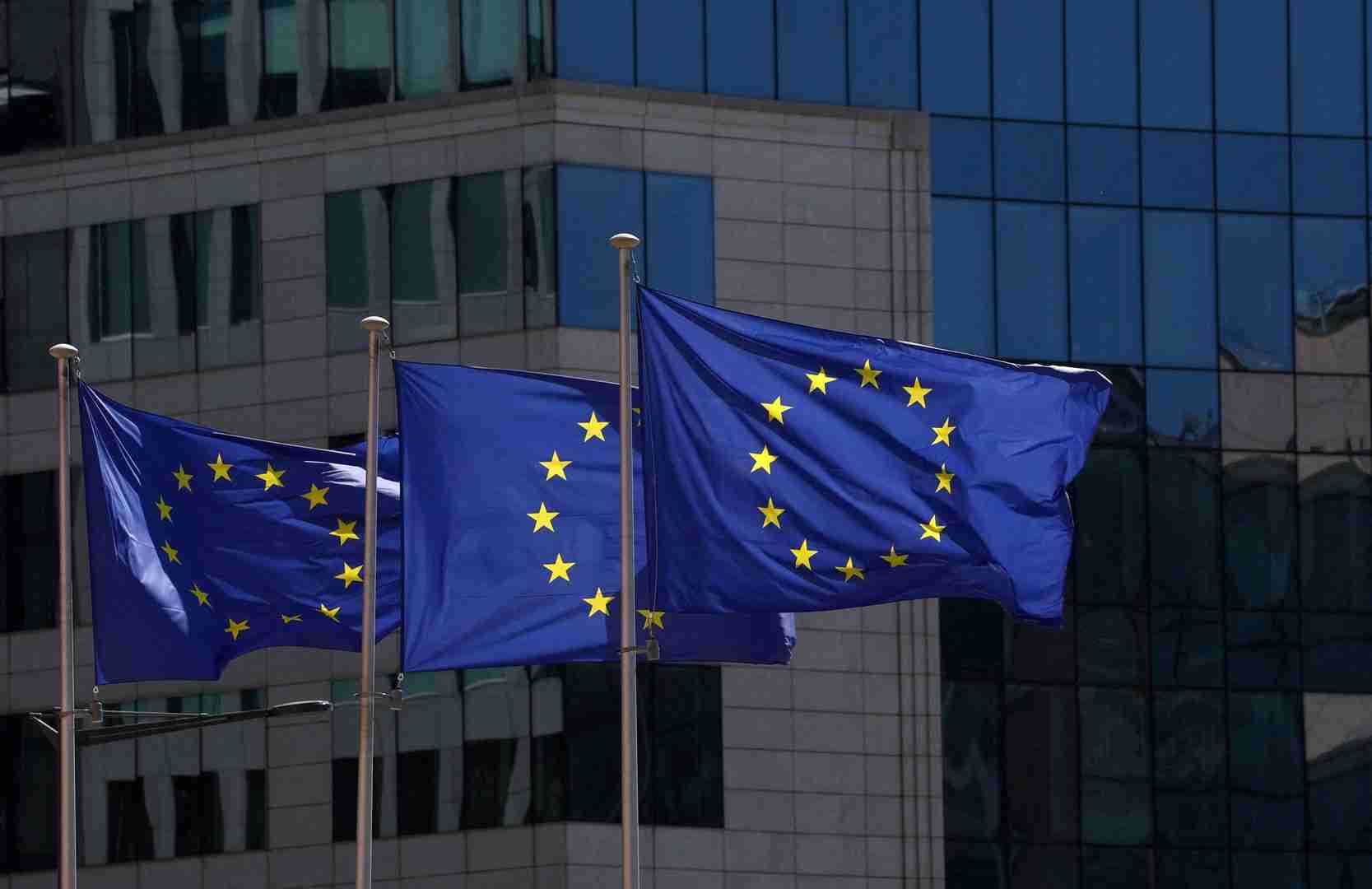
European Union finance ministers will discuss on Friday whether to impose an EU-wide windfall tax on energy companies benefiting from a surge in oil and gas prices following the closure of the Strait of Hormuz, with further talks expected in October.
The debate was triggered in late August when the finance ministers of Germany, Spain, Portugal, Italy, Poland and Austria warned that consumers were facing one of the biggest oil supply shocks in decades, fuelling voter discontent over rising living costs. Parliamentary elections are due next year in France, Italy, Spain, Poland, Greece, Finland, Slovakia and Estonia.
Oil futures have climbed back above $100 a barrel, about 50% higher than before the Iran war, as escalating attacks across the Middle East threaten more supply routes. Derivatives markets suggest traders do not expect a near-term drop in prices.
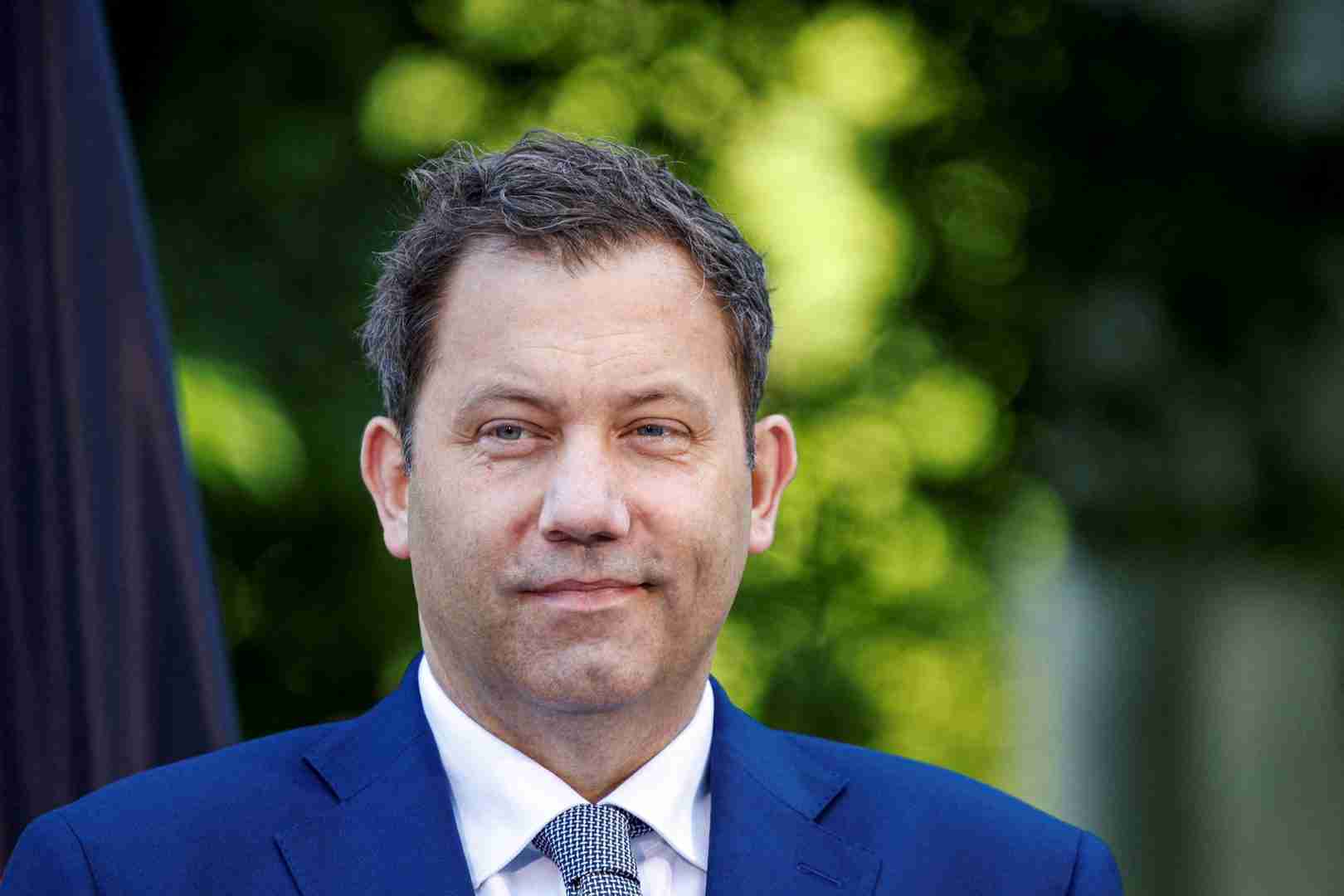
Arriving at a meeting of EU finance ministers in Dublin, German Finance Minister Lars Klingbeil called on the European Commission to propose ways to tax what he called excessive profits of oil companies.
“The Commission has been very reserved on this issue, although several member states have been calling for models to be presented for a long time. This must happen by the next Ecofin (EU finance ministers) meeting in October at the latest, and today I will make that pressure clear again, also on behalf of the others,” Klingbeil said.
“People in our countries can currently see how oil companies are exploiting the situation, overcharging people, and significantly increasing their profits. You can see that very clearly in their balance sheets …. If companies are overcharging in a situation like this, then we must pursue the matter consistently. That is my very clear expectation of the Commission: to present proposals now,” he said.
But EU Economic Commissioner Valdis Dombrovskis said the Commission had no plans for now to propose an EU-wide taxing mechanism, saying that EU countries were in charge of their taxes and free to do as they liked.
“We have been clear that, in a sense, that it is in the hands of member states. Member states can go ahead and take those decisions on taxing of windfall profits. And if necessary, the Commission side are certainly ready to engage in the discussions. At this stage, we are not putting forward an EU-wide proposal, but there is a possibility, certainly, for member states to proceed with this,” Dombrovskis said.
Reporting by Jan Strupczewski. Additional reporting by Maria Martinez in Berlin and Padraic Halpin in Dublin. Editing by Mark Potter
“I leave in 2027,” Lagarde told Irish national broadcaster RTE in response to a question on rumours of her early resignation that have persisted for most of this year
International News via Reuters:
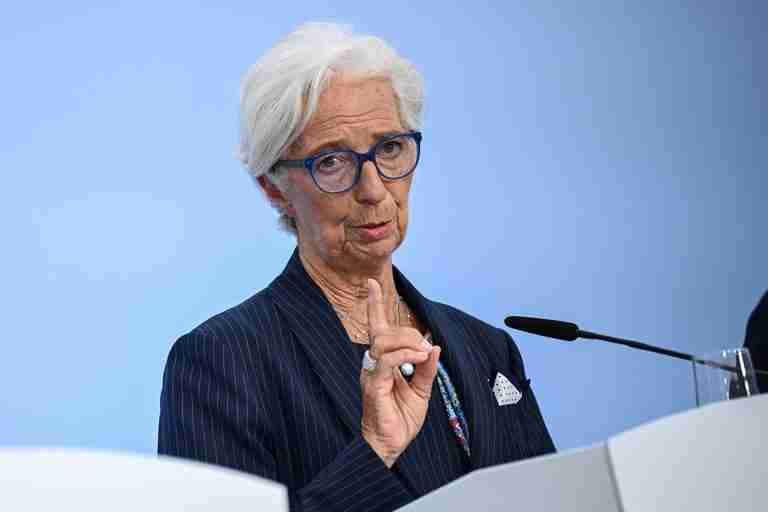
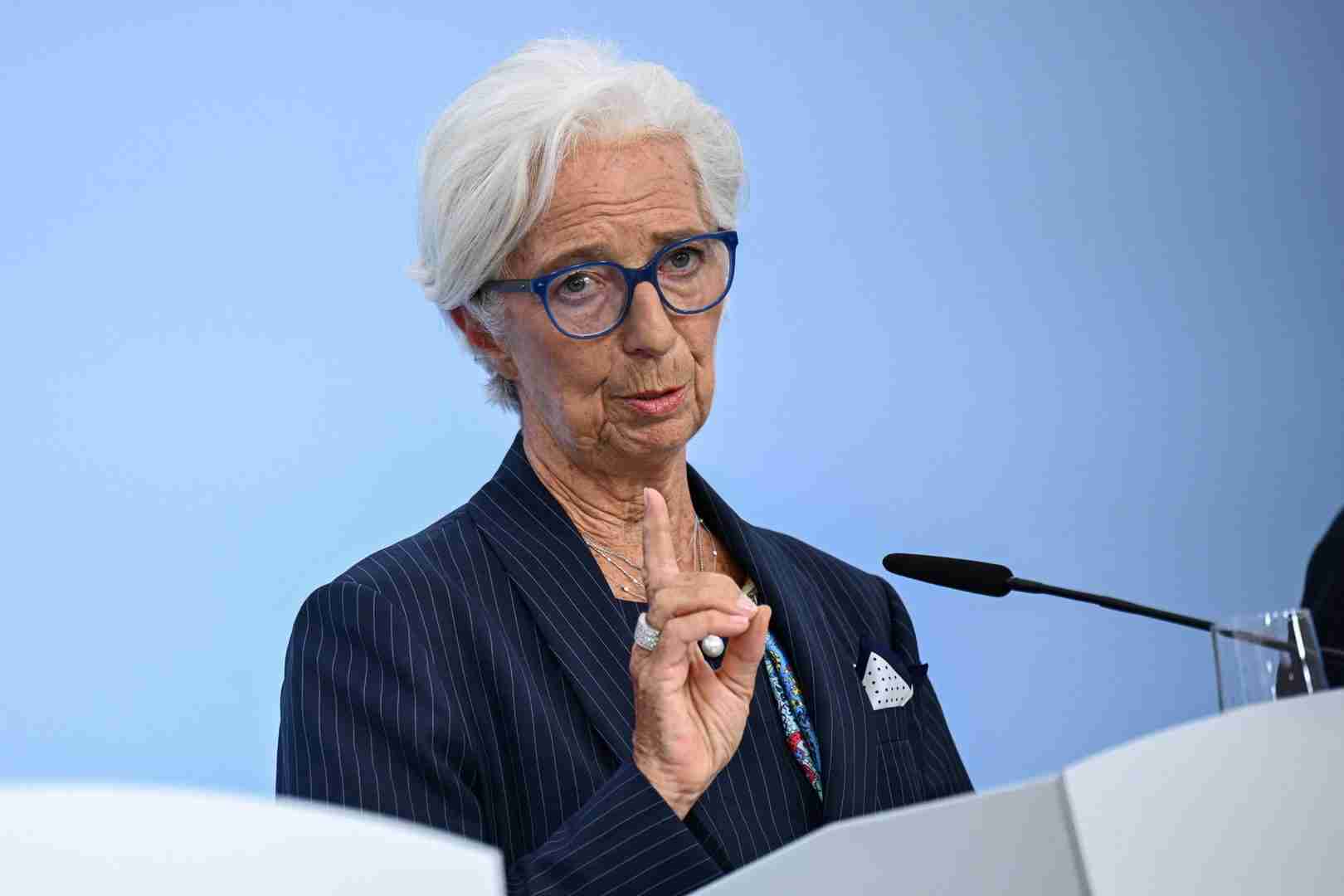
European Central Bank President Christine Lagarde on Friday kept the door open to leaving her post early, replying “we’ll see” when asked if she would remain in the position until her term ends in October 2027.
“I leave in 2027,” Lagarde told Irish national broadcaster RTE in response to a question on rumours of her early resignation that have persisted for most of this year.
When asked if that meant October 2027, Lagarde replied: “We’ll see.”
“What I can tell you at this point is that whatever the time, it will be handled in the most professional way as it should be,” she added.
Sources told Reuters this week that France would back Dutchman Klaas Knot to succeed Lagarde as part of a bargain in which a French candidate would be picked for chief economist.
Reporting by Padraic Halpin; Editing by Toby Chopra
The leaders of the five countries, among the biggest net contributors to the budget, wrote in a joint op-ed in Politico that EU taxpayers cannot keep paying more to pay for both old and new priorities
International News via Reuters:
Germany, Denmark, Finland, the Netherlands and Austria said on Friday the European Union’s budget for 2028-2034 must be “several hundred billion euros” smaller than the €2 trillion proposed by the European Commission, drawing battle lines before EU budget talks come to a head in the next three months.
The leaders of the five countries, among the biggest net contributors to the budget, wrote in a joint op-ed in Politico that EU taxpayers cannot keep paying more to pay for both old and new priorities.
“It (the budget) is too focused on subsidies and transfers allocated largely in advance, leaving too little room for what Europe urgently needs: common investment in security and defence, competitiveness, innovation, and the fight against irregular migration,” the five leaders said.
Net beneficiaries of the EU budget are concerned that would reduce EU funds for farmers and for equalising standards of living between the poorer and richer regions of Europe — a major political concern before parliamentary elections next year in France, Italy, Spain, Poland, Greece, Finland, Slovakia and Estonia.
The European Commission has proposed the budget should amount to €2 trillion or 1.26% of EU Gross National Income (GNI), of which some 168 billion, or 0.11% of GNI, is to service the EU’s borrowing for the post-pandemic recovery fund. The five leaders called the proposed nominal increase of around 60% over the 2021-2027 budget “simply not realistic.”
“This is why we call for a balanced cut to the Commission’s proposal of several hundred billioneuros,” they said.
To help find a solution, Spain proposed to change the repayment schedule of part of the EU post-pandemic borrowing, linking it to economic growth and spreading it out over a longer period. This, according to Spanish Economy Minister Carlos Cuerpo, would free up some €70 billion.
“An annual payment of about 0.06% of EU GDP would retire the debt by 2058, the deadline agreed by member states,” Cuerpo said.
EU governments will discuss the next EU budget at summits in October, November and December in an effort to get a deal before the end of the year.
Reporting by Jan Strupczewski; Editing by Toby Chopra
The blue-chip FTSE 100 index fell 0.6% to 10,751.57 points by 0953 GMT, poised for its biggest weekly jump since late July
International News via Reuters:
London’s FTSE 100 pulled back from an over one-week high on Friday, dragged by banks and energy stocks, but was set for gains in a week packed with economic data and central bank decisions.
The blue-chip FTSE 100 index fell 0.6% to 10,751.57 points by 0953 GMT, poised for its biggest weekly jump since late July. The midcap FTSE 250 was flat, but was on track for its sharpest weekly rise since early August.
• On Friday, financial stocks were the biggest drags on the index. Banks lost 0.7%, with Lloyds and HSBC falling 1.2% and 0.6% respectively.
• Energy companies were down 0.8%, as oil prices fell for a third straight session on easing concerns over Saudi supply disruptions. [O/R]
• Telecom stocks were the biggest percentage decliners with a 4.3% tumble. Airtel Africa lost 8.8% after a report said its Airtel Money was considering downsizing its London IPO.
• On the flip side, precious metal miners rose 1.6%, as gold prices extended their rally.
• Data showed British consumers unexpectedly increased their shopping in August, although they cut fuel purchases after prices jumped.
• The report comes a day after the Bank of England held interest rates steady but warned that policymakers might have to go up if the Iran war drags on.
• Brokerages changed their rate calls following the decision, with Barclays joining J.P.Morgan in expecting a hike in November.
• The central bank on Thursday also paused UK government bond sales for six months and halted long-dated gilt sales entirely, days after a global bond rout. Gilts steadied on Friday after last session’s rally.
• The US Federal Reserve hiked rates by 25 basis points this week, and the central bank reinforced its fight against inflation, sparking a rally across global markets on Thursday.
• Among individual stocks, Softcat bottomed the FTSE 250 with a 2.8% fall after the IT firm agreed to buy US-based GDT at an enterprise value of $1.05 billion.
Retail sales volumes rose 0.5% from July, beating economists’ forecasts in a Reuters poll for a 0.2% fall
International News via Reuters:
The pound rose slightly on Friday after figures showed UK retail sales unexpectedly rose in August, continuing a string of recent upbeat data that has increased pressure on the Bank of England to hike interest rates.
Retail sales volumes rose 0.5% from July, beating economists’ forecasts in a Reuters poll for a 0.2% fall. Compared with August last year, overall sales volumes were up by 2.4%.
The pound ticked very slightly higher after the figures were released and was last up 0.1% at $1.337. It was little changed against the euro, with the single currency flat at 85.91 pence.
“For now, the resilience of the economy is one more thing nudging the Bank of England closer to raising interest rates,” said Paul Dales, chief UK economist at Capital Economics.
But Dales said inflation has yet to peak and that would likely slow growth later in the year.
The BoE kept rates on hold at 3.75% on Thursday but said inflation would likely now peak above 4% early next year and warned borrowing costs might go up if the Iran war drags on.
Bank officials raised their forecast for third-quarter growth in the wake of figures earlier this week that showed output expanded at the fastest annual pace in 18 months in July.
Traders in money markets were last pricing in a roughly 65% chance of a rate hike in November and anticipate around four 25-basis-point increases by the end of 2027.
Despite Friday’s slight rise, the pound was set for its biggest weekly fall since June, at 1.2%, after the US Federal Reserve hiked interest rates on Wednesday and surprised markets with hawkish language that suggested more increases could be coming. Sterling fell 0.7% on Wednesday as the dollar rallied.
Rising energy prices due to the Iran conflict have caused markets to raise their bets on rate hikes, helping drive bond yields to multi-year or even multi-decade highs globally.
The impact on currency markets has largely been subdued, however, as bond yields have moved similarly around the world.
Reporting by Harry Robertson; Editing by Joe Bavier
To provide the best experiences, we use technologies like cookies to store and/or access device information. Consenting to these technologies will allow us to process data such as browsing behavior or unique IDs on this site. Not consenting or withdrawing consent, may adversely affect certain features and functions.
Functional
Always active
The technical storage or access is strictly necessary for the legitimate purpose of enabling the use of a specific service explicitly requested by the subscriber or user, or for the sole purpose of carrying out the transmission of a communication over an electronic communications network.
Preferences
The technical storage or access is necessary for the legitimate purpose of storing preferences that are not requested by the subscriber or user.
Statistics
The technical storage or access that is used exclusively for statistical purposes.The technical storage or access that is used exclusively for anonymous statistical purposes. Without a subpoena, voluntary compliance on the part of your Internet Service Provider, or additional records from a third party, information stored or retrieved for this purpose alone cannot usually be used to identify you.
Marketing
The technical storage or access is required to create user profiles to send advertising, or to track the user on a website or across several websites for similar marketing purposes.