Adding to the uncertainty were U.S. inflation reports due on Thursday and Friday that could either reinforce expectations of a Federal Reserve rate increase next week or weaken the case for tighter policy
International News via Reuters:
The pound was little changed against the euro and the dollar on Thursday as investors awaited an expected European Central Bank interest-rate rise, while oil held above $100 a barrel, limiting appetite to take strong positions across markets.
Adding to the uncertainty were U.S. inflation reports due on Thursday and Friday that could either reinforce expectations of a Federal Reserve rate increase next week or weaken the case for tighter policy.
Sterling has traded in a narrow range against the euro for much of the past six weeks, with the single currency largely holding between 85.4 pence and 85.6 pence. On Thursday, the euro traded at 85.89 pence, little changed on the day.
The pound edged up against the dollar to $1.355.
Money markets expect the ECB to raise euro zone rates by a quarter point to 2.5% on Thursday, with another increase almost fully priced in by the end of this year and an 80% chance of a third by March.
By contrast, the Bank of England is not expected to raise rates next week. Markets have priced in only two increases between now and March, a path many analysts view as too aggressive, particularly after Governor Andrew Bailey pushed back against such expectations.
UK GDP data for July are due on Friday. Economists polled by Reuters expect the economy to have stalled after growing 0.3% in June, leaving annual growth at 1.2%, up from 1.1% the month before.
Strong growth in the first half of the year has put Britain on track to be one of the G7’s fastest-growing economies.
However, support from unusually warm weather and the soccer World Cup is likely to fade, posing risks to both the pound and the interest-rate outlook, said George Vessey, lead FX and macro strategist at Convera.
“For sterling, that creates an important test. A stronger (GDP) reading would help justify the roughly three rate hikes currently priced by summer 2027. However, any evidence that growth is losing momentum could trigger a dovish reassessment of those expectations, eroding sterling’s yield advantage and leaving the pound more vulnerable to downside pressure.”
UK inflation and wage growth data are due next week.
Reporting by Amanda Cooper. Editing by Mark Potter
At approximately 9:43 a.m. on Wednesday, September 9, 2026, police officers were dispatched to a two vehicle road traffic collision involving a rental car and an E-bike, on South Road, near its junction with Harvey Road, Paget.
It appears the rental car was travelling west along South Road, when an e-bike travelling in the opposite direction, attempted to overtake a vehicle while negotiating a bend and collided with the rental vehicle.
The rider, a 28-year-old male, lost control of the E-bike and was thrown onto the roadway.
He sustained a leg injury and was subsequently transported by ambulance to King Edward VII Memorial Hospital for further medical assessment, after being attended to at the scene by Emergency Medical Services personnel.
The rental car was left with extensive front end damage, however, the driver, a male visitor to the island was not reported to have been injured.
An investigation into this incident is now being progressed and anyone with information, who has not yet spoken with police, is asked to contact Police Constable, Lilla Szobeck, by calling the main police number 295-0011 or via e-mail at, lszobeck@bps.bm
There was respite of sorts in Europe as steadier oil and gas prices helped stem the bond selling that has pushed borrowing costs in many large economies to decades-long highs in recent weeks
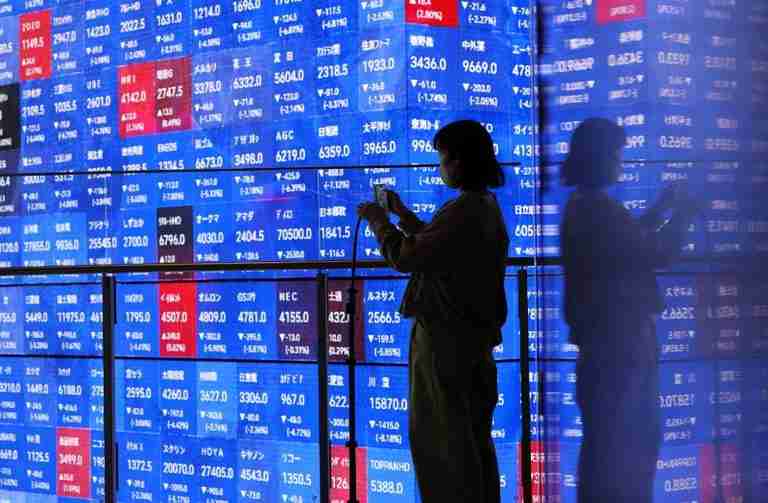
A visitor stands next to an electronic screen displaying Japan’s Nikkei stock prices quotation board inside a conference hall in Tokyo, Japan March 4, 2026. REUTERS/Issei Kato
International News via Reuters:
Markets were bracing for the European Central Bank’s second rate hike of the year and key U.S. inflation data on Thursday after the return of $100-a-barrel oil due to escalating Middle East attacks, causing fresh angst on global bond markets.
There was respite of sorts in Europe as steadier oil and gas prices helped stem the bond selling that has pushed borrowing costs in many large economies to decades-long highs in recent weeks.
The region’s stocks [.EU] and the euro and sterling were all holding their ground too as traders moved into the traditional holding pattern ahead of the ECB’s interest rate decision later in the day.
Columbia Threadneedle’s Global Head of Absolute Return Fixed Income, Keith Patton, said with the ECB almost guaranteed to hike later, the key will be President Christine Lagarde’s response to the inevitable questions about further increases ahead.
“Depending on the language she uses, the market is probably waiting for a more dovish, data dependent call,” Patton said.
“The key question for me is have they done any modelling on what the detriment to growth will be if they did do another hike?”
Traders currently price ECB rates rising to 2.74% by December, implying almost two 25-basis-point hikes. But they are also pricing in an additional one by this time next year and roughly a 40% chance of a fourth move.
Germany’s 10-year bond yield was hovering at 3.43%, after reaching 3.4389% on Wednesday, the highest since the heat of the euro zone crisis in April 2011.
France’s OAT yield was at 4.335% after it had surged to a post-2008 high of 4.34% while the UK’s 10-year and 20-year yields bobbed near respective post-2007 and 1998 highs of 5.26% and 5.87%.
Benchmark 10-year U.S. Treasury yields meanwhile nudged up to 4.85% after an eventful previous session that had seen Donald Trump promise to pay every U.S. adult a $5,000 “Trump dividend” if his party wins November’s congressional elections.
The Treasury Department had also announced a $6 billion buyback of longer-dated U.S. bonds that disappointed some investors.
“Spending 4% of GDP to win an election,” while the Treasury is buying bonds at the long end, “policy is not coherent,” Columbia Threadneedle’s Patton said.
OIL PRESSURE
In the commodity markets, Brent crude futures edged up to $102 a barrel, having broken through the psychological $100 mark on Wednesday for the first time since July amid the re-escalation of the Iran war and as traders grappled with the prospect of yet more inflationary pressure. [O/R]
“I think that Brent pushing through the $100 level will be seen by many in the market as a significant event in the current scheme of things,” said Nick Twidale, chief market strategist at ATFX Global.
Twidale said traders who had been holding off in hopes of a Middle East peace deal may now “hit the trigger as the realities of a longer conflict kick in.”
Overnight, MSCI’s broadest index of Asia shares <.MIAP00000PUS> fell 0.5%. Japan’s Nikkei finished 0.2% higher while South Korea’s KOSPI dipped 0.25%.
Wall Street futures rose 0.1% ahead of U.S. inflation data later in the day that will set expectations for the Federal Reserve’s meeting next week.
Investor attention will stay on the bond market. After the global selloff pushed 30-year yields to their highest level since 2007, Treasury Secretary Scott Bessent in August said that the government would increase buybacks of longer-dated bonds.
“Bessent has laid down the gauntlet to a group of sophisticated traders who don’t like to be told what to do,” said Matt Simpson, senior market analyst at StoneX.
“He may win a battle or two, but he’ll only win the war if bond traders let him.”
The blue-chip FTSE 100 index fell 0.4% to 10,627.80 points by 0946 GMT, while the midcap FTSE 250 slipped 0.38%
A worker walks near an LSEG (London Stock Exchange Group) branded cube inside the LSEG headquarters in Paternoster Square, London, Britain, September 8, 2026. REUTERS/Toby Melville
International News via Reuters:
London shares hovered around one-month lows on Thursday as oil prices continued to fuel inflation worries in a week packed with economic data, while energy stocks helped keep a lid on losses.
The blue-chip FTSE 100 index fell 0.4% to 10,627.80 points by 0946 GMT, while the midcap FTSE 250 slipped 0.38%.
• Brent crude futures were trading over $100 a barrel as the U.S. and Iran’s continued attacks on shipping prompted markets to brace for supply disruptions. [O/R]
• Energy stocks led gains, rising 0.8%, with Shell and BP extending their rally, up 0.7% and 1%.
• U.S. President Donald Trump said he expected the conflict to end after the November U.S. midterm elections, but the remark did little to calm investors.
• Banks were the biggest drags on the index. HSBC declined over 1.8% after it announced its CFO Pam Kaur would step down in 2027.
• Both precious and industrial metal miners declined, with Rio Tinto and Anglo American down 0.9% and 1.5%, respectively, even as metal prices gained. [MET/L] [GOL/]
• British government bond yields rose, with the benchmark 10-year bond hitting a 19-year high and shorter-dated ones at their highest since late 2023.
• Traders await U.S. inflation reports and UK economic growth data this week, which could impact interest rate expectations in these economies.
• Markets are pricing in a 60% chance the U.S. Federal Reserve will hike rates next week but widely expect the Bank of England to hold, as per LSEG-compiled data.
• Associated British Foods bottomed the FTSE 100 with an 11.8% slide after it forecast a decline in fourth-quarter like-for-like sales at budget fashion chain Primark.
• Animal genetics company Genus fell 4.9% after its annual adjusted revenue fell short of analysts’ consensus estimates.
• British e-commerce group THG lost 7.1% after warning of a slowdown in its quarterly revenue growth due to new EU import duties.
Reporting by Anand Gopal and Purvi Agarwal in Bengaluru; Editing by Vijay Kishore
The 10-year gilt yield struck 5.295% at 0930 GMT, the highest since August 2007 and up 2 basis points on the day
International News via Reuters:
British 10-year gilt yields touched their highest level in more than 19 years on Thursday as prices extended a selloff on Wednesday when oil prices rose above $100 a barrel for the first time in six weeks, pushing borrowing costs up globally.
The 10-year gilt yield struck 5.295% at 0930 GMT, the highest since August 2007 and up 2 basis points on the day.
Two-year gilt yields rose 2 basis point from Wednesday’s close to 4.742%, their highest since November 2023 while 5-year yields hit their highest since September 2023 at 4.828%.
The rise in yields came as the UK Debt Management Office released the result of an auction of £5 billion ($6.78 billion) of 4.625% May 2030 gilts, which drew a robust £16.2 billion in bids.
The 2030 gilt sold at an average yield of 4.786%, the highest for a gilt in that maturity range since October 2023.
On Tuesday, benchmark 30-year gilts sold at a syndication with the highest yield since at least 1998.
Susannah Streeter, chief investment strategist at investment provider Wealth Club, said the move higher in gilt yields largely reflected global trends.
“Steamy energy prices appear to be the trigger for these latest moves higher in yields, but there’s been an underlying structural shift in the global flow of money for some time as some of the world’s biggest institutional investors rotate away from (U.S.) Treasuries to seek returns in corporate debt,” she said.
($1 = 0.7377 pounds)
Reporting by David Milliken, editing by Andy Bruce
Ferry crew and tugboat battle morning blaze in Hamilton
A vessel was seen on fire in Hamilton Harbour on Thursday morning.
We understand from a witness that the staff on a passenger ferry were one of the first in the scene and attempted to douse the flames until a tugboat arrived to take over.
The Duo could shake up a category long dominated by Samsung and Chinese companies like Huawei, whose devices have struggled to move beyond a niche audience
International News via Reuters:
Apple on Wednesday redefined its flagship smartphone with the launch of the Duo, a folding $1,999 iPhone, betting its design and promises of data privacy will let it leap ahead of rivals who have been selling folding phones for years.
The Duo could shake up a category long dominated by Samsung and Chinese companies like Huawei, whose devices have struggled to move beyond a niche audience. Analysts have long said Apple’s entry could be the catalyst foldables need, helping bring the form factor into the mainstream much as the company did with smartwatches and wireless earbuds.
The Duo is sized and shaped like a passport, with rounded edges. It opens into a horizontal, 7.6-inch-diagonal (19 cm) screen that also can be viewed vertically. There is a smaller single screen on the front, when the phone is folded. When open, it is Apple’s thinnest phone, the company said.
New CEO John Ternus led the event, the most noticeable overhaul of Apple’s flagship product since the iPhone X in 2017. The iPhone brought in $209.6 billion, or just over half of Apple’s sales, in its most recent fiscal year.
Ternus criticized existing foldables as awkward and poorly suited for common tasks such as scrolling and video viewing, saying the Duo was designed to deliver an iPad-like experience in a pocket-sized device through a custom hinge, dual displays with a consistent aspect ratio, and a new titanium body.
“It’s entirely new and at the same time remarkably familiar. A similar size to your passport, it feels familiar to hold and comfortable to use with one hand,” Ternus said.
It will fall to Ternus, the previously low-profile hardware chief, to persuade Apple’s customers that they need a foldable device costing about $2,000, a new high for a global brand that has defined mass luxury. Analyst firms such as International Data Corporation expect Apple will sell every foldable iPhone it can produce and secure a 40% share of the lucrative niche by the end of next year.
Apple positioned the iPhone Duo as a business productivity device, showing how it would manage Zoom calls with multiple participants and a broader view of the Slack messaging app. The Duo’s larger screen will support multiple app windows at once, a move aimed at productivity that Apple has made with some of its iPads.
Apple said the iPhone Duo will feature the A20 Pro chip to drive its displays and also a new C2 modem chip designed by Apple, part of its move away from Qualcomm’s wireless data chips. Its battery supports 24 hours of mixed dual-screen use and can charge to 50% in about 20 minutes.
“Apple has created a new premium growth opportunity, opened up another revenue stream and injected fresh momentum into the iPhone business,” PP Foresight analyst Paolo Pescatore said. Shares were up less than 1% after the presentation.
TERNUS EMPHASIZES PRIVACY FOCUS
Former CEO Tim Cook handed over the leadership baton to Ternus at the start of the presentation with a video about how to start the event. The video ended with a closeup of Cook, who said, “Not me. That’s your guy,” pointing back toward the new CEO.
Ternus touted the iPhone platform as a personal AI hub that focused on privacy, saying that others wanted to collect and store personal data. “Honestly, trust only goes so far when your data is no longer yours to control,” he said. “That’s why Apple Intelligence runs on device whenever it can.”
Apple’s Lilian Rincon, who oversees AI products for the iPhone maker and was recruited from Google earlier this year, described an updated Siri assistant.
Executives also showed off the iPhone 18 Pro and the 18 Pro Max handsets that are the latest versions of Apple’s well-known line, which do not fold. Pricing for the iPhone 18 Pro and Pro Max starts at $1,199 and $1,299, up $100 from the starting prices of the 17 Pro and Pro Max.
AIRPODS AND APPLE WATCH UPDATES
Apple also unveiled a feature aimed at addressing growing concerns over AI-generated and manipulated images. It introduced a new standard it calls “Apple Reference Image” to prove the authenticity of the images taken with the new iPhone 18 Pro cameras and said it will also support the emerging SynthID standard for identifying images that have been created or edited with AI. The Apple Reference Image feature will not be available in the EU or China.
The iPhone 18 Pro also will include the new A20 Pro chip, which brings improvements to help advanced AI models run directly on iPhones.
The company also said a new version of AirPods would start at $129 with noise cancellation, a first for its budget line of earbuds, and the Apple Watch Series 12 and Apple Watch Ultra 4, positioned as major health-focused upgrades with new features that gauge recovery and fitness, as well as improved heart-rate tracking.
Reporting by Stephen Nellis and Kenrick Cai in Cupertino, California; Additional reporting by Anhata Rooprai and Aditya Soni in Bengaluru; Writing by Peter Henderson; Editing by Sayantani Ghosh and Matthew Lewis
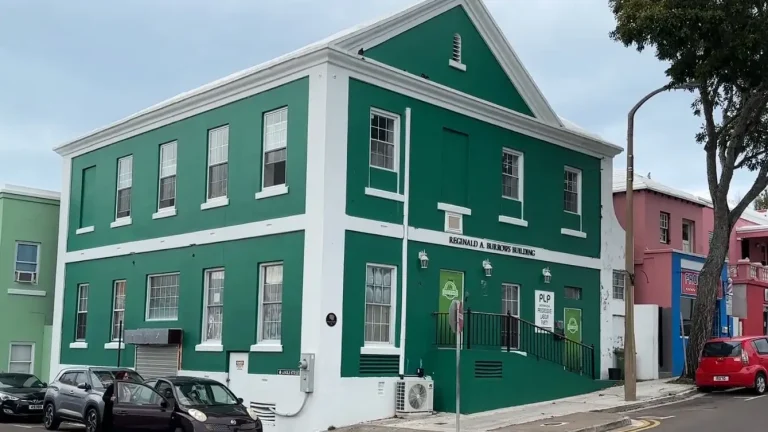
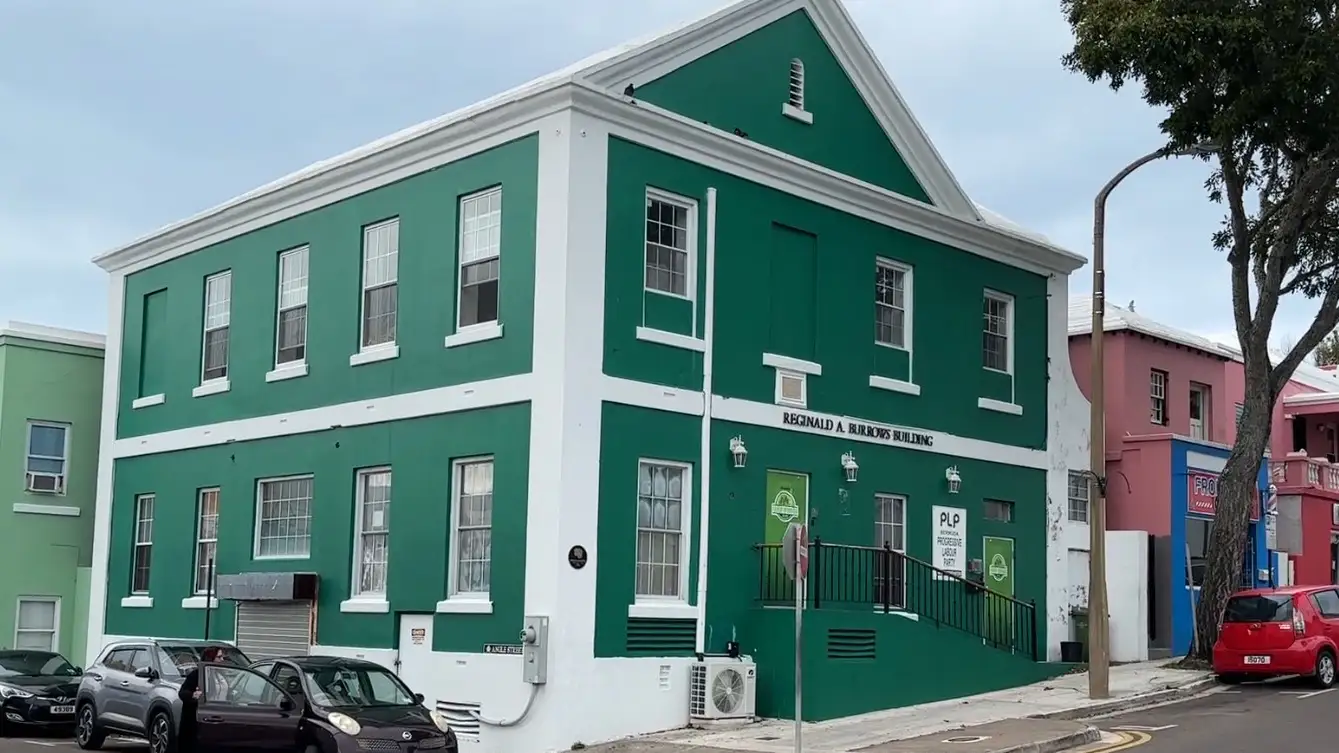
Will the PLP’s Central Committee be able to circumvent a legal barrier that could shift the vote count in their party leadership election? …or could the road get even bumpier as the matter returns to court tomorrow?
The PLP’s internal leadership election has spilled over into the public arena after contender Curtis Dickinson successfully sought a legal pause to new membership rules.
Now, the question is whether the Central Committee will successfully circumvent his action, which may affect his votes in the upcoming ballot… or could any attempt to circumvent be seen as legally problematic?
At a PLP Central Committee meeting on August 24th, Premier and PLP Leader David Burt proposed amendments which could prevent former candidates or supporters of other parties from becoming PLP members in the short term.
We understand there was a second proposal that new members must wait at least a year before they can vote in a leadership election.
This is widely seen as targeting some of the new members supporting Curtis Dickinson, rumoured to be former OBA supporters.
However, Curtis Dickinson launched legal action on Friday and obtained an interim injunction against party executives, arguing that it was against the party’s constitution for the Central Committee to change membership rules in this way.
The Central Committee held an emergency meeting last night, where we understand they voted to hold a Special Delegates Conference in a few days to vote on the proposed membership amendments – a vote which would be in line with the constitution.
Insiders tell us that the majority of those attending the recent meetings voted in favour of the membership changes – both last week and last night – and that this should be reflected at an SDC.
However, if the injunction acquired by Mr Dickinson prevents the party from taking any action to further the August 24th membership proposals, will his campaign argue that trying to hold an SDC now to validate those same proposals will violate such an injunction?
This is in line with some of the legal commentary coming to our newsroom. On the other hand, can it be argued that the Central Committee is able take certain actions it deems necessary in the interest of the party?
All of this may beg the question as to why the PLP leadership did not simply call a Special Delegates Conference on this matter in the first place…
The PLP has been very clear that the current party leadership race between Jason Hayward, a long-time Cabinet member alongside Premier David Burt, and former Finance Minister Curtis Dickinson, is an internal matter.
This leaves the public and the media to seek inside sources or explore informed speculation on the proceedings.
The Royal Gazette reports that an internal message from Premier David Burt cited concerns that the party is “at risk of tearing itself apart”.
We understand that further concerns have been raised about the financial liability of PLP Chair Dawn Simmons and PLP Secretary General Patricia Basden, who were directly named as defendents in the action brought by Curtis Dickinson and his campaign.
The PLP Constitution does appear to indemnify officers of the party against all losses and expenses they may incur in the discharge of their duties.
In a release following the legal action, Curtis Dickinson’s campaign office stated that the action had been taken “with great reluctance and only after genuine efforts were made to resolve the matter respectfully within the Party…
“Those named in the action are named solely because of the offices they hold.”
The matter is expected to be back in court tomorrow.
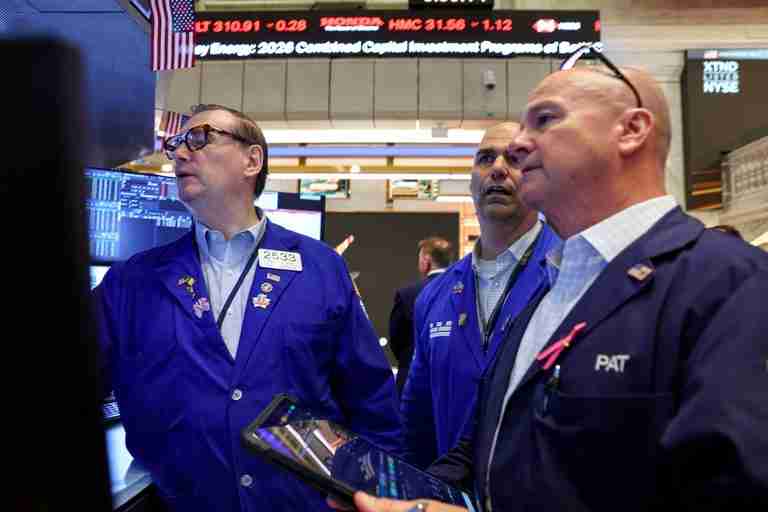
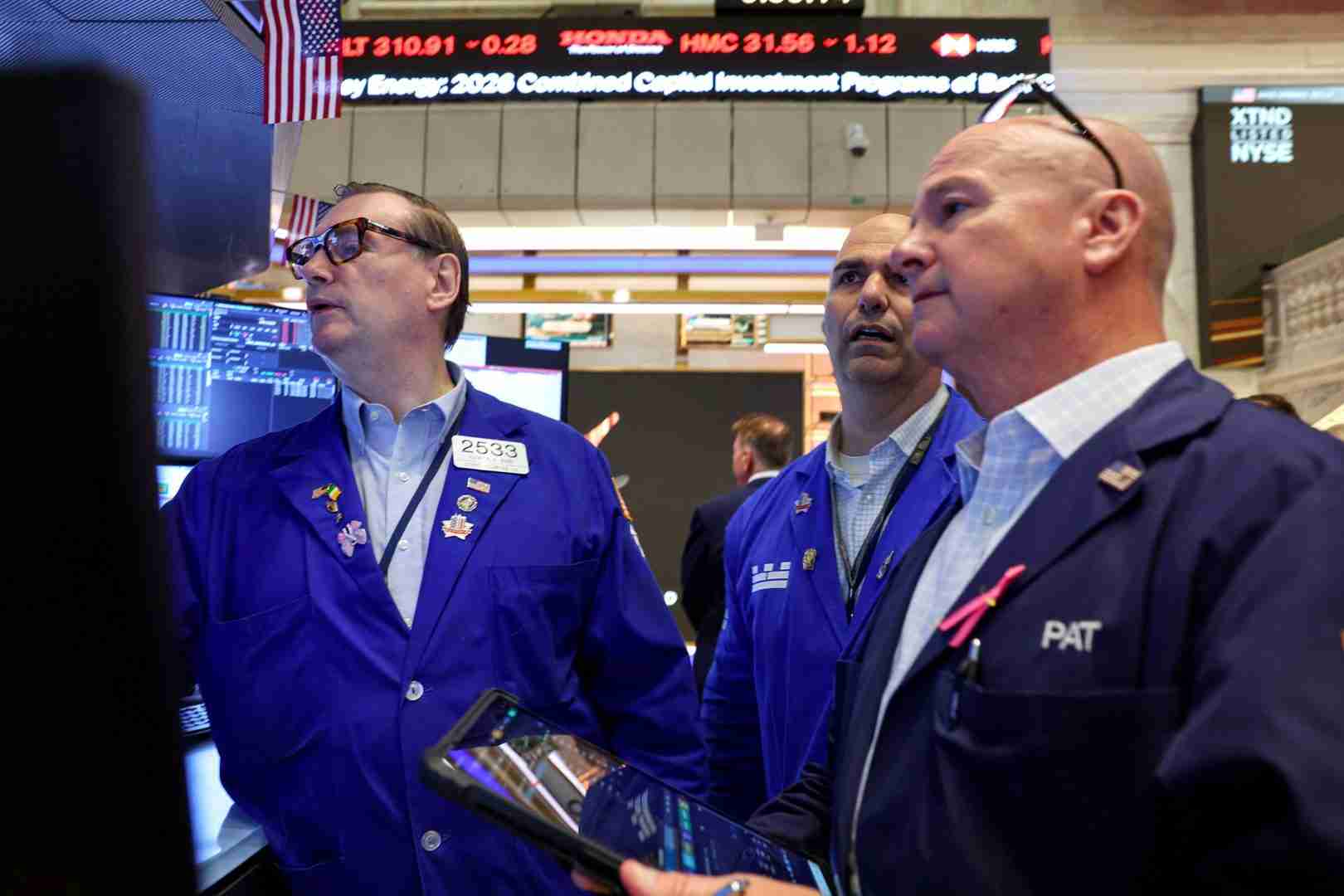
Stocks globally were lower amid the Middle East turmoil and looming actions from several central banks, including the Federal Reserve
International News via Reuters:
Brent crude prices surged past $100 a barrel on Wednesday and the yield on 10-year Treasury debt hit its highest level since November 2023, as Middle East and inflation concerns weighed down Wall Street.
Brent crude was at $100.27 per barrel in midday trading, up 2.4% on the day, breaching the symbolic price level for the first time since July 24, after Iran said it fired ballistic missiles at a U.S. base in Jordan and both sides claimed to have attacked vessels, raising worries about oil supplies from the region. [O/R]
At the same time, yields on benchmark U.S. 10-year notes rose 3.26 basis points to 4.837%, hitting levels not seen since November 2023, after the Treasury Department announced it would buy up to $6 billion in 10-to-20-year government bonds. The buyback was higher than the $4 billion the Treasury had signaled earlier, but some analysts had expected an even larger purchase as part of a bid to support longer duration bonds.
Stocks globally were lower amid the Middle East turmoil and looming actions from several central banks, including the Federal Reserve. All three major U.S. indices were lower in midday trading, with the Dow Jones Industrial Average down 0.52%, the S&P 500 lower by 0.39% and the Nasdaq Composite falling 0.61%.
MSCI’s gauge of stocks across the globe fell 0.42%.
“Brent breaking above $100 is a major psychological milestone for markets, but the bigger concern is what this means for inflation. A prolonged oil shock could keep price pressures elevated and complicate the path for central banks that are already navigating a difficult policy environment,” said Lukman Otunuga, head of market research at FXTM.
CENTRAL BANK DECISIONS AHEAD
The euro edged higher ahead of the European Central Bank’s policy decision on Thursday, with markets widely expecting a hike amid inflationary pressures from the Iran war. The currency reached a more than one-week high of $1.16493.
The yen strengthened towards the nearly seven-month high touched against the dollar on Tuesday as traders exited short positions in the Japanese currency. Expectations are building for faster Bank of Japan rate hikes and a potential rush of repatriation of Japanese capital.
The dollar index, which measures the greenback against a basket of currencies including the yen and the euro, fell 0.03% to 98.75.
U.S. producer and consumer price reports are set to be released later this week, with policymakers looking for further evidence that inflation pressures are continuing to cool.
The latest Reuters survey of economists found about 70% expect the Federal Reserve to keep rates steady at its rate-setting meeting next week, but that certainty is below the 90% expectation of steady rates in August.
“Financial markets remain genuinely divided over whether the FOMC will raise rates at next week’s September meeting, an unusual state of uncertainty this close to a decision date,” said Matthew Ryan, head of market strategy at global financial services firm Ebury.
Gold gained 1.5% to around $4,417 an ounce. [GOL/]
Reporting by Kevin Buckland, Sruthi Shankar and Pete Schroeder; Editing by Toby Chopra, Ros Russell, Chizu Nomiyama and Deepa Babington
Germany, Denmark, the Netherlands, Austria, Finland and Sweden said in August that the Commission’s proposed budget of nearly €2 trillion ($2.33 trillion) for 2028 to 2034 should be reduced “in a balanced manner” with all areas of spending contributing to cuts
International News via Reuters:
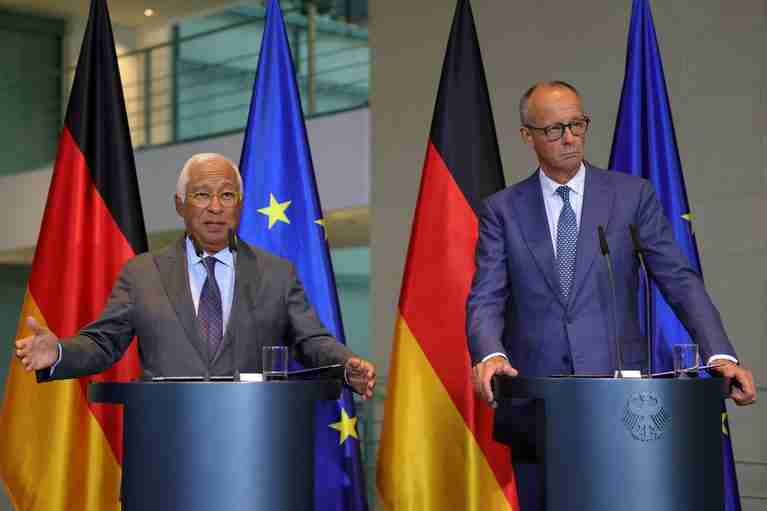
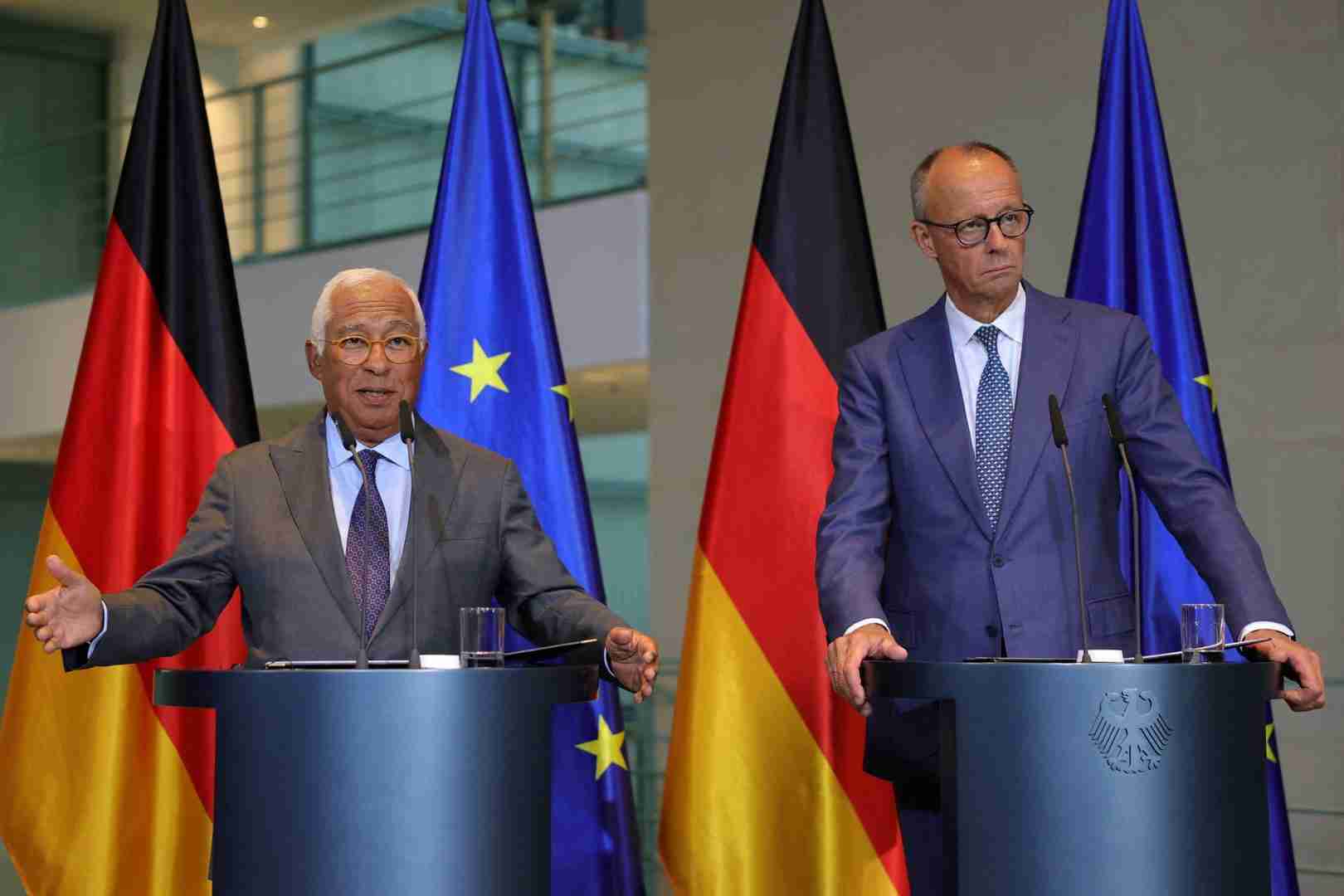
German Chancellor Friedrich Merz called for hundreds of billions of euros in cuts to the European Commission’s proposed long-term budget on Wednesday, arguing that the plan was unaffordable at a time of domestic spending restraint.
Germany, Denmark, the Netherlands, Austria, Finland and Sweden said in August that the Commission’s proposed budget of nearly €2 trillion ($2.33 trillion) for 2028 to 2034 should be reduced “in a balanced manner” with all areas of spending contributing to cuts.
“Europe needs both realism and reform,” Merz said after meeting European Council President Antonio Costa in Berlin, noting that the Commission’s proposals for the next multiannual financial framework envisage a 60% rise over the current seven-year budget period.
“At a time of budget cuts in all member states, that is simply unaffordable,” Merz said about the proposed budget.
The EU’s Multiannual Financial Framework (MFF) requires unanimity among all 27 member states. Costa and Merz said they want to reach an agreement by the end of 2026.
“We cannot ask (for) more from member states,” Costa said. “We need to create new own resources in order to protect the national budgets. All national budgets must be respected.”
Merz said cuts should apply across all policy areas and rejected relying on further joint EU borrowing to bridge the gap.
“Excessive debt threatens our sovereignty and our capacity to act,” Merz said, adding that governments had the “admittedly painful task” of setting priorities.
Merz called for the bloc’s next budget to shift spending towards competitiveness and defence, arguing that a “20th-century budget” could not address current challenges.
Reporting by Maria Martinez in Berlin and Inti Landauro in Brussels; Editing by Alexander Smith
Burnham, who has been in the job since July, said Britain had long endorsed the two-state solution in the Middle East, but words needed to be backed by action
International News via Reuters:
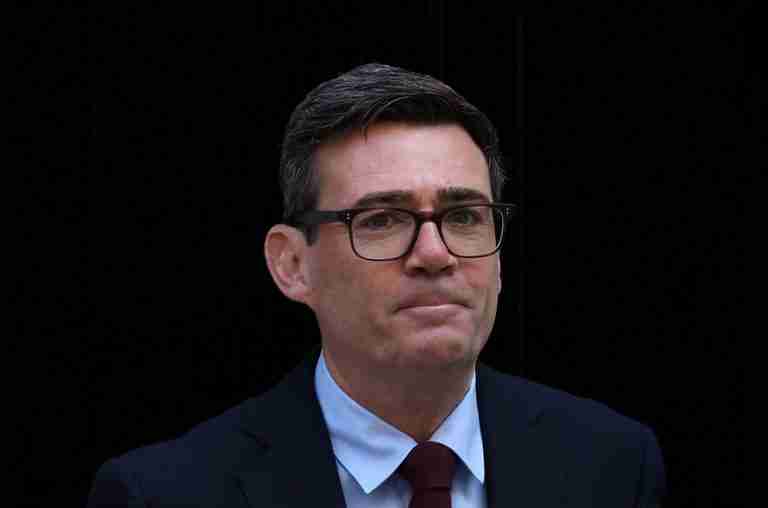
Britain had to “stand for something”, Prime Minister Andy Burnham told parliament on Wednesday in a defence of his government’s decision to block imports from Israeli settlements in the occupied West Bank.
Burnham, who has been in the job since July, said Britain had long endorsed the two-state solution in the Middle East, but words needed to be backed by action.
“Leadership is about taking action where there is injustice, where we need to correct unfairness, people being driven out of their homes,” he said.
“In this difficult and dangerous world, Britain has to stand for something.”
The import ban, announced on Tuesday by Foreign Secretary Ed Miliband alongside measures targeting settlement-linked companies and individuals, marked one of Britain’s most significant policy shifts toward Israel in years. It came as part of a coordinated push with France and Canada to pressure Israel over settlement expansion that the countries say threatens the two-state solution.
Israel reacted angrily to the sanctions. It ordered the closure of Britain’s consulate in East Jerusalem and barred 12 Britons from entering Israel in retaliation.
Israel’s Foreign Minister Gideon Saar said he had thanked Kemi Badenoch, the leader of the British opposition Conservative Party, for her criticism of the move.
Badenoch wrote in the Sun newspaper that the Labour government was “putting its own party-political interests ahead of our national interest”.
But she steered clear of the issue when she had the opportunity to question Burnham on Wednesday and instead chose to focus on defence spending.
Burnham, however, was keen to highlight action on an issue that had long been demanded by many of his lawmakers.
“We will always stand with the underdog and take what action we can to support them,” he said.
“That is leadership on the world stage, Britain being true to what it has always been about,” he said to cheers from his lawmakers.
Reporting by Paul Sandle; Editing by Sharon Singleton
To provide the best experiences, we use technologies like cookies to store and/or access device information. Consenting to these technologies will allow us to process data such as browsing behavior or unique IDs on this site. Not consenting or withdrawing consent, may adversely affect certain features and functions.
Functional
Always active
The technical storage or access is strictly necessary for the legitimate purpose of enabling the use of a specific service explicitly requested by the subscriber or user, or for the sole purpose of carrying out the transmission of a communication over an electronic communications network.
Preferences
The technical storage or access is necessary for the legitimate purpose of storing preferences that are not requested by the subscriber or user.
Statistics
The technical storage or access that is used exclusively for statistical purposes.The technical storage or access that is used exclusively for anonymous statistical purposes. Without a subpoena, voluntary compliance on the part of your Internet Service Provider, or additional records from a third party, information stored or retrieved for this purpose alone cannot usually be used to identify you.
Marketing
The technical storage or access is required to create user profiles to send advertising, or to track the user on a website or across several websites for similar marketing purposes.