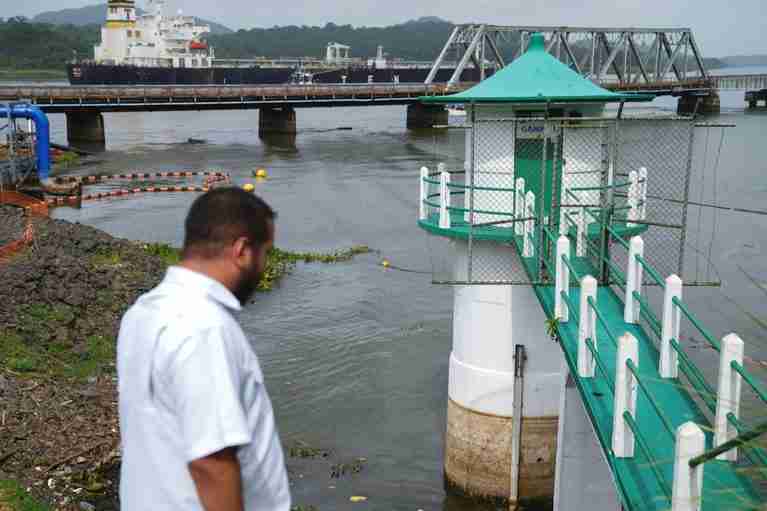
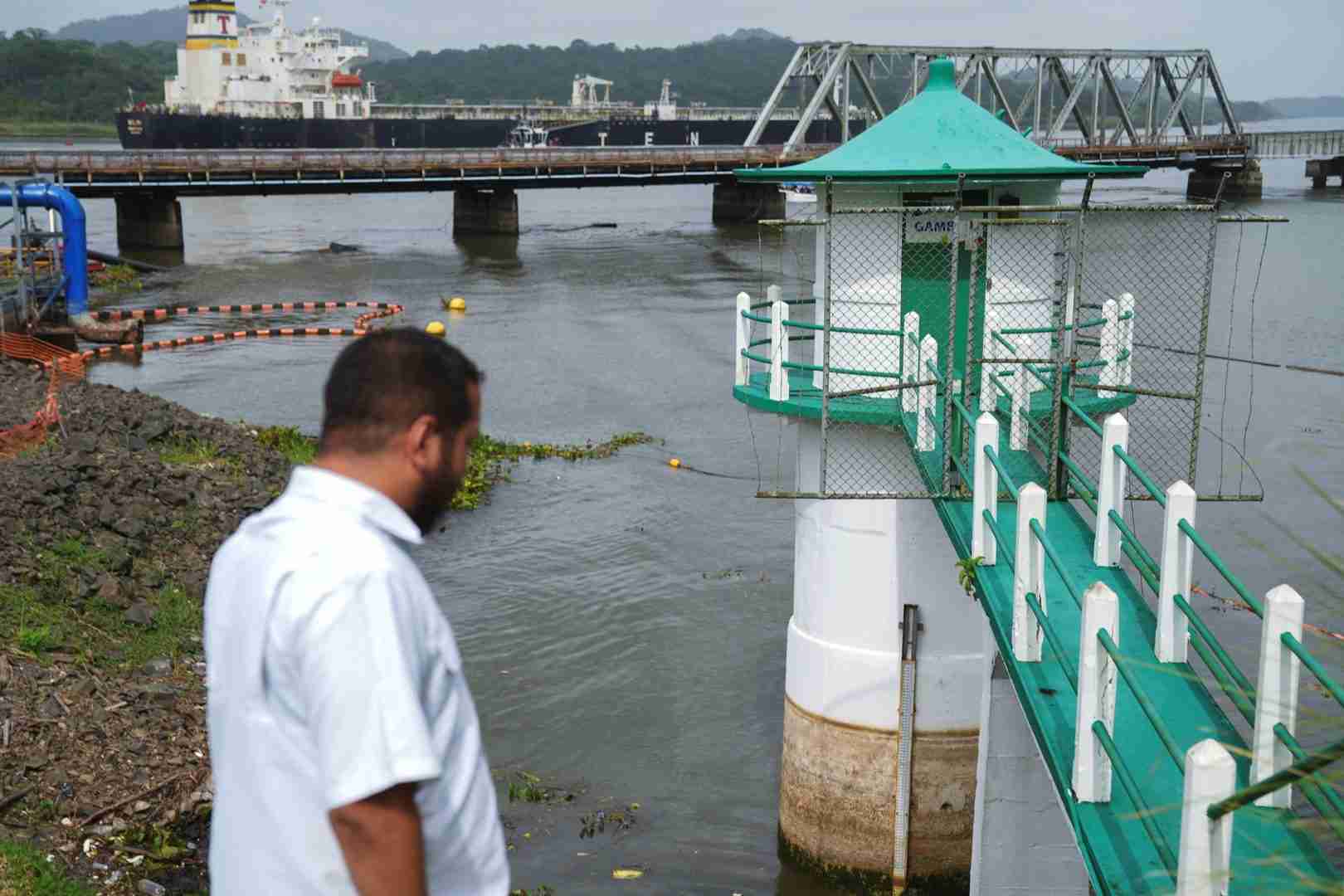
The U.N. weather agency said its forecasts showed a near 100% likelihood that El Niño will persist through February 2027, fuelled by exceptionally warm Pacific Ocean temperatures
International News via Reuters:
The El Niño weather phenomenon is set to intensify further into 2027 and could be the strongest ever, raising risks of extreme weather into next year, the World Meteorological Organization said on Thursday.
• “If this trajectory continues, it may be stronger than anything since our monitoring began. So literally off the charts we have used for the past four decades,” WMO Secretary-General Celeste Saulo told a Geneva press conference.
• The U.N. weather agency said its forecasts showed a near 100% likelihood that El Niño will persist through February 2027, fuelled by exceptionally warm Pacific Ocean temperatures. This is the first time it has expressed such a degree of certainty, the WMO said.
• A very strong El Niño can significantly shift rainfall and temperature patterns worldwide, and fuel extreme weather, like typhoons.
• “El Niño is being supersized before our eyes. The science leaves no room for doubt: The planet is in uncharted waters, and those waters are heating up,” said United Nations Secretary-General Antonio Guterres.
• El Niño is a periodic warming of sea surface temperatures in the eastern Pacific caused by weakening trade winds. It occurs naturally every two to seven years and tends to last up to 12 months, causing intense rains and droughts across Latin America.
• This year’s phenomenon has already had an impact on soft commodities in tropical areas, causing a severe food crisis across Central America’s Dry Corridor.
• It is set to peak towards the end of this year, the WMO said in a statement. But its effects will continue into 2027 and are set to leave higher global temperatures next year in its wake, Saulo said.
• Saulo said the WMO was stepping up preparedness and early warning efforts in preparation.
• “WMO is committed to working closely with partners across the United Nations and humanitarian system to provide the climate intelligence and insights needed to support disaster management and climate-sensitive sectors like agriculture, health, energy and water resources,” she said.
Reporting by Emma Farge; Editing by Miranda Murray and Alison Williams
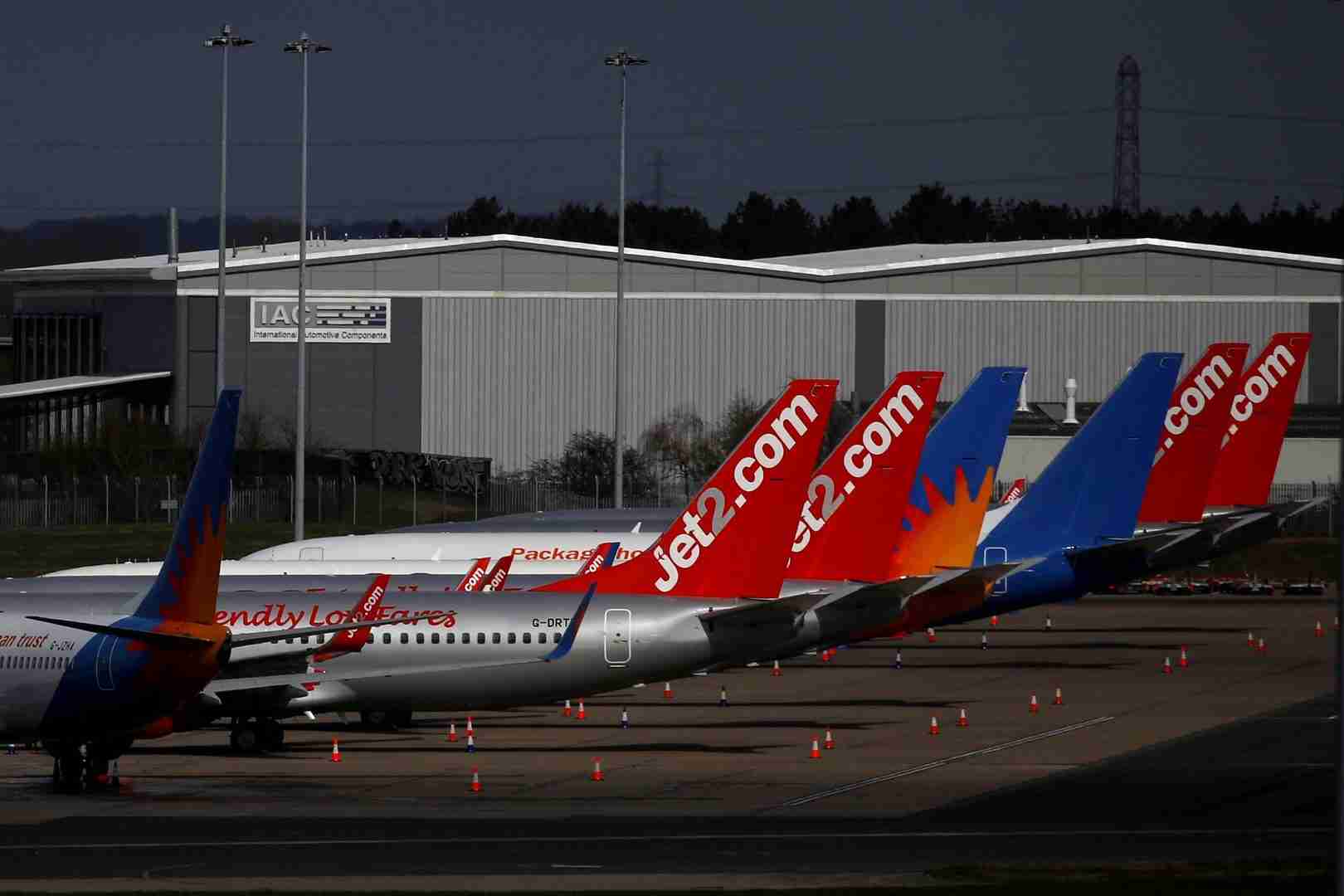
Global airlines and holiday groups have been grappling with both disruptions in demand and higher energy costs, with several carriers hedging larger parts of their fuel requirements to safeguard their margins
International News via Reuters:
Britain’s third-largest airline Jet2 said on Thursday its summer bookings were up year on year and it was hedging more of its annual fuel requirements as the Middle East conflict drives up fuel costs for the global aviation industry.
Global airlines and holiday groups have been grappling with both disruptions in demand and higher energy costs, with several carriers hedging larger parts of their fuel requirements to safeguard their margins.
Even as cost pressures remain, Jet2 said summer bookings so far were higher than year-ago levels, showing a robust performance across its flights and package holidays businesses, backed by attractive pricing and investment in load factor.
Shares in the firm were up 3.7% at 1,511 pence in early trading.
JET2 PLANS LISTING ON LONDON’S MAIN MARKET
“We have been encouraged by the sustained level of demand for both our holiday products through the peak summer season which gives us confidence for the remainder of the financial year,” CEO Steve Heapy said in a statement.
Jet2 said it was benefiting from its expanded operations at the UK’s Gatwick Airport, with its winter months seat capacity 8% higher than a year ago.
The Leeds-headquartered firm, which currently trades on London’s smallcap market, said it plans to list on the main market of the London Stock Exchange before the end of the financial year ending March 2027.
About 93% of Jet2’s fuel requirement for the year is currently hedged at an average price of $753, the company said, compared with 90% at $743 as of July.
“Fuel prices have recently trended upwards, although we do not expect any significant downgrade to consensus fiscal 27 expectations, since Jet2 is well hedged and top-line trends are in-line or marginally ahead relative to Jet2’s previous update,” RBC Capital Markets analyst Ruairi Cullinane said.
Jet2 said its booked-to-date passengers were up 8.8% for summer 2026, above the 7.1% it reported in July.
Reporting by Prerna Bedi in Bengaluru; Editing by Nivedita Bhattacharjee, Janane Venkatraman and Jan Harvey
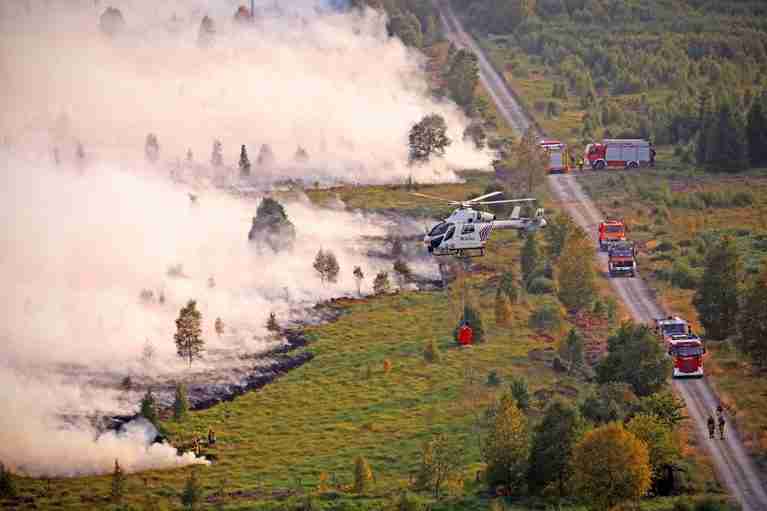
From June 18 through July 3, Belgium recorded its highest excess mortality, with 2,035 additional deaths, or 48.8% above expected levels
International News via Reuters:
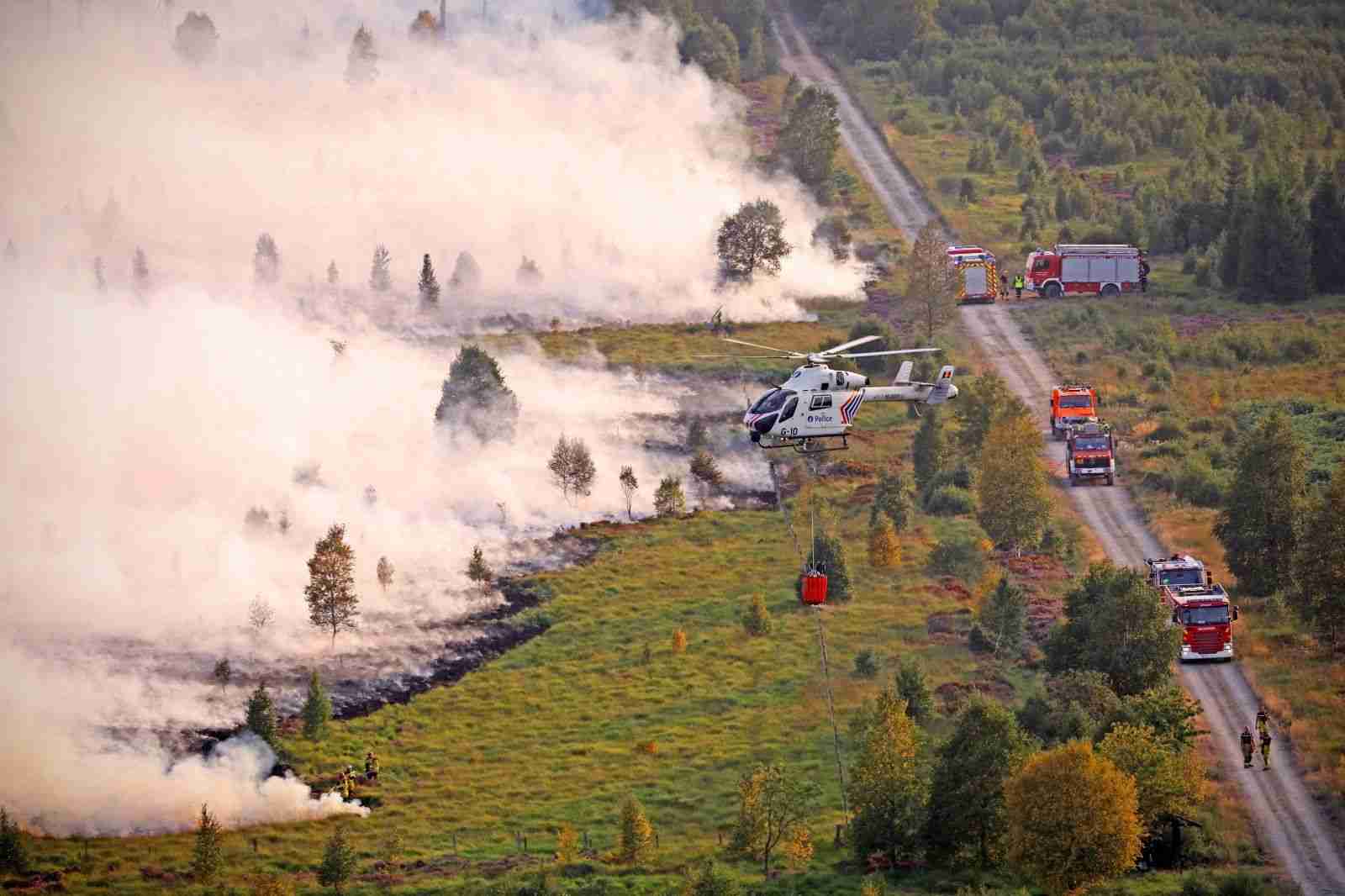
Heatwaves from June 18 through August 16 caused 2,935 excess deaths in Belgium, or 22.6% excess mortality, public health body Sciensano said in a report on Thursday.
• From June 18 through July 3, Belgium recorded its highest excess mortality, with 2,035 additional deaths, or 48.8% above expected levels, Sciensano said.
• Starting on June 18, maximum temperatures of around 30°C were recorded for 10 consecutive days, including three days of temperatures around 35°C, with nights during that period also exceptionally warm.
• Sciensano said mortality from June 18 through July 3 was the highest recorded during a heatwave since the start of its analyses in the year 2000.
• The two other heatwave periods, from July 4 to 17 and July 28 to August 16, saw lower excess mortality, with 535 excess deaths (14.8%) and 365 excess deaths (7%), respectively.
• While people aged 65 and older account for most heatwave-related deaths, Sciensano said excess mortality also occurs among younger people.
• Europe experienced several heatwaves during the summer, with the U.N. weather agency last month saying periods of extreme heat are becoming more frequent, intense and longer-lasting as climate change warms the planet.
Reporting by Charlotte Van Campenhout; Editing by Christopher Cushing
Zack Polanski told the Camden New Journal he would be the Green candidate for Holborn and St Pancras, a left-leaning constituency which Starmer held comfortably in 2024 though with a much-reduced vote share
International News via Reuters:
The leader of Britain’s left-wing Green Party intends to stand in an election for a seat in parliament vacated by former Labour prime minister Keir Starmer, a local newspaper reported on Thursday.
Zack Polanski told the Camden New Journal he would be the Green candidate for Holborn and St Pancras, a left-leaning constituency which Starmer held comfortably in 2024 though with a much-reduced vote share.
“Labour stands up for corporations and big money,” Polanski posted on X. “I’ll stand up for people and our communities.”
In an election two years ago, an independent candidate who campaigned primarily on opposition to Israel’s war in Gaza took nearly 19% of the vote while the Green candidate received over 10%, giving the party hope of taking the seat this time.
Since Polanski became Green leader a year ago the party has had success in taking support from Labour’s left, winning a surprise by-election victory in Greater Manchester – where current Prime Minister Andy Burnham was a long-serving mayor – and nationally polling as high as 20%.
But Polanski’s personal popularity took a hit after he criticised police officers for the way they arrested a man who allegedly stabbed two Jewish people in north London in April, according to pollsters YouGov.
A national YouGov poll on Wednesday put Labour tied with the right-wing populist Reform UK party of anti-Brexit campaigner Nigel Farage on 23% with the opposition Conservatives on 20% and the Greens on 13%.
Reporting by Sam TobinEditing by William Schomberg
The final reading of the S&P Global UK Services Purchasing Managers’ Index (PMI) rose to 52.5 in August from 52.1 in July, its strongest growth since April
International News via Reuters:
Activity in Britain’s dominant services sector grew for the second month in a row in August and confidence rose, according to a survey on Thursday that also showed more firms reporting rising prices, a potential concern for the Bank of England.
The final reading of the S&P Global UK Services Purchasing Managers’ Index (PMI) rose to 52.5 in August from 52.1 in July, its strongest growth since April. Thursday’s reading was slightly below a provisional reading of 52.8 but added to signs of resilience in the economy despite the U.S.-Iran war.
“August data highlighted improving operating conditions across the UK service economy. Business and consumer spending saw further gains after declining during the second quarter of 2026,” said Tim Moore, economics director at S&P Global Market Intelligence.
• S&P Global said more firms reported increasing the prices they charge as well as higher input prices after a slowdown in both measures in July
• The BoE is keeping a close eye on firms’ pricing plans as it tries to gauge how much of the surge in energy prices caused by the Middle East conflict will be passed on and push up inflation
• Optimism among services firms rose to the highest since February despite concerns about the Iran war and inflation
• The survey’s index of new work eased slightly to 50.7 in August from July’s 50.8
• Employment decreased at the slowest pace since October 2025, helped by improved sales pipelines and broader market conditions
• The composite PMI, which includes the smaller manufacturing sector, rose to 52.5 from 52.2, the highest since April.
Reporting by Suban Abdulla; Editing by William Schomberg
Japanese government bond yields slid from historic peaks, tracking a recovery in global bonds, while the yen powered towards its biggest two-day rally since a boost from official intervention early last month
International News via Reuters:
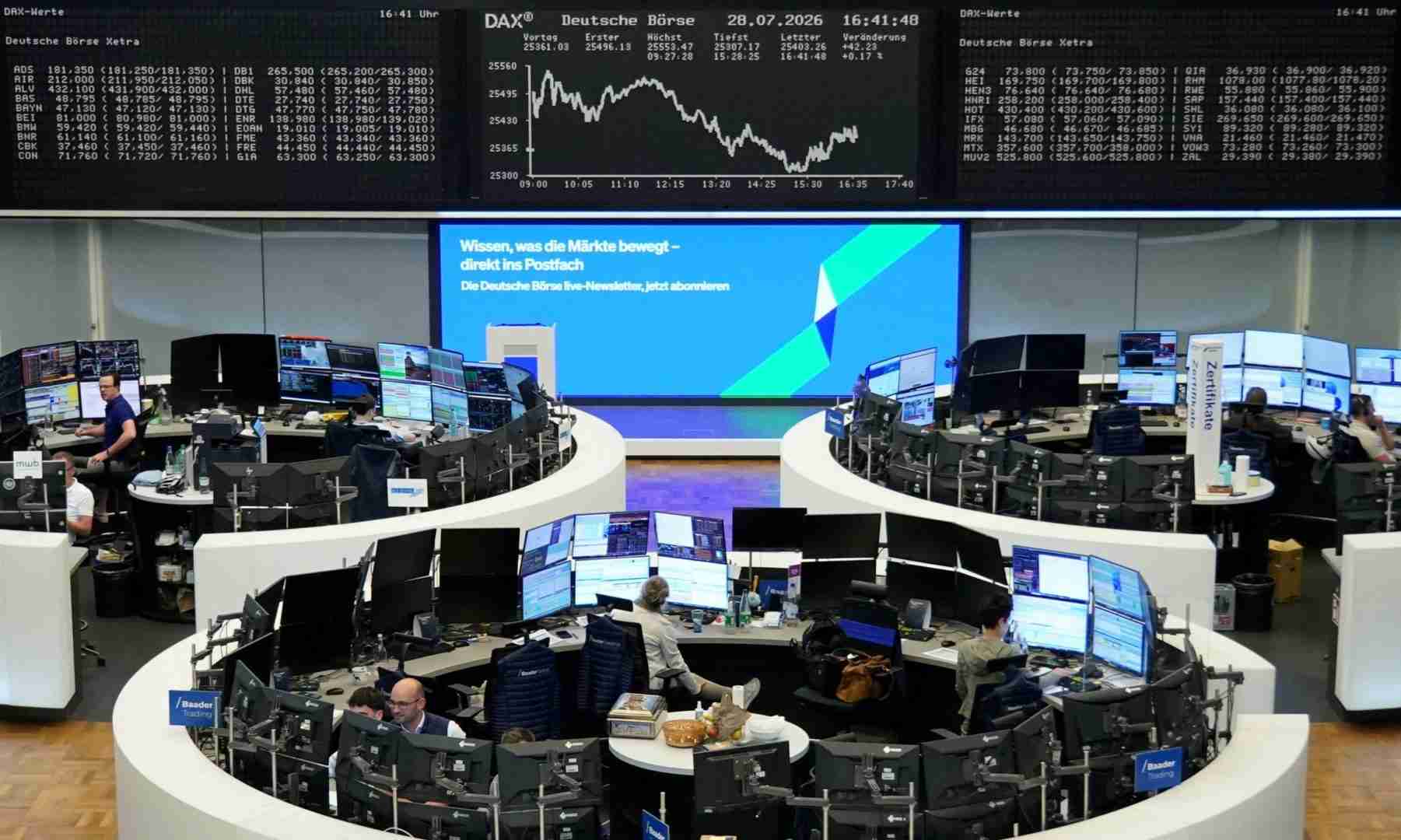
Global stocks and bonds rallied on Thursday, while the yen rose ahead of U.S. data and central banker comments that could reinforce investor expectations the Federal Reserve will raise rates this month.
Japanese government bond yields slid from historic peaks, tracking a recovery in global bonds, while the yen powered towards its biggest two-day rally since a boost from official intervention early last month. Oil edged lower, but remained around $95 a barrel, as uncertainty prevailed over renewed military strikes between the U.S. and Iran.
In Europe, the STOXX 600 was a touch higher, while U.S. futures were up around 0.1%. In premarket trading, shares in tech companies Broadcom , Snowflake and Hewlett Packard Enterprise were in focus after the three reported earnings after Wednesday’s closing bell.
Investors’ immediate focus is Friday’s pivotal U.S. payrolls report after disappointing private labour data for August. Fed Board Governor Christopher Waller is due to speak, after New York Fed President John Williams said on Wednesday rising long-term bond yields were a reflection of a solid economy, adding that he was still collecting information to drive his next monetary policy decision.
“There is an interpretation about why yields are moving higher — is it good, or bad? I feel that the negative reasons are more often put forward than the positive reasons. Negative reasons being: too much supply of debt, fiscal risk, geopolitics and, normalisation of risk premium because of oil. But it might be that a key reason behind higher yields is simply higher nominal growth,” Lombard Odier chief economist Samy Chaar said.
“If demand is strong and it’s demand that is keeping yields at high levels, it’s quite a good environment for multi-asset portfolios, in the sense that you want to be exposed to profit growth with equities, and you want to be exposed to carry as well, with credit,” he said.
Money markets currently assign a roughly 60% chance of a rate hike from the Fed this month, up from less than 40% a week ago.
YEN SET FOR BIGGEST TWO-DAY GAIN IN A MONTH
Sovereign bond yields fell, having hit multi-year highs in the last week as concerns have deepened about tighter monetary policy and deteriorating fiscal conditions.
Benchmark U.S. 10-year yields were down 3 basis points at 4.766%, while 10-year German yields were down 1 bp at 3.363%. The yield on the 30-year JGB fell 8 bps to 4.085%, down from a near record high after a sale of the securities drew decent demand.
The dollar index, which tracks the U.S. currency against a basket of six others, fell 0.34% to 99.25, largely as a function of the push higher in the yen, which has gained nearly 2% in the last two days so far, set for its biggest two-day rise since a round of historic U.S./Japanese intervention in early August.
The euro gained 0.16% to trade around $1.1606, while the pound was up 0.1% at $1.349 and the Swiss franc strengthened to 0.8093 francs, leaving the dollar down 0.44%.
In commodities, the oil price fell for the first time in nearly a week, although investors remained on edge after the U.S. and Iran exchanged their largest barrage of attacks since July, reviving fears of a broader regional escalation in the Middle East.
Brent crude dropped to $94.57 per barrel, down 1.1%. Gold rose 1.14% to $4,436.34 an ounce. It is now nearly 13% above June’s seven-month lows, as geopolitical uncertainty and concern about the debasement of the U.S. dollar have lured investors back into the market.
The Dutch central bank on Wednesday said it had moved a large part of its gold reserves from North America to vaults in London over the past six months to be better prepared for a potential crisis.
Additional reporting by Rocky Swift in Tokyo; Editing by Shri Navaratnam and Kate Mayberry
Sterling climbed 0.1% to $1.35, having fallen to a three-week low of $1.348 in the previous session as the safe-haven dollar rose following renewed strikes between the U.S. and Iran
International News via Reuters:
The pound rose slightly on Thursday after hitting a three-week low the previous day, getting a lift from a sharp rally in the yen that knocked the U.S. dollar as well as a calming of oil prices.
Sterling climbed 0.1% to $1.35, having fallen to a three-week low of $1.348 in the previous session as the safe-haven dollar rose following renewed strikes between the U.S. and Iran.
Yet a jump in the yen — which analysts said reflected rising Bank of Japan rate hike bets, although they remained alert to the risk of official intervention — caused the dollar to fall across the board on Thursday.
Meanwhile oil prices slipped from a more than one-month high after a calmer day in the Middle East, helping Brent crude fall 1% to $95 a barrel.
The pound was little changed against the euro, with the euro zone’s currency buying 85.93 pence.
A selloff in global bond markets which pushed Britain’s benchmark 10-year yield to its highest level since 2007 on Wednesday abated on Thursday, with the yield down more than 3 basis points.
The jump in yields, a proxy for government borrowing costs, has eroded some of the government’s so-called headroom against its fiscal rules, a headache for new Prime Minister Andy Burnham as his finance minister John Healey prepares to present a budget in October.
Markets have raised their bets on rate hikes around the world as the U.S.-Iran conflict has again pushed up energy prices, with traders now fully pricing in a Bank of England rate hike by the end of the year and another by March.
Mark Haefele, UBS Global Wealth Management chief investment officer, said sterling looks attractive in a note to clients on Thursday.
“We… continue to view sterling positively, supported by improving confidence in UK assets, a more fiscally credible political backdrop, and the potential for investors to reduce still substantial short positions.”
He added that higher yields on UK bonds also boost the appeal of the pound.
Sterling has risen very slightly this year against the dollar, while the euro has fallen more than 1%, supported by some signs that the UK economy is faring better than expected.
Reporting by Harry Robertson; Editing by Jan Harvey
The flood, triggered by the collapse of a glacier near Nepal’s border with China, devastated towns and valleys across the mountainous region
International News via Reuters:
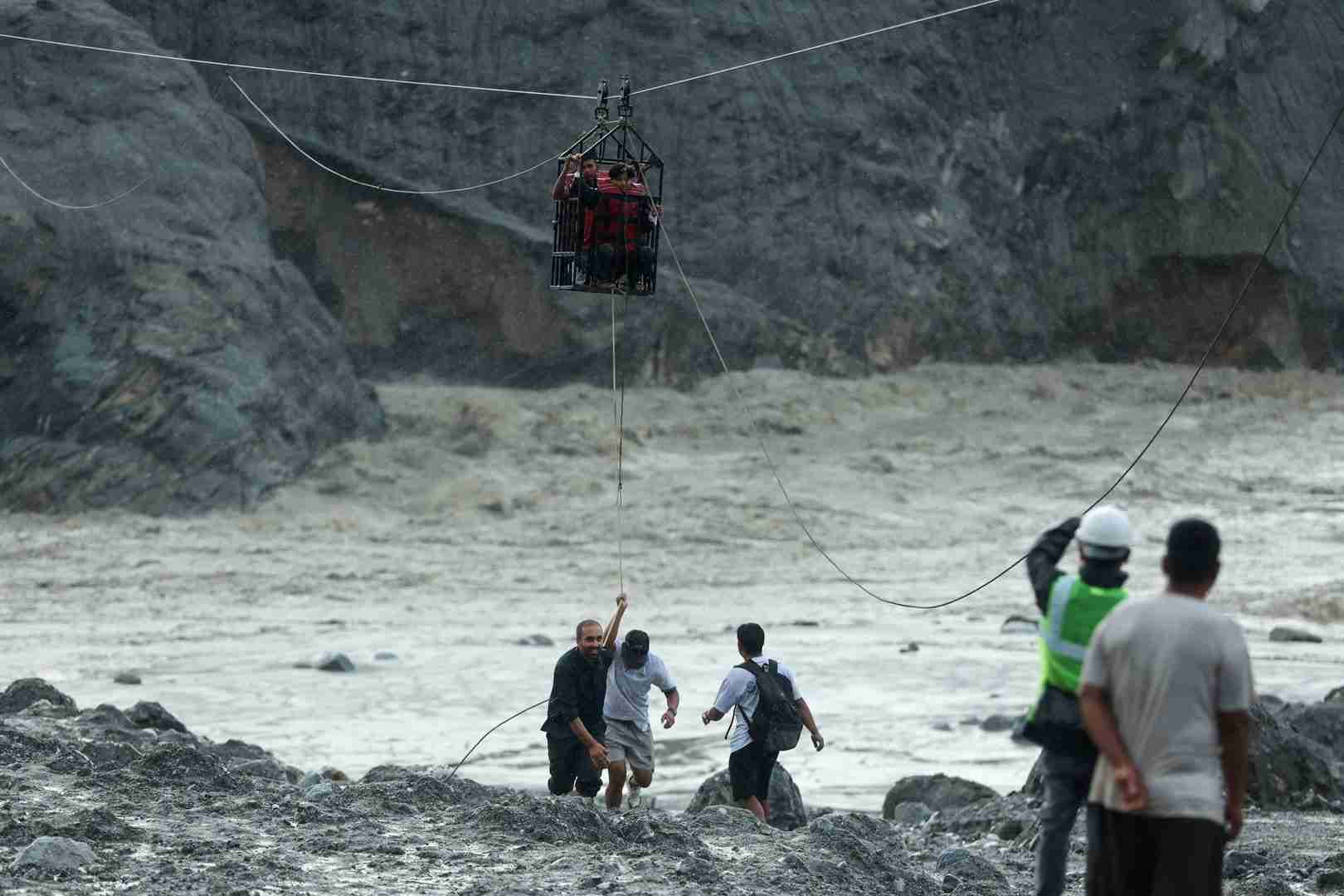
Rescue teams raced on Wednesday to reach dozens of workers believed to be trapped inside hydropower tunnels in Nepal’s mountains, offering one of the last hopes of finding survivors a week after a Himalayan flood killed more than 1,100 people.
The flood, triggered by the collapse of a glacier near Nepal’s border with China, devastated towns and valleys across the mountainous region. At least 1,114 people have been confirmed dead and nearly 4,000 remain missing.
Rescue efforts have increasingly centred on hydroelectric project tunnels where authorities believe workers may have survived after being cut off by floodwaters and debris.
Some tunnels contain chambers with air supplies, and rescuers were trying to reach more than 600 missing workers.
“We are very confident that there is life in there because … there is food and water in the building, that was likely built for communication purposes and as a resting place,” Amshu Kiran Shahi, a board member of the Nepal Electricity Authority, told Reuters.
The chance of finding survivors elsewhere was fading, authorities said, but there was no let up in rescue operations as teams scoured the mountainside along the border with China where floods tore through towns and valleys.
“The hope of finding survivors is decreasing,” said Phanindra Paudel, a senior official at Nepal’s National Emergency Operation Center. “We pray and are hopeful. Hope is hope!”
Prime Minister Balendra Shah told parliament the search would continue.
“Our priority remains clear: To continue our search and rescue operations, find those who are still missing and continue supporting everyone affected,” he said.
HOPING TO FIND SURVIVORS INSIDE TUNNELS
Major rescue operations were under way or planned at four hydropower projects. Two sites, where about 90 people are missing, offered the strongest prospect of finding survivors because of the presence of air inside the tunnels, Shahi said.
At Trishuli-3A, officials believe there was a dry chamber inside and expected oxygen to be flowing through the tunnel, with pipes also being used to push oxygen inside, Shahi said.
Specialised rescue teams from India, China and the United States were involved in the tunnel rescue attempts.
Across the border in Tibet, China raised its death toll to 21, with 541 others still listed as missing.
The update came after Beijing fully reopened the road leading to the Gyirong border crossing into Nepal on Wednesday, allowing heavy machinery to reach the core disaster zone for the first time.
TIBET DISASTER ZONE BECOMES ACCESSIBLE
Chinese state broadcaster CCTV showed excavators, rescue teams, search dogs and life-detection equipment being deployed in a narrow mountain gorge where rain, unstable cliffs and a fast-flowing river have hampered operations.
China’s official toll of those missing includes 104 Indians, 49 Nepali citizens as well as 33 Latvians who are believed to be part of two tourist groups. Most Indians were part of groups visiting Lake Mansarovar and Mount Kailash in Tibet, holy pilgrimage sites for Hindus.
Beijing will send more DNA identification experts and emergency supplies including Bailey bridges, mortuary refrigerators and communications equipment to Nepal to help with the relief efforts, the foreign ministry said on Wednesday.
CHILDREN WHO SURVIVED FEARFUL, ANXIOUS
In Nepal, residents walked around the remains of what were once bustling villages and towns, trying to salvage whatever they could of their belongings.
“My husband and I were able to escape safely. But we could not pick up anything,” said Shanta Sunar, 45, a shopkeeper from Nuwakot. “We have lost whatever we had. But we are lucky nothing happened to us.”
Children in Nuwakot and Rasuwa areas are increasingly showing signs of psychological distress after witnessing the torrent last week, Save the Children said in a statement.
Many said they were fearful and anxious after witnessing wide-ranging horrors including school buses full of friends washed away, their homes submerged and everything they hold dear carried away by the waters, the aid group said.
FOCUS ALSO ON REBUILDING, PM SHAH SAYS
Prime Minister Shah said the government was working to restore power, telecommunications and transport links, with 95% of telecom services in affected areas restored by Tuesday. The disaster has disrupted 431 megawatts of electricity-generating capacity, he said.
“This was one of the major disasters experienced by human civilisation,” Shah said. “As soon as information was received that the flood was approaching, our security personnel were deployed to warn local residents. Some of those personnel themselves went missing.”
Reporting by Gopal Sharma, Sarita Chaganti Singh, Saurabh Sharma, Sahana Bajracharya, Liz Lee, Ethan Wang, Joe Cash, Shi Bu, Chu Mei Mei, Qiaoyi Li, Francis Mascarenhas, Navesh Chitrakar; Writing by Shilpa Jamkhandikar and YP Rajesh; Editing by Saad Sayeed and Ros Russell
The contentious issue of school closures may be revisited by returning Education Minister Diallo Rabain, as part of a promised education reform update in October
The closure of certain primary schools as part of education reform has been a contentious matter.
The publishers’ feedback could determine the outcome of an ongoing EU investigation that could result in yet another hefty fine for Google if the proposal fails to address competition concerns and publishers’ worries about unfair use of their content
International News via Reuters:
EU antitrust regulators are seeking feedback from publishers on Google’s proposal to let them opt out of AI search without affecting their rankings in search results, a questionnaire seen by Reuters showed.
The publishers’ feedback could determine the outcome of an ongoing EU investigation that could result in yet another hefty fine for Google if the proposal fails to address competition concerns and publishers’ worries about unfair use of their content.
Google announced its AI opt-out for publishers in June, the same day the UK antitrust watchdog ordered it to allow publishers the option to stop their content being used to power its AI features.
The U.S. tech giant, which completed the rollout of the opt-out globally on August 31, declined to comment and referred to its June 3 blog post on the topic.
Its AI Overviews, which are AI-generated summaries that appear above traditional hyperlinks, have triggered EU antitrust complaints by publishers concerned about falling traffic and declining revenue.
The EU questionnaire, sent out in July with an August 28 deadline for replies, asked if publishers would make use of the opt-out and the factors influencing their decision.
The document also asked publishers for their views on changes to Google’s search box announced in May which included bringing AI Overviews and AI Mode into one AI Search.
The world’s most popular internet search engine has racked up more than €10 billion in EU antitrust fines for various violations over nearly two decades.
Reporting by Foo Yun Chee; Editing by Cynthia Osterman
The speech has been scheduled for Monday, the person said, speaking on condition of anonymity
International News via Reuters:
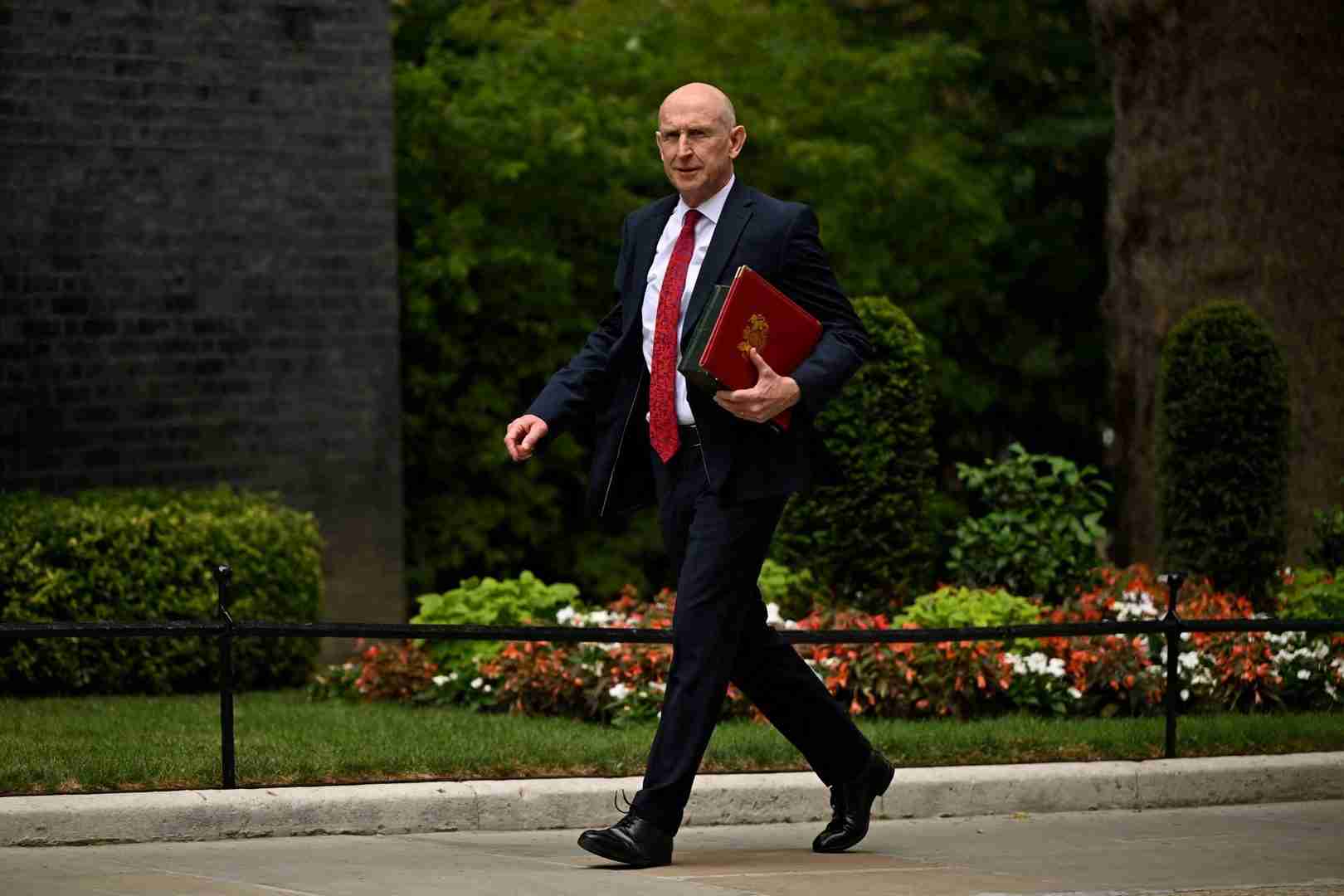
British finance minister John Healey plans to give his first major speech in his new role next week ahead of his debut budget announcement in October, a person familiar with the plan said on Wednesday.
The speech has been scheduled for Monday, the person said, speaking on condition of anonymity.
The Treasury’s press office declined to comment. News organisation Politico initially reported the speech date.
Healey and Prime Minister Andy Burnham have kept the fiscal rules adopted by the previous government led by Keir Starmer including a target of balancing day-to-day spending with tax revenues by the end of the decade.
However, the margin of error for remaining on course to meet that rule has been reduced by rising borrowing costs in global financial markets, prompting some analysts to say Healey might have to raises taxes in his October 28 budget to stay on track and to fund any extra spending on Burnham’s policy priorities.
Reporting by Sarah Young and William Schomberg; editing by William James and David Milliken
To provide the best experiences, we use technologies like cookies to store and/or access device information. Consenting to these technologies will allow us to process data such as browsing behavior or unique IDs on this site. Not consenting or withdrawing consent, may adversely affect certain features and functions.
Functional
Always active
The technical storage or access is strictly necessary for the legitimate purpose of enabling the use of a specific service explicitly requested by the subscriber or user, or for the sole purpose of carrying out the transmission of a communication over an electronic communications network.
Preferences
The technical storage or access is necessary for the legitimate purpose of storing preferences that are not requested by the subscriber or user.
Statistics
The technical storage or access that is used exclusively for statistical purposes.The technical storage or access that is used exclusively for anonymous statistical purposes. Without a subpoena, voluntary compliance on the part of your Internet Service Provider, or additional records from a third party, information stored or retrieved for this purpose alone cannot usually be used to identify you.
Marketing
The technical storage or access is required to create user profiles to send advertising, or to track the user on a website or across several websites for similar marketing purposes.