

Forced birth control in Greenland violated women’s rights but didn’t constitute genocide, experts find
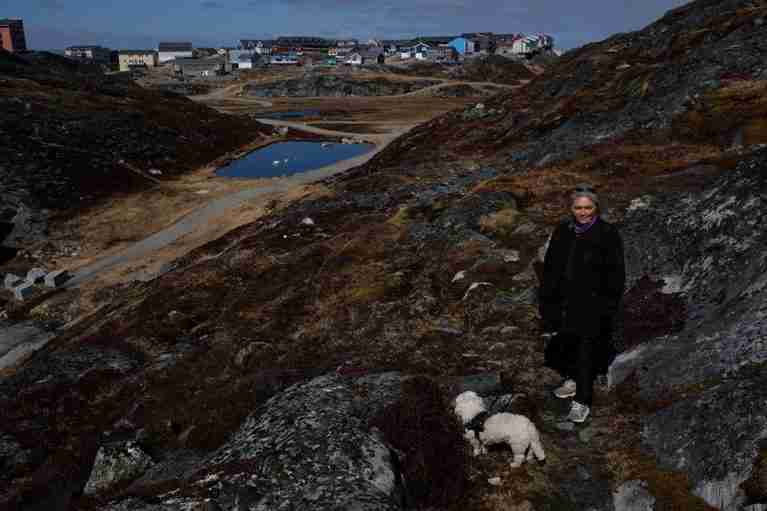
Both found administering contraception without valid consent breached the women’s right to respect for their private and family life and subjected them to degrading treatment in some cases. The reports differed on whether the practice was systemic
International News via Reuters:
A campaign of forced contraception in Greenland that ran primarily in the 1960s and 1970s violated women’s human rights but did not meet the legal definition of genocide, two expert reports concluded on Friday.
Both found administering contraception without valid consent breached the women’s right to respect for their private and family life and subjected them to degrading treatment in some cases. The reports differed on whether the practice was systemic.
At least 4,000 Greenlandic women and girls, some as young as 12, received intrauterine devices or contraceptive injections between 1966 and 1991, often without their consent or knowledge, a joint Danish-Greenlandic inquiry found in 2025.
That inquiry found the practice was intended to reduce birth rates and family sizes, which Danish authorities at the time viewed as a way to improve living standards and social and health conditions in Greenland, an Arctic island and semi-sovereign territory of Denmark, with a population of 57,000.
Documented consequences for some women included heavy bleeding, serious infections, scarring of the fallopian tubes, removal of the uterus and the inability to have children.
In 2024, the then-government in Nuuk tasked three legal experts and one psychologist with establishing whether there have been violations of human rights and the rights of indigenous peoples and if these meet the definition of genocide. The panel split during its work, with two members resigning and submitting a separate report.
Greenlandic Prime Minister Jens-Frederik Nielsen said the government would establish a reconciliation commission whose work “should not be about assigning blame, but about uncovering the truth with a view to genuine reconciliation, which will create the future we desire as a society.”
Danish Prime Minister Mette Frederiksen said she would read the reports “with great interest” and welcomed the proposal from Nielsen.
“A reconciliation commission gives us the opportunity to look back at the darkness in our shared history, engage with it critically, and acknowledge the pain it may have caused,” she said.
The Greenlandic Siumut party demanded in a statement that the genocide question should be settled by “a competent and independent international court”. “Today we could have been far more Greenlanders,” the party said.
The reports’ findings are sensitive because U.S. President Donald Trump has pledged to take over Greenland, which aspires to full independence one day. His administration has highlighted allegations of misconduct by Danish authorities against the people of its former colony, in seeking to persuade them to turn to Washington.
The White House did not immediately respond to a request for comment when contacted by Reuters via email.
INTENT IS KEY TO PROVING GENOCIDE
The UN Genocide Convention prohibits not just mass killing but “measures intended to prevent births” within a national, ethnical, racial or religious group, and requires proof the acts were carried out with intent to destroy that group in whole or in part.
In their report, Dalee Sambo Dorough, a lawyer from Alaska and former chair of the Inuit Circumpolar Council, and Miriam Cullen, a law professor at the University of Copenhagen, found a reasonable basis to believe that Kalaallit Inuit (Greenlandic) women had suffered involuntary contraceptive practices that violated their rights to equality and non-discrimination, to non-interference in private and family life and the right to freedom from cruel, inhuman or degrading treatment.
They did not, however, conclude that genocide had taken place. There was also a reasonable basis to believe that “limiting population growth” was one factor behind how doctors approached contraception, they said.
In the other report, Jonas Christoffersen, former head of the Danish Institute for Human Rights, and Jensine Nedergaard, a psychologist who worked in Greenland — the experts who resigned from the original panel — accepted women had been wronged but said the extent of the violations could not be established.
Christoffersen and Nedergaard found no evidence “any authority or health professional at any time had any intention of destroying the Greenlandic population.”
Dorough and Cullen said the evidence could not establish such an intent “on the basis of contraceptive practices alone.”
Establishing whether genocide had ever taken place, they wrote, would need to consider other violations Denmark is accused of in Greenland, such as the removal of Inuit children to Danish families. This fell outside the scope of their report.
They added that genocidal intent by Denmark “remains a possible inference” that a court might establish based on a full review.
DENMARK DID BREACH CONVENTION, ONE REPORT FINDS
Dorough and Cullen found, however, “reasonable basis to believe” Denmark had breached the Genocide Convention by learning as early as 1969 of a serious risk that the programme amounted to the preventing of births within a group, and failing to take all measures within its power. Only a court could settle that question, they said.
Under the terms of the Genocide Convention, which Denmark ratified in 1951, the country pledges not to commit genocide, and to prevent and punish it.
The reports’ authors and the women at the centre of the case asked that the findings not be used in questions over Greenland’s future ties with Denmark on the grounds that the women’s experience should be considered in isolation and not drawn into geopolitical disputes.
‘WE WERE TREATED LIKE ANIMALS’
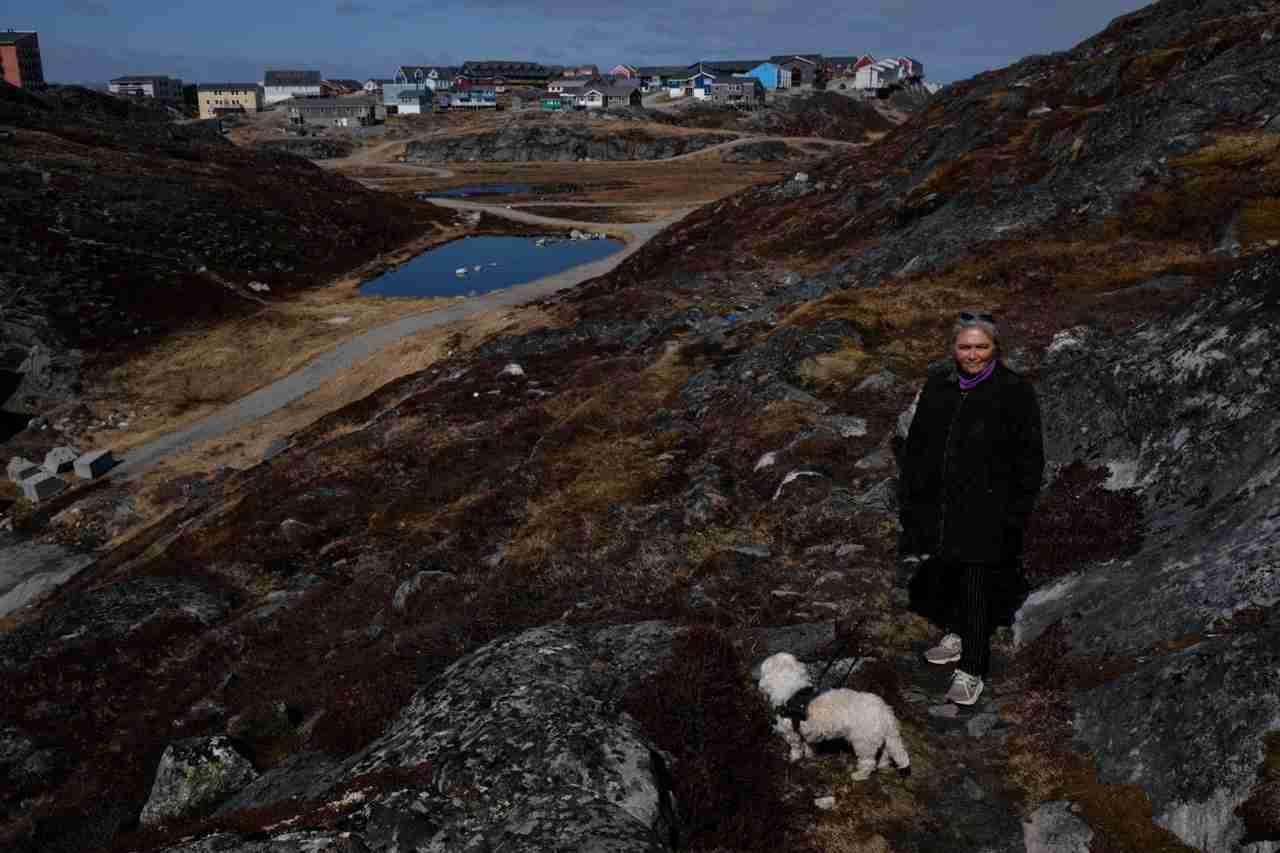
Inger Platou, 70, was one of the women affected.
Speaking to Reuters before the experts’ findings were published, she described waking up from what she had been told was a minor operation to discover an IUD had been inserted without her consent.
“It turns out we were treated like animals,” she said. “Without consent, they just wanted to stop women from giving birth or having children. It was a very inhumane act.”
She said a doctor later told her complications from the coil had left her unable to become pregnant. She went on to adopt two children from Colombia.
“We are very deferential to authority because we are colonial children,” she said.
In 2025, Frederiksen apologised to women she said had been subjected to “systematic discrimination” and Greenland’s Prime Minister apologised for cases that occurred after Greenland took over its health system in 1992. Denmark on Thursday passed a compensation law to pay 300,000 Danish crowns ($46,758) to each affected woman.
Both reports were peer reviewed by two outside academics: one found the Christoffersen and Nedergaard report fell short of “recognised scientific standards”. Greenland’s justice minister said their report did not fulfil their commission.
Christoffersen said he and Nedergaard had written to the Greenlandic government in July to explain their reasoning, and that the two scholars rejected the finding that their report fell short of scientific standards.
($1 = 6.4159 Danish crowns)
Reporting by Stine Jacobsen in Copenhagen and Time Barsoe in Nuuk, additional reporting by Louise Rasmussen; editing by Philippa Fletcher and Alexandra Hudson
Somerset veteran earns Safe Hands Award


Bermuda HealthCare Services hosted a special presentation at its Paget offices today, honouring Somerset veteran Dion Stovell with the 2026 Bummy Symonds–Dennis Wainwright Safe Hands Award.
The annual award recognizes outstanding performance and excellence during Bermuda’s Cup Match Classic and comes with a $2,500 prize and trophy.
This year’s honour went to Stovell following an impressive final Cup Match appearance, where he scored 52 runs and took seven wickets for 67 runs in Somerset’s victory over St. George’s.
Opening remarks and the official announcement were delivered by Award Administrator Vincent Hollinsid.
Following the presentation, Dion Stovell reflected on receiving the Safe Hands Award for the second time as he closes the chapter on his Cup Match career.
In his remarks, Stovell thanked those who have supported him throughout his journey, spoke about the significance of receiving the honour in his final year, and encouraged the next generation of young cricketers to continue working hard and strive for similar achievements.
UK stocks close higher after Warsh’s comments

The blue-chip FTSE 100 rose 0.3% to 10,824.26 points, ending the week nearly flat

International News via Reuters:
UK stocks closed higher on Friday as investors digested corporate updates as well as Federal Reserve Chair Kevin Warsh’s comments at the Jackson Hole symposium that boosted the chances of a U.S. interest rate hike next month.
The blue-chip FTSE 100 rose 0.3% to 10,824.26 points, ending the week nearly flat. The midcap FTSE 250 added 0.2% to 24,938.79 points and recorded a weekly gain of nearly 1%.
• The U.S. central bank will “have work to do” if policymakers don’t get the confidence they need that inflation is heading down to 2%, Warsh said, which the markets interpreted as an acknowledgement interest rate hikes may be needed to ease price pressures.
• U.S. stocks were mixed, while the dollar gained ground as traders anticipated a nearly 60% chance that the U.S. central bank will raise interest rates in September, compared with 35% a day ago, according to CME Group’s FedWatch tool.
• Still, investors have been paring back expectations of a rate hike from the Bank of England this year.
• Oil prices dipped on Friday, with Brent crude trading around $89 a barrel as traders continued to monitor a deadlock in U.S.-Iran diplomacy. [O/R]
• British businesses turned the most confident since March this month, bolstered by a rosier view of the economy, according to a survey that echoes other signs of an improving outlook.
• Among single stocks, Goodwin climbed 1.4% after the mechanical engineering company reported full-year trading profit of £77.50 million ($105.3 million), more than double from a year ago.
• Recruiter Hays climbed about 5.1% after Panmure Liberum upgraded the stock to “buy” from “hold”.
Reporting by Anand Gopal and Sruthi Shankar in Bengaluru; Editing by Shailesh Kuber and Barbara Lewis
Thousands march in Washington as leaders warn of voting and civil rights rollbacks
Civil rights leaders invoked the same demands he made from the steps of the Lincoln Memorial two and a half generations ago: that the fight for equality remains unfinished
International News via Reuters:
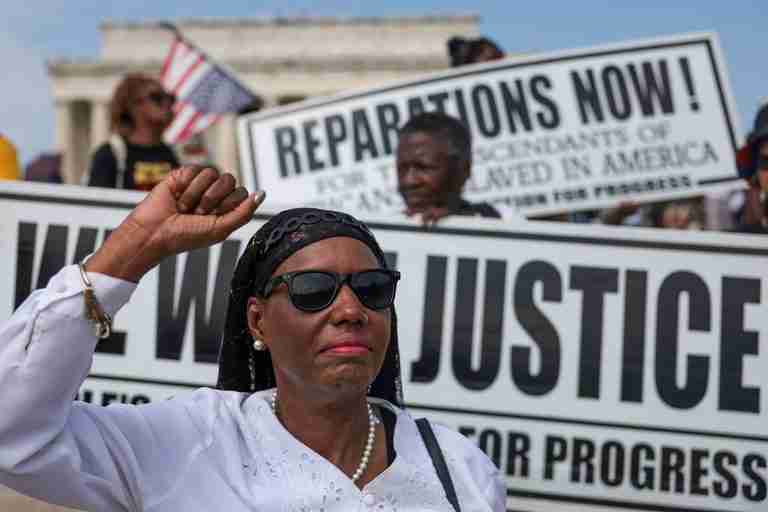
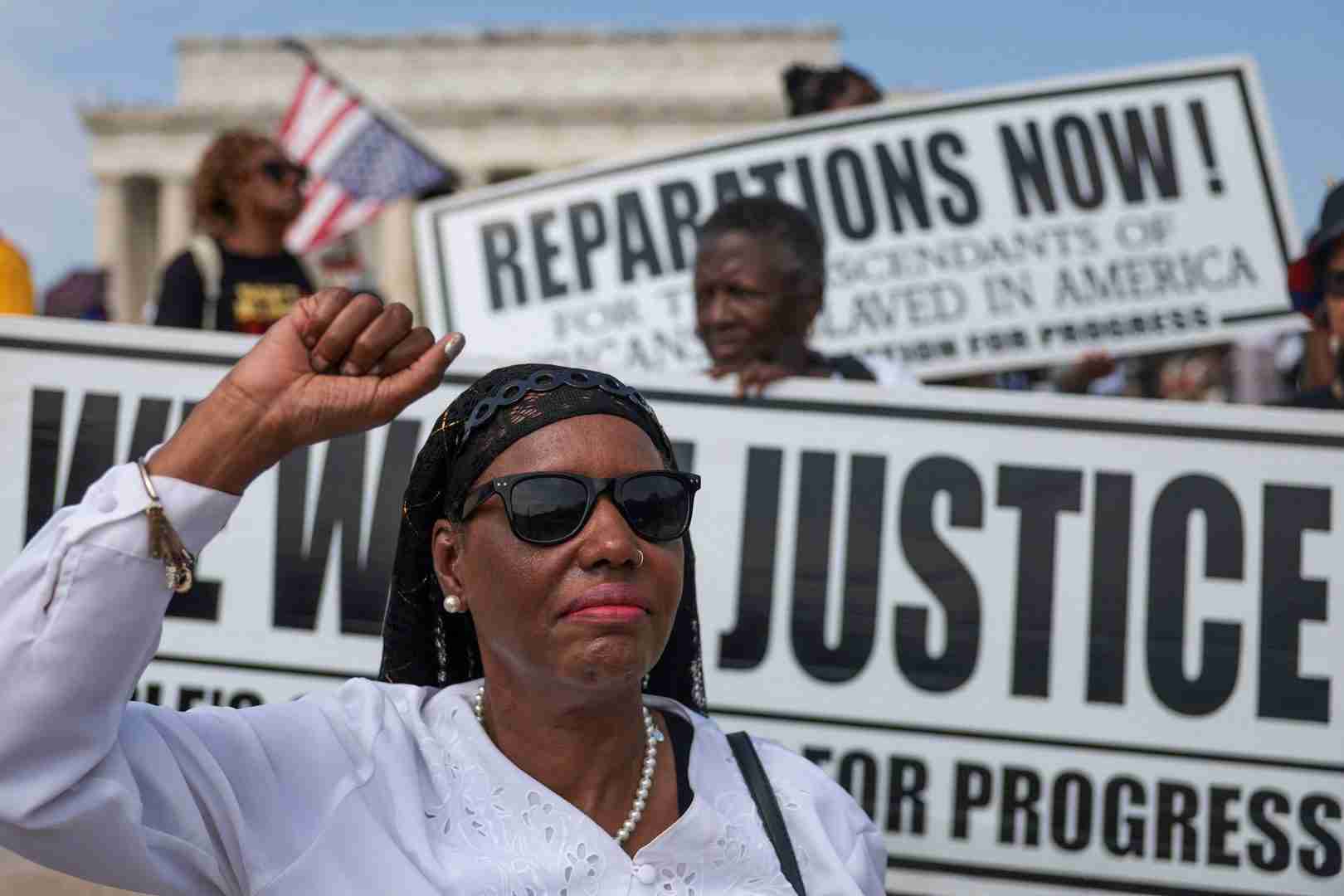
More than six decades after Martin Luther King Jr. stood on the steps of the Lincoln Memorial and declared his dream for a more just America, thousands gathered in Washington on Friday to warn that voting rights and other freedoms he fought and died for are once again under threat.
Civil rights leaders invoked the same demands he made from the steps of the Lincoln Memorial two and a half generations ago: that the fight for equality remains unfinished.
The event, called “March on Washington 2026: Defend the Vote,” drew several thousand people to the National Mall, including union members, students, members of Black Greek-letter organizations, and attendees of all ages who traveled from across the country.
The march comes after the Supreme Court weakened a key provision of the Voting Rights Act this year, setting off a string of redistricting battles across the South, with Republican-led statehouses moving quickly, in some cases within days, to redraw congressional maps in time for midterm elections in November.
“We know in this fight we’re fighting powerful forces, but this is why we rally today,” said Marc Morial, president and CEO of the civil rights organization National Urban League. “This is why we seek to bring Americans together of goodwill from all races, from all sections of the country to push back as forcefully as we can.”
The gathering was organized by Al Sharpton’s National Action Network and Martin Luther King III and Arndrea Waters King’s Drum Major Institute, alongside more than 90 community partner organizations, including the NAACP and National Urban League.
“Defending the vote means defending the foundation of our democracy,” said King III in a statement. “Sixty-three years after my father stood at the Lincoln Memorial, we are called to march again, not only in remembrance, but in action.”
According to the organizers, the march aims to “confront the systemic rollback of civil rights at this critical moment,” referring to President Donald Trump’s efforts to curb mail-in voting, weaken anti-discrimination protections across the federal government and fundamentally shift what civil rights are.
“We stand on the same ground because the work is not finished,” Sharpton wrote in a letter to supporters. “The right to vote, the very foundation of our power, is being chipped away in statehouse after statehouse. When the vote is weakened, every other right grows fragile with it.”
The program began at 9 a.m. ET with confirmed speakers U.S. Senator Bernie Sanders, an independent from Vermont, Democratic Representative Alexandria Ocasio-Cortez of New York and House Minority Leader Hakeem Jeffries.
“Black unemployment is up, Black homeownership is down and Black political representation is under assault with Jim Crow white tactics all throughout the South — challenging times,” Jeffries said, referring to the system of state and local laws that enforced racial segregation in the American South until the 1960s.
Reporting by David Hood-Nuño; Editing by Kat Stafford, Aurora Ellis, Rod Nickel
Spain asks EU for help processing migrants in Ceuta
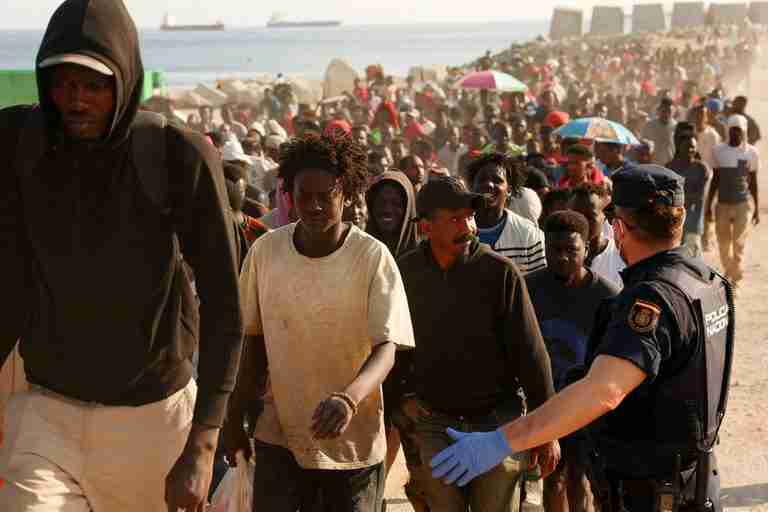
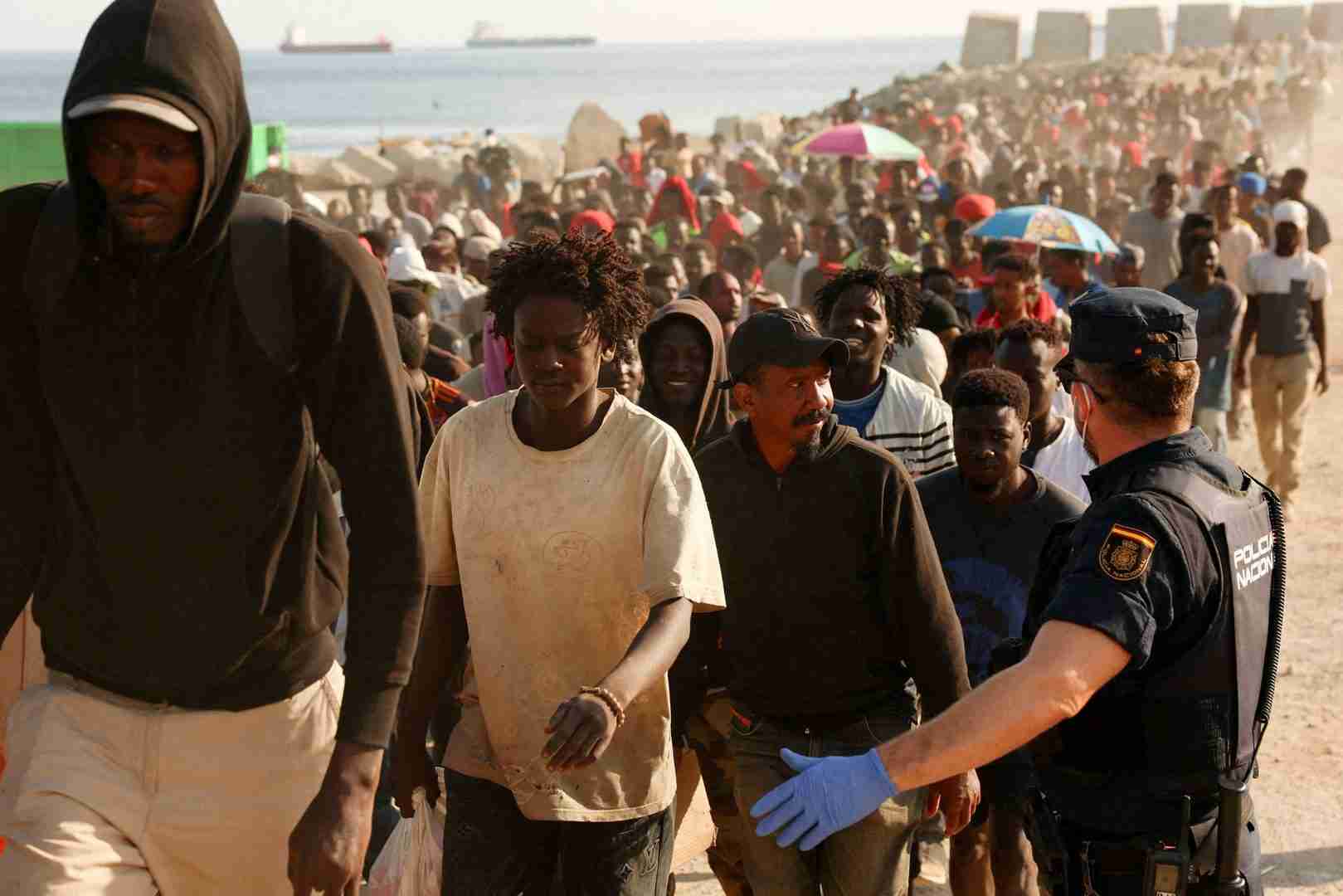
Authorities say between 5,000 and 8,000 people remain in Ceuta after at least 72,000 people crossed from Morocco on July 30 in a rush that killed 82 migrants on the Spanish side of the border, with 14 more deaths confirmed by Morocco
International News via Reuters:
Spain asked on Friday for help from the European Border and Coast Guard Agency (Frontex) in processing migrants in the North African enclave of Ceuta almost a month after tens of thousands rushed across the border from Morocco.
Spanish Interior Minister Fernando Grande-Marlaska sent a request to Beate Gminder, the European Commission’s director general for migration and home affairs, for help from Frontex, a European Union agency, to screen migrants in the enclave illegally.
Authorities say between 5,000 and 8,000 people remain in Ceuta after at least 72,000 people crossed from Morocco on July 30 in a rush that killed 82 migrants on the Spanish side of the border, with 14 more deaths confirmed by Morocco.
Spain also asked for 10 more officers from Frontex to help with migrant screening.
Marlaska’s request comes amid rising tensions in Ceuta after a series of protests by residents who have demanded the migrants leave.
Tents used by migrants on Trampolin Beach, where many migrants have been camping out, have been attacked and set on fire.
Twelve migrants were arrested on Thursday after stoning an army vehicle, injuring one soldier and four migrants. Eleven were expelled from Ceuta, the El Pais newspaper reported on Friday, citing sources from the city’s main court.
Reporting by Graham KeeleyEditing by Rod Nickel
Berlin city government says it won’t submit to extortion after pre-election cyberattack
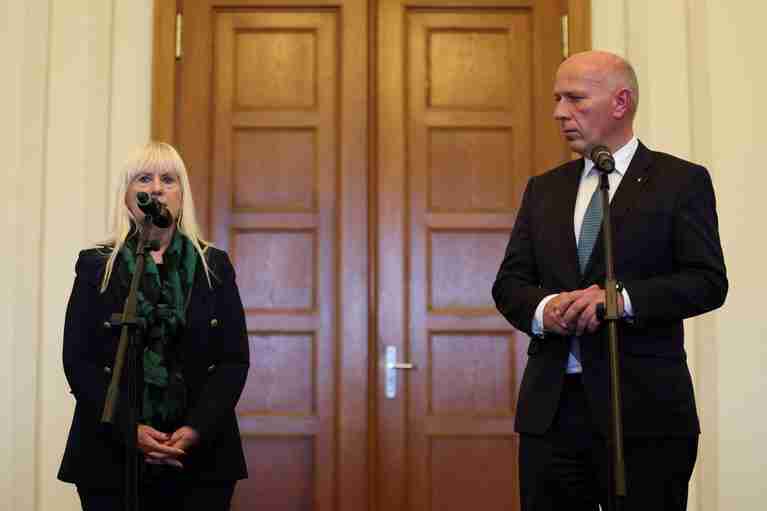
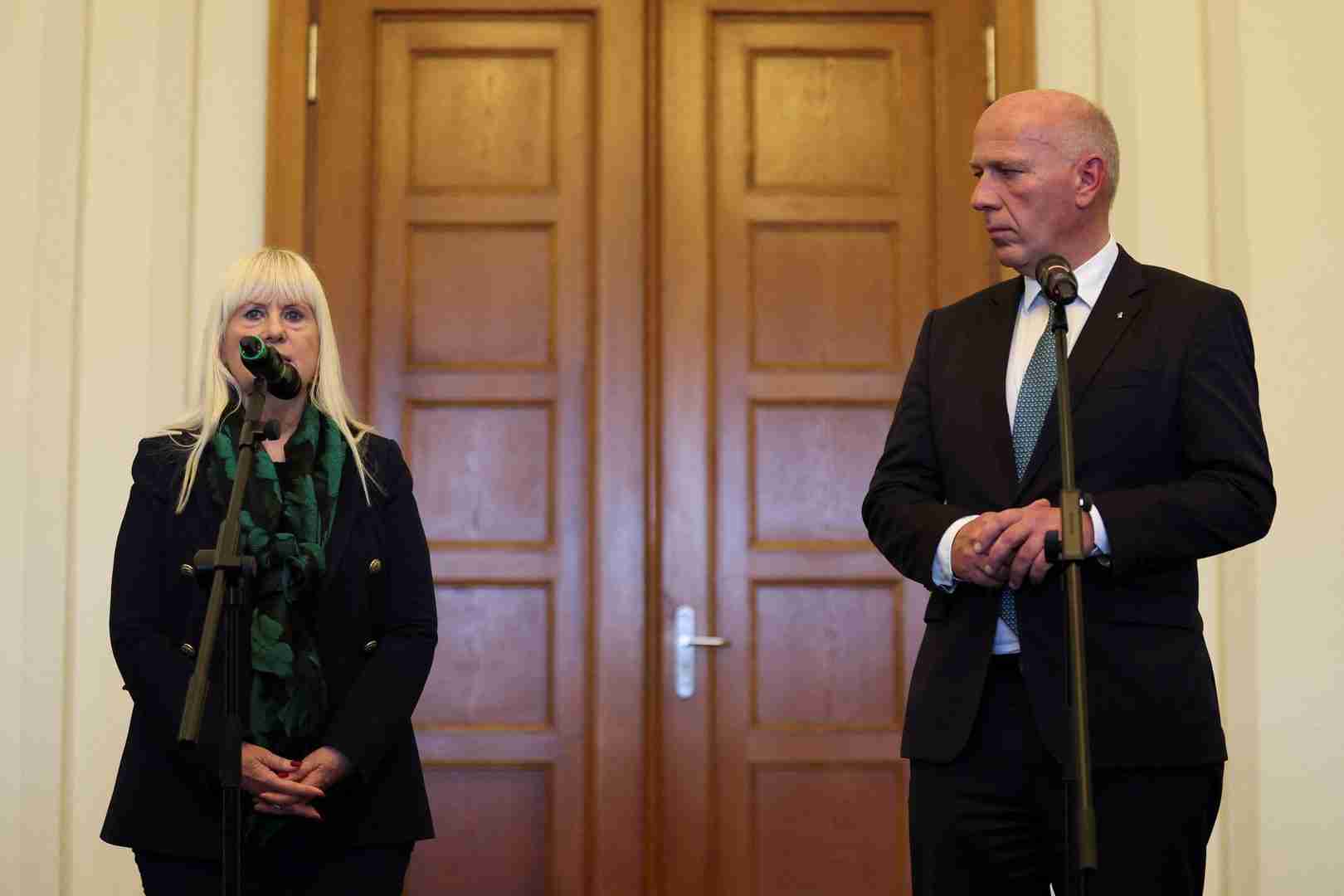
In a joint statement, Wegner and Berlin’s interior senator, Iris Spranger, said: “The state of Berlin will not submit to extortion,” without giving further details
International News via Reuters:
Berlin’s city government will not allow itself to be extorted following a cyberattack on its network, Mayor Kai Wegner said in a statement on Friday, less than a month before the city-state holds elections.
• In a joint statement, Wegner and Berlin’s interior senator, Iris Spranger, said: “The state of Berlin will not submit to extortion,” without giving further details.
• Broadcaster RBB reported on Thursday evening that Berlin had received ransom demands for an unspecified amount following the attack.
• Officials could not yet provide details on the content or scope of the affected data because the extent of the breach was still being examined, Wegner said at a press conference.
• Spranger said the city’s election infrastructure had not been affected and that, according to security officials, no data related to the election had been compromised.
• Berlin is set to elect a new state parliament on September 20. Wegner – a conservative – said in July that he will not seek another term as mayor.
Reporting by Cian Muenster and Miranda Murray, Editing by Friederike Heine
Portugal locks in €16.3 billion in EU grants under post-pandemic plan

Portugal was allocated €21.9 billion under the EU’s €750 billion NextGenerationEU post-pandemic recovery programme launched in 2021, including €16.3 billion in grants and €5.6 billion in loans

International News via Reuters:
Portugal has completed all 44 reforms required by Brussels under its post-pandemic recovery plan to qualify it for €16.3 billion ($18.98 billion) in EU grants available to fund more than 100 projects, its economy minister said on Friday.
• Portugal was allocated €21.9 billion under the EU’s €750 billion NextGenerationEU post-pandemic recovery programme launched in 2021, including €16.3 billion in grants and €5.6 billion in loans.
• Its recovery plan provides funding for 117 investment projects, conditional on the implementation of 44 reforms covering housing, healthcare, education, public administration, energy and the digital transition.
• To secure EU funds, member states must complete Brussels-mandated reforms by Monday.
• Economy Minister Manuel Castro Almeida told a news conference that Portugal had “fully implemented the planned reforms and met all of the plan’s milestones and targets, securing the full €16.326 billion in grants”.
• “It would have been disastrous for the country if we had missed this opportunity,” he said, adding that the plan’s loan component was also expected to be fully utilised.
• Since its launch in 2021, Portugal’s recovery plan has been revised several times, with projects deemed unlikely to meet Monday’s deadline replaced by others capable of being completed on time.
• Castro Almeida said many of the projects removed from the plan would now be financed through other EU funds, the European Investment Bank and the state budget.
($1 = 0.8590 euros)
Reporting by Sergio Goncalves; Editing by Jan Harvey
Nepal declines foreign rescue help, South Korea says it is negotiating

The flood tore through areas including Rasuwa district near the Chinese border, levelling entire towns, damaging hydropower plants and killing close to 500 people

International News via Reuters:
Nepal does not need foreign assistance for search-and-rescue operations following the devastating flash flood that swept through several towns on Wednesday, its foreign ministry said, despite offers from several countries with nationals missing.
The flood tore through areas including Rasuwa district near the Chinese border, levelling entire towns, damaging hydropower plants and killing close to 500 people.
Hundreds of foreign nationals are still missing, including from South Korea, which said it has already sent a response team to Nepal and will also dispatch a disaster relief team.
But Nepal’s foreign ministry said on Friday that it was managing the rescue efforts itself.
“The offer for help is natural. Our security agencies are doing the search-and-rescue operation. For now we don’t require such help,” Lok Bahadur Chhetri, spokesperson for the foreign ministry, said on Friday.
The Kathmandu Post reported that India, China, the United States, Britain, Japan, South Korea, Sri Lanka and Bangladesh had asked the government to allow their search-and-rescue teams to assist in the operation.
South Korea’s foreign ministry said Nepal had indicated it was not yet planning to accept foreign rescue teams.
“South Korea will keep negotiating with Nepal over the matter,” the ministry added.
Seoul has pledged $1 million in humanitarian assistance through international organisations, its foreign minister said on X. Nine South Koreans working in a hydropower plant were missing and 10 were stranded, its foreign ministry said on Wednesday.
SENSITIVITY OF TIBET REGION
Dinesh Bhattarai, a former Nepali ambassador to the United Nations in Geneva, said the government’s reluctance to accept foreign search-and-rescue teams may be linked to the location of the flood-hit Rasuwa district, which borders China’s Tibet, one of Beijing’s most sensitive territorial issues. Nepal has long walked a tightrope in diplomatic relations with its much bigger neighbour.
“They may have thought about the locational sensitivity of the region and decided not to accept foreign teams,” Bhattarai told Reuters.
Nepalese foreign ministry spokesperson Chhetri said the decision had nothing to do with China’s sensitivity but was because Nepal’s own rescue teams were handling the operation.
China’s No. 2 official, Premier Li Qiang, visited the disaster-stricken site in Gyirong on Thursday afternoon, state-run Xinhua reported on Friday.
“So long as there is even the slightest hope, the utmost effort must be made,” Li said, according to Xinhua.
He further directed rescue command to “strengthen coordination and communication on emergencies involving foreign nationals or foreign parties” and work with foreign authorities to determine those missing and to handle the aftermath.
The Foreign Ministry of China did not immediately respond to a request to comment on why Nepal was refusing to accept foreign search and rescue assistance.
Chinese state media reported that Chinese President Xi Jinping extended condolences to Nepal’s president on Friday.
Reporting by Gopal Sharma in Kathmandu and Heejin Kim in Seoul; Additional reporting by Joe Cash and Xiuhao Chen in Beijing; Writing by Shilpa Jamkhandikar and Anil D’Silva; Editing by Christian Schmollinger, Saad Sayeed, Rick Noack and Conor Humphries
Reported missing: Liam Glanville, 27
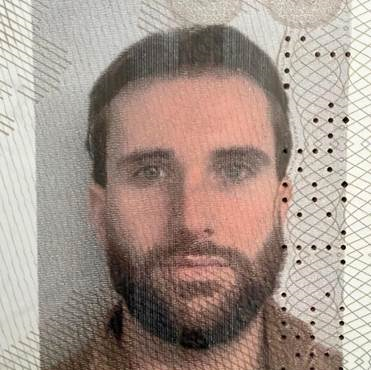
British guest worker last seen on Front Street last night
Liam Glanville
Update 4:25PM: Police report that Liam Glanville has been found safe and well.
The Bermuda Police Service (BPS) is appealing for the public’s assistance in locating 27-year-old Liam Glanville.
He is described as a Caucasian British national, approximately 5 feet 9 inches tall, of slim build, with dark coloured hair, weighing between 160 and 170 pounds.
Information suggests that the 27-year-old guest worker was last seen wearing a white polo shirt and shorts, socialising on Front Street, City of Hamilton around 6:30pm Thursday evening, 27th August 2026.
He was apparently travelling on a Smatt’s rental scooter.
Police officers are currently attempting to locate Mr. Glanville.
Members of the public with any information on the whereabouts of 27-year-old Liam Glanville are encouraged to contact the BPS immediately, by calling 211.
Nepal declines foreign rescue help, South Korea says it is negotiating

The flood tore through areas including Rasuwa district near the Chinese border, levelling entire towns, damaging hydropower plants and killing close to 500 people

International News via Reuters:
Nepal does not need foreign assistance for search-and-rescue operations following the devastating flash flood that swept through several towns on Wednesday, its foreign ministry said, despite offers from several countries with nationals missing.
The flood tore through areas including Rasuwa district near the Chinese border, levelling entire towns, damaging hydropower plants and killing close to 500 people.
Hundreds of foreign nationals are still missing, including from South Korea, which said it has already sent a response team to Nepal and will also dispatch a disaster relief team.
But Nepal’s foreign ministry said on Friday that it was managing the rescue efforts itself.
“The offer for help is natural. Our security agencies are doing the search-and-rescue operation. For now we don’t require such help,” Lok Bahadur Chhetri, spokesperson for the foreign ministry, said on Friday.
The Kathmandu Post reported that India, China, the United States, Britain, Japan, South Korea, Sri Lanka and Bangladesh had asked the government to allow their search-and-rescue teams to assist in the operation.
South Korea’s foreign ministry said Nepal had indicated it was not yet planning to accept foreign rescue teams.
“South Korea will keep negotiating with Nepal over the matter,” the ministry added.
Seoul has pledged $1 million in humanitarian assistance through international organisations, its foreign minister said on X. Nine South Koreans working in a hydropower plant were missing and 10 were stranded, its foreign ministry said on Wednesday.
SENSITIVITY OF TIBET REGION
Dinesh Bhattarai, a former Nepali ambassador to the United Nations in Geneva, said the government’s reluctance to accept foreign search-and-rescue teams may be linked to the location of the flood-hit Rasuwa district, which borders China’s Tibet, one of Beijing’s most sensitive territorial issues. Nepal has long walked a tightrope in diplomatic relations with its much bigger neighbour.
“They may have thought about the locational sensitivity of the region and decided not to accept foreign teams,” Bhattarai told Reuters.
Nepalese foreign ministry spokesperson Chhetri said the decision had nothing to do with China’s sensitivity but was because Nepal’s own rescue teams were handling the operation.
China’s No. 2 official, Premier Li Qiang, visited the disaster-stricken site in Gyirong on Thursday afternoon, state-run Xinhua reported on Friday.
“So long as there is even the slightest hope, the utmost effort must be made,” Li said, according to Xinhua.
He further directed rescue command to “strengthen coordination and communication on emergencies involving foreign nationals or foreign parties” and work with foreign authorities to determine those missing and to handle the aftermath.
The Foreign Ministry of China did not immediately respond to a request to comment on why Nepal was refusing to accept foreign search and rescue assistance.
Chinese state media reported that Chinese President Xi Jinping extended condolences to Nepal’s president on Friday.
Reporting by Gopal Sharma in Kathmandu and Heejin Kim in Seoul; Additional reporting by Joe Cash and Xiuhao Chen in Beijing; Writing by Shilpa Jamkhandikar and Anil D’Silva; Editing by Christian Schmollinger, Saad Sayeed, Rick Noack and Conor Humphries
Haakon, the reluctant prince who became Norway’s new king
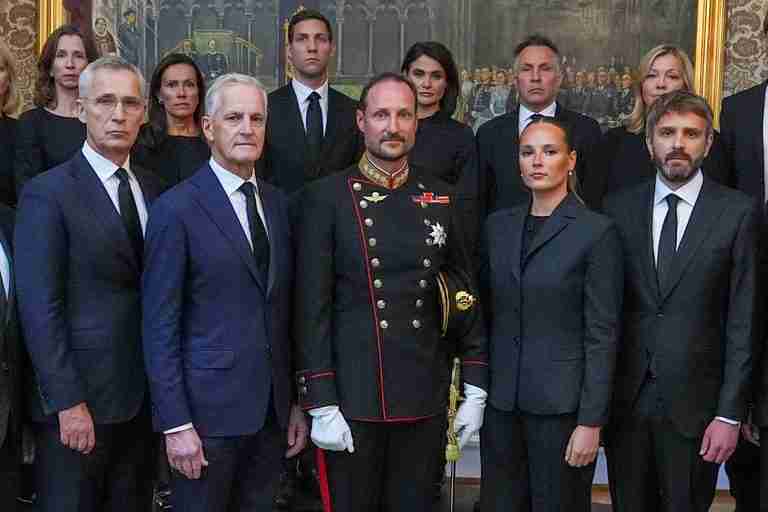
Over the years, he grew into his role, becoming Crown Prince in 1991 and taking on more royal duties as his father’s health failed

International News via Reuters:
Haakon — who comes to the throne as two major scandals batter his family — struggled for years to accept his status.
“Yes, I was a royal, but I did not want to talk about it … At school it made me anxious,” he wrote in his 2023 autobiography “Haakon”, recalling his days in a state primary in the 1980s.
Over the years, he grew into his role, becoming Crown Prince in 1991 and taking on more royal duties as his father’s health failed. On Friday he took on the crown itself following the death of King Harald.
But it was a long and sometimes difficult adjustment.
MOVED AS FAR AWAY AS POSSIBLE FROM HOME
As a child, he preferred to stay out of sight “because that is when things went wrong. Attention, other people could have that,” he wrote.
He decided not to try to follow in his father and grandfather’s footsteps to England’s University of Oxford, and enrolled instead at the University of California, Berkeley.
He wanted to be “as far away as possible” from his home. Other attractions were California’s music scene – including one memorable, heavily policed concert by the Brooklyn-born rapper Nas in the middle of the East Coast-West Coast hip hop rivalry.
And then there was the surf. “In the water, I could be myself,” he wrote.
Soon after his return to Norway in 1999 he met his future wife, Mette-Marit, at a music festival.
When the relationship became public, the media jumped on the fact that she was a commoner and a single mother who had spent a lot of time in her youth in Norway’s house music clubs.
That furore died down after King Harald — who had also married a commoner, Queen Sonja, despite his own father’s objections — publicly welcomed her into the family.
Haakon said Mette-Marit helped him come out of his shell and described her as the emotional counterweight to his analytical mind. “I am not very good socially,” he wrote. “Mette is a natural talent. She can go into a room and get along with everyone.”
They married in 2001 and had two children — Crown Princess Ingrid Alexandra and Prince Sverre Magnus, alongside Marius, Mette-Marit’s son from a previous relationship.
TAKING CARE OF THE FLOCK
More than two decades later, another media storm erupted when files published by the U.S. Justice Department in January included email correspondence between Mette-Marit and convicted sex offender Jeffrey Epstein.
Mette-Marit did not respond publicly for seven weeks and Haakon released a statement saying his wife needed time to gather herself. When she did give a 20-minute interview to public broadcaster NRK in March, he was sitting by her side, saying marriage was both for “the good days and the bad”.
“Mette is caring, wise and really strong. And that’s why I will always have her on the team when something difficult happens,” the crown prince said.
At the same time the Epstein scandal was unfolding, Mette-Marit’s son Marius Borg Hoiby, Haakon’s stepson, was standing trial for rape and domestic violence, charges he denied.
Haakon issued a statement expressing sympathy with the alleged victims and saying he would not be in court.
“We support Marius in the situation he is in. We look after the other children as well,” he told reporters on the sidelines of a royal visit. “For me, the most important thing these past few days has been to take care of the flock.”
In June, Marius was found guilty of two out of four counts of rape and one count of domestic violence and sentenced to four years in prison. Both he and the prosecution have launched appeals against the sentence.
FOURTH KING OF NORWAY IN MODERN ERA
On Friday, Haakon became Norway’s fourth king in the modern era — which started when the country voted in a referendum to become a monarchy rather than a republic on declaring full independence from Sweden in 1905.
After that plebiscite, Prince Carl of Denmark became Norway’s King Haakon VII — building numerically on the line of Norwegian kings from the Viking and medieval eras.
The namesake and great-grandson of that monarch wrote in his autobiography that he had grown to embrace his public position. “I can find meaning and joy within it, and I can try and be of help to others.” If he keeps his name, he will become King Haakon VIII of Norway, though he can still choose to change it.
As for his private life, he said he still loved the water.
“As a grown-up, I am at my happiest in the water together with my family. It provides an inner peace when the flock is gathered to do what I like best: to be among the waves. Nothing beats that feeling.”
Reporting by Nora Buli in Oslo, editing by Gwladys Fouche and Andrew Heavens
