A police spokesman said one of the officers had suffered serious face and neck injuries while the other one was slightly injured
International News via Reuters:
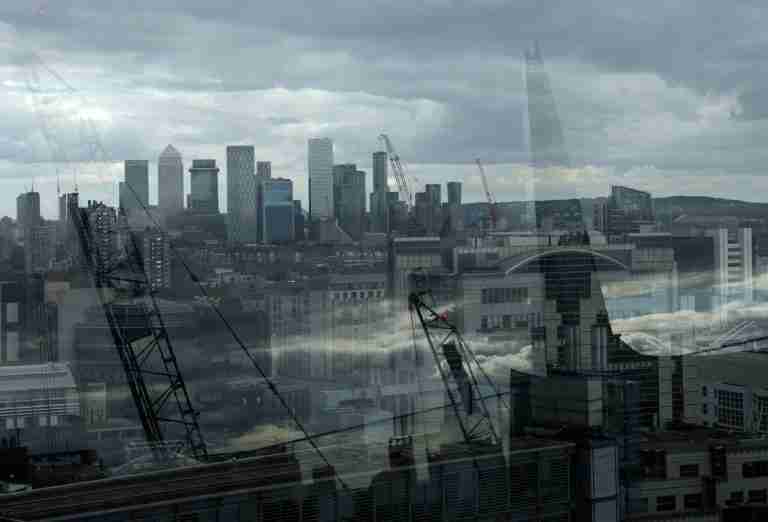
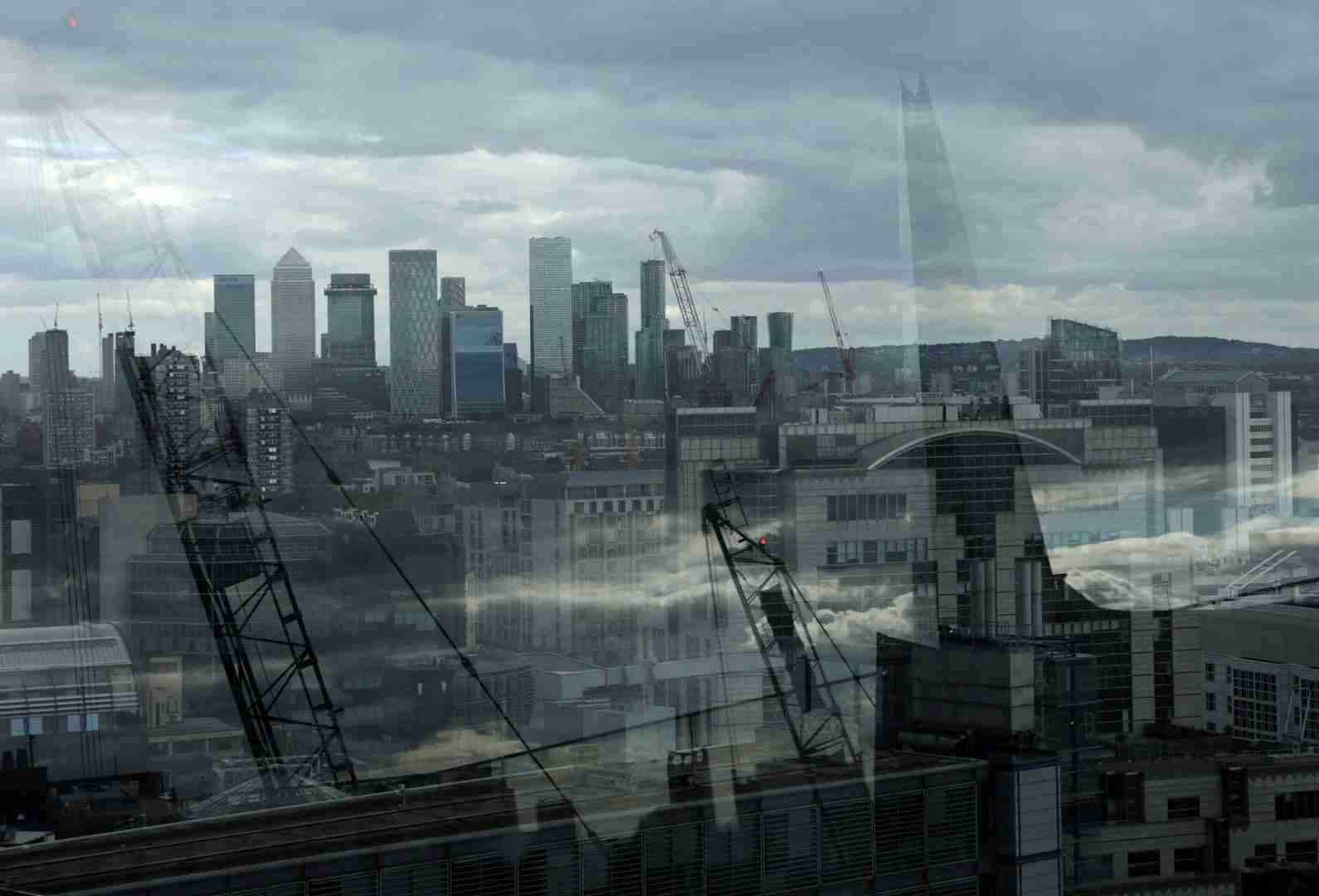
Two policemen were shot and injured on Saturday in an incident at a construction site in St Julians, six miles from Malta’s capital Valletta.
A police spokesman said one of the officers had suffered serious face and neck injuries while the other one was slightly injured.
It is the first time in many years that officers in Malta had been shot while on duty.
The circumstances of the incident were not immediately clear but the spokesman said the officers had intervened after complaints about noise from a construction site.
Times of Malta said two men, both reported to be Maltese nationals, started a fire beneath a crane following an apparent dispute over the construction work.
One of them left but the other stayed on site and started shooting when police arrived. He later surrendered after negotiations and was arrested.
The man who had left the scene was also arrested.
Reporting by Christopher Scicluna; Editing by Toby Chopra
New tariffs had been expected, but trade partners around the world joined in strongly disputing the justification for them
International News via Reuters:
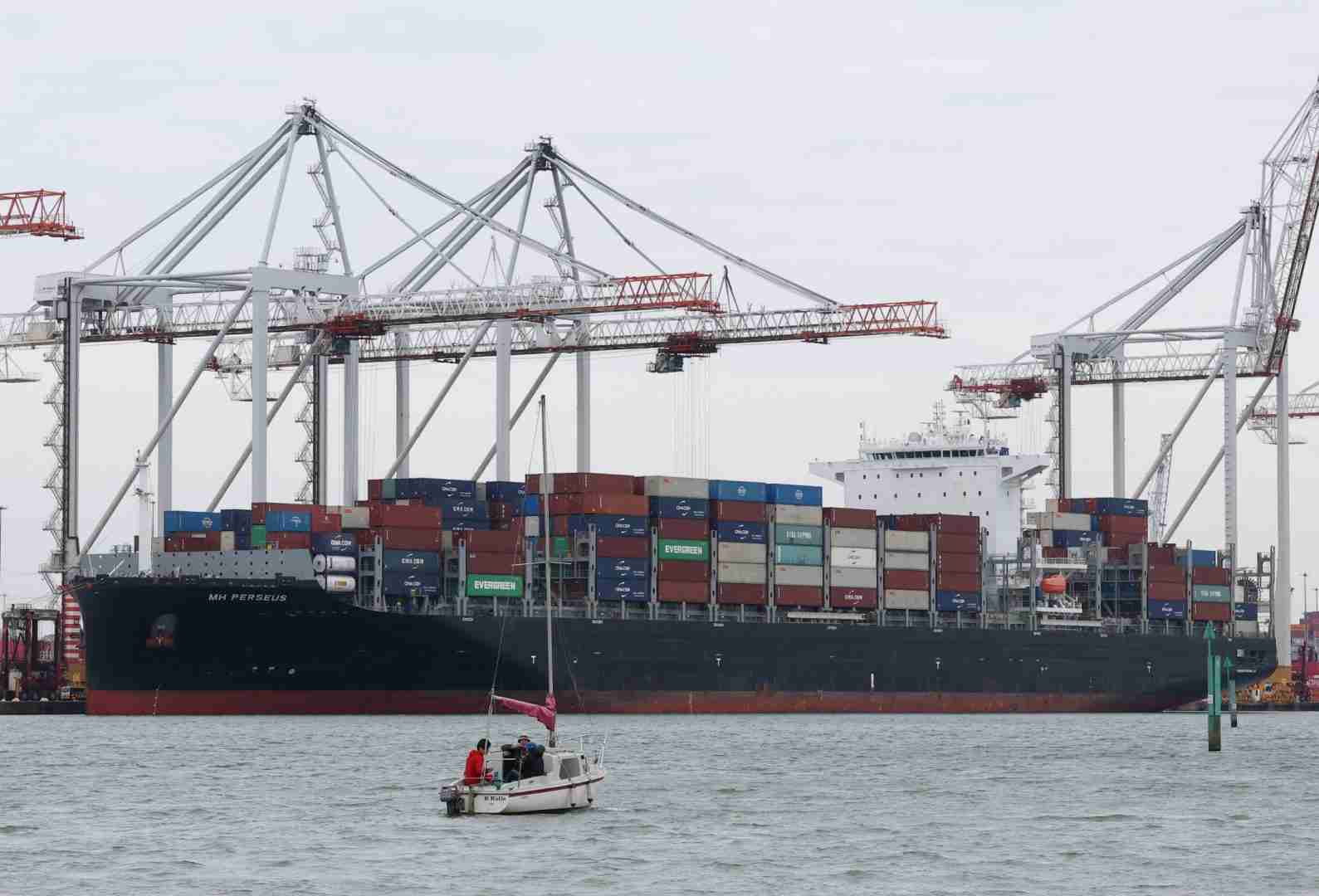
The United States on Friday imposed new tariffs of 10% and 12.5% on goods from 60 trading partners, including the EU and China, alleging those countries failed to curb imports made by forced labor, just as a temporary 10% global tariff expired.
The move is the White House’s first step in efforts to rebuild President Donald Trump’s near-global tariff wall after the U.S. Supreme Court in February struck down his “reciprocal” duties of 10% to 50% imposed last year under a national emergencies law to try to shrink the U.S. trade deficit.
New tariffs had been expected, but trade partners around the world joined in strongly disputing the justification for them. Some, however, noted they would make no difference to current levies or even marked a slight improvement.
Bond yields edged higher as the tariffs added to inflation risk, but reaction was generally limited in financial markets more focused on the Middle East conflict.
The new tariffs, announced in a Federal Register notice, cover 99.4% of U.S. imports, but include numerous product exemptions, such as oil and gas, fertilizer and certain food items.
The U.S. claims that trading partners had failed to clamp down on trade in goods made with forced labor passing through their supply chains, an accusation those countries deny.
“The United States has had a forced labor import ban for nearly a century, and rigorously enforces it. It’s well past time for our trading partners to do the same,” U.S. Trade Representative Jamieson Greer said in a statement.
“Today’s action will begin to correct what is both a human rights abuse and distortive trade practice to improve the welfare of workers everywhere.”
Imposed under Section 301 of the Trade Act of 1974, the new duties allow the administration to maintain a tariff floor on virtually all U.S. imports despite the Supreme Court setback. The tariffs are also likely to face less legal risk as Section 301 has survived prior court challenges.
Trump’s temporary 10% global tariff expired at 12:01 a.m. EDT on Friday (0401 GMT) after 150 days. The new duties took effect at that exact same moment, with goods in transit exempted until 12:01 a.m. EDT on July 28.
TARIFF DETAILS
The U.S. imposed a 10% duty on goods of Argentina, Bangladesh, Britain, Cambodia, Canada, Ecuador, El Salvador, Guatemala, Honduras, India, Indonesia, Jordan, Malaysia, Mexico, Pakistan, Sri Lanka, Trinidad and Tobago saying they had bans or plans to ban forced labor imports but were not effectively enforcing such prohibitions.
The European Union, Taiwan, Japan, South Korea and Switzerland were assigned rates that, combined with pre-existing most-favored-nation tariff rates, totaled 10% or 12.5%.
The other 38 countries were assigned a 12.5% rate. These include Vietnam, which issued a new decree this week that sets out more detailed rules banning imports of goods made with forced labor, and China – accused by the U.S. of detaining Uyghur minorities in work camps, which Beijing denies.
Greer previously pledged that for countries with trade deals with Washington capping U.S. tariff rates, the new forced labor duties would not push them above those caps – a point which the European Union noted in its response.
“The EU notes positively the fact that this outcome is in line with the U.S. tariff commitments agreed under the EU-U.S. Joint Statement,” a European Commission spokesperson said, adding it provided “positive momentum” to continue the work on exploring further tariff exemptions and deepening cooperation.
French Trade Minister Nicolas Forissier said that, while the legal basis raised questions, the tariffs nonetheless provided greater visibility for businesses.
While disputing the allegations underlying the forced labor investigation, the Swiss government also said the United States was adhering to past commitments on tariff ceilings, in its case of up to 12.5%.
Former EU chief negotiator Ignacio Garcia Bercero, now a senior fellow at think tank Bruegel, said the United States had sought to ensure the new duties respected the tariff aspects of the EU-U.S. trade deal, but noted that additional tariffs from a further Section 301 investigation into excess capacity were still to come. That targets 16 trading partners, including the EU, China, India, Japan, South Korea and Switzerland.
Britain, which is not a target of that second probe, said the latest move would have no negative effects.
“Our agreement with the U.S. remains in place, and today we see an improvement to our trading terms with zero tariffs on whisky and medical technology,” a government spokesperson said.
The British Chamber of Commerce described the new tariffs as a mixed picture, with a welcome confirmation of the removal of U.S. tariffs on whisky, a lower tariff rate than competitors for steel, but a loss in comparative advantage over the EU and other countries for other goods.
WIDELY TELEGRAPHED MOVE WITH EXEMPTIONS
The action drew stronger protests from some trade partners.
China said it opposed all unilateral tariffs, adding that trade wars did not serve any parties.
Trump administration officials have told Chinese counterparts they intend to rebuild Trump’s second-term tariffs on Chinese goods back up to the 20% that was agreed upon in a trade truce with Chinese President Xi Jinping in November 2025 – but not exceed that level. Prior to Friday’s action, China’s tariff rate had fallen to 10%, excluding the 25% imposed during Trump’s first term on industrial goods.
Australia and Brazil described the new tariffs as unjustified and said they would seek to have them removed, while Norway said there was “no basis” for them. Canada – hit on Monday with new Trump tariffs on $20 billion worth of goods – issued a muted response.
“We will continue engaging constructively with the United States on this matter, as well as other outstanding issues, over the coming weeks to the mutual benefit of our citizens,” said Dominic LeBlanc, Canada’s minister in charge of U.S. trade.
Kelly Ann Shaw, a former White House trade adviser in Trump’s first term and a partner with the Akin Gump Strauss Hauer & Feld law firm, said the new tariffs tracked what had been telegraphed, although some changes had been made, including the addition of some 471 products to an exclusion list.
“I think this is more status quo in terms of the economic impact,” she said.
Many goods will be exempted from the duties, including oil and gas, fertilizer, certain foodstuffs and goods already subject to Section 232 national security tariffs, such as autos, steel, aluminum and copper, the official said. Aircraft and parts will also be exempted, along with critical minerals.
There were some winners.
The Antwerp World Diamond Centre said the restored exemption was significant news for the local diamond sector. Belgium exported $2.1 billion of polished diamonds to the United States in 2024. The exemption had lapsed after the U.S. Supreme Court struck down Trump’s global tariffs in February.
Reporting by David Lawder; Additional reporting by Andrea Shalal, Philip Blenkinsop, Leigh Thomas; Editing by Lincoln Feast, Mark John and Susan Fenton
French authorities ordered the total evacuation of the Cap Ferret peninsula, a tourism hotspot on the Atlantic Coast
International News via Reuters:
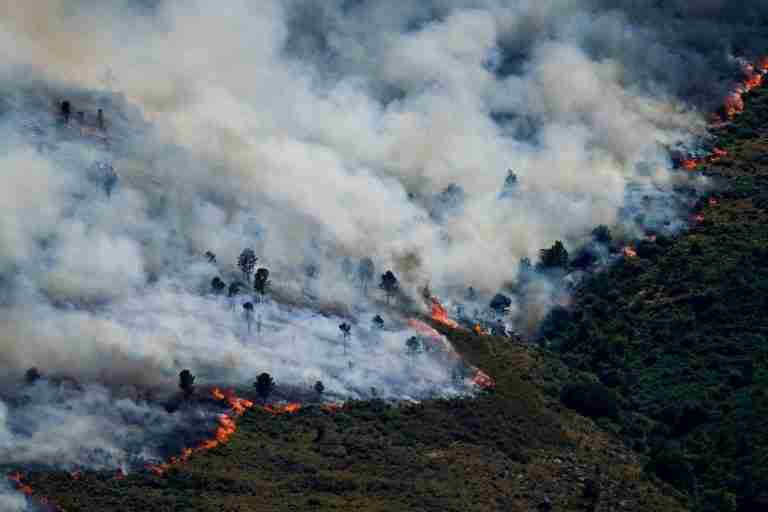
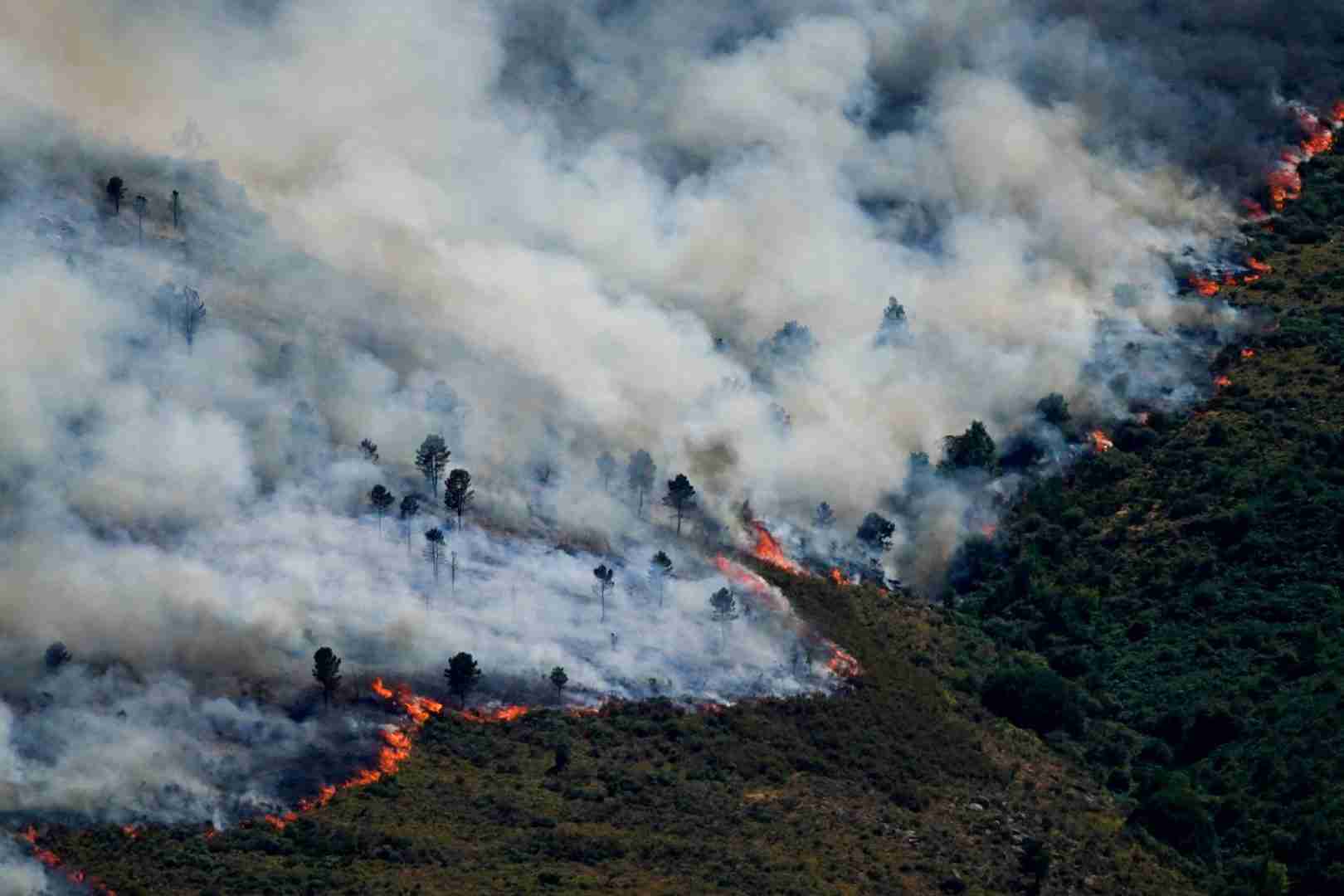
Tens of thousands of people fled wildfires in southwest France by car and boat on Friday and Spain declared a national emergency as huge blazes merged outside Madrid and searing heat left tinder-dry conditions across Europe.
French authorities ordered the total evacuation of the Cap Ferret peninsula, a tourism hotspot on the Atlantic Coast. Two fires came together into one outside Madrid, and a third was on the verge of joining them, government officials said.
Both countries sought help from the European Union as the blazes strained firefighting and other emergency services. The national emergency – the first of ever issued over a wildfire in Spain – opened up federal funding to tackle the crisis.
“This is the worst wildfire in our region’s history,” Madrid’s regional leader Isabel Diaz Ayuso said after telling reporters the fires had merged. “It’s the perfect storm of very high temperatures and ceaseless winds that aren’t letting up.”
THE CLOUDS BECAME ‘DARKER AND DARKER’
In France, authorities sent boats to help the evacuation and a total of around 63,000 people were told to get out, officials said. Close by, in the town of Biscarrosse, another large fire threatened homes.
“From our home, we had a view of the fires … We could see the clouds becoming darker and darker,” said Yoan Urien, who left late on Thursday after police told everyone in his neighbourhood to leave.
“I was able to find somewhere to take shelter with my pets, but … it’s quite a shock,” the 26-year-old told Reuters.
A fire that began in Saumos, north of Cap Ferret, is threatening to cut off the only road out of the peninsula and is the largest so far this season in France, Interior Minister Laurent Nunez told local television.
It has torn through 10,000 hectares (24,700 acres) of forest and burned 80 homes, completely destroying about 50 of them, he said.
‘NEVER SEEN ANYTHING LIKE IT’
In Spain, more than 19,000 people were ordered to evacuate from towns in the mountains west of Madrid, as more than 2,000 personnel and 10 aircraft struggled in vain to prevent the fires converging, Interior Minister Fernando Grande-Marlaska said.
A third fire in Avila province was on the verge or may have already merged with the two in Madrid, Nicanor Sen, the government representative for the Castile and Leon region, told reporters.
The area west of Madrid, where many residents from the capital have second homes, is densely populated. In just one development 43 homes had been destroyed, a Madrid official said.
That played a role in the government decision to declare a national emergency, allowing it to better coordinate the response, Grande-Marlaska said.
The last time Spain declared the same level of emergency alert was during a massive nationwide power blackout last year.
In Navaluenga in Avila province, local residents wearing masks because of the smoke stood watching firefighting helicopters scoop up water from the town’s river.
“I’ve lived here for 36 years and I’ve never seen anything like it. Nor did I expect it. I thought they were going to get it under control last night, but it was already late, and it was all out of control,” local resident Javier Martin told Reuters.
It is the second consecutive year that Spain has faced a particularly destructive fire season.
More than 29 major fires have broken out in Spain so far this year, damaging a surface area five times greater than at the same stage in 2025, when a record area was destroyed, Environment Minister Sara Aagesen said in a social media post.
HEAT HITS CROPS, NUCLEAR PLANT COOLING
Greece was sending two CL-415 firefighting aircraft to Madrid and will operate across the area of Toledo, the Greek civil protection ministry said.
Croatia said it sent on Friday a Canadair CL-415 firefighting aircraft with two crews and 11 Croatian army technical staff to help France battle fires.
After a short reprieve over the weekend, average temperatures in France are expected to rise sharply again next week, according to Global Forecast System data compiled by LSEG. The high temperatures are expected to warm French rivers that are used to cool nuclear reactors and could lead to further restrictions, as the reactors reduce output to comply with environmental protection measures. The Golfech 2 nuclear reactor in southern France has remained offline since July 7 due to heat-related restrictions, operator EDF’s data showed.
Weeks of hot weather are also taking a toll on the condition of the maize crop in France, the EU’s largest grain producer, farm office FranceAgriMer said on Friday.
Additional reporting by Manuel Ausloos, Coralie Lamarque, Liu Zhifan, Forrest Crellin, Inti Landauro, Ingrid Melander, Camille Raynaud, Guillermo Martinez, Violeta Santos Moura, David Latona and Emma Pinedo; Writing by Charlie Devereux; Editing by Helen Popper and Andrew Heavens
Green energy-focused private equity firm Qualitas Energy and Wren House, the infrastructure arm of Kuwait Investment Authority, have teamed up to bid for Lightsource
International News via Reuters:
BP is in advanced talks to sell its solar business, Lightsource, to a consortium backed by Kuwait’s sovereign wealth fund, the Financial Times reported on Friday, citing people familiar with the matter.
Green energy-focused private equity firm Qualitas Energy and Wren House, the infrastructure arm of Kuwait Investment Authority, have teamed up to bid for Lightsource, the report said.
BP declined to comment on the report, while Lightsource, Qualitas Energy and Wren House did not immediately respond to Reuters’ requests for comment.
BP’s decision to divest Lightsource is part of the oil giant’s broader efforts to simplify operations and refocus on traditional oil and gas in a bid to reduce debt, boost profit and return on investment.
Reporting by Prerna Bedi and Anushka Chourasia in Bengaluru; Editing by Anil D’Silva
“As Tehran intensifies its domestic crackdown, the EU will continue to hold those responsible to account,” Kallas said in a statement on social media platform X
International News via Reuters:
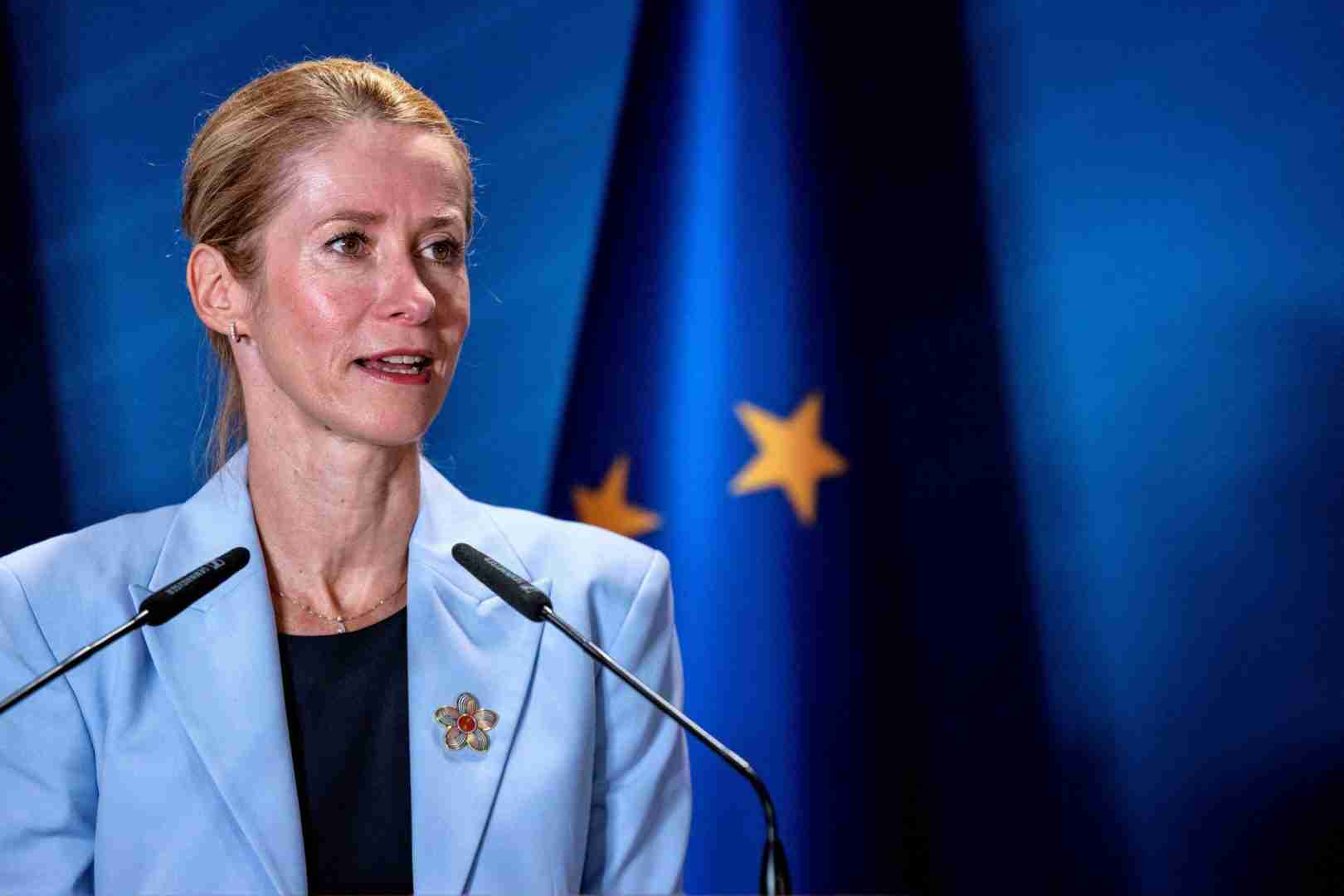
The European Union has imposed new restrictive measures on Iranian judges over alleged human rights violations, EU’s top diplomat Kaja Kallas said on Friday, adding that a leading figure of a cyber group who she said enabled the regime’s repression of information has also been sanctioned.
“As Tehran intensifies its domestic crackdown, the EU will continue to hold those responsible to account,” Kallas said in a statement on social media platform X.
Kallas did not specify who was sanctioned.
Reporting by Charlotte Van Campenhout; Editing by Makini Brice
The United States imposed new import tariffs on goods from 60 trading partners on Friday, alleging they had failed to curb imports made with forced labour, just as a temporary 10% global tariff expired
International News via Reuters:
Britain on Friday said there was no direct negative change for UK businesses from the latest U.S. decision to impose tariffs on its trading partners, though analysts said some sectors might lose their relative advantage over the European Union.
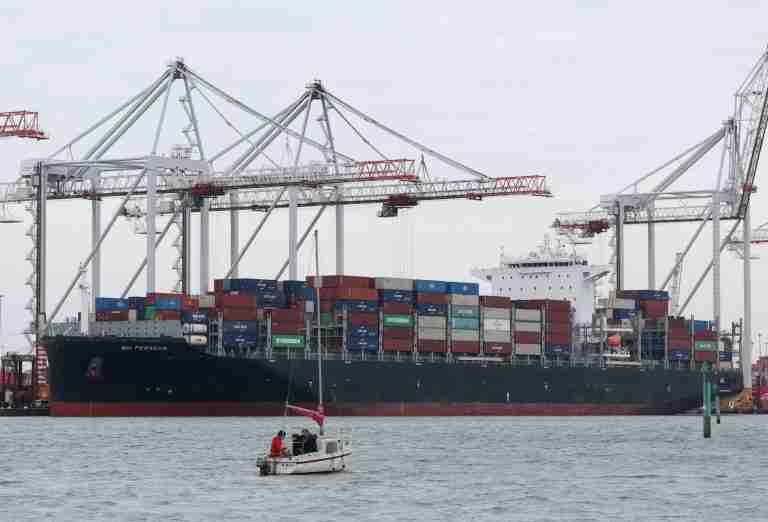
The United States imposed new import tariffs on goods from 60 trading partners on Friday, alleging they had failed to curb imports made with forced labour, just as a temporary 10% global tariff expired.
For Britain, the new tariff rate was also 10%, and separately negotiated sectoral deals covering the likes of steel, pharmaceuticals and whisky remain in place.
“Our agreement with the U.S. remains in place,” a UK government spokesperson said.
“We take forced labour very seriously to ensure that, in global supply chains, UK businesses are not complicit. The U.S. has recognised the steps the UK is taking…”
Britain separately announced that the first tariff-free shipment of Scotch whisky would depart for the U.S. by the end of the week, under a deal clinched during a visit by King Charles to Washington that came into force on Friday.
While Britain has had some success in negotiations with the U.S., some analysts said Friday’s new tariffs might leave some British firms at a relative disadvantage against EU competitors.
While the situation for British firms is the same as before, their 10% rate is in addition to any existing “most-favoured-nation” rates. Meanwhile, the EU is now subject to a 10% tariff that includes any MFN rates, having previously agreed a 15% rate, including MFN rates, last year. The EU also had some tariff exemptions reintroduced.
“For most firms exporting goods to the US, it will remain ‘business as usual’ today,” said William Bain, Head of Trade Policy at the British Chambers of Commerce.
“However, there will be concerns about the loss of the UK’s competitive advantage over the EU and other countries which have secured a more favourable deal in other goods sectors.”
Reporting by Alistair Smout and William James; Editing by Kate Holton and Kevin Liffey
The S&P Global UK Composite Purchasing Managers’ Index, which gives a snapshot of businesses, rose to 52.1 in July from 49.3 in June, according to a preliminary estimate published on Friday
International News via Reuters:
British firms reported the first rise in activity in three months in July, helped by a brief respite in the Iran war, while consumers grew in confidence and spent more, according to data that may only offer only a short-lived boost to new Prime Minister Andy Burnham.
The S&P Global UK Composite Purchasing Managers’ Index, which gives a snapshot of businesses, rose to 52.1 in July from 49.3 in June, according to a preliminary estimate published on Friday.
It was the strongest reading since February and above all forecasts in a Reuters poll.
Readings above 50.0 indicate growth in activity, while those below that level point to contraction.
S&P’s services PMI rose to 51.8 from 48.8, its strongest since April, while the manufacturing equivalent rose to 52.8 from 52.5.
Chris Williamson, S&P Global Market Intelligence’s chief business economist, said hospitality firms benefited from hot weather, the soccer World Cup and people opting to holiday in Britain as high costs and uncertainty deterred overseas travel.
PMI CHIMES WITH OTHER MORE UPBEAT ECONOMIC DATA
Also on Friday, official retail sales data showed a surprise increase in sales volumes in June, driven by online sales, clothing and shoppers buying air conditioning to cool off during hot weather.
The separate GfK consumer confidence index showed consumers this month became the most optimistic since January on hopes of a turnaround in the economy.
“A bunch of timely data for June and July this morning sent a positive message on growth, sentiment and inflation pressures,” said JPMorgan economist Allan Monks.
“The caveat is that some deterioration in these metrics is now likely due to recent energy moves and the fading of some temporary influences.”
Burnham has offered more support to households and businesses since becoming prime minister on Monday, announcing a cut in business rates for many hospitality firms, a cap on bus fares and the removal of tax on domestic electricity bills.
RESUMPTION IN IRAN WAR TO REIGNITE COST PRESSURES
Services and manufacturing businesses covered by the PMI reported the combined weakest input price inflation since February, helped by lower fuel and raw material costs as a brief de-escalation in the Gulf conflict reduced oil prices.
“Price pressures cooled thanks to the lower oil prices seen during the first half of the month, which could strengthen speculation that the Bank of England will hold off raising interest rates,” Williamson said.
The BoE is expected to hold interest rates at 3.75% next week as it assesses the impact of the conflict which has flared up again. Economists are predicting inflation to climb later in 2026 to around 3.5%, up from 2.6% in June which was its lowest in more than a year.
Business optimism about the year ahead was the highest since February with companies citing relief from geopolitical tensions and the drop in oil prices in the first part of July.
But the more recent re-escalation in tensions risks derailing the easing in cost pressures, S&P said.
While some firms also pointed to a boost from AI investment spending, others were concerned about the broader UK economic outlook and elevated domestic business uncertainty.
The PMI survey’s employment measure extended its continuous decline since the first budget of former finance minister Rachel Reeves in 2024 which included a rise in social security contributions paid by employers.
Reporting by Suban Abdulla; Editing by William Schomberg and Hugh Lawson
In a statement on Thursday, the IRGC said the U.S. had flown bombing missions against Iran from Fairford in southwest England, adding that any base used to launch such attacks would be a legitimate target
International News via Reuters:
Britain said its armed forces were ready to protect the country from any attack after Iran’s Revolutionary Guards (IRGC) issued a warning not to allow U.S. bombers to fly from UK bases.
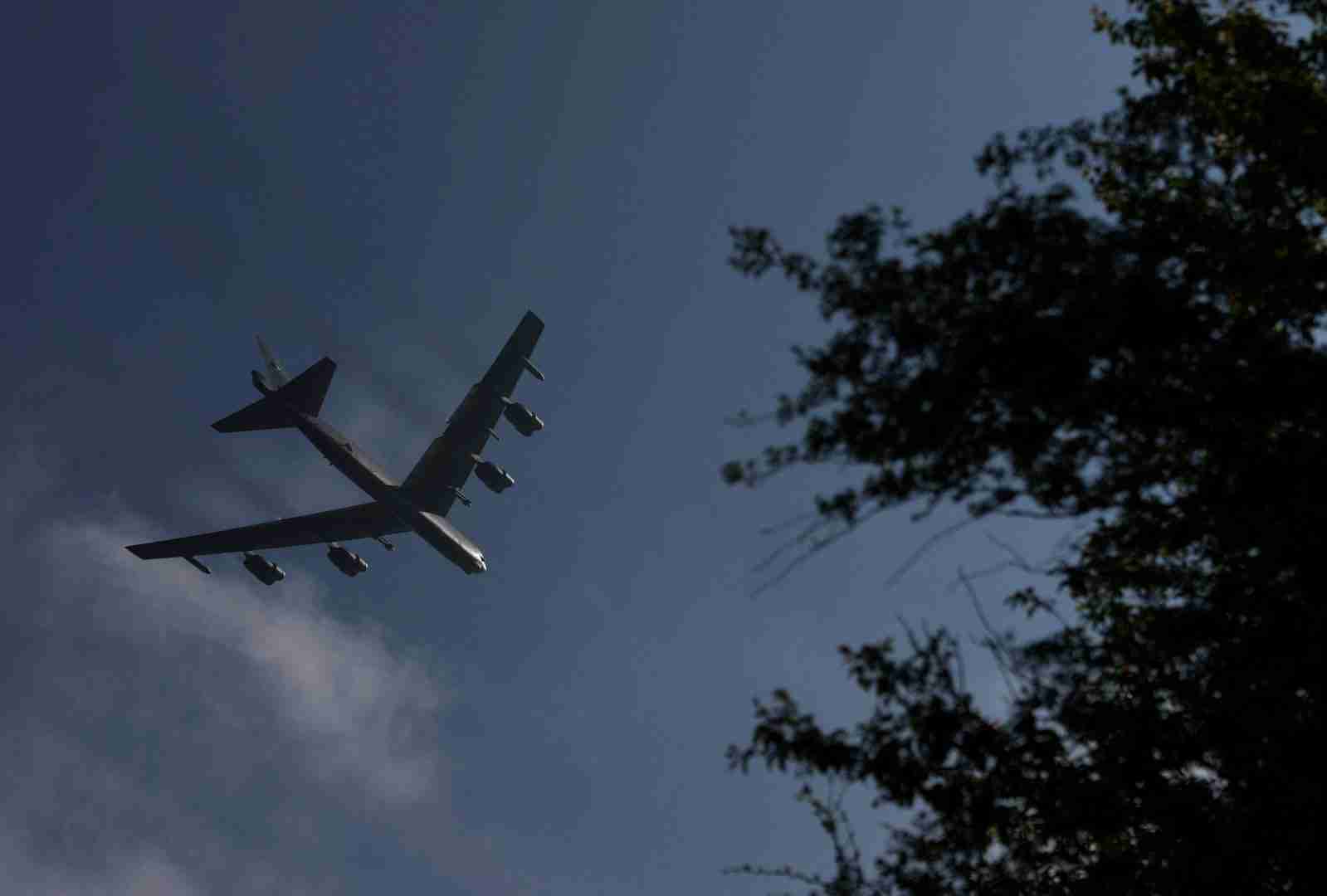
In a statement on Thursday, the IRGC said the U.S. had flown bombing missions against Iran from Fairford in southwest England, adding that any base used to launch such attacks would be a legitimate target.
The new British prime minister, Andy Burnham, was notified last week that London had re-committed to an existing agreement allowing the United States to use British bases for what it described as the collective self-defence of the region.
“Our armed forces are ready to keep the United Kingdom safe from any kind of attacks, whether it’s on our soil or from abroad,” a government spokesperson said.
“This includes through operating a layered approach to air and missile defence, provided by Royal Navy, British Army and Royal Air Force assets equipped with a range of advanced capabilities, working closely with our NATO allies.”
BRITAIN AGREES TO SUPPORT U.S. DEFENSIVE OPERATIONS
The government said on Wednesday that the existing arrangement covered U.S. defensive operations to degrade missile sites and capabilities used to attack ships in the Strait of Hormuz.
In response to Iran’s warning, the spokesperson said Britain’s approach remained unchanged and that it was committed to defending its people, interests and allies in accordance with international law while avoiding being drawn into a wider conflict.
The United States carried out a 13th consecutive night of attacks on Iran following the effective collapse of an interim truce, and Tehran fired at U.S. bases in neighbouring Arab countries.
In March, Iran was reported to have fired two ballistic missiles at the U.S.-UK military base on Diego Garcia in the Indian Ocean, neither hitting the target.
An Iranian-type Shahed drone caused slight damage on March 2 when it hit facilities at Britain’s Akrotiri airbase in southern Cyprus. Britain later said the site would not be included in the defensive agreement with the U.S.
Experts say Iran might possess a missile able to strike London, but it was likely to be inaccurate and the risk was low.
Britain has long accused Iran of carrying out cyberattacks and using criminal gangs and proxies to target opponents and dissidents in the UK. The security services said there had been 20 potentially lethal Iranian-backed plots in the last year.
Britain this month banned support for the IRGC by using new powers brought in to address what it said was a growing use of state-sponsored proxies.
It also followed a spate of attacks on Jewish sites in London. The government said the IRGC had “almost certainly” directed a group believed to be responsible for a number of these.
Two Romanian nationals, who prosecutors said had been acting for Iran, were jailed this month for stabbing a journalist working for a Farsi-language media group in London.
Tehran has always denied involvement in such attacks, calling allegations to the contrary unfounded and politically motivated.
Reporting by Sam Tabahriti and Michael Holden; Editing by Aidan Lewis, Kirsten Donovan and Kevin Liffey
This morning, officers from the Counter Corruption Unit executed a search warrant at the residence of a serving police officer as part of an ongoing criminal investigation. No arrests have been made at this time.
Mr. Darrin Simons, Commissioner of Police stated: “The officer has been suspended from duty effective immediately. This suspension reflects the seriousness with which we treat allegations of criminal conduct within our Service.”
“We understand that incidents involving our officers undermine public trust. That’s why we investigate such matters thoroughly and impartially. Any member of the Service must be held to the same standard as anyone else.”
“The investigation is ongoing. We cannot comment further on details at this stage, but we will keep the community informed as the legal process allows.”
The move by the bloc of 27 EU countries came two weeks after EU lawmakers gave the green light to the stopgap procedure which aims to buy time for both sides to find a permanent solution to combat online child sexual abuse
International News via Reuters:
EU countries endorsed a proposal on Thursday to reintroduce a temporary measure allowing Google, Meta and other online platforms to detect and remove online child sexual abuse materials without breaching privacy rules.
The move by the bloc of 27 EU countries came two weeks after EU lawmakers gave the green light to the stopgap procedure which aims to buy time for both sides to find a permanent solution to combat online child sexual abuse.
The temporary measure, in place from 2021 to April this year, will now be valid until 3 April 2028.
“With the green light given, we have moved quickly to address the legal gap that existed when the derogation to the ePrivacy Regulation lapsed in April,” Irish justice minister Jim O’Callaghan said in a statement.
EU countries agreed to an amendment proposed by lawmakers to exempt end-to-end encrypted communications such as WhatsApp, Telegram and Signal from the interim measure but said this did not imply that they would allow it in permanent rules.
The issue pits advocates of online safety measures against privacy activists worried about surveillance, which has resulted in the current impasse in efforts to enact rules despite the European Commission’s draft announced in 2022.
Reporting by Foo Yun Chee; Editing by Susan Fenton
Brent crude jumped 8% to $101.76 a barrel, following attacks on tankers in the Red Sea that choked off a second crucial Middle East artery for global oil supplies alongside Iran’s near-closure of the Strait of Hormuz
International News via Reuters:
Oil prices spiked above $100 a barrel for the first time since May, major tech giants knocked U.S. stocks lower, and Europe’s borrowing costs spiked to long-term highs in an unsettling day across markets on Thursday.
Brent crude jumped 8% to $101.76 a barrel, following attacks on tankers in the Red Sea that choked off a second crucial Middle East artery for global oil supplies alongside Iran’s near-closure of the Strait of Hormuz. This marks the first time the international oil benchmark has hit that level since late May.
Yemen’s Iran-aligned Houthis struck two Saudi oil tankers as part of a naval blockade on Saudi Arabia, sending prices higher as the brief cessation of hostilities between Iran and the U.S. receded into the rear-view mirror.
The U.S. military carried out a new round of strikes on Iran, marking a 12th successive night of American attacks, and prompting further Iranian retaliation. The White House has threatened additional attacks on Iranian infrastructure and key locales for its nuclear facilities.
Wall Street was on the back foot after Alphabet and Tesla — the first two of the so-called “Magnificent Seven” megacap companies to report this season — spooked investors as both burned through cash in their most recent quarter for their big spends on AI infrastructure.
Tesla shares tumbled 14% on Thursday as it posted its first cash burn in two years. Alphabet fell about 7% after the Google parent also burned through cash and said it would ramp up AI spending by another $15 billion to $200 billion for the year.
Investors have rewarded the so-called hyperscalers with lofty valuations on expectations of big revenue gains, but some are now outspending their operating cash flow.
The Dow Jones Industrial Average fell 1.1%, the S&P 500 lost 1.3%, and the Nasdaq Composite slid around 2.3%. [.N]
“The long-term implications of AI remain powerful, but the near-term investment story is becoming more nuanced,” Rick Rieder, BlackRock’s chief investment officer of global fixed income, wrote in a global fixed-income outlook released on Thursday.
“The level of spending can remain high even as the growth rate cools, and markets tend to price that shift before the data confirms it.”
EUROPEAN BORROWING COSTS RISE
Europe’s government borrowing costs rose to long-term highs as reignited inflation worries prompted some hawkish signals from the European Central Bank, even as the bank held rates steady.
European share markets also fell after an earnings miss from chipmaker STMicroelectronics sent its shares tumbling 17.7%. The pan-European STOXX 600 index fell 1.2%. [.EU]
Germany’s 10-year Bund yield, the benchmark for euro zone borrowing costs, rose above 3.2% for the first time since 2011 — back when oil was also on a tear and the bloc’s debt crisis was about to break out again.
“Uncertainty remains high and the full inflationary impact of the energy shock has yet to play out,” the ECB said as it held rates at 2.25%, having lifted them in June.
“The Governing Council is therefore closely monitoring the intensity and duration of the shock, as well as its indirect and second-round effects,” the ECB added.
Markets had bet on just a one-in-five chance of another interest rate hike at the meeting. They do, however, see a four-in-five chance of a hike at the next one in September.
“The messaging remained unchanged and open,” Morgan Stanley’s analysts said of the ECB’s policy statement. “We maintain our call for another rate hike in September, if energy prices remain elevated.”
Benchmark 10-year U.S. Treasury yields on Thursday climbed to their highest levels since January 2025, last trading at 4.703%
YEN SLIPS BACK TO 40-YEAR LOW
The euro dipped back below $1.14 following the ECB decision. The dollar index, which measures the greenback against a basket of currencies including the yen and the euro, rose about 0.3%. [/FRX]
The oil price rise and the continent’s scorching summer weather this month look set to hit harvests and push up food prices, while low water levels on key rivers could create awkward shipping bottlenecks.
Elsewhere, the Japanese yen was back at a 40-year low versus the dollar after a brief lift, prompted by a Bloomberg report on Wednesday that Bank of Japan officials were open to raising rates at a faster pace, faded.
Japan’s BOJ-sensitive two-year government bond yield touched a 31-year high in Tokyo on the oil moves and rate hike talk, while Japan’s finance minister issued his latest verbal warning about possible FX market intervention.
Reporting by Lawrence Delevingne in Boston and Marc Jones in London; Additional reporting by Ankur Banerjee in Singapore; Editing by Joe Bavier and Andrew Heavens
To provide the best experiences, we use technologies like cookies to store and/or access device information. Consenting to these technologies will allow us to process data such as browsing behavior or unique IDs on this site. Not consenting or withdrawing consent, may adversely affect certain features and functions.
Functional
Always active
The technical storage or access is strictly necessary for the legitimate purpose of enabling the use of a specific service explicitly requested by the subscriber or user, or for the sole purpose of carrying out the transmission of a communication over an electronic communications network.
Preferences
The technical storage or access is necessary for the legitimate purpose of storing preferences that are not requested by the subscriber or user.
Statistics
The technical storage or access that is used exclusively for statistical purposes.The technical storage or access that is used exclusively for anonymous statistical purposes. Without a subpoena, voluntary compliance on the part of your Internet Service Provider, or additional records from a third party, information stored or retrieved for this purpose alone cannot usually be used to identify you.
Marketing
The technical storage or access is required to create user profiles to send advertising, or to track the user on a website or across several websites for similar marketing purposes.