According to United Nations figures, 18 Palestinians have been killed in incidents linked to settler attacks so far this year, compared with 17 in the whole of 2025
International News via Reuters:
The U.N. human rights office on Wednesday warned of worsening violence by Israeli settlers in the occupied West Bank, and urged international action against the killing of Palestinians as well as the creation of settlements, which it said had reached an all-time high.
According to United Nations figures, 18 Palestinians have been killed in incidents linked to settler attacks so far this year, compared with 17 in the whole of 2025. The Palestinian Authority says at least 20 Palestinians have been killed by settlers since the start of the year.
Last Friday, four Palestinians and two Israeli soldiers — one of whom acted as a security coordinator for a nearby Israeli settlement — were killed when a crowd of Israeli settlers, some armed, approached the Palestinian village of Tal, southwest of Nablus.
“Settlers and Israeli security forces, often acting together, have attacked local communities, assaulting families, destroying and confiscating property, and burning mosques,” Ravina Shamdasani, the spokesperson for the Office of the High Commissioner for Human Rights, said in a statement.
The Israeli government and military did not immediately respond to Reuters’ requests for comment.
The U.N. human rights office said settler violence and actions tantamount to ongoing annexation of Palestinian territory in the West Bank had worsened in the two years since a ruling at the International Court of Justice in July 2024 that Israel’s occupation of Palestinian territory and settlements there were illegal and should be withdrawn. Israel at the time rejected the finding as “fundamentally wrong” and one-sided.
Violence in the West Bank has surged since the start of the Gaza war in October 2023, with the U.N., rights groups and Palestinian officials reporting a sharp rise in settler attacks.
Earlier in July, Israel’s security cabinet approved 1.3 billion shekels ($434 million) to establish 34 new settlements in the West Bank, territory that Israel captured in a 1967 war and which Palestinians seek as the core of a future state.
Finance Minister Bezalel Smotrich, who advocates for the full annexation of the West Bank, called the move “historic”. U.N. bodies, Palestinians and most countries view the settlements as illegal under international conventions — a stance disputed by Israel — and a major obstacle to peace.
Israel cites biblical and historical ties to the land, which it argues is disputed territory, where Jews have lived for thousands of years.
About 700,000 Israeli settlers live among 2.7 million Palestinians in the West Bank and East Jerusalem.
Reporting by Olivia Le Poidevin; Additional reporting by Maayan Lubell in Jerusalem; Editing by Hugh Lawson
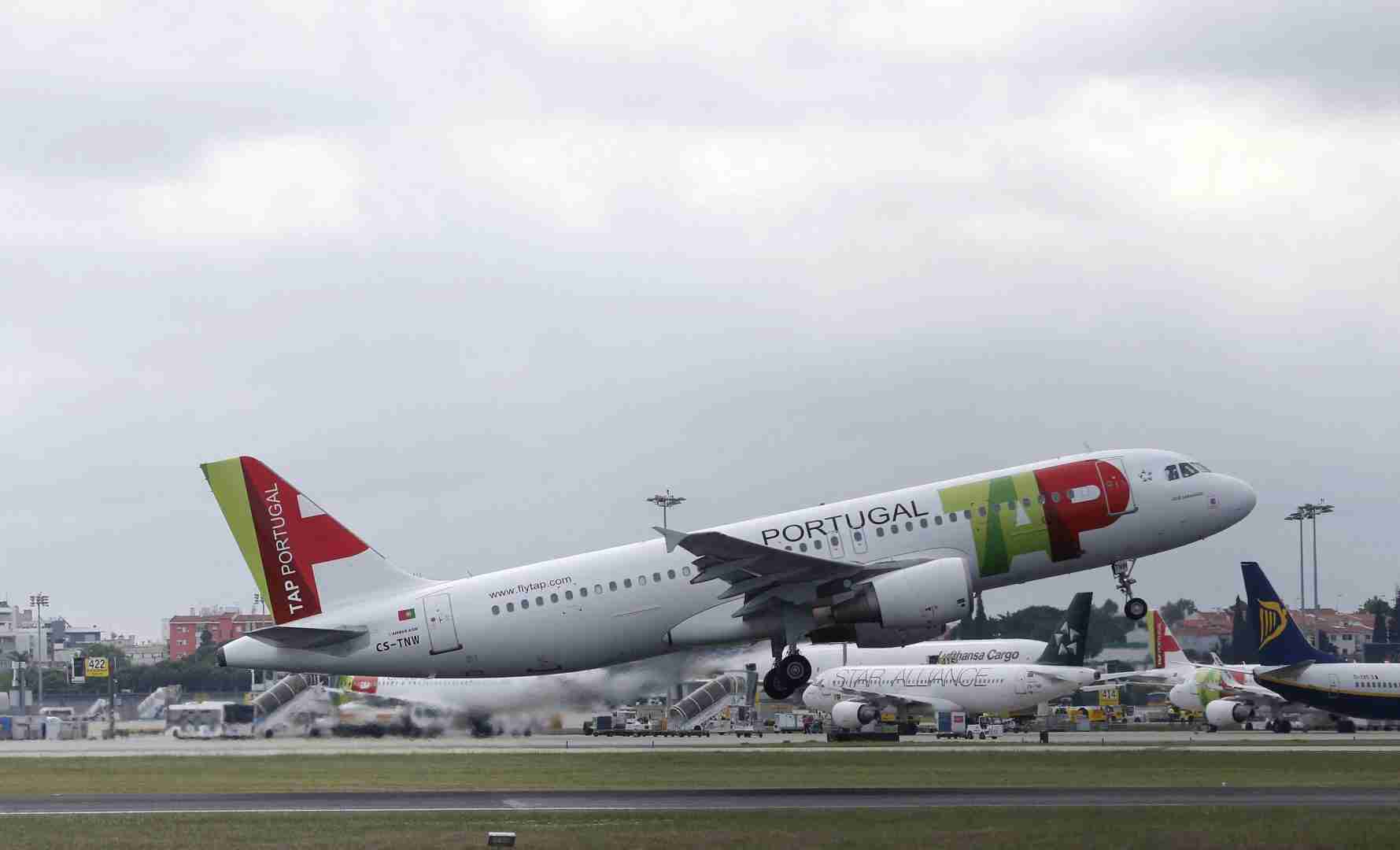
Lisbon relaunched TAP’s long-delayed privatisation in July 2025, aiming to sell a 44.9% stake to a strategic airline partner capable of boosting the carrier’s global reach and competitiveness
International News via Reuters:
Air France-KLM and Lufthansa said on Wednesday they had submitted binding offers for a minority stake in TAP, as the competition for one of Europe’s few remaining standalone flag carriers entered the final stage.
Lisbon relaunched TAP’s long-delayed privatisation in July 2025, aiming to sell a 44.9% stake to a strategic airline partner capable of boosting the carrier’s global reach and competitiveness.
The government has said that TAP needs to be part of a larger airline group, warning that EU state-aid rules prevent further public funding and leave the company vulnerable to future global shocks.
Air France-KLM and Lufthansa emerged as the sole contenders after submitting non-binding offers in April, with the government describing both proposals as “largely equivalent and very ambitious” in strategic, industrial and financial terms.
AMBITIOUS PLANS FOR TAP
Air France-KLM said that, if selected, it would make Lisbon its sole hub in southern Europe, strengthening TAP’s links with the Americas and Africa and building on the Portuguese carrier’s strong position on routes to Brazil.
Lufthansa said that, as the largest airline group outside the United States, it could provide TAP with “necessary scale, experience, and financial stability”, citing its track record in developing SWISS, Austrian Airlines, Brussels Airlines and ITA Airways while maintaining their national brands.
TAP’s main attraction is its prized and lucrative slots linking its Lisbon hub with Brazil, Portuguese-speaking African countries and the United States, important routes for Portugal’s diaspora, tourism and investment.
Unlike a conventional privatisation, Infrastructure Minister Miguel Pinto Luz said this month that the decision was a strategic one that should not be reduced to price alone.
The government wants TAP’s next partner to back growth across Portugal, strengthening operations and connections not only in Lisbon but also in Porto, Faro, the Azores and Madeira.
BROADER GLOBAL NETWORKS
Air France-KLM CEO Benjamin Smith said the group’s binding offer was “not just a proposed price” but a long-term plan for TAP, which was backed by partner Delta Air Lines and aimed at creating a European global aviation champion.
Chief Executive Carsten Spohr said Lufthansa’s interest in TAP, its Star Alliance partner, was the next logical step, with the aim of strengthening it within the Lufthansa Group while positioning Lisbon as a strategic South Atlantic hub.
Bernstein analysts valued TAP’s 44.9% stake at around €700 million ($798 million), based on a valuation of €1.5 billion for the entire airline. The government and the airlines did not disclose the value of the binding offers.
Lisbon says recent airline deals in Europe generated synergies, or cost savings, of about 7% of the acquired carrier’s revenue, or €300 million a year in TAP’s case.
($1 = 0.8774 euros)
Reporting by Sergio Goncalves; Editing by Jan Harvey, Kirsten Donovan
Residents and tourists were evacuated from Krya Vrysi and other nearby villages, locals told Reuters by phone, as high winds pushed the fire out of control near popular holiday spots
International News via Reuters:
Three Greek firefighters died battling blazes during high winds on the island of Crete and the mainland as wildfires spread across Europe on Wednesday after days of devastating fires in Spain and France.
Two firefighters became trapped in the Crete blaze near the village of Krya Vrysi while they were driving between fire fronts. Another died in a separate fire in the Peloponnese region, a fire department spokesperson told Reuters.
Residents and tourists were evacuated from Krya Vrysi and other nearby villages, locals told Reuters by phone, as high winds pushed the fire out of control near popular holiday spots.
“The wind is unbelievable – you can’t stand sometimes. The flames were huge, it was really scary,” said resident Chrissa Gioukaki.
The flames headed southeast towards the coastal town of Agia Galini, where hotels line a hill above a small harbour. Tourists were evacuated on buses and in cars on Wednesday afternoon, said Charalampos Sevvas, owner of the Galini Mare hotel.
Earlier on Wednesday, the head of the EU’s emergency response centre said that Greece and Italy were set to face a heightened wildfire risk in the coming weeks.
Europe, the world’s fastest-warming continent, has endured record-breaking heatwaves this year, as human-driven climate change is intensifying the heat and drought that allow wildfires to spread faster.
MAJOR SPANISH FIRE STABILISED
Blazes have forced large-scale evacuations of people in Spain and France over the past days, scorching through forests and killing wildlife.
Spanish Interior Minister Fernando Grande-Marlaska warned of “three tough days” ahead, with strong winds and high temperatures, even as the major fire in the Avila and Madrid region stabilised, allowing authorities to lift some of the evacuation and shelter-in-place orders.
Officials meanwhile warned of another fire in the northwestern Spanish province of Zamora. They issued an evacuation order for six towns and asked about 1,000 people to shelter in place.
Spain’s weather agency AEMET said temperatures were expected to reach 40 degrees Celsius (104 degrees Fahrenheit) on Wednesday in at least six regions, which have been placed on orange alert, the second-highest level.
FIREFIGHTERS WARY OF NEW TEMPERATURE RISE
In France, temperatures in the southwest, hit by devastating fires, were expected to rise from around 33 C on Tuesday to peak at 41 C, according to Meteo France, while dry winds in the afternoon could stoke flames.
French firefighters kept a major blaze west of Bordeaux stable overnight. And near Bordeaux’s airport, which has remained open, tramway services resumed and hotels reopened.
But officials warned the wildfires were far from over. The southwestern municipality of Lege-Cap-Ferret flagged several flare-ups in the area, adding that firefighters had managed to stabilise them.
In Le Temple, around 30 km away, firefighters with trucks and hoses and supported by aircraft worked to extinguish a reigniting fire that set trees and vegetation ablaze.
“We remain vigilant of course today, considering the forecast weather conditions, with a new rise in temperatures and higher wind speeds in the afternoon,” firefighter commander Matthieu Jomain told reporters earlier in the day.
EVACUATIONS AND SHOCK AT RUINED HOMES
The impact on the forests has been widespread. The wildfire in the Landes area west of Bordeaux, a popular tourist destination, has devastated 42,000 hectares (104,000 acres) of mainly pine trees.
Authorities have evacuated about 220,000 people, including holidaymakers and local residents, as the fire threatened the Cap Ferret peninsula on the Atlantic coast, only accessible by one road. About 60,000 people have been allowed back.
Raphael Fohanno could not believe what had happened to his parents’ house in the small beach town of Biscarrosse, also hit by wildfires in southwestern France.
“It’s a shock, thinking that just an hour earlier I’d been in my room and everything and now, there’s nothing left,” 18-year-old Fohanno said. His parents and sister had been evacuated by helicopter while he was out of the house.
FIRE IN SPAIN’S CASTELLON RAGES FOR FIFTH DAY
From Thursday onwards, danger levels in southwestern France appear likely to decrease thanks to some thunderstorms, lower temperatures and increased humidity, but will remain high in the southeast, Meteo France said.
Four people were arrested in recent days in the area, one on suspicion of stealing jewellery from evacuated houses, two for allegedly stealing food from an evacuation centre in Bordeaux, and one for pretending to be a therapist and offering paid sessions to evacuees, police said.
In Spain, while the situation had improved in the central provinces of Avila and Madrid, a blaze in eastern Castellon remained out of control after burning more than 10,000 hectares as weather conditions triggered several flare-ups.
Around 10,000 evacuated residents were still unable to return to their homes in Castellon.
But in a moment of hope, a veterinary hospital housing dozens of horses was saved from the flames in La Vilavella in the province, thanks to the efforts of locals.
“Miracles exist. We have been saved!” said veterinarian Oscar Quemades.
DEER KILLED IN SPANISH FOREST
More frequent and intense heatwaves are causing thousands of excess deaths and increasingly disrupting everyday life, from snarling road and rail travel to hindering river shipping.
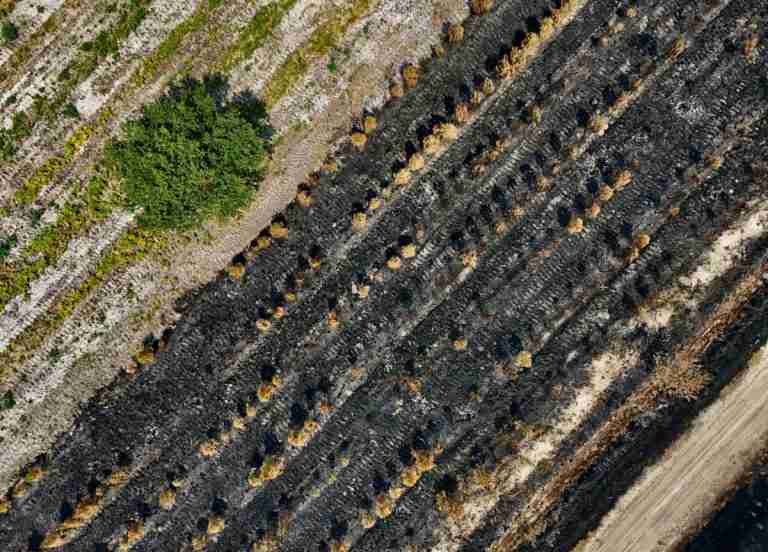
Highlighting the devastation wrought on the countryside and wildlife, Reuters drone footage from El Tiemblo, in Spain’s Avila province, showed charred deer carcasses in a forest burnt to ashes.
A Madrid resident who gave her name as Cintia was horrified by the scene in El Tiemblo, a place she has often visited.
“We used to bring food up for the animals,” she said. “And look where it is today.”
Additional reporting by Edward McAllister and Lefteris Papadimas in Athens, Leonardo Benassatto in La Vilavella, Guillermo Martinez in El Tiemblo, David Latona and Emma Pinedo in Madrid, Inti Landauro, Kate Abnett and Sudip Kar-Gupta in Brussels, Janis Laizans in Bordeaux; Writing by Ingrid Melander; Editing by Alison Williams and David Holmes
In a submission to Britain’s Competition and Markets Authority, the iPhone maker said proposed “steering” requirements would go beyond promoting competition and give the regulator a “highly intrusive” role in managing its business
International News via Reuters:
Apple said on Wednesday that proposed UK rules governing its App Store would amount to price regulation, arguing that plans to loosen its control over in-app payments could undermine innovation and investment.
In a submission to Britain’s Competition and Markets Authority, the iPhone maker said proposed “steering” requirements would go beyond promoting competition and give the regulator a “highly intrusive” role in managing its business.
The CMA’s consultation, which closed on Monday, is part of its efforts to boost competition and consumer choice. Its proposed measures would allow app developers to direct users to payment options outside Apple’s App Store and Google’s Play Store and require any fees charged for such steering to be fair and reasonable.
Apple said the App Store facilitated more than £46.5 billion ($61.8 billion) in UK billings and sales in 2025, with commissions accounting for less than 3.5% of the total. It added that there was no evidence changes to its payment model would lower prices for consumers.
“Under the (consultation), the CMA would not only regulate Apple’s prices, but also restrict the products and services for which Apple can charge a commission,” the company said in its submission.
Gene Burrus, global policy counsel for the Coalition for App Fairness, which has long campaigned for restrictions on Apple and Google app store practices, said Apple’s arguments overlooked the barriers developers face.
“Apple is using its position as the dominant platform gatekeeper to give itself unfair and unwarranted competitive advantages,” Burrus said.
Apple has previously said developers already have multiple ways to transact with users outside its platform.
The CMA consultation is part of Britain’s new digital markets regime, which gives the watchdog powers to impose tailored requirements on companies designated as having “strategic market status”.
Apple and Google were designated under the regime last year.
($1 = 0.7521 pounds)
Reporting by Sam Tabahriti. Editing by Mark Potter
Government will continue to investigate any credible sightings, but no physical evidence has been identified following searches of the Gibbs Hill area
Photo supplied to the Department of Environment and Natural Resources
Government of Bermuda press release:
The Ministry of Public Works and Environment advises that, following extensive investigations, no evidence has been found to indicate the presence of a rattlesnake in the reported search area.
Since the report was received on 26 June, officers from the Department of Environment and Natural Resources, the Bermuda Aquarium, Museum and Zoo, the Bermuda Police Service and specialist wildlife teams have conducted comprehensive searches of the Gibbs Hill area. These efforts included repeated field inspections and the deployment of trained rattlesnake detection dogs. No physical evidence, including a snake, shed skin, tracks or scent, was identified.
The Hon. Jache Adams, JP, MP, Minister of Public Works and Environment, said, “From the outset, Government’s priority has been the safety of the public and the protection of Bermuda’s environment. The reported sighting was considered credible and warranted a comprehensive response. Given the potentially serious consequences of a venomous invasive species, it was appropriate to take a precautionary approach while investigations were carried out. Government took the necessary steps to protect the public while the matter was thoroughly assessed.”
The search operation drew on local and overseas expertise and included a range of precautionary measures. Despite these efforts, no evidence was found to support the presence of a rattlesnake in the reported area.
While no evidence has been identified to date, the Department of Environment and Natural Resources will continue to monitor the situation and investigate any credible sightings or reports that may emerge. The Ministry remains committed to protecting public safety and responding promptly should new information become available.
The information received at the outset of the incident, together with all related findings, continues to be reviewed by the relevant agencies as part of the ongoing assessment.
The Minister added, “As Bermuda prepares to celebrate Cup Match, I encourage residents and visitors to enjoy the holiday, whether camping, spending time at our beaches, enjoying our parks or taking part in other outdoor activities. As always, the public should remain aware of their surroundings and report any unusual wildlife sightings to the Department of Environment and Natural Resources.”
The Ministry thanks the officers of the Department of Environment and Natural Resources, the Bermuda Aquarium, Museum and Zoo, the Bermuda Police Service, KEMH, the Bermuda Hospitals Board, the Ministry of Health, our overseas specialist partners, and members of the public for their assistance throughout this response.
It’s the Cup Match holiday weekend, and events are taking place across the island through Sunday. Whether you’re looking for live music, family-friendly activities, beach parties or cultural celebrations, there’s no shortage of ways to enjoy the long break.
Looking for something to do? Kendal Trott has a round-up of what’s happening over the coming days.
As Cup Match draws closer, islanders are putting the finishing touches on their holiday wardrobe. In part two of her Cup Match fashion story, Kendal Trott visits the Hamilton Princess Resort Shop and 27th Century Boutique, to find out more about this year’s most popular styles.
BMW’s severance programme, agreed between the company and the works council, targets the administration and development divisions, with production operations excluded
International News via Reuters:
BMW said on Wednesday it will cut several thousand jobs in Germany by the end of 2027 under a voluntary redundancy programme, the latest German carmaker to axe staff in response to squeezed profits and weak demand.
BMW’s severance programme, agreed between the company and the works council, targets the administration and development divisions, with production operations excluded, a company spokesperson said.
According to a person familiar with the matter, the total workforce is expected to shrink by around 8,000.
The Munich-based group currently employs about 150,000 people worldwide.
Volkswagen and Mercedes-Benz have already struck agreements to cuts tens of thousands of workers, as Germany’s automotive sector comes under pressure from the costly shift to electric vehicles, intense competition from China and U.S. tariffs.
On Monday, sports car maker Porsche, part of the Volkswagen Group, ramped up its restructuring to cut some 20% of staff by 2035.
Thousands of workers protested on Wednesday at the Neckarsulm plant of Audi, another Volkswagen brand. The site is one of four in Germany threatened with closure under Volkswagen’s restructuring plans.
BMW, formerly seen as a somewhat steady hand among its peers, cut its profit outlook in June for the current year, citing weaker-than-expected business in China, where vehicle sales have fallen sharply in recent months.
Chief Executive Milan Nedeljkovic subsequently said the automaker would accelerate and intensify ongoing cost-cutting efforts.
On Wednesday, the CEO told staff that the rules dictating industry had substantially changed and with it the foundation of BMW’s business model, according to a participant at a workers assembly in Munich.
Nedeljkovic warned of a challenging time ahead but said the measures were important to ensure BMW becomes more profitable, the source said.
BMW is scheduled to report its second-quarter earnings on Thursday.
Reporting by Christina Amann, writing by Miranda Murray, editing by Sabine Wollrab, Thomas Seythal and Louise Heavens
Successive governments have failed to reform adult social care, for which families can pay hundreds of thousands of pounds, after previous proposals were defeated by opposition parties who dubbed them a “dementia tax” or “death tax”
International News via Reuters:
British Prime Minister Andy Burnham pledged on Wednesday to take difficult decisions to overhaul England’s adult social care system, saying he wanted to work with other parties to end unfair high costs for users that he likened to U.S. healthcare.
Successive governments have failed to reform adult social care, for which families can pay hundreds of thousands of pounds, after previous proposals were defeated by opposition parties who dubbed them a “dementia tax” or “death tax”.
Burnham did not rule out tax rises to fund a new scheme and said that “scare stories” from newspaper headlines would not deter him from tackling a situation that will only get worse as the population ages.
“It’s a major dereliction of public duty that parliament has not faced up to this,” he told an audience at a care home in north London.
Asked if he could transform social care without raising taxes, he said that more was possible within existing resources, but some of the plans “will require difficult decisions.”
“We will be honest with people about those,” he said, adding that he would stick to a manifesto commitment not to raise certain personal taxes.
BURNHAM’S PERSONAL EXPERIENCE INSPIRES DRIVE FOR OVERHAUL
Burnham, who has seen a bounce in the governing Labour Party’s poll ratings since he became prime minister last week, cited his father’s experience of Alzheimer’s as one reason why he was determined to fix the system and correct the “shameful” political record on care.
“I think social care in England is as unfair as American healthcare,” he said. “The vulnerable pay with everything and it can completely leave them with nothing.”
To tackle the issue, he said he would expedite a review into the sector, develop a care workforce plan and engage with the opposition Conservative and Liberal Democrat parties to discuss the issue in the hope of reaching a national consensus.
Burnham said he was willing to stake political capital to overhaul the care system. He first tried, and failed, to reform social care funding as health minister in 2010, and said he had learned lessons from that episode.
Unlike the National Health Service, which is free at the point of use, care homes are run by a range of providers, from large chains owned by international private equity groups to smaller family-owned businesses, charities and local government.
He said a national care service which was integrated into the health service in England would alleviate the pressures on both. Health and social care policy is devolved to the governments in Scotland, Wales and Northern Ireland.
He also suggested he would tackle profiteering in the care sector, aided by unnecessary and dangerous cost-cutting, which he said was “fundamentally unacceptable”.
Depending on the level of medical need and location, residents pay about £1,400 ($1,900) a week privately, while local authorities are charged around £1,000 for similar care. How much the resident pays, and how much the state contributes, is determined by a person’s level of wealth.
Sarah Woolnough, chief executive of the King’s Fund health think-tank, said one in seven older people were now expected to pay more than £100,000 in lifetime care costs and there had been “a decades-long failure to act, with attempts to fix the system now resting in Westminster’s graveyard of good intentions.”
“This is the moment to seize the opportunity and show what social care can do to improve people’s lives, whilst also relieving the burden of this broken system on the NHS,” she said.
($1 = 0.7518 pounds)
Reporting by Alistair Smout, Muvija M and David Milliken; Editing by Alex Richardson, Andrei Khalip and Hugh Lawson
The blue-chip FTSE 100 index closed up 0.34% at 10,908.41 points
International News via Reuters:
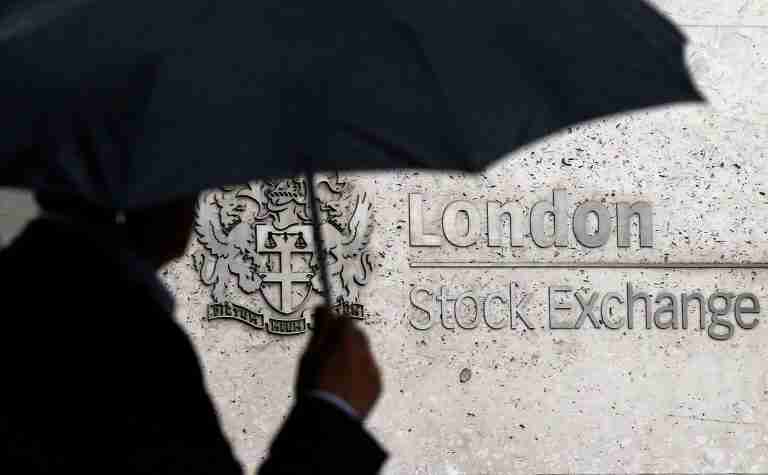
London’s FTSE 100 touched an intraday record high on Wednesday, driven by a surge in oil stocks following renewed conflict in the Middle East, while investors awaited interest rate decisions from the Federal Reserve and the Bank of England.
The blue-chip FTSE 100 index closed up 0.34% at 10,908.41 points. It made a new peak of 10,951.06 points earlier in the session.
The midcap FTSE 250 inched down 0.03% to 23,996.81 points.
• Energy stocks jumped 2.9% as oil prices rose nearly 7% as major airstrikes resumed in the Middle East and dashed hopes for an imminent end to the U.S.-Israeli war with Iran. [O/R]
• The Federal Reserve is seen as more likely to leave interest rates steady at 1800 GMT on Wednesday, though a growing number of its policymakers fret openly about inflation and the outcome is uncertain because of the no-guidance regime adopted by U.S. central bank chief Kevin Warsh.
• The Bank of England is due to announce its decision on Thursday, when it is widely expected to keep interest rates steady.
• In a busy earnings day, Standard Chartered climbed 2.8% after the bank posted a forecast-beating first-half profit and lifted its full-year income target.
• Glencore climbed 2.8% after the miner reported a 15% increase in first-half copper production, while Rio Tinto gained 1.6% after reporting a 43% jump in half-year underlying earnings.
• Greggs rallied 18.5% to the top of the midcap index after Britain’s biggest fast-food chain reported a 20% rise in first-half profit.
• Aberdeen Group fell 4.5%, making it the worst performer in the blue-chip index, after the asset manager reported first-half net outflows of £3 billion ($4 billion).
Reporting by Tharuniyaa Lakshmi and Sruthi Shankar in Bengaluru; Editing by Vijay Kishore and Alison Williams
In a busy day for bank results, Standard Chartered also delivered forecast-surpassing numbers and lifted its full-year income target on the back of surging revenue in wealth and global banking
International News via Reuters:
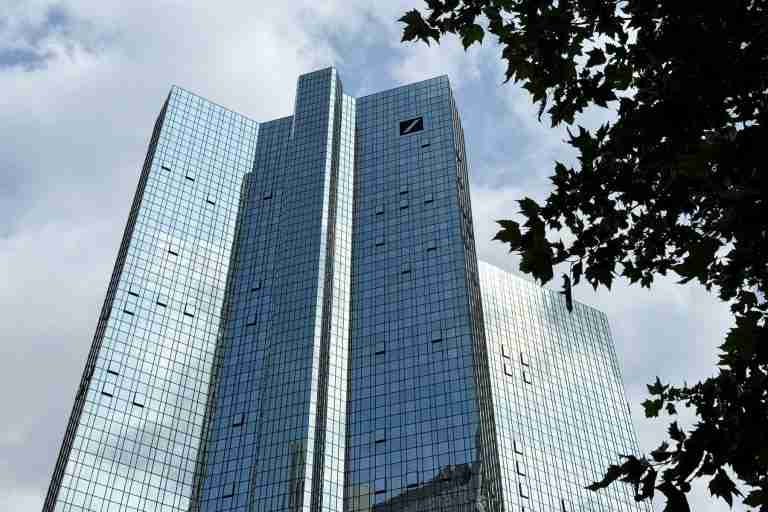
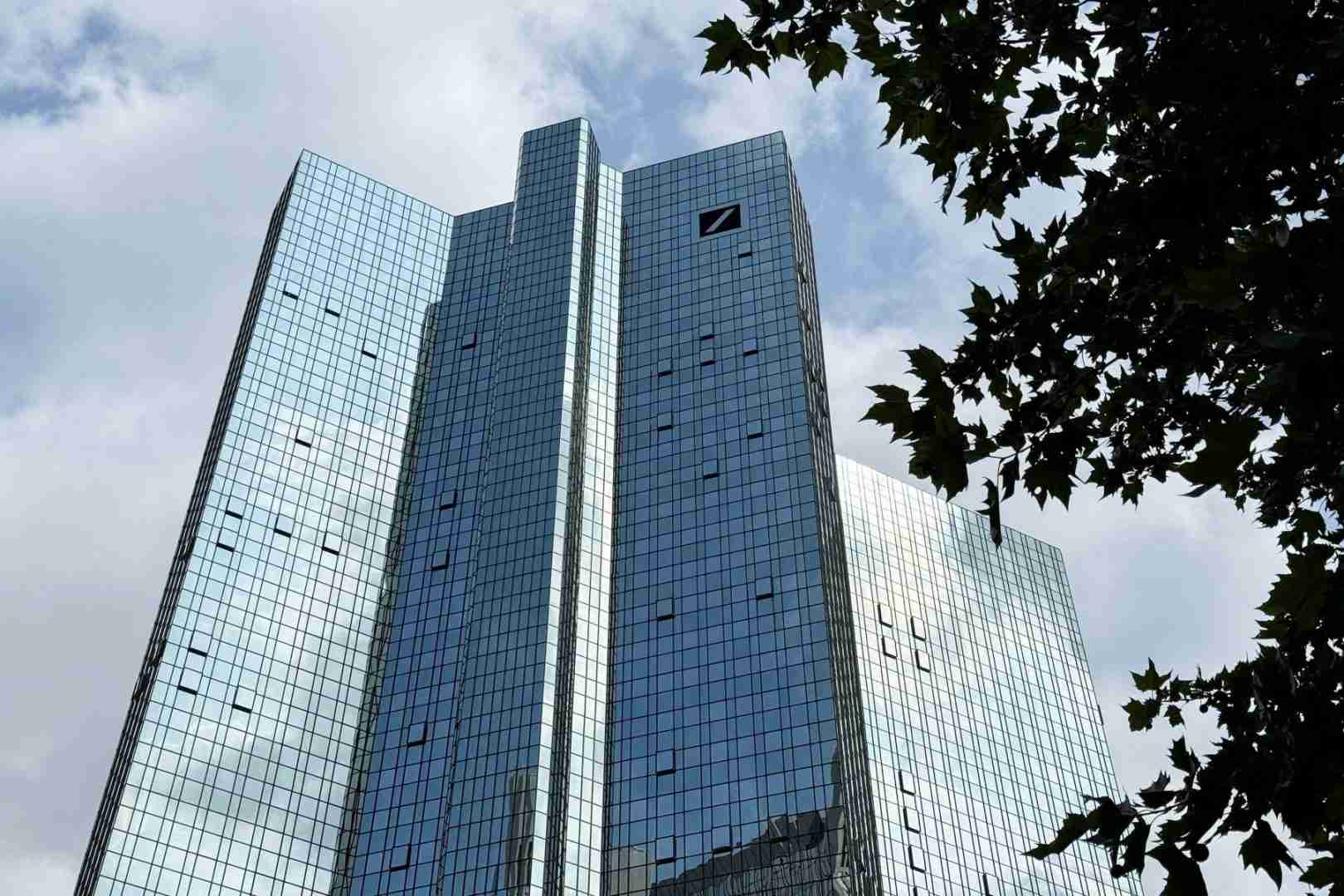
Deutsche Bank and UBS beat forecasts again with second-quarter earnings on Wednesday, buoyed by a surge in trading activity and strong retail business as Europe’s lenders extend a more than two-year-long recovery.
In a busy day for bank results, Standard Chartered also delivered forecast-surpassing numbers and lifted its full-year income target on the back of surging revenue in wealth and global banking.
European banks have enjoyed a remarkable resurgence in the past 2-1/2 years after more than a decade of rock-bottom interest rates and concerns about euro zone government debt, which soured investor sentiment towards their stocks.
The sector is now one of the best performing in Europe, with the STOXX Europe Banks index at its highest since late 2007 and up 143% since early 2024, as higher rates boost interest income and loan demand swells despite continued weakness of the region’s economy.
Germany’s biggest bank reported a 10% jump in second-quarter profit, defying expectations for a drop, as strength at Deutsche’s global investment banking division offset a rise in expenses.
Some of its competitors reported stronger gains thanks to a trading boom in the wake of the Iran war and blockbuster initial public offerings.
Still, Wednesday’s results extend a nearly uninterrupted return to quarterly profit over recent years, as CEO Christian Sewing stabilised one of the world’s most significant banks. Revenue growth during the second quarter at Deutsche’s fixed income and currencies division even surpassed Wall Street rivals. JPMorgan analysts called the results “strong across the board”, and shares rose 2%.
UBS booked a 17% jump in second-quarter profit that also beat expectations, and said it planned to buy back shares worth $3 billion by the middle of next year.
Switzerland’s biggest bank, which is waiting for clarity on new capital rules that could shape its future, said that amid robust broad-based growth its trading division delivered record second-quarter revenue.
“While the year is not over, we are close to achieving the same level of profitability UBS had prior to the acquisition,” CEO Sergio Ermotti said, referring to UBS’ 2023 emergency takeover of local rival Credit Suisse.
EXPECTATIONS HIGH, VALUATIONS STILL LOW
In some cases, investors look beyond headline figures.
Britain’s Barclays reported a 17% rise in first-half profit on Tuesday, better than expected, but shares dropped as analysts said its equities performance undershot market expectations while costs came in higher.
France’s BNP Paribas last week also beat forecasts with a 33% year-on-year profit rise in the second quarter.
Domestically focused retail lenders, such as Britain’s NatWest, Italy’s Intesa Sanpaolo and Spain’s CaixaBank have also seen their shares recover dramatically.
Despite their sustained rally, European lenders are worth a fraction of their Wall Street rivals. JPMorgan is closing in on a $1 trillion valuation, while the most valuable European lenders today are HSBC and Santander, worth £266 billion ($353 billion) and €180 billion ($205 billion) respectively. European banks remain valued far below U.S. lenders, based on a price-to-book value — a common measure of valuing banks.
The region’s lenders are also constrained by regulation and political resistance to cross-border consolidation, analysts say. While some central bankers say such deals are needed for European banks to compete globally, UniCredit’s nearly two-year pursuit of Commerzbank demonstrates the difficulty.
The euro zone economy’s subdued growth and its vulnerability to the fallout from conflict in the Middle East remain concerns for European lenders, despite little sign of rising bad loans or provisioning yet.
Marina Zavolock, chief European equity strategist at Morgan Stanley, said that higher inflation on the back of rising energy prices could benefit European banks, through higher interest rates.
The appeal for investors is also partly the low base from which European banks have recovered. Lombard Odier analysts said in a note this month that although European banks were benefiting less from capital market activity than U.S. rivals, the outlook remained favourable with a stable economic backdrop and rates rising again.
“We think that improving returns on equity are not yet reflected in valuations for European banks,” they said.
($1 = 0.8779 euros)
($1 = 0.7527 pounds)
Reporting by Tom Sims, Ariane Luthi, Tommy Reggiori Wilkes; Additional reporting by Lawrence White and Jesus AguadoEditing by Tomasz Janowski
To provide the best experiences, we use technologies like cookies to store and/or access device information. Consenting to these technologies will allow us to process data such as browsing behavior or unique IDs on this site. Not consenting or withdrawing consent, may adversely affect certain features and functions.
Functional
Always active
The technical storage or access is strictly necessary for the legitimate purpose of enabling the use of a specific service explicitly requested by the subscriber or user, or for the sole purpose of carrying out the transmission of a communication over an electronic communications network.
Preferences
The technical storage or access is necessary for the legitimate purpose of storing preferences that are not requested by the subscriber or user.
Statistics
The technical storage or access that is used exclusively for statistical purposes.The technical storage or access that is used exclusively for anonymous statistical purposes. Without a subpoena, voluntary compliance on the part of your Internet Service Provider, or additional records from a third party, information stored or retrieved for this purpose alone cannot usually be used to identify you.
Marketing
The technical storage or access is required to create user profiles to send advertising, or to track the user on a website or across several websites for similar marketing purposes.